Qué está sintiendo
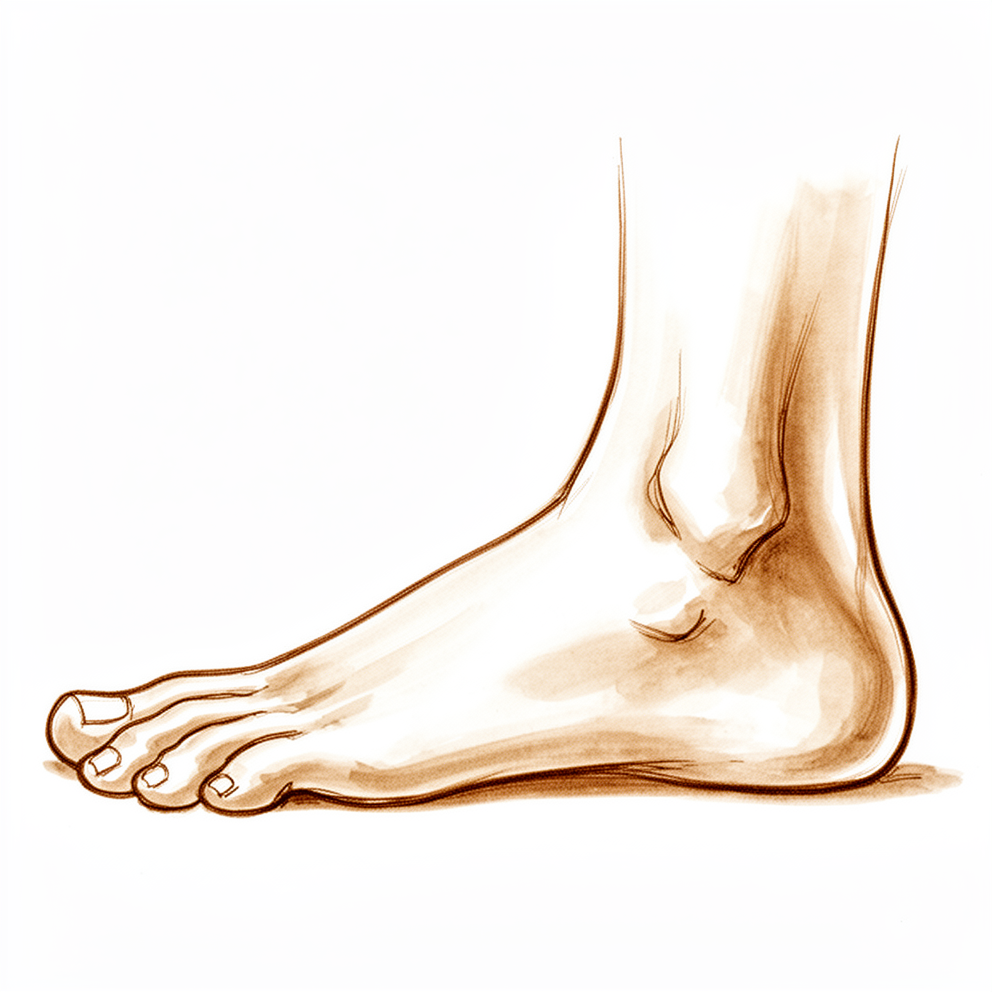
Una úlcera en el pie diabético suele aparecer donde el zapato o el calcetín ejercen fricción, a menudo debajo de la parte anterior del pie, en un dedo doblado o en el lateral de una protuberancia ósea. Dado que la diabetes puede disminuir la sensibilidad en los pies, el primer signo a menudo no es el dolor en absoluto. Puede tratarse de una ampolla, una grieta entre los dedos, un callo que se vuelve oscuro o líquido en el calcetín. Cuando aparece el dolor, suele localizarse debajo de la úlcera; empeora al estar de pie o caminar, y disminuye al descansar.
Varios factores actúan conjuntamente para provocar esto. El daño nervioso puede hacer que los dedos se curven hacia abajo como garras y tensar el tendón situado en la parte posterior del tobillo, lo que desplaza presión adicional a la parte anterior del pie. La piel seca y agrietada, producto de la disminución de la sudoración, permite la entrada de bacterias. El estrechamiento de los vasos sanguíneos por debajo de la rodilla reduce el flujo sanguíneo hacia la herida, impidiendo su cicatrización. Estos problemas son más frecuentes si padece diabetes desde hace más de una década o si su nivel de azúcar en sangre ha sido difícil de controlar.
Los cambios en la vida cotidiana son sutiles: quizás cada mañana revise su calcetín en busca de líquido, o elija zapatos planos y espaciosos, ya que cualquier calzado ajustado irrita la zona afectada. Pasear al perro, permanecer de pie junto a la estufa o ir de compras se convierten en actividades que debe planificar con cuidado. Algunas personas notan hinchazón, calor y enrojecimiento en el pie, el cual puede ir cambiando de forma gradual. Si se produce una infección, es posible que sienta fiebre o temblores, y el control del azúcar en sangre se vuelve más complicado. En ocasiones, una infección profunda es el primer indicio de que alguien padece diabetes.
Si las articulaciones del medio del pie se deterioran, se produce una afección llamada artropatía de Charcot; el pie se vuelve rojo, caliente e hinchado, y puede parecer infectado aunque no lo esté. En hasta el 50 % de los casos hay dolor, por lo que un pie sin dolor pero caliente e hinchado también requiere evaluación.
¿Qué está ocurriendo realmente?
Una úlcera en el pie no es simplemente una zona dolorida. Es el resultado de varios cambios graduales que la diabetes provoca en los pies; comprenderlos ayuda a explicar por qué la úlcera aparece precisamente en ese lugar.
El primer cambio se produce en los nervios. Con el tiempo, el nivel elevado de glucosa en sangre daña los nervios que transmiten las sensaciones desde los pies al cerebro. Imaginemos el cableado de una casa: si el timbre de alarma se desconecta, nunca lo oiremos sonar. Cuando los nervios de los pies dejan de enviar señales, la persona no percibe la presencia de una piedra dentro del zapato, la formación de una ampolla o el roce constante de un callo. Esta pérdida de sensibilidad se denomina pérdida de sensación protectora y es la causa más frecuente del inicio de estas úlceras. También pueden verse afectados los nervios que regulan la sudoración; por ello, la piel se seca y agrieta, facilitando la entrada de bacterias.
El segundo cambio afecta a la forma y la mecánica del pie. Los músculos pequeños del interior del pie se debilitan, mientras que los músculos más fuertes de la parte externa siguen ejerciendo tracción. El resultado es que los dedos se curvan hacia abajo como garras y el tendón situado en la parte posterior del tobillo se tensa. Esto desplaza el peso corporal hacia la parte anterior del pie, de modo que esa zona soporta una presión constante al estar de pie. La presión bajo el pie puede alcanzar los 400 kPa; al no existir la señal de alarma que es el dolor, dicha presión nunca disminuye. Con el tiempo, la piel cede bajo esa carga y se produce la úlcera.
El tercer cambio tiene que ver con la circulación sanguínea y las defensas del organismo. La diabetes estrecha los vasos sanguíneos de tamaño medio por debajo de la rodilla, por lo que menos sangre llega a la zona de la herida. La sangre aporta el oxígeno y los elementos necesarios para la cicatrización; por eso, cuando la circulación es deficiente, la curación se ralentiza o se detiene. Además, el nivel elevado de glucosa debilita el sistema inmunitario y puede atenuar los signos habituales de infección, como enrojecimiento, calor y supuración. Por este motivo, una úlcera infectada puede parecer aparentemente tranquila en la superficie, mientras que la infección avanza en profundidad.
Ninguno de estos cambios puede revertirse por completo una vez que se han producido. Lo que sí se puede hacer es aliviar la presión sobre la úlcera, mejorar la circulación en la medida de lo posible, tratar la infección y proteger el resto del pie para evitar que ocurra lo mismo.
Qué podemos hacer al respecto
El primer paso consiste en reducir la presión sobre la úlcera para que pueda cerrarse. Esto se denomina “descarga de presión”, y consiste en distribuir el peso corporal sobre una zona más amplia del pie. Entre las opciones se incluyen zapatos especiales para la cicatrización, plantillas personalizadas o un yeso de contacto total, un molde ajustado que protege el pie mientras el paciente camina. El yeso se cambia cada 2 a 4 semanas hasta que desaparecen el enrojecimiento y la hinchazón, y la temperatura del pie se iguala a la del otro pie. Una férula ortopédica para caminar es una alternativa más fácil de quitar, aunque si la forma del pie ha cambiado considerablemente puede resultar difícil de usar. Los apósitos mantienen la herida húmeda, absorben los líquidos y previenen infecciones. Además, enseñamos a realizar controles diarios del pie, el cuidado seguro de uñas y callos, y cómo elegir calzado que no cause fricción. Los zapatos terapéuticos con plantillas acolchadas protegen los pies una vez que la úlcera ha sanado. El cuidado brindado por un equipo que puede incluir a su médico de cabecera, un educador en diabetes, un podólogo y un especialista vascular es fundamental: este tipo de programas de cuidado del pie, combinados con la educación del paciente, pueden reducir las tasas de amputación de extremidades inferiores entre un 45 % y un 60 %. Algunas heridas también responden a tratamientos adicionales, como la terapia con ondas de choque combinada con el tratamiento estándar; este enfoque logró el cierre total de la herida en el 53,33 % de los casos, frente al 33,33 % cuando se aplicó solo el tratamiento estándar, con un tiempo de cicatrización de 60,8 días frente a 82,2 días.
Si la infección ha alcanzado el hueso, una afección conocida como osteomielitis, o si se ha formado un absceso, la cirugía pasa a formar parte del plan terapéutico. Por lo general, esto comienza con la limpieza del tejido infectado, llamada desbridamiento, y con antibióticos adaptados a las bacterias detectadas. En ocasiones es necesario recortar hueso que ejerza presión sobre la herida, alargar un tendón tenso en la parte posterior del tobillo o enderezar un dedo del pie curvado. En casos de heridas graves, se puede emplear un sistema de distensión cutánea o terapia de presión negativa, que utiliza una succión suave para favorecer el cierre de la herida. Cuando el pie se vuelve inestable o no puede mantenerse estable con férulas, la cirugía permite realinear y fusionar las articulaciones para obtener un pie estable y apto para la marcha. En algunos casos, resulta necesaria la amputación de parte del pie; en esas situaciones, lo discutimos detalladamente con usted.
Qué esperar
Una úlcera del pie diabético puede cicatrizar, pero rara vez lo hace rápidamente y rara vez por sí sola. La cicatrización depende de cinco factores: un nivel de azúcar en sangre controlado, la eliminación de la presión sobre la herida, un adecuado flujo sanguíneo al pie, la ausencia de infección y una buena nutrición. Si falta cualquiera de estos elementos, la úlcera tiende a permanecer igual o a reaparecer en lugar de cerrarse.
Con tratamiento, el proceso suele durar semanas o meses, no días. En cada cambio de vendaje o yeso se examina y limpia la herida; además, se realizan radiografías cada 4 a 6 semanas para vigilar el estado de los huesos. Estos plazos le dan una idea del ritmo de curación, incluso con un tratamiento activo.
Es justo explicar qué ocurre si no se trata la úlcera. La infección puede extenderse al hueso, y las úlceras del pie diabético son responsables de aproximadamente el 85 % de las amputaciones de extremidades inferiores en personas con diabetes. Si finalmente es necesario amputar parte del pie, el pronóstico varía: tras un tipo específico de amputación del mediopié, el 94 % de los pacientes presentaron complicaciones en la herida y solo el 44 % logró caminar con prótesis. Tras una amputación por debajo de la rodilla, un tercio de los pacientes no sobrevive los dos primeros años; además, alrededor del 30 % de los amputados pierde la otra pierna en un plazo de 3 años. Estas cifras explican por qué su equipo médico insiste tanto en la descarga de presión, la circulación y el control de infecciones antes de que la situación empeore.
Una vez que la úlcera se cierra, el trabajo no ha terminado. El mismo lugar puede volver a dañarse, por lo que el uso de calzado terapéutico con plantillas acolchadas y controles regulares del pie pasan a ser parte de su rutina. En resumen: la herida se cierra con cuidados constantes, pero a partir de entonces deberá proteger sus pies de por vida para mantenerla cerrada.
¿Cuándo consultar a un especialista?
Acuda a su médico de cabecera si nota cualquier ruptura en la piel del pie que no se cierra en unos pocos días, una ampolla, grieta o callo que parece más oscuro o que segrega líquido, o una zona que se sigue frotando siempre en el mismo lugar. Solicite una evaluación especializada si no siente en absoluto la zona afectada, si la herida es más profunda que la piel, o si se observa hueso o tendón en ella. Diríjase a urgencias si tiene fiebre, escalofríos o temblores; si el enrojecimiento o la hinchazón se extienden por el pie o la pierna; si el pie está caliente, rojo e hinchado sin que haya ninguna lesión que lo explique; o si de repente le resulta difícil controlar el nivel de azúcar en sangre. Estos síntomas pueden indicar una infección profunda o un absceso, por lo que requieren evaluación el mismo día en lugar de una simple consulta con el médico de cabecera.
Evidence & references
This is the clinical evidence summary written for health professionals. It is technical, and it lists the research this page was built from. You do not need to read it to understand your treatment or to make a decision about it.
Overview
Epidemiology and Impact
- Diabetic foot ulceration affects approximately 12% of patients with diabetes [1].
- Diabetic foot ulcers are responsible for approximately 85% of lower extremity amputations in patients with diabetes mellitus [1].
- Diabetic foot ulceration is the most common medical complication for which patients with diabetes seek treatment [1].
- More than 80,000 diabetes-related amputations of the lower extremity are performed in the United States each year [22].
- Approximately 40% of non-trauma related amputations in British hospitals are for complications of diabetes [2].
- Approximately 30% of amputees undergo amputation of the contralateral limb within 3 years [22].
- The 5-year mortality rate after amputation of a leg is approximately 66% [22].
- Multidisciplinary foot care programs, along with comprehensive patient education, can reduce lower extremity amputation rates by as much as 45% to 60% [22].
Risk Factors and Pathophysiology
- Factors associated with the inability of a diabetic foot ulcer to heal include persistently uncontrolled hyperglycemia, inability to unload the affected area effectively, diminished circulation, infection, and poor nutrition [1].
- Problems with the diabetic foot are more common in patients who have been diagnosed as diabetic for more than a decade or who have poor glycaemic control [2].
- Atherosclerosis in the diabetic foot affects mainly the medium-sized vessels below the knee [2].
- Motor neuropathy leads to claw toes and high arches, which predispose to plantar ulceration [2].
- Neuropathic joint disease (Charcot joints) occurs in less than 1% of diabetic patients [2].
- The midtarsal joints are the most commonly affected joints in diabetic neuropathic joint disease, followed by the metatarsophalangeal and ankle joints [2].
- Uncontrolled diabetes reduces immunity, and in combination with peripheral neuropathy and ischaemia, increases the risk of infection after minor trauma [2].
- Loss of bone density in diabetes may be severe enough to result in insufficiency fractures around the ankle or in the metatarsals [2].
- Sensory neuropathy is the most prevalent nerve dysfunction in diabetes, affecting as many as 70% of patients [7].
- The critical triad of sensory neuropathy, trauma, and foot deformity was present in 63% of patients with lower extremity ulcers in one study [7].
- Pain is associated with 25% to 33% of diabetic neuropathies [7].
- Autonomic neuropathy causes sweat gland dysfunction, allowing the skin to dry out and crack, which allows the ingress of microbes [7].
- Standing foot pressure can be as high as 400 kPa, necessitating fine regulation of blood vessels to ensure adequate oxygenation of tissues [7].
Microbiology
- Diabetic foot infections are usually polymicrobial [1].
- The most common pathogens in diabetic foot infections are aerobic gram-positive cocci, especially Staphylococcus aureus [1].
- Gram-negative rods may be present in patients with chronic wounds or those recently treated with antibiotics [1].
- Obligate anaerobic pathogens may cause infection in patients with foot ischemia or gangrene [1].
- Deep cultures and bacterial biopsy are sometimes necessary to make a diagnosis of diabetic foot infection [1].
Evaluation and Diagnosis
- A comprehensive evaluation of the diabetic foot should include assessment of tobacco use, prior treatments, medical comorbidities, and Achilles tendon tightness [1].
- More than 60% of diabetic ulcers have diminished blood flow secondary to peripheral vascular disease [1].
- An ankle-brachial index (ABI) of at least 0.45 and toe pressures greater than 40 mm Hg are necessary to heal an ulcer in the diabetic foot [1].
- Transcutaneous oxygen measurement greater than 30 mm Hg indicates that blood flow is adequate for healing [1].
- The Wagner ulcer classification system and the Brodsky depth-ischemia classification are commonly used for ulcer classification [1].
- Key features of the physical examination for ulcer evaluation include depth of ulcer, presence of infection, nonviable tissue (gangrene), and pressure at the location of the ulcer [1].
- Weight-bearing AP, lateral, and oblique radiographs of the foot and ankle are obtained for imaging evaluation [1].
- Nuclear studies using technetium Tc-99m, gallium Ga-67, or indium In-111 may help differentiate between soft-tissue infection and osteomyelitis, Charcot arthropathy, or a combination of both [1].
- MRI may not distinguish between Charcot arthropathy and infection with high specificity [1].
- MRI can detect osteomyelitis quite early, well before radiographic abnormalities are visible [20].
- The sensitivity of MRI for osteomyelitis approaches 100%, but the reported specificity is less [20].
- In neuropathic patients, the specificity of MR signal abnormalities is reduced [20].
- Normal MRI marrow signal confidently excludes osteomyelitis [20].
- Osteomyelitis is present in 67% of ulcers that can be probed to bone [1].
Treatment Principles
- Sharp débridement of necrotic tissue down to a clean tissue base often results in healing [1].
- Wound dressings should provide a moist environment, absorb exudates, act as a barrier, off-load pressure, and occasionally provide antibiosis [1].
- Total contact casting (TCC) is the benchmark for off-loading plantar ulcerations [1].
- Patients with grade 3 or higher ulcers should undergo incision and drainage and antibiotic therapy, with wound improvement before TCC application [1].
- TCC casts should be changed every 2 to 4 weeks until erythema and edema have resolved and the temperature of the affected limb has decreased and becomes similar to that of the contralateral limb [1].
- Radiographs should be repeated every 4 to 6 weeks during TCC treatment, or more often if an acute change occurs [1].
- A prefabricated pneumatic walking brace can be used as an alternative to TCC to reduce forefoot and midfoot plantar pressure [1].
- Severe foot deformity makes using a pneumatic walking brace difficult, and patient compliance may be suboptimal [1].
- Drainage of deep infections is often necessary to prevent tissue necrosis, rid the area of infection, and achieve wound healing without tension [1].
- Ostectomy or realignment arthrodesis may be needed to remove the internal pressure caused by bony prominences [1].
- Achilles tendon lengthening can help reduce plantar forefoot pressure [1].
- Before antibiotic treatment is begun for osteomyelitis, specimens for culture should be obtained by biopsy, ulcer curettage, or aspiration, rather than by wound swab [1].
- Dry gangrene of the toe can be left to demarcate before amputation [2].
- Wet gangrene and infection may call for immediate amputation [2].
- Arthrodesis for neuropathic joint disease has a very poor union rate [2].
- 'Containment' of neuropathic joint disease in a weight-relieving orthosis may be the best option [2].
- No proven method exists to reverse peripheral neuropathy associated with diabetes [7].
- Medications from the gabapentin lineage, antidepressant medications, and topical anesthetics have been shown to relieve neuropathic pain to varied degrees [7].
Anatomy & Pathophysiology
Epidemiology and Risk
- Diabetic foot ulcers affect approximately 12% of patients with diabetes [1].
- A diabetic patient has a lifetime risk of developing a diabetic foot ulcer of 15%, with an annual incidence of 2% [10].
- In 2010, there were 73,000 nontraumatic lower-limb amputations performed in adults aged 20 years and older with a diagnosis of diabetes [10].
- Up to 25% of the annual expenditures on diabetic care are due directly to foot ulcers and their complications, including infection and amputation [10].
- Diabetics who have previously had a foot ulcer or infection, or have undergone a partial or whole foot amputation, are at the greatest risk for developing a foot ulcer or foot infection [23].
- Risk factors for those who have never had a foot ulcer or infection include peripheral neuropathy, peripheral vascular disease, and bony deformity [23].
- Diabetic foot ulcers are most likely to occur secondary to external shearing forces, most commonly footwear, to skin overlying bony prominences [23].
Neuropathy
- Diabetic neuropathy manifests in the somatic and/or autonomic parts of the peripheral nervous system [7].
- Of all patients with diabetes mellitus, 10% have some form of sensory, motor, or autonomic dysfunction at the time of diagnosis [7].
- Neuropathy develops in 50% of patients with diabetes within 25 years of diagnosis [7].
- Sensory neuropathy is the most prevalent nerve dysfunction seen in patients with diabetes, affecting as many as 70% [7].
- The critical triad of sensory neuropathy, trauma, and foot deformity was present in 63% of patients with lower extremity ulcers [7].
- Sensory disturbances show a length-related pattern with stocking and glove distribution due to a “dying-back” distal axonopathy [7].
- Protective sensation is indicated by the ability to perceive a 5.07 (10 g) Semmes-Weinstein monofilament applied perpendicular to the skin [7].
- Loss of protective sensation (inability to perceive the 5.07 Semmes-Weinstein monofilament) is the most common cause of plantar foot ulcers [4, 5].
- Loss of protective sensation is associated with a 30% risk of development of an ulcer [4, 5].
- Motor neuropathy leads to the development of claw toes from intrinsic muscle weakness and equinus contracture of the Achilles tendon [7].
- Claw toes occur because of the dysfunction of intrinsic muscles that cause hyperextension of the metatarsophalangeal joints and flexion of the proximal and distal interphalangeal joints [7].
- Achilles tendon contracture displaces excessive pressure to the front of the foot, resulting in increased risk of ulceration [7].
- Autonomic neuropathy occurs when the autonomic system cannot control the blood vessel tone and the sweat (eccrine and apocrine) glands in the foot [7].
- Sweat gland dysfunction allows the skin to dry out and crack, thus allowing the ingress of microbes [7].
- Standing foot pressure can be as high as 400 kPa, which necessitates fine regulation of the blood vessels to ensure adequate oxygenation of tissues and avoid local anoxia [7].
- Studies have estimated that as many as 65% of people with type 1 or 2 diabetes have evidence of peripheral neuropathy [21].
- The presence of peripheral neuropathy is the most predictive factor for the development of diabetic foot ulcers [21].
- Neuropathy is an independent predictor of ulcers [21].
- The length of time a patient has had diabetes and the level of metabolic control are the main predictors for the development, progression, and extent of neuropathy [21].
- Weak intrinsic muscles become overpowered by stronger extrinsic muscles, leading to development of hammer toes, claw toes, and distal migration of the fat pad [21].
- Muscle contractures of the gastrosoleus complex increase the force load transmitted to the forefoot [21].
- The loss of protective sensation blunts the patient’s awareness of something being wrong and delays the request for care because of the absence of pain [21].
Vascular Pathophysiology
- Peripheral vascular disease is present in 60% to 70% of patients who have had diabetes for more than 10 years [4, 5].
- Atherosclerosis affects mainly the medium-sized vessels below the knee in patients with peripheral vascular disease [2].
- Diabetic patients with peripheral arterial disease are nine times more likely to develop a foot ulcer [21].
- Hyperglycemia can damage vascular endothelium, which is a precursor to atherosclerosis and leads to diminished extremity blood flow and limited healing potential [11].
- An ABI of at least 0.45 and toe pressures greater than 40 mm Hg are necessary to heal an ulcer in the diabetic foot [1].
- Transcutaneous oxygen values for the toes greater than 40 mm Hg have been found to be predictive of healing [4, 5].
- Peripheral vascular disease can lead to falsely elevated ankle brachial indices [4, 5].
Metabolic and Tissue Changes
- No single etiologic pathway has been confirmed as responsible for all diabetic neuropathy [7].
- Metabolic factors (glycosylation of proteins, reduced availability of nerve growth factors, and immunologic factors) combined with a microvascular insufficiency likely result in the final common pathway of neuropathic changes [7].
- With high levels of blood glucose, hemoglobin and proteins become glycosylated and form end products that precipitate in the walls of small peripheral vessels and nerve tissue [21].
- Diabetic patients have glycation of the arterial vessel walls, thickening of the basement membranes, and reduced endothelial nitric oxide activity [21].
- Metabolic causes of neuropathy include accumulation of sorbitol, enzyme deficiencies, and increased oxygen-free radical activity [21].
- A histologic examination of the plantar skin of diabetic patients showed significantly thicker elastic septae and dermal layers compared to nondiabetic patients [21].
- Ultrasound examinations of Achilles tendons have shown disorganized tendon fibers and calcification in 75% of diabetic patients without foot problems [21].
- Peak midfoot joint pressures in diabetic cadaver feet during simulated walking were 46% higher in the first metatarsocuneiform, medial and middle naviculocuneiform, and the first intercuneiform joints compared to nondiabetic specimens [21].
- Glucose covalently binds to lysine in proteins in a reversible process, changing the flexibility of tissues such as skin and making them less able to handle sheer stresses [11].
- Elevated blood glucose levels over a long period lead to glycation of the body’s proteins, commonly measured by hemoglobin A1c [11].
- Diabetes impairs the immune system because of alterations in the chemotaxis abilities of polymorphonuclear cells and cell wall abnormalities that make patients susceptible to secondary infections [21].
Charcot Arthropathy Pathophysiology
- Up to 7.5% of patients with diabetes and neuropathy have Charcot arthropathy of the foot and ankle [14].
- Of patients with Charcot arthropathy, 9% to 35% have bilateral involvement [14].
- The neurotraumatic theory attributes bony destruction in Charcot foot to the loss of pain sensation and proprioception, combined with repetitive and mechanical trauma to the foot [14].
- The neurovascular theory suggests that joint destruction in Charcot foot is secondary to an autonomic stimulated vascular reflex causing hyperemia and periarticular osteopenia with contributory trauma [14].
- Trauma initiates a cytokine-mediated inflammatory process in patients with long-standing peripheral neuropathy, characterized by acute and chronic inflammation, osteoclastic bone resorption, and mechanical bony failure [41].
- TNF-alpha and IL-1B lead to increased levels of NF-KB, which is responsible for increased osteoclast production and loss of bone [4, 5].
- Motor imbalance between relatively weakened ankle dorsiflexors and overpowering plantar flexors leads to a relative dynamic ankle equinus loading during terminal stance phase of gait [41].
- Loading of prepositioned dynamic equinus osteoporotic bone creates a bending moment akin to a “stress fracture” [41].
- Autonomic peripheral neuropathy is expressed as loss of autonomic vascular tone, with resulting venous swelling [41].
- Swollen tissues have less resistance to repetitive trauma, making tissue breakdown overlying bony deformity more likely [41].
- The midtarsal joints are the most commonly affected in neuropathic joint disease, followed by the MTP and ankle joints [2].
- Neuropathic joint disease occurs in less than 1% of diabetic patients [2].
- Diabetes is the commonest cause of a neuropathic joint in Europe and North America [2].
Infection Pathophysiology
- Diabetic infections are usually polymicrobial [1].
- Infections in the diabetic foot or ankle are either isolated soft tissue infections (cellulitis or abscess) or osteomyelitis [19].
- Hematogenous spread of infection into the foot or ankle is rare [19].
Classification
Ulcer Depth and Severity
- The Wagner ulcer classification system is a commonly used tool for classifying diabetic foot ulcers [1].
- The Brodsky depth-ischemia classification is a commonly used system for classifying diabetic foot ulcers [1].
- The Meggitt-Wagner grading system is a validated tool used to risk stratify and determine treatment strategy for diabetic foot ulcers [8].
- Wagner grade 0 patients are defined as having had a previous foot ulcer or infection or being "at risk" to develop an ulcer or infection [8].
- Wagner grade I is defined as a superficial ulcer [8].
- Wagner grade II is defined as a deep wound without abscess or bony involvement [8].
- Wagner grade III ulcers are defined by the presence of an abscess or osteomyelitis [8].
- Depth grade 0 ulcers are managed with an extra-depth shoe and pressure relief insoles [4].
- Depth grade 1 ulcers are characterized by no bony involvement and superficial depth [4].
- Depth grade 2 ulcers are characterized by deep ulceration with soft tissue exposure [4].
- Depth grade 3 ulcers are characterized by extensive ulceration with osteomyelitis, abscess, or exposed bone [4].
Ischemia and Vascular Status
- The Brodsky classification includes an ischemia-based grading system [1].
- Ischemia grade A is defined as normal vascularity [4].
- Ischemia grade B is defined as ischemia without gangrene [4].
- Ischemia grade C is defined as partial forefoot gangrene [4].
- Ischemia grade D is defined as complete foot gangrene [4].
Charcot Arthropathy
- The Eichenholtz classification is the classic system for classifying Charcot arthropathy [14].
- The Brodsky anatomic-based classification system categorizes Charcot foot into three types [14].
- Brodsky Type 1 Charcot arthropathy involves the midfoot and accounts for approximately 60% of cases [14].
- Brodsky Type 2 Charcot arthropathy involves the hindfoot and accounts for 30% to 35% of cases [14].
- Brodsky Type 3 Charcot arthropathy involves the ankle or calcaneal tuberosity and accounts for the remaining 5% to 10% of cases [14].
- Eichenholtz stage 0 is characterized by the acute inflammatory phase with a swollen, erythematous, warm, and hyperemic foot [14].
- Eichenholtz stages 1 to 4 are characterized by soft tissue stabilization, subsiding swelling, and improving skin color [14].
- Eichenholtz stage 4 is characterized by consolidation where foot stability may increase via arthrodesis or fibrous union [14].
Clinical Presentation
Epidemiology and Risk
- Foot problems are the most common cause for hospitalization in diabetic patients, accounting for 20% or more of all inpatient days [11].
- More than half of all nontraumatic amputations are performed on diabetics [11].
- About 40% of non-trauma related amputations in British hospitals are for complications of diabetes [2].
- Risk factors for patients who have never had a foot ulcer include peripheral neuropathy, peripheral vascular disease, and bony deformity [23].
- Loss of protective sensation is the most common cause of plantar foot ulcers [4].
- Studies estimate that as many as 65% of people with type 1 or 2 diabetes have evidence of peripheral neuropathy [21].
Pathophysiology and Clinical Features
- Sensory neuropathy affects as many as 70% of patients with diabetes [7].
- Pain is associated with 25% to 33% of neuropathies in diabetic patients [7].
- Claw toes result from hyperextension of the metatarsophalangeal joints and flexion of the proximal and distal interphalangeal joints [7].
- Autonomic neuropathy causes sweat gland dysfunction, allowing skin to dry out and crack, which allows the ingress of microbes [7].
- Autonomic neuropathy blunts reactive hyperemia, which normally helps to clear infections [11].
- Hyperglycemia impairs wound healing strength and damages vascular endothelium, leading to diminished extremity blood flow [11].
- Elevated blood glucose levels lead to glycation of the body’s proteins, which changes the flexibility of tissues such as skin, making them less able to handle shear stresses [11].
- Histologic examination shows significantly thicker elastic septae and dermal layers in diabetic plantar skin compared to nondiabetic tissue [21].
- Ultrasound examinations show disorganized tendon fibers and calcification in 75% of diabetic patients without foot problems [21].
- Diabetic patients have glycation of arterial vessel walls, thickening of basement membranes, and reduced endothelial nitric oxide activity [21].
- Diabetic individuals are four times more likely to suffer a stroke than nondiabetic ones [21].
- Diabetic individuals are twice as likely to develop peripheral arterial disease than nondiabetic ones [21].
- Diabetes impairs the immune system due to alterations in the chemotaxis abilities of polymorphonuclear cells and cell wall abnormalities [21].
Physical Examination
- A comprehensive evaluation should include assessment of tobacco use, prior treatments, medical comorbidities, and Achilles tendon tightness [1].
- Physical examination of the lower extremity vascular system includes assessment of dorsalis pedis and tibialis pulses [1].
- Examination of the skin should note the absence of hair on the feet and toes [1].
- Key features of ulcer evaluation include depth of ulcer, presence of infection, nonviable tissue (gangrene), and pressure at the location of the ulcer [1].
- Examination should begin with inspection of the shoe for internal and external wear patterns [11].
- The leg and foot are inspected for overall appearance of skin, hair growth, perfusion, pulses, and color [11].
- Bony prominences are recognized as areas of potential skin breakdown [11].
- Common bony prominences include areas under the metatarsal heads, on the dorsum of the proximal interphalangeal joints, under the medial sesamoid, at the base of the fifth metatarsal, under the medial arch in the Charcot foot, and over the medial eminence of the hallux [11].
- Ulcers should be measured for length, width, and depth, and their location documented [11].
- Open wounds should be probed with a sterile Q-tip or other appropriate instrument to evaluate the extent of involvement of deeper structures such as tendons, joints, and bone [11].
- A positive probe to bone test usually indicates the presence of osteomyelitis [11].
- The "probe-to-bone" test is the most accurate test to identify a deep infection and the need for surgical intervention [42].
- A positive probe-to-bone test virtually assures deep infection and the need for surgery [42].
- A negative probe-to-bone test does not rule out deep infection [42].
Vascular Evaluation
- An ankle-brachial index (ABI) of at least 0.45 is necessary to heal an ulcer in the diabetic foot [1].
- Toe pressures greater than 40 mm Hg are necessary to heal an ulcer in the diabetic foot [1].
- Patients with palpable pedal pulses and normal capillary filling have adequate blood supply and usually do not require further vascular evaluation [11].
- An ischemic index of 0.45 or greater indicates a 90% chance that a foot ulcer will heal [11].
Imaging
- Weight-bearing AP, lateral, and oblique radiographs of the foot and ankle are obtained for evaluation [1].
- Nuclear studies using technetium Tc-99m, gallium Ga-67, or indium In-111 may help differentiate between soft-tissue infection and osteomyelitis, Charcot arthropathy, or a combination [1].
- MRI can help differentiate conditions but may not distinguish between Charcot arthropathy and infection with high specificity [1].
- Weight-bearing plain radiographs are used to characterize bony deformity and act as a baseline for diagnosing osteomyelitis [42].
- Bony destruction with a break in the cortex is a late finding, making plain radiographs difficult to interpret [42].
- Radionucleotide imaging has a high false-positive and false-negative rate [42].
- MRI has a high false-positive and false-negative rate for diagnosing deep infection [42].
- The diagnosis of deep infection and the need for surgery is primarily a clinical decision [42].
Classification
- The Wagner ulcer classification system is commonly used for diabetic foot ulcers [1].
- The Brodsky depth-ischemia classification is commonly used for diabetic foot ulcers [1].
- The Meggitt-Wagner grading system is a validated tool used to risk stratify and determine treatment strategy [8].
- Wagner grade 0 patients have either had a previous foot ulcer or infection or are “at risk” to develop an ulcer or infection [8].
- Depth grade 0 ulcers are managed with extra-depth shoe and pressure relief insoles [4].
- Depth grade 1 ulcers are superficial with no bony involvement [4].
- Depth grade 2 ulcers are deep ulcers with soft tissue exposure [4].
- Depth grade 3 ulcers are extensive ulcers with osteomyelitis or abscess and exposed bone [4].
- Ischemia-based classification grade A indicates normal vascularity [4].
- Ischemia-based classification grade B indicates ischemia without gangrene [4].
- Ischemia-based classification grade C indicates partial forefoot gangrene [4].
- Ischemia-based classification grade D indicates complete foot gangrene [4].
Microbiology and Infection
- Diabetic patients with an abscess often present with clinical signs of sepsis characterized by fever, chills, hypotension, and hyperglycemia [42].
- It is highly unusual for a diabetic foot abscess to develop in the absence of an ulcer, open wound, infected ingrown toenail, or skin crack between toes [42].
- Hematogenous source of infection is rare in diabetic foot abscesses [42].
Charcot Arthropathy Presentation
- Patients with Charcot arthropathy complain of swelling, warmth, redness, and deformity [4].
- Pain is present in up to 50% of patients with Charcot arthropathy [4].
- The midfoot is the most commonly affected site in Charcot arthropathy, followed by the ankle and then the hindfoot [4].
- Early Charcot arthropathy is often confused with infection despite the lack of a substantially elevated white blood cell count or fever [14].
- Normal blood glucose levels should discount infection in the differential diagnosis for Charcot arthropathy in patients with diabetes [14].
- Stage 0 (acute) Charcot arthropathy presents with hyperemia of the foot with increased warmth and swelling [14].
- Radiographs in Stage 0 Charcot arthropathy can show fracture or joint subluxation [14].
- In Stages 1 to 4 of Charcot arthropathy, soft tissues stabilize, swelling subsides, and skin color improves [14].
- The foot may develop deformity and instability in Stages 1 to 4 of Charcot arthropathy [14].
- Type 1 Charcot arthropathy involves the midfoot and accounts for approximately 60% of cases [14].
- Type 2 Charcot arthropathy involves the hindfoot and accounts for 30% to 35% of cases [14].
- Type 3 Charcot arthropathy involves the ankle or calcaneal tuberosity and accounts for the remaining 5% to 10% of cases [14].
Investigations
History and Physical Examination
- Physical examination of the lower extremity vascular system includes assessment of dorsalis pedis and tibialis pulses and examination of skin condition, noting the absence of hair on the feet and toes [1].
- Regular examination for early signs of neuropathy should include the use of Semmes–Weinstein hairs for testing skin sensibility and a biothesiometer for testing vibration sense [2].
- Peripheral vascular examination is enhanced by Doppler assessment [2].
Vascular Evaluation
- When physical examination indicates further evaluation, the ankle-brachial index (ABI), Doppler ultrasonography with digital arterial pressures, transcutaneous toe oxygen measurement, and arteriography can be used [1].
Laboratory Evaluation
- The accepted wound-healing levels are a serum albumin level of 3.0 g/dL and a total lymphocyte count greater than 1,500/mm3 [1].
- Superficial wound culture does not identify the organism responsible for the infection and should not be performed [19, 37].
- Culture of a deep surgical specimen or bone biopsy of exposed bone provides the most accurate result for identifying the causative organism [19, 37].
Imaging
- Nuclear studies using technetium Tc-99m, gallium Ga-67, or indium In-111 may help differentiate between soft-tissue infection and osteomyelitis, Charcot arthropathy, or a combination of infection and Charcot arthropathy [1].
- MRI can help in evaluation but may not distinguish between Charcot arthropathy and infection with high specificity [1].
- MRI has a high false-positive rate in the diagnosis of osteomyelitis, particularly with concurrent Charcot arthropathy [19, 37].
- Labeled WBC scan or dual-image technetium/indium (Tc/In) scan is more sensitive and specific for osteomyelitis than isolated Tc scan [19, 37].
- MRI is a valuable imaging modality in the evaluation of patients with suspected bone or soft-tissue infection [20].
- Osteomyelitis can be detected by MRI quite early, certainly well before radiographic abnormalities are visible [20].
- The current workup of osteomyelitis in the diabetic foot often involves a combination of scintigraphy, MRI, laboratory data, and physical examination [20].
- For the evaluation of surrounding soft-tissue infection, MRI is the modality of choice [20].
- The addition of contrast-enhanced sequences to MRI is helpful in defining nonenhancing fluid collections/abscesses and devascularized or gangrenous tissue [20].
- If abscess is suspected, needle aspiration or MRI is needed [19, 37].
- Renal issues may preclude MRI with a contrast agent [19, 37].
Ulcer Classification
Treatment
Non-Operative Management
- TCCs should be changed every 2 to 4 weeks until erythema and edema have resolved and the temperature of the affected limb has decreased and becomes similar to that of the contralateral limb [1].
- Ulcers should be evaluated, and débridement should be performed at the time of cast changes [1].
- Radiographs should be repeated every 4 to 6 weeks, or more often if an acute change occurs [1].
- Pneumatic walking braces permit more frequent wound surveillance, allow several types of dressings, and are easy to apply [1].
- The Medicare Therapeutic Shoe Bill covers one pair of custom-molded shoes with a total of three inserts or one pair of qualifying depth shoes with three inserts annually for qualified patients [1].
- Qualified patients for the Therapeutic Shoe Bill include those being medically treated for diabetes with a history of neuropathy with callus, past ulcerations, foot deformity, past amputation, or poor circulation [1].
- Medicare pays 80% of the cost for therapeutic shoes, with 20% charged to the approved patient or their supplemental insurance [1].
- Grade I (superficial ulcer) or grade II (deep wound without abscess or bony involvement) ulcers can be treated as an outpatient with local débridement, empiric oral first-generation cephalosporin antibiotic therapy, and either a commercially available offloading device or total contact cast [8].
- Once resolved, grade I and II ulcer patients are managed longitudinally with ongoing patient education, periodic monitoring, and therapeutic footwear [8].
- The desired optimal clinical outcome for any patient with diabetic foot morbidity is an ulcer- and infection-free limb that can be managed longitudinally with commercially available depth-inlay therapeutic footwear and custom accommodative foot orthoses/insoles [9].
- A proactive program combining foot-specific patient education, ongoing clinical monitoring, and accommodative footwear can decrease the incidence of diabetic foot ulceration, infection, and amputation [9].
- Foot-specific patient education includes instruction on daily foot inspection, appropriate footwear, and instruction on nail and callus care [9].
- The Medicare Therapeutic Shoe Bill of 1993 provides one pair of appropriate depth-inlay shoes and three insoles per year for Medicare-entitled individuals [9].
- Patients with grade I and II wounds are managed as outpatients, where necrotic or infected tissue can be excised and calluses removed in an office or wound care clinic setting [9].
- Longitudinal care of grade I and II wounds can be managed with simple dressings [9].
- Patients with grade I and II wounds are allowed to bear weight in either a total contact cast or various commercially available “offloading” devices [9].
- “Offloading” the wound is accomplished by distributing weight-bearing pressure over a large surface area with either a healing shoe, custom orthotic, commercially available fracture foot with pressure-dissipating insole, or a total contact cast [9].
- Plastazote (closed cell—cross linked polyethylene) is often used to line the shoe and offload prominent areas [4].
- Plastazote is lightweight, can absorb shock, and is able to be soft and compliant [4].
- Acute Charcot arthropathy may be treated or resolved with TCC for 4 to 6 weeks [4].
- Initial treatment of Charcot arthropathy is non-weight-bearing status with a TCC [4].
- Neuropathic ulcers require total contact casts followed by custom-made shoes with total contact insoles to avoid recurrence [2].
Operative Management
- Grade III ulcers are defined by the presence of an abscess or osteomyelitis and require a minimum of surgical débridement, culture-specific antibiotic therapy, and longitudinal care [8].
- Grade 2 (deep ulcer with soft tissue exposure) requires operative débridement to healthy tissue followed by dressing changes/TCC [4].
- Grade 3 (extensive ulcer with osteomyelitis or abscess and exposed bone) requires surgical débridement of bone/soft tissue followed by dressing changes/TCC [4].
- Dorsal toe ulcers are best served with flexor tenotomies [4].
- Treatment often requires Achilles lengthening to prevent recurrence of forefoot/midfoot ulceration [4].
- Toe deformities often require joint resection or amputation [4].
- Plantar hallux IP joint ulcers for which contact casting has failed should be treated with a Keller arthroplasty [4].
- Débridement of infected tissue with use of negative-pressure dressings is recommended when infection prevents healing with conservative management [4].
- Unstable/unbraceable deformities should be addressed with a tibiotalocalcaneal arthrodesis to afford a braceable/plantigrade foot while reducing risk of ulceration [4].
- Use of an intramedullary rod for tibiotalocalcaneal arthrodesis affords internal stability and can be left indefinitely, in contrast to a multiplanar external fixator [4].
- Even with radiographic evidence of nonunion after tibiotalocalcaneal arthrodesis, many patients can be pain-free [4].
- ‘Containment’ of the problem in a weight-relieving orthosis may be the best option for neuropathic joint disease [2].
Amputation Considerations
- Great toe (hallux) amputation results in increased pressures under the first metatarsal, lesser metatarsal heads, and remaining toes, increasing the risk of reulceration and further amputation [22].
- Amputation of the second toe may result in hallux valgus deformity [22].
- In general, forefoot stability is preserved if no more than two rays are resected [22].
- Preserving the bases of the metatarsals allows the Lisfranc joint to remain stable [22].
- Patients typically tolerate partial lateral foot amputations better than partial medial amputations [22].
- First ray amputations can increase load to the adjacent rays [22].
- Losing the anterior tibialis insertion during first ray amputation can weaken ankle dorsiflexion, resulting in pronation of the foot [22].
- Fifth ray amputations are the most common [22].
- Ray amputations are generally more durable and functional than transmetatarsal amputations (TMAs) [22].
- The patient requires less energy for ambulation after a TMA than after a transtibial amputation [22].
- A TMA leaves a patient with a distal weight-bearing residual limb [22].
- Careful patient selection for TMA is required, including an assessment of muscle balance to determine the need for Achilles tendon lengthening and/or tendon transfer [22].
- Lisfranc amputation is preferred over TMA when substantial soft-tissue loss of the forefoot is present [22].
- Chopart amputation results in a shortened anatomic lever arm, reduced push-off, difficulty with stability, and possible equinovarus deformity [22].
- Chopart amputation retains the tibiotalar joint and a functional residual limb [22].
- Achilles tendon lengthening is usually necessary for Chopart amputation, as well as transfer of the extensors to the dorsal talus to prevent equinovarus deformity [22].
- The primary advantage of a Syme amputation over more proximal amputations is its potential for achieving a full-load–bearing residual limb that is nearly normal in length and requires less energy expenditure during walking [22].
- Candidates for a Syme amputation are patients with good potential for ambulation with a prosthesis following surgery, a viable heel pad, no infection at the heel pad level, and adequate vascularity [22].
- The Syme amputation can be performed in two stages approximately 6 weeks apart; however, most surgeons use the single-stage technique because the results are essentially the same, but the cost and the risk of perioperative complications are lower with only one procedure [22].
- Successful healing was reported in 84.5% of patients treated with single-stage Syme amputation [22].
- Heel pad migration after a Syme amputation can be avoided by anchoring the heel pad to the distal tibia [22].
Complications
Epidemiology and Burden
- Diabetic foot ulceration is responsible for approximately 85% of lower extremity amputations in patients with diabetes mellitus [1].
- Diabetic foot morbidity leads to over 100,000 lower extremity amputations and early death yearly in the United States [12].
- Foot problems are the most common cause for hospitalization in diabetics, accounting for 20% or more of all inpatient days in this population [11].
- Medicare patients with a diabetic foot ulcer are seen by a health care provider an average of 14 times per year and have 1.5 hospitalizations each year at a reimbursed cost of $33,000 annually [10].
- Patients with a lower extremity amputation have over $52,000 in reimbursed costs for Medicare services each year [10].
- The total cost of diagnosed diabetes in the US was $327 billion in 2017, with $237 billion in direct medical costs and $90 billion in reduced productivity [10].
- Average expenditures for medical costs are 2.3 times higher in patients with diabetes than those without [10].
Risk Factors for Non-Healing
- Persistently uncontrolled hyperglycemia is a factor associated with the inability of a diabetic foot ulcer to heal [1].
- Inability to unload the affected area effectively is a factor associated with the inability of a diabetic foot ulcer to heal [1].
- Diminished circulation is a factor associated with the inability of a diabetic foot ulcer to heal [1].
- Infection is a factor associated with the inability of a diabetic foot ulcer to heal [1].
- Poor nutrition is a factor associated with the inability of a diabetic foot ulcer to heal [1].
- Problems are more common in those who have been diagnosed as diabetic for more than a decade or who have poor glycaemic control [2].
Microbiology and Infection
- Autonomic neuropathy causes dry skin and cracks in the dermis, which may become portals of entry for infection [11].
- Reactive hyperemia, which normally helps to clear infections, is blunted by autonomic neuropathy [11].
Vascular Complications
- Atherosclerosis affects mainly the medium-sized vessels below the knee in patients with diabetes [2].
- If the ischemic index is 0.45 or greater, there is a 90% chance that a foot ulcer will heal [11].
Neuropathic Complications
- Diabetic neuropathy develops in 50% of patients within 25 years of diagnosis [7].
- Autonomic neuropathy occurs when the autonomic system cannot control the blood vessel tone and the sweat glands in the foot [7].
- A minor provocative incident, such as a twisting injury or a fracture, leads to a painless progressive collapse of the joint in neuropathic joint disease [2].
- X-rays show destruction of the joint in neuropathic joint disease [2].
Charcot Arthropathy
- Charcot arthropathy is common in patients with diabetic neuropathy [4, 5].
- The midfoot is most commonly affected in Charcot arthropathy, followed by the ankle and then the hindfoot [4, 5].
- TNF-alpha and IL-1B lead to increased levels of NF-KB, which is responsible for increased osteoclast production and loss of bone in Charcot arthropathy [4, 5].
- Fragmentation to consolidation in Charcot arthropathy may take 6 to 18 months [4, 5].
- Arthrodesis has a very poor union rate in neuropathic joint disease [2].
Amputation Outcomes
- The incidence of lower extremity amputation in the diabetic secondary to ischemic disease has been positively influenced by the proliferation of endovascular surgery [12].
- Death rates for diabetic foot ischemia have not been radically improved, but it is likely that the proliferation of endovascular surgery has allowed affected patients to die without undergoing an amputation [12].
- Amputation rates for diabetic foot infection have not drastically improved over the past decade [12].
Recovery
Factors Associated with Non-Healing
Vascular Thresholds for Healing
Nutritional Markers for Wound Healing
- The accepted wound-healing level for serum albumin is 3.0 g/dL [1].
- The accepted wound-healing level for total lymphocyte count is greater than 1,500/mm3 [1].
Off-Loading and Cast Management
- TCC casts should be changed every 2 to 4 weeks until erythema and edema have resolved [1].
- TCC casts should be changed every 2 to 4 weeks until the temperature of the affected limb has decreased and becomes similar to that of the contralateral limb [1].
- Ulcers should be evaluated at the time of cast changes [1].
- Débridement should be performed at the time of cast changes [1].
- Radiographs should be repeated every 4 to 6 weeks during TCC treatment [1].
- Radiographs should be repeated more often than every 4 to 6 weeks if an acute change occurs [1].
Alternative Off-Loading Devices
- A pneumatic walking brace permits more frequent wound surveillance than TCC [1].
- A pneumatic walking brace allows the use of several types of dressings [1].
- A pneumatic walking brace is easy to apply [1].
- Severe foot deformity makes using a pneumatic walking brace difficult [1].
- Patient compliance with a pneumatic walking brace may be suboptimal [1].
Surgical Management for Healing
- Drainage of deep infections is often necessary to prevent tissue necrosis [1].
- Drainage of deep infections is often necessary to rid the area of infection [1].
- Drainage of deep infections is often necessary to achieve wound healing without tension [1].
Osteomyelitis Considerations
- Before antibiotic treatment is begun, specimens for culture should be obtained by biopsy, ulcer curettage, or aspiration rather than by wound swab [1].
References
[1] Aaos Comprehensive Orthopaedic Review 3. The Diabetic Foot and Ankle > II. Foot Ulceration.
[2] Apley And Solomon S Concise System Of Orthopaedics And Trauma. THE DIABETIC FOOT.
[4] Miller S Review Of Orthopaedics. SECTION 16 PATELLAR TRACKING IN TOTAL KNEE ARTHROPLASTY > SECTION 15 THE DIABETIC FOOT.
[5] Miller S Review Of Orthopaedics. SECTION 15 THE DIABETIC FOOT.
[7] Aaos Comprehensive Orthopaedic Review 3. The Diabetic Foot and Ankle > I. Diabetic Peripheral Neuropathy.
[8] Orthopaedic Knowledge Update 13 Ebook Without Multimedia. The Diabetic Foot > Diabetic Foot Ulcers and Foot Infection > Grading of Diabetic Foot Ulcers.
[9] Orthopaedic Knowledge Update 13 Ebook Without Multimedia. The Diabetic Foot > Diabetic Foot Ulcers and Foot Infection > Outpatient Treatment of Diabetic Foot Ulcers.
[10] Campbell S Operative Orthopaedics 4 Volume Set. COMBINED HAMMER TOE AND MALLET TOE DEFORMITY WITH ASSOCIATED DOUBLE CORNS > DIABETIC FOOT > EPIDEMIOLOGY.
[11] A Lange Medical Book Current Diagnosis Treatment In Orthopedics Fifth Edition. 8Foot and Ankle Surgery > DIABETIC FOOT.
[12] Orthopaedic Knowledge Update 13 Ebook Without Multimedia. The Diabetic Foot > Summary.
[14] Aaos Comprehensive Orthopaedic Review 3. The Diabetic Foot and Ankle > IV. Charcot Arthropathy of the Foot and Ankle.
[19] Miller S Review Of Orthopaedics. SECTION 16 PATELLAR TRACKING IN TOTAL KNEE ARTHROPLASTY > CLINICAL PROBLEMS > 3. Diabetic foot infections.
[20] Campbell S Operative Orthopaedics 4 Volume Set. OTHER DISORDERS OF FOOT AND ANKLE.
[21] Campbell S Operative Orthopaedics 4 Volume Set. COMBINED HAMMER TOE AND MALLET TOE DEFORMITY WITH ASSOCIATED DOUBLE CORNS > DIABETIC FOOT > BASIC SCIENCE.
[22] Aaos Comprehensive Orthopaedic Review 3. The Diabetic Foot and Ankle > III. Amputation.
[23] Orthopaedic Knowledge Update 13 Ebook Without Multimedia. The Diabetic Foot > Diabetic Foot Ulcers and Foot Infection > Risk Factors.
[37] Miller S Review Of Orthopaedics. CLINICAL PROBLEMS > 3. Diabetic foot infections.
[41] Orthopaedic Knowledge Update 13 Ebook Without Multimedia. The Diabetic Foot > Charcot Foot Arthropathy.
[42] Orthopaedic Knowledge Update 13 Ebook Without Multimedia. The Diabetic Foot > Diabetic Foot Ulcers and Foot Infection > Inpatient Management of Diabetic Foot Infection.