Patients › Rehabilitation
Fusión de la muñeca
Un plan de recuperación tras la fusión total de la muñeca (artrodesis), en el cual la muñeca dañada se une de forma sólida mediante una placa dorsal para que, por diseño, ya no pueda moverse; mientras que los dedos, el pulgar y la rotación del antebrazo permanecen móviles desde el inicio, y la fuerza de agarre se va recuperando una vez que el hueso se haya consolidado.
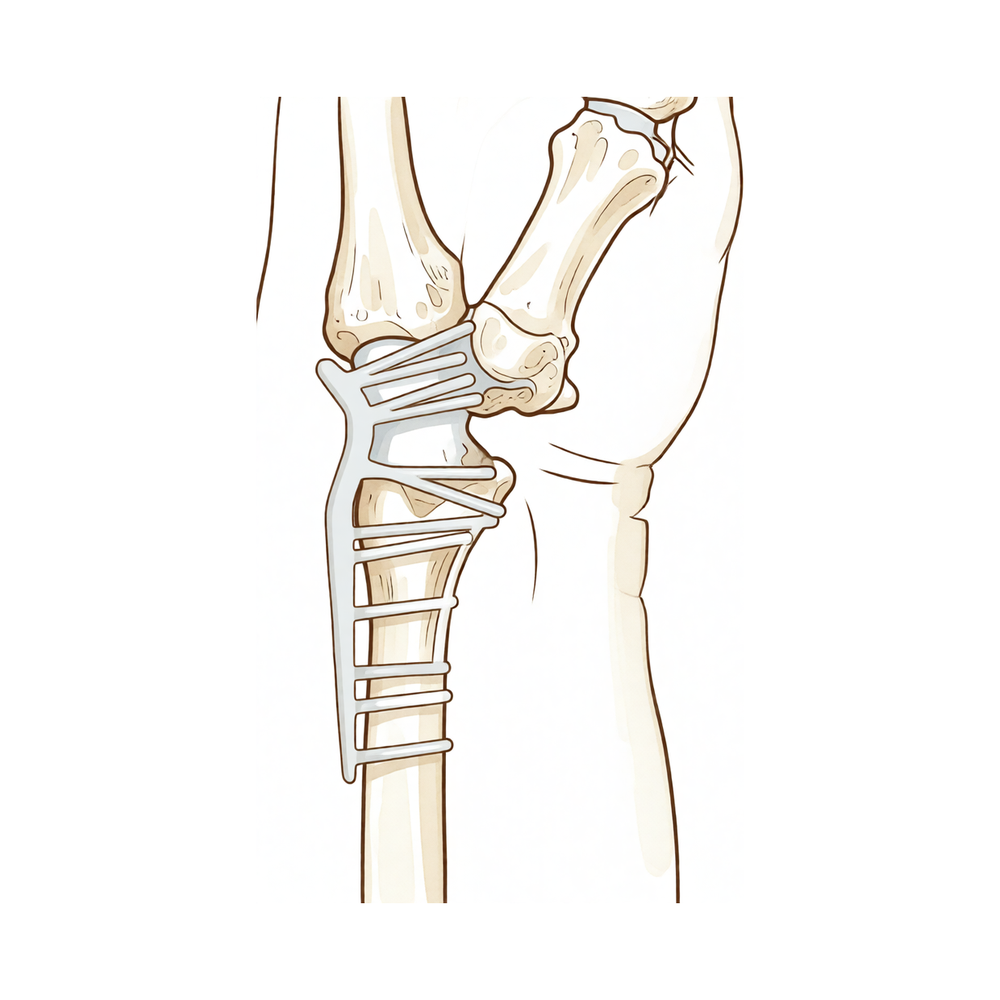
Este protocolo le servirá de guía para su recuperación tras una fusión total de la muñeca (también denominada artrodesis de muñeca; es una intervención quirúrgica que une de forma permanente los huesos de la muñeca dañados, impidiendo así cualquier movimiento). El procedimiento fue realizado por el Dr. Kieran Hirpara en el Mater Private Hospital Rockhampton. El protocolo comienza con un programa de ejercicios para realizar en casa; posteriormente, sigue un plan clínico estructurado redactado para su terapeuta de mano: lleve esta página o su versión en PDF a su primera sesión de terapia, para que su rehabilitación se lleve a cabo de manera coordinada. Su terapeuta podrá modificar el plan según el progreso de su recuperación.
Si tiene alguna duda o inquietud respecto a la herida quirúrgica, no dude en ponerse en contacto con nuestra consulta. A menudo resulta útil tomar una fotografía de la herida y enviarla por correo electrónico para su evaluación.
Qué esperar
La fusión total de la muñeca se realiza cuando todas las articulaciones de la muñeca están muy desgastadas (artritis en fase terminal o “pancarpal”) y causan dolor al moverse. En lugar de intentar mantener en movimiento una articulación deteriorada, la operación elimina deliberadamente el movimiento: el hueso del antebrazo (el radio) se une a los huesos de la mano (los metacarpianos) mediante una placa dorsal situada en la parte posterior de la muñeca, fijando así la muñeca en una posición de ligera inclinación hacia atrás (ligera extensión) óptima para agarrar. En las semanas siguientes, los huesos se unen formando un bloque sólido.
El concepto clave de esta recuperación es lo opuesto a la mayoría de las operaciones: la muñeca debe dejar de moverse; eso es la cura, no una complicación. Por lo tanto, no se busca recuperar el movimiento de la muñeca ni se realizan ejercicios para doblarla o estirarla. En cambio, toda la rehabilitación se centra en proteger dos aspectos que la fusión no afecta y que son fundamentales para la función de la mano:
- Los dedos y el pulgar deben permanecer totalmente móviles. La rigidez de los dedos es el principal factor que puede hacer fracasar una fusión de muñeca; por eso el movimiento de dedos y pulgar se fomenta desde el primer día.
- Se preserva la rotación del antebrazo (girar la palma hacia arriba y hacia abajo). Esta movilidad no se ve afectada por la fusión, y además asume gran parte de las funciones que antes realizaba la muñeca (girar llaves, grifos y manijas), por lo que se mantiene flexible desde el inicio.
Gracias a que la placa dorsal fija los huesos firmemente, se lleva una férula durante unas seis semanas mientras los huesos se unen; en este periodo se fomenta el movimiento temprano de dedos y antebrazo en lugar de restringirlo. Una vez que el cirujano confirma la consolidación ósea, se inicia el fortalecimiento de la prensión. Muchas personas logran una función muy buena tras una fusión de muñeca; al dejar de sentir dolor al agarrar, la fuerza de prensión suele mejorar en comparación con el estado previo a la cirugía.
Precauciones y limitaciones
- NO intente mover la muñeca en sí: está fijada de forma permanente por diseño. No existen ejercicios para flexionar la muñeca, ni ahora ni nunca.
- Asegúrese de mover los dedos, el pulgar y la rotación del antebrazo por completo desde el primer día: esto es lo más importante que puede hacer por su mano.
- Use la férula o el vendaje según las indicaciones para mayor comodidad y protección, hasta que el hueso se haya consolidado; manténgalo limpio y seco.
- NO ejerza carga ni apriete objetos con fuerza, y evite levantar algo más pesado que una taza ligera, hasta que la fusión ósea se haya completado y se le dé el visto bueno (normalmente entre seis y ocho semanas): aplicar carga excesiva antes de la consolidación puede provocar el fallo de la placa o de la fusión.
- NO conduzca mientras lleve la férula o no pueda controlar el vehículo de forma segura; podrá volver a conducir una vez que se retire la férula y pueda manejar el volante, según lo confirmado en su revisión médica.
Para el cuidado de la herida, la hinchazón y las cicatrices, consulte las pautas de cuidado de heridas de nuestra clínica.
Sus ejercicios
Kieran Hirpara 4.0
Movimiento de los dedos y del pulgar
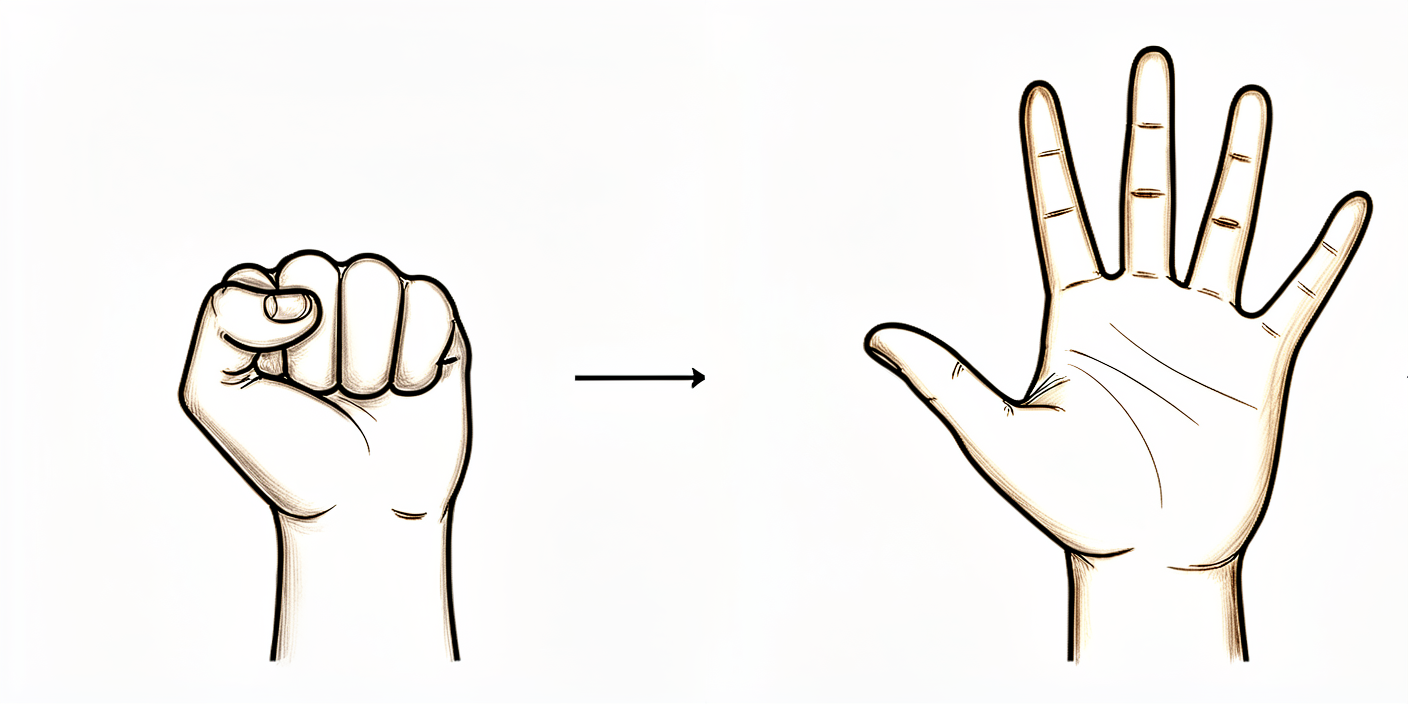
Mantenga los dedos y el pulgar en movimiento desde los primeros días. Haga un puño completo, luego abra la mano por completo y estire los dedos; después, toque con el pulgar la punta de cada dedo, uno por uno. La muñeca no debe moverse; eso es normal y forma parte del proceso. Sin embargo, los dedos y el pulgar deben permanecer relajados y totalmente móviles, pues la rigidez en esta zona es lo que más limita la función de la mano tras una fusión de muñeca.
10 veces cada una, varias veces al día, desde el primer día.
Kieran Hirpara 4.0
Rotación del antebrazo (palma hacia arriba / palma hacia abajo)
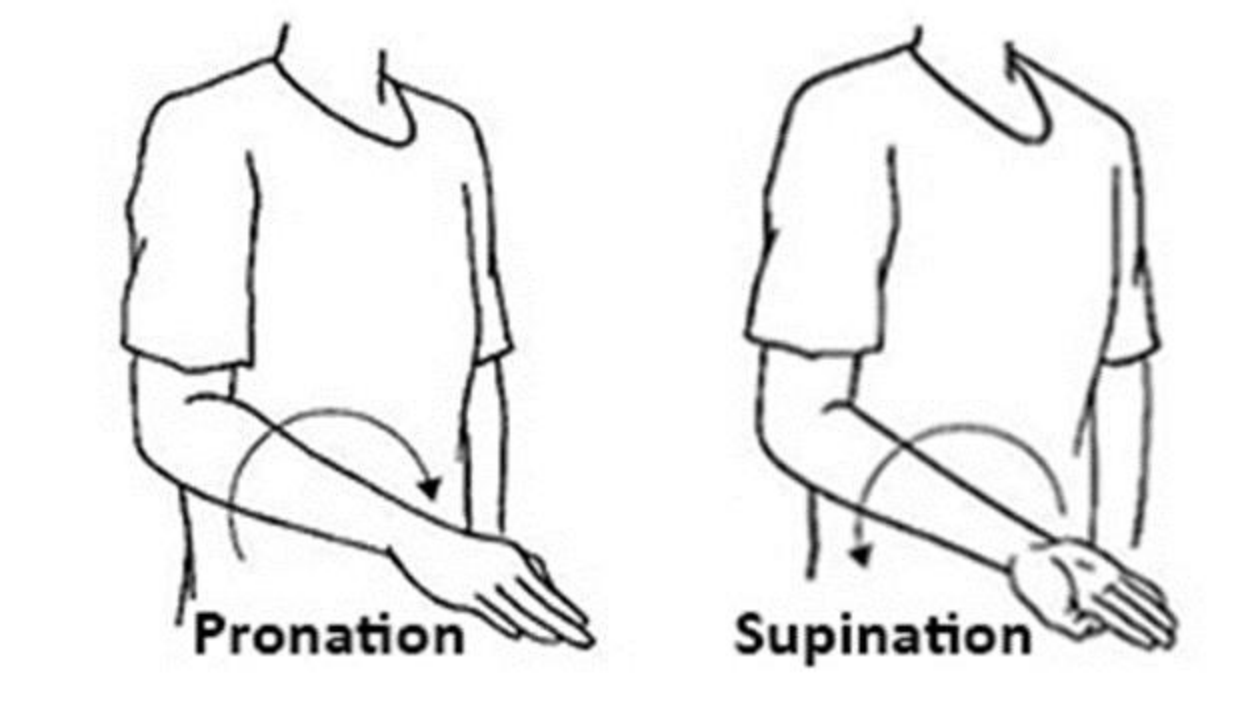
Con el codo pegado al costado y doblado en ángulo recto, gire suavemente la palma de la mano hacia el techo y luego hacia el suelo. La fusión no afecta a estos movimientos de rotación, por lo que permanecen libres; es importante mantenerlos flexibles, ya que la rotación del antebrazo realiza gran parte del trabajo que antes hacía la muñeca (por ejemplo, girar una llave, un pomo de puerta o un grifo).
10 veces en cada dirección, 2–3 veces al día.
Kieran Hirpara 4.0
Control de la hinchazón
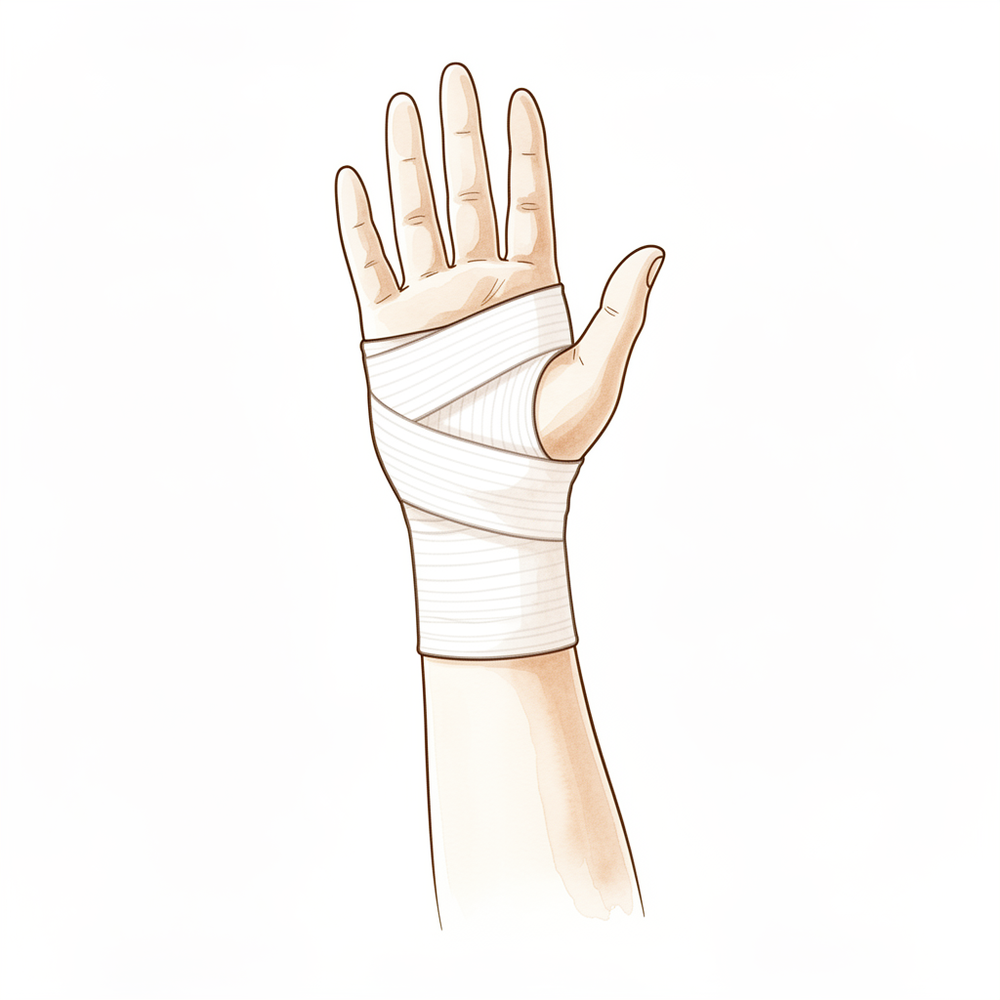
Durante las primeras semanas, mantenga la mano elevada sobre almohadas, por encima del nivel del corazón, siempre que esté sentado o acostado; además, mueva los dedos suavemente abriéndolos y cerrándolos. Esto ayuda a drenar la hinchazón que siempre aparece tras una cirugía de mano; cuanto menor sea la hinchazón, más fácilmente se moverán los dedos y más rápidamente cicatrizará la herida.
Mantenga la mano elevada siempre que esté en reposo; abra y cierre los dedos («bombeo») 10 veces, cada hora mientras esté despierto.
Kieran Hirpara 4.0
Cuidado de las cicatrices
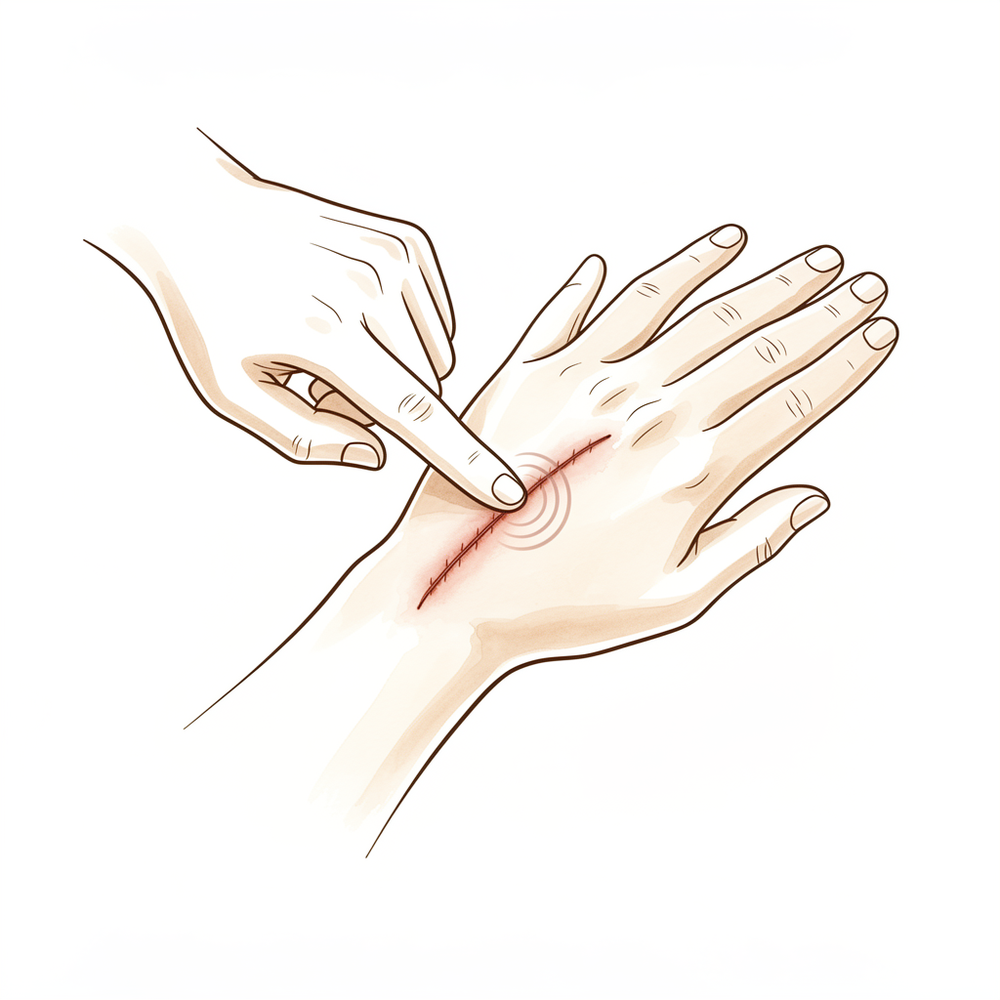
Una vez que la herida haya cicatrizado por completo y no quede costra, masajee la cicatriz en el dorso de su muñeca con un poco de crema hidratante, realizando círculos pequeños y firmes. Esto mantiene la cicatriz blanda y evita que se adhiera a la placa y a los tendones que se encuentran debajo. Su terapeuta de mano iniciará este masaje en el momento adecuado.
Unos minutos, 2–3 veces al día, una vez curado.
Kieran Hirpara 4.0
Fortalecimiento de la prensión tras la consolidación ósea
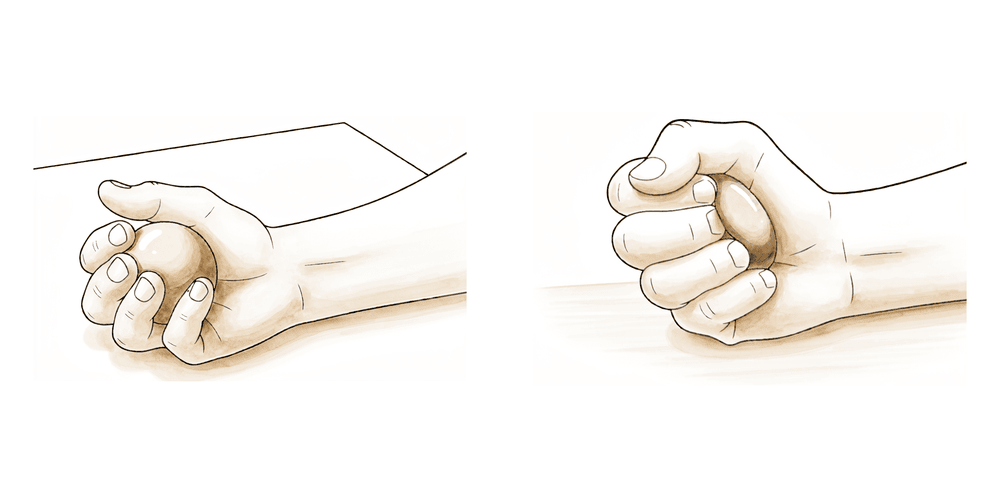
Un ejercicio posterior: únicamente cuando la fusión haya tenido lugar (normalmente al cabo de seis a ocho semanas) y el médico lo autorice. Apriete una pelota blanda o plastilina terapéutica en la palma de la mano, mantenga la presión y luego suelte. La muñeca fusionada proporciona a la mano una base estable y sin dolor desde la cual agarrar, por lo que la fuerza de prensión suele mejorar en los meses siguientes. Aumente la intensidad del ejercicio de forma gradual.
10–15 compresiones, 2–3 veces al día, una vez que se haya confirmado la consolidación ósea.
Estos son los ejercicios que aparecen en su folleto. Comience a realizarlos únicamente bajo la guía del Dr. Hirpara y de su terapeuta de mano. Los ejercicios iniciales tienen como objetivo proteger lo que la fusión deja libre (el movimiento de dedos y pulgar, la rotación del antebrazo y el control de la hinchazón); ninguno de ellos implica la muñeca, que permanece inmóvil. El fortalecimiento de la prensión corresponde a una fase posterior y no debe iniciarse hasta que la fusión se haya consolidado y usted cuente con autorización expresa. Interrumpa cualquier ejercicio que le provoque dolor intenso en la parte dorsal de la muñeca.
Su protocolo clínico
El resto de esta página describe el protocolo clínico por fases para la rehabilitación tras una artrodesis total de la muñeca. Esta sección debe entregarse a su terapeuta de mano; cada fase comienza con una explicación sencilla en lenguaje coloquial de lo que se está realizando. No existe ningún objetivo de amplitud de movimiento de la muñeca: las articulaciones radiocarpiana (y habitualmente la tercera articulación carpometacarpiana) se fusionan mediante una placa dorsal. El protocolo tiene como finalidad preservar la amplitud de movimiento de los dedos, la rotación del antebrazo y controlar el edema mientras se produce la fusión; posteriormente, se trabaja para desarrollar la fuerza de agarre sobre la estructura ya estabilizada.
Antes de iniciar el tratamiento, revise el informe quirúrgico del paciente y su historial médico previo; además, consulte con el cirujano tratante respecto a la técnica empleada (placa dorsal para artrodesis; si se incluye o se preserva la tercera articulación CMC), la posición final de la muñeca tras la fusión, cualquier injerto óseo utilizado y el estado de consolidación ósea. El Dr. Hirpara realiza la fusión de la muñeca en ligera extensión mediante una placa dorsal; la fijación resulta estable, por lo que se emplea una férula ligera o vendaje para mayor comodidad en lugar de un molde rígido prolongado; la prioridad es iniciar cuanto antes el movimiento de los dedos y del antebrazo.
Fase I: proteger la estructura quirúrgica y mantener la movilidad de las articulaciones libres (semanas 0 a 6)
Durante las primeras seis semanas, se protege la fusión ósea en proceso de curación, mientras se mantiene totalmente móvil todo lo que no está fusionado. Se utiliza una férula ligera o vendaje para mayor comodidad. No se permite ningún movimiento de la muñeca (la estructura quirúrgica es rígida por diseño); el enfoque se centra exclusivamente en los dedos, el pulgar, el antebrazo y el control del edema.
Para su terapeuta de mano:
Educación y precauciones - Utilizar férula/vendaje para confort y protección hasta confirmar la unión clínica y radiográfica; no es necesario un moldeado rígido prolongado dado que la fijación con placa es estable. - Prohibido mover la muñeca: la estructura radiocarpiana y CMC está fusionada; no existe objetivo de amplitud de movimiento. - No realizar agarres con carga ni levantar objetos más pesados que una taza ligera hasta confirmar la unión ósea. - Vigilar la rigidez digital: este es el principal riesgo para el resultado post-fusión de muñeca.
Manejo - Herida: aplicar vendajes quirúrgicos según indicaciones; retirar puntos de sutura y revisar con férula/radiografía alrededor del día 10–14; monitorizar posibles infecciones. - Edema: mantener la mano elevada por encima del nivel del corazón, realizar movimientos de bombeo digital suaves y aplicar hielo según sea necesario. - Ejercicios: realizar movimientos activos de amplitud de movimiento en dedos y pulgar desde el primer día (formar un puño y volver a la extensión completa, oposición del pulgar); también movimientos activos de pronación/supinación del antebrazo; movilidad activa de hombro y codo. Queda prohibido cualquier movimiento de la muñeca y cualquier agarre con resistencia.
Criterios para avanzar a la siguiente fase - La herida está curada; se mantiene una amplitud de movimiento digital completa o casi completa; se observan signos radiográficos tempranos de unión ósea alrededor de la semana seis.
Fase II — confirmar la consolidación, iniciar la carga de agarre (semanas 6 a 12)
A partir de aproximadamente la sexta semana, la consolidación suele observarse en las radiografías; una vez que el cirujano lo confirma, se retira el yeso y se inicia el fortalecimiento del agarre. Se continúa con los ejercicios para el antebrazo y los dedos; la muñeca permanece inmovilizada y sin carga hasta que se confirme la consolidación.
Para su terapeuta de mano:
Evaluaciones - Confirmar el estado de consolidación con el cirujano tratante antes de iniciar la carga; evaluar el rango de movimiento digital; el arco de rotación del antebrazo; el nivel basal de agarre; revisar la herida y la cicatriz.
Educación y precauciones - Iniciar el agarre y la carga ligera solo después de que el cirujano confirme la consolidación (generalmente entre seis y ocho semanas). - Los implantes situados en la cara dorsal de la muñeca se encuentran por debajo de la piel; vigile cualquier protuberancia o irritación y repórtela. - Continúe priorizando el mantenimiento de un rango de movimiento digital completo.
Manejo - Ejercicios: fortalecimiento progresivo del agarre (desde una pelota blanda hasta plastilina y pinzas graduadas) una vez confirmada la consolidación; iniciar el manejo de la cicatriz una vez curada la herida; continuar con la rotación del antebrazo y el rango de movimiento digital completo; introducir un uso funcional ligero de la mano. - Explíquele al paciente que la rotación del antebrazo ahora sustituye al movimiento perdido de la muñeca en las actividades diarias (abrir llaves, teclear, girar objetos).
Criterios para avanzar - Consolidación confirmada; agarre ligero sin dolor; rango de movimiento digital completo; cicatriz móvil.
Fase III: Fortalecimiento y retorno a la carga (semanas 12 en adelante)
Una vez que la fusión ósea es sólida, ya no existen restricciones de movimiento que proteger; la mano puede soportar carga según la tolerancia del paciente y se puede ir aumentando progresivamente. La fuerza de prensión y la fuerza general de la mano siguen mejorando durante varios meses, a menudo superando los niveles previos a la cirugía, ya que la prensión ahora se realiza sin dolor.
Para su terapeuta de mano:
Evaluaciones - Fuerza de prensión comparada con el lado contralateral; pruebas funcionales y específicas para el trabajo o tareas; tolerancia al uso del material ortopédico
Educación y precauciones - No hay restricciones de movimiento una vez lograda la unión ósea; aumente la carga según la tolerancia del paciente - La carga pesada o manual debe incrementarse de forma gradual; la mejora de la fuerza total continúa hasta aproximadamente los doce meses
Manejo - Ejercicios: fortalecimiento progresivo de la prensión y del antebrazo mediante resistencia; retorno gradual a tareas funcionales y laborales; continuar con ejercicios para mantener la movilidad digital residual - Considere dar el alta cuando la fuerza de prensión sea funcional y siga mejorando, y el paciente pueda realizar sus tareas diarias; remítalo nuevamente al médico tratante si aparece rigidez digital, irritación persistente por el material ortopédico o un resultado insatisfactorio
Criterios para retornar a la carga - Unión ósea sólida; fuerza de prensión funcional y en mejora; capacidad de realizar tareas específicas sin dolor
Retorno al trabajo y a las actividades cotidianas
Se recomienda realizar desde el principio usos ligeros de la mano en la vida diaria (comer, escribir, cuidados personales básicos), siempre dentro de los límites de la comodidad, siempre y cuando no se ejerza una presión excesiva ni se levanten objetos más pesados que una taza ligera antes de que la fusión ósea se haya consolidado. Dado que no se debe conducir mientras se lleva la férula o cuando no se puede controlar el vehículo de forma segura, es necesario organizar ayuda para el transporte durante las primeras semanas; la conducción se reanuda una vez retirada la férula y se demuestre capacidad para manejar el volante, según lo confirmado en la consulta de seguimiento.
Los agarres con fuerza, levantamientos y tirones deben esperar hasta que la fusión ósea se haya consolidado (generalmente alrededor de seis a ocho semanas) y se cuente con autorización médica; posteriormente, se irán introduciendo gradualmente. La mayoría de las personas vuelven a su trabajo de oficina o a labores ligeras al cabo de unos tres meses; el retorno a trabajos más pesados o manuales se produce más tarde, siguiendo una progresión basada en criterios evaluados por el Dr. Hirpara y el terapeuta de mano, y no únicamente en el calendario. La fuerza de la mano sigue mejorando durante un año aproximadamente; y como la muñeca ya no duele, muchas personas logran agarrar con más fuerza y utilizar la mano con mayor libertad que antes de la cirugía.
Después de seguir este protocolo
Este protocolo complementa las recomendaciones generales de recuperación de la consulta: consulte control del dolor postoperatorio, cuidado de la herida y manejo de las cicatrices. El plan por fases descrito anteriormente se basa en resultados publicados y en pautas de rehabilitación tras una artrodesis total de la muñeca; su recuperación continua será guiada individualmente por el Dr. Hirpara y su terapeuta de mano, según el progreso de la fusión ósea y de su mano.
Evidence & references
This is the clinical evidence summary written for health professionals. It is technical, and it lists the research this page was built from. You do not need to read it to understand your treatment or to make a decision about it.
Total Wrist Arthrodesis — Procedure Outcomes & Post-operative Rehabilitation (Radiocarpal Fusion, Dorsal Plate)
Topic scope: post-operative rehabilitation after total wrist arthrodesis — permanent surgical fusion of the radiocarpal (and usually the third carpometacarpal) joints with a dorsal arthrodesis plate, for end-stage pancarpal (panarticular) arthritis of the wrist. This is a salvage reconstruction that deliberately abolishes wrist motion, not a motion-preserving operation, so the rehabilitation has no wrist-ROM goal. It is built around preserving the joints the fusion leaves free — the fingers, thumb and forearm rotation — and controlling oedema while the fusion unites, then progressive grip loading once united.
Defining principle of the rehab here: total wrist fusion trades motion for a stable, pain-free wrist. The whole wrist is set solid (radius → metacarpals) in slight extension; loss of wrist movement is the intended endpoint, not a deficit to be rehabilitated. Modern dorsal locking-plate fixation is rigid enough that prolonged casting is unnecessary — so the deliberate priorities are early digital and forearm-rotation motion (digital stiffness is the principal threat to a good result) and swelling control, with grip strengthening deferred until radiographic union (typically 6–8 weeks). The single branch point is union status: loading is gated on the surgeon confirming the fusion has consolidated, after which there are no motion restrictions to protect.
A. PROCEDURE OUTCOMES (total wrist arthrodesis, dorsal plate)
Total wrist arthrodesis is a reliable, durable salvage for the painful, arthritic wrist that has failed non-operative care: the great majority of patients obtain lasting pain relief and a stable hand, accepting the loss of wrist motion in exchange.
- High union rates and durable pain relief. Plate arthrodesis is a well-established, reproducible operation; published series and the JAAOS review of indications and outcomes report reliable fusion, good pain relief and high patient satisfaction, with most patients willing to undergo it again [Wei & Feldon, JAAOS 2017; Shah et al., J Hand Surg Am 2022 — technique/modifications]. Moderate–strong (review + technique series).
- Grip strength is preserved or improves. Because gripping is no longer painful and the wrist is a stable platform, grip strength after fusion is typically equal to or better than the painful pre-operative wrist. A 2026 systematic review and meta-analysis of long-term grip strength after total wrist fusion (comparing inclusion vs sparing of the third CMC joint) confirms maintained long-term grip with comparable complication profiles between the two constructs [Lawson-Smith et al., J Hand Surg Glob Online 2026]. Moderate (SR/meta-analysis).
- Function is good for daily tasks; forearm rotation compensates for lost wrist motion. Patients adapt well because forearm pronation/supination (unaffected by the fusion) substitutes for much of the lost wrist arc in activities such as turning keys, taps and handles. Carpometacarpal-joint– sparing plate designs aim to retain a small amount of motion and reduce distal hardware issues [Briotti et al., HAND 2022 — Medartis CMC-sparing plate]. Moderate (cohort).
- Complications are defined and manageable. Principal complications are nonunion, hardware prominence/irritation requiring plate removal (the dorsal plate is subcutaneous), wound issues, and adjacent-segment problems (distal radioulnar joint / digital stiffness). These are recognised, generally treatable, and informed-consent staples rather than common catastrophes [Wei & Feldon, JAAOS 2017; Kalb & Prommersberger, Oper Orthop Traumatol 2009 — AO plate technique]. Moderate.
B. REHABILITATION / THERAPY EVIDENCE
The rehab questions after total wrist fusion are different from a motion-preserving operation: there is no wrist arc to recover. The evidence and consensus instead converge on early mobilisation of the unfused joints, oedema control, and union-gated grip loading, exploiting the stability of modern plate fixation.
- Stable plate fixation permits early digital and forearm motion. Rigid dorsal locking-plate constructs are robust enough that prolonged rigid immobilisation is unnecessary; a light splint or dressing for comfort, with immediate finger, thumb and forearm-rotation motion, is the intended default [Shah et al., J Hand Surg Am 2022; Kalb & Prommersberger, Oper Orthop Traumatol 2009]. Moderate (technique consensus).
- Preserving digital range is the priority — stiffness is the main avoidable failure. Because the hand's function after fusion depends entirely on the joints left mobile, full active finger and thumb range from day one, plus preserved forearm rotation, is the core therapeutic aim. This is a mechanistic/consensus position rather than one from comparative rehab trials. Weak–moderate (mechanism strong, dedicated rehab RCTs absent).
- Grip strengthening is deferred to union, then progressed freely. Loaded grip is withheld until the surgeon confirms radiographic union (commonly 6–8 weeks), after which there are no motion restrictions and strengthening is progressed as tolerated; grip continues to improve for several months. Consensus / protocol-based.
- Hand therapy targets the free joints, not the wrist. Published patient-guidance protocols and surgical references describe early referral to a hand therapist for finger and forearm mobility and later putty-based grip strengthening — there is no wrist-ROM component by design [AAOS OrthoInfo — Wrist Fusion; institutional post-op protocols]. Consensus (patient-guidance).
Recovery trajectory (expected, evidence-anchored)
| Phase | Window | Restraint | Hand use / therapy focus | Strength / load | Notes |
|---|---|---|---|---|---|
| I — Protect construct, mobilise free joints | Week 0–6 | Light splint/dressing for comfort; no wrist motion (fused) | Elevate; immediate full finger + thumb AROM; forearm pronation/supination; elbow/shoulder ROM; oedema control | Light functional use only; no loaded grip / lifting > a light cup | Sutures + splint/X-ray review ~10–14 days. Digital stiffness is the chief threat |
| II — Confirm union, begin grip loading | Week 6–12 | Loading gated on surgeon-confirmed union (≈6–8 wk) | Splint discarded at union; progressive grip (ball → putty → grippers); scar massage once healed; continue forearm + digital ROM | Grip introduced light → graded after union | Forearm rotation substitutes for lost wrist motion. Watch dorsal hardware prominence |
| III — Strengthening & return to load | Week 12 → 12 months | None once united | Progressive resisted grip/forearm strengthening; work-/task-specific loading | Full load as tolerated; heavy/manual built up gradually | Office/light work ~3 months; strength improves up to ~12 months, often exceeding pre-op (pain-free grip) |
(Phase windows mirror the precautions and recovery structure in the patient protocol; they are typical guides anchored to union, not trial-derived deadlines.)
C. KEY CONTROVERSIES / EVIDENCE QUALITY
- Fusion vs total wrist arthroplasty. The central modern controversy. Systematic review of total wrist arthroplasty versus arthrodesis (originally in rheumatoid disease) found insufficient evidence to declare either superior, with arthroplasty preserving some motion at the cost of higher revision/implant-related complications, and fusion offering durability at the cost of motion [Cavaliere & Chung, Plast Reconstr Surg 2008]. A cost-utility analysis found arthrodesis and arthroplasty both reasonable, with trade-offs in motion, complications and cost [Cavaliere & Chung, J Hand Surg Am 2010]. The "where are we now" synthesis frames the choice as patient-specific (demand, bilateral disease, expectations) rather than a settled winner [Jump, Trail & Talwalkar, J Hand Surg Eur 2025]. Moderate; genuine equipoise.
- Arthrodesis as salvage for failed arthroplasty. Total wrist fusion reliably salvages a failed total wrist arthroplasty, though such salvage fusions behave somewhat differently (bone loss, grafting) from primary arthrodesis [Zijlker et al., J Hand Surg Eur 2021]. Moderate.
- Include or spare the third CMC joint. Constructs differ in whether the plate crosses the third carpometacarpal joint. Long-term grip and complication outcomes are broadly comparable between inclusion and sparing, with CMC-sparing designs aiming to reduce distal hardware issues and retain a trace of motion [Lawson-Smith et al., J Hand Surg Glob Online 2026; Briotti et al., HAND 2022]. Moderate.
- Hardware prominence and removal. The subcutaneous dorsal plate is a recognised source of irritation and a common reason for elective hardware removal once the fusion is solid — expected, not a failure of the operation [Wei & Feldon, JAAOS 2017]. Moderate.
- Special populations. In spastic/neurological wrists (e.g. cerebral palsy), fusion changes hand function in nuanced ways — improving positioning but with task-specific trade-offs — underlining that the goal is a useful stable position, not motion [Hargreaves, Warwick & Tonkin, J Hand Surg Br 2000]. Moderate (specialised cohort).
D. EVIDENCE STRENGTH FLAGS (summary)
- STRONG (SR / meta-analysis): preserved-to-improved long-term grip strength after total wrist fusion; comparable outcomes between CMC-inclusion and CMC-sparing constructs [Lawson-Smith et al. 2026].
- MODERATE: reliable union, durable pain relief and high satisfaction with plate arthrodesis [Wei & Feldon 2017; Shah et al. 2022]; genuine equipoise between fusion and arthroplasty with motion-vs-durability/complication trade-offs [Cavaliere & Chung 2008, 2010; Jump et al. 2025]; fusion as salvage for failed arthroplasty [Zijlker et al. 2021]; defined complication set (nonunion, hardware removal, DRUJ/digital adjacent issues).
- WEAK / CONSENSUS: the specific early digital/forearm-motion, union-gated grip rehabilitation programme (mechanistically rationalised — stiffness avoidance — with no dedicated rehab RCTs); exact phase timings (typical, anchored to union rather than trial-derived); stable-fixation early-motion default from technique consensus [Shah et al. 2022; Kalb & Prommersberger 2009].
CITATIONS
RAG corpus (180,000+ Orthopaedic articles)
- Total Wrist Arthrodesis: Indications and Clinical Outcomes. J Am Acad Orthop Surg. 2017. DOI: 10.5435/jaaos-d-15-00424
- Radiocarpal Fusion: Indications, Technique, and Modifications. J Hand Surg Am. 2022. DOI: 10.1016/j.jhsa.2022.04.002
- Long-term Grip Strength and Complications After Total Wrist Fusion With and Without Inclusion of the Third Carpometacarpal Joint: A Systematic Review and Meta-analysis. J Hand Surg Glob Online. 2026. DOI: 10.1016/j.jhsg.2026.101022
- Wrist Arthrodesis Using the Medartis Carpometacarpal Joint Sparing Plate. HAND. 2022. DOI: 10.1177/15589447221141474
- A Systematic Review of Total Wrist Arthroplasty Compared with Total Wrist Arthrodesis for Rheumatoid Arthritis. Plast Reconstr Surg. 2008. DOI: 10.1097/prs.0b013e318180ece3
- A Cost-Utility Analysis of Nonsurgical Management, Total Wrist Arthroplasty, and Total Wrist Arthrodesis in Rheumatoid Arthritis. J Hand Surg Am. 2010. DOI: 10.1016/j.jhsa.2009.12.013
- Arthrodesis or arthroplasty, complete or partial: where are we at in the 21st century? J Hand Surg Eur Vol. 2025. DOI: 10.1177/17531934241296758
- Comparative outcomes of total wrist arthrodesis for salvage of failed total wrist arthroplasty and primary wrist arthrodesis. J Hand Surg Eur Vol. 2021. DOI: 10.1177/17531934211057389
- Die vollständige Versteifung des Handgelenks mit der AO-Handgelenk-Arthrodesenplatte (Complete wrist arthrodesis with the AO wrist arthrodesis plate). Oper Orthop Traumatol. 2009. DOI: 10.1007/s00064-009-1905-2
- Changes in Hand Function Following Wrist Arthrodesis in Cerebral Palsy. J Hand Surg Br. 2000. DOI: 10.1054/jhsb.2000.0366
Wrist-fusion rehabilitation / patient-guidance literature (URLs)
- American Academy of Orthopaedic Surgeons — Wrist Fusion (Wrist Arthrodesis), OrthoInfo (recovery timeline; fusion heals ~8–12 weeks; the fused wrist no longer moves; therapy for joints not fused). https://orthoinfo.aaos.org/en/treatment/wrist-fusion-wrist-arthrodesis/
- Wrist Arthrodesis Technique — postoperative care and approach considerations. Medscape eMedicine. https://emedicine.medscape.com/article/1241236-technique
- Total Wrist Arthrodesis (Wrist Fusion) — procedure and rehabilitation overview. Resurgens Orthopaedics. https://www.resurgens.com/hand-wrist/procedures/wrist-fusion-total-wrist-arthrodesis
- Full Wrist Fusion — Post-Operative Rehabilitation Protocol (institutional hand-therapy protocol; early digital/forearm motion, union-gated grip strengthening). Alaska Orthopedic. https://www.akortho.com/wp-content/uploads/Full-Wrist-Fusion.pdf