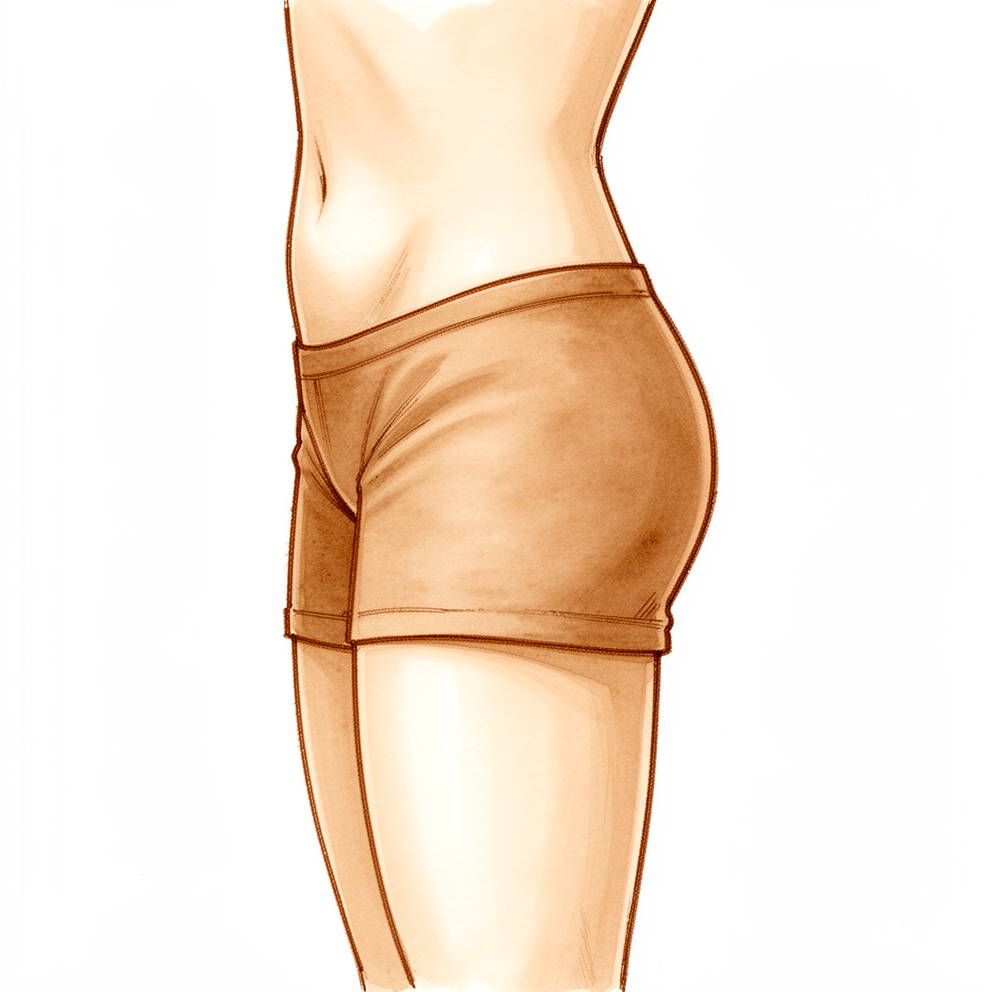
Qué está sintiendo
La artritis de cadera suele comenzar de forma silenciosa. El dolor suele aumentar gradualmente a lo largo de meses o años, aunque también puede aparecer tras una lesión leve. La mayoría de las personas lo sienten en lo profundo de la ingle, en la parte frontal de la cadera. El malestar suele intensificarse con la actividad y disminuir con el reposo.
Ciertos movimientos y posturas lo empeoran. Flexionar la cadera puede desencadenar el dolor. El hecho de permanecer sentado durante mucho tiempo es un desencadenante frecuente; por eso, los viajes en coche, los asientos del cine y las reuniones largas pueden resultar incómodos. Caminar, correr, girar o cambiar de dirección rápidamente también pueden agravarlo. Algunas personas perciben chasquidos, bloqueos o fricción en la cadera; esto se debe al desgaste del revestimiento articular y del cartílago que recubre el hueso.
El dolor suele seguir un patrón a lo largo del día y de la noche. Puede ser más intenso después de la actividad, con rigidez o molestias al despertar. A algunas personas con artritis de cadera les cuesta dormir, y para muchas el malestar nocturno es una parte real de la enfermedad.
Las tareas cotidianas pueden volverse más difíciles sin que uno se dé cuenta. Levantarse repetidamente de una silla o salir de un asiento bajo puede requerir más esfuerzo. Es posible que se incline hacia adelante o desplace el peso a un lado para poder moverse. Caminar distancias mayores de lo habitual, subir escaleras y entrar o salir del coche son situaciones que suelen resultar problemáticas.
La ubicación del dolor es importante. El dolor en la parte frontal de la ingle suele indicar un problema dentro de la propia articulación de la cadera. El dolor a lo largo del lateral del muslo o en la parte posterior de la cadera y la pelvis suele deberse a otras causas, como la irritación de estructuras que rodean el hueso en la parte externa de la cadera, o problemas en la zona lumbar o en la unión entre la columna vertebral y la pelvis. La artritis de cadera también puede coexistir con un estrechamiento de la columna lumbar que comprime los nervios; por eso, ambos problemas pueden presentarse simultáneamente.
Si esto se asemeja a su caso, su cirujano podrá ayudarle a determinar qué está provocando su dolor.
¿Qué está ocurriendo realmente?
Una cadera sana es una articulación de tipo rótula (una bola dentro de una cavidad). La “bola” situada en la parte superior del fémur encaja dentro de una cavidad redonda en la pelvis. Ambas superficies están recubiertas por una capa lisa de cartílago, un tejido resistente y deslizante que permite que ambas partes se deslicen una sobre la otra. Puede considerarse como el amortiguador y lubricante natural de la articulación.
La artritis de cadera se produce cuando ese cartílago se desgasta. Al disminuir la protección que ofrece, el hueso empieza a rozar contra el hueso. El hueso situado bajo el cartílago se engrosa y cambia de forma; además, se forman protuberancias óseas llamadas osteofitos en los bordes de la articulación. El revestimiento articular, los ligamentos que mantienen unida la cadera y los músculos circundantes también pueden verse afectados. A pesar del nombre, en este caso la artritis es mayormente consecuencia del desgaste y no de una inflamación continua.
Los síntomas descritos anteriormente son consecuencia directa de todo ello. La pérdida de cartílago impide que la articulación se mueva con suavidad, lo que genera ruidos de fricción y sensación de bloqueo. El dolor profundo en la ingle se debe a las superficies desgastadas y al revestimiento articular sobrecargado. La rigidez matutina se produce porque la cadera ha permanecido inmóvil durante la noche. Los músculos alrededor de una cadera afectada por artritis también suelen debilitarse; por eso, ponerse de pie, subir escaleras y moverse requieren más esfuerzo que antes.
El desgaste no ocurre al azar. La forma de ciertas caderas hace que ciertas zonas soporten mayor carga con el paso de los años. Una cavidad acetabular demasiado poco profunda concentra la fuerza sobre una zona reducida de cartílago. El exceso de hueso en la unión entre la cabeza femoral y su cuello, o alrededor del borde de la cavidad, puede producir un pinzamiento durante el movimiento, desgastando el cartílago y el anillo de tejido conectivo que sella la articulación. Las lesiones previas, incluidas las luxaciones de cadera, también pueden provocar desgaste años después.
En la mayoría de las personas, todo esto se acumula gradualmente a lo largo de los años. Si su cadera muestra signos de este proceso, su cirujano podrá examinarla, analizar las radiografías junto con usted y explicarle cuál es la situación actual.
Qué podemos hacer al respecto
Los primeros pasos son medidas que usted mismo puede tomar. Perder peso puede aliviar el dolor y facilitar la movilidad. El uso de un bastón le ayudará a mantenerse activo y a reducir la presión sobre la cadera. También es importante modificar sus movimientos: reducir la práctica de correr y otros ejercicios de alto impacto, así como evitar escaleras, pendientes y sentadillas, puede contribuir a mejorar la situación. La fisioterapia tiene como objetivo fortalecer los músculos alrededor de la cadera y mejorar su movilidad. Un programa de ejercicios y educación dirigido por un fisioterapeuta, de seis semanas de duración, ha demostrado generar mejoras duraderas en el dolor de personas con artritis de cadera, incluso en quienes están en lista de espera para una prótesis de cadera. Los medicamentos antiinflamatorios no esteroideos (AINE) cuentan con sólida evidencia científica para aliviar el dolor de la artritis de cadera. En cambio, no existen pruebas que respalden el uso del sulfato de glucosamina para este trastorno.
Si los medicamentos y los ejercicios no resultan suficientes, las inyecciones intraarticulares constituyen una alternativa. Las inyecciones de cortisona (un medicamento esteroide administrado dentro de la articulación) pueden proporcionar un alivio del dolor importante y significativo y una mejor función a corto plazo, surtiendo efecto en cuestión de días o semanas. Por lo general, este beneficio dura hasta tres meses, y no se mantiene de forma fiable después de ese período. Tanto las inyecciones de ácido hialurónico (un líquido lubricante similar al que producen naturalmente las articulaciones) como las inyecciones de plasma rico en plaquetas (PRP, elaborado a partir de una muestra de su propia sangre) pueden disminuir el dolor y mejorar la función articular a corto plazo. El PRP, solo o combinado con ácido hialurónico, produce efectos sobre el dolor y la función que perduran seis meses, un plazo mayor que el que logra el ácido hialurónico por sí solo. Una sola inyección de aloinjerto amniótico en suspensión (preparado a partir de tejido placentario donado) puede aliviar el dolor hasta un año en casos de artritis de cadera de gravedad moderada. El efecto secundario más frecuente de la inyección combinada de ácido hialurónico y esteroide es el dolor temporal en la cadera. No se recomienda el uso de opioides para el dolor crónico por artritis, pues su efecto es mínimo y no compensa los riesgos asociados.
La cirugía se considera cuando el dolor en reposo, al moverse o al soportar peso es tan intenso que le impide trabajar o realizar sus actividades cotidianas, a pesar de haber seguido los pasos mencionados. La artroplastia total de cadera (que consiste en reemplazar la cabeza femoral y el acetábulo desgastados por superficies artificiales) disminuye el dolor y mejora la función de la cadera. Analizaremos juntos si este procedimiento es adecuado para usted y tomaremos la decisión en conjunto.
Qué esperar
La artritis de cadera rara vez mejora por sí sola, pero tampoco siempre avanza rápidamente. En muchas personas, la enfermedad adopta un patrón a largo plazo: brotes de dolor al hacer actividad, periodos de calma intermedios y un cambio gradual en lo que la cadera permite hacer. Algunas caderas permanecen prácticamente iguales durante años; otras se desgastan más rápido, especialmente si desde el principio la forma de la articulación era distinta o si la artritis es hereditaria.
Si no se interviene, el pronóstico varía. Muchas caderas con desgaste inicial nunca generan problemas: en un periodo de unos 25 años, el 14 % de las caderas con una forma que provoca compresión durante el movimiento desarrollaron síntomas de artritis que requirieron atención, y el 4 % terminaron necesitando un reemplazo de cadera. Una vez que el desgaste ya está establecido, el cuadro clínico es menos predecible. El dolor puede disminuir con el paso de los años incluso sin cirugía, aunque la cadera suele perder algo de movilidad, sobre todo al flexionarla y girarla hacia adentro. No existe una forma fiable de predecir el curso de la enfermedad únicamente a partir de una radiografía, pues el grado de molestias que causa la cadera no se corresponde exactamente con el nivel de desgaste observado.
El objetivo del tratamiento es mantenerle en movimiento y cómodo el mayor tiempo posible. El ejercicio y la fisioterapia pueden aliviar el dolor y mejorar su calidad de vida, incluso cuando la artritis está avanzada. Las inyecciones pueden calmar los brotes inflamatorios, aunque sus efectos desaparecen al cabo de unos meses. Si finalmente se somete a un reemplazo de cadera, debe saber que, por lo general, la cadera funciona y se siente mejor después de la operación; no obstante, muchas personas siguen notando ciertas limitaciones años después. Esperar demasiado para operarse, una vez que es necesario, puede ser perjudicial: cuanto más tiempo permanezca una cadera artrítica sin tratamiento, más se atrofian y se vuelven rígidos los músculos circundantes, lo cual puede dificultar su recuperación posterior.
Su estado general antes de la cirugía también es importante. Las personas que llegan al reemplazo de cadera con mejor salud general y ánimo suelen tener mejores resultados después. Su cirujano puede ayudarle a determinar en qué punto se encuentra su cadera y qué opciones merece la pena probar antes o en lugar de la cirugía.
¿Cuándo consultar a un especialista?
Acuda a su médico de cabecera si experimenta dolor en la ingle que reaparece con la actividad, o si sentarse, caminar o mover la cadera se vuelve cada vez más difícil a lo largo de meses, no días. Solicite una evaluación especializada si el reposo, el ejercicio y los analgésicos sencillos no han surtido efecto suficiente, o si la cadera se está volviendo rígida e impide que realice su trabajo habitual o sus tareas diarias. Informe a su médico si el dolor de cadera le impide dormir, o si se siente deprimido o agotado por el mismo, pues estos síntomas también merecen tratamiento junto con el problema de la cadera. Si ya le han indicado que su cadera tiene una forma distinta o que se engancha al moverse, mencione eso también, ya que puede influir en la elección del tratamiento más adecuado.
Evidence & references
This is the clinical evidence summary written for health professionals. It is technical, and it lists the research this page was built from. You do not need to read it to understand your treatment or to make a decision about it.
Overview
- Hip arthrodesis is uncommonly used to treat advanced hip degeneration, often posttraumatic, in a very specific patient population [1].
- Indications for hip arthrodesis include patients younger than 30 years with a high activity level, such as manual laborers [1].
- Indications for hip arthrodesis include severe pain and stiffness with normal adjacent joints, including the lumbar spine, contralateral hip, and ipsilateral knee [1].
- Contraindications for hip arthrodesis include disease of the adjacent joints, specifically the lumbar spine, contralateral hip, or ipsilateral knee [1].
- Contraindications for hip arthrodesis include major limb-length discrepancy greater than 2.0 cm and active infection [1].
- The goals of surgical treatment for hip arthrodesis are to achieve bone apposition at the fusion site, rigid internal fixation, and early mobilization [1].
- Popular surgical techniques for hip arthrodesis include cobra plating through a lateral approach with a trochanteric osteotomy or plating through an anterior approach [1].
- The preferred position for hip arthrodesis is 25° to 30° of hip flexion, 0° to 5° of adduction, and 5° to 10° of external rotation [1].
- Hip arthrodesis achieves lasting pain relief and satisfactory clinical results in most patients [1].
- The survivorship of hip arthrodesis can be limited by symptomatic degenerative disease of the adjacent joints, including the lumbar spine, contralateral hip, and ipsilateral knee [1].
- Low back pain and osteoarthritis of the ipsilateral knee are the most common problems following hip arthrodesis [1].
- Conversion of hip fusion to total hip arthroplasty is occasionally needed, with good clinical results seen in most patients [1].
- Cam impingement refers to femoral-based deformities, such as an aspherical femoral head or reduced head-neck offset, that result in repetitive abutment of the acetabular rim and femoral head-neck junction [1].
- Pincer impingement describes acetabular-based deformities, such as acetabular retroversion or acetabular protrusio, that create abnormal abutment of the acetabular rim and femoral head-neck junction [1].
- Patients with acetabular labral disease commonly present with groin pain that is worsened by prolonged sitting, walking, running, or pivoting [1].
- Hip osteotomy surgery is contraindicated in patients with major restriction of hip motion and/or advanced joint deterioration [1].
- Surgical hip dislocation with trochanteric osteotomy is based on preserving the blood supply to the femoral head via the deep branch of the medial femoral circumflex artery [1].
- External hip snapping is caused by the iliotibial band and is produced with hip flexion [1].
- Internal hip snapping is caused by the iliopsoas tendon and is produced with hip extension from a flexed position [1].
- Advantages of the periacetabular osteotomy (PAO) include one surgical incision, maintenance of the posterior column, preservation of blood supply to the acetabulum, and the ability to perform major multiplanar acetabular corrections [1].
- Overcorrection or retroversion of the acetabulum with a PAO can produce secondary femoroacetabular impingement (FAI) [1].
- Delayed gadolinium-enhanced MRI of cartilage (dGEMRIC) can be used to assess articular cartilage glycosaminoglycan (GAG) content in acetabular dysplasia [1].
- Low GAG content assessed by dGEMRIC has been associated with PAO failure [1].
- Deficient anterolateral acetabular coverage of the femoral head is the dominant deformity in developmental hip dysplasia, resulting in structural hip instability and acetabular rim overload [69].
- Female patients with developmental hip dysplasia generally present with acetabular labral tears and rim cartilage lesions [69].
- The long-term prognosis for the symptomatic hip with moderate dysplasia (lateral center-edge angle <15°) treated nonsurgically is very poor [69].
- A reconstructive acetabular osteotomy is the treatment of choice for developmental hip dysplasia [69].
- The Bernese PAO has been popularized for acetabular reorientation and is now a mainstay of surgical treatment for developmental hip dysplasia [69].
- The Bernese PAO is increasingly combined with hip arthroscopy in a single setting when labral pathology is present, with hip arthroscopy performed first [69].
- The Bernese PAO technique involves a modified Smith-Peterson interval, ASIS osteotomy, and ischial, pubic, iliac, and posterior column osteotomies [69].
- Acetabular reorientation during a Bernese PAO is optimized under fluoroscopy before definitive fixation [69].
- Arthrotomy for head-neck junction osteoplasty is performed during a Bernese PAO if there is limited range of motion or major head-neck deformity [69].
- Disadvantages of the Bernese PAO include anterior overcorrection producing acetabular retroversion and associated secondary FAI, intra-articular fracture, and neurovascular injury [69].
- Reported survival for the Bernese PAO is 60% at 20-year follow-up [69].
- Delayed gadolinium-enhanced MRI of cartilage (dGEMRIC) assessment of the glycosaminoglycan (GAG) content of the articular cartilage is predictive of outcome after PAO [69].
- Low GAG content is associated with an increased risk of failure of PAO [69].
- Salvage osteotomies, such as the Chiari osteotomy, rely on the articulation of the femoral head with metaplastic fibrocartilage rather than articular hyaline cartilage [69].
- Total hip femoral and acetabular components of various materials and designs are currently available, with few designs proving clearly superior or inferior to others [64].
- Properly selected and implanted total hip components of most designs can be expected to yield satisfactory results in a high percentage of patients [64].
- Selection of total hip components is based on the patient’s needs, anticipated longevity and level of activity, bone quality and dimensions, ready availability of implants and proper instrumentation, and the experience of the surgeon [64].
- Recent epidemiologic studies indicate that the rise in the incidence of femoral neck fractures may be reaching a plateau or even declining [17].
- There is a general consensus that patients with undisplaced intracapsular femoral neck fractures should be treated with fixation [17].
- Cannulated screw fixation has equivalent results to sliding hip screw devices for undisplaced intracapsular femoral neck fractures [17].
- The weight of evidence strongly supports the use of arthroplasty as the treatment of choice for the majority of patients with displaced femoral neck fractures [17].
- A cemented hemiarthroplasty is a good choice for the elderly frail patient with a displaced femoral neck fracture [17].
- In the fit older patient with a displaced femoral neck fracture, better functional outcomes and lower revision rates are achieved with total hip arthroplasty [17].
- Fixation remains the treatment of choice for younger patients with displaced femoral neck fractures [17].
Anatomy & Pathophysiology
Bony Anatomy
- The hip is a multiaxial joint formed by the articulation between the pelvis and femur, connecting the axial skeleton and the lower extremity [23].
- The hemipelvis comprises three bones: the ilium, ischium, and pubis, which unite at the triradiate cartilage within the concave acetabulum [23].
- The acetabulum comprises an articular crescent-moon-shaped lunate surface and a nonarticular central fossa that serves as the attachment point for the ligamentum teres [23].
- The acetabulum is incomplete inferiorly, forming a notch through which vital blood vessels and nerves pass to supply the joint [23].
- The femoral head forms two-thirds of a sphere, with a small depression at its center from which the ligamentum teres extends to connect to the acetabular notch [23].
- The neck-shaft angle of the femur averages 125°, placing the head and neck more perpendicular to the acetabulum in a neutral position [23].
- Normal version, defined as the head-neck angle in the frontal plane, averages 15 to 20° [23].
- The mean femoral neck-shaft angle in the adult is 130° ± 7° [28].
- The mean anteversion of the femoral neck is 10° ± 7° [28].
- The two prime trabecular groups of the proximal femur are the principal tensile group and the principal compressive group [28].
- The weakest area in the femoral neck is located in the Ward triangle [28].
- The calcar femorale is a medial area of dense trabecular bone that transfers stress from the femoral shaft to the inferior portion of the femoral neck [28].
Soft Tissue Anatomy
- The acetabular labrum is a fibrocartilaginous ring attached to the rim of the acetabulum that extends the articulating surface area and increases femoral head coverage [23].
- The labrum is triangular in cross section, which contributes to its ability to create a pressurized seal of the central compartment of the hip during loading [23].
- Only the external one-third of the labrum contains blood vessels, leaving the majority of the structure avascular and limiting its healing ability following injury [23].
- The labrum is highly innervated, with the presence of both mechanoreceptors and nociceptors [23].
- The labrum is absent in the area of the inferior acetabular notch, where the transverse acetabular ligament serves as the continuation of the labrum [23].
- The hip is surrounded by a dense fibrous capsule extending from the periphery of the acetabulum to the intertrochanteric line of the femoral neck [23].
- The iliofemoral ligament is Y-shaped, originates at the anterior inferior iliac spine, and inserts at the intertrochanteric line [24].
- The iliofemoral ligament becomes taut in full extension, preventing anterior dislocation and hyperextension of the hip [24].
- The ischiofemoral ligament reinforces the posterior capsule and provides a check to internal rotation of the hip [24].
- The pubofemoral ligament attaches to the inferior and medial part of the capsule and may cause a hip adduction contracture [24].
- The twisted orientation of the hip ligaments provides a screw mechanism for the hip in full extension [24].
- The ligamentum teres originates in the cotyloid fossa and attaches on the fovea of the femoral head [24].
- The primary hip flexor muscles are the iliopsoas, rectus femoris, and sartorius muscles [27].
- The gluteus maximus and hamstring muscles are the most important hip joint extensors [27].
- The abductors of the hip are predominantly the gluteus medius and minimus muscles [27].
- The external rotators of the hip include the obturator internus and externus, superior and inferior gemelli, quadratus femoris, and piriformis muscles [27].
- The most consistent internal rotators of the hip joint are the gluteus medius and tensor fascia latae muscles [27].
Vascular Anatomy
- In adulthood, the major blood supply to the femoral head is from the medial femoral circumflex and lateral epiphyseal arteries [31].
- From birth to approximately 4 years of age, the major blood supply to the femoral head comes from the medial and lateral femoral circumflex arteries, with major contributions from the artery of the ligamentum teres [31].
- From the age of 4 years to adulthood, the posterosuperior and posteroinferior retinacular arteries from the medial circumflex artery are the major blood supply to the femoral head [31].
- The medial femoral circumflex artery is the main blood supply to the femoral head and terminates in the posterior aspect of the extracapsular arterial ring [28].
- The lateral group of ascending branches from the extracapsular arterial ring is the main blood supply to the femoral head [28].
- The artery of the ligamentum teres arises from either the obturator or medial femoral circumflex artery and does not provide sufficient blood supply to maintain the viability of the femoral head [28].
- Fractures that disrupt the ascending blood flow to the lateral epiphyseal vessel have an increased risk of osteonecrosis [28].
Pathophysiology of Osteoarthritis
- The primary changes of hip osteoarthritis include loss of articular cartilage, remodeling of subchondral bone, and formation of osteophytes [12].
- The disease process of osteoarthritis usually involves all tissues that form the synovial joint, including articular cartilage, subchondral bone, metaphyseal bone, synovium, ligaments, joint capsule, and muscles crossing the joint [12].
- Osteoarthritis is more common in women than in men [12].
- Despite its name implying an inflammatory process, inflammation is not a major component of osteoarthritis in most patients [12].
- The etiology of hip osteoarthritis is multifactorial [12].
- Subtle morphologic abnormalities around the hip, such as femoroacetabular impingement and acetabular dysplasia, may contribute to a mechanical process resulting in articular cartilage damage and end-stage hip arthrosis [12].
- On a cellular level, osteoarthritis appears to be the result of deterioration in the ability of chondrocytes to maintain and restore articular cartilage [12].
- Chondrocytes undergo age-related telomere erosion and increased expression of the senescence marker β-galactosidase, indicating that cell senescence is responsible for the age-related loss of chondrocyte function [12].
- The classification of hip osteoarthritis as primary or secondary is outdated, with causes better considered as mechanical or non-mechanical [58].
- Mechanical causes of hip osteoarthritis include developmental dysplasia of the hip, femoroacetabular impingement, Legg-Calvé-Perthes disease, slipped capital femoral epiphysis, and post-traumatic conditions [58].
- Non-mechanical causes of hip osteoarthritis include avascular necrosis of the femoral head, ankylosing spondylitis, inflammatory arthritis, and primary disorders of cartilage and the synovium [58].
- When there is loss of sphericity in the ball-and-socket joint, the articular surface is exposed to abnormal loads and contact forces leading to hyaline cartilage damage [58].
- In post-traumatic osteoarthritis, there is loss of congruency of the articulating surface [58].
- Femoroacetabular impingement is recognized as a common cause of hip dysfunction and secondary osteoarthritis [5].
- Impingement abnormalities can cause labral tears, degeneration, or ossification, acetabular cartilage delamination, and secondary osteoarthritis [5].
- Acetabular dysplasia results in high articular cartilage contact stresses near the superolateral rim of the acetabulum, with concurrent labral tears and progressive lateral subluxation of the femoral head [12].
- Hip microinstability refers to femoral head micromotion within the acetabulum, which is a prolonged phenomenon that leads to cartilage damage and eventually osteoarthritis of the hip [32].
- Posttraumatic osteoarthritis can amount to 12% of symptomatic hip osteoarthritis [14].
- Rapidly progressive osteoarthritis of the hip is uncommon, more common in elderly women, and may be associated with intra-articular corticosteroid injections [14].
- A 2018 study found a 21% rate of rapidly progressive osteoarthritis in patients who receive hip injections [14].
Femoroacetabular Impingement Pathophysiology
- Combined cam/pincer deformities are common in femoroacetabular impingement [5].
- Patients with symptomatic femoroacetabular impingement frequently present with activity-related groin pain exacerbated by hip flexion activities [5].
- Patients with femoroacetabular impingement exhibit restricted hip internal rotation in 90° of flexion [5].
- The impingement test, involving flexion, adduction, and internal rotation, elicits pain but is not specific for femoroacetabular impingement [5].
- Subclinical deformities of the hip are significant predictors of radiographic osteoarthritis and joint replacement in women [2].
- Overcorrection or retroversion of the acetabulum with a periacetabular osteotomy can produce secondary femoroacetabular impingement [1].
Natural History and Prognosis
- For a patient who recently developed Tönnis 1 degenerative change, the probability of undergoing total hip arthroplasty in 10 years is approximately one in three for dysplasia of the hip [14].
- For a patient who recently developed Tönnis 1 degenerative change, the probability of undergoing total hip arthroplasty in 10 years is approximately one in five for both femoroacetabular impingement and normal morphology hips [14].
- The approximate probability of undergoing total hip arthroplasty at 20 years for a patient with recent Tönnis 1 degenerative change is two in three for dysplasia of the hip [14].
- The approximate probability of undergoing total hip arthroplasty at 20 years for a patient with recent Tönnis 1 degenerative change is one in two for both femoroacetabular impingement and normal morphology hips [14].
- Radiographic variables with negative prognostic value for hip osteoarthritis progression include femoral head lateralization greater than 8 mm, femoral head extrusion index greater than 0.2, acetabular depth-to-width index less than 0.3, lateral center-edge angle less than 25°, and Tönnis angle greater than 8° [14].
- In a study of patients undergoing total hip arthroplasty with no contralateral hip symptoms, Kaplan-Meier survivorship estimated that 41% of these patients develop symptoms at 10 years [14].
- In a study of patients undergoing total hip arthroplasty with no contralateral hip symptoms, 19% went on to total hip arthroplasty over an average 11-year radiographic follow-up [14].
- Reduced joint space, low center-edge angle, low head to neck ratio, and osteophytes are associated with the development of osteoarthritis over an 11-year follow-up period [14].
- One in four people may develop symptomatic hip osteoarthritis in his or her lifetime [2].
- The incidence of depression among hip replacement patients in California between 2007 and 2010 increased 20%, affecting about 9% of patients [10].
- A 2018 study found that 53% of patients with osteoarthritis had insomnia symptoms and 66% had obstructive sleep apnea [10].
- The duration of sleep is strongly inversely correlated with osteoarthritis symptoms [10].
Classification
- Hip osteoarthritis can be categorized using the Kellgren-Lawrence classification [4].
- The Kellgren-Lawrence classification is a 4-point grading system classified into doubtful, mild, moderate, and severe [4].
- Hip osteoarthritis can be categorized using the Tönnis classification [4].
- The Tönnis classification is a 3-point grading system categorized into mild, moderate, and severe [4].
- The Kellgren-Lawrence and Tönnis classifications are more often used in the research setting than the clinical setting [4].
- Radiographic and clinical severity of hip osteoarthritis do not necessarily correlate [4].
- The lack of correlation between radiographic and clinical severity is particularly noted if radiographs are non-weight-bearing or if false-profile views are not included [4].
- Degenerative arthritic changes on the AP pelvic view can be classified according to Tönnis grades [15].
- Tönnis Grade 0 demonstrates normal joint space with no arthritic changes [15].
- Tönnis Grade 1 shows slight joint space narrowing, increasing subchondral sclerosis of the acetabulum and/or femoral head, and mild osteophyte formation [15].
- Tönnis Grade 2 shows small cysts in the head or acetabulum, moderate joint-space narrowing, and moderate loss of sphericity of the femoral head [15].
- Tönnis Grade 3 demonstrates large cysts in the femoral head or acetabulum, severe joint-space narrowing or obliteration, and severe deformity of the femoral head [15].
- Three types of femoroacetabular impingement (FAI) are recognized: cam, pincer, and combined cam/pincer [5].
- Cam impingement involves abnormalities that are femoral based, such as aspherical femoral head, reduced head-neck offset, or femoral retroversion/relative retroversion [5].
- Pincer impingement involves acetabular-based disorders such as acetabular retroversion, global overcoverage, and acetabular protrusio [5].
- The Ficat classification is based on standard radiographic films for osteonecrosis [15].
- Ficat Stages 0 and I are preclinical and preradiographic [15].
- Ficat Stage II is precollapse, characterized by sclerosis, cysts, and diffuse porosis [15].
- Ficat Stage III is collapse, characterized by the crescent sign, head flattening, and joint space narrowing [15].
- Ficat Stage IV is osteoarthritis [15].
Clinical Presentation
History and Symptom Localization
- Anterior groin pain is most associated with intra-articular pathologies, including labral tears, degenerative changes, synovial pathologies, loose bodies, and osteonecrosis [68].
- Anterior groin pain can also result from extra-articular conditions such as hip flexor strains, iliopsoas snapping syndrome, or femoral stress fractures [68].
- Pain along the lateral thigh is often associated with greater trochanteric bursitis, iliotibial band syndrome, or abductor tendon tears or tendinitis [68].
- Pain in the posterior region of the hip and pelvis can result from muscle pathologies such as piriformis syndrome and hamstring muscle tears, or from referred pain from the sacroiliac joint or low back [68].
- Patients with symptomatic femoroacetabular impingement (FAI) frequently present with activity-related groin pain exacerbated by hip flexion activities [5].
- Patients with FAI often report difficulty with prolonged sitting, walking, running, or pivoting [5].
- The onset of symptoms in FAI is often insidious or follows minor trauma [5].
- In adolescent hip dysplasia, lateral hip pain is most often the initial symptom, occurring later in the day as fatigue develops due to altered biomechanics [59].
- Deep anterior groin pain in adolescent hip dysplasia generally indicates pain originating from the joint itself, such as joint overload, edge-loading of the acetabulum, or labral irritation [59].
- Deep groin pain in adolescent hip dysplasia is activity-related and improves when activity restriction is instituted [59].
- Patients with acetabular dysplasia presenting in late adolescence may complain of aching pain in the groin or lateral hip that is worse with exertion and long periods of walking or standing [61].
- Symptoms of acetabular dysplasia usually increase steadily in frequency and severity over a relatively short time [61].
- A thorough history is essential to differentiating between common causes of hip pain [3].
- Identifying changes to activity type or training regime can help differentiate between conditions when the presentation of symptoms occurs gradually over months or years [68].
Physical Examination Findings
- Patients with FAI exhibit restricted hip internal rotation in 90° of flexion [5].
- The impingement test (flexion, adduction, internal rotation) elicits pain in patients with FAI, but the test is not specific for FAI [5].
- The impingement test assesses the status of pain with flexion, internal rotation, and adduction to determine the likelihood of true symptomatic labral pathology [59].
- Physical examination for adolescent hip dysplasia should include observation of ambulation to assess for an antalgic gait or a subtle Trendelenburg gait [59].
- A Trendelenburg limp or a delayed Trendelenburg sign may be present in patients with acetabular dysplasia [61].
- Discomfort at the extremes of hip motion may be present in patients with acetabular dysplasia [61].
- Signs of snapping or popping may be caused by a tear in the labrum in patients with acetabular dysplasia [61].
- Pain in acetabular dysplasia is exacerbated when the hip is maximally flexed, internally rotated, and adducted [61].
- A comprehensive clinical examination is required to determine a differential diagnosis because many hip conditions present with similar symptoms [3].
Imaging and Diagnostic Assessment
- Conventional radiographs remain critical in the initial imaging evaluation of the hip and can be used to diagnose osteoarthritis [4].
- A complete hip series usually consists of an anterior-posterior (AP) pelvis, a centered AP hip, a lateral view (frog-leg, cross-table, Dunn 45° or 90°), and a false-profile (Lequesne) view [4].
- Osteoarthritis of the hip can be categorized using the Kellgren-Lawrence or Tönnis classifications [4].
- Radiographic and clinical severity of hip osteoarthritis do not necessarily correlate, particularly if radiographs are non-weight-bearing or if false-profile views are not included [4].
- The AP pelvis view is used to assess acetabular anatomy, including version, acetabular coverage, and femoral head sphericity [5].
- Various lateral views, most commonly the 45° Dunn view and frog-leg lateral, can be used to assess femoral head sphericity and head-neck offset [5].
- MRI or magnetic resonance arthrography provides information regarding the integrity of the acetabular labrum and articular cartilage [5].
- Low-dose CT with three-dimensional reformats is particularly useful in surgical planning of complex or borderline deformities [5].
- Ultrasonography can assess the anterior portions of the hip, including the iliopsoas muscle, tendon, and bursa, joint capsule, acetabular labrum, portions of the femoral head articular cartilage, and bony contours [16].
- Ultrasonography can assess for painful periarticular snapping of the hip attributable to internal causes (iliopsoas tendon complex) and external causes (iliotibial band over the greater trochanter) [16].
- Joint effusions are diagnosed on ultrasonography when fluid distends the joint capsule greater than 7 mm, or when there is a greater than 1 mm side-to-side difference between hips [16].
- The complexity of the hip and pelvic region can make accurate diagnosis of painful conditions difficult [3].
- Findings from imaging studies should complement clinical examination findings to provide the most accurate diagnosis [3].
Investigations
Clinical Examination
- Clinical examination tests and imaging findings should be used to confirm a suspected clinical diagnosis [3].
- Patients with symptomatic FAI may experience difficulty with prolonged sitting, walking, running, or pivoting [5].
- The impingement test (flexion, adduction, internal rotation) elicits pain in patients with FAI but is not specific for the condition [5].
- The impingement test involves hip flexion to 90 degrees followed by adduction and internal rotation to yield a pain response [42].
- The Stinchfield test involves active straight-leg raise of approximately 20 cm against mild resistance, with pain felt in the anterior hip [42].
- The Patrick test involves positioning the leg in a figure-of-four position, with pain elicited in the anterior or posterior hip region [42].
- Pain located over the posterior pelvis during the Patrick test indicates referred pain from L5 to S1 facets or the sacroiliac joint, not the hip joint [42].
Radiography
- Conventional radiographs remain critical in the initial imaging evaluation of the hip [4].
- Hip osteoarthritis can be categorized using the Kellgren-Lawrence classification, which is a 4-point grading system classified into doubtful, mild, moderate, and severe [4].
- Hip osteoarthritis can be categorized using the Tönnis classification, which is a 3-point grading system categorized into mild, moderate, and severe [4].
- Radiographic and clinical severity of hip osteoarthritis do not necessarily correlate, particularly if radiographs are non-weight-bearing or false-profile views are not included [4].
- The femoral head-neck junction morphology is often assessed using the alpha angle [4].
- The Dunn 45° view radiograph may be more accurate for determining the alpha angle measurement than CT or MRI [4].
- On AP pelvis radiographs, coxa profunda is diagnosed when the acetabular fossa line touches or is medial to the ilioischial line [4].
- The femoral head extrusion index is defined by the length of the femoral head that lies beyond the acetabulum as a percentage of the total horizontal width of the femoral head [4].
- Femoral head extrusion index values greater than 25% are considered abnormal [4].
- The Tönnis angle is defined by the angle of the acetabular sourcil and a line parallel to the transverse pelvis axis [4].
- Tönnis angles between 0° and 10° are considered normal [4].
- The lateral center-edge angle (Wiberg) is the angle between a line from the center of the femoral head perpendicular to the transverse pelvis axis and a second line from the center of the femoral head to the superolateral most point of the acetabulum [4].
- Center-edge angles of 20°–40° are considered normal, while angles from 20° to 25° are considered borderline [4].
- A normal alpha angle is less than 50°–55° [4].
- The "crossover" sign on AP pelvis radiographs indicates acetabular retroversion related to lateralization of the anterior acetabular wall relative to the posterior acetabular wall [4].
- Pelvic tilt or rotation may lead to false-positive and false-negative "crossover" signs on AP pelvis radiographs [4].
- For neutral pelvic tilt on an AP pelvis radiograph, the sacrococcygeal joint should be between 3 and 5 cm above the superior border of the symphysis pubis [4].
- Standard AP radiographs of the hip and pelvis are obtained to examine bony architecture, check for evidence of joint space narrowing or changes to bone quality, and quantify femoral head coverage [35].
- The Dunn view and frog leg view are appropriate to measure the alpha angle to determine the presence of impingement [35].
Magnetic Resonance Imaging
- MRI is the modality of choice for patients suspected of soft tissue or intra-articular pathology due to its superior sensitivity and specificity [35].
- Conventional MRI is effective at identifying osteochondral injuries, musculotendinous pathologies, and inflammation [35].
- Magnetic resonance arthrography (MRA) is more appropriate than conventional MRI to determine injuries to the labrochondral structures and the ligamentum teres [35].
- MRA is used to identify the presence of loose bodies and synovial chondromatosis [35].
- The utility of MRA in the accurate detection and staging of articular cartilage lesions is reduced, with sensitivity reported to be less than 50% compared with arthroscopic findings [35].
- Recent advances in MRI techniques, such as delayed gadolinium-enhanced MR imaging and T2* mapping, allow for a more in-depth analysis of the structure of articular cartilage [35].
- Delayed gadolinium-enhanced MR imaging and T2* mapping were effective at detecting early changes to the articular cartilage surfaces of patients with hip dysplasia and femoroacetabular impingement [35].
- MRI provides information regarding the integrity of the acetabular labrum and articular cartilage [5].
- The sensitivity of MRI to acetabular rim chondral lesions is limited [5].
- Noncontrast MRI at 3T is generally adequate for diagnosing intra-articular pathology [39].
- If 3T imaging is unavailable, MRA can be considered at 1.5T for increased diagnostic accuracy [39].
- A prospective study found similar accuracies between noncontrast 3T MRI and 1.5T MRA for femoroacetabular impingement [38].
- In a retrospective study evaluating noncontrast 3T MRI versus hip arthroscopy, the accuracy for labral tears was 98% and for acetabular cartilage lesions was 90% [38].
- MRI is used when osteonecrosis is suspected [42].
- Gadolinium-enhanced MRI arthrogram is useful when labral pathology is suspected, especially when associated with FAI [42].
- MRI may identify gluteus medius and gluteus minimus tears in patients with lateral hip pain and abductor weakness [42].
Computed Tomography
- CT scans are effective for examining cortical and cancellous bone [35].
- CT can be used to create three-dimensional reconstructions of the hip for use in surgical planning [35].
- Measurements of femoral head coverage and acetabular and femoral impingement can be performed reliably using CT images [35].
- Three-dimensional CT with pelvic remodeling may be indicated for preoperative planning for reconstruction associated with dysplasia surgery, FAI, posttraumatic arthritis, or other complex primary total hip arthroplasty [42].
- CT overcomes the limitations of radiography by providing three-dimensional assessment of bony morphology [25].
- Combined with arthrography, CT can evaluate chondrolabral abnormalities in patients with contraindications to MRI [25].
- The multiplanar and 3D capabilities of CT make it an invaluable tool for assessing bone morphology, but at higher cost and radiation dose [39].
- 3D volume renderings are useful to aid in preoperative planning in FAI and subspine impingement [39].
Ultrasonography
- Ultrasonography provides real-time dynamic assessment of the hip [25].
- Ultrasonography is useful in diagnosing soft-tissue abnormalities about the hip joint [25].
- Ultrasonography is particularly useful in providing real-time guidance during diagnostic and therapeutic procedures [25].
- Although ultrasonography is a valuable tool to examine pediatric hip conditions, its utility in evaluating the adult hip is limited [35].
- Ultrasonography can be an effective modality to identify musculotendinous disruptions, effusions associated with intra-articular pathology, or inflammatory conditions such as bursitis [35].
- Ultrasonography is increasingly used for targeted injections into muscles, tendons, or intra-articularly around the hip for corticosteroids or biologic treatments [35].
- Ultrasonography allows bedside evaluation of the hip and can be used to guide interventions in the office setting [39].
General Imaging Principles
- Many imaging modalities are available to assist with identifying causes of hip pain [3].
- Imaging of the hip is continually evolving [25].
- Conventional radiographs have long been the initial imaging modality for various pathologies including fractures, developmental dysplasia of the hip, FAI, and osteoarthritis [25].
- The soft-tissue contrast of MRI is superior to other imaging modalities in assessing both intra-articular and extra-articular hip pathology [25].
- MRA can further increase conspicuity of intra-articular lesions and is useful following hip preservation surgeries [25].
- Radiographs are essential in the workup of patients with hip pain and may be used to assess for osteoarthritis, FAI, and DDH [39].
- MRI is helpful in identifying femoral neck stress fracture in athletes and predicting patients that may require surgical intervention [39].
Treatment
Non-Operative Management
- Weight loss is a recommended non-operative treatment for hip osteoarthritis [44, 47].
- The use of a walking stick in the contralateral hand helps reduce loading while walking [44, 47].
- Physiotherapy aimed at increasing range of motion, improving muscle strength, and enhancing pelvic stability is a standard non-operative intervention [44].
- Physical therapy has strong evidence support for the treatment of hip osteoarthritis according to AAOS Guidelines 2017 [47].
- Non-narcotic medications, specifically NSAIDs, have strong evidence support for the treatment of hip osteoarthritis according to AAOS Guidelines 2017 [47].
- Evidence does not support the use of glucosamine sulfate for hip osteoarthritis according to AAOS Guidelines 2017 [47].
- Corticosteroid joint injections have strong evidence support as an anti-inflammatory treatment for hip osteoarthritis according to AAOS Guidelines 2017 [47].
- There is no strong evidence to support the use of hyaluronate for hip osteoarthritis, and it is not approved by the FDA for hip use in the United States [47].
- Activity modification, including reduction of impact-loading exercises and avoidance of stairs, inclines, and squatting, is a recommended non-operative strategy [47].
- Opioid medications should not play a role in the management of chronic osteoarthritis symptoms due to minimal effect on pain and function that does not outweigh the risk of adverse events [10].
- A 2018 randomized controlled trial found no difference in function and worse pain intensity for the opioid group compared to nonopioids in patients with hip or knee osteoarthritis [10].
- Nonsteroidal anti-inflammatory medications and acetaminophen remain the cornerstone of pharmacological treatment for patients with hip osteoarthritis [10].
- Preoperative opioid use correlates with higher postoperative narcotic usage and more difficult-to-control perioperative pain [10].
- A trial of conservative management including anti-inflammatory medications, activity modification, physical therapy, and intra-articular injections should be attempted prior to considering surgical management for hip dysplasia [51].
- Conservative means are unable to adequately correct osseous abnormalities in hip dysplasia, often necessitating surgical correction [51].
Operative Management: Hip Preservation
- Hip arthrodesis is uncommonly used but can treat advanced hip degeneration, often posttraumatic, in a very specific patient population [1].
- Indications for hip arthrodesis include age younger than 30 years, high activity level such as manual labor, severe pain and stiffness, and normal adjacent joints [1].
- Contraindications for hip arthrodesis include disease of adjacent joints (lumbar spine, contralateral hip, ipsilateral knee), major limb-length discrepancy greater than 2.0 cm, and active infection [1].
- Survivorship of hip arthrodesis can be limited by symptomatic degenerative disease of adjacent joints, with low back pain and osteoarthritis of the ipsilateral knee being the most common problems [1].
- Conversion of hip fusion to total hip arthroplasty is occasionally needed, and good clinical results are seen in most patients following this conversion [1].
- Femoral or periacetabular osteotomy should be considered for young patients with osteoarthritis if the joint is not grossly incongruous and satisfactory motion is present [13].
- Periacetabular osteotomy in patients with dysplasia may decrease the need for structural bone grafting if later conversion to arthroplasty is needed [13].
- If an osteotomy relieves symptoms for 10 years or more, the patient will have preserved bone stock and engaged in more physical activity prior to eventual arthroplasty [13].
- Arthrodesis is a viable option for young, vigorous patients with unilateral hip disease, especially young, active men with osteonecrosis or posttraumatic arthritis [13].
- Hip arthroscopy is performed on a traction table by carefully distracting the joint with the minimum force required to avoid traction injuries [51].
- Hip arthroscopy allows for labral repair, débridement, near-circumferential labral reconstruction, acetabuloplasty, femoroplasty, subspine resection, and heterotopic ossification excision [51].
- The leading cause of failure after hip arthroscopy is inadequate bony resection of cam or pincer deformities [51].
- Excessive bony resection has been proposed as a potential reason for failure after hip arthroscopy [51].
- When bony deformity is excessive, difficult to access, or multiple procedures are to be performed, surgical hip dislocation becomes the procedure of choice over arthroscopy [51].
- Surgical dislocation of the hip provides near 360° access to the acetabulum and femoral head without compromising the blood supply to the femoral head [51].
- Benefits of surgical dislocation over arthroscopy include greater visualization, better access to global deformity, thorough dynamic examination, and the ability to perform osteochondral transplantation [51].
- Iatrogenic osteonecrosis of the femoral head can occur during surgical dislocation if perforator vessels are injured [51].
- Complications of surgical dislocation include trochanteric nonunion, fracture, infection, and heterotopic ossification [51].
- A multicenter randomized controlled trial found that patients with femoroacetabular impingement syndrome have significantly better hip-related quality of life at 12 months with hip arthroscopy compared to conservative care [45].
- An individual physiotherapy treatment and rehabilitation program may augment improvements in patient-reported outcomes following arthroscopy for femoroacetabular impingement syndrome [45].
- Most rehabilitation protocols for return to play after hip arthroscopy are not evidence-based and rely on expert opinion [45].
Operative Management: Total Hip Arthroplasty
- Total hip arthroplasty is likely the best option when non-surgical treatment modalities no longer control symptoms and pain becomes very severe, interfering with activities and sleep [44].
- The primary indication for total hip arthroplasty is pain in the presence of a degenerative or destructive process in the hip joint as evidenced on imaging studies [13].
- Surgery is justified if, despite conservative measures, pain at rest and with motion or weight bearing prevents the patient from working or carrying out activities of daily living [13].
- Patients with limitation of motion, limp, or leg-length inequality with little or no hip pain are not candidates for total hip arthroplasty [13].
- Absolute contraindications for total hip arthroplasty include active infection of the hip joint or any other region and unstable medical illnesses that significantly increase the risk of morbidity or mortality [13].
- Asymptomatic bacteriuria is not associated with postoperative surgical site infections and should not be considered a contraindication for total hip arthroplasty [13].
- Total hip arthroplasty is a reliable surgical intervention for end-stage hip arthritis that has become safer over the past decade [18].
- The 1994 National Institutes of Health Consensus Statement concluded that total hip replacement is an option for nearly all patients with diseases of the hip that cause chronic discomfort and significant functional impairment [13].
- In a study of 129 corticosteroid injections in 109 patients, 23 cases (21%) of rapidly destructive osteoarthritis of the hip were found [54].
- Depression can improve significantly after total hip arthroplasty, so it is not necessarily a modifiable factor that requires reversal prior to surgery [10].
- Anti-tumor necrosis factor agents should be stopped in the perioperative period for inflammatory arthritis patients undergoing total hip arthroplasty as they inhibit wound healing [48].
- Cessation of other disease-modifying antirheumatic drugs such as methotrexate is controversial for inflammatory arthritis patients undergoing total hip arthroplasty, as it often results in a generalized flare-up of symptoms [48].
- Poor bone stock and osteopenia from disuse and long-term steroid use increase the risk of fracture in inflammatory arthritis patients undergoing total hip arthroplasty [48].
- Immunosuppression due to underlying conditions and medications increases the risk of prosthetic joint infection in inflammatory arthritis patients undergoing total hip arthroplasty [48].
Complications
Hip Arthrodesis
- Hip arthrodesis survivorship can be limited by symptomatic degenerative disease of the adjacent joints, including the lumbar spine, contralateral hip, and ipsilateral knee [1].
- Conversion of hip fusion to total hip arthroplasty is occasionally needed [1].
- Rehabilitation after conversion of hip fusion to total hip arthroplasty is prolonged due to profound hip abductor weakness and associated limp [1].
- Trochanteric osteotomy is frequently needed for surgical exposure during conversion of hip fusion to total hip arthroplasty [1].
Hip Arthroscopy
- Persistent structural disease is the most common cause of repeat hip preservation surgery [49].
- Symptoms of nerve dysfunction after hip arthroscopy are an under-reported complication [49].
- Abdominal compartment syndrome can occur after hip arthroscopy [49].
- Acute iatrogenic dislocation can occur following hip impingement arthroscopic surgery [49].
- Venous thromboembolic disease can occur following hip arthroscopy [49].
- Fatal pulmonary embolism has been reported in a polytraumatized patient following hip arthroscopy [49].
- Femoral neck fracture is a reported complication after arthroscopic management of femoroacetabular impingement [49].
- Hip subluxation can occur as a complication of arthroscopic debridement [49].
- Anterior dislocation of the hip can occur after arthroscopy in patients with capsular laxity [49].
Total Hip Arthroplasty
- The risk of complications in patients with acute femoral neck fractures is higher than in patients with osteoarthritis [63].
- Patients having total hip replacement for acute fracture had higher rates of mortality and pulmonary embolism compared with osteoarthritis patients [63].
- Rates of hematoma formation, infection, and dislocation were higher in patients having total hip replacement for acute fracture compared with osteoarthritis patients, although these differences decreased over time [63].
- Fracture patients undergoing total hip replacement had a longer length of stay and discharge to a rehabilitation facility at all time periods compared to osteoarthritis patients [63].
- Having a femoral neck fracture versus osteoarthritis was associated with greater rates of medical complications, longer hospitalization, discharge to inpatient care facility, and unplanned readmission [63].
- Dislocation occurred in 8% of arthroplasty patients in a multicenter study of 450 patients comparing internal fixation and arthroplasty for femoral neck fractures [63].
- In a series of 372 acute femoral neck fractures, switching from the posterolateral to the anterolateral approach reduced the risk of dislocation from 8% to 2% [63].
- In a series of 85 patients using a single taper cementless stem for acute femoral neck fractures, two intraoperative fractures requiring cerclage cables and one postoperative fracture requiring revision of the femoral component were reported [63].
- Obesity increases the chance of infection after total hip arthroplasty because of mechanical wound problems related to thick layers of subcutaneous fat [60].
- Obesity increases the duration of drainage after total hip arthroplasty, which has been associated with higher rates of periprosthetic infection [60].
- Some reports suggest that obesity may increase the chance of aseptic loosening after total hip arthroplasty [60].
- Diabetes mellitus is an independent risk factor for infection after total joint arthroplasty [60].
- Preoperative hemoglobin A1c levels greater than 7 are associated with an increased risk of periprosthetic infection after total joint arthroplasty [60].
- In patients with ankylosing spondylitis, the acetabular implant should be inserted in a more horizontal position with less anteversion to avoid anterior dislocation [60].
- Fixed spinal deformities may affect the functional positioning of the acetabular implant during total hip arthroplasty [60].
- An incidence of nonunion approaching 20% has been reported with conventional trochanteric osteotomy [12].
- Patients with rheumatoid arthritis have an increased risk of late periprosthetic infection [12].
- Deformity of the lumbar spine may predispose patients with rheumatoid arthritis or ankylosing spondylitis to acetabular implant malpositioning [12].
- A difference of greater than 9 to 10 mm in the atlantodens interval on flexion/extension views or space available for the cord of less than 14 mm is associated with an increased risk of neurologic injury and usually requires surgical treatment [12].
- The most elderly patients undergoing lower extremity arthroplasty are at higher risk for mortality, complications experienced, and longer length of stay [13].
- A documented patent ductus arteriosus or septal defect is an absolute contraindication for bilateral total hip procedures carried out under a single anesthetic [13].
- Bilateral total hip procedures carried out under a single anesthetic are associated with a higher risk of systemic complications [13].
- Bilateral total hip procedures carried out under a single anesthetic are associated with a higher rate of sepsis [13].
- Active infection of the hip joint or any other region is an absolute contraindication for total hip arthroplasty [13].
- Unstable medical illnesses that would significantly increase the risk of morbidity or mortality are absolute contraindications for total hip arthroplasty [13].
- Low GAG content assessed by dGEMRIC has been associated with periacetabular osteotomy failure [1].
Posttraumatic Osteoarthritis
- Rapidly progressive osteoarthritis of the hip may be associated with intra-articular corticosteroid injections [14].
- Retention of any intra-articular fragments after traumatic hip dislocation is associated with the development of posttraumatic osteoarthritis [14].
- Complex traumatic hip dislocations are more likely to develop osteoarthritis or osteonecrosis compared to simple dislocations [14].
Comorbidities and Systemic Effects
- Depression can have severe downstream effects on sleep, hygiene, ability to cope with arthritis pain and postoperative pain, and ultimate functional capacity [10].
- In a 2018 study, 53% of patients with osteoarthritis had insomnia symptoms and 66% had obstructive sleep apnea [10].
- Pain and depression were associated with insomnia in patients with osteoarthritis [10].
- Opioid use and depression were associated with obstructive sleep apnea in patients with osteoarthritis [10].
- The chronic pain of osteoarthritis can lead to memory complaints, mood and anxiety disorders, multifocal pain, and fatigue [10].
Recovery
- The incidence of hip arthroplasty for primary osteoarthritis is increasing in patients aged 30 to 59 years [2].
- The natural history of radiographic hip osteoarthritis has been characterized in a retrospective cohort study with 11 to 28 years of follow-up [2].
- Subclinical deformities of the hip are significant predictors of radiographic osteoarthritis and joint replacement in women, based on a 20-year longitudinal cohort study [2].
- Femoral head-neck junction deformity is related to osteoarthritis of the hip [2].
- The prevalence of predisposing deformity in osteoarthritic hip joints has been evaluated [2].
- The prevalence of malformations of the hip joint and their relationship to sex, groin pain, and risk of osteoarthritis has been surveyed in a population-based study [2].
- Body mass index affects clinical outcome post-operatively and at five years after primary unilateral hip replacement performed for osteoarthritis [2].
- Total hip replacement in morbidly obese patients with osteoarthritis has been evaluated in a prospectively matched study [2].
- The relationship between body mass index and hip osteoarthritis has been analyzed in a systematic review and meta-analysis [2].
- The incidence of contralateral total hip arthroplasty after an index total hip arthroplasty for osteoarthritis has been reported [2].
- Intra-articular hip injection pain relief does not necessarily correlate with radiographic severity of osteoarthritis [2].
References
[1] Aaos Comprehensive Orthopaedic Review 3. Nonarthroplasty Surgical Treatment of the Hip > IV. Hip Arthrodesis.
[2] Campbell S Operative Orthopaedics 4 Volume Set. COMBINED HIP ARTHROSCOPY AND LIMITED OPEN OSTEochondroplasty > OSTEOARTHRITIS.
[3] Orthopaedic Knowledge Update 13 Ebook Without Multimedia. Anatomy and Biomechanics, Evaluation, Clinical Examination, and Imaging of the Hip > Summary.
[4] Orthopaedic Knowledge Update Sports Medicine 6. Imaging of the Hip > Radiography.
[5] Aaos Comprehensive Orthopaedic Review 3. Nonarthroplasty Surgical Treatment of the Hip > I. Femoroacetabular Impingement.
[10] Orthopaedic Knowledge Update 13 Ebook Without Multimedia. End-Stage Hip Degeneration and Hip Reconstruction > Hip Osteoarthritis > Associated Conditions: Major Depression, Insomnia, Sleep Apnea, and Opioid Use.
[12] Aaos Comprehensive Orthopaedic Review 3. General Evaluation of the Hip Patient > III. Diagnostic Categories.
[13] Campbell S Operative Orthopaedics 4 Volume Set. INDICATIONS AND CONTRAINDICATIONS FOR TOTAL HIP ARTHROPLASTY.
[14] Orthopaedic Knowledge Update 13 Ebook Without Multimedia. End-Stage Hip Degeneration and Hip Reconstruction > Hip Osteoarthritis > Natural History of Hip Osteoarthritis.
[15] Aaos Comprehensive Orthopaedic Review 3. Radiographic Evaluation of the Hip > V. Radiographic and MRI Parameters in the Setting of Osteoarthritis and Osteonecrosis.
[16] Orthopaedic Knowledge Update Sports Medicine 6. Imaging of the Hip > Ultrasonography.
[17] Rockwood And Green S Fractures In Adults. 51: Hip Dislocations and Femoral Head Fractures > Summary, Controversies, and Future Directions Related to Femoral Neck Fractures.
[18] Orthopaedic Knowledge Update 13 Ebook Without Multimedia. End-Stage Hip Degeneration and Hip Reconstruction > Summary.
[23] Orthopaedic Knowledge Update 13 Ebook Without Multimedia. Anatomy and Biomechanics, Evaluation, Clinical Examination, and Imaging of the Hip > Osseous and Ligamentous Anatomy.
[24] Aaos Comprehensive Orthopaedic Review 3. Surgical Anatomy of the Hip > IV. Hip Capsule and Ligaments.
[25] Orthopaedic Knowledge Update Sports Medicine 6. Imaging of the Hip > Introduction.
[27] Aaos Comprehensive Orthopaedic Review 3. Surgical Anatomy of the Hip > V. Hip Joint Muscles.
[28] Aaos Comprehensive Orthopaedic Review 3. Fractures of the Hip > I. General Considerations.
[31] Aaos Comprehensive Orthopaedic Review 3. Surgical Anatomy of the Hip > VI. Neurovascular Structures Surrounding the Hip.
[32] Orthopaedic Knowledge Update Sports Medicine 6. Hip Microinstability > Introduction.
[35] Orthopaedic Knowledge Update 13 Ebook Without Multimedia. Anatomy and Biomechanics, Evaluation, Clinical Examination, and Imaging of the Hip > Imaging.
[38] Orthopaedic Knowledge Update Sports Medicine 6. Imaging of the Hip > Annotated References.
[39] Orthopaedic Knowledge Update Sports Medicine 6. Imaging of the Hip > Summary.
[42] Miller S Review Of Orthopaedics. SECTION 16 PATELLAR TRACKING IN TOTAL KNEE ARTHROPLASTY > SECTION 1 EVALUATION OF THE ADULT PATIENT WITH HIP PAIN.
[44] Apley And Solomon S Concise System Of Orthopaedics And Trauma. MAINSTAYS OF TREATMENT FOR HIP OA.
[45] Orthopaedic Knowledge Update Sports Medicine 6. Hip Rehabilitation > Annotated References.
[47] Miller S Review Of Orthopaedics. SECTION 16 PATELLAR TRACKING IN TOTAL KNEE ARTHROPLASTY > SECTION 4 TREATMENT OF HIP ARTHRITIS.
[48] Apley And Solomon S Concise System Of Orthopaedics And Trauma. INFLAMMATORY ARTHRITIS OF THE HIP.
[49] Orthopaedic Knowledge Update Sports Medicine 6. Athletic Hip Injuries > Annotated References.
[51] Orthopaedic Knowledge Update 13 Ebook Without Multimedia. Early Degenerative Changes of the Hip > Hip Dysplasia > Treatments.
[54] Orthopaedic Knowledge Update 13 Ebook Without Multimedia. End-Stage Hip Degeneration and Hip Reconstruction > Annotated References.
[58] Apley And Solomon S Concise System Of Orthopaedics And Trauma. INTRA-ARTICULAR HIP PATHOLOGY – OSTEOARTHRITIS OF THE HIP JOINT.
[59] Orthopaedic Knowledge Update. Developmental Dysplasia of the Hip* > Adolescent HIP Dysplasia.
[60] Aaos Comprehensive Orthopaedic Review 3. General Evaluation of the Hip Patient > V. Comorbidities.
[61] Tachdjian S Pediatric Orthopaedics From The Texas Scottish Rite Hospital For Children E Book. Box 13.5 Age-Based Guidelines for the Treatment of Developmental Dysplasia of the Hip > Acetabular Dysplasia Presenting Late.
[63] Campbell S Operative Orthopaedics 4 Volume Set. SURGICAL PROBLEMS RELATIVE TO SPECIFIC HIP DISORDERS > TRAUMATIC AND POSTTRAUMATIC DISORDERS > ACUTE FEMORAL NECK FRACTURES.
[64] Campbell S Operative Orthopaedics 4 Volume Set. DESIGN AND SELECTION OF TOTAL HIP COMPONENTS.
[68] Orthopaedic Knowledge Update 13 Ebook Without Multimedia. Anatomy and Biomechanics, Evaluation, Clinical Examination, and Imaging of the Hip > Physical Examination.
[69] Aaos Comprehensive Orthopaedic Review 3. Nonarthroplasty Surgical Treatment of the Hip > II. Developmental Hip Dysplasia.