Qué está sintiendo
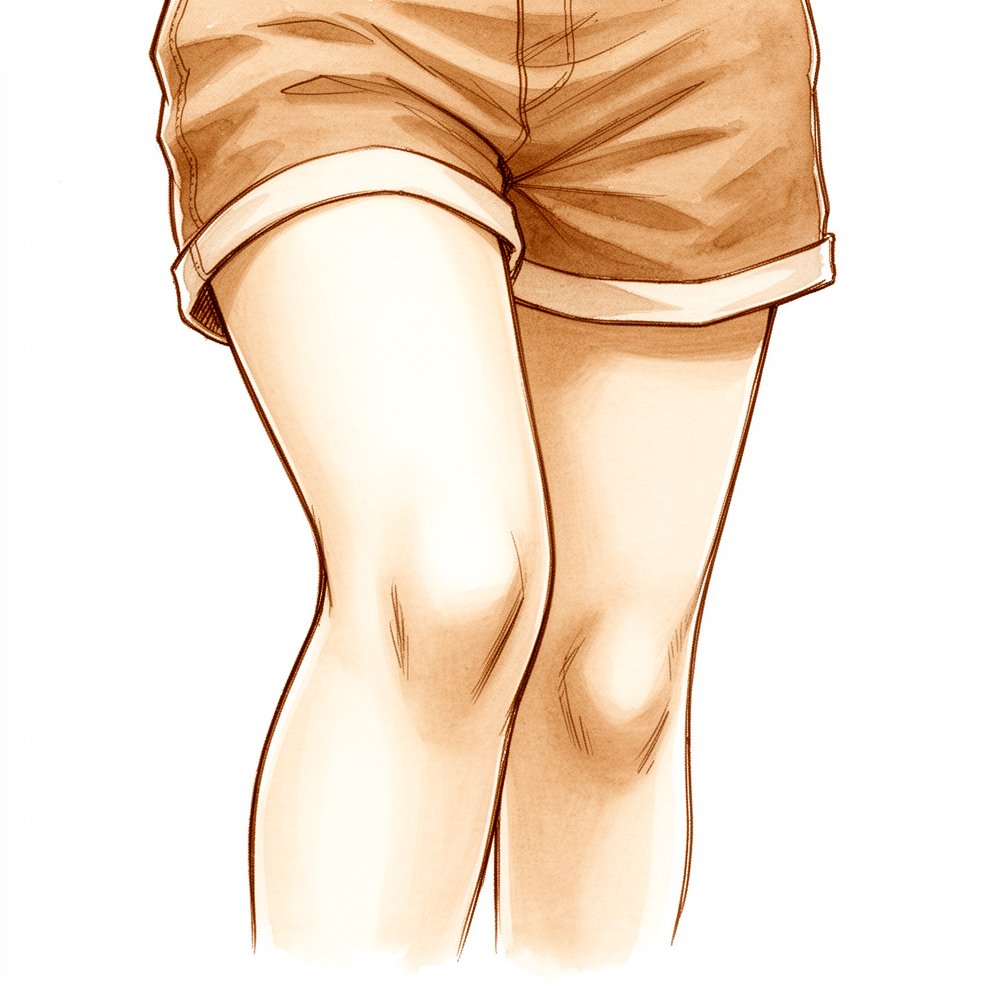
Una fractura de la meseta tibial consiste en una rotura en la parte superior de la tibia, justo donde esta forma la mitad inferior de la articulación de la rodilla. Por lo general, la rodilla se hincha y es sensible al tacto; además, puede presentar una forma anormal. Esta hinchazón se debe a sangrado dentro de la articulación, lo que hace que la rodilla se sienta blanda y pastosa al tacto.
El dolor se localiza en lo profundo de la rodilla y en la parte superior de la tibia. Suele intensificarse al intentar apoyar peso sobre la pierna, al girar la rodilla o al estirarla contra resistencia. Ponerse de pie desde una silla, subir escaleras o entrar y salir del coche resulta difícil, ya que dichas acciones ejercen presión sobre el hueso fracturado. Caminar cualquier distancia suele ser demasiado doloroso sin apoyo; por eso, muchas personas necesitan muletas en las primeras etapas.
Con frecuencia, el dolor empeora por la noche o después de estar de pie, incluso por breves periodos. Elevar la pierna y descansar suele aliviarlo. La rodilla puede sentirse inestable o “ceder”, sobre todo si la fractura ha desplazado la superficie articular.
Algunas fracturas se producen tras una caída desde cierta altura, un accidente de tráfico o al ser atropellado como peatón. Otras derivan de una simple caída o de una torsión, más común en personas mayores cuyos huesos han perdido resistencia. En cualquier caso, la fuerza que rompe el hueso también puede dañar los tejidos blandos circundantes, como los meniscos y los ligamentos que mantienen la articulación estable.
Esté atento a posibles señales de alerta durante los primeros días. Un dolor intenso que parece desproporcionado respecto a la lesión, una pantorrilla muy tensa e hinchada, hormigueo o entumecimiento en el pie, o un pie de color pálido requieren evaluación urgente. Estos síntomas pueden indicar acumulación de presión en los compartimentos musculares de la pierna, situación que exige tratamiento inmediato. Asimismo, el entumecimiento o la debilidad alrededor del pie y el tobillo podrían deberse a un estiramiento nervioso provocado por la lesión. Informe a su equipo médico de inmediato si presenta alguno de estos signos.
¿Qué está ocurriendo realmente?
La parte superior de la tibia se ensancha formando dos superficies redondeadas que se unen al fémur y soportan el peso del cuerpo. Puede imaginarlas como dos pilares que sostienen un techo. El pilar situado en el lado externo es más pequeño y ligeramente más débil. Al ser más débil, suele ser el primero en ceder. En la mayoría de estas fracturas, es precisamente esa superficie externa la que se fractura.
La fuerza que provoca esto suele ser el resultado de dos factores combinados: el miembro inferior se dobla lateralmente y, al mismo tiempo, el peso corporal actúa verticalmente sobre el hueso. Esto ocurre con frecuencia al aterrizar bruscamente sobre una pierna extendida y cargando peso, como en una caída desde cierta altura. Cuando el hueso se comprime y aplasta en lugar de fracturarse limpiamente, la superficie articular queda por debajo de su nivel normal. Esa zona hundida es la que genera tanto dolor al soportar peso y puede hacer que la rodilla se sienta inestable.
El patrón de fractura depende mucho de las características del hueso. Los huesos fuertes y jóvenes tienden a agrietarse y fragmentarse, aunque esos fragmentos permanecen más o menos en su posición original. En cambio, los huesos de personas mayores, que han perdido resistencia, se comprimen y abollan, como una galleta blanda al presionarla con el pulgar. En algunas fracturas se ven afectadas ambas superficies, lo cual indica que la fuerza aplicada fue mayor y que la lesión es más grave.
Esa misma fuerza también puede dañar los tejidos blandos de la rodilla: los dos meniscos, que actúan como amortiguadores entre los huesos, y los ligamentos que mantienen la estabilidad articular pueden estirarse o desgarrarse. Por eso, en algunos casos las rodillas con estas fracturas no solo duelen, sino que también se sienten inestables o “flojas”.
Si la fractura deja la superficie articular irregular o provoca que la rodilla se hunda hacia dentro (en valgo) o hacia fuera (piernas arqueadas, en varo), la carga sobre la articulación deja de distribuirse de manera uniforme. Precisamente para evitar este reparto desigual de la carga es necesario tratar estas lesiones, pues de lo contrario pueden derivar en artrosis y problemas crónicos para caminar.
Qué podemos hacer al respecto
Las radiografías ofrecen una primera visión rápida de la fractura. Un escáner TAC proporciona una imagen más detallada de la superficie articular y, por lo general, se realiza antes de cualquier intervención quirúrgica. El escáner de resonancia magnética no es de uso rutinario, pero puede detectar daños en los ligamentos y en los meniscos internos de la rodilla que otros estudios no identifican.
Dado que se trata de una lesión aguda, a veces se recomienda la cirugía de inmediato, sin antes intentar un tratamiento no quirúrgico. No obstante, no todas estas fracturas requieren intervención quirúrgica. Si la fractura no ha desplazado la superficie articular, o si la depresión en dicha superficie es pequeña y la rodilla permanece estable al examen, podemos tratarla sin cirugía. Esto suele implicar el uso de una rodillera articulada que permite el movimiento temprano de la rodilla mientras se protege la fractura, además de muletas y limitaciones en la carga que se aplica a la pierna al principio. La fisioterapia comienza desde el inicio y tiene como objetivo recuperar el movimiento y la fuerza mientras el hueso sana. En personas mayores o menos activas, o cuando otras condiciones de salud hacen que la cirugía sea riesgosa, una ligera irregularidad en la superficie articular suele ser tolerable.
La cirugía se considera cuando la fractura ha desplazado la superficie articular, cuando no se espera que la rodilla quede alineada y estable por sí sola, o cuando la rodilla es inestable. Un fragmento óseo separado, una depresión que abarca más de la mitad de la superficie articular externa, una fractura que afecta al pequeño hueso lateral de la rodilla, o una rodilla que ha quedado desviada hacia dentro (en valgo) son indicadores claros de que se requiere cirugía. El objetivo de la operación es elevar la superficie articular hundida a su nivel normal, fijar los fragmentos con placas y tornillos, y restablecer una distribución uniforme de la carga en la rodilla para que esta se mueva sin dolor ni inestabilidad. En ocasiones se emplea un injerto óseo o un cemento óseo especial para rellenar el espacio que queda bajo la superficie elevada y brindarle soporte durante la cicatrización. La forma en que tomamos esta decisión y los detalles de la intervención se explican en la página dedicada a la cirugía.
Qué esperar
La mayoría de las fracturas de la meseta tibial adoptan un patrón predecible a lo largo de semanas o meses. El dolor intenso de los primeros días disminuye a medida que el hueso se va soldando, y la hinchazón se reduce gradualmente. El movimiento y la fuerza se recuperan lentamente mediante fisioterapia; es normal que el progreso sea gradual en lugar de constante. Aun así, una rodilla que ha sufrido esta lesión rara vez vuelve a sentirse igual que antes. Por lo general, funciona peor que la otra rodilla; además, las fracturas que afectan a ambas mesetas suelen dejar mayor rigidez y debilidad que aquellas que afectan solo a un lado.
Si la fractura es pequeña y la rodilla permanece estable, el tratamiento sin cirugía puede ser eficaz. La superficie articular tolera cierto grado de irregularidad, y las fracturas tratadas de este modo con una selección adecuada del caso sanan manteniendo una buena función. Es muy poco frecuente que se desarrolle artritis degenerativa grave e incapacitante tras este tipo de tratamiento. La cirugía para una fractura desplazada o inestable tiene como objetivo restablecer una carga uniforme en toda la rodilla; los pacientes seleccionados cuidadosamente también pueden esperar buenos resultados. Dejar sin tratar una fractura gravemente desplazada es más arriesgado: la rodilla puede quedar desviada hacia dentro (en valgo) o hacia fuera (en varo), lo cual distribuye la carga de forma desigual, genera inestabilidad, afecta el equilibrio y puede provocar caídas.
La recuperación no termina con la consolidación ósea. En algunas rodillas, incluso tras la curación de la fractura, persiste la sensación de inestabilidad o de que la rodilla cede, y el patrón de marcha y la calidad de vida pueden seguir siendo ligeramente distintos durante mucho tiempo. Para volver a practicar deportes se requiere paciencia: menos de la mitad de los esquiadores con esta fractura volvieron a las pistas tres años después de la cirugía; no obstante, con el paso del tiempo, cada vez más personas regresan a actividades deportivas recreativas. Por otro lado, las puntuaciones que los pacientes otorgan a su propia rodilla siguen mejorando después del primer año.
Un pequeño número de personas necesitarán nuevas intervenciones quirúrgicas posteriormente. Los pacientes mayores y aquellos con fracturas más graves tienen mayor probabilidad de requerir una prótesis total de rodilla en el futuro; asimismo, una rodilla que permanece inestable o sin curar suele necesitarla antes. Las complicaciones graves en las primeras fases son poco frecuentes pero posibles; por ello, no falte a sus citas de seguimiento y comunique cualquier síntoma anómalo.
¿Cuándo consultar a un especialista?
Acuda a urgencias si presenta un dolor intenso que parece desproporcionado respecto a la lesión, una pantorrilla tensa y muy hinchada, hormigueo o entumecimiento en el pie, o un pie pálido. Estos síntomas pueden indicar acumulación de presión dentro de los músculos de la parte inferior de la pierna, una afección conocida como síndrome compartimental. Requiere evaluación y tratamiento de urgencia el mismo día. Asimismo, vaya de inmediato al hospital si su pie está frío, entumecido o débil; esto podría significar que un vaso sanguíneo o un nervio ha resultado dañado. El hecho de que el pulso sea normal no excluye esta posibilidad; por ello, cualquier diferencia entre ambas piernas es importante. Consulte a su médico de cabecera sin demora si tras una caída o torcedura presenta una rodilla hinchada y dolorosa que no mejora, especialmente si la rodilla parece deformada o cede al apoyarse.
Evidence & references
This is the clinical evidence summary written for health professionals. It is technical, and it lists the research this page was built from. You do not need to read it to understand your treatment or to make a decision about it.
Overview
Mechanism and Pathophysiology
- The magnitude, type, and direction of forces applied to the knee dictate the resulting tibial plateau fracture pattern [2].
- Higher energy absorption by the proximal tibia results in more severe fractures with greater fragment displacement and comminution [2].
- Axially loading forces are generally more rapid and release greater energy than angular forces [2].
- The intact medial collateral ligament acts as a hinge for the lateral femoral condyle, a condition required for the lateral plateau to fracture [2].
- The proximal tibia is most likely subjected to valgus force due to the normal 5 to 7 degrees of valgus alignment of the knee and the propensity for lateral impact [2].
- A combination of valgus and axial compression produces lateral-side depression, split depression, or lateral split fractures [2].
- Younger patients with good bone quality tend to present with split fractures with less depression, while elderly patients with osteopenic bone present with a greater component of compression and less prominent split fragments [2].
- Varus injuries lead to failure of the medial plateau, which can involve the entire medial plateau or extend into the lateral plateau [2].
- A posteromedial shearing fracture of the medial plateau is a common medial-side pattern that can occur as an isolated split or as part of a bicondylar fracture pattern [2].
- Bicondylar fracture patterns result when axial load predominates, with severity varying based on the magnitude of axial forces [2].
- Metaphyseal tibial plateau fractures from direct trauma or combined axial and bending forces are associated with a high risk of complications including open fractures, severe soft tissue injury, trifurcation injury, and compartment syndrome [2].
- Fractures of the tibial plateau are caused by a varus or valgus force combined with axial loads, usually from a fall from height [3].
- The classically described 'bumper fracture' involving a car striking a pedestrian on the side of the knee is relatively unusual [3].
- Varus hyperextension injuries are characterized by tension failure of the posterior cortex and compression of the anterior cortex with varus deformity in the coronal plane [2].
Anatomy and Associated Injuries
- The tibia gradually flares from the narrow diaphysis to the proximal tibia, with the proximal lateral tibia abruptly flaring to form the lateral tibial condyle [6].
- The medial plateau is more resistant to failure than the lateral plateau [6].
- The articular surface of the lateral tibial plateau is flat or slightly convex, while the medial tibial plateau is concave [6].
- The lateral plateau is higher than the medial plateau, accounting for a few degrees of varus of the tibial plateau in relation to the shaft [6].
- The proximal articular surface slopes from proximal (front) to distal (back) relative to the shaft [6].
- The range of varus coronal slope is between −1 and 6 degrees, and sagittal slope is from 0 to 14 degrees on the lateral side and −3 to 10 degrees on the medial side [6].
- The common peroneal nerve runs under the cover of the biceps femoris on the back of the neck of the fibula [6].
- The popliteal artery is rarely injured with tibial plateau fractures, but the trifurcation of the popliteal artery occurs in an area where plateau displacement is likely with certain fracture patterns [6].
- The anterior tibial artery is bound at the interosseous membrane and is at particular risk in shaft-dissociated fracture patterns [6].
- Patients with tibial plateau fractures frequently have associated injuries to other ipsilateral or contralateral skeletal structures or other systems [2].
- In one study of bicondylar tibial plateau fractures, 13 of 41 patients had other major skeletal injuries that affected functional outcome [2].
- Knee dislocation events were identified or confirmed based on MRI in 46% of Schatzker type IV patterns [2].
- Schatzker type IV, V, and VI patterns demonstrated a high incidence of ligament injury [2].
- High-energy tibial plateau fractures have a small risk of vascular injury and a high risk for compartment syndrome [2].
- MCL injuries can be associated with lateral tibial plateau fractures [2].
Classification
- The Schatzker classification and the OTA/AO classification are the most common systems followed in clinical practice [5].
- The Schatzker classification is easier to remember, while the OTA/AO system is more comprehensive and commonly used in scientific publications [5].
- Both the Schatzker and OTA/AO systems are AP radiograph-based and fail to account for bicondylar sagittal and/or coronal plane fracture lines and posterior shear fracture patterns [5].
- Failure to identify posterior shear fracture patterns can negatively impact the overall treatment plan and surgical result [5].
- Schatzker Type I is a pure cleavage or split type of fracture involving a sagittal fracture line in the lateral tibial plateau without articular crush [5].
- Schatzker Type I fractures are generally seen in young patients with good quality bone [5].
- Schatzker Type II is a vertical split of the lateral condyle combined with central depression [3].
- Schatzker Type III is a depression of the articular surface with an intact condylar rim [3].
- Schatzker Type IV is a fracture of the medial tibial condyle, which may be a depressed crush fracture or a high-energy oblique split [3].
- Schatzker Type V is a fracture of both condyles where a column of the metaphysis remains in continuity with the tibial shaft [3].
- Schatzker Type VI is a combined condylar and subcondylar fracture where the tibial shaft is effectively disconnected from the tibial condyles [3].
Assessment and Imaging
- AP and lateral view X-rays are required for assessment, but the extent of comminution or depression is only fully appreciated on CT scan [3].
- CT is useful for surgical planning, particularly for identifying a posterior condylar component that may require a separate posteromedial or posterolateral exposure [3].
- The joint is typically swollen and may be deformed with the doughy feel of a haemarthrosis [3].
- The knee should be examined for signs of neurovascular injury, as traction injury of the peroneal or tibial nerves is not uncommon [3].
- Severe fractures may be associated with major vascular injury or represent a reduced knee dislocation [3].
Nonoperative Treatment
- Nonoperative treatment is indicated for undisplaced or minimally displaced tibial plateau fractures [1].
- Nonoperative treatment is indicated for small depressions of the lateral plateau without deformity or instability on clinical exam [1].
- Nonoperative treatment is indicated for patients with significant medical comorbidities that preclude surgical treatment [1].
- Nonoperative treatment is indicated for elderly patients with low functional demands in whom subtle deformities are tolerated [1].
- Knee instability is a relative contraindication for nonoperative treatment [1].
- Greater displacement where deformity is easily predictable is a relative contraindication for nonoperative treatment [1].
- Displaced medial-side injuries are a relative contraindication for nonoperative treatment [1].
- Undisplaced or incomplete fractures may be treated nonoperatively with good results [1].
- Nonsurgical management can be considered for patients who present in a delayed manner or for whom surgical treatment is not advisable due to multiple medical comorbidities or high risk for morbidity and mortality from anesthesia [1].
- The proximal tibial articular surface tolerates small-to-modest articular displacements, resulting in predictably excellent outcomes despite articular irregularities in properly selected fractures [1].
- Progressive incapacitating posttraumatic arthritis is very unusual after nonoperative treatment of tibial plateau fractures [1].
- There are no consensus guidelines regarding nonoperative treatment of tibial plateau fractures [1].
- It is rare to obtain a closed reduction of a displaced proximal tibia fracture for definitive nonoperative management, and for many displaced fractures, it is impossible [1].
- Predicting the presence or absence of deformity after treatment is very important when selecting cases for nonoperative treatment [1].
- Angular malalignment is not tolerated and causes more loading of the articular cartilage of the injured condyle [1].
- Malalignment may be cosmetically unacceptable, increases the propensity for knee instability, and can cause balance issues and lead to falls [1].
- Predicting further displacement relies on patient age, activity level, general medical condition, clinical evaluation of limb alignment, and careful review of imaging for bone quality, fracture type, direction of initial displacement, degree of articular comminution, width of the tibial plateau, and degree of articular depression [1].
- The risk of development of deformity is related to the articular depression, but this relationship is not 1:1 [1].
- Localized depressions up to 10 mm or more may result in a stable knee with good clinical outcomes [1].
- Fractures involving large segments of the lateral tibial plateau plus split depression fracture patterns are likely to lead to valgus malalignment [1].
- Some Schatzker type II lateral tibial plateaus are amenable to nonoperative treatment with minimal risk of deterioration, especially when the size of the fractured plateau is relatively small [1].
- Medial plateau fractures have a greater propensity to subside as the weight-bearing axis of the lower limb crosses slightly medial to the midline [1].
- Subsidence or collapse of the medial plateau can lead to varus deformity [1].
- Undisplaced type 1 fractures can be treated conservatively with a hinged cast-brace or ROM brace to allow early mobilization, with restricted weight-bearing initially [3].
- For type 2 fractures, non-operative treatment is appropriate if the knee is stable and depression is less than 5 mm, or in a low-demand patient or osteoporotic fracture [3].
- Non-operative treatment for type 2 fractures focuses on regaining mobility and function early rather than anatomical restitution [3].
Operative Treatment Principles
- Displaced type 1 fractures must be reduced and fixed [3].
- Reduction of displaced type 1 fractures may require removal of incarcerated fragments or cartilage [3].
- Fixation of type 1 fractures can be achieved with lag screws in good bone or a buttress plate in poorer bone [3].
- For type 2 fractures requiring surgery, open reduction with elevation of the plateau and internal fixation is required [3].
- Joint surface inspection via submeniscal arthrotomy or arthroscopically is recommended for type 2 fractures [3].
- Screws can be placed in parallel just beneath the subchondral bone ('raft' screws) to support the articular surface in type 2 fractures [3].
- Bone graft may help support the articular surface in type 2 fractures [3].
- The wedge of the lateral condyle in type 2 fractures is fixed with a buttress plate [3].
- Periarticular locking plates are popular for type 2 fractures but are not always necessary [3].
- Early knee movement is encouraged after type 2 fracture fixation to minimize joint stiffness [3].
- Plates and screws are the most frequent implants used to stabilize tibial plateau fractures [14].
- Lag screws are used to compress simple fracture lines in isolation or in conjunction with other fixation devices [14].
- Partially threaded screws are most common for compression, with 6.5-mm screws working well for major plateau fracture lines [14].
- Anterolateral plates serve as a buttress and substitute for damaged lateral cortex in lateral split depression plateau fractures [14].
- 3.5-mm implants and screws are the most common size, having largely supplanted 4.5-mm implants [14].
- 3.5-mm implants are less bulky and allow more screws to be placed closer to the articular surface to support reduced fragments [14].
- "Rafting screws" are placed parallel and close to the articular surface to support the reduced articular surface and minimize postoperative settling [14].
- Posteromedial plates function as an antiglide device to resist shearing forces [14].
- In posteromedial plate application, the plate position in relation to the apex of the fracture is more important than the exact placement of screws [14].
- Lateral plates used for bicondylar and Schatzker type VI fractures must resist axial, rotational, and bending forces [14].
- Locking screws to lateral plates have been a major advance in resisting mechanical forces in bicondylar and Schatzker type VI fractures [14].
- Plate constructs for bicondylar and Schatzker type VI fractures may be bigger (e.g., 4.5 mm) than those used for unicondylar fractures [14].
- Lateral plates must prevent the tendency of bending forces to create a varus deformity [14].
- Lateral plates are generally considered insufficient in providing support for an unstable medial column [14].
- The use of locking screws for unicondylar tibial plateau fractures where the plate functions as a buttress or antiglide is of uncertain value [14].
Anatomy & Pathophysiology
Bony Anatomy
- The knee has an average anatomic axis of 6° of valgus [4].
- The proximal tibia is in 3° of varus, with the lateral plateau sitting slightly higher than the medial plateau [4].
- The lateral tibial plateau is smaller and convex, while the medial tibial plateau is larger and concave [4].
- The medial tibial plateau accommodates 60% of the weight distributed through the knee [4].
- According to Wolff's law, the weight distribution results in increased bone density of the medial plateau compared to the lateral plateau [4].
- The lateral plateau is affected exclusively in 55% to 70% of tibial plateau fractures [4].
- Medial plateau unicondylar fractures occur in 10% to 23% of cases [4].
- Bicondylar fractures occur in 10% to 30% of cases [4].
- The proximal articular surface slopes from the front (proximal) to the back (distal) relative to the shaft [6].
- The range of varus coronal slope is between −1 and 6 degrees [6].
- The sagittal slope ranges from 0 to 14 degrees on the lateral side and −3 to 10 degrees on the medial side [6].
- The tibia gradually flares from the relatively narrow diaphysis to the proximal tibia [6].
- The proximal lateral tibia abruptly flares to form the lateral tibial condyle, which serves as the origin of the anterior compartment muscles [6].
- Gerdy's tubercle is located on the proximal lateral tibia for the insertion of the iliotibial band [6].
- The tibial shaft is triangular in cross section [16].
- The tibial tubercle is located anterolaterally about 3 cm distal to the articular surface and serves as the attachment point for the patellar tendon [16].
Soft Tissue & Neurovascular Anatomy
- Both medial and lateral articular surfaces are covered by hyaline cartilage and partially covered by fibrocartilaginous menisci [6].
- The menisci are attached to their respective plateaus by the menisci tibial ligaments (coronary ligaments) [6].
- There is greater meniscal coverage of the lateral plateau than the medial plateau [6].
- The intercondylar eminence and medial and lateral tibial spines separate the two plateaus and serve as attachment points for the ACL and PCL [6].
- The common peroneal nerve runs under the cover of the biceps femoris and rests on the back of the neck of the fibula [6].
- The proximal fibula buttresses the lateral plateau, and associated fractures of the proximal fibula result in greater valgus instability [6].
- The pes tendons (gracilis, sartorius, and semitendinosus) insert on the anteromedial portion of the proximal tibia distal to the patellar tendon insertion [6].
- The anterior compartment muscles (tibialis anterior and extensor digitorum longus) arise from the inferior surface of the lateral condyle of the tibia [6].
- The medial head of the gastrocnemius arises from the posterior femur just above the posterior medial femoral condyle [6].
- The trifurcation of the popliteal artery occurs in an area where plateau displacement is likely with certain fracture patterns [6].
- The anterior tibial artery is bound at the interosseous membrane and is at particular risk in shaft-dissociated patterns [6].
- The medial (tibial) collateral ligament inserts into the medial proximal tibia [16].
- The lateral (fibular) collateral ligament inserts into the fibular head [16].
- The common peroneal nerve courses around the neck of the fibula distal to the proximal tibiofibular joint before dividing into superficial and deep branches [16].
- The anterior compartment musculature attaches to the proximal lateral tibia [16].
- The proximal medial tibial surface is devoid of muscle coverage but serves as an attachment point for the pes tendons [16].
Mechanisms of Injury
- The magnitude, type, and direction of forces that injure the knee dictate the fracture pattern [2].
- Greater energy absorbed by the proximal tibia results in more severe fractures with greater displacement and comminution [2].
- Axially loading forces are more rapid and release greater energy than angular forces [2].
- The intact medial collateral ligament acts like a hinge for the lateral femoral condyle, which must be present for the lateral plateau to fracture [2].
- The proximal tibia is most likely subjected to a valgus force due to the normal 5 to 7 degrees of valgus alignment and propensity to be struck from the lateral side [2].
- A valgus force loads the lateral tibial plateau to failure from direct impact with the lateral femoral condyle [2].
- A combination of valgus and axial compression produces lateral-side depression, split depression, or less commonly, lateral split or total lateral condyle fractures [2].
- Younger patients with good bone tend to have split fractures with less depression [2].
- Elderly patients with osteopenic bone have a greater component of compression with a less prominent split fragment [2].
- Varus injuries lead to failure of the medial plateau less commonly than lateral-side fractures [2].
- A posteromedial shearing fracture of the medial plateau is a common medial-side pattern and can occur as an isolated split fracture or as part of a bicondylar fracture pattern [2].
- The mechanism for posteromedial shearing fractures has been described as knee flexion, varus, and internal rotation of the medial femoral condyle [2].
- Tibial plateau fractures most often occur with the leg in a weight-bearing position, so axial load is typically a component of the injuring force [2].
- Bicondylar patterns result when axial load predominates [2].
- In a patient with a valgus knee, an axial force may shear the medial tibial condyle and produce a medial plateau fracture or fracture-dislocation [2].
- Metaphyseal region fractures occur from direct trauma and/or a combination of axial load and bending forces [2].
- These metaphyseal injuries have a high risk of complications including open fractures, severe closed soft tissue injury, trifurcation injury, and compartment syndrome [2].
- Varus hyperextension injuries are associated with tension failure of the posterior cortex and compression of the anterior cortex with varus deformity in the coronal plane [2].
- The classically described 'bumper fracture' with a car striking a pedestrian on the side of the knee is relatively unusual [3].
- One or both tibial condyles are crushed or split by the opposing femoral condyle, which usually remains intact [3].
- Tibial plateau fractures result from direct axial compression—usually with a valgus (more common) or varus (less common) moment—and indirect shear forces [16].
- The direction, magnitude, and location of the force as well as the position of the knee at impact determine the fracture pattern, location, and degree of displacement [16].
- In younger patients with robust bone quality, high-energy trauma results in fractures typified by more comminution and less joint line depression [4].
- In elderly patients, low-energy mechanisms result in lateral plateau fractures with articular depression [4].
- The combination of shearing and compressive loads imparts a high risk of injury to the menisci, ligaments, peroneal nerve, and popliteus vessels [4].
Associated Injuries
- Patients with tibial plateau fractures frequently have associated injuries that may influence management [2].
- In one study of bicondylar tibial plateau fractures, 13 of 41 patients had other major skeletal injuries in addition to the plateau fracture [2].
- Meniscal tears are associated with up to 50% of tibial plateau fractures [16].
- Associated injury to the cruciate or collateral ligaments occurs in up to 30% of patients [16].
- Skin compromise is frequently present in high-energy fracture patterns [16].
- In a review of 190 proximal tibial articular fractures, 67% of meniscal injuries occurred in plateau fracture patterns [8].
- In the same review, 96% of cruciate injuries and 85% of medial collateral ligament injuries occurred in fracture-dislocation patterns [8].
- Peroneal nerve injury was twice as common in fracture-dislocation patterns compared to pure plateau fractures [8].
- Complex fractures involving the femoral and tibial surfaces had a 25% incidence of vascular injury and 25% incidence of compartment syndrome [8].
- In 19 complex fractures with severe soft-tissue injury, vascular injury occurred in 31%, compartment syndrome in 31%, and peroneal nerve injury in 23% [8].
- A 2005 series using MRI evaluation of surgical tibial plateau fractures found that the incidence of intracapsular soft-tissue injuries was almost universal [15].
- In that MRI series, lateral meniscus injury was the most common at 91% [15].
- Ligamentous injury was noted in 77% of fractures in the MRI series [15].
- Intraoperative correlation has shown that only 30% of fractures have lateral meniscus tears that actually require surgical repair [15].
- High-energy medial tibial plateau fractures are commonly accompanied by lateral collateral ligament and anterior cruciate ligament injuries [15].
- Fractures of the tibial spine correlate to cruciate ligament dysfunction [15].
Classification
Schatzker Classification
- The Schatzker classification was originally published in 1979 based on data from 94 fractures of the lateral tibial plateau collected between 1968 and 1975 [5].
- Schatzker Type I is defined as a pure cleavage or split fracture of the lateral tibial plateau, typically involving a sagittal fracture line that creates a wedge-shaped fragment without articular crush [5].
- Schatzker Type I fractures are generally seen in young patients with good bone quality [5].
- Schatzker Type II is defined as a vertical split of the lateral condyle combined with central depression [3].
- In Schatzker Type II fractures, the lateral fragment is displaced laterally, which can lead to valgus deformity if not reduced [3].
- Schatzker Type III is defined as a depression of the articular surface with an intact condylar rim [3].
- Schatzker Type IV is defined as a fracture of the medial tibial condyle [3].
- Schatzker Type IV fractures may present as a depressed crush fracture in osteoporotic bone or as a high-energy condylar split running obliquely from the intercondylar eminence to the medial cortex [3].
- Schatzker Type V is defined as a fracture of both condyles where a column of the metaphysis remains in continuity with the tibial shaft [3].
- Schatzker Type VI is defined as a combined condylar and subcondylar fracture where the tibial shaft is effectively disconnected from the tibial condyles [3].
- The Schatzker classification is an AP radiograph-based system that fails to account for bicondylar sagittal and/or coronal plane fracture lines and posterior shear fracture patterns [5].
- The Schatzker classification closely corresponds to the Hohl and Moore fracture patterns with the addition of Type VI, which represents metaphyseal-diaphyseal dissociation [8].
Hohl and Moore Classification
- The Hohl and Moore classification distinguishes between five primary fracture patterns and five fracture-dislocation patterns [8].
- In the Hohl and Moore classification, fracture-dislocations occur one seventh as frequently as fractures [8].
- Hohl and Moore Type 1 is defined as a minimally displaced fracture [8].
- Hohl and Moore Type 2 is defined as a local compression fracture [8].
- Hohl and Moore Type 3 is defined as a split compression fracture [8].
- Hohl and Moore Type 4 is defined as a total condyle fracture [8].
- Hohl and Moore Type 5 is defined as a bicondylar fracture [8].
Other Classification Systems and Concepts
- The OTA/AO classification system is more comprehensive than the Schatzker classification and is commonly used in scientific publications [5].
- The three-column concept is used to describe anatomic and stable reduction of posterior condylar involvement, which is important for surgical planning [5].
- Kfuri and Schatzker proposed revisiting the Schatzker classification by dividing the tibia into anterior, posterior, medial, and lateral zones using CT scan imaging [11].
- Firoozabadi et al. characterized a subset of bicondylar tibial plateau fractures termed varus hyperextension injuries, associated with tension failure of the posterior cortex and compression of the anterior cortex [2].
- Varus hyperextension tibial plateau fractures are associated with varus deformity in the coronal plane and loss of or reversal of posterior tibial slope [2].
- 32% of varus hyperextension bicondylar tibial plateau fractures present with associated injuries, including popliteal artery disruption, peroneal nerve injury, and compartment syndrome [11].
Clinical Presentation
Mechanism of Injury
- The greater the energy absorbed by the proximal tibia, the more severe the fracture and the more the fragments are displaced and comminuted [2].
- The proximal tibia is most likely to be subjected to a valgus force because of the normal 5 to 7 degrees of valgus alignment of the knee and a propensity to be struck from the lateral side [2].
- Younger patients with good bone tend to have split fractures with less depression, while elderly patients with osteopenic bone have a greater component of compression with a less prominent split fragment [2].
- Tibial plateau fractures most often occur with the leg in a weight-bearing position so axial load is typically some component of the injuring force [2].
- Bicondylar patterns result when axial load predominates, with severity varying based on the magnitude of the axial forces [2].
- Fractures of the tibial plateau are caused by a varus or valgus force combined with axial loads, usually a fall from height [3].
- Split lateral plateau fractures typically result from low-energy forces from falls and twisting injuries [7].
- Patients whose injuries result from falls from a height, motor vehicle accidents, or pedestrian struck are more likely to have tibial plateau fracture patterns with a higher risk of associated neurovascular injury or compartment syndrome [7].
- The mechanism of injury in isolation may be deceiving, as relatively high-energy fractures can occur when the history suggests more innocuous mechanisms [7].
- Historically, tibial plateau fractures were more common in young patients after high-energy trauma; now, a larger percentage results from a low-energy fall in older patients with osteoporotic bone [16].
Physical Examination
- The joint is swollen and may be deformed with the doughy feel of a haemarthrosis [3].
- Severe fractures may be associated with major vascular injury or represent a knee dislocation that has reduced [3].
- Tibial plateau fractures may have communicating open wounds, which need to be identified on physical examination of the injured limb [7].
- A thorough neurovascular examination is mandatory in all injured limbs, particularly in patients with metaphyseal–diaphyseal dissociation patterns and fracture-dislocations [7].
- Medial tibial condyle fractures are essentially variants of a knee dislocation and have a high risk for compartment syndrome [7].
- Compartment syndrome can result from muscle ischemia due to vascular obstruction or secondary to hemorrhage due to shearing of the arteries [7].
- The compartments of the lower leg should be evaluated with serial examinations for signs of compartment syndrome, including tense compartments and pain with passive stretching [7].
- Measuring compartment pressures is indicated in patients who are not responsive to clinical signs [7].
- If the diagnosis of compartment syndrome is clear on physical examination, fasciotomy may be performed without pressure measurements [7].
- For high-energy injuries, a thorough vascular assessment with documentation of an ankle brachial index (ABI) is advisable [7].
- If the ABI is less than 0.9, further vascular workup with a CT arteriogram may be necessary and a vascular consult is indicated [7].
- A neurologic examination to assess sensation and voluntary motor function is essential as a baseline and must be repeated periodically during the first day or two after injury [7].
- Cutaneous sensation to tibial, superficial peroneal, saphenous, and sural nerves should be documented [7].
- In lateral tibial plateau fractures, assessing for valgus instability of the knee may provide a guide to the need for surgical treatment [7].
- Pain from the injury often makes it difficult to examine the knee for coronal instability, limiting the value of this assessment [7].
- The soft tissue envelope around the knee must be carefully examined, particularly when an open reduction is planned [7].
- Important features of the soft tissues include the severity of swelling, visible contusions, and the size, character, and location of fracture blisters [7].
- Normal wrinkling of the skin (wrinkle sign positive) suggests that swelling has resolved [7].
- Evaluation of the soft-tissue envelope should include careful assessment for the presence of edema, effusion of the knee, abrasions, contusions, and blisters [15].
- Subtle findings may be indicative of severe injury, and a high-energy fracture mechanism should heighten the suspicion for soft-tissue injury [15].
- The subcutaneous location of the anteromedial surface of the proximal tibia is susceptible to open injury and should be checked routinely [15].
- A normal pulse examination can be misleading because pulses may be normal despite vascular injury in up to 15% of cases [15].
- Any asymmetry in pulses mandates an assessment of the ankle-brachial index [15].
- If the ankle-brachial index is less than 0.9, further workup with conventional angiography, CT angiography, or duplex ultrasonography is warranted [15].
- Failure to recognize a vascular injury promptly is associated with a lower extremity amputation rate as high as 86% [15].
- The rate of acute compartment syndrome in high-energy tibial plateau fractures requiring staged treatment has been reported to be as high as 27% [15].
- Acute compartment syndrome disproportionately affects patients with medial plateau fracture-dislocations and concomitant vascular injuries [15].
- Younger age, high-energy mechanism of injury, and comminution are patient factors associated with the development of acute compartment syndrome [15].
- Radiographic findings correlating to acute compartment syndrome include Schatzker VI tibia plateau fractures, concomitant fibula fracture, and a higher ratio of fracture length to tibia length [15].
- The examiner should palpate over the site of potential fracture or ligamentous disruption to elicit tenderness [16].
- Hemarthrosis is typically present; however, capsular disruption may result in extravasation into the surrounding soft-tissue envelope [16].
- Widening of the femoral-tibial articulation of more than 10° on varus or valgus stress examination, compared with the other leg, indicates instability [16].
- If pulses are not palpable, Doppler ultrasonographic studies should be performed [16].
- If the knee is subluxated, it should be reduced and the neurovascular examination repeated [16].
- Out-of-proportion pain is the most sensitive predictor of an impending compartment syndrome [16].
- Compartment pressures should be measured directly if the patient is unconscious and has a tense, swollen leg [16].
- An ankle-brachial index (ABI) less than 0.9 requires consultation with a vascular surgeon [16].
Imaging
- AP and lateral view X-rays are required but the extent of comminution or depression is only fully appreciated on CT scan [3].
- CT is very useful for surgical planning, particularly for the presence of a posterior condylar component which may require a separate posteromedial or postero-lateral exposure for fixation [3].
- Plain radiographs should include a knee trauma series (AP, lateral, and oblique views) and a plateau view (10° caudal tilt) [16].
- CT provides improved assessment of fracture pattern, aids in surgical planning, and improves the ability to classify fractures [16].
- CT should be ordered when better visualization of the bone fragments is required or to confirm a suspected traumatic arthrotomy [16].
- MRI is of limited use in the acute setting [16].
- Adequate and pertinent imaging including x-rays, computerized tomographic (CT) scans (with 3D reconstructions, if available), and MRI (if required) help to delineate the fracture pattern to make a surgical plan [10].
Associated Injuries
- Patients with tibial plateau fractures frequently have associated injuries that may influence how the plateau fracture is managed [2].
- In 190 proximal tibial articular fractures, 67% of meniscal injuries occurred in plateau fracture patterns, whereas 96% of cruciate injuries and 85% of medial collateral ligament injuries occurred in fracture-dislocation patterns [8].
- Peroneal nerve injury was twice as common in fracture-dislocation patterns compared to pure plateau fracture patterns [8].
- Ligamentous injuries occur more frequently in minimally displaced, local compression, and split compression fractures [8].
- It is wise to obtain stress radiographs of the knee to evaluate ligamentous structures in pure fracture patterns [8].
- A 2005 series using MRI evaluation of surgical tibial plateau fractures found that the incidence of intracapsular soft-tissue injuries was almost universal, with lateral meniscus injury being the most common (91%) and ligamentous injury noted in most fractures (77%) [15].
- High-energy medial tibial plateau fractures commonly are accompanied by lateral collateral ligament and anterior cruciate ligament injuries, which can result in a combined fracture-dislocation of the knee [15].
Investigations
Imaging Modalities
- AP and lateral view X-rays are required for the initial assessment of tibial plateau fractures [3].
- The extent of comminution or depression is only fully appreciated on CT scan [3].
- CT is useful for surgical planning, particularly for identifying a posterior condylar component which may require a separate posteromedial or postero-lateral exposure [3].
- Plain radiographs enable a rapid assessment that can help differentiate high-energy and low-energy mechanisms of injury [23].
- The AP knee radiograph should be tilted 7° to 10° caudal to match the posterior slope of the proximal tibia and accurately assess the articular surface [23].
- The lateral view assesses for coronal fracture planes, and oblique views can also be insightful [23].
- CT with coronal and sagittal reconstructions is typically obtained for preoperative assessment [23].
- In cases of staged treatment for substantial comminution, CT may be delayed until after external fixation so that imaging can be conducted under ligamentotaxis [23].
- Three-dimensional CT reconstructions help in surgical planning for more complex cases [23].
- Substantial improvements in interobserver and intraobserver reliability have been shown in determining the AO/OTA and Schatzker classifications using three-dimensional CT compared with two-dimensional CT [23].
- MRI is not obtained routinely at most centers for tibial plateau fractures [23].
- MRI can improve the early diagnosis of accompanying ligamentous and meniscal injuries [23].
- MRI can enhance interobserver reliability when compared with two-dimensional CT [23].
Classification
- The most commonly used classification for tibial plateau fractures is that of Schatzker [3].
- Schatzker Type 1 is a vertical split of the lateral condyle, which may be virtually undisplaced or displaced inferiorly and tilted, and usually occurs in younger people [3].
- Schatzker Type 2 is a vertical split of the lateral condyle combined with central depression, where the lateral fragment is displaced laterally with widening of the joint [3].
- Schatzker Type 3 is a depression of the articular surface with an intact condylar rim [3].
- Schatzker Type 4 is a fracture of the medial tibial condyle, which may be a depressed crush fracture of osteoporotic bone or a high-energy fracture with a condylar split running obliquely from the intercondylar eminence to the medial cortex [3].
- Schatzker Type 5 is a fracture of both condyles where both are split but a column of the metaphysis remains in continuity with the tibial shaft [3].
- Schatzker Type 6 is a combined condylar and subcondylar fracture, a high-energy injury that may result in severe comminution and effectively disconnects the tibial shaft from the tibial condyles [3].
Preoperative Assessment
- Contralateral AP and lateral knee radiographs should be obtained to assess for baseline coronal and sagittal plan alignment [22].
- The preoperative plan requires careful evaluation of injury radiographs and CT scan with or without three-dimensional reconstruction [22].
- The surgical algorithm should involve consideration of the method of reduction, the need for one or multiple surgical approaches, the instrumentation and plating techniques to be used, and the need for adjunct techniques [22].
- The method of fixation selected should be tailored to the injury characteristics to obtain adequate articular reduction and stability and maintain metaphyseal alignment [22].
Treatment
Non-Operative Management
- Nonoperative treatment of tibial plateau fractures is indicated for undisplaced or minimally displaced fractures [1].
- Nonoperative treatment is indicated for small depressions of the lateral plateau without deformity or instability on clinical examination [1].
- Knee instability is a relative contraindication for nonoperative treatment of tibial plateau fractures [1].
- Greater displacement where deformity is easily predictable is a relative contraindication for nonoperative treatment of tibial plateau fractures [1].
- Displaced medial-side injuries are a relative contraindication for nonoperative treatment of tibial plateau fractures [1].
- Undisplaced or incomplete tibial plateau fractures may be treated nonoperatively with good results [1].
- Nonsurgical management can be considered for patients who present in a delayed manner [1].
- Nonsurgical management can be considered for patients in whom surgical treatment is not advisable due to multiple medical comorbidities or high risk for morbidity and mortality from anesthesia [1].
- Progressive incapacitating posttraumatic arthritis is very unusual following nonoperative treatment of tibial plateau fractures [1].
- It is rare to obtain a closed reduction of a displaced proximal tibia fracture for definitive nonoperative management [1].
- For many displaced tibial plateau fractures, closed reduction for definitive nonoperative management is impossible [1].
- Angular malalignment after a tibial plateau fracture causes more loading of the articular cartilage of the injured condyle [1].
- Angular malalignment after a tibial plateau fracture increases the propensity for knee instability and can cause balance issues and lead to falls [1].
- Predicting further displacement in nonoperative treatment relies on patient age, activity level, general medical condition, clinical evaluation of limb alignment, and careful review of imaging for bone quality, fracture type, direction of initial displacement, degree of articular comminution, width of the tibial plateau, and degree of articular depression [1].
- Medial plateau fractures have a greater propensity to subside than lateral plateau fractures because the weight-bearing axis of the lower limb crosses slightly medial to the midline [1].
- Undisplaced type 1 tibial plateau fractures can be treated conservatively with a hinged cast-brace or ROM brace to allow early mobilization [3].
- Weight-bearing is restricted initially for undisplaced type 1 tibial plateau fractures treated conservatively [3].
- For type 2 tibial plateau fractures, non-operative treatment is appropriate if the knee is stable and depression is less than 5 mm [3].
- For type 2 tibial plateau fractures, non-operative treatment is appropriate in low-demand patients or those with osteoporotic fractures [3].
- Non-operative treatment for type 2 tibial plateau fractures focuses on regaining mobility and function early rather than anatomical restitution [3].
- In a retrospective comparative study, 59% of patients with nonsurgically managed tibial plateau fractures had good to excellent functional outcomes [11].
- Poorer outcomes in nonsurgically managed tibial plateau fractures were noted in patients who were unfit surgical candidates [11].
Operative Indications
- Operative treatment of tibial plateau fractures is indicated for displaced unstable fractures where near-normal limb alignment cannot be predicted based on the fracture pattern or physical examination [13].
- In young healthy patients, operative treatment includes almost all bicondylar and shaft dissociated patterns [13].
- In young healthy patients, operative treatment includes all but minimally displaced medial plateau fractures [13].
- In young healthy patients, operative treatment includes lateral plateau fracture patterns where valgus alignment or instability will occur without surgical reduction and fixation [13].
- The presence of a split fragment is a strong indication for surgery in lateral tibial plateau fracture patterns [13].
- A depression affecting over half of the lateral articular surface is a strong indication for surgery in lateral tibial plateau fracture patterns [13].
- A fibular head fracture is a strong indication for surgery in lateral tibial plateau fracture patterns [13].
- Valgus alignment on injury radiographs is a strong indication for surgery in lateral tibial plateau fracture patterns [13].
- Clinical valgus alignment on examination is a strong indication for surgery in lateral tibial plateau fracture patterns [13].
- The number of millimeters of depression of the articular surface measured on radiographs has been frequently used to indicate surgery [13].
- Depression is difficult to measure accurately and reliably on plain radiographs [13].
- When observers make independent measurements of depression from plain radiographs, their measurements differ by 12 mm or more 10% of the time [13].
- The size and location of the depressed area influence whether a certain amount of depression is clinically significant [13].
- The number of millimeters of depression is not reliable and too simplistic to be a good way to decide on surgical indications [13].
- In elderly, less active, or medically unfit patients, the indications for operative treatment are narrower [13].
- In elderly, less active, or medically unfit patients, the risks and benefits of surgical intervention must be carefully assessed on a case-by-case basis [13].
- In elderly, less active, or medically unfit patients, deformity is less significant and functional demands are less [13].
- Surgery is potentially more difficult in elderly, less active, or medically unfit patients due to more osteopenic bone [13].
- Displaced type 1 tibial plateau fractures must be reduced and fixed [3].
- Reduction of displaced type 1 tibial plateau fractures may require removal of incarcerated fragments or cartilage [3].
- For type 2 tibial plateau fractures not meeting non-operative criteria, open reduction with elevation of the plateau and internal fixation is required [3].
- Joint surface inspection via submeniscal arthrotomy or arthroscopically is recommended for type 2 tibial plateau fractures undergoing open reduction [3].
Goals and Principles
- The overall goal of treatment is to promote fracture healing in a manner that allows the return of knee function with good motion while eliminating residual pain or instability [20].
- Articular reduction remains the guiding principle for surgical indications and surgical approaches because tibial plateau articular defects affect the biomechanics of the knee joint [20].
- Studies correlate functional outcomes with articular reduction [20].
- The tibial plateau can tolerate some articular incongruity, which is thought to be related to the thickness of the cartilage in this region [20].
- No consensus exists on the degree of articular step-off that can be tolerated [20].
- Joint stability and axial alignment have been established as important prognostic indicators [20].
- Sagittal and coronal plane alignment, condylar width, and meniscus retention and repair have been identified as determinants of functional outcome [20].
- Treatment concepts rely on obtaining and maintaining a stable articular reduction and adequate limb alignment with early range of motion [10].
- The treatment of tibial plateau fractures should consider mechanism of injury, energy transmission, soft tissue status, and host factors [18].
- Surgical management should focus on restoring articular congruity and axial alignment, treating the soft-tissue envelope, and minimizing further complications [18].
- Modern techniques aim to avoid the osteosynthesis of devascularized bony fragments and emphasize the prevention of soft-tissue complications [20].
- A treatment algorithm that properly addresses joint articular reconstruction and mechanical axis restoration and respects the concomitant soft-tissue insult is imperative to maximize functional recovery [12].
- The goal of the treatment algorithm is to restore stability for the early resumption of motion to maximize functional recovery and minimize long-term complications [12].
Fixation Techniques
- Anterolateral plates are used as a buttress and to substitute for the damaged lateral cortex that occurs with lateral split depression plateau fractures [14].
- 3.5-mm implants and screws are the most common size for anterolateral plates, having largely supplanted 4.5-mm implants [14].
- 3.5-mm implants are less bulky and easier to fit on the bone than 4.5-mm implants [14].
- Smaller 3.5-mm screws allow more screws to be placed closer to the articular surface to support reduced fragments [14].
- Multiple holes in the head of the plate allow 3.5-mm screws to be placed parallel and close to the articular surface to support the reduced articular surface and minimize postoperative settling [14].
- The technique of placing screws parallel and close to the articular surface is termed “rafting screws” [14].
- 3.5-mm implants are most common for posteromedial plates [14].
- For posteromedial plates, the plate position in relation to the apex of the fracture is more important than the exact placement of screws [14].
- A screw near the apex of the fracture assures close apposition of the plate in this critical area [14].
- Locking screws to the plate have been a major advance in resisting mechanical forces for bicondylar and Schatzker type VI fractures [14].
- Lateral plates for bicondylar fractures must prevent the tendency of bending forces to create a varus deformity [14].
- Resisting varus collapse with lateral plates has decreased the need for dual plates and for definitive external fixation [14].
- Some plates are designed to be inserted through a limited approach with external targeting of the distal screws [14].
- Hybrid techniques use nonlocked screws to pull the bone to the precontoured plate and then locked screws are added to resist angular deviation [14].
- Unicondylar fractures in healthy bone generally should be managed with nonlocked buttress plate fixation [26].
- To preserve mechanical alignment, the metaphyseal-diaphyseal relationship should be reestablished, often using a combination of traction, reduction tool placement, and indirect plate reduction [26].
- Impacted fragments should be elevated with an osteotome or bone tamp [26].
- Isolated depression fragments require an osteotomy [26].
- After the joint is reestablished and pinned into place with Kirschner wires, the articular reconstruction can be supported using the rafting screw concept [26].
- By spreading screws across the subchondral region, hardware can assist in preventing articular subsidence [26].
- Rafting screws can be placed through a precontoured periarticular lateral buttress plate, with a separate short rafting plate placed parallel to the joint surface, or using screws or Kirschner wires independent of a plate [26].
- Biomechanical evaluation using cadavers showed that the use of posterolateral rim plating in addition to lateral precontoured plates significantly increased area of articular support [26].
- Biomechanical evaluation has shown that, for bicondylar fractures involving a posteromedial fragment, combining a lateral nonlocked plate with a posteromedial buttress plate is superior to the lateral locking plate with a higher load to failure [26].
- Multiple clinical comparisons have reported that lateral locked plating for medial fractures is related to varus failure and articular subsidence [26].
- One author advocates for performing posteromedial fixation first to provide a stable medial column to which the lateral plateau can be reduced and fixed [26].
- Using both incisions simultaneously can aid visualization in certain situations [26].
- Fixation for hyperextension varus bicondylar tibia plateau fractures is performed through posteromedial and anterolateral surgical approaches [26].
- The posteromedial approach can be used to reduce the posterior tension failure in hyperextension varus bicondylar tibia plateau fractures [26].
- The anterior metaphysis can be disimpacted, the articular segment reduced, and void filled with bone graft or a substitute in hyperextension varus bicondylar tibia plateau fractures [26].
- An anteromedial-based buttress plate is placed after reduction in hyperextension varus bicondylar tibia plateau fractures [26].
- A laterally based plate can be used to maintain the coronal plane reduction in hyperextension varus bicondylar tibia plateau fractures [26].
- Fixation for displaced type 1 tibial plateau fractures can be achieved with lag screws in good bone or a buttress plate in poorer bone [3].
- Screws can be placed in parallel just beneath the subchondral bone to support the articular surface in type 2 tibial plateau fractures [3].
- Bone graft may help support the articular surface in type 2 tibial plateau fractures [3].
- The wedge of the lateral condyle is fixed with a buttress plate in type 2 tibial plateau fractures [3].
- Periarticular locking plates are popular but not always necessary for type 2 tibial plateau fractures [3].
- Early knee movement is encouraged to minimize joint stiffness after fixation of type 2 tibial plateau fractures [3].
- Pure split fracture fragments are easiest to treat, and percutaneous screw fixation can be attempted in fractures where there is minimal soft tissue compromise [5].
- Buttress plate fixation is recommended for highly unstable large fragments in pure split fracture patterns [5].
Staged Management and Soft Tissue Considerations
- The external fixator placed for staged management may be left in place for distraction and reduction [26].
- It is often recommended to avoid pin-site incorporation into definitive incisions to reduce the risk of infection [26].
- Careful incision planning should allow for an adequate skin bridge of 7 to 8 cm when multiple approaches are combined [26].
- Early definitive management in a high-energy injury with unforeseen soft-tissue damage may lead to devastating complications in wound healing [15].
- The soft tissues should guide surgical management, and staged management should be incorporated when necessary [18].
- Lateral locked plating, dual plating, arthroscopic assistance, and thin wire fixation all have advantages and disadvantages which the surgeon should be aware of [18].
- Prolonged operative time increases infection rate in tibial plateau fractures [9].
- Timing of definitive fixation of severe tibial plateau fractures with compartment syndrome does not have an effect on the rate of infection [11].
Complications
Soft Tissue and Vascular
- Metaphyseal–diaphyseal dissociation patterns and fracture-dislocations are at particular risk for vascular or neurologic injury [7].
- High-energy tibial plateau fractures have a small risk of vascular injury [2].
- An ankle brachial index (ABI) less than 0.9 in a patient with a tibial plateau fracture may necessitate further vascular workup with a CT arteriogram and a vascular consult [7].
- Patients with tibial plateau fractures and intact arteries may develop compartment syndrome during the first few days after injury or surgery [7].
- Compartment syndrome in tibial plateau fractures can result from muscle ischemia due to vascular obstruction (intimal injury and subsequent thrombosis) or secondary to hemorrhage due to shearing of the arteries [7].
- Medial tibial condyle fractures, which are essentially variants of a knee dislocation, have a high risk for compartment syndrome [7].
- High-energy tibial plateau fractures have a significant risk of soft tissue complications from surgical approaches [7].
- Fracture blisters are an important feature of the soft tissue envelope in high-energy tibial plateau fractures that may dictate the timing and type of surgical approach [7].
Infection and Hardware
- Predictors of symptomatic implant removal after open reduction and internal fixation of tibial plateau fractures have been identified in retrospective case-control studies [9].
Joint Stiffness and Arthritis
- Arthrofibrosis of the knee can occur following a fracture of the tibial plateau [9].
- Progressive incapacitating posttraumatic arthritis is actually very unusual in properly selected fractures treated nonoperatively [1].
- The proximal tibial articular surface tolerates small-to-modest articular displacements, resulting in predictably excellent outcomes despite articular irregularities in nonoperatively treated cases [1].
Malalignment and Instability
- Angular malalignment may be cosmetically unacceptable and increases the propensity for knee instability [1].
- Angular malalignment can cause balance issues and lead to falls [1].
- In lateral tibial plateau fractures, valgus instability is likely caused by fracture displacement and will not resolve without reducing the fracture [7].
Associated Injuries
- These associated skeletal injuries were found to affect the patients' functional outcome [2].
- Open fractures, severe closed soft tissue injury, trifurcation injury, and compartment syndrome are associated with metaphyseal injuries from direct trauma or combinations of axial load and bending forces [2].
Recovery
Nonoperative Treatment Outcomes and Prognosis
- Undisplaced or incomplete tibial plateau fractures treated nonoperatively may achieve good results [1].
- In properly selected fractures, nonoperative treatment results in predictably excellent outcomes despite articular irregularities [1].
- The proximal tibial articular surface tolerates small-to-modest articular displacements [1].
- Some Schatzker type II lateral tibial plateau fractures are amenable to nonoperative treatment with minimal risk of deterioration, especially when the size of the fractured plateau is relatively small [1].
Deformity and Malalignment Risks
- Angular malalignment may be cosmetically unacceptable [1].
- Angular malalignment increases the propensity for knee instability [1].
- Medial plateau fractures have a greater propensity to subside because the weight-bearing axis of the lower limb crosses slightly medial to the midline [1].
Case Selection and Predictive Factors
- Predicting the presence or absence of deformity after nonoperative treatment is very important in case selection [1].
- Predicting further displacement relies on knowledge of the patient's age, activity level, and general medical condition [1].
- Predicting further displacement relies on clinical evaluation of limb alignment [1].
- Predicting further displacement relies on careful review of imaging for bone quality, fracture type, direction of initial displacement, degree of articular comminution, width of the tibial plateau, and degree of articular depression [1].
References
[1] Rockwood And Green S Fractures In Adults. 59: Patellar Fractures and Dislocations and Extensor Mechanism Injuries > Nonoperative Treatment of Tibial Plateau Fractures.
[2] Rockwood And Green S Fractures In Adults. 59: Patellar Fractures and Dislocations and Extensor Mechanism Injuries > Assessment of Tibial Plateau Fractures > Forces Causing Injury.
[3] Apley And Solomon S Concise System Of Orthopaedics And Trauma. TIBIAL PLATEAU FRACTURES.
[4] Orthopaedic Knowledge Update Trauma. Fractures of the Tibial Plateau > Pathoanatomy.
[5] Rockwood And Green S Fractures In Adults. 59: Patellar Fractures and Dislocations and Extensor Mechanism Injuries > Classification of Tibial Plateau Fractures.
[6] Rockwood And Green S Fractures In Adults. 59: Patellar Fractures and Dislocations and Extensor Mechanism Injuries > Pathoanatomy and Applied Anatomy Related to Tibial Plateau Fractures > Surgical and Applied Anatomy for Tibial Plateau Fractures.
[7] Rockwood And Green S Fractures In Adults. 59: Patellar Fractures and Dislocations and Extensor Mechanism Injuries > Signs and Symptoms of Tibial Plateau Fractures.
[8] Campbell S Operative Orthopaedics 4 Volume Set. STAGED MINIMALLY INVASIVE OPEN REDUCTION AND INTERNAL FIXATION > TIBIAL PLATEAU FRACTURE.
[9] Campbell S Operative Orthopaedics 4 Volume Set. OPEN REDUCTION AND INTERNAL FIXATION OF BICONDYLAR INJURIES > TIBIAL CONDYLE AND TIBIAL PLATEAU.
[10] Rockwood And Green S Fractures In Adults. 59: Patellar Fractures and Dislocations and Extensor Mechanism Injuries > Introduction to Tibial Plateau Fractures.
[11] Orthopaedic Knowledge Update Trauma. Fractures of the Tibial Plateau > Annotated References.
[12] Orthopaedic Knowledge Update Trauma. Fractures of the Tibial Plateau > Introduction.
[13] Rockwood And Green S Fractures In Adults. 59: Patellar Fractures and Dislocations and Extensor Mechanism Injuries > Operative Treatment of Tibial Plateau Fractures.
[14] Rockwood And Green S Fractures In Adults. 59: Patellar Fractures and Dislocations and Extensor Mechanism Injuries > Principles of Fixation Technique for Tibial Plateau Fractures.
[15] Orthopaedic Knowledge Update Trauma. Fractures of the Tibial Plateau > Patient Assessment.
[16] Aaos Comprehensive Orthopaedic Review 3. Tibial Plateau and Tibial-Fibular Shaft Fractures* > I. Tibial Plateau Fractures.
[18] Orthopaedic Knowledge Update Trauma. Fractures of the Tibial Plateau > Summary.
[20] Orthopaedic Knowledge Update Trauma. Fractures of the Tibial Plateau > Goals of Treatment.
[22] Orthopaedic Knowledge Update Trauma. Fractures of the Tibial Plateau > Surgical Planning.
[23] Orthopaedic Knowledge Update Trauma. Fractures of the Tibial Plateau > Imaging.
[26] Orthopaedic Knowledge Update Trauma. Fractures of the Tibial Plateau > Internal Fixation.