Clinicians › Wrist
Total Wrist Fusion
Surgeon-side topic for wrist fusion. Backed by 424 articles from the corpus, retrieved via combined MeSH + title-text matching.
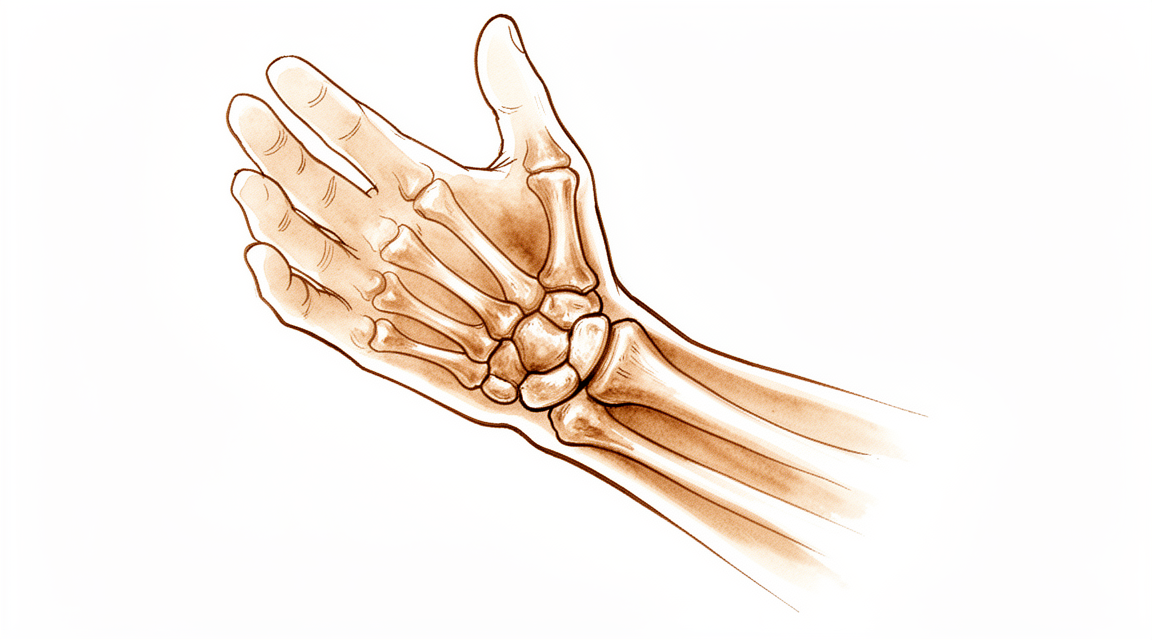
For patients: a plain-language version of this topic is available. See the patient guide.
Overview
Total wrist arthrodesis remains the gold standard for salvage of unstable, destroyed rheumatoid wrists [23] and is performed nearly five times more frequently than total wrist arthroplasty [2]. While total wrist arthroplasty offers a more ambitious functional goal by preserving motion, it carries greater complication risks and requires patients to adhere to strict activity limitations [23]. The decision between these two procedures hinges on the surgeon’s technical experience with newer implants, the patient’s ability to comply with activity restrictions, and the willingness to accept a higher complication rate and eventual implant failure in exchange for maintained wrist motion [41]. Although total wrist arthroplasty has declined in use despite positive early outcomes for fourth-generation implants [29], it remains a cost-effective and important surgical option for rheumatoid arthritis patients [156, 160]. In a systematic review, outcomes for total wrist fusion were comparable and possibly better than those for total wrist arthroplasty in rheumatoid patients [14].
Total wrist arthrodesis is also a reasonable option for salvage of failed wrist arthroplasty, reliably improving wrist function over the failed prosthesis [5, 28]. Conversion from total wrist arthrodesis to a modern wrist arthroplasty is feasible, yielding good functional results, significant pain relief, and stable implants [7]. For posttraumatic wrist arthritis, arthroplasty should be used as an alternative to arthrodesis given proper patient selection and indications [59]. Conversely, total wrist fusion should only be used for exceptional circumstances [13]. Wrist denervation is a first choice for patients with good range of motion, while total wrist arthrodesis remains the gold standard for salvage [34].
Short-term findings suggest that total wrist arthroplasty compares favorably with wrist fusion [2]. If the basic principles of limited wrist fusions are adhered to, a good outcome can be obtained [4]. Although some may view motion-preserving procedures as a staged full wrist fusion, accurate respect for indications and well-performed technique to prevent complications can yield good long-term results [3]. There is a low rate of conversion to total wrist arthrodesis following scaphoid excision and four-corner arthrodesis for advanced carpal collapse [9]. The senior author did not have to revise or convert any patient into a wrist fusion or a total wrist arthroplasty following scaphocapitolunate arthrodesis and radial styloidectomy, suggesting that a longer survival rate of this procedure may be possible [1]. Wrist fusion in patients receiving double free muscle transfers resulted in improved finger range of motion and overall hand function [6]. Nonspanning arthrodesis is advocated as an alternative method for total wrist fusion with a high union rate and minimal risk of complications at the carpometacarpal joint [17]. Arthroscopic resection arthroplasty may serve as a temporary alternative to partial wrist arthrodesis for younger patients or a definitive procedure for less demanding patients, though results may be short-lived [40]. Universal 2 implants may be an alternative to total wrist arthrodesis for the salvage of failed Biaxial total wrist prostheses, with 60% survival at a mean follow-up of 9 years and high patient satisfaction [69].
Anatomy & Pathophysiology
Bony Anatomy
The wrist joint comprises eight carpal bones arranged into a proximal row (scaphoid, lunate, triquetrum, pisiform) and a distal row (trapezium, trapezoid, capitate, hamate) [79]. The capitate is the largest carpal bone and articulates with seven other bones [79], while the pisiform and trapezoid are the smallest carpal bones [79]. The pisiform is a sesamoid bone located within the flexor carpi ulnaris tendon [89]. The hamate consists of a body and a hook (hamulus) that serves as an attachment for the transverse carpal ligament and origins for the flexor digiti minimi and opponens digiti minimi [89].
The distal radius articular surface consists of concave scaphoid and lunate fossae separated by a scapholunate ridge, and a sigmoid notch for ulnar articulation [84]. The distal radius is oriented with an average of 11 degrees of volar tilt and 23 degrees of radial inclination in the frontal plane [84].
Ligaments
Extrinsic carpal ligaments connect the radius or ulna to the carpus, with volar ligaments generally being stronger than dorsal ligaments [85]. The scapholunate interosseous ligament (SLIL) is C-shaped in the sagittal plane, with the dorsal portion being the thickest and strongest [85]. The lunotriquetral interosseous ligament (LTIL) is C-shaped, with the volar portion being the thickest and strongest [85]. The SLIL provides a flexion force on the lunate, while the LTIL provides an extension moment on the lunate [85]. The dorsal intercarpal ligament passes from the dorsal tubercle of the triquetrum to the distal pole of the scaphoid and reinforces the elastic dorsal wrist capsule [85].
The triangular fibrocartilage complex (TFCC) includes the central meniscus homolog, dorsal and volar radioulnar ligaments, the floor of the extensor carpi ulnaris tendon sheath, and volar ulnocarpal ligaments [89]. The dorsal and volar radioulnar ligaments are the primary stabilizers of the distal radioulnar joint [89]. The space of Poirier is a weak area adjacent to the proximal capitate without ligamentous attachment, situated ulnar to the radioscaphocapitate ligament and radial to the long radiolunate ligament [85].
Vascular Anatomy
The carpus receives extraosseous blood supply from terminal branches of the radial, ulnar, and anterior interosseous arteries through three dorsal and three palmar transverse arterial arches [92]. The dorsal intercarpal arch is the largest of the dorsal arches and supplies the distal carpal row and, through anastomoses, the lunate and triquetrum [92]. The deep palmar arch at the level of the metacarpal bases is consistent and communicates with the dorsal basal metacarpal arch and palmar metacarpal arteries [92].
The scaphoid's primary vascular supply is a branch of the radial artery at the dorsal ridge, with smaller vessels entering the palmar tubercle to supply the distal 30% [89]. The lunate has a dorsal and palmar vascular supply in 80% of wrists, while 20% have only a palmar supply [89]. Only the peripheral 10% to 40% of the volar, ulnar, and dorsal TFCC has a vascular supply [89].
Biomechanics and Kinematics
The wrist functions as a two-joint system linking the hand to the forearm around the mobile proximal carpal row, with the radiocarpal and midcarpal joints as the principal articulations [90]. The proximal carpal row has no muscular or tendinous attachments and functions as an intercalary segment [89]. During wrist flexion, the proximal row translates dorsally, while during wrist extension, it translates palmarly [85]. The scaphoid, lunate, and capitate move synergistically throughout planar wrist motion [151].
Approximately 80% of axial load is transmitted through the distal radius and 20% through the distal ulna in neutral ulnar variance [85]. The radius bears 80% of the axial load transmitted through the radiocarpal joint, while the ulna bears 20% [85]. With axial loading through the neutral wrist, approximately 60% of force is transmitted through the scaphoid facet and 40% through the lunate facet of the distal radius [89].
Approximately 62% of wrist extension occurs through the radiocarpal joint and 62% of wrist flexion occurs through the midcarpal joint [85]. The midcarpal joint is primarily responsible for 20 degrees of radial deviation and 40 degrees of ulnar deviation [85]. The dart-thrower's motion involves moving from radial extension into ulnar flexion and is the principal direction of wrist motion during daily activities [85].
Pathophysiology
The scaphoid and its support mechanism are the most vulnerable components of the wrist [57]. The radial side of the wrist is responsible for major load transfers and is poorly designed for heavy or sudden heavy loading at positional extremes, making it susceptible to permanent injury [57]. Injuries resulting in functional limitation occur as a spectrum from overload of the scapholunate joint through ligament rupture to arthritis [57]. Scaphoid instability produces a sequence of events ranging from wrist sprain and dorsal wrist syndrome to scapholunate advanced collapse (SLAC) wrist [57]. Injuries to the wrist mechanism can lead to instability, resulting in a painful lack of motion, strength, and function [10].
SNAC wrists differ from SLAC wrists by exhibiting a decreased sagittal lunotriquetral angle, indicating a distinct pathomechanism of carpal instability [135]. Type I and III wrists in early rheumatoid arthritis had radiographic progression and ultimately underwent deformation [31]. Wrist alignment is maintained over time following corrective osteotomy for distal radius malunion, but mild to moderate symptomatic wrist arthritis may develop [56].
Classification
SLAC/SNAC Wrist: Scapholunate advanced collapse (SLAC) and scaphoid nonunion advanced collapse (SNAC) arthritis are staged 1–4, with surgical options dependent on patient age, expectations, and joint involvement [27]. A modified classification subdivides Stage III into Stage IIIA, characterized by mild or no changes at the capitolunate joint and moderate to severe changes at the radiolunate joint, and Stage IIIB, characterized by moderate to severe changes at the capitolunate joint and mild or no changes at the radiolunate joint [67]. In this modified system, Stage IIIA wrists are considered candidates for proximal row carpectomy (PRC), while Stage IIIB wrists are considered candidates for scaphoid excision and four-corner arthrodesis (SEFCA) [67].
Simmen Classification: This system distinguishes three types of rheumatoid wrist based on the natural course of the disease [75]. Type I is the ankylosing type, characterized by spontaneous fusion of the wrist [75]. Type II is the osteoarthritic type, characterized by a combination of arthritic and degenerative changes showing osteoporosis and subchondral sclerosis leading to some stabilization [75]. Type III is the disintegrative type, characterized by progressive disintegration and instability with luxation, progredient bone loss, and mutilation [75].
Herbert and Lanzetta Classification: This classification for Preiser's disease is based on the progression of the disease as seen with plain radiographs and consists of four stages [163]. Stage 1 presents with normal radiographs but a positive bone scan, while Stage 4 presents with total collapse of the scaphoid and periscaphoid arthritis [163].
Larsen Classification: This system is used to evaluate preoperative posteroanterior and lateral wrist radiographs for rheumatoid arthritis [76]. The Larsen grading system was applied to patients undergoing radiolunate arthrodesis, with grades ranging from 2 to 5 [75].
Cooney Classification: This classification is used to assess clinical outcome after radioscapholunate fusion [50]. Good outcomes are defined as having no or slight pain (VAS ≤3), functional motion, and grip strength of at least 50% of the contralateral side [50].
Modified Mayo Wrist Score: This score classifies outcomes as Excellent, Good, Fair, or Poor based on fusion status, pain, range of motion percentage relative to the unaffected wrist, and grip strength percentage relative to the unaffected wrist [193]. An Excellent result requires solid fusion, no pain, 50% range of motion, and 70% grip strength [193]. A Good result requires solid fusion, slight pain, 30% range of motion, and 50–70% grip strength [193]. A Fair result requires solid fusion, moderate pain, 20% range of motion, and 30–50% grip strength [193]. A Poor result is defined by failed fusion and severe pain [193].
Eaton Classification: This classification is used to document the staging of trapeziometacarpal arthritis [189].
Clinical Presentation
Chronic Arthropathy
The most common forms of wrist arthritis are post-traumatic in origin, including scapholunate advanced collapse (SLAC) arthritis and scaphoid nonunion advanced collapse (SNAC) arthritis [27]. Post-traumatic changes in the distal radius secondary to distal radius fractures can also lead to secondary wrist arthritis [27]. Less common causes include avascular necrosis of the scaphoid bone (Preiser's disease) and avascular necrosis of the lunate bone (Kienböck's disease) [27]. SLAC and SNAC arthritis are staged 1 through 4 [27]. Radiographic findings of wrist arthritis correlate poorly to symptoms [27]. Failure of nonoperative treatment, including education, symptom adaptation, splinting, or corticosteroid injection, may represent an indication to consider surgical treatment for wrist joint arthritis [27]. Surgical options for SLAC and SNAC arthritis depend on the age of the patient, expectations, and involvement of the joints [27].
Scaphoid Instability Spectrum
Scaphoid instability produces a sequence of events with resultant changes at the radiocarpal, scapholunate, and triscaphe joints that range from wrist sprain and dorsal wrist syndrome to scapholunate advanced collapse (SLAC) wrist [57]. The radial side of the wrist is responsible for the major load transfers across the wrist and is well designed for motion but poorly designed for heavy and sudden heavy loading at positional extremes [57]. Injuries resulting in functional limitation occur as a spectrum from the common overload of the scapholunate joint through ligament rupture to arthritis [57]. Clinical presentation of ganglia and carpal tunnel syndrome can be caused by various stages of scaphoid instability [57]. Acute wrist trauma in the absence of a scapholunate tear produces scapholunate synovitis and some degree of internal ligamentous strain in its mildest form [57]. A more substantial insult may result in pain on the dorsum of the wrist accompanied by significant scapholunate synovitis, with or without measurable ligamentous disruption [57].
Rheumatoid Arthritis
In rheumatoid arthritis, the predominant indications for arthrodesis are deformity, instability, and pain [118]. Deformity and instability of the wrist can affect function of the hand by preventing proper positioning and resulting in weakness and loss of dexterity [118]. A painful wrist, even with full motion and stability, can diminish both strength and dexterity [118]. Patients may present with weakness of grasp without reporting pain in the wrist, demonstrating good range of motion, absence of spasm, and no instability [118]. In patients presenting with weakness of grasp without reported pain, careful examination may reveal tenderness to palpation over the radiocarpal joint, pain on wrist compression, and discomfort on stressing the wrist [118]. Muscle contractions acting on an inflamed wrist joint during heavy lifting elicit pain, causing patients to unconsciously relax the grip [118].
Investigations
Plain radiography: Initial assessment requires four standard views: posteroanterior (PA) with the wrist in ulnar deviation, lateral, semi-pronated oblique, and semi-supinated oblique [103]. An anteroposterior (AP) view with the fist clenched is added if scapholunate injury is suspected [103]. On the lateral view, the axes of the radius, lunate, capitate, and third metacarpal are co-linear, while the scaphoid projects at an angle of approximately 45 degrees to this line [103]. Dorsal intercalated segmental instability (DISI) presents with the lunate tilting backwards and the axes of the capitate and metacarpals lying dorsal to the radius [103]. Conversely, volar intercalated segment instability (VISI) is characterized by the lunate and scaphoid tilting volarwards, with the capitate and metacarpals lying anterior to the radius [103]. Wrist radiographs demonstrate a 47% sensitivity and 94% specificity in predicting end-stage ST joint arthritis [185]. Because 10–15% of scaphoid fractures are not visible on initial X-rays, early MRI is utilized to reduce uncertainty and streamline care for suspected scaphoid fractures [103].
MRI: MRI is the modality of choice for imaging radiographically occult fractures of the hand and wrist [87]. A static magnetic field strength of at least 1.5 T using a dedicated wrist coil is recommended for analyzing interosseous, intrinsic, and extrinsic ligament insertions [99]. The volar extrinsic, SL interosseous, dorsal intercarpal, and LT ligaments are best visualized using 1 mm slices with no interslice gap in the coronal plane [99]. The DRC and intercarpal ligaments are best viewed on both coronal and sagittal images [99]. Oblique axial views along the longitudinal axes of these ligaments allow further analysis, especially when an injury is suspected [99]. Concomitant cartilage-sensitive imaging is integrative to influence assessment and surgical management, as cartilage integrity dictates clinical and surgical decisions, especially in the setting of SLAC wrist [99]. Real-time MRI has been used to investigate dynamic instabilities, although its routine use in clinical practice is yet to be further determined [99]. MRI provides earlier detection of synovitis and erosive bone changes associated with rheumatoid arthritis than radiographs [101]. Additionally, MRI serves as an important adjunct in the diagnosis of wrist TB, offering valuable insights into bone, joint, and soft tissue involvement that may not be visible on plain radiographs [170].
CT: CT scanning enables the 3D analysis of carpal dysfunction [99]. By adding motion in real time (4D CT), this modality may hold promise in the future to potentially quantify the location and degree of injury noninvasively and help surgeons plan their surgical treatment [99].
Other Considerations: Dynamic fluoroscopy shows abnormal motion between the scaphoid and lunate and changes in the kinematics of the midcarpal joint [99]. Live imaging shows whether the DISI is reducible, giving the physician valuable information as the treatment is planned [99]. Arthroscopy is considered by many to be the diagnostic intervention of choice for determining the degree of injury to the wrist and can assess the condition of the cartilage (normal or degenerative), ability to reduce the carpus, and any other associated injuries [99]. The degree of intrinsic and extrinsic ligament injury can be identified from the arthroscopic evaluation [99]. Geissler grade II SLIL injuries tend to be isolated, whereas grade IV injuries often involve complete dorsal extrinsic ligament disruption [99].
Treatment
Non-Operative
The evidence base for total wrist fusion primarily addresses surgical interventions following the failure of non-surgical management. While specific conservative protocols such as weight loss, physical therapy, NSAIDs, or injections are not detailed in the provided evidence, the surgical indications are framed within the context of patients who have failed non-surgical treatment [183].
Operative
Indications: Total wrist arthrodesis remains the gold standard for salvage of post-traumatic arthritis, despite high complication rates [34]. It is particularly suitable for heavy manual labourers [188]. However, wrist arthrodesis is no longer the only solution for arthritic wrists [54], and in most scenarios, there is no single preferred option for wrist osteoarthritis [181]. The optimal surgical treatment for the degenerative wrist often prioritizes effective pain relief [70]. For patients with good range of motion, wrist denervation is a first choice [34] and a satisfactory treatment option for those with low functional demands [188]. Total wrist denervation is a reliable and reproducible technique for pain relief and preservation of wrist function in painful osteoarthritis [191], resulting in improved pain scores in 39 patients despite radiological deterioration in 34 after 6 years [39]. Complete denervation provides pain relief in almost 80% of cases while preserving motion and strength [24]. Partial wrist fusion, particularly the Watson procedure, results in a pain-free wrist in 80% of cases with 50% mobility preserved [24]. The choice of procedure depends on the pattern of wrist destruction and stability; radiolunate arthrodesis is effective for unstable wrists with preserved midcarpal joint space [68]. RSL fusion with distal scaphoidectomy and entire triquetrum excision can be a useful alternative to total wrist arthrodesis for patients with an intact midcarpal joint [133]. The combination of triquetral and distal scaphoid pole excision after RSL fusion improves wrist motion to levels close to normal in the cadaver model [62]. Partial carpal fusions are effective methods of treating specific carpal disorders, optimizing postoperative wrist motion, strength, and stability while reducing pain [21]. In most patients, wrist function was improved and pain relief was obtained following pyrocarbon capitate resurfacing implant use [47]. Patients experienced good pain relief with preservation of wrist motion following proximal row carpectomy [194]. In a series of pisiformectomy, 66% of patients experienced pain relief and did not require further procedures at an average of 8.2 years of follow up [195]. This minimally invasive technique for arthroscopic radial styloidectomy provides significant pain relief and facilitates early functional recovery [200].
Surgical Approach / Technique: The lateral or radial approach for arthrodesis of the wrist avoids the distal radio-ulnar joint, preserving some useful pronation and supination [63]. This approach also avoids involvement of the extensor mechanism, particularly the common finger extensors, allowing for faster mobilization of the finger extensors [63]. Furthermore, it preserves normal appearance and avoids the thickening commonly seen with the dorsal or medial approach [63]. Between 10 to 15 degrees of dorsiflexion of the wrist is the optimum position desired, with slight ulnar deviation mainly aligning the shaft of the second metacarpal with the distal end of the radius [63]. It is recommended that the second and third carpometacarpal joints always be included in the arthrodesis to prevent abnormal painful motion developing in the relatively immobile joint [63]. The surgeon must remove not only all of the hyaline cartilage but also sclerotic bone at the interfaces selected for fusion to prevent nonunion [162]. For four-corner arthrodesis employing the native scaphoid as the principal donor graft, a 4–5 cm dorsal incision with its apex at the scapholunate interval provides wide access to the radiocarpal capsule [173]. The midcarpal fusion site is thoroughly debrided to expose the cancellous bone of the apposing four carpal bones [173]. A broad cancellous trough is created spanning the entire midcarpal articulation in a dorsal, open wedge configuration to maximize restoration of carpal height [173]. Prominent dorsal rims of both the radius and the lunate are judiciously tapered to smooth surfaces to lessen the prospect of postoperative dorsal impingement [173]. The surgical technique for 4-corner fusion involves a 6 cm longitudinal midline incision affording a safe internervous approach between the superficial radial and dorsal cutaneous branch ulnar nerves [162]. In 4-corner fusion, the scaphoid is best removed by an approach between extensor carpi radialis longus and brevis [162]. A 4-corner fusion assembled with only headless compression screws and no supplemental K-wires requires compression and stability foremost across the capitolunate interface [162]. Computed tomography is needed to accurately assess union of a midcarpal fusion by demonstrating bridging trabeculae crossing the fusion site [162]. In locked intramedullary total wrist arthrodesis, K-wires are inserted antegrade from proximal to distal through the capitate and hamate [172]. The K-wires are angled so that they exited through the dorsum of the carpal bones at the level of or just distal to the carpometacarpal joints [172]. The capitate is translated ulnarly so as to align the capitate directly over the lunate, ensuring that the contact surface area between the 2 carpal bones is maximized [172]. On the lateral view, the capitolunate angle is estimated to be as close to 0° as possible [172]. Kirschner wires are advanced in a retrograde and parallel or near parallel manner into the lunate and triquetrum [172]. Attempts are made to place pins as perpendicular to the capitolunate and triquetrohamate joints as possible while still having a trajectory that allows for the pins to be prominent dorsally [172]. The procedure for wrist arthrodesis using the wrist fusion plate can be performed with the use of either brachial plexus block or general anesthesia [174]. If iliac crest bone graft is required for wrist arthrodesis, general anesthesia is usually necessary [174]. The articular surfaces of the third carpometacarpal, capitolunate, radioscaphoid, and radiolunate joints are denuded to cancellous bone during wrist arthrodesis with a plate [174]. The procedure for pyrocarbon interposition wrist arthroplasty can be performed through a dorsal or a radial approach [177]. In cases of a failed previous procedure on the wrist, only the dorsal approach was used for pyrocarbon interposition wrist arthroplasty [177]. All previous material (pins, staples, screws, plates, and implant) were removed before any procedure on the joint during pyrocarbon interposition wrist arthroplasty [177]. The two proximal thirds of the scaphoid are removed with an oscillating saw just above the ligament insertions of the dorsal radiocarpal ligament and the radioscaphocapitate ligament, which must be preserved [177]. The lunate is freed from all ligamentous attachments using a corkscrew as a joystick to preserve the anterior capsule [177]. The head of the capitate is removed at a level with that of the scaphoid [177]. In cases of protuberant radial styloid osteophytes, a partial styloidectomy is performed with the oscillating saw [177]. The radial fossa is smoothed with the ovoid burr to remove the crest between the scaphoid fossa and the lunate fossa to obtain a homogenous concave ovoid surface along both axes [177]. The new midcarpal joint is smoothed and reamed to obtain a perfectly smooth and slightly concave sliding surface [177].
Implant Selection: Wrist arthrodesis with the AO/ASIF Titanium wrist fusion plate is an excellent option for treatment of various painful disorders of the wrist [55]. The precontoured titanium plates for wrist fusion have a built-in fusion angle of 10 degrees of dorsiflexion in the standard-bend and short-bend plates [174]. The locked intramedullary wrist arthrodesis system yields acceptable fusion rates [22]. Locked intramedullary total wrist arthrodesis provides stable fixation, facilitates hand placement, and does not require hardware removal [175]. The technique for total wrist arthrodesis using bowed crossed K-wires resulted in bony union of 22 wrists in 20 patients with no major postoperative complications [33]. They advocate nonspanning arthrodesis as an alternative method for total wrist fusion with a high union rate and minimal risk of complications at the carpometacarpal joint [17]. The bioabsorbable rod used in wrist arthrodesis is made of PLLA, which degrades in the presence of water and living tissues over several years [18]. The mechanism of degradation for PLLA is mainly hydrolysis, and the carbon dioxide and water produced are excreted through respiration [18]. Previous experimental and clinical studies suggest that PLLA is not toxic and is highly biocompatible [18]. The mechanical properties of PLLA implants are improved by self-reinforcement during manufacture [18]. PLLA implants are suitable for fixation of cancellous bone fractures and arthrodeses [18]. It remains unknown which implant type is best for total wrist arthrodesis or if the carpometacarpal joint should be included [71]. This trial will contribute to an improved understanding of optimal management of the CMCJ in total wrist arthrodesis [15].
Pain Management: After hand and wrist bone surgery, USG selective distal blocks using a long-acting local anesthetic, combined with oral analgesics, were effective in a large majority of patients [180].
Outcomes and Complications: Complications and reoperations occur frequently in total wrist arthrodesis, most often due to incomplete bone fusion or hardware-related problems [71]. Other complications can occur after wrist arthrodeses with rates of up to 23% [18]. These complications include poor wound healing, median nerve compression and symptoms due to the fixation device [18]. Removal of metal pins, plates and screws because of migration or discomfort are relatively common [18]. Fusion rates of between 96% and 100% have been reported for wrist arthrodesis, with the infrequent pseudo-arthroses usually being asymptomatic [18]. Although wrist motion is limited in all patients, arthrosis of the radiocarpal joint developed in only four wrists [16]. Functional results were good at long-term follow-up despite radiographic changes in the radiolunate joint in 73% of patients [26]. Good and excellent clinical results in the majority of the patients following radiolunate fusion do not depend on the fixation device [11]. RSL fusion is a palliative procedure that preserves some of the wrist's mobility but has a significant nonunion rate [38]. There is a low rate of conversion to total wrist arthrodesis following scaphoid excision and four-corner arthrodesis [9]. The senior author did not have to revise or convert any patient into a wrist fusion or a total wrist arthroplasty, suggesting that longer survival rate of this procedure may be possible [1].
Revision: This technique for conversion of a failed total wrist arthroplasty to a wrist arthrodesis is safe, effective, and versatile [8]. The technique described provides reproducible union and stabilization of the wrist and forearm with adequate function following en bloc resection of the distal radius for tumor [141].
Other Considerations: Complication rates for total wrist arthroplasty were higher than wrist fusion, with reports of radiological loosening and osteolysis [12]. The newer fourth-generation wrist implants appear to be performing better than earlier designs [165]. All patients in the closed group for rheumatoid wrist arthrodesis using a modified Steinmann pin felt completely satisfied with the operative results, having a stable wrist, increased strength with less pain when compared with the open fusion group [187]. Despite extensive investigations to optimize treatment algorithms and surgical techniques for wrist arthritis, controversy remains regarding the optimal treatment for young patients and laborers, the best fusion technique, and the role of arthroscopy [20].
Complications
General Complication Rates: Other complications after wrist arthrodesis occur at rates of up to 23% [18]. Despite these high complication rates, total wrist arthrodesis remains the gold standard for salvage of post-traumatic arthritis [34]. Awareness of complications associated with wrist arthrodesis is essential for the treating physician to appropriately counsel patients on different arthrodesis options [51]. Cautious patient selection and consideration of potential complications are crucial for good outcomes in wrist arthrodesis for the spastic hand [212]. A systematic review and meta-analysis found no difference in complication prevalence between total wrist arthrodesis techniques and total wrist arthrodesis with different treatments of the carpometacarpal joint using plates and wrist arthrodesis plates [217].
Hardware-Related Complications: Removal of metal pins, plates, and screws because of migration or discomfort is relatively common after wrist arthrodesis [18]. Hardware complications were common in wrist arthrodesis for cerebral palsy, leading authors to routinely recommend hardware removal [220]. In a study of radiolunate arthrodesis for rheumatoid arthritis, there were no problems with hardware breakage, wound infections, or injuries to the neurovascular structures [42]. In a study of the modified Clayton-Mannerfelt arthrodesis in rheumatoid arthritis, the hardware did not have to be removed in most cases [208]. In a study of four-corner fusion using a locking plate versus K-wires, no implant-related complications were observed [158]. In a study of total wrist arthrodesis using bowed crossed K-wires, the technique resulted in bony union with no major postoperative complications [33].
Nonunion and Pseudarthrosis: Pseudarthrosis after wrist arthrodesis is usually asymptomatic [18]. Only one pseudarthrosis occurred among eight total and subtotal wrist arthrodesis operations performed over eight years [210]. In a study of radioscapholunate arthrodesis with or without distal scaphoid resection, six patients from the resection group and eight from the non-resection group received a total wrist arthrodesis during follow-up [126]. In a study of four-corner fusion, one case in the plate group had to be converted to a total wrist fusion due to persisting pain without implant-related complications [158]. In a study of midcarpal fusion with headless compression screws, proximal migration of hardware led to conversion to total wrist fusion in one patient and recommendation for conversion in another [161].
Nerve and Soft Tissue Complications: Complications after wrist arthrodesis include median nerve compression [18]. In a study of four-corner fusion, one patient in the plate group developed carpal tunnel syndrome postoperatively, which was treated by surgical release [158]. In a study of radiolunate arthrodesis for rheumatoid arthritis, one patient with bilateral procedures complained of pain at both distal ulnar stumps [42]. In a study of radiolunate arthrodesis for rheumatoid arthritis, one patient experienced an extensor tendon rupture of the ring finger within a few weeks after an extensor indicis proprius tendon transfer [42].
Wound and Infection Complications: Complications after wrist arthrodesis include poor wound healing [18]. In a study of four-corner fusion, one patient in the K-wire group was observed with a postoperative wound infection that was sufficiently treated conservatively [158].
Comparison with Wrist Arthroplasty: The decision between total wrist arthroplasty and total wrist arthrodesis involves accepting the higher complication rate and eventual implant failure of arthroplasty in exchange for maintaining some wrist motion [41]. In a systematic review of rheumatoid arthritis, outcomes for total wrist fusion were comparable and possibly better than those for total wrist arthroplasty [14]. Although wrist fusion is performed nearly 5 times more frequently than total wrist arthroplasty, short-term findings suggest that total wrist arthroplasty compares favorably with wrist fusion [2]. In a systematic review of rheumatoid arthritis, robust long-term follow-up data on wrist arthroplasty are not yet available [72]. Adoption of recommendations to concentrate total wrist arthroplasty surgery in fewer, higher-volume centres should facilitate results with complication rates of approximately 10% and early revision rates of 4% [215]. In a multicenter study of the "Remotion" total wrist arthroplasty, the incidence of signs of periprosthetic loosening was 12% in the rheumatoid group compared with 18% in the non-RA group [115]. In a multicenter study of the "Remotion" total wrist arthroplasty, loosening with implant migration was observed in 4% of the rheumatoid wrists and 3% of the non-RA wrists [115]. In a multicenter study of the "Remotion" total wrist arthroplasty, loosening without implant migration was observed in 8% of the rheumatoid wrists and 15% of the non-RA wrists [115].
Salvage and Conversion Procedures: Results between patients undergoing salvage total wrist arthrodesis for failed total wrist arthroplasty and those undergoing primary wrist arthrodesis were slightly in favor of patients with a primary wrist arthrodesis [19]. Revision arthroplasty may be a useful alternative to arthrodesis for the salvage of primary wrist arthroplasties in rheumatoid patients, but complications and reoperations may occur after both revision arthroplasty and arthrodesis [203].
Recovery
Rehabilitation protocol: Early initiation of range of motion exercises is recommended to facilitate the earlier regain of functional wrist and forearm range of motion, which also reduces the number of required therapy visits [140]. Rehabilitation may commence as early as one week post-operatively to specifically decrease wrist stiffness [150].
Other Considerations: Total wrist arthrodesis provides reliable pain relief and good functional outcomes with high patient satisfaction, particularly for end-stage arthritis and as a salvage technique [37]. Despite the inherent loss of wrist motion, most patients report satisfactory functional outcomes, confirming their ability to accomplish most daily activities of living through adaptation and compensation [184]. In the context of severe wartime wrist injuries, total wrist arthrodesis remains the primary salvage solution, predictably restoring grip strength and reducing disability [159]. While no salvage procedure can restore entirely full wrist function [131], wrist arthrodesis should not be considered a procedure of last resort but rather part of addressing overall hand and upper limb function in spastic disorders [205].
Key Evidence
- [L4] The senior author did not have to revise or convert any patient into a wrist fusion or a total wrist arthroplasty, suggesting that longer survival rate of this procedure may be possible. [1] (10.1055/s-0032-1329592)
- [L4] Although wrist fusion is performed nearly 5 times more frequently than total wrist arthroplasty, short-term findings suggest that total wrist arthroplasty compares favorably with wrist fusion. [2] (10.1177/1558944716668846)
- [Paper] Although some may see the motion preserving procedures of the wrist as a staged full wrist fusion, if the indications are accurately respected and the technique is well performed to prevent complications, then good long-term results can be obtained. [3] (10.1055/s-0032-1330070)
- [L5] If the basic principles of limited wrist fusions are adhered to, a good outcome can be obtained. [4] (10.1055/s-0032-1329548)
- [L4] Conversion to arthrodesis after failed wrist arthroplasty is worthwhile and reliably improves wrist function over failed wrist arthroplasty. [5] (10.1177/1753193416674929)
- [L4] Wrist fusion in patients receiving double free muscle transfers resulted in improved finger range of motion and overall hand function. [6] (10.1016/j.jhsa.2011.10.003)
- [L4] Conversion from total wrist arthrodesis to a modern wrist arthroplasty is feasible, yielding good functional results, significant pain relief, and stable implants. [7] (10.1016/j.jhsa.2024.10.007)
- [L4] This technique for conversion of a failed total wrist arthroplasty to a wrist arthrodesis is safe, effective, and versatile. [8] (10.1016/j.jhsa.2016.02.012)
- [L4] There is a low rate of conversion to total wrist arthrodesis. [9] (10.1016/j.jhsa.2010.01.025)
- [L4] Good and excellent clinical results in the majority of the patients following radiolunate fusion do not depend on the fixation device. [11] (10.1177/1753193409342054)
- [L3] Complication rates were higher than wrist fusion, with reports of radiological loosening and osteolysis. [12] (10.1177/1753193414539796)
- [L4] Total wrist fusion should only be used for exceptional circumstances. [13] (10.1054/jhsb.2000.0434)
- [L4] In this systematic review, outcomes for total wrist fusion were comparable and possibly better than those for total wrist arthroplasty in rheumatoid patients. [14] (10.1097/prs.0b013e318180ece3)
- [L2] This trial will contribute to an improved understanding of optimal management of the CMCJ in total wrist arthrodesis. [15] (10.1186/s12891-021-04644-4)
- [L4] Although wrist motion is limited in all patients, arthrosis of the radiocarpal joint developed in only four wrists. [16] (10.2106/00004623-196648040-00008)
- [L4] They advocate nonspanning arthrodesis as an alternative method for total wrist fusion with a high union rate and minimal risk of complications at the carpometacarpal joint. [17] (10.1055/s-0037-1606257)
- [L4] [18] (10.1054/jhsb.2002.0806)
- [L3] The results between the two groups were slightly in favour of patients with a primary wrist arthrodesis. [19] (10.1177/17531934211057389)
- [Commentary] Despite extensive investigations to optimize treatment algorithms and surgical techniques for wrist arthritis, controversy remains regarding the optimal treatment for young patients and laborers, the best fusion technique, and the role of arthroscopy. [20] (10.1016/j.jhsa.2025.06.014)
- [L4] Partial carpal fusions are effective methods of treating specific carpal disorders, optimizing postoperative wrist motion, strength, and stability while reducing pain. [21] (10.1055/s-0032-1330071)
- [L4] The locked intramedullary wrist arthrodesis system yields acceptable fusion rates. [22] (10.1016/j.jhsa.2020.11.015)
- [L5] Total wrist arthrodesis remains the gold standard for unstable destroyed rheumatoid wrists, but total wrist arthroplasty offers a more ambitious functional goal with greater complication risks. [23] (10.1016/j.jhsa.2008.06.004)
- [L4] Partial wrist fusion, particularly the Watson procedure, results in a pain-free wrist in 80% of cases with 50% mobility preserved, while complete denervation provides pain relief in almost 80% of cases while preserving motion and strength. [24] (10.1016/j.otsr.2011.03.006)
- [L4] Functional results were good at long-term follow-up despite radiographic changes in the radiolunate joint in 73% of patients. [26] (10.1177/1558944716681949)
- [L5] [27] (10.1016/j.jht.2022.01.001)
- [L4] Wrist arthrodesis is a reasonable option for salvage of a failed wrist arthroplasty. [28] (10.1177/1753193410376283)
- [L2] Total wrist arthroplasty declined despite reports of positive early outcomes for fourth-generation implants. [29] (10.1016/j.jhsa.2023.11.009)
- [L2] Type I and III wrists had radiographic progression and ultimately underwent deformation. [31] (10.1016/j.jhsa.2009.01.016)
- [L4] The technique resulted in bony union of 22 wrists in 20 patients with no major postoperative complications. [33] (10.1054/jhsb.1999.0170)
- [L4] The article recommends simplifying decision-making between treatment options based on author experience and literature evidence, noting that wrist denervation is a first choice for patients with good range of motion, while total wrist arthrodesis remains the gold standard for salvage despite high complication rates. [34] (10.1016/j.hcl.2005.03.005)
- [L4] Total wrist arthrodesis provides reliable pain relief and good functional outcomes with high patient satisfaction, particularly for end-stage arthritis and as a salvage technique. [37] (10.5435/jaaos-d-15-00424)
- [L4] RSL fusion is a palliative procedure that preserves some of the wrist's mobility but has a significant nonunion rate. [38] (10.1016/j.otsr.2017.07.012)
- [L4] Wrist denervation resulted in improvement in pain scores in 39 patients despite radiological deterioration noted in 34 after 6 years. [39] (10.1016/j.jhsa.2011.03.004)
- [L4] It may serve as a temporary alternative to partial wrist arthrodesis for younger patients or a definitive procedure for less demanding patients, though results may be short-lived. [40] (10.1016/j.jhsa.2012.08.039)
- [L4] The decision between total wrist arthroplasty and total wrist arthrodesis is based on technical experience with newer implants, the patient's ability to adhere to strict activity limitations, and the willingness to accept the higher complication rate and eventual implant failure of arthroplasty in exchange for maintaining some wrist motion. [41] (10.1016/j.jhsa.2011.01.033)
- [L4] [42] (10.1016/j.jhsa.2013.05.007)
- [L4] In most patients, wrist function was improved and pain relief was obtained. [47] (10.1177/1753193413501730)
- [L4] [50] (10.1055/s-0039-1688939)
- [L4] Awareness of complications associated with wrist arthrodesis and how best to avoid them is essential for the treating physician to appropriately counsel patients on different arthrodesis options and to inform them on what to expect from the procedure. [51] (10.1016/j.hcl.2009.11.003)
- [L5] Various surgical techniques can preserve a functional wrist, and wrist arthrodesis is no longer the only solution for arthritic wrists. [54] (10.1016/j.otsr.2013.06.015)
- [L4] Wrist arthrodesis with the AO/ASIF Titanium wrist fusion plate is an excellent option for treatment of various painful disorders of the wrist. [55] (10.1054/jhsb.2001.0600)
- [L4] Wrist alignment was maintained over time but 13 patients presented mild to moderate symptomatic wrist arthritis. [56] (10.1177/1753193409357373)
- [L4] [57] (10.1016/s0749-0712(21)00079-2)
- [L3] Arthroplasty should be used as an alternative to arthrodesis in the treatment of posttraumatic wrist arthritis, given the proper patient selection and indications. [59] (10.1016/j.jhsa.2013.02.013)
- [L5] The combination of triquetral and distal scaphoid pole excision after RSL fusion improves wrist motion to levels close to normal in the cadaver model. [62] (10.1016/j.jhsa.2009.02.007)
- [L4] [67] (10.1016/j.jhsa.2014.03.032)
- [L4] The choice of procedure depends on the pattern of wrist destruction and stability, with radiolunate arthrodesis being effective for unstable wrists with preserved midcarpal joint space. [68] (10.1016/j.hcl.2005.08.005)
- [L4] Universal 2 implants may be an alternative to total wrist arthrodesis for the salvage of failed Biaxial total wrist prostheses, with 60% survival at a mean follow-up of 9 years and high patient satisfaction. [69] (10.1177/1753193418822425)
- [L5] The ideal wrist balances mobility and pain relief, with the optimal surgical treatment often prioritizing effective pain relief. [70] (10.1016/j.otsr.2011.03.007)
- [L5] Complications and reoperations occur frequently, most often due to incomplete bone fusion or hardware-related problems, and it remains unknown which implant type is best or if the carpometacarpal joint should be included. [71] (10.1177/17531934241295343)
- [L2] While functional improvement was observed for arthroplasty patients, robust long-term follow-up data on wrist arthroplasty are not yet available. [72] (10.1177/1753193420953683)
- [L3] [75] (10.1007/s00402-013-1729-2)
- [L4] [76] (10.1016/j.jhsa.2019.06.011)
- [L4] [115] (10.1055/s-0032-1323642)
- [L3] [126] (10.1016/j.jhsa.2012.08.009)
- [L4] No salvage procedure can restore entirely full wrist function. [131] (10.1177/1753193419876063)
- [L5] RSL fusion with distal scaphoidectomy and entire triquetrum excision can be a useful alternative to total wrist arthrodesis for patients with an intact midcarpal joint. [133] (10.1055/s-0033-1364095)
- [L4] SNAC wrists differ from SLAC wrists in exhibiting a decreased sagittal lunotriquetral angle, indicating a distinct pathomechanism of carpal instability. [135] (10.1186/s12891-025-08652-6)
- [L3] Starting early ROM after surgery enables patients to regain functional wrist and forearm ROM earlier with fewer therapy visits required. [140] (10.1016/j.jht.2009.06.003)
- [L4] The technique described provides reproducible union and stabilization of the wrist and forearm with adequate function following en bloc resection of the distal radius for tumor. [141] (10.1177/1558944717751193)
- [L4] Rehabilitation may be started after only 1 week to decrease wrist stiffness. 12 of 13 patients achieved capitolunate fusion in an average of 9 weeks, and no radiolunate arthritis was noted. [150] (10.1097/bth.0b013e31802caa87)
- [L5] The scaphoid, lunate, and capitate move synergistically throughout planar wrist motion. [151] (10.1055/s-0036-1588025)
- [L2] Total wrist arthroplasty and total wrist arthrodesis are both extremely cost-effective procedures. [156] (10.1016/j.jhsa.2009.12.013)
- [L3] [158] (10.1007/s00402-016-2416-x)
- [L4] Total wrist arthrodesis remains the primary salvage solution for severe wartime wrist injuries, predictably restoring grip strength and reducing disability. [159] (10.1177/17531934251337589)
- [L4] TWA is a cost-effective and important surgical option for patients with rheumatoid arthritis, despite higher complication rates compared to wrist fusion. [160] (10.1016/j.hcl.2012.08.015)
- [L4] [161] (10.1055/s-0034-1384750)
- [L5] [162] (10.1007/s12593-009-0008-5)
- [Paper] [163] (10.1016/j.hcl.2006.07.005)
- [L1] The newer fourth-generation wrist implants appear to be performing better than earlier designs. [165] (10.1055/s-0038-1646956)
- [L4] MRI can serve as an important adjunct in the diagnosis of wrist TB, offering valuable insights into bone, joint, and soft tissue involvement that may not be visible on plain radiographs. [170] (10.1016/j.jhsa.2025.05.015)
- [L4] [172] (10.1177/15589447211057302)
- [L4] [173] (10.1177/1753193416676663)
- [L4] [174] (10.5435/00124635-200101000-00006)
- [L4] Locked intramedullary total wrist arthrodesis provides stable fixation, facilitates hand placement, and does not require hardware removal. [175] (10.1055/s-0032-1329630)
- [L4] [177] (10.1055/s-0032-1323641)
- [L4] After hand and wrist bone surgery, USG selective distal blocks using a long-acting local anesthetic, combined with oral analgesics, were effective in a large majority of patients. [180] (10.1016/j.jhsa.2014.01.011)
- [L5] Despite advancements in management, in most scenarios there is no single preferred option for wrist osteoarthritis. [181] (10.1177/17531934241296758)
- [L5] The procedure aims to alleviate pain and improve range of motion in patients with isolated radiolunate or radioscapholunate arthritis who have failed non-surgical treatment. [183] (10.1016/j.jhsa.2022.04.002)
- [L5] Despite the loss of wrist motion, most patients report satisfactory functional outcomes, confirming that they are able to accomplish most daily activities of living with some adaptation and compensation. [184] (10.1016/j.hcl.2005.08.004)
- [L3] Wrist radiographs demonstrate a 47% sensitivity and 94% specificity in predicting end-stage ST joint arthritis, emphasizing the importance of directly visualizing the ST joint after trapeziectomy. [185] (10.1177/1558944718765246)
- [L4] All patients in the closed group felt completely satisfied with the operative results, having a stable wrist, increased strength with less pain when compared with the open fusion group. [187] (10.1054/jhsb.1999.0289)
- [L4] Total wrist denervation is a satisfactory treatment option for patients with good range of motion and low functional demands, while total wrist fusion is suitable for heavy manual labourers. [188] (10.1016/j.otsr.2014.06.025)
- [L4] [189] (10.1055/s-0037-1602587)
- [Paper] Total wrist denervation is a reliable and reproducible surgical technique for pain relief and preservation of wrist function in painful osteoarthritis. [191] (10.1016/j.otsr.2019.04.024)
- [L4] [193] (10.1016/j.jhsa.2005.04.007)
- [L3] Patients experienced good pain relief with preservation of wrist motion. [194] (10.1177/1753193415597096)
- [L4] In this series, 66% of patients experienced pain relief and did not require further procedures at an average of 8.2 years of follow up. [195] (10.1016/j.jhsa.2016.07.020)
- [Paper] This minimally invasive technique provides significant pain relief and facilitates early functional recovery. [200] (10.1002/atn2.70164)
- [L4] Revision arthroplasty may be a useful alternative to arthrodesis for the salvage of primary wrist arthroplasties in rheumatoid patients, but complications and reoperations may occur after both revision arthroplasty and arthrodesis. [203] (10.1054/jhsb.2002.0812)
- [L4] It should not be considered a procedure of last resort but part of addressing overall hand and upper limb function. [205] (10.1177/1753193414530193)
- [L4] The complication rate was low, and the hardware did not have to be removed in most cases. [208] (10.1016/j.jhsa.2013.02.029)
- [L4] Only one pseudarthrosis occurred among eight operations performed over eight years. [210] (10.2106/00004623-196446070-00011)
- [L4] Cautious patient selection and consideration of potential complications are crucial for good outcomes. [212] (10.1177/17531934231205548)
- [L3] Adoption of recommendations to concentrate surgery in fewer, higher-volume centres should facilitate results with complication rates of approximately 10% and early revision rates of 4%. [215] (10.1177/17531934231195688)
- [L1] Using meta-analysis, we found no difference in union and complication prevalence between TWA techniques and TWA with different treatments of the CMCJ with plates and WAP. [217] (10.1016/j.jhsa.2023.10.011)
- [L4] Hardware complications were common, and consequently, the authors now routinely recommend hardware removal. [220] (10.1016/j.jhsa.2009.03.006)
See Also
- Proximal Row Carpectomy
- Kienböck's Disease
- Carpal Tunnel and Nerve Compression
- Wrist Osteoarthritis
- Partial Wrist Fusion (Four-Corner and Capitolunate Arthrodesis)
References
[1] Scaphocapitolunate Arthrodesis and Radial Styloidectomy: A Treatment Option for Posttraumatic Degenerative Wrist Disease. Journal of Wrist Surgery. 2012. DOI: 10.1055/s-0032-1329592
[2] Total Wrist Arthroplasty Versus Wrist Fusion: Utilization and Complication Rates as Reported by ABOS Part II Candidates. HAND. 2016. DOI: 10.1177/1558944716668846
[3] Motion Preserving Procedures of the Wrist. Journal of Wrist Surgery. 2012. DOI: 10.1055/s-0032-1330070
[4] Decision Making for Partial Carpal Fusions. Journal of Wrist Surgery. 2012. DOI: 10.1055/s-0032-1329548
[5] Successful conversion of wrist prosthesis to arthrodesis in 11 patients. Journal of Hand Surgery (European Volume). 2016. DOI: 10.1177/1753193416674929
[6] Role of Wrist Arthrodesis in Patients Receiving Double Free Muscle Transfers for Reconstruction Following Complete Brachial Plexus Paralysis. The Journal of Hand Surgery. 2012. DOI: 10.1016/j.jhsa.2011.10.003
[7] Conversion of Total Wrist Arthrodesis to a Total Wrist Arthroplasty: Twelve Patients Followed for 7 (2–16) Years. The Journal of Hand Surgery. 2025. DOI: 10.1016/j.jhsa.2024.10.007
[8] Wrist Arthrodesis for Failed Total Wrist Arthroplasty. The Journal of Hand Surgery. 2016. DOI: 10.1016/j.jhsa.2016.02.012
[9] The Outcome of Scaphoid Excision and Four-Corner Arthrodesis for Advanced Carpal Collapse at a Minimum of Ten Years. The Journal of Hand Surgery. 2010. DOI: 10.1016/j.jhsa.2010.01.025
[10] Wrist Arthrodesis. 2021.
[11] Radiolunate fusion in the rheumatoid wrist with Shapiro staples: clinical and radiological results of 22 cases. Journal of Hand Surgery (European Volume). 2009. DOI: 10.1177/1753193409342054
[12] Total wrist arthroplasty: a systematic review of the evidence from the last 5 years. Journal of Hand Surgery (European Volume). 2014. DOI: 10.1177/1753193414539796
[13] Midcarpal Arthrodesis with Complete Scaphoid Excision and Interposition Bone Graft in the Treatment of Advanced Carpal Collapse (SNAC/SLAC Wrist): Operative Technique and Outcome Assessment. Journal of Hand Surgery. 2000. DOI: 10.1054/jhsb.2000.0434
[14] A Systematic Review of Total Wrist Arthroplasty Compared with Total Wrist Arthrodesis for Rheumatoid Arthritis. Plastic and Reconstructive Surgery. 2008. DOI: 10.1097/prs.0b013e318180ece3
[15] Total wrist arthrodesis with and without arthrodesis of the carpoMetacarpal joint (WAWWAM): study protocol. BMC Musculoskeletal Disorders. 2021. DOI: 10.1186/s12891-021-04644-4
[16] Arthrodesis of the Carpal Bones in the Treatment of Kienböckʼs Disease, Painful Ununited Fractures of the Navicular and Lunate Bones with Avascular Necrosis, and Old Fracture-Dislocations of Carpal Bones. The Journal of Bone & Joint Surgery. 1966. DOI: 10.2106/00004623-196648040-00008
[17] Nonspanning Total Wrist Arthrodesis with a Low-Profile Locking Plate. Journal of Wrist Surgery. 2017. DOI: 10.1055/s-0037-1606257
[18] Arthrodesis of the Wrist with Bioabsorbable Fixation in Patients with Rheumatoid Arthritis. Journal of Hand Surgery. 2002. DOI: 10.1054/jhsb.2002.0806
[19] Comparative outcomes of total wrist arthrodesis for salvage of failed total wrist arthroplasty and primary wrist arthrodesis. Journal of Hand Surgery (European Volume). 2021. DOI: 10.1177/17531934211057389
[20] Commentary on “Motion-Preserving Procedures in the Treatment of Scapholunate Advanced Collapse Wrist”. The Journal of Hand Surgery. 2025. DOI: 10.1016/j.jhsa.2025.06.014
[21] Radioscapholunate Fusions. Journal of Wrist Surgery. 2012. DOI: 10.1055/s-0032-1330071
[22] Early Experience With Locked Intramedullary Wrist Arthrodesis. The Journal of Hand Surgery. 2021. DOI: 10.1016/j.jhsa.2020.11.015
[23] Management of Bilateral Advanced Rheumatoid Wrist Destruction. The Journal of Hand Surgery. 2008. DOI: 10.1016/j.jhsa.2008.06.004
[24] The arthritic wrist. I - The degenerative wrist: Surgical treatment approaches. Orthopaedics & Traumatology: Surgery & Research. 2011. DOI: 10.1016/j.otsr.2011.03.006
[26] Ten-Year Minimum Follow-Up of 4-Corner Fusion for SLAC and SNAC Wrist. HAND. 2016. DOI: 10.1177/1558944716681949
[27] Surgical management of osteoarthritis of the hand and wrist. Journal of Hand Therapy. 2022. DOI: 10.1016/j.jht.2022.01.001
[28] Wrist arthrodesis as a salvage procedure for failed implant arthroplasty. Journal of Hand Surgery (European Volume). 2010. DOI: 10.1177/1753193410376283
[29] A Changing Landscape in the Surgical Management of Wrist Arthritis: An Analysis of National Trends From 2009 to 2019. The Journal of Hand Surgery. 2024. DOI: 10.1016/j.jhsa.2023.11.009
[31] Prediction of Wrist Prognosis in Patients With Early Rheumatoid Arthritis According to Radiographic Classification. The Journal of Hand Surgery. 2009. DOI: 10.1016/j.jhsa.2009.01.016
[33] Total Wrist Arthrodesis Using Bowed Crossed K-Wires. Journal of Hand Surgery. 1999. DOI: 10.1054/jhsb.1999.0170
[34] Salvage of Post-Traumatic Arthritis Following Distal Radius Fracture. Hand Clinics. 2005. DOI: 10.1016/j.hcl.2005.03.005
[37] Total Wrist Arthrodesis: Indications and Clinical Outcomes. Journal of the American Academy of Orthopaedic Surgeons. 2017. DOI: 10.5435/jaaos-d-15-00424
[38] Clinical and radiological outcomes following radioscapholunate fusion. Orthopaedics & Traumatology: Surgery & Research. 2017. DOI: 10.1016/j.otsr.2017.07.012
[39] Wrist Denervation for Painful Conditions of the Wrist. The Journal of Hand Surgery. 2011. DOI: 10.1016/j.jhsa.2011.03.004
[40] Arthroscopic Resection Arthroplasty for Malunited Intra-Articular Distal Radius Fractures. The Journal of Hand Surgery. 2012. DOI: 10.1016/j.jhsa.2012.08.039
[41] Total Wrist Arthroplasty for the Patient with Non-rheumatoid Arthritis. The Journal of Hand Surgery. 2011. DOI: 10.1016/j.jhsa.2011.01.033
[42] Clinical and Radiological Results of Radiolunate Arthrodesis for Rheumatoid Arthritis: 22 Wrists Followed for an Average of 7 Years. The Journal of Hand Surgery. 2013. DOI: 10.1016/j.jhsa.2013.05.007
[47] The use of a pyrocarbon capitate resurfacing implant in chronic wrist disorders. Journal of Hand Surgery (European Volume). 2013. DOI: 10.1177/1753193413501730
[50] Radioscapholunate Fusion for Radiocarpal Osteoarthritis: Prognostic Factors of Clinical and Radiographic Outcomes. Journal of Wrist Surgery. 2019. DOI: 10.1055/s-0039-1688939
[51] Complications of Limited and Total Wrist Arthrodesis. Hand Clinics. 2010. DOI: 10.1016/j.hcl.2009.11.003
[54] Post-traumatic carpal instability. Orthopaedics & Traumatology: Surgery & Research. 2014. DOI: 10.1016/j.otsr.2013.06.015
[55] Wrist Arthrodesis with the AO Titanium Wrist Fusion Plate: A Consecutive Series of 42 Cases. Journal of Hand Surgery. 2001. DOI: 10.1054/jhsb.2001.0600
[56] Long-Term Outcomes of Corrective Osteotomy for the Treatment of Distal Radius Malunion. Journal of Hand Surgery (European Volume). 2010. DOI: 10.1177/1753193409357373
[57] THE NATURAL PROGRESSION OF SCAPHOID INSTABILITY. Hand Clinics. 1997. DOI: 10.1016/s0749-0712(21)00079-2
[59] Clinical Outcomes of Arthrodesis and Arthroplasty for the Treatment of Posttraumatic Wrist Arthritis. The Journal of Hand Surgery. 2013. DOI: 10.1016/j.jhsa.2013.02.013
[62] Range of Motion Effects of Distal Pole Scaphoid Excision and Triquetral Excision After Radioscapholunate Fusion: A Cadaver Study. The Journal of Hand Surgery. 2009. DOI: 10.1016/j.jhsa.2009.02.007
[63] Arthrodesis of the Wrist: A SURGICAL TECHNIQUE.. The Journal of Bone and Joint Surgery. American Volume. 1967.
[67] Proximal Row Carpectomy Versus Scaphoid Excision and Intercarpal Arthrodesis: Intraoperative Assessment and Procedure Selection. The Journal of Hand Surgery. 2014. DOI: 10.1016/j.jhsa.2014.03.032
[68] Partial Arthrodesis for the Rheumatoid Wrist. Hand Clinics. 2005. DOI: 10.1016/j.hcl.2005.08.005
[69] Universal 2 total wrist arthroplasty for the salvage of failed Biaxial total wrist arthroplasty. Journal of Hand Surgery (European Volume). 2019. DOI: 10.1177/1753193418822425
[70] The arthritic wrist. II - The degenerative wrist: Indications for different surgical treatments. Orthopaedics & Traumatology: Surgery & Research. 2011. DOI: 10.1016/j.otsr.2011.03.007
[71] Total wrist arthrodesis in patients with advanced osteoarthritis: current implants and outcomes. Journal of Hand Surgery (European Volume). 2025. DOI: 10.1177/17531934241295343
[72] A systematic review of outcomes of wrist arthrodesis and wrist arthroplasty in patients with rheumatoid arthritis. Journal of Hand Surgery (European Volume). 2020. DOI: 10.1177/1753193420953683
[75] Radio-lunate arthrodesis in rheumatoid arthritis: outcome and techniques. Archives of Orthopaedic and Trauma Surgery. 2013. DOI: 10.1007/s00402-013-1729-2
[76] A Minimum 5-Year Longitudinal Study of a New Total Wrist Arthroplasty in Patients With Rheumatoid Arthritis. The Journal of Hand Surgery. 2020. DOI: 10.1016/j.jhsa.2019.06.011
[79] Campbell S Operative Orthopaedics 4 Volume Set. NERVE INJURIES AT THE LEVEL OF THE HAND AND WRIST > ANATOMY.
[84] A Lange Medical Book Current Diagnosis Treatment In Orthopedics Fifth Edition. 2Musculoskeletal Trauma Surgery > FRACTURES AND DISLOCATIONS OF THE DISTAL AND MID-FOREARM.
[85] Aaos Comprehensive Orthopaedic Review 3. Carpal Instability* > II. Anatomy and Biomechanics (See Chapter 92).
[87] Orthopaedic Knowledge Update 13 Ebook Without Multimedia. Anatomy, Evaluation, Clinical Examination, and Imaging > Imaging: Advances in Imaging of the Hand and Upper Extremity > Magnetic Resonance Imaging.
[89] Aaos Comprehensive Orthopaedic Review 3. Anatomy of the Hand and Wrist > VII. The Wrist.
[90] Green S Operative Hand Surgery. WRIST BIOMECHANICS > Carpal Kinematics.
[92] Campbell S Operative Orthopaedics 4 Volume Set. NERVE INJURIES AT THE LEVEL OF THE HAND AND WRIST > CIRCULATION.
[99] Green S Operative Hand Surgery. Advanced Imaging.
[101] Campbell S Operative Orthopaedics 4 Volume Set. WRIST AND ELBOW.
[103] Apley And Solomon S Concise System Of Orthopaedics And Trauma. FRACTURES OF THE DISTAL RADIUS IN CHILDREN > Imaging.
[115] “Remotion” Total Wrist Arthroplasty: Preliminary Results of a Prospective International Multicenter Study of 215 Cases. Journal of Wrist Surgery. 2012. DOI: 10.1055/s-0032-1323642
[118] Arthrodesis of the Rheumatoid Wrist: AN EVALUATION OF SIXTY PATIENTS AND A DESCRIPTION OF A DIFFERENT SURGICAL TECHNIQUE.. The Journal of Bone and Joint Surgery. American Volume. 1973.
[126] Results After Radioscapholunate Arthrodesis With or Without Resection of the Distal Scaphoid Pole. The Journal of Hand Surgery. 2012. DOI: 10.1016/j.jhsa.2012.08.009
[131] Functional outcomes after salvage procedures for the destroyed wrist: an overview. Journal of Hand Surgery (European Volume). 2019. DOI: 10.1177/1753193419876063
[133] RSL Fusion with Excision of Distal Scaphoid and Triquetrum: A Cadaveric Study. Journal of Wrist Surgery. 2014. DOI: 10.1055/s-0033-1364095
[135] Computer-aided three-dimensional analysis of carpal alignment in scaphoid nonunion advanced collapse wrists: A comparative study with scapholunate advanced collapse and healthy wrists. BMC Musculoskeletal Disorders. 2025. DOI: 10.1186/s12891-025-08652-6
[140] A Retrospective Pilot Study Comparing the Number of Therapy Visits Required to Regain Functional Wrist and Forearm Range of Motion following Volar Plating of a Distal Radius Fracture. Journal of Hand Therapy. 2009. DOI: 10.1016/j.jht.2009.06.003
[141] Distal Radius Allograft Reconstruction Utilizing a Step-Cut Technique After En Bloc Tumor Resection. HAND. 2018. DOI: 10.1177/1558944717751193
[150] Capitolunate Arthrodesis With Compression Screws. Techniques in Hand & Upper Extremity Surgery. 2007. DOI: 10.1097/bth.0b013e31802caa87
[151] Biomechanical Evaluation of Carpal Kinematics during Simulated Wrist Motion. Journal of Wrist Surgery. 2016. DOI: 10.1055/s-0036-1588025
[156] A Cost-Utility Analysis of Nonsurgical Management, Total Wrist Arthroplasty, and Total Wrist Arthrodesis in Rheumatoid Arthritis. The Journal of Hand Surgery. 2010. DOI: 10.1016/j.jhsa.2009.12.013
[158] Four-corner fusion: comparison of patient satisfaction and functional outcome of conventional K-wire technique vs. a new locking plate. Archives of Orthopaedic and Trauma Surgery. 2016. DOI: 10.1007/s00402-016-2416-x
[159] Warfare injuries to the wrist. Fusions and motion-preserving procedures. Journal of Hand Surgery (European Volume). 2025. DOI: 10.1177/17531934251337589
[160] Total Wrist Arthroplasty. Hand Clinics. 2012. DOI: 10.1016/j.hcl.2012.08.015
[161] Proximal Migration of Hardware in Patients Undergoing Midcarpal Fusion with Headless Compression Screws. Journal of Wrist Surgery. 2014. DOI: 10.1055/s-0034-1384750
[162] Internal headless compression screw method for 4-corner fusion. Journal of Hand and Microsurgery. 2009. DOI: 10.1007/s12593-009-0008-5
[163] Idiopathic Avascular Necrosis of the Scaphoid: Preiser's Disease. Hand Clinics. 2006. DOI: 10.1016/j.hcl.2006.07.005
[165] Systematic Review of Total Wrist Arthroplasty and Arthrodesis in Wrist Arthritis. Journal of Wrist Surgery. 2018. DOI: 10.1055/s-0038-1646956
[170] Clinical and Imaging Findings of Wrist Tuberculosis: A Study of 47 Patients. The Journal of Hand Surgery. 2026. DOI: 10.1016/j.jhsa.2025.05.015
[172] Parallel K-Wire Placement Leads to Fusion and Midcarpal Settling in Scaphoid Excision Four-Corner Fusion. HAND. 2021. DOI: 10.1177/15589447211057302
[173] Four-corner arthrodesis employing the native scaphoid as the principal donor graft for advanced collapse deformity of the wrist: technique and outcomes. Journal of Hand Surgery (European Volume). 2016. DOI: 10.1177/1753193416676663
[174] Wrist Arthrodesis: Review of Current Techniques. Journal of the American Academy of Orthopaedic Surgeons. 2001. DOI: 10.5435/00124635-200101000-00006
[175] Locked Intramedullary Total Wrist Arthrodesis. Journal of Wrist Surgery. 2012. DOI: 10.1055/s-0032-1329630
[177] Pyrocarbon Interposition Wrist Arthroplasty in the Treatment of Failed Wrist Procedures. Journal of Wrist Surgery. 2012. DOI: 10.1055/s-0032-1323641
[180] Efficacy and Safety of Ultrasound-Guided Distal Blocks for Analgesia Without Motor Blockade After Ambulatory Hand Surgery. The Journal of Hand Surgery. 2014. DOI: 10.1016/j.jhsa.2014.01.011
[181] Arthrodesis or arthroplasty, complete or partial: where are we at in the 21st century?. Journal of Hand Surgery (European Volume). 2025. DOI: 10.1177/17531934241296758
[183] Radiocarpal Fusion: Indications, Technique, and Modifications. The Journal of Hand Surgery. 2022. DOI: 10.1016/j.jhsa.2022.04.002
[184] Wrist Arthrodesis. Hand Clinics. 2005. DOI: 10.1016/j.hcl.2005.08.004
[185] Comparison of Radiographic and Intraoperative Visual Assessment of Scaphotrapezoid Joint Arthritis in Patients With End-Stage Carpometacarpal Arthritis of the Thumb Base. HAND. 2018. DOI: 10.1177/1558944718765246
[187] Open and Closed Arthrodesis of the Rheumatoid Wrist Using a Modified (Stanley) Steinmann Pin. Journal of Hand Surgery. 1999. DOI: 10.1054/jhsb.1999.0289
[188] Wrist osteoarthritis. Orthopaedics & Traumatology: Surgery & Research. 2015. DOI: 10.1016/j.otsr.2014.06.025
[189] Radial Column Excision and Four-Corner Fusion for the Treatment of Basal Thumb Arthritis and Scapholunate Advanced Collapse Wrist or Midcarpal Arthritis. Journal of Wrist Surgery. 2017. DOI: 10.1055/s-0037-1602587
[191] Total wrist denervation: Retrospective study of 39 wrists with 56 months’ follow-up. Orthopaedics & Traumatology: Surgery & Research. 2019. DOI: 10.1016/j.otsr.2019.04.024
[193] Results of Four-Corner Arthrodesis Using Dorsal Circular Plate Fixation. The Journal of Hand Surgery. 2005. DOI: 10.1016/j.jhsa.2005.04.007
[194] Factors associated with improved outcomes following proximal row carpectomy: a long-term outcome study of 144 patients. Journal of Hand Surgery (European Volume). 2015. DOI: 10.1177/1753193415597096
[195] Dreaded Ulnar Wrist Pain: Long-term Results of Pisiformectomy for Painful Pisotriquetral Arthritis or Instability. The Journal of Hand Surgery. 2016. DOI: 10.1016/j.jhsa.2016.07.020
[200] Arthroscopic Radial Styloidectomy: An All‐Dorsal Two‐Portal Surgical Technique. Arthroscopy Techniques. 2026. DOI: 10.1002/atn2.70164
[203] Fate of Failed Meuli Total Wrist Arthroplasty. Journal of Hand Surgery. 2003. DOI: 10.1054/jhsb.2002.0812
[205] The role of arthrodesis of the wrist in spastic disorders. Journal of Hand Surgery (European Volume). 2014. DOI: 10.1177/1753193414530193
[208] The Modified Clayton-Mannerfelt Arthrodesis of the Wrist in Rheumatoid Arthritis: Operative Technique and Report on 93 Cases. The Journal of Hand Surgery. 2013. DOI: 10.1016/j.jhsa.2013.02.029
[210] Total and Subtotal Arthrodesis of the Wrist. The Journal of Bone & Joint Surgery. 1964. DOI: 10.2106/00004623-196446070-00011
[212] Wrist arthrodesis and soft tissue rebalancing in the spastic hand. Journal of Hand Surgery (European Volume). 2023. DOI: 10.1177/17531934231205548
[215] Learning curves in Motec total wrist arthroplasty: an international cohort study. Journal of Hand Surgery (European Volume). 2023. DOI: 10.1177/17531934231195688
[217] Union and Complication Rates After Total Wrist Arthrodesis: A Systematic Review and Meta-Analysis. The Journal of Hand Surgery. 2025. DOI: 10.1016/j.jhsa.2023.10.011
[220] Wrist Arthrodesis in Cerebral Palsy. The Journal of Hand Surgery. 2009. DOI: 10.1016/j.jhsa.2009.03.006