Clinicians › Shoulder
Internal Fixation
Internal fixation of proximal humerus, clavicle, and glenoid fractures — anatomical restoration, hardware selection, and management of osteoporotic bone.
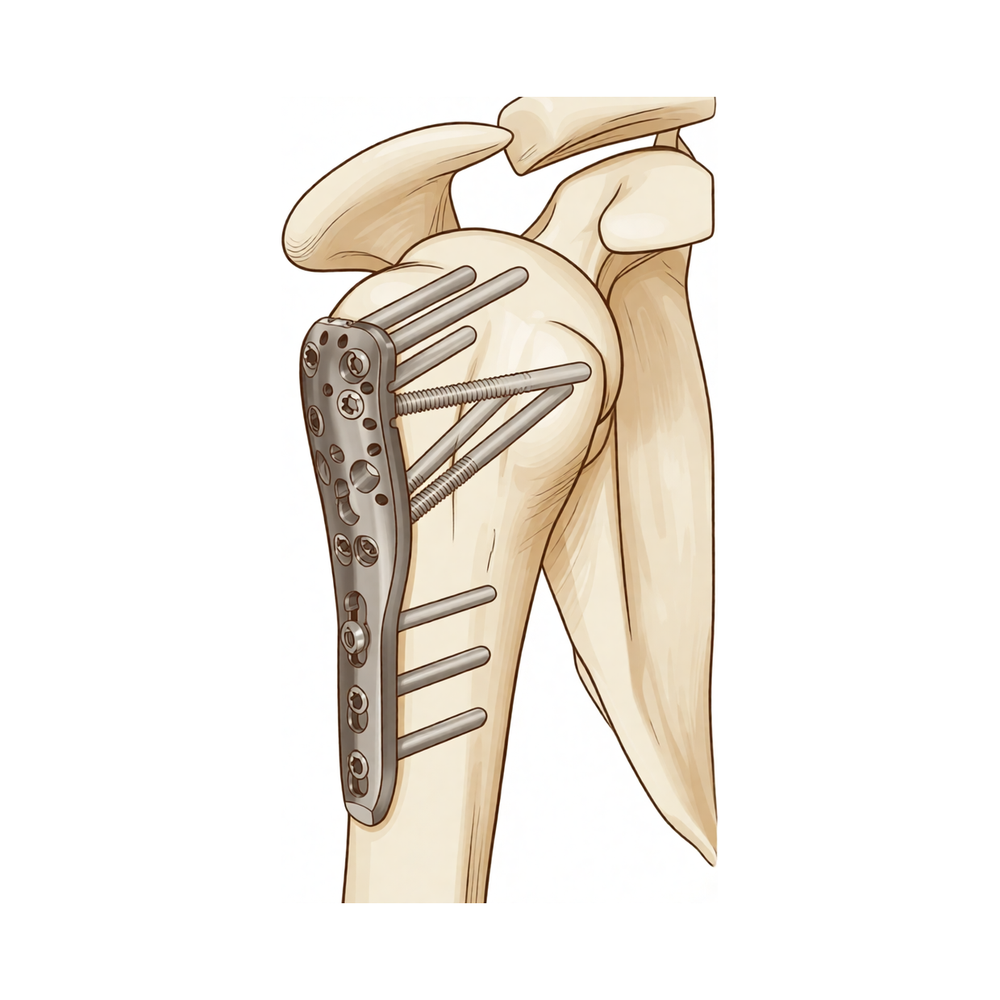
Overview
Internal fixation serves as a definitive treatment strategy for a wide range of orthopaedic injuries, with successful healing and complication avoidance largely determined by surgical technique [3]. In patients with multiple injuries, internal fixation is an advantageous method of treatment [21], and judicious application in injuries associated with severe soft-tissue damage or multiple fractures offers definite advantage to the patient [10]. For the anterior ring component of APC injuries, external fixation as definitive treatment is not inferior to internal fixation when the latter is precluded [1]. While fracture classifications help identify unstable fractures and offer insight into indications for external skeletal fixation [5], internal fixation remains an effective option in select clinical circumstances [3].
The choice of fixation method depends on specific fracture patterns and patient characteristics, as no single method is a panacea for all injuries [51]. For proximal humerus fractures, recent evidence suggests no long-term differences in outcomes between surgical and nonsurgical cohorts for many patient populations [199], and no compelling evidence exists to suggest one technique over another when comparing intramedullary nailing with locking plate fixation [38]. Intramedullary fixation represents an alternative option with specific fixation and biologic advantages, with reported outcomes comparable to other techniques [212]. In elderly patients treated with a locking compression plate for proximal humeral fractures, there were no failures of internal fixation, and patients attained an activity level sufficient for independent daily living [56].
For humeral shaft fractures, plate fixation is reliable and safe when indications for operative treatment are met [17], and acceptable results can be achieved even for difficult fractures provided correct principles of fixation are carefully followed [19]. Functional and radiologic outcomes for complex humeral head fractures are similar between percutaneous fixation and locking plates, though the percentage of major complications is lower with percutaneous treatment [16]. In diaphyseal forearm fractures in adolescent patients, there is insufficient data to recommend one strategy over the other, although open reduction and internal fixation may be preferred as patients approach skeletal maturity [39]. For Letenneur type I Hoffa fractures, the choice of internal fixation pattern depends on the surgeon and is not recommended for all cases [8]. A novel technique for posterior internal fixation of acetabular fractures offers superior outcomes and fewer complications compared to similar techniques [6].
Anatomy & Pathophysiology
Osseous Anatomy
The proximal humerus comprises four main parts: the humeral head, greater tuberosity, lesser tuberosity, and humeral shaft [65]. The articular head is spherical with a diameter of 37 to 57 mm [65] and an arc of approximately 160 degrees covered by articular cartilage [77]. The radius of curvature of the humeral head is approximately 25 mm, slightly larger in men than in women [77], with specific measurements ranging from 23-28 mm [77]. The superior margin of the humeral head articular surface is normally 8 to 10 mm superior to the top of the greater tuberosity [65, 77]. The anatomic neck is located at the junction of the articular surface and the tuberosities [65, 79], while the surgical neck represents an indistinct metadiaphyseal junction below the tuberosities [65, 79]. The humeral head is retroverted an average of 30 degrees [66, 79], with highly variable measurements ranging from 0 to 55 degrees depending on the method used [77]. The neck-shaft angle averages 135 degrees [66], though other measurements report an average of 45 degrees (±5 degrees) with a range of 30 to 50 degrees [77], and inclination ranges from 30-55 degrees [77]. Arthritic shoulders exhibit a flatter neck-shaft angle close to 50 degrees [77]. Head height is approximately 5.6 cm above the superior border of the pectoralis major tendon [79].
The glenoid is a convex structure of shallow depth shaped like an inverted pear [65], with a cavity approximately one third the size of the humeral head [66]. The glenoid articular surface radius of curvature is 2 to 3 mm larger than that of the humeral head [77], with specific radii ranging from 22-28 mm [77]. The glenoid diameter ranges from 18-30 mm superior anteroposterior, 21-35 mm inferior anteroposterior, and 30-48 mm superoinferior [77]. The glenoid inclination averages 4.2 degrees (–7 to 20 degrees) [77], and version averages 1.5 degrees retroversion (10.5-9.5 degrees anteversion) [77], or approximately 5 degrees retroversion relative to the scapular body [68, 79]. The glenoid surface area is 4-6 mm and the humeral head surface area is 11-19 mm [77]. Cartilage thickness is 2.16 mm on the glenoid and 1.44 mm on the humeral head [77]. The medial (coronal) humeral offset is 4-14 mm and the posterior (transverse) offset is –2 to 10 mm [77].
The humeral shaft extends from the insertion of the pectoralis major proximally to the supracondylar ridge distally [66]. The upper portion is cylindrical and becomes flattened anteroposteriorly distally [66]. The scapula spans the second through seventh ribs, serves as an attachment for 17 muscles, and is anteverted on the chest wall approximately 30 degrees relative to the body [79]. Os acromiale represents incomplete fusion of secondary ossification centers, most commonly between the mesoacromion and meta-acromion [79]. The clavicle is the first bone to ossify at 5 weeks gestation and last to fuse with the medial epiphysis at 25 years of age [79].
Ligamentous & Soft Tissue Anatomy
The glenoid labrum is a fibrocartilaginous structure that deepens the socket by 50% around the humeral head [68, 78, 79] and provides a bumper to translation [79]. The glenoid articular surface and labrum combine to create a socket approximately 9 mm deep superoinferiorly and 5 mm deep anteroposteriorly [78]. Adding the labrum increases the glenoid surface to 75% of the humeral head vertically and 57% horizontally [78]. The rotator interval is defined medially by the base of the coracoid, superiorly by the supraspinatus tendon, and inferiorly by the subscapularis tendon [68]. Laxity of the rotator interval results in inferior laxity (the sulcus sign), while contracture is seen with adhesive capsulitis [68].
The glenohumeral joint stability relies on static and dynamic restraints [79]. Static restraints include articular anatomy, the glenoid labrum, glenohumeral ligaments, capsule, and negative intraarticular pressure [79]. The superior glenohumeral ligament is a primary static restraint against anterior translation with the arm at the side [68] and inferior humeral subluxation in 0 degrees of abduction [78], as well as external rotation and inferior translation of the adducted or slightly abducted arm [79]. The middle glenohumeral ligament is a primary static restraint against anterior translation with the arm in external rotation and 45° of abduction [68], limits external rotation in lower and middle ranges of abduction, and is absent in up to 30% of shoulders [78, 79]. The inferior glenohumeral ligament is composed of an anterior band, a posterior band, and a thinner intervening axillary pouch, creating a hammock-type sling [78]. The anterior band restrains anterior-inferior dislocation in 90° of abduction and external rotation [68, 79], while the posterior band restrains posterior-inferior translation in internal rotation and adduction [68, 79]. The anteroinferior glenohumeral ligament complex is the main stabilizer to anterior and posterior stresses when the shoulder is abducted 45 degrees or more [78]. The coracohumeral ligament restricts external rotation in adduction and restrains inferior translation and external rotation of the adducted arm [68, 79].
The rotator cuff consists of the subscapularis, supraspinatus, infraspinatus, and teres minor muscles [66, 73]. The teres major is not a rotator cuff muscle [66]. The cuff stabilizes the humeral head by pulling it into the glenoid whenever the deltoid lifts the arm [73]. The infraspinatus and teres minor are external rotators, while the subscapularis is an internal rotator [66]. The tendons of the infraspinatus and supraspinatus join approximately 15 mm proximal to their insertion and cannot be readily separated by blunt dissection [78]. The supraspinatus and subscapularis tendons join as a sheath surrounding the biceps tendon at the entrance of the bicipital groove [78]. The subscapular bursa lies between the subscapularis tendon and the neck of the scapula, communicating with the joint cavity between the superior and middle glenohumeral ligaments [69]. This bursa often houses loose bodies and is a region where synovitis may be most intense [69]. The coracoacromial arch, formed by the acromion, coracoacromial ligament, and coracoid process, imparts stability to the shoulder girdle [65, 73]. The subacromial bursa separates the tendons from this arch [73]. The coracoacromial ligament contributes to anterosuperior stability in rotator cuff deficiency and should be preserved with irreparable cuff tears to prevent anterosuperior escape [79].
Vascular & Neural Anatomy
The proximal humerus receives blood supply from the anterior and posterior humeral circumflex branches of the axillary artery [65]. The anterior humeral circumflex artery provides vascular inflow to the humeral head via its terminal anterolateral branch, known as the artery of Laing or arcuate artery [65, 68]. This ascending branch penetrates the head at the bicipital groove [66]. Injury to the arcuate artery may result in osteonecrosis of the humeral head [65], although additional extraosseous collateral branches can permit perfusion despite complete ligation [65]. Fractures involving the anatomic neck are prognostically worse due to potential disruption of the vascular supply and subsequent avascular necrosis [65, 66]. In contrast, surgical neck fractures are common and typically preserve the blood supply to the head [66].
The radial nerve is commonly injured in humeral shaft fractures, particularly at the junction of the middle and distal third [66]. An axillary nerve injury from proximal humeral fracture or fracture-dislocation results in paralysis of the deltoid muscle and anesthesia over the “badge” region at the lateral proximal arm [66]. The acromial branch of the thoracoacromial artery runs on the medial aspect of the coracoacromial ligament [79].
Kinematics & Pathophysiology
The glenohumeral joint has the greatest range of motion in the body, with motion provided at the expense of stability [79]. The bony anatomy contributes little to shoulder stability, often compared to a golf ball on a tee [78]. Dynamic stabilizers include the rotator cuff and biceps tendon, with scapulothoracic mechanics contributing to stability [79]. The deltoid and pectoralis major muscles, along with the rotator cuff, cause predictable displacement of fractures around the proximal humerus [66]. Displaced proximal humeral fractures can impede normal movement of the rotator cuff, subacromial bursa, and subdeltoid bursa, causing impingement and disruption of normal glenohumeral motion [65].
The shoulder joint is composed of four articulations: the sternoclavicular, acromioclavicular, glenohumeral, and scapulothoracic [78]. The sternoclavicular joint is the only true joint connecting the upper extremity with the axial skeleton [79]. The posterior sternoclavicular ligament is the strongest and primary restraint to anteroposterior instability [79]. The acromioclavicular joint is a plane/gliding joint with a fibrocartilaginous disc [79]. The coracoclavicular ligaments prevent superior displacement of the distal clavicle [79]. The trapezoid ligament is anterolateral and approximately 25 mm from the acromioclavicular joint, while the conoid ligament is posteromedial, stronger, and approximately 45 mm from the joint [79]. Fracture of the clavicle is the most common musculoskeletal birth injury [79].
Lateral humeral offset is defined as the distance from the lateral base of the coracoid process to the lateral margin of the greater tuberosity [77]. A significant decrease in lateral humeral offset reduces the lever arms for the deltoid and supraspinatus muscles, weakening abduction and impairing function [77]. Conversely, a significant increase causes excessive tension on soft tissues, resulting in loss of motion and likely accelerating polyethylene wear [77]. Humeral articular malposition of more than 4 mm leads to increased subacromial contact, and an offset of 8 mm in any direction significantly decreases passive range of motion [77].
The capsule of the glenohumeral joint extends from the glenoid rim laterally toward the surgical neck, blending with the rotator cuff tendons [72]. Static stability is maintained by capsulolabral attachments and intracapsular ligamentous thickenings, while dynamic stability is afforded by the rotator cuff and periscapular musculature [72]. The posteromedial metaphysis, a portion of the physis, and the epiphysis are intracapsular, while a large part of the proximal humeral physis is extracapsular and susceptible to traumatic injury [72]. The proximal humeral physis is irregularly shaped with its apex on the posteromedial portion [72]. The periosteum is thicker and stronger in the posteromedial portion compared to the thin anterolateral portion [72]. This fundamental anatomy explains the tendency of proximal humeral metaphyseal
Classification
AO/OTA: The AO/OTA system classifies long bone fractures by site and severity [248]. The AO Group also produced classifications for soft tissue damage in both closed and open fractures [248]. In open tibial fractures, the AO classification is used to classify fracture patterns [55]. For subtrochanteric femoral fractures, the AO classification categorizes patterns into types A, B, and C [240]. In studies comparing operative and non-operative treatment of humeral shaft fractures, the AO classification is used to define fracture subgroups [23]. The AO classification is also applied to distal radius fractures to identify unstable patterns and indications for external skeletal fixation [5].
MTM: The MTM-classification covers a wide spectrum of proximal humeral fracture types [148]. However, it does not deliver reproducible results for the precise topographic and morphological description of these fractures [148].
HGLS: The HGLS classification is a reliable method for describing proximal humerus fractures compared with the Neer and AO systems [184].
Morpho-volumetric: A new classification based on morpho-volumetric evaluation of humeral head bone loss with a 3D model provides a synoptic framework for identifying complex impacted proximal humerus fracture patterns [178].
Codman: Codman’s illustrative classification system, proposed in 1934, serves as the basis for many classification models in clinical practice for proximal humerus fractures [247].
Neer: Neer’s classification of proximal humerus fractures focuses on the presence or absence of displacement of the four bony segments rather than fracture lines [247]. Displacement is defined as at least 1 cm of separation and 45° of angulation between fragments [247]. This classification has poor intra- and interobserver reliability, particularly in plain radiographs [247].
Hertel: Hertel’s classification of proximal humerus fractures takes fracture planes into account but not the number of fragments [247].
Robinson: The Robinson Classification is used to classify clavicle fractures, including type IIB2 middle third fractures [167]. It is specifically used to identify type IIB2 middle third clavicular fractures for locked plate fixation [167].
Multifocal Humeral: A simple classification of multifocal humeral fractures is suggested to help surgeons choose the most suitable type of synthesis [160].
Gustilo: The Gustilo classification is used to grade fracture wounds in open tibial fractures [55].
Sanders: The Sanders’ classification system is used to define fracture types for displaced intra-articular calcaneal fractures based on CT scans [246].
Pelvic Ring: A classification of the entire set of pelvic ring fractures is compatible with AO/ASIF recommendations on classification systems [165].
Intertrochanteric: The AO/OTA 31A1 and 31A2 classifications are used to identify stable intertrochanteric femoral fractures suitable for compression or dynamic hip screws [32].
Peri-implant: A classification system for non-prosthetic peri-implant fractures is used to identify management strategies for common fracture types in the femur [207].
Clinical Presentation
In patients with suspected non-union, a thorough history and physical examination are mandatory [123]. The history must establish the mechanism of injury, the presence of pain with weight-bearing, symptoms of infection, signs or symptoms of instability, and other associated injuries [123]. The diagnosis of an infected non-union often requires a high index of suspicion from the clinician, especially when the fracture history is unknown or the infection is clinically silent [48]. Not all cases of infected non-union present with typical signs of inflammation, active or healed sinus tracts, clear history of wound healing problems, and/or systemic symptoms [48].
Inspection: Plain radiographs represent the standard of care in fracture diagnosis and follow-up [123]. The determination of when a fracture has healed remains subjective and a dilemma for the orthopaedic surgeon [124]. No radiographic criteria for evaluation of fracture healing can be considered the gold standard [124].
Palpation and Stability: Clinical examination for suspected non-union should include assessment of tenderness at the fracture site, motion at the injury site, ability to bear weight without pain, presence of deformity, neurovascular status of the limb, limb-length discrepancy, and joint range of motion [123]. Inability to weight-bearing is considered the most important clinical criterion for the diagnosis of delayed union and non-union [123]. Tenderness to palpation at the fracture site and pain at the fracture site with weight-bearing are important clinical criteria for the diagnosis of delayed union and non-union [123]. Clinical criteria for assessment of bone healing include the presence or absence of pain when bearing weight on the affected leg, pain on palpation, and no detectable motion with manipulation at the fracture site [124]. These clinical criteria are very subjective and not easily assessed clinically when fractures are fixed by an intramedullary nail [124].
Gait Analysis: The inability to bear weight can cause changes in gait patterns, resulting in antalgic gait [124]. Assessment of gait patterns is a practical way of monitoring fracture healing and can be used as a higher relevant primary outcome [124].
Diagnostic Criteria and Outcomes: The most common clinical criteria used in clinical trials to assess fracture healing are the absence of pain or tenderness during weight-bearing (used in 38 of 77 studies, 49.35%), the absence of pain or tenderness on palpation or physical examination (used in 30 of 77 studies, 39%), and the ability to bear weight (used in 14 of 77 studies, 18.2%) [123]. The gold standard method for diagnosing infected non-union is the isolation of pathogens on deep tissue cultures obtained from the non-union site [48]. Patients treated with external fixation reported greater pain interference at 6 months than patients treated with internal fixation for severe open tibial fractures [12].
Investigations
The purpose of shoulder imaging is to establish the diagnosis, determine the severity of pathoanatomy, assist in surgical planning, and enable the surgeon to illustrate the condition to the patient [35]. Because the shoulder is a three-dimensional structure that cannot be represented by a single planar view, critical relationships such as the degree of centering of the humeral head change with arm position [86]. Pathology may involve numerous bones and soft tissues, and overlying structures or metallic implants may complicate visualization [86]. Proper radiographic technique is as important as proper surgical technique to achieve the desired outcome [35]. Surgeons must adopt a judicious approach to imaging, resisting the temptation to "overimage" by obtaining only the scans or reconstructions necessary for patient care unless a specific research protocol is in place [35, 86].
Plain radiography: At least two views are required for shoulder imaging: an anteroposterior view in the plane of the glenoid and an axillary projection with the arm in abduction [83]. The standard series includes a true AP view in the scapular plane, an AP view, an axillary view, and a scapular Y view [98]. The true AP view in the scapular plane visualizes the anterior greater tuberosity in profile and can reveal proximal humeral migration [98]. The AP view with the arm in internal rotation visualizes the posterior aspect of the greater tuberosity and the lesser tuberosity in profile [98]. The axillary view is necessary for evaluating glenohumeral joint instability and determining humeral head position in the glenoid fossa [98]. It may detect occult, locked posterior shoulder dislocation in patients exhibiting a lack of passive external rotation [98]. The scapular Y view provides visualization of the coracoacromial arch, can reveal coracoacromial spurs associated with rotator cuff pathology, and is a reliable alternative for evaluating glenohumeral subluxation and dislocation [98].
Specific measurements and classifications are derived from radiographs. The acromiohumeral distance is normally 7 to 14 mm, and the width of the glenohumeral joint space should be symmetric superiorly and inferiorly [98]. The coracoclavicular distance is normally 1.1 to 1.3 cm [98]. Neer classified acromial morphology as type I (flat), type II (curved), and type III (hooked) [98]. Type III morphology correlates with the presence of rotator cuff disease, though no direct causal relationship has been demonstrated [98]. The Neer acromial classification has shown relatively poor interobserver reliability [98].
Special views are indicated for specific pathologies. The Stryker Notch view is indicated for evaluating Hill–Sachs lesions after dislocation [98]. The West Point view is indicated for evaluating anterior glenoid bone loss [98]. The Zanca view is indicated for evaluating the acromioclavicular joint [98]. The apical oblique view is indicated for evaluating glenoid rim fractures in instability [98].
Radiographs provide an overview of bony anatomy, orientation of the humeral head in relation to the glenoid, and initial assessment for bony Bankart and Hill–Sachs lesions [101]. However, standard radiographs (AP/outlet), especially in internal rotation, may miss nearly half of screw cut outs of the proximal humerus [256]. In a systematic review of posterior shoulder dislocations, 73% of patients had a missed initial diagnosis due to the lack of an axillary view, Y view, or CT imaging [101]. Of 150 patients with missed posterior dislocation diagnoses, 98% had only AP or lateral views of the shoulder [101]. When axillary or Y-view radiographs were made subsequently in patients with suspected posterior dislocation, the diagnosis was confirmed in 100% of patients [101]. In a comparison of 75 consecutive patients with suspected shoulder dislocations, the axillary and scapular "Y" view resulted in the same diagnosis in 92% of patients [101]. Patient and technician preference favors the scapular "Y" view; 81% of patients preferred it because of less pain compared to the axillary view, and radiology technicians preferred it due to the ease of obtaining the image [101].
Computed Tomography: CT imaging is frequently used to evaluate fractures of the shoulder, assess bony lesions in recurrent instability cases, or for preoperative templating for shoulder arthritis [96]. CT is helpful for planning fracture surgery and shoulder joint replacement [83]. Preoperative CT scans may improve surgical planning by identifying secondary fracture lines poorly visualized on radiographs [257]. CT with three-dimensional reconstructions is the advanced imaging study of choice for determining the extent of glenoid bone loss in the setting of shoulder instability [98]. Although CT scans may offer increased precision in the measurement of glenoid version, this precision does not necessarily improve the quality of surgery or clinical outcome [35]. Standardized plain films are almost always sufficient to garner the information needed for shoulder care [35]. Three-dimensional reconstructions can reveal fine details of shoulder anatomy, but this additional information rarely changes the planning or conduct of arthroplasty [35].
Magnetic Resonance Imaging: MRI is the modality of choice for evaluating the rotator cuff, biceps, and subacromial/subdeltoid bursa [96]. MRI is useful to identify osteonecrosis of the humeral head, bone tumors, labral tears, and rotator cuff tears [83]. T1-weighted MRI can reveal Hill–Sachs lesions and is often used with magnetic resonance arthrograms to provide a more detailed picture of joint surfaces [96]. T2-weighted MRI provides better visualization of full-thickness rotator cuff tears [96]. The accuracy of MRI for identifying labral tears and rotator cuff tears is enhanced by combining the scan with arthrography [83]. Magnetic resonance accuracy in identifying labral and rotator cuff tears in the literature ranges from 70% to 100% [90].
MR arthrography increases both sensitivity and specificity in detecting injuries to the capsulolabral–ligamentous complex compared to traditional MRI [90]. In a meta-analysis of 4,667 shoulders, MR arthrography had a sensitivity of 88% and specificity of 93% for glenoid labral lesions, compared to MRI sensitivity of 76% and specificity of 87% [90]. MR arthrography is considered the benchmark for evaluation of labral tears and is rarely indicated for evaluation of rotator cuff pathology [96]. Abduction and external rotation (ABER) positioning is utilized to increase the sensitivity and specificity for detecting anteroinferior labroligamentous injury [90]. However, limited range of motion or pain may prohibit patients from performing the ABER provocative maneuver [90]. In a retrospective comparison, full routine MRI or MR arthrography examination had similar accuracy as the ABER sequence in evaluating the anteroinferior labral–ligamentous complex [90]. In a similar study, the sensitivity of MRA with the ABER position for detecting anteroinferior labral lesions was significantly higher than MRA in the neutral position [90]. When MRI or MR arthrography is contraindicated, such as in patients with pacemakers or vascular clips, CT arthrography is indicated [96]. The diagnosis of multidirectional instability is a clinical one, and the need for expensive or invasive imaging should be weighed against the information gained [90].
Ultrasonography: Ultrasonography is a low-cost alternative to MRI and arthrography for evaluating both skeletal and soft-tissue structures of the shoulder [96]. It can provide immediate, real-time visualization of the rotator cuff, biceps tendon, and calcific deposits [96]. Ultrasonography can be used to measure the subacromial space and detect atrophy of rotator cuff muscles [96]. It can evaluate impingement in various positions and motions due to real-time imaging capabilities [96]. Ultrasonography is a simple and accurate test for identifying rotator cuff tears and calcific tendinitis [83]. It can be useful in guiding injections or barbotage of calcific deposits in the rotator cuff [83].
Ultrasonography is highly operator-dependent and is not as useful for evaluating labral tears or rotator cuff tears that are very small or larger than 3 cm [96]. The sensitivity of ultrasonography for detecting full-thickness rotator cuff tears is 98%, with a specificity of 80% [98]. The positive predictive value is 90% and the negative predictive value is 95% [98]. The overall accuracy of ultrasonography for detecting full-thickness rotator cuff tears is 94% [98]. In comparison, the sensitivity of MRI for detecting full-thickness rotator cuff tears is 100%, with a specificity of 68% [98]. The positive predictive value of MRI is 85% and the negative predictive value is 100% [98]. The accuracy of MRI for detecting full-thickness rotator cuff tears is 89% [98].
Treatment
Non-Operative
Nonsurgical management with functional bracing is the standard of care for most humeral shaft fractures, achieving union rates >90% [176]. The guideline recommends nonsurgical immobilization for acute or nondisplaced fractures [193]. Treatment should follow basic principles of maintaining length, alignment, and immobilization; operation is often contra-indicated if the fracture can be held without it, as non-operative management may heal faster with fewer complications [180]. While closed treatment remains the method of choice for most fractures, acceptable results can be achieved with internal fixation, even for difficult fractures, provided the correct principles of fixation are carefully followed [19]. Continued non-operative treatment is an option for patients who present with an established non-union [108].
Operative
Indications: Internal fixation is essential for fracture stability and preventing infection, despite the risk of bacterial colonization and biofilm formation on implants [40]. When indications for operative treatment are met, plate fixation is reliable and safe [17]. It is felt that judicious application of primary internal fixation in injuries associated with severe soft-tissue damage or multiple fractures is of definite advantage to the patient [10]. In these cases open reduction and internal fixation should be considered [14]. Open reduction internal fixation can offer excellent outcomes when performed in the appropriate patient and utilizing proper techniques [11]. However, there are no absolute indications for prophylactic fixation determined by evidence-based medicine, and additional studies are needed to define surgical indications [15]. Large-scale randomized studies are needed to assess indications and results for various internal fixation techniques [4]. For patellar fractures, open reduction and internal fixation is recommended for fragment separation of more than 3 mm or more than 2 mm of step-off [188]. Treatment of most patellar fractures can be scheduled electively, but open fractures must be treated emergently [188]. Fractures with associated superficial skin abrasions are often treated emergently so that bacterial colonization does not contaminate the operative field, or surgery may be delayed until the abrasions have healed [188]. For humeral shaft fractures, closed reduction with pin fixation is recommended for displaced fractures based on moderate evidence [193]. Only fractures that are recalcitrant to closed reduction and immobilization or fractures in the non-compliant patient should be considered for this form of operative treatment [168]. The procedure should be used with caution when managing acute non-pathological fractures as there is a high incidence of non-union [134].
Surgical Approach / Technique: The AO philosophy evolved from a focus on rigid mechanical fixation to a biological approach emphasizing preservation of local blood supply and minimally invasive techniques, which has led to improved clinical outcomes and reduced complications such as nonunion and infection [92]. Minimally invasive surgical techniques minimize the soft-tissue disruption associated with open approaches to reduction and instrumentation [100]. Indirect reduction techniques are frequently required before instrumentation, and detailed knowledge of anatomy is critical for safe insertion of instrumentation [100]. By placing the plates in a minimally invasive manner, the soft-tissue envelope around the fracture is preserved [210]. Fracture reduction can be difficult when using minimally invasive techniques and a locking plate [210]. Articular fragments still require direct visualization and rigid fixation before plate placement [210]. The technique of fracture exposure and reduction is similar to that used with nonlocked plates [210]. For patellar fractures, a longitudinal midline incision offers excellent exposure of the fracture site and, more important, the proximal and distal soft-tissue attachments are easily exposed, allowing proper positioning and tensioning of the hardware [188]. The midline incision is also more utilitarian if subsequent procedures on the knee are necessary [188]. For scapular fractures, a posterior operative approach was used for nine shoulders and an anterior approach for one shoulder [227]. Early in this series, the posterior incision was made parallel to the spine of the scapula, but later a more vertical incision was used [227]. This more proximal, posterior incision began from a position just proximal to the junction of the lateral one-third and medial two-thirds of the spine of the scapula and continued downward at a slight medial angle for fifteen centimeters [227]. The deltoid muscle was released from its origin on the spine of the scapula and reflected laterally [227]. The axillary nerve was identified and protected [227]. The distal border of the infraspinatus muscle was defined, and an incision was made along this border [227]. In some patients, better exposure was obtained with an additional vertical incision through the tendinous portion of the infraspinatus muscle and the underlying capsule of the shoulder [227]. The infraspinatus muscle was elevated proximally, and the teres minor muscle was retracted distally to expose the scapular fracture [227]. A transverse incision was made through the joint capsule of the shoulder to identify the intra-articular aspect of the displaced fracture [227]. A vertical capsular incision was added for additional exposure [227]. During this dissection, the suprascapular nerve was identified coursing through the spinoglenoid notch and on the undersurface of the infraspinatus muscle [227]. The fracture was then reduced under direct vision of both the intra-articular and extra-articular aspects of the fracture [227]. The fragments were held temporarily in the reduced position with small-diameter Steinmann pins [227]. In one patient, this fixation seemed to be insufficient [227]. The anterior approach was exceptionally difficult, and we do not recommend it [227]. For acetabular fractures, the iliofemoral approach is suitable for the reduction and fixation of isolated fractures of the anterior column or anterior wall of the acetabulum [221]. The patient is positioned supine on a radiolucent table with the ipsilateral leg draped free into the surgical field [221]. The iliac crest, the ASIS and the area in between the sartorius and tensor fasciae latae muscles serve as landmarks [221]. The skin incision runs from the lateral aspect of the iliac crest to the ASIS and continues between the sartorius and tensor fasciae latae to a point approximately 15 centimetres distal to the ASIS [221]. As for the first window of the ilioinguinal approach, the insertion of the external oblique muscle is released from the iliac crest and the iliac fossa is exposed [221]. At the ASIS, the inguinal ligament, together with the origin of the sartorius muscle, is mobilized and either dissected or released through an osteotomy, which facilitates refixation [221]. The inguinal ligament and the sartorius muscle are retracted medially [221]. Because of the iliopsoas muscle, the possible exposure to the medial side is limited, so that only the iliopectineal eminence can be reached [221]. In order to visualize the joint, the distal part of the approach can be extended equivalent to the anterior approach to the hip [221]. By releasing the origin of the adductor muscles, the lateral surface of the ilium can be visualized as originally described by Smith-Petersen [221]. For forearm fractures, a separate incision was used to approach the radius and ulna in each patient [222]. A volar (Henry) approach was used to expose the radius in forty-nine patients [222]. A dorsal (Thompson) approach was used in six patients [222]. The ulna always was exposed by a subcutaneous approach between the flexor carpi ulnaris and the extensor carpi ulnaris muscles [222]. The plate normally was applied to the volar or radial side of the radius [222]. Only infrequently, in patients in whom a posterior approach to the radius had been used, was it applied to the dorsal aspect of the radius [222]. Interfragmentary compression was applied to the site (or sites) of the fracture whenever possible [222]. The deep fascia was never closed [222]. In eleven patients, both the skin and the fascia were left open [222]. For femoral nailing, patients were positioned supine under epidural or general anesthesia, with the unaffected limb placed in a semi-lithotomy posture (hip flexion 45–90°, abduction 30–45°) to facilitate intraoperative fluoroscopic imaging of the affected femur [230]. The contralateral lower extremity was placed on the lower leg frame, and the affected lower limb was placed flat on the surgical traction bed [230]. After disinfection, the surgical area was covered with a sterile surgical drape [230]. A longitudinal skin marking was created along the femoral shaft axis, intersecting a perpendicular reference line drawn from the anterior superior iliac spine to optimize entry point localization [230]. A 3 cm incision was made with the intersection point as the center [230]. The subcutaneous tissue was dissected layer by layer until reaching the fascia lata, which was then incised to locate the apex of the greater trochanter [230]. This apex served as the wire entry point, directed toward the femoral medullary cavity [230]. Sequential reaming of the intramedullary canal follows [230].
Implant Selection: The focus of internal fixation is shifting from mechanics to biology, where the real determinant of outcome is the biology of the bone itself [13]. The mechanical environment created by the stabilization technique along with the local biology affects the type of tissue formed in a healing fracture [58]. In a high strain environment, granulation and fibrous tissue form between fracture fragments [58]. Intermediate-level strains produce cartilage and small strains result in bone formation [58]. The implant device plays the major role in fixation stability, while reduction positions exert only a minor influence [118]. The Locking Compression Plate (LCP) is a new implant revolutionizing internal fixation that requires adapted surgical techniques and new thinking about commonly used concepts of interventional fixation to avoid failures and complications [89]. The choice of internal fixation pattern depends on the surgeons and is not recommended for all cases [8]. Compared with other fixation strategies, such as locking plate fixation, no compelling evidence exists to suggest one technique over another [38]. There is insufficient data to recommend one strategy over the other, although open reduction and internal fixation may be preferred as patients approach skeletal maturity [39]. Traditional implants can be used successfully for many fracture types [100]. Evolution in implant design has simplified minimally invasive surgical insertion [100]. This minimally invasive surgery has the obvious advantages to the traditional open reduction and internal fixation and the non-operative management by plaster immobilisation [36]. These subcutaneous internal fixators combine advantages and avoid disadvantages of external fixation frames and ORIF devices [52]. The primary difference with a locking plate is the technique of screw insertion [210]. With nonlocked screws, the surgeon has tactile recognition when the screw purchases the far cortex and pulls the plate against the bone [210]. This sensation helps the surgeon know the quality of the bone and ensures that the screw is of appropriate length [210]. This sensation is lost with locking screws because the screw is inserted until it locks into the plate [210]. Screw length must be carefully determined before insertion [210]. The locked screw can be inserted only in a fixed angle [210]. Proper plate position and location are important to ensure that the screws do not engage any neurovascular structures [210]. For patellar fractures, the AO modified tension band is the most widely accepted form of fixation [188]. The goals of operative treatment are to obtain an accurate reduction and stable fixation that allows early range of motion [188]. For stable intertrochanteric femoral fractures (AO/OTA 31A1 and many 31A2 fractures), compression or dynamic hip screws are a good option, particularly in patients with lower preinjury functional status [32]. The implant cost is less with SSP than with intramedullary nails, and the technique of placement of a SSP is familiar to most experienced orthopaedic surgeons [32]. Orthopaedic surgeons who have completed their training more recently may not be as familiar with the procedure [32]. As a method of internal fixation, this technique may have particular advantages in elderly osteoporotic patients [84]. Open reduction and internal fixation with cannulated screws provided good clinical and radiological results for larger defects, but with a higher early complication rate [31]. Compared to RP, it provides improved stability and more reliable fixation [157]. Avoiding solid fixation with screws may reduce potential causes for complications or revision surgery for implant-related discomfort or breakage [45]. The technique was developed to combine the advantages of traditional percutaneous pinning with improved fixation strength in osteoporotic bone through the use of long threaded pins and a dedicated external fixator [94]. Linking the lateral ends of fixation wires with an external fixator increased the stiffness and strength of the constructs [142]. Although internal fixator devices are placed close to the bone and should therefore maintain greater stiffness, our data did not support the hypothesis of superior stability [146]. For forearm fractures, fixation of the radial fractures was accomplished with a 3.5-millimeter AO dynamic-compression plate in thirty-five fractures [222]. A semitubular plate was used in twenty fractures [222]. A one-third tubular plate was used in one fracture [222]. Fixation of the ulnar fractures was carried out with a 3.5-millimeter dynamic-compression plate in thirty-four fractures [222]. A semitubular plate was used in twenty-two fractures [222]. Two plates were used to fix the one segmental fracture of the radius and two of the three segmental fractures of the ulna [222]. A single plate was used to fix the one remaining segmental fracture of the ulna [222]. Plates that had from four to twelve holes were used [222]. The use of methylmethacrylate allows secure fixation of extensive osseous lesions where standard techniques would fail, and bone destruction is no longer a contraindication to surgery [161].
Adjuncts: Internal fixation without grafting has a good local control and satisfactory functional long-term outcome [9]. Seven patients received bone grafts from the iliac crest [222]. The indications for bone-grafting were major bone loss or comminution, or both [222]. However, not all patients who had these factors present received a bone graft [222].
Other Considerations: External fixation as definitive treatment is not inferior when internal fixation is precluded [1]. Compared to similar internal fixation techniques, it offers superior outcomes and fewer complications [6]. Twenty mid-clavicular fractures treated with plate fixation resulted in bony union in every case and relief from pain within 12 hours [64]. Patients managed with TENS had significantly better clinical outcomes than both plate fixation and non-operatively managed groups [156]. Clavicle fixation for delayed and non-union is a cost-effective intervention but outcomes are worse compared to patients that unite with non-operative management [169]. Radiographs demonstrate that both fractures are united [60]. Invasive primary treatment seemed to prevent re-displacement and the need for re-operation of severe fractures was less common in the invasive treatment group than in the non-invasive treatment group [53]. Undisplaced fractures have a variable outcome when treated nonoperatively [170]. Non-unions represent a particular challenge, and the difficulties surrounding their management are frequently underestimated [163]. An algorithm of management of the humeral shaft non-unions following a rational approach is suggested [54]. Intramedullary nailing has a role in the management of established non-union [145]. TEA is a salvage procedure for failed internal fixation, leading to significant improvements in pain and function [33]. In this cohort, the use of regional anaesthesia during operative repair of long bone fracture nonunion was associated with no significant difference in functional outcome scores or pain levels at all post-operative time points [224]. The relief of pain often will allow the patient to maintain the level of functional activity but should not be expected to improve it [238]. Patients treated with external fixation reported greater pain interference at 6 months than patients treated with internal fixation [12]. Pain relief was achieved in all nine pathological fractures [194]. In thirty-five patients, the fracture was stabilized on the day of the injury [222]. In fourteen patients, stabilization occurred within seven days [222]. In six patients, stabilization occurred after seven days [222]. All procedures and postoperative evaluations were performed by a single orthopedic trauma team to minimize interoperator variability [230].
Complications
Infection and Biofilm: Internal fixation carries a risk of bacterial colonization and biofilm formation on implants [40]. Stable fixation of a contaminated open fracture reduces its susceptibility to infection compared to unstable fixation [317]. The postoperative infection rate following internal fixation in open fractures was 18.5% in a major African hospital, which falls within the range published by authors from Western hospitals [296]. The rate of infection in open tibial fractures treated by internal fixation is about 17% [268]. The diagnosis of an infected non-union often requires a high index of suspicion, especially when the fracture history is unknown or the infection is clinically silent [48]. Among all infected and removed orthopaedic implants, plates were associated with slightly lower remission rates, while the overall treatment success exceeded 90% [316].
Implant Failure and Mechanical Complications: In a systematic review of plate fixation for clavicle fractures, major complications are defined as those requiring another surgery to remove or revise the plate, including nonunions, symptomatic malunion, deep infections, mechanical failure, irritation, breakage of the implant, angulation, and refracture after plate removal [265]. Minor complications are defined as those not requiring another surgery where a small intervention may suffice, including wound infection and neurovascular problems [265]. Complications related to plate fixation of clavicle fractures include infection, plate failure, hypertrophic or dysesthetic scars, implant loosening, nonunion, refracture after plate removal, and rare intraoperative vascular injury [259]. Reported shortcomings of intramedullary fixation for clavicle fractures include high rates of implant breakage, temporary brachial plexus palsy, poor rotational control of the fracture in the presence of comminution, and skin breakdown over the entry portals [259]. In a retrospective comparison of plate fixation and elastic stable intramedullary nailing for dislocated midshaft clavicle fractures, the authors reported higher rates of refracture (7.0%), major revision surgery (11.6%), and implant failure (14.0%) after plate fixation [274]. The incidence of refracture following implant removal after bone union in midshaft clavicle fractures is underestimated, with severe comminuted fractures and unsatisfactory reduction during primary surgery identified as risk factors [298]. A distal fracture location was associated with a significantly higher incidence of hardware removal for middle- and distal-third clavicular fractures, and an initial high-energy mechanism of injury was a significant risk factor [312]. In a study of 418 tibial shaft fractures treated with dynamic compression plates, 1 patient sustained a refracture at the distal end of the plate ten months after plating while suffering a further injury [63]. The AO unreamed nail was associated with a significant degree of implant failure, including screw breakage in 21% of cases, necessitating a high rate of secondary operative intervention [280]. In a study of 25 proximal humeral fractures treated with the Polarus intramedullary nail, the complication rate was 28% [319]. In a study of 788 patients with displaced proximal humeral fractures treated with locked plates, the number of patients treated operatively increased steadily since 2009 [121]. Double-plate osteosynthesis for proximal humeral fractures shows comparable complication rates to single-plate osteosynthesis [307]. In a study of 18 patients with distal clavicle fractures treated with superior locked plating, the study group had a high union rate (near 100% overall) and relatively few complications [109]. In a study of 36 patients treated with elastic stable intramedullary nailing (ESIN) for clavicular mid-shaft fractures, the majority of surgical complications were caused by medial nail protrusion, followed by non-union in 3 cases [120]. In a study of 36 patients treated with ESIN for clavicular mid-shaft fractures, no cases of surgically managed infection or implant failure were noted [120].
Soft Tissue and Neurological Complications: In a study of 136 patients with clavicle fractures, skin numbness was significantly more common in the anteroinferior plating group (4 patients) compared to the superior plating group (0 patients) [132]. In a study of 136 patients with clavicle fractures, skin irritation or discomfort due to plate prominence occurred in 3 patients in the anteroinferior plating group and 2 patients in the superior plating group [132].
Other Considerations: In a study of 14 patients with clavicle fractures treated with open plating, 1 case of implant failure or screw loosening occurred that did not need operation [132]. In a study of 19 patients with clavicle fractures treated with minimally invasive plate osteosynthesis (MIPO), 1 case of implant failure or screw loosening occurred that needed operation [132]. In a study of 19 patients with clavicle fractures treated with MIPO, 1 case of nonunion occurred [132]. In a study of 14 patients with clavicle fractures treated with open plating, no cases of nonunion, deep infection, superficial infection, or neurovascular compromises occurred [132]. In a study of 19 patients with clavicle fractures treated with MIPO, no cases of deep infection, superficial infection, or neurovascular compromises occurred [132]. In a study of 18 patients with distal clavicle fractures treated with plate fixation and additional screw augmentation for coracoclavicular instability, the early postoperative complication rate was 25% [297]. In a study of 18 patients with distal clavicle fractures treated with plate fixation and additional screw augmentation, the rate of secondary surgery due to removal of the CC screw was 100% [297]. In a study of 37 patients with subtrochanteric nonunion treated with reamed intramedullary nailing, 9 patients were excluded from the analysis due to infection [112]. In a study of 85 consecutive patients who underwent surgical intervention for subtrochanteric nonunion, 48 patients were excluded for various reasons including infection (9), large bone defect (6), pathologic fracture (4), open fracture (10), plating at initial surgery (8), plating at revision surgery (4), and follow-up less than 1 year (7) [112]. In a study of 204 patients with proximal humeral fractures with medial comminution, 40 patients were excluded because of loss to followup (27), death (3), hospitalization for other serious medical diseases (4), and refusal to participate (6) [119]. In a study of 31 patients with proximal humeral fractures treated with open reduction and internal fixation, no malreduced fracture was observed [117]. In a study of 31 patients with proximal humeral fractures treated with open reduction and internal fixation, primary screw perforation or plate malposition was not observed [117]. In a study of 25 patients with proximal humeral fractures treated with the Polarus intramedullary nail, no requirement for blood transfusion was reported [135]. In a study of 25 patients with proximal humeral fractures treated with the Polarus intramedullary nail, 2 patients were lost to follow up and excluded from the final analysis [135]. In a study of 27 patients with proximal humeral fractures treated with the Polarus intramedullary nail, 2 patients were lost to follow up [135]. In a study of 25 patients with proximal humeral fractures treated with the Polarus intramedullary nail, miniopen reduction was required in 7 cases [135]. In a study of 25 patients with proximal humeral fractures treated with the Polarus intramedullary nail, 3 cases had failed conservative treatment prior to primary surgery [135]. In a study of 25 patients with proximal humeral fractures treated with the Polarus intramedullary nail, the mean operative time was 51 min (range: 42–79 min) [135]. In a study of 25 patients with proximal humeral fractures treated with the Polarus intramedullary nail, the primary surgery was delayed at a median interval of 7 days (range: 0–23) [135]. In a study of 25 patients with proximal humeral fractures treated with the Polarus intramedullary nail, the overall patients’ mean age was 61 years (range: 18–92) [135]. In a study of 25 patients with proximal humeral fractures treated with the Polarus intramedullary nail, 18 were women and 7 were men [135]. In a study of 25 patients with proximal humeral fractures treated with the Polarus intramedullary nail, 16 had 2-part fractures, five had 3-part fractures, and four had 4-part fractures [135]. In a study of 25 patients with proximal humeral fractures treated with the Polarus intramedullary nail, all fractures were closed [135]. In a study of 25 patients with proximal humeral fractures treated with the Polarus intramedullary nail, 18 simple falls, 5 pedestrian versus automobile impacts, and other causes in 2 cases were the mechanisms of injury [135]. In a study of 25 patients with proximal humeral fractures treated with the Polarus intramedullary nail, 3 patients presented with other associated injuries [135]. In a study of 25 patients with proximal humeral fractures treated with the Polarus intramedullary nail, the mean age of women was 50 years (range: 16–81) and men was 66 years (range: 33–92) [135]. In a study of 25 patients with proximal humeral fractures treated with the Polarus intramedullary nail, the mean time post injury for the three cases that had failed conservative treatment was 4 months [135]. In a study of 25 patients with proximal humeral fractures treated with the Polarus intramedullary nail, the mean time post injury for the four acutely fixed fractures requiring mini open reduction was 7.5 days [135]. In a study of 25 patients with proximal humeral fractures treated with the Polarus intramedullary nail, 18 of the fractures had successful closed reduction [135]. In a study of 25 patients with proximal humeral fractures treated with the Polarus intramedullary nail, 7 cases required miniopen reduction [135]. In a study of 25 patients with proximal humeral fractures treated with the Polarus intramedullary nail, 3 cases were 2-part and one was a 3-part fracture among those that had failed conservative treatment [135]. In a study of 25 patients with proximal humeral fractures treated with the Polarus intramedullary nail, 2 were 2-part and one was a 3-part fracture among those that had failed conservative treatment [135]. In a study of 25 patients with proximal humeral fractures treated with the Polarus intramedullary nail, 2 were 2-part, one was a 3-part, and one was a 4-part fracture among those acutely fixed requiring mini open reduction [135]. In a study of 25 patients with proximal humeral fractures treated with the Polarus intramedullary nail, the mean time post injury for the acutely fixed fractures requiring mini open reduction was 7.5 days [135].
Recovery
Light activity (weeks): Early mobilization without external immobilization or internal fixation is recommended as the treatment of choice for isolated low-energy ulnar shaft fractures [115]. For proximal humerus fractures, the external fixator system allows early but gentle postoperative mobilisation [141], while the Polarus nail fixation system enables early mobilisation and functional recovery [149]. Stable internal fixation of type C (AO) distal humeral fractures using bicolumnar plating provides early physiotherapeutic mobilization of the elbow joint in most cases [150]. Rigid internal fixation of severely comminuted forearm fractures permits early mobilization, resulting in a reduced risk of malunion and cross-union and an improved functional outcome [153]. Screw fixation for certain fractures of the phalanges and metacarpals allows early range-of-motion exercises and full recovery of motion [147]. Dorsal plating for intra-articular middle phalangeal base fractures with volar instability allows for early range of motion without complications, with all fractures uniting and patients having minimal functional deficits [152]. Retrograde internal fixation of humeral fractures with the Halder humeral nail stabilizes the fracture without pain and allows early return of shoulder and elbow function [292].
Full activity (months): Adolescents who underwent surgery for diaphyseal clavicle fracture non-union, impending non-union, or symptomatic mal-union demonstrated bony healing and returned to sports within 2-4 months [288]. Titanium elastic nail fixation for displaced mid-shaft clavicle fractures in adolescent athletes engaged in structure- or kinetic-dependent sports significantly accelerates return to sport, reduces season loss, and enhances early functional and psychological recovery, while achieving long-term functional outcomes equivalent to conservative treatment [273]. Suture-button fixation for the Latarjet procedure is associated with a low instability recurrence rate and excellent return to pre-injury activity level [219]. Intramedullary nailing for aseptic tibial nonunion allows early weight bearing even before solid union occurs, short hospitalisation time, and early return to work without external support [143]. Reconstruction femoral nailing for complex proximal femoral fractures and metastatic deposits allows early re-mobilization and leads to good function in some very difficult management problems [105].
Complete recovery / outcome plateau (months): Clinical or functional recovery for triquetral fractures usually occurs long before roentgenographic evidence of bony union is demonstrated [279]. Whenever compression and rigid fixation were effectively achieved and maintained for delayed and non-union of humeral shaft fractures, primary bone union occurred within an average period of 8.5 weeks [300]. Grosse Kempf reamed nailing of tibial fractures achieved an overall 99 per cent primary union rate [61]. Good outcome, at low risk, can be expected from internal fixation and bone grafting of midshaft clavicle non-unions [62]. One patient sustained a refracture at the distal end of the plate ten months after plating for a tibial shaft fracture, and re-operation resulted in an excellent recovery [63].
Rehabilitation protocol: A delay to primary fixation of clavicular fractures of up to three months following injury may be acceptable, beyond which there is an increased risk of major operative complications and revision surgery [28]. Four out of five cases of postoperative scapular dyskinesis after the modified Latarjet procedure resolved with 6 months of specific rehabilitation protocol [144]. Good clinical results can be expected in patients with long bone fractures if the principles of damage control are applied and complications are prevented through proper reduction, firm fixation, early soft tissue reconstruction, and early rehabilitation [107].
Functional milestones: External fixation as definitive treatment is not inferior to internal fixation for the anterior ring component of APC injuries when internal fixation is precluded [1]. Internal fixation without grafting for fibrous dysplasia of the proximal femur provides good local control and satisfactory functional long-term outcome [9]. Both hook plate fixation and coracoclavicular reconstruction yielded excellent functional outcomes for acute unstable acromioclavicular dislocation [22]. Anatomical locking plates provide favorable functional outcomes at a minimum of 10 years postoperatively for proximal humerus fractures [30]. Total elbow arthroplasty is a salvage procedure for failed internal fixation of elbow fractures, leading to significant improvements in pain and function [33]. Percutaneous plating for low energy unstable tibial plateau fractures offers advantages over traditional open reduction and internal fixation and non-operative management by plaster immobilisation [36]. Invasive primary treatment for children's both-bone diaphyseal forearm fractures prevented re-displacement and reduced the need for re-operation compared to non-invasive treatment [53]. The main advantage of the locking compression plate for proximal humeral fractures is apparent in elderly patients, who had no failures of internal fixation and attained an activity level sufficient for independent daily living [56]. Plate fixation provides a faster recovery period than elastic stable intramedullary nailing (ESIN) for comminuted completely displaced midshaft clavicle fractures, though both methods return patients to pre-injury functional levels at one year [204]. Fixation with Philos plates preserves achieved reduction, and a good functional outcome can be expected for proximal humerus fractures [231]. Efforts at osteosynthesis for proximal humerus fractures should be directed to obtaining anatomic fracture fixation that resists fracture displacement, with a stable shoulder and healed tuberosities as the primary goal in the immediate and early phase of recovery [241]. Dual plating for displaced midshaft clavicle fractures offsets higher initial hardware costs with greater health utility via lower rates of reoperation and improved patient quality of life [243]. Extra-articular dorsal plate fixation of the Lisfranc joint in athletes demonstrates improvement in postoperative patient reports of function [281]. The best functional outcomes for clavicle hook plate fixation of displaced lateral-third clavicle fractures occur with plate removal before 6 months postoperatively, provided the fracture has healed [282]. Use of a distal clavicle plate for fixation of the scapular fossa and neck demonstrates promising early results with solid union and functional recovery at 16 months [283]. Fracture fixation with the PHILOS showed good to excellent longer-term results in three fourths of patients, with outcome partially still improving after the first postoperative year [284]. At 12-month follow-up, surgical stabilization of irreducible proximal tibiofibular joint dislocations demonstrated maintenance of reduction, restoration of joint stability, substantial functional improvement, and no persistent neurological deficits or recurrent instability [285]. The presence of a defect after arthroscopic rotator cuff repair using 2 rows of fixation did not appear to affect patient-reported function and return to preinjury activity but did affect measured strength [287]. Patients with displaced transverse glenoid fractures fixed arthroscopically regained excellent function at 1 year [289]. Good clinical results and functional outcomes can be achieved with well-indicated nonsurgical management and surgical stabilization options ranging from percutaneous fixation to spinopelvic stabilization for sacral injuries [290]. The LISS system functioned well for stabilizing complex tibial plateau and proximal tibia fractures with a low complication rate [301]. Retrograde internal intramedullary nailing (RTEN) for mid-shaft clavicle fracture may allow for shorter immobilization and earlier rehabilitation with a lower risk of fixation failure, though clinical studies are needed to confirm superiority [137].
Key Evidence
- [Paper] External fixation as definitive treatment is not inferior when internal fixation is precluded. [1] (10.1016/j.injury.2020.05.037)
- [Paper] The locked internal fixator technique aims at simple and safe handling, optimizing biological conditions for soft and hard tissues, and being universally applicable. [2] (10.1016/s0020-1383(01)00120-6)
- [L5] Internal fixation remains an effective option in select clinical circumstances, with successful healing and avoidance of complications largely determined by surgical technique. [3] (10.5435/jaaos-d-23-01256)
- [L4] Large-scale randomized studies are needed to assess indications and results for various internal fixation techniques. [4] (10.1016/j.otsr.2016.11.007)
- [L5] These classifications help to identify unstable fractures and offer insight into the indications for external skeletal fixation. [5] (10.1016/0020-1383(95)90125-6)
- [L4] Compared to similar internal fixation techniques, it offers superior outcomes and fewer complications. [6] (10.1186/s13018-025-06049-8)
- [L5] However, the choice of internal fixation pattern depends on the surgeons and is not recommended for all cases. [8] (10.1016/j.injury.2017.03.044)
- [L4] Internal fixation without grafting has a good local control and satisfactory functional long-term outcome. [9] (10.5435/jaaosglobal-d-18-00057)
- [L4] It is felt that judicious application of primary internal fixation in injuries associated with severe soft-tissue damage or multiple fractures is of definite advantage to the patient. [10] (10.1016/0020-1383(74)90164-8)
- [L4] Open reduction internal fixation can offer excellent outcomes when performed in the appropriate patient and utilizing proper techniques. [11] (10.1007/s12178-012-9150-y)
- [L1] However, patients treated with external fixation reported greater pain interference at 6 months than patients treated with internal fixation. [12] (10.2106/jbjs.25.00964)
- [L5] The focus of internal fixation is shifting from mechanics to biology, where the real determinant of outcome is the biology of the bone itself. [13] (10.1016/s0020-1383(99)90001-3)
- [L4] In these cases open reduction and internal fixation should be considered. [14] (10.1016/0020-1383(90)90125-e)
- [L5] There are no absolute indications for prophylactic fixation determined by evidence-based medicine, and additional studies are needed to define surgical indications. [15] (10.1097/01.blo.0000093052.96273.a7)
- [L3] The functional and radiologic outcomes obtained with percutaneous fixation or locking plates are similar; however, the percentage of major complications after percutaneous treatment is lower. [16] (10.1016/j.jse.2018.06.034)
- [L4] When indications for operative treatment are met, plate fixation is reliable and safe. [17] (10.2106/jbjs.rvw.n.00119)
- [L3] Primary external fixation with second-staged ORIF demonstrated a higher complication rate and significantly greater loss of extension compared with initial definitive internal fixation. [18] (10.1007/s00402-017-2792-x)
- [L4] While closed treatment remains the method of choice for most fractures, acceptable results can be achieved with internal fixation, even for difficult fractures, provided the correct principles of fixation are carefully followed. [19] (10.2106/00004623-198668030-00018)
- [L4] Internal fixation of fractures is an advantageous method of treatment in the patient with multiple injuries. [21] (10.1016/0020-1383(83)90031-1)
- [L3] Both fixations yielded excellent functional outcomes. [22] (10.1186/s12891-021-03978-3)
- [L1] [23] (10.1177/1758573218825477)
- [L4] Locking plate fixation has yet to prove clinical superiority in any anatomic site for which good-quality comparative analyses are available. [24] (10.1016/j.otsr.2016.11.006)
- [L4] LCP external fixation is an unconventional alternative to traditional external fixation that may be of benefit in carefully selected cases of fractures and nonunions, though it is not without its own unique set of complications requiring close clinical and radiological follow-up. [27] (10.1186/1749-799x-5-19)
- [L3] A delay to primary fixation of up to three months following injury may be acceptable, beyond which there is an increased risk of major operative complications and revision surgery. [28] (10.1302/0301-620x.101b11.bjj-2019-0451.r1)
- [L4] Anatomical locking plates provide favorable functional outcomes at a minimum of 10 years postoperatively. [30] (10.1016/j.jse.2025.06.012)
- [L4] Open reduction and internal fixation with cannulated screws provided good clinical and radiological results for larger defects, but with a higher early complication rate. [31] (10.1007/s00167-004-0495-7)
- [Abstract] TEA is a salvage procedure for failed internal fixation, leading to significant improvements in pain and function. [33] (10.1016/j.jse.2007.02.051)
- [L4] This minimally invasive surgery has the obvious advantages to the traditional open reduction and internal fixation and the non-operative management by plaster immobilisation. [36] (10.1016/s0020-1383(00)00118-2)
- [L5] Compared with other fixation strategies, such as locking plate fixation, no compelling evidence exists to suggest one technique over another. [38] (10.1016/j.jse.2015.11.016)
- [L3] There is insufficient data to recommend one strategy over the other, although open reduction and internal fixation may be preferred as patients approach skeletal maturity. [39] (10.1016/j.injury.2018.08.023)
- [L5] Internal fixation is essential for fracture stability and preventing infection, despite the risk of bacterial colonization and biofilm formation on implants. [40] (10.5435/00124635-200009000-00002)
- [L5] Avoiding solid fixation with screws may reduce potential causes for complications or revision surgery for implant-related discomfort or breakage. [45] (10.1016/j.eats.2025.103636)
- [Paper] [48] (10.1016/j.injury.2015.08.009)
- [L4] No single fixation method is a panacea for proximal humeral fractures; choice of implant and method should be selected according to individual patient and fracture pattern characteristics based on clearly defined indications and contraindications. [51] (10.1016/j.injury.2010.10.016)
- [L5] These subcutaneous internal fixators combine advantages and avoid disadvantages of external fixation frames and ORIF devices. [52] (10.1016/s0020-1383(15)30008-5)
- [L3] Invasive primary treatment seemed to prevent re-displacement and the need for re-operation of severe fractures was less common in the invasive treatment group than in the non-invasive treatment group. [53] (10.1016/j.injury.2012.08.032)
- [L4] An algorithm of management of the humeral shaft non-unions following a rational approach is suggested. [54] (10.1016/s0020-1383(07)80008-8)
- [L3] [55] (10.1016/s0020-1383(99)00143-6)
- [L4] The main advantage of the new plate is apparent in elderly patients, since there were no failures of the internal fixation in this group and they attained an activity level sufficient for independent daily living. [56] (10.1080/00016470410004120)
- [L5] Radiographs demonstrate that both fractures are united. [60] (10.1016/s0020-1383(00)00099-1)
- [L4] Overall there was a 99 per cent primary union rate. [61] (10.1016/0020-1383(95)90036-5)
- [L4] Good outcome, at low risk, can be expected from internal fixation and bone grafting of midshaft non-unions. [62] (10.1016/s0020-1383(01)00069-9)
- [L4] [63] (10.1016/s0020-1383(75)80002-7)
- [L4] Twenty mid-clavicular fractures treated with plate fixation resulted in bony union in every case and relief from pain within 12 hours. [64] (10.1016/s0020-1383(77)80041-7)
- [L4] As a method of internal fixation, this technique may have particular advantages in elderly osteoporotic patients. [84] (10.1097/00005131-199402000-00006)
- [L5] The Locking Compression Plate (LCP) is a new implant revolutionizing internal fixation that requires adapted surgical techniques and new thinking about commonly used concepts of interventional fixation to avoid failures and complications. [89] (10.1016/j.injury.2003.09.026)
- [L5] The AO philosophy evolved from a focus on rigid mechanical fixation to a biological approach emphasizing preservation of local blood supply and minimally invasive techniques, which has led to improved clinical outcomes and reduced complications such as nonunion and infection. [92] (10.2106/00004623-200306000-00029)
- [L5] The technique was developed to combine the advantages of traditional percutaneous pinning with improved fixation strength in osteoporotic bone through the use of long threaded pins and a dedicated external fixator. [94] (10.5435/jaaos-d-17-00721)
- [L4] The procedure is demanding but can give reliable fixation, allows early re-mobilization and leads to good function in some very difficult management problems. [105] (10.1016/0020-1383(94)90212-7)
- [Paper] Good clinical results can be expected in patients with long bone fractures if the principles of damage control are applied and complications are prevented through proper reduction, firm fixation, early soft tissue reconstruction, and early rehabilitation. [107] (10.1016/j.injury.2017.04.016)
- [L4] Continued non-operative treatment is an option for patients who present with an established non-union. [108] (10.1111/j.1758-5740.2012.00194.x)
- [L4] [109] (10.1007/s11999-011-2009-5)
- [L3] [112] (10.1186/s12891-021-04016-y)
- [L4] Early mobilization without external immobilization or internal fixation is recommended as the treatment of choice for these low-energy injuries. [115] (10.2106/00004623-198365030-00007)
- [L1] [117] (10.1016/j.jse.2020.04.026)
- [L3] [119] (10.1016/j.jse.2018.03.020)
- [L3] [120] (10.1016/j.injury.2015.11.025)
- [L4] [121] (10.1016/j.jse.2016.02.015)
- [L5] [123] (10.1016/j.injury.2020.11.014)
- [Paper] [124] (10.1016/j.injury.2014.04.007)
- [L3] [132] (10.1016/j.injury.2015.05.038)
- [L4] The procedure should be used with caution when managing acute non-pathological fractures as there is a high incidence of non-union. [134] (10.1016/0020-1383(96)00056-3)
- [L4] [135] (10.1186/1749-799x-7-39)
- [L5] This suggests RTEN may allow for shorter immobilization and earlier rehabilitation with a lower risk of fixation failure, though clinical studies are needed to confirm superiority. [137] (10.1186/s12891-025-08426-0)
- [L5] The external fixator system allows early but gentle postoperative mobilisation. [141] (10.1186/s12891-024-07977-y)
- [L5] Linking the lateral ends of fixation wires with an external fixator increased the stiffness and strength of the constructs. [142] (10.2106/jbjs.j.00815)
- [L4] The method allows early weight bearing even before solid union occurs, short hospitalisation time and early return to work without external support. [143] (10.1016/s0020-1383(00)00181-9)
- [L3] Four/5 resolved with 6 months of specific rehabilitation protocol. [144] (10.1016/j.jseint.2025.101510)
- [L4] Intramedullary nailing has a role in the management of established non-union. [145] (10.1016/0020-1383(94)90216-x)
- [L5] Although internal fixator devices are placed close to the bone and should therefore maintain greater stiffness, our data did not support the hypothesis of superior stability. [146] (10.2106/jbjs.18.01363)
- [L4] The technique allows early range-of-motion exercises and full recovery of motion, though traditional methods are preferred for most other fractures. [147] (10.2106/00004623-197658040-00010)
- [L4] Although the MTM-classification covers a wide spectrum of fracture types, the precise topographic and morphological description is not delivering reproducible results. [148] (10.1186/1471-2474-9-21)
- [L4] It enables early mobilisation and functional recovery. [149] (10.1016/s0020-1383(13)70039-1)
- [L4] In most cases a stable internal fixation could be achieved providing early physiotherapeutic mobilization of the elbow joint. [150] (10.1016/j.jse.2010.12.019)
- [L4] This fixation method allows for early range of motion without complications, with all fractures uniting and patients having minimal functional deficits. [152] (10.1177/1558944718777868)
- [L5] The technique allowed accurate reduction and rigid internal fixation permitting early mobilization which results in a reduced risk of malunion and cross-union and an improved functional outcome. [153] (10.1016/0020-1383(95)00036-9)
- [L4] Patients managed with TENS had significantly better clinical outcomes than both plate fixation and non-operatively managed groups. [156] (10.1007/s00590-013-1191-4)
- [L5] Compared to RP, it provides improved stability and more reliable fixation. [157] (10.1186/s13018-023-03743-3)
- [Paper] A simple classification of multifocal fractures is suggested to help the surgeon choose the most suitable type of synthesis for surgical treatment. [160] (10.1016/j.injury.2013.10.010)
- [L4] The use of methylmethacrylate allows secure fixation of extensive osseous lesions where standard techniques would fail, and bone destruction is no longer a contraindication to surgery. [161] (10.2106/00004623-197456010-00004)
- [L4] Non-unions represent a particular challenge, and the difficulties surrounding their management are frequently underestimated. [163] (10.1016/s0020-1383(07)80003-9)
- [Paper] La proposition présentée est une classification de l'ensemble des fractures du bassin, entièrement compatible avec les recommandations AO/ASIF sur les systèmes de classification. [165] (10.1016/s0020-1383(96)90113-8)
- [L3] Surgical treatment with locked plate fixation in type IIB2 clavicle fractures according to Robinson Classification can be the first treatment choice with better cosmetics, lower complication rate, and better outcomes. [167] (10.1177/2325967114s00265)
- [L3] However, only fractures that are recalcitrant to closed reduction and immobilization or fractures in the non-compliant patient should be considered for this form of operative treatment. [168] (10.2106/00004623-198769040-00013)
- [L3] Clavicle fixation for delayed and non-union is a cost-effective intervention but outcomes are worse compared to patients that unite with non-operative management. [169] (10.1177/1758573221990367)
- [L4] Undisplaced fractures have a variable outcome when treated nonoperatively. [170] (10.1016/j.jse.2015.11.007)
- [L5] Nonsurgical management with functional bracing is the standard of care for most humeral shaft fractures, achieving union rates >90%. [176] (10.5435/jaaos-20-07-423)
- [L5] The new classification provides a useful synoptic framework for identifying complex fracture patterns. [178] (10.1016/j.jse.2020.02.022)
- [L3] The HGLS classification is a reliable method of describing fractures of the proximal humerus compared with the Neer and AO systems. [184] (10.1016/j.jse.2012.09.018)
- [L5] [188] (10.5435/00124635-199711000-00004)
- [L1] The guideline recommends nonsurgical immobilization for acute or nondisplaced fractures and closed reduction with pin fixation for displaced fractures based on moderate evidence. [193] (10.5435/jaaos-20-05-320)
- [L4] Pain relief was achieved in all nine pathological fractures. [194] (10.1016/0020-1383(94)90271-2)
- [L5] While surgical fixation and arthroplasty offer specific benefits for displaced fractures or younger patients, recent evidence suggests no long-term differences in outcomes between surgical and nonsurgical cohorts for many patient populations. [199] (10.5435/jaaos-d-24-01073)
- [L1] Both methods return patients to their pre-injury functional levels at one year, but plate fixation provides a faster recovery period in comminuted fractures compared to ESIN. [204] (10.1302/0301-620x.99b8.bjj-2016-1318.r1)
- [L4] [207] (10.1007/s00402-018-2905-1)
- [L5] [210] (10.5435/00124635-200603000-00009)
- [L4] Intramedullary fixation represents an alternative treatment option for proximal humeral fractures with specific fixation and biologic advantages, including reported outcomes comparable with other techniques. [212] (10.5435/jaaos-d-18-00360)
- [L4] There was no need for hardware removal after suture-button fixation, with a low instability recurrence rate and excellent return to pre-injury activity level. [219] (10.1016/j.arthro.2018.11.012)
- [L5] [221] (10.1302/2058-5241.5.190061)
- [L3] [222] (10.2106/00004623-199274070-00014)
- [L3] In this cohort, the use of regional anaesthesia during operative repair of long bone fracture nonunion was associated with no significant difference in functional outcome scores or pain levels at all post-operative time points. [224] (10.1016/j.injury.2019.01.013)
- [L4] [227] (10.2106/00004623-199304000-00001)
- [L4] [230] (10.1186/s12891-026-10058-x)
- [L4] Fixation with Philos plates preserves achieved reduction, and a good functional outcome can be expected. [231] (10.1097/bot.0b013e3181920e5b)
- [L3] The relief of pain often will allow the patient to maintain the level of functional activity but should not be expected to improve it. [238] (10.2106/00004623-199274060-00012)
- [L4] [240] (10.1016/s0020-1383(96)00123-4)
- [L3] Efforts at osteosynthesis should be directed to obtaining anatomic fracture fixation that resists fracture displacement, and a stable shoulder with healed tuberosities should be the primary goal in the immediate and early phase of recovery. [241] (10.1016/j.jse.2007.02.109)
- [L2] Despite its higher initial hardware costs, dual plating appears to offset its added costs with greater health utility via lower rates of reoperation and improved patient quality of life. [243] (10.2106/jbjs.23.00338)
- [L1] [246] (10.1302/2058-5241.3.170043)
- [L5] [247] (10.1186/s13018-017-0639-3)
- [L5] [248] (10.1016/0020-1383(92)90071-y)
- [Paper] Standard radiographs (ap/outlet), especially in internal rotation, may miss nearly half of screw cut outs. [256] (10.1016/j.injury.2014.05.025)
- [L5] Preoperative CT scans may improve surgical planning by identifying secondary fracture lines poorly visualized on radiographs. [257] (10.2106/jbjs.20.01478)
- [L2] [259] (10.1016/j.jhsa.2009.10.012)
- [L1] [265] (10.1007/s00402-011-1456-5)
- [L4] The rate of infection is about 17 per cent and the results obtained in major exposures treated by internal fixation are not gratifying. [268] (10.1016/s0020-1383(73)80096-8)
- [L3] For adolescent athletes engaged in structure- or kinetic-dependent sports with high clavicle functional demand, TEN fixation significantly accelerates return to sport, reduces season loss, and enhances early functional and psychological recovery, while achieving long-term functional outcomes equivalent to conservative treatment. [273] (10.1186/s13018-026-06708-4)
- [L3] Compared to other studies, the authors report higher rates of refracture (7.0%), major revision surgery (11.6%), and implant failure (14.0%) after plate fixation. [274] (10.1007/s00264-012-1615-5)
- [L4] Clinical or functional recovery usually occurs long before roentgenographic evidence of bony union is demonstrated. [279] (10.2106/00004623-195638020-00012)
- [L4] There was a significant degree of implant failure with screw breakage in 21 per cent, necessitating a high rate of secondary operative intervention. [280] (10.1016/0020-1383(95)00160-3)
- [L4] In athletes, extra-articular dorsal plate fixation of the Lisfranc joint demonstrates improvement in postoperative patient reports of function. [281] (10.1177/2325967119s00388)
- [L4] The best functional outcomes occur with plate removal before 6 months postoperatively, provided the fracture has healed. [282] (10.1016/j.jse.2011.07.020)
- [L4] This is the first report describing the use of a distal clavicle plate for fixation of the scapular fossa and neck, demonstrating promising early results with solid union and functional recovery at 16 months. [283] (10.1016/j.xrrt.2026.100741)
- [L2] Fracture fixation with the PHILOS showed good to excellent longer-term results in three fourths of patients with outcome partially still improving after the first postoperative year. [284] (10.1097/bot.0b013e3181f2b20e)
- [L5] At 12-month follow-up, both patients demonstrated maintenance of reduction, restoration of joint stability, substantial functional improvement, and no persistent neurological deficits or recurrent instability. [285] (10.1016/j.jisako.2026.101173)
- [L4] Presence of a defect after repair did not appear to affect patient-reported function and return to preinjury activity but did affect measured strength. [287] (10.1177/0363546506290187)
- [L4] Adolescents who underwent surgery for diaphyseal clavicle fracture non-union, impending non-union or symptomatic mal-union demonstrated bony healing and returned to sports within 2-4 months, with a comparable post-operative course and rate of subsequent hardware removal to patients treated with plate fixation for their primary clavicle fracture. [288] (10.1177/2325967115s00078)
- [L4] All patients in our series regained excellent function at 1 year after fixation of displaced transverse glenoid fractures. [289] (10.1111/j.1758-5740.2011.00163.x)
- [L4] Good clinical results and functional outcomes can be achieved with well-indicated nonsurgical management and surgical stabilization options ranging from percutaneous fixation to spinopelvic stabilization. [290] (10.5435/jaaos-d-25-00157)
- [L4] In all cases the fracture was stabilized without pain and early return of shoulder and elbow function. [292] (10.1016/s0020-1383(98)00028-x)
- [L4] The postoperative infection rate was 18.5 per cent, which falls within the range published by authors from Western hospitals following internal fixation in open fractures. [296] (10.1016/s0020-1383(96)00107-6)
- [L4] However, considering an early postoperative complication rate of 25% and a 100% rate of secondary surgery due to removal of the CC screw does not seem to justify this technique anymore. [297] (10.1186/s12891-017-1398-3)
- [L3] The incidence of refracture following implant removal after bone union is underestimated, and severe comminute fractures and unsatisfactory reduction during primary surgery are risk factors. [298] (10.1186/s12891-023-06391-0)
- [L4] Whenever compression and rigid fixation were effectively achieved and maintained, as in 14 cases, primary bone union occurred within an average period of 8.5 weeks. [300] (10.1016/s0020-1383(73)80253-0)
- [Paper] In the Birmingham study, the LISS system functioned well for stabilizing complex tibial plateau and proximal tibia fractures with a low complication rate. [301] (10.1016/s0020-1383(03)00259-6)
- [Abstract] Double-plate osteosynthesis shows good clinical results and high primary stability with comparable complication-rates to single-plate osteosynthesis. [307] (10.1016/j.jse.2022.01.038)
- [L4] A distal fracture location was associated with a significantly higher incidence of hardware removal, and an initial high-energy mechanism of injury was a significant risk factor, with symptomatic hardware being the primary indication. [312] (10.1016/j.jse.2020.06.034)
- [L3] Among all infected and removed orthopaedic implants, plates were associated with slightly lower remission rates, while the overall treatment success exceeded 90%. [316] (10.1007/s00264-013-2092-1)
- [Paper] Stable fixation of a contaminated open fracture reduces its susceptibility to infection compared to unstable fixation. [317] (10.1016/s0020-1383(96)90175-8)
- [L4] The study reports a 96% union rate and a mean Constant score of 74.5 with a 28% complication rate. [319] (10.1186/1749-799X-7-39)
See Also
- Fractures
- Os Acromiale
- Rotator Cuff
- Proximal Humerus Fracture
- Shoulder Arthritis
- Shoulder Instability
- Calcific Tendinitis
- Clavicle Fracture Fixation
- Clavicle Fracture
- Latarjet Procedure
- Rotator cuff repair
References
[1] Similar patient reported outcomes at long-term follow-up after external fixation versus internal fixation of the anterior ring component of APC injuries. Injury. 2021. DOI: 10.1016/j.injury.2020.05.037
[2] Evolution and rationale of locked internal fixator technology. Injury. 2001. DOI: 10.1016/s0020-1383(01)00120-6
[3] External Fixation Before Planned Conversion to Internal Fixation in Orthopaedic Trauma: Controversies and Current Trends. Journal of the American Academy of Orthopaedic Surgeons. 2024. DOI: 10.5435/jaaos-d-23-01256
[4] Clavicle fractures. Orthopaedics & Traumatology: Surgery & Research. 2017. DOI: 10.1016/j.otsr.2016.11.007
[5] Fracture of the distal radius: Classification of treatment and indications for external fixation. Injury. 1994. DOI: 10.1016/0020-1383(95)90125-6
[6] A novel technique for posterior internal fixation of acetabular fractures. Journal of Orthopaedic Surgery and Research. 2025. DOI: 10.1186/s13018-025-06049-8
[8] Plate fixation for Letenneur type I Hoffa fracture: a biomechanical study. Injury. 2017. DOI: 10.1016/j.injury.2017.03.044
[9] Management of Fibrous Dysplasia of Proximal Femur by Internal Fixation Without Grafting: A Retrospective Study of 19 Patients. JAAOS: Global Research and Reviews. 2018. DOI: 10.5435/jaaosglobal-d-18-00057
[10] An evaluation of the results of primary internal fixation in the treatment of open fractures. Injury. 1974. DOI: 10.1016/0020-1383(74)90164-8
[11] Open reduction internal fixation of proximal humerus fractures. Current Reviews in Musculoskeletal Medicine. 2013. DOI: 10.1007/s12178-012-9150-y
[12] Pain Outcomes Following Modern External Ring Fixation Compared with Internal Fixation for Severe Open Tibial Fractures. Journal of Bone and Joint Surgery. 2026. DOI: 10.2106/jbjs.25.00964
[13] Editorial: Trends in internal fixation potential, limits and requirements. Injury. 1999. DOI: 10.1016/s0020-1383(99)90001-3
[14] ‘Buttonholed’ femoral shaft fracture in adolescents: an indication for internal fixation?. Injury. 1990. DOI: 10.1016/0020-1383(90)90125-e
[15] Evaluation and Treatment of Metastases to the Humerus. Clinical Orthopaedics and Related Research. 2003. DOI: 10.1097/01.blo.0000093052.96273.a7
[16] Complex humeral head fractures treated with blocked threaded wires: maintenance of the reduction and clinical results with two different fixation constructs. Journal of Shoulder and Elbow Surgery. 2019. DOI: 10.1016/j.jse.2018.06.034
[17] Treatment of Humeral Shaft Fractures. JBJS Reviews. 2015. DOI: 10.2106/jbjs.rvw.n.00119
[18] Management of comminuted fractures of the distal humerus: clinical outcome after primary external fixation versus immediate fixation with locking plates. Archives of Orthopaedic and Trauma Surgery. 2017. DOI: 10.1007/s00402-017-2792-x
[19] Open reduction and internal fixation of humeral shaft fractures. Results using AO plating techniques.. The Journal of Bone & Joint Surgery. 1986. DOI: 10.2106/00004623-198668030-00018
[21] Internal fixation in patients with multiple injuries. Injury. 1983. DOI: 10.1016/0020-1383(83)90031-1
[22] Is coracoclavicular reconstruction necessary in hook plate fixation for acute unstable acromioclavicular dislocation?. BMC Musculoskeletal Disorders. 2021. DOI: 10.1186/s12891-021-03978-3
[23] Operative versus non-operative treatment of humeral shaft fractures: A systematic review. Shoulder & Elbow. 2019. DOI: 10.1177/1758573218825477
[24] Limits of internal fixation in long-bone fracture. Orthopaedics & Traumatology: Surgery & Research. 2017. DOI: 10.1016/j.otsr.2016.11.006
[27] LCP external fixation - External application of an internal fixator: two cases and a review of the literature. Journal of Orthopaedic Surgery and Research. 2010. DOI: 10.1186/1749-799x-5-19
[28] Open reduction and internal fixation of clavicular fractures after a delay of three months is associated with an increased risk of complications and revision surgery. The Bone & Joint Journal. 2019. DOI: 10.1302/0301-620x.101b11.bjj-2019-0451.r1
[30] Proximal humerus fractures treated with Proximal Humerus Inter Locking system: minimum 10-year clinical and radiological outcomes. Journal of Shoulder and Elbow Surgery. 2026. DOI: 10.1016/j.jse.2025.06.012
[31] Open reconstruction of anterior glenoid rim fractures. Knee Surgery, Sports Traumatology, Arthroscopy. 2004. DOI: 10.1007/s00167-004-0495-7
[32] Open Reduction and Internal Fixation of Bicondylar Injuries. 2020.
[33] Failed Open Reduction And Internal Fixation For Elbow Fractures Converted To Total Elbow Arthroplasty. Journal of Shoulder and Elbow Surgery. 2007. DOI: 10.1016/j.jse.2007.02.051
[35] Rockwood And Matsen S The Shoulder. Arthroscopic Management of Prearthritic and Arthritic Conditions of the Shoulder and the Postarthroplasty Shoulder > Radiographic Evaluation.
[36] Percutaneous plating of the low energy unstable tibial plateau fractures: a new technique. Injury. 2001. DOI: 10.1016/s0020-1383(00)00118-2
[38] Intramedullary nailing of the proximal humerus: evolution, technique, and results. Journal of Shoulder and Elbow Surgery. 2016. DOI: 10.1016/j.jse.2015.11.016
[39] A comparison of fixation methods in adolescent patients with diaphyseal forearm fractures. Injury. 2018. DOI: 10.1016/j.injury.2018.08.023
[40] Pathophysiology of Infections After Internal Fixation of Fractures. Journal of the American Academy of Orthopaedic Surgeons. 2000. DOI: 10.5435/00124635-200009000-00002
[45] Shoulder Latarjet Procedure Using All‐Suture Anchor and Button Fixation. Arthroscopy Techniques. 2025. DOI: 10.1016/j.eats.2025.103636
[48] Surgical management of infected non-unions: An update. Injury. 2015. DOI: 10.1016/j.injury.2015.08.009
[51] New trends in fixation of proximal humeral fractures: A review. Injury. 2011. DOI: 10.1016/j.injury.2010.10.016
[52] Minimally-invasive fixation for anterior pelvic ring disruptions. Injury. 2015. DOI: 10.1016/s0020-1383(15)30008-5
[53] Complications and radiographic outcome of children's both-bone diaphyseal forearm fractures after invasive and non-invasive treatment. Injury. 2013. DOI: 10.1016/j.injury.2012.08.032
[54] Humeral diaphyseal aseptic non-unions: An algorithm of management. Injury. 2007. DOI: 10.1016/s0020-1383(07)80008-8
[55] Open tibial fractures: faster union after unreamed nailing than external fixation. Injury. 1999. DOI: 10.1016/s0020-1383(99)00143-6
[56] Internal fixation of proximal humeral fractures with a locking compression plateA retrospective evaluation of 72 patients followed for a minimum of 1 year. Acta Orthopaedica Scandinavica. 2004. DOI: 10.1080/00016470410004120
[58] Principles and Biomechanics of Internal Fixation. 2019.
[60] Successful operative treatment of bilateral clavicle non-union. Injury. 2001. DOI: 10.1016/s0020-1383(00)00099-1
[61] Grosse Kempf reamed nailing of tibial fractures. Injury. 1995. DOI: 10.1016/0020-1383(95)90036-5
[62] Clavicular fracture non-union surgical outcome and complications. Injury. 2002. DOI: 10.1016/s0020-1383(01)00069-9
[63] Experience with the dynamic compression plate (DCP) in 418 recent fractures of the tibial shaft. Injury. 1975. DOI: 10.1016/s0020-1383(75)80002-7
[64] Plating of fractures of the middle third of the clavicle. Injury. 1977. DOI: 10.1016/s0020-1383(77)80041-7
[65] Rockwood And Matsen S The Shoulder. Shoulder and Elbow Specialty Clinic Workers’ Survey > ANATOMY.
[66] A Lange Medical Book Current Diagnosis Treatment In Orthopedics Fifth Edition. 2Musculoskeletal Trauma Surgery > SHOULDER AND ARM INJURIES.
[68] Aaos Comprehensive Orthopaedic Review 3. Anatomy of the Shoulder, Arm, and Elbow > I. Shoulder.
[69] Rockwood And Matsen S The Shoulder. Developmental Anatomy of the Shoulder and Anatomy of the Glenohumeral Joint > Bursae.
[72] Rockwood And Matsen S The Shoulder. Fractures, Dislocations, and Acquired Problems of the Shoulder in Children > FRACTURES OF THE PROXIMAL HUMERUS.
[73] Apley And Solomon S Concise System Of Orthopaedics And Trauma. DISORDERS OF THE ROTATOR CUFF.
[77] Campbell S Operative Orthopaedics 4 Volume Set. RECONSTRUCTIVE PROCEDURES OF THE SHOULDER AND ELBOW IN ADULTS > ANATOMY AND BIOMECHANICS.
[78] Campbell S Operative Orthopaedics 4 Volume Set. ANTERIOR CRUCIATE LIGAMENT RECONSTRUCTION WITH BONE-PATELLAR TENDON-BONE GRAFT > SHOULDER INJURIES > ANATOMY AND BIOMECHANICS.
[79] Miller S Review Of Orthopaedics. Genetics of musculoskeletal conditions and abnormalities are summarized in Table 1.27 > UPPER EXTREMITY > SHOULDER.
[83] Apley And Solomon S Concise System Of Orthopaedics And Trauma. INVESTIGATION.
[84] Internal Fixation of Proximal Humerus Fractures Using the Screw-Tension Band Technique. Journal of Orthopaedic Trauma. 1994. DOI: 10.1097/00005131-199402000-00006
[86] Rockwood And Matsen S The Shoulder. Developmental Anatomy of the Shoulder and Anatomy of the Glenohumeral Joint > SENIOR EDITOR COMMENTARY.
[89] Guidelines for the clinical application of the LCP. Injury. 2003. DOI: 10.1016/j.injury.2003.09.026
[90] Rockwood And Green S Fractures In Adults. 29: Principles of Nonunion and Bone Defect Treatment > Magnetic Resonance Imaging and Arthrography.
[92] AO PHILOSOPHY AND PRINCIPLES OF FRACTURE MANAGEMENT—ITS EVOLUTION AND EVALUATION☆. The Journal of Bone and Joint Surgery-American Volume. 2003. DOI: 10.2106/00004623-200306000-00029
[94] Closed Reduction and External Fixation of Proximal Humeral Fractures: Rationale and Surgical Technique. Journal of the American Academy of Orthopaedic Surgeons. 2017. DOI: 10.5435/jaaos-d-17-00721
[96] Orthopaedic Knowledge Update 13 Ebook Without Multimedia. Shoulder Anatomy and Biomechanics, Clinical Evaluation, Imaging > Clinical Evaluation > Imaging.
[98] Aaos Comprehensive Orthopaedic Review 3. Imaging of the Shoulder and Elbow > I. Shoulder.
[100] Orthopaedic Knowledge Update Trauma. Principles of Minimally Invasive Fracture Care > Summary.
[101] Rockwood And Green S Fractures In Adults. 29: Principles of Nonunion and Bone Defect Treatment > Radiography.
[105] The results of reconstruction femoral nailing for complex proximal femoral fractures and metastatic deposits. Injury. 1994. DOI: 10.1016/0020-1383(94)90212-7
[107] Damage control and intramedullary nailing for long bone fractures in polytrauma patients. Injury. 2017. DOI: 10.1016/j.injury.2017.04.016
[108] Non-union of Non-operatively Treated Displaced Olecranon Fractures. Shoulder & Elbow. 2012. DOI: 10.1111/j.1758-5740.2012.00194.x
[109] Precontoured Superior Locked Plating of Distal Clavicle Fractures: A New Strategy. Clinical Orthopaedics & Related Research. 2011. DOI: 10.1007/s11999-011-2009-5
[112] Is open bone graft always necessary when treating aseptic subtrochanteric nonunion with a reamed intramedullary nail?. BMC Musculoskeletal Disorders. 2021. DOI: 10.1186/s12891-021-04016-y
[115] The isolated fracture of the ulnar shaft. Treatment without immobilization.. The Journal of Bone & Joint Surgery. 1983. DOI: 10.2106/00004623-198365030-00007
[117] Glenohumeral joint lavage does not affect clinical outcomes in open reduction and internal fixation of displaced intracapsular proximal humeral fractures: a prospective, randomized, double-blinded trial. Journal of Shoulder and Elbow Surgery. 2020. DOI: 10.1016/j.jse.2020.04.026
[118] Stable Fixation of Intertrochanteric Fractures: A BIOMECHANICAL EVALUATION.. The Journal of Bone and Joint Surgery. American Volume. 1974.
[119] Which additional augmented fixation procedure decreases surgical failure after proximal humeral fracture with medial comminution: fibular allograft or inferomedial screws?. Journal of Shoulder and Elbow Surgery. 2018. DOI: 10.1016/j.jse.2018.03.020
[120] Surgical complications following ESIN for clavicular mid-shaft fractures do not limit functional or patient-perceived outcome. Injury. 2016. DOI: 10.1016/j.injury.2015.11.025
[121] Complications of locked plating for proximal humeral fractures—are we getting any better?. Journal of Shoulder and Elbow Surgery. 2016. DOI: 10.1016/j.jse.2016.02.015
[123] Assessment of fracture healing in orthopaedic trauma. Injury. 2023. DOI: 10.1016/j.injury.2020.11.014
[124] Gait and function as tools for the assessment of fracture repair—The role of movement analysis for the assessment of fracture healing. Injury. 2014. DOI: 10.1016/j.injury.2014.04.007
[132] Comparison between open plating versus minimally invasive plate osteosynthesis for acute displaced clavicular shaft fractures. Injury. 2015. DOI: 10.1016/j.injury.2015.05.038
[134] Interlocking nailing of humeral shaft fractures: the Oxford experience 1991 to 1994. Injury. 1996. DOI: 10.1016/0020-1383(96)00056-3
[135] “Internal fixation of proximal humeral fractures using the Polarus intramedullary nail: our institutional experience and review of the literature”. Journal of Orthopaedic Surgery and Research. 2012. DOI: 10.1186/1749-799x-7-39
[137] Finite element analysis of antegrade and retrograde internal intramedullary nailing for mid-shaft clavicle fracture. BMC Musculoskeletal Disorders. 2025. DOI: 10.1186/s12891-025-08426-0
[141] Does minimally invasive external fixation of proximal humerus fractures provide adequate stability? A biomechanical in vitro study. BMC Musculoskeletal Disorders. 2024. DOI: 10.1186/s12891-024-07977-y
[142] The Stability of Percutaneous Fixation of Proximal Humeral Fractures. Journal of Bone and Joint Surgery. 2010. DOI: 10.2106/jbjs.j.00815
[143] Intramedullary nailing in the treatment of aseptic tibial nonunion. Injury. 2001. DOI: 10.1016/s0020-1383(00)00181-9
[144] The “Pectoralis Minor Repairing Latarjet”: a modified technique to prevent postoperative scapular dyskinesis after Latarjet procedure. JSES International. 2026. DOI: 10.1016/j.jseint.2025.101510
[145] Established non-unions treated with intramedullary nails. Injury. 1994. DOI: 10.1016/0020-1383(94)90216-x
[146] The Anterior Subcutaneous Pelvic Ring Fixator. Journal of Bone and Joint Surgery. 2019. DOI: 10.2106/jbjs.18.01363
[147] Screw fixation for certain fractures of the phalanges and metacarpals. The Journal of Bone & Joint Surgery. 1976. DOI: 10.2106/00004623-197658040-00010
[148] Inter- and intraobserver reliability of the MTM-classification for proximal humeral fractures: A prospective study. BMC Musculoskeletal Disorders. 2008. DOI: 10.1186/1471-2474-9-21
[149] T2.1 Treatment of proximal humeral fractures with Polarus nail fixation system. Injury. 2013. DOI: 10.1016/s0020-1383(13)70039-1
[150] Outcome of type C (AO) distal humeral fractures: follow-up of 22 patients with bicolumnar plating osteosynthesis. Journal of Shoulder and Elbow Surgery. 2011. DOI: 10.1016/j.jse.2010.12.019
[152] Dorsal Plating for Intra-articular Middle Phalangeal Base Fractures With Volar Instability. HAND. 2018. DOI: 10.1177/1558944718777868
[153] Severely comminuted forearm fracture treated with acute shortening. Injury. 1995. DOI: 10.1016/0020-1383(95)00036-9
[156] Titanium elastic nails, open reduction internal fixation and non-operative management for middle third clavicle fractures: a comparative study. European Journal of Orthopaedic Surgery & Traumatology. 2013. DOI: 10.1007/s00590-013-1191-4
[157] Finite element analysis of a novel anatomical locking plate for scapular neck fracture. Journal of Orthopaedic Surgery and Research. 2023. DOI: 10.1186/s13018-023-03743-3
[160] Multifocal humeral fractures. Injury. 2014. DOI: 10.1016/j.injury.2013.10.010
[161] The Adjunctive Use of Methylmethacrylate in Fixation of Pathological Fractures. The Journal of Bone & Joint Surgery. 1974. DOI: 10.2106/00004623-197456010-00004
[163] Prevalence of long-bone non-unions. Injury. 2007. DOI: 10.1016/s0020-1383(07)80003-9
[165] Pelvic ring injuries — part I Abstracts in French. Injury. 1996. DOI: 10.1016/s0020-1383(96)90113-8
[167] Comparison of Short Term Results of Type IIB2 Middle Third Clavicular Fractures Treated with Figure of Eight Bandage and Locked Plate Fixation. Orthopaedic Journal of Sports Medicine. 2014. DOI: 10.1177/2325967114s00265
[168] Ender nailing of acute fractures of the humerus. A study of closed fixation by intramedullary nails without reaming.. The Journal of Bone & Joint Surgery. 1987. DOI: 10.2106/00004623-198769040-00013
[169] Plate fixation of midshaft clavicle fractures for delayed union and non-union is a cost-effective intervention but functional deficits persist at long-term follow-up. Shoulder & Elbow. 2021. DOI: 10.1177/1758573221990367
[170] Inferior angle of scapula fractures: a review of literature and evidence-based treatment guidelines. Journal of Shoulder and Elbow Surgery. 2016. DOI: 10.1016/j.jse.2015.11.007
[176] Management of Humeral Shaft Fractures. Journal of the American Academy of Orthopaedic Surgeons. 2012. DOI: 10.5435/jaaos-20-07-423
[178] A new classification of impacted proximal humerus fractures based on the morpho-volumetric evaluation of humeral head bone loss with a 3D model. Journal of Shoulder and Elbow Surgery. 2020. DOI: 10.1016/j.jse.2020.02.022
[180] Fractures of the Forearm: Principles of Treatment.. The Journal of Bone and Joint Surgery. American Volume. 1962.
[184] A comprehensive classification of proximal humeral fractures: HGLS system. Journal of Shoulder and Elbow Surgery. 2013. DOI: 10.1016/j.jse.2012.09.018
[188] Patellar Fractures: Contemporary Approach to Treatment. Journal of the American Academy of Orthopaedic Surgeons. 1997. DOI: 10.5435/00124635-199711000-00004
[193] The Treatment of Pediatric Supracondylar Humerus Fractures. Journal of the American Academy of Orthopaedic Surgeons. 2012. DOI: 10.5435/jaaos-20-05-320
[194] Intramedullary interlocking nailing for humeral fractures: experiences with the Russell-Taylor humeral nail. Injury. 1994. DOI: 10.1016/0020-1383(94)90271-2
[199] Contemporary Management of Proximal Humeral Fractures. Journal of the American Academy of Orthopaedic Surgeons. 2025. DOI: 10.5435/jaaos-d-24-01073
[204] Plate fixationversusintramedullary nailing of completely displaced midshaft fractures of the clavicle. The Bone & Joint Journal. 2017. DOI: 10.1302/0301-620x.99b8.bjj-2016-1318.r1
[207] Non-prosthetic peri-implant fractures: classification, management and outcomes. Archives of Orthopaedic and Trauma Surgery. 2018. DOI: 10.1007/s00402-018-2905-1
[210] The Use of Locking Plates in Fracture Care. Journal of the American Academy of Orthopaedic Surgeons. 2006. DOI: 10.5435/00124635-200603000-00009
[212] Intramedullary Fixation for Proximal Humeral Fractures. Journal of the American Academy of Orthopaedic Surgeons. 2020. DOI: 10.5435/jaaos-d-18-00360
[219] Arthroscopic Latarjet: Suture-Button Fixation Is a Safe and Reliable Alternative to Screw Fixation. Arthroscopy: The Journal of Arthroscopic & Related Surgery. 2019. DOI: 10.1016/j.arthro.2018.11.012
[221] Anterior approaches to the acetabulum: which one to choose?. EFORT Open Reviews. 2020. DOI: 10.1302/2058-5241.5.190061
[222] The effect of malunion on functional outcome after plate fixation of fractures of both bones of the forearm in adults.. The Journal of Bone & Joint Surgery. 1992. DOI: 10.2106/00004623-199274070-00014
[224] The use of regional anaesthesia for surgical intervention has minimal effect on functional outcomes following fracture nonunion repair. Injury. 2019. DOI: 10.1016/j.injury.2019.01.013
[227] Open reduction and internal fixation of displaced intra-articular fractures of the glenoid fossa.. The Journal of Bone & Joint Surgery. 1993. DOI: 10.2106/00004623-199304000-00001
[230] Eccentric Hexapod external fixator assisted closed reduction and intramedullary nail fixation for the treatment of femoral shaft fractures. BMC Musculoskeletal Disorders. 2026. DOI: 10.1186/s12891-026-10058-x
[231] Open Reduction and Internal Fixation of Proximal Humerus Fractures Using a Proximal Humeral Locked Plate: A Prospective Multicenter Analysis. Journal of Orthopaedic Trauma. 1920. DOI: 10.1097/bot.0b013e3181920e5b
[238] Arthrodesis of the ankle in patients who have rheumatoid arthritis.. The Journal of Bone & Joint Surgery. 1992. DOI: 10.2106/00004623-199274060-00012
[240] Condylar plate fixation of subtrochanteric femoral fractures. Injury. 1996. DOI: 10.1016/s0020-1383(96)00123-4
[241] Early Complications Of Operatively Treated Proximal Humerus Fractures. Journal of Shoulder and Elbow Surgery. 2007. DOI: 10.1016/j.jse.2007.02.109
[243] Dual Versus Single Plate Fixation of Displaced Midshaft Clavicle Fractures. Journal of Bone and Joint Surgery. 2023. DOI: 10.2106/jbjs.23.00338
[246] Minimally invasive reduction and percutaneous fixation versus open reduction and internal fixation for displaced intra-articular calcaneal fractures. EFORT Open Reviews. 2018. DOI: 10.1302/2058-5241.3.170043
[247] Current concepts in locking plate fixation of proximal humerus fractures. Journal of Orthopaedic Surgery and Research. 2017. DOI: 10.1186/s13018-017-0639-3
[248] Manual of internal fixation. Injury. 1992. DOI: 10.1016/0020-1383(92)90071-y
[256] How many radiographs are needed to detect angular stable head screw cut outs of the proximal humerus – A cadaver study. Injury. 2014. DOI: 10.1016/j.injury.2014.05.025
[257] Patellar Fractures. Journal of Bone and Joint Surgery. 2021. DOI: 10.2106/jbjs.20.01478
[259] Displaced, Comminuted Diaphyseal Clavicle Fracture. The Journal of Hand Surgery. 2009. DOI: 10.1016/j.jhsa.2009.10.012
[265] Systematic review of the complications of plate fixation of clavicle fractures. Archives of Orthopaedic and Trauma Surgery. 2012. DOI: 10.1007/s00402-011-1456-5
[268] Complications in 64 open fractures of the tibia. Injury. 1973. DOI: 10.1016/s0020-1383(73)80096-8
[273] Titanium elastic nail fixation versus conservative treatment for displaced mid-shaft clavicle fractures in adolescent athletes stratified according to sport function: a multicenter retrospective cohort study. Journal of Orthopaedic Surgery and Research. 2026. DOI: 10.1186/s13018-026-06708-4
[274] Complications after plate fixation and elastic stable intramedullary nailing of dislocated midshaft clavicle fractures: a retrospective comparison. International Orthopaedics. 2012. DOI: 10.1007/s00264-012-1615-5
[279] Fractures of the Triquetrum. The Journal of Bone & Joint Surgery. 1956. DOI: 10.2106/00004623-195638020-00012
[280] The AO unreamed nail: friend or foe. Injury. 1996. DOI: 10.1016/0020-1383(95)00160-3
[281] Functional Outcomes and Return To Sport With Extraarticular Plating Of Lisfranc Injuries In Athletes. Orthopaedic Journal of Sports Medicine. 2019. DOI: 10.1177/2325967119s00388
[282] Clavicle hook plate fixation for displaced lateral-third clavicle fractures (Neer type II): a functional outcome study. Journal of Shoulder and Elbow Surgery. 2012. DOI: 10.1016/j.jse.2011.07.020
[283] Scapular open reduction internal fixation using a distal clavicle plate: a surgical technique. JSES Reviews, Reports, and Techniques. 2026. DOI: 10.1016/j.xrrt.2026.100741
[284] Clinical Longer-Term Results After Internal Fixation of Proximal Humerus Fractures With a Locking Compression Plate (PHILOS). Journal of Orthopaedic Trauma. 2011. DOI: 10.1097/bot.0b013e3181f2b20e
[285] Two surgical stabilization strategies for irreducible proximal tibiofibular joint dislocations: case report. Journal of ISAKOS. 2026. DOI: 10.1016/j.jisako.2026.101173
[287] Outcome and Structural Integrity after Arthroscopic Rotator Cuff Repair Using 2 Rows of Fixation. The American Journal of Sports Medicine. 2006. DOI: 10.1177/0363546506290187
[288] Outcomes of Operatively Treated Non-unions and Symptomatic Mal-unions of Adolescent Diaphyseal Clavicle Fractures. Orthopaedic Journal of Sports Medicine. 2015. DOI: 10.1177/2325967115s00078
[289] Results and Functional Outcome of Arthroscopically-assisted Fixation of Glenoid Fractures: Three Cases. Shoulder & Elbow. 2012. DOI: 10.1111/j.1758-5740.2011.00163.x
[290] Injuries and Fractures of the Sacrum—A Comprehensive Review. Journal of the American Academy of Orthopaedic Surgeons. 2025. DOI: 10.5435/jaaos-d-25-00157
[292] Retrograde internal fixation of humeral fractures with ‘Halder humeral nail’. Injury. 1998. DOI: 10.1016/s0020-1383(98)00028-x
[296] Open fractures and internal fixation in a major African hospital. Injury. 1996. DOI: 10.1016/s0020-1383(96)00107-6
[297] Displaced Neer Type IIB distal-third clavicle fractures—Long-term clinical outcome after plate fixation and additional screw augmentation for coracoclavicular instability. BMC Musculoskeletal Disorders. 2017. DOI: 10.1186/s12891-017-1398-3
[298] Refracture after plate removal of midshaft clavicle fractures after bone union—incidence, risk factors, management and outcomes. BMC Musculoskeletal Disorders. 2023. DOI: 10.1186/s12891-023-06391-0
[300] Compression plating without bone grafts for delayed and non-union of humeral shaft fractures. Injury. 1973. DOI: 10.1016/s0020-1383(73)80253-0
[301] Foriegn language abstracts. Injury. 2003. DOI: 10.1016/s0020-1383(03)00259-6
[307] Double-Plating Of Proximal Humeral Fractures - Good Clinical Mid- To Longterm Results In Complex And Highly Unstable Fractures. Journal of Shoulder and Elbow Surgery. 2022. DOI: 10.1016/j.jse.2022.01.038
[312] Risk factors for hardware removal following operative treatment of middle- and distal-third clavicular fractures. Journal of Shoulder and Elbow Surgery. 2021. DOI: 10.1016/j.jse.2020.06.034
[316] Remission rate of implant-related infections following revision surgery after fractures. International Orthopaedics. 2013. DOI: 10.1007/s00264-013-2092-1
[317] Implants and infection in fracture fixation — Basic research, animal experiments, clinical application discussion. Injury. 1996. DOI: 10.1016/s0020-1383(96)90175-8
[319] "Internal fixation of proximal humeral fractures using the Polarus intramedullary nail: our institutional experience and review of the literature".. Journal of orthopaedic surgery and research. 2012. DOI: 10.1186/1749-799X-7-39