Clinicians › General-Health
Nerve Conduction Studies: Interpretation
A clinician teaching reference: how to read NCS/EMG, representative normal values, and condition patterns.
Overview
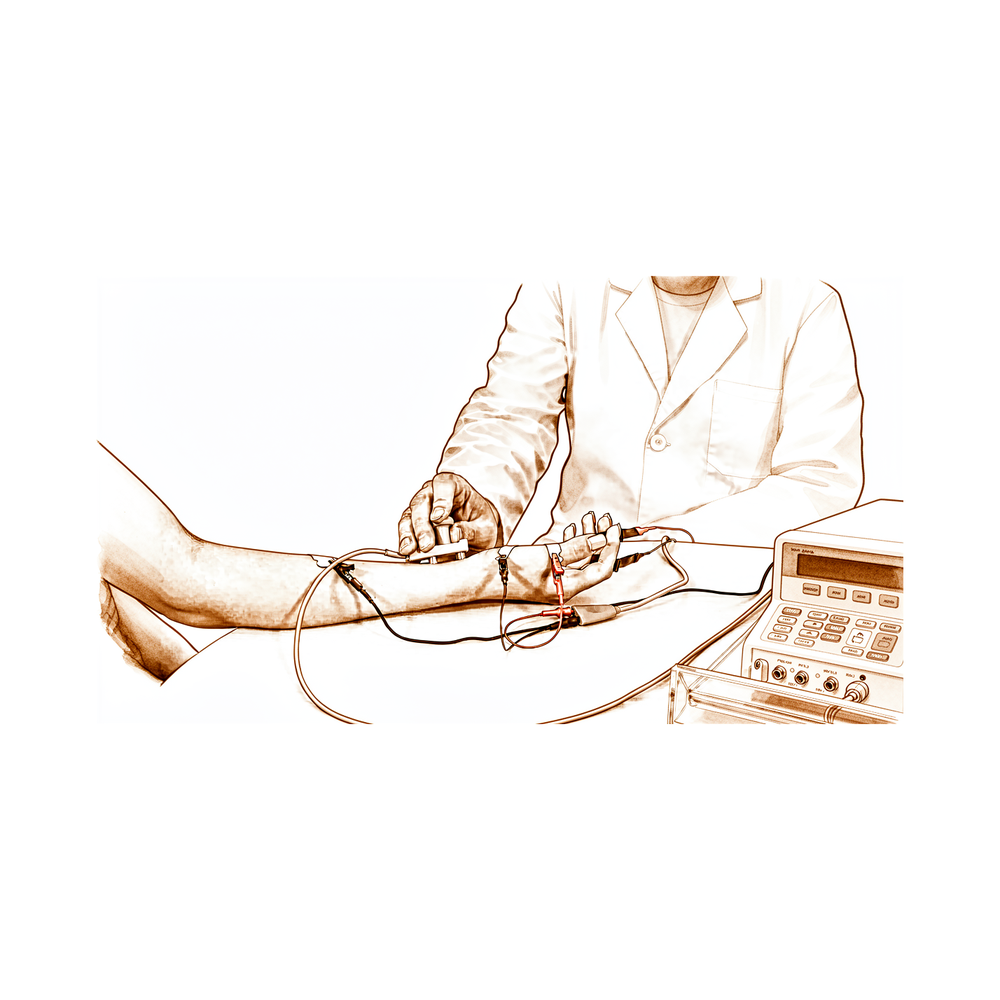
Nerve conduction studies (NCS) measure local electrical gradients to assess impaired nerve function, serving as the best available indicator of overall disease severity with some prognostic value for surgical outcome [1, 6]. While not a diagnostic test in isolation, early detection via NCS allows for more timely treatment and an increased incidence of recovery [2]. Electrodiagnostic tests provide significantly more information than ultrasonography regarding the condition and function of the nerve [8], and the electrodiagnostic examination is a useful tool for detecting problems affecting the peripheral nervous system, differentiating between central and peripheral processes [38]. In the absence of other objective evidence of median nerve dysfunction, there is little value in referring working-age patients with suspected carpal tunnel syndrome for NCS if they are negative on both Tinel's and Phalen's tests [3].
Diagnostic accuracy varies by severity; diagnosis of mild or moderate idiopathic median neuropathy at the carpal tunnel is less accurate and reliable than severe cases due to the subjective nature of symptoms and the imprecision of objective tests near normal margins [39]. There is no universally agreed-upon reference standard test for diagnosing carpal tunnel syndrome, and clinicians use symptoms and signs alone, electrodiagnostic testing, or both [54]. Clear diagnostic criteria are not available for carpal tunnel syndrome, and little scientific research supports making a diagnosis based solely on history or provocative tests [68]. Using the clinical diagnosis of carpal tunnel syndrome as the criterion standard, nerve conduction tests had moderate sensitivity and specificity and a low positive predictive value in population-based carpal tunnel syndrome [20].
When signs and symptoms suggest mild-to-moderate median neuropathy and surgery is being considered, patients and clinicians might consider additional testing, such as electrodiagnostic studies or ultrasound, to increase the probability of actual median neuropathy that can benefit from surgery [19]. Although ultrasound may not replace electrodiagnostic testing as the most sensitive and specific test, it may be a feasible alternative as the first-line confirmatory test [11]. Ultrasound and nerve conduction studies yielded a similar number of patients within 10% of their diagnostic threshold values [5], and median nerve ultrasonography measurements distinguished between normal and abnormal electrodiagnostic studies and correlated with the category of electrodiagnostic severity [21]. Unrecordable nerve potentials are not a contraindication for carpal tunnel release [67].
How It Works
Electrodiagnostic studies comprise nerve conduction studies and needle electromyography to characterize, localize, and monitor nerve pathology and healing [12]. Needle electromyography evaluates muscle activity at rest and during contraction to detect denervation [6]. These modalities confirm and localize suspected entrapment neuropathy, radiculopathy, and polyneuropathy [17], while also defining the severity and distribution of injury in nerve trauma [17]. When combined with clinical findings, electrodiagnostic studies significantly improve diagnostic reliability for compressive neuropathies [15]. Traditional methods of electrodiagnosis currently produce results that are more accurate and informative than newer techniques [29].
Diagnostic Utility: Nerve conduction studies serve as the best available indicator of overall disease severity with some prognostic value for surgical outcome [1]. Early detection via nerve conduction studies allows for more timely treatment and increased incidence of recovery [2]. In ulnar neuropathy at the elbow, absolute slowing of conduction velocity in the across-elbow segment is a better identification method than relative slowing compared with the forearm segment [45]. Preoperative and intraoperative electrodiagnostic studies complement clinical and imaging studies to better define the number, location, and severity of plexus lesions [41].
Prognostic Correlations: Amplitudes of compound muscle action potential and sensory nerve action potential before surgery induced by palmar stimulation can predict improvements in nerve conduction study scores and clinical findings after surgical treatment [24]. Median nerve ultrasonography measurements correlated with the category of electrodiagnostic severity [21]. Electrodiagnostic study severity had a direct relationship to the probability of receiving surgery but did not correlate with use of nonsurgical treatment [32]. Patients with normal nerve conduction studies showed significant improvement in QuickDASH scores after carpal tunnel release, but the improvement was not as great as in those with abnormal studies [27].
Limitations and Confounders: There was no correlation between improvements in nerve conduction and Boston Questionnaire scores after surgery [26]. No relationship was found between pre-operative symptoms or nerve conduction impairment and the outcome of surgery or time to resolution of symptoms [34]. Pain according to the SF-MQ was not associated with positive findings on nerve conduction testing [46]. Topical dexamethasone adversely affected neural conduction in a dose-dependent manner with transient suppression that was not significant after 2 weeks [44].
Physiological Variability: Nerve regeneration is of a slightly better quality in children than in adults [23]. In young adults, phenomena leading to impaired nerve conduction like axonal demyelination might occur later due to a higher regenerative potential [25].
What the Evidence Shows
Diagnostic Role and Utility
Nerve conduction studies (NCS) serve as a measure of impaired nerve function and represent the best available indicator of overall disease severity, offering some prognostic value for surgical outcome [1]. As part of electrodiagnostic studies, which also include electromyography, NCS objectively examines the physiologic status of a nerve to characterize, localize, and monitor pathology and healing [12]. These modalities are extremely useful in confirming and localizing suspected entrapment neuropathy, radiculopathy, and polyneuropathy, as well as defining the severity and distribution of injury in nerve trauma [17].
In carpal tunnel syndrome (CTS), the diagnostic utility of NCS is context-dependent. In the absence of other objective evidence of median nerve dysfunction, referring working-age patients with suspected CTS for NCS provides little value if both Tinel's and Phalen's tests are negative [3]. Neurophysiological studies contribute little to the diagnosis in typical CTS cases and are often more confounding than helpful [16]. Consequently, NCS are considered an unnecessary luxury in patients with a firm clinical diagnosis of CTS, as they do not improve outcomes and their lack of standardization and reproducibility is difficult to justify in evidence-based medicine [14]. However, electrodiagnostic studies may be helpful in patients with negative physical findings and secondary gain, though they are not mandatory [50].
Regarding diagnostic accuracy, using the clinical diagnosis of CTS as the criterion standard, NCS demonstrated moderate sensitivity and specificity but a low positive predictive value in population-based CTS [20]. Evidence remains inconclusive regarding which sensory or motor test for CTS diagnosis holds the highest diagnostic accuracy [69]. In ulnar neuropathy at the elbow, the diagnostic value of provocative tests is poor and should not be recommended for clinical decision-making [33].
Technical Interpretation and Methodology
NCS measure local electrical gradients, while needle EMG evaluates muscle activity at rest and during contraction to detect denervation [6]. In-office NCS detects median neuropathy with clinically relevant accuracy, with performance similar to interexaminer agreement in traditional electrodiagnostic laboratories [35]. The incidence of acquiring postoperative electrodiagnostic studies after carpal tunnel release is substantial when the prevalence of preoperative studies is high, supporting the utility of baseline electrodiagnostic studies for future comparison [55].
Relationship to Imaging
Ultrasound is a valid alternative confirmatory test compared with electrodiagnostic studies in detecting ulnar neuropathy at the elbow [30].
Impact on Management and Outcomes
Electrodiagnostic test results changed the treatment plan in 19% of patients [59]. A significant correlation exists between improvement in sensory nerve conduction velocity and clinical improvement at follow-up [49]. However, although both clinical outcome and electrophysiological findings improved significantly after surgery, no correlation was found between improvements in nerve conduction and Boston Questionnaire scores [26].
Patients with clinical features of CTS but normal NCS reported significant improvements in patient-reported outcomes at 1 year after decompression, although this improvement was significantly less than that observed in patients with abnormal NCS [48]. Similarly, while patients with normal studies showed significant improvement in QuickDASH scores after carpal tunnel release, the improvement was not as great as in those with abnormal studies [27]. Patients who clinically have ulnar nerve compression still benefit from ulnar nerve decompression despite normal nerve conduction tests [36].
Regarding non-surgical interventions, the best current evidence suggests that corticosteroid injections provide minimal transient improvement in nerve conduction and symptomatology compared with placebo or wrist splints [22]. Nerve regeneration is of a slightly better quality in children than in adults, but this alone cannot explain the difference in their clinical outcomes [23]. Finally, imaging and electrodiagnostic studies form an essential part of the evaluation of the patient with traumatic brachial plexopathy, enabling clarification of surgical options, prognostication of outcome, and formulation of postoperative management [63].
Practical Considerations
Diagnostic Role and Interpretation
Nerve conduction studies (NCS) function as a measure of impaired nerve function and the best available indicator of overall disease severity, rather than a test that determines the diagnosis [1]. Electrodiagnostic studies objectively examine the physiologic status of a nerve to characterize, localize, and monitor nerve pathology and healing [12]. The electrodiagnostic examination differentiates between central and peripheral processes affecting the peripheral nervous system [38]. When used in combination with clinical findings, electrodiagnostic studies significantly improve diagnostic reliability for compressive neuropathies [15]. NCS measure local electrical gradients, while needle EMG evaluates muscle activity at rest and during contraction to detect denervation [6]. In-office NCS detect median neuropathy with clinically relevant accuracy, with performance similar to interexaminer agreement in traditional electrodiagnostic laboratories [35].
Clinical Utility and Limitations
In patients with a firm clinical diagnosis of carpal tunnel syndrome (CTS), NCS are considered an unnecessary luxury as they do not improve outcomes and lack standardization and reproducibility [14]. In the absence of other objective evidence of median nerve dysfunction, there is little value in referring working-age patients with suspected CTS for NCS if they are negative on both Tinel's and Phalen's tests [3]. Symptoms diagrammed within the median nerve distribution are associated with abnormal nerve conduction among workers [58]. When signs and symptoms suggest mild-to-moderate median neuropathy and surgery is being considered, additional testing such as EDS or US may increase the probability of actual median neuropathy that can benefit from surgery [19]. Data confirms inherent diagnostic uncertainty in electrodiagnostic testing for CTS, relatively strong concordance between clinician and EDx diagnosis, and the importance of focusing on paresthesia rather than pain [43]. Common median-ulnar nerve interconnections may result in an increased chance of misdiagnosis during routine electrophysiological studies and pose an increased risk for iatrogenic injury [56].
Prognosis and Surgical Decision-Making
NCS have some prognostic value for surgical outcome in carpal tunnel syndrome [1]. Early detection via NCS allows for more timely treatment and an increased incidence of recovery in thoracic outlet syndrome [2]. While peripheral nerve injuries can be managed without electromyography, the diagnostic aid provides additional confidence in both diagnosis and prognosis [18].
Alternative Modalities and Cost-Effectiveness
The use of diagnostic ultrasound as a first-line test for confirmation of a clinical diagnosis of carpal tunnel syndrome is a more cost-effective strategy in the specialist population and results in improved false-negative rates in the generalist population despite increased cost [57].
Utilization and Outcomes
Similar variation exists in the use of electrodiagnostic testing based on insurance type [52]. Revision procedures for persistent and recurrent cubital tunnel syndrome result in pain relief and paresthesia reduction in approximately 75% of patients, but results are inferior compared with primary procedures [37]. Corticosteroid injections provide minimal transient improvement in nerve conduction and symptomatology compared with placebo or wrist splints [22].
Key Evidence
- [L5] Nerve conduction studies should be understood not as a test that determines the diagnosis but as a measure of impaired nerve function, serving as the best available indicator of overall disease severity with some prognostic value for surgical outcome. [1] (10.1177/17531934231191685)
- [L5] It emphasizes that early detection via nerve conduction studies allows for more timely treatment and increased incidence of recovery. [2] (10.1016/s0749-0712(03)00089-1)
- [L3] In the absence of other objective evidence of median nerve dysfunction, there is little value in referring patients of working age with suspected CTS for nerve conduction studies if they are negative on both Tinel's and Phalen's tests. [3] (10.1186/1471-2474-14-242)
- [L2] The definition of abnormal median sensory nerve conduction distinguished a subset of patients who appeared to benefit from surgical treatment. [4] (10.1186/1471-2474-14-241)
- [L3] Ultrasound and nerve conduction studies yielded a similar number of patients within 10% of their diagnostic threshold values. [5] (10.1177/1558944720964963)
- [L5] The text outlines that nerve conduction studies measure local electrical gradients and that needle EMG evaluates muscle activity at rest and during contraction to detect denervation. [6] (10.1016/s0749-0712(01)00009-9)
- [L2] A large-scale, randomized controlled trial is required to determine the effects of sonography on clinical outcomes, the number of nerve conduction studies performed, and the total cost. [7] (10.1002/art.20723)
- [L2] Electrodiagnostic tests provide significantly more information than ultrasonography regarding the condition and function of the nerve. [8] (10.1177/1753193413489046)
- [L5] Comparison of sensory nerve responses is more effective than the use of an absolute median nerve latency in documenting median nerve abnormalities. [9] (10.1002/mus.22208)
- [L3] The questionnaire demonstrated a sensitivity of 82% and specificity of 67% when compared to nerve conduction studies. [10] (10.1177/1753193409105566)
- [L1] Although ultrasound may not replace electrodiagnostic testing as the most sensitive and specific test, it may be a feasible alternative as the first-line confirmatory test. [11] (10.1007/s11999-010-1637-5)
- [L5] Electrodiagnostic studies (EDS) are powerful tools used to objectively examine the physiologic status of a nerve, consisting of nerve conduction studies and electromyography to characterize, localize, and monitor nerve pathology and healing. [12] (10.1016/j.hcl.2013.04.005)
- [L5] Nerve conduction studies are an unnecessary luxury in patients with a firm clinical diagnosis of carpal tunnel syndrome, as they do not improve outcomes and their lack of standardization and reproducibility cannot be justified in the age of evidence-based medicine. [14] (10.1054/jhsb.2001.0669)
- [L5] Electrodiagnostic studies, when used in combination with clinical findings, can improve diagnostic reliability significantly for compressive neuropathies. [15] (10.1016/s0749-0712(21)00305-x)
- [L3] Neurophysiological studies contribute little to the diagnosis in typical cases of carpal tunnel syndrome and are more often confounding than of assistance. [16] (10.1054/jhsb.2000.0496)
- [L5] Nerve conduction studies and needle electromyography are extremely useful in confirming and localizing suspected entrapment neuropathy, radiculopathy, and polyneuropathy, and in defining the severity and distribution of injury in nerve trauma. [17] (10.5435/00124635-200407000-00008)
- [L4] The authors state that while peripheral nerve injuries can be managed without electromyography, the diagnostic aid has gained them additional confidence in both diagnosis and prognosis. [18] (10.2106/00004623-196244060-00001)
- [L3] When signs and symptoms suggest mild-to-moderate median neuropathy and surgery is being considered, patients and clinicians might consider additional testing, such as EDS or US, to increase the probability of actual median neuropathy that can benefit from surgery. [19] (10.1097/corr.0000000000002751)
- [L3] Using the clinical diagnosis of CTS as the criterion standard, nerve conduction tests had moderate sensitivity and specificity and a low positive predictive value in population-based CTS. [20] (10.1186/1471-2474-4-9)
- [L3] Median nerve ultrasonography measurements not only distinguished between normal and abnormal electrodiagnostic studies but also correlated with the category of electrodiagnostic severity. [21] (10.5435/jaaos-d-17-00557)
- [L1] The best current evidence suggests that corticosteroid injections provide minimal transient improvement in nerve conduction and symptomatology compared with placebo or wrist splints. [22] (10.1177/17531934241240380)
- [L3] Nerve regeneration is of a slightly better quality in children than in adults, but this alone cannot explain the difference in their clinical outcomes. [23] (10.1054/jhsb.2000.0493)
- [L3] Amplitudes of compound muscle action potential and sensory nerve action potential before surgery induced by palmar stimulation can predict improvements in nerve conduction study scores and clinical findings after surgical treatment. [24] (10.1186/s12891-020-03750-z)
- [L3] In young adults, phenomena leading to impaired nerve conduction like axonal demyelination might occur later due to a higher regenerative potential. [25] (10.1055/s-2007-993163)
- [L3] Although both clinical outcome and electrophysiological findings improved significantly after surgery, there was no correlation between improvements in nerve conduction and Boston Questionnaire scores. [26] (10.1054/jhsb.2002.0762)
- [L5] The letter discusses the interpretation of nerve conduction studies and notes that while patients with normal studies showed significant improvement in QuickDASH scores after carpal tunnel release, the improvement was not as great as in those with abnormal studies. [27] (10.1177/1753193420967839)
- [L5] Although newer techniques hold potential, traditional methods of electrodiagnosis currently produce results that are more accurate and informative. [29] (10.1016/j.jhsa.2007.07.021)
- [L4] Ultrasound is a valid alternative confirmatory test compared with electrodiagnostic studies in detecting ulnar neuropathy at the elbow. [30] (10.1016/j.jhsa.2023.08.014)
- [L5] The authors propose expanding the term from double crush syndrome to multifocal neuropathy to better describe the complex interplay of mechanical, systemic, pharmacological, and environmental factors contributing to nerve dysfunction. [31] (10.1016/j.jhsa.2016.09.009)
- [L2] Electrodiagnostic study severity had a direct relationship to the probability of receiving surgery but did not correlate with use of nonsurgical treatment. [32] (10.1016/j.jhsa.2020.08.020)
- [L2] The diagnostic value of provocative tests in ulnar neuropathy at the elbow is poor and should not be recommended for clinical decision making. [33] (10.1136/jnnp.2009.180844)
- [L3] No relationship was found between pre-operative symptoms or nerve conduction impairment and the outcome of surgery or time to resolution of symptoms. [34] (10.1054/jhsb.2001.0616)
- [L1] This meta-analysis showed that in-office NCS detects median neuropathy with clinically relevant accuracy, with performance similar to interexaminer agreement in traditional electrodiagnostic laboratories. [35] (10.1016/j.jhsa.2010.09.012)
- [L2] We conclude that patients who clinically have ulna nerve compression still benefit from ulna nerve decompression despite normal nerve conduction tests. [36] (10.1142/s0218810415500215)
- [L4] Revision procedures result in pain relief and paresthesia reduction in approximately 75% of patients, but results are inferior compared with primary procedures. [37] (10.1016/j.jhsa.2018.03.057)
- [L5] The electrodiagnostic examination is a useful tool for detecting problems affecting the peripheral nervous system and can differentiate between central and peripheral processes. [38] (10.5435/00124635-200005000-00006)
- [L5] Diagnosis of mild or moderate idiopathic median neuropathy at the carpal tunnel is less accurate and reliable than severe cases due to the subjective nature of symptoms and the imprecision of objective tests near normal margins. [39] (10.1016/j.jhsa.2023.06.003)
- [L5] Electrodiagnostic studies performed preoperatively and during surgery complement one another and clinical/imaging studies to better define the number, location, and severity of plexus lesions. [41] (10.1016/j.hcl.2004.09.003)
- [L3] This data set confirms inherent diagnostic uncertainty in electrodiagnostic testing for carpal tunnel syndrome, relatively strong concordance between clinician and EDx diagnosis, and the importance of focusing on paresthesia rather than pain. [43] (10.1016/j.jhsa.2019.11.020)
- [L5] Topical dexamethasone adversely affected neural conduction in a dose-dependent manner with transient suppression that was not significant after 2 weeks. [44] (10.1177/1753193410390760)
- [L4] The study concludes that absolute slowing of conduction velocity in the across-elbow segment is a better method for identification of ulnar neuropathy at the elbow than relative slowing compared with the forearm segment. [45] (10.1002/mus.10513)
- [L2] Pain according to the SF-MPQ was not associated with classical clinical findings of the disease or with positive findings on nerve conduction testing. [46] (10.1016/j.jhsa.2013.05.027)
- [L3] Patients with clinical features of carpal tunnel syndrome but normal nerve conduction studies reported significant improvements in patient-reported outcomes at 1 year after decompression, although the improvement was significantly less than that observed in patients with abnormal nerve conduction studies. [48] (10.1177/1753193419866646)
- [L3] There was a significant correlation between improvement in sensory nerve conduction velocity and clinical improvement at follow-up. [49] (10.1054/jhsb.2000.0376)
- [L2] Electrodiagnostic studies are not mandatory but may be helpful in patients with negative physical findings and secondary gain. [50] (10.1177/1753193408094921)
- [L3] Similar variation exists in the use of electrodiagnostic testing based on insurance type. [52] (10.1016/j.jhsa.2018.11.001)
- [L2] There is no universally agreed-upon reference standard test for diagnosing carpal tunnel syndrome, and clinicians use symptoms and signs alone, electrodiagnostic testing, or both. [54] (10.1016/j.jhsa.2014.03.039)
- [L4] The incidence of acquisition of postoperative electrodiagnostic studies after carpal tunnel release is substantial when the prevalence of preoperative studies is high, supporting the utility of baseline electrodiagnostic studies for future comparison. [55] (10.1177/1753193418815546)
- [L4] They may result in increased chance of misdiagnosis during routine electrophysiological studies and pose increased risk for iatrogenic injury. [56] (10.1016/j.jhsa.2019.04.010)
- [L3] The use of diagnostic ultrasound as a first-line test for confirmation of a clinical diagnosis of carpal tunnel syndrome is a more cost-effective strategy in the specialist population and results in improved false-negative rates in the generalist population despite increased cost. [57] (10.1007/s11999-012-2662-3)
- [L2] Symptoms diagrammed within the median nerve distribution are associated with abnormal nerve conduction among workers. [58] (10.1016/j.jhsa.2011.08.016)
- [L3] Treatment plan changed in 19% of patients based on electrodiagnostic test results. [59] (10.1177/1753193413497903)
- [L5] Definitive diagnosis of nerve tumors requires pathologic evaluation as MRI is not definitive; schwannomas treated by excision typically have few long-term deficits, whereas neurofibroma excision carries a higher risk of nerve dysfunction and pain worsening. [62] (10.1016/j.jhsa.2010.07.001)
- [L5] Imaging and electrodiagnostic studies form an essential part of the evaluation of the patient with traumatic brachial plexopathy, enabling clarification of surgical options, prognostication of outcome and formulation of postoperative management. [63] (10.1177/1753193411422313)
- [L2] The best sensitivity for a case definition of carpal tunnel syndrome was a history of nocturnal awakenings with paresthesias in median nerve–served digits, while the specificity of continuous tingling/numbness was high at 97.5%. [65] (10.5435/jaaos-d-17-00034)
- [L5] Diagnosis of compressive neuropathies relies on a combination of clinical presentation, physical examination findings, and use of imaging modalities and electrodiagnostic studies, as there is no true diagnostic gold standard for most conditions. [66] (10.1016/j.jhsg.2022.10.010)
- [L4] Unrecordable nerve potentials are not a contraindication for carpal tunnel release. [67] (10.1177/1558944719857815)
- [L5] The text highlights that clear diagnostic criteria are not available and that little scientific research supports making a diagnosis based solely on history or provocative tests. [68] (10.1016/s0749-0712(02)00129-4)
- [L1] The evidence was inconclusive on which sensory or motor test for CTS diagnosis had the highest diagnostic accuracy. [69] (10.1186/s12891-021-04202-y)
References
[1] Use of nerve conduction studies in carpal tunnel syndrome. Journal of Hand Surgery (European Volume). 2023. DOI: 10.1177/17531934231191685
[2] “EMG” for thoracic outlet syndrome. Hand Clinics. 2004. DOI: 10.1016/s0749-0712(03)00089-1
[3] Symptoms, signs and nerve conduction velocities in patients with suspected carpal tunnel syndrome. BMC Musculoskeletal Disorders. 2013. DOI: 10.1186/1471-2474-14-242
[4] Impact of carpal tunnel surgery according to pre-operative abnormality of sensory conduction in median nerve: a longitudinal study. BMC Musculoskeletal Disorders. 2013. DOI: 10.1186/1471-2474-14-241
[5] Comparison of Borderline Ultrasound and Nerve Conduction Studies for Carpal Tunnel Syndrome. HAND. 2020. DOI: 10.1177/1558944720964963
[6] Electrodiagnosis in carpal tunnel syndrome. Hand Clinics. 2002. DOI: 10.1016/s0749-0712(01)00009-9
[7] Diagnostic value of sonography in patients with suspected carpal tunnel syndrome: A prospective study. Arthritis & Rheumatism. 2005. DOI: 10.1002/art.20723
[8] No correlation between sonographic and electrophysiological parameters in carpal tunnel syndrome. Journal of Hand Surgery (European Volume). 2013. DOI: 10.1177/1753193413489046
[9] Electrodiagnostic evaluation of carpal tunnel syndrome. Muscle & Nerve. 2011. DOI: 10.1002/mus.22208
[10] Assessment of a diagnostic questionnaire and protocol for management of carpal tunnel syndrome. Journal of Hand Surgery (European Volume). 2009. DOI: 10.1177/1753193409105566
[11] The Sensitivity and Specificity of Ultrasound for the Diagnosis of Carpal Tunnel Syndrome: A Meta-analysis. Clinical Orthopaedics & Related Research. 2011. DOI: 10.1007/s11999-010-1637-5
[12] Timing and Appropriate Use of Electrodiagnostic Studies. Hand Clinics. 2013. DOI: 10.1016/j.hcl.2013.04.005
[14] Nerve Conduction Studies for Carpal Tunnel Syndrome: Essential Prelude to Surgery or Unnecessary Luxury?. Journal of Hand Surgery. 2002. DOI: 10.1054/jhsb.2001.0669
[15] GENERAL PRINCIPLES AND USE OF ELECTRODIAGNOSTIC STUDIES IN CARPAL AND CUBITAL TUNNEL SYNDROMES. Hand Clinics. 1996. DOI: 10.1016/s0749-0712(21)00305-x
[16] Neurophysiology not Required Before Surgery for Typical Carpal Tunnel Syndrome. Journal of Hand Surgery. 2001. DOI: 10.1054/jhsb.2000.0496
[17] Clinical Nerve Conduction and Needle Electromyography Studies. Journal of the American Academy of Orthopaedic Surgeons. 2004. DOI: 10.5435/00124635-200407000-00008
[18] Use of the Electromyogram in Evaluating Upper-Extremity Peripheral Nerve Lesions. The Journal of Bone & Joint Surgery. 1962. DOI: 10.2106/00004623-196244060-00001
[19] Diagnosis of Mild-to-moderate Idiopathic Median Neuropathy at the Carpal Tunnel Based on Signs and Symptoms is Discordant From Diagnosis Based on Electrodiagnostic Studies and Ultrasound. Clinical Orthopaedics & Related Research. 2023. DOI: 10.1097/corr.0000000000002751
[20] Diagnostic properties of nerve conduction tests in population-based carpal tunnel syndrome. BMC Musculoskeletal Disorders. 2003. DOI: 10.1186/1471-2474-4-9
[21] Median Nerve Ultrasonography Measurements Correlate With Electrodiagnostic Carpal Tunnel Syndrome Severity. Journal of the American Academy of Orthopaedic Surgeons. 2019. DOI: 10.5435/jaaos-d-17-00557
[22] Steroid versus placebo injections and wrist splints in patients with carpal tunnel syndrome: a systematic review and network meta-analysis. Journal of Hand Surgery (European Volume). 2024. DOI: 10.1177/17531934241240380
[23] A Comparative Clinical and Electromyographic Study of Median and Ulnar Nerve Injuries at the Wrist in Children and Adults. Journal of Hand Surgery. 2001. DOI: 10.1054/jhsb.2000.0493
[24] Clinical predictors of surgical outcomes of severe carpal tunnel syndrome patients: utility of palmar stimulation in a nerve conduction study. BMC Musculoskeletal Disorders. 2020. DOI: 10.1186/s12891-020-03750-z
[25] Carpal Tunnel Syndrome in Young Adults - An Ultrasonographic and Neurophysiological Study. min - Minimally Invasive Neurosurgery. 2007. DOI: 10.1055/s-2007-993163
[26] Assessment of Outcome of Carpal Tunnel Syndrome: A Comparison of Electrophysiological Findings and a Self-Administered Boston Questionnaire. Journal of Hand Surgery. 2002. DOI: 10.1054/jhsb.2002.0762
[27] Re: Mackenzie et al. Carpal tunnel decompression in patients with normal nerve conduction studies. J Hand Surg Eur. 2020, 45: 260–4. Journal of Hand Surgery (European Volume). 2020. DOI: 10.1177/1753193420967839
[29] The Role of Neurodiagnostic Studies in Nerve Injuries and Other Orthopedic Disorders. The Journal of Hand Surgery. 2007. DOI: 10.1016/j.jhsa.2007.07.021
[30] Diagnosis of Ulnar Neuropathy at the Elbow Using Ultrasound — A Comparison to Electrophysiologic Studies. The Journal of Hand Surgery. 2023. DOI: 10.1016/j.jhsa.2023.08.014
[31] Multifocal Neuropathy: Expanding the Scope of Double Crush Syndrome. The Journal of Hand Surgery. 2016. DOI: 10.1016/j.jhsa.2016.09.009
[32] The Association Between Electrodiagnostic Severity and Treatment Recommendations for Carpal Tunnel Syndrome. The Journal of Hand Surgery. 2021. DOI: 10.1016/j.jhsa.2020.08.020
[33] The diagnostic value of provocative clinical tests in ulnar neuropathy at the elbow is marginal. Journal of Neurology, Neurosurgery & Psychiatry. 2009. DOI: 10.1136/jnnp.2009.180844
[34] Carpal Tunnel Syndrome: The Correlation between Outcome, Symptoms and Nerve Conduction Study Findings. Journal of Hand Surgery. 2001. DOI: 10.1054/jhsb.2001.0616
[35] Accuracy of In-Office Nerve Conduction Studies for Median Neuropathy: A Meta-Analysis. The Journal of Hand Surgery. 2011. DOI: 10.1016/j.jhsa.2010.09.012
[36] Ulna Nerve Decompression at the Elbow in Patients with Normal Nerve Conduction Tests. Hand Surgery. 2015. DOI: 10.1142/s0218810415500215
[37] The Management of Persistent and Recurrent Cubital Tunnel Syndrome. The Journal of Hand Surgery. 2018. DOI: 10.1016/j.jhsa.2018.03.057
[38] Role of Neurophysiologic Evaluation in Diagnosis. Journal of the American Academy of Orthopaedic Surgeons. 2000. DOI: 10.5435/00124635-200005000-00006
[39] Diagnosing Mild to Moderate Idiopathic Median Neuropathy at the Carpal Tunnel. The Journal of Hand Surgery. 2023. DOI: 10.1016/j.jhsa.2023.06.003
[41] Preoperative and intraoperative electrophysiologic assessment of brachial plexus injuries. Hand Clinics. 2005. DOI: 10.1016/j.hcl.2004.09.003
[43] Borderline Nerve Conduction Velocities for Median Neuropathy at the Carpal Tunnel. The Journal of Hand Surgery. 2020. DOI: 10.1016/j.jhsa.2019.11.020
[44] Effects of topical corticosteroids on the sciatic nerve: an experimental study to adduce the safety in treating carpal tunnel syndrome. Journal of Hand Surgery (European Volume). 2011. DOI: 10.1177/1753193410390760
[45] Which motor nerve conduction study is best in ulnar neuropathy at the elbow?. Muscle & Nerve. 2003. DOI: 10.1002/mus.10513
[46] Pain and Carpal Tunnel Syndrome. The Journal of Hand Surgery. 2013. DOI: 10.1016/j.jhsa.2013.05.027
[48] Carpal tunnel decompression in patients with normal nerve conduction studies. Journal of Hand Surgery (European Volume). 2019. DOI: 10.1177/1753193419866646
[49] Value of Electrodiagnostic Tests in Carpal Tunnel Syndrome. Journal of Hand Surgery. 2000. DOI: 10.1054/jhsb.2000.0376
[50] Use of Nerve Conduction Studies and the Pressure-Specified Sensory Device in the Diagnosis of Carpal Tunnel Syndrome. Journal of Hand Surgery (European Volume). 2009. DOI: 10.1177/1753193408094921
[52] Variations in Utilization of Carpal Tunnel Release Among Medicaid Beneficiaries. The Journal of Hand Surgery. 2019. DOI: 10.1016/j.jhsa.2018.11.001
[54] Diagnosing Carpal Tunnel Syndrome. The Journal of Hand Surgery. 2014. DOI: 10.1016/j.jhsa.2014.03.039
[55] Utility of ‘baseline’ electrodiagnostic studies for carpal tunnel release. Journal of Hand Surgery (European Volume). 2018. DOI: 10.1177/1753193418815546
[56] Electrophysiological Findings in Common Median-Ulnar Nerve Interconnections and Their Clinical Implications. The Journal of Hand Surgery. 2019. DOI: 10.1016/j.jhsa.2019.04.010
[57] Ultrasound as a First-line Test in the Diagnosis of Carpal Tunnel Syndrome: A Cost-effectiveness Analysis. Clinical Orthopaedics & Related Research. 2013. DOI: 10.1007/s11999-012-2662-3
[58] Performance of Simplified Scoring Systems for Hand Diagrams in Carpal Tunnel Syndrome Screening. The Journal of Hand Surgery. 2012. DOI: 10.1016/j.jhsa.2011.08.016
[59] Changes in treatment plan for carpal tunnel syndrome based on electrodiagnostic test results. Journal of Hand Surgery (European Volume). 2013. DOI: 10.1177/1753193413497903
[62] Nerve Tumors. The Journal of Hand Surgery. 2010. DOI: 10.1016/j.jhsa.2010.07.001
[63] Imaging and electrodiagnostic work-up of acute adult brachial plexus injuries. Journal of Hand Surgery (European Volume). 2011. DOI: 10.1177/1753193411422313
[65] Median Nerve Symptoms, Signs, and Electrodiagnostic Abnormalities Among Working Adults. Journal of the American Academy of Orthopaedic Surgeons. 2018. DOI: 10.5435/jaaos-d-17-00034
[66] Diagnostic Considerations in Compressive Neuropathies. Journal of Hand Surgery Global Online. 2023. DOI: 10.1016/j.jhsg.2022.10.010
[67] Outcomes of Mini-Open Carpal Tunnel Release in Patients With Unrecordable Preoperative Nerve Conduction Potentials at a Minimum of 5 Years. HAND. 2019. DOI: 10.1177/1558944719857815
[68] Value of some clinical provocative tests in carpal tunnel syndrome:. Hand Clinics. 2003. DOI: 10.1016/s0749-0712(02)00129-4
[69] Diagnostic accuracy of sensory and motor tests for the diagnosis of carpal tunnel syndrome: a systematic review. BMC Musculoskeletal Disorders. 2021. DOI: 10.1186/s12891-021-04202-y