Patients › Wrist
SLAC and SNAC Wrist
SLAC/SNAC wrist – understanding pain from arthritis at the wrist, often after injury.
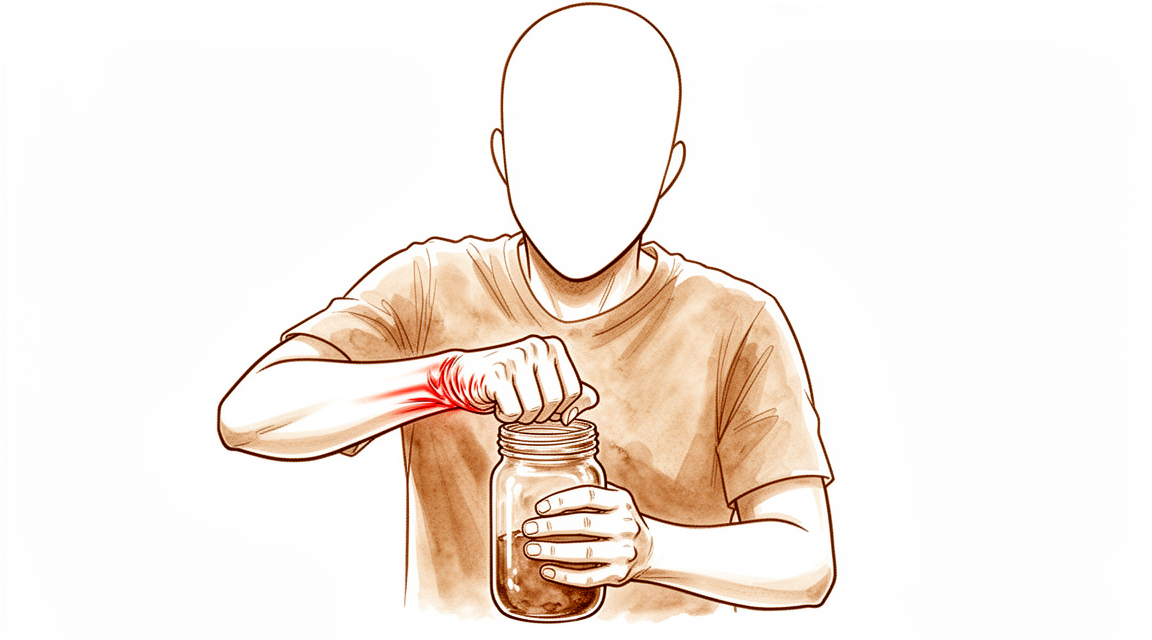
What you're feeling
With a SLAC or SNAC wrist, the pain sits deep in the wrist itself, usually on the back of the hand side. It tends to build over years rather than arriving suddenly. The worn joint surfaces grind on each other, and that grinding is what you feel as aching or sharp pain.
Certain movements make it worse. Loading the wrist with the hand bent back, such as pushing yourself up from a chair or getting out of a pool, often hurts. Gripping and twisting together is another common trigger: turning a key, opening a jar, or wringing out a cloth. Rest eases it, though many people notice the wrist aches at night or is stiff and slow to loosen when they wake.
As the arthritis advances, everyday tasks get harder. You may find yourself avoiding heavy lifting with that hand, or swapping which hand you use to carry shopping or pour the kettle. Grip strength often drops, so jars, door handles and heavy pans take more effort than they used to. Some people notice the wrist looks different in shape, or that it gives way when loaded.
The pain and stiffness usually come from wear in specific joints of the wrist, and which joints are affected shapes what can be done about it. If the wear is limited to one part of the wrist, there are operations that remove the worn surfaces while keeping the rest of the wrist moving. If the wear is more widespread, fusing some or all of the wrist bones together can settle the pain. Your surgeon will examine the wrist and scan it to work out which pattern fits you, and that picture decides which options make sense.
What's actually happening
Your wrist is built from eight small bones in two rows. The row closest to your forearm includes a bone called the scaphoid, which sits on the thumb side and takes a lot of the load when you use your hand. Two of the small bones, the scaphoid and the lunate, are normally held together by a strong strap of ligament. Think of that strap as the gasket that keeps the two bones moving as one team.
When that strap wears out or tears, the two bones stop working together. The scaphoid tips out of its normal position, and the joint surfaces between it and the forearm bone start grinding unevenly, the way a car tyre wears on one edge when the wheels are out of line. That grinding is wear-and-tear arthritis, and it is what causes the deep ache on the back of your wrist that you have just read about.
There are two ways this pattern starts. In a SLAC wrist, the strap between the scaphoid and lunate has failed over time, sometimes without any clear injury. In a SNAC wrist, the scaphoid broke at some point and never healed, so the bone sits in two pieces and the joint wears in the same uneven way. Either way, the wear usually begins where the scaphoid meets the forearm bone, then spreads to the joint beneath it. One part of the wrist, where the lunate meets the forearm bone, is usually spared.
That spared part matters. Because the wear follows a set pattern, your surgeon can stage it: early means only one joint is worn, later means the joint below it is worn too. The stage decides which operations are possible. If only one area is worn, surgery can remove the damaged surfaces and keep the rest of your wrist moving. If the wear is more widespread, fusing some or all of the wrist bones together can settle the pain.
What we can do about it
Dr Kieran Hirpara, an upper-limb surgeon at Mater Private Hospital Rockhampton, starts with the least invasive options that suit your condition. Patients are generally referred to our clinic by their GP; if a physiotherapist has suggested you see us, you will still need a referral from your GP in order to be eligible for the Medicare rebate. At that first visit we take a history, examine the wrist and arrange scans where they are needed to work out which parts are worn.
For a long-standing problem like this, we usually begin with non-operative care. Changing how you load the wrist helps: easing off heavy lifting, using the other hand for some tasks, and adapting tools or grips at home and work. Physiotherapy or hand therapy aims to keep the wrist moving, settle irritation, and build the strength around it so everyday tasks take less effort. A splint can rest the wrist and quiet the ache, especially overnight. We usually give these measures a fair trial over several months before thinking about anything further.
Pain medication can help alongside this. Simple pain relievers taken when needed can take the edge off. Anti-inflammatories reduce the swelling and irritation in the worn joint, which eases pain and stiffness. These are options to discuss with your GP, who can advise what suits you.
If these steps have not given enough improvement, surgery becomes the conversation. The choice depends on which joints in your wrist are worn and how far the wear has spread, which is what the scans and staging showed. When only part of the wrist is worn, an operation can remove the damaged bones and let the remaining joints take the load, keeping some movement. When wear is more widespread, fusing some or all of the wrist bones together settles the pain at the cost of that movement. In some situations a joint replacement or an implant that resurfaces one of the wrist bones can be an alternative to fusion. Each option balances pain relief against how much movement you keep, and pain relief usually comes first. We will talk through which option fits your wrist, and make that decision together.
What to expect
A SLAC or SNAC wrist is a long-term condition. The wear in the joint does not reverse itself, so without treatment the ache and stiffness usually keep building over years rather than settling on their own. Many people manage for a long time with simple changes: easing off heavy lifting, using the other hand, and wearing a splint when the wrist grumbles. But if the wear keeps spreading, everyday tasks tend to get harder and the pain tends to stick around or come back whenever you load the wrist.
When treatment is matched to the right stage, the outlook is generally steady. Non-operative care can quiet the ache and keep you doing most of what you need, though it does not stop the underlying wear. If surgery is needed, the goal is reliable pain relief while keeping as much movement and strength as the worn joint allows. Partial wrist fusions are done to reduce pain while keeping the wrist moving, and following the well-established principles of these operations leads to a good outcome. Motion-preserving operations can last a long time when they are done for the right wrist at the right stage.
It is honest to say that not every result is perfect. Some people keep some pain or find they cannot return to their previous work activities after surgery. A small number of fusions do not heal, or the metalwork becomes painful and needs another operation to remove it. In a few cases, arthritis progresses in the joints that remain, and a partial fusion may eventually need converting to a full wrist fusion. That conversion is uncommon: it happens in a small percentage of partial fusions, and both main motion-preserving options carry similarly low rates of it. Infection after wrist surgery is uncommon, and most wound problems settle with simple treatment.
Recovery takes patience. The wrist is usually protected in a splint or cast for about two months after a partial fusion, and movement work starts early to prevent stiffness. Improvement continues gradually over months, and wrist function can keep improving for years.
When to see someone
This condition builds slowly, so most people come in when the wrist stops responding to simple measures. Ask your GP for a specialist review if the ache has been there for months, if rest, splints and anti-inflammatories have not settled it, or if grip strength keeps dropping so that jars, handles and heavy pans stay hard to manage. Get reviewed sooner if the pain is waking you most nights or is stopping you doing your job. Because the wear follows a set pattern, seeing someone earlier gives more options: operations that keep the wrist moving work best while the wear is still limited to one part of the joint. If you have already had wrist surgery and develop new swelling, warmth or redness around the wound, or you feel generally unwell with a temperature, that needs same-day assessment rather than waiting for a routine appointment.
In more depth
Advanced reading: the deeper science (optional)
This section goes further than you need for your own treatment decisions. SLAC and SNAC wrist are worth the extra reading because the choice between the two standard salvage operations is a genuine trade, one gives more movement, the other more strength, and the most recent pooled evidence has begun to favour one of them overall.
Two operations, two different compromises
Once the carpus has collapsed into the arthritic pattern, the joint surfaces cannot be restored, so both operations remove the arthritic contact rather than repair it. Proximal row carpectomy removes the entire first row of carpal bones, letting the head of the capitate sit in the socket the scaphoid and lunate vacated. Four-corner fusion removes the scaphoid and fuses the remaining four bones into a single block.
Comparing them directly across 240 patients, the compromise is explicit. Four-corner arthrodesis gave significantly greater radial deviation and grip strength as a percentage of the opposite side, while proximal row carpectomy produced better flexion, extension and total flexion-extension arc, along with a lower overall complication rate [1].
That maps onto how each is constructed. Fusing four bones into a block preserves the attachments that drive grip but eliminates motion between them. Removing a row shortens the carpus and creates a new, more mobile joint, at the cost of the strength that came from the removed structures.
The larger pooled analysis favours carpectomy
More recent and much larger evidence has shifted the balance. Across 3,174 patients with SLAC and SNAC wrists, proximal row carpectomy resulted in better outcomes and a lower complication rate than four-corner fusion [2].
The complication difference is the more reliable part of that comparison, and it has a mechanical explanation: four-corner fusion has to achieve union across four bone surfaces, and nonunion, hardware problems and the need for removal are complications that carpectomy simply does not have available to it.
Reviewing the fusion variants themselves does not rescue the difference. Comparing two-corner with four-corner arthrodesis, the techniques showed similar outcomes and complications despite the theoretical advantage of the smaller fusion, so both remain reasonable [3].
Where the decision still goes the other way
The pooled result does not make carpectomy universally correct. It depends on the head of the capitate and the corresponding surface of the radius being undamaged, because those two surfaces become the new joint. Where arthritis has already reached the capitate, a more advanced stage of the same process, carpectomy has nothing sound to articulate against, and fusion becomes the option.
Age and demand matter too. A younger, heavier-using wrist may favour the strength that fusion preserves, accepting the higher complication rate.
When both have been exhausted
If salvage fails, or arthritis is too widespread for either, the remaining options are total wrist fusion and total wrist replacement. Both are effective at relieving pain and improving grip, with comparable complication rates of 17% and 19% respectively, with functional improvement observed after arthroplasty, but robust long-term data on replacement still lacking [4].
That parity is worth knowing because fusion and replacement are often presented as radically different propositions. They differ in what they leave you with, a strong, painless, immobile wrist versus a mobile one with an implant to outlive, rather than in how often they go wrong.
References for the advanced reading
- Saltzman BM, Frank JM, Slikker W, Fernandez JJ, Cohen MS, Wysocki RW. Clinical outcomes of proximal row carpectomy versus four-corner arthrodesis for post-traumatic wrist arthropathy: a systematic review. J Hand Surg Eur Vol. 2014;40(5):450-7.
- Hones KM, Hao KA, Rakauskas TR, Densley S, Hampton H, Kim J, et al. Four-corner fusion versus proximal row carpectomy for scapholunate advanced collapse and scaphoid nonunion advanced collapse wrists: a systematic review and meta-analysis. J Hand Surg Am. 2024;49(7):633-8.
- Hundepool CA, Duraku LS, Quanjel TJ, van Minnen LP, Jansen MC, Zuidam JM. Two-, three-, or four-corner arthrodesis for midcarpal osteoarthritis: a systematic review and meta-analysis. J Hand Surg Am. 2025;50(1):93.e1-93.e11.
- Zhu XM, Perera E, Gohal C, Dennis B, Khan M, Alolabi B. A systematic review of outcomes of wrist arthrodesis and wrist arthroplasty in patients with wrist arthritis. J Hand Surg Eur Vol. 2020;46(3):297-303.
Evidence & references
This is the clinical evidence summary written for health professionals. It is technical, and it lists the research this page was built from. You do not need to read it to understand your treatment or to make a decision about it.
Overview
Pathophysiology and Anatomy
- Scapholunate interosseous ligament injury and extrinsic ligament complex attenuation lead to palmar flexion of the scaphoid and extension of the lunate, resulting in dorsal intercalated segment instability [12].
- The radioscaphoid joint becomes incongruous following scaphoid flexion, leading to altered normal radioscaphoid contact forces and the development of arthrosis [12].
- As the scaphoid flexes and the scapholunate diastasis increases, the capitate migrates proximally [12].
- Altered intercarpal contact forces result in arthrosis at the capitolunate joint [12].
- The styloscaphoid, radioscaphoid, and capitolunate joints are affected by SLAC wrist arthritic changes [12].
- The radiolunate joint is typically spared in SLAC wrist due to its spheroid shape [12].
- In SNAC wrist, the distal scaphoid articular surface with the radial styloid is affected first in stage I [12].
- The proximal scaphoid pole and radioscaphoid fossa may be preserved in stage I SNAC wrist [12].
- Bone density was greater at the capitolunate joint, the radial styloid, and the radiolunate joint in SNAC wrists compared to controls [7].
Clinical Presentation
- SLAC wrist presents with reduced grip and pinch strength [12].
- SLAC wrist presents with stiffness with extension and radial deviation [12].
- SLAC wrist presents with localized tenderness at the radioscaphoid articulation [12].
- SLAC wrist presents with decreased wrist motion on extension and radial deviation [12].
- A positive Watson shift test in SLAC wrist occurs when pressure directed over the palmar scaphoid tuberosity while moving the wrist from ulnar to radial deviation causes the scaphoid to subluxate dorsally out of the scaphoid fossa and relocate when pressure is released [12].
Treatment Indications and Principles
- Partial wrist fusion is indicated for painful posttraumatic and osteoarthritic conditions of the wrist that affect only part of the articulating system in a patient keen to have adequate pain control while preserving useful motion [10].
- Common indications for partial wrist fusion include SLAC wrist, SNAC wrist, Kienböck disease, STT arthritis, and posttraumatic radiocarpal arthritis [10].
- Chronic painful dissociative or nondissociative carpal instabilities with or without secondary arthritic change are good indications for partial wrist fusion [10].
- In inflammatory arthritis, the disease should be in a quiescent stage to avoid ongoing clinical deterioration due to disease progression before partial wrist fusion [10].
- Partial wrist fusion is contraindicated when there is active sepsis, panarthritis, and rapidly progressive joint destruction at a proliferative stage [10].
- Partial wrist fusion is not a guarantee of pain relief [10].
- The potential advantage of partial wrist fusion in preservation of a useful arc of motion may be offset by the risks of nonunion or by continued pain despite successful fusion [10].
- Chronic smokers have a higher incidence of nonunion, so alternatives for pain control such as a wrist denervation can be considered [10].
- Arthroscopic partial wrist fusions are technically demanding procedures and require extensive arthroscopic experience [10].
- Patients with preexisting extensor tendon pathology over the wrist region may have a higher incidence of tendon complications associated with arthroscopic partial wrist fusion [10].
- Arthrofibrosis and long-standing carpal collapse may pose additional difficulty and risk for arthroscopic partial wrist fusion [10].
- Partial wrist fusion is a motion-preserving salvage procedure that allows fusion of painful segments while preserving motion in unaffected segments [18].
- Partial wrist fusion helps to halt predictable mechanical collapse of the carpal central column and maintain carpal height in conditions caused by dissociative lesions or loss of bony integrity such as SNAC wrist [18].
- Arthroscopic partial wrist fusion has the potential advantages of minimal surgical damage to supporting ligaments and capsular structures while allowing an unimpeded view of the joint [18].
- Arthroscopic assessment ensures a more accurate staging of the arthritis and facilitates clinical decision making on the most appropriate choice of fusion [18].
- Arthroscopic treatment is particularly attractive for a patient conscious of esthetic outcome [10].
Specific Procedures
- Scaphoid excision and four-corner fusion is indicated for the treatment of the SLAC/SNAC wrist when significant pain is refractory to nonoperative measures [6].
- Midcarpal arthrodesis is a reliable procedure for treating SLAC- and SNAC-wrists in stages II and III which preserves some range of motion [1].
- Both proximal row carpectomy and four-corner fusion provide improvements in pain and subjective outcome measures for patients with symptomatic and appropriately staged SLAC or SNAC wrists [2].
- Findings favor Limited Carpal Fusion compared to Proximal Row Carpectomy for SNAC and SLAC wrist conditions, except for flexion-extension and grip strength in women [3].
- The authors prefer proximal row carpectomy for SLAC wrists with preserved capitate head cartilage due to socio-economic benefits, lower complication rates, and procedural ease [29].
- Arthroscopic wrist debridement and radial styloidectomy is indicated for SLAC II or SLAC III wrists as an intermediate step to relieve pain and preserve functional motion [21].
- Arthroscopic wrist debridement and radial styloidectomy may have advantages in relieving pain while preserving wrist motion for SLAC stage 2 or 3 disease [33].
- Arthroscopic resection arthroplasty of the radial column (ARARC) may be a viable surgical option for patients with SLAC wrist who desire a minimally invasive procedure [58].
- Scaphoidectomy and capsulodesis is mostly indicated as a palliative procedure in elderly patients with posttraumatic SNAC or SLAC wrist with limited functional demands [14].
- Successful scaphoid reconstruction in SNAC wrists shifts the load back onto the proximal pole and interrupts the otherwise inevitable degenerative pattern in scaphoid nonunions [13].
- Radial styloidectomy is suitable for stage I SLAC and SNAC wrist conditions [11].
- Performing radial styloidectomy arthroscopically has the advantage of better visualization and can limit the potential injury of the RSC ligament [11].
- Nakamura et al. recommended styloidectomy of no more than 3-4 mm as increased radial translation with ulnar and palmar carpal displacement had been demonstrated after 6-mm and 10-mm radial styloidectomy [11].
- The dorsal rim of the radial styloid is a common site of occurrence of early SNAC and SLAC wrist changes and should be assessed in all cases at arthroscopic surveillance [11].
- The origins of the RSC and LRL ligament on the distal radius mark the ulnar extent of the resection during arthroscopic radial styloidectomy [11].
- The volar aspect of the radial styloid can be spared during arthroscopic radial styloidectomy as it is the important origin of the RSC ligament and impingement symptom seldom arises from this area [11].
- Total or subtotal scaphoidectomy is a useful clinical technique as a concomitant procedure for midcarpal arthrodesis in SLAC wrist and SNAC wrist [11].
Anatomy & Pathophysiology
Bony Anatomy
- The carpus comprises eight ossicles traditionally separated into a proximal row (scaphoid, lunate, triquetrum, pisiform) and a distal row (trapezium, trapezoid, capitate, hamate) [37].
- The distal radius articular surface features two concave facets for the scaphoid and lunate, separated by the scapholunate ridge [37].
- The capitate head often relies on a retrograde vascular supply [37].
- The scaphoid's primary vascular supply is a branch of the radial artery at the dorsal ridge, with smaller vessels entering the palmar tubercle to supply the distal 30% [37].
- The lunate is broader palmarly than dorsally [37].
- The pisiform is a sesamoid bone within the flexor carpi ulnaris tendon [37].
Ligaments
- The scapholunate interosseous ligament (SLIL) is the primary stabilizer of the scapholunate joint [55].
- The SLIL is composed of a proximal membranous portion with no significant strength, a dorsal portion that is the strongest and prevents translation, and a palmar portion that acts as a rotational constraint [55].
- The SLIL is C-shaped in the sagittal plane, with the dorsal third being the thickest and strongest portion [37].
- The volar portion of the lunotriquetral ligament is the thickest [37].
- The radioscapholunate ligament (ligament of Testut) is a volar intra-articular neurovascular structure that provides little mechanical stability [55].
- The radioscaphocapitate ligament, long radiolunate ligament, and short radiolunate ligament are palmar stabilizers considered secondary stabilizers of the scaphoid [55].
- The dorsal radiocarpal ligament and dorsal intercarpal ligament serve as dorsal stabilizers of the scaphoid [55].
- The triangular fibrocartilage complex (TFCC) is formed by the central meniscus homolog, dorsal and volar radioulnar ligaments, the floor of the extensor carpi ulnaris tendon sheath, and volar ulnocarpal ligaments [37].
- The dorsal and volar radioulnar ligaments are the primary stabilizers of the distal radioulnar joint [37].
- Only the peripheral 10% to 40% of the volar, ulnar, and dorsal TFCC has a vascular supply [37].
Kinematics and Biomechanics
- The wrist functions as a two-joint system linking the hand to the forearm around the mobile proximal carpal row [38].
- The proximal carpal row has no muscular or tendinous attachments and is an intercalary segment [37].
- With axial loading through the neutral wrist, approximately 80% of forces are transmitted through the distal radius (60% scaphoid facet, 40% lunate facet) and 20% through the distal ulna [37].
- With wrist flexion, 60% of the motion is midcarpal and 40% is radiocarpal [37].
- With wrist extension, 33% of the motion is midcarpal and 66% is radiocarpal [37].
- The dart-thrower’s path of radial extension to ulnar flexion defines the transition between flexion and extension of the scaphoid and lunate [38].
- Dart-thrower’s motion occurs almost exclusively through the midcarpal joint [38].
SLAC Pathophysiology
- Scapholunate interosseous ligament injury and extrinsic ligament complex attenuation lead to palmar flexion of the scaphoid and extension of the lunate (DISI) [12].
- The radioscaphoid joint becomes incongruous following SLIL injury, leading to altered radioscaphoid contact forces and development of arthrosis [12].
- The radiolunate joint is typically spared in SLAC wrist because of its spheroid shape [12].
- Carpal malalignment in SLAC wrists extends to the third carpometacarpal joint, with malalignment evident in both the sagittal and coronal planes [17].
SNAC Pathophysiology
- Scaphoid nonunion advanced collapse (SNAC) shares a common etiology with SLAC: proximal carpal row disruption leading to a dramatic alteration of carpal kinematics [4].
- In SNAC, the proximal scaphoid fragment remains attached to the lunate via the intact SLIL, whereas the distal fragment acts freely without restraint [4].
- SNAC demonstrates lunate dorsal tilt early in the disease, yet the articulation between the distal radius and the lunate remains preserved [4].
- SNAC wrists differ from SLAC wrists in exhibiting a decreased sagittal lunotriquetral angle, indicating a distinct pathomechanism of carpal instability [5].
- The distal scaphoid articular surface with the radial styloid is affected first in stage I of SNAC [12].
- The proximal scaphoid pole and radioscaphoid fossa may be preserved in stage I SNAC [12].
Clinical Presentation
- SLAC wrist symptoms include reduced grip and pinch strength [12].
- SLAC wrist symptoms include stiffness with extension and radial deviation [12].
- Localized tenderness at the radioscaphoid articulation is a symptom of SLAC wrist [12].
- Decreased wrist motion on extension and radial deviation is a symptom of SLAC wrist [12].
- A positive Watson shift test occurs when pressure directed over the palmar scaphoid tuberosity while moving the wrist from ulnar to radial deviation causes the scaphoid to subluxate dorsally out of the scaphoid fossa and relocate when pressure is released [12].
Classification
SLAC Wrist
- The Watson and Ballet classification of SLAC wrist osteoarthritis is widely accepted, simple, and a well-recognized guide to treatment [30].
- The Watson and Ballet classification of SLAC wrist osteoarthritis has significant limitations [30].
- Radiographic classification of SLAC wrist has moderate reliability and reproducibility [9].
- Carpal malalignment in SLAC wrists affects the radio- and midcarpal joints [17].
- Carpal malalignment in SLAC wrists extends to the third carpometacarpal joint [17].
- Malalignment in SLAC wrists is evident in both the sagittal and coronal planes [17].
SNAC Wrist
- In SNAC, the proximal scaphoid fragment remains attached to the lunate via the intact scapholunate interosseous ligament (SLIL) [4].
- In SNAC, the distal scaphoid fragment acts freely without restraint [4].
- Vender et al. staging for SNAC includes arthritis involving the articulation between the radial styloid and distal scaphoid fragment [4].
- Vender et al. staging for SNAC includes arthritis involving the articulation between the proximal scaphoid fragment and capitate [4].
- Vender et al. staging for SNAC includes arthritis involving the capitolunate articulation [4].
- Whether or not the radiolunate joint degenerates, comprising a fourth stage of SNAC, is debated [4].
- SNAC demonstrates lunate dorsal tilt early in the disease [4].
- The articulation between the distal radius and the lunate remains preserved in SNAC [4].
- Differentiating between SLAC and SNAC is important because treatment options may differ [4].
- SNAC wrists exhibit a decreased sagittal lunotriquetral angle compared to SLAC wrists [5].
- The decreased sagittal lunotriquetral angle in SNAC indicates a distinct pathomechanism of carpal instability [5].
- Bone density was greater at the capitolunate joint in SNAC wrists compared to controls [7].
- Bone density was greater at the radial styloid in SNAC wrists compared to controls [7].
- Bone density was greater at the radiolunate joint in SNAC wrists compared to controls [7].
- Radiographic classification of SNAC wrist has limited reliability [9].
- Staging systems for SNAC wrist lack agreement [16].
- The classification of Vender et al. (1987) is still widely used today to describe SNAC severity [22].
- The inter- and intra-observer reliability of the Vender et al. (1987) classification is poor [22].
Differential Diagnosis
- Scaphoid nonunion collapse was first described by Vender et al. in a series of 64 patients who demonstrated a similar degenerative pattern as SLAC in the setting of a chronic scaphoid nonunion [4].
- SOAC staging system can guide treatment decisions [19].
- SOAC is differentiated from SLAC wrist [19].
Clinical Presentation
Symptoms and Physical Examination
- Reduced grip and pinch strength is a symptom of SLAC wrist [12].
- Stiffness with extension and radial deviation is a symptom of SLAC wrist [12].
- Preoperatively, patients with SLAC or SNAC wrists complained of severe pain interfering with manual activities [20].
- Mean preoperative pain values in a cohort of SLAC and SNAC wrists were 78 under stress and 45 under resting conditions [20].
Etiology and Demographics
- Scaphoid nonunion advanced collapse (SNAC) is caused by trauma [8].
- SLAC wrist may result from chronic pseudogout and can appear bilaterally without a clear history of injury [8].
- Patients with SLAC wrist were more likely to be male and have a history of trauma compared to patients with first CMC OA [15].
- In a cohort of 36 patients undergoing midcarpal arthrodesis for SLAC or SNAC wrist, 14 had a major work-related injury, 14 had a major injury outside work, and 6 had no history of trauma [20].
Pathophysiology and Anatomy
- Scapholunate interosseous ligament injury and extrinsic ligament complex attenuation lead to palmar flexion of the scaphoid and extension of the lunate (DISI) in SLAC wrist [12].
- The radioscaphoid joint becomes incongruous in SLAC wrist, leading to alteration in normal radioscaphoid contact forces and development of arthrosis [12].
- As the scaphoid flexes and the scapholunate diastasis increases in SLAC wrist, the capitate migrates proximally [12].
- Altered intercarpal contact forces in SLAC wrist result in arthrosis at the capitolunate joint [12].
- SNAC shares a common etiology with SLAC: proximal carpal row disruption leading to a dramatic alteration of carpal kinematics [4].
- SNAC wrists exhibit a decreased sagittal lunotriquetral angle compared to SLAC wrists, indicating a distinct pathomechanism of carpal instability [5].
- Carpal malalignment in SLAC wrists affects the radio- and midcarpal joints and extends to the third carpometacarpal joint, with malalignment evident in both the sagittal and coronal planes [17].
Staging and Classification
- The Watson and Ballet classification of SLAC wrist osteoarthritis is widely accepted, simple, and a well-recognized guide to treatment despite its significant limitations [30].
- Vender et al's staging for SNAC includes arthritis involving the articulation between the radial styloid and distal scaphoid fragment, the articulation between the proximal scaphoid fragment and capitate, and the capitolunate articulation [4].
Investigations
Radiographic Assessment and Staging
- Radiographic classification of SLAC wrist demonstrates moderate reliability and reproducibility [9].
- Radiographic classification of SNAC wrist demonstrates limited reliability [9].
- The Watson classification for SLAC wrist Stage I is characterized by arthrosis localized to the radial side of the scaphoid and the radial styloid, along with sharpening of the radial styloid [12].
- The Watson classification for SLAC wrist Stage II is characterized by arthrosis of the entire radioscaphoid joint, with the radiolunate joint usually spared [12].
- The Watson classification for SLAC wrist Stage III is characterized by arthrosis progressing to the capitolunate joint due to proximal migration of the capitate [12].
- In SNAC wrist Stage I, the distal scaphoid articular surface with the radial styloid is affected first, while the proximal scaphoid pole and radioscaphoid fossa may be preserved [12].
- Vender et al. described a degenerative pattern in SNAC involving arthritis at the articulation between the radial styloid and distal scaphoid fragment, the articulation between the proximal scaphoid fragment and capitate, and the capitolunate articulation [4].
- Whether radiolunate joint degeneration constitutes a fourth stage of SNAC is debated [4].
- SNAC wrists demonstrate lunate dorsal tilt early in the disease, yet the articulation between the distal radius and the lunate remains preserved [4].
- A 10° degree of supination can drastically alter the developed posteroanterior radiograph of the wrist [26].
Advanced Imaging (CT, MRI, Arthroscopy)
- Bone density is greater at the capitolunate joint, the radial styloid, and the radiolunate joint in SNAC wrists compared to controls [7].
- MRI is useful for detecting marrow abnormalities in osteonecrosis of the scaphoid following fracture [42].
- Asymmetry of marrow signal in proximal and distal fragments of a fractured scaphoid on MRI is suggestive of proximal pole ischemia [42].
- Wrist arthroscopy is considered the "gold standard" for the evaluation of intercarpal ligament injuries and instability [43].
- Arthroscopy has been found to be more accurate than arthrography in identifying the location and size of triangular fibrocartilage and interosseous ligament injuries [43].
- Arthroscopy is more accurate than triple-injection cinearthrography in detecting tears of the dorsal sensory branch of the ulnar nerve during arthroscopic repair of the triangular fibrocartilage [43].
- The dorsal rim of the radial styloid is a common site of early SNAC and SLAC wrist changes and should be assessed in all cases at arthroscopic surveillance [11].
- Associated synovitis in the radial styloid area may obscure visualization of the cartilage during arthroscopy [11].
Clinical Examination
- The Watson shift test involves directing pressure over the palmar scaphoid tuberosity while moving the wrist from ulnar to radial deviation [12].
- A positive Watson shift test results when the scaphoid subluxates dorsally out of the scaphoid fossa and relocates when pressure is released [12].
- Symptoms of SLAC wrist include reduced grip and pinch strength [12].
- Symptoms of SLAC wrist include stiffness with extension and radial deviation [12].
- Symptoms of SLAC wrist include localized tenderness at the radioscaphoid articulation [12].
- Symptoms of SLAC wrist include decreased wrist motion on extension and radial deviation [12].
Nuclear Medicine
- Fifteen-minute bone scintigraphy is useful as a second-line investigation for continuing wrist pain following trauma in the presence of normal radiography [63].
Treatment
Non-Operative and Diagnostic Considerations
- Diagnostic arthroscopy is indicated for the staging of posttraumatic arthritis, including SLAC and SNAC wrists [27].
Arthroscopic Debridement and Styloidectomy
- Arthroscopic radial styloidectomy is indicated for stage I SLAC and SNAC wrist conditions [11].
- Arthroscopic radial styloidectomy may be performed as an isolated procedure or as an adjunct to scaphoid non-union or scapholunate reconstruction procedures [31].
- The recommended depth of arthroscopic radial styloidectomy resection is no more than 3–4 mm to avoid increased radial translation and ulnar/palmar carpal displacement [11].
- Arthroscopic wrist debridement and radial styloidectomy may relieve pain while preserving wrist motion for SLAC stage 2 or 3 disease [33].
- Overaggressive arthroscopic radial styloidectomy may cause injury to the radioscaphocapitate (RSC) and lunotriquetral ligament (LRL) ligaments, leading to instability [31].
- Injury to the sensory branch of the radial nerve is a potential complication at the 1-2 portal during arthroscopic radial styloidectomy [31].
Distal Scaphoid Resection
- Arthroscopic distal scaphoidectomy is indicated for symptom control in selected cases of SNAC wrist [54].
- Distal scaphoid resection is a durable procedure with good long-term results, with 94% of patients remaining satisfied and no further wrist collapse or radiocarpal arthritis developing [24].
- The best indication for distal scaphoidectomy in SNAC wrist is when cartilage degeneration, osteophyte formation, and deformity are confined mainly to the distal scaphoid articular surface [54].
- A significant dorsal lunate tilt deformity (DISI) is considered a relative contraindication to distal scaphoid excision [54].
- Marked arthritis at the lunocapitate joint constitutes a relative contraindication to distal scaphoid excision [54].
- In dorsal type scaphoid nonunion, simulated distal fragment resection aggravates pressure concentration around the capitate head, indicating a potential risk for worsening preexisting lunocapitate arthritis [54].
Scaphoid Reconstruction
Partial Wrist Fusion and Arthrodesis
- Partial wrist fusion is indicated for painful posttraumatic and osteoarthritic conditions of the wrist, including SLAC and SNAC wrists, in patients seeking pain control while preserving useful motion [10].
- Chronic smokers have a higher incidence of nonunion following partial wrist fusion [10].
- Midcarpal arthrodesis is a reliable procedure for treating SLAC- and SNAC-wrists in stages II and III that preserves some range of motion [1].
- Four-corner fusion retains 60% of wrist motion and 80% of grip strength [12].
- Capitolunate arthrodesis is a satisfactory therapeutic alternative to four-corner fusion for SNAC wrist with osteoarthritis [51].
- Capitolunate arthrodesis using headless compression screws allows for a higher union rate, short operative time, and short rehabilitation period [51].
- Trapeziometacarpal joint arthritis and SLAC wrist may be treated either simultaneously or in stages [23].
Proximal Row Carpectomy (PRC)
- Proximal row carpectomy (PRC) provides improvements in pain and subjective outcome measures for patients with symptomatic and appropriately staged SLAC or SNAC wrists [2].
- PRC is indicated for stage II SLAC wrist, with the disadvantage of reduced wrist motion and grip strength [12].
- PRC should be avoided if there are capitate head degenerative changes [12].
- Limited carpal fusion is favored over proximal row carpectomy for SNAC and SLAC wrist conditions, except for flexion-extension and grip strength in women [3].
- Proximal row carpectomy is preferred for SLAC wrists with preserved capitate head cartilage due to socio-economic benefits, lower complication rates, and procedural ease [29].
Complications
- The potential advantage of partial wrist fusion in preservation of a useful arc of motion may be offset by the risks of nonunion [10].
- The potential advantage of partial wrist fusion in preservation of a useful arc of motion may be offset by continued pain despite successful fusion [10].
- Patients with preexisting extensor tendon pathology over the wrist region may have a higher incidence of tendon complications associated with complex partial wrist fusion procedures [10].
- Arthrofibrosis and long-standing carpal collapse may pose additional difficulty and risk for partial wrist fusion [10].
- Resection of 6 mm and 10 mm of the radial styloid was associated with radial, ulnar, and palmar carpal displacement [22].
- Resection of 3 mm of the radial styloid was not associated with radial, ulnar, and palmar carpal displacement [22].
- In a series of 43 patients undergoing midcarpal arthrodesis and complete scaphoid excision, total wrist arthrodesis was subsequently required in two patients to relieve severe pain [20].
- In a series of 43 patients undergoing midcarpal arthrodesis and complete scaphoid excision, one patient required a revision midcarpal fusion with additional bone grafting [20].
- In a series of 43 patients undergoing midcarpal arthrodesis and complete scaphoid excision, four patients reported moderate pain postoperatively [20].
- In a series of 43 patients undergoing midcarpal arthrodesis and complete scaphoid excision, four patients felt that they were not improved postoperatively [20].
Recovery
- Midcarpal arthrodesis preserves some range of motion in patients with SLAC- and SNAC-wrists in stages II and III [1].
- Distal scaphoid resection is a durable procedure with good long-term results [24].
- 94% of patients remained satisfied after distal scaphoid resection for arthritis secondary to scaphoid nonunion [24].
- No further wrist collapse or radiocarpal arthritis developed in patients treated with distal scaphoid resection for arthritis secondary to scaphoid nonunion [24].
- Functional results were good at long-term follow-up for 4-corner fusion in SLAC and SNAC wrists despite radiographic changes in the radiolunate joint in 73% of patients [62].
Key Evidence
- [L4] Our data demonstrate that midcarpal arthrodesis is a reliable procedure for treating SLAC- and SNAC-wrists in stages II and III and, furthermore, one which preserves some range of motion. [1] (10.1097/01.sap.0000194245.94684.54)
- [L4] Both procedures provide improvements in pain and subjective outcome measures for patients with symptomatic and appropriately staged SLAC or SNAC wrists. [2] (10.1177/1753193408100954)
- [L3] Among patients treated for SNAC and SLAC wrist conditions, findings are in favour of Limited Carpal Fusion compared to Proximal Row Carpectomy, except for flexion-extension and grip strength in women. [3] (10.1186/s13018-023-04177-7)
- [L5] [4] (10.1016/j.jhsa.2015.06.110)
- [L4] SNAC wrists differ from SLAC wrists in exhibiting a decreased sagittal lunotriquetral angle, indicating a distinct pathomechanism of carpal instability. [5] (10.1186/s12891-025-08652-6)
- [L4] Scaphoid excision and four-corner fusion is indicated for the treatment of the SLAC/SNAC wrist when significant pain is refractory to nonoperative measures. [6] (10.1053/otor.2003.36321)
- [L3] Bone density was greater at the capitolunate joint, the radial styloid, and the radiolunate joint in SNAC wrists compared to controls. [7] (10.2106/jbjs.22.01350)
- [L5] [8] (10.1016/j.jhsa.2011.01.018)
- [L4] Radiographic classification of SLAC wrist has moderate reliability and reproducibility, whereas classification of SNAC wrist has limited reliability. [9] (10.1177/1753193413484629)
- [L4] Successful scaphoid reconstruction in SNAC wrists shifts the load back onto the proximal pole and interrupts the otherwise inevitable degenerative pattern in scaphoid nonunions. [13] (10.1016/j.jhsa.2018.06.104)
- [L4] It is mostly indicated as a palliative procedure in elderly patients with posttraumatic SNAC or SLAC wrist with limited functional demands. [14] (10.1055/s-0032-1329615)
- [L3] Patients with SLAC wrist were more likely to be male and have a history of trauma compared to patients with first CMC OA. [15] (10.1177/1558944718788672)
- [Paper] Staging systems for SNAC wrist lack agreement. [16] (10.1007/s12593-012-0062-2)
- [L3] Carpal malalignment in SLAC wrists not only affects the radio- and midcarpal joints, but also extends to the third carpometacarpal joint, with malalignment evident in both the sagittal and coronal planes. [17] (10.1016/j.jhsa.2024.09.021)
- [L4] It also differentiates SOAC from SLAC wrist and discusses how the SOAC staging system can guide treatment decisions. [19] (10.5435/jaaos-d-25-01408)
- [L4] [20] (10.1054/jhsb.2000.0434)
- [L4] The procedure is indicated for SLAC II or SLAC III wrists as an intermediate step to relieve pain and preserve functional motion. [21] (10.1016/j.arthro.2012.04.108)
- [L3] [22] (10.1177/1753193417739519)
- [L4] Trapeziometacarpal joint arthritis and SLAC wrist may be treated either simultaneously or in stages. [23] (10.1016/j.jhsa.2021.05.002)
- [L4] Distal scaphoid resection is a durable procedure with good long-term results. 94% of patients remained satisfied, and no further wrist collapse or radiocarpal arthritis developed. [24] (10.1016/s0363-5023(11)60002-6)
- [Paper] Our results highlight the significant effect of rotation on radiographic landmarks at the wrist, indicating that 10° of supination can drastically alter the developed radiograph. [26] (10.1177/15589447241255705)
- [L3] The authors prefer proximal row carpectomy for SLAC wrists with preserved capitate head cartilage due to socio-economic benefits, lower complication rates, and procedural ease. [29] (10.1177/1753193408087116)
- [L5] Despite its significant limitations, the Watson and Ballet classification of SLAC wrist osteoarthritis is widely accepted, simple, and a well-recognized guide to treatment. [30] (10.1097/corr.0000000000000451)
- [L4] The procedure studied may have advantages in relieving pain while preserving wrist motion for SLAC stage 2 or 3 disease. [33] (10.1177/1558944717725383)
- [Paper] [51] (10.1007/s12593-015-0182-6)
- [L4] ARARC may be a viable surgical option for patients with SLAC wrist who desire a minimally invasive procedure. [58] (10.1055/s-0034-1373839)
- [L4] Functional results were good at long-term follow-up despite radiographic changes in the radiolunate joint in 73% of patients. [62] (10.1177/1558944716681949)
- [L4] We find this rapid version of the bone scan useful as a second line investigation for continuing wrist pain following trauma in the presence of normal radiography. [63] (10.1016/s0020-1383(99)00280-6)
References
[1] Long-Term Results of Midcarpal Arthrodesis in the Treatment of Scaphoid Nonunion Advanced Collapse (SNAC-Wrist) and Scapholunate Advanced Collapse (SLAC-Wrist). Annals of Plastic Surgery. 2006. DOI: 10.1097/01.sap.0000194245.94684.54
[2] Proximal Row Carpectomy vs Four Corner Fusion for Scapholunate (Slac) or Scaphoid Nonunion Advanced Collapse (Snac) Wrists: A Systematic Review of Outcomes. Journal of Hand Surgery (European Volume). 2009. DOI: 10.1177/1753193408100954
[3] Limited intercarpal fusion versus proximal row carpectomy in the treatment of SLAC or SNAC wrist, results after 3.5 years. Journal of Orthopaedic Surgery and Research. 2023. DOI: 10.1186/s13018-023-04177-7
[4] Scapholunate Advanced Collapse: Nomenclature and Differential Diagnosis. The Journal of Hand Surgery. 2015. DOI: 10.1016/j.jhsa.2015.06.110
[5] Computer-aided three-dimensional analysis of carpal alignment in scaphoid nonunion advanced collapse wrists: A comparative study with scapholunate advanced collapse and healthy wrists. BMC Musculoskeletal Disorders. 2025. DOI: 10.1186/s12891-025-08652-6
[6] Scaphoid excision and four-corner fusion in the SLAC/SNAC wrist. Operative Techniques in Orthopaedics. 2003. DOI: 10.1053/otor.2003.36321
[7] Quantitative 3-D CT Demonstrates Distal Row Pronation and Translation and Radiolunate Arthritis in the SNAC Wrist. Journal of Bone and Joint Surgery. 2023. DOI: 10.2106/jbjs.22.01350
[8] Scapholunate Advanced Collapse and Scaphoid Nonunion Advanced Collapse Arthritis—Update on Evaluation and Treatment. The Journal of Hand Surgery. 2011. DOI: 10.1016/j.jhsa.2011.01.018
[9] Reproducibility of radiographic classification of scapholunate advanced collapse (SLAC) and scaphoid nonunion advanced collapse (SNAC) wrist. Journal of Hand Surgery (European Volume). 2013. DOI: 10.1177/1753193413484629
[10] Green S Operative Hand Surgery. AUTHOR'S PREFERRED METHOD OF TREATMENT: ARTHROSCOPIC PARTIAL WRIST FUSION > Indications and Contraindications.
[11] Green S Operative Hand Surgery. AUTHOR'S PREFERRED METHOD OF TREATMENT: ARTHROSCOPIC PARTIAL WRIST FUSION > Osteotomy.
[12] Aaos Comprehensive Orthopaedic Review 3. Arthritides of the Hand and Wrist* > IV. Posttraumatic Arthritis.
[13] Long-Term Results of Scaphoid Grafting in 52 SNAC Wrists: Should We Cut Down on Salvage Procedures?. The Journal of Hand Surgery. 2018. DOI: 10.1016/j.jhsa.2018.06.104
[14] Scaphoidectomy and Capsulodesis for SNAC or SLAC Stage II. Journal of Wrist Surgery. 2012. DOI: 10.1055/s-0032-1329615
[15] The Epidemiology of Scapholunate Advanced Collapse. HAND. 2018. DOI: 10.1177/1558944718788672
[16] Scaphoid Nonunion Advanced Collapse Classifications: A Reliability Study. Journal of Hand and Microsurgery. 2012. DOI: 10.1007/s12593-012-0062-2
[17] Comparative Computer-Aided Analysis of Three-Dimensional Carpal Alignment in Scapholunate Advanced Collapse and Healthy Wrists. The Journal of Hand Surgery. 2025. DOI: 10.1016/j.jhsa.2024.09.021
[18] Green S Operative Hand Surgery. AUTHOR'S PREFERRED METHOD OF TREATMENT: ARTHROSCOPIC PARTIAL WRIST FUSION > Partial Wrist Fusion.
[19] Scaphotrapeziotrapezoid Joint Osteoarthritis: Differentiating SOAC Wrist From SLAC Wrist. Journal of the American Academy of Orthopaedic Surgeons. 2026. DOI: 10.5435/jaaos-d-25-01408
[20] Midcarpal Arthrodesis with Complete Scaphoid Excision and Interposition Bone Graft in the Treatment of Advanced Carpal Collapse (SNAC/SLAC Wrist): Operative Technique and Outcome Assessment. Journal of Hand Surgery. 2000. DOI: 10.1054/jhsb.2000.0434
[21] Arthroscopic Wrist Debridement and Radial Styloidectomy for Late‐stage Scapholunate Advanced Collapse Wrist (SS‐49). Arthroscopy. 2012. DOI: 10.1016/j.arthro.2012.04.108
[22] Radial styloidectomy for scaphoid nonunion advanced collapse – relevance of nonunion location. Journal of Hand Surgery (European Volume). 2017. DOI: 10.1177/1753193417739519
[23] Combined Treatment of Trapeziometacarpal Joint Arthritis and Scapholunate Advanced Collapse Wrist. The Journal of Hand Surgery. 2022. DOI: 10.1016/j.jhsa.2021.05.002
[24] Distal Scaphoid Resection for Arthritis Secondary to Scaphoid Nonunion: A Twenty-year Experience. The Journal of Hand Surgery. 2011. DOI: 10.1016/s0363-5023(11)60002-6
[26] The Sensitivity of the Scapholunate Interval and Bony Landmarks to Wrist Rotation on Posteroanterior Radiographs. HAND. 2024. DOI: 10.1177/15589447241255705
[27] Green S Operative Hand Surgery. AUTHOR'S PREFERRED METHOD OF TREATMENT: ARTHROSCOPIC PARTIAL WRIST FUSION > SURGICAL TECHNIQUE FOR DIAGNOSTIC ARTHROSCOPY > Setup.
[29] Proximal Row Carpectomy Versus Four-Corner Arthrodesis as a Treatment for SLAC (Scapholunate Advanced Collapse) Wrist. Journal of Hand Surgery (European Volume). 2008. DOI: 10.1177/1753193408087116
[30] Classifications in Brief: Watson and Ballet Classification of Scapholunate Advanced Collapse Wrist Arthritis. Clinical Orthopaedics & Related Research. 2018. DOI: 10.1097/corr.0000000000000451
[31] Green S Operative Hand Surgery. AUTHOR'S PREFERRED METHOD OF TREATMENT: ARTHROSCOPIC PARTIAL WRIST FUSION > Arthroscopic Radial Styloidectomy.
[33] Arthroscopic Wrist Debridement and Radial Styloidectomy for Advanced Scapholunate Advanced Collapse Wrist: Long-term Follow-up. HAND. 2017. DOI: 10.1177/1558944717725383
[37] Aaos Comprehensive Orthopaedic Review 3. Anatomy of the Hand and Wrist > VII. The Wrist.
[38] Green S Operative Hand Surgery. WRIST BIOMECHANICS > Carpal Kinematics.
[42] Campbell S Operative Orthopaedics 4 Volume Set. WRIST AND ELBOW.
[43] Campbell S Operative Orthopaedics 4 Volume Set. NERVE INJURIES AT THE LEVEL OF THE HAND AND WRIST > ARTHROSCOPY OF THE WRIST.
[51] Capitolunate Arthrodesis for Treatment of Scaphoid Nonunion Advanced Collapse (SNAC) Wrist Arthritis. Journal of Hand and Microsurgery. 2015. DOI: 10.1007/s12593-015-0182-6
[54] Green S Operative Hand Surgery. AUTHOR'S PREFERRED METHOD OF TREATMENT: ARTHROSCOPIC PARTIAL WRIST FUSION > Arthroscopic Distal Scaphoidectomy.
[55] Aaos Comprehensive Orthopaedic Review 3. Wrist Fractures and Dislocations, Carpal Dissociation, and Distal Radius Fractures > II. Carpal Ligament Injury and Perilunate Dislocation.
[58] Arthroscopic Resection Arthroplasty of the Radial Column for SLAC Wrist. Journal of Wrist Surgery. 2014. DOI: 10.1055/s-0034-1373839
[62] Ten-Year Minimum Follow-Up of 4-Corner Fusion for SLAC and SNAC Wrist. HAND. 2016. DOI: 10.1177/1558944716681949
[63] Fifteen minutes bone scintigraphy in patients with clinically suspected scaphoid fracture and normal x-rays. Injury. 2000. DOI: 10.1016/s0020-1383(99)00280-6