Clinicians › Hand
Immobilization and Therapy
Hand immobilization & therapy: principles of splinting, adherence challenges, and rehabilitation protocols post-injury/surgery.
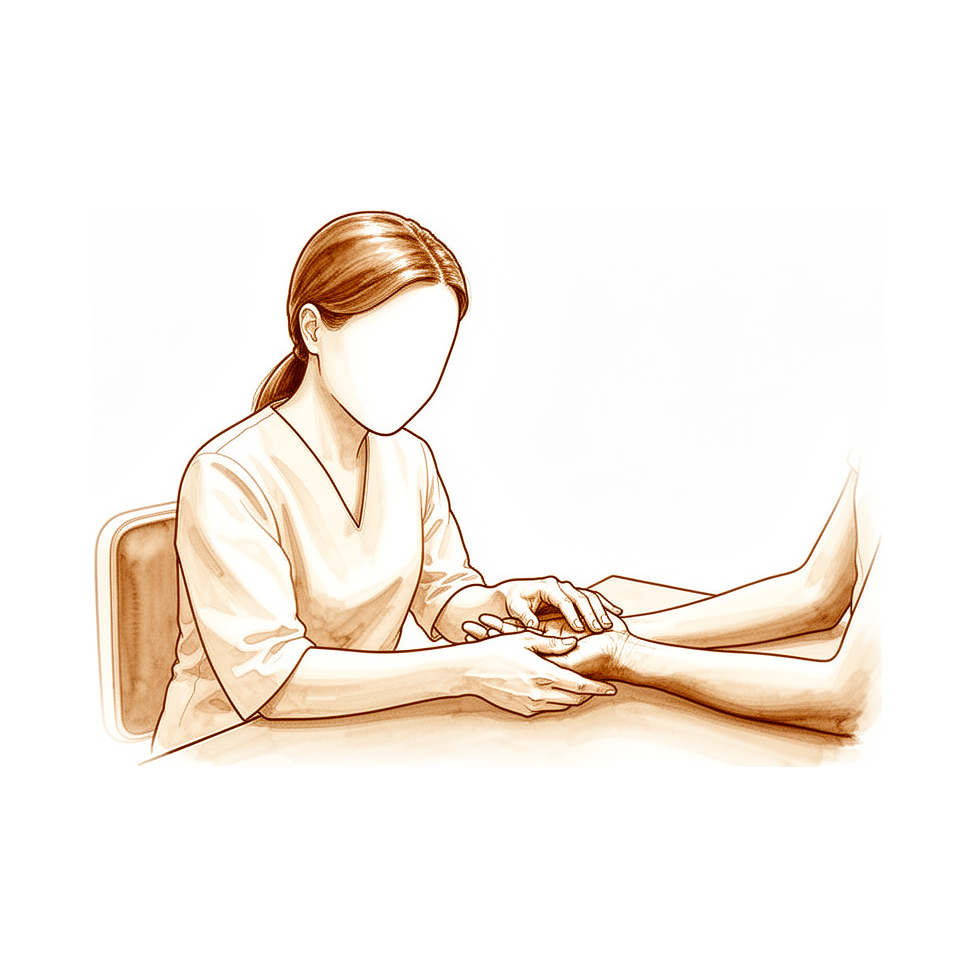
Overview
Immobilization remains the most effective treatment for acute orthopaedic problems, whereas surgery is often necessary for chronic conditions but yields less predictably corrective results [1]. The optimal duration of immobilization varies significantly by injury site and pathology. For distal radial fractures treated with open reduction and internal fixation, immobilization periods of 1 and 3 weeks produced superior short-term outcomes for function, range of motion, and pain compared with 6 weeks [2]. Similarly, nonoperatively treated proximal humeral fractures can be successfully managed with a short immobilization period of 1 week to avoid compromising patient independence, as no significant differences in pain or functionality were found compared with three weeks of immobilization [3, 7]. In contrast, eight weeks of immobilization did not yield a higher rate of healing for medium-sized rotator cuff tears compared with four weeks [12]. For acute anterior shoulder dislocations, immobilization in 30° of external rotation allows similar coaptation of the glenoid labrum regardless of duration (3 vs 5 weeks) [19].
Positioning and device selection are critical to safe immobilization. The safe position for hand immobilization is broadly defined as mild-to-moderate metacarpophalangeal joint flexion that maximizes patient comfort, rather than the traditional intrinsic plus position [14]. Patients using a longarm immobilization device should not be cleared for driving [5]. Specific splints may fail to effectively immobilize the forearm compared with other modalities in biomechanical measurements of pronosupination [9]. The halo traction apparatus is a safe and effective method of traction and immobilization for the cervical and upper thoracic spine [26]. The short metacarpal cast technique for metacarpal shaft fractures is safe, with a low complication rate and minimal requirement for hand therapy after cast removal [39].
Therapy and mobilization protocols must be tailored to the specific procedure. Outcomes were equivalent for passive mobilization with place and hold versus active motion therapy after flexor tendon repair [8]. The immediate active motion protocol is safe and has similar outcomes compared with immobilization after tendon transfer for claw deformity, with the added advantages of earlier pain relief, quicker restoration of hand function, reduced morbidity, and improved total active range of digit flexion [10, 11]. Cast immobilization seems to be slightly more effective than the traditional self-removal orthotic approach for closed mallet fingers, probably for its greater capacity to reduce edema [13]. The efficacy of splinting in clients with rheumatoid arthritis remains in question [17]. Orthoses are usually part of the hand therapy protocol after corrective procedures for Dupuytren disease despite lack of strong evidence, and it is recommended to provide them based on individual patient needs rather than routinely [27]. Immobilization for the first four weeks following flexor tendon repair in children remains the most clearly articulated and supported rehabilitative option [36].
Anatomy & Pathophysiology
Bony Anatomy and Kinematics
The hand and wrist skeleton comprises 27 bones, 19 of which are long bones [45]. The hand is organized into five rays, each forming a polyarticulated chain of metacarpals and phalanges [45]. The thumb ray is the shortest, consisting of a metacarpal and two phalanges, and exhibits greater mobility than the other rays [45]. In terms of length, the index metacarpal is the longest, while the thumb metacarpal is the shortest [45]. The proximal and middle phalanges of the middle and ring fingers are longer than those of the index finger [45]. The transverse palmar axis is oblique, forming an acute angle of approximately 75 degrees with the longitudinal axis [45]. The wrist possesses three axes of movement, permitting the hand to assume any spatial configuration for grasping [45]. The metacarpophalangeal joints serve as the keystones of the hand’s longitudinal arches [68]. The fifth metacarpal has a range of flexion–extension of approximately 20 degrees at its carpal articulation [68].
Ligaments and Soft Tissue Structures
The volar plates are thick anterior glenoid capsules that prevent hyperextension at the metacarpophalangeal joints [68]. Checkrein ligaments extend from the proximal volar plate to anchor it to the proximal phalanx, also serving to prevent hyperextension [6]. Bony adhesions of the volar plate or contracture of the checkrein ligaments can result in diminished range of motion and flexion contracture [6]. The proper collateral ligaments originate from the head of the proximal phalanx and insert into the middle phalanx [6]. Accessory collateral ligaments arise from the proximal phalanx and insert onto the volar plate and flexor sheath [6]. These accessory ligaments remain lax in full flexion, rendering them susceptible to fibrosis and contracture if immobilized [6]. Sagittal band fibers form a sling that allows proximal extrinsic extensor tension to be transmitted to the proximal phalanx for metacarpophalangeal joint extension [44]. Rupture or attenuation of these fibers allows the extrinsic extensor tendon to sublux to the ulnar side of the metacarpal head, causing ulnar deviation of the finger [44]. The A2 and A4 pulleys are the most essential in maintaining the mechanical advantage of the flexor tendons [72]. The tenosynovium lining the fibroosseous tunnel supplies nutrition and lubrication to the poorly vascularized flexor tendons [72].
Muscular Anatomy
Extrinsic extensors run through six different fibroosseous retinacular compartments at the wrist level [44]. The extensor digitorum communis tendons of the middle, ring, and little fingers are tethered together by juncturae tendinum over the dorsum of the hand proximal to the metacarpophalangeal joint [44]. The flexor digitorum profundus inserts on the proximal volar aspect of the distal phalanx, flexing the distal, proximal interphalangeal, and metacarpophalangeal joints [72]. The flexor digitorum superficialis tendon bifurcates around the flexor digitorum profundus at the beginning of the A2 pulley and inserts into the proximal metaphysis of the middle phalanx [72]. There are seven interosseous muscles in the hand: four dorsal and three volar [66]. The dorsal interossei are abductors, while the volar interossei are adductors [66]. The middle finger has two dorsal interossei and no volar interossei because the central axis of the hand lies within it [66]. The deep head of each dorsal interosseous muscle forms a lateral band that flexes the proximal phalanx while extending the middle and distal phalanges [66].
Skin and Gliding Mechanisms
Dorsal skin is thin, loose, and mobile, allowing free gliding and full flexion at the digital joints [74]. Flexion of the fingers produces a significant lengthening of the dorsal skin, with an average increase of 3 cm in the middle finger from extension to full flexion [74]. When subcutaneous tissue is distended by edema, stretching and gliding are considerably reduced during flexion, leading to a posture of extension at the metacarpophalangeal joints [74]. The dorsal integument of the interphalangeal articulations forms a unique cutaneous unit characterized by considerable excess of skin when the digits are in extension [65]. Palmar skin is subdivided into zones by the oppositional crease of the thumb, with the radial portion being mobile and the ulnar/distal portion having poor mobility [65]. The gliding mechanism of tendons depends on the nature of the anatomic area and the direction and amplitude of tendon movement [73]. In narrow crowded areas, the gliding mechanism is assured by synovial sheaths surrounded by fibrous sheaths that act as pulleys [73].
Pathophysiology of Immobilization
Prolonged immobilization of the proximal interphalangeal joint in a flexed posture can cause contracture [6]. Mechanisms of contracture from prolonged immobilization include secondary contracture of the skin envelope and joint capsule [6]. Soon after injury, edema fluid and blood accumulate within and around tendons, ligaments, sheaths, and the articular space, resulting in swelling that mechanically limits joint motion [6]. The swollen, injured hand tends to assume a characteristic posture with the metacarpophalangeal joint extended and the interphalangeal joints flexed 30 to 40 degrees [6]. Immobilization of the distal interphalangeal joint of any finger reduces overall grip strength, with the effect becoming progressively more pronounced from the index to the little fingers [15]. Muscle atrophy ensues quickly in response to immobilization due to reduced protein synthesis and hormonal contributions, leading to decreased muscle strength [78]. Fatigability increases in immobilized muscle partly because of diminished energy stores and metabolic efficiency [78]. Atrophy, loss of extensibility, and loss of force production are more pronounced in muscle immobilized without tension than in muscle immobilized under stretch [78]. When muscles are stretched in immobilization, the loss of strength is partially compensated for by the growth in length through the formation of new sarcomeres and contractile proteins [78]. Immobilized joints adapt to their new position by modifying the length of some compartments of the synovial intima [62]. Animal studies on immobilized limbs have demonstrated proliferation of fibrofatty connective tissue within the joint space, adhesions between synovial folds, and atrophy of cartilage [62]. Adhesions of synovial villi rather than a proliferation of pannus are described in immobilized joints [62]. Prolonged immobilization can lead to chronic edema, fibrosis, extensive tissue adherence, and multiple fixed flexion deformities [64]. Prolonged immobilization and diminished protective sensation can contribute to the development of sensory motor cortex deprivation [64]. Immobilization is usually the most effective treatment of acute problems, whereas surgery is often necessary for chronic conditions but results are much less predictably corrective [1].
Classification
Frozen Shoulder: Adhesive capsulitis is classified as either primary (idiopathic) or secondary [33]. Secondary cases are associated with injury or other diagnoses, such as diabetes mellitus [33].
Doyle Classification: This system categorizes mallet injuries into four types based on injury mechanism and tissue involvement [50]. * Type I: Closed injury, with or without bony avulsion [50]. * Type II: Open injury [50]. * Type III: Open injury accompanied by loss of skin and substance of the extensor tendon [50]. * Type IV: Growth plate fracture in pediatrics, or a fracture fragment involving 20%-50% or >50% of the articular surface in adults [50].
Modified Sugimoto-Watanabe Staging: Pediatric trigger finger severity is categorized into four stages using this modified system [48]. * Stage I: Palpable mass on the flexor tendon [48]. * Stage II: Active extension or flexion with triggering [48]. * Stage III: Finger locked in a flexed or extended position with passive triggering but no active motion [48].
Other Considerations: Hand function in severe flexure contractures is classified as class 0 by the House et al classification and "poor" by the modified Samilson and Morris classification [130].
Clinical Presentation
The history for musculoskeletal injury assessment should include details of the accident, patient age, occupation, leisure activities, and handedness [83]. Deeper injuries are often poorly disclosed during initial assessment [83]. In mangled extremity injuries, the injured extremity should be evaluated for adequate vascular perfusion [89]. A detailed motor and sensory examination should be performed and documented both before and after any manipulation of the extremity [89]. The presence of an acute compartment syndrome should be sought out in open fractures [89]. A comprehensive musculoskeletal examination should be performed to rule out any concomitant musculoskeletal injuries in polytrauma patients [89].
The initial examination for musculoskeletal injuries includes assessment of circulation, soft-tissue cover, bones, joints, nerves, and tendons [83]. Accurate diagnosis and management of hand and carpal fractures and dislocations are predicated on a thorough physical examination and appropriate imaging [34]. Radiographic evaluation for mangled extremity injuries should include two orthogonal views of any involved joints or long bones, as well as the joint above and below any confirmed fractures [89].
Soon after injury, edema fluid and blood accumulate within and around the tendons, ligaments, sheaths, and articular space of the joint [6]. This accumulation results in swelling of the digits and hand that mechanically limits joint motion [6]. This post-injury posture serves to maximize joint space and reduce pressure and discomfort [6]. Mechanisms for proximal interphalangeal joint contracture include secondary contracture of the skin envelope and joint capsule [6].
Frozen shoulder manifests as a gradual onset of pain in the shoulder with a restriction of both active and passive movements, especially external rotation and elevation [33]. Post-traumatic stiffness following upper limb trauma may progress in a similar way to primary frozen shoulder [33]. The goal of diagnosis and management for hand and carpal fractures is to limit joint stiffness while preserving mobility and function [34].
Investigations
Accurate diagnosis and management of hand and carpal fractures and dislocations are predicated on a thorough physical examination and appropriate imaging to limit joint stiffness while preserving mobility and function [34]. A careful physical examination is essential to direct care and future testing if indicated, as diagnostic tests such as imaging and serum laboratory studies can be expensive, time consuming, and often nonspecific [42].
MRI: MRI is probably most useful in identifying additional pathology such as flexor tendon bowstringing in the context of Dupuytren's disease [79]. MRI may also be helpful in providing a quantitative noninvasive measure of cellularity of affected areas, which is an index of biologic activity, but this potential staging tool has not been investigated yet on a large scale [79].
CT: Scaphoid waist fractures which appear to be undisplaced and united on a week 4 CT scan will unite, and may not need to be immobilised in a plaster cast for more than 4 weeks [60].
Other Considerations: An 8-MHz Doppler tone assessment may be used to identify superficially displaced neurovascular bundles when Dupuytren cords lie beneath soft fleshy prominences, though false-negatives are possible [79]. Radiographic follow-up during splinting appears to be necessary for bony mallet finger [98]. Better final radiological and objective physical results were associated with a better patient-perceived outcome, as measured by the DASH score, in patients with displaced distal radius fractures [125].
Treatment
Non-Operative
Conservative management relies heavily on immobilization, with duration tailored to the specific injury and anatomical location. For distal radial fractures treated with open reduction and internal fixation, immobilization periods of 1 and 3 weeks yield superior short-term outcomes in function, range of motion, and pain compared with 6 weeks [2]. In proximal humeral fractures managed nonoperatively, a short immobilization period of 1 week is sufficient to avoid compromising patient independence, as no significant differences in pain or functionality exist compared with three weeks of immobilization [3, 7]. For acute anterior shoulder dislocations, immobilizing the shoulder in 30° of external rotation provides similar coaptation of the glenoid labrum regardless of whether the duration is 3 or 5 weeks [19]. In the hand, immobilization of the distal interphalangeal joint reduces overall grip strength, with the effect becoming progressively more pronounced from the index to the little fingers [15].
Specific fracture protocols dictate distinct immobilization strategies. Cast immobilization is slightly more effective than traditional self-removal orthotic approaches for closed mallet fingers, likely due to its greater capacity to reduce edema [13]. Adult patients with a scaphoid waist fracture displaced by ≤ 2 mm should be treated initially with cast immobilization, followed by early fixation if a nonunion develops, a recommendation corroborated by five-year follow-up findings [18]. Conversely, immobilization offers no advantage over symptomatic treatment for fractures of the base of the fifth metatarsal when judged by patient-reported outcome measures [21]. Isolated proximal phalangeal fractures without uncorrectable finger rotation or angulation exceeding 25 degrees in the sagittal plane or 10 degrees in the coronal plane following closed reduction can be managed with a non-surgical, conservative protocol [90]. In children, nonoperative management of completely displaced distal radial fractures results in excellent outcomes without surgical risks [92], while buddy taping is an efficient treatment for undisplaced, stable finger fractures, offering high patient satisfaction and minimal risk of secondary displacement similar to forearm-based splint immobilization [51]. However, treatment for displaced pediatric finger fractures may need to be individualized, as absolute conclusions cannot be made when comparing buddy taping versus splint immobilization [55].
For high-risk stress fractures, the presence of an incomplete fracture on plain films with evidence of fracture on MRI or CT in a high-risk location indicates immobilization and strict non-weight bearing [82]. Worsening symptoms or radiographic evidence of fracture progression despite nonoperative treatment is an indication for surgical fixation of these high-risk stress fractures [82].
Tendon and soft tissue injuries often favor early motion over static immobilization. Immediate mobilization following tendon transfer for claw deformity correction provides reduced morbidity and improved total active range of digit flexion compared to immobilization [11]. Early active short arc motion following central slip repair produces improved range of motion with shorter treatment time compared with static immobilization, though success depends on attention to splinting details and patient compliance [38]. For complete divisions of extensor tendons in zones 5 and 6, dynamic outrigger mobilization achieves good and excellent results in 95% and 98% of cases, respectively [54]. Similarly, palmar blocking splint mobilization for these injuries achieves good and excellent results in 93% and 95% of cases, respectively [54]. Conservative treatment utilizing cylinder cast immobilization and brace may be one of the recommendable treatment methods in an isolated and acute posterior cruciate ligament injury [28].
The efficacy of splinting for rheumatoid arthritis remains in question [17]. Patients who underwent conservative management for carpal tunnel syndrome showed improvement in symptoms and function [32]. Although used in practice, evidence for the use of relative motion orthosis for non-surgical management of trigger finger is absent [35]. Biomechanical measurements indicate that two specific splints do not effectively immobilize the forearm compared with other modalities tested [9].
Operative
Indications: Surgical intervention is indicated when nonoperative management fails or specific postoperative conditions require stabilization. Worsening symptoms or radiographic evidence of fracture progression despite nonoperative treatment is an indication for surgical fixation of high-risk stress fractures [82].
Postoperative and Rehabilitation Protocols: Immediate immobilization following proximal row carpectomy is unnecessary, and early rehabilitation is of the essence [16]. In patients with midcarpal instability treated with dorsal wrist plication, immobilization was not successful in controlling pain and recurrence of instability [29]. For stable osteochondritis dissecans of the elbow before epiphyseal closure, elbow immobilization has positive effects on healing and enables both an early return to sports and complete healing [37]. Nonoperative management of osteochondritis dissecans lesions of the knee includes a period of restricted weight bearing and immobilization, with 4 to 6 weeks of non-weight bearing decreasing compressive forces on the knee [23].
Adjuncts: The halo traction apparatus is a safe, effective method of traction and immobilization for the cervical and upper thoracic spine [26]. For femoral shaft fractures, traction should be applied as soon as possible at the scene of injury and before transport, with a Thomas splint or derivation thereof being critical to reduce blood loss, ease transfer, and reduce pain [84]. Conservative treatment for femoral shaft fractures is rarely considered in contemporary practice due to the problems of prolonged immobility (10–14 weeks) [84].
Complications
Joint Stiffness and Contracture: Prolonged immobilization induces contracture through secondary shortening of the skin envelope and joint capsule [6]. In a rat model, increased joint stiffness following immobilization of an injured and repaired shoulder proved transient [53]. Conversely, prolonged immobilization after hand trauma can result in chronic edema, fibrosis, extensive tissue adherence, and multiple fixed flexion deformities [64].
Tissue Degeneration and Atrophy: Immobilization alters the muscle-to-tendon ratio, causing muscle atrophy, weakness, and loss of elasticity [25]. Cartilage damage from immobilization ranges from mild and recoverable to severe [25]. Currently, there are no accurate, reproducible, and noninvasive methods to demonstrate changes in human articular cartilage after a specific period of immobilization [25]. Mid-frequency electrical muscle stimulation during immobilization may prevent early deltoid muscle atrophy and promote early strength recovery after arthroscopic rotator cuff repair [56], although the long-term impact of this stimulation on functional outcomes remains unclear [56].
Functional Impairment and Activity Limitations: Immobilization of the distal interphalangeal joint of any finger reduces overall hand grip strength [15]. This reduction becomes progressively more pronounced from the index to the little fingers [15]. In young, healthy volunteers, immobilizing the shoulder in an orthosis for 2 days leads to significantly reduced activity levels [24]. Below-elbow immobilization with a right spica cast resulted in 6 driving failures compared to 0 at baseline in a study of healthy volunteers [31]. Driving time with a right spica cast was 97 seconds compared to 122 seconds at baseline [31]. Driving time with a left spica splint was 92 seconds compared to 122 seconds at baseline [31].
Treatment Efficacy and Outcomes: Immobilization was not successful in controlling pain and recurrence of instability in patients with midcarpal instability [29]. The efficacy of splinting remains in question for clients with rheumatoid arthritis [17]. Large variations exist in the duration of immobilization following common hand surgery procedures [40]. Evidence synthesis regarding traction orthoses for intra-articular hand fractures could improve the estimation of range of motion outcomes but would not be able to identify the best treatment [30].
Recovery
Immobilization Duration and Outcomes: Conservative management of proximal humeral fractures permits a reduction in immobilization duration to one week, as no significant differences in pain or functionality were observed compared with three weeks of immobilization [7]. Following acute anterior shoulder dislocations, immobilizing the shoulder in 30° of external rotation achieves similar coaptation of the glenoid labrum regardless of whether the duration is three or five weeks [19]. For central slip repairs, early active short arc motion yields improved range of motion and shorter treatment times compared with static immobilization [38]. In acute Jones fractures, early surgical treatment results in a shorter time to clinical union and allows patients to return to sports and activities of daily living faster than cast treatment [63]. Immediate immobilization following proximal row carpectomy is unnecessary, and early rehabilitation is of the essence [16].
Physiological Effects and Complications: Prolonged immobilization of the proximal interphalangeal joint (PIPJ) in a flexed posture can cause contracture, driven by secondary contracture of the skin envelope and joint capsule [6]. The swollen, injured hand tends to assume a characteristic posture with the metacarpophalangeal joint extended and the interphalangeal joints flexed 30 to 40 degrees to maximize joint space and reduce pressure and discomfort [6]. Regarding the shoulder, the increase in joint stiffness caused by immobilizing an injured and repaired shoulder is transient and does not outweigh the long-term benefits of immobilization on improved tendon to bone healing [53]. The long-term impact of mid-frequency electrical muscle stimulation during immobilization on functional outcomes remains unclear and warrants further investigation [56].
Functional Limitations and Rehabilitation Considerations: The duration of orthotic use is significantly associated with the extent of contracture resolution in the stiff proximal interphalangeal joint [135]. Better progress with dynamic splinting may be expected in joints with less pretreatment stiffness, shorter time since injury (less than 12 weeks), and in flexion rather than extension deficits [137]. Orthotic considerations for dense connective tissue and articular cartilage include minimizing immobilization and facilitating the natural mechanisms of tissue nutrition through movement [25]. Orthotic intervention is an effective method for applying stress to promote elongation of contracted connective tissues [25]. The three 'figure of eight' technique is strong enough to allow safe early active mobilization in children between 5–10 years for finger zone II flexor tendon repair, provided the wrist is immobilized in 30° of flexion and pulleys are vented proximal to the repair site [59]. Forty-seven (96 per cent) of the forty-nine shoulders had a good clinical result after distal release of the contracture [61].
Key Evidence
- [L5] Immobilization is usually the most effective treatment of acute problems, whereas surgery is often necessary for chronic conditions but results are much less predictably corrective. [1] (10.1016/j.hcl.2013.03.003)
- [L1] Immobilization periods of 1 and 3 weeks produced superior short-term outcomes compared with 6 weeks of immobilization for function, range of motion, and pain. [2] (10.2106/jbjs.17.00912)
- [L2] These fractures can be successfully managed with a short immobilization period of 1 week in order to not compromise patients' independence for an overly extended period. [3] (10.2106/jbjs.20.02137)
- [L2] There is no evidence that any specific form or duration of immobilization is superior for fractures with limited deformity, and there are insufficient data to determine the best treatment for fractures with substantial angulation. [4] (10.1016/j.jhsa.2009.06.015)
- [L4] Patients likely should not be cleared for driving if they are using a longarm immobilization device. [5] (10.1016/j.jhsa.2014.04.037)
- [L5] [6] (10.1016/j.hcl.2017.12.012)
- [L2] The immobilization of PHF that are treated conservatively can be reduced to one week, as no significant differences were found with regards to pain nor to functionality of the patients, whether they are immobilized for one week or for three. [7] (10.1016/j.jse.2021.03.018)
- [L1] The outcomes were equivalent for both the mobilization groups. [8] (10.1016/j.jhsa.2021.11.031)
- [L5] The two splints tested do not effectively immobilize the forearm compared with the other modalities tested. [9] (10.1016/j.jhsa.2012.02.019)
- [L1] The immediate active motion protocol is safe and has similar outcomes compared with immobilization, with the added advantage of earlier pain relief and quicker restoration of hand function. [10] (10.1016/j.jhsa.2008.11.014)
- [L2] Immediate mobilization has the added benefits of reduced morbidity and improved total active range of digit flexion compared to immobilization. [11] (10.1016/j.jhsa.2007.10.012)
- [L1] Eight weeks of immobilization did not yield a higher rate of healing of medium-sized rotator cuff tears compared with four weeks of immobilization. [12] (10.2106/jbjs.l.01741)
- [L1] Cast immobilization seems to be slightly more effective than the traditional approach probably for its greater capacity to reduce edema. [13] (10.1016/j.jht.2013.01.004)
- [L5] The safe position for hand immobilization should be broadly defined as mild-to-moderate MP joint flexion that is sufficiently safe and maximizes patient comfort, rather than the traditional intrinsic plus position. [14] (10.1177/1753193419873899)
- [L4] Immobilization of the distal interphalangeal joint of any finger reduces the overall grip strength of the hand, with the effect becoming progressively more pronounced from the index to the little fingers. [15] (10.1177/1753193418765068)
- [L4] This study shows that immediate immobilisation following PRC is unnecessary, and that early rehabilitation is of the essence. [16] (10.1016/j.otsr.2010.02.011)
- [L4] The efficacy of splinting remains in question. [17] (10.1197/j.jht.2007.08.002)
- [L1] The recommendation that adult patients with a fracture of the waist of the scaphoid which is displaced by ≤ 2 mm should be treated initially with immobilization in a cast, followed by early fixation of a nonunion, is further corroborated by these findings. [18] (10.1302/0301-620x.108b1.bjj-2025-0122.r1)
- [L2] Immobilization of the shoulder in 30° of external rotation seems to allow a similar coaptation of the glenoid labrum, regardless of duration of immobilization (3 vs 5 weeks). [19] (10.1177/0363546509331943)
- [L1] Immobilisation is no better than symptomatic treatment in the management of a fracture of the base of the fifth metatarsal when judged by PROMs. [21] (10.1302/0301-620x.98b6.36329)
- [Paper] [23] (10.1016/j.csm.2014.01.001)
- [L4] Results of this study show that even in young, healthy volunteers immobilization of the shoulder in an orthosis for 2 days leads to significantly reduced activity levels. [24] (10.1186/s12891-020-3133-8)
- [L5] [25] (10.1016/j.jht.2011.12.002)
- [L5] Orthoses are usually part of the hand therapy protocol after corrective procedures despite lack of strong evidence, and it is recommended to provide them based on individual patient needs rather than routinely. [27] (10.1016/j.hcl.2018.03.008)
- [L4] Conservative treatment utilizing cylinder cast immobilization and brace may be one of the recommendable treatment methods in an isolated and acute PCL injury. [28] (10.1007/s00167-008-0531-0)
- [L4] Immobilization was not successful in controlling pain and recurrence of instability in patients with MCI. [29] (10.1016/j.jhsa.2017.11.002)
- [L3] Evidence synthesis could improve the estimation of range of motion outcomes but would not be able to identify the best treatment. [30] (10.1016/j.jht.2016.04.001)
- [L2] [31] (10.1016/j.injury.2016.12.024)
- [L1] Patients who underwent conservative management for CTS showed improvement in symptoms and function. [32] (10.1016/j.jht.2018.01.004)
- [L3] [33] (10.1177/1758573217693974)
- [L1] Although used in practice, evidence for the use of relative motion orthosis is absent. [35] (10.1016/j.jht.2023.05.016)
- [L5] Immobilization for the first four weeks following flexor tendon repair in children remains the most clearly articulated and supported rehabilitative option. [36] (10.1016/j.jht.2014.12.002)
- [L3] Elbow immobilization had positive effects on healing and enabled both an early return to sports and complete healing. [37] (10.1016/j.jse.2022.01.148)
- [L4] Early active short arc motion following central slip repair produces improved range of motion with shorter treatment time compared with static immobilization, though success depends on attention to splinting details and patient compliance. [38] (10.1016/j.jhsa.2010.10.007)
- [L4] The technique is safe, with a low complication rate and minimal requirement for hand therapy after cast removal. [39] (10.1177/17531934211024579)
- [L4] This study supports the hypothesis that large variations exist in the duration of immobilization following common hand surgery procedures. [40] (10.1177/1558944715617221)
- [L4] [48] (10.1016/j.jhsa.2012.03.032)
- [L4] [50] (10.1016/j.jhsa.2018.03.037)
- [L1] [51] (10.1177/17531934241293338)
- [L5] This study demonstrated that the increase in joint stiffness caused by immobilizing an injured and repaired shoulder was transient and, therefore, does not outweigh the long-term benefits of immobilization on improved tendon to bone healing. [53] (10.1016/j.jse.2007.08.004)
- [L1] Good and excellent results were achieved in 95 and 98% of cases following dynamic outrigger mobilization and 93 and 95% of cases using palmar blocking splint mobilization. [54] (10.1054/jhsb.1999.0356)
- [L1] Treatment may need to be individualized for patients with displaced fractures as absolute conclusions cannot be made for these specific cases. [55] (10.1177/1753193418822692)
- [L3] However, its long-term impact on functional outcomes remains unclear and warrants further investigation. [56] (10.1002/ksa.70303)
- [L4] The three 'figure of eight' technique is strong enough to allow safe early active mobilization in children between 5–10 years as long as the wrist is immobilized in 30° of flexion and pulleys are vented proximal to the repair site. [59] (10.1177/1753193410395837)
- [L3] Scaphoid waist fractures which appear to be undisplaced and united on a week 4 CT scan will unite, and may not need to be immobilised in a plaster cast for more than 4 weeks. [60] (10.1177/1753193409105189)
- [L3] Forty-seven (96 per cent) of the forty-nine shoulders had a good clinical result after distal release of the contracture. [61] (10.2106/00004623-199802000-00010)
- [L5] [62] (10.1016/j.hcl.2018.06.011)
- [L1] Early surgical treatment results in a shorter time to clinical union and allows patients to return to sports and activities of daily living faster than with cast treatment. [63] (10.1177/0363546504272262)
- [Case_report] [64] (10.1016/j.jht.2016.03.013)
- [L4] A non-surgical, conservative protocol can be used for patients with isolated proximal phalangeal fractures without uncorrectable finger rotation or fracture angulation exceeding 25 degrees in the sagittal plane or 10 degrees in the coronal plane following closed reduction. [90] (10.1177/1753193419881086)
- [L3] Nonoperative management of completely displaced distal radial fractures in appropriately selected cases results in excellent outcomes without exposing the child to the risks of surgery. [92] (10.1302/0301-620x.103b.bjj-2020-1740.r1)
- [L1] Radiographic follow-up during splinting appears to be necessary. [98] (10.1177/1753193420917567)
- [L3] Better final radiological and objective physical results were associated with a better patient-perceived outcome, as measured by the DASH score, in this patient group. [125] (10.1197/j.jht.2007.06.001)
- [Case_report] [130] (10.1016/j.jht.2021.01.004)
- [L2] The duration of orthotic use (weeks of treatment) is significantly associated with the extent of contracture resolution. [135] (10.1016/j.jht.2011.09.006)
- [L2] Better progress with dynamic splinting may be expected in joints with less pretreatment stiffness, shorter time since injury (less than 12 weeks), and in flexion rather than extension deficits. [137] (10.1016/j.jht.2011.03.001)
See Also
- Dislocations
- Flexor tendon repair
- Trigger Finger
- Dupuytren's Disease
- Mallet Finger
- Finger Fractures
References
[1] Diagnosis and Treatment of Finger Deformities Following Injuries to the Extensor Tendon Mechanism. Hand Clinics. 2013. DOI: 10.1016/j.hcl.2013.03.003
[2] A Comparison of the Effect of One, Three, or Six Weeks of Immobilization on Function and Pain After Open Reduction and Internal Fixation of Distal Radial Fractures in Adults. Journal of Bone and Joint Surgery. 2018. DOI: 10.2106/jbjs.17.00912
[3] One Versus 3-Week Immobilization Period for Nonoperatively Treated Proximal Humeral Fractures. Journal of Bone and Joint Surgery. 2021. DOI: 10.2106/jbjs.20.02137
[4] Small Finger Metacarpal Neck Fractures. The Journal of Hand Surgery. 2009. DOI: 10.1016/j.jhsa.2009.06.015
[5] Driving With Upper Extremity Immobilization: A Comprehensive Review. The Journal of Hand Surgery. 2015. DOI: 10.1016/j.jhsa.2014.04.037
[6] Treatment of Proximal Interphalangeal Joint Contracture. Hand Clinics. 2018. DOI: 10.1016/j.hcl.2017.12.012
[7] One or Three-Weeks Immobilization Period in Proximal Humeral Fractures Conservatively Treated. Prospective Randomized Study. Journal of Shoulder and Elbow Surgery. 2021. DOI: 10.1016/j.jse.2021.03.018
[8] Passive Mobilization With Place and Hold Versus Active Motion Therapy After Flexor Tendon Repair: A Randomized Trial. The Journal of Hand Surgery. 2022. DOI: 10.1016/j.jhsa.2021.11.031
[9] Biomechanical Measurements of Forearm Pronosupination With Common Methods of Immobilization. The Journal of Hand Surgery. 2012. DOI: 10.1016/j.jhsa.2012.02.019
[10] A Randomized Clinical Trial Comparing Immediate Active Motion With Immobilization After Tendon Transfer for Claw Deformity. The Journal of Hand Surgery. 2009. DOI: 10.1016/j.jhsa.2008.11.014
[11] Immediate Postoperative Active Mobilization Versus Immobilization Following Tendon Transfer for Claw Deformity Correction in the Hand. The Journal of Hand Surgery. 2008. DOI: 10.1016/j.jhsa.2007.10.012
[12] Effect of Immobilization without Passive Exercise After Rotator Cuff Repair. Journal of Bone and Joint Surgery. 2014. DOI: 10.2106/jbjs.l.01741
[13] Effectiveness of cast immobilization in comparison to the gold-standard self-removal orthotic intervention for closed mallet fingers: A randomized clinical trial. Journal of Hand Therapy. 2013. DOI: 10.1016/j.jht.2013.01.004
[14] On the safe position for hand immobilization. Journal of Hand Surgery (European Volume). 2019. DOI: 10.1177/1753193419873899
[15] Effect of immobilization of the distal interphalangeal joint of fingers on grip strength. Journal of Hand Surgery (European Volume). 2018. DOI: 10.1177/1753193418765068
[16] Proximal row carpectomy: Is early postoperative mobilisation the right rehabilitation protocol?. Orthopaedics & Traumatology: Surgery & Research. 2010. DOI: 10.1016/j.otsr.2010.02.011
[17] Efficacy_of_Custom_Versus_Prefabricated_Splinting_in_Clients_With_Rheumatoid_Art_S0894113007001391. Journal of Hand Therapy. 2007. DOI: 10.1197/j.jht.2007.08.002
[18] Clinical effectiveness of early surgical fixation versus cast immobilization for adults with a scaphoid waist fracture: five-year follow-up of the Scaphoid Waist Internal Fixation for Fractures Trial. The Bone & Joint Journal. 2026. DOI: 10.1302/0301-620x.108b1.bjj-2025-0122.r1
[19] How Long Should Acute Anterior Dislocations of the Shoulder be Immobilized in External Rotation?. The American Journal of Sports Medicine. 2009. DOI: 10.1177/0363546509331943
[21] Symptomatic treatment or cast immobilisation for avulsion fractures of the base of the fifth metatarsal. The Bone & Joint Journal. 2016. DOI: 10.1302/0301-620x.98b6.36329
[23] Physical Therapy Management of Patients with Osteochondritis Dissecans. Clinics in Sports Medicine. 2014. DOI: 10.1016/j.csm.2014.01.001
[24] How shoulder immobilization influences daily physical activity – an accelerometer based preliminary study. BMC Musculoskeletal Disorders. 2020. DOI: 10.1186/s12891-020-3133-8
[25] Orthotic Considerations for Dense Connective Tissue and Articular Cartilage—The Need for Optimal Movement and Stress. Journal of Hand Therapy. 2012. DOI: 10.1016/j.jht.2011.12.002
[26] The halo. A spinal skeletal traction fixation device.. The Journal of bone and joint surgery. American volume. 1968.
[27] The Role of Hand Therapy in Dupuytren Disease. Hand Clinics. 2018. DOI: 10.1016/j.hcl.2018.03.008
[28] Active non‐operative treatment of acute isolated posterior cruciate ligament injury with cylinder cast immobilization. Knee Surgery, Sports Traumatology, Arthroscopy. 2008. DOI: 10.1007/s00167-008-0531-0
[29] Dorsal Wrist Plication for Midcarpal Instability. The Journal of Hand Surgery. 2018. DOI: 10.1016/j.jhsa.2017.11.002
[30] A scoping review of applications and outcomes of traction orthoses and constructs for the management of intra-articular fractures and fracture dislocations in the hand. Journal of Hand Therapy. 2016. DOI: 10.1016/j.jht.2016.04.001
[31] The effects of below-elbow immobilization on driving performance. Injury. 2017. DOI: 10.1016/j.injury.2016.12.024
[32] Short-term clinical outcome of orthosis alone vs combination of orthosis, nerve, and tendon gliding exercises and ultrasound therapy for treatment of carpal tunnel syndrome. Journal of Hand Therapy. 2019. DOI: 10.1016/j.jht.2018.01.004
[33] Management of post-traumatic stiffness of the shoulder following upper limb trauma with manipulation under anaesthetic. Shoulder & Elbow. 2017. DOI: 10.1177/1758573217693974
[34] Chapter 29 Hand/Carpal Fractures and Dislocations. 2021.
[35] Orthotic intervention options to non-surgically manage adult and pediatric trigger finger: A systematic review. Journal of Hand Therapy. 2023. DOI: 10.1016/j.jht.2023.05.016
[36] Flexor tendon injuries in children: Rehabilitative options and confounding factors. Journal of Hand Therapy. 2015. DOI: 10.1016/j.jht.2014.12.002
[37] Conservative treatment for stable osteochondritis dissecans of the elbow before epiphyseal closure: effectiveness of elbow immobilization for healing. Journal of Shoulder and Elbow Surgery. 2022. DOI: 10.1016/j.jse.2022.01.148
[38] Early Active Short Arc Motion Following Central Slip Repair. The Journal of Hand Surgery. 2011. DOI: 10.1016/j.jhsa.2010.10.007
[39] A 4-year study of the use of the short metacarpal cast in the management of metacarpal shaft fractures. Journal of Hand Surgery (European Volume). 2021. DOI: 10.1177/17531934211024579
[40] Variations in Postoperative Immobilization Following Common Hand Surgery Procedures. HAND. 2016. DOI: 10.1177/1558944715617221
[42] Orthopaedic Knowledge Update 13 Ebook Without Multimedia. Anatomy, Evaluation, Clinical Examination, and Imaging > Evaluation and Clinical Examination: Current Concepts.
[44] A Lange Medical Book Current Diagnosis Treatment In Orthopedics Fifth Edition. 9Hand Surgery > Image DISORDERS OF THE MUSCULATURE OF THE HAND.
[45] Exam Of The Hand Wrist 2Ed. 1.1 SKELETON OF THE HAND > The osseous skeleton.
[48] Comparison of Splinting Versus Nonsplinting in the Treatment of Pediatric Trigger Finger. The Journal of Hand Surgery. 2012. DOI: 10.1016/j.jhsa.2012.03.032
[50] Outcomes of Splinting in Pediatric Mallet Finger. The Journal of Hand Surgery. 2018. DOI: 10.1016/j.jhsa.2018.03.037
[51] Buddy taping after reduction of displaced extra-articular phalangeal finger fractures in children: a randomized controlled trial. Journal of Hand Surgery (European Volume). 2024. DOI: 10.1177/17531934241293338
[53] After rotator cuff repair, stiffness—but not the loss in range of motion—increased transiently for immobilized shoulders in a rat model. Journal of Shoulder and Elbow Surgery. 2008. DOI: 10.1016/j.jse.2007.08.004
[54] A Comparison of Dynamic Extension Splinting and Controlled Active Mobilization of Complete Divisions of Extensor Tendons in Zones 5 and 6. Journal of Hand Surgery. 2000. DOI: 10.1054/jhsb.1999.0356
[55] Buddy taping versus splint immobilization for paediatric finger fractures: a randomized controlled trial. Journal of Hand Surgery (European Volume). 2019. DOI: 10.1177/1753193418822692
[56] Mid‐frequency electrical muscle stimulation during immobilization may prevent early deltoid muscle atrophy and promote early strength recovery after arthroscopic rotator cuff repair. Knee Surgery, Sports Traumatology, Arthroscopy. 2026. DOI: 10.1002/ksa.70303
[59] Finger zone II flexor tendon repair in children (5–10 years of age) using three ‘figure of eight’ sutures followed by immediate active mobilization. Journal of Hand Surgery (European Volume). 2011. DOI: 10.1177/1753193410395837
[60] Undisplaced scaphoid waist fractures: is 4 weeks’ immobilisation in a below-elbow cast sufficient if a week 4 CT scan suggests fracture union?. Journal of Hand Surgery (European Volume). 2009. DOI: 10.1177/1753193409105189
[61] Contracture of the Deltoid Muscle. The Journal of Bone and Joint Surgery (American Volume). 1998. DOI: 10.2106/00004623-199802000-00010
[62] Management of Joint Contractures in the Spastic Upper Extremity. Hand Clinics. 2018. DOI: 10.1016/j.hcl.2018.06.011
[63] Early Screw Fixation versus Casting in the Treatment of Acute Jones Fractures. The American Journal of Sports Medicine. 2005. DOI: 10.1177/0363546504272262
[64] Case Report: The casting motion to mobilize stiffness technique for rehabilitation after a crush and degloving injury of the hand. Journal of Hand Therapy. 2016. DOI: 10.1016/j.jht.2016.03.013
[65] Exam Of The Hand Wrist 2Ed. Functional cutaneous units.
[66] Green S Operative Hand Surgery. Interosseous and Hypothenar Muscles.
[68] Exam Of The Hand Wrist 2Ed. The arches of the hand > The metacarpal arch.
[72] A Lange Medical Book Current Diagnosis Treatment In Orthopedics Fifth Edition. 9Hand Surgery > FLEXOR TENDON INJURY.
[73] Exam Of The Hand Wrist 2Ed. 1.3 MOVEMENTS OF THE HAND AND WRIST > Gliding mechanisms.
[74] Exam Of The Hand Wrist 2Ed. The dorsal skin.
[78] Orthopaedic Basic Science Fifth Edition Print Ebook. Biology and Mechanics of the Skeletal Extracellular Matrix > Immobilization.
[79] Dupuytren S Disease And Related Hyperproliferative Disorders. 54. The Future of Dupuytren’s Research and Treatment > 54.4 Mechanical Measurements and Procedures > 54.4.4 Imaging.
[82] Rockwood And Green S Fractures In Adults. 21: Psychosocial Aspects of Recovery After Trauma > Management of High-Risk Stress Fractures.
[83] Apley And Solomon S Concise System Of Orthopaedics And Trauma. PRINCIPLES OF TREATMENT.
[84] Apley And Solomon S Concise System Of Orthopaedics And Trauma. Complications > Treatment.
[89] Rockwood And Green S Fractures In Adults. Effect of Blast on the Musculoskeletal System > Principles of Management.
[90] Non-surgical management of isolated proximal phalangeal fractures with immediate mobilization. Journal of Hand Surgery (European Volume). 2019. DOI: 10.1177/1753193419881086
[92] Treatment of completely displaced distal radial fractures with a straight plaster or manipulation under anaesthesia. The Bone & Joint Journal. 2021. DOI: 10.1302/0301-620x.103b.bjj-2020-1740.r1
[98] Splinting versus extension-block pinning of bony mallet finger: a randomized clinical trial. Journal of Hand Surgery (European Volume). 2020. DOI: 10.1177/1753193420917567
[125] Patient-perceived Outcome after Displaced Distal Radius Fractures. Journal of Hand Therapy. 2007. DOI: 10.1197/j.jht.2007.06.001
[130] The inflatable carrot—An orthosis for fingertip wound healing in flexion contractures of the hand: A case report. Journal of Hand Therapy. 2022. DOI: 10.1016/j.jht.2021.01.004
[135] The Long-term Relationship between Duration of Treatment and Contracture Resolution Using Dynamic Orthotic Devices for the Stiff Proximal Interphalangeal Joint: A Prospective Cohort Study. Journal of Hand Therapy. 2012. DOI: 10.1016/j.jht.2011.09.006
[137] Dynamic Splinting for the Stiff Hand after Trauma: Predictors of Contracture Resolution. Journal of Hand Therapy. 2011. DOI: 10.1016/j.jht.2011.03.001