Clinicians › Hand
Touch thumb arthroplasty
Surgeon-side topic for touch thumb arthroplasty. Backed by 349 articles from the corpus, retrieved via combined MeSH + title-text matching.
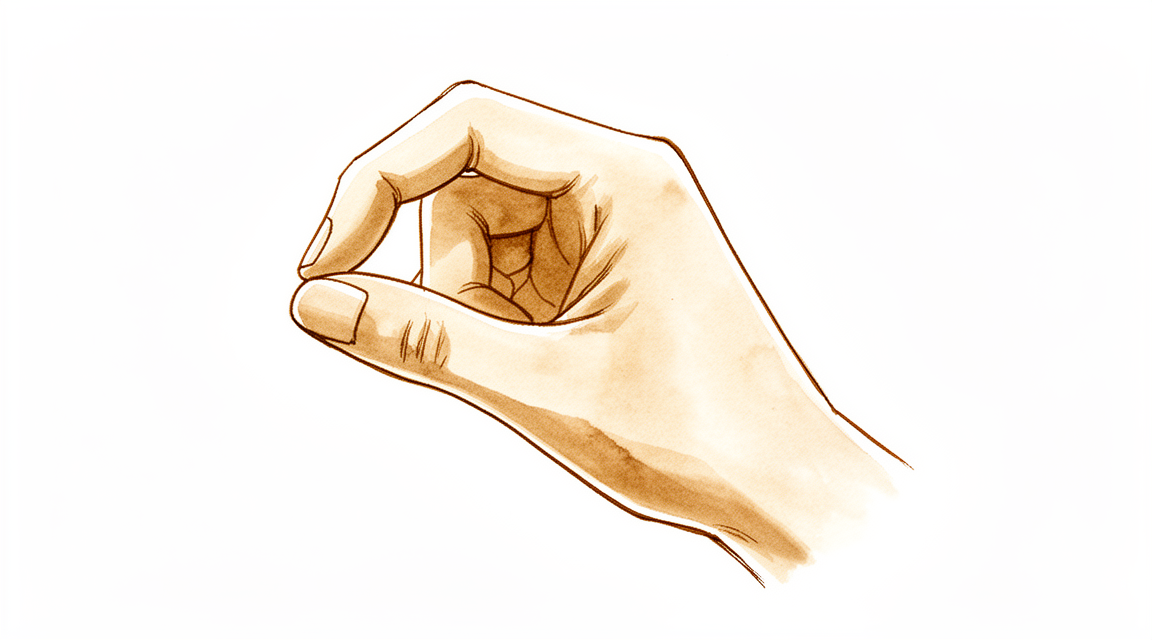
For patients: a plain-language version of this topic is available. See the patient guide.
Overview
Thumb arthroplasty serves as a reliable long-term solution for thumb base arthritis, delivering significant pain reduction and functional improvement even after 15 years of follow-up [3]. Total joint arthroplasty of the trapeziometacarpal joint has proven efficacious by improving motion, strength, and pain relief [4]. Compared with trapeziectomy with or without ligament reconstruction, the Touch prosthesis may yield a superior biomechanical profile, characterized by lower and better-distributed tendon loads required to achieve key pinch force [14]. Total joint replacement offers distinct advantages over other surgical treatments, including restoration of thumb length and alignment, good cosmetic results, and faster recovery [11]. However, the procedure is technically demanding and carries a potentially higher complication rate [11].
Clinical outcomes remain robust, with one study reporting a 96% implant survival rate at 2 years for the TouchRV prosthesis, leading authors to recommend it as the standard treatment for patients with isolated trapeziometacarpal joint osteoarthritis [16]. While pain relief from hand arthroplasty is generally good, high rates of deformity recurrence and complications persist depending on the implant type and joint involved [7]. The most common complications after surgery for basal thumb arthritis include those associated with resection arthroplasty, joint replacement, and joint fusion [6]. Routine retrieval and analysis of failed trapeziometacarpal joint implants is advocated as essential practice within hand surgery [5]. Limiting the magnitude of thumb loads after arthroplasty may contribute positively to the longevity of the procedure [2].
The landscape of thumb CMCJ prosthetic total joint replacement is evolving, with studies increasing in both number and quality [87]. From 2010 to 2022, nonprosthetic arthroplasty was the only cohort increasing in utilization, while LRTI still predominated [68]. Patient factors significantly influence surgical decision-making; prior surgical experience and surgeon attitudes toward thumb CMC arthritis appear to have a strong influence on the odds of patients undergoing surgery [22]. Patients treated with hand therapy had significantly longer times to surgery, and 2-year surgery rates were significantly higher in those who did not undergo therapy treatment [8]. Qualitative findings contribute to deeper insight into patient perspectives on hand function outcomes after total joint arthroplasty, complementing existing quantitative evidence [20]. Currently, there is no standardized data set required by major hand journals or recommended by hand surgeon bodies for functional scores in implant arthroplasty studies [12].
Anatomy & Pathophysiology
Bony Anatomy & Joint Structure
The basal joint complex of the thumb comprises four articulations of the trapezium, including the thumb metacarpal, scaphoid, and trapezoid, and the radial facet of the index metacarpal [32]. The trapeziometacarpal (TM) articulation evolved from a single-axis hinge in simian ancestors to a functional universal joint in humans to allow active opposition [32]. Recession of the prominent volar metacarpal beak facilitated rotational movement of the thumb ray [32]. The trapezium is angled out in front of the carpal plane so that the first metacarpal makes an angle of about 45 degrees with the second metacarpal in the sagittal plane [49]. The thumb metacarpal is the shortest metacarpal, and the index metacarpal is by far the longest [49]. The articular surfaces of the trapezium and the base of the first metacarpal have a saddle shape in opposing planes [49]. The radius of curvature of the thumb metacarpal articular surface is approximately one-third larger than the trapezial surface, resulting in little bony constraint except at the extremes of motion [55]. The trapeziometacarpal joint is specialized for rotation in pronation due to demands for thumb tactile gnosia and prehensile functions [131].
Ligaments & Soft Tissue Constraints
The "beak ligament" (palmar oblique ligament) originates from the volar ulnar beak of the base of the metacarpal and stabilizes the metacarpal in lateral pinch [32]. Incompetence or attrition of the beak ligament is a mechanism for osteoarthritis of the basal joint, substantiated by postmortem findings and clinical observation [18]. The primary contact area during functional activities involving flexion and adduction of the thumb involves the palmar surfaces of the trapezium and the metacarpal [18]. Postmortem material provides evidence of palmar pattern of wear of the joint surface in close association with degeneration of the palmar oblique ligament [18]. Thumb basal joint ligamentous anatomy provides extraordinary stability without sacrificing motion, resisting cantilever bending forces during pinch and grip [89]. When ligamentous restraint is compromised, functional grip and pinch can result in painful synovitis and hypermobility at the trapeziometacarpal joint long before the development of cartilage wear and arthritis [89].
Pathomechanics & Disease Progression
Painful instability predicated upon translational laxity of the TM joint surfaces is the hallmark of clinically apparent disease at the base of the thumb [32]. Advanced disease limits breadth of grasp and forceful lateral pinch activities such as brushing teeth, sewing, turning a key, opening a car door, or picking up a book [32]. Pain is frequently associated with a sensation of movement or "slipping" within the joint [32]. Thumb carpometacarpal joint osteoarthritis reflects the joint's teleology, where pathomechanics drive inflammatory markers and injury to soft tissue structures rather than simple wear and tear [127]. Altered thumb rotation patterns during pinch may contribute to joint misalignment and the development of osteoarthritis [115]. Dorsal subluxation in thumb flexion, jar, and pinch loading poses may be useful predictors of disease progression in patients with early thumb CMC OA [133]. Radiographic development of trapeziometacarpal arthrosis is an expected part of human aging, although clinically significant, functionally limiting trapeziometacarpal arthrosis is less common [61]. The development of clinically significant trapeziometacarpal arthrosis may be unrelated to hand use [61]. Thumb basal joint arthritis is a progressive disease with substantial new biomechanical and longitudinal clinical studies changing prevailing opinions on serial degenerative changes [108].
Kinematics & Biomechanics
Total joint arthroplasty is able to restore thumb function but cannot fully replicate the kinematics of the healthy TMC joint [13]. During thumb oppositional motion, internal rotation of the first metacarpal occurred, with the palmar base rotating primarily with respect to the dorsal base [113]. Thumb motion capability was unaffected by sex and handedness [107]. Directionally coupled motion patterns in the CMC joint are similar in men and women [120]. Thumbs in patients with TMC-OA and healthy thumbs have different kinematics during first dorsal interosseous (FDI) maneuvers [112]. An atrophic FDI may not be an efficient dynamic stabilizer in patients with TMC-OA [112]. Contraction of the FDI appears to radiographically reduce subluxation of the healthy thumb CMC joint [135]. A reduction in cylindrical grasp is associated with early symptomatic and radiographic CMC OA, whereas gross grasp is not associated with early thumb CMC OA [50]. Proximal migration of the thumb metacarpal does not appear to influence the functional outcome [17]. Trapeziectomy results in proximal migration of the first metacarpal, which is mitigated by suture suspensionplasty while maintaining normal motion [114]. Wrist biomechanics were significantly altered following trapeziectomy, and ligament reconstruction with tendon interposition (LRTI) most closely resembled the intact biomechanics in a cadaveric model [104]. The first metacarpal extension-abduction osteotomy alters abnormal stress distribution patterns in thumb CMC osteoarthritis, leading to a more uniform stress distribution across the joint [134]. Limiting the magnitude of thumb loads after arthroplasty may contribute positively to the longevity of this procedure [2].
Clinical Presentation & Assessment
The prevalence of primary osteoarthritis in the TMC joint is reported to be as high as 15% in adults over age 30, and as many as one-third of postmenopausal women are affected by the condition [79]. The thumb provides approximately 40% of hand function and nearly one-fourth of overall bodily function [79]. Painful basal joint hypermobility develops because of pathologic translation of TM joint surfaces during lateral pinch [55]. The insidious development of symptoms in the young female may be associated with generalized ligamentous laxity [55]. A past history of a benign "sprain" may reflect transient TM subluxation with secondary injury to the palmar oblique (beak) ligament [55]. Forces experienced at the thumb tip during lateral pinch are multiplied several-fold at the TM joint [55]. The inter-metacarpal distance method is currently the most reliable tool for measuring thumb abduction [110]. Three-dimensional assessment of thumb kinematics can enhance understanding of expected outcomes and aid in postoperative assessment and patient education [26]. Kinematic analysis of the thumb CMC joint is effective in differentiating surgical treatments used for end-stage OA [106]. The automated approach using four-dimensional computed tomography significantly decreased the time needed to analyse each case and makes this model applicable for further research on TMC kinematics [117].
Classification
Eaton–Littler: The Eaton–Littler radiographic classification system is used to stage thumb trapeziometacarpal joint osteoarthritis preoperatively [60].
Dell et al. (1978): Thumb basal joint arthritis is graded using the classification of Dell et al. (1978) [29].
Kapandji: The Kapandji classification assesses the motion of the thumb in opposition on a scale from 0 to 10 [57]. Stage 0 is defined as the tip of the thumb located on the lateral aspect of the first phalanx of the index finger [30]. Stage 1 corresponds to the beginning of opposition, with the thumb tip in contact with the lateral side of the middle phalanx of the index finger [30]. Stage 2 is defined as the tip of the thumb contacting the lateral side of the distal phalanx of the index finger without longitudinal rotation [30]. Stage 3 involves the tip of the thumb touching the tip of the index finger, achieving minimal opposition with a tip-to-tip pinch [30]. Stage 4 is defined as the tip of the thumb touching the tip of the middle finger [30]. Stage 5 is defined as the tip of the thumb coming in contact with the tip of the ring finger [30]. Stage 6 is defined as the tip of the thumb reaching the tip of the little finger [30]. Stage 7 is defined as the tip of the thumb crossing the distal interphalangeal crease of the little finger [30]. Stage 8 is defined as the tip of the thumb crossing the proximal interphalangeal crease of the little finger [30]. Stage 9 is defined as the tip of the thumb touching the proximal crease of the little finger, corresponding with the base of its proximal phalanx [30]. Stage 10 is defined as the tip of the thumb reaching the distal palmar crease of the little finger, corresponding with the metacarpophalangeal joint [30].
Other Considerations: The radiological classification does not describe all stages of carpometacarpal joint osteoarthritis accurately enough to permit reliable and consistent communication between clinicians [88]. The metacarpal surface of the trapezium demonstrates three distinct patterns of wear in arthritic surgical specimens [35]. A classification system (Type I, II, III) has been proposed for trans-trapezium carpometacarpal dislocation of the thumb to aid management [184]. CMC arthroplasty implants are classified into four design types: total joint replacement, hemiarthroplasty, interposition arthroplasty, and miscellaneous designs [59].
Clinical Presentation
Symptoms and Functional Impairment
Painful instability predicated upon translational laxity of the trapeziometacarpal joint surfaces is the hallmark of clinically apparent disease at the base of the thumb [32]. Complaints are vaguely directed to the base of the thumb, with pain frequently associated with a sensation of movement or "slipping" within the joint [32]. While pain is localized to the base, it may radiate proximally to the radial forearm [56]. Thumb carpometacarpal arthritis is a potentially debilitating condition causing pain and weakness with the essential movements of the first metacarpal-trapezial joint: opposition, key pinch (prehension), and circumduction [56]. Synovitis and effusion of early disease may be associated with thenar tenderness and first webspace cramping [56].
The greatest functional impairment occurs with advanced disease limiting breadth of grasp and forceful lateral pinch activities such as brushing teeth, sewing or needlepoint, turning a key, opening a car door, or picking up a book [32]. As the disease progresses, associated subjective instability and objective deformity are noted as the shoulder sign, or the radial prominence of the dorsally subluxed first metacarpal [56]. Patients with trapeziometacarpal osteoarthritis predominantly visit hand surgeons seeking treatment to reduce pain, whereas function and aesthetics have minor roles [144].
Clinical Assessment and Diagnostic Correlation
There is a poor correlation between radiographic severity of degenerative disease and clinical symptomatology [70]. The high prevalence of other symptomatic disorders of the hand requires a complete and standardized clinical examination of the hand, as they must be considered during surgical planning [140]. Wrist radiographs demonstrate a 47% sensitivity and 94% specificity in predicting end-stage scaphotrapezoid joint arthritis, emphasizing the importance of directly visualizing the scaphotrapezoid joint after trapeziectomy [76].
The primary contact area during functional activities involving flexion and adduction of the thumb, such as lateral pinch and grip, involves the palmar surfaces of the trapezium and the metacarpal [18]. Study of postmortem material has provided evidence of palmar pattern of wear of the joint surface in close association with degeneration of the palmar oblique ligament from the articular margin of the metacarpal [18]. A mechanism for osteoarthritis of the basal joint predicated on incompetence of the beak ligament is substantiated by postmortem findings and clinical observation that symptomatic relief and prevention of osteoarthritis follow ligament reconstruction in thumbs with abnormal trapeziometacarpal laxity [18].
Disease progression is characterized by distinct stages: Stage I: Involves synovitis of the carpometacarpal joint and pathological laxity without eburnation of the cartilage and narrowing of the joint space [18]. Stages II and III: Characterized by attrition of the beak ligament, loss of cartilage, narrowing of the joint space, and formation of osteophytes and loose bodies that are less than and greater than two millimeters in diameter, respectively [18]. Stage IV: Represents the end stage — that is, pantrapezial osteoarthritis [18].
Investigations
Clinical Assessment: Reduction in cylindrical grasp strength is associated with early symptomatic and radiographic thumb carpometacarpal osteoarthritis [50]. In contrast, gross grasp strength is not associated with early thumb carpometacarpal osteoarthritis [50]. There is a poor correlation between the radiographic severity of degenerative disease and clinical symptomatology at the thumb trapeziometacarpal joint [70]. A negative grind test does not necessarily reflect negative radiographic evidence of thumb carpometacarpal osteoarthritis [190].
Plain Radiography: Wrist radiographs demonstrate a 47% sensitivity and 94% specificity in predicting end-stage scaphotrapezoid joint arthritis [76]. The radiological classification of carpometacarpal joint osteoarthritis does not describe all stages accurately enough to permit reliable and consistent communication between clinicians [88]. Dual-plane radiographs are used to determine the length of the first and second metacarpals, with the M1/M2 ratio calculated preoperatively and postoperatively [19]. Dorsal subluxation is assessed on the lateral x-ray by measuring the percent of proximal articular surface of the metacarpal base that extends beyond the distal articular surface of the trapezium [30]. Implant subsidence into the metacarpal is determined by measuring the change in distance from the distal surface of the implant to the articular subchondral line of the metacarpal head [30].
CT: Significantly greater trabecular bone volume, thickness, and connectivity in the volar-ulnar quadrant compared with the dorsal-radial and dorsal-ulnar quadrants provides evidence that the greatest compressive loads at the first carpometacarpal joint occur at the volar-ulnar quadrant of the trapezium [186]. Subjects presenting with early thumb carpometacarpal osteoarthritis had significantly lower bone density as assessed with Hounsfield units at the trapezium and first metacarpal base [188].
Bone Scan: Increased uptake of Tc-99m–labeled diphosphonates by osteoblasts equals increased bone formation and can be measured with bone scintigraphy [64]. Prolonged increased tracer uptake on bone scintigraphy can be a sign of problematic bone fixation and is useful in the diagnosis of postoperative pain [64]. The normal evolution of scintigraphic uptake after trapeziometacarpal total joint arthroplasty is not known and may not be the same as the pattern seen in the hip [64].
Other Considerations: The Kapandji score for thumb opposition ranges from Stage 0 (tip of thumb on lateral aspect of first phalanx of index finger) to Stage 10 (tip of thumb reaches distal palmar crease of little finger) [30].
Treatment
Non-Operative
Degenerative arthritis of the thumb carpometacarpal (CMC) joint is a common treatable condition where nonoperative modalities are effective for early stages, while surgical options are reserved for cases refractory to conservative measures [181]. In a prospective cohort study, 85% of patients who did not undergo surgery improved in pain and function, although only improvements in pain were significant and clinically relevant [183]. Patients treated with hand therapy had significantly longer times to surgery, and the 2-year surgery rates were significantly higher in those who did not undergo therapy treatment [8]. Denervation, joint lavage, and capsular imbrication could be a good alternative to more invasive surgical options in patients with earlier stages of thumb CMC joint osteoarthritis, with advantages including a low rate of complications, low invasiveness, and short recovery times [141].
Operative
Indications: Surgery is indicated for patients with isolated trapeziometacarpal joint osteoarthritis, for whom the Touch prosthesis is recommended as the standard treatment based on a 96% implant survival rate at 2 years [16]. Patients with thumb carpometacarpal arthritis and Ehlers-Danlos Syndrome who have pain refractory to conservative therapy may benefit from relief and increased hand strength following surgical intervention [164]. The current evidence supports trapeziectomy alone, and there is scepticism regarding implant arthroplasty, with a suggestion to prioritize establishing the efficacy of trapeziectomy over non-surgical treatments and exploring whether there is a placebo element to the surgery [65]. There will be a choice or range of procedures in the surgical toolbox, of which the right one must be chosen for the individual patient based on evidence for each procedure's advantages and disadvantages [148].
Surgical Approach / Technique: Trapeziectomy remains the simplest and one of the most established surgical modalities with good long-term outcomes and acceptable side effect profiles [42]. The underlying trapezium excision is probably the prime factor in patients' clinical improvement, and thumb index metacarpal stabilization needs to be based on each individual clinical scenario [77]. The basal joint of the thumb is exposed through a modified Wagner incision, which has a longitudinal component parallel to the long axis of the thumb metacarpal located in the interval between the glabrous palmar and nonglabrous dorsal skin [155]. In volar ligament reconstruction, a hole is made in the base of the thumb metacarpal from dorsal to volar, parallel and approximately 1.0 cm distal to the articular surface [155]. In the addition–subtraction osteotomy technique, an osteotomy parallel to the articular surface is made approximately 8 mm distal to the TM joint in the metaphyseal region [175]. The Double Tightrope procedure is performed under general anesthesia or with a regional block, with a skin incision made dorsally over the trapeziometacarpal joint [81]. In this procedure, the abductor pollicis longus and extensor pollicis brevis tendons are identified and the joint capsule is approached within the interval between these tendons [81]. The trapezium is removed in a piecemeal manner, taking care to protect the underlying tendon of the flexor carpi radialis [81]. A second dorsal 2-cm incision is made over the base of the index metacarpal to raise full-thickness radial and ulnarly based periosteal flaps [81]. Arthroscopic management of thumb CMC joint arthritis is routinely performed under portal site local anesthesia, allowing the patient to watch the arthroscopic monitor and understand the degree of joint degeneration [173]. In arthroscopic management, the arm is secured on the traction tower baseplate with a positioning strap, with the elbow flexed 90° and the thumb suspended with a single nylon finger trap applying a vertical traction force of about 8 lbs [173]. Arthroscopic hemitrapsiectomy and thermal capsular modification without interposition for Stage III thumb carpometacarpal arthritis yields results that appear to last for a minimum of 4 years and are comparable to those reported for open techniques involving complete trapeziectomy [147]. Suture button suspensionplasty after arthroscopic partial trapeziectomy allows for early mobilization and may offer a potential improvement on current techniques [179]. The modified Weilby technique for basilar thumb osteoarthritis has resulted in less thumb subsidence than the original technique [176].
Implant Selection: Total joint arthroplasty with a Touch prosthesis may yield a superior biomechanical profile compared with trapeziectomy with or without ligament reconstruction, characterized by lower and better-distributed tendon loads needed to achieve a certain key pinch force [14]. Total joint arthroplasty restores thumb function but cannot fully replicate the kinematics of the healthy trapeziometacarpal joint [13]. Total joint replacement offers advantages over other surgical treatments, including restoration of thumb length and alignment, good cosmetic results, and faster recovery, though it is technically demanding with a potentially higher complication rate [11]. The ARPE prosthesis of the thumb trapeziometacarpal joint has proven to be a reliable and effective implant [54]. Trapezial-metacarpal joint replacement using an ARPE implant provides excellent pain relief, good function, and in the event of failure, uncomplicated potential for salvage [84]. In thumb carpo-metacarpal total joint arthroplasty, the prosthetic cup in the trapezium should be placed parallel to the proximal articular surface of the trapezium and combined with a metacarpal stem with 7° palmar offset [162]. After a minimal of 3 years of follow-up, a prosthesis with double mobility seemed to bring better stability in implant for thumb prosthetic replacement [177]. Most problems derived from the trapezium cup in Elektra prosthesis cases, and only ten of the 19 implants showed no sign of failure [171]. The Elektra prosthesis is an unconstrained, uncemented ball-and-socket prosthesis consisting of a hydroxyapatite-coated titanium stem, a chrome–cobalt steel cup with a hydroxyapatite-coated thread, and a chrome–cobalt steel head on a neck [172]. Reconstructing the trapezium and inserting a CMI pyrocarbon hemiarthroplasty implant preserves the thumb's projection, length, and stability [158]. Arthroplasty using a silicone prosthesis can provide immediate and long-term relief of pain and good function in the basal joint of the thumb with arthritis [67]. The use of Swanson silastic interposition arthroplasty in revision thumb-base surgery for failed trapeziectomy found good medium-term results and high satisfaction rates, advocating the technique as an effective treatment option provided other treatable causes of poor outcome are excluded [23].
Adjuncts: Ligament reconstruction and tendon interposition leads to very good patient satisfaction and high objective measures of function, including return of strength and dexterity to even the severely affected thumb, with excellent long-term results [1]. Abductor pollicis longus tendon interposition results in some reduction in thumb abduction from 3.5 to 13 years after surgery, although other gains after surgery are retained and in some instances slightly improved [10]. Thumb basal joint arthroplasty using abductor pollicis longus tendon restored a stable, pain-free thumb that yielded excellent strength and motion at an average of 5.5 years after the procedure [37]. The "Pillow" technique for thumb carpometacarpal joint arthritis provides pain relief and satisfactory function at an average of 12.5 years after surgery [168]. Trapeziometacarpal limited excision arthroplasty is a simple and reliable alternative to existing surgical techniques for treating Stage II or III thumb carpometacarpal joint arthritis [72]. The Tightrope procedure should be considered as an option for patients needing thumb CMC arthroplasty due to reduced healing time, reduced weeks of immobility, and fewer therapy visits [73]. Extensor pollicis brevis spiral tenodesis for combined metacarpophalangeal instability and trapeziometacarpal arthritis resulted in significant reduction in DASH scores and improvements in grip and pinch strength, with no new source of substantial pain or functional morbidity [38]. Abductor pollicis longus suspension ligamentoplasty for advanced first carpometacarpal arthritis provided excellent pain control with a mean VAS score of 1.7 and allowed patients to return to occupational activities [182]. Both ligament reconstruction and tendon interposition and hematoma distraction arthroplasty satisfied the principal goals to provide a stable, mobile, pain-free thumb [41]. Fusion of the first metacarpotrapezial joint is an excellent option for patients needing a strong, painless thumb, even with minor pre-existing changes in adjacent joints [9].
Other Considerations: In the surgical technique for tendon interposition arthroplasty, degenerative changes in both the trapeziometacarpal and scaphotrapezial joints are an indication for trapezium replacement arthroplasty, while disease limited to the trapeziometacarpal joint is an indication for interposition arthroplasty [165]. In the surgical technique for tendon interposition arthroplasty, effusion, osteophyte formation, or eroded joint surfaces in the scaphotrapezial joint indicate stage IV degeneration and trapezial resection with or without implant, or fascial arthroplasty [165]. The Touch prosthesis kit includes an instrument to be put under the trapezium for protection of the radial artery and its volar branches during the trapezium cut and cup placement [19]. Post-interventional care for Elektra prosthesis implantation included 3 weeks immobilization in a splint, followed by 6 weeks of hand therapy [172]. After interposition arthroplasty of the thumb followed by two weeks cast fixation, a thermoplastic short orthotic thumb device should be used [153]. The authors advocate that routine retrieval and analysis of failed trapeziometacarpal joint implants be considered essential practice within hand surgery [5].
Outcomes and Complications: Thumb arthroplasty is a reliable long-term solution for thumb base arthritis, with significant pain reduction and functional improvement, even after 15 years of follow-up [3]. Total joint arthroplasty of the thumb CMC joint has proven to be efficacious with improved motion, strength, and pain relief [4]. While pain relief after hand arthroplasty is generally good, there are high rates of deformity recurrence and complications depending on the implant type and joint involved [7]. Pain relief and improved hand function appear to be key determinants of patient satisfaction 5 years after dual-mobility trapeziometacarpal joint implant arthroplasty [33]. Patients undergoing De la Caffinière thumb trapeziometacarpal joint arthroplasty had satisfactory power and thumb mobility and continued to be satisfied without pain at 16–26 year follow-up [34]. The most common complications after surgery for basal thumb arthritis are reviewed with emphasis on resection arthroplasty, joint replacement, and joint fusion, highlighting possible management strategies for different types of complications [6]. In a series of 25 cases of narrow pseudoarthrosis, no revision surgery was required, and there was no recurrence of pain or loss of thumb functionality and movement at final follow-up [43]. In a series of 25 cases of narrow pseudoarthrosis, two cases of prolonged hypoaesthesia over the dorso-radial surface of the thumb were observed, presumably due to intra-operative damage to the sensory branches of the radial nerve, but both resolved by final follow-up [43]. In a series of 25 cases of narrow pseudoarthrosis, a superficial painful reaction to one of the K-wires was observed in four cases at the first post-operative visit, which was considered due to slight loosening of the wire causing skin irritation [43].
Pre-operative Considerations: Patients' prior surgical experience and surgeon attitudes toward thumb CMC arthritis appear to have a strong influence on the odds of patients undergoing surgery for thumb CMC arthritis [22]. There is no standardized data set required by major hand journals or recommended by hand surgeon bodies, and functional scores are used infrequently in studies on implant arthroplasty despite their importance [12]. There is a lack of consensus on critical outcomes after surgery for thumb CMC joint OA [21]. International hand surgeons rely more on current evidence, utilize less postoperative therapy and opioid medications, and change procedures more often than US hand surgeons [85]. Of surgical options to address thumb carpometacarpal arthritis, LRTI still predominates, but nonprosthetic arthroplasty was the only cohort increasing in utilization over the years from 2010 to 2022 [68].
Complications
Infection (PJI): The overall wound complication rate for CMC arthroplasty is 0.66% [210]. In a series of 199 patients with Arpe® prostheses, no evidence of deep infection was found [154]. Similarly, no superficial or deep infection was observed in a series of 84 cases of second generation Guepar total arthroplasty [157]. In a comparison of arthrodesis and arthroplasty for Chinese thumb carpometacarpal osteoarthritis, no infections of the incision or deep tissues occurred [146]. The incidence of periprosthetic joint infection among patients with rheumatoid arthritis is 1.6 times greater than in patients undergoing the same procedure for osteoarthritis [204]. TJA cases following an infected case in the same room on the same day have a higher infection risk, although surgical case order is not an independent risk factor for subsequent PJI [189]. A Delphi process supported by literature review provides the first structured guidance for the management of periprosthetic joint infections of the trapeziometacarpal joint of the thumb [25].
Aseptic loosening: Loosening of the prosthesis is a leading cause of poor outcome in arthroplasty, attributed to mechanical failure, prosthetic fracture, prosthetic malposition, soft tissue imbalance, or excessive joint laxity [124]. Several implant designs for thumb CMC joint arthroplasty have demonstrated high rates of failure due to aseptic loosening, dislocation, and persisting pain [202]. The rate of early aseptic failure for an uncemented thumb carpometacarpal joint ceramic prosthesis was reported as unacceptably high [205]. Early clinical failure of a cementless thumb basal joint hemiarthroplasty has been reported, contrasting with previous literature that reported 94% survivorship [209]. The Moje thumb carpometacarpal joint arthroplasty has a high frequency of failure [58]. In a series of 199 patients with Arpe® prostheses, cup loosening occurred in 4.6% of cases, and three implants showed partial radiolucency proximally, while no complete loosening of the stem was present [154]. Prosthesis loosening was not detected in a series using a cemented surface replacement prosthesis in the basal thumb joint [150]. A single surgical revision was necessary at 15 months after second generation Guepar total arthroplasty due to persistent pain secondary to cup loosening [157]. Due to the high rate of loosening, a hemiarthroplasty implant for trapeziometacarpal arthritis should only be used in low-demand patients [207].
Instability: Dislocation occurred in 5.3% of cases in a series of 199 patients with Arpe® prostheses [154]. No subluxation between implant components was observed in cases of loosening with implant mobilization in a series of 84 cases of second generation Guepar total arthroplasty [157]. No intraoperative metacarpal or trapezial fractures or dislocations of the implant were found in a series of 84 cases of second generation Guepar total arthroplasty [157].
Periprosthetic fracture: Fractures of the trapezium occurred in three patients in a series of 199 patients with Arpe® prostheses [154]. Two excessive trapezium osteotomies occurred in a series of 199 patients with Arpe® prostheses, both of which failed [154]. One stem penetration of the cortex of the thumb metacarpal occurred in a series of 199 patients with Arpe® prostheses, which remained functional in situ without evidence of loosening [154].
Nerve palsy: Thirteen patients complained of moderate paraesthesia or dysesthesia dorsally on the thumb in a series of 199 patients with Arpe® prostheses [154]. Two patients reported persistent dorsal paraesthesia or dysesthesia at the 10-year review in a series of 199 patients with Arpe® prostheses [154]. No sensory problems of the dorsal side of the thumb were observed in a series of 84 cases of second generation Guepar total arthroplasty [157]. Cutaneous nerve damage was the primary complication discovered during follow-up in a comparison of arthrodesis and arthroplasty for Chinese thumb carpometacarpal osteoarthritis, with 5 cases of numbness at the surgical site [146]. Prolonged hypoaesthesia over the dorso-radial surface of the thumb occurred in two cases following narrow pseudoarthrosis, presumably due to intra-operative damage to sensory branches of the radial nerve [43]. Both cases of prolonged hypoaesthesia following narrow pseudoarthrosis had resolved by final follow-up [43].
Wound complications: Five cases of suture reaction occurred in a series of 199 patients with Arpe® prostheses [154]. A superficial painful reaction to a K-wire was observed in four cases at the first post-operative visit following narrow pseudoarthrosis for scaphotrapezial arthritis [43]. Reoperation rates and superficial infections were relatively high with the described method of fixation for thumb metacarpal extension osteotomy [80].
Other Considerations: Total arthroplasty of the thumb CMC joint is associated with a higher complication rate and significant extra cost compared to trapeziectomy and its variants [195]. The overall complication rate for CMC arthroplasty is 1.3% [210]. High rates of deformity recurrence and complications are observed in hand arthroplasty, varying by implant type and joint involved [7]. Total joint replacement for the thumb CMC joint is technically demanding and carries a potentially higher complication rate than other surgical treatments [11]. The Maïa® trapeziometacarpal joint arthroplasty is associated with high complication and revision rates [200]. The high complication and revision rates associated with the Maïa® trapeziometacarpal joint arthroplasty remain a major concern [200]. Despite relatively satisfactory implant survivorship in the Norwegian Arthroplasty Register, current evidence does not support widespread implementation of thumb CMC replacements [82]. The ARPE prosthesis for the thumb TMC joint provides uncomplicated potential for salvage in the event of failure [84]. The frequency of small trapeziums was higher in failed cases than in functional outcomes in a series of 199 patients with Arpe® prostheses [154]. Three patients experienced transient complex regional pain syndrome type I in a series of 199 patients with Arpe® prostheses [154]. Three cases of type 1 complex pain syndrome (algodystrophy) appeared in a series of 84 cases of second generation Guepar total arthroplasty [157]. No allergies to the prosthetic materials were observed in a series of 84 cases of second generation Guepar total arthroplasty [157]. A secondary rupture of the extensor pollicis longus tendon occurred in one patient six weeks postoperatively in a series of 84 cases of second generation Guepar total arthroplasty [157]. No cases of secondary ossification in the prosthetic joint were observed in a series of 84 cases of second generation Guepar total arthroplasty [157]. No intraoperative complications were reported in a study comparing accelerated versus traditional rehabilitation following arthroscopic distal scaphoid resection [122]. Patients should be warned about the potential complication of flexor carpi radialis tendinitis after trapeziectomy and abductor pollicis longus suspensionplasty [203]. The outcomes of secondary trapeziectomy after failed trapeziometacarpal joint replacement arthroplasty generally do not differ from the primary trapeziectomy results [86]. Although 68% of patients indicated that their thumb was better than before primary surgery, the outcome after revision surgery for thumb carpometacarpal resection arthroplasty was less favourable than that reported for primary trapeziectomy with ligament reconstruction and tendon interposition [24]. Good medium-term results and high satisfaction rates were found for Swanson silastic interposition arthroplasty in revision thumb-base surgery for failed trapeziectomy [23]. A lack of metacarpal subsidence was observed past 5 years in most patients following revision of the failed thumb carpometacarpal arthroplasty [111]. Secondary outcomes including key pinch strength, pain, the brief Michigan Hand Outcomes Questionnaire and complications did not differ between groups at 2 years following correction of metacarpophalangeal joint hyperextension after trapeziometacarpal joint implant arthroplasty [201].
Recovery
Light activity (weeks): The evidence does not specify a distinct week range for light activities such as desk work or driving. However, a postoperative regimen with early mobilization after trapeziectomy is as safe and effective as a regimen with longer immobilization in patients with first carpometacarpal osteoarthritis [156]. The reduced weeks of immobility following the Tightrope procedure suggest it should be considered as an option for patients needing thumb carpometacarpal arthroplasty [73].
Full activity (months): The evidence does not specify a distinct month range for the return to manual work, sport, or full range of motion and strength. Total joint replacement offers faster recovery compared to other surgical treatments for thumb carpometacarpal joint osteoarthritis [11].
Complete recovery / outcome plateau (months): The evidence does not specify a distinct month range for the stabilization of pain, strength, and final functional outcomes.
Rehabilitation protocol: Rehabilitation following thumb carpometacarpal arthroplasty predominantly utilizes clinical expertise, with multiple therapy programs existing [139]. A home-based video-assisted therapy program is noninferior to in-person hand therapy for upper extremity function after thumb carpometacarpal arthroplasty [53].
Functional milestones: Fifty-eight percent of patients had good hand function results following trapeziectomy with ligamentoplasty stabilisation, with the spherical grip being the most difficult to restore [75]. Total joint arthroplasty is able to restore thumb function but cannot fully replicate the kinematics of the healthy trapeziometacarpal joint [13].
Other Considerations: There is a lack of consensus on critical outcomes after surgery for thumb carpometacarpal joint osteoarthritis [21].
Key Evidence
- [L4] The procedure described leads to very good patient satisfaction and high objective measures of function, including return of strength and dexterity to even the severely affected thumb, with excellent long-term results. [1] (10.1016/j.hcl.2012.08.018)
- [L5] Limiting the magnitude of thumb loads after arthroplasty may contribute positively to the longevity of this procedure. [2] (10.1177/1753193416659230)
- [L4] This series demonstrates that thumb arthroplasty is a reliable long-term solution for thumb base arthritis, with significant pain reduction and functional improvement, even after 15 years of follow-up. [3] (10.1177/15589447241233367)
- [L4] In our series, total joint arthroplasty of the thumb CMC joint has proven to be efficacious with improved motion, strength, and pain relief. [4] (10.1016/j.jhsa.2006.08.008)
- [L5] The authors advocate that routine retrieval and analysis of failed trapeziometacarpal joint implants be considered essential practice within hand surgery. [5] (10.1177/17531934261452468)
- [L5] The article reviews the most common complications after surgery for basal thumb arthritis, emphasizing resection arthroplasty, joint replacement, and joint fusion, and highlights possible management strategies for the different types of complications. [6] (10.1177/17531934231197787)
- [L4] The review describes various arthroplasty possibilities, indications, and surgical techniques for hand joints, noting that while pain relief is generally good, there are high rates of deformity recurrence and complications depending on the implant type and joint involved. [7] (10.1177/17531934211017703)
- [L2] Patients treated with hand therapy had significantly longer times to surgery, and the 2-year surgery rates were significantly higher in those who did not undergo therapy treatment. [8] (10.1016/j.jhsa.2023.05.019)
- [L4] It is an excellent option for patients needing a strong, painless thumb, even with minor pre-existing changes in adjacent joints. [9] (10.2106/00004623-197759010-00003)
- [L3] Although there is some reduction in thumb abduction from 3.5 to 13 years after surgery, other gains after surgery are retained and in some instances slightly improved. [10] (10.1186/s12891-016-0910-5)
- [L5] Total joint replacement offers advantages over other surgical treatments, including restoration of thumb length and alignment, good cosmetic results, and faster recovery, though it is technically demanding with a potentially higher complication rate. [11] (10.1530/eor-22-0027)
- [L4] There is no standardized data set required by major hand journals or recommended by hand surgeon bodies, and functional scores are used infrequently in studies on implant arthroplasty despite their importance. [12] (10.1177/1753193419883968)
- [L4] We also showed that, whereas total joint arthroplasty is able to restore thumb function, it cannot fully replicate the kinematics of the healthy TMC joint. [13] (10.1016/j.jhsa.2017.10.011)
- [L5] Total joint arthroplasty with a Touch prosthesis may yield a superior biomechanical profile in which the tendon loads needed to achieve a certain key pinch force are lower and better distributed between the actuator muscles compared with trapeziectomy with or without ligament reconstruction. [14] (10.1177/17531934211015915)
- [L4] The study reports a 96% implant survival rate at 2 years with promising patient-reported and clinical outcomes, leading the authors to recommend surgery with the TouchRV prosthesis as the standard treatment for patients with isolated trapeziometacarpal joint osteoarthritis. [16] (10.1177/17531934231179581)
- [L1] Furthermore, proximal migration of the thumb metacarpal does not appear to influence the functional outcome. [17] (10.2106/jbjs.d.02630)
- [L4] [18] (10.2106/00004623-199503000-00003)
- [L3] [19] (10.1016/j.jhsg.2024.03.004)
- [L4] These findings contribute to deeper insight into patients perspectives on hand function outcomes after both trapeziectomy and total joint arthroplasty, complementing existing quantitative evidence beyond clinimetrics and patient reported outcome measures. [20] (10.1177/17531934261418538)
- [L1] There is a lack of consensus on critical outcomes after surgery for thumb CMC joint OA. [21] (10.1016/j.jhsa.2020.05.024)
- [L4] Instead, patients' prior surgical experience and surgeon attitudes toward thumb CMC arthritis appear to have a strong influence on the odds of patients undergoing surgery for thumb CMC arthritis. [22] (10.1016/j.jhsa.2021.02.009)
- [L4] The study found good medium-term results and high satisfaction rates, advocating the technique as an effective treatment option for revision thumb-base surgery provided other treatable causes of poor outcome are excluded. [23] (10.1177/1753193412447496)
- [L4] Although 68% of patients indicated that their thumb was better than before primary surgery, the outcome after revision surgery was less favourable than that reported for primary trapeziectomy with ligament reconstruction and tendon interposition. [24] (10.1177/17531934211050559)
- [L4] This Delphi process, supported by literature review, provides the first structured guidance for the management of PJIs of the trapeziometacarpal joint of the thumb. [25] (10.1177/17531934251385450)
- [L3] Three-dimensional assessment of thumb kinematics can enhance understanding of expected outcomes and aid in postoperative assessment and patient education. [26] (10.1177/17531934251393568)
- [L4] [29] (10.1177/17531934221123166)
- [L4] [30] (10.1016/j.jhsa.2008.10.017)
- [L5] [32] (10.1016/s0749-0712(21)00238-9)
- [L4] Pain relief and improved hand function appear to be key determinants of patient satisfaction. [33] (10.1177/17531934261468204)
- [L4] Patients had satisfactory power and thumb mobility and continued to be satisfied without pain. [34] (10.1177/1753193411433226)
- [L3] The metacarpal surface of the trapezium demonstrates three distinct patterns of wear in arthritic surgical specimens. [35] (10.1055/s-0033-1350088)
- [L4] This technique restored a stable, pain-free thumb that yielded excellent strength and motion at an average of 5.5 years after the procedure. [37] (10.1016/j.jhsa.2011.05.026)
- [L4] The procedure resulted in significant reduction in DASH scores and improvements in grip and pinch strength, with no new source of substantial pain or functional morbidity. [38] (10.1177/1558944717695753)
- [L3] Both groups satisfied the principal goals to provide a stable, mobile, pain-free thumb. [41] (10.1016/j.jhsa.2010.08.034)
- [L1] Trapeziectomy remains the simplest and one of the most established surgical modalities with good long-term outcomes and acceptable side effect profiles. [42] (10.1016/j.jhsg.2024.12.005)
- [L4] [43] (10.1177/1753193415609656)
- [L3] A reduction in cylindrical grasp is associated with early symptomatic and radiographic CMC OA, whereas gross grasp is not associated with early thumb CMC OA, suggesting that cylindrical grasp may be a better tool to detect changes in thumb and hand function seen during early disease stages. [50] (10.1007/s11999-016-5151-2)
- [L1] VOT was noninferior to IPT for upper extremity function after thumb CMC arthroplasty. [53] (10.2106/jbjs.23.00597)
- [L4] The ARPE prosthesis of the thumb TMC joint has proven to be a reliable and effective implant. [54] (10.1016/j.jhsa.2017.05.007)
- [L4] [55] (10.1016/s0749-0712(21)00240-7)
- [L5] [56] (10.1016/j.hcl.2010.05.006)
- [L4] [57] (10.1016/j.jhsa.2014.07.011)
- [L4] [58] (10.1177/1753193412454252)
- [L4] This systematic review classifies CMC arthroplasty implants into four design types: total joint replacement, hemiarthroplasty, interposition arthroplasty, and miscellaneous designs, providing an overview of strategies, design changes, and biomechanical characteristics of currently available implants for treating osteoarthritis of the thumb. [59] (10.1016/j.jhsa.2019.11.015)
- [L4] [60] (10.1177/1753193420906805)
- [L5] Radiographic development of trapeziometacarpal arthrosis is an expected part of human aging, although clinically significant, functionally limiting trapeziometacarpal arthrosis is less common, and its development may be unrelated to hand use. [61] (10.1016/j.jhsa.2015.04.038)
- [L4] [64] (10.1177/17531934251345359)
- [Letter] [65] (10.1177/17531934211008365)
- [L4] Arthroplasty using a silicone prosthesis can provide immediate and long-term relief of pain and good function in the basal joint of the thumb with arthritis. [67] (10.2106/00004623-198769070-00006)
- [L2] Of surgical options to address thumb carpometacarpal arthritis, LRTI still predominates, but nonprosthetic arthroplasty was the only cohort increasing in utilization over the years. [68] (10.1016/j.jhsa.2025.03.014)
- [L5] The paper describes clinical assessment of the thumb trapeziometacarpal joint, noting a poor correlation between radiographic severity of degenerative disease and clinical symptomatology. [70] (10.1016/s0749-0712(21)00239-0)
- [L4] Trapeziometacarpal limited excision arthroplasty is a simple and reliable alternative to existing surgical techniques for treating Stage II or III thumb carpometacarpal joint arthritis. [72] (10.1177/1753193412469127)
- [L4] The reduced healing time, reduced weeks of immobility, and fewer therapy visits following the procedure suggest that the Tightrope procedure should be considered as an option for patients needing thumb CMC arthroplasty. [73] (10.1016/j.jht.2013.12.012)
- [L4] Fifty-eight percent of patients had good hand function results, with the spherical grip being the most difficult to restore. [75] (10.1016/j.otsr.2009.03.015)
- [L3] Wrist radiographs demonstrate a 47% sensitivity and 94% specificity in predicting end-stage ST joint arthritis, emphasizing the importance of directly visualizing the ST joint after trapeziectomy. [76] (10.1177/1558944718765246)
- [L5] The multiplicity of treatment modalities for carpometacarpal joint arthritis shows that the underlying trapezium excision is probably the prime factor in patients' clinical improvement, and thumb index metacarpal stabilization needs to be based on each individual clinical scenario. [77] (10.1016/j.jhsa.2007.02.013)
- [L4] [79] (10.1016/j.jhsa.2014.11.026)
- [L4] Although reoperation rates and superficial infections with the described method of fixation were relatively high, thumb metacarpal osteotomy provides some degree of pain relief and improvement of function. [80] (10.1016/j.jhsa.2018.01.005)
- [L4] [81] (10.1016/j.jhsa.2014.09.012)
- [L3] Despite relatively satisfactory implant survivorship in our register study, current evidence does not support widespread implementation of thumb CMC replacements. [82] (10.1177/1753193413513988)
- [L4] Trapezial-metacarpal joint replacement using an ARPE implant provides excellent pain relief, good function, and in the event of failure, uncomplicated potential for salvage. [84] (10.1016/j.jhsa.2013.08.073)
- [L4] International hand surgeons rely more on current evidence, utilize less postoperative therapy and opioid medications, and change procedures more often than US hand surgeons. [85] (10.1177/1558944717717506)
- [L3] The outcomes of secondary trapeziectomy after failed trapeziometacarpal joint replacement arthroplasty generally do not differ from the primary trapeziectomy results. [86] (10.1016/j.jhsa.2013.01.030)
- [L1] Studies reporting outcomes in thumb CMCJ prosthetic total joint replacement are increasing in both number and quality. [87] (10.1302/2058-5241.6.200152)
- [L3] The radiological classification does not describe all stages of carpometacarpal joint osteoarthritis accurately enough to permit reliable and consistent communication between clinicians. [88] (10.1016/j.jhsa.2014.09.007)
- [L4] [89] (10.1016/j.jhsa.2011.03.035)
- [L5] Wrist biomechanics were significantly altered following trapeziectomy, and of the reconstructions tested, LRTI most closely resembled the intact biomechanics in this cadaveric model. [104] (10.1016/j.jhsa.2019.10.003)
- [L5] Kinematic analysis of the thumb CMC joint is effective in differentiating surgical treatments used for end-stage OA. [106] (10.1016/j.jhsa.2007.02.009)
- [L3] Thumb motion capability was unaffected by sex and handedness. [107] (10.1016/j.jhsa.2014.08.012)
- [L5] Thumb basal joint arthritis is a progressive disease with substantial new biomechanical and longitudinal clinical studies changing prevailing opinions on serial degenerative changes. [108] (10.5435/jaaos-d-17-00374)
- [L4] Currently, it is the most reliable tool for measuring thumb abduction. [110] (10.1016/j.jht.2021.03.001)
- [L4] [111] (10.1016/j.jhsa.2017.07.015)
- [L4] Thumbs in patients with TMC-OA and healthy thumbs have different kinematics during FDI maneuvers, and an atrophic FDI may not be an efficient dynamic stabilizer. [112] (10.1016/j.jhsa.2024.12.018)
- [L5] During thumb oppositional motion, internal rotation of the first metacarpal occurred, with the palmar base rotating primarily with respect to the dorsal base. [113] (10.1016/j.jhsa.2017.07.028)
- [L5] This biomechanical cadaver study supports the hypothesis that trapeziectomy results in proximal migration of the first metacarpal, which is mitigated by suture suspensionplasty while maintaining normal motion. [114] (10.1016/j.jhsa.2022.05.001)
- [L3] Altered thumb rotation patterns during pinch may contribute to joint misalignment and the development of osteoarthritis. [115] (10.1177/17531934251383073)
- [L4] The automated approach significantly decreased the time needed to analyse each case and makes this model applicable for further research on TMC kinematics. [117] (10.1177/17531934241229948)
- [L4] Directionally coupled motion patterns in the CMC joint are similar in men and women. [120] (10.1007/s11999-013-3063-y)
- [L4] [122] (10.1016/j.jhsa.2016.07.019)
- [L5] [124] (10.1016/j.hcl.2012.08.025)
- [L5] The article reviews current evidence suggesting that thumb carpometacarpal joint osteoarthritis reflects the joint's teleology, where pathomechanics drive inflammatory markers and injury to soft tissue structures rather than simple wear and tear. [127] (10.1016/j.jhsa.2018.01.002)
- [L5] The trapeziometacarpal joint is specialized for rotation in pronation due to the demands for thumb tactile gnosia and prehensile functions. [131] (10.1016/s0749-0712(21)00598-9)
- [L2] Dorsal subluxation in thumb flexion, jar, and pinch loading poses may ultimately be useful predictors of disease progression in patients with early thumb CMC OA. [133] (10.1097/corr.0000000000002575)
- [L4] The first metacarpal extension-abduction osteotomy alters abnormal stress distribution patterns in thumb CMC osteoarthritis, leading to a more uniform stress distribution across the joint. [134] (10.1186/s13018-025-05813-0)
- [L4] Contraction of the FDI appears to radiographically reduce subluxation of the healthy thumb CMC joint. [135] (10.1016/j.jht.2015.06.002)
- [L4] This study demonstrates that multiple therapy programs exist and rehabilitation following thumb CMC arthroplasty predominantly utilizes clinical expertise. [139] (10.1016/j.jht.2020.10.016)
- [L3] The high prevalence of other symptomatic disorders of the hand requires a complete and standardized clinical examination of the hand, as they must be considered during surgical planning. [140] (10.1177/17531934231220644)
- [L4] The findings indicate that the presented treatment approach could be a good alternative to more invasive surgical options in patients with earlier stages of thumb carpometacarpal joint osteoarthritis, with advantages including a low rate of complications, low invasiveness, and short recovery times. [141] (10.1177/1753193416632149)
- [L2] Patients with TMC OA predominantly visit hand surgeons seeking treatment to reduce pain, whereas function and aesthetics have minor roles. [144] (10.1016/j.jhsa.2014.10.066)
- [L3] [146] (10.1186/s13018-019-1469-2)
- [L4] These results appear to last for a minimum of 4 years and are comparable to those reported for open techniques involving complete trapeziectomy. [147] (10.1016/j.jhsa.2009.12.022)
- [L5] There will be a choice or range of procedures in our toolbox, of which we will have to choose the right one for the individual patient, based on evidence for each of these procedures that tells us what the advantages and disadvantages of each additional step of this procedure are. [148] (10.1177/1753193420915800)
- [L4] Prosthesis loosening was not detected. [150] (10.1016/j.jhsa.2009.12.026)
- [L1] After interposition arthroplasty of the thumb followed by two weeks cast fixation, a thermoplastic short orthotic thumb device should be used. [153] (10.1186/s12891-025-08433-1)
- [L2] [154] (10.1177/1753193419871660)
- [L4] [155] (10.1016/j.hcl.2006.02.007)
- [L2] A postoperative regimen with early mobilization after trapeziectomy is as safe and effective as a postoperative regimen with longer immobilization in patients with first carpometacarpal osteoarthritis. [156] (10.1016/j.jhsa.2021.08.015)
- [L4] [157] (10.1016/j.otsr.2008.06.001)
- [L4] Reconstructing the trapezium and inserting this hemiarthroplasty implant preserves the thumb's projection, length, and stability. [158] (10.1016/j.otsr.2021.102984)
- [L4] The study suggests that in thumb carpo-metacarpal total joint arthroplasty, the prosthetic cup in the trapezium should be placed parallel to the proximal articular surface of the trapezium and combined with a metacarpal stem with 7° palmar offset. [162] (10.1177/1753193416630496)
- [L4] Patients with pain refractory to conservative therapy may benefit from relief and increased hand strength following surgical intervention. [164] (10.1177/1753193418785825)
- [L4] [165] (10.1016/j.jhsa.2025.01.018)
- [L4] This technique provides pain relief and satisfactory function at an average of 12.5 years after surgery. [168] (10.1016/j.jhsa.2016.04.018)
- [L3] Most problems derived from the trapezium cup, and only ten of the 19 implants showed no sign of failure. [171] (10.1177/1753193411414505)
- [L3] [172] (10.1177/1753193419873230)
- [L5] [173] (10.1016/j.hcl.2017.07.007)
- [L4] [175] (10.1177/1753193411416056)
- [L4] [176] (10.1016/j.jhsa.2013.11.024)
- [L3] After a minimal of 3 years of follow-up, prosthesis with double mobility seemed to bring better stability in implant for thumb prosthetic replacement. [177] (10.1177/1558944719855690)
- [L4] [179] (10.1016/j.arthro.2010.07.006)
- [Paper] Degenerative arthritis of the thumb CMC joint is a common treatable condition where nonoperative modalities are effective for early stages, while surgical options are reserved for cases refractory to conservative measures. [181] (10.1016/j.hcl.2008.03.001)
- [L4] The procedure provided excellent pain control with a mean VAS score of 1.7 and allowed patients to return to occupational activities. [182] (10.4055/cios.2015.7.3.372)
- [L2] The patients (85%) who did not undergo surgery improved in pain and function, although only improvements in pain were significant and clinically relevant. [183] (10.1016/j.jhsa.2018.04.014)
- [L4] The authors propose a classification system (Type I, II, III) for trans-trapezium carpometacarpal dislocation of the thumb to aid management, suggesting non-operative treatment for stable Type I injuries and surgical fixation for unstable Type II and III injuries. [184] (10.1177/17531934241261628)
- [L4] The significantly greater trabecular bone volume, thickness, and connectivity in the volar-ulnar quadrant compared with the dorsal-radial and dorsal-ulnar quadrants provides evidence that the greatest compressive loads at the first carpometacarpal joint occur at the volar-ulnar quadrant of the trapezium, representing a consistently affected region of wear in both normal and arthritic states. [186] (10.1016/j.jhsa.2012.10.038)
- [L2] Subjects presenting with early CMC OA had significantly lower bone density as assessed with HU at the thumb CMC joint (trapezium and first metacarpal base). [188] (10.1016/j.jhsa.2017.09.004)
- [L3] Although surgical case order is not an independent risk factor for subsequent PJI, TJA cases following an infected case in the same room on the same day have a higher infection risk. [189] (10.1016/j.arth.2017.02.029)
- [L3] However, a negative grind test does not necessarily reflect negative radiographic evidence of thumb CMC osteoarthritis. [190] (10.1016/j.jht.2010.02.001)
- [L1] The published evidence does not show that total arthroplasty is better than trapeziectomy and its variants, yet there is a higher complication rate and significant extra cost of using an implant. [195] (10.1177/1753193414563243)
- [L4] However, the high complication and revision rates are still a major concern. [200] (10.1016/j.hansur.2019.03.004)
- [L3] Secondary outcomes including key pinch strength, pain, the brief Michigan Hand Outcomes Questionnaire and complications did not differ between groups at 2 years. [201] (10.1177/17531934251330975)
- [L1] Several implant designs had high rates of failure due to aseptic loosening, dislocation, and persisting pain. [202] (10.1016/j.jhsa.2019.05.003)
- [L4] Patients should be warned about this potential complication. [203] (10.1177/1753193413506150)
- [L4] The incidence of periprosthetic joint infection among patients with rheumatoid arthritis is 1.6 times greater than in patients undergoing the same procedure for osteoarthritis, potentially due to immunosuppressive therapies. [204] (10.1016/j.arth.2017.11.031)
- [L4] The rate of early aseptic failure was unacceptably high. [205] (10.1177/1753193416688427)
- [L4] Due to the high rate of loosening, this implant should only be used in low-demand patients. [207] (10.1054/jhsb.2002.0861)
- [L4] The study reports early clinical failure of the cementless thumb basal joint hemiarthroplasty, contrasting with previous literature that reported 94% survivorship. [209] (10.1016/j.jhsa.2016.07.021)
- [L3] CMC arthroplasty has a very low overall complication rate of 1.3% and wound complication rate of 0.66%. [210] (10.1177/1558944717744341)
See Also
- Trapeziectomy
- Basal Thumb Arthritis
- Strength and Motion
- Thumb CMC arthroplasty
- Dislocations
References
[1] Ligament Reconstruction and Tendon Interposition for Thumb Basal Arthritis. Hand Clinics. 2013. DOI: 10.1016/j.hcl.2012.08.018
[2] Total arthroplasty of basal thumb joint with Elektra prothesis: an in vitro analysis. Journal of Hand Surgery (European Volume). 2016. DOI: 10.1177/1753193416659230
[3] Thumb Arthroplasty as Reliable Long-term Solution for Trapeziometacarpal Osteoarthritis: A Minimum of 15 Years of Follow-up. HAND. 2024. DOI: 10.1177/15589447241233367
[4] Total Joint Arthroplasty in the Treatment of Advanced Stages of Thumb Carpometacarpal Joint Osteoarthritis. The Journal of Hand Surgery. 2006. DOI: 10.1016/j.jhsa.2006.08.008
[5] Learning from Charnley: implant retrieval in modern hand surgery. Journal of Hand Surgery (European Volume). 2026. DOI: 10.1177/17531934261452468
[6] Basal thumb arthritis surgery: complications and its management. Journal of Hand Surgery (European Volume). 2024. DOI: 10.1177/17531934231197787
[7] Arthroplasty in the hand: what works and what doesn’t?. Journal of Hand Surgery (European Volume). 2021. DOI: 10.1177/17531934211017703
[8] Is Hand Therapy Associated With a Delay in Surgical Treatment in Thumb Carpometacarpal Arthritis?. The Journal of Hand Surgery. 2025. DOI: 10.1016/j.jhsa.2023.05.019
[9] Fusion of the first metacarpotrapezial joint for degenerative arthritis. The Journal of Bone & Joint Surgery. 1977. DOI: 10.2106/00004623-197759010-00003
[10] Abductor pollicis longus tendon interposition for arthrosis of the first carpo-metacarpal joint. Long-term results. BMC Musculoskeletal Disorders. 2016. DOI: 10.1186/s12891-016-0910-5
[11] Total joint replacement for osteoarthritis of the carpometacarpal joint of the thumb: why and how?. EFORT Open Reviews. 2022. DOI: 10.1530/eor-22-0027
[12] Functional outcomes after surgery for thumb carpometacarpal joint arthritis. Journal of Hand Surgery (European Volume). 2019. DOI: 10.1177/1753193419883968
[13] Impact of Osteoarthritis and Total Joint Arthroplasty on the Kinematics of the Trapeziometacarpal Joint: A Pilot Study. The Journal of Hand Surgery. 2018. DOI: 10.1016/j.jhsa.2017.10.011
[14] Comparison of simulated key pinch after three surgical procedures for trapeziometacarpal osteoarthritis: a cadaver study. Journal of Hand Surgery (European Volume). 2021. DOI: 10.1177/17531934211015915
[16] Low complication rate and high implant survival at 2 years after Touch® trapeziometacarpal joint arthroplasty. Journal of Hand Surgery (European Volume). 2023. DOI: 10.1177/17531934231179581
[17] Ligament Reconstruction with or without Tendon Interposition to Treat Primary Thumb Carpometacarpal Osteoarthritis. Journal of Bone and Joint Surgery. 2005. DOI: 10.2106/jbjs.d.02630
[18] Arthroplasty of the basal joint of the thumb. Long-term follow-up after ligament reconstruction with tendon interposition.. The Journal of Bone & Joint Surgery. 1995. DOI: 10.2106/00004623-199503000-00003
[19] Comparative Analysis of Prosthetic (Touch) and Arthroplastic Surgeries for Trapeziometacarpal Arthrosis: Functional Outcomes and Patient Satisfaction With a 2-Year Follow-Up. Journal of Hand Surgery Global Online. 2024. DOI: 10.1016/j.jhsg.2024.03.004
[20] Patients’ perspectives of hand function after bilateral trapeziometacarpal surgery: trapeziectomy vs. total joint arthroplasty: A qualitative thematic analysis. Journal of Hand Surgery (European Volume). 2026. DOI: 10.1177/17531934261418538
[21] Reporting Outcomes and Outcome Measures in Thumb Carpometacarpal Joint Osteoarthritis: A Systematic Review. The Journal of Hand Surgery. 2021. DOI: 10.1016/j.jhsa.2020.05.024
[22] Risk Factors for Failed Nonsurgical Treatment Resulting in Surgery on Thumb Carpometacarpal Arthritis. The Journal of Hand Surgery. 2021. DOI: 10.1016/j.jhsa.2021.02.009
[23] The use of Swanson silastic interposition arthroplasty in revision thumb-base surgery for failed trapeziectomy; a case series of 10 patients. Journal of Hand Surgery (European Volume). 2012. DOI: 10.1177/1753193412447496
[24] Outcomes and recommendations for revision of thumb carpometacarpal resection arthroplasty. Journal of Hand Surgery (European Volume). 2021. DOI: 10.1177/17531934211050559
[25] Clinical management of trapeziometacarpal joint infections: a European Delphi consensus and literature review. Journal of Hand Surgery (European Volume). 2025. DOI: 10.1177/17531934251385450
[26] Three-dimensional motion analysis of the thumb after trapeziometacarpal joint surgery. Journal of Hand Surgery (European Volume). 2025. DOI: 10.1177/17531934251393568
[29] The ISIS® prosthesis in 77 cases of trapeziometacarpal arthritis: outcomes and survival at a minimum follow-up of 5 years. Journal of Hand Surgery (European Volume). 2022. DOI: 10.1177/17531934221123166
[30] Early Outcome of Spherical Ceramic Trapezial-Metacarpal Arthroplasty. The Journal of Hand Surgery. 2009. DOI: 10.1016/j.jhsa.2008.10.017
[32] PATHOMECHANICS OF THE THUMB TRAPEZIOMETACARPAL JOINT. Hand Clinics. 2001. DOI: 10.1016/s0749-0712(21)00238-9
[33] Determinants of patient satisfaction 5 years after dual-mobility trapeziometacarpal joint implant arthroplasty. Journal of Hand Surgery (European Volume). 2026. DOI: 10.1177/17531934261468204
[34] De la Caffinière thumb trapeziometacarpal joint arthroplasty: 16–26 year follow-up. Journal of Hand Surgery (European Volume). 2011. DOI: 10.1177/1753193411433226
[35] Trapezial Topography in Thumb Carpometacarpal Arthritis. Journal of Wrist Surgery. 2013. DOI: 10.1055/s-0033-1350088
[37] Thumb Basal Joint Arthroplasty Using Abductor Pollicis Longus Tendon: An Average 5.5-Year Follow-Up. The Journal of Hand Surgery. 2011. DOI: 10.1016/j.jhsa.2011.05.026
[38] Extensor Pollicis Brevis Spiral Tenodesis for Combined Metacarpophalangeal Instability and Trapeziometacarpal Arthritis. HAND. 2017. DOI: 10.1177/1558944717695753
[41] Basal Joint Osteoarthritis of the Thumb: Ligament Reconstruction and Tendon Interposition Versus Hematoma Distraction Arthroplasty. The Journal of Hand Surgery. 2010. DOI: 10.1016/j.jhsa.2010.08.034
[42] Comparison of Surgical Techniques and Joint Injections for Base of Thumb Osteoarthritis: A Systematic Review. Journal of Hand Surgery Global Online. 2025. DOI: 10.1016/j.jhsg.2024.12.005
[43] A new surgical technique for the treatment of scaphotrapezial arthritis associated with trapeziometacarpal arthritis: the narrow pseudoarthrosis. Journal of Hand Surgery (European Volume). 2016. DOI: 10.1177/1753193415609656
[49] Exam Of The Hand Wrist 2Ed. 1.1 SKELETON OF THE HAND > The osseous skeleton.
[50] Reduction in Cylindrical Grasp Strength Is Associated With Early Thumb Carpometacarpal Osteoarthritis. Clinical Orthopaedics & Related Research. 2017. DOI: 10.1007/s11999-016-5151-2
[53] Provision of a Home-Based Video-Assisted Therapy Program Is Noninferior to In-Person Hand Therapy After Thumb Carpometacarpal Arthroplasty. Journal of Bone and Joint Surgery. 2024. DOI: 10.2106/jbjs.23.00597
[54] Joint Survival Analysis and Clinical Outcome of Total Joint Arthroplasties With the ARPE Implant in the Treatment of Trapeziometacarpal Osteoarthritis With a Minimal Follow-Up of 5 Years. The Journal of Hand Surgery. 2017. DOI: 10.1016/j.jhsa.2017.05.007
[55] TREATMENT OF EATON STAGE I TRAPEZIOMETACARPAL DISEASE. Hand Clinics. 2001. DOI: 10.1016/s0749-0712(21)00240-7
[56] Interposition Arthroplasty Options for Carpometacarpal Arthritis of the Thumb. Hand Clinics. 2010. DOI: 10.1016/j.hcl.2010.05.006
[57] Pyrocarbon Interposition (PyroDisk) Implant for Trapeziometacarpal Osteoarthritis: Minimum 5-Year Follow-Up. The Journal of Hand Surgery. 2014. DOI: 10.1016/j.jhsa.2014.07.011
[58] High frequency failure of the Moje thumb carpometacarpal joint arthroplasty. Journal of Hand Surgery (European Volume). 2012. DOI: 10.1177/1753193412454252
[59] Trends in Trapeziometacarpal Implant Design: A Systematic Survey Based on Patents and Administrative Databases. The Journal of Hand Surgery. 2020. DOI: 10.1016/j.jhsa.2019.11.015
[60] Partial trapeziectomy and pyrocarbon interpositional arthroplasty for trapeziometacarpal osteoarthritis: minimum 8-year follow-up. Journal of Hand Surgery (European Volume). 2020. DOI: 10.1177/1753193420906805
[61] Epidemiology of Trapeziometacarpal Arthrosis. The Journal of Hand Surgery. 2015. DOI: 10.1016/j.jhsa.2015.04.038
[64] Bone scintigraphy in trapeziometacarpal joint replacement. Journal of Hand Surgery (European Volume). 2025. DOI: 10.1177/17531934251345359
[65] Letter about a Published Paper. Journal of Hand Surgery (European Volume). 2021. DOI: 10.1177/17531934211008365
[67] Arthroplasty of the basal joint of the thumb using a silicone prosthesis. Long-term follow-up.. The Journal of Bone & Joint Surgery. 1987. DOI: 10.2106/00004623-198769070-00006
[68] National Trends of Surgical Interventions for Thumb Carpometacarpal Arthritis From 2010 to 2022. The Journal of Hand Surgery. 2025. DOI: 10.1016/j.jhsa.2025.03.014
[70] CLINICAL ASSESSMENT OF THE THUMB TRAPEZIOMETACARPAL JOINT. Hand Clinics. 2001. DOI: 10.1016/s0749-0712(21)00239-0
[72] Trapeziometacarpal narrow pseudarthrosis: a new surgical technique to treat thumb carpometacarpal joint arthritis. Journal of Hand Surgery (European Volume). 2012. DOI: 10.1177/1753193412469127
[73] Thumb basal joint: Utilizing new technology for the treatment of a common problem. Journal of Hand Therapy. 2014. DOI: 10.1016/j.jht.2013.12.012
[75] Prognostic factors for the recovery of hand function following trapeziectomy with ligamentoplasty stabilisation. Orthopaedics & Traumatology: Surgery & Research. 2009. DOI: 10.1016/j.otsr.2009.03.015
[76] Comparison of Radiographic and Intraoperative Visual Assessment of Scaphotrapezoid Joint Arthritis in Patients With End-Stage Carpometacarpal Arthritis of the Thumb Base. HAND. 2018. DOI: 10.1177/1558944718765246
[77] Extensor Carpi Radialis Longus Technique for Thumb Arthritis. The Journal of Hand Surgery. 2007. DOI: 10.1016/j.jhsa.2007.02.013
[79] Management of Osteoarthrosis of the Thumb Joints. The Journal of Hand Surgery. 2015. DOI: 10.1016/j.jhsa.2014.11.026
[80] Survival and Long-Term Outcomes of Thumb Metacarpal Extension Osteotomy for Symptomatic Carpometacarpal Laxity and Early Basal Joint Arthritis. The Journal of Hand Surgery. 2018. DOI: 10.1016/j.jhsa.2018.01.005
[81] Double Tightrope for Basilar Thumb Arthritis. The Journal of Hand Surgery. 2014. DOI: 10.1016/j.jhsa.2014.09.012
[82] The results of 479 thumb carpometacarpal joint replacements reported in the Norwegian Arthroplasty Register. Journal of Hand Surgery (European Volume). 2014. DOI: 10.1177/1753193413513988
[84] Sixteen-Year Experience of the ARPE Prosthesis for Symptomatic Trapezial-Metacarpal Osteoarthritis. The Journal of Hand Surgery. 2013. DOI: 10.1016/j.jhsa.2013.08.073
[85] Surgeon Preference, Influence, and Treatment of Thumb Carpometacarpal Arthritis. HAND. 2017. DOI: 10.1177/1558944717717506
[86] Outcome Comparison of Primary Trapeziectomy Versus Secondary Trapeziectomy Following Failed Total Trapeziometacarpal Joint Replacement. The Journal of Hand Surgery. 2013. DOI: 10.1016/j.jhsa.2013.01.030
[87] Thumb CMCJ prosthetic total joint replacement: a systematic review. EFORT Open Reviews. 2021. DOI: 10.1302/2058-5241.6.200152
[88] Inter- and Intrarater Reliability of Osteoarthritis Classification at the Trapeziometacarpal Joint. The Journal of Hand Surgery. 2015. DOI: 10.1016/j.jhsa.2014.09.007
[89] Basal Metacarpal Osteotomy for Osteoarthritis of the Thumb. The Journal of Hand Surgery. 2011. DOI: 10.1016/j.jhsa.2011.03.035
[104] The Effect of Surgical Treatments for Trapeziometacarpal Osteoarthritis on Wrist Biomechanics: A Cadaver Study. The Journal of Hand Surgery. 2020. DOI: 10.1016/j.jhsa.2019.10.003
[106] Joint Kinematics After Thumb Carpometacarpal Joint Reconstruction: An In Vitro Comparison of Various Constructs. The Journal of Hand Surgery. 2007. DOI: 10.1016/j.jhsa.2007.02.009
[107] Effect of Carpometacarpal Joint Osteoarthritis, Sex, and Handedness on Thumb In Vivo Kinematics. The Journal of Hand Surgery. 2014. DOI: 10.1016/j.jhsa.2014.08.012
[108] Thumb Basal Joint Arthritis. Journal of the American Academy of Orthopaedic Surgeons. 2018. DOI: 10.5435/jaaos-d-17-00374
[110] Thumb carpometacarpal palmar and radial abduction in adults with thumb carpometacarpal joint pain: Inter-rater reliability and precision of the inter-metacarpal distance method. Journal of Hand Therapy. 2022. DOI: 10.1016/j.jht.2021.03.001
[111] Revision of the Failed Thumb Carpometacarpal Arthroplasty. The Journal of Hand Surgery. 2017. DOI: 10.1016/j.jhsa.2017.07.015
[112] Kinematics of Trapeziometacarpal Joint During First Dorsal Interosseous Maneuver in Osteoarthritic Patients: An Imaging Study Using Real-Time Magnetic Resonance Imaging and Ultrasonography. The Journal of Hand Surgery. 2025. DOI: 10.1016/j.jhsa.2024.12.018
[113] In Vivo 3-Dimensional Kinematics of Thumb Carpometacarpal Joint During Thumb Opposition. The Journal of Hand Surgery. 2018. DOI: 10.1016/j.jhsa.2017.07.028
[114] First Carpometacarpal Joint Motion and Proximal Migration of the First Metacarpal After Tensioning of a Suture Device Suspensionplasty Compared With Trapeziectomy: A Biomechanical Cadaver Study. The Journal of Hand Surgery. 2023. DOI: 10.1016/j.jhsa.2022.05.001
[115] Thumb rotation patterns during pinch in patients with trapeziometacarpal osteoarthritis. Journal of Hand Surgery (European Volume). 2025. DOI: 10.1177/17531934251383073
[117] Automated analysis of trapeziometacarpal joint kinematics using four-dimensional computed tomography. Journal of Hand Surgery (European Volume). 2024. DOI: 10.1177/17531934241229948
[120] In Vivo Kinematics of the Thumb Carpometacarpal Joint During Three Isometric Functional Tasks. Clinical Orthopaedics & Related Research. 2014. DOI: 10.1007/s11999-013-3063-y
[122] Arthroscopic Distal Scaphoid Resection for Scaphotrapeziotrapezoidal Osteoarthritis. The Journal of Hand Surgery. 2016. DOI: 10.1016/j.jhsa.2016.07.019
[124] Rehabilitation Following Thumb CMC, Radiocarpal, and DRUJ Arthroplasty. Hand Clinics. 2013. DOI: 10.1016/j.hcl.2012.08.025
[127] The Teleology of the Thumb: On Purpose and Design. The Journal of Hand Surgery. 2018. DOI: 10.1016/j.jhsa.2018.01.002
[131] THE TRAPEZIOMETACARPAL JOINT. Hand Clinics. 2001. DOI: 10.1016/s0749-0712(21)00598-9
[133] Dorsal Subluxation of the First Metacarpal During Thumb Flexion is an Indicator of Carpometacarpal Osteoarthritis Progression. Clinical Orthopaedics & Related Research. 2023. DOI: 10.1097/corr.0000000000002575
[134] First metacarpal extension-abduction osteotomy effect on joint remodeling and articular cartilage repair in thumb carpometacarpal osteoarthritis. Journal of Orthopaedic Surgery and Research. 2025. DOI: 10.1186/s13018-025-05813-0
[135] First dorsal interosseous muscle contraction results in radiographic reduction of healthy thumb carpometacarpal joint. Journal of Hand Therapy. 2015. DOI: 10.1016/j.jht.2015.06.002
[139] Practice patterns following carpometacarpal (CMC) arthroplasty. Journal of Hand Therapy. 2022. DOI: 10.1016/j.jht.2020.10.016
[140] Trapeziometacarpal osteoarthritis: do not forget other disorders. Journal of Hand Surgery (European Volume). 2023. DOI: 10.1177/17531934231220644
[141] Outcomes of denervation, joint lavage and capsular imbrication for painful thumb carpometacarpal joint osteoarthritis. Journal of Hand Surgery (European Volume). 2016. DOI: 10.1177/1753193416632149
[144] Evaluation of Expectations and Expectation Fulfillment in Patients Treated for Trapeziometacarpal Osteoarthritis. The Journal of Hand Surgery. 2015. DOI: 10.1016/j.jhsa.2014.10.066
[146] Comparison of arthrodesis and arthroplasty of Chinese thumb carpometacarpal osteoarthritis. Journal of Orthopaedic Surgery and Research. 2019. DOI: 10.1186/s13018-019-1469-2
[147] Prospective Outcomes of Stage III Thumb Carpometacarpal Arthritis Treated With Arthroscopic Hemitrapeziectomy and Thermal Capsular Modification Without Interposition. The Journal of Hand Surgery. 2010. DOI: 10.1016/j.jhsa.2009.12.022
[148] Changing surgical treatments of thumb carpometacarpal osteoarthritis. Journal of Hand Surgery (European Volume). 2020. DOI: 10.1177/1753193420915800
[150] A Cemented Surface Replacement Prosthesis in the Basal Thumb Joint. The Journal of Hand Surgery. 2010. DOI: 10.1016/j.jhsa.2009.12.026
[153] Comparison of three different postoperative treatment options after interposition arthroplasty of the thumb, an observational study. BMC Musculoskeletal Disorders. 2025. DOI: 10.1186/s12891-025-08433-1
[154] Trapeziometacarpal total joint arthroplasty for osteoarthritis: 199 patients with a minimum of 10 years follow-up. Journal of Hand Surgery (European Volume). 2019. DOI: 10.1177/1753193419871660
[155] Ligament Reconstruction. Hand Clinics. 2006. DOI: 10.1016/j.hcl.2006.02.007
[156] Comparison of 2 Postoperative Therapy Regimens After Trapeziectomy Due to Osteoarthritis: A Randomized, Controlled Trial. The Journal of Hand Surgery. 2022. DOI: 10.1016/j.jhsa.2021.08.015
[157] Second generation Guepar total arthroplasty of the thumb basal joint: 50 months follow-up in 84 cases. Orthopaedics & Traumatology: Surgery & Research. 2009. DOI: 10.1016/j.otsr.2008.06.001
[158] Revision of failed trapeziometacarpal prothesis by CMI pyrocarbon implant: Retrospective study of 28 patients with a mean follow-up of 7.5 years. Orthopaedics & Traumatology: Surgery & Research. 2021. DOI: 10.1016/j.otsr.2021.102984
[162] Trapezium anatomy as a radiographic reference for optimal cup orientation in total trapeziometacarpal joint arthroplasty. Journal of Hand Surgery (European Volume). 2016. DOI: 10.1177/1753193416630496
[164] Thumb carpometacarpal arthritis in patients with Ehlers-Danlos Syndrome: non-operative and operative experiences. Journal of Hand Surgery (European Volume). 2018. DOI: 10.1177/1753193418785825
[165] Tendon interposition arthroplasty for degenerative arthritis of the trapeziometacarpal joint of the thumb. The Journal of Hand Surgery. 2025. DOI: 10.1016/j.jhsa.2025.01.018
[168] The “Pillow” Technique for Thumb Carpometacarpal Joint Arthritis: Cohort Study With 10- to 15-Year Follow-Up. The Journal of Hand Surgery. 2016. DOI: 10.1016/j.jhsa.2016.04.018
[171] Two-year outcomes of Elektra prosthesis for trapeziometacarpal osteoarthritis: a longitudinal cohort study. Journal of Hand Surgery (European Volume). 2012. DOI: 10.1177/1753193411414505
[172] Elektra prosthesis versus resection-suspension arthroplasty for thumb carpometacarpal osteoarthritis: a long-term cohort study. Journal of Hand Surgery (European Volume). 2019. DOI: 10.1177/1753193419873230
[173] Arthroscopic Management of Thumb Carpometacarpal Joint Arthritis. Hand Clinics. 2017. DOI: 10.1016/j.hcl.2017.07.007
[175] Addition–subtraction osteotomy with ligamentoplasty for symptomatic trapezial dysplasia with metacarpal instability. Journal of Hand Surgery (European Volume). 2012. DOI: 10.1177/1753193411416056
[176] Modified Technique for Basilar Thumb Osteoarthritis. The Journal of Hand Surgery. 2014. DOI: 10.1016/j.jhsa.2013.11.024
[177] Outcomes of Double-Mobility Prosthesis in Trapeziometacarpal Joint Arthritis With a Minimal 3 Years of Follow-Up: An Advantage for Implant Stability. HAND. 2019. DOI: 10.1177/1558944719855690
[179] Suture Button Suspensionplasty After Arthroscopic Hemitrapeziectomy for Treatment of Thumb Carpometacarpal Arthritis. Arthroscopy. 2010. DOI: 10.1016/j.arthro.2010.07.006
[181] Early Treatment of Degenerative Arthritis of the Thumb Carpometacarpal Joint. Hand Clinics. 2008. DOI: 10.1016/j.hcl.2008.03.001
[182] Results of Abductor Pollicis Longus Suspension Ligamentoplasty for Treatment of Advanced First Carpometacarpal Arthritis. Clinics in Orthopedic Surgery. 2015. DOI: 10.4055/cios.2015.7.3.372
[183] Outcome of a Hand Orthosis and Hand Therapy for Carpometacarpal Osteoarthritis in Daily Practice: A Prospective Cohort Study. The Journal of Hand Surgery. 2018. DOI: 10.1016/j.jhsa.2018.04.014
[184] Trans-trapezium carpometacarpal dislocation of the thumb. Journal of Hand Surgery (European Volume). 2024. DOI: 10.1177/17531934241261628
[186] Trapezium Trabecular Morphology in Carpometacarpal Arthritis. The Journal of Hand Surgery. 2013. DOI: 10.1016/j.jhsa.2012.10.038
[188] Changes in Local Bone Density in Early Thumb Carpometacarpal Joint Osteoarthritis. The Journal of Hand Surgery. 2018. DOI: 10.1016/j.jhsa.2017.09.004
[189] Surgical Case Order Has an Effect on the Risk of Subsequent Periprosthetic Joint Infection. The Journal of Arthroplasty. 2017. DOI: 10.1016/j.arth.2017.02.029
[190] Diagnostic Value of Clinical Grind Test for Carpometacarpal Osteoarthritis of the Thumb. Journal of Hand Therapy. 2010. DOI: 10.1016/j.jht.2010.02.001
[195] Thumb carpometacarpal joint total arthroplasty: a systematic review. Journal of Hand Surgery (European Volume). 2015. DOI: 10.1177/1753193414563243
[200] Maïa® trapeziometacarpal joint arthroplasty: Survival and clinical outcomes at 5 years’ follow-up. Hand Surgery and Rehabilitation. 2019. DOI: 10.1016/j.hansur.2019.03.004
[201] Correction of metacarpophalangeal joint hyperextension following trapeziometacarpal joint implant arthroplasty: a case–control study. Journal of Hand Surgery (European Volume). 2025. DOI: 10.1177/17531934251330975
[202] Failure Rates of Base of Thumb Arthritis Surgery: A Systematic Review. The Journal of Hand Surgery. 2019. DOI: 10.1016/j.jhsa.2019.05.003
[203] High incidence and treatment of flexor carpi radialis tendinitis after trapeziectomy and abductor pollicis longus suspensionplasty for basal joint arthritis. Journal of Hand Surgery (European Volume). 2013. DOI: 10.1177/1753193413506150
[204] Rheumatoid Arthritis, Disease Modifying Agents, and Periprosthetic Joint Infection: What Does a Joint Surgeon Need to Know?. The Journal of Arthroplasty. 2018. DOI: 10.1016/j.arth.2017.11.031
[205] Failure of an uncemented thumb carpometacarpal joint ceramic prosthesis. Journal of Hand Surgery (European Volume). 2017. DOI: 10.1177/1753193416688427
[207] Hemiarthroplasty for Trapeziometacarpal Arthritis – A Useful Alternative?. Journal of Hand Surgery. 2003. DOI: 10.1054/jhsb.2002.0861
[209] Early Clinical Failure of a Cementless Thumb Basal Joint Hemiarthroplasty for the Treatment of Trapeziometacarpal Osteoarthritis. The Journal of Hand Surgery. 2016. DOI: 10.1016/j.jhsa.2016.07.021
[210] Risk Factors for 30-Day Complications After Thumb CMC Joint Arthroplasty: An American College of Surgeons National Surgery Quality Improvement Program Study. HAND. 2017. DOI: 10.1177/1558944717744341