Clinicians › Hand
Giant Cell Tumour of Tendon Sheath
Giant cell tumour of tendon sheath (a.k.a. tenosynovial giant cell tumour, localised pigmented villonodular synovitis).
Overview
Giant cell tumour of the tendon sheath is a common benign tumour of the hand [5]. It is classified as a benign synovial neoplasm, sharing this category with pigmented villonodular synovitis [7]. While reports in the paediatric population are rare [5], the condition primarily affects adults. The pathogenesis and optimum treatment of these lesions remain unclear, with uncertainties persisting due to the rarity of cases, varying reporting details, and a lack of long-term follow-up in most series [10].
Recurrence is the primary risk associated with giant cell tumours of the tendon sheaths [4]. These lesions have the potential for local recurrence after excision [5, 7]. Reported recurrence rates after surgical excision vary widely, ranging from 4% to 44% [12]. Incomplete excision is identified as a primary cause of this recurrence [12]. Typically, recurrence occurs within 36 months of the initial excision [4]. Diffuse tenosynovial giant cell tumor disease presents specific challenges due to these high recurrence rates [8].
Complete surgical resection remains the treatment of choice for most patients with tenosynovial giant cell tumors [8]. In cases of infiltrative giant cell tumor of the tendon sheath, radiation therapy may provide local tumor control with preservation of hand function [9]. The absence of disease on MRI should not be used as the sole criterion in determining whether a repeat resection should be performed [19]. More prospective well-designed studies including a large number of cases are necessary to identify tumours prone to recurrence and determine the proper treatment protocol for each individual patient [11]. Additionally, well-designed studies combining the recurrence rates of several hand surgery centers implementing a standardized treatment are needed to better demonstrate the associated risk factors for recurrence [18].
Anatomy & Pathophysiology
Classification and Recurrence
Giant cell tumour of tendon sheath (GCTTS) is classified into two main types based on whether the entire tumour is surrounded by one pseudocapsule [16]. Type I GCTTS consists of a nodular or multinodular lesion surrounded by a capsule [17]. Type II GCTTS describes tumours with no connective tissue membrane and satellite, diffuse, or multicentric nodules [17]. The recurrence rate after excision varies with the type and location of the tumour [17]. In a prospective study of 43 cases, none of the 30 Type I tumours recurred [16]. Conversely, recurrence occurred in five out of 13 Type II tumours [16]. Second recurrences were observed with Type II B and C tumours but not with Type II A tumours [16]. In a separate study of 64 cases, 3 patients (4.7%) reported recurrence, which is lower than the approximately 15% average reported in literature [21].
Etiology and Pathogenesis
The etiology of giant cell tumors of the tendon sheath is unknown [14]. Pathogenetic theories for GCTTS have included inflammatory process, trauma, immune mechanisms, and neoplasia [14]. It has been suggested that GCTTS may be neoplastic, inflammatory, trauma-induced, immune-mediated, or associated with abnormal lipid metabolism [16]. More recent reports, including DNA analysis by flow cytometry, support a truly neoplastic nature for GCTTS [16]. Inflammation resulting from reactive or regenerative hyperplasia is the generally accepted theory of pathogenesis for GCTTS [17]. Genetic factors have been observed in previous studies regarding GCTTS pathogenesis [17]. Giant-cell tumors of the tendon sheath correspond to a localized form of pigmented villonodular synovitis [14]. Pigmented villonodular synovitis (PVNS) can invade periarticular bone and behaves in a manner similar to that of GCT [13].
Clinical Presentation and Demographics
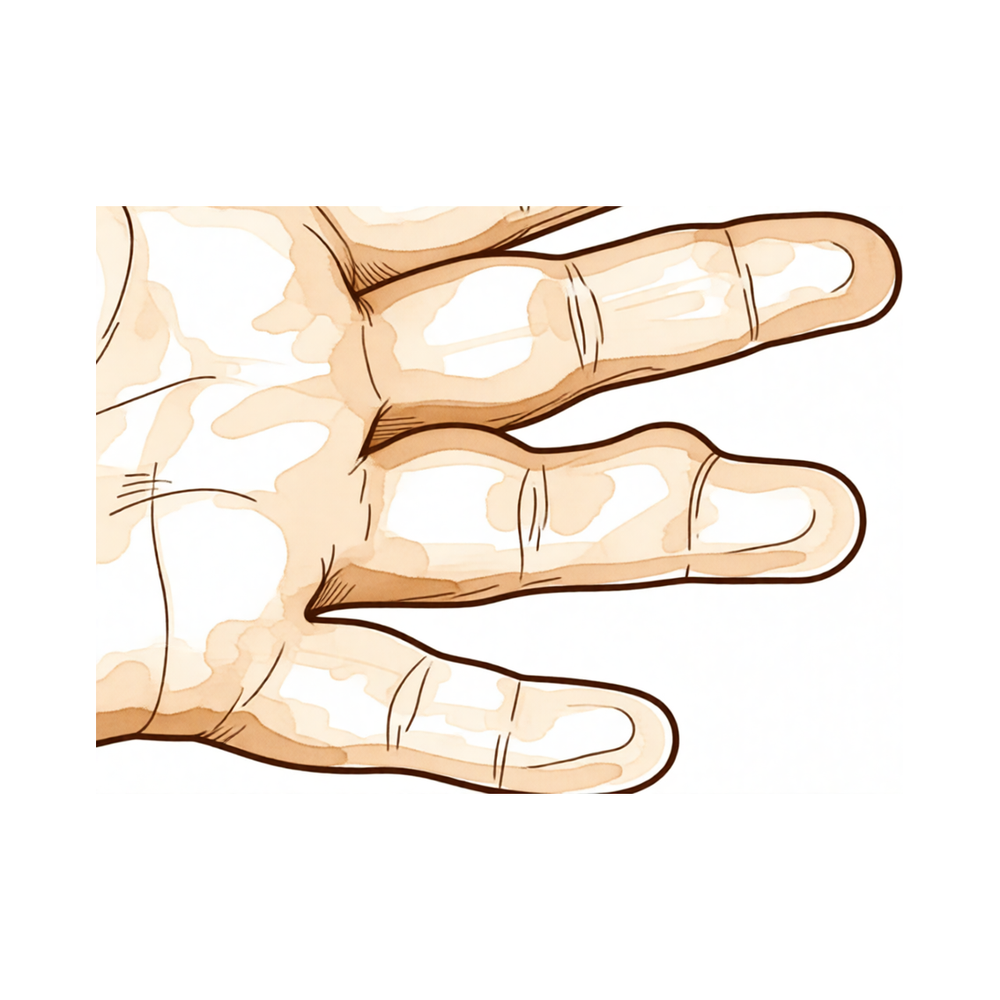
GCTTS are the second most common benign proliferative tumours in the upper extremities after ganglion cysts [17]. They are the second most common tumour of the hand after ganglion cysts [16] and typically occur in the hand where they represent the second most common type of soft tissue tumors after synovial ganglions [14]. GCTTS are usually slow-growing, painless, benign, and consist of soft tissue [17]. They are most commonly found in the fingers and among women in their fourth and fifth decades [17]. Giant cell tumors usually present as a solitary and firm slow-growing nodular lesion which affects the volar aspect of the hand [14]. As the tumour grows, some patients may present with swelling, pain, and limitation of movement [17]. Multifocal GCTTS lesions are rarely described in the literature and commonly involve the same finger or the volar aspect of different fingers [14]. A rare instance of multifocal, recurrent, bilateral giant cell tumor of the tendon sheath and pigmented villonodular synovitis involving both upper and lower extremities has been reported [2]. A rare case of three separate GCTTS occurring on both volar and dorsal aspects of the same hand following repetitive trauma has been reported [14].
Diagnostic Imaging
Radiography can be helpful in evaluating cortical destruction but is not helpful in the definitive diagnosis of GCTTS [17]. Magnetic resonance imaging (MRI) is the most useful examination for the diagnosis and treatment planning of GCTTS [17]. Plain radiographs of PVNS may be normal or show a nonspecific joint effusion [13]. MRI shows a focal low-gradient echo signal corresponding to the deposition of hemosiderin in the thickened synovium for PVNS [13]. Select MRI sequences can aid in the diagnosis of PVNS by detecting hemosiderin precipitates within the nodules [13]. Joint aspiration may reveal hemarthrosis in cases of PVNS [13].
Classification
Surgical Pseudocapsule: Giant cell tumour of tendon sheath (GCTTS) is classified into two main types based on whether the entire tumour is surrounded by one pseudocapsule as assessed by the surgeon during surgery [16]. Type I is defined as a nodular or multinodular lesion surrounded by a capsule [17].
World Health Organization: The World Health Organization classifies diffuse pigmented villonodular synovitis as 'diffuse-type giant cell tumour' with ICD-O code 9251/0 [45]. Giant-cell tumours of tendon sheaths are considered the extra-articular equivalent of localised pigmented villonodular synovitis [45].
Clinical Presentation: Clinically, pigmented villonodular synovitis is classified as diffuse or nodular disease [13]. Diffuse pigmented villonodular synovitis affects the entire synovium, whereas nodular disease is limited to a localized mass [13].
Clinical Presentation
Giant cell tumour of tendon sheath is the second most common tumour of the hand [16] and the second most common benign proliferative tumour in the upper extremities after ganglion cysts [17]. These lesions are benign [4, 17], typically solitary, firm, and slow-growing nodular masses [14]. They most commonly affect the volar aspect of the hand [14] and are most frequently found in the fingers [17]. The tumours usually originate from the synovial membrane, tendon sheath, or synovial bursa [17]. Demographically, giant cell tumours of the tendon sheath are most common among women in their fourth and fifth decades [17].
Clinically, these tumours are usually asymptomatic [17] and painless [17]. As the lesion grows, patients may present with swelling, pain, and limitation of movement [17]. The diagnosis is usually made from clinical examination [17]. Recurrence is the primary risk associated with these hand lesions [4, 6], typically occurring within 36 months of excision [4]. Multifocal lesions are rarely described in the literature [14]; when present, they commonly involve the same finger or the volar aspect of different fingers [14].
Giant cell tumours of the tendon sheath correspond to a localized form of pigmented villonodular synovitis [14]. Pigmented villonodular synovitis typically occurs in young to middle-aged patients [13] and is typically monoarticular [13]. While frequently found in the knee, it may also involve the hip, ankle, and finger joints [13]. The condition most often presents as joint pain and swelling [13], with patients potentially experiencing locking and catching [13]. It can be distinguished from sports injuries by a history of gradually increasing pain and swelling rather than acute symptoms following a sudden event [13]. The mean delay in diagnosis for pigmented villonodular synovitis was approximately 2.9 years in a study of 122 patients [13].
Imaging and arthroscopic findings for pigmented villonodular synovitis include: * Plain radiographs: May be normal or show a nonspecific joint effusion [13]. * MRI: Shows a focal low-gradient echo signal corresponding to hemosiderin deposition in thickened synovium [13]. * Arthroscopy: Diffuse disease appears as a characteristically brown, shaggy synovium with bloody effusion [13].
Diffuse pigmented villonodular synovitis affects the entire synovium [13], whereas nodular pigmented villonodular synovitis is limited to a localized mass and may present as a discrete nodule [13]. Pigmented villonodular synovitis can invade the periarticular bone [13] and behaves in a manner similar to that of giant cell tumour [13].
Localized pigmented villonodular synovitis presents with typical symptoms including pain, locking, restriction of motion, and a palpable mass [35]. Clinical diagnosis of localized pigmented villonodular synovitis is difficult and often misdiagnosed [98]. Delay in diagnosis can lead to cartilage lesions of the medial femoral condyle [35]. Tenosynovial giant cell tumour is a benign entity with relatively nonspecific symptoms and slow progression [33].
Pigmented villonodular synovitis of the shoulder is extremely rare [50]. Clinical and radiological findings are generally nonspecific [50] and often mimic a malignancy [50]. It may present with sub-acromial erosion of the shoulder [53] and should be considered in the differential diagnosis of patients presenting with shoulder pain [53]. Diffuse pigmented villonodular synovitis can mimic primary bone neoplasms such as giant-cell tumor due to extensive lytic bone destruction [27]. Tenosynovial giant cell tumors in unusual locations may be confused with malignant tumors on positron emission tomography imaging [51].
Investigations
Clinical Presentation and History: Giant cell tumors of the tendon sheath typically present as a solitary, firm, slow-growing nodular lesion affecting the volar aspect of the hand [14]. Tenosynovial giant cell tumor (TSGCT) is a benign entity with relatively nonspecific symptoms and slow progression [33]. Localized PVNS presents with typical symptoms including pain, locking, restriction of motion, and a palpable mass [35]. PVNS typically occurs in young to middle-aged patients and most often presents as joint pain and swelling [13]. Patients may experience locking and catching, symptoms also associated with meniscal tears [13]. The condition is typically monoarticular, frequently found in the knee, but may also involve the hip, ankle, and finger joints [13]. A history of gradually increasing pain and swelling distinguishes PVNS from sports injuries involving acute symptoms after a sudden event [13]. The mean delay in diagnosis for PVNS was approximately 2.9 years in a study of 122 patients [13]. Delay in diagnosis of localized PVNS can lead to cartilage lesions of the medial femoral condyle [35]. PVNS of the shoulder is extremely rare, with clinical and radiological findings generally being nonspecific and often mimicking a malignancy [50]. PVNS may present with sub-acromial erosion of the shoulder and should be considered in the differential diagnosis of patients presenting with shoulder pain [53]. PVNS should be considered in younger patients presenting with monoarticular arthritis, especially when associated with bony erosions or a soft-tissue component [122]. Not all lesions with high 18F-FDG uptake, especially those near a joint, are metastases [55].
Plain radiography: Plain radiographs of the affected area in PVNS may be normal or show a nonspecific joint effusion [13].
MRI: Magnetic resonance imaging is essential to diagnose tenosynovial giant cell tumor and to define accurately its localization and treatment strategy [101]. Pre-operative evaluation with MRI made an important contribution to the diagnosis of localized pigmented villonodular synovitis [117]. Select MRI sequences can aid in the diagnosis of PVNS by detecting hemosiderin precipitates within the nodules that characterize the lesion [13]. MRI shows a focal low-gradient echo signal in PVNS, which corresponds to the deposition of hemosiderin in the thickened synovium [13]. MRI provides valuable clues for tenosynovial giant cell tumor, but definitive diagnosis relies on histopathological confirmation [107]. MRI is the investigation of choice for diagnosing tumour-like lesions of the infrapatellar fat pad [94]. Although MRI findings and location might help in the diagnosis of tenosynovial giant cell tumor, careful assessment is mandatory, especially in unusual locations [51]. The absence of disease on MRI should not be used as the sole criterion in determining whether a repeat resection should be performed for unsuspected soft tissue sarcomas of the hand [19].
CT: CT is useful for osteolytic identification in tenosynovial giant cell tumor, while different MRI signal intensities between osseous and extraosseous lesions can make the diagnosis difficult [119].
Aspiration: Joint aspiration may reveal hemarthrosis in PVNS [13].
Other Diagnostic Modalities: Early diagnosis via MRI and EMG is very important for prognosis in cases of peroneal neuropathy secondary to pigmented villonodular synovitis [56].
Other Considerations: Future studies should standardize magnetic resonance imaging definitions of bone and neurovascular involvement and link them to operative maneuvers, recurrence location, and functional outcomes [59].
Treatment
Non-Operative
Radiation therapy serves as a conservative option for specific cases of tenosynovial giant cell tumors. External beam radiation therapy is essential in the management of a wide spectrum of musculoskeletal conditions, both benign and malignant [23]. In cases of infiltrative giant cell tumor of the tendon sheath, radiation therapy may provide local tumor control with preservation of hand function [9]. Additionally, roentgen therapy is suggested by some for recurrence of pigmented villonodular synovitis [20].
Operative
Indications: Complete surgical resection is the treatment of choice for most patients with tenosynovial giant cell tumors [8]. For giant cell tumor of the tendon sheath, marginal excision is the treatment of choice [21]. The ideal treatment for pigmented villonodular synovitis is complete operative excision [36], and complete synovectomy with excision of all lesions is considered the treatment of choice by most authors [20]. Arthroscopic excision is the treatment of choice for localized pigmented villonodular synovitis and is currently thought to be curative [28]. Aggressive treatment such as wide excision or amputation may be necessary for certain lesions like giant cell tumors to prevent recurrence [1].
Surgical Approach / Technique: Open synovectomy is the standard method of management for pigmented villonodular synovitis [118]. Preoperative planning aided by tissue diagnosis with fine needle aspiration cytology, wide surgical exposure, and meticulous dissection with help of magnification are imperative for a successful outcome in giant cell tumor of the tendon sheath [29]. The surgeon must ensure complete excision of the tumor and removal of any residual satellite nodules to reduce the risk of recurrence [21]. A magnifying loupe is used to help a careful research of satellite lesions and to respect surrounding structures during excision [21]. For diffuse-type giant cell tumor with bony erosions, open synovectomy combined with bone grafting is a safe and effective operation for the salvage of the ankle joint [104]. Arthroscopic synovectomy offers a minimally invasive, viable alternative to open synovectomy for tenosynovial giant cell tumor in the elbow [82]. Combined arthroscopic and open synovectomy results in a low rate of symptomatic disease recurrence and good to excellent functional outcomes for diffuse pigmented villonodular synovitis of the knee [116]. After arthroscopic synovectomy and partial rotator cuff repair or debridement, patients with pigmented villonodular synovitis of the shoulder gain symptomatic and limited functional improvement [60].
Prognosis and Recurrence
Recurrence after surgical excision of giant cell tumor of the tendon sheath varies widely from 4% to 44% [12]. In a study of 64 cases, only 3 cases (4.7%) of patients reported recurrence [21]. Recurrence for giant cell tumors of the tendon sheaths in the hand typically occurs within 36 months of excision [4]. Preoperative diagnosis and meticulous surgical technique were found to be the only predictive factor of recurrence in a case series of 14 patients [29].
In a prospective study of 43 cases, none of the type I giant cell tumours of tendon sheath recurred [16]. Recurrence occurred in five out of 13 type II giant cell tumours of tendon sheath in the same study [16]. Second recurrences were seen with type II B and C giant cell tumours of tendon sheath, but not type II A tumours [16].
Arthroscopic treatment of tenosynovial giant cell tumor in the elbow has shown promising clinical outcomes with no recurrence after two years [82]. Patients with pigmented villonodular synovitis of the hip managed with arthroscopic synovectomy reported good functional outcomes without evidence of recurrence in a 19 patient cohort with an average follow-up of almost 7 years [24]. The majority of patients with localized-type tenosynovial giant cell tumors experienced pain and swelling prior to treatment, which resolved at the time of final follow-up in 71% (pain) and 85% (swelling) [79].
Complications
Recurrence: Recurrence is the primary risk associated with giant cell tumors of the tendon sheaths in the hand [4]. Following excision, recurrence typically occurs within 36 months [4]. The reported recurrence rate after surgical excision varies widely from 4% to 44% [12]. In a study of 64 cases, the recurrence rate was 4.7% (3 cases) [21]. In a prospective study of 43 consecutive cases, none of the type I tumours recurred [16], whereas recurrence occurred in five out of 13 type II tumours [16]. Diffuse disease presents challenges due to high recurrence rates [8]. Multifocal, recurrent, bilateral giant cell tumor of the tendon sheath has been reported in a rare case involving both upper and lower extremities [2].
Malignancy and Aggressive Behavior: Vigilance for malignancy is encouraged for giant cell tumors to prevent recurrence [1]. Pigmented villonodular synovitis can invade the periarticular bone and behaves in a manner similar to that of giant cell tumor [13]. In cases of pigmented villonodular synovitis with extensive bone involvement and joint destruction not amenable to arthroplastic procedures, amputation appears to be the only alternative [22].
Diagnostic Challenges: The pathogenesis and optimum treatment of pigmented villonodular synovitis remain unclear due to the rarity of cases, varying reporting details, and lack of long-term follow-up in most series [10].
Recovery
Other Considerations: Giant cell tumors of the synovial sheaths in the hand are benign lesions in which recurrence is the primary risk [6]. Pigmented villonodular synovitis and giant-cell tumor of tendon sheath are benign synovial neoplasms with the potential for local recurrence [7]. Diffuse disease presents challenges due to high recurrence rates for tenosynovial giant cell tumors [8]. In a cohort of 19 patients with pigmented villonodular synovitis of the hip managed with arthroscopic synovectomy, there was no evidence of recurrence at an average follow-up of almost 7 years [24]. Arthroscopic synovectomy following a timely diagnosis of pigmented villonodular synovitis produces good outcomes in nodular cases, with no evidence of symptomatic or radiographic disease persistence [26]. After arthroscopic synovectomy and partial rotator cuff repair or debridement for pigmented villonodular synovitis of the shoulder, all patients gained symptomatic and limited functional improvement at an average follow-up of 22 months [60].
Key Evidence
- [L5] Vigilance for malignancy is encouraged, and aggressive treatment such as wide excision or amputation may be necessary for certain lesions like giant cell tumors to prevent recurrence. [1] (10.1016/j.jhsa.2010.08.015)
- [Case_report] This case report describes a rare instance of multifocal, recurrent, bilateral giant cell tumor of the tendon sheath and pigmented villonodular synovitis involving both upper and lower extremities in an adult. [2] (10.1016/j.jhsa.2014.11.010)
- [L4] Giant cell tumors of the tendon sheaths in the hand are benign lesions where recurrence is the primary risk, typically occurring within 36 months of excision. [4] (10.1016/j.otsr.2013.03.008)
- [L4] Giant cell tumour of tendon sheath is a common benign tumour of the hand that can be locally recurrent after excision, and reports in the paediatric population are rare, with this case believed to be the youngest reported. [5] (10.1177/1753193412455792)
- [L4] Giant cell tumors of the synovial sheaths in the hand are benign lesions in which recurrence is the primary risk. [6] (10.1016/j.jhsa.2013.08.051)
- [L4] Pigmented villonoid synovitis and giant-cell tumor of tendon sheath are benign synovial neoplasms with the potential for local recurrence. [7] (10.2106/00004623-198466010-00012)
- [L5] Complete surgical resection remains the treatment of choice for most patients with tenosynovial giant cell tumors, though diffuse disease presents challenges due to high recurrence rates. [8] (10.5435/jaaos-d-24-01255)
- [L4] In cases of infiltrative GCTTS, radiation therapy may provide local tumor control with preservation of hand function. [9] (10.1016/j.jhsa.2012.01.011)
- [L4] The pathogenesis and optimum treatment of pigmented villonodular synovitis remain unclear, with uncertainties persisting due to the rarity of cases, varying reporting details, and lack of long-term follow-up in most series. [10] (10.2106/00004623-198769060-00026)
- [L1] More prospective well-designed studies including a large number of cases are necessary to identify tumours prone to recurrence and determine the proper treatment protocol for each individual patient. [11] (10.1007/s11552-011-9341-9)
- [L4] Recurrence after surgical excision of GCTTS varies widely from 4% to 44%, with incomplete excision being a primary cause. [12] (10.1016/j.jhsa.2012.11.001)
- [L5] [13] (10.5435/jaaos-22-04-223)
- [L5] [14] (10.1007/s12593-015-0185-3)
- [L3] [16] (10.1054/jhsb.2000.0522)
- [L4] [17] (10.1177/17531934231222401)
- [L3] Well-designed studies combining the recurrence rates of several hand surgery centers implementing a standardized treatment are needed to better demonstrate the associated risk factors for recurrence. [18] (10.1186/s12891-019-2866-8)
- [L3] The absence of disease on MRI should not be used as the sole criterion in determining whether a repeat resection should be performed. [19] (10.1016/j.jhsa.2010.05.009)
- [L4] The authors note that while roentgen therapy is suggested by some for recurrence, complete synovectomy with excision of all lesions is considered the treatment of choice by most authors. [20] (10.2106/00004623-195436050-00009)
- [L4] [21] (10.11138/gchir/2013.34.5.149)
- [Case_report] In cases of pigmented villonodular synovitis with extensive bone involvement and joint destruction not amenable to arthroplastic procedures, amputation appears to be the only alternative. [22] (10.2106/00004623-197860060-00020)
- [L5] External beam radiation therapy is essential in the management of a wide spectrum of musculoskeletal conditions, both benign and malignant. [23] (10.5435/jaaos-d-14-00022)
- [L4] Patients reported good functional outcomes without evidence of recurrence in a 19 patient cohort with an average follow-up of almost 7 years. [24] (10.1177/2325967119s00413)
- [L4] Arthroscopic synovectomy following a timely diagnosis of PVNS produces good outcomes in nodular cases, with no evidence of symptomatic or radiographic disease persistence among these patients. [26] (10.1177/2325967118763118)
- [L5] Diffuse pigmented villonodular synovitis can mimic primary bone neoplasms such as giant-cell tumor due to extensive lytic bone destruction, potentially leading to unnecessarily radical surgery if the diagnosis is not suspected. [27] (10.2106/00004623-197860060-00019)
- [L4] Arthroscopic excision is the treatment of choice and is currently thought to be curative. [28] (10.1016/j.arthro.2005.12.035)
- [L4] [29] (10.1007/s12593-010-0020-9)
- [L4] TSGCT is a benign entity with relatively nonspecific symptoms and slow progression; treatment is never urgent and indications should be discussed according to symptomatology, progression, location, and diathesis. [33] (10.1016/j.otsr.2016.11.002)
- [L4] Localized PVNS in the anteromedial compartment presents with typical symptoms including pain, locking, restriction of motion, and a palpable mass; delay in diagnosis can lead to cartilage lesions of the medial femoral condyle. [35] (10.1007/s00167-003-0448-6)
- [Case_report] The ideal treatment for pigmented villonodular synovitis is complete operative excision. [36] (10.2106/00004623-199072060-00022)
- [L4] [45] (10.1302/0301-620x.95b3.30192)
- [Case_report] PVNS of the shoulder is extremely rare, with clinical and radiological findings generally being nonspecific and often mimicking a malignancy. [50] (10.1007/s001670050158)
- [L4] Although MRI findings and location might help in the diagnosis of a T-GCT, careful assessment is mandatory, especially in unusual locations. [51] (10.1186/s12891-016-1050-7)
- [L4] PVNS may present with sub-acromial erosion of the shoulder and should be considered in the differential diagnosis of patients presenting with shoulder pain. [53] (10.1007/s00167-009-0752-x)
- [Case_report] The case serves as a reminder that not all lesions with high 18F-FDG uptake, especially those near a joint, are metastases and that more extensive resection is unnecessary. [55] (10.1186/s12891-019-3034-x)
- [Case_report] Early diagnosis via MRI and EMG is very important for prognosis, and early surgical resection of all pathologic tissues is necessary. [56] (10.1007/s00167-009-0720-5)
- [L5] Future studies should standardize magnetic resonance imaging definitions of bone and neurovascular involvement and link them to operative maneuvers, recurrence location, and functional outcomes. [59] (10.1016/j.jhsg.2026.101069)
- [L4] After arthroscopic synovectomy and partial rotator cuff repair or debridement, all patients gained symptomatic and limited functional improvement at an average follow-up of 22 months. [60] (10.1016/j.arthro.2009.01.007)
- [L3] [79] (10.2106/jbjs.18.01147)
- [Case_report] The arthroscopic technique used in this case report offers a minimally invasive, viable alternative to open synovectomy and has shown promising clinical outcomes with no recurrence after two years. [82] (10.1016/j.jseint.2023.07.003)
- [L4] MRI is the investigation of choice for diagnosing these tumour-like lesions. [94] (10.1007/s00167-009-1034-3)
- [L4] Clinical diagnosis of localized pigmented villonodular synovitis is difficult and often misdiagnosed; arthroscopy with complete excision should be used as the main tool for diagnosis and treatment, yielding excellent postoperative functional results. [98] (10.1007/s001670100231)
- [L4] Magnetic resonance imaging is essential to diagnose this pathologic condition and to define accurately its localization and treatment strategy. [101] (10.1007/s00167-011-1747-y)
- [L4] For Dt-GCT with bony erosions, open synovectomy combined with bone grafting seems to be a safe and effective operation for the salvage of ankle joint. [104] (10.1186/s12891-017-1824-6)
- [L4] MRI provides valuable clues, but definitive diagnosis relies on histopathological confirmation. [107] (10.1186/s12891-026-09563-w)
- [L4] Combined synovectomy resulted in a low rate of symptomatic disease recurrence and good to excellent functional outcomes for diffuse PVNS of the knee. [116] (10.1007/s00167-014-3375-9)
- [L4] Pre-operative evaluation with MRI made an important contribution to the diagnosis of LPNS. [117] (10.1007/s00167-002-0318-7)
- [L4] Open synovectomy is the standard method of management. [118] (10.5435/00124635-200606000-00007)
- [L4] CT is useful for osteolytic identification, while different MRI signal intensities between osseous and extraosseous lesions made the diagnosis difficult. [119] (10.1016/j.xrrt.2021.04.015)
- [L4] PVNS should be considered in younger patients presenting with monoarticular arthritis, especially when associated with bony erosions or a soft-tissue component. [122] (10.1016/j.arth.2008.10.001)
See Also
References
[1] Benign Bony and Soft Tissue Tumors of the Hand. The Journal of Hand Surgery. 2010. DOI: 10.1016/j.jhsa.2010.08.015
[2] Recurrent Pigmented Villonodular Synovitis and Multifocal Giant Cell Tumor of the Tendon Sheath: Case Report. The Journal of Hand Surgery. 2015. DOI: 10.1016/j.jhsa.2014.11.010
[4] Giant cell tumors of the tendon sheaths in the hand: Review of 96 patients with an average follow-up of 12 years. Orthopaedics & Traumatology: Surgery & Research. 2013. DOI: 10.1016/j.otsr.2013.03.008
[5] Giant cell tumour of tendon sheath in a 4-year-old boy. Journal of Hand Surgery (European Volume). 2012. DOI: 10.1177/1753193412455792
[6] Giant Cell Tumors of the Tendon Sheaths in the Hand: Review of 96 Patients With an Average Follow-Up of 12 Years. The Journal of Hand Surgery. 2013. DOI: 10.1016/j.jhsa.2013.08.051
[7] Pigmented villonodular synovitis (giant-cell tumor of the tendon sheath and synovial membrane). A review of eighty-one cases.. The Journal of Bone & Joint Surgery. 1984. DOI: 10.2106/00004623-198466010-00012
[8] Tenosynovial Giant Cell Tumor and Pigmented Villonodular Synovitis. Journal of the American Academy of Orthopaedic Surgeons. 2025. DOI: 10.5435/jaaos-d-24-01255
[9] Radiation Therapy for Infiltrative Giant Cell Tumor of the Tendon Sheath. The Journal of Hand Surgery. 2012. DOI: 10.1016/j.jhsa.2012.01.011
[10] Pigmented villonodular synovitis.. The Journal of Bone & Joint Surgery. 1987. DOI: 10.2106/00004623-198769060-00026
[11] Giant Cell Tumour of Tendon Sheath of the Digits. A Systematic Review. HAND. 2011. DOI: 10.1007/s11552-011-9341-9
[12] Giant Cell Tumor of the Tendon Sheath. The Journal of Hand Surgery. 2013. DOI: 10.1016/j.jhsa.2012.11.001
[13] Oncologic Conditions That Simulate Common Sports Injuries. Journal of the American Academy of Orthopaedic Surgeons. 2014. DOI: 10.5435/jaaos-22-04-223
[14] Multiple Giant Cell Tumors of the Tendon Sheath : Separate Volar and Dorsal Lesions Involving Three Digits of the Same Hand Following Repetitive Trauma. Journal of Hand and Microsurgery. 2015. DOI: 10.1007/s12593-015-0185-3
[16] Giant Cell Tumours of Tendon Sheath: Classification and Recurrence Rate. Journal of Hand Surgery. 2001. DOI: 10.1054/jhsb.2000.0522
[17] The effect of surgical factors on recurrence of tendon sheath giant cell tumours. Journal of Hand Surgery (European Volume). 2024. DOI: 10.1177/17531934231222401
[18] Giant cell tumor of tendon sheath in the hand: analysis of risk factors for recurrence in 50 cases. BMC Musculoskeletal Disorders. 2019. DOI: 10.1186/s12891-019-2866-8
[19] Predictive Value of Magnetic Resonance Imaging in Determining Presence of Residual Disease After Marginal Excision of Unsuspected Soft Tissue Sarcomas of the Hand. The Journal of Hand Surgery. 2010. DOI: 10.1016/j.jhsa.2010.05.009
[20] PIGMENTED VILLONODULAR SYNOVITIS OF THE HIP JOINT. The Journal of Bone & Joint Surgery. 1954. DOI: 10.2106/00004623-195436050-00009
[21] Giant cell tumor of tendon sheath: study of 64 cases and review of literature. Giornale di Chirurgia - Journal of Surgery. 2013. DOI: 10.11138/gchir/2013.34.5.149
[22] Pigmented villonodular synovitis involving bone. Case report.. The Journal of Bone & Joint Surgery. 1978. DOI: 10.2106/00004623-197860060-00020
[23] External Beam Radiation Therapy for Orthopaedic Pathology. Journal of the American Academy of Orthopaedic Surgeons. 2015. DOI: 10.5435/jaaos-d-14-00022
[24] Pigmented Villonodular Synovitis of the Hip Managed with Arthroscopic Synovectomy: An Analysis of 19 Cases with up to 10-year Follow-up. Orthopaedic Journal of Sports Medicine. 2019. DOI: 10.1177/2325967119s00413
[26] Arthroscopic Management of Pigmented Villonodular Synovitis of the Hip in Children and Adolescents. Orthopaedic Journal of Sports Medicine. 2018. DOI: 10.1177/2325967118763118
[27] Diffuse pigmented villonodular synovitis of the knee mimicking primary bone neoplasms. A report of two cases.. The Journal of Bone & Joint Surgery. 1978. DOI: 10.2106/00004623-197860060-00019
[28] Localized Pigmented Villonodular Synovitis: Arthroscopic Treatment of a Lesion Arising From the Quadriceps Tendon Sheath. Arthroscopy. 2006. DOI: 10.1016/j.arthro.2005.12.035
[29] Giant Cell Tumor of Tendon Sheath: Case Series and Review of Literature. Journal of Hand and Microsurgery. 2010. DOI: 10.1007/s12593-010-0020-9
[33] Localized and diffuse forms of tenosynovial giant cell tumor (formerly giant cell tumor of the tendon sheath and pigmented villonodular synovitis). Orthopaedics & Traumatology: Surgery & Research. 2017. DOI: 10.1016/j.otsr.2016.11.002
[35] Localized pigmented villonodular synovitis in the anteromedial compartment of the knee associated with cartilage lesions of the medial femoral condyle: report of a case and review of the literature. Knee Surgery, Sports Traumatology, Arthroscopy. 2004. DOI: 10.1007/s00167-003-0448-6
[36] Pigmented villonodular synovitis in a vertebra. A case report.. The Journal of Bone & Joint Surgery. 1990. DOI: 10.2106/00004623-199072060-00022
[45] Diffuse pigmented villonodular synovitis (diffuse-type giant cell tumour) of the foot and ankle. The Bone & Joint Journal. 2013. DOI: 10.1302/0301-620x.95b3.30192
[50] Pigmented villonodular synovitis of the shoulder: review and case report. Knee Surgery, Sports Traumatology, Arthroscopy. 1999. DOI: 10.1007/s001670050158
[51] Tenosynovial giant cell tumors in unusual locations detected by positron emission tomography imaging confused with malignant tumors: report of two cases. BMC Musculoskeletal Disorders. 2016. DOI: 10.1186/s12891-016-1050-7
[53] Subacromial bony erosion: a rare presentation of pigmented villonodular synovitis of the shoulder. Knee Surgery, Sports Traumatology, Arthroscopy. 2009. DOI: 10.1007/s00167-009-0752-x
[55] Pigmented villous nodular synovitis mimicking metastases on 18F-FDG PET/CT in a patient with rectal mucosal melanoma: a case report. BMC Musculoskeletal Disorders. 2020. DOI: 10.1186/s12891-019-3034-x
[56] An unusual presentation of peroneal neuropathy secondary to pigmented villonodular synovitis: a case report. Knee Surgery, Sports Traumatology, Arthroscopy. 2009. DOI: 10.1007/s00167-009-0720-5
[59] Comment on “Localized Tenosynovial Giant Cell Tumors and Indicators of Surgical Recurrence”. Journal of Hand Surgery Global Online. 2026. DOI: 10.1016/j.jhsg.2026.101069
[60] Arthroscopic Treatment for Pigmented Villonodular Synovitis of the Shoulder Associated With Massive Rotator Cuff Tear. Arthroscopy. 2009. DOI: 10.1016/j.arthro.2009.01.007
[79] Surgical Treatment of Localized-Type Tenosynovial Giant Cell Tumors of Large Joints. Journal of Bone and Joint Surgery. 2019. DOI: 10.2106/jbjs.18.01147
[82] Outcomes of arthroscopic elbow synovectomy and neurolysis of the ulnar nerve for tenosynovial giant cell tumor in a young athlete: a case report and literature review. JSES International. 2023. DOI: 10.1016/j.jseint.2023.07.003
[94] Tumour‐like lesions of the infrapatellar fat pad. Knee Surgery, Sports Traumatology, Arthroscopy. 2010. DOI: 10.1007/s00167-009-1034-3
[98] Localized pigmented villonodular synovitis of the knee: diagnostic challenge and arthroscopic treatment: a report of three cases. Knee Surgery, Sports Traumatology, Arthroscopy. 2001. DOI: 10.1007/s001670100231
[101] Arthroscopic treatment of localized pigmented villonodular synovitis of the knee. Knee Surgery, Sports Traumatology, Arthroscopy. 2011. DOI: 10.1007/s00167-011-1747-y
[104] Surgical treatment for diffused-type giant cell tumor (pigmented villonodular synovitis) about the ankle joint. BMC Musculoskeletal Disorders. 2017. DOI: 10.1186/s12891-017-1824-6
[107] Two rare intra-articsular knee disorders with overlapping symptoms: separate case reports of tenosynovial giant cell tumour and lipoma arborescens and literature review. BMC Musculoskeletal Disorders. 2026. DOI: 10.1186/s12891-026-09563-w
[116] Combined arthroscopic and open synovectomy for diffuse pigmented villonodular synovitis of the knee. Knee Surgery, Sports Traumatology, Arthroscopy. 2014. DOI: 10.1007/s00167-014-3375-9
[117] Two contrasting presentations of localised pigmented villonodular synovitis of the knee. Knee Surgery, Sports Traumatology, Arthroscopy. 2002. DOI: 10.1007/s00167-002-0318-7
[118] Pigmented Villonodular Synovitis. Journal of the American Academy of Orthopaedic Surgeons. 2006. DOI: 10.5435/00124635-200606000-00007
[119] Tenosynovial giant cell tumor in the elbow of a child with the sole symptom of extension disturbance. JSES Reviews, Reports, and Techniques. 2021. DOI: 10.1016/j.xrrt.2021.04.015
[122] Pigmented Villonodular Synovitis of the Hip Presenting as a Buttock Mass Treated by Total Hip Arthroplasty. The Journal of Arthroplasty. 2010. DOI: 10.1016/j.arth.2008.10.001