Clinicians › Hand
Trigger finger release
Surgeon-side topic for trigger finger release. Backed by 278 articles from the corpus, retrieved via combined MeSH + title-text matching.
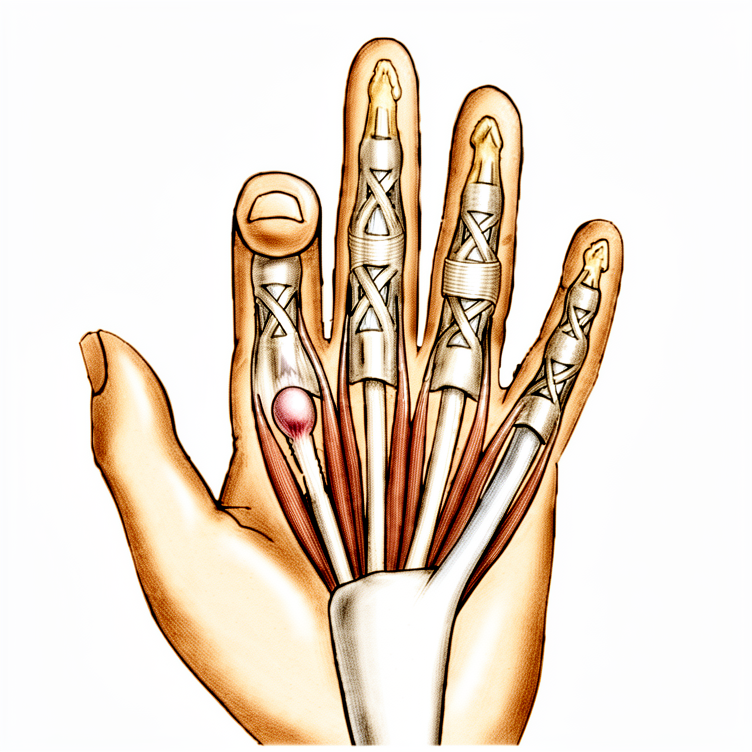
For patients: a plain-language version of this topic is available. See the patient guide.
Overview
Trigger finger release is a short, safe, and effective procedure for idiopathic trigger finger and locked pediatric trigger thumb, serving as the treatment of choice for the latter when performed by specialty-trained hand surgeons [34]. The procedure is generally low-risk, with large retrospective series indicating that approximately 1 in 20 fingers experience a mild, transient adverse event and about 1 in 200 require a second surgery [30]. Complication rates for open release performed in the clinic are similar to those reported for operating room surgery [5]. While percutaneous release is an effective and safe option for all digits, including the thumb, small fingers, and index fingers [3, 25], multiple-digit release in a single session is associated with higher rates of postoperative pain, joint stiffness, and need for flexor tenolysis compared with single-digit release [40].
Clinical outcomes following treatment are reflected in improved PROMIS PI and UE scores that reach minimum clinically important difference values for hand patients [49]. However, patients undergoing surgical release have significantly higher odds of developing new-onset Dupuytren disease and undergoing subsequent fasciectomy compared with those managed by other interventions [17]. When considering non-surgical management, female patients presenting with their first trigger finger have the highest rate of long-term success after a single corticosteroid injection [22], while thirty-nine percent of second and third injections yield long-term relief [16]. Management with two steroid injections before surgery is the least costly strategy overall [36], though immediate surgical release is the most cost-effective for diabetic trigger finger assuming a corticosteroid failure rate of at least 34% [24]. A recent trial found no differences in patient-reported outcomes at 52 weeks among splint alone, steroid alone, and combination treatments, leading authors to recommend splinting alone as the least invasive option [66].
Surgeons should consider the duration of preoperative symptoms and preoperative flexion contracture of the PIP joint when deciding the timing of surgery [23]. Factors associated with worse outcomes following steroid injection should be considered when choosing treatment [14]. Although simultaneous steroid injection at the time of percutaneous release provides greater subjective improvement in the early period [4], the use of pre- or postoperative ultrasonography shows no clinical advantage [9], raising questions regarding safety and efficacy even with ultrasound guidance [11]. Differences in treatment preferences and perceived advantages between patients and hand surgeons exist and might be addressed by a decision aid [52]. These minimum clinically important difference estimates contribute to the interpretation of clinical outcomes and assessment of power in prospective trials [2].
Anatomy & Pathophysiology
Adult Etiology and Demographics
Trigger finger, clinically defined as stenosing tenosynovitis of the flexor tendons with mechanical impingement at the A1 pulley, affects 2% to 3% of the general population [54]. Women are more commonly affected than men [54]. The condition is associated with diabetes and inflammatory arthropathy [18, 19], and its etiology is possibly linked to repetitive grasping activities [18, 19]. Specifically, repetitive power grip and flexion involved in rowing increase the prevalence of trigger finger [116]. In adults, middle and ring finger involvement is most common [18, 19], with the middle finger being the most frequently involved digit [125]. Multiple digit involvement occurs in 33% of patients [125].
Trigger finger is more common in patients with systemic diseases, including diabetes mellitus, hypothyroidism, sarcoidosis, rheumatoid arthritis, and septic tenosynovitis [54]. The lifetime incidence in patients with diabetes mellitus is 10% to 20% [54], and stenosing tenosynovitis is more common in diabetic than in nondiabetic patients [27]. When multiple digits are involved, the possibility of diabetes should be considered [27]. Crystal deposition diseases also present with triggering: gout involves monosodium urate precipitation eliciting a fulminant inflammatory reaction in the tenosynovium [54]; calcific tendinitis involves calcium salt deposition in the tenosynovium [54]; pseudogout involves calcium pyrophosphate dihydrate crystal deposition often localized to the triangular fibrocartilage or within the carpal tunnel [54]; and amyloidosis is characterized by beta-2-microglobulin deposition in thick, plaque-like accumulations along the flexor tendons [54].
Histology and Pathology
Histological examination of trigger finger demonstrates fibrocartilaginous metaplasia of the pulley and/or FDS tendon [18, 19]. Pathologic analysis of affected pulleys reveals a proliferation of chondrocytes and increased type III collagen [54]. The flexor digitorum profundus tendon often demonstrates a pathologic nodule, while the flexor digitorum superficialis is often unaffected [54]. Adherence around the flexor tendons contributes to the pathology and may be present in all grades of triggering [129]. In the thumb, the flexor tendon and A1 pulley thicken significantly only after patients exhibit triggering [119].
Clinical Presentation and Classification
Trigger finger presents with pain and tenderness in the distal palm, progressing to mechanical catching or locking, and may become fixed [18, 19]. A common complaint is referred pain at the dorsal MCP/PIP area [18, 19]. Concomitant trigger finger and carpal tunnel syndrome occurs in 40% to 60% of patients [18, 19]. Triggering is often more pronounced in the morning than later in the day [27].
The Green classification categorizes the condition as follows: Grade I: Pain and tenderness at the A1 pulley [18, 19]. Grade II: Catching of the finger [18, 19]. Grade III: Locking of the finger; passively correctable [18, 19]. Grade IV: Fixed, locked finger [18, 19].
Physical examination findings may include tenderness to palpation of the flexor tendon at the level of the A1 pulley [54], palpable triggering or pain with flexion and extension [54], nodularity of the flexor tendon just proximal to the A1 pulley [54], a volar retinacular ganglion cyst between the A1 and A2 pulleys [54], and a fixed flexion deformity of the proximal interphalangeal (PIP) joint [54]. Patients may note a lump or knot in the palm, which may be a thickened area in the first annular pulley or a nodule or fusiform swelling of the flexor tendon just distal to it [46]. The tendon nodule is usually just proximal to the anulus at the metacarpophalangeal joint level [46]. In rheumatoid patients, a nodule distal to the metacarpophalangeal joint level may cause triggering [46]. Patients frequently state that the problem is in the proximal interphalangeal joint [46].
Anatomical Variations and Associations
Newer evidence identifies a fourth pulley (variable annular pulley) in 75% of patients with thumb trigger finger, which may contribute to stenosis [18, 19]. The pulley system of the thumb is composed of 4 components, as opposed to the traditional view of only 3 [88]. A1 pulley confluence varies on a digit-to-digit basis, with no observed confluence in the thumb and the most common confluence observed in the middle finger [107].
Patients with greater volar migration of the flexor tendons after carpal tunnel release are at a higher risk of developing trigger finger [69]. Transverse carpal ligament and forearm fascia release may predispose to trigger finger by changing the entrance angle to the A1 pulley and increasing friction [127]. Data support an association between idiopathic carpal tunnel syndrome and idiopathic trigger finger, lending support to common pathophysiological factors [124].
The incidence of concurrent trigger finger and Dupuytren's disease in the middle and ring finger is 25%, which is higher than expected from statistical coincidence [100]. The percentage of patients suffering from both conditions increases with age [100]. In the "80+" age group, 50% of trigger finger patients are suffering from both trigger finger and Dupuytren's disease [100]. In stage I Dupuytren's disease, thickening of the pulley wall leads to narrowing of the A1 pulley and synovial congestion, and additional mechanical irritation from the Dupuytren's cord may aggravate triggering [101]. In more progressed stages of Dupuytren's contracture (Stages II or III), the concomitant appearance of trigger finger is rarely seen [101].
Pediatric Etiology and Pathology
Pediatric trigger thumb and trigger finger represent distinct clinical entities and should not be managed like their adult counterparts [10]. Pediatric trigger thumb is an acquired, not congenital, condition [63] caused by a developmental size mismatch between the flexor pollicis longus tendon and its sheath [21]. It may be seen in up to 3 per 1,000 children at 1 year of age [63]. Triggering in digits other than the thumb in children is generally associated with an underlying diagnosis including anatomic abnormalities of the tendons, and metabolic, inflammatory, and infectious etiologies [21].
The pathologic anatomy responsible for congenital trigger digits includes narrowing and thickening of the sheath, with occasional formation of a ganglion cyst [90]. An intratendinous nodule may be present proximal to the first annular pulley in congenital trigger digits, often referred to as Notta’s nodule [90]. Chronic inflammation is frequent in congenital trigger digits [90]. Extension trigger thumb is a rare manifestation with a low incidence in pediatric trigger thumbs [61]. Closed partial flexor digitorum profundus rupture is an unusual cause of pediatric trigger finger [123].
Classification
Green: The Green classification divides trigger finger into four grades based on symptom severity. Grade I presents as pain and tenderness at the A1 pulley, while Grade II involves catching of the finger [18]. Grade III is defined by locking of the finger that remains passively correctable, and Grade IV represents a fixed, locked finger [18]. In pediatric trigger thumb, Grade III is specifically characterized by locking [53].
Quinney: The Quinney classification assesses trigger finger severity and serves as a secondary outcome measure in ultrasound-guided acupotomy studies [99].
Other Considerations: Pediatric trigger thumb and trigger finger are distinct clinical entities that should not be managed like their adult counterparts [10]. Pediatric trigger finger is generally associated with an underlying diagnosis, including anatomic abnormalities of the tendons, as well as metabolic, inflammatory, and infectious etiologies [21].
Clinical Presentation
Demographics and Epidemiology
The lifetime risk for trigger finger in the general population is approximately 3% [81]. Women are more commonly affected than men [54], with the condition most prevalent in women older than 50 years of age [18, 19]. In Medicare patients, the middle digit is the most frequently released digit, and the incidence of trigger digit release is increasing [31]. When multiple digits are involved, the possibility of diabetes should be considered [27].
Etiology and Pathology
Histology of the affected pulley and/or flexor digitorum superficialis (FDS) tendon shows fibrocartilaginous metaplasia [18, 19]. Pathologic examination of the affected pulleys demonstrates a proliferation of chondrocytes and increased type III collagen [54]. The flexor digitorum profundus tendon often demonstrates a pathologic nodule, while the flexor digitorum superficialis is often unaffected [54]. A fourth pulley, or variable annular pulley, is found in 75% of patients with thumb trigger finger, which may contribute to stenosis [18, 19]. Pediatric trigger thumb is an acquired condition, not congenital [63]. Pediatric trigger finger in digits other than the thumb is generally associated with an underlying diagnosis including anatomic abnormalities of the tendons, and metabolic, inflammatory, and infectious etiologies [21]. A secondary cause must be sought whenever long fingers are affected in pediatric trigger finger [74].
Symptoms and Signs
Patients present with pain and tenderness in the distal palm at the proximal edge of the digital A1 pulley [18, 19, 27]. The condition progresses to mechanical catching or locking of the finger [18, 19]. In severe cases, the finger may become fixed in a flexed position [18, 19, 27]. Patients frequently note catching or triggering of the affected finger or thumb after forceful flexion [27]. In more severe cases, the opposite hand must be used to force the finger or thumb passively into extension [27]. A common complaint is referred pain at the dorsal metacarpophalangeal (MCP) or proximal interphalangeal (PIP) area [18, 19]. Patients frequently state that the problem is in the proximal interphalangeal joint with trigger finger or in the proximal interphalangeal joint with trigger thumb [46].
Physical Examination
A palpable lump or knot may be present in the palm, representing a thickened area in the first annular pulley or a nodule of the flexor tendon [46]. The tendon nodule can be palpated by the examiner’s fingertip and moves with the tendon [46]. Local tenderness may be present but is not a prominent complaint [46]. Pressure accentuates the apparent snapping or triggering of the more distal joints [46]. Physical examination findings include tenderness to palpation of the flexor tendon at the level of the A1 pulley [54]. Physical examination findings include palpable triggering or pain with flexion and extension of the finger [54]. Physical examination findings include nodularity of the flexor tendon just proximal to the A1 pulley [54]. A volar retinacular ganglion cyst between the A1 and A2 pulleys may be present [54]. A fixed flexion deformity of the proximal interphalangeal (PIP) joint may be present [54]. Dorsal PIP tenderness is more common in trigger fingers than previously thought [48]. Proximal interphalangeal joint pain in trigger finger patients results from long symptom duration and consequent joint pathology [20].
Classification
The Green classification system defines severity as follows: Grade I: Pain and tenderness at the A1 pulley [18, 19]. Grade II: Catching of the finger [18, 19]. Grade III: Locking of the finger that is passively correctable [18, 19]. Grade IV: A fixed, locked finger [18, 19].
Associated Conditions
Concomitant trigger finger and carpal tunnel syndrome occur in 40% to 60% of patients [18, 19]. Gout can present with marked pain, erythema, swelling, and warmth that mimics infectious tenosynovitis [54]. Calcific tendinitis can result in triggering and is five times more frequent in males than females [54]. Pseudogout can cause triggering via calcium pyrophosphate dihydrate crystal deposition [54]. Amyloidosis can cause triggering via deposition of beta-2-microglobulin along the flexor tendons [54].
Pediatric Presentation
Pediatric trigger thumb presents early in childhood, not at birth [21]. Pediatric trigger thumb is seen in up to 3 per 1,000 children at 1 year of age [63]. Patients with pediatric trigger thumb generally present with the thumb interphalangeal joint locked in flexion [21]. The vast majority of patients with bilateral trigger thumbs had bilateral involvement upon initial presentation [71].
Investigations
Clinical Assessment and History
Trigger finger affects 2% to 3% of the general population, with women more commonly affected than men [54]. The digits are affected in the following order of decreasing prevalence: thumb, ring, long, little, and index [54]. The condition is associated with systemic diseases such as diabetes mellitus (10% to 20% lifetime incidence), hypothyroidism, sarcoidosis, rheumatoid arthritis, and septic tenosynovitis [54]. Trigger finger is more common in diabetic patients than in nondiabetic patients, and when multiple digits are involved, the possibility of diabetes should be considered [27]. A common complaint in trigger finger patients is referred pain at the dorsal MCP/PIP area [18]. Observing the triggering of the digit guides the patient's treatment and assists in diagnosing the condition [50].
Physical examination findings may include tenderness to palpation of the flexor tendon at the level of the A1 pulley [54]. Other findings include palpable triggering or pain with flexion and extension of the finger [54], nodularity of the flexor tendon just proximal to the A1 pulley [54], and the presence of a volar retinacular ganglion cyst between the A1 and A2 pulleys [54]. A fixed flexion deformity of the proximal interphalangeal (PIP) joint may also be present [54]. The Green classification for trigger finger includes Grade I (pain over the A1 pulley), Grade II (mechanical catching without locking), Grade III (mechanical locking passively correctable), and Grade IV (fixed locked finger) [54].
Imaging and Diagnostic Modalities
MRI: MR imaging findings have been described for trigger thumb [26].
Ultrasonography: A study of 60 patients with percutaneous trigger finger releases showed no clinical advantage in using pre- or postoperative ultrasonography [9]. The P1P can serve as a consistent and readily visible landmark for the distal edge of the A1 pulley to guide accurate distal release during ultrasound-guided percutaneous trigger finger release [122].
Other Considerations: Tissue obtained at trigger finger release may represent a site for early recognition of transthyretin amyloidosis [58].
Pediatric Assessment
Pediatric trigger thumb may spontaneously resolve, although resolution may take several years [10]. An algorithmic approach has been proposed for patients presenting with paediatric trigger finger to guide workup and management [60]. Thumbs presenting with an interphalangeal joint angle of 30 degrees or less are more likely to resolve, supporting observation for up to 5 years before offering surgery [56]. Cases of pediatric trigger thumb that present with bilateral involvement or locking (grade 3) should be considered for early surgical release [53].
Treatment
Non-Operative
Corticosteroid injection into the flexor tendon sheath is curative in approximately 60% of patients initially [18]. Diabetic patients are generally less responsive to this intervention [18]. There is no difference in efficacy between soluble and insoluble corticosteroid preparations [18]. Factors associated with worse outcomes following steroid injection should be considered when choosing treatment [14]. Management with two steroid injections before surgery represents the least costly treatment strategy [36]. Orthoses are effective for non-surgical management of pediatric and adult trigger finger using various orthotic options [84]. Conservative treatment for pediatric trigger thumb is a successful method, although cases presenting with bilateral involvement or locking (grade 3) should be considered for early surgical release [53].
Operative
Indications: Surgical release reliably relieves the problem for most patients, with approximately 97% of patients having complete resolution after operative treatment [46]. Pediatric trigger thumb and trigger finger represent distinct conditions and should not be treated like adult acquired trigger finger [10]. In pediatric cases, surgical management is indicated when conservative measures fail, noting that release of the A1 pulley alone is often inadequate to ensure a successful outcome in pediatric trigger thumb release [68].
Surgical Approach / Technique: Open surgical release of the A1 pulley effectively alleviates the subjective and objective manifestations of trigger finger and remains the benchmark procedure [42]. Surgical treatment involves release of the A1 pulley, with resection of the ulnar FDS slip when necessary if there is recurrent triggering after the A1 pulley has been released [18]. The A2 pulley fibers must be spared during surgical release to preserve effective digital flexion [27]. In patients with rheumatoid arthritis, the preference is to excise a slip of the FDS tendon rather than to release the A1 pulley because these patients are at risk for ulnar drift at the MCP joint [18]. The entire annular pulley system should be preserved in rheumatoid arthritis to prevent further ulnar drift of the fingers [27]. Triggering in patients with rheumatoid arthritis is treated by tenosynovectomy and excision of one slip of the flexor digitorum superficialis [27]. Resection of the flexor digitorum superficialis is a useful treatment for selected patients whose trigger finger is associated with a positional contracture [45].
Percutaneous A1 pulley release is more effective medium-term therapy for trigger digit than steroid injection because of lower risk of recurrence [29]. Percutaneous trigger finger release is a safe procedure for the thumb, index, middle, and ring fingers as long as the recommended technique is observed [6]. While the clinical significance of findings regarding ultrasound-guided percutaneous release is unclear, it raises questions regarding the safety and efficacy of the procedure even when adding ultrasound guidance [11]. Percutaneous trigger release is an easy and safe procedure for treating trigger digits in diabetic and non-diabetic patients [57]. Percutaneous release of the A1 pulley using a #15 blade was associated with good efficacy and an acceptable margin of safety in a cadaveric series [113]. In a cadaveric study, percutaneous release of the A1 pulley using a #15 blade resulted in 72% complete releases, 22% incidence of release of the proximal edge of the A2 pulley, and no neurovascular injuries [113].
Complications and Outcomes: Major complications following trigger finger release are unlikely; however, minor complications are prominent [15]. Approximately 1 in 20 fingers will experience a mild, transient adverse event after surgical release of the A1 pulley for idiopathic trigger finger [30]. Approximately 1 in 200 fingers have a second surgery after surgical release of the A1 pulley for idiopathic trigger finger [30]. Persistence of triggering is more common than recurrence following trigger finger release [46]. Subsequent release or injection in the same or another digit was common following an initial trigger finger release [8]. Minor complications of open trigger finger release include wound dehiscence, scar tenderness, and decreased range of motion [18]. The radial digital nerve is at risk of iatrogenic injury during thumb trigger finger release given its superficial location [18].
Pediatric Management: Open surgical release of the A1 pulley of the thumb is an alternative option that nearly uniformly restores thumb interphalangeal joint motion in pediatric patients [10]. Surgical management of pediatric trigger finger with isolated release of the A1 pulley has been associated with high recurrence rates [10]. Awareness of anatomic factors contributing to triggering in the pediatric finger and willingness to explore and address other involved components of the flexor mechanism can prevent surgical failure [10]. Surgical treatment of pediatric trigger finger resulted in successful resolution of trigger digits in 91% of cases [64]. Recurrence in pediatric trigger thumb release has been reported to occur in up to 4% of cases [68].
Pain Management: Local infiltration of Ketorolac as an adjunct in postoperative pain management provides superior analgesia during finger movement within the initial 6 hours following trigger finger surgery compared to oral NSAIDs [85].
Other Considerations: Multiple-digit trigger finger release in a single operative session is associated with higher rates of postoperative pain, joint stiffness, and need for flexor tenolysis compared with single-digit release [40]. Comparing patients and hand surgeons, there were some differences in treatment preferences and perceived advantages and disadvantages regarding idiopathic trigger finger [52]. The risk of developing a deep infection after trigger finger release was significantly higher in patients who had received prior corticosteroid injections compared with those who had not [32].
Complications
General Complication Rates: The rate of minor complications after open trigger finger release is surprisingly high, related mostly to wound complications or loss of finger range of motion [134]. Most adverse outcomes are short-term pain, stiffness, and swelling issues, while major complications such as nerve injury or deep infection are uncommon [93]. Percutaneous trigger finger release is an effective and safe procedure for the treatment of trigger digit [25]. Specifically, percutaneous release is a safe procedure for the thumb, index, middle, and ring fingers as long as the recommended technique is observed [6]. The thread trigger finger release technique was found to be safe and clinically effective, with no surgical complications observed in 34 digits [13]. Minor hand surgeries can be performed safely in the procedure room without an increased rate of surgical site infection compared to the operating room [140].
Infection: In a cohort of 2,480 trigger fingers, 53 fingers (2.1%) developed a surgical site infection, comprising 41 superficial (1.7%) and 12 deep (0.5%) infections [32]. The odds ratio of developing a deep infection for patients who received corticosteroid injections prior to release was 9.38 compared with patients who did not receive injections [32]. Patients who undergo open trigger release within 1 month of a corticosteroid injection are at increased odds of developing a postoperative infection requiring surgical debridement [138]. The routine use of perioperative antibiotic prophylaxis does not significantly influence the rate of surgical site infections and associated postoperative complications in diabetic patients undergoing trigger finger release [139]. In a retrospective review of 999 digits, 38 patients (4.9%) required secondary operations of any type, including incision and drainage or graft or flap reconstruction after infection [86].
Nerve and Vascular Injury: The thumb radial digital nerve is especially vulnerable during open release due to its proximity to the flexor sheath [28]. Nerve injury or persistent numbness occurred in 0.6% of patients (n = 5) in a retrospective review of 999 digits [86]. Incomplete pulley release and damage to the flexor tendons and digital nerves, especially in the index finger and thumb, remain of some concern, especially with limited exposure techniques [46]. One case of radial digital nerve neuropraxia was reported in a systematic review of percutaneous A1 pulley release with corticosteroid injection [97]. Shower emboli and digital necrosis can occur after a single corticosteroid injection for trigger thumb if the steroid is unintentionally injected into a hand artery [137].
Stiffness and Recurrence: Stiffness was reported in 8.6% of patients (n = 67) in a retrospective review of 999 digits [86]. Recurrence of triggering was reported in 2.2% of patients (n = 17) in a retrospective review of 999 digits [86]. Proximal interphalangeal joint pain in trigger finger patients results from long symptom duration and consequent joint pathology, and is incompletely resolved after A1 pulley release, leading to worse surgical outcomes than expected [20]. In a systematic review of percutaneous A1 pulley release with corticosteroid injection, 60 complications (8.8%) were noted among 685 patients, with the majority resolving after one week [97]. No major complications were reported in a systematic review of percutaneous A1 pulley release with corticosteroid injection [97].
Wound Complications: Delayed wound healing was reported in 1.2% of patients (n = 9) in a retrospective review of 999 digits [86]. Two patients experienced postoperative wound infections in a study of open A1 pulley release with traction tenolysis, which were successfully treated with antibiotics [102].
Dupuytren Disease: Development of Dupuytren contracture was reported in 0.8% of patients (n = 6) in a retrospective review of 999 digits [86]. Patients solely undergoing surgical release of their trigger finger had significantly higher odds and expedited rate of developing new-onset Dupuytren disease overall compared with trigger fingers managed by other interventions [17]. Patients solely undergoing surgical release of their trigger finger had significantly higher odds of undergoing subsequent treatment by fasciectomy compared with trigger fingers managed by other interventions [17].
Recovery
Rehabilitation protocol: Structured preoperative instructions provided by a hand therapist do not significantly impact early postoperative recovery following trigger finger surgery [62]. Postoperative thumb immobilization is not necessary for patients with trigger thumb, as it does not significantly affect functional outcomes or recurrence rates [120].
Other Considerations: Dorsal PIP tenderness is more common in trigger fingers than previously recognized and is associated with higher and prolonged levels of postoperative pain after A1 pulley release [48]. Repeated corticosteroid injections can lead to complete pulley ruptures and flexion contractures; these complications may be managed surgically with tendon reconstruction, though residual contracture and scarring can persist [135].
Key Evidence
- [L3] Open trigger finger release is generally a low-risk procedure, although there is potential for complications, some requiring reoperation. [1] (10.1007/s11552-014-9716-9)
- [L3] These MIC estimates can contribute to the interpretation of clinical outcomes following trigger finger release and for assessment of power in prospective trials. [2] (10.1016/j.jht.2021.06.003)
- [L5] Based on our findings, percutaneous trigger finger release can safely be performed on all digits, including the thumb, small fingers, and index fingers. [3] (10.1007/s11552-007-9069-8)
- [L1] Simultaneous steroid injection at the time of surgical release provides greater subjective improvement in the early period after percutaneous trigger finger release. [4] (10.1177/1753193418813771)
- [L4] Patients who undergo open trigger finger release surgery in the clinic have complication rates similar to reported complication rates of surgery performed in the operating room. [5] (10.1016/j.jhsg.2022.01.008)
- [L4] It is a safe procedure for the thumb, index, middle, and ring fingers as long as the recommended technique is observed. [6] (10.1016/j.jhsa.2010.06.006)
- [L4] Subsequent release or injection in the same or another digit was common following an initial trigger finger release. [8] (10.1016/j.jhsa.2025.02.009)
- [L4] The study confirms the efficacy and safety of percutaneous trigger finger release but shows no clinical advantage in using pre- or postoperative ultrasonography. [9] (10.1177/1753193413517992)
- [L4] [10] (10.5435/jaaos-20-04-206)
- [L5] While the clinical significance of these findings is unclear, it raises questions regarding the safety and efficacy of percutaneous trigger finger release, even when adding ultrasound guidance. [11] (10.1007/s11552-008-9137-8)
- [L2] The thread trigger finger release technique was found to be safe and clinically effective, with all 34 digits showing resolved triggering and locking immediately following the procedure and no surgical complications observed. [13] (10.1177/1753193418774497)
- [L3] Factors associated with a worse outcome following a steroid injection were identified and should be considered when choosing the treatment of a trigger finger. [14] (10.1302/0301-620x.104b10.bjj-2022-0058.r3)
- [L3] Major complications following trigger finger release are unlikely; however, minor complications are prominent. [15] (10.1177/15589447221081869)
- [L4] Thirty-nine percent of second and third corticosteroid injections for trigger finger yield long-term relief. [16] (10.1016/j.jhsa.2017.02.001)
- [L3] Patients solely undergoing surgical release of their trigger finger had significantly higher odds and expedited rate of developing new-onset Dupuytren disease overall and undergoing subsequent treatment by fasciectomy compared with trigger fingers managed by other interventions. [17] (10.1177/15589447221077375)
- [L4] Proximal interphalangeal joint pain in trigger finger patients results from long symptom duration and consequent joint pathology, and is incompletely resolved after A1 pulley release, leading to worse surgical outcomes than expected. [20] (10.1177/1753193418809771)
- [L4] [21] (10.1016/j.jhsa.2015.04.041)
- [L4] Female patients presenting with their first trigger finger have the highest rate of long-term treatment success after a single corticosteroid injection. [22] (10.2106/jbjs.n.00004)
- [L4] Physicians should consider the duration of preoperative symptoms and preoperative flexion contracture of the PIP joint when deciding timing of surgery for trigger finger patients. [23] (10.1016/j.jhsa.2018.06.023)
- [L3] Management of diabetic trigger finger with immediate surgical release in the clinic is the most cost-effective treatment strategy, assuming a corticosteroid injection failure rate of at least 34%. [24] (10.1016/j.jhsa.2016.08.007)
- [L1] Percutaneous release is an effective and safe procedure for the treatment of trigger digit. [25] (10.1016/j.jhsa.2014.07.044)
- [L1] Percutaneous A1 pulley release is more effective medium-term therapy for trigger digit than steroid injection, because of lower risk of recurrence. [29] (10.1177/1753193410381824)
- [L4] This large retrospective series suggests that about 1 in 20 fingers will experience a mild, transient adverse event after surgical release of the A1 pulley for idiopathic trigger finger and that about 1 in 200 have a second surgery. [30] (10.1016/j.jhsa.2012.05.014)
- [L3] The incidence of trigger digit release in Medicare patients is increasing, with the middle digit the most frequently released. [31] (10.1177/1753193416653707)
- [L4] [32] (10.1016/j.jhsa.2020.01.007)
- [L4] Surgical release is a short, safe, and effective procedure when performed by specialty trained hand surgeons, and it is the treatment of choice for a locked pediatric trigger thumb. [34] (10.1016/j.jhsa.2011.01.011)
- [L2] Management of trigger finger with 2 steroid injections before surgery is the least costly treatment strategy. [36] (10.1016/j.jhsa.2009.02.029)
- [L3] Multiple-digit trigger finger release in a single operative session is associated with higher rates of postoperative pain, joint stiffness and need for flexor tenolysis compared with single-digit release, even after adjustment for demographics and comorbidities. [40] (10.1177/17531934261448109)
- [L5] Open surgical release of the A1 pulley effectively alleviates the subjective and objective manifestations of trigger finger and remains the benchmark procedure. [42] (10.5435/jaaos-d-19-00614)
- [L2] There were no significant differences in scar quality or improvement in patient-reported disability with transverse or longitudinal incisions for trigger finger release. [43] (10.1177/1753193419859375)
- [L4] This technique is a useful treatment for selected patients whose trigger finger is associated with a positional contracture. [45] (10.1016/j.jhsa.2012.07.026)
- [L2] Dorsal PIP tenderness is more common in trigger fingers than previously thought and is associated with higher and prolonged levels of postoperative pain after A1 pulley release. [48] (10.1186/s12891-023-06130-5)
- [L3] Clinical improvements after trigger digit treatments are reflected in improved PROMIS PI and UE scores that reach previously accepted minimum clinically important difference values for hand patients. [49] (10.1016/j.jhsa.2022.03.015)
- [L4] Observing the triggering of the digit guides the patient's treatment, and the outlined technique assists in diagnosing and treating one of the most common hand conditions seen in practice. [50] (10.1016/j.jhsa.2011.12.014)
- [L4] Comparing patients and hand surgeons, there were some differences in treatment preferences and perceived advantages and disadvantages regarding idiopathic trigger finger—differences that might be addressed by a decision aid. [52] (10.1016/j.jhsa.2014.08.010)
- [L3] Conservative treatment for pediatric trigger thumb is a successful method, although cases that present with bilateral involvement or locking (grade 3) should be considered for early surgical release. [53] (10.1177/1753193411422333)
- [L3] Thumbs presenting with an interphalangeal joint angle of 30 degrees or less are more likely to resolve, supporting observation for up to 5 years before offering surgery. [56] (10.1177/17531934241295903)
- [L3] Percutaneous trigger release is an easy and safe procedure for treating trigger digits in diabetic and non-diabetic patients. [57] (10.1177/1753193415590389)
- [L4] Tissue obtained at trigger finger release may represent a site for early recognition of transthyretin amyloidosis, whereas tissue from limited fasciectomy appears unsuitable for screening. [58] (10.1177/17531934261476753)
- [L4] The authors propose an algorithmic approach for patients presenting with paediatric trigger finger to guide workup and management. [60] (10.1177/17531934211035642)
- [L4] Extension trigger thumb is a rare manifestation with a low incidence in pediatric trigger thumbs. [61] (10.1016/j.jhsa.2021.01.014)
- [L2] Structured preoperative instructions from a hand therapist do not have a significant impact on early postoperative recovery after carpal tunnel and trigger finger surgeries. [62] (10.1177/17531934251313763)
- [L4] [63] (10.1016/j.jhsa.2008.04.017)
- [L4] This technique resulted in successful resolution of trigger digits in 91% of cases. [64] (10.1016/j.jhsa.2007.05.031)
- [L5] The author notes that the referenced trial found no differences in patient-reported outcomes for pain or function or in reduction of trigger finger severity at 52 weeks among splint alone, steroid alone, and combination treatments, leading the trial authors to recommend splinting alone as the least invasive option. [66] (10.1097/corr.0000000000002726)
- [L4] [68] (10.1016/j.jhsa.2014.08.004)
- [L3] Patients with greater volar migration of the flexor tendons after CTR are at a higher risk of developing trigger finger. [69] (10.1177/1753193413479506)
- [L4] The vast majority of patients with bilateral trigger thumbs had bilateral involvement upon initial presentation to the pediatric hand clinic. [71] (10.1177/1558944719864449)
- [L4] Pediatric trigger finger is a distinct ailment from adult trigger finger, and a secondary cause must be sought whenever long fingers are affected. [74] (10.1177/1558944715627634)
- [L2] [81] (10.1016/j.jhsa.2024.05.016)
- [L1] Orthoses are effective for non-surgical management of pediatric and adult trigger finger using various orthotic options. [84] (10.1016/j.jht.2023.05.016)
- [L1] Local infiltration of Ketorolac as an adjunct in postoperative pain management has been shown to provide superior analgesia during finger movement within the initial 6 hours following trigger finger surgery, in comparison to oral NSAIDs. [85] (10.1186/s12891-024-07856-6)
- [L3] [86] (10.1177/1558944718796559)
- [L4] The pulley system of the thumb is composed of 4 components, as opposed to the traditional view of only 3. [88] (10.1016/j.jhsa.2012.08.005)
- [Letter] [93] (10.1016/j.jhsa.2012.08.038)
- [L4] [97] (10.1186/s13018-025-05776-2)
- [L1] [99] (10.1186/s13018-023-04127-3)
- [L2] [102] (10.1016/j.jhsg.2024.09.010)
- [L5] A1 pulley confluence varies on a digit-to-digit basis, with no observed confluence in the thumb and the most common confluence observed in the middle finger. [107] (10.1016/j.jhsa.2022.02.011)
- [L5] [113] (10.1016/j.jhsa.2012.08.019)
- [L3] This study provides new conclusive evidence that the repetitive power grip and flexion involved in rowing increase the prevalence of trigger finger. [116] (10.1177/1558944720918321)
- [L4] In the thumb, the flexor tendon and A1 pulley thickened significantly only after patients exhibited triggering. [119] (10.1016/j.jhsa.2012.06.027)
- [L3] Postoperative thumb immobilization following A1 pulley release may not be necessary for patients with trigger thumb, as it does not significantly impact functional outcomes or recurrence rates. [120] (10.1186/s13018-025-06203-2)
- [L4] The P1P can serve as a consistent and readily visible landmark for the distal edge of the A1 pulley to guide accurate distal release during ultrasound-guided percutaneous trigger finger release. [122] (10.1016/j.jhsa.2021.04.033)
- [L4] [123] (10.1177/1558944716681950)
- [L3] The data support an association between idiopathic CTS and idiopathic trigger finger and lend support to common pathophysiological factors. [124] (10.1177/1753193408096015)
- [L3] This study found that the middle finger is the most commonly involved digit and that 33% of patients had multiple digit involvement. [125] (10.1177/17531934251348815)
- [L5] TCL and FF release may be a predisposing factor for the development of trigger finger by virtue of changing the entrance angle to the A1 pulley and consequently increasing the friction in this anatomic area predisposing the triggering of the digit. [127] (10.1155/2013/630617)
- [L2] Adherence around the flexor tendons contributes to the pathology of trigger finger and may be present in all grades of triggering. [129] (10.1177/1753193420969293)
- [L4] Major complications occur infrequently, but the rate of minor complications was surprisingly high and related mostly to wound complications or loss of finger range of motion. [134] (10.1016/j.jhsa.2009.12.040)
- [L4] Repeated corticosteroid injections for trigger finger can lead to complete pulley ruptures and flexion contractures, which may be managed surgically with tendon reconstruction, though residual contracture and scarring can persist. [135] (10.1177/1753193412465727)
- [Case_report] The patient's symptoms resulted from unintentional steroid injection into a hand artery, with subsequent embolism into digital arteries. [137] (10.1016/j.jhsa.2008.10.006)
- [L2] Patients who undergo open trigger release within 1 month of a corticosteroid injection are at increased odds of developing a postoperative infection requiring surgical debridement. [138] (10.1016/j.jhsa.2021.08.017)
- [Paper] The routine use of perioperative antibiotic prophylaxis does not significantly influence the rate of surgical site infections (SSIs) and associated postoperative complications in diabetic patients undergoing carpal tunnel release (CTR) and trigger finger release (TFR). [139] (10.1177/15589447251352004)
- [L2] Minor hand surgeries can be performed safely in the procedure room without an increased rate of surgical site infection compared to the operating room. [140] (10.1016/j.jhsa.2023.03.001)
See Also
- Trigger Finger
- Dupuytren's Disease
References
[1] Risk Factors for Complications of Open Trigger Finger Release. HAND. 2014. DOI: 10.1007/s11552-014-9716-9
[2] Determining the Minimally Important Change of the Michigan Hand outcomes Questionnaire in patients undergoing trigger finger release. Journal of Hand Therapy. 2023. DOI: 10.1016/j.jht.2021.06.003
[3] The Safety of Percutaneous Trigger Finger Release. HAND. 2007. DOI: 10.1007/s11552-007-9069-8
[4] Effects of simultaneous steroid injection after percutaneous trigger finger release: a randomized controlled trial. Journal of Hand Surgery (European Volume). 2018. DOI: 10.1177/1753193418813771
[5] Office-Based Open Trigger Finger Release Has a Low Complication Rate. Journal of Hand Surgery Global Online. 2022. DOI: 10.1016/j.jhsg.2022.01.008
[6] Anatomic Outcome of Percutaneous Release Among Patients With Trigger Finger. The Journal of Hand Surgery. 2010. DOI: 10.1016/j.jhsa.2010.06.006
[8] Incidence and Predictors of Subsequent Triggering Requiring Treatment After Trigger Finger Release. The Journal of Hand Surgery. 2026. DOI: 10.1016/j.jhsa.2025.02.009
[9] A study of 60 patients with percutaneous trigger finger releases: clinical and ultrasonographic findings. Journal of Hand Surgery (European Volume). 2014. DOI: 10.1177/1753193413517992
[10] Management of Pediatric Trigger Thumb and Trigger Finger. Journal of the American Academy of Orthopaedic Surgeons. 2012. DOI: 10.5435/jaaos-20-04-206
[11] Ultrasound-Assisted Percutaneous Trigger Finger Release: Is it Safe?. HAND. 2008. DOI: 10.1007/s11552-008-9137-8
[13] Minimally invasive thread trigger digit release: a preliminary report on 34 digits of the adult hands. Journal of Hand Surgery (European Volume). 2018. DOI: 10.1177/1753193418774497
[14] Factors associated with conversion to surgical release after a steroid injection in patients with a trigger finger. The Bone & Joint Journal. 2022. DOI: 10.1302/0301-620x.104b10.bjj-2022-0058.r3
[15] Complications Following Endoscopic and Open Trigger Finger Release: A Retrospective Comparative Study. HAND. 2022. DOI: 10.1177/15589447221081869
[16] Long-Term Effectiveness of Repeat Corticosteroid Injections for Trigger Finger. The Journal of Hand Surgery. 2017. DOI: 10.1016/j.jhsa.2017.02.001
[17] Surgical Trigger Finger Release Is Associated With New-Onset Dupuytren Contracture in the Short-Term Postoperative Period: A Matched Analysis. HAND. 2022. DOI: 10.1177/15589447221077375
[18] Miller S Review Of Orthopaedics. SECTION 16 PATELLAR TRACKING IN TOTAL KNEE ARTHROPLASTY > 2. Flexor tendon injury > 3. Stenosing tenosynovitis (trigger finger).
[19] Miller S Review Of Orthopaedics. 2. Flexor tendon injury > 3. Stenosing tenosynovitis (trigger finger).
[20] Clinical significance of proximal interphalangeal joint pain in patients with trigger fingers. Journal of Hand Surgery (European Volume). 2018. DOI: 10.1177/1753193418809771
[21] Pediatric Trigger Digits. The Journal of Hand Surgery. 2015. DOI: 10.1016/j.jhsa.2015.04.041
[22] Long-Term Outcomes Following a Single Corticosteroid Injection for Trigger Finger. Journal of Bone and Joint Surgery. 2014. DOI: 10.2106/jbjs.n.00004
[23] Factors Causing Prolonged Postoperative Symptoms Despite Absence of Complications After A1 Pulley Release for Trigger Finger. The Journal of Hand Surgery. 2019. DOI: 10.1016/j.jhsa.2018.06.023
[24] Cost of Immediate Surgery Versus Non-operative Treatment for Trigger Finger in Diabetic Patients. The Journal of Hand Surgery. 2016. DOI: 10.1016/j.jhsa.2016.08.007
[25] Percutaneous First Annular Pulley Release for Trigger Digits: A Systematic Review and Meta-Analysis of Current Evidence. The Journal of Hand Surgery. 2014. DOI: 10.1016/j.jhsa.2014.07.044
[26] Campbell S Operative Orthopaedics 4 Volume Set. EXCISION OF NECROTIC MUSCLES COMBINED WITH NEUROLYSIS OF MEDIAN AND ULNAR NERVES FOR SEVERE CONTRACTURE > REFERENCES > TRIGGER THUMB AND TRIGGER FINGER.
[27] A Lange Medical Book Current Diagnosis Treatment In Orthopedics Fifth Edition. 9Hand Surgery > 2. Flexor Tenosynovitis (Trigger Finger and Trigger Thumb).
[28] Campbell S Operative Orthopaedics 4 Volume Set. EXCISION OF NECROTIC MUSCLES COMBINED WITH NEUROLYSIS OF MEDIAN AND ULNAR NERVES FOR SEVERE CONTRACTURE > TRIGGER FINGER AND THUMB > SURGICAL RELEASE OF TRIGGER FINGER.
[29] Percutaneous A1 pulley release vs steroid injection for trigger digit: the results of a prospective, randomized trial. Journal of Hand Surgery (European Volume). 2010. DOI: 10.1177/1753193410381824
[30] Adverse Events of Open A1 Pulley Release for Idiopathic Trigger Finger. The Journal of Hand Surgery. 2012. DOI: 10.1016/j.jhsa.2012.05.014
[31] Trigger digit release: rates of surgery and complications as indicated by a United States Medicare database. Journal of Hand Surgery (European Volume). 2016. DOI: 10.1177/1753193416653707
[32] Risk of Infection in Trigger Finger Release Surgery Following Corticosteroid Injection. The Journal of Hand Surgery. 2020. DOI: 10.1016/j.jhsa.2020.01.007
[34] Surgical Release of the Pediatric Trigger Thumb. The Journal of Hand Surgery. 2011. DOI: 10.1016/j.jhsa.2011.01.011
[36] Using Evidence to Minimize the Cost of Trigger Finger Care. The Journal of Hand Surgery. 2009. DOI: 10.1016/j.jhsa.2009.02.029
[40] Comparative outcomes of single versus multiple trigger finger releases: a propensity score matched cohort study. Journal of Hand Surgery (European Volume). 2026. DOI: 10.1177/17531934261448109
[42] Current Concepts in the Management of Trigger Finger in Adults. Journal of the American Academy of Orthopaedic Surgeons. 2020. DOI: 10.5435/jaaos-d-19-00614
[43] A prospective, randomized clinical trial of transverse versus longitudinal incisions for trigger finger release. Journal of Hand Surgery (European Volume). 2019. DOI: 10.1177/1753193419859375
[45] Resection of the Flexor Digitorum Superficialis for Trigger Finger With Proximal Interphalangeal Joint Positional Contracture. The Journal of Hand Surgery. 2012. DOI: 10.1016/j.jhsa.2012.07.026
[46] Campbell S Operative Orthopaedics 4 Volume Set. EXCISION OF NECROTIC MUSCLES COMBINED WITH NEUROLYSIS OF MEDIAN AND ULNAR NERVES FOR SEVERE CONTRACTURE > TRIGGER FINGER AND THUMB.
[48] Dorsal proximal interphalangeal joint tenderness is associated with prolonged postoperative pain after A1 pulley release for trigger fingers. BMC Musculoskeletal Disorders. 2023. DOI: 10.1186/s12891-023-06130-5
[49] Responsiveness of PROMIS Instruments for Trigger Digit After Corticosteroid Injection or A1 Pulley Release. The Journal of Hand Surgery. 2023. DOI: 10.1016/j.jhsa.2022.03.015
[50] An Observation on Trigger Fingers. The Journal of Hand Surgery. 2012. DOI: 10.1016/j.jhsa.2011.12.014
[52] Trigger Finger: Assessment of Surgeon and Patient Preferences and Priorities for Decision Making. The Journal of Hand Surgery. 2014. DOI: 10.1016/j.jhsa.2014.08.010
[53] Conservative treatment of pediatric trigger thumb: follow-up for over 4 years. Journal of Hand Surgery (European Volume). 2011. DOI: 10.1177/1753193411422333
[54] Aaos Comprehensive Orthopaedic Review 3. Tendinopathy of the Hand and Wrist* > II. Trigger Finger.
[56] The natural history of paediatric trigger thumbs. A prospective cohort study. Journal of Hand Surgery (European Volume). 2024. DOI: 10.1177/17531934241295903
[57] Outcomes and complications after percutaneous release for trigger digits in diabetic and non-diabetic patients. Journal of Hand Surgery (European Volume). 2015. DOI: 10.1177/1753193415590389
[58] Screening for amyloidosis in trigger finger release and Dupuytren’s fasciectomy. Journal of Hand Surgery (European Volume). 2026. DOI: 10.1177/17531934261476753
[60] Presentation and aetiology of paediatric trigger finger: a systematic review. Journal of Hand Surgery (European Volume). 2021. DOI: 10.1177/17531934211035642
[61] Characterization of Pediatric Extension Trigger Thumb: An Insight Into a Rare Manifestation From a Single-Center Retrospective Cohort Analysis. The Journal of Hand Surgery. 2021. DOI: 10.1016/j.jhsa.2021.01.014
[62] Preoperative hand therapy instructions do not improve short-term outcomes in carpal tunnel and trigger finger surgery. Journal of Hand Surgery (European Volume). 2025. DOI: 10.1177/17531934251313763
[63] Pediatric Trigger Thumb. The Journal of Hand Surgery. 2008. DOI: 10.1016/j.jhsa.2008.04.017
[64] Surgical Treatment of the Pediatric Trigger Finger. The Journal of Hand Surgery. 2007. DOI: 10.1016/j.jhsa.2007.05.031
[66] CORR Insights®: Are There Differences in Pain Reduction and Functional Improvement Among Splint Alone, Steroid Alone, and Combination for the Treatment of Adults With Trigger Finger?. Clinical Orthopaedics & Related Research. 2023. DOI: 10.1097/corr.0000000000002726
[68] A Simple Technique for Confirmation of Complete Release in Surgical Treatment of Pediatric Trigger Thumb. The Journal of Hand Surgery. 2014. DOI: 10.1016/j.jhsa.2014.08.004
[69] The relationship of trigger finger and flexor tendon volar migration after carpal tunnel release. Journal of Hand Surgery (European Volume). 2013. DOI: 10.1177/1753193413479506
[71] The Development of Trigger Thumb in the Contralateral Thumb in Pediatric Patients Presenting Initially With Unilateral Involvement. HAND. 2019. DOI: 10.1177/1558944719864449
[74] Pediatric Trigger Finger due to Osteochondroma. HAND. 2016. DOI: 10.1177/1558944715627634
[81] Corticosteroid Injection With and Without Local Anesthetic for the Treatment of Trigger Finger: A Randomized Clinical Trial. The Journal of Hand Surgery. 2025. DOI: 10.1016/j.jhsa.2024.05.016
[84] Orthotic intervention options to non-surgically manage adult and pediatric trigger finger: A systematic review. Journal of Hand Therapy. 2023. DOI: 10.1016/j.jht.2023.05.016
[85] Local ketorolac infiltration for postoperative pain in open trigger finger surgery: a randomized controlled trial. BMC Musculoskeletal Disorders. 2024. DOI: 10.1186/s12891-024-07856-6
[86] Steroid Injection and Open Trigger Finger Release Outcomes: A Retrospective Review of 999 Digits. HAND. 2018. DOI: 10.1177/1558944718796559
[88] Varied Anatomy of the Thumb Pulley System: Implications for Successful Trigger Thumb Release. The Journal of Hand Surgery. 2012. DOI: 10.1016/j.jhsa.2012.08.005
[90] Campbell S Operative Orthopaedics 4 Volume Set. MULTIPLE Z-PLASTY RELEASE OF A CONGENITAL RING > TRIGGER FINGERS.
[93] Letter Regarding “Adverse Events of Open A1 Pulley Release for Idiopathic Trigger Finger”. The Journal of Hand Surgery. 2012. DOI: 10.1016/j.jhsa.2012.08.038
[97] Percutaneous A1 pulley with corticosteroid injection for trigger finger release: a systematic review. Journal of Orthopaedic Surgery and Research. 2025. DOI: 10.1186/s13018-025-05776-2
[99] Ultrasound-guided acupotomy for trigger finger: a systematic review and meta-analysis. Journal of Orthopaedic Surgery and Research. 2023. DOI: 10.1186/s13018-023-04127-3
[100] Dupuytren S Disease And Related Hyperproliferative Disorders. 31. The Influence of Dupuytren’s Disease on Trigger Fingers and Vice Versa > 31.5 Discussion.
[101] Dupuytren S Disease And Related Hyperproliferative Disorders. 31. The Influence of Dupuytren’s Disease on Trigger Fingers and Vice Versa > 31.5 Discussion > 31.5.1 Why Is DD Concurring with TF?.
[102] Impact of Flexor Tendon Traction Tenolysis on Clinical Outcomes in Open A1 Pulley Release for Trigger Finger. Journal of Hand Surgery Global Online. 2025. DOI: 10.1016/j.jhsg.2024.09.010
[107] Defining the Digit-Specific Confluence of the A1 Pulley. The Journal of Hand Surgery. 2023. DOI: 10.1016/j.jhsa.2022.02.011
[113] Percutaneous Release of the A1 Pulley: A Cadaver Study. The Journal of Hand Surgery. 2012. DOI: 10.1016/j.jhsa.2012.08.019
[116] Trigger Finger From Ocean Rowing: An Observational Study. HAND. 2020. DOI: 10.1177/1558944720918321
[119] Sonographic Appearance of the Flexor Tendon, Volar Plate, and A1 Pulley With Respect to the Severity of Trigger Finger. The Journal of Hand Surgery. 2012. DOI: 10.1016/j.jhsa.2012.06.027
[120] Pediatric trigger thumb treated with A1 pulley release with or without postoperative thumb immobilization: a retrospective study. Journal of Orthopaedic Surgery and Research. 2025. DOI: 10.1186/s13018-025-06203-2
[122] Sonographic Location of Distal A1 Pulley by Means of a Bony Acoustic Landmark on the Proximal Phalanx: An Anatomic Study. The Journal of Hand Surgery. 2022. DOI: 10.1016/j.jhsa.2021.04.033
[123] Closed Partial Flexor Digitorum Profundus Rupture: An Unusual Cause of Pediatric Trigger Finger. HAND. 2016. DOI: 10.1177/1558944716681950
[124] Idiopathic Carpal Tunnel Syndrome and Trigger Finger: Is There an Association?. Journal of Hand Surgery (European Volume). 2008. DOI: 10.1177/1753193408096015
[125] Which trigger digit is the most common?. Journal of Hand Surgery (European Volume). 2025. DOI: 10.1177/17531934251348815
[127] Transverse Carpal Ligament and Forearm Fascia Release for the Treatment of Carpal Tunnel Syndrome Change the Entrance Angle of Flexor Tendons to the A1 Pulley: The Relationship between Carpal Tunnel Surgery and Trigger Finger Occurence. The Scientific World Journal. 2013. DOI: 10.1155/2013/630617
[129] Adhesions as a component of the trigger finger: a dynamic sonographic study. Journal of Hand Surgery (European Volume). 2020. DOI: 10.1177/1753193420969293
[134] Complications of Open Trigger Finger Release. The Journal of Hand Surgery. 2010. DOI: 10.1016/j.jhsa.2009.12.040
[135] Trigger finger caused by anatomical variation lumbrical muscle. Journal of Hand Surgery (European Volume). 2012. DOI: 10.1177/1753193412465727
[137] Shower Emboli and Digital Necrosis After a Single Corticosteroid Injection for Trigger Thumb: Case Report. The Journal of Hand Surgery. 2009. DOI: 10.1016/j.jhsa.2008.10.006
[138] Temporal Relationship of Corticosteroid Injection and Open Release for Trigger Finger and Correlation With Postoperative Deep Infections. The Journal of Hand Surgery. 2022. DOI: 10.1016/j.jhsa.2021.08.017
[139] Is There a Role for Antibiotics in Diabetic Patients Undergoing Carpal Tunnel and Trigger Finger Release? A Retrospective Analysis of 723 Cases. HAND. 2025. DOI: 10.1177/15589447251352004
[140] Is Hand Surgery in the Procedure Room Setting Associated With Increased Surgical Site Infection? A Cohort Study of 2,717 Patients in the Veterans Affairs Population. The Journal of Hand Surgery. 2023. DOI: 10.1016/j.jhsa.2023.03.001