Clinicians › General-Health
Bone Healing and Remodelling
Overview
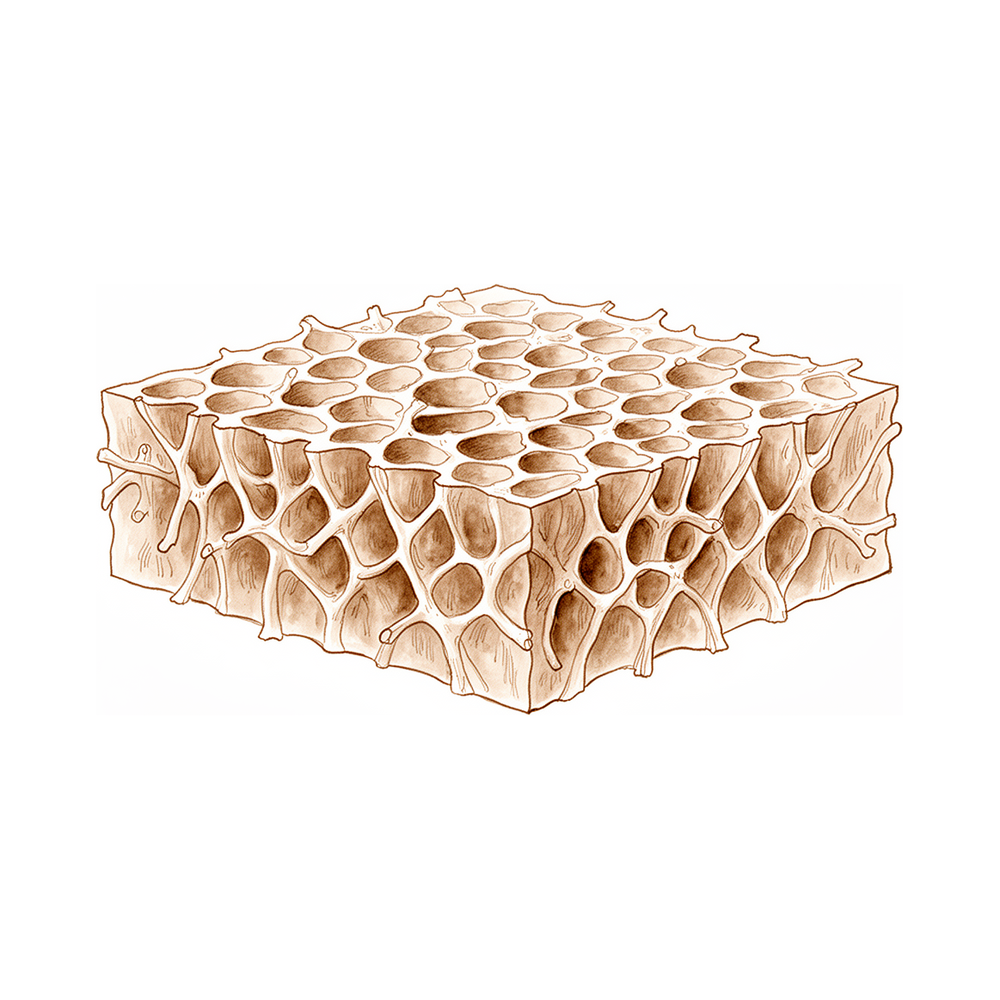
Bone regeneration is a complex, well-orchestrated physiological process of bone formation that occurs during normal fracture healing and is involved in continuous remodelling throughout adult life [1]. The hallmark of successful fracture healing is the uninterrupted progression of biological events in conjunction with a favourable mechanical environment [23]. Accurate reduction is a requisite for bone healing, as adverse mechanical conditions associated with different bone immobilization techniques can significantly compromise normal fracture healing [74]. In osteoporotic fractures, biologic and mechanical factors must be considered in fracture plate fixation, with locking full-length constructs recommended [75]. Understanding the effects of standard orthopaedic interventions on local and systemic inflammatory responses and early fracture healing is important for optimizing fracture union [13].
Immunomodulation is emerging as a potential therapeutic target to improve bone fracture healing [2]. M2 macrophages were clearly prevalent during the ossification phase of bone fracture healing [30]. Identification and targeted interventions for inflammation-induced bone resorption remain limited, requiring further research to advance early detection and treatments [9]. Bone loss and new bone formation coincide as part of the local tissue response to a bacterial infection, and these seemingly opposite processes are related to each other [38]. Proper recognition of the etiology of osteoporosis is an essential step in improving bone health and preventing further bone loss [73]. A consensus aims to standardize clinical practice in bone repair of osteoporotic fractures by concentrating on epidemiology, characteristics, and management strategies of common osteoporotic fractures with bone defect [11].
Current evidence regarding growth factors accelerating fracture healing is promising, but results should be interpreted with caution until phase III, level I studies become available [3]. Evidence for bone healing shows promising results, particularly for MSCs and BMP in the treatment of non-unions [35]. The use of PRF/BMSC during the standard procedure is effective in shortening nonunion healing time [36]. However, there is no clinical evidence to support the use of PRP in the treatment of long-bone defects and nonunions [19]. Tissue engineering is a new and developing option introduced to reduce limitations of bone grafts and improve the healing processes of bone fractures and defects [7]. In direct percutaneous gene delivery for segmental bone defects, the repair tissue is predominantly trabecular bone, has normal bone mineral content, and has gained mechanical strength [4]. Developing additional measures to assess biological healing will improve the reliability of fracture healing assessment and permit the evaluation of stages of fracture healing [5]. Physicians should consider only short-term administration of COX-2 inhibitors or other drugs in the pain management of patients in the phase of fracture or other bone defect healing, based on animal data and limited scientifically robust clinical evidence in humans [6]. The manner of skeletal reconstruction depends on the location and size of the defect, the anticipated growth and functional needs of the patient, and the weighed risks of each procedure as tolerated by the patient [32]. Bone lengthening in the pediatric upper extremity is associated with a high complication rate, and success is commonly defined by radiographic lengthening, joint motion, and patient satisfaction rather than validated outcome measures [34]. There is no hard proof whether traumatic brain injury results in accelerated fracture healing, and the pathophysiological background remains unclarified [37]. A breakthrough is envisaged to allow treatment of bone loss and non-union in a more efficient, reliable, and accelerated manner [20].
How It Works
Biological Mechanisms and Pathways
Bone regeneration is a complex, well-orchestrated physiological process of bone formation involved in continuous remodelling throughout adult life [1]. Fracture healing is a complex physiologic process involving a combination of intramembranous and enchondral ossification driven by the interplay of host biology and the mechanical environment [45]. The balance between signalling molecules involved in bone formation with their inhibitors, particularly between BMPs and their antagonists, is a critical determinant of osteogenesis, skeletal development, fracture repair, and bone remodelling [8]. Alterations of the BMP signaling pathway, either by direct targeting of the BMPs or by their inhibitors, interfere with embryologic skeletal development and postnatal regenerative repair following skeletal trauma [42].
Stress fractures arise when bone stresses exceed the capacity of bone to withstand and heal from those stresses, resulting from either excessive bone strain with microdamage accumulation or depressed bony remodeling in response to normal strain [44]. Increased bone resorption occurs at an early stage in the development of osteoarthritis, and blocking bone-resorbing cytokines prevents cartilage damage [26]. Hypoxia can modify bone remodeling, although clinical studies have shown contradictory results [24]. Type 2 diabetes impacts fracture healing through mechanisms such as impaired vascularity, enhanced inflammation, altered bone turnover, and the generation of advanced glycation end products (AGEs) that reduce bone quality [17].
Inflammation and Immune Response
Understanding the effects of standard orthopaedic interventions on the local and systemic inflammatory responses and early fracture healing is important for optimizing fracture union [13]. Identification and targeted interventions for inflammatory induced bone resorption remain limited, requiring further research to advance early detection and treatments [9]. Soft tissue injury significantly influences the final functional result of fracture healing [46].
Therapeutic Interventions and Adjuncts
Prospective, randomised, double-blind, placebo-controlled trials demonstrate the clinical efficacy of ultrasound in accelerating fracture healing [12]. Current evidence of growth factors accelerating fracture healing is promising, but results should be interpreted with caution until phase III, level I studies become available [3]. The combined action of low-dose FGF-2 and BMP-2 increases the speed and extent of bone healing and may be a solution to the current problems with high-dose BMP-2 [14]. Bone grafting enhances bone regeneration and fracture healing through osteoconductive, osteoinductive, and osteogenic capacities [31]. Tissue engineering is a developing option introduced to reduce limitations of bone grafts and improve the healing processes of bone fractures and defects [7].
In vivo studies involving human subjects have not provided convincing evidence to substantiate the concern that NSAIDs suppress early fracture-healing [18]. Physicians should consider only short-term administration of COX-2 inhibitors or other drugs in the pain management of patients who are in the phase of fracture or other bone defect healing [6]. Belt electrode-skeletal muscle electrical stimulation (B-SES) was associated with improved fracture healing parameters, enhanced bone microarchitecture, and increased mechanical strength in a preclinical rat femoral fracture model [27].
Assessment and Modeling
Developing additional measures to assess biological healing will improve the reliability and permit assessment of stages of fracture healing [5]. Computational modeling findings quantified the effects of the initial healing phase on healing outcome to better understand biological and mechanobiological mechanisms for treatment optimization [21]. Knowledge of key pathways in bone biology can improve surgeon understanding, clinical recognition, and treatment of bone homeostasis–related diseases [10].
What the Evidence Shows
Physiology and Molecular Mechanisms
Bone regeneration is a complex, well-orchestrated physiological process of bone formation that occurs during normal fracture healing and continuous remodelling throughout adult life [1]. The balance between signalling molecules involved in bone formation and their inhibitors, particularly between BMPs and their antagonists, is a critical determinant of osteogenesis, skeletal development, fracture repair, and bone remodelling [8]. An antibody targeting sclerostin is currently in phase-III clinical trials and has shown promising results for increasing bone mineral density [72]. Clinical studies have shown that hypoxia can modify bone remodeling, although results are contradictory [24]. Accumulative in vivo evidence shows that increased bone resorption occurs at an early stage in the development of osteoarthritis and that blocking bone-resorbing cytokines prevents cartilage damage [26]. The interaction of macrophages and mesenchymal stem cells (MSCs) during bone regeneration involves macrophages regulating bone formation [78]. Type 2 diabetes impacts bone fracture healing through mechanisms including impaired vascularity, enhanced inflammation, altered bone turnover, and the generation of advanced glycation end products (AGEs) that reduce bone quality [17].
Inflammation and Immune Response
Identification and targeted interventions for inflammatory induced bone resorption remain limited, and further research is required to advance early detection and treatments [9].
Pharmacological Interventions
Anti-osteoporosis drugs are classified into antiresorptive and anabolic agents based on their effects on bone remodelling [65]. Physicians should consider only short-term administration of COX-2 inhibitors or other drugs in the pain management of patients who are in the phase of fracture or other bone defect healing, given limited scientifically robust clinical evidence in humans [6]. Thiocolchicoside and etodolac were associated with reduced radiological, histopathological, and biomechanical fracture healing parameters compared with untreated controls, particularly during the early healing phase [69].
Biological Agents and Growth Factors
Osteotomy sites treated with rhBMP-2 healed approximately 33% faster than did osteotomy sites either treated with buffer or left untreated, with mechanical properties as much as twofold greater at three and four weeks [55]. The evidence for bone healing shows promising results, particularly for MSCs and BMP in the treatment of non-unions [35]. PRP use for bone healing appears only beneficial when used in combination with osteoconductive scaffolds; however, neither allograft nor autograft appear to be appropriate carriers [62]. In the treatment of atrophic fracture nonunion, PRP enhanced autologous iliac bone grafting can shorten bone healing time and accelerate the healing process, thereby improving limb function more rapidly [71]. This study supports the concept that the use of PRF/BMSC, during the standard procedure, is effective in shortening nonunion healing time [36]. Combinatory use of PRP and HBO resulted in increased bone regeneration and neovascularization compared to all other groups [63]. Cell therapy holds promise as an alternative to autologous bone grafting for promoting bone repair, avoiding drawbacks such as donor-site morbidity and loss of bone stock [28]. Local and regional gene therapy has improved healing in preclinical trials of articular and other musculoskeletal conditions [56]. At this time, the repair tissue resulting from direct percutaneous gene delivery is predominantly trabecular bone, has normal bone mineral content, and has gained mechanical strength [4]. Available literature for the use of biologic therapies in stress fractures is restricted, with most reports using biologics as a supplement to surgical fixation in studies lacking control groups [77].
Grafting and Biomaterials
The success of bone grafting depends on the active participation of the graft in reparative osteogenesis, with conditions for successful grafting being early vascularization and a vital graft [58]. Correct formulation and design of the graft to ensure adequate osteo-activity and resorption appears intrinsic to a successful outcome for coral bone substitutes [66].
Physical Adjuncts and Stimulation
B-SES was associated with improved fracture healing parameters, enhanced bone microarchitecture, and increased mechanical strength in a preclinical rat femoral fracture model [27]. Vibration treatment has good potential to be translated for clinical application to benefit osteoporotic fracture patients, while randomized controlled trials are required to validate its efficacy [68]. In the surgical treatment of stable knee OCD lesions, bone stimulator use did not appear to improve radiographic or clinical healing [60].
Distraction Osteogenesis
The mechanical and biological efficacy of callus distraction is due to the fact that transection of the bone shaft and displacement of the segment creates tension and induces hypervascularization in this zone [70]. In cases of distraction osteogenesis through high energy fractures, bone formation at the distracted fracture site was satisfactory and times for regenerate consolidation were similar to those seen in standard corticotomies [67]. The period of treatment for segmental bone loss may be shortened by taking judicious advantage of the unique potential for healing in such patients [64]. Well-designed clinical studies are needed to establish safe and effective guidelines for various modalities to enhance new bone formation during distraction osteogenesis in children [33]. This review comprehensively summarizes the latest techniques for evaluating bone healing during distraction osteogenesis, providing novel and significant information for evaluating bone healing in the future [76].
Assessment and Modelling
In the future, developing additional measures to assess biological healing will improve the reliability and permit us to assess stages of fracture healing [5]. Findings from computational modeling quantified the effects of the initial healing phase on healing outcome to better understand the biological and mechanobiological mechanisms and their utilization in the design and optimization of treatment strategies [21]. These models enable experimental genetics studies to investigate the cellular and molecular mechanisms of spontaneous cortical and cancellous bone repair and may be useful for pharmacological studies [22].
Specific Clinical Contexts
The consensus aims to standardize clinical practice in bone repair of osteoporotic fractures by concentrating on epidemiology, characteristics, and management strategies of common osteoporotic fractures with bone defect [11]. Despite numerous studies over the last 3 decades, there is still no hard proof whether traumatic brain injury results in accelerated fracture healing, and the pathophysiological background remains unclarified [37]. Improvement of graft healing to bone is crucial for facilitating an early and aggressive rehabilitation and ensuring rapid return to pre-injury levels activity in anterior cruciate ligament reconstruction [61].
Practical Considerations
Biological Mechanisms and Modulation
Further understanding of the biology of fracture repair may lead to improved treatment modalities [25].
Pharmacological Considerations
The application of rhBMP-7 as a bone-stimulating agent is safe and a powerful adjunct to be considered in the surgeon's armamentarium for the treatment of persistent upper and lower limb non-unions [53]. However, the major constraints for routine use of BMP are inadequate clinical trials in humans and the need to comprehensively assess the cost-effectiveness and budget impact of BMP [49]. Consequently, BMP use must be balanced with the large costs associated with their application [57].
Surgical and Adjunctive Strategies
Autologous bone graft remains the gold standard for enhancing fracture healing, though limitations include low graft volume and donor site morbidity [54]. The incidence of bone graft harvesting related complications can be reduced further if certain principles are followed depending on the performed harvesting methods [59]. The use of RIA device as a harvesting method seems a promising alternative with a low complication rate [59]. These alternatives offer osteoconductive, osteoinductive, and osteogenic properties with limited morbidity compared to traditional iliac crest harvesting [52]. The ideal bone-graft substitute is biocompatible, bioresorbable, osteoconductive, osteoinductive, structurally similar to bone, easy to use, and cost-effective [51]. Currently marketed bone-graft substitute products vary in composition and mechanism [51].
Patient Factors and Comorbidities
Type 2 diabetes impacts bone fracture healing through mechanisms such as impaired vascularity, enhanced inflammation, altered bone turnover, and the generation of advanced glycation end products (AGEs) that reduce bone quality [17]. Increasing physician awareness of medication side effects will allow for monitoring of bone health and therapeutic interventions to prevent or treat drug-induced osteoporosis [50].
Assessment and Future Directions
The procedure of bone lengthening in the pediatric upper extremity is associated with a high complication rate [34]. Success in pediatric upper extremity bone lengthening is commonly defined by radiographic lengthening, joint motion, and patient satisfaction rather than validated outcome measures [34]. Management of osteolysis after total knee arthroplasty requires a global assessment of the character and progression of the osteolysis weighed against patient-specific risk factors to determine if surgery or continued radiographic surveillance is indicated [48].
Key Evidence
- [L4] Bone regeneration is a complex, well-orchestrated physiological process of bone formation, which can be seen during normal fracture healing, and is involved in continuous remodelling throughout adult life. [1] (10.1186/1741-7015-9-66)
- [L5] Owing to these efforts, immunomodulation is emerging as a potential therapeutic target to improve bone fracture healing. [2] (10.1007/s11914-018-0423-2)
- [L5] Current evidence of growth factors accelerating fracture healing is promising, but results should be interpreted with caution until phase III, level I studies become available. [3] (10.1016/j.injury.2007.02.013)
- [L5] At this time, the repair tissue is predominantly trabecular bone, has normal bone mineral content, and has gained mechanical strength. [4] (10.2106/jbjs.e.00464)
- [L5] In the future, developing additional measures to assess biological healing will improve the reliability and permit us to assess stages of fracture healing. [5] (10.1016/j.injury.2014.04.003)
- [L4] These animal data, together with the view of limited scientifically robust clinical evidence in humans, indicate that physicians consider only short-term administration of COX-2 inhibitors or other drugs in the pain management of patients who are in the phase of fracture or other bone defect healing. [6] (10.1097/bor.0b013e32836200b8)
- [L4] Tissue engineering is a new and developing option introduced to reduce limitations of bone grafts and improve the healing processes of bone fractures and defects. [7] (10.1186/1749-799X-9-18)
- [Paper] The balance between signalling molecules involved in bone formation with their inhibitors, particularly between BMPs and their antagonists, is a critical determinant of osteogenesis, skeletal development, fracture repair, and bone remodelling. [8] (10.1016/j.injury.2006.02.039)
- [L5] Identification and targeted interventions for inflammatory induced bone resorption remain limited, and further research is required to advance early detection and treatments. [9] (10.3389/fphys.2020.511799)
- [L5] Knowledge of key pathways in bone biology can improve surgeon understanding, clinical recognition, and treatment of bone homeostasis–related diseases. [10] (10.5435/jaaos-d-23-00164)
- [L5] The consensus aims to standardize clinical practice in bone repair of osteoporotic fractures by concentrating on epidemiology, characteristics, and management strategies of common osteoporotic fractures with bone defect. [11] (10.3389/fendo.2022.989648)
- [L1] Prospective, randomised, double-blind, placebo-controlled trials demonstrate its clinical efficacy in accelerating fracture healing. [12] (10.1016/j.injury.2008.01.015)
- [L5] Understanding the effects of standard orthopaedic interventions on the local and systemic inflammatory responses and early fracture healing is important for optimizing fracture union. [13] (10.5435/jaaos-d-16-00646)
- [L5] The combined action of low-dose FGF-2 and BMP-2 increases the speed and extent of bone healing and may be a solution to the current problems with high-dose BMP-2. [14] (10.5435/jaaos-22-10-677)
- [L4] It discusses mechanisms such as impaired vascularity, enhanced inflammation, altered bone turnover, and the generation of advanced glycation end products (AGEs) that reduce bone quality. [17] (10.3389/fendo.2018.00006)
- [L4] In vivo studies involving human subjects have not provided convincing evidence to substantiate the concern that NSAIDs suppress early fracture-healing. [18] (10.2106/jbjs.j.01743)
- [L3] There is no clinical evidence to support the use of PRP in the treatment of long-bone defects and nonunions. [19] (10.1016/j.injury.2007.02.009)
- [L5] A breakthrough is envisaged to allow treatment of bone loss and non-union in a more efficient, reliable, and accelerated manner. [20] (10.1016/s0020-1383(13)70002-0)
- [L5] Findings quantified the effects of the initial healing phase on healing outcome to better understand the biological and mechanobiological mechanisms and their utilization in the design and optimization of treatment strategies. [21] (10.1186/s12891-019-2854-z)
- [L5] These models enable experimental genetics studies to investigate the cellular and molecular mechanisms of spontaneous cortical and cancellous bone repair and may be useful for pharmacological studies. [22] (10.1007/s00223-009-9314-y)
- [Paper] The uninterrupted progression of biological events in conjunction with a favourable mechanical environment remains the hallmark of successful fracture healing. [23] (10.1016/j.injury.2016.10.008)
- [L4] Clinical studies, although with contradictory results, have shown that hypoxia can modify bone remodeling. [24] (10.3390/ijms23063233)
- [L5] Further understanding of the biology of fracture repair may lead to improved treatment modalities. [25] (10.5435/00124635-200811000-00001)
- [L4] Accumulative in vivo evidence shows that increased bone resorption occurs at an early stage in the development of osteoarthritis and that blocking bone-resorbing cytokines prevents cartilage damage. [26] (10.1016/j.cytogfr.2011.04.003)
- [L5] B-SES was associated with improved fracture healing parameters, enhanced bone microarchitecture, and increased mechanical strength in this preclinical model. [27] (10.1186/s12891-026-09799-6)
- [L4] Cell therapy holds promise as an alternative to autologous bone grafting for promoting bone repair, avoiding drawbacks such as donor-site morbidity and loss of bone stock. [28] (10.1016/j.otsr.2013.11.010)
- [L5] M2 macrophages were clearly prevalent during the ossification phase. [30] (10.1016/j.bone.2015.10.019)
- [L5] Bone grafting enhances bone regeneration and fracture healing through osteoconductive, osteoinductive, and osteogenic capacities. [31] (10.1530/eor-24-0032)
- [L5] The manner of skeletal reconstruction depends on the location and size of the defect, the anticipated growth and functional needs of the patient, and the weighed risks of each procedure as tolerated by the patient. [32] (10.5435/jaaos-d-25-00228)
- [L5] Well-designed clinical studies are needed to establish safe and effective guidelines for various modalities to enhance new bone formation during distraction osteogenesis in children. [33] (10.5435/00124635-201102000-00005)
- [L5] The procedure is associated with a high complication rate, and success is commonly defined by radiographic lengthening, joint motion, and patient satisfaction rather than validated outcome measures. [34] (10.2106/jbjs.16.00007)
- [L4] The evidence for bone healing shows promising results, particularly for MSCs and BMP in the treatment of non-unions. [35] (10.1177/17531934251327034)
- [L3] This study supports the concept that the use of PRF/BMSC, during the standard procedure, is effective in shortening nonunion healing time. [36] (10.1016/j.injury.2016.09.021)
- [L4] Despite numerous studies over the last 3 decades, there is still no hard proof whether traumatic brain injury results in accelerated fracture healing, and the pathophysiological background remains unclarified. [37] (10.1155/2015/204842)
- [L4] It discusses how bone loss and new bone formation coincide as part of the local tissue response to a bacterial infection, and how these seemingly opposite processes are related to each other. [38] (10.1002/jor.24422)
- [Paper] Alterations of the BMP signaling pathway, either by direct targeting of the BMPs or by their inhibitors has been shown to interfere with embryologic skeletal development and a post natal regenerative repair following skeletal trauma. [42] (10.1016/s0020-1383(09)70003-8)
- [Paper] Stress fractures arise when bone stresses exceed the capacity of bone to withstand and heal from those stresses, resulting from either excessive bone strain with microdamage accumulation or depressed bony remodeling in response to normal strain. [44] (10.1016/j.csm.2005.08.010)
- [L5] Fracture healing is a complex physiologic process involving a combination of intramembranous and enchondral ossification, driven by the interplay of host biology (progenitor cells, growth factors, ECM) and the mechanical environment. [45] (10.1016/j.hcl.2013.08.002)
- [L5] The article reviews the basic science of fracture healing and the inflammatory response to guide rehabilitation forces applied during various stages of the healing process, emphasizing that soft tissue injury significantly influences the final functional result. [46] (10.1016/j.hcl.2005.01.004)
- [L5] Management requires a global assessment of the character and progression of the osteolysis weighed against patient-specific risk factors to determine if surgery or continued radiographic surveillance is indicated. [48] (10.5435/jaaos-d-13-00189)
- [L5] The major constraints for routine use of BMP are inadequate clinical trials in humans and the need to comprehensively assess the cost-effectiveness and budget impact of BMP. [49] (10.1016/j.injury.2006.12.012)
- [L5] Increasing physician awareness of these side effects will allow for monitoring of bone health and therapeutic interventions to prevent or treat drug-induced osteoporosis. [50] (10.1177/1759720x14546350)
- [L5] The ideal bone-graft substitute is biocompatible, bioresorbable, osteoconductive, osteoinductive, structurally similar to bone, easy to use, and cost-effective, but currently marketed products vary in composition and mechanism. [51] (10.2106/00004623-200100022-00007)
- [L5] These alternatives offer osteoconductive, osteoinductive, and osteogenic properties with limited morbidity compared to traditional iliac crest harvesting. [52] (10.5435/00124635-201102000-00006)
- [L4] The study supports the view that the application of rhBMP-7 as a bone-stimulating agent is safe and a powerful adjunct to be considered in the surgeon's armamentarium for the treatment of these challenging clinical conditions. [53] (10.1016/j.injury.2005.10.010)
- [L5] Autologous bone graft remains the gold standard for enhancing fracture healing, though limitations include low graft volume and donor site morbidity. [54] (10.1530/eor-23-0047)
- [L5] Osteotomy sites treated with rhBMP-2 healed approximately 33% faster than did osteotomy sites either treated with buffer or left untreated, with mechanical properties as much as twofold greater at three and four weeks. [55] (10.2106/00004623-200108000-00012)
- [L5] Local and regional gene therapy has improved healing in preclinical trials of articular and other musculoskeletal conditions. [56] (10.1196/annals.1402.065)
- [L4] BMP use must be balanced with the large costs associated with their application. [57] (10.1016/j.injury.2010.11.016)
- [Paper] The success of bone grafting depends on the active participation of the graft in reparative osteogenesis, with conditions for successful grafting being early vascularization and a vital graft. [58] (10.1016/0020-1383(94)90256-9)
- [L4] The incidence of bone graft harvesting related complications can be reduced further if certain principles are followed depending on the performed harvesting methods; but overall the use of RIA device as harvesting method seems a promising alternative with a low complication rate. [59] (10.1016/j.injury.2011.06.015)
- [L3] In the surgical treatment of stable knee OCD lesions, bone stimulator use did not appear to improve radiographic or clinical healing. [60] (10.1177/2325967120s00178)
- [L4] Improvement of graft healing to bone is crucial for facilitating an early and aggressive rehabilitation and ensuring rapid return to pre-injury levels activity. [61] (10.1186/1758-2555-1-21)
- [L4] PRP use for bone healing appears only beneficial when used in combination with osteoconductive scaffolds; however, neither allograft nor autograft appear to be appropriate carriers. [62] (10.1007/s00402-012-1641-1)
- [L5] Combinatory use of PRP and HBO resulted in increased bone regeneration and neovascularization compared to all other groups. [63] (10.1016/j.injury.2016.09.039)
- [L4] The period of treatment may be shortened by taking judicious advantage of the unique potential for healing in such patients. [64] (10.2106/00004623-200001000-00012)
- [L2] Anti-osteoporosis drugs are classified into antiresorptive and anabolic agents based on their effects on bone remodelling. [65] (10.1302/2058-5241.4.180018)
- [L4] Correct formulation and design of the graft to ensure adequate osteo-activity and resorption appears intrinsic to a successful outcome. [66] (10.1016/j.injury.2016.10.025)
- [L4] In each case, bone formation at the distracted fracture site was satisfactory and times for regenerate consolidation were similar to those seen in standard corticotomies. [67] (10.1016/s0020-1383(98)00128-4)
- [L5] Vibration treatment has good potential to be translated for clinical application to benefit osteoporotic fracture patients, while randomized controlled trials are required to validate its efficacy. [68] (10.1016/j.injury.2020.05.020)
- [L5] Thiocolchicoside and etodolac were associated with reduced radiological, histopathological, and biomechanical fracture healing parameters compared with untreated controls, particularly during the early healing phase. [69] (10.1186/s13018-026-06781-9)
- [Paper] The mechanical and biological efficacy of this method is due to the fact that transection of the bone shaft and displacement of the segment creates tension and induces hypervascularization in this zone. [70] (10.1016/0020-1383(94)90258-5)
- [L3] In the treatment of atrophic fracture nonunion, PRP enhanced autologous iliac bone grafting can shorten bone healing time and accelerate the healing process, thereby improving limb function more rapidly. [71] (10.1186/s13018-025-06372-0)
- [L5] An antibody targeting sclerostin is currently in phase-III clinical trials and has shown promising results for increasing bone mineral density. [72] (10.2106/jbjs.m.01096)
- [L4] Proper recognition of the etiology of osteoporosis is an essential step in improving bone health and preventing further bone loss. [73] (10.3390/jcm11092382)
- [L5] An accurate reduction is a requisite for bone healing, and adverse mechanical conditions associated with different bone immobilization techniques can compromise normal bone fracture healing significantly. [74] (10.1097/01.blo.0000132263.14046.0c)
- [L5] Biologic and mechanical factors must be considered, with locking full-length constructs recommended for osteoporotic fractures. [75] (10.5435/00124635-200910000-00007)
- [L4] This review comprehensively summarizes the latest techniques for evaluating bone healing during distraction osteogenesis, providing novel and significant information for evaluating bone healing in the future. [76] (10.1186/s12891-022-05458-8)
- [L5] Available literature for the use of biologic therapies in stress fractures is restricted, with most reports using biologics as a supplement to surgical fixation in studies lacking control groups. [77] (10.1016/j.jisako.2024.04.008)
- [L5] This review summarizes the current understanding of the interaction of macrophages and mesenchymal stem cells (MSCs) during bone regeneration, with emphasis on the role of macrophages in regulating bone formation. [78] (10.1016/j.biomaterials.2017.12.025)
See Also
- Osteoarthritis
References
[1] Bone regeneration: current concepts and future directions. BMC Medicine. 2011. DOI: 10.1186/1741-7015-9-66
[2] The Role of the Immune Cells in Fracture Healing. Current Osteoporosis Reports. 2018. DOI: 10.1007/s11914-018-0423-2
[3] Can we accelerate fracture healing?. Injury. 2007. DOI: 10.1016/j.injury.2007.02.013
[4] Direct Percutaneous Gene Delivery to Enhance Healing of Segmental Bone Defects. The Journal of Bone & Joint Surgery. 2006. DOI: 10.2106/jbjs.e.00464
[5] Biological perspectives of delayed fracture healing. Injury. 2014. DOI: 10.1016/j.injury.2014.04.003
[6] NSAIDs and fracture healing. Current Opinion in Rheumatology. 2013. DOI: 10.1097/bor.0b013e32836200b8
[7] Bone regenerative medicine: classic options, novel strategies, and future directions. Journal of Orthopaedic Surgery and Research. 2014. DOI: 10.1186/1749-799X-9-18
[8] The role of inhibitory molecules in fracture healing. Injury. 2006. DOI: 10.1016/j.injury.2006.02.039
[9] The Effect of Inflammation on Bone. Frontiers in Physiology. 2021. DOI: 10.3389/fphys.2020.511799
[10] Bone Homeostasis and Physiology in Normal and Orthopaedic Disease Conditions. Journal of the American Academy of Orthopaedic Surgeons. 2023. DOI: 10.5435/jaaos-d-23-00164
[11] Expert consensus on the bone repair strategy for osteoporotic fractures in China. Frontiers in Endocrinology. 2022. DOI: 10.3389/fendo.2022.989648
[12] External adjuncts to enhance fracture healing: What is the role of ultrasound?. Injury. 2008. DOI: 10.1016/j.injury.2008.01.015
[13] Osteoimmunology: Effects of Standard Orthopaedic Interventions on Inflammatory Response and Early Fracture Healing. Journal of the American Academy of Orthopaedic Surgeons. 2018. DOI: 10.5435/jaaos-d-16-00646
[14] Optimizing BMP-2-induced bone repair with FGF-2. Journal of the American Academy of Orthopaedic Surgeons. 2014. DOI: 10.5435/jaaos-22-10-677
[17] The Impact of Type 2 Diabetes on Bone Fracture Healing. Frontiers in Endocrinology. 2018. DOI: 10.3389/fendo.2018.00006
[18] The Effect of Nonsteroidal Anti-Inflammatory Drug Administration on Acute Phase Fracture-Healing: A Review. Journal of Bone and Joint Surgery. 2012. DOI: 10.2106/jbjs.j.01743
[19] Growth factors — BMPs, DBMs, and buffy coat products: are there any proven differences amongst them?. Injury. 2007. DOI: 10.1016/j.injury.2007.02.009
[20] Bone regeneration strategies: Current trends but what the future holds?. Injury. 2013. DOI: 10.1016/s0020-1383(13)70002-0
[21] Computational modeling of human bone fracture healing affected by different conditions of initial healing stage. BMC Musculoskeletal Disorders. 2019. DOI: 10.1186/s12891-019-2854-z
[22] Drilled Hole Defects in Mouse Femur as Models of Intramembranous Cortical and Cancellous Bone Regeneration. Calcified Tissue International. 2009. DOI: 10.1007/s00223-009-9314-y
[23] The roles of immune cells in bone healing; what we know, do not know and future perspectives. Injury. 2016. DOI: 10.1016/j.injury.2016.10.008
[24] Molecular Mechanisms Involved in Hypoxia-Induced Alterations in Bone Remodeling. International Journal of Molecular Sciences. 2022. DOI: 10.3390/ijms23063233
[25] Recent Developments in the Biology of Fracture Repair. Journal of the American Academy of Orthopaedic Surgeons. 2008. DOI: 10.5435/00124635-200811000-00001
[26] Crosstalk between cartilage and bone: When bone cytokines matter. Cytokine & Growth Factor Reviews. 2011. DOI: 10.1016/j.cytogfr.2011.04.003
[27] Effect of belt electrode-skeletal muscle electrical stimulation on fracture healing in a rat femoral fracture model. BMC Musculoskeletal Disorders. 2026. DOI: 10.1186/s12891-026-09799-6
[28] Cell therapy for bone repair. Orthopaedics & Traumatology: Surgery & Research. 2014. DOI: 10.1016/j.otsr.2013.11.010
[30] Macrophages in bone fracture healing: Their essential role in endochondral ossification. Bone. 2018. DOI: 10.1016/j.bone.2015.10.019
[31] Long bone uninfected non-union: grafting techniques. EFORT Open Reviews. 2024. DOI: 10.1530/eor-24-0032
[32] Autograft and Biologic Living Bone Reconstructions in Orthopaedic Oncology. Journal of the American Academy of Orthopaedic Surgeons. 2025. DOI: 10.5435/jaaos-d-25-00228
[33] Enhancement of Bone Formation During Distraction Osteogenesis: Pediatric Applications. Journal of the American Academy of Orthopaedic Surgeons. 2011. DOI: 10.5435/00124635-201102000-00005
[34] Bone Lengthening in the Pediatric Upper Extremity. Journal of Bone and Joint Surgery. 2016. DOI: 10.2106/jbjs.16.00007
[35] The role of orthobiologics in bone healing and joint and tendon degeneration in the upper limb. Journal of Hand Surgery (European Volume). 2025. DOI: 10.1177/17531934251327034
[36] Radiological assessment of the PRF/BMSC efficacy in the treatment of aseptic nonunions: A retrospective study on 90 subjects. Injury. 2016. DOI: 10.1016/j.injury.2016.09.021
[37] Improved Fracture Healing in Patients with Concomitant Traumatic Brain Injury: Proven or Not?. Mediators of Inflammation. 2015. DOI: 10.1155/2015/204842
[38] Impact of Bacterial Infections on Osteogenesis: Evidence From In Vivo Studies. Journal of Orthopaedic Research. 2019. DOI: 10.1002/jor.24422
[42] The role of endogenous bone morphogenetic proteins in normal skeletal repair. Injury. 2009. DOI: 10.1016/s0020-1383(09)70003-8
[44] The Pathophysiology of Stress Fractures. Clinics in Sports Medicine. 2006. DOI: 10.1016/j.csm.2005.08.010
[45] Basic Science of Bone Healing. Hand Clinics. 2013. DOI: 10.1016/j.hcl.2013.08.002
[46] Rehabilitation of Distal Radius Fractures: A Biomechanical Guide. Hand Clinics. 2005. DOI: 10.1016/j.hcl.2005.01.004
[48] Evaluating the Progression of Osteolysis After Total Knee Arthroplasty. Journal of the American Academy of Orthopaedic Surgeons. 2015. DOI: 10.5435/jaaos-d-13-00189
[49] Bone morphogenic protein and its application in trauma cases: A current concept update. Injury. 2007. DOI: 10.1016/j.injury.2006.12.012
[50] Medication-induced osteoporosis: screening and treatment strategies. Therapeutic Advances in Musculoskeletal Disease. 2014. DOI: 10.1177/1759720x14546350
[51] Bone-Graft Substitutes: Facts, Fictions, and Applications. The Journal of Bone and Joint Surgery-American Volume. 2001. DOI: 10.2106/00004623-200100022-00007
[52] Bone Grafting in Surgery About the Foot and Ankle: Indications and Techniques. American Academy of Orthopaedic Surgeon. 2011. DOI: 10.5435/00124635-201102000-00006
[53] Application of recombinant BMP-7 on persistent upper and lower limb non-unions. Injury. 2005. DOI: 10.1016/j.injury.2005.10.010
[54] Biological aspects to enhance fracture healing. EFORT Open Reviews. 2023. DOI: 10.1530/eor-23-0047
[55] Recombinant Human Bone Morphogenetic Protein-2 Accelerates Healing in a Rabbit Ulnar Osteotomy Model. The Journal of Bone and Joint Surgery-American Volume. 2001. DOI: 10.2106/00004623-200108000-00012
[56] Gene Therapy in Musculoskeletal Repair. Annals of the New York Academy of Sciences. 2007. DOI: 10.1196/annals.1402.065
[57] Bone morphogenetic proteins in orthopaedic trauma surgery. Injury. 2011. DOI: 10.1016/j.injury.2010.11.016
[58] 3. Biological principles of autogenous bone grafting. Injury. 1994. DOI: 10.1016/0020-1383(94)90256-9
[59] Complications following autologous bone graft harvesting from the iliac crest and using the RIA: A systematic review. Injury. 2011. DOI: 10.1016/j.injury.2011.06.015
[60] ADJUVANT TREATMENT OF OCD LESIONS OF THE KNEE WITH BONE STIMULATORS. Orthopaedic Journal of Sports Medicine. 2020. DOI: 10.1177/2325967120s00178
[61] Graft healing in anterior cruciate ligament reconstruction. BMC Sports Science, Medicine and Rehabilitation. 2009. DOI: 10.1186/1758-2555-1-21
[62] Can platelet-rich plasma (PRP) improve bone healing? A comparison between the theory and experimental outcomes. Archives of Orthopaedic and Trauma Surgery. 2012. DOI: 10.1007/s00402-012-1641-1
[63] Synergistic effects of HBO and PRP improve bone regeneration with autologous bone grafting. Injury. 2016. DOI: 10.1016/j.injury.2016.09.039
[64] Distraction of Hypertrophic Callus in the Treatment of Segmental Bone Loss in the Femur. The Journal of Bone and Joint Surgery-American Volume. 2000. DOI: 10.2106/00004623-200001000-00012
[65] Molecular understanding of pharmacological treatment of osteoporosis. EFORT Open Reviews. 2019. DOI: 10.1302/2058-5241.4.180018
[66] Is there a role of coral bone substitutes in bone repair?. Injury. 2016. DOI: 10.1016/j.injury.2016.10.025
[67] Distraction osteogenesis through high energy fractures. Injury. 1998. DOI: 10.1016/s0020-1383(98)00128-4
[68] Enhancement of osteoporotic fracture healing by vibration treatment: The role of osteocytes. Injury. 2021. DOI: 10.1016/j.injury.2020.05.020
[69] Comparative effects of thiocolchicoside and etodolac on fracture healing in a rat femur model. Journal of Orthopaedic Surgery and Research. 2026. DOI: 10.1186/s13018-026-06781-9
[70] 5. Biological principles of callus distraction. Injury. 1994. DOI: 10.1016/0020-1383(94)90258-5
[71] Platelet-rich plasma enhanced therapy for aseptic atrophic tibial diaphyseal nonunion: a single-center retrospective controlled study of 90 cases. Journal of Orthopaedic Surgery and Research. 2025. DOI: 10.1186/s13018-025-06372-0
[72] A Review of Osteocyte Function and the Emerging Importance of Sclerostin. Journal of Bone and Joint Surgery. 2014. DOI: 10.2106/jbjs.m.01096
[73] Secondary Osteoporosis and Metabolic Bone Diseases. Journal of Clinical Medicine. 2022. DOI: 10.3390/jcm11092382
[74] Biomechanical Considerations of Fracture Treatment and Bone Quality Maintenance in Elderly Patients and Patients with Osteoporosis. Clinical Orthopaedics and Related Research. 2004. DOI: 10.1097/01.blo.0000132263.14046.0c
[75] Failure of Fracture Plate Fixation. Journal of the American Academy of Orthopaedic Surgeons. 2009. DOI: 10.5435/00124635-200910000-00007
[76] The progress in quantitative evaluation of callus during distraction osteogenesis. BMC Musculoskeletal Disorders. 2022. DOI: 10.1186/s12891-022-05458-8
[77] Biologic therapies in stress fractures: Current concepts. Journal of ISAKOS. 2024. DOI: 10.1016/j.jisako.2024.04.008
[78] Mesenchymal stem cell-macrophage crosstalk and bone healing. Biomaterials. 2019. DOI: 10.1016/j.biomaterials.2017.12.025