Patients › Wrist
Distal Radius Fracture
Distal radius fractures — assessment, casting, and indications for surgical fixation.
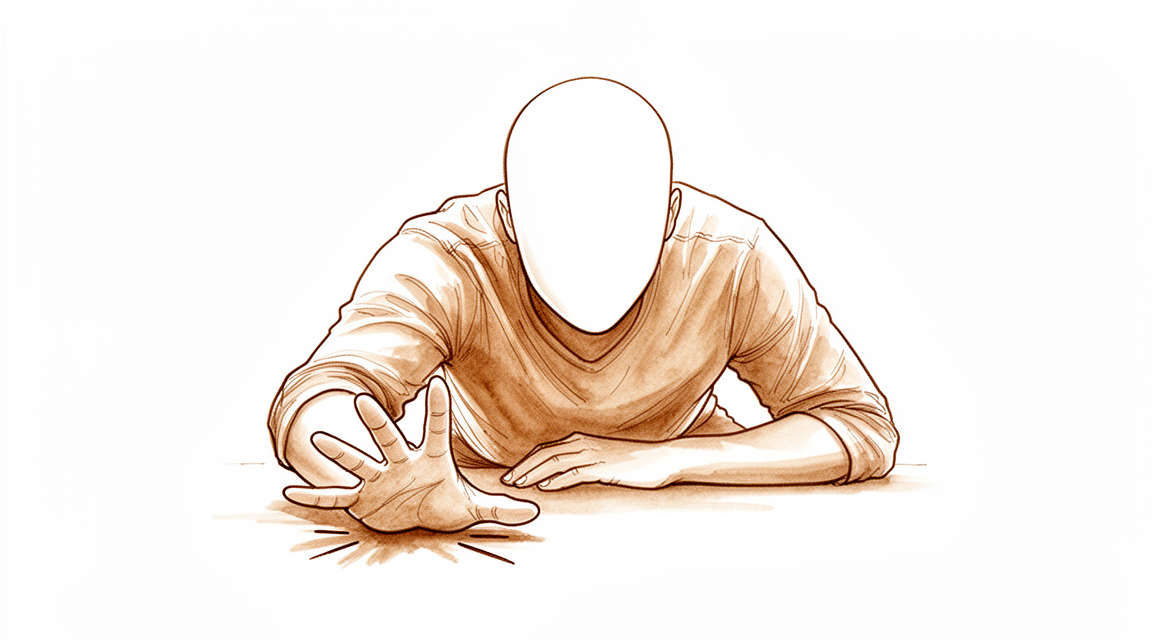
What you're feeling
A distal radius fracture is a break in the end of the radius, the larger of the two bones in your forearm, just above the wrist. It usually happens when you fall onto an outstretched hand. Your hand goes out to catch you, and the force of the fall travels up through the wrist. Some breaks come from higher energy injuries, such as a fall from a height or a road accident. The harder the impact, the more complex the break can be.
Straight away, you will feel pain at the wrist, and it will swell. Bruising often follows. If the broken bone has shifted, you may see a change in the shape of your wrist. One common pattern pushes the back of the hand up into a bend that looks like a fork used at a dinner table. In some cases the wrist looks almost normal, and there may only be tenderness in one spot and pain when you move it. Either way, you will likely be reluctant to use the hand, and everyday tasks like turning a door handle, holding a cup of tea, or pushing up from a chair will hurt.
The break can injure more than bone. The skin can be torn, and the nerves running through the wrist can be affected, which may cause numbness or tingling in the fingers. It is also common to hurt other areas on the same arm, such as the elbow or shoulder, so it is worth mentioning any other pain you feel.
In the first days and weeks, the wrist tends to be most painful when you move it and at night. As healing starts, this gradually settles. The goal of all treatment is to keep you comfortable and restore how your wrist works.
What's actually happening
The radius is the larger of the two forearm bones, and the distal radius is its wide end that forms part of the wrist joint. In a healthy wrist, this end of the bone carries most of the load passing from your hand to your arm, around 80% of it. When you fall onto your hand, that load spikes suddenly, and the thin bone just above the wrist joint bends and breaks.
Think of the wrist joint as a smooth table top where your hand bones glide. For the wrist to work well, that table top needs to stay flat and level. If the break shifts the bone, the surface becomes uneven or tilted, a bit like a table with one leg shorter than the others. Your hand still sits on it, but it rocks, catches, and wears unevenly. That is why a shifted break changes how the wrist moves and feels, not just how it looks.
The break can also injure soft tissues that hold the wrist together. The triangular fibrocartilage complex, a cushion of tissue on the little-finger side of the wrist between the radius and ulna, is the structure most often hurt alongside this fracture. The ligaments joining the small wrist bones to each other can be stretched or torn too. In about half of these fractures, and in nearly all breaks that run into the joint surface, one of these neighbouring structures is injured as well.
Bone heals by knitting back together, with new bone forming across the break and slowly firming up over weeks. Shifted pieces, though, may not line up on their own. If the bone heals in a poor position, the wrist can end up stiff, weak, or uncomfortable when you turn your forearm or grip. Small steps or gaps in the joint surface, or a marked tilt of the bone end, are the patterns most linked with ongoing trouble. That is why your surgeon checks the position of the break carefully and matches the treatment to the pattern, your age, and how much you use your wrist.
What we can do about it
Dr Kieran Hirpara, an upper-limb surgeon at Mater Private Hospital Rockhampton, matches the treatment to your specific injury. Patients are generally referred to our clinic by their GP; if a physiotherapist has suggested you see us, you will still need a referral from your GP in order to be eligible for the Medicare rebate. At the clinic we take a history, examine your wrist, and arrange X-rays, and sometimes a CT scan, to work out the pattern of the break. The right treatment depends on how far the bone has shifted, whether the break is stable, your age, and how much you use your wrist. There is no single treatment that suits every fracture, so we weigh the options with you and decide together.
Many breaks can be treated without surgery. This is often the case when the bone has not shifted, or has only shifted a little, or when the break is stable. It is also common for older patients with lower demands on the wrist. Non-operative care means a splint or a cast while the bone knits. If the bone has shifted, we first straighten it, which is done under anaesthetic so you are comfortable. Displaced fractures are usually immobilised for 4 to 6 weeks after the bone has been straightened. For an undisplaced break, a splint is worn for a day or two until the swelling settles, then a cast is fitted, and the cast can usually come off after 4 weeks. We check the position with X-rays about a week and again two weeks after straightening, because the bone can slip inside the cast. You keep your fingers and shoulder moving from early on to prevent stiffness and limit swelling. Physiotherapy starts at the right stage once the cast comes off.
Surgery is recommended from the outset when the break is unstable or badly shifted, when it runs into the wrist joint surface, or when the bone will not stay in place in a cast. Some breaks come with nerve or blood vessel injuries, torn wrist ligaments, or an open wound over the fracture, and these need surgery too. Younger, active patients who need a strong, straight wrist for work or sport are more likely to be offered surgery. The operation holds the bone in the correct position while it heals, using a plate and screws or another way of holding the bone. The choice between surgery and a cast is genuinely shared in some cases: a cast may work, but the wrist can end up with a visible change in shape, and some people prefer surgery to avoid that.
Whichever path you take, the early weeks are about comfort and protection. Keep your hand raised, move your fingers often, and take pain relief as advised. Avoid loading the wrist until we tell you it is safe. Physiotherapy then restores movement, strength, and grip at the right stage of healing.
What to expect
Healing from a distal radius fracture takes time, and it happens in stages. The worst of the pain and swelling usually settles within the first two months. Most people have little pain and little trouble using the wrist by six months. Recovery does not stop there, though. It is an ongoing process that continues for years, and many people keep noticing slow improvement well beyond the first year.
Everyone heals at a different pace. About 69% of people recover quickly, while about 23% take longer, and around 8% still have meaningful symptoms after a year. Grip strength in the injured hand is often weaker than in your other hand at three and six months. If the smaller bone beside the radius, the ulna, was also chipped at the wrist, grip strength and bending the wrist down can come back more slowly. Even so, over the long term there is no difference in how the wrist measures up between people with and without that extra chip. Older age and thinner bones are linked with slower recovery in the first year, as are more severe breaks and higher energy injuries. How you are feeling overall matters too, and low mood can slow the whole process down.
If your wrist is still troubling you at the one year mark, that is not the end of the story. Things often keep improving after that point. However, more than half of people with a poor result at one year still have major disability some years later, so it is worth raising any ongoing pain or stiffness with us rather than waiting it out.
Both paths carry some risk of things not going to plan. The bone can heal in a poor position, which is called malunion. This is more common in older people treated without surgery, and it can leave the wrist stiff, weak, painful, or changed in shape. Not every malunion causes trouble, especially in older people who place lower demands on the wrist. Surgery itself can occasionally irritate or injure the tendons or nerves near the wrist. Nerve irritation is one of the more common complications and usually settles, though it can occasionally last much longer. Complication rates overall vary widely between studies, and no single treatment path stands out as clearly safer than the others.
When to see someone
Seek urgent care if your wrist is clearly changed in shape, if there is an open wound over the break, if you have numbness or tingling in your fingers, or if you cannot use your hand or arm at all. Numbness and tingling can mean a nerve at the wrist is squeezed, and that needs checking straight away. If the wrist looks almost normal but one spot is tender and it hurts to move, still have it assessed. After treatment, see your GP or ask for a specialist review if the pain is not settling, or if swelling, movement, or how much you can use the wrist are not improving week on week as healing progresses.
In more depth
Advanced reading: the deeper science (optional)
This section goes further than you need for your own treatment decisions. A broken wrist is worth the extra reading because it is the fracture where the gap between what looks right on an X-ray and what a patient actually notices is widest, and because the commonest operation for it has a higher complication rate than most people are told.
Surgery improves function, but by how much matters
Pooling 2,254 adults, operative treatment of distal radius fractures improved the medium-term DASH score and grip strength compared with non-operative treatment, with no difference in overall complication rate [1].
That is a genuine result in favour of surgery, and it should be read alongside its own size. The DASH is scored out of 100, and the differences in this literature are typically modest — real, measurable, and often smaller than patients imagine when they hear "surgery gives a better result". It is a difference in the quality of the recovery rather than the difference between a working wrist and a useless one.
The plate has its own complication profile
The volar locking plate is the standard fixation, and it is very good. It is not free.
A meta-analysis restricted to high-quality studies found an overall complication rate of 30.8% after volar locking plate fixation, and noted the technique may be associated with more hardware-related complications than previously reported [2].
That figure needs context rather than alarm: it counts everything, including minor and self-resolving problems, not 30.8% disasters. But it is the honest denominator, and it is higher than the impression given by "a plate and screws, then straight to moving your hand".
Removal is a related question with a clean answer. Across 3,690 patients there was a strong positive correlation between how often surgeons removed hardware and how often complications were reported, and the authors concluded that routine removal is not justified in the absence of plate-related problems [3]. A plate that is not causing trouble should generally be left alone.
The ulnar styloid fracture you were told about probably does not matter
Most people with a distal radius fracture also break the tip of the ulna, and it is often mentioned as though it were a second, worrying injury.
Pooling 1,403 patients, a concomitant ulnar styloid fracture did not affect the outcomes of the distal radius fracture, and the authors advise caution before electing to fix it [4].
So if that fragment was pointed out on your X-ray, its presence alone is not a reason for additional surgery, and not a reason to expect a worse result.
What actually predicts a poor outcome
Not the ulnar styloid, and not the surgeon's choice of implant so much as the fracture's own behaviour. Where a fracture is managed in a cast, the risk factors for it slipping again after reduction include initial complete displacement and other markers of an unstable pattern — the fracture that was badly out of position to begin with is the one most likely to drift back.
That is why a wrist treated in plaster is X-rayed again at one and two weeks. The check is not bureaucratic; it is the window in which a slipping fracture can still be dealt with easily.
References for the advanced reading
- Ochen Y, Peek J, van der Velde D, Beeres FJP, van Heijl M, Groenwold RHH, et al. Operative vs nonoperative treatment of distal radius fractures in adults: a systematic review and meta-analysis. JAMA Netw Open. 2020;3(4):e203497.
- Nwosu C, Rodriguez K, Zeng S, Klifto KM, Klifto CS, Ruch DS. Complications following volar locking plate fixation of distal radius fractures: a systematic review and meta-analysis. J Hand Surg Am. 2023;48(9):861-74.
- Yamamoto M, Fujihara Y, Fujihara N, Hirata H. A systematic review of volar locking plate removal after distal radius fracture. Injury. 2017;48(12):2650-6.
- Yuan C, Zhang H, Liu H, Gu J. Does concomitant ulnar styloid fracture and distal radius fracture portend poorer outcomes? A meta-analysis. Injury. 2017;48(11):2575-81.
Evidence & references
This is the clinical evidence summary written for health professionals. It is technical, and it lists the research this page was built from. You do not need to read it to understand your treatment or to make a decision about it.
Overview
- Fractures of the distal radius are among the most common fractures seen in the emergency department [11].
- Patients of advanced age with osteoporosis have an increased fracture risk during low-energy falls [11].
- Fracture patterns vary depending on the mechanism of injury [11].
- The goals of all treatment for distal radius fractures are to optimize comfort and function [11].
- Prevention of complications associated with distal radius fractures should be the treating surgeon's primary concern [1].
- Early diagnosis and treatment are important to avoid long-term consequences of distal radius fractures [1].
- The management of distal radius fractures is in the midst of a renaissance with novel locking plate designs resulting in a rethinking of the contemporary approach to fracture fixation [7].
- Treatment of distal radius fractures remains controversial despite a large volume of research [19].
- The American Academy of Orthopaedic Surgeons Clinical Practice Guideline on the Treatment of Distal Radius Fractures is unable to make any strong recommendations [19].
- Nearly two-thirds of categories in the AAOS Clinical Practice Guideline are “inconclusive” or “limited” after review of the evidence [19].
- The most recent Cochrane Review concludes there remains insufficient evidence from randomized controlled trials to determine which methods of treatment are the most appropriate for the more common types of distal radius fractures in adults [19].
- The best method of operative fixation of distal radius fractures remains unclear [19].
- Options for management include closed reduction and cast immobilization, closed reduction and percutaneous pinning with or without external fixation, and ORIF [11].
- Most open fractures and volar shearing fractures are best treated operatively [11].
- Surgical treatment indications relate to infirmity, functional demands, tolerance of deformity, and personal preferences [11].
- Loss of reduction including ulnar variance 5 mm or more positive is a characteristic meriting a discussion of surgical treatment [11].
- Dorsal articular tilt ≥15° (ie, volar apex angulation) is a characteristic meriting a discussion of surgical treatment [11].
- Loss of radial inclination >10° is a characteristic meriting a discussion of surgical treatment [11].
- An articular gap or step of 2 mm or more is a characteristic meriting a discussion of surgical treatment [11].
- Unstable volar extra-articular fractures (Smith fracture) are a characteristic meriting a discussion of surgical treatment [11].
- Fractures with associated neurovascular injuries are a characteristic meriting a discussion of surgical treatment [11].
- Fractures with associated intercarpal ligament injuries are a characteristic meriting a discussion of surgical treatment [11].
- Multiple trauma, such as bilateral distal radius fractures or the need to use crutches for a leg injury, is a relative indication for surgical treatment [11].
- Current best evidence suggests initial displacement determines the final alignment regardless of the time of immobilization [11].
- Wrist splints or short arm casts are usually used for immobilization, and the elbow and forearm are usually left free unless there is severe radioulnar joint injury/disruption [11].
- Displaced fractures are immobilized for 4 to 6 weeks after acceptable closed reduction [11].
- It is important to encourage elevation, digital range of motion, and functional use of the limb to avoid stiffness of the fingers and forearm and to limit swelling [11].
- Nondisplaced distal radius fractures are associated with occasional extensor pollicis longus rupture, usually about 4 to 6 weeks after injury [11].
- External fixation supplemented with percutaneous pins is an excellent option for treating displaced fractures of the distal radius [6].
- External fixation supplemented with percutaneous pins has reliably good results, a low reoperation rate, and a low complication rate [6].
- Bridging external fixation can be used to protect pin fixation or to provide ligamentotaxis [11].
- Full incisions over the radius and index metacarpal at the time of fixator pin placement minimize the risk of iatrogenic injury to the superficial branch of the radial nerve or tethering of the first dorsal interosseous muscle [11].
- The external fixator and pins typically remain in place for 6 to 8 weeks [11].
- Bone graft or bone void fillers can be used to structurally support bone defects and perhaps allow earlier removal of the fixator [11].
- Volar locking plates make it possible to stabilize dorsally displaced fractures from through the volar Henry approach (through the sheath of the flexor carpi radialis tendon) [11].
- Potential pitfalls of volar locking plate application include intra-articular screw placement and application to inappropriate fracture patterns with prominent implant placement which may lead to tendon rupture [11].
- The most common tendon to rupture following application of a volar plate is the flexor pollicis longus, due to volar extension of the plate beyond the so-called watershed line [11].
- Dorsal tendons such as the extensor pollicis longus and extensor digitorum communis can fray and rupture from prominent screw tips following volar insertion [11].
- Dorsal plates or constructs are now preferred for dorsal shearing fractures and complex articular fractures (in combination with volar plates) [11].
- Distraction (or bridge) plate fixation is increasingly utilized for complex articular fracture, those with complex metaphyseal or diaphyseal fragmentation in particular [11].
- A distraction plate is applied between the index or long finger metacarpal and the shaft of the radius, applied with distraction, and removed about 3 months after injury [11].
- Application of the bridge/distraction plate should not be a substitute for accurate ORIF [11].
- Volarly displaced extra-articular fractures (Smith fractures) can be treated with reduction and casting if no comminution is present and a good reduction is obtained [11].
- Volarly displaced extra-articular fractures (Smith fractures) are usually treated surgically with a volar plate and screws [11].
- Fractures of the radial styloid may be associated with SL ligament injuries because the intra-articular fracture line extends into the joint at that level [11].
- In the setting of isolated radial styloid fractures, intercarpal ligament injuries must be suspected [11].
- Nondisplaced or minimally displaced radial styloid fractures may be treated nonsurgically [11].
- Intra-articular displacement (or diastasis) greater than 2 mm in radial styloid fractures is an indication for surgery [11].
- Compression screw fixation with partially threaded 3.5- or 4.0-mm cancellous screws can effectively compress the fragments and maintain the reduction in radial styloid fractures [11].
- The distal radioulnar joint is assessed following stabilization of the radius [11].
- Slightly greater laxity than the opposite uninjured wrist is to be expected following distal radius fracture treatment [11].
- Only frank dislocation with forearm rotation merits surgery to stabilize the distal radioulnar joint [11].
- The presence of a displaced fracture at the base of the ulnar styloid is not in itself an indication for surgical fixation [11].
- Clinical stability of the DRUJ must be elucidated and compared with the normal contralateral side when possible [11].
- An associated ulnar styloid fracture does not affect the outcomes of a distal radial fracture [9].
- Clinicians should be cautious in electing operative treatment for patients with an ulnar styloid fracture [9].
- Bone graft substitutes are primarily used to provide structural stability and perhaps early return to function in distal radius fractures, where the risk of nonunion is minimal [10].
- A certain degree of radial height loss is noted in patients undergoing fracture fixation with volar locking plate for extra-articular distal radius fractures [8].
- Combined median and ulnar nerve palsy related to distal fractures of the radius are exceedingly rare [2].
- Combined median and ulnar nerve palsy related to distal fractures of the radius require a standardised management strategy [2].
- DP fragment size is not an indicator of the need for or use of a dorsal approach in DRF fixation [54].
Anatomy & Pathophysiology
Bony Anatomy
- The distal radius articular surface is biconcave and features scaphoid and lunate facets [41].
- The distal radioulnar joint (DRUJ) articulates with the ulna at the sigmoid notch [41].
- Lister tubercle is a small dorsal prominence that serves as a landmark for the dorsal approach to the wrist [41].
- Lister tubercle is a cause of attritional rupture of the extensor pollicis longus (EPL) after a distal radius fracture [41].
- The distal radius metaphysis has thin cortex and is vulnerable to bending forces [41].
- The brachioradialis insertion on the radial styloid acts as a deforming force in distal radius fractures [41].
- In the normal wrist, the distal radius bears 80% of axial load in neutral ulnar variance [41].
- The carpus encompasses two rows of eight bones that serve as a bridge between the forearm and the hand [24].
- The proximal carpal row from radial to ulnar includes the scaphoid, lunate, and triquetrum [24].
- The distal carpal row from radial to ulnar includes the trapezium, trapezoid, capitate, and hamate [24].
- The scaphoid is a small, irregular S-shaped tubular bone located in the proximal carpal row on the radial aspect of the wrist [37].
- The scaphoid lies entirely within the wrist joint and is located at a 45-degree plane to the longitudinal and horizontal axis of the wrist [37].
- The scaphoid has a reduced capacity for periosteal healing and an increased tendency for delayed union and nonunion due to its surface being extensively covered with articular cartilage (over 80%) [37].
- The scaphoid acts as a midcarpal joint “bridge” linking and synchronizing the motions of the proximal and distal carpal rows as part of the key intercalated segment [37].
Ligamentous Anatomy
- The extrinsic ligaments of the carpus connect the carpal bones to the forearm bones proximally and the metacarpals distally [39].
- The extrinsic palmar radiocarpal ligaments include the transverse carpal, radioscaphocapitate, radioscapholunate, radial collateral, long radiolunate, and short radiolunate ligaments [39].
- The extrinsic ulnocarpal ligaments include the ulnotriquetral, ulnolunate, and ulnocapitate ligaments [39].
- The strong oblique extrinsic palmar radial ligaments prevent the carpus from translating medially on the angulated slope of the distal radius through two V-shaped ligamentous bands [39].
- The space of Poirier is an interval of capsular weakness over the capitolunate articulation where the lunate displaces into the carpal canal during dorsal dislocations [39].
- The arcuate ligament forms a support sling for the midcarpal region, particularly the head of the capitate, improving midcarpal movement and delivering carpal stability [39].
- The intrinsic ligaments connect individual carpal bones to one another and are intra-articular short fibers [39].
- The intrinsic ligaments include the palmar midcarpal ligaments, proximal interosseous ligaments, and distal interosseous ligaments [39].
- The V-shaped scaphotrapezium–trapezoid ligament provides stability to the scaphoid–trapezium–trapezoid articulation as well as the scaphoid itself [39].
Normal Radiographic Parameters
- Radiographic measurement of an intact distal radius shows an average of 22 to 23 degrees of radial inclination [13].
- Radiographic measurement of an intact distal radius shows an average of 11 to 12 mm of radial height [13].
- Radiographic measurement of an intact distal radius shows an average of 11 to 12 degrees of volar tilt [13].
- Radiographic measurement of an intact distal radius shows ± 2 mm of ulnar variance [13].
- The average radial height is 11 mm, with less than 5 mm of shortening accepted [41].
- The average radial inclination is 22 degrees, with less than a 5-degree change accepted [41].
- The average volar tilt (lunate fossa inclination) is 11 degrees, with less than 10 degrees of dorsal angulation accepted [41].
Pathophysiology and Mechanisms
- Distal radius fractures occur in a bimodal distribution with peaks for high-energy injuries in young patients and low-energy injuries in elderly patients [29].
- The incidence of distal radius fractures in the United States is 643,000 per year [29].
- The main risk factor for distal radius fractures is low bone mineral density, which is also a predictor of future fractures [30].
- A low-energy distal radius fracture in an older patient is a risk factor for future fragility fractures [29].
- The injury described by Abraham Colles in 1814 is a transverse fracture of the radius just above the wrist with dorsal displacement of the distal fragment [20].
- Colles' fracture is the most common of all fractures in older women, with high incidence related to the onset of postmenopausal osteoporosis [20].
- In Colles' fractures, the radius is fractured at the corticocancellous junction about 2 cm from the wrist [20].
- In Colles' fractures, the distal fragment is characteristically shifted and tilted both dorsally and towards the radial side [20].
- The distal end of the radius is subject to many different types of fracture depending on age, transfer of energy, mechanism of injury, and bone quality [20].
- Treatment options for distal radius fractures depend on whether the fracture is intra- or extra-articular and the degree of fragmentation of the joint surface and metaphysis [20].
Complications and Malunion Pathophysiology
- Malunion remains a common cause of residual disability after distal radial fractures [13].
- Not all distal radial malunions are symptomatic, especially in elderly patients with low functional demands [13].
- Posttraumatic wrist deformities in younger, active patients may be sufficiently disabling to warrant surgical correction [13].
- Malunion can be caused by failure to achieve or maintain an accurate reduction or by inadequate duration or type of immobilization [13].
- Reduction is most difficult to obtain and maintain in fractures with marked comminution, severe osteoporosis, or disruption of the distal radioulnar ligaments [13].
- Older patients have more malunions than younger patients, with a mean age of 60 years for malunions versus 51 years for non-malunions [13].
- Malunions of the distal radius may be associated with extraarticular deformities, intraarticular malalignment, distal radioulnar joint incongruity or instability, or a combination of these features [13].
- Extraarticular deformities include shortening and excessive dorsal or volar tilt of the distal radial articular surface [13].
- Intraarticular incongruity in the radiocarpal joint of more than 2 mm is likely to be associated with a poor functional outcome [13].
- A 1- to 2-mm step-off at the distal radioulnar joint is likely to be associated with a poor functional outcome [13].
- Dorsal angulation of more than 20 degrees and radial inclination of less than 10 degrees are likely to be associated with a poor functional outcome [13].
- Loss of sagittal tilt of 20 to 30 degrees is likely to be associated with a poor functional outcome [13].
- More than 10 degrees of dorsal tilt leads to decreased wrist flexion [13].
- 6 mm of radial shortening causes dysfunction of the distal radioulnar joint [13].
- Fractures with more than 25 or 30 degrees of angulation in the frontal or sagittal plane or 6 mm or more of radial shortening are likely to become symptomatic [13].
- Patients with constitutional joint laxity may develop midcarpal instability with a dorsal tilt of only 10 to 15 degrees [13].
- Significant articular incongruity and radial shortening are more consistently correlated with the development of symptoms than other measurements [13].
- 20 to 30 degrees of dorsal tilt altered the force distribution across the radiocarpal joint and should be considered a prearthritic condition [13].
- Complications in the treatment of distal radius fractures have been reported in frequencies ranging from 6% to 80% [21].
- Carpal tunnel syndrome is one of the most common complications of distal radius fractures and can be acute, subacute, or delayed as much as 25 years [21].
- Acute carpal tunnel syndrome is characterized by progressive pain and neurologic symptoms in the median nerve distribution and necessitates urgent surgical release [21].
- Median nerve contusion is not progressive and improves over time [21].
- Ulnar nerve injury is much less common and is most often a neuropraxia that resolves spontaneously [21].
- The most common tendon to rupture following application of a volar plate is the flexor pollicis longus, due to volar extension of the plate beyond the watershed line [11].
- Malunion occurs commonly in distal radius fractures, particularly in elderly patients managed nonoperatively [32].
- Malunion can result in decreased grip strength, limitations in range of motion, pain, and cosmetic deformity [32].
- Surgical procedures designed to correct malunions of the distal radius rarely result in a normal wrist [32].
- Deficits in range of motion and grip strength after corrective osteotomy rarely exceed 70% of the contralateral limb [32].
Classification
- Numerous distal radius classification systems exist, yet there is no consensus as to their reliability or value in treatment planning [52].
- Orthopaedic surgeons often prefer eponymous, historical systems because the naming convention succinctly communicates the salient features of common fracture patterns [52].
- The AO/Orthopaedic Trauma Association (OTA) classification system is familiar to orthopaedic surgeons and is used frequently in clinical studies [52].
- In the AO/OTA classification, Type A fractures are extra-articular (Colles and Smith) [52].
- In the AO/OTA classification, Type B denotes partial articular fractures (volar and dorsal Barton) [52].
- In the AO/OTA classification, Type C includes complete articular fractures where no portion of the articular surface is contiguous with the shaft [52].
- Volar and dorsal shear fractures (partial articular, type B) are inherently unstable [52].
- A volar lunate facet fragment must be stabilized [52].
- The wrist can be considered as three columns when evaluating comminuted or complex fracture patterns: the radial column, the middle column, and the ulnar column [52].
- The radial column includes the radial styloid and scaphoid facet [52].
- The middle column includes the volar and dorsal lunate facets and sigmoid notch [52].
- The ulnar column includes the ulnar head and TFCC [52].
- The middle column should be prioritized in fracture management [52].
- Failure to stabilize the volar lunate facet fragment can lead to volar subluxation of the carpus [52].
- The sigmoid notch is important for forearm supination [52].
- The dorsal and volar lunate facets are the origins of their respective radioulnar ligaments and play a role in DRUJ stability [52].
- Eponymous systems (Colles, Smith, volar Barton, dorsal Barton) impart a large amount of information with only a few words if used correctly [52].
- Eponymous systems are often used incorrectly (more broadly than intended) and create confusion [52].
- Eponymous systems are not comprehensive and do not include all fractures [52].
- The AO/Orthopaedic Trauma Association classification is comprehensive [52].
- The AO/Orthopaedic Trauma Association classification has moderate intraobserver and interobserver reliability [52].
- The AO/Orthopaedic Trauma Association classification involves 144 subtypes, making it cumbersome to use [52].
- The AO/Orthopaedic Trauma Association classification has decreased reliability with subtyping [52].
- CT scan should be requested only by experienced hand surgeons in order to help guide treatment, as it does not significantly improve inter- and intra-observer agreement for all classification systems [35].
Clinical Presentation
History and Mechanism
- The patient history for distal radius fractures usually involves a fall onto an outstretched hand, with some injuries resulting from higher energy mechanisms [48].
- The low-energy dorsally displaced fracture (Colles' fracture) is the most common of all fractures in older women, with high incidence related to the onset of postmenopausal osteoporosis [20].
- The risk factors for distal radius fractures are the same as those for other osteoporotic fractures, with the main risk factor being low bone mineral density [30].
- Clinical risk factors such as a history of prior fracture, endocrine disease, and certain medications place patients at a higher risk of fracture [30].
- Older adults who sustain distal radius fractures have impaired postural stability compared with similar aged individuals who have not sustained fractures [30].
Physical Examination
- Patients present with associated pain, swelling, and often visible deformity at the wrist [48].
- The most typical pattern of deformity is dorsal angulation at the distal radius accompanied by compensatory flexion of the carpus, resulting in a "dinner fork" deformity [48].
- In patients with less deformity, there may only be local tenderness and pain on wrist movements [20].
- When there is no obvious deformity but clinical suspicion remains high, point tenderness or pain with percussion at the distal radius can aid in diagnosis [48].
- Physical examination should include a thorough inspection of the skin to evaluate for open wounds, which most commonly occur on the volar ulnar side [48].
- A thorough neurologic examination is required to rule out acute carpal tunnel syndrome and to look for median or ulnar nerve injury [48].
- Patients should be asked about numbness or paresthesias to look for median or ulnar nerve injury [48].
- Additional details of the history should focus on other areas of pain in the ipsilateral limb to rule out concomitant injury [48].
Imaging and Assessment
- Standard scaphoid radiographs are used for primary assessment to detect displacement and associated fractures [26].
- Provocative stress tests may be required to demonstrate dynamic radiocarpal instability [26].
- CT may be required to better define associated bony injuries [26].
- MRI can be used to determine the extent of ligamentous disruption [26].
- There may be radiographic factors other than measures of deformity that some surgeons use to determine recommendations for surgery [12].
- Combining the obliquity and concavity of the distal radial articular surface makes it difficult to give one particular angle at which the whole distal articular surface can be visualized adequately [18].
- Metaphyseal collapse ratio is a novel radiographic parameter that provides a reliable measure of metaphyseal comminution and is significantly correlated with other radiographic parameters that predict distal radius fracture instability [17].
- The distal radioulnar joint is assessed following stabilization of the radius, with slightly greater laxity than the opposite uninjured wrist being expected [11].
- The presence of a displaced fracture at the base of the ulnar styloid is not in itself an indication for surgical fixation, and clinical stability of the distal radioulnar joint must be elucidated and compared with the normal contralateral side when possible [11].
Investigations
Radiographic Assessment
- Standard scaphoid radiographs are used for the primary assessment of distal radius fractures to detect displacement and associated fractures [26].
- In patients with ulnar translation, the radiographic appearance is often dramatic with the lunate positioned just distal to the ulna and a large space between the radial styloid and the scaphoid [26].
- A decrease in the ulnocarpal index may provide the only clue to diagnosis when ulnar shift is subtle [26].
- Metaphyseal collapse ratio is a novel radiographic parameter that provides a reliable measure of metaphyseal comminution [17].
- Metaphyseal collapse ratio is significantly correlated with other radiographic parameters that predict distal radius fracture instability [17].
- Dual-energy CT can be used to decrease metal artifact in areas of previous internal fixation, which can make recognition challenging [55].
Secondary Imaging Modalities
- Secondary imaging modalities are predominantly used in the assessment of scaphoid fractures and the diagnosis of intercarpal ligament injury and any associated instability [44].
- Ultrasound scanning (USS) is used for suspected carpal fractures and ligament injuries [44].
- CT (2D/3D) is used for suspected carpal fractures, fracture displacement, malunion, nonunion, and bone loss [44].
- 3D imaging is useful in reconstructive procedures for malunions and nonunions [44].
- Dynamic CT is used by some for ligament injuries [44].
- Bone scintigraphy is used for suspected carpal fractures and avulsion injuries [44].
- Arthrography ± videofluoroscopy is used for ligament injuries [44].
- MRI is used for suspected carpal fractures, avascular necrosis (AVN) of carpal bones, and ligament injuries [44].
- Wrist arthroscopy is used for suspected carpal fractures, fracture displacement, and ligament injuries [44].
- Live/video fluoroscopic evaluation of the wrist can provide diagnostic clarity for dynamic instability [44].
- Sensitivities for live/video fluoroscopic evaluation are reported between 86% and 95% for diagnosing scapholunate ligament injury [44].
- Specificity for live/video fluoroscopic evaluation is reported between 80% and 97% for diagnosing scapholunate ligament injury [44].
- Live/video fluoroscopic evaluation provides an improved detection for low-grade injuries compared to static radiographs [44].
- Ultrasound scanning (USS) provides an additional tool for the detection of carpal ligament injuries [44].
- Ultrasound scanning (USS) is operator dependent and has yet to be universally adopted because of this [44].
Scaphoid Fracture Imaging
- X-rays for scaphoid fractures should include AP, lateral, and two oblique views [27].
- The fracture may not be seen on X-rays in the first few days after the injury [27].
- Two weeks later, the break is usually much clearer due to bone resorption at the fracture site and slight displacement of fragments [27].
- A CT scan is more sensitive for diagnosing a scaphoid fracture [27].
- CT is particularly useful in confirming the alignment of the bone fragments if surgery is planned [27].
- CT is useful to confirm whether the fracture has united or not [27].
- MRI is the definitive way to confirm or exclude a diagnosis of scaphoid fracture if the technique is available [27].
- 10–15% of scaphoid fractures are not visible on initial X-rays [25].
- If MRI is not available, repeated X-rays are needed 2 weeks later as shifting of the bones and resorption at the fracture line can make the fracture more apparent [25].
- If there is still doubt after a further 2 weeks, X-ray again [25].
- An anteroposterior (AP) view with the fist clenched can be added if there is a suspicion of a scapholunate injury [25].
- In the lateral X-ray, the axes of the radius, lunate, capitate and third metacarpal are co-linear [25].
- In the lateral X-ray, the scaphoid projects at an angle of about 45 degrees to the line of the radius [25].
- Dorsal intercalated segmental instability (DISI) is characterized by the lunate tilting backwards and the axes of the capitate and metacarpals lying behind (dorsal to) that of the radius [25].
- Volar intercalated segment instability (VISI) is characterized by the lunate and scaphoid tilting somewhat volarwards and the capitate and metacarpals lying anterior (volar) to the radius [25].
- The lateral intrascaphoid angle is normally 30 degrees ±5 degrees on a sagittal view [44].
- An angle greater than 35 degrees is used as a cut-off for displacement of the lateral intrascaphoid angle [44].
- The AP intrascaphoid angle is normally 40 degrees ± 5 degrees on coronal views [44].
- The dorsal cortical angle is normally 140 degrees, with abnormal values greater than 160 degrees on a sagittal view [44].
- The scaphoid height-to-length ratio is normally 0.60, with abnormal values greater than 0.65 on a sagittal view [44].
- The intra and interobserver reliability of the lateral intrascaphoid angle is poor and poor to moderate, respectively [44].
- The intra and interobserver reliability of the dorsal cortical angle is moderate to excellent for both [44].
- The intra and interobserver reliability of the scaphoid height-to-length ratio is excellent and moderate to excellent, respectively [44].
Outcome Measures
- The minimal clinically important difference (MCID) of the DASH score is 9 [14].
- The minimal clinically important difference (MCID) of the PRWE score is 18 [14].
- The MCID of DASH is more sensitive in detecting clinical changes after surgical treatment of distal radial fractures [14].
- The MCID of PRWE is more specific in detecting clinical changes after surgical treatment of distal radial fractures [14].
Treatment
General Principles and Indications
- Treatment options include closed reduction and cast immobilization, closed reduction and percutaneous pinning with or without external fixation, and open reduction internal fixation (ORIF) [11].
- Injury and patient characteristics meriting a discussion of surgical treatment include loss of reduction with ulnar variance 5 mm or more positive, dorsal articular tilt ≥15°, and loss of radial inclination >10° [11].
- Injury and patient characteristics meriting a discussion of surgical treatment include an articular gap or step of 2 mm or more [11].
- Injury and patient characteristics meriting a discussion of surgical treatment include unstable volar extra-articular fractures (Smith fracture) [11].
- Injury and patient characteristics meriting a discussion of surgical treatment include fractures with associated neurovascular injuries [11].
- Injury and patient characteristics meriting a discussion of surgical treatment include fractures with associated intercarpal ligament injuries [11].
- Surgery is indicated for unstable fractures, defined as a fracture criterion predictive of instability, inadequate initial closed reduction, or loss of reduction during follow-up [46].
- Other indications for surgery include open fractures, those with certain associated injuries, and high-energy injuries in young patients [46].
- The presence of three or more of the following factors before reduction is predictive of secondary displacement after closed reduction: dorsal comminution, dorsal angulation >20°, ulnar styloid fracture, intra-articular extension, and age older than 60 years [46].
- American Academy of Orthopaedic Surgeons clinical practice guidelines recommended surgery for postreduction radial shortening >3 mm, dorsal tilt >10°, or intra-articular displacement or step-off >2 mm [46].
- A 2020 meta-analysis showed that median term DASH scores and grip strength favored surgical treatment compared to nonsurgical management, although there was no difference for patients older than 60 years [46].
- Restoration of radiographic parameters (volar tilt, radial inclination, and radial height) does not necessarily translate into improvement in functional outcome in patients older than 60 years [46].
- In a prospective cohort of patients older than 55 years, ulnar positivity >2 mm was associated with worse patient-reported outcomes at 1 year regardless of treatment type [46].
- Shortening of >5 mm weakens the wrist and substantially limits rotation [46].
- Open distal radius fractures are managed with prompt initiation of intravenous antibiotics and surgical débridement and irrigation [46].
- In a 2020 retrospective study of 90 open distal radius fractures, 74% were managed with immediate ORIF at the time of irrigation and débridement [46].
- The authors of a 2020 retrospective study concluded that immediate definitive treatment provides satisfactory outcomes for open distal radius fractures [46].
- For the young patient, restoration of bony anatomy should be the priority [29].
- For the elderly patient, restoring height, tilt, and inclination is not necessary or sufficient to achieve pain relief and good function [29].
- The treating physician must practice an individualized, patient-specific approach that requires a thorough understanding of the treatment options, their relative merits and disadvantages, and the patient’s priorities and expectations [29].
- Prevention of complications associated with distal radius fractures should be the treating surgeon's primary concern, with early diagnosis and treatment being important to avoid long-term consequences [1].
- Optimal outcomes in the treatment of forearm fracture–dislocations depend on early recognition and management, with restoration and maintenance of anatomic alignment being the key principles [5].
- The best method of operative fixation of distal radius fractures remains unclear due to ongoing controversy and insufficient evidence from randomized controlled trials [19].
Non-Operative Management
- Wrist splints or short arm casts are usually used for distal radius fractures, and the elbow and forearm are usually left free unless there is severe radioulnar joint injury or disruption [11].
- The distal radioulnar joint is assessed following stabilization of the radius, and slightly greater laxity than the opposite uninjured wrist is to be expected [11].
- Clinical stability of the distal radioulnar joint must be elucidated and compared with the normal contralateral side when possible [11].
- Multiple clinical studies have documented equivalent patient-reported outcomes with cast treatment despite high rates of malunion and diminished grip strength in elderly patients [46].
- A 2016 meta-analysis showed no difference in outcomes between surgical and nonsurgical treatment in patients older than 60 years [46].
Operative Management: Percutaneous Pinning and External Fixation
- Closed reduction and percutaneous pinning with or without external fixation uses 0.62-inch or 1.6-mm K-wires [11].
- Bone graft or bone void fillers can be used to structurally support bone defects and perhaps allow earlier removal of the external fixator [11].
- External fixation supplemented with percutaneous pins is an excellent option for treating displaced fractures of the distal radius, with reliably good results, a low reoperation rate, and a low complication rate [6].
Operative Management: Open Reduction Internal Fixation (ORIF)
- Potential pitfalls of volar locking plate fixation include intra-articular screw placement and application to inappropriate fracture patterns with prominent implant placement which may lead to tendon rupture [11].
- Volar comminution fractures are preferably treated with a volar plate [47].
- Dorsal shear fractures are preferably treated with a dorsal plate [47].
- Dorsal comminution fractures are preferably treated with a dorsal plate, considering bone graft for support [47].
- Die punch fractures are preferably treated with a dorsal plate, considering bone graft for support [47].
- Distal articular shear fractures are preferably treated with a dorsal spanning plate or external fixator [47].
- Isolated radial styloid fractures are preferably treated with lag screws if large enough or a buttress plate [47].
- Lunate facet involvement is preferably treated with a volar plate with ulnar buttress [47].
- Dorsal shearing injuries or fractures with significant articular comminution are addressed dorsally to allow better visualization of articular surfaces, elevation of depressed articular fragments, and bone grafting when required [47].
- When using dorsal plating, care is taken to repair the extensor retinaculum over the plate leaving the EPL transposed [47].
- Fragment-specific fixation is reserved for rare cases that cannot be addressed with volar or dorsal approaches alone due to postoperative stiffness from multiple incisions [47].
- Highly comminuted and unstable injuries are often treated with a dorsal spanning plate or external fixator, depending on the ease of reduction and physical demands of the patient [47].
- Dorsal spanning plates preclude reduction once applied, making them preferable in cases where the reduction holds easily or can be provisionally pinned [47].
- External fixation allows manipulation after application so is preferred when the reduction is difficult and may require further manipulation or is not easily pinned [47].
- In patients who are active or need to weight-bear immediately, dorsal spanning plates can allow quick return to activity while the fracture heals [47].
- Surgeons should consider each case individually and choose the method that is likely to result in the best outcome in their hands, given the lack of data supporting one method over another [47].
- Careful attention to surgical technique during volar locking plate fixation, such as proper placement proximal to the watershed line, is important to prevent implant prominence and potential complications such as flexor tendon irritation and rupture [49].
- Reduction of the lunate facet and ensuring distal radioulnar joint congruence in the treatment of distal radius fractures are paramount for the restoration of forearm supination, which is directly related to patient satisfaction and function [49].
- Results from a randomised clinical trial comparing stainless steel versus titanium volar multi-axial locking plates will contribute to the evidence on operative management of distal radius fractures and plate material type [4].
Complications and Adverse Outcomes
- In the setting of open injuries or complete ulnar palsy, exploration may be warranted [21].
- Combined median and ulnar nerve palsy related to distal fractures of the radius are exceedingly rare but require a standardised management strategy [2].
- Not all distal radial malunions are symptomatic, especially malunions in elderly patients with low functional demands, in which no further treatment is indicated [13].
- Older patients have more malunions than younger patients, with a mean age of 60 years for patients with malunions versus 51 years for those without [13].
- Radiographic measurement of alignment of an intact distal radius shows an average of 22 to 23 degrees of radial inclination, 11 to 12 mm of radial height, 11 to 12 degrees of volar tilt, and ± 2 mm of ulnar variance [13].
- Parameters likely to be associated with a poor functional outcome include intraarticular incongruity in the radiocarpal joint of more than 2 mm, a 1- to 2-mm step-off at the distal radioulnar joint, dorsal angulation of more than 20 degrees and radial inclination of less than 10 degrees, and the loss of sagittal tilt of 20 to 30 degrees [13].
- Fractures with more than 25 or 30 degrees of angulation in the frontal or sagittal plane or 6 mm or more of radial shortening were likely to become symptomatic [13].
- Significant changes to distal radioulnar joint mechanics as well as ligament lengthening occur with malunion of the distal radius, which may contribute to the dysfunction associated with these injuries [13].
- Significant articular incongruity and radial shortening are more consistently correlated with the development of symptoms than are other measurements [13].
- The minimal clinically important difference (MCID) of the DASH score is 9 and the MCID of the PRWE is 18 in surgically treated distal radial fractures [14].
- The MCID of DASH is more sensitive and the MCID of PRWE is more specific in detecting clinical changes after surgical treatment of distal radial fractures [14].
Complications
General Principles and Incidence
- Soft tissue complications associated with distal radius fractures may be more problematic than the bone injury itself [22].
Nerve Injury
Tendon Injury
Malunion
- Not all distal radial malunions are symptomatic, especially malunions in elderly patients with low functional demands [13].
- In one study, malunion was found to be associated with higher arm-related disability regardless of age [13].
- Older patients have more malunions, with a mean age of 60 years for patients with malunions compared to 51 years for those without [13].
- Treatment of malunion should focus on the symptomatic patient and not on radiographic appearance [32].
- Some authors have argued that in cases of intra-articular malunion, early treatment may be warranted before there is evidence of degeneration [32].
- A malunion of the distal radius is defined as radial inclination <10 degrees, volar tilt >20 degrees or dorsal tilt >20 degrees, radial height <10 mm, ulnar variance >2+ mm, or intra-articular incongruity or diastasis >2 mm [32].
- Corrective osteotomy designed to restore normal radiocarpal and distal radioulnar relationships is indicated for symptomatic malunion [32].
- More recent data support intervention as early as 6 weeks for malunion correction, resulting in a technically less challenging case and a shorter overall period of patient disability [32].
- Following malunion correction, range of motion and grip strength rarely exceed 70% of the contralateral limb [32].
Other Complications
Recovery
Malunion and Residual Disability
- Malunion remains a common cause of residual disability after distal radial fractures despite improvements in treatment since the early 1980s [13].
- Modern investigators have not confirmed Colles’ 1814 observation that deformity will persist, but that the wrist eventually will “enjoy perfect freedom in all its motions and be completely exempt from pain” [13].
- No further treatment is indicated for asymptomatic malunions in elderly patients with low functional demands [13].
- Malunion has been found to be associated with higher arm-related disability regardless of age [13].
- Fracture characteristics and initial treatment contribute to the development of a malunion [13].
- Older patients have more malunions than younger patients [13].
- The mean age of patients with malunions was 60 years, whereas the mean age of patients without malunions was 51 years [13].
Radiographic Parameters and Deformity Thresholds
- Radiographic measurement of alignment of an intact distal radius shows an average of 22 to 23 degrees of radial inclination [13].
- Radiographic measurement of alignment of an intact distal radius shows an average of 11 to 12 mm of radial height [13].
- Radiographic measurement of alignment of an intact distal radius shows an average of 11 to 12 degrees of volar tilt [13].
- Radiographic measurement of alignment of an intact distal radius shows an average of ± 2 mm of ulnar variance [13].
- No absolute radiographic criteria define a significant distal radial malunion [13].
- Significant changes to distal radioulnar joint mechanics as well as ligament lengthening occur with malunion of the distal radius [13].
- 20 to 30 degrees of dorsal tilt altered the force distribution across the radiocarpal joint [13].
- 20 to 30 degrees of dorsal tilt should be considered a prearthritic condition [13].
Complications and Nerve Injury
- Early diagnosis and treatment of complications is important to avoid long-term consequences [1].
- Early accurate diagnosis of intrinsic carpal ligament injuries provides for best outcomes [16].
- Delayed diagnosis of intrinsic carpal ligament injuries leads to arthritis within 10 years if not treated [16].
Outcome Measures and Functional Recovery
Fixation and Alignment Maintenance
- Although superior radiological results were attained with volar plating, these results did not correlate with a better functional outcome compared to k-wiring at 32 months follow up [23].
Key Evidence
- [Paper] Prevention of complications associated with distal radius fractures should be the treating surgeon's primary concern, with early diagnosis and treatment being important to avoid long-term consequences. [1] (10.1016/j.hcl.2014.12.002)
- [Paper] Combined median and ulnar nerve palsy related to distal fractures of the radius are exceedingly rare but require a standardised management strategy. [2] (10.1016/j.otsr.2018.04.026)
- [L2] Results from this trial will contribute to the evidence on operative management of distal radius fractures and plate material type. [4] (10.1186/1471-2474-15-74)
- [L5] Optimal outcomes in the treatment of forearm fracture–dislocations depend on early recognition and management, with restoration and maintenance of anatomic alignment being the key principles. [5] (10.1016/j.hcl.2015.01.010)
- [L1] External fixation supplemented with percutaneous pins is an excellent option for treating displaced fractures of the distal radius, with reliably good results, a low reoperation rate, and a low complication rate. [6] (10.1016/j.hcl.2009.08.008)
- [Paper] The management of distal radius fractures is in the midst of a renaissance with novel locking plate designs resulting in a rethinking of the contemporary approach to fracture fixation. [7] (10.1016/j.hcl.2005.04.001)
- [Paper] A certain degree of radial height loss is noted in patients undergoing fracture fixation with volar locking plate for extra-articular distal radius fractures. [8] (10.1016/j.otsr.2021.102842)
- [L1] Based on this meta-analysis, an associated ulnar styloid fracture does not affect the outcomes of a distal radial fracture and clinicians should be cautious in electing operative treatment for patients with an ulnar styloid fracture. [9] (10.1016/j.injury.2017.08.061)
- [L4] Bone graft substitutes are primarily used to provide structural stability and perhaps early return to function in distal radius fractures, where the risk of nonunion is minimal. [10] (10.1016/j.hcl.2012.02.004)
- [Paper] There may be radiographic factors other than measures of deformity that some surgeons use to determine recommendations for surgery. [12] (10.1007/s12593-014-0164-0)
- [L4] The study suggests that the MCIDs of DASH and PRWE were 9 and 18, respectively; and when the DASH and PRWE are used to measure subjective outcomes, the MCID of DASH is more sensitive and the MCID of PRWE is more specific in detecting clinical changes after surgical treatment of distal radial fractures. [14] (10.1177/1753193419864900)
- [L5] Early accurate diagnosis of intrinsic carpal ligament injuries provides for best outcomes, while delayed diagnosis leads to arthritis within 10 years if not treated. [16] (10.1016/j.hcl.2015.01.003)
- [Paper] Metaphyseal collapse ratio, a novel radiographic parameter, was found to provide a reliable measure of metaphyseal comminution, and to be significantly correlated with other radiographic parameters that predict distal radius fracture instability. [17] (10.1016/j.otsr.2013.05.002)
- [L5] Combining the obliquity and concavity of the distal radial articular surface, it is difficult to give one particular angle at which the whole distal articular surface can be visualized adequately. [18] (10.1016/s0020-1383(02)00323-6)
- [L5] This review focuses on soft tissue complications encountered during the management of distal radius fractures, including tendon injury, nerve dysfunction, vascular compromise, skin problems, compartment syndrome, and complex regional pain syndrome, noting that complications associated with soft tissues may be more problematic than the bone injury itself. [22] (10.1016/j.hcl.2009.11.002)
- [L3] Although superior radiological results were attained with volar plating, these results did not correlate with a better functional outcome compared to k-wiring at 32 months follow up. [23] (10.1016/j.injury.2015.08.040)
- [Paper] CT scan should be requested only by experienced hand surgeons in order to help guide treatment, as it does not significantly improve inter- and intra-observer agreement for all classification systems. [35] (10.1016/j.injury.2014.06.017)
- [Paper] DP fragment size is not an indicator of the need for or use of a dorsal approach in DRF fixation. [54] (10.1055/s-0040-1712328)
- [L5] Metal artifact in an area of previous internal fixation can make recognition challenging, but dual-energy CT can be used to decrease this artifact. [55] (10.5435/jaaosglobal-d-17-00043)
References
[1] Management of Complications of Distal Radius Fractures. Hand Clinics. 2015. DOI: 10.1016/j.hcl.2014.12.002
[2] Combined median and ulnar nerve palsy complicating distal radius fractures. Orthopaedics & Traumatology: Surgery & Research. 2018. DOI: 10.1016/j.otsr.2018.04.026
[4] Stainless steel versus titanium volar multi-axial locking plates for fixation of distal radius fractures: a randomised clinical trial. BMC Musculoskeletal Disorders. 2014. DOI: 10.1186/1471-2474-15-74
[5] Management of Complications of Forearm Fractures. Hand Clinics. 2015. DOI: 10.1016/j.hcl.2015.01.010
[6] External Fixation of Distal Radius Fractures. Hand Clinics. 2010. DOI: 10.1016/j.hcl.2009.08.008
[7] Distal Radius Fractures. Hand Clinics. 2005. DOI: 10.1016/j.hcl.2005.04.001
[8] Loss of radial height in extra-articular distal radial fracture following volar locking plate fixation. Orthopaedics & Traumatology: Surgery & Research. 2021. DOI: 10.1016/j.otsr.2021.102842
[9] Does concomitant ulnar styloid fracture and distal radius fracture portend poorer outcomes? A meta-analysis of comparative studies. Injury. 2017. DOI: 10.1016/j.injury.2017.08.061
[10] The Use of Bone Grafts and Substitutes in the Treatment of Distal Radius Fractures. Hand Clinics. 2012. DOI: 10.1016/j.hcl.2012.02.004
[11] Aaos Comprehensive Orthopaedic Review 3. Wrist Fractures and Dislocations, Carpal Dissociation, and Distal Radius Fractures > III. Fractures of the Distal Radius.
[12] Radiographs Versus Radiographic Measurements in Distal Radius Fractures. Journal of Hand and Microsurgery. 2015. DOI: 10.1007/s12593-014-0164-0
[13] Campbell S Operative Orthopaedics 4 Volume Set. RESECTION OF PROXIMAL PART OF RADIAL SHAFT > DISTAL RADIUS.
[14] Minimal clinically important difference of patient-rated outcome measures in surgically treated distal radial fractures. Journal of Hand Surgery (European Volume). 2019. DOI: 10.1177/1753193419864900
[16] Management of Complications of Ligament Injuries of the Wrist. Hand Clinics. 2015. DOI: 10.1016/j.hcl.2015.01.003
[17] Distal radius fracture metaphyseal comminution: A new radiographic parameter for quantifying, the metaphyseal collapse ratio (MCR). Orthopaedics & Traumatology: Surgery & Research. 2013. DOI: 10.1016/j.otsr.2013.05.002
[18] Tangential views of articular surface of the distal radius—aid to open reduction and internal fixation of fractures. Injury. 2003. DOI: 10.1016/s0020-1383(02)00323-6
[19] Rockwood And Green S Fractures In Adults. 42: Fractures of the Distal Radius and Ulna > Controversies in Management of Fractures of the Distal Radius and Ulna.
[20] Apley And Solomon S Concise System Of Orthopaedics And Trauma. FRACTURES OF THE DISTAL RADIUS IN CHILDREN > FRACTURES OF THE DISTAL RADIUS IN ADULTS.
[21] Rockwood And Green S Fractures In Adults. 42: Fractures of the Distal Radius and Ulna > Management of Expected Adverse Outcomes and Unexpected Complications Related to Fractures of the Distal Radius and Ulna.
[22] Soft Tissue Complications of Distal Radius Fractures. Hand Clinics. 2010. DOI: 10.1016/j.hcl.2009.11.002
[23] Volar plate versus k-wire fixation of distal radius fractures. Injury. 2016. DOI: 10.1016/j.injury.2015.08.040
[24] Rockwood And Green S Fractures In Adults. 42: Fractures of the Distal Radius and Ulna > Pathoanatomy and Applied Anatomy Relating to Carpal Fractures and Dislocations.
[25] Apley And Solomon S Concise System Of Orthopaedics And Trauma. FRACTURES OF THE DISTAL RADIUS IN CHILDREN > Imaging.
[26] Rockwood And Green S Fractures In Adults. 42: Fractures of the Distal Radius and Ulna > Assessment of Radiocarpal Instability.
[27] Apley And Solomon S Concise System Of Orthopaedics And Trauma. FRACTURES OF THE DISTAL RADIUS IN CHILDREN > FRACTURE OF THE SCAPHOID.
[29] Orthopaedic Knowledge Update Trauma. Fractures of the Forearm and Distal Radius > Distal Radius Fractures.
[30] Rockwood And Green S Fractures In Adults. 42: Fractures of the Distal Radius and Ulna > Risk Factors of Fractures of the Distal Radius and Ulna.
[32] Rockwood And Green S Fractures In Adults. 42: Fractures of the Distal Radius and Ulna > Malunion.
[35] Does the CT improve inter- and intra-observer agreement for the AO, Fernandez and Universal classification systems for distal radius fractures?. Injury. 2014. DOI: 10.1016/j.injury.2014.06.017
[37] Rockwood And Green S Fractures In Adults. 42: Fractures of the Distal Radius and Ulna > Pathoanatomy and Applied Anatomy Related to Scaphoid Fractures.
[39] Rockwood And Green S Fractures In Adults. 42: Fractures of the Distal Radius and Ulna > Extrinsic Ligaments.
[41] Miller S Review Of Orthopaedics. SECTION 16 PATELLAR TRACKING IN TOTAL KNEE ARTHROPLASTY > DISTAL RADIUS FRACTURES.
[44] Rockwood And Green S Fractures In Adults. 42: Fractures of the Distal Radius and Ulna > Secondary Imaging Methods.
[46] Orthopaedic Knowledge Update Trauma. Fractures of the Forearm and Distal Radius > Distal Radius Fractures > Indications.
[47] Rockwood And Green S Fractures In Adults. 42: Fractures of the Distal Radius and Ulna > Authors' Preferred Treatment for Fractures of the Distal Radius (Algorithm 42-1).
[48] Rockwood And Green S Fractures In Adults. 42: Fractures of the Distal Radius and Ulna > Signs and Symptoms of Fractures of the Distal Radius and Ulna.
[49] Orthopaedic Knowledge Update Trauma. Fractures of the Forearm and Distal Radius > Summary.
[52] Orthopaedic Knowledge Update Trauma. Fractures of the Forearm and Distal Radius > Distal Radius Fractures > Classification.
[54] The Die Punch Fragment: Analysis of Fragment Geometry and Need for Fixation. Journal of Hand and Microsurgery. 2022. DOI: 10.1055/s-0040-1712328
[55] Giant Cell Tumor of Distal Radius After Open Reduction Internal Fixation for Distal Radius Fracture. JAAOS: Global Research and Reviews. 2017. DOI: 10.5435/jaaosglobal-d-17-00043