Patients › General-Health
Inflammatory and Rheumatoid Arthritis
Rheumatoid, psoriatic and gouty arthritis affecting the hand, wrist and upper limb — what they are, how they are managed, and when surgery helps.
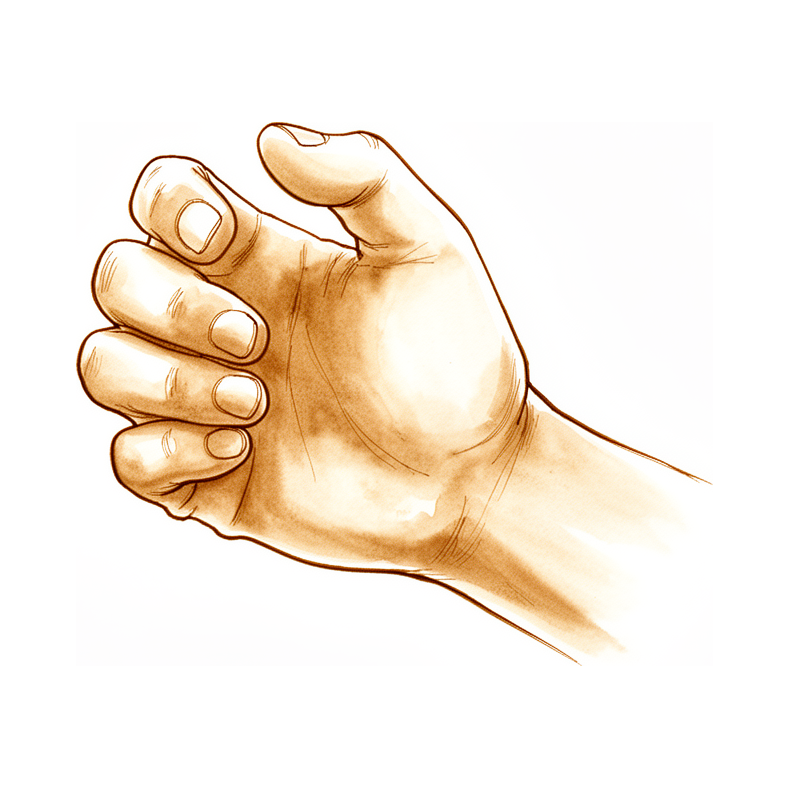
What you're feeling
Inflammatory arthritis, including rheumatoid arthritis, is a condition where your immune system attacks the lining of your own joints. In your hand and wrist, this causes swelling and pain in the small joints of your fingers and the wrist itself. The swelling often feels worst on waking in the morning, and it can ease as you start moving. Resting the hand usually settles the pain, while using it makes things worse.
Day to day, this shows up in tasks that need grip and fine finger movement. Turning a key, opening a jar, holding a pen, doing up buttons or carrying a kettle can all become harder. Some people notice one finger or one knuckle swelling more than the others. Over time, the joints can change shape, and the tendons that straighten your fingers can wear through and stop working properly.
The condition can also affect other joints, including your elbow and shoulder, and it can make you feel generally unwell when it flares. Lumps under the skin, called rheumatoid nodules, sometimes appear over pressure points such as the back of the hand or elbow.
Some warning signs need fast action. If a finger, hand or arm becomes hot, red, swollen and painful, especially with a fever, go to the emergency department the same day. If your fingers or hand turn pale, cold, white or blue, or you suddenly lose feeling or movement after an injury, go to the emergency department the same day.
Other signs need a review rather than the emergency department. See your GP or ask for a specialist review if symptoms are not settling, are getting worse over weeks, wake you at night, or stop you working or using your hand.
What's actually happening
In a healthy joint, the lining is thin and smooth, and it makes a small amount of fluid that lets the surfaces glide over each other. With rheumatoid arthritis, your immune system treats that lining like something foreign and attacks it. The lining becomes thick and inflamed, and it produces too much fluid. That swollen lining then starts to eat into the joint surfaces themselves, wearing away the smooth cartilage that should protect the bone.
The damage does not stop at the joint. The same inflamed tissue can wrap around the tendons, the cords that run from your forearm muscles to your fingers and let you bend and straighten them. That tissue can weaken the tendons until they fray or wear through, which is why a finger can suddenly stop straightening. It can also soften the bone itself, making it weaker and more likely to erode, especially around the wrist and the small joints of the fingers.
This explains what you're feeling. The morning stiffness and swelling come from the inflamed lining producing extra fluid. The pain with use comes from raw, unprotected joint surfaces rubbing together. Changed joint shape happens as the worn surfaces and weakened tendons let the fingers drift out of line. And lumps under the skin, the rheumatoid nodules mentioned earlier, are part of the same disease process rather than a separate problem.
The condition varies from person to person. Some people have a milder, slower form, while others have a more severe form that damages joints and tendons faster. How quickly your wrist or fingers deteriorate depends on which pattern of the disease you have. This is why treatment works best when the inflammation itself is brought under control, usually with medicine from your rheumatologist, before or alongside any surgery on the hand.
What we can do about it
There is a lot you can do yourself alongside medical treatment. Gentle, regular exercise keeps your joints moving and may improve strength over time, though the stiffness relief tends to be short term. If your rheumatoid arthritis is well controlled, supervised exercise programs that mix strength work with higher intensity training are generally well tolerated and can help your overall physical health. An occupational therapist can also show you ways to protect your joints and make daily tasks easier. Give these approaches a fair trial over weeks rather than days, and keep them going even when you start other treatment.
Medicine is the mainstay of treatment, especially early on. Anti-inflammatory medicines and corticosteroids settle pain and swelling. Other medicines, such as methotrexate, work on the disease itself by calming your overactive immune system, and newer biologic medicines target specific parts of the inflammation process. These medicines have changed the course of the disease for many people, so much so that far fewer now need joint replacement surgery than did in the past. The trade-off is that medicines which dampen your immune system raise your risk of infection, so they need careful management, particularly around any surgery.
If your symptoms stay severe despite these measures, your GP or rheumatologist may refer you for a specialist assessment of your hand and wrist. Surgery is not a first step, and it is only considered when the disease has damaged joints or tendons in ways that medicine cannot undo. For some specific problems, an operation may occasionally help with pain or function. Any decision takes into account your other joints, what you need your hands to do, and your lifestyle.
What to expect
Rheumatoid arthritis is a long-term condition. It does not go away on its own, and it tends to keep damaging joints if the inflammation is left uncontrolled. Joint damage usually starts within the first or second year of the disease and continues from there. That is why early treatment matters: medicine that calms the inflammation can slow or prevent that damage before it happens.
When the disease is managed well, the outlook has changed for many people. Modern medicines have reduced how often joints wear out badly enough to need replacement surgery. With treatment, flares can settle and you can keep using your hands for daily tasks. If your disease is well controlled, regular exercise including strength work and higher intensity training is generally well tolerated and helps your overall health.
If the condition is left alone, the inflamed lining keeps eating into joint surfaces and tendons. Joints can change shape, fingers can drift out of line, and tendons that straighten your fingers can wear through. A tendon that has worn through does not heal or settle by itself, and it needs prompt specialist review. Damage already done to cartilage and bone cannot be undone by medicine.
Surgery can help when damage has already happened. People who have joint replacement for a damaged joint report less pain and better function afterwards. Results vary between people, and some deterioration can occur over the long term, so surgery is a step taken when medicine can no longer manage the problem.
Watch for the signs described earlier on this page. A hot, red, swollen and painful finger or hand, especially with a fever, needs the emergency department the same day. Pale, cold, white or blue fingers, or sudden loss of feeling or movement after an injury, also need the emergency department the same day. If symptoms are not settling, are getting worse over weeks, wake you at night, or stop you working or using your hand, see your GP or ask for a specialist review.
When to see someone
This condition is inflammatory, so the warning signs are different from a joint that simply wears out. The urgent ones are covered earlier on this page: a finger, hand or arm that becomes hot, red, swollen and painful, especially with a fever, needs the emergency department the same day. So do pale, cold, white or blue fingers, or sudden loss of feeling or movement after an injury.
See your GP or ask for a specialist review if your symptoms are not settling, are getting worse over weeks, wake you at night, or stop you working or using your hand. A finger that suddenly stops straightening also needs prompt specialist review, because a tendon that has worn through does not heal on its own.
Ask for a review sooner rather than later if you notice a joint changing shape or drifting out of line, or if swelling and morning stiffness keep coming back. The earlier the inflammation is brought under control, the better the chance of protecting your joints before damage is done.
Evidence & references
This is the clinical evidence summary written for health professionals. It is technical, and it lists the research this page was built from. You do not need to read it to understand your treatment or to make a decision about it.
Overview
- The success of treatment for patients with rheumatoid arthritis depends on a clear understanding of available drugs and what can be done at various stages of the disease [1].
- Arthritic disorders have a profound importance to the general population as a health problem and for their social and economic impact [2].
- Long-term results of radiolunate arthrodesis in the rheumatoid wrist are favorable as long as the rheumatoid process is under control [3].
- Cy3-tilmanocept labeling of macrophages establishes a novel tool for pre-clinical research of early arthritis and has implications for early RA detection and monitoring of therapeutic efficacy in humans [4].
- Economic, social, and cultural factors affect rheumatoid hand treatment in selected countries representing various regions of the world [5].
- Patients with rheumatoid arthritis can differentiate between problems caused by their hands and other effects of their disease [6].
- Complication rates are comparable between RA and non-RA cohorts in total elbow arthroplasty, but further investigation into the underlying mechanisms of increased revision rates in RA patients is warranted [7].
- Surgery for rheumatoid arthritis involves medical considerations, surgical principles, and regional surgical considerations [8].
- Rheumatoid nodules are often associated with the severe form of rheumatoid disease, which carries a poor prognosis [9].
- Retrospective case reports and pictorial depictions question the belief that rheumatoid arthritis is a modern disease brought to the Old World from the New World after the discovery of America [11].
- Rheumatoid wrist involvement in black patients was more or less the same as reported in other series, but finger joint involvement was considerably less [12].
- Following total shoulder arthroplasty, RA patients should be considered at higher risk of systemic and joint-related complications compared to patients with primary osteoarthritis [13].
- Clinical symptoms and radiologic appearances are often poor indicators of the source of pain in the shoulder joint complex in patients with rheumatoid arthritis [14].
- Rheumatologists view rheumatoid hand surgery as significantly less effective than do hand surgeons, highlighting disagreements between the two specialties about the management of this clinical problem [15].
- A system of radiographic grading for rheumatoid, psoriatic, and other similar arthritic conditions can be useful in evaluating cases for both medical and surgical treatment and epidemiologic studies [17].
- Systemic inflammatory diseases other than rheumatoid arthritis affect the hand with skin, vascular, and musculoskeletal symptoms [18].
- Surgery for rheumatoid arthritis and other inflammatory diseases is not disappearing [20].
- The book 'Monoclonal antibodies, cytokines, and arthritis' presents concepts regarding the molecular biology and immunology of arthritides and a new rationale for treatment [26].
- There is limited knowledge of anti-TNFa and no consensus of opinion amongst hand surgeons performing rheumatoid surgery in the UK with regard to its perioperative use [31].
Background & Causes
- Cy3-tilmanocept labeling of macrophages establishes a novel tool for pre-clinical research of early arthritis with implications for early RA detection and monitoring of therapeutic efficacy in humans [4].
- Further investigation into the underlying mechanisms of increased revision rates in RA patients is warranted despite comparable complication rates between RA and non-RA cohorts in total elbow arthroplasty [7].
- Data on total joint arthroplasty trends likely reflect skewed utilization of bDMARDs in rheumatoid arthritis patients with more severe disease and prolonged periods of joint degeneration because of prior treatment failure [10].
- Following total shoulder arthroplasty, RA patients should be considered at higher risk of systemic and joint-related complications compared to patients with primary OA [13].
- Denosumab demonstrates promising efficacy in maintaining bone health and preventing joint damage in rheumatoid arthritis patients with coexisting osteoporosis [16].
- Rheumatoid arthritis is characterized by maintained mineralization and no predominant periarticular osteopenia, which contrasts with gout [29].
- Rheumatoid patients with diabetes had an increased risk of wound infection (33%) compared with patients without (3.3%) after elective rheumatoid hand and wrist surgery [33].
- Hand involvement in psoriatic arthritis differs from rheumatoid arthritis, characterized by stiffness and spontaneous fusion rather than instability [38].
- Inflammatory arthritis represents a distinctly morbid risk profile compared to osteoarthritis patients with multiple increased surgical and postoperative medical complications in patients undergoing aTSA and rTSA [40].
- The ongoing rheumatoid process is responsible for the translocation observed after resection of the distal ulna in rheumatoid arthritis [41].
- Inflammatory arthritis has a substantial effect in producing intracortical defects in metaphyseal bone, but the bisphosphonate zoledronate was considerably effective in preventing these changes from occurring [47].
- In vivo, mechanically impaired tendons may play an important role in destabilization of the wrist in patients with rheumatoid arthritis [28].
- Early in the disease process of rheumatoid arthritis, bone erosions may occur in the sigmoid notch of the distal radius [44].
- Severe joint destruction in autoimmune arthritis caused by Candida septic arthritis may have been the result of prolonged sepsis, development of an autoimmune response to Candida breakdown products, or a combination of these factors [45].
- The density of synovial cells increased after synovectomy in all control subjects and six of eight RA patients, which is indicative of a wound healing response [46].
- Type II collagen was present in all attachment zones of the proximal interphalangeal joint, although there was little in rheumatoid fingers [48].
- Invasive tenosynovium is more destructive than encapsulating tenosynovium at a molecular level, providing an explanation for the increased tendon rupture associated with invasive tenosynovitis in RA [68].
- Surgery of the rheumatoid hand must take account of the severity of the disease, with sero-positive patients with high sedimentation rates being informed about and trained in principles of joint protection before operation [72].
- Understanding which factors are associated with choosing rheumatoid hand reconstruction is an essential component of patient preoperative counseling [73].
- There is a significantly lower incidence of Dupuytren's features in patients with rheumatoid diseases than there is in random control patients [74].
Symptoms & Presentation
General Clinical Presentation
- Juvenile rheumatoid arthritis seldom involves the small joints of the hand, but proximal interphalangeal joint synovitis can be the initial manifestation [49].
- Single-digit swelling may be a presenting feature of juvenile rheumatoid arthritis in 18% of cases [60].
- A misdiagnosis of rheumatoid nodules was made secondary to the patient’s history of rheumatoid arthritis [23].
- In rheumatoid arthritis, mineralization is maintained and there is no predominant periarticular osteopenia [29].
Mechanical and Structural Findings
- Radiologic examination showed that all patients exhibited resorption of the distal ulna (mean 4.4 mm) and that resorption was worst in the group with rheumatoid arthritis [65].
- The use of contrast arthrography can provide evidence as to the presence and prominence of rheumatoid synovitis at the elbow [67].
Prognostic and Outcome Indicators
- FPL rupture in patients with rheumatoid arthritis gives short term dysfunction but, in most cases, not substantial medium-term dysfunction [27].
- Age, disease duration, disease activity score and deformity were associated with the lowest bMHQ scores in RA patients [34].
- The severity of the patient's disease and the degree of articular involvement had a great effect on the outcome of surgery [63].
- Overall functional results often were affected by the status of disease in other joints, but in general were acceptable [71].
Management
General Principles and Multidisciplinary Care
- The goal of medical and surgical management for patients with rheumatoid arthritis is to maintain or improve functional capacity [43].
- Surgery for rheumatoid arthritis requires a comprehensive team approach that includes medical considerations, surgical principles, and regional surgical considerations [8].
- In all facets of treatment or evaluation, the rheumatoid patient must be handled gently with respect to tissue response and pain [52].
- All care plans for the rheumatoid hand should be made with thoughtful consideration to the patient's other joint involvement, functional needs, and lifestyle [50].
- Rheumatologists view rheumatoid hand surgery as significantly less effective than do hand surgeons, highlighting disagreements between the two specialties regarding management [15].
- Two-thirds of patients with rheumatic conditions visiting a multidisciplinary hand clinic reportedly followed the treatment advice, with an overall trend toward a beneficial effect on hand function [54].
Medical Management and Pharmacology
- Pharmacologic agents used in rheumatoid arthritis include nonsteroidal antiinflammatory drugs, corticosteroids, methotrexate, and biologic agents [43].
- Biologic agents are recombinant proteins that generally target an inflammatory cytokine, such as tumor necrosis factor [43].
- Biologic agents have shown excellent results in rheumatoid arthritis treatment [43].
- Biologic agents inhibit the immune system and cause an increased risk of infection in patients taking them [43].
- There is preclinical evidence for an antioxidant, anti-inflammatory, antinociceptive, cartilage- and bone-protective effect of calcitonin in rheumatoid arthritis and osteoarthritis [59].
- Tectochrysin may be a novel rheumatoid arthritis therapeutic agent, likely acting via macrophage JAK/STAT pathway inhibition, with promising clinical potential [53].
- Cy3-tilmanocept labeling of macrophages establishes a novel tool for pre-clinical research of early arthritis and has implications for early rheumatoid arthritis detection and monitoring of therapeutic efficacy in humans [4].
Perioperative Considerations
- Patients who are on corticosteroids generally require preoperative “stress” dosages of hydrocortisone [43].
- Agents that inhibit the immune system should be withheld at least 1 week before and 1 week after a surgical procedure for rheumatoid arthritis patients [43].
- Rheumatoid patients with diabetes had an increased risk of wound infection (33%) compared with patients without diabetes (3.3%) [33].
- Among patients with rheumatoid arthritis undergoing elective hand surgery, perioperative biologic disease-modifying antirheumatic drug continuation was not associated with significant increases in risks of wound healing failures or surgical site infections [56].
Non-Operative Rehabilitation and Exercise
- There is not strong research evidence for or against the value of hand exercise in the treatment of persons with rheumatoid arthritis, although results suggest that appropriate exercise might lead to long-term strength changes and very short-term changes in stiffness [19].
- Supervised high-intensity interval training and strength exercise appear to be feasible and well tolerated by patients and could be recommended to improve cardiovascular and physical health in patients with well-controlled rheumatoid arthritis [51].
- No outcome studies on the effectiveness of joint protection programs for unstable metacarpophalangeal joints in rheumatoid arthritis were found [58].
Outcomes and Prognosis
- Patients with rheumatoid arthritis who underwent Swanson Metacarpophalangeal Joint Arthroplasty had significant improvements in patient-reported outcomes at the 1-year interval [21].
- Following total shoulder arthroplasty, rheumatoid arthritis patients should be considered at higher risk of systemic and joint-related complications compared to patients with primary osteoarthritis [13].
- Shoulder arthroplasty in patients with rheumatoid arthritis reduces pain and improves function [35].
- Although patients with rheumatoid arthritis may be at an increased risk of complications and revision surgery, patients can expect reduced pain and improved functional outcomes similar to those with osteoarthritis following primary total hip arthroplasty [22].
- Total knee arthroplasty in patients who have rheumatoid arthritis yields significant improvement in physician- and patient-reported outcomes [36].
- In the largest single-institution study to date, patients with rheumatoid arthritis reported poorer patient-reported outcome scores compared with the osteoarthritis and posttraumatic arthritis groups but experienced functional outcome improvement from the preoperative baseline following total ankle arthroplasty [24].
- Patient-reported functional outcomes at 6 months for total elbow arthroplasty were significantly lower in the fracture group compared to osteoarthritis and rheumatoid arthritis groups [25].
- Despite comparable complication rates between rheumatoid arthritis and non-rheumatoid arthritis cohorts, further investigation into the underlying mechanisms of increased revision rates in rheumatoid arthritis patients undergoing total elbow arthroplasty is warranted [7].
- Age, disease duration, disease activity score, and deformity were associated with the lowest brief Michigan Hand Outcomes Questionnaire scores in rheumatoid arthritis patients [34].
- Patients with rheumatoid arthritis can differentiate between problems caused by their hands and other effects of their disease using a visual analogue scale [6].
- In rheumatoid arthritis trials, grip strength should be assessed at the same time of the day [57].
- A 48% decrease in the number of primary arthroplasties performed for rheumatoid arthritis was found in a review of the Finnish Arthroplasty Register covering 1995 to 2010, attributed to the effectiveness of improved medical management [43].
Key Considerations
General Management and Assessment
- A system of radiographic grading for rheumatoid, psoriatic, and other similar arthritic conditions is useful in evaluating cases for medical and surgical treatment and epidemiologic studies [17].
- Rheumatoid arthritis is not a modern disease and was not brought to the Old World from the New World after the discovery of America [11].
Non-Operative Considerations
- There is not strong research evidence for or against the value of hand exercise in the treatment of persons with rheumatoid arthritis, although results suggest appropriate exercise might lead to long-term strength changes and very short-term changes in stiffness [19].
Operative Considerations
- Although there is good reason to intervene early in the disease, there are no long-term studies with sufficient control to provide clear evidence of significant long-term benefits from synovectomy [37].
- Long-term results of radiolunate arthrodesis are favorable as long as the rheumatoid process is under control [3].
- Radiolunate arthrodesis in patients with rheumatoid arthritis maintained good clinical results and corrected alignment during long-term follow-up [79].
- Silicone rubber implant arthroplasty of the metacarpophalangeal joint in rheumatoid arthritis is useful despite some deterioration of results during long-term follow-up [78].
- In view of the paucity of long-term results for total elbow replacement, radial-head excision and synovectomy may retain a role in younger patients or in those whose symptoms are related mainly to the radiohumeral joint [39].
- The long-term clinical results of elbow interposition arthroplasty in rheumatoid arthritis are good in terms of pain relief but only fair in terms of joint mobility and stability, and are probably inferior to those of total elbow replacement [81].
- Total elbow replacement arthroplasty for rheumatoid arthritis appears durable at long-term follow-up [80].
- The Kudo type-5 prosthesis demonstrated satisfactory results in patients with rheumatoid arthritis, although failures occurred to some extent over a long-term follow-up period [70].
- Despite comparable complication rates between rheumatoid arthritis and non-RA cohorts, further investigation into the underlying mechanisms of increased revision rates in rheumatoid arthritis patients is warranted [7].
- In the largest single-institution study to date, patients with rheumatoid arthritis reported poorer patient-reported outcome scores compared with osteoarthritis and posttraumatic arthritis groups but experienced functional outcome improvement from the preoperative baseline after total ankle arthroplasty [24].
- Comparative outcomes of robot-assisted versus conventional total knee arthroplasty provide important evidence for selecting surgical methods in rheumatoid osteoarthritis [30].
- Flexor pollicis longus rupture in patients with rheumatoid arthritis gives short-term dysfunction but, in most cases, not substantial medium-term dysfunction [27].
- Clinical and radiological assessments at 22 months of follow-up for surgical reconstruction of an unstable rheumatoid thumb deformity revealed good outcomes [75].
Radiographic and Pathologic Findings
- Bone destruction in both the humerus and the olecranon appears to be a late consequence of rheumatoid elbow involvement [82].
- The distal radioulnar joint showed a rapid increase in Larsen score and was involved in 78% of patients on late x-rays in longitudinal radiographic analysis of rheumatoid arthritis in the hand and wrist [83].
- Rheumatoid nodules are often associated with the poor prognosis for the severe form of rheumatoid disease [9].
- A misdiagnosis of rheumatoid nodules can occur secondary to the patient’s history of rheumatoid arthritis, as seen in cases of multiple epidermal inclusion cysts [23].
Key Evidence
- [L5] The success of treatment of patients with rheumatoid arthritis depends on a clear understanding of the drugs available and of what can be done at various stages of the disease. [1] (10.1016/s0363-5023(83)80240-8)
- [Paper] The Arthritis Committee recognizes the profound importance of arthritic disorders to the general population, not only as a health problem, but for their social and economic impact. [2] (10.1016/s0363-5023(83)80245-7)
- [L4] Long-term results are favorable, as long as the rheumatoid process is under control. [3] (10.1016/s0363-5023(86)80034-x)
- [L4] These data establish a novel tool for pre-clinical research of early arthritis and have implications for early RA detection and monitoring of therapeutic efficacy in humans. [4] (10.1002/jor.24900)
- [L5] The purpose of this study was to determine how economic, social, and cultural factors affect rheumatoid hand treatment in selected countries representing various regions of the world. [5] (10.1016/j.jhsa.2004.11.012)
- [L4] Patients with rheumatoid arthritis can differentiate between problems caused by their hands and other effects of their disease. [6] (10.1016/s0894-1130(04)00197-8)
- [L3] Despite comparable complication rates between RA and non-RA cohorts, further investigation into the underlying mechanisms of increased revision rates in RA patients is warranted. [7] (10.1016/j.jse.2024.12.032)
- [Paper] Surgery for Rheumatoid Arthritis provides a comprehensive yet concise review of medical considerations, surgical principles, and regional surgical considerations as they apply to the patient with rheumatoid arthritis. [8] (10.1016/0363-5023(93)90415-y)
- [L5] This is in contrast to the poor prognosis for the severe form of rheumatoid disease with which rheumatoid nodules are often associated. [9] (10.1016/s0363-5023(84)80232-4)
- [L4] These data likely reflect skewed utilization of bDMARDs in rheumatoid arthritis patients with more severe disease and prolonged periods of joint degeneration because of prior treatment failure. [10] (10.5435/jaaosglobal-d-22-00209)
- [L5] These retrospective case reports, in conjunction with other pictorial depictions of probable rheumatoid arthritis, question the belief of some clinicians that rheumatoid arthritis is a modern disease and that it was brought to the Old World from the New World after the discovery of America. [11] (10.1016/s0894-1130(96)80080-9)
- [L4] Rheumatoid wrist involvement in black patients was more or less the same as reported in other series, but finger joint involvement was considerably less. [12] (10.1016/s0266-7681(03)00096-2)
- [L3] Following TSA, RA patients should be considered at higher risk of systemic and joint-related complications compared to patients with primary OA. [13] (10.5397/cise.2024.00374)
- [L4] Clinical symptoms and radiologic appearances are often poor indicators of the source of pain in the shoulder joint complex in patients with rheumatoid arthritis. [14] (10.1016/s1058-2746(09)80111-0)
- [L4] Rheumatologists view rheumatoid hand surgery as significantly less effective than do hand surgeons, which highlights the disagreements between the 2 specialties about the management of this clinical problem. [15] (10.1053/jhsu.2003.50034)
- [L1] Denosumab demonstrates promising efficacy in maintaining bone health and preventing joint damage in rheumatoid arthritis patients with coexisting osteoporosis. [16] (10.1186/s12891-025-08688-8)
- [Paper] This system of radiographic grading for rheumatoid, psoriatic, and other similar arthritic conditions can be useful in evaluating cases for both medical and surgical treatment and epidemiologic studies. [17] (10.1016/s0363-5023(83)80241-x)
- [L5] This review outlines the skin, vascular and musculoskeletal symptoms affecting the hand during systemic inflammatory diseases other than rheumatoid arthritis. [18] (10.1016/j.main.2014.01.008)
- [L1] There is not strong research evidence for or against the value of hand exercise in the treatment of persons with rheumatoid arthritis, although results of this review suggest that appropriate exercise might lead to long-term strength changes and very short-term changes in stiffness. [19] (10.1197/j.jht.2004.02.006)
- [L5] Surgery for RA and other inflammatory diseases is not disappearing. [20] (10.1016/j.main.2014.09.003)
- [L2] Our data show that patients with RA who underwent SMPA had significant improvements in patient-reported outcomes at the 1-year interval. [21] (10.1016/j.jhsa.2004.03.004)
- [L3] Although patients with rheumatoid arthritis may be at an increased risk of complications and revision surgery, patients can expect reduced pain and improved functional outcomes similar to those with osteoarthritis following primary THA. [22] (10.5435/jaaos-d-24-00656)
- [L5] A misdiagnosis of rheumatoid nodules was made secondary to the patient’s history of rheumatoid arthritis. [23] (10.1053/jhsu.2000.8641)
- [L3] In the largest single-institution study to date, patients with RA reported poorer PRO scores compared with the OA and posttraumatic arthritis groups but experienced functional outcome improvement from the preoperative baseline. [24] (10.2106/jbjs.24.00048)
- [L3] Patient-reported functional outcomes at 6 months were significantly lower in the fracture group compared to osteoarthritis and rheumatoid arthritis groups. [25] (10.1016/j.jse.2026.01.019)
- [Paper] The book 'Monoclonal antibodies, cytokines, and arthritis' presents the latest concepts regarding the molecular biology and immunology of arthritides, as well as a new rationale for treatment. [26] (10.1016/0363-5023(93)90283-9)
- [L4] FPL rupture in patients with RA gives short term dysfunction but, in most cases, not substantial medium-term dysfunction. [27] (10.1016/j.hansur.2020.08.002)
- [L4] In vivo, mechanically impaired tendons may play an important role in destabilization of the wrist in patients with rheumatoid arthritis. [28] (10.1002/jor.1100160412)
- [L4] These findings contrast with rheumatoid arthritis, where mineralization is maintained and there is no predominant periarticular osteopenia. [29] (10.1016/j.hansur.2018.10.169)
- [L3] This provides important evidence for selecting surgical methods in rheumatoid osteoarthritis. [30] (10.1186/s13018-026-06703-9)
- [L4] The results of our survey suggest that there is limited knowledge of anti-TNFa and no consensus of opinion amongst hand surgeons performing rheumatoid surgery in the UK with regard to its perioperative use. [31] (10.1016/j.jhsb.2006.04.006)
- [L4] Rheumatoid patients with diabetes had an increased risk of wound infection (33%) compared with patients without (3.3%). [33] (10.1053/jhsu.2002.32958)
- [L4] Age, disease duration, disease activity score and deformity were associated with the lowest bMHQ scores in RA patients. [34] (10.1016/j.hansur.2016.09.003)
- [L3] Shoulder arthroplasty in patients with rheumatoid arthritis reduces pain and improves function. [35] (10.1186/s13018-025-06109-z)
- [L3] Total knee arthroplasty in patients who have RA yields significant improvement in physician- and patient-reported outcomes. [36] (10.1016/j.arth.2026.03.021)
- [L5] Although there is good reason to intervene early in the disease there are no long-term studies with sufficient control to provide clear evidence of significant long-term benefits from synovectomy. [37] (10.1016/0266-7681(92)90125-l)
- [L4] Hand involvement in psoriatic arthritis differs from rheumatoid arthritis, characterized by stiffness and spontaneous fusion rather than instability. [38] (10.1016/s0363-5023(82)80090-7)
- [L3] In view of the paucity of long-term results for TER, RHES may retain a role in younger patients or in those whose symptoms are related mainly to the radiohumeral joint. [39] (10.1016/s1058-2746(99)90147-7)
- [L3] Inflammatory arthritis represents a distinctly morbid risk profile compared to osteoarthritis patients with multiple increased surgical and postoperative medical complications in patients undergoing aTSA and rTSA. [40] (10.1016/j.jse.2023.09.014)
- [L4] This supports the concept that the ongoing rheumatoid process is responsible for the translocation. [41] (10.1016/j.jhsb.2003.10.007)
- [L4] When subjects with rheumatoid arthritis were analyzed, it was determined that early in the disease process bone erosions may occur in the sigmoid notch of the distal radius. [44] (10.1016/s0363-5023(05)80140-6)
- [L5] The severe joint destruction that subsequently occurred may have been the result of prolonged sepsis, development of an autoimmune response to Candida breakdown products, or a combination of these factors. [45] (10.1016/s1058-2746(05)80041-2)
- [L4] In parallel, the density of synovial cells increased after synovectomy in all control subjects and six of eight RA patients, which is indicative of a wound healing response. [46] (10.1002/jor.21233)
- [Paper] Inflammatory arthritis has a substantial effect in producing intracortical defects in metaphyseal bone, but the bisphosphonate zoledronate was considerably effective in preventing these changes from occurring. [47] (10.1002/jor.1100150610)
- [L4] Type II collagen was present in all attachment zones, although there was little in rheumatoid fingers. [48] (10.1016/0266-7681(93)90067-p)
- [L4] Juvenile rheumatoid arthritis seldom involves the small joints of the hand, but proximal interphalangeal joint synovitis can be the initial manifestation. [49] (10.1016/s0363-5023(86)80148-4)
- [L5] All care plans should be made with thoughtful consideration to the patient's other joint involvement, functional needs, and their lifestyle. [50] (10.1097/00130911-200003000-00010)
- [L1] Supervised HIIT and strength exercise appear to be feasible and well tolerated by patients and could be recommended to improve cardiovascular and physical health in patients with well-controlled RA. [51] (10.1136/bjsports-2024-108369)
- [L5] In all facets of treatment or evaluation, the rheumatoid patient must be handled gently with respect of tissue response and pain. [52] (10.1016/s0894-1130(96)80074-3)
- [L5] Tectochrysin may be a novel RA therapeutic agent, likely acting via macrophage JAK/STAT pathway inhibition, with promising clinical potential. [53] (10.1186/s13018-025-06481-w)
- [L3] Two-thirds of patients with rheumatic conditions visiting a multidisciplinary hand clinic reportedly followed the treatment advice (recommendations), with an overall trend toward a beneficial effect on hand function. [54] (10.1197/j.jht.2007.04.004)
- [L2] Among patients with RA undergoing elective hand surgery, perioperative bDMARD continuation was not associated with significant increases in risks of wound healing failures or SSIs. [56] (10.1016/j.jhsa.2026.03.003)
- [L4] In rheumatoid arthritis trials, grip strength should be assessed at the same time of the day. [57] (10.1016/s0363-5023(09)91074-7)
- [Paper] No outcome studies on the effectiveness of joint protection programs for unstable MCP joints in RA were found. [58] (10.1197/j.jht.2006.04.009)
- [L1] There is preclinical evidence for an antioxidant, anti-inflammatory, antinociceptive, cartilage- and bone-protective effect of CT in RA and OA. [59] (10.1530/eor-23-0133)
- [L4] Single-digit swelling may be a presenting feature of JRA in 18% of cases. [60] (10.1016/s0363-5023(97)80124-4)
- [L4] The severity of the patient's disease and the degree of articular involvement had a great effect on the outcome of surgery. [63] (10.1016/0363-5023(88)90260-2)
- [L4] Radiologic examination showed that all patients exhibited resorption of the distal ulna (mean 4.4 mm) and that resorption was worst in the group with rheumatoid arthritis. [65] (10.1016/0363-5023(90)90099-d)
- [L5] The use of contrast arthrography can provide evidence as to the presence and prominence of rheumatoid synovitis at the elbow. [67] (10.1016/0266-7681(86)90032-x)
- [Paper] These results show that invasive tenosynovium is more destructive than encapsulating tenosynovium at a molecular level, providing an explanation for the increased tendon rupture associated with invasive tenosynovitis in RA. [68] (10.1053/jhsu.2002.36516)
- [L4] Although the Kudo type-5 prosthesis demonstrated satisfactory results in patients with RA, failures occurred to some extent over a long-term follow-up period. [70] (10.1016/j.jse.2024.10.025)
- [L4] Overall functional results often were affected by the status of disease in other joints, but in general were acceptable. [71] (10.1016/s0363-5023(78)80002-1)
- [L5] Surgery of the rheumatoid hand must take account of the severity of the disease, with sero-positive patients with high sedimentation rates being informed about and trained in principles of joint protection before operation. [72] (10.1016/0266-7681(89)90078-8)
- [L2] Understanding which factors are associated with choosing rheumatoid hand reconstruction is an essential component of patient preoperative counseling. [73] (10.1016/j.jhsa.2005.10.005)
- [L4] It is shown that overall there is a significantly lower incidence of Dupuytren's features in patients with rheumatoid diseases, than there is in random control patients. [74] (10.1016/s0266-7681(84)80020-0)
- [L5] Clinical and radiological assessments at 22 months of follow-up revealed good outcomes. [75] (10.1016/j.main.2015.02.004)
- [L4] Despite some deterioration of the results during the long-term follow-up, we found that this method of prosthetic replacement of the MP joints in RA is useful. [78] (10.1016/s0363-5023(86)80138-1)
- [L4] Radiolunate arthrodesis in patients with RA maintained good clinical results and corrected alignment, even during long-term follow-up. [79] (10.1016/j.jhsa.2022.11.014)
- [L4] The results appear durable at long term followup. [80] (10.1016/s1058-2746(96)80507-6)
- [L4] The long-term clinical results of elbow interposition arthroplasty in rheumatoid arthritis are good in terms of pain relief but only fair in terms of joint mobility and stability and as a whole are probably inferior to those of total elbow replacement. [81] (10.1016/s1058-2746(96)80001-2)
- [L3] Bone destruction in both the humerus and the olecranon appears to be a late consequence of rheumatoid elbow involvement. [82] (10.1067/mse.2002.123903)
- [L4] The distal radioulnar joint showed a rapid increase in Larsen score and was involved in 78% of patients on late x-rays. [83] (10.1053/jhsu.2003.50070)
References
[1] Medical considerations and management of rheumatoid arthritis. The Journal of Hand Surgery. 1983. DOI: 10.1016/s0363-5023(83)80240-8
[2] Report of the Arthritis Committee. The Journal of Hand Surgery. 1983. DOI: 10.1016/s0363-5023(83)80245-7
[3] Radiolunate arthrodesis in the rheumatoid wrist. The Journal of Hand Surgery. 1986. DOI: 10.1016/s0363-5023(86)80034-x
[4] Cy3‐tilmanocept labeling of macrophages in joints of mice with antibody‐induced arthritis and synovium of human patients with rheumatoid arthritis. Journal of Orthopaedic Research. 2020. DOI: 10.1002/jor.24900
[5] A Qualitative Assessment of Rheumatoid Hand Surgery in Various Regions of the World. The Journal of Hand Surgery. 2005. DOI: 10.1016/j.jhsa.2004.11.012
[6] Visual analogue scale for assessment of the impact of rheumatoid arthritis in the hand. Journal of Hand Therapy. 2004. DOI: 10.1016/s0894-1130(04)00197-8
[7] Rates of long-term risk of revision and complications in total elbow arthroplasty in patients with rheumatoid arthritis: a propensity score-matched analysis. Journal of Shoulder and Elbow Surgery. 2025. DOI: 10.1016/j.jse.2024.12.032
[8] Surgery for rheumatoid arthritis: a comprehensive team approach. The Journal of Hand Surgery. 1993. DOI: 10.1016/0363-5023(93)90415-y
[9] Rheumatoid nodulosis of the hand. The Journal of Hand Surgery. 1984. DOI: 10.1016/s0363-5023(84)80232-4
[10] Trends in Total Joint Arthroplasty Among Patients With Rheumatoid Arthritis: The Effect of Recent Disease Modifying Antirheumatic Drug Utilization Guidelines. JAAOS: Global Research and Reviews. 2022. DOI: 10.5435/jaaosglobal-d-22-00209
[11] Rheumatoid Deformities in Paintings. Journal of Hand Therapy. 1996. DOI: 10.1016/s0894-1130(96)80080-9
[12] The Rheumatoid Wrist in Black South African Patients. Journal of Hand Surgery. 2003. DOI: 10.1016/s0266-7681(03)00096-2
[13] Rheumatoid arthritis is associated with higher 90-day systemic complications compared to osteoarthritis after total shoulder arthroplasty: a cohort study. Clinics in Shoulder and Elbow. 2024. DOI: 10.5397/cise.2024.00374
[14] The source of shoulder pain in rheumatoid arthritis: Usefulness of local anesthetic injections. Journal of Shoulder and Elbow Surgery. 1994. DOI: 10.1016/s1058-2746(09)80111-0
[15] Effectiveness of rheumatoid hand surgery: Contrasting perceptions of hand surgeons and rheumatologists. The Journal of Hand Surgery. 2003. DOI: 10.1053/jhsu.2003.50034
[16] Efficacy of denosumab in treatment of osteoporosis in patients with rheumatoid arthritis: a meta-analysis of randomized controlled trial. BMC Musculoskeletal Disorders. 2025. DOI: 10.1186/s12891-025-08688-8
[17] Radiographic evaluation of rheumatoid arthritis by standard reference films. The Journal of Hand Surgery. 1983. DOI: 10.1016/s0363-5023(83)80241-x
[18] The hand in systemic diseases other than rheumatoid arthritis. Chirurgie de la Main. 2014. DOI: 10.1016/j.main.2014.01.008
[19] The effectiveness of hand exercises for persons with rheumatoid arthritis: a systematic review. Journal of Hand Therapy. 2004. DOI: 10.1197/j.jht.2004.02.006
[20] Rheumatoid arthritis surgery has not disappeared!. Chirurgie de la Main. 2014. DOI: 10.1016/j.main.2014.09.003
[21] A prospective outcomes study of Swanson Metacarpophalangeal Joint Arthroplasty for the rheumatoid hand. The Journal of Hand Surgery. 2004. DOI: 10.1016/j.jhsa.2004.03.004
[22] Patient-Reported Outcome Measures After Direct Anterior Total Hip Arthroplasty Are Comparable Between Patients With Rheumatoid Arthritis and Osteoarthritis: A Propensity-Matched Analysis. Journal of the American Academy of Orthopaedic Surgeons. 2024. DOI: 10.5435/jaaos-d-24-00656
[23] Multiple epidermal inclusion cysts in a patient with rheumatoid arthritis: A case report. The Journal of Hand Surgery. 2000. DOI: 10.1053/jhsu.2000.8641
[24] Complication Rates and Functional Outcomes After Total Ankle Arthroplasty in Patients with Rheumatoid Arthritis. Journal of Bone and Joint Surgery. 2025. DOI: 10.2106/jbjs.24.00048
[25] A comparison of survivorship and functional outcomes for total elbow arthroplasty performed for distal humerus fracture, rheumatoid arthritis, and osteoarthritis, a New Zealand Joint Registry study. Journal of Shoulder and Elbow Surgery. 2026. DOI: 10.1016/j.jse.2026.01.019
[26] Monoclonal antibodies, cytokines, and arthritis. The Journal of Hand Surgery. 1993. DOI: 10.1016/0363-5023(93)90283-9
[27] The outcome of untreated flexor pollicis longus rupture in patients with rheumatoid arthritis. Hand Surgery and Rehabilitation. 2020. DOI: 10.1016/j.hansur.2020.08.002
[28] Mechanical properties of wrist extensor tendons are altered by the presence of rheumatoid arthritis. Journal of Orthopaedic Research. 1998. DOI: 10.1002/jor.1100160412
[29] Gout — does it looks like Rheumatoid Arthritis?. Hand Surgery and Rehabilitation. 2018. DOI: 10.1016/j.hansur.2018.10.169
[30] Comparative outcomes of robot-assisted versus conventional TKA in rheumatoid arthritis patients. Journal of Orthopaedic Surgery and Research. 2026. DOI: 10.1186/s13018-026-06703-9
[31] Survey on the Perioperative Use of TNFα Inhibitors in Rheumatoid Hand Surgery. Journal of Hand Surgery. 2006. DOI: 10.1016/j.jhsb.2006.04.006
[33] Influence of steroids and methotrexate on wound complications after elective rheumatoid hand and wrist surgery. The Journal of Hand Surgery. 2002. DOI: 10.1053/jhsu.2002.32958
[34] Brief Michigan Hand Outcomes Questionnaire in rheumatoid arthritis: A cross-sectional study of 100 patients. Hand Surgery and Rehabilitation. 2017. DOI: 10.1016/j.hansur.2016.09.003
[35] The moderating role of negative affect on pain in patients with rheumatoid arthritis who have undergone shoulder arthroplasty. Journal of Orthopaedic Surgery and Research. 2025. DOI: 10.1186/s13018-025-06109-z
[36] Patient-Reported Outcomes and Satisfaction Following Total Knee Arthroplasty in Rheumatoid Arthritis: An Observational Cohort Study. The Journal of Arthroplasty. 2026. DOI: 10.1016/j.arth.2026.03.021
[37] Conservative Surgery in the Management of Rheumatoid Disease of the Hand and Wrist. Journal of Hand Surgery. 1992. DOI: 10.1016/0266-7681(92)90125-l
[38] Hand involvement in psoriatic arthritis. The Journal of Hand Surgery. 1982. DOI: 10.1016/s0363-5023(82)80090-7
[39] Surgery for rheumatoid arthritis of the elbow: A comparison of radial-head excision and synovectomy with total elbow replacement. Journal of Shoulder and Elbow Surgery. 1999. DOI: 10.1016/s1058-2746(99)90147-7
[40] Shoulder arthroplasty for inflammatory arthritis is associated with higher rates of medical and surgical complications: a nationwide matched cohort analysis from 2016-2020. Journal of Shoulder and Elbow Surgery. 2024. DOI: 10.1016/j.jse.2023.09.014
[41] Radiographic Changes after Resection of the Distal Ulna in Rheumatoid Arthritis. Journal of Hand Surgery. 2004. DOI: 10.1016/j.jhsb.2003.10.007
[43] Campbell S Operative Orthopaedics 4 Volume Set. SOFT-TISSUE PROCEDURES AND OSTEOTOMIES ABOUT THE KNEE > RHEUMATOID ARTHRITIS OF THE KNEE > ADULT-ONSET RHEUMATOID ARTHRITIS.
[44] Kinematics of the distal radioulnar joint in rheumatoid arthritis: An In vivo study using centrode analysis. The Journal of Hand Surgery. 1995. DOI: 10.1016/s0363-5023(05)80140-6
[45] Autoimmune arthritis caused by Candida septic arthritis. Journal of Shoulder and Elbow Surgery. 1995. DOI: 10.1016/s1058-2746(05)80041-2
[46] Surgical synovectomy decreases density of sensory nerve fibers in synovial tissue of non‐inflamed controls and rheumatoid arthritis patients. Journal of Orthopaedic Research. 2010. DOI: 10.1002/jor.21233
[47] Zoledronate (CGP 42'446), a bisphosphonate, protects against metaphyseal intracortical defects in experimental inflammatory arthritis. Journal of Orthopaedic Research. 1997. DOI: 10.1002/jor.1100150610
[48] Capsular Tissues of the Proximal Interphalangeal Joint: Normal Composition and Effects of Dupuytren’s Disease and Rheumatoid Arthritis. Journal of Hand Surgery. 1993. DOI: 10.1016/0266-7681(93)90067-p
[49] A unique presentation of juvenile rheumatoid arthritis: Proximal interphalangeal joint synovitis. The Journal of Hand Surgery. 1986. DOI: 10.1016/s0363-5023(86)80148-4
[50] General Principles of Rehabilitation After Surgical Reconstruction of the Rheumatoid Hand. Techniques in Hand & Upper Extremity Surgery. 2000. DOI: 10.1097/00130911-200003000-00010
[51] High-intensity interval training improves cardiovascular and physical health in patients with rheumatoid arthritis: a multicentre randomised controlled trial. British Journal of Sports Medicine. 2024. DOI: 10.1136/bjsports-2024-108369
[52] Management of Rheumatoid Arthritis of the Wrist. Journal of Hand Therapy. 1996. DOI: 10.1016/s0894-1130(96)80074-3
[53] Targeting macrophage JAK3/STAT3 signaling with tectochrysin: a novel therapeutic strategy to ameliorate bone erosion and synovitis in rheumatoid arthritis. Journal of Orthopaedic Surgery and Research. 2025. DOI: 10.1186/s13018-025-06481-w
[54] A Multidisciplinary Hand Clinic for Patients with Rheumatic Diseases: a Pilot Study. Journal of Hand Therapy. 2007. DOI: 10.1197/j.jht.2007.04.004
[56] Perioperative Biologic Disease-Modifying Antirheumatic Drugs, Risks of Infections, and Wound Complications in Patients With Rheumatoid Arthritis Undergoing Elective Hand Surgery. The Journal of Hand Surgery. 2026. DOI: 10.1016/j.jhsa.2026.03.003
[57] The effect of elbow flexion and time of assessment on the measurement of grip strength in rheumatoid arthritis. The Journal of Hand Surgery. 1992. DOI: 10.1016/s0363-5023(09)91074-7
[58] The Unstable Metacarpophalangeal Joint in Rheumatoid Arthritis: Anatomy, Pathomechanics, and Physical Rehabilitation Considerations. Journal of Hand Therapy. 2006. DOI: 10.1197/j.jht.2006.04.009
[59] Calcitonin treatment for osteoarthritis and rheumatoid arthritis – a systematic review and meta-analysis of preclinical data. EFORT Open Reviews. 2024. DOI: 10.1530/eor-23-0133
[60] Isolated digital swelling as the initial presentation of juvenile rheumatoid arthritis. The Journal of Hand Surgery. 1997. DOI: 10.1016/s0363-5023(97)80124-4
[63] Flexor tendon ruptures in patients with rheumatoid arthritis. The Journal of Hand Surgery. 1988. DOI: 10.1016/0363-5023(88)90260-2
[65] A critical analysis of Swanson ulnar head replacement arthroplasty: Rheumatoid versus nonrhematoid. The Journal of Hand Surgery. 1990. DOI: 10.1016/0363-5023(90)90099-d
[67] Elbow arthrography in the evaluation of posterior interosseous nerve compression in rheumatoid arthritis. The Journal of Hand Surgery: Journal of the British Society for Surgery of the Hand. 1986. DOI: 10.1016/0266-7681(86)90032-x
[68] The role of matrix metalloproteinases in rheumatoid tendon disease. The Journal of Hand Surgery. 2002. DOI: 10.1053/jhsu.2002.36516
[70] Long-term follow-up study of Kudo type-5 elbow prosthesis in patients with rheumatoid arthritis: minimum 10-year clinical outcomes. Journal of Shoulder and Elbow Surgery. 2025. DOI: 10.1016/j.jse.2024.10.025
[71] Interpositional arthroplasty for rheumatoid carpometacarpal joint disease. The Journal of Hand Surgery. 1978. DOI: 10.1016/s0363-5023(78)80002-1
[72] On surgery of the rheumatoid hand: Consensus and controversy. The Journal of Hand Surgery: Journal of the British Society for Surgery of the Hand. 1989. DOI: 10.1016/0266-7681(89)90078-8
[73] Reasons Why Rheumatoid Arthritis Patients Seek Surgical Treatment for Hand Deformities. The Journal of Hand Surgery. 2006. DOI: 10.1016/j.jhsa.2005.10.005
[74] The Incidence of Dupuytren’s Disease in Patients with Rheumatoid Arthritis. Journal of Hand Surgery. 1984. DOI: 10.1016/s0266-7681(84)80020-0
[75] Surgical reconstruction of an unstable rheumatoid thumb deformity. A case report. Chirurgie de la Main. 2015. DOI: 10.1016/j.main.2015.02.004
[78] Silicone rubber implant arthroplasty of the metacarpophalangeal joint in rheumatoid arthritis: A follow-up study of 32 patients. The Journal of Hand Surgery. 1986. DOI: 10.1016/s0363-5023(86)80138-1
[79] Radiolunate Arthrodesis in the Rheumatoid Wrist: A Retrospective Clinical and Radiologic Long-Term Follow-Up. The Journal of Hand Surgery. 2024. DOI: 10.1016/j.jhsa.2022.11.014
[80] Total elbow replacement arthroplasty for rheumatoid arthritis of the Elbow, long-term 5–20 year followup. Journal of Shoulder and Elbow Surgery. 1996. DOI: 10.1016/s1058-2746(96)80507-6
[81] Interposition arthroplasty of the elbow with rheumatoid arthritis. Journal of Shoulder and Elbow Surgery. 1996. DOI: 10.1016/s1058-2746(96)80001-2
[82] Bone destruction patterns of the rheumatoid elbow: A radiographic assessment of 148 elbows at 15 years. Journal of Shoulder and Elbow Surgery. 2002. DOI: 10.1067/mse.2002.123903
[83] Longitudinal radiographic analysis of rheumatoid arthritis in the hand and wrist. The Journal of Hand Surgery. 2003. DOI: 10.1053/jhsu.2003.50070