What you're feeling
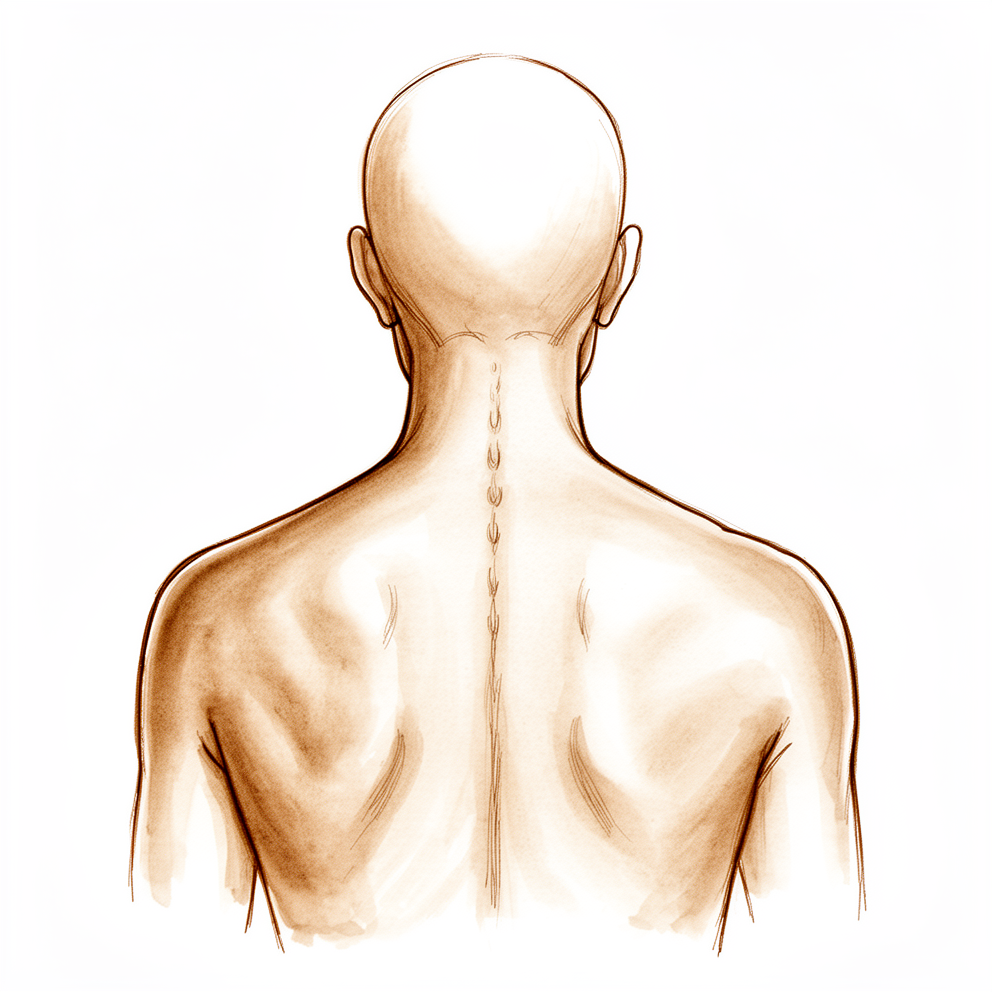
After a spinal injury, pain or tenderness can appear anywhere along your spine, from the base of your skull down to your tailbone. Some people feel it in one clear spot. Others feel it across a wider area of the back or neck. Most spine injuries do not cause nerve problems, but pain alone is reason enough to have your spine checked.
Where the injury sits shapes what you notice. Fractures of the middle and lower back often happen around the junction between your chest and lower back, especially after a fall from height. Neck injuries can follow a blow to the head, and they sometimes involve more than one level of the spine. If you have a condition that stiffens the spine, such as ankylosing spondylitis, a fracture can happen after a minor knock and can still be unstable.
The pain usually worsens with movement, lifting, or anything that loads the injured bone. Resting still tends to settle it. Some injuries ache more at night or when you first get up. Bending forward, sitting for long stretches, and getting out of a low chair or bed can be hard. Turning your head to reverse the car may hurt if the injury is in your neck. Carrying shopping, climbing stairs, or getting dressed can all take longer than usual.
If the spinal cord or the nerves coming from it are affected, you may notice weakness, numbness, or changes in bladder or bowel control. These signs matter and should be reported straight away, because nerve function can change over time and needs to be checked and recorded.
Your care team will also look for injuries away from the painful spot. Extra fractures at another level of the spine happen in about 10% of cases, so imaging covers the whole spine rather than just the sore area.
What's actually happening
Your spine is a column of 33 bones stacked one on top of another. Seven sit in your neck, twelve in your chest, five in your lower back, and the rest are joined together at the base. Each bone has a solid block at the front that carries your weight, and a ring of bone at the back that shields the nerves running through the middle. Strong straps of tissue, called ligaments, hold the whole stack together.
The bones and ligaments work like the guy ropes and poles of a tent. The poles hold things upright, the ropes keep the shape steady. If a pole cracks or a rope snaps, the tent can slowly lean or fold, even if it looks fine at first glance. That is what an unstable spinal injury is: damage that lets the spine lose its shape or press on the nerves it is meant to protect.
Some spots take more of the strain than others. The junction between your chest and lower back sits where a stiff section of spine, braced by the ribs, meets a more flexible one, so it copes with a lot of force and breaks more often there. The chest section is also where the channel carrying the nerves is at its narrowest, so swelling or bone fragments have less room and are more likely to cause nerve trouble.
When the spinal cord itself is injured, doctors describe how much function is lost. A complete injury means no feeling or movement is left below the injury. An incomplete injury means some feeling or movement survives below it, and that preserved function is linked with a better outcome. Where the injury sits matters too: damage in the neck can affect all four limbs, while damage lower down affects the legs.
The pain and stiffness you feel come from the broken bone and strained tissue themselves. Any weakness, numbness, or bladder or bowel changes come from pressure or damage affecting the nerves.
What we can do about it
Most spinal fractures do not need an operation. If your injury is stable, the nerves are working normally, and the shape of the spine has held, we usually start with non-operative care. That means a brace or cast that holds your back in an extended position for 3 months, with close reviews at 1, 2, 4 and 6 weeks to check the bone has not collapsed further. For stable fractures in the chest and lower back, non-operative care has shown better long-term pain and function than surgery. We will ask you to avoid heavy lifting and anything that loads the injured bone while it heals. Physiotherapy aims to restore your movement and strength once the bone is stable enough.
Some injuries need more than a brace. If the fracture is unstable, if bone has been pushed back into the channel carrying the nerves, or if you have weakness, numbness or bladder or bowel changes, surgery is usually recommended. The operation stabilises the spine so it holds its shape and takes pressure off the nerves. For some people this happens soon after injury, because early stabilisation lets rehabilitation start sooner. If you have injuries at several levels, or you are still being treated for other serious injuries, we may stabilise the spine early and complete the definitive repair later, once you have recovered from the initial shock to your body. If a condition such as ankylosing spondylitis has stiffened your spine, a fracture is often unstable and usually needs surgery, because a brace cannot hold that kind of spine steady. Both surgical and non-surgical treatments have a role, and we will talk through which suits your injury and your health overall. Surgery is a shared decision: we will explain what it involves, what it aims to achieve, and what happens if you wait.
What to expect
The outlook depends on two things: whether the nerves are affected, and whether the injury is stable. Most spine injuries do not cause nerve problems, and for those the usual course is steady healing. A stable fracture in the chest or lower back that is managed without surgery tends to settle over months in a brace, and people report less pain and better function in the long run than those who had an operation for the same kind of injury. The bone knits, the pain eases, and you get back to normal activity in stages.
If nerves are affected, the picture depends on how much function survives below the injury. An incomplete injury, where some feeling or movement is preserved, is linked with a better outcome. A complete injury, where no feeling or movement survives below the injury, has a much harder outlook. Your care team will check and record your nerve function more than once, because it can change over time, and any change needs to be picked up early.
Some things shape the long term even when the fracture itself heals well. The spine can slowly lose its shape over the years after some fractures, so you will have follow-up to watch for that. If you are 70 or older, a new fracture at another level of the spine is more likely than in younger people, so protecting your bone strength matters. If a condition such as ankylosing spondylitis has stiffened your spine, the injury usually needs surgery and a tailored plan.
If you are seriously injured in other ways as well, early stabilisation of the spine within 24 to 36 hours of injury is linked with fewer complications, shorter hospital stays, and fewer days on a breathing machine. That is about the first days after a major accident, not a promise about your own recovery.
Whatever the injury, spinal trauma can affect your quality of life for years. Honest follow-up, sensible activity, and reporting any new weakness or numbness straight away give you the best chance of a steady recovery.
When to see someone
Go to an emergency department straight away if you have new weakness, numbness, or changes in bladder or bowel control after a spinal injury, or if the injury followed a fall from height or a blow to the head. The same applies if you have a condition that stiffens the spine, such as ankylosing spondylitis, because fractures there can happen after a minor knock and can still be unstable. Ask for a specialist review if you have persistent pain after an injury that is not settling, or if pain returns with new weakness or numbness weeks later. If you are 70 or older, mention any new back pain after a minor stumble, because further fractures at another level become more likely with age. Nerve function can change over time, so any new sign needs checking the same day.
Evidence & references
This is the clinical evidence summary written for health professionals. It is technical, and it lists the research this page was built from. You do not need to read it to understand your treatment or to make a decision about it.
Overview
- A spinal injury must be assumed to be present in all multiply injured patients until proven otherwise [1].
- 10% to 15% of all trauma patients with severe head injuries have an associated cervical spine injury [1].
- Most spine injuries do not present with neurologic impairment [1].
- Pain or tenderness anywhere along the spine, from the occiput to the sacrum, should raise the concern for a spinal injury [1].
- Spinal fractures, dislocations, and fracture-dislocations are classified using the comprehensive AO/Orthopaedic Trauma Association classification system [1].
- The AO/Orthopaedic Trauma Association classification system is based on an alphanumeric classification [1].
- The diagnostic workup of spinal injuries includes plain radiographs, CT scans, and MRI [1].
- MRI is used for visualization of soft-tissue injuries to ligaments and intervertebral disks, epidural bleeding, dural tears, spinal cord contusions and lacerations, and intramedullary lesion expansion over time [1].
- An MRI should only be obtained for patients who are hemodynamically stable and adequately resuscitated [1].
- Whole-body CT scans provide thin section images of the entire spine with two-dimensional and three-dimensional reconstructions [1].
- Whole-body CT scans have largely replaced conventional radiographs for the initial assessment of multiply injured patients [1].
- Additional vertebral fractures at a different level occur in approximately 10% of cases [1].
- It is crucial to document the time of the assessment when assessing neurologic impairment in an individual who sustained a spine injury because neurologic deterioration may occur [1].
- The American Spinal Injury Association (ASIA) Impairment Scale is used to classify spinal cord injuries [1].
- The extent of neurologic injury is stratified into complete (ASIA grade A) or incomplete (ASIA grades B-D) [1].
- ASIA grade E reflects a normal neurologic status [1].
- Spinal cord injury is stratified into paraplegia, resulting from thoracic and lumbar spine injuries, and quadriplegia from cervical spine injuries [1].
- With incomplete injuries, the patient has some preserved neurologic functions below the level of injury [1].
- Incomplete injuries are associated with a better outcome versus complete injuries [1].
- The prognosis for complete spinal cord injuries is dismal [1].
- Urgent decompressive surgery is indicated for most cases with a traumatic spinal cord injury [1].
- ASIA grade A (Complete) is defined as no motor or sensory function preserved in sacral segments S4-S5 [1].
- ASIA grade B (Incomplete) is defined as sensory function, but not motor function, preserved below the neurologic level and including sacral segments S4-S5 [1].
- ASIA grade C (Incomplete) is defined as motor function preserved below the neurologic level, with more than half of the key muscles below the neurologic level having a muscle grade <3 [1].
- ASIA grade D (Incomplete) is defined as motor function preserved below the neurologic level, with at least half of the key muscles below the neurologic level having a muscle grade of ≥3 [1].
- ASIA grade E (Normal) is defined as normal motor and sensory functions [1].
- Spinal stability refers to the ability of the spine to maintain its alignment and protect the neural structures during normal physiologic loading [1].
- Defining spinal stability in a clinical scenario remains challenging and a topic of debate [1].
- Unstable spine injuries are at risk for progressive deformity and neurologic compromise [1].
- Unstable spine injuries may require early stabilization and decompression of the spinal cord [1].
- The concept of spine damage control has been proposed using early posterior instrumentation of unstable thoracolumbar fractures in patients with polytrauma [1].
- Spine damage control is an analogy to the use of temporizing external fixation of femur shaft fractures [1].
- In spine damage control, delayed definitive surgery occurs once patients are fully resuscitated and physiologically stabilized [1].
- An increasing body of literature has reported fewer complications with early stabilization of spinal fractures in critically injured patients [1].
- An increasing body of literature has reported shorter hospital stays with early stabilization of spinal fractures in critically injured patients [1].
- An increasing body of literature has reported fewer days of mechanical ventilation with early stabilization of spinal fractures in critically injured patients [1].
- Early stabilization of spinal fractures in critically injured patients is defined as occurring within 24 to 36 hours of injury [1].
Anatomy & Pathophysiology
Osseous Anatomy
- The bony anatomy of the spine consists of 7 cervical vertebrae, 12 thoracic vertebrae, 5 lumbar vertebrae, 5 fused sacral vertebrae, and 4 or 5 fused coccygeal vertebrae [9].
- The vertebral body is a cylindrical mass of bone connected by pedicles to the posterior arch, which consists of the lamina and spinous process [9].
- The spinal canal is formed by the vertebral body anteriorly, the lamina posteriorly, and the pedicles laterally [9].
- Vertebral bodies function primarily to bear weight and transfer forces to the pelvis and hips [9].
- Posterior elements provide protection to neural structures and function as a tension band [9].
- The thoracic spine represents two transitional zones: from the highly mobile cervical spine into the more rigid thoracic region, and then back to the more mobile lumbar spine [16].
- The thoracic spine, in conjunction with the ribs and sternum, forms a bony "cube" that is an inherently stable structure providing protection to the heart and lungs [16].
- The spinal canal is narrowest in the thoracic region of the spine [16].
- The vertebral bodies of the lumbar spine are large, with a transverse diameter greater than the anterior-posterior diameter [23].
- The sagittal orientation of the lumbar facet joints allows flexion and extension while providing resistance to axial rotation and translation [23].
Spinal Cord Anatomy
- Within the spinal cord, dorsal cells are primarily sensory and ventral cells are primarily motor [20].
- The dorsal columns are responsible for the transfer of vibration, deep pressure, and proprioception [20].
- The lateral spinothalamic tract lies anterolaterally and transmits pain and temperature sensation [20].
- The ventral spinothalamic tract transmits light touch [20].
- Efferent voluntary motor function is transmitted along the lateral corticospinal tracts [20].
- Nerve fibers of the upper extremities are located deeper within the spinal column, with those related to the torso and lower extremities located sequentially more superficially [20].
- At birth, the conus medullaris lies around the L3 level, but by adulthood it lies around the L1-L2 level [20].
- The 31 pairs of spinal nerves consist of 8 cervical, 12 thoracic, 5 lumbar, 5 sacral, and 1 coccygeal nerves [20].
- In the cervical spine, nerve roots exit above the same-numbered pedicle, with the exception of the eighth nerve root which exits under the C7 pedicle [20].
- From T1 distally, nerve roots exit the spine below the same-numbered pedicle [20].
Vascular Anatomy
- The thoracic and lumbar levels are supplied by paired segmental arteries originating directly from the aorta along its posterior surface [18].
- The cervical spine derives its circulation primarily from the vertebral arteries, which typically enter the transverse foramen at the C6 level [18].
- The anterior spinal artery is responsible for supplying approximately 80% of the vascular supply to the spinal cord [18].
- The arteria medullaris magna (AMM), also known as the artery of Adamkiewicz, typically arises on the left side between the T8 and L1 levels [18].
- The blood supply to the spinal cord is poorest at T4-9, which is considered the critical vascular zone where interference with circulation is most likely to result in paraplegia [21].
- The longitudinal arterial trunks are largest in the cervical and lumbar regions near the ganglionic enlargements and much smaller in the thoracic region due to higher metabolic demands of gray matter [21].
Ligaments
- The anterior longitudinal ligament (ALL) is strong, thickest at the center of the vertebral body, and resists hyperextension [28].
- The posterior longitudinal ligament (PLL) is weaker than the ALL and extends from the occiput to the posterior sacrum [28].
- The PLL is hourglass-shaped, with wider sections located over the discs [28].
- The ligamentum flavum is a strong yellow elastic ligament connecting the laminae that runs from the anterior surface of the superior lamina to the posterior surface of the inferior lamina [28].
- The supraspinous ligament lies dorsal to the spinous processes and begins at C7 in continuity with the ligamentum nuchae [28].
- The integrity of the posterior ligamentous complex has implications for operative versus non-operative treatment [28].
Biomechanics
- Normal cervical alignment is approximately 15° of lordosis [17].
- The thoracic spine generally ranges from 20° to 40° of kyphosis [17].
- The lumbar spine has approximately 40° to 50° of lordosis [17].
- Kyphotic segments (thoracic, sacral) are considered "primary" curvatures present in utero and at birth [17].
- Lordotic curvatures of the cervical and lumbar spine develop secondarily later in life to allow upright posture [17].
- The functional spinal unit consists of two vertebrae, the disk between them, and the facet joints and their capsules [17].
- Vertebral bodies bear 70% to 90% of the static axial load of the spine [17].
- Facet joints support 10% to 20% of axial load in a standing, neutral alignment [17].
- In extension, facet joints may bear up to 30% of the axial load [17].
- In flexion, facet joints may be burdened with up to 50% of the anterior shear load [17].
Pathophysiology of Spinal Trauma
- Spinal cord injury (SCI) comprises compression, distraction, and shearing forces exerted directly on the spinal cord [5].
- SCI often results in irreversible sensory, motor, and autonomic dysfunction [6].
- The incidence of SCI is approximately 54 cases per one million people in the United States [6].
- Approximately 400,000 people have spinal cord damage in the United States, with an incidence of about 10,000 per year [4].
- The leading causes of SCI are motor vehicle accidents, gunshot wounds, falls, sports injuries, and water injuries [4].
- Tetraplegia refers to loss or impairment of motor or sensory function in the cervical segments of the spinal cord with resulting impairment in the arms, trunk, legs, and pelvic organs [4].
- Paraplegia refers to loss or impairment of motor or sensory function in the thoracic, lumbar, or sacral segments of the spinal cord [4].
- A complete injury is defined as an injury with no spared motor or sensory function in the lowest sacral segments [4].
- An incomplete injury is defined as an injury with partial preservation of sensory or motor function below the neurologic level, including the lowest sacral segments [4].
- The diagnosis of complete SCI cannot be made until the period of spinal shock is over, as evidenced by the return of the bulbocavernosus reflex [4].
- Patients with complete SCI who have recovered from spinal shock have a negligible chance for any useful motor return [4].
- Anterior cord syndrome results from direct contusion to the anterior cord by bone fragments or damage to the anterior spinal artery [4].
- Central cord syndrome results from trauma to the central gray matter, which has a higher metabolic requirement and is more susceptible to trauma and ischemia [4].
- Brown-Séquard syndrome is caused by complete hemisection of the spinal cord, resulting in ipsilateral proprioceptive motor loss and contralateral loss of pain and temperature sensation [15].
- Neurogenic shock is characterized by hypotension with bradycardia due to disruption of the sympathetic pathway within the spinal cord [7].
- Neurogenic shock is most common in patients who sustain a cervical or upper thoracic SCI [7].
- The high incidence of thoracolumbar fractures at the junction is due to its location at the biomechanical transition zone between the rigid thoracic rib cage and the more flexible lumbar spine [2].
- The spinal canal in the region of the thoracic spine is relatively narrow, increasing the risk of injury-associated compression and neurologic deficits [2].
- Spinal stability refers to the ability of the spine to maintain its alignment and protect neural structures during normal physiologic loading [1].
Classification
General Principles and Assessment
- Spinal fractures, dislocations, and fracture-dislocations are classified using the comprehensive AO/Orthopaedic Trauma Association classification system, which is based on an alphanumeric classification [1].
- ASIA grade A indicates a complete injury with no motor or sensory function preserved in sacral segments S4-S5 [1].
- ASIA grade B indicates an incomplete injury where sensory function, but not motor function, is preserved below the neurologic level and includes sacral segments S4-S5 [1].
- ASIA grade C indicates an incomplete injury where motor function is preserved below the neurologic level, and more than half of the key muscles below the neurologic level have a muscle grade <3 [1].
- ASIA grade D indicates an incomplete injury where motor function is preserved below the neurologic level, and at least half of the key muscles below the neurologic level have a muscle grade of ≥3 [1].
- ASIA grade E reflects a normal neurologic status with normal motor and sensory functions [1].
- Spinal cord injury is stratified into paraplegia (paralysis of the lower extremities) resulting from thoracic and lumbar spine injuries, and quadriplegia (paralysis of all four extremities) from cervical spine injuries [1].
Thoracolumbar Injury Classification
- The AO Classification system has largely replaced the contemporary TLICS and Denis classification scale for thoracolumbar injuries [2].
- The AO thoracolumbar injury classification system relies on injury morphology (A-C), neurologic status (N), and the use of two case-specific modifiers (M) to categorize each injury [2].
- AO type A injuries are defined as compression injuries [2].
- AO type B injuries are defined as tension band injuries [2].
- AO type C injuries are defined as displacement/translational injuries [2].
- AO subtype A0 denotes mechanically insignificant fractures of the spinous or transverse processes [2].
- AO subtype A1 denotes a fracture of a single end plate without any involvement of the posterior vertebral wall [2].
- AO subtype A2 denotes a coronal split of pincer-type fractures involving both endplates, without any involvement of the posterior vertebral wall [2].
- AO subtype A3 denotes incomplete burst fractures involving a single end plate with any involvement of the posterior vertebral wall [2].
- AO subtype A4 denotes complete burst fractures affecting both end plates with any involvement of the posterior vertebral wall [2].
- AO subtype B1 denotes monosegmental osseous failure of the posterior tension band extending into the vertebral body, also defined as “chance fractures” in thoracolumbar injuries [2].
- AO subtype B2 denotes injury of the posterior tension band (bony, capsuloligamentous or ligamentous) with or without osseous involvement [2].
- AO subtype B3 denotes injury of the anterior tension band with disruption of anterior bone/disk with tethering of posterior elements [2].
- Neurologic injury in the AO system is graded at the time of admission into N0 (intact), N1 (transient deficits), N2 (symptoms of radiculopathy), N3 (cauda equina), N4 (complete spinal cord), and NX (neurology undetermined) [2].
- Thoracolumbar case-specific modifier M1 is used to denote a possible injury to the tension band based on imaging [2].
- Thoracolumbar case-specific modifier M2 is used to designate patient-specific comorbidities such as ankylosing spondylitis, rheumatologic conditions, and diffuse idiopathic skeletal hyperostosis [2].
- In the TLICS scale, compression morphology is assigned 1 point [2].
- In the TLICS scale, burst morphology is assigned +1 point [2].
- In the TLICS scale, translation/rotation morphology is assigned 3 points [2].
- In the TLICS scale, distraction morphology is assigned 4 points [2].
- In the TLICS scale, an intact posterior ligamentous complex is assigned 0 points [2].
- In the TLICS scale, suspected or indeterminate disruption of the posterior ligamentous complex is assigned 2 points [2].
- In the TLICS scale, injury of the posterior ligamentous complex is assigned 3 points [2].
- In the TLICS scale, intact neurologic status is assigned 0 points [2].
- In the TLICS scale, nerve root neurologic status is assigned 2 points [2].
- In the TLICS scale, cord conus medullaris complete neurologic status is assigned 2 points [2].
- In the TLICS scale, cord conus medullaris incomplete neurologic status is assigned 3 points [2].
- In the TLICS scale, cauda equina neurologic status is assigned 3 points [2].
Clinical Presentation
General Assessment and Imaging
- The diagnostic workup of spinal injuries includes plain radiographs, CT scans, and MRI for visualization of soft-tissue injuries to ligaments and intervertebral disks, epidural bleeding, dural tears, spinal cord contusions and lacerations, and intramedullary lesion expansion over time [1].
- The initial assessment of multiply injured patients by whole-body CT scans, which provide thin section images of the entire spine, with two-dimensional and three-dimensional reconstructions, has largely replaced conventional radiographs [1].
- Multiple-level injuries occur in 10% to 20% of cases [7].
- Once a thoracolumbar spine fracture has been detected, the remaining spine should be imaged to rule out noncontiguous spinal injury, which may occur in up to 12% of patients [2].
- CT of cervical spine is replacing lateral cervical spine radiography for trauma evaluation because of its availability and greater processing speed [7].
- Sagittal views of CT detect 85% of cervical spine fractures [7].
- CT is useful for evaluating C1 fractures and assessing bone in the canal but may miss an axial plane fracture (type II odontoid) [7].
- MRI has advantages for demonstrating soft tissue abnormalities including integrity of the posterior ligamentous complex, disc herniation, canal compromise, spinal cord injury and edema, and presence or absence of epidural hematoma [7].
- MRI is increasingly used in cervical spine clearance, a practice described as controversial [7].
- A lateral cervical radiograph must include the C7–T1 junction to be considered adequate [7].
- Anterior soft tissue shadows on lateral cervical radiographs should be 6 mm at C2 and 20 mm at C6 [7].
- Radiographic lines assessed for continuity on lateral cervical radiographs include the anterior spinal line, posterior spinal line, spinolaminar line, and spinous process line [7].
- Even with adequate plain radiographs, an estimated 15% to 17% of cervical spine injuries are missed [13].
- A three-view cervical spine series and CT scan have a negative predictive value greater than 99% in certain instances for cervical spine clearance [13].
- CT scan remains the most sensitive modality to evaluate suspected injuries of the cervical spine due to its ability to accurately predict fracture type and patterns at difficult locations such as the craniocervical junction [13].
- MRI abnormalities are found incidentally in 25% to 40% of patients, suggesting the modality may be oversensitive for cervical spine clearance [13].
- Flexion-extension radiographs have low sensitivity in the acute setting and can be obtained in a patient with neck pain and a negative CT scan 7 to 10 days after injury [13].
- Indirect injuries are the most common spinal injuries, typically resulting from falls or vehicular accidents [39].
- Direct injuries are usually associated with firearms and knives [39].
- There is an association between cervical and spinal damage with all injuries above the clavicles [39].
- 5% of head-injured patients have an associated spinal injury [39].
- 10% of patients with a cervical spine fracture have a second, non-contiguous spinal fracture [39].
- Spinal injuries are usually recognized during the secondary survey [39].
- The treatment of potential spinal injury begins at the accident scene with proper immobilization using a rigid cervical collar to secure the patient’s neck, followed by transport on a firm spine board with lateral support devices [13].
- In sports-related injuries, the player’s helmet and shoulder pads should be left in place until arrival at the hospital, where experienced personnel can remove them simultaneously in a controlled fashion [13].
- The initial neurologic evaluation assesses only the patient’s level of alertness and mental status [13].
- A thorough assessment of neurologic status and potential spinal injury is performed during the secondary survey [13].
- Motorcyclists are more likely to sustain thoracic spinal injuries [13].
- Thoracolumbar flexion-distraction injuries should be suspected in the setting of abdominal ecchymoses or abrasions from seat belts [13].
- Patients with ankylosing spondylitis or diffuse idiopathic skeletal hyperostosis require extra vigilance because these patients have an increased risk of fractures and can experience neurologic deterioration secondary to development of epidural hematoma [13].
- Even minor trauma that results in neck or back pain warrants supplemental CT evaluation in patients with ankylosing spondylitis or diffuse idiopathic skeletal hyperostosis [13].
- Nondisplaced fractures commonly occur in patients with ankylosing spondylitis or diffuse idiopathic skeletal hyperostosis and carry a high rate of delayed or missed diagnosis [13].
- These fractures are typically unstable and can lead to spinal cord injury if not stabilized appropriately [13].
- Inadequate initial stabilization can contribute to further neurologic deterioration in a patient with an acute spinal cord injury and can significantly worsen the eventual outcome [13].
- Prolonged immobilization in a polytrauma patient is known to be associated with numerous complications, including an increased risk of aspiration, limitation of respiratory function, development of ulcers in the occipital and submandibular areas, and possible increase in intracranial pressure [13].
- Cervical spine radiographs are required in trauma patients with neck pain, tenderness, neurologic deficit, altered mental status, or distracting injuries [13].
- Cervical spine radiographs are not indicated in trauma patients with low-risk mechanisms who are alert and awake and do not have neck pain or tenderness or a history of distracting injuries [13].
- Injuries can be ruled out via the National Emergency X-radiography Utilization Study (NEXUS) or Canadian Cervical Spine Rule (CCR) criteria in asymptomatic patients [13].
- A cervical spine series consisting of AP, lateral, and odontoid views is recommended for cervical spine clearance [13].
- CT angiography can be used to identify possible concomitant vertebral artery injuries [13].
- MRI is of particular use when assessing severity of spinal cord injury [13].
- Spinal injuries should be identified during the secondary survey and managed according to the ABCs [39].
- Immobilization is crucial throughout the examination, and the patient should be log-rolled to examine the vertebral column from neck to sacrum [39].
- A rectal examination is performed to assess anal tone and identify loss of somatic sensory and motor function [39].
- If the casualty is conscious, has no neck pain, has no distracting painful injury, is not intoxicated and has not received any analgesia, the cervical spine can be examined and a fracture clinically excluded to enable immobilization to be dispensed with [39].
Neurologic Classification and Assessment
- When assessing neurologic impairment in an individual who sustained a spine injury, it is crucial to document the time of the assessment because neurologic deterioration may occur [1].
- The extent of neurologic injury is stratified into complete (ASIA grade A) or incomplete (ASIA grades B-D), with ASIA grade E reflecting a normal neurologic status [1].
- Spinal cord injury is further stratified into paraplegia (paralysis of the lower extremities), resulting from thoracic and lumbar spine injuries, and quadriplegia (paralysis of all four extremities) from cervical spine injuries [1].
- With incomplete injuries, the patient has some preserved neurologic functions below the level of injury, which is associated with a better outcome versus complete injuries, where the prognosis is dismal [1].
- ASIA grade C (Incomplete) is defined as motor function preserved below the neurologic level, and more than half of the key muscles below the neurologic level have a muscle grade <3 [1].
- ASIA grade D (Incomplete) is defined as motor function preserved below the neurologic level, and at least half of the key muscles below the neurologic level have a muscle grade of ≥3 [1].
- ASIA grade E (Normal) is defined as motor and sensory functions being normal [1].
- The neurologic level of the lesion refers to the highest neural segment having normal motor and sensory function [4].
- Patients are further subdivided according to whether they have complete or incomplete spinal cord function, determined by the absence or presence of motor or sensory function in the most distal part of the spinal cord innervating the sacral nerves [4].
- The presence of sacral nerve function is critical because patients with incomplete injuries have the potential to recover normal neurologic function over a time span of up to 2 years even if paralysis is initially complete [4].
- The diagnosis of complete spinal cord injury cannot be made until the period of spinal shock is over, as evidenced by the return of the bulbocavernosus reflex [4].
- To elicit the bulbocavernosus reflex, the clinician examines the patient’s rectum digitally, feeling for contraction of the anal sphincter while squeezing the glans penis or clitoris [4].
- In a patient with complete spinal cord injury, spinal shock may last for as little as several hours or as long as several months [4].
- Patients with complete spinal cord injury who have recovered from spinal shock have a negligible chance for any useful motor return [4].
- Sacral motor function is assessed by testing contraction of the external anal sphincter, graded as present or absent [4].
- Sacral sensation is tested at the anal mucocutaneous junction [4].
- Testing of the external anal sphincter is performed by assessing perceived deep sensation as present or absent when the examiner’s finger is inserted [4].
- The neurologic level, as defined by the standards of the American Spine Injury Association (ASIA), is the most cephalad level with normal bilateral motor and sensory function [7].
- Careful neurologic examination to document the lowest remaining functional level and to assess patient for the possibility of sacral sparing (sparing of posterior column function, indicating an incomplete spinal cord injury) is essential [7].
- The ASIA motor score (AMS) is the sum of strength grades from 0 to 5 for each of the 10 key muscles, tested bilaterally, that represent neurologic segments C5 through T1 and L2 through S1, for a total possible AMS of 100 points [15].
- The change in ASIA motor score between successive neurologic examinations should be determined [15].
- The International Standards for Neurologic and Functional Classification of Spinal Cord Injury, published by the American Spinal Injury Association (ASIA) and the International Medical Society of Paraplegia, describes quantitative measurements of sensory and motor function [15].
- These standards represent the most reliable instrument for assessing neurologic status in the spinal cord [15].
- Tetraplegia refers to loss or impairment of motor or sensory function (or both) in the cervical segments of the spinal cord with resulting impairment of function in the arms, trunk, legs, and pelvic organs [4].
- Paraplegia refers to loss or impairment of motor or sensory function (or both) in the thoracic, lumbar, or sacral segments of the spinal cord [4].
- In paraplegia, arm function is intact but, depending on the level of the cord injured, impairment in the trunk, legs, and pelvic organs may be present [4].
- Complete injury refers to an injury with no spared motor or sensory function in the lowest sacral segments [4].
- Incomplete injury refers to an injury with partial preservation of sensory or motor function (or both) below the neurologic level and includes the lowest sacral segments [4].
- Tetraplegia is defined as loss or impairment of motor or sensory function in the cervical segments of the spinal cord with resulting impairment of function in the arms, trunk, legs, and pelvic organs [15].
- Paraplegia is defined as loss or impairment of motor or sensory function in the thoracic, lumbar, or sacral segments of the spinal cord; arm and hand function is intact, but, depending on the level of the cord injured, impairment in the trunk, legs, and pelvic organs may be present [15].
- Complete injury is defined as an injury with no spared motor or sensory function in the lowest sacral segments [15].
- Incomplete injury is defined as an injury with partial preservation of sensory or motor function below the neurologic level; includes the lowest sacral segments [15].
- Patients with complete spinal cord injury who have recovered from spinal shock have a negligible chance of any useful motor return [15].
Spinal Cord Syndromes
- Anterior cord syndrome commonly results from direct contusion to the anterior cord by bone fragments or from damage to the anterior spinal artery [4].
- Depending on the extent of cord involvement, only posterior column function (proprioception and light touch) may be present in anterior cord syndrome [4].
- The ability to respond to pain and to light touch signifies that the entire posterior half of the cord has some intact function and thus offers a better prognosis for motor recovery in anterior cord syndrome [4].
- If there is no recovery of motor function and pain sensation 4 weeks after injury, the prognosis for significant motor return is poor in anterior cord syndrome [4].
- Anterior cord syndrome results from direct contusion to the anterior cord by bone fragments or from damage to the anterior spinal artery [15].
- The ability to respond to pain and light touch signifies that the posterior half of the cord has some intact function in anterior cord syndrome [15].
- Central cord syndrome can be understood on the basis of the spinal cord anatomy, where the gray matter contains nerve cell bodies and is surrounded by white matter consisting primarily of ascending and descending myelinated tracts [4].
- The central gray matter has a higher metabolic requirement and is therefore more susceptible to the effects of trauma and ischemia [4].
- Central cord syndrome often results from a minor injury such as a fall in an older patient with cervical spinal canal stenosis [4].
- The overall prognosis for patients with central cord syndrome is variable [4].
- Most patients are able to walk despite severe paralysis of the upper extremity in central cord syndrome [4].
- Central cord syndrome results from trauma to the central gray matter in the spinal cord [15].
- Central gray matter has a higher metabolic requirement and is therefore more susceptible to the effects of trauma and ischemia [15].
- Central cord syndrome often results from a minor injury such as a fall in an older patient with cervical spinal canal stenosis and hyperextension of the cervical spine [15].
- Central cord syndrome is the most common of the incomplete spinal cord injury patterns [15].
- Most patients with central cord syndrome can walk despite severe paralysis of the upper limb [15].
- Their gait may be spastic and wide based in central cord syndrome [15].
- Brown-Séquard syndrome is caused by complete hemisection of the spinal cord [15].
- The classic mechanism for Brown-Séquard syndrome is a stab wound [15].
- True Brown-Séquard syndrome is extremely rare [15].
- Brown-Séquard syndrome results in a greater ipsilateral proprioceptive motor loss and greater contralateral loss of pain and temperature sensation (two to three segments below) [15].
- Affected patients have an excellent prognosis and usually will be able to ambulate in Brown-Séquard syndrome [15].
- Mixed syndrome is characterized by diffuse involvement of the entire spinal cord [15].
- Affected patients have a good prognosis for recovery in mixed syndrome [15].
- As with all incomplete spinal cord injury syndromes, early motor recovery is the best prognostic indicator [15].
Shock and Hemodynamics
- A high spinal transection will cause vasodilatory, neurogenic shock [39].
- Diagnostic signs of a high spinal injury include hypotension, low diastolic blood pressure, widened pulse pressure, bradycardia, and warm, well-perfused extremities [39].
- Hemorrhagic or hypovolemic shock is defined as the physiologic state of loss of intravascular volume leading to hypotension and tachycardia [7].
- Hemorrhagic or hypovolemic shock is the most common cause of hypotension of trauma patients, even those with spinal fracture [7].
- Treatment for hemorrhagic or hypovolemic shock involves aggressive fluid resuscitation and management/control of the source of hemorrhage [7].
- Swan-Ganz catheter monitoring is helpful in the setting of spine trauma, because neurogenic shock and hypovolemic shock often occur concurrently [7].
- Neurogenic shock presents as hypotension with bradycardia [7].
- Neurogenic shock is due to disruption of the sympathetic pathway within the spinal cord [7].
- Neurogenic shock is most common in patients who sustain a cervical or upper thoracic spinal cord injury [7].
Investigations
Imaging Modalities
- Whole-body CT scans providing thin section images of the entire spine with two-dimensional and three-dimensional reconstructions have largely replaced conventional radiographs for the initial assessment of multiply injured patients [1].
- CT is the preferred initial examination in trauma patients due to inherent contrast provided by bone and unmatched spatial resolution [32].
- Multidetector CT (MDCT) has a sensitivity of 97% to 100% for patients with neck tenderness and pain [30].
- Radiographs, including flexion-distraction or neutral views, have limited utility in the acute setting due to high false-negative and false-positive rates [30].
- MRI is indicated for patients with presumed spinal cord injury to determine the location and severity of the injury and to identify the cause of spinal cord compression [30].
- MRI is used to visualize soft-tissue injuries including ligaments, intervertebral disks, epidural bleeding, dural tears, spinal cord contusions and lacerations, and intramedullary lesion expansion over time [1].
- MRI should only be obtained for patients who are hemodynamically stable and adequately resuscitated [1].
- There is no specific guideline for the timing of MRI studies, but edema increases with time, reducing the ability to properly evaluate spinal cord lesions [30].
- Ligamentous injury of the cervical spine may not be clearly identifiable from MDCT images, but MRI images can reliably identify ligamentous injuries [30].
- Patients presenting with a Glasgow Coma Scale of less than 15 and midline tenderness with neurological symptoms should be evaluated with MRI for possible ligamentous injury [30].
- In alert, asymptomatic patients without neck pain or distracting injury, with a normal neurological examination and complete range of motion, radiographic evaluation is not recommended and only clinical clearance is necessary [30].
- MRI is helpful in patients with suspected spinal cord injury, epidural hematoma, or traumatic disc herniation [32].
- In the setting of trauma, MRI is usually reserved for neurologically impaired patients whose CT examinations are negative or for patients in whom spinal fracture reduction is planned and associated disc pathology must be excluded [32].
- Discontinuity of normally hypointense ligaments, hemorrhage, and edema can be seen on sagittal T2-weighted MRI images in the acute stage of trauma [32].
Neurologic Assessment
- The presence or absence of sacral function determines the completeness of the injury [4].
- Patients with incomplete injuries have the potential to recover normal neurologic function over a time span of up to 2 years even if paralysis is initially complete [4].
Classification Systems
- The AO thoracolumbar system categorizes injury morphology into type A (compression injuries), type B (tension band injuries), and type C (displacement/translational injuries) [2].
- In the AO thoracolumbar system, neurologic injury is graded at the time of admission into N0 (intact), N1 (transient deficits), N2 (symptoms of radiculopathy), N3 (cauda equina), N4 (complete spinal cord), and NX (neurology undetermined) [2].
- The AOSpine subaxial spine classification system accounts for morphological features of the fracture, facet involvement, neurologic status, and case-specific modifiers [37].
- The AOSpine subaxial classification system divides cervical injuries into type A (compression), type B (tension band), type C (translation), and type F (facet) [37].
- The Thoracolumbar Injury Classification and Severity (TLICS) scale assigns points based on morphology, integrity of the posterior ligamentous complex, and neurologic status [2].
- In the TLICS scale, compression morphology is assigned 1 point, burst morphology is assigned +1 point, translation/rotation is assigned 3 points, and distraction is assigned 4 points [2].
- In the TLICS scale, an intact posterior ligamentous complex is assigned 0 points, suspected/indeterminate disruption is assigned 2 points, and injury is assigned 3 points [2].
- In the TLICS scale, intact neurologic status is assigned 0 points, nerve root injury is assigned 2 points, cord conus medullaris complete injury is assigned 2 points, cord conus medullaris incomplete injury is assigned 3 points, and cauda equina injury is assigned 3 points [2].
Associated Findings
- Noncontiguous spinal injury may occur in up to 12% of patients once a thoracolumbar spine fracture has been detected [2].
Treatment
General Principles and Assessment
- The initial assessment of multiply injured patients by whole-body CT scans has largely replaced conventional radiographs [1].
- Spinal cord injury is stratified into complete (ASIA grade A) or incomplete (ASIA grades B-D), with ASIA grade E reflecting a normal neurologic status [1].
- Incomplete injuries are associated with a better outcome versus complete injuries, where the prognosis is dismal [1].
- Unstable spine injuries are at risk for progressive deformity and neurologic compromise and may require early stabilization and decompression of the spinal cord [1].
Non-Operative Management
- The treatment of most thoracolumbar fractures is nonsurgical [2].
- Patients who are neurologically intact, have less than 25° kyphosis, less than 50% loss of vertebral height, and less than 50% canal compromise, and have an intact posterior ligamentous complex are candidates for nonsurgical treatment [2].
- Nonsurgical treatment for thoracolumbar fractures comprises a hyperextension thoracolumbar orthosis or casting for 3 months [2].
Operative Management
- Surgical treatment is indicated for unstable fractures and/or patients with neurologic deficits [2].
- For patients with incomplete neurologic deficits and ongoing spinal cord compression from retropulsed fragments, anterior decompression and stabilization is typically required [2].
- Adjunctive posterior stabilization may be necessary in injuries with posterior column involvement [2].
- Patients with unstable burst fractures that include failure of the posterior ligamentous complex, fracture-dislocations, and/or fractures with significant rotational displacement should undergo initial posterior stabilization [2].
- If canal clearance from reduction and ligamentotaxis is not adequate, staged anterior decompression and reconstruction is warranted [2].
- The concept of spine damage control has been proposed using early posterior instrumentation of unstable thoracolumbar fractures in patients with polytrauma, with delayed definitive surgery occurring once patients are fully resuscitated and physiologically stabilized [1].
- An increasing body of literature has reported fewer complications and shorter hospital stays with fewer days of mechanical ventilation when spinal fractures are stabilized early in critically injured patients, within 24 to 36 hours of injury [1].
- The early stabilization of patients with neurologic injuries facilitates early rehabilitation and improved outcomes [2].
Shock and Resuscitation
- Initial management of neurogenic shock remains volume replacement, particularly if there is concomitant hemorrhagic shock [7].
- Once initial resuscitation is complete, vasopressors are frequently required to help restore systemic vascular resistance in neurogenic shock [7].
Complications
- Spinal cord injury (SCI) results in irreversible sensory, motor, and autonomic dysfunction [6].
- SCI is associated with high morbidity and mortality [6].
- Average healthcare costs and living expenses for SCI can range from about $350,000 to $1.1 million in the first year [6].
- Neurologic deterioration may occur following a spine injury [1].
- Noncontiguous spinal injury may occur in up to 12% of patients with a detected thoracolumbar spine fracture [2].
- In anterior cord syndrome, if there is no recovery of motor function and pain sensation 4 weeks after injury, the prognosis for significant motor return is poor [4].
Recovery
- Incomplete spinal cord injuries are associated with a better outcome compared to complete injuries, where the prognosis is dismal [1].
- Long-term survival after traumatic spinal cord injury is influenced by risk factors associated with mortality and injury severity [3].
- Early decompression of the cervical spine is more cost-effective than delayed surgical decompression [3].
References
[1] Orthopaedic Knowledge Update Trauma. Treatment of Patients With Polytrauma and Indications for Damage Control Orthopaedic Care > Treatment of Patients With Polytrauma > Spinal Injuries.
[2] Aaos Comprehensive Orthopaedic Review 3. Spinal Trauma > IV. Thoracolumbar Fractures.
[3] Orthopaedic Knowledge Update 13 Ebook Without Multimedia. Spinal Trauma > Annotated References.
[4] A Lange Medical Book Current Diagnosis Treatment In Orthopedics Fifth Edition. 12Rehabilitation > SPINAL CORD INJURY.
[5] Orthopaedic Knowledge Update 13 Ebook Without Multimedia. Spinal Trauma > Summary.
[6] Orthopaedic Knowledge Update 13 Ebook Without Multimedia. Spinal Trauma > Introduction.
[7] Miller S Review Of Orthopaedics. SPINAL TRAUMA > 1. General considerations.
[9] Orthopaedic Knowledge Update 13 Ebook Without Multimedia. Spinal Anatomy > Osseous Anatomy.
[13] Aaos Comprehensive Orthopaedic Review 3. Spinal Trauma > I. Initial Evaluation and Management.
[15] Aaos Comprehensive Orthopaedic Review 3. Neuro-orthopaedics and Rehabilitation > I. Spinal Cord Injuries.
[16] Orthopaedic Knowledge Update 13 Ebook Without Multimedia. Spinal Anatomy > Osseous Anatomy > Thoracic Vertebrae.
[17] Orthopaedic Knowledge Update 13 Ebook Without Multimedia. Spinal Anatomy > Biomechanics.
[18] Orthopaedic Knowledge Update 13 Ebook Without Multimedia. Spinal Anatomy > Vascular Anatomy.
[20] Orthopaedic Knowledge Update 13 Ebook Without Multimedia. Spinal Anatomy > Spinal Cord.
[21] Campbell S Operative Orthopaedics 4 Volume Set. RECONSTRUCTION OF THE PATELLOFEMORAL AND PATELLOTIBIAL LIGAMENTS WITH A SEMITENDINOSUS TENDON GRAFT > CIRCULATION OF SPINAL CORD.
[23] Orthopaedic Knowledge Update 13 Ebook Without Multimedia. Spinal Anatomy > Osseous Anatomy > Lumbar Vertebrae.
[28] Miller S Review Of Orthopaedics. Genetics of musculoskeletal conditions and abnormalities are summarized in Table 1.27 > ARTHROLOGY > 1. Spinal ligaments (Fig. 2.105).
[30] Orthopaedic Knowledge Update 13 Ebook Without Multimedia. Spinal Trauma > Initial Management of Spinal Trauma > Diagnostic Imaging.
[32] Campbell S Operative Orthopaedics 4 Volume Set. SPINAL TRAUMA.
[37] Orthopaedic Knowledge Update 13 Ebook Without Multimedia. Spinal Trauma > Cervical Injuries > Subaxial Cervical Spine Injuries.
[39] Apley And Solomon S Concise System Of Orthopaedics And Trauma. SPINAL INJURIES.