Patients › Shoulder
Proximal Humerus Fracture
Proximal humerus fractures — Neer classification, sling management, and surgical options.
What you're feeling
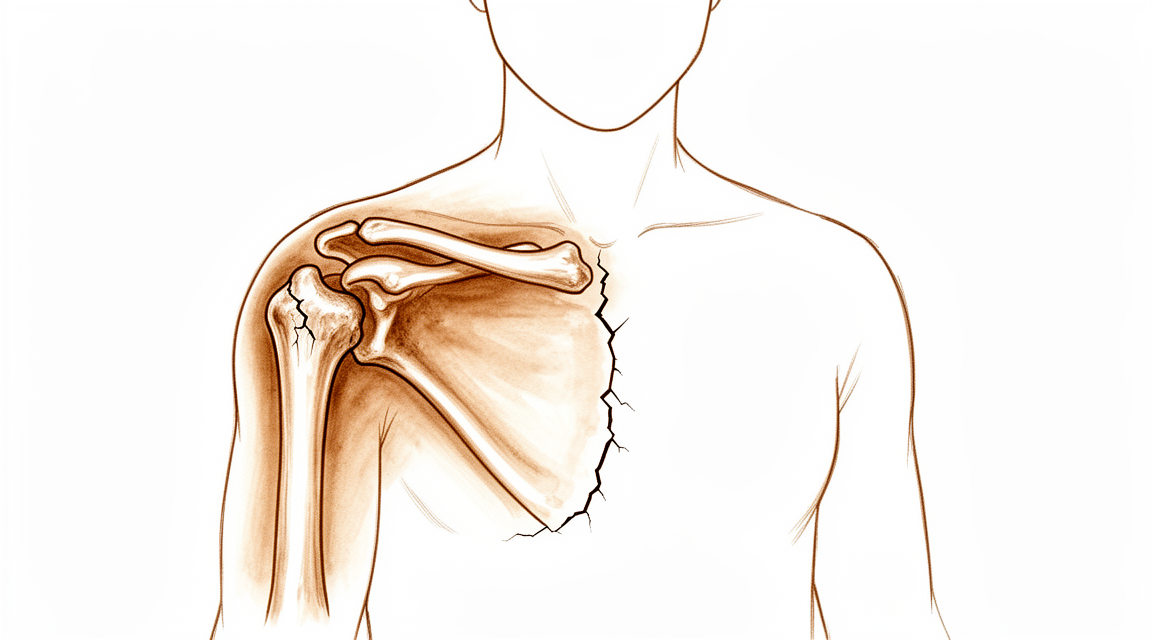
A proximal humerus fracture is a break in the top part of the arm bone, right at the shoulder. It usually happens during a fall, most often onto the shoulder or an outstretched arm. You might hear or feel a snap at the moment of injury.
The pain starts straight away. Your shoulder may swell and bruise over the next hours and days. The bruising often travels down your upper arm, and sometimes toward your elbow. The shoulder may look a different shape than usual. Moving the arm hurts, so you will likely hold it still against your body and avoid using that hand.
These fractures are common in older women, because the bone weakens with age. If you have broken bones before, that can be part of the same picture.
In the first days, the pain is often worse at night and with any attempt to move. Simple things become hard: getting dressed, reaching into a cupboard, carrying a bag, sleeping on that side. Over the first weeks, the pain gradually settles as the bone begins to heal. Movement usually stays uncomfortable early on, but most people find each week a little easier than the last.
Some feeling changes can happen with this injury. The main nerve near the shoulder can be bruised by the break, which may cause numbness over part of the shoulder or weakness lifting the arm. Most of these nerve injuries recover on their own with time. Serious blood vessel injuries are rare, but they need urgent care.
Healing itself is usually straightforward. Most of these fractures mend without an operation, and more than 90% of them join well. Even so, some people are left with ongoing symptoms after a year, and a broken shoulder can affect how you feel about your health overall. Your surgeon will talk with you about what to expect from your own fracture.
What's actually happening
The top of your arm bone is shaped like a ball that sits in a shallow socket. Think of a golf ball balanced on a tee. The bone around that ball broke, and the break can involve one or more of the pieces that make up the top of the bone: the ball itself, the two bony bumps beside it where your shoulder tendons attach, and the shaft of the bone below.
Those bumps matter. Your rotator cuff, the group of tendons that moves and steadies the shoulder, is anchored there. When the bone breaks, the muscles attached to those tendons keep pulling, and that pull can drag the broken pieces out of place. The chest muscle can pull the shaft of the bone toward the middle of your body. This is why some fractures stay as clean cracks while others separate into pieces that no longer line up.
Bone heals by knitting back together, the same way skin closes a cut. New bone forms across the break and firms up over weeks. If a piece of tendon tore away with its bony attachment, that tendon needs the bone to heal in the right spot so it can pull properly again. Where the pieces sit matters: a break through the anatomic neck, the line right under the ball, can cut off the blood supply that keeps that ball alive. Breaks just below that line usually leave the blood supply intact.
The shoulder is built for big movement, and it relies on muscles and soft tissues rather than bone to hold it together. Right now, those tissues are injured and the broken bone cannot carry load, so the whole system is out of action. Swelling and thickened tissue around the break can also stick down and limit movement, which is why early gentle motion matters once your surgeon says the bone is ready.
What we can do about it
Dr Kieran Hirpara, an upper-limb surgeon at Mater Private Hospital Rockhampton, matches the treatment to your specific injury. Patients are generally referred to our clinic by their GP; if a physiotherapist has suggested you see us, you will still need a referral from your GP in order to be eligible for the Medicare rebate. At that visit we take a history, examine your shoulder, and arrange imaging where it is needed. Most broken shoulders are stable or only slightly out of place, and most of these heal without an operation. For those fractures we usually recommend a sling and rest until the pain eases, then a staged return to movement with physiotherapy. We keep an eye on the fracture with follow-up checks, because this kind of care is not simply leaving it alone: it needs regular review to confirm the pieces stay where they should. The bone typically knits together over about 14 weeks.
Surgery is recommended from the outset when the break is badly displaced, unstable, or involves the joint coming out of place, or when your job or lifestyle needs a shoulder that works hard. In these cases the aim is to hold the pieces in the right position so the bone can heal and the shoulder can move. The choice is sometimes genuinely shared. For some fractures either path is reasonable, and the decision comes down to how much risk of the pieces settling in a poorer position you are willing to accept, and what you need your shoulder to do. We will talk through both with you.
Whichever path you take, the first weeks share the same basics. Pain control matters early, and we will help you find what works. You will need to protect the arm while the bone heals, which means no lifting or leaning on it until we say otherwise. Physiotherapy starts at the right stage for your fracture: too early can disturb the healing bone, too late can leave the shoulder stiff. Once the pain settles, you will learn a daily home program of gentle movement and build back to normal use.
What to expect
Most broken shoulders heal without an operation, and this path works well for most adults. The bone knits together over about 14 weeks. During that time you will wear a sling and rest the arm, then start gentle movement as the pain settles. Each week should feel a little easier than the last. Most people get back to daily tasks, work and driving over the following weeks, though heavy lifting and sport take longer.
If your fracture needs surgery, the aim is the same: hold the pieces in place so the bone can heal and the shoulder can move again. Recovery follows a similar rhythm, protect the arm first, then build movement back in stages. Surgery for complex fractures leads to good long-term results for many people, but it carries real risks. The complication and repeat-operation rates after surgery for complex fractures are high, so we will weigh this carefully with you before recommending it.
Whatever the treatment, some things can go wrong along the way. The break can heal slowly, fail to join, or settle in a poorer position than we would like. The shoulder can also stiffen, which is why movement matters once the bone is ready. Some people are left with ongoing symptoms after a year, and we can usually predict this by then. If you have no symptoms at your one-year check, long-term follow-up may not be needed.
One more thing deserves an honest word. A broken shoulder, especially in an older adult, is linked with higher death rates in the years after the injury. This is largely because of age and frailty rather than the shoulder itself. It is one reason we look at your overall health, not just your arm, and why a fracture like this can signal a need to check your bone strength and guard against future falls.
When to see someone
Seek urgent care if your arm looks clearly out of shape, if there is an open wound over the shoulder, if your hand or arm feels numb or tingles, or if you cannot use the limb at all. These can signal a nerve or blood vessel problem, and blood vessel injuries need attention straight away. If you have already been seen but the pain is not settling, or the swelling, movement or use of your arm are not improving week on week as the bone heals, see your GP or ask for a specialist review. A fracture like this is also a prompt to have your overall bone strength checked, especially if you have broken bones before.
In more depth
Advanced reading: the deeper science (optional)
This section goes further than you need for your own treatment decisions. A broken shoulder in later life is worth the extra reading because it is one of the clearest cases in orthopaedics where the evidence and everyday practice have not agreed, and where the treatment that sounds more serious is not the one that produces the better arm.
For most older patients, an operation does not improve the result
The comparison has been made repeatedly. Pooling 1,743 patients, a systematic review recommended non-operative treatment for the average patient over 65 with a displaced proximal humeral fracture, noting that the pooled effects of observational studies matched those of the randomised trials [1]. An earlier review of 486 patients had already found no demonstrable difference in outcomes between fractures managed surgically and conservatively [2].
This is counterintuitive, because the X-ray of a displaced proximal humerus fracture looks alarming. The bone is in several pieces and clearly out of position. The instinct, the patient's and often the clinician's, is that something so visibly wrong must be put right.
What the trials show is that the shoulder is unusually forgiving of imperfect bony position. It is not a weight-bearing joint, the surrounding cuff and deltoid do much of the work, and the fragments are held by soft tissue that keeps a blood supply to them. A shoulder that heals slightly crooked frequently ends up moving and feeling much like one that was fixed, and it gets there without a wound, an implant, or the risks below.
The trial changed the evidence and not the practice
This is the part worth sitting with. PROFHER was the large randomised trial that tested surgery against non-operative treatment for displaced proximal humerus fractures and found no benefit from operating [6].
A study of 116,868 patients then asked whether practice actually changed after it was published. It did not: PROFHER did not significantly impact rates of operative treatment, with no significant change in the rate of operative treatment per year [3].
That is a finding about medicine rather than about your shoulder, and it is a reasonable thing for a patient to know. If you are offered an operation for this fracture, the right question is not whether surgery is ever appropriate, sometimes it clearly is, but what specifically about your fracture and your arm puts you outside the group in whom it has not been shown to help.
When surgery is chosen, the operation has shifted
None of the above means surgery is never right. Head-splitting fractures, fracture-dislocations, open injuries and younger patients with high demands are all different propositions.
Where an operation is done in an older patient, the field has moved decisively toward reverse total shoulder replacement. Pooling 228,523 patients, reverse total shoulder arthroplasty offered better functional outcomes and complication rates than hemiarthroplasty, and a more favourable revision profile than plate fixation, in elderly patients with these fractures [4].
The logic is that a reverse replacement does not depend on the tuberosities healing in good position, and tuberosity healing is precisely what is unreliable in an osteoporotic shoulder. It removes the variable that made the older operations unpredictable.
What actually predicts your recovery
Not, mostly, the fracture pattern. A systematic review of 4,323 patients examining biopsychosocial predictors of recovery found that pre-operative functional status, how well the arm and the person were working before the injury, predicts functional recovery [5].
That is worth understanding correctly. It does not mean recovery is a matter of attitude. It means the strongest single predictor of where you end up is where you started, which is an argument for realistic expectations, and for taking the rehabilitation seriously in the months when the shoulder feels stiff and progress feels invisible.
References for the advanced reading
- Beks RB, Ochen Y, Frima H, Smeeing DP, van der Meijden O, Timmers TK, et al. Operative versus nonoperative treatment of proximal humeral fractures: a systematic review, meta-analysis, and comparison of observational studies and randomized controlled trials. J Shoulder Elbow Surg. 2018;27(8):1526-34.
- Nanidis TG, Majed A, Liddle AD, Constantinides VA, Sivagnanam P, Tekkis PP, et al. Conservative versus operative management of complex proximal humeral fractures: a meta-analysis. Shoulder Elbow. 2010;2(3):166-74.
- Cheesman JS, Englert CH, Yang Q, Yoo JU, Nazir OF, Mirarchi AJ. Impact of PROFHER on trends in proximal humerus fracture treatment in the United States. Shoulder Elbow. 2025;18(3):476-84.
- Mekhail J, Mullan R, Cross JL, Jahagirdar O, Luo X, Salameh M. Outcomes of reverse total shoulder arthroplasty vs. other surgical fixation methods for proximal humerus fractures: a systematic review and meta-analysis. JSES Rev Rep Tech. 2026;6(2):100644.
- Varahra A, MacDermid JC, Szekeres M. A systematic review of biopsychosocial prognostic factors of recovery after a proximal humerus fracture. J Hand Ther. 2023;36(4):825-44.
- Rangan A, Handoll H, Brealey S, Jefferson L, Keding A, Martin BC, et al. Surgical vs nonsurgical treatment of adults with displaced fractures of the proximal humerus: the PROFHER randomized clinical trial. JAMA. 2015;313(10):1037-47.
Evidence & references
This is the clinical evidence summary written for health professionals. It is technical, and it lists the research this page was built from. You do not need to read it to understand your treatment or to make a decision about it.
Overview
- Non-operative management is associated with good outcomes in the majority of proximal humerus fractures in adults [1].
- Most one-part proximal humerus fractures are amenable to non-operative treatment with positive outcomes reported in the vast majority of cases [6].
- Over the past decade, most older adults who sustain proximal humerus fractures continue to receive nonoperative treatment [9].
- The available literature does not demonstrate a clear clinical benefit of operative treatment over nonoperative management of proximal humeral fractures in adult patients younger than 65 years [32].
- Both age and gender have an association with the definitive treatment patients received for proximal humerus fractures over the last decade [2].
- Most pediatric patients with proximal humerus fractures have favorable results, and complications are infrequent [13].
- There are conflicting opinions on what outcome measure is best to assess function following the treatment of proximal humerus fractures [11].
- Prospective clinical trials with longer-term follow-up are required for definitive assessment of the ideal fixation construct for surgical management of two-part proximal humerus fractures [18].
- The selection of reverse total shoulder arthroplasty (RTSA) is a current, reasonable, and safe option to treat proximal humerus fractures, particularly in those with higher Neer grades and/or in older patients [33].
- Patients with a proximal humerus fracture undergoing reverse total shoulder arthroplasty have significantly worse perioperative outcomes compared to patients with other indications [99].
- Patients with a proximal humerus fracture undergoing reverse total shoulder arthroplasty have higher rates of complications compared to patients with other indications [99].
- Patients with a proximal humerus fracture undergoing reverse total shoulder arthroplasty have longer hospital stays compared to patients with other indications [99].
- Patients with a proximal humerus fracture undergoing reverse total shoulder arthroplasty have higher costs compared to patients with other indications [99].
- Most randomized controlled trials on surgical management of proximal humerus fractures do not include patient-specific variables within their inclusion and exclusion criteria, besides age [17].
Anatomy & Pathophysiology
Bony Anatomy
- The proximal humerus comprises four main parts: the humeral head, greater tuberosity (GT), lesser tuberosity (LT), and humeral shaft [41].
- The articular head of the proximal humerus is spherical with a diameter of 37 to 57 mm [41].
- The most superior portion of the articular surface of the humeral head averages 8 mm above the greater tuberosity [41].
- Humeral version averages 29.8 degrees, with a range of 10 to 55 degrees [41].
- The humeral head is inclined approximately 130 degrees with respect to the humeral shaft [41].
- The neck-shaft angle measures an average of 135 degrees [42].
- The humeral head is retroverted an average of 30 degrees [42].
- The humeral head averages 19° of retroversion and 41° of inclination (neck-shaft angle) [44].
- The anatomic neck is located at the junction of the articular surface and the tuberosities [41].
- The surgical neck represents an indistinct region, or metadiaphyseal junction, below the tuberosities but above the humeral shaft [41].
- The bicipital groove lies between the greater and lesser tuberosities and serves as a pathway for the long head of the biceps [41].
- The distal aspect of the bicipital groove is internally rotated with respect to the proximal portion [41].
- The glenoid is a convex structure of shallow depth shaped like an inverted pear [41].
- The glenoid cavity is a shallow socket, approximately one third the size of the humeral head [42].
- The subchondral bone of the glenoid is relatively flat, with articular concavity augmented by cartilage and a circumferential labrum [44].
- The glenoid averages 5° of retroversion in relation to the axis of the scapular body [44].
- The proximal humerus has three centers of ossification: the humeral head (4 to 6 months), the greater tuberosity (1 to 3 years), and the lesser tuberosity (3 to 5 years) [44].
- The ossification centers of the proximal humerus fuse to the shaft at age 17 to 20 years [44].
Soft Tissue Anatomy
- The greater tuberosity serves as the attachment site for the supraspinatus, infraspinatus, and teres minor tendons [41].
- The lesser tuberosity serves as the attachment site for the subscapularis tendon [41].
- The rotator cuff consists of the subscapularis, supraspinatus, infraspinatus, and teres minor muscles [42].
- The teres major is not a rotator cuff muscle [42].
- The rotator cuff muscles serve as depressors of the humeral head to allow the deltoid to efficiently abduct the humerus [42].
- The infraspinatus and teres minor are external rotators, while the subscapularis is an internal rotator of the humerus [42].
- The acromion, coracoacromial ligament, and coracoid process form the coracoacromial arch [41].
- The rotator cuff, subacromial bursa, and subdeltoid bursa pass underneath the coracoacromial arch [41].
- The subscapular bursa lies between the subscapularis tendon and the neck of the scapula and communicates with the joint cavity between the superior and middle glenohumeral ligaments [45].
- The rotator interval is defined medially by the base of the coracoid, superiorly by the supraspinatus tendon, and inferiorly by the subscapularis tendon [44].
- The rotator interval contains the coracohumeral ligament, the superior glenohumeral ligament, and the intra-articular portion of the long head of the biceps tendon [44].
Vascular Supply
- The proximal humerus receives its blood supply from the anterior and posterior humeral circumflex branches from the third division of the axillary artery [41].
- The posterior humeral circumflex artery travels with the axillary nerve, enters the quadrilateral space posteriorly, and anastomoses with a branch of the anterior circumflex to supply the posterior cuff [41].
- The anterior humeral circumflex artery arises from the axillary artery at the inferior border of the subscapularis [41].
- The anterior humeral circumflex artery provides vascular inflow to the humeral head by way of its terminal anterolateral branch, known as the artery of Laing or arcuate artery [41].
- The ascending branch of the anterior humeral circumflex artery courses parallel to the lateral aspect of the long head biceps tendon and enters the humeral head at the interface of the bicipital groove and greater tuberosity [41].
- The anterolateral ascending branch of the anterior humeral circumflex artery provides the primary blood supply to the humeral head [44].
- The terminal intraosseous portion of the anterior humeral circumflex artery enters at the proximal aspect of the intertubercular groove as the arcuate artery [44].
- Injury to the arcuate artery may result in osteonecrosis of the humeral head [41].
- Additional extraosseous collateral branches can permit humeral head perfusion despite complete ligation of the arcuate artery [41].
- Fractures of the anatomic neck have a poor prognosis because of complete disruption of the blood supply to the head [42].
- Surgical neck fractures are common, and with these, the blood supply to the head is preserved [42].
Pathophysiology & Mechanism
- The majority of proximal humerus fractures arise secondary to low energy injuries [36].
- Nearly ¾ of proximal humerus fractures occur after a low energy domestic fall [36].
- Most proximal humerus injuries in patients over the age of 60 occur as a result of a fall onto an outstretched hand from a standing height [36].
- Younger patients without osteoporosis generally sustain a proximal humerus fracture after motor vehicle accidents, falls from greater than a standing height, seizures, or electric shock [36].
- Fractures occur as either a direct blow to the shoulder or from indirect force transfer from a fall onto an outstretched hand [36].
- The impact drives the proximal humerus into the glenoid, which acts as an 'anvil' on which the proximal humerus is impacted [36].
- The combination of the direction of the blow to the humerus, quality of bone in the proximal humerus, and the pull of soft tissues produces various types of fracture patterns [36].
- Displacement of proximal humerus fracture fragments occurs in a predictable manner based on deforming forces created by tendinous insertions [41].
- The subscapularis inserts on the lesser tuberosity and causes medial displacement [41].
- The supraspinatus and infraspinatus insert on the greater tuberosity and cause superior and posterior displacement [41].
- The pectoralis major inserts on the humeral shaft and displaces it medially [41].
- Proximal humerus fractures alter complex interactions of the shoulder girdle, resulting in pain, decreased range of motion and stiffness, and disability [41].
- Displaced proximal humerus fractures can impede normal movement of structures under the coracoacromial arch, causing impingement and disruption of normal glenohumeral motion [41].
- In displaced and nondisplaced proximal humerus fractures, the subdeltoid and subacromial bursae can become thickened and fibrotic, forming adhesions that limit normal glenohumeral motion [41].
- A fracture involving the anatomic neck is prognostically worse than fractures involving other regions of the proximal humerus with respect to the potential disruption of the vascular supply to the humeral head and subsequent development of avascular necrosis [41].
- Neurovascular injuries associated with proximal humerus fractures represent a rare yet clinically significant complication with potential for devastating functional outcomes [22].
- The close anatomical relationship between the proximal humerus, axillary artery, and brachial plexus predisposes these structures to combined injury patterns that can threaten limb viability [22].
- Most nerve injuries associated with proximal humerus fractures, particularly involving the axillary nerve, demonstrate favorable outcomes with conservative management [22].
- Vascular injuries associated with proximal humerus fractures demand urgent multidisciplinary intervention to restore perfusion and prevent irreversible ischemia [22].
- An axillary nerve injury from proximal humeral fracture or fracture-dislocation results in paralysis of the deltoid muscle and anesthesia over the “badge” region at the lateral proximal arm [42].
- The brachial plexus and axillary artery lie anterior to the coracoid process of the scapula and humeral head [42].
Classification
- Proximal humerus fractures are osteoporotic injuries with increasing incidence due to aging populations [3].
- Accurate clinical evaluation, imaging, and classification are paramount for informed treatment decisions for proximal humerus fractures [3].
- The Neer classification categorizes displaced proximal humerus fractures from two to four parts according to anatomic segments [109].
- In the Neer classification, displacement is defined as separation of a fragment >1 cm or angulation of a fragment greater than 45° [109].
- Fracture lines in nondisplaced segments are not included in the Neer classification [109].
- The AO classification is based on the vascular supply of the articular segments [109].
- The AO classification is divided into three categories (A, B, C) of increasing severity, with each category further split into numerical subgroupings [109].
- Codman’s illustrative classification system proposed in 1934 serves as the basis for many classification models in clinical practice [86].
- Codman’s classification distinguishes 12 fracture patterns based on the configuration of the humeral head, shaft, greater tuberosity, and lesser tuberosity [86].
- Neer’s 1970 modification focused on the pathoanatomy regarding the presence or absence of displacement of the four bony segments rather than fracture lines [86].
- Neer defined displacement limits as at least 1 cm of separation and 45° of angulation between fragments [86].
- Neer clarified that displacement limits were intended to define the minimal displacement category and support standardization in outcome studies, not to dictate treatment [86].
- The classification of proximal humerus fractures has suffered from poor intra- and interobserver reliability, especially in plain radiographs [86].
- Evaluation of classification systems for proximal humerus fractures with plain radiographs has yielded low interobserver reliability [55].
- The Mayo-FJD classification system allows high intraobserver and interobserver agreement using both radiographs and computed tomography [76].
- The Mayo-FJD classification is a robust tool for predicting clinical success in proximal humerus fractures initially treated nonsurgically [87].
- Morphologic classification of proximal humerus fractures as the sole basis for treatment algorithms and surgical success should be scrutinized [80].
- Reported mean kappa values for interobserver agreement on the AO classification have varied between 0.26 and 0.53 [111].
- Mean kappa values for interobserver agreement on the AO classification decreased from 0.53 for AO Types to 0.2 for AO Groups [111].
- The use of artificial intelligence can accurately detect and classify proximal humerus fractures on plain shoulder AP radiographs [37].
- Current diagnosis coding practices do not adequately capture the fracture complexity needed to conduct subgroup analysis for proximal humerus fractures [107].
Clinical Presentation
Epidemiology and Demographics
- Proximal humerus fractures are typically osteoporotic fractures in women over 70, with prevalence increasing due to an aging population in poor general condition [25].
- Treatment algorithms and outcomes following proximal humerus fractures in patients less than or equal to 60 years of age are distinctly different from that of a more elderly population [14].
Clinical Evaluation and Imaging
- Accurate clinical evaluation, imaging, and classification are paramount for informed treatment decisions in proximal humerus fractures [3].
- A thorough history and physical examination are essential in all patients being evaluated for surgical intervention of proximal humerus fractures [64].
- Preoperative radiographs for proximal humerus fracture evaluation should include true anteroposterior shoulder, scapular lateral, and axillary views [64].
- In tolerant patients, internal and external rotation views of the humerus may be helpful for evaluating proximal humerus fractures [64].
- Computed tomography is not often necessary for proximal humerus fractures but can prove beneficial in more comminuted fractures when tuberosity size and position are difficult to ascertain on standard radiographs [64].
- Magnetic resonance imaging has not proved very beneficial for proximal humerus fractures because most do not have an associated rotator cuff tear [64].
- Computed tomography scan was more specific than radiographs in the assessment of proximal humerus fracture sequelae [23].
Complications and Associated Injuries
- Complications associated with proximal humerus fractures are varied and can be categorized as occurring at the time of initial injury, during operative management, or as delayed sequelae [12].
- The multifactorial etiology of neurovascular injuries in proximal humerus fractures encompasses direct trauma from displaced fracture fragments and indirect mechanisms [22].
- Diagnosis of neurovascular injuries in proximal humerus fractures relies on early recognition through meticulous clinical examination and advanced imaging modalities [22].
Prognosis and Outcomes
- There is substantial mortality in patients with a proximal humerus fracture [4].
- Surviving patients with proximal humerus fractures frequently have persistent symptoms that can be predicted as early as after 1 year [4].
- Mortality at 1 year for fragility proximal humerus fractures is universally high regardless of risk factors [15].
Investigations
Plain Radiography
- At least two X-ray views should be obtained for proximal humerus fractures: an anteroposterior view in the plane of the glenoid and an axillary projection with the arm in abduction [49].
- The axillary projection with the arm in abduction shows the relationship of the humeral head to the glenoid [49].
- Standardized plain films are almost always sufficient to garner the information needed for shoulder care [20].
- The anteroposterior view in the plane of the scapula shows the superoinferior position of the humeral head relative to the glenoid, presence of osteophytes, joint space narrowing, degree of medial displacement of the humerus, bone quality, loose bodies, and humeral head collapse or deformity [20].
- The axillary view taken with the arm in the functional position of elevation shows the amount of glenoid bone, shape of the glenoid, its version in relation to the plane of the scapula, and the relationship of the humeral head to the glenoid fossa [20].
- The axillary view is referred to as the "truth view" because it demonstrates glenohumeral relationships in the functional position of elevation [20].
- CT scans have the disadvantage of being taken with the arm in the adducted position, unlike the axillary truth view [20].
- The degree of posterior subluxation can be measured on the standardized axillary view as the position of the center of the humeral head in relation to the plane of the scapula, in relation to the glenoid face, or by the point of contact of the humeral articular surface on the glenoid articular surface [20].
- The point of contact of the humeral articular surface on the glenoid articular surface reflects the degree of centering of the net humeral joint reaction force on the glenoid [20].
- Malcentering of the joint reaction force leads to posterior instability, posterior glenoid wear, and "rocking horse" loosening of prosthetic glenoid components [20].
- Artificial intelligence can accurately detect and classify proximal humerus fractures on plain shoulder AP radiographs [37].
- Convolutional neural networks proficiently rule out proximal humerus fractures on plain radiographs [116].
Computed Tomography
- Computed tomography is helpful for planning fracture surgery and shoulder joint replacement [49].
- Computed tomography scans are more specific than radiographs in the assessment of proximal humerus fracture sequelae [23].
- Three-dimensional reconstructions based on CT scans may reveal fine details of shoulder anatomy, but this additional information rarely changes the planning or conduct of arthroplasty [20].
- The routine use of 3D-printed models may not be beneficial for classifying proximal humeral fracture patterns beyond the information gained from currently available imaging modalities [124].
- The use of 3D-printed models as the sole determinant for recommending surgical intervention should be avoided at this time [124].
Magnetic Resonance Imaging
- Magnetic resonance imaging is useful to identify osteonecrosis of the humeral head or a bone tumour [49].
- Magnetic resonance imaging can identify labral tears and rotator cuff tears, although accuracy for these is enhanced by combining the scan with arthrography [49].
- Zero-echo-time MRI presents a viable alternative to CT in the evaluation of proximal humerus fractures [110].
Ultrasound
- Ultrasound is a simple and accurate test for identifying rotator cuff tears and calcific tendinitis [49].
- Ultrasound can be useful in guiding injections or barbotage [49].
Clinical Evaluation and Classification
- A simple fragility evaluation can help inform surgical decision-making and counseling in patients older than 50 years with proximal humerus fractures [126].
Treatment
Non-Operative Management
- In the vast majority of cases, proximal humerus fractures may be treated nonoperatively [7].
- Most proximal humeral fractures in elderly patients can be treated nonoperatively with good functional outcomes [34].
- A majority of patients with proximal humeral fractures underwent non-operative treatment [71].
- Non-operative management of proximal humerus fractures involves a period of immobilization and progressive physiotherapy [53].
- In a systematic review of 12 studies involving 650 patients with a mean age of 65.0 years, the mean rate of radiographic union for non-operative management was 98% [53].
- In a systematic review of 12 studies involving 650 patients, the weighted mean Constant score for non-operative management was 74, corresponding to a "fair" outcome [53].
- In a systematic review of 12 studies involving 650 patients, the complication rate for non-operative management was 13%, with varus malunion being the most common at 7% [53].
- In a systematic review of 12 studies involving 650 patients, proximal humerus avascular necrosis was found to be uncommon at 2% [53].
- In a prospective evaluation of 160 patients managed non-operatively, the average Constant score was 74.3 with a mean difference between the injured and contralateral shoulder of 8.2 [53].
- In a prospective evaluation of 160 patients managed non-operatively, the estimated median time to definitive union was 14 weeks [53].
- In a prospective evaluation of 160 patients managed non-operatively, there was a 7% risk of delayed or nonunion [53].
- In a prospective evaluation of 160 patients managed non-operatively, the eventual operation rate was 5.6% [53].
- Nonsurgical treatment should have a more prominent role in the treatment of proximal humeral fractures [78].
- Proximal humerus fractures in children have tremendous potential for remodeling, making non-operative management the treatment of choice for most fractures [85].
- Nonsurgical management of proximal humerus fractures decreased during the study period [62].
Operative Management
- No good evidence exists whether surgery is clearly superior to nonoperative treatment for proximal humerus fractures [98].
- This trial found no significant difference in clinical outcomes at 2 years between surgery and non-operative treatment in patients 60 years of age or older with displaced 2-part fractures of the proximal humerus [67].
- Reverse shoulder arthroplasty (RSA) had significantly the highest Constant score and lower total incidence of complications than open reduction internal fixation (ORIF), hemiarthroplasty (HA), and intramedullary nailing (IN) for displaced proximal humeral fractures [69].
- RSA resulted in a lower incidence of additional surgery than ORIF and IN for displaced proximal humeral fractures [69].
- The selection of RTSA over other surgical options is a current, reasonable, and safe option to treat proximal humerus fractures, particularly in those with higher Neer grades and/or in older patients [33].
- Reverse total shoulder replacement is a promising treatment for geriatrics with three- and four-part proximal humerus fractures aiming for a better long-term functional outcome [30].
- Hemiarthroplasty and reverse prosthesis are indicated for complex proximal humerus fractures in patients no younger than 70 years of age [29].
- No single fixation method is a panacea for proximal humeral fractures; choice of implant and method should be selected according to individual patient and fracture pattern characteristics based on clearly defined indications and contraindications [66].
- Percutaneous treatment of selected proximal humeral fractures results in predictable union and good clinical results with a low rate of complications [74].
- Minimally invasive plate osteosynthesis (MIPO) is a safe and effective option for the treatment of proximal humerus fractures, with good functional recovery and fewer complications, which are typically technique dependent [79].
- This meta-analysis demonstrates no significant differences in clinical outcomes or complication rates between standard components and fracture-specific components in RSA for the treatment of proximal humerus fractures [81].
- Osteosynthesis of the proximal humerus in osteoporotic bone typically produces inferior results to that in younger subjects with better bone stock [61].
- In a study of the PlantTan Fixator Plate, there were no cases of infection, impingement, avascular necrosis or malunion in the population under 70 years of age [61].
- In a study of the PlantTan Fixator Plate, there was a significant proportion of patients with avascular necrosis and implant migration in the group over 70 years [61].
General Considerations
- Consensus when managing proximal humerus fractures is limited to specific scenarios, whereas lack of consensus still exists in others [5].
- Evidence-based recommendations to guide treatment of proximal humerus fractures are lacking [98].
- Besides age, most RCTs on surgical management of proximal humerus fractures do not include patient-specific variables within their inclusion and exclusion criteria [17].
Complications
- Complications associated with proximal humerus fractures are categorized as occurring at the time of initial injury, during operative management, or as delayed sequelae [12].
- Predictive models using machine learning techniques demonstrated favorable discrimination and satisfactory-to-excellent performance in forecasting prolonged length of stay and serious adverse complications occurring within 30 days of surgical intervention for proximal humerus fracture [90].
- After surgical treatment, patients with pathologic humerus fractures had significantly higher complication rates compared with native humerus fractures [114].
- Guidelines and treatment algorithms for native humerus fractures may not be generalizable for those of pathologic origin [114].
Recovery
- Persistent symptoms in surviving patients with proximal humerus fractures can be predicted as early as after 1 year [4].
- After one-year follow-up, long-term follow-up of fixed proximal humerus fractures may be unnecessary for those without symptoms [27].
- Long-term treatment with reverse shoulder arthroplasty for displaced 3- or 4-part proximal humerus fractures provides better functional outcomes compared to nonoperative treatment [75].
- The difference in long-term functional outcomes between reverse shoulder arthroplasty and nonoperative treatment for displaced 3- or 4-part proximal humerus fractures is attributed to the deterioration of functional outcomes of the nonoperative treatment over time [75].
- ORIF of nonosteoporotic proximal humeral fractures with locking plates led to favorable functional and radiologic outcomes at a minimum of 10 years of follow-up [82].
- Patients in the proximal humerus fracture cohort were less likely to report persistent shoulder pain at all evaluated time points compared to the osteoarthritis cohort [123].
- Timing of surgery did not impact outcomes of patients who underwent ORIF for proximal humerus fractures [127].
- Delays beyond 5 days to surgery does not affect outcome following plate and screw fixation of proximal humerus fractures [127].
Key Evidence
- [L4] Non-operative management is associated with good outcomes in the majority of proximal humerus fractures in adults. [1] (10.5312/wjo.v5.i5.685)
- [L3] Both age and gender have an association with the definitive treatment patients received for proximal humerus fractures over the last decade. [2] (10.1016/j.jseint.2021.11.007)
- [L3] Our results suggest that there is a substantial mortality in patients with a proximal humerus fracture, as we have previously reported, and that surviving patients frequently have persistent symptoms that can be predicted as early as after 1 year. [4] (10.1080/17453670510041295)
- [L5] Consensus when managing proximal humerus fractures is limited to specific scenarios, whereas lack of consensus still exists in others. [5] (10.1016/j.jse.2024.12.005)
- [L4] In the vast majority of cases, proximal humerus fractures may be treated nonoperatively. [7] (10.1155/2012/861598)
- [L4] Over the past decade, most older adults who sustain proximal humerus fractures continue to receive nonoperative treatment. [9] (10.1016/j.jseint.2021.08.006)
- [L4] Additionally, there are conflicting opinions on what outcome measure is best to assess function following the treatment of proximal humerus fractures. [11] (10.1007/s00264-017-3569-0)
- [L5] Most pediatric patients with proximal humerus fractures have favorable results, and complications are infrequent. [13] (10.5435/jaaos-d-14-00033)
- [L4] Treatment algorithms and outcomes following proximal humerus fractures in patients less than or equal to 60 years of age are distinctly different from that of a more elderly population. [14] (10.1016/j.xrrt.2023.01.002)
- [L3] Mortality at 1 year for fragility proximal humerus fractures is universally high regardless of risk factors. [15] (10.1016/j.jse.2022.03.006)
- [L2] Besides age, most RCTs on surgical management of proximal humerus fractures do not include patient-specific variables within their inclusion and exclusion criteria. [17] (10.1016/j.xrrt.2025.07.023)
- [L3] However, prospective clinical trials with longer-term follow-up are required for definitive assessment of the ideal fixation construct for surgical management of two-part proximal humerus fractures. [18] (10.1016/j.injury.2013.08.024)
- [L5] [22] (10.1016/j.xrrt.2026.100825)
- [L2] Computed tomography scan was more specific than radiographs in the assessment of proximal humerus fracture sequelae. [23] (10.1177/17585732221150785)
- [L2] Proximal humerus fractures are now typically osteoporotic fractures in women over 70, with prevalence increasing due to an aging population in poor general condition. [25] (10.1016/j.otsr.2012.05.013)
- [L3] After one-year, long-term follow-up of fixed proximal humerus fractures may be unnecessary for those without symptoms. [27] (10.1007/s00590-021-03099-6)
- [L4] They are indicated for complex proximal humerus fractures in patients no younger than 70 years of age. [29] (10.1016/j.otsr.2008.09.002)
- [L3] It is a promising treatment for geriatrics with three- and four-part proximal humerus fractures aiming for a better long-term functional outcome. [30] (10.1186/s12891-023-06669-3)
- [L1] The available literature does not demonstrate a clear clinical benefit of operative treatment over nonoperative management of proximal humeral fractures in adult patients younger than 65 years. [32] (10.1016/j.xrrt.2021.04.014)
- [L5] The selection of RTSA over other surgical options is a current, reasonable, and safe option to treat proximal humerus fractures, particularly in those with higher Neer grades and/or in older patients. [33] (10.1097/corr.0000000000002430)
- [L5] Most proximal humeral fractures in elderly patients can be treated nonoperatively with good functional outcomes. [34] (10.2106/jbjs.l.01293)
- [L5] [36] (10.1007/978-3-319-08951-5_2)
- [L4] The use of artificial intelligence can accurately detect and classify proximal humerus fractures on plain shoulder AP radiographs. [37] (10.1080/17453674.2018.1453714)
- [L1] [53] (10.1186/s12891-018-2223-3)
- [L5] Evaluation of the classification systems for fractures of the proximal humerus with plain radiographs has yielded low interobserver reliability. [55] (10.1016/j.ocl.2008.05.002)
- [L4] [61] (10.1016/j.injury.2005.05.030)
- [L4] Nonsurgical management of proximal humerus fractures decreased during the study period. [62] (10.1016/j.jhsa.2020.03.022)
- [L4] [64] (10.5435/00124635-200805000-00008)
- [L4] No single fixation method is a panacea for proximal humeral fractures; choice of implant and method should be selected according to individual patient and fracture pattern characteristics based on clearly defined indications and contraindications. [66] (10.1016/j.injury.2010.10.016)
- [L1] This trial found no significant difference in clinical outcomes at 2 years between surgery and non-operative treatment in patients 60 years of age or older with displaced 2-part fractures of the proximal humerus. [67] (10.1371/journal.pmed.1002855)
- [L1] [69] (10.1371/journal.pone.0166801)
- [L3] A majority of patients with proximal humeral fractures underwent non-operative treatment. [71] (10.1186/s12891-019-2812-9)
- [L4] Percutaneous treatment of selected proximal humeral fractures results in predictable union and good clinical results with a low rate of complications. [74] (10.1016/j.jse.2006.09.006)
- [L1] Long-term treatment with RSA for displaced 3- or 4-part proximal humerus fractures provides better functional outcomes compared to nonoperative treatment, a difference attributed to the deterioration of functional outcomes of the nonoperative treatment over time. [75] (10.1016/j.jse.2024.09.032)
- [L4] The Mayo-FJD classification system for proximal humerus fractures seems to allow high intraobserver and interobserver agreement using both radiographs and computed tomography. [76] (10.1016/j.jse.2023.02.035)
- [L3] Nonsurgical treatment should have a more prominent role in the treatment of proximal humeral fractures. [78] (10.1016/j.jse.2011.01.025)
- [L4] MIPO is a safe and effective option for the treatment of proximal humerus fractures, with good functional recovery and fewer complications, which are typically technique dependent. [79] (10.1016/j.aott.2016.10.003)
- [L2] Morphologic classification of proximal humerus fractures as the sole basis for treatment algorithms and surgical success should be scrutinized. [80] (10.1016/j.jseint.2022.02.006)
- [L1] This meta-analysis demonstrates no significant differences in clinical outcomes or complication rates between standard components and fracture-specific components in RSA, suggesting comparable performance in the treatment of proximal humerus fractures. [81] (10.1302/0301-620x.107b9.bjj-2024-1508.r2)
- [L3] ORIF of nonosteoporotic proximal humeral fractures with locking plates led to favorable functional and radiologic outcomes at a minimum of 10 years of follow-up. [82] (10.1097/corr.0000000000002895)
- [L5] [86] (10.1186/s13018-017-0639-3)
- [L4] The Mayo-FJD classification is a robust tool for predicting clinical success in proximal humerus fractures initially treated nonsurgically. [87] (10.1016/j.jseint.2026.101743)
- [L3] Predictive models constructed using ML techniques demonstrated favorable discrimination and satisfactory-to-excellent performance in forecasting prolonged LOS and serious adverse complications occurring within 30 days of surgical intervention for proximal humerus fracture. [90] (10.1016/j.jseint.2024.02.005)
- [L4] Evidence-based recommendations to guide treatment of proximal humerus fractures are lacking, and no good evidence exists whether surgery is clearly superior to nonoperative treatment. [98] (10.1016/j.ocl.2008.06.003)
- [Abstract] Patients with a proximal humerus fracture undergoing reverse total shoulder arthroplasty have significantly worse perioperative outcomes, including higher rates of complications, longer hospital stays, and higher costs, compared to patients with other indications. [99] (10.1016/j.jse.2015.05.005)
- [L3] Current diagnosis coding practices do not adequately capture the fracture complexity needed to conduct subgroup analysis for proximal humerus fractures. [107] (10.1016/j.jse.2023.08.022)
- [L5] [109] (10.21037/aoj-20-42)
- [L4] ZTE MRI presents a viable alternative to CT in the evaluation of proximal humerus fractures (PHF). [110] (10.1016/j.jseint.2024.08.111)
- [L2] [111] (10.1016/j.injury.2011.08.025)
- [L3] After surgical treatment, patients with pathologic humerus fractures had significantly higher complication rates compared with native humerus fractures, suggesting that guidelines and treatment algorithms for native humerus fractures may not be generalizable for those of pathologic origin. [114] (10.1016/j.jse.2020.10.024)
- [L3] CNNs proficiently rule out proximal humerus fractures on plain radiographs. [116] (10.1302/0301-620x.106b11.bjj-2024-0264.r1)
- [L3] Patients in the proximal humerus fracture (PHF) cohort were less likely to report persistent shoulder pain at all evaluated time points compared to the osteoarthritis (OA) cohort, suggesting that symptom relief following treatment of traumatic pathology may differ fundamentally from that of chronic degenerative disease. [123] (10.1016/j.jsea.2026.100012)
- [L5] The routine use of 3D-printed models may not be beneficial for classifying proximal humeral fracture patterns beyond the information gained from currently available imaging modalities, and their use as the sole determinant for recommending surgical intervention should be avoided at this time. [124] (10.1097/corr.0000000000002017)
- [L3] Our data suggest that a simple fragility evaluation can help inform surgical decision-making and counseling in patients older than 50 years with proximal humerus fractures. [126] (10.1016/j.jseint.2020.10.017)
- [L3] Timing of surgery did not impact outcomes of patients who underwent ORIF for proximal humerus fractures. [127] (10.1016/j.jse.2025.02.019)
References
[1] Management of proximal humerus fractures in adults. World Journal of Orthopedics. 2014. DOI: 10.5312/wjo.v5.i5.685
[2] How age and gender influence proximal humerus fracture management in patients older than fifty years. JSES International. 2022. DOI: 10.1016/j.jseint.2021.11.007
[3] 1. Clinical Evaluation, Imaging, and Classification of Proximal Humerus Fractures. 2011.
[4] Long-term outcome of a proximal humerus fracture predicted after 1 year. Acta Orthopaedica. 2005. DOI: 10.1080/17453670510041295
[5] Consensus statement on the treatment of proximal humerus fractures: a Delphi approach by the Neer Circle of the American Shoulder and Elbow Surgeons. Journal of Shoulder and Elbow Surgery. 2025. DOI: 10.1016/j.jse.2024.12.005
[6] 2. Non-operative Management of Proximal Humerus Fractures: Indications, Protocols, and Outcomes. 2011.
[7] Evaluation and Management of Proximal Humerus Fractures. Advances in Orthopedics. 2012. DOI: 10.1155/2012/861598
[9] Trending a decade of proximal humerus fracture management in older adults. JSES International. 2022. DOI: 10.1016/j.jseint.2021.08.006
[11] Orthopaedic surgeons’ opinions surrounding the management of proximal humerus fractures: an international survey. International Orthopaedics. 2017. DOI: 10.1007/s00264-017-3569-0
[12] 6. Complications of Proximal Humerus Fractures: Evaluation and Management. 2011.
[13] Evaluation and Management of Pediatric Proximal Humerus Fractures. Journal of the American Academy of Orthopaedic Surgeons. 2015. DOI: 10.5435/jaaos-d-14-00033
[14] Proximal humerus fracture management and outcomes are distinctly different for individuals 60 years of age or younger: a systematic review. JSES Reviews, Reports, and Techniques. 2023. DOI: 10.1016/j.xrrt.2023.01.002
[15] Morbidity and mortality of fragility proximal humerus fractures: a retrospective cohort study of patients presenting to a level one trauma center. Journal of Shoulder and Elbow Surgery. 2022. DOI: 10.1016/j.jse.2022.03.006
[17] Randomized controlled trials investigating proximal humerus fractures lack consensus in inclusion criteria. JSES Reviews, Reports, and Techniques. 2025. DOI: 10.1016/j.xrrt.2025.07.023
[18] A comprehensive update on current fixation options for two-part proximal humerus fractures. Injury. 2014. DOI: 10.1016/j.injury.2013.08.024
[20] Rockwood And Matsen S The Shoulder. Arthroscopic Management of Prearthritic and Arthritic Conditions of the Shoulder and the Postarthroplasty Shoulder > Radiographic Evaluation.
[22] Neurovascular Injuries Associated with Proximal Humerus Fractures: A Review of the Current Literature. JSES Reviews, Reports, and Techniques. 2026. DOI: 10.1016/j.xrrt.2026.100825
[23] Computed tomography improves the diagnostic accuracy but not the interobserver reliability of the Boileau classification of proximal humerus fracture sequelae. Shoulder & Elbow. 2023. DOI: 10.1177/17585732221150785
[25] Epidemiology of proximal humerus fractures managed in a trauma center. Orthopaedics & Traumatology: Surgery & Research. 2012. DOI: 10.1016/j.otsr.2012.05.013
[27] No change in outcome ten years following locking plate repair of displaced proximal humerus fractures. European Journal of Orthopaedic Surgery & Traumatology. 2021. DOI: 10.1007/s00590-021-03099-6
[29] Three or four parts complex proximal humerus fractures: Hemiarthroplasty versus reverse prosthesis: A comparative study of 40 cases. Orthopaedics & Traumatology: Surgery & Research. 2009. DOI: 10.1016/j.otsr.2008.09.002
[30] Rehabilitation progress following reverse total shoulder replacement and internal fixation for geriatric three and four-part proximal humerus fractures – a propensity score matched comparison. BMC Musculoskeletal Disorders. 2023. DOI: 10.1186/s12891-023-06669-3
[32] Analyzing outcomes after proximal humerus fractures in patients <65 years: a systematic review and meta-analysis. JSES Reviews, Reports, and Techniques. 2021. DOI: 10.1016/j.xrrt.2021.04.014
[33] CORR Insights®: Short-term Complications for Proximal Humerus Fracture Surgery Have Decreased: An Analysis of the National Surgical Quality Improvement Program Database. Clinical Orthopaedics & Related Research. 2022. DOI: 10.1097/corr.0000000000002430
[34] Proximal Humeral Fracture Treatment in Adults. Journal of Bone and Joint Surgery. 2014. DOI: 10.2106/jbjs.l.01293
[36] Nonoperative Treatment of Proximal Humerus Fractures. Proximal Humerus Fractures. 2014. DOI: 10.1007/978-3-319-08951-5_2
[37] Automated detection and classification of the proximal humerus fracture by using deep learning algorithm. Acta Orthopaedica. 2018. DOI: 10.1080/17453674.2018.1453714
[41] Rockwood And Matsen S The Shoulder. Shoulder and Elbow Specialty Clinic Workers’ Survey > ANATOMY.
[42] A Lange Medical Book Current Diagnosis Treatment In Orthopedics Fifth Edition. 2Musculoskeletal Trauma Surgery > SHOULDER AND ARM INJURIES.
[44] Aaos Comprehensive Orthopaedic Review 3. Anatomy of the Shoulder, Arm, and Elbow > I. Shoulder.
[45] Rockwood And Matsen S The Shoulder. Developmental Anatomy of the Shoulder and Anatomy of the Glenohumeral Joint > Bursae.
[49] Apley And Solomon S Concise System Of Orthopaedics And Trauma. INVESTIGATION.
[53] Open reduction internal fixation vs non-operative management in proximal humerus fractures: a prospective, randomized controlled trial protocol. BMC Musculoskeletal Disorders. 2018. DOI: 10.1186/s12891-018-2223-3
[55] Classification and Imaging of Proximal Humerus Fractures. Orthopedic Clinics of North America. 2008. DOI: 10.1016/j.ocl.2008.05.002
[61] Early experience with the PlantTan Fixator Plate for 2 and 3 part fractures of the proximal humerus. Injury. 2005. DOI: 10.1016/j.injury.2005.05.030
[62] Cost-Minimization Analysis and Treatment Trends of Surgical and Nonsurgical Treatment of Proximal Humerus Fractures. The Journal of Hand Surgery. 2020. DOI: 10.1016/j.jhsa.2020.03.022
[64] Fixed-angle Locked Plating of Two-, Three-, and Four-part Proximal Humerus Fractures. Journal of the American Academy of Orthopaedic Surgeons. 2008. DOI: 10.5435/00124635-200805000-00008
[66] New trends in fixation of proximal humeral fractures: A review. Injury. 2011. DOI: 10.1016/j.injury.2010.10.016
[67] Operative versus non-operative treatment for 2-part proximal humerus fracture: A multicenter randomized controlled trial. PLOS Medicine. 2019. DOI: 10.1371/journal.pmed.1002855
[69] Effectiveness and Safety of Interventions for Treating Adults with Displaced Proximal Humeral Fracture: A Network Meta-Analysis and Systematic Review. PLOS ONE. 2016. DOI: 10.1371/journal.pone.0166801
[71] Readmissions, revisions, and mortality after treatment for proximal humeral fractures in three large states. BMC Musculoskeletal Disorders. 2019. DOI: 10.1186/s12891-019-2812-9
[74] Outcomes after percutaneous reduction and fixation of proximal humeral fractures. Journal of Shoulder and Elbow Surgery. 2007. DOI: 10.1016/j.jse.2006.09.006
[75] Long-term outcomes of reverse shoulder arthroplasty versus nonoperative treatment for 3- or 4-part proximal humerus fractures in elderly patients: results from a prior randomized clinical trial. Journal of Shoulder and Elbow Surgery. 2025. DOI: 10.1016/j.jse.2024.09.032
[76] The Mayo-FJD Classification System For Proximal Humerus Fractures: Intra And Interobserver Agreement. Journal of Shoulder and Elbow Surgery. 2023. DOI: 10.1016/j.jse.2023.02.035
[78] Locking plate versus nonsurgical treatment for proximal humeral fractures: better midterm outcome with nonsurgical treatment. Journal of Shoulder and Elbow Surgery. 2011. DOI: 10.1016/j.jse.2011.01.025
[79] Minimally invasive plate osteosynthesis with PHILOS plate for proximal humerus fractures. Acta Orthopaedica et Traumatologica Turcica. 2020. DOI: 10.1016/j.aott.2016.10.003
[80] The reliability of the Neer classification for proximal humerus fractures: a survey of orthopedic shoulder surgeons. JSES International. 2022. DOI: 10.1016/j.jseint.2022.02.006
[81] Standard compared with fracture-specific components in reverse shoulder arthroplasty for proximal humerus fractures. The Bone & Joint Journal. 2025. DOI: 10.1302/0301-620x.107b9.bjj-2024-1508.r2
[82] What Are the Long-term Outcomes of Locking Plates for Nonosteoporotic Three-part and Four-part Proximal Humeral Fractures With a Minimum 10-year Follow-up Period?. Clinical Orthopaedics & Related Research. 2023. DOI: 10.1097/corr.0000000000002895
[85] 24. Proximal Humerus Fractures in the Adolescent Patient: Diagnosis, Management, and Complications. 2009.
[86] Current concepts in locking plate fixation of proximal humerus fractures. Journal of Orthopaedic Surgery and Research. 2017. DOI: 10.1186/s13018-017-0639-3
[87] Prognostic value of the Mayo-Fundación Jiménez Díaz classification for nonsurgical proximal humerus fractures: a morphological approach to predicting functional outcomes. JSES International. 2026. DOI: 10.1016/j.jseint.2026.101743
[90] Preoperative factors predict prolonged length of stay, serious adverse complications, and readmission following operative intervention of proximal humerus fractures: a machine learning analysis of a national database. JSES International. 2024. DOI: 10.1016/j.jseint.2024.02.005
[98] Open Reduction and Internal Fixation of Proximal Humerus Fractures. Orthopedic Clinics of North America. 2008. DOI: 10.1016/j.ocl.2008.06.003
[99] Reverse Total Shoulder Arthroplasty Patients with a Proximal Humerus Fracture Have Significantly Worse Perioperative Outcomes than Other Indications: An Analysis of 5644 Cases. Journal of Shoulder and Elbow Surgery. 2015. DOI: 10.1016/j.jse.2015.05.005
[107] ICD-10 diagnosis codes in electronic health records do not adequately capture fracture complexity for proximal humerus fractures. Journal of Shoulder and Elbow Surgery. 2024. DOI: 10.1016/j.jse.2023.08.022
[109] Locking plate fixation for proximal humerus fractures—when do I use a fibular strut?. Annals of Joint. 2020. DOI: 10.21037/aoj-20-42
[110] "Preliminary Study Of Integrating ZTE MRI In Proximal Humerus Fractures: Bridging The Gap Between CT And MRI". JSES International. 2024. DOI: 10.1016/j.jseint.2024.08.111
[111] Benefits and harms of locking plate osteosynthesis in intraarticular (OTA Type C) fractures of the proximal humerus: A systematic review. Injury. 2012. DOI: 10.1016/j.injury.2011.08.025
[114] Morbidity and mortality of surgically treated pathologic humerus fractures compared to native humerus fractures. Journal of Shoulder and Elbow Surgery. 2021. DOI: 10.1016/j.jse.2020.10.024
[116] Detection, classification, and characterization of proximal humerus fractures on plain radiographs. The Bone & Joint Journal. 2024. DOI: 10.1302/0301-620x.106b11.bjj-2024-0264.r1
[123] Complication rates following total shoulder arthroplasty for osteoarthritis versus proximal humerus fracture: a propensity-matched cohort comparison of 9,190 patients. Journal of Shoulder and Elbow Arthroplasty. 2026. DOI: 10.1016/j.jsea.2026.100012
[124] CORR Insights®: 3D-printed Handheld Models Do Not Improve Recognition of Specific Characteristics and Patterns of Three-part and Four-part Proximal Humerus Fractures. Clinical Orthopaedics & Related Research. 2021. DOI: 10.1097/corr.0000000000002017
[126] Use of a 5-item modified Fragility Index for risk stratification in patients undergoing surgical management of proximal humerus fractures. JSES International. 2021. DOI: 10.1016/j.jseint.2020.10.017
[127] Delays beyond 5 days to surgery does not affect outcome following plate and screw fixation of proximal humerus fractures. Journal of Shoulder and Elbow Surgery. 2025. DOI: 10.1016/j.jse.2025.02.019