Patients › Elbow
Elbow Osteoarthritis
Osteoarthritis of the elbow — primary and post-traumatic, conservative and surgical options.
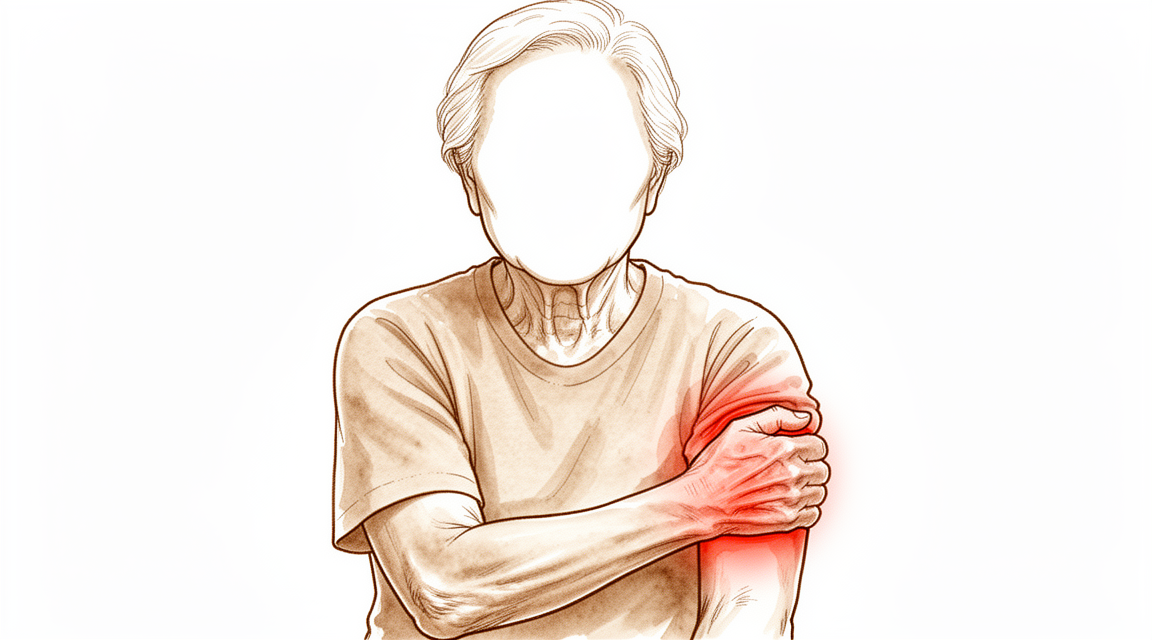
What you're feeling
Elbow arthritis usually starts as aching at the very ends of your movement, when you straighten your arm fully or bend it right up. The middle of the movement often stays comfortable at first. Many people notice catching, clicking or locking in the elbow, caused by small bits of bone or gristle (called loose bodies) floating in the joint. Bony spurs (called osteophytes) build up around the joint and physically block the last few degrees of bending and straightening.
Straightening the arm fully is often the first thing to go. Tasks that need a straight elbow become awkward: reaching up to a high shelf, carrying a tray at arm's length, or pushing yourself up from a chair. Twisting your forearm to turn a screwdriver or a door handle usually stays fine until later. As the condition progresses, pain can spread into the middle of the movement and start to bother you during everyday activity rather than just at the extremes.
Night pain is not typical of this kind of arthritis. If your elbow wakes you at night with a deep, throbbing ache, mention that to your surgeon, because it can point to a different cause worth checking.
This condition is most common in men in their fifties who have done years of heavy manual work, though it affects a wide age range. It can also follow an old elbow injury such as a fracture or dislocation, sometimes years later. In about half of people, the arthritis also presses on a nerve (the ulnar nerve) on the inside of the elbow, causing tingling or numbness in the ring and little fingers.
If any of this sounds familiar, a plain X-ray is usually the first step. It shows the bony spurs and loose bodies clearly, and often the joint space itself looks better preserved than you might expect.
What's actually happening
Your elbow is a hinge with a twist. It lets you bend and straighten your arm, and it also lets your forearm rotate so you can turn a palm up or down. The surface of the joint is normally covered by a smooth layer of cartilage, which works a bit like a lining on a door hinge: everything glides quietly.
In elbow arthritis, that lining wears away. The bone responds by growing bony spurs (osteophytes) around the edges of the joint. These spurs act like a doorstop: they physically block the last few degrees of bending and straightening, which is why your movement feels stiff at the ends. Small fragments of bone or cartilage can also break off and float inside the joint (loose bodies). They get caught between the moving surfaces, causing the catching, clicking or locking you may have noticed.
There is a twist to this condition. In many joints with arthritis, the whole surface wears down evenly. In the elbow, the wear often concentrates on one side of the joint (the outer part, where your forearm bone meets the end of your arm bone), while the hinge part in the middle stays relatively well preserved. That is why an X-ray can look better than your symptoms feel, and why pain often starts only at the extremes of movement before spreading into the middle as more cartilage is lost.
The capsule around the joint, a sleeve of tough tissue, also tightens up over time. That adds to the stiffness. If the spurs and tight capsule press on the ulnar nerve on the inside of your elbow, you get the tingling or numbness in your ring and little fingers described earlier.
None of this means your elbow is falling apart. It means the joint surfaces, the spurs and the tight capsule are working against each other, and treatment is aimed at calming that combination down.
What we can do about it
Dr Kieran Hirpara, an upper-limb surgeon at Mater Private Hospital Rockhampton, starts with the least invasive options that suit your condition. Patients are generally referred to our clinic by their GP; if a physiotherapist has suggested you see us, you will still need a referral from your GP in order to be eligible for the Medicare rebate. At your first visit we take a history, examine your elbow and arrange imaging if it is needed. For a long-standing problem like this, we usually begin with non-operative care before considering surgery.
The first step is often things you can do yourself. Changing how you work or train, so your elbow is not repeatedly loaded at the very ends of its range, can settle symptoms. Physiotherapy aims to keep the joint moving and to build the strength around it. These measures can reduce pain, though they do less for stiffness caused by bony spurs blocking the movement. Give them a fair trial before thinking about surgery.
Pain medication and anti-inflammatories can help you through a flare-up and make physiotherapy more comfortable. They calm symptoms rather than change the arthritis itself.
Surgery comes into the conversation when these measures have not given you enough relief, or when the stiffness, locking or catching gets in the way of daily life. The aim of the operation is to remove the bony spurs and loose bodies that block movement and to release the tight capsule around the joint. It can often be done through small incisions using a camera (keyhole surgery), or through an open incision if the arthritis is more advanced. Which option suits you depends on how severe the changes are, your age, your health and what you need your elbow to do. We will talk that through with you and decide together.
What to expect
Elbow arthritis is a long-term condition, but it does not have to stop you doing things. Early on, simple measures often settle the pain. Changing how you work, keeping the joint moving and using anti-inflammatories can give real relief while the arthritis is still in its early stages. The stiffness caused by bony spurs is harder to shift without surgery, so some limits on your movement may stay even when the pain settles.
If those measures are not enough, surgery aims to remove what is blocking the joint. For most people this means a joint-sparing operation: clearing out the spurs and loose bodies and releasing the tight capsule, rather than replacing the joint. People who have this kind of surgery can expect their elbow to work well and their pain to improve, and the chance of needing another operation later is small. Movement usually improves too, though some of that gained motion can ease back over time.
Replacement surgery is a different story. It is rarely needed for elbow arthritis and is generally kept for people with severe disability, because the artificial joint does not hold up well over the years in younger or more active people. When it is done, most people get lasting pain relief and better use of their arm, but complications happen more often than with other elbow operations, and the implant can loosen over time.
Leaving the condition alone does not usually make it worse quickly, but it does not tend to settle on its own either. The catching and locking can continue, and the stiffness at the ends of your movement often stays or creeps further into your range. Some people manage well for years with modest changes to how they use their arm. Others find the limits gradually spread into everyday tasks.
Whatever path you take, the goal is the same: a low level of pain and enough movement to do what matters to you, while keeping your options open for the future. Treatment is tailored to your age, your job and how advanced the arthritis is, and your surgeon will talk that through with you.
When to see someone
See your GP if your elbow has been stiff or painful for several weeks and simple measures have not helped, especially if locking or catching is stopping you using your arm at work. Ask for a specialist review if you are losing the ability to straighten or bend the elbow fully, or if tingling and numbness in your ring and little fingers is getting worse, since the ulnar nerve can be squeezed by the arthritis. Go to an emergency department if your elbow is hot, red and swollen with a fever, or if you cannot move it at all after an injury. These are not typical of arthritis and need checking the same day.
In more depth
Advanced reading: the deeper science (optional)
This section goes further than you need for your own treatment decisions. Elbow osteoarthritis is worth the extra reading because the operation that would seem the definitive answer, replacing the joint, as is done routinely at the hip and knee, behaves quite differently at the elbow, and that single fact shapes the whole treatment ladder.
Why elbow replacement is not the default
Total elbow arthroplasty works, but it does not tolerate load the way a hip or knee replacement does. Pooling 2,118 patients with rheumatoid arthritis, elbow replacement continued to provide satisfactory results, while being associated with substantially higher implant failure and complication rates than hip and knee arthroplasty [1].
The consequence is a lifting restriction that is permanent rather than a recovery-phase precaution. Because the elbow sits at the end of a long lever, modest weights in the hand generate large forces at the implant, and those forces loosen it over time.
That is why the ladder at the elbow is inverted compared with the lower limb. At the hip, joint replacement is the standard operation for advanced arthritis. At the elbow, it is reserved, mostly for older, lower-demand patients, and for inflammatory rather than wear arthritis.
Cause matters as much as severity
Two people with equally worn elbows can face different prospects depending on why the joint wore out. Across 679 patients, the aetiology of the arthritis affected outcome in terms of specific modes of implant failure, and patients with rheumatoid arthritis had better functional outcomes than those having replacement for post-traumatic conditions [2].
That is worth stating because it is the reverse of what most people expect, that a joint damaged by a single injury should do better than one damaged by systemic disease. The explanation is demand: post-traumatic arthritis tends to occur in younger people with more physically demanding lives, and the implant meets forces it was not designed for.
Debridement is the operation that does most of the work
For primary wear arthritis, the mainstay is not replacement but debridement, clearing the bone spurs and loose bodies that block the joint at the ends of its range, and releasing the tight capsule, while leaving the joint surfaces in place.
The evidence is consistent. Across 1,097 patients, debridement produced good mid-term functional outcomes, with no increase in complications using an arthroscopic technique [3]. In 871 patients, both open and arthroscopic osteocapsular debridement reliably improved flexion, extension and functional scores with low complication rates [4], and a meta-analysis of 586 patients found debridement effective for the disabling symptoms of primary elbow osteoarthritis with an acceptable complication rate [5].
Note what debridement is being asked to do. It does not resurface the joint or halt the arthritis. It removes the mechanical blocks at the end of range, which is why it helps the patient whose main complaint is that the elbow will not straighten or bend fully and catches painfully at the limit, and helps less the patient whose pain is present throughout the arc.
Open or arthroscopic is not the deciding question
As with several elbow operations, technique attracts more debate than the evidence supports. The reviews above found both approaches safe and effective, and a narrative review of 639 patients concluded it could not establish which procedure is superior [6].
The practical determinant is what needs to be reached. Arthroscopy handles anterior and posterior compartment work well; a stiff elbow requiring extensive capsular release, or one with distorted anatomy and a nerve that must be seen and protected, may be safer open.
References for the advanced reading
- Chou TA, Ma H, Wang J, Tsai S, Chen C, Wu P, et al. Total elbow arthroplasty in patients with rheumatoid arthritis: a systematic review and meta-analysis. Bone Joint J. 2020;102-B(8):967-80.
- Wang J, Ma H, Chou TA, Tsai S, Chen C, Wu P, et al. Outcomes following total elbow arthroplasty for rheumatoid arthritis versus post-traumatic conditions: a systematic review and meta-analysis. Bone Joint J. 2019;101-B(12):1489-97.
- White CHR, Ravi V, Watson J, Badhrinarayanan S, Phadnis J. A systematic review of arthroscopic versus open debridement of the arthritic elbow. Arthroscopy. 2020;37(2):747-58.
- Guerrero EM, Bullock GS, Helmkamp JK, Madrid A, Ledbetter L, Richard MJ, et al. The clinical impact of arthroscopic vs. open osteocapsular débridement for primary osteoarthritis of the elbow: a systematic review. J Shoulder Elbow Surg. 2020;29(4):689-98.
- de Klerk HH, Welsink CL, Spaans AJ, Verweij LPE, van den Bekerom MPJ. Arthroscopic and open debridement in primary elbow osteoarthritis: a systematic review and meta-analysis. EFORT Open Rev. 2020;5(12):874-82.
- Poonit K, Zhou X, Zhao B, Sun C, Yao C, Zhang F, et al. Treatment of osteoarthritis of the elbow with open or arthroscopic debridement: a narrative review. BMC Musculoskelet Disord. 2018;19(1).
Evidence & references
This is the clinical evidence summary written for health professionals. It is technical, and it lists the research this page was built from. You do not need to read it to understand your treatment or to make a decision about it.
Overview
Epidemiology and Demographics
- Symptomatic primary osteoarthritis of the elbow affects 2% of the population [5].
- The average age of presentation for elbow osteoarthritis is 50 years, with a range of 20 to 70 years [5].
- Men are affected by primary elbow osteoarthritis more often than women at a 4:1 ratio [5].
- Hand dominance and strenuous manual labor are associated with primary osteoarthritis of the elbow [5].
- Secondary causes of elbow osteoarthritis include trauma, osteochondritis dissecans, and synovial osteochondromatosis [5].
Pathoanatomy
- Elbow osteoarthritis is characterized by osteophyte formation, capsular contracture, and loose bodies, often with relative preservation of the joint space [5].
- Periarticular hypertrophic osteophytes act as a mechanical block at the end ranges of flexion and extension [5].
- Advanced elbow osteoarthritis rarely presents with joint space narrowing [5].
- Elbow osteoarthritis typically involves the radiocapitellar joint articular cartilage preferentially, with relative preservation of the ulnohumeral articular surfaces [5].
Clinical Presentation and Evaluation
- Patients with elbow osteoarthritis typically present with loss of terminal extension and flexion and painful catching, clicking, or locking of the elbow [5].
- Pain in elbow osteoarthritis is typically noted at the end ranges of motion and not through the midrange [5].
- Night pain is not typical of elbow osteoarthritis; if present, an inflammatory cause of the arthritis should be considered [5].
- Forearm rotation is relatively preserved until later in the disease process of elbow osteoarthritis [5].
- Ulnar neuropathy is present in up to 50% of patients with elbow osteoarthritis [5].
- Standard AP and lateral radiographs typically show osteophyte formation at the coronoid process, coronoid fossa, radial fossa, radial head, olecranon tip, and olecranon fossa [5].
- Radiographs of the elbow typically show preserved joint spaces at the ulnohumeral joint and mildly narrowed joint spaces at the radiocapitellar joint [5].
- Radiographs typically underestimate the number of loose bodies present in the elbow [5].
- CT may be useful for surgical planning of elbow osteoarthritis by allowing a detailed assessment of osteophytes and the presence of loose bodies [5].
Nonoperative Management
- Nonoperative treatment remains the first step in the early management of elbow osteoarthritis [1].
- Rest, NSAIDs, corticosteroid injections, and activity modification are the mainstays of nonsurgical treatment for elbow osteoarthritis [5].
Operative Management
- Surgical indications for elbow osteoarthritis include failure to respond to nonsurgical interventions, loss of motion that interferes with activities of daily living, and painful locking or catching of the elbow [5].
- Joint-sparing procedures such as débridement, excision of osteophytes, capsular release, and removal of loose bodies are preferred for elbow osteoarthritis [5].
- Total elbow arthroplasty is rarely indicated for elbow osteoarthritis and is not indicated for patients younger than 65 years or physically active patients because of concerns about implant longevity [5].
- The Outerbridge-Kashiwagi arthroplasty is a classic open procedure in which the olecranon fossa is trephinated and osteophytes are removed [5].
- Limitations of the Outerbridge-Kashiwagi procedure include incomplete anterior release and incomplete osteophyte removal anteriorly [5].
- Either a medial or lateral column approach can be used for open débridement, loose body removal, osteophyte resection, and capsulectomy depending upon the location of the pathology and concomitant procedures [5].
- Contraindications for arthroscopic procedures in elbow osteoarthritis include severe contracture and periarticular heterotopic ossification [5].
- Relative contraindications for arthroscopic procedures in elbow osteoarthritis include prior ulnar nerve transposition and prior extensive open procedures [5].
- Osteocapsular arthroplasty refers to the arthroscopic technique for elbow joint débridement involving capsular release, loose body removal, and excision of osteophytes [5].
- Ulnar nerve transposition and release of the posterior bundle of the medial collateral ligament should be considered for patients with less than 90° to 100° of elbow flexion regardless of the type of procedure used [5].
- Capsulectomy and debridement through a medial trans-flexor approach is associated with a low rate of complications and is safe and effective for the treatment of primary osteoarthritis of the elbow [2].
- Elbow arthroscopic osteocapsular arthroplasty is a safe, efficacious treatment for patients with mild to moderate osteoarthritis [4].
- Arthroscopic debridement based on computer simulation is recommended in the surgical management of patients with osteoarthritis of the elbow [7].
- Arthroscopic treatment provides good short-term outcomes in primary elbow osteoarthritis and is associated with a low complication rate [9].
- Elbow arthroscopic debridement for primary degenerative osteoarthritis results in statistically significant and clinically relevant improvement in elbow range of motion and clinical outcomes with low complication and reoperation rates [10].
- Open elbow debridement and the Outerbridge-Kashiwagi procedure had excellent survivorship until conversion to total elbow arthroplasty and are viable options in the treatment of primary elbow osteoarthritis and post-traumatic cases [17].
- The Outerbridge-Kashiwagi procedure is an effective and safe way of treating both posttraumatic arthritis and osteoarthritis of the elbow [21].
- Arthroscopic osteocapsular arthroplasty can be recommended for its favorable overall treatment outcomes for elbow osteoarthritis [23].
- Open and arthroscopic debridement procedures seem to be safe and effective in the treatment of elbow osteoarthritis [32].
- Surgical options for severe elbow arthritis must be tailored to cartilage integrity and bone structure, with total elbow arthroplasty generally avoided in young, active patients due to poor durability [44].
Complications
- Deep infections in the elbow are more common than other joints treated arthroscopically, occurring in 0.8% to 2.2% of cases [5].
- Infection related to intraoperative corticosteroid injections can manifest as a complication of elbow surgery [5].
- Stiffness due to heterotopic ossification is a complication of elbow osteoarthritis treatment [5].
- Hematoma formation is a complication of elbow osteoarthritis treatment [5].
- Transient nerve palsies complicate 1% to 3% of cases, with radial and ulnar nerves being the most common [5].
- Synovial ganglion formation is a complication of elbow osteoarthritis treatment [5].
Anatomy & Pathophysiology
Epidemiology & Demographics
- Symptomatic primary osteoarthritis of the elbow is relatively rare, affecting 2% of the population [5].
- The average age of presentation for primary elbow osteoarthritis is 50 years, with a range of 20 to 70 years [5].
- Men are affected more often than women by primary elbow osteoarthritis at a 4:1 ratio [5, 36].
- Primary osteoarthritis of the elbow tends to affect the dominant arm in males with a history of manual labor [12].
- Posttraumatic arthritis is commonly seen after elbow injuries such as distal humerus fractures, radial head fractures, proximal ulna fractures, or elbow fracture-dislocations [6].
- Posttraumatic arthritis can develop in response to the initial cartilage insult or secondary to residual articular incongruities from injuries [6].
- Postinjury malunions, nonunions, or residual instability can alter kinematics and load across the elbow, predisposing it to degenerative changes [6].
- Posttraumatic osteoarthritis of the elbow primarily affects young males [95].
Bony Anatomy & Biomechanics
- The elbow is a trocho-ginglymoid joint consisting of medial and lateral articulations that afford bony stability [51].
- The ulnohumeral joint is formed by the articulation of the trochlea with the ulna within the greater sigmoid notch [51].
- The ulnohumeral joint has highly congruent anatomy through almost 180° of articular contact, with the exception of the bare area of the greater sigmoid notch which is devoid of cartilage [51].
- The radiocapitellar joint is formed by the articulation of the capitellum and the radial head [51].
- The radial head is a concave elliptical structure covered with articular cartilage along the radiocapitellar joint and approximately 270° of the articular margin [51].
- The distal humeral articulation is angled 30° from the longitudinal axis [51, 19, 20].
- The axis of rotation is 5° to 7° angulated in the coronal plane to the epicondylar axis, with the medial side more distal than the lateral side [51].
- In full extension, 60% of axial load is transmitted through the radiocapitellar joint [19, 20].
- The normal range of elbow flexion/extension is 0 to 150 degrees [19, 20].
- The normal forearm pronosupination is 80 to 85 degrees in each direction [19, 20].
- The functional range of motion for the elbow is 30 to 130 degrees for flexion/extension and 50 degrees for pronosupination [19, 20].
- The normal valgus carrying angle of the elbow is 5 to 10 degrees for men and 10 to 15 degrees for women [19, 20].
- The ulnohumeral articulation is a primary stabilizer of the elbow [18].
- The radiocapitellar articulation is a secondary stabilizer of the elbow [18].
Ligamentous Anatomy
- The medial collateral ligament (MCL) consists of anterior, posterior, and transverse bundles [19, 20].
- The anterior bundle of the MCL is the primary restraint to valgus stress within functional elbow range of motion [19, 20].
- The posterior bundle of the MCL is the primary restraint to valgus stress with the elbow in maximal flexion [19, 20].
- Stability in full extension is provided by the MCL, joint capsule, and ulnohumeral articulation [19, 20].
- The radial head functions as an important secondary stabilizer to valgus stress, particularly in medial collateral ligament–deficient elbows [79].
- The lateral ulnar collateral ligament acts as the primary stabilizer to posterolateral rotatory instability [79].
Pathoanatomy of Osteoarthritis
- Osteoarthritis of the elbow is characterized by osteophyte formation, capsular contracture, and loose bodies, often with relative preservation of the joint space [5].
- Osteoarthritis typically involves the radiocapitellar joint articular cartilage preferentially, with relative preservation of the ulnohumeral articular surfaces [5].
- Radiocapitellar degeneration is more common with increasing age [12].
- Primary osteoarthritis of the elbow starts on the lateral side and progresses into the ulnohumeral articulation [12].
- The posteromedial aspect of the radial head appears to be consistently involved in primary elbow osteoarthritis, with reciprocal changes seen on the capitellum [12].
- Osteophytic change occurs predominantly in the ulnohumeral compartment of the elbow [87].
- Joint space narrowing more frequently affects the radiocapitellar articulation than the ulnohumeral compartment [87].
- The primary pathology of elbow osteoarthritis is loss of articular cartilage with resulting osteophyte formation on the olecranon process, coronoid process, and their respective fossae [69].
- Secondary resultant changes in elbow osteoarthritis involve osteophyte formation along the margin of the radial head and formation of loose bodies [69].
- Three-dimensional computational models identify unique regions of bony impingement in elbow osteoarthritis, such as between the radial head and a posterior capitellar osteophyte in extension [49].
Clinical Presentation & Evaluation
- Night pain is not typical of elbow osteoarthritis; if present, an inflammatory cause should be considered [5].
- Most patients with elbow osteoarthritis initially complain of pain at terminal limits of motion as a result of capsular stretch and osteophyte impingement [69].
- Later in the disease process of elbow osteoarthritis, pain through the mid arc of motion develops as the extent of cartilage loss progresses [69].
- Radiographs of elbow osteoarthritis typically show preserved joint spaces at the ulnohumeral joint and mildly narrowed joint spaces at the radiocapitellar joint [5].
- Radiographs typically underestimate the number of loose bodies present in elbow osteoarthritis [5].
- CT may be useful for surgical planning in elbow osteoarthritis, allowing detailed assessment of osteophytes and the presence of loose bodies [5].
- In valgus extension overload syndrome, the olecranon is repeatedly and forcefully driven into the olecranon fossa during throwing, exerting shear forces on the medial aspect of the olecranon tip and the olecranon fossa [14].
- The pathoanatomy of valgus extension overload syndrome includes chondrosis, osteophyte development on the posteromedial olecranon and humerus, and loose bodies [14].
Classification
Radiographic Classification Systems
- The Broberg and Morrey classification system is based on osteophyte formation and joint space narrowing [12].
- The Hastings and Retting classification system focuses on radiocapitellar wear and subluxation [12].
- The Broberg and Morrey classification system grades elbow arthrosis as grade 0 (normal joint), grade 1 (slight joint-space narrowing with minimum osteophyte formation), grade 2 (moderate joint-space narrowing with moderate osteophyte formation), and grade 3 (severe degenerative change with gross destruction of the joint) [80].
- The Hastings and Retting classification system was developed based on commonly demonstrated radiographic features of degenerative changes, including joint space narrowing and marginal osteophytes [13].
- The Hastings and Retting classification system is a useful tool in predicting surgical outcome following debridement of primary elbow osteoarthritis [13].
- Clinical and radiographic outcomes were best in patients classified as class I preoperatively and worst in those classified as class III using the Hastings and Retting system [13].
- Both the Broberg and Morrey and Hastings and Retting classification systems demonstrated substantial intraobserver and interobserver reliability for evaluating radiographic severity of post-traumatic arthritis and primary osteoarthritis of the elbow [28].
- The four grades of the Broberg and Morrey classification system have only fair interobserver reliability that is influenced by subspecialty and experience [80].
- Binary rating systems for elbow arthrosis, such as "none or mild" versus "moderate or severe," resulted in moderate agreement among observers [80].
CT-Based Classification Systems
- Kwak et al. described a CT-based method of quantifying elbow arthritis [12].
- The CT-based classification demonstrated high correlation with the visual analog scale and the Mayo Elbow Performance Score [12].
- The CT-based classification demonstrated moderate correlation with range of motion [12].
- A CT-based staging system was highly reproducible and clinically feasible compared with previous plain radiograph-based staging systems for elbow osteoarthritis [34].
- A bony landmarks classification system effectively delineated osteophyte distribution in elbow patients using three-dimensional computed tomography [56].
Other Classification Systems
- The Larsen and Sharp classifications can reliably be used to evaluate rheumatoid arthritis of the elbow by observers of varying training levels [74].
Clinical Presentation
Epidemiology and Demographics
- Primary osteoarthritis of the elbow is most commonly seen in middle-age males who are heavy laborers [13].
- The prevalence of primary elbow osteoarthritis in Japanese subjects aged 50-89 years was 25.2%, with most cases being asymptomatic [8].
- The prevalence of elbow osteoarthritis in respondents aged 40 years or older was 55.0%, with a symptomatic prevalence of 22.6% [31].
- Older age, male sex, and a history of elbow trauma are significant risk factors for elbow osteoarthritis [31].
- Primary osteoarthritis of the elbow accounts for 2%-3% of patients presenting with elbow arthritis [13].
Pathoanatomy
- Advanced disease rarely presents with joint space narrowing [5].
- Primary osteoarthritis of the elbow is unique due to relative preservation of articular cartilage and maintenance of joint space with hypertrophic osteophyte formation [25].
- The posteromedial aspect of the radial head appears to be consistently involved with reciprocal changes seen on the capitellum in primary osteoarthritis [12].
History and Symptoms
- Patients typically present with loss of terminal extension and flexion and painful catching, clicking, or locking of the elbow [5].
- Pain is typically noted at the end ranges of motion and not through the midrange [5].
- The degree of disability caused by osteoarthritis depends on the patient’s vocation and physical disability [5].
- Clinically, primary osteoarthritis of the elbow is characterized by stiffness, pain, mechanical symptoms, and weakness [12].
Physical Examination
- Inspection should check for prior surgical incisions and joint effusion at the lateral soft spot [5].
- Pain during range of motion assessment is usually felt at the end ranges of flexion and extension rather than throughout the arc [5].
- Forearm rotation is relatively preserved until later in the disease process [5].
- Understanding whether the patient has pain throughout the arc of motion or only at terminal limits is of paramount importance for evaluation [73].
Imaging
- Standard AP and lateral radiographs should be obtained for evaluation [5].
- Radiographs typically show osteophyte formation at the coronoid process (anterior and medial), coronoid fossa, radial fossa, radial head, olecranon tip, and olecranon fossa [5].
- Joint spaces at the ulnohumeral joint are usually preserved on radiographs [5].
- Joint spaces at the radiocapitellar joint are mildly narrowed on radiographs [5].
- Loose bodies may be evident on radiographs, which typically underestimate the number present [5].
- CT may be useful for surgical planning and allows a detailed assessment of osteophytes and the presence of loose bodies [5].
- CT scans with 3D reconstructions may be useful for evaluating the extent and location of disease and for surgical planning [73].
- MRI may be useful to evaluate the status of soft tissues including the medial and lateral collateral ligamentous complexes [73].
- Electromyography and nerve conduction studies may be useful to evaluate the degree of nerve compression and contribution to elbow pain or dysfunction [73].
Investigations
Radiography
- Plain radiographs remain the hallmark and best screening test for elbow evaluation [18].
- Standard views for elbow radiographs include AP and lateral views, with internal and external oblique views obtained if necessary [39].
- In primary elbow osteoarthritis, osteophytes are typically seen on the coronoid and olecranon tips [39].
- Loss of the concavity of the radial head, coronoid, and olecranon fossa is a radiographic finding in elbow osteoarthritis [39].
- Loose bodies may be seen in the anterior or posterior compartments on elbow radiographs [39].
- The ulnohumeral articular joint space is preferentially preserved in elbow osteoarthritis [39].
- Ulnohumeral joint space loss on radiographs suggests inflammatory or posttraumatic arthritis [39].
- CT has greater sensitivity than radiographs for the detection of osteophytes and loose bodies in primary elbow osteoarthritis [94].
Computed Tomography
- CT is indicated for the assessment of severe osteoarthritis of the elbow to determine the location of loose bodies and osteophytes [39].
- CT is helpful when assessing for malunion architecture and the location and pattern of osteophytes and/or loose bodies [30].
- Three-dimensional CT is used to check for heterotopic ossification [30].
- CT is not necessary when elbow stiffness is entirely soft-tissue related [30].
- A CT-based staging system for elbow osteoarthritis was highly reproducible and clinically feasible compared with previous plain radiograph-based staging systems [34].
- Three-dimensional computational models identified the locations and volumes of bony impingement in patients with osteoarthritis of the elbow [49].
- Three-dimensional computational models highlighted unique regions of impingement, such as between the radial head and a posterior capitellar osteophyte in extension [49].
- Pre-operative simulation results can be used as an index to determine the osteophytes to be removed during arthroscopic surgery for elbow osteoarthritis [46].
Magnetic Resonance Imaging
- MRI is the imaging modality best suited for evaluating soft-tissue structures in the elbow, including ligaments, tendons, cartilage, and nerves [57].
- MRI can be used to evaluate ligaments and tendons in the elbow but is rarely indicated [30].
- Magnetic resonance arthrography is particularly beneficial in the evaluation of osteochondral lesions, loose bodies, and ulnar collateral ligament injury [57].
- MRI may be most helpful in evaluating associated injuries including partial or complete tears of the medial collateral ligament [14].
Classification Systems
- The Broberg and Morrey classification is based on osteophyte formation and joint space narrowing [12].
- The Hasting and Retting system focuses on radiocapitellar wear and subluxation [12].
- Both the Broberg and Morrey and Hasting and Retting classification systems demonstrated substantial intraobserver and interobserver reliability for evaluating radiographic severity of post-traumatic arthritis and primary osteoarthritis of the elbow [28].
- A CT-based classification for elbow arthritis demonstrated high correlation with visual analog scale and the Mayo Elbow Performance Score [12].
- A CT-based classification for elbow arthritis demonstrated moderate correlation with range of motion [12].
Prevalence and Demographics
- The prevalence of primary elbow osteoarthritis in Japanese subjects aged 50-89 years was 25.2% [8].
- Most cases of primary elbow osteoarthritis in the Japanese cohort were asymptomatic [8].
- Primary osteoarthritis of the elbow affects less than 2% of the population [12].
Pathology and Imaging Correlates
- Primary osteoarthritis of the elbow is characterized by stiffness, pain, mechanical symptoms, and weakness [12].
- Radiographically, primary osteoarthritis of the elbow is highlighted predominantly by osteophyte formation and progresses with cartilage loss and joint space narrowing [12].
- The posteromedial aspect of the radial head appears to be consistently involved in primary osteoarthritis with reciprocal changes seen on the capitellum [12].
- Posttraumatic arthritis can develop in response to the initial cartilage insult or secondary to residual articular incongruities from injuries such as distal humerus fractures, radial head fractures, proximal ulna fractures, or elbow fracture-dislocations [6].
- Postinjury malunions, nonunions, or residual instability can alter kinematics and load across the elbow, predisposing the elbow to degenerative changes [6].
- Posttraumatic arthritis of the elbow is frequently associated with bone loss, making surgical treatment difficult [6].
Treatment
Nonoperative Management
- Nonsurgical treatments can be effective for reducing symptoms but have limited effectiveness for improving range of motion limitations and pain related to impinging osteophytes [36].
- Nonsurgical management may provide relief in early stages of elbow arthritis [35].
Surgical Indications and Goals
- The goal of treatment for post-traumatic osteoarthritis of the elbow is to obtain a low level of pain with sufficient motion range to ensure good function, while preserving future surgical options and delaying elbow arthroplasty to the extent possible [3].
- Surgical treatment for elbow arthritis is based on disease etiology, severity of degeneration, and patient age [11].
- Treatment of elbow arthritis must be individualized based on etiology, severity, patient age, and functional demands [22].
- When conservative management fails, the appropriate surgical treatment for elbow arthritis must factor in the patient’s age, activity level, expectations, degree of pathologic changes, patient health, and surgeon experience [71].
Joint-Sparing Procedures: Arthroscopic
- Elbow arthroscopic osteocapsular arthroplasty (AOA) is a safe and efficacious treatment for patients with mild to moderate osteoarthritis [4].
- Arthroscopic debridement for primary degenerative osteoarthritis of the elbow results in statistically significant and clinically relevant improvement in elbow range of motion and clinical outcomes with low complication and reoperation rates [10].
- Arthroscopic treatment of elbow osteoarthritis provides good short-term outcomes in primary elbow osteoarthritis and is associated with a low complication rate [9].
- Arthroscopic debridement for the elbow osteoarthritis provided satisfactory pain relief, improvement of elbow motion, and good functional outcome [67].
- Arthroscopic treatment of elbow osteoarthritis significantly improved 6-month clinical results for functional scores, pain, strength and range of motion [61].
- Osteocapsular debridement is an effective surgical treatment option for patients with symptomatic primary elbow osteoarthritis who have failed conservative management [38].
- Surgical debridement is an effective treatment for the disabling symptoms of primary elbow OA with an acceptable complication rate [63].
- Arthroscopic debridement in the surgical management of patients with osteoarthritis of the elbow is recommended based on computer simulation studies [7].
- Arthroscopic débridement for primary osteoarthritis of the elbow provides satisfactory pain relief, improvement of elbow motion, and good functional outcome [64].
- Contraindications for elbow arthroscopy include severe contracture and periarticular heterotopic ossification [5].
- Relative contraindications for elbow arthroscopy include prior ulnar nerve transposition and prior extensive open procedures [5].
- Elbow arthroscopy is technically demanding, and several neurovascular structures that are at risk during the procedure include the radial, ulnar, and median nerves [36].
- The radial nerve is at greatest risk during arthroscopic capsular release, followed by the ulnar and median nerves [68].
- Strategies to protect neurovascular structures during arthroscopic capsular release include insufflating the joint before establishing portals, using proximally positioned medial and lateral portals in the anterior compartment, keeping the elbow flexed when establishing anterior portals, using retractors during débridement and capsulotomy, releasing the anterior capsule proximally, and avoiding cautery and shavers in the posterior medial gutter [68].
Joint-Sparing Procedures: Open
- Capsulectomy and debridement for primary osteoarthritis of the elbow through a medial trans-flexor approach is associated with a low rate of complications and is safe and effective [2].
- The medial approach is effective for the treatment of advanced primary osteoarthritis of the elbow, especially in patients with ulnar nerve symptoms as well as medial osteophytes [16].
- The Outerbridge-Kashiwagi (OK) procedure is an effective and safe way of treating both posttraumatic arthritis and osteoarthritis of the elbow [21].
- Both open elbow debridement and the OK procedure had excellent survivorship until conversion to total elbow arthroplasty and are viable options in the treatment of primary elbow osteoarthritis and post-traumatic cases [17].
- Open and arthroscopic debridement procedures seem to be safe and effective in the treatment of elbow OA [32].
- In the Outerbridge-Kashiwagi procedure, the olecranon fossa is trephinated and osteophytes are removed [5].
- Either a medial or lateral column approach can be used for open débridement, loose body removal, osteophyte resection, and capsulectomy depending upon the location of the pathology and concomitant procedures to be performed [5].
- The open lateral column (Morrey) approach is indicated for extrinsic and/or intrinsic contracture that has failed nonsurgical treatment and must be combined with a medial release when severe loss of flexion is noted [68].
- The open medial “over the top” (Hotchkiss) approach is indicated for patients with extrinsic contractures, associated medial side heterotopic ossification, ulnar neuropathy, and/or preoperative flexion limited to 90° to 100° [68].
- A combined approach is indicated for cases of significant elbow stiffness in which a unilateral approach is inadequate for complete elbow release, cases in which previous hardware removal is necessary, and select cases with medial and lateral heterotopic ossification [68].
- Open debridement and radiocapitellar replacement (LRE) was performed in 24 patients with primary or post-traumatic arthritis of the elbow, with 19 total LRE and 5 hemi-LRE procedures [27].
Adjunctive Procedures
- Ulnar nerve transposition and release of the posterior bundle of the medial collateral ligament (MCL) should be considered for patients who have less than 90° to 100° of elbow flexion [5].
- Ulnar nerve decompression/transposition and release of the posterior bundle of the MCL should be considered for patients who have less than 90° to 100° of elbow flexion [36].
- If the elbow has less than 90° to 100° of flexion, the posteromedial band of the MCL and the posterior capsule are released to restore flexion, and ulnar nerve decompression or transposition should be considered [68].
Advanced and Salvage Procedures
- Total elbow arthroplasty is best reserved for low demand, elderly patients who will be able to comply with the 5-lb weightlifting restriction imposed postoperatively to protect the implants from bearing wear, hardware loosening, or failure [71].
- Interposition arthroplasty is considered for intrinsic contractures in young patients (20 to 50 years) with articular cartilage destruction in whom the anatomic architecture of the distal humerus and proximal ulna are relatively preserved [68].
- Elbow arthrodesis is reserved for patients with painful arthritis who are not candidates for total elbow arthroplasty, especially individuals who place high demands on the upper extremities, such as manual laborers [70].
- Elbow arthrodesis is also indicated for persistent infection, including tuberculosis, and massive upper extremity trauma seen on the battlefield [70].
- For unilateral arthrodesis of the elbow, a position of 90 to 100 degrees of flexion is desirable to provide the most powerful grip strength [70].
- Bilateral elbow arthrodesis rarely is indicated because of resultant functional limitations [70].
- If bilateral elbow arthrodesis is indicated, one elbow should be placed in 110 to 120 degrees of flexion to permit the patient to reach the mouth, and the other should be placed in 45 to 65 degrees to aid in personal hygiene [70].
Complications
- Deep infections in the elbow are more common than in other joints treated arthroscopically, with a rate of 0.8% to 2.2% [5].
- Infection can manifest as superficial minor wound complications or deep infection [5].
- Infection is related to intraoperative corticosteroid injections [5].
- Transient nerve palsies complicate 1% to 3% of cases [5].
- Radial and ulnar nerve palsies are the most common transient nerve palsies following elbow osteoarthritis treatment [5].
- Total elbow arthroplasty is associated with substantial complication and reoperation rates [60].
Recovery
Nonoperative Management
- Rest, NSAIDs, corticosteroid injections, and activity modification are the mainstays of nonsurgical treatment [5].
Surgical Outcomes and Survivorship
- Elbow arthroscopic osteocapsular arthroplasty is a safe and efficacious treatment for patients with mild to moderate osteoarthritis [4].
- Patients with either posttraumatic or primary degenerative osteoarthritis can expect satisfactory elbow function and an improvement in pain with little chance of reoperation at the midterm of the follow-up duration after arthroscopic elbow debridement [15].
- Both open elbow debridement and the Outerbridge-Kashiwagi procedure had excellent survivorship until conversion to total elbow arthroplasty and are viable options in the treatment of primary elbow osteoarthritis and post-traumatic cases [17].
- Serial assessment of patients with primary elbow osteoarthritis who underwent arthroscopic osteocapsular arthroplasty showed that clinical outcomes improved from preoperative assessment to short- and medium-term follow-up, although range of motion decreased between short- and medium-term follow-up [37].
Treatment Goals
Key Evidence
- [L5] Nonoperative treatment remains the first step in the early management of elbow osteoarthritis. [1] (10.2106/jbjs.e.00568)
- [L4] This approach is associated with a low rate of complications and is safe and effective for the treatment of primary osteoarthritis of the elbow. [2] (10.1016/j.jhsa.2011.07.018)
- [L4] The goal of treatment is to obtain a low level of pain with sufficient motion range to ensure good function, while preserving future surgical options and delaying elbow arthroplasty to the extent possible. [3] (10.1016/j.otsr.2013.11.004)
- [L4] Elbow AOA is a safe, efficacious treatment for patients with mild to moderate osteoarthritis. [4] (10.1016/j.jhsa.2015.11.018)
- [L5] [6] (10.1016/j.jhsa.2022.12.014)
- [L4] The study recommends this technique in the surgical management of patients with osteoarthritis of the elbow. [7] (10.1302/0301-620x.96b2.30714)
- [L3] The prevalence of primary elbow osteoarthritis in Japanese subjects aged 50-89 years was 25.2%, with most cases being asymptomatic. [8] (10.1016/j.jse.2021.07.015)
- [L4] This minimally invasive technique provides good short-term outcomes in primary elbow osteoarthritis and is associated with a low complication rate. [9] (10.1016/j.otsr.2019.09.003)
- [L1] Elbow arthroscopic debridement for primary degenerative osteoarthritis results in statistically significant and clinically relevant improvement in elbow range of motion and clinical outcomes with low complication and reoperation rates. [10] (10.1016/j.arthro.2017.08.247)
- [L5] Surgical treatment for elbow arthritis is based on disease etiology, severity of degeneration, and patient age. [11] (10.1016/j.jhsa.2007.12.022)
- [L3] [12] (10.1177/17585732251327183)
- [L4] [13] (10.1016/j.jse.2007.03.014)
- [L3] Patients with either pathology can expect satisfactory elbow function and an improvement in pain with little chance of reoperation at the midterm of the follow-up duration. [15] (10.1016/j.jseint.2021.07.018)
- [L4] The medial approach is effective for the treatment of advanced primary osteoarthritis of the elbow, especially in patients with ulnar nerve symptoms as well as medial osteophytes. [16] (10.2106/jbjs.d.02684)
- [L4] Both open elbow debridement and the OK procedure had excellent survivorship until conversion to total elbow arthroplasty and are viable options in the treatment of primary elbow osteoarthritis and post-traumatic cases. [17] (10.1016/j.jse.2022.01.138)
- [L4] The OK procedure is an effective and safe way of treating both posttraumatic arthritis and osteoarthritis of the elbow. [21] (10.1016/j.jse.2015.11.052)
- [L5] The appropriate treatment for elbow arthritis depends on the etiology, severity, patient age, and functional demands. [22] (10.1016/j.jhsa.2009.02.019)
- [L4] Arthroscopic osteocapsular arthroplasty can be recommended for its favorable overall treatment outcomes for elbow osteoarthritis. [23] (10.1016/j.jse.2019.09.036)
- [L4] Primary osteoarthritis of the elbow is unique due to relative preservation of articular cartilage and maintenance of joint space with hypertrophic osteophyte formation. [25] (10.5435/00124635-200802000-00005)
- [L4] [27] (10.1016/j.jse.2011.08.071)
- [L3] Both the BM and HR classification systems demonstrated substantial intraobserver and interobserver reliability for evaluating radiographic severity of post-traumatic arthritis and primary osteoarthritis of the elbow. [28] (10.1016/j.jse.2014.10.015)
- [L3] The prevalence of elbow OA was 55.0% in respondents aged 40 years or older, with a symptomatic prevalence of 22.6%; older age, male sex, and a history of elbow trauma were identified as significant risk factors. [31] (10.1016/j.jse.2018.02.049)
- [L5] However, from the data we obtained the open and arthroscopic debridement procedures seem to be safe and effective in the treatment of elbow OA. [32] (10.1186/s12891-018-2318-x)
- [L4] CT-based staging system was highly reproducible and clinically feasible, compared with previous plain radiograph-based staging systems, for elbow osteoarthritis. [34] (10.1016/j.joca.2019.03.004)
- [L5] Treatment of elbow arthritis must be individualized based on etiology, severity, patient age, and functional demands; nonsurgical management may provide relief in early stages, while surgical options range from arthroscopic debridement for pain at motion extremes to total elbow arthroplasty for pain throughout the arc of motion. [35] (10.1016/j.jhsa.2012.12.037)
- [L4] Serial assessment of patients with primary elbow OA who underwent arthroscopic OCA showed that the clinical outcomes improved from preoperative assessment to short- and medium-term follow-up, although ROM decreased between short- and medium-term follow-up. [37] (10.1177/23259671231162398)
- [L2] Osteocapsular debridement is an effective surgical treatment option for patients with symptomatic primary elbow osteoarthritis who have failed conservative management. [38] (10.1016/j.jse.2020.01.060)
- [L4] Surgical options must be tailored to cartilage integrity and bone structure, with total elbow arthroplasty generally avoided in young, active patients due to poor durability. [44] (10.1016/j.jhsg.2025.100736)
- [L4] These results can be used as an index to determine the osteophytes to be removed during arthroscopic surgery for elbow osteoarthritis. [46] (10.1016/j.jseint.2026.101667)
- [L4] Three-dimensional computational models identified the locations and volumes of bony impingement in patients with osteoarthritis of the elbow and highlighted unique regions of impingement, such as between the radial head and a posterior capitellar osteophyte in extension. [49] (10.1016/j.jhsa.2013.03.035)
- [L3] The bony landmarks classification system effectively delineated osteophyte distribution in elbow patients. [56] (10.1186/s13018-025-06145-9)
- [L4] Total elbow arthroplasty remains associated with substantial complication and reoperation rates. [60] (10.1016/j.jhsg.2026.100981)
- [L3] Arthroscopic treatment of elbow osteoarthritis significantly improved 6-month clinical results for functional scores, pain, strength and range of motion. [61] (10.1016/j.otsr.2019.09.002)
- [L1] Surgical debridement is an effective treatment for the disabling symptoms of primary elbow OA with an acceptable complication rate. [63] (10.1302/2058-5241.5.190095)
- [L4] Arthroscopic debridement for elbow osteoarthritis provides satisfactory pain relief, improvement of elbow motion, and good functional outcome. [64] (10.1016/j.jse.2014.01.009)
- [L4] Arthroscopic debridement for the elbow osteoarthritis provided satisfactory pain relief, improvement of elbow motion, and good functional outcome. [67] (10.1016/s0363-5023(11)60056-7)
- [L4] Both systems can reliably be used to evaluate rheumatoid arthritis of the elbow by observers of varying training levels. [74] (10.1016/j.jse.2016.07.074)
- [L3] [80] (10.1016/j.jhsa.2011.12.043)
- [L3] Osteophytic change occurs predominantly in the ulnohumeral compartment of the elbow, whereas joint space narrowing more frequently affects the radiocapitellar articulation. [87] (10.1016/j.jse.2006.08.005)
- [L1] CT has greater sensitivity than radiographs for the detection of osteophytes and loose bodies in primary elbow osteoarthritis. [94] (10.1016/j.jse.2021.04.001)
- [L5] [95] (10.1007/s00167-015-3518-7)
References
[1] Management of Elbow Osteoarthritis. The Journal of Bone & Joint Surgery. 2006. DOI: 10.2106/jbjs.e.00568
[2] Capsulectomy and Debridement for Primary Osteoarthritis of the Elbow Through a Medial Trans-Flexor Approach. The Journal of Hand Surgery. 2011. DOI: 10.1016/j.jhsa.2011.07.018
[3] Post-traumatic osteoarthritis of the elbow. Orthopaedics & Traumatology: Surgery & Research. 2014. DOI: 10.1016/j.otsr.2013.11.004
[4] Outcomes of Elbow Arthroscopic Osteocapsular Arthroplasty. The Journal of Hand Surgery. 2016. DOI: 10.1016/j.jhsa.2015.11.018
[5] Aaos Comprehensive Orthopaedic Review 3. Arthritis and Arthroplasty of the Elbow > I. Osteoarthritis.
[6] Elbow Arthritis. The Journal of Hand Surgery. 2023. DOI: 10.1016/j.jhsa.2022.12.014
[7] Arthroscopic debridement in the treatment of patients with osteoarthritis of the elbow, based on computer simulation. The Bone & Joint Journal. 2014. DOI: 10.1302/0301-620x.96b2.30714
[8] Prevalence and associated factors of primary elbow osteoarthritis in the Japanese general elderly population: a Japanese cohort survey randomly sampled from a basic resident registry. Journal of Shoulder and Elbow Surgery. 2022. DOI: 10.1016/j.jse.2021.07.015
[9] Arthroscopic treatment of elbow osteoarthritis. Orthopaedics & Traumatology: Surgery & Research. 2019. DOI: 10.1016/j.otsr.2019.09.003
[10] Arthroscopic Debridement for Primary Degenerative Osteoarthritis of the Elbow Leads to Significant Improvement in Range of Motion and Clinical Outcomes: A Systematic Review. Arthroscopy. 2017. DOI: 10.1016/j.arthro.2017.08.247
[11] Surgical Options for the Arthritic Elbow. The Journal of Hand Surgery. 2008. DOI: 10.1016/j.jhsa.2007.12.022
[12] Sex-related differences in wear patterns in primary elbow osteoarthritis. Shoulder & Elbow. 2025. DOI: 10.1177/17585732251327183
[13] Primary osteoarthritis of the elbow: Lack of radiographic evidence for morphologic predisposition, results of operative debridement at intermediate follow-up, and basis for a new radiographic classification system. Journal of Shoulder and Elbow Surgery. 2008. DOI: 10.1016/j.jse.2007.03.014
[14] Aaos Comprehensive Orthopaedic Review 3. Elbow Injuries in the Athlete* > III. Valgus Extension Overload Syndrome and Posterior Impingement.
[15] Midterm outcomes and survivorship of arthroscopic elbow debridement: a comparison of posttraumatic versus primary degenerative osteoarthritis. JSES International. 2022. DOI: 10.1016/j.jseint.2021.07.018
[16] Débridement Arthroplasty for Primary Osteoarthritis of the Elbow. Journal of Bone and Joint Surgery. 2005. DOI: 10.2106/jbjs.d.02684
[17] Long-term survivorship of open débridement and débridement arthroplasty for elbow arthritis: a retrospective chart review. Journal of Shoulder and Elbow Surgery. 2022. DOI: 10.1016/j.jse.2022.01.138
[18] Orthopaedic Knowledge Update 13 Ebook Without Multimedia. Anatomy, Biomechanics, Physical Examination, and Imaging of the Elbow > Summary and Conclusions.
[19] Miller S Review Of Orthopaedics. SECTION 16 PATELLAR TRACKING IN TOTAL KNEE ARTHROPLASTY > ELBOW.
[20] Miller S Review Of Orthopaedics. ELBOW.
[21] The outerbridge-kashiwagi procedure for primary degenerative arthritis of the elbow vs. post traumatic arthritis. Journal of Shoulder and Elbow Surgery. 2016. DOI: 10.1016/j.jse.2015.11.052
[22] Elbow Arthritis: Current Concepts. The Journal of Hand Surgery. 2009. DOI: 10.1016/j.jhsa.2009.02.019
[23] Arthroscopic osteocapsular arthroplasty for advanced-stage primary osteoarthritis of the elbow using a computed tomography–based classification. Journal of Shoulder and Elbow Surgery. 2020. DOI: 10.1016/j.jse.2019.09.036
[25] Primary Osteoarthritis of the Elbow: Current Treatment Options. Journal of the American Academy of Orthopaedic Surgeons. 2008. DOI: 10.5435/00124635-200802000-00005
[27] Open debridement and radiocapitellar replacement in primary and post-traumatic arthritis of the elbow: a multicenter study. Journal of Shoulder and Elbow Surgery. 2012. DOI: 10.1016/j.jse.2011.08.071
[28] Reliability testing of two classification systems for osteoarthritis and post-traumatic arthritis of the elbow. Journal of Shoulder and Elbow Surgery. 2015. DOI: 10.1016/j.jse.2014.10.015
[30] Aaos Comprehensive Orthopaedic Review 3. Elbow Stiffness* > IV. Evaluation.
[31] The prevalence of elbow osteoarthritis in Japanese middle-aged and elderly populations: the relationship between risk factors and function. Journal of Shoulder and Elbow Surgery. 2018. DOI: 10.1016/j.jse.2018.02.049
[32] Treatment of osteoarthritis of the elbow with open or arthroscopic debridement: a narrative review. BMC Musculoskeletal Disorders. 2018. DOI: 10.1186/s12891-018-2318-x
[34] Intraobserver and interobserver reliability of the computed tomography-based radiographic classification of primary elbow osteoarthritis: comparison with plain radiograph-based classification and clinical assessment. Osteoarthritis and Cartilage. 2019. DOI: 10.1016/j.joca.2019.03.004
[35] Elbow Arthritis: Current Concepts. The Journal of Hand Surgery. 2013. DOI: 10.1016/j.jhsa.2012.12.037
[36] Aaos Comprehensive Orthopaedic Review 3. Arthritis and Arthroplasty of the Elbow > Osteoarthritis.
[37] Serial Changes in Clinical Outcomes After Arthroscopic Osteocapsular Arthroplasty for Primary Elbow Osteoarthritis: A Medium-term Follow-up Study. Orthopaedic Journal of Sports Medicine. 2023. DOI: 10.1177/23259671231162398
[38] The Clinical Impact of Different Approaches to Osteocapsular Debridement for Primary Osteoarthritis of the Elbow: A Systematic Review. Journal of Shoulder and Elbow Surgery. 2020. DOI: 10.1016/j.jse.2020.01.060
[39] Aaos Comprehensive Orthopaedic Review 3. Imaging of the Shoulder and Elbow > II. Elbow.
[44] Management of Severe Elbow Arthritis in a Young Patient. Journal of Hand Surgery Global Online. 2025. DOI: 10.1016/j.jhsg.2025.100736
[46] Predicting impinging osteophytes based on pre-operative simulation results to guide arthroscopic débridement for elbow osteoarthritis. JSES International. 2026. DOI: 10.1016/j.jseint.2026.101667
[49] Identifying the Location and Volume of Bony Impingement in Elbow Osteoarthritis by 3-Dimensional Computational Modeling. The Journal of Hand Surgery. 2013. DOI: 10.1016/j.jhsa.2013.03.035
[51] Orthopaedic Knowledge Update 13 Ebook Without Multimedia. Anatomy, Biomechanics, Physical Examination, and Imaging of the Elbow > Anatomy > Bony Anatomy.
[56] Bony landmarks guided mapping of the osteophytes of the elbow osteoarthritis patients: a three dimensional computed tomograph based study. Journal of Orthopaedic Surgery and Research. 2025. DOI: 10.1186/s13018-025-06145-9
[57] Orthopaedic Knowledge Update Sports Medicine 6. Magnetic Resonance Imaging of the Elbow > Introduction.
[60] Total Elbow Arthroplasty Complication, Reoperation, and Revision Rates: A Comparison Between Arthroplasty for Arthritis Versus Fracture. Journal of Hand Surgery Global Online. 2026. DOI: 10.1016/j.jhsg.2026.100981
[61] Arthroscopic debridement for osteoarthritis of the elbow: Results and analysis of predictive factors. Orthopaedics & Traumatology: Surgery & Research. 2019. DOI: 10.1016/j.otsr.2019.09.002
[63] Arthroscopic and open debridement in primary elbow osteoarthritis: a systematic review and meta-analysis. EFORT Open Reviews. 2020. DOI: 10.1302/2058-5241.5.190095
[64] Arthroscopic débridement for primary osteoarthritis of the elbow: analysis of preoperative factors affecting outcome. Journal of Shoulder and Elbow Surgery. 2014. DOI: 10.1016/j.jse.2014.01.009
[67] Factors Affecting the Results of Arthroscopic Debridement for the Elbow Osteoarthritis. The Journal of Hand Surgery. 2011. DOI: 10.1016/s0363-5023(11)60056-7
[68] Aaos Comprehensive Orthopaedic Review 3. Elbow Stiffness* > VI. Treatment.
[69] Orthopaedic Knowledge Update 13 Ebook Without Multimedia. Elbow Degenerative Conditions and Nerve Disorders > Etiologies.
[70] Campbell S Operative Orthopaedics 4 Volume Set. ARTHROSCOPIC SHOULDER ARTHRODESIS FOR BRACHIAL PLEXUS INJURY > ELBOW ARTHRODESIS.
[71] Orthopaedic Knowledge Update 13 Ebook Without Multimedia. Elbow Degenerative Conditions and Nerve Disorders > Summary.
[73] Orthopaedic Knowledge Update 13 Ebook Without Multimedia. Elbow Degenerative Conditions and Nerve Disorders > Evaluation.
[74] Reliability testing of the Larsen and Sharp classifications for rheumatoid arthritis of the elbow. Journal of Shoulder and Elbow Surgery. 2017. DOI: 10.1016/j.jse.2016.07.074
[79] Aaos Comprehensive Orthopaedic Review 3. Anatomy of the Shoulder, Arm, and Elbow > II. Arm and Elbow.
[80] Radiographic Arthrosis After Elbow Trauma: Interobserver Reliability. The Journal of Hand Surgery. 2012. DOI: 10.1016/j.jhsa.2011.12.043
[87] Radiographic changes at the elbow in primary osteoarthritis: A comparison with normal aging of the elbow joint. Journal of Shoulder and Elbow Surgery. 2007. DOI: 10.1016/j.jse.2006.08.005
[94] Effectiveness of radiographs and computed tomography in evaluating primary elbow osteoarthritis. Journal of Shoulder and Elbow Surgery. 2021. DOI: 10.1016/j.jse.2021.04.001
[95] Biomechanical considerations in the pathogenesis of osteoarthritis of the elbow. Knee Surgery, Sports Traumatology, Arthroscopy. 2015. DOI: 10.1007/s00167-015-3518-7