Patients › Shoulder
Rotator Cuff Repair
Rotator cuff repair reattaches torn tendons to bone, improving pain and function when conservative treatment fails.
Why this operation has been suggested
Dr Kieran Hirpara, an upper-limb surgeon at Mater Private Hospital Rockhampton, starts with the least invasive options that suit your condition. Patients are generally referred to our clinic by their GP; if a physiotherapist has suggested you see us, you will still need a referral from your GP in order to be eligible for the Medicare rebate. We assess your history, examine your shoulder, and arrange imaging where it is needed to work out what is wrong.
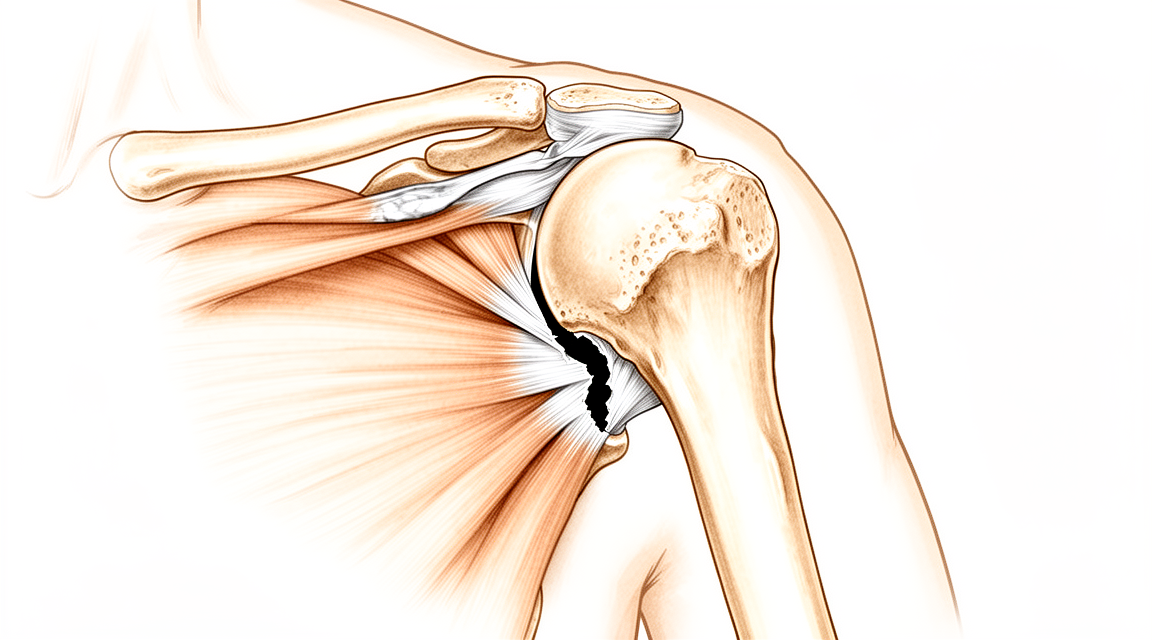
Rotator cuff repair is an operation that reattaches a torn shoulder tendon to the bone of your upper arm. A rotator cuff is the group of tendons that holds and moves your shoulder. We usually suggest this operation when the tear is causing pain that wakes you at night, pain with lifting or overhead activity, or weakness that has not settled with non-operative care such as activity change, physiotherapy or hand therapy, or splinting. For long-standing wear-and-tear tears we try those options first. For a tear caused by a clear injury, surgery may be recommended straight away.
The aim is lasting relief of pain and better strength and movement in your shoulder. Surgical repair offers a higher probability of substantial improvement for painful tears over the long term, and we will weigh this up with you as a shared decision.
Before the operation
We will need imaging to plan your repair. This usually includes an X-ray, and often an MRI or ultrasound scan of your shoulder. These scans show the size of the tear, how far the tendon has pulled back, and the state of the muscle. In the days before surgery, follow the instructions our team gives you. Stop taking certain medications only if we tell you to, as your surgeon will give you specifics. Bring a written list of everything you take, including tablets, drops and creams. Arrange for someone to drive you home afterwards, as you will not be able to drive yourself. Wear loose, comfortable clothing that is easy to put on over your shoulder. Do not eat or drink for seven hours before your operation. We ask for seven hours so your surgery time can be brought forward if the theatre list runs early. If you have other medical conditions, you may need blood tests or a review with the anaesthetist before the day.
On the day
On the day of your operation, you will arrive at the hospital's surgical admissions unit. You will be checked in there and prepared for theatre. You will not go to a ward first.
This operation is done under general anaesthetic combined with a regional nerve block. The anaesthetist will meet you before the operation and talk you through both parts.
You will then be taken into the operating theatre, where the operation is performed. When it is finished, you will wake up in the recovery area. Nurses will monitor you there while the anaesthetic wears off. Once you are stable, you will either move to a ward or go home, depending on the procedure and how your recovery is going.
What the operation involves
This is a keyhole operation. Your surgeon makes a few small cuts around your shoulder, including one at the back, and works with a small camera inside the joint. The camera gives a clear view of the tear from several angles, so the whole joint can be checked and the tear cleaned up before it is repaired.
The repair itself uses two rows of small anchors set into the bone where the tendon normally attaches. The ones nearer the joint are soft suture anchors, made of suture material rather than hard plastic. Their stitches are passed through the torn tendon. Those same stitches are then held further out by a second row of strong medical-grade plastic anchors, and it is this outer row that pulls the tendon down and presses it flat against the bone. Two rows spread the hold over a broad area of tendon rather than gripping it at a single line of points.
Often, a biological scaffold is placed under the tendon at the repair site to encourage it to heal back onto the bone. You can read more about this in our section on the EnFix biological scaffold.
When the repair is finished, the small cuts are closed with stitches and covered with a dressing. You will go home with that dressing in place, and our team will tell you when it comes off.
After the operation
You will wake up in the recovery area, then move to a ward. Your arm will rest in a simple sling for comfort, and it comes off for exercises and washing. Nurses will check your pain and give you medication to keep it comfortable. Most patients stay one night in hospital after this operation, though some are able to go home the same day. We leave the dressing on for about 10 days; please do not take it off before then unless we tell you to. We change or remove it when we see you. Someone should stay with you for the first 24 hours. You can start gentle movements as our team directs, and you will be up and walking the same day. You must not drive while you are in a sling. Once your surgeon clears you, typically at the six-week review, you can drive again. Read more in Driving after upper-limb surgery.
Recovery
In the first days and weeks your shoulder will be sore and may feel swollen. This settles gradually. Pain relief and rest help, and most of the discomfort eases as the early weeks pass. Most of your pain relief and improvement in movement happen in the first six months, but things keep getting better for up to two years.
Your arm rests in a simple sling for comfort, and it comes off for exercises and washing. Your physiotherapist will guide you through gentle movements first, then strength work as the tendon heals. You can walk and move around at home straight away, but you will need help with things like dressing and carrying. Sleeping can be uncomfortable at first, and many people find it easier to rest propped up. Sleep improves steadily as the shoulder settles.
Some milestones happen as events rather than dates. Once your surgeon clears you to drive, you can get back behind the wheel. When your physiotherapist is happy with your movement and strength, you can return to light activities, then heavier ones. Most people are back at work within eight months, though this depends on the type of work you do.
Recovery varies from person to person. Your timeline may differ, and your surgeon and physiotherapist will guide you along the way.
What can go wrong
Most patients do well, but problems can occasionally happen. Your surgeon and the team monitor you closely to spot any issue early.
The most common problem is that the repaired tendon does not hold. You might notice your shoulder pain or weakness coming back, sometimes after a stumble or a heavy lift. Tell your surgeon at the next review if this happens.
Stiffness can develop as the shoulder heals. Your shoulder may feel tight, and you might struggle to reach behind your back or above your head. Most stiffness settles with physiotherapy, so raise it with your physiotherapist or surgeon early rather than waiting.
Infection is uncommon but needs quick attention. Watch for a deep, throbbing pain that does not ease with simple painkillers, redness spreading out from the wound, fever, or fluid leaking from the stitches. Contact the clinic the same day, or go to the emergency department if you feel unwell or the redness is spreading quickly.
A blood clot in a vein is rare. The signs are sudden swelling and tenderness in the calf. If you notice this, seek medical care straight away.
The small anchors holding the tendon can occasionally cause irritation. You might feel a clicking or grinding sensation, or ongoing pain that does not settle. Mention it at your review so your surgeon can assess it.
Nerve irritation near the shoulder happens rarely. It can cause tingling, numbness or odd sensations down the arm. Bring it up at your next appointment.
Some people keep having shoulder pain after the repair, even when the tendon has healed. If pain persists, your surgeon will examine you and discuss what further options might help.
If you have other significant health conditions such as diabetes, or a weakened immune system, mention these at your planning visit. They can affect healing, and we watch these patients more closely after surgery.
The complications table on this page lists typical rates if you want the specifics.
When to call us
Most problems after this operation are uncommon, but a few need quick attention. Call us if you have a fever, if the wound becomes more red or starts leaking fluid, or if your shoulder pain suddenly gets much worse. Go to emergency if you notice swelling or tenderness in your calf, or if you become short of breath, as these can be signs of a blood clot. Call us straight away if your arm feels numb, if you cannot move it, or if tingling down your arm does not settle. If you feel unwell and are worried, trust your instincts and seek care. We would rather hear from you than have you wait.
In more depth
Advanced reading: the deeper science (optional)
This section goes further than you need for your own treatment decisions. Rotator cuff repair is worth the extra reading because the factors that best predict your result are largely not surgical, and two of the strongest are things you can act on before the operation.
Smoking changes the tendon, not just the wound
Smoking is mentioned in every consent discussion and usually filed under wound healing. The tendon data are more specific than that. Pooling 73,817 patients, smokers had a significantly higher retear rate after rotator cuff repair, while most clinical scores were similar between smokers and non-smokers apart from a lower Constant score [1].
That combination is the interesting part. The scores look broadly alike, but the repair is more likely to have failed structurally underneath. Smoking is not making the operation feel different; it is making it less likely to hold.
The corollary is that the weeks around surgery are the highest-value moment in a lifetime of being told to stop. The tendon is attempting to reattach to bone, and that is a blood-supply-dependent process.
Deprivation predicts outcome as strongly as biology
This is the finding that most changes how the operation should be discussed. In a review of 102,372 patients, social determinants of health, the circumstances people live in, not their tendon anatomy, were associated with worse clinical and patient-reported outcomes after rotator cuff repair, including more postoperative complications and more failed repairs [2].
Rehabilitation after a cuff repair takes months, requires attending appointments, and requires being able to not use the arm. Those are conditions of life as much as decisions. When they are absent the repair does worse, and that is a fact about the treatment pathway rather than a judgement about the patient. If getting to therapy or taking time off work is going to be hard, that belongs in the pre-operative conversation, where the plan can be built around it.
Stiffness afterwards is common, and the risk factors are not obvious
Loss of movement after repair is the complication patients least expect. Pooling 23,257 patients, the available evidence pointed to male sex and increased age as probable protective factors against postoperative shoulder stiffness [3].
Both run against intuition, older shoulders are assumed to stiffen more readily, and that is apparently not what happens here. The practical use is expectation-setting: a younger woman having a cuff repair should be told stiffness is a real possibility for her specifically, and early motion work matters, rather than being reassured with an average.
What this means for your decision
None of this argues against the operation. It argues that the published success rate is an average across people whose smoking status, circumstances and demographics differ from yours, and that your own figure is movable. Stopping smoking, and arranging in advance for the rehabilitation to be attendable, are interventions with evidence behind them, which is more than can be said for most of what patients are asked to worry about.
References for the advanced reading
- Fan N, Yuan S, Du P, Wu Q, Li J, Kong X, et al. The effects of smoking on clinical and structural outcomes after rotator cuff repair: a systematic review and meta-analysis. J Shoulder Elbow Surg. 2022;31(3):656-67.
- Mandalia K, Ames A, Parzick JC, Ives K, Ross G, Shah S. Social determinants of health influence clinical outcomes of patients undergoing rotator cuff repair: a systematic review. J Shoulder Elbow Surg. 2023;32(2):419-34.
- Stojanov T, Modler L, Müller AM, Aghlmandi S, Appenzeller-Herzog C, Loucas R, et al. Prognostic factors for the occurrence of post-operative shoulder stiffness after arthroscopic rotator cuff repair: a systematic review. BMC Musculoskelet Disord. 2022;23(1).
Evidence & references
This is the clinical evidence summary written for health professionals. It is technical, and it lists the research this page was built from. You do not need to read it to understand your treatment or to make a decision about it.
Anatomy & Pathophysiology
Anatomy
- The rotator cuff is a complex of four muscles arising from the scapula whose tendons blend with the subjacent capsule as they attach to the humeral tuberosities [8].
- The subscapularis arises from the anterior aspect of the scapula and attaches over much of the lesser tuberosity [8].
- The supraspinatus arises from the fossa superior to the scapular spine, passes beneath the acromion and acromioclavicular joint, and attaches to the superior aspect of the greater tuberosity [8].
- The infraspinatus arises from the fossa below the scapular spine and attaches to the posterolateral aspect of the greater tuberosity [8].
- The teres minor arises from the lower lateral aspect of the scapula and attaches to the lower portion of the greater tuberosity [8].
- The subscapularis is innervated by the upper and lower subscapular nerves [8].
- The supraspinatus is innervated by the suprascapular nerve after it passes through the suprascapular notch [8].
- The infraspinatus is innervated by the suprascapular nerve after it passes through the spinoglenoid notch [8].
- The teres minor is innervated by a branch of the axillary nerve [8].
- Histologic studies describe the rotator cuff tendons as having five distinct layers [8].
- The most superficial layer of the rotator cuff tendon consists of coracohumeral ligament fibers oriented obliquely to the muscle axis [8].
- The second layer of the rotator cuff tendon is composed of large bundles of fibers extending from the supraspinatus tendon over the biceps tendon groove [8].
- The third layer contains smaller, less tightly packed tendon fascicles with less uniform orientation [8].
- The fourth layer is composed of loose connective tissue with thick bands of collagen fibers that merge with the coracohumeral ligament at the anterior edge of the supraspinatus [8].
- The fifth and deepest layer is a continued sheet of collagen fibrils composing the superior joint capsule [8].
- There is significant interdigitation and overlap of the supraspinatus and infraspinatus tendons near the footprint [8].
- The infraspinatus insertion occupies the preponderance of the footprint on the greater tuberosity [8].
- The supraspinatus insertion occupies a smaller portion of the greater tuberosity than previously believed [8].
- The long head of the biceps tendon attaches to the supraglenoid tubercle, runs between the subscapularis and supraspinatus, and exits through the bicipital groove under the transverse humeral ligament [8].
- The coracohumeral ligament and transverse humeral ligament keep the biceps tendon aligned in the groove [8].
- The rotator cable is a thick bundle of fibers running perpendicular to the supraspinatus tendon fibers, connecting the supraspinatus and infraspinatus tendons [9].
- The rotator cable is divided into anterior, middle, and posterior segments [10].
- The anterior segment of the rotator cable forms the lateral part of the rotator interval [10].
- The middle segment of the rotator cable lies under the supraspinatus tendon [10].
- The posterior segment of the rotator cable is covered by the infraspinatus tendon and ends at the insertion region between the infraspinatus and teres minor tendons [10].
- The supraspinatus footprint measures 13 mm in width medial-lateral and 20 mm anteroposterior [9].
- The infraspinatus footprint measures 14 mm in width and 20 mm superoinferior [9].
- A 7 mm medial-lateral tear corresponds to a 50% partial thickness tear of the supraspinatus [9].
- The hypovascular critical zone is located on the articular side of the rotator cuff close to the insertion on the greater tuberosity [9].
- The rotator cuff is a sheet of conjoined tendons closely applied over the shoulder capsule, inserting mainly into the greater tuberosity, with the subscapularis inserting into the lesser tuberosity [5].
- The coracoacromial arch is a fibro-osseous canopy formed by the acromion process posterosuperiorly, the coracoid process anteriorly, and the coracoacromial ligament joining them [5].
- The subacromial bursa separates the rotator cuff tendons from the coracoacromial arch to allow gliding [5].
- The primary passive stabilizers of the glenohumeral joint are the capsule and scapulohumeral ligaments [12].
- The glenohumeral joint capsule is thickest in the inferior pouch at 2.8 mm, 2.4 mm in the anterior portion, and 2.2 mm in the posterior portion [12].
- The superior glenohumeral ligament crosses the rotator interval capsule and lies between the supraspinatus and subscapularis tendons [12].
- The coracohumeral ligament originates at the base of the coracoid, blends into the cuff tendons, and inserts into the greater and lesser tuberosities [12].
- The middle glenohumeral ligament originates anterosuperiorly on the glenoid and inserts midway along the anterior humeral articular surface adjacent to the lesser tuberosity [12].
Pathophysiology
- Rotator cuff tears represent a spectrum of disease progressing from tendinitis to tendinosis, rotator cuff tears, and finally cuff arthropathy [9].
- Intrinsic degeneration involves age-related changes in collagen, proteoglycan, water content, and vascularity, usually starting on the articular side of the supraspinatus and infraspinatus [9].
- Extrinsic injury mechanisms involve chronic impingement on the coracoacromial arch, with tears usually starting on the bursal side of the tendon [9].
- Acute traumatic tears typically occur after a fall or shoulder dislocation in patients younger than 40 years [9].
- Risk factors for rotator cuff tear development include age, smoking, female sex, family history, diabetes, and high cholesterol [9].
- Partial-thickness rotator cuff tears have a limited ability to spontaneously heal [4].
- As many as 53% of partial-thickness rotator cuff tears will progress in tear size [4].
- A portion of partial-thickness rotator cuff tears will progress to full-thickness tears [4].
- Small full-thickness rotator cuff tears and painful partial-thickness tears become 25% to 50% larger within 3 to 4 years [9].
- Larger rotator cuff lesions progress faster than smaller ones [9].
- The prevalence of rotator cuff tears increases with each decade of life after the age of 50 years [23].
- Rotator cuff tear prevalence ranges from 13% in patients in their fifties to 50% in patients aged 80 years or older [23].
- One-quarter of patients above 60 years of age and half of patients above 80 years will have a rotator cuff tear [21].
- Symptom emergence in previously asymptomatic shoulders is linked to tear progression from partial to full thickness, full-thickness tear size worsening, muscle atrophy or fatty infiltration development, and new biceps pathology [23].
- Fatty muscle degeneration is a factor in rotator cuff pathology [18].
- Genetic variations are associated with rotator cuff disease [14].
- Two correlated single nucleotide polymorphisms are associated with full-thickness rotator cuff tears [9].
- The critical shoulder angle is higher in patients with rotator cuff tears compared to asymptomatic individuals [10].
- A critical shoulder angle greater than 38 degrees and an acromial index greater than 0.7 are associated with higher retear rates after arthroscopic rotator cuff repair [11].
- The critical shoulder angle is a static measure that does not change over time [12].
- Calcific tendinitis typically affects patients aged 30 to 60 years and women more commonly than men [22].
- The supraspinatus tendon is most often involved in calcific tendinitis [22].
- Calcific tendinitis involves three main stages: precalcific, calcific, and postcalcific [22].
- The precalcific stage of calcific tendinitis consists of predominantly fibrocartilaginous metaplasia within less vascular areas of the tendon [22].
- The formative phase of the calcific stage involves matrix vesicles uniting to form calcium hydroxyapatite deposits separated by fibrocollagenous tissue [22].
- The resorption phase of calcific tendinitis involves an inflammatory response and is generally the most painful phase [22].
- Cuff tear arthropathy is the final stage of the shoulder impingement syndrome spectrum, characterized by long-term insufficient massive rotator cuff tears and superior migration of the humeral head [13].
- Mechanical factors in cuff tear arthropathy include insufficient cuff, superior migration of the humeral head, instability, eccentric wear of the glenoid, and humeral head deformity [13].
- Nutritional factors in cuff tear arthropathy include hypomobility-induced cartilage atrophy, poor nutrition leading to decreased glycosaminoglycans, dehydration, and subchondral osteoporosis [13].
- Crystalline-induced arthropathy in cuff tear arthropathy involves synovial-based matrix protein degradation destroying rotator cuff tendons and cartilage, with end-stage calcium-phosphate crystal deposition [13].
Classification
- Partial-thickness rotator cuff tears are common in the general population, with an increased incidence with increasing age [4].
- Sher et al. showed an overall prevalence of asymptomatic partial-thickness rotator cuff tears of 20% [4].
- The prevalence of asymptomatic partial-thickness rotator cuff tears increased to 26% in patients older than 60 years [4].
- Partial-thickness rotator cuff tears can be classified as articular-sided, bursal-sided, or intratendinous tears [4].
- Ellman described a classification of partial-thickness rotator cuff tears based on location and depth of tearing noted at the time of shoulder arthroscopy [4].
- Tears are classified as articular-sided (A), bursal-sided (B), or intratendinous (C) [4].
- Tears are grade 1 if involving 3 mm or less of tendon [4].
- Tears are grade 2 if involving 3 to 6 mm of tendon [4].
- Tears are grade 3 if involving more than 6 mm of tendon [4].
- Grade 3 tears represent tears of more than 50% of tendon width based on previous studies noting the width of the supraspinatus footprint [4].
- With MRI evaluation, these tears are classified as low grade or high grade depending on whether they involve less than or more than 50% of the tendon width [4].
Clinical Presentation
History and Symptoms
- Patients with rotator cuff disorders commonly present with pain over the front and lateral aspect of the shoulder [5].
- Weakness on abduction is a presenting symptom associated with supraspinatus involvement, rotator cuff tears, and tendinitis [5].
- Pain over the front of the shoulder is associated with biceps pathology [5].
- Weakness is present if the rotator cuff or biceps tendon has ruptured [5].
- A clear history of trauma resulting in acute pain and weakness strongly suggests an acute rotator cuff tear and warrants expeditious workup [24].
- In cases of chronic rotator cuff disease, patients often describe an insidious onset of lateral and/or anterior shoulder pain associated with overhead activities [24].
- Night pain is a common presenting symptom of chronic rotator cuff disease [24].
- A family or personal history of rotator cuff disease makes the diagnosis more likely [24].
- Patients with full-thickness rotator cuff tears are usually aged over 45 and give a history of refractory shoulder pain with increasing stiffness and weakness [25].
- A full-thickness tear may occur spontaneously after a sprain or jerking injury of the shoulder, resulting in sudden pain and an inability to abduct the arm [25].
- In long-standing cases of partial or complete rotator cuff rupture, secondary osteoarthritis of the shoulder may supervene, resulting in severely restricted movements [25].
Physical Examination
- Basic physical examination for rotator cuff tears consists of assessment of range of motion in adducted and abducted positions, assessment of strength, and examination of associated structures such as the biceps and acromioclavicular joint [24].
- The empty can test has a sensitivity of 71.7% and a specificity of 64.6% for full-thickness supraspinatus tears [24].
- The lift-off and belly-press tests have high specificity but low sensitivity for full-thickness subscapularis tears [24].
- An external rotation lag sign at the side likely indicates a large posterosuperior tear involving the infraspinatus [24].
- A positive hornblower sign suggests a massive posterosuperior cuff tear that prohibits the active positioning of the hand in space [24].
- The painful arc test has a sensitivity of 71% and a specificity of 81% for rotator cuff disease [24].
- The cross-body adduction test has a sensitivity of 75% and a specificity of 61% for rotator cuff disease [24].
- The Hawkins test has a sensitivity of 76% and a specificity of 48% for rotator cuff disease [24].
- The Neer test has a sensitivity of 64–68% and a specificity of 30–61% for rotator cuff disease [24].
- The Yocum test has a sensitivity of 79% and a specificity of 40% for rotator cuff disease [24].
- The passive abduction test has a sensitivity of 74% and a specificity of 10% for rotator cuff disease [24].
- The external rotation lag test has a sensitivity of 47% and a specificity of 94% for full-thickness rotator cuff tears [24].
- The internal rotation lag test has a sensitivity of 97% and a specificity of 83% for full-thickness rotator cuff tears [24].
- The drop arm test has a sensitivity of 24% and a specificity of 93% for rotator cuff disease [24].
- The dropping sign has a sensitivity of 73% and a specificity of 77% for full-thickness rotator cuff tears [24].
- The Gerber (lift-off) test has a sensitivity of 34–68% and a specificity of 50–77% for rotator cuff disease [24].
- The external rotation resistance test has a sensitivity of 63% and a specificity of 75% for rotator cuff disease [24].
- The full can test has a sensitivity of 75% and a specificity of 68% for rotator cuff disease [24].
- The Patte test has a sensitivity of 58% and a specificity of 60% for rotator cuff disease [24].
- The empty can (Jobe) test has a sensitivity of 71% and a specificity of 49% for rotator cuff disease [24].
- The resisted abduction test has a sensitivity of 58% and a specificity of 20% for rotator cuff disease [24].
- A positive Hawkins and Neer test combination has a sensitivity of 78% and a specificity of 50% for rotator cuff disease [24].
- Partial tears may occur within the substance or on the deep surface of the cuff, permitting active abduction with a painful arc [25].
- Wasting of the supraspinatus and infraspinatus muscles is usually present in full-thickness rotator cuff tears [25].
- Testing the biceps may reveal an old tear of the long head of the biceps tendon in patients with full-thickness rotator cuff tears [25].
- Tenderness of the acromioclavicular joint is often present in patients with full-thickness rotator cuff tears [25].
- If active abduction is possible after injecting a local anesthetic into the subacromial space, the tear is likely only partial [25].
- If active abduction remains impossible after injecting a local anesthetic into the subacromial space, a complete tear is likely [25].
- Clinical tests for long head of the biceps tendon pathology, including the O’Brien, Yergason, Speed, and direct palpation tests, have limited specificity [31].
- A history of radiating anterior shoulder pain may inform the examiner of pain generation from the long head of the biceps tendon [31].
Diagnostic Imaging
- The goal of diagnostic imaging for rotator cuff tears is to determine the presence, size, and orientation of the tear, evaluate the healing capacity of the tendon, and assess associated pathology such as long head biceps tendinitis, acromioclavicular joint pathology, and arthrosis [24].
- For full-thickness rotator cuff tears, ultrasonography approaches the sensitivity and specificity of MRI for detecting the presence of a tear with an experienced practitioner [24].
- Ultrasonography is relatively inexpensive and allows for dynamic testing, guided injections, and immediate feedback [24].
- MRI accurately assesses muscle, bone, and cartilage, which has advantages for surgical planning [24].
- MRI continues to be the imaging modality of choice for most providers, with ultrasonography becoming common in certain centers [24].
- Arthroscopic examination of the long head of the biceps tendon is limited to the intra-articular tendon and proximal groove, missing less common distal biceps groove lesions [31].
Investigations
Imaging Modalities and Diagnostic Accuracy
- MRI is indicated in younger, active patients with acute rotator cuff tears and in patients with chronic rotator cuff tears in whom a trial of nonoperative treatment has failed [16].
- MRI allows the surgeon to characterize the location, size, and amount of retraction of the rotator cuff tear [16].
- MRI allows the surgeon to characterize the degree of atrophy and fatty infiltration of the rotator cuff musculature [16].
- MRI is used to define the extent of tear, degree of tear retraction, and presence of muscular atrophy [17].
- MRI is key for evaluating fatty infiltration, although the Goutallier classification was originally based on CT [17].
- Ultrasonography is increasing in popularity as a tool for diagnosis of rotator cuff disease [17].
- Ultrasonography is increasing in popularity as a tool for confirmation of intraarticular or subacromial location of injections [17].
- Ultrasonography is more accurate for full-thickness rotator cuff tears, comparable to MRI [22].
- Radiographic views of the subacromial space such as the supraspinatus outlet view may show a spur on the undersurface of the acromion, causing narrowing of the subacromial space [15].
- Radiographs may demonstrate classic changes within the acromion or coracoacromial ligament, including spurring and calcification [17].
- Radiographs may demonstrate cystic changes within the greater tuberosity [17].
- With chronic rotator cuff disease, superior migration of the humeral head with extensive degenerative change may be present on radiographs [17].
Specific Radiographic and Sonographic Signs
- The tangent sign is defined as failure of the supraspinatus muscle belly to cross a line from the superior border of the coracoid to the superior border of the scapular spine [17].
- The tangent sign correlates with muscle atrophy and fatty infiltration of the supraspinatus [17].
- Patients with the presence of the tangent sign are more likely to have an irreparable rotator cuff tear [17].
- A positive tangent sign predicts the repairability of rotator cuff tears [21].
- Irreparable tears are more likely to occur when the acromiohumeral distance appears shorter than 7 mm on AP radiograph [17].
- Ultrasonography can be used to evaluate fatty degeneration of the rotator cuff muscles [23].
Anatomical and Genetic Risk Factors
- The critical shoulder angle (CSA) is a static measure that did not change over time in a study of 1,552 radiographs [12].
- CSA was higher in the patient group with rotator cuff tears compared to controls [12].
- Patients with CSA greater than 38° and acromial index (AI) greater than 0.7 had higher retear rates after arthroscopic rotator cuff repair [11].
- Patients with CSA greater than 38° and AI greater than 0.7 had similar functional rates compared to control patients [11].
- A study of 147 patients up to 2-year follow-up did not see a difference in functional scores between patients with higher CSA/AI and patients with lower values [13].
- A study of scapular anatomy found statistically significant differences in the critical shoulder angle between asymptomatic individuals, those with osteoarthritis, and patients with full-thickness rotator cuff tears [3].
- Genome-wide association studies have identified single-nucleotide polymorphisms associated with full-thickness rotator cuff tears [3].
- Evidence exists for an inherited predisposition contributing to the risk for rotator cuff disease [2].
Tear Characteristics and Prognostic Indicators
- The quality of the rotator cuff musculature is classified according to the degree of fatty infiltration originally described by Goutallier et al. for CT evaluation and modified by Fuchs et al. for MRI evaluation [16].
- In the Goutallier classification, grade 0 is normal muscle, grade 1 has some fatty streaks, grade 2 has more muscle than fat, grade 3 has equal amounts of muscle and fat, and grade 4 has more fat than muscle [16].
- Goutallier grades 3 and 4 are indications of a long-term chronic rotator cuff tear [16].
- Goutallier grades 3 and 4 have a higher potential for failure when surgery is undertaken and likely are deemed irreparable [16].
- Tears with Goutallier grades III and IV, if accompanied by a tendinous stump of less than 15 mm and a positive tangent sign, have a 90% failure rate [16].
- Larger, more retracted tears greater than 40 mm in length or width are characterized by fatty atrophy [17].
- Larger, more retracted tears greater than 40 mm in length or width are characterized by supraspinatus width of less than 5 mm at the glenoid margin [17].
- Tear progression correlates with presenting tear size [3].
- In a cohort of 122 patients with full or partial rotator cuff tears, 53% increased tear size over a minimum of 6 months [3].
- Symptoms of pain do not correlate with rotator cuff tear severity in a cross-sectional study of 393 patients with symptomatic atraumatic full-thickness rotator cuff tears [3].
- Patient-reported outcomes and pain are not correlated with rotator cuff healing on ultrasonography or MRI [19].
- Postoperative strength is better in individuals with healed rotator cuffs versus those with defects after repair [19].
Treatment
Indications and Patient Stratification
- Neither American Academy of Orthopaedic Surgeons clinical practice guidelines nor Cochrane systematic reviews provide guidance on the management of rotator cuff tears [1].
- Clinical decision-making for the management of rotator cuff tears lacks consensus among orthopedic surgeons [1].
- Patients are generally divided into three categories based on the risk of nonoperative treatment and benefits of surgical intervention: those needing urgent or early operative repair, those who can benefit from a trial of conservative treatment, and those best suited for nonoperative treatment [1].
- Symptomatic rotator cuff injuries affect up to 30% of the population [7].
- The prevalence of full-thickness rotator cuff tears in the aging population is estimated to be as high as 30% [7].
- Surgical repair or reconstruction is generally the treatment of choice for rotator cuff injuries depending on injury factors, activity level, functional status, and occupation [7].
- Alternative options such as arthroplasty can be recommended when tears are irreparable or the patient has concomitant advanced glenohumeral arthrosis [7].
Non-Operative Management
- Treatment of rotator cuff tears begins with nonsurgical measures including activity modification, physical therapy, nonsteroidal anti-inflammatory medications, and corticosteroid injection [7].
- Most partial-thickness rotator cuff tears are best initially managed with nonoperative treatment [4].
- Surgical treatment for partial-thickness rotator cuff tears is indicated for patients in whom nonoperative treatment fails [4].
Partial-Thickness Tear Management
- Partial-thickness rotator cuff tears have a limited ability to spontaneously heal as shown by histological and radiographic studies [4].
- A portion of partial-thickness rotator cuff tears will progress to full-thickness rotator cuff tears [4].
- Tears involving more than 50% of tendon width are best treated with repair [4].
- Tears involving less than 50% of tendon width are best treated with debridement and potential decompression [4].
- A higher failure rate of debridement has been suggested for partial-thickness bursal-sided rotator cuff tears compared to articular-sided rotator cuff tears [4].
- Some surgeons favor repair in even low-grade bursal-sided tears due to the higher failure rate of debridement [4].
- There is no difference in functional outcome scores or re-tear rates between in situ rotator cuff repair and completion to a full-thickness rotator cuff tear with subsequent repair [4].
- For tears with poor-quality tendon remaining and involving more than 80% of tendon thickness, debridement is favored [4].
- Delamination-type tears of the articular side require a transtendinous repair [4].
- Intratendinous tears are repaired side-to-side using arthroscopic technique after the tear is opened and the edge is debrided back slightly to promote local healing [4].
- Extensive debridement is unnecessary for intratendinous tears [4].
Operative Techniques: Arthroscopic
- Arthroscopic repair is the current standard of care for rotator cuff repair [7].
- The superiority of arthroscopic versus open or mini-open repair is still somewhat controversial [7].
- Arthroscopic repair has been shown to have similar outcomes and failure rates compared to other techniques, with decreased short-term pain and more rapid return to activity [7].
- Advances in arthroscopic equipment and increased surgeon familiarity have made arthroscopic surgery the preferred method of rotator cuff repair for many shoulder surgeons [27].
- Arthroscopy allows a more comprehensive assessment of intra-articular pathology and rotator cuff tear configuration by viewing from multiple angles [27].
- Arthroscopy facilitates tendon mobilization through precise releases of adhesions, leading to an improved ability to anatomically reduce the edge and create a tension-free repair [27].
- Arthroscopic repair minimizes injury to the deltoid muscle and preserves the acromial deltoid origin, eliminating the risk of deltoid dehiscence [27].
- A key theoretical benefit of arthroscopic repair is decreased postoperative pain secondary to less soft tissue trauma, which aids in postoperative rehabilitation and earlier resumption of range of motion [27].
- Anatomic footprint restoration is possible with arthroscopic repair using fixation at both the suture-tendon interface and the anchor-bone interface [27].
- Arthroscopic repair is performed with suture anchors in various configurations, including single-row, double-row, and transosseous-equivalent repair techniques [7].
- Controlled laboratory studies have generally shown superiority of double-row techniques over single-row in terms of initial and ultimate failure strength, decreased gap formation, decreased strain and suture cut-through, and improved vascularity in transosseous-equivalent double-row repair [7].
- While biomechanical studies show double-row repair outperforms single-row repair in failure strength, superior clinical results with double-row fixation over single-row fixation are still controversial [27].
Operative Techniques: Open and Mini-Open
- Traditional open repairs, mini-open deltoid split approaches, and arthroscopic repair are described approaches for rotator cuff repair [7].
- Mini-open rotator cuff repair allows direct assessment of the nature of the cuff tear, the quality of the remaining tissue, and the ease with which the tendon edge can be restored to the normal insertion site with the arm in an adducted position [32].
- The transosseous technique for attachment of the tendon to the tuberosity in mini-open repair is simple, expeditious, avoids issues related to suture anchors, and enables the surgeon to find sufficiently strong bone to hold the sutures [32].
- The creation of a trough into which the tendon is inserted increases the surface area of the repair, stimulates local stem cells and growth factors, excludes joint fluid from the repair site, and places sutures laterally so that they do not rub beneath the coracoacromial arch [32].
- In open repair, an anterior acromioplasty is an important part of rotator cuff surgery, and the results of repair without decompression are not as good as the results using the combined procedure [6].
- In open repair, tears usually begin at the supraspinatus insertion and retract into its fossa under the acromioclavicular joint [6].
- Most rotator cuff tears are transverse but also have a longitudinal component, making them oval or triangular [6].
- All but the smallest tears need to be advanced anteriorly and laterally, not just laterally, to restore anatomic position and correct muscle-tendon unit length [6].
- In tears of more than 2 to 3 cm, the infraspinatus tendon is involved as well [6].
- Mobilization in open repair begins posteriorly with the infraspinatus using a blunt probe or a finger to release adhesions inside and outside the joint [6].
- Dissection below the level of the teres minor during mobilization should be avoided to prevent injury to the axillary nerve in the quadrangular space or the suprascapular nerve in the area of the spinoglenoid notch [6].
- If supraspinatus and infraspinatus tendons are retracted so far that adequate length cannot be obtained with tendon mobilization, the capsule is incised at its insertion into the glenoid labrum [6].
- The goals of mobilization in open repair are to obtain tissue of adequate strength, position it anatomically for repair without damage to innervation and without compromise of deltoid function, and decompress the subacromial space to prevent further mechanical impingement on repaired cuff tissue [6].
- The best results in open repair are obtained with the double-row technique, suturing the tendon to bone in a cancellous trough in combination with suture anchor fixation [6].
- Using transosseous tunnels through the greater tuberosity increases the surface area of tendon-to-bone healing and more closely restores the anatomic footprint [6].
- In open repair, sutures are placed 5 to 10 mm from the free edge of the tear using a double loop technique in a horizontal mattress manner [6].
- A 3 mm wide shallow trough is created running the length of the exposed bone of the greater tuberosity to accommodate the thickness of the supraspinatus and infraspinatus tendons [6].
- Two or three rotator cuff suture anchors are placed immediately medial to the trough at a 45-degree angle [6].
- Holes for sutures are drilled 2 to 3 cm distal to the trough and spaced at least 1 to 2 cm apart on the cortical humeral surface [6].
- Most open repairs are done with the shoulder in 0 degrees of abduction [6].
- If the lateral humeral cortex is fractured during tying down of the suture or construction of the suture tunnel, anchors can be used as a salvage procedure [6].
Biological and Mechanical Factors
- The rotator cuff presents special challenges for tendon healing because its tendons are intra-articular and intrasynovial, there is a complex mechanical loading environment, the native fibrocartilaginous insertion to the greater tuberosity is not reconstituted, and there is almost always an element of chronic tendinopathy leading to impaired biological healing capacity on both the tendon and bone side [7].
- Factors known to be associated with failure of rotator cuff repair include muscle degeneration (fatty infiltration and atrophy), tear size, chronicity, advanced age, and other environmental factors [7].
- The rotator cuff tends to fail at or near the tendon-bone junction, and the goal of repair is to restore the tendon to its anatomic footprint to encourage healing [7].
Complications
- Neither the clinical practice guidelines set out by the American Academy of Orthopaedic Surgeons nor the Cochrane systematic reviews provide guidance on the management of rotator cuff tears [1].
References
[1] Rockwood And Matsen S The Shoulder. Fractures, Dislocations, and Acquired Problems of the Shoulder in Children > Indications for Rotator Cuff Repair.
[2] Orthopaedic Knowledge Update Sports Medicine 6. Rotator Cuff Disease > Annotated References.
[3] Orthopaedic Knowledge Update 13 Ebook Without Multimedia. Shoulder Instability, Rotator Cuff Disorders, Muscular Ruptures, Adhesive Capsulitis, Calcific Tendinitis > Annotated References.
[4] Campbell S Operative Orthopaedics 4 Volume Set. ARTHROSCOPIC REPAIR OF POSTERIOR HUMERAL AVULSION OF THE GLENOHUMERAL LIGAMENT > PARTIAL-THICKNESS ROTATOR CUFF TEARS.
[5] Apley And Solomon S Concise System Of Orthopaedics And Trauma. DISORDERS OF THE ROTATOR CUFF.
[6] Campbell S Operative Orthopaedics 4 Volume Set. ANTERIOR CRUCIATE LIGAMENT RECONSTRUCTION WITH BONE-PATELLAR TENDON-BONE GRAFT > OPEN REPAIR OF ROTATOR CUFF TEARS > TECHNIQUE 46.2.
[7] Orthopaedic Basic Science Fifth Edition Print Ebook. Lumbar Spondylosis, Degenerative Disk Disease, and Radiculopathy > Clinical Example: Rotator Cuff Repair.
[8] Rockwood And Matsen S The Shoulder. Fractures, Dislocations, and Acquired Problems of the Shoulder in Children > RELEVANT SHOULDER ANATOMY > Rotator Cuff.
[9] Aaos Comprehensive Orthopaedic Review 3. Rotator Cuff Tears and Cuff Tear Arthropathy > I. Rotator Cuff Tears.
[10] Rockwood And Matsen S The Shoulder. Developmental Anatomy of the Shoulder and Anatomy of the Glenohumeral Joint > Rotator Cuff.
[11] Classifications And Scores Of The Shoulder. THE WESTERN ONTARIO ROTATOR CUFF INDEX (WORC).
[12] Rockwood And Matsen S The Shoulder. Fractures, Dislocations, and Acquired Problems of the Shoulder in Children > Rotator Cuff > Scapulohumeral Ligaments.
[13] Aaos Comprehensive Orthopaedic Review 3. Rotator Cuff Tears and Cuff Tear Arthropathy > II. Cuff Tear Arthropathy.
[14] Campbell S Operative Orthopaedics 4 Volume Set. ANTERIOR CRUCIATE LIGAMENT RECONSTRUCTION WITH BONE-PATELLAR TENDON-BONE GRAFT > DECOMPRESSION AND DEBRIDEMENT OF MASSIVE ROTATOR CUFF TEARS.
[15] A Lange Medical Book Current Diagnosis Treatment In Orthopedics Fifth Edition. 3Sports Medicine > 1. Subacromial Bursitis and Rotator Cuff Tendinosis.
[16] Campbell S Operative Orthopaedics 4 Volume Set. ARTHROSCOPIC REPAIR OF POSTERIOR HUMERAL AVULSION OF THE GLENOHUMERAL LIGAMENT > FULL-THICKNESS ROTATOR CUFF TEARS.
[17] Miller S Review Of Orthopaedics. ROTATOR CUFF DISEASE > 4. Imaging.
[18] Miller S Review Of Orthopaedics. SECTION 16 PATELLAR TRACKING IN TOTAL KNEE ARTHROPLASTY > ROTATOR CUFF DISEASE > 4. Imaging.
[19] Orthopaedic Knowledge Update 13 Ebook Without Multimedia. Shoulder Instability, Rotator Cuff Disorders, Muscular Ruptures, Adhesive Capsulitis, Calcific Tendinitis > Summary.
[21] Rockwood And Matsen S The Shoulder. Fractures, Dislocations, and Acquired Problems of the Shoulder in Children > NATURAL HISTORY OF ROTATOR CUFF PATHOLOGY AND IMPLICATIONS ON SURGICAL INDICATIONS.
[22] Orthopaedic Knowledge Update 13 Ebook Without Multimedia. Shoulder Instability, Rotator Cuff Disorders, Muscular Ruptures, Adhesive Capsulitis, Calcific Tendinitis > Calcific Tendinitis > Pathophysiology.
[23] Orthopaedic Knowledge Update Sports Medicine 6. Rotator Cuff Disease > Natural History and Societal Impact.
[24] Orthopaedic Knowledge Update 13 Ebook Without Multimedia. Shoulder Instability, Rotator Cuff Disorders, Muscular Ruptures, Adhesive Capsulitis, Calcific Tendinitis > Rotator Cuff Tears > Evaluation.
[25] Apley And Solomon S Concise System Of Orthopaedics And Trauma. SECONDARY ARTHROPATHY > TEARS OF THE ROTATOR CUFF.
[27] Rockwood And Matsen S The Shoulder. Fractures, Dislocations, and Acquired Problems of the Shoulder in Children > ARTHROSCOPIC ROTATOR CUFF REPAIR.
[31] Orthopaedic Knowledge Update 13 Ebook Without Multimedia. Shoulder Instability, Rotator Cuff Disorders, Muscular Ruptures, Adhesive Capsulitis, Calcific Tendinitis > Rotator Cuff Tears > Role of the Biceps Tendon.
[32] Rockwood And Matsen S The Shoulder. Fractures, Dislocations, and Acquired Problems of the Shoulder in Children > MINI-OPEN ROTATOR CUFF REPAIR.