Clinicians › Hand
Thumb CMC arthroplasty
Surgeon-side topic for thumb cmc arthroplasty. Backed by 427 articles from the corpus, retrieved via combined MeSH + title-text matching.
Overview
Total joint arthroplasty of the thumb carpometacarpal (CMC) joint is an efficacious intervention that improves motion, strength, and pain relief [1]. The GUEPAR II implant specifically demonstrates these benefits, including a high degree of pain relief [36]. While studies on prosthetic total joint replacement are increasing in both number and quality [9], current evidence does not support widespread implementation of these replacements despite relatively satisfactory implant survivorship [10]. Total joint replacement offers advantages over other surgical treatments, including restoration of thumb length and alignment, good cosmetic results, and faster recovery, though it is technically demanding with a potentially higher complication rate [34].
Suture suspension arthroplasty (SSA) provides comparable clinical results to other techniques with several advantages, including shortened operative time, inherent stability of the thumb metacarpal height, and no necessity for K-wire fixation, tendon transfers, or implants [5][6]. This simple, reliable, and cost-effective method yields good to excellent long-term outcomes [8][18], maintaining favorable subjective and objective results despite some radiographic subsidence over time [2]. Among surgical options for thumb CMC arthritis, ligament reconstruction and tendon interposition (LRTI) still predominates, but nonprosthetic arthroplasty was the only cohort increasing in utilization over the years [54].
There is a lack of consensus on critical outcomes after surgery for thumb CMC joint osteoarthritis [4]. The most common complications include those associated with resection arthroplasty, joint replacement, and joint fusion [11]. While pain relief is generally good after hand arthroplasty, there are high rates of deformity recurrence and complications depending on the implant type and joint involved [17]. Routine retrieval and analysis of failed trapeziometacarpal joint implants should be considered essential practice within hand surgery [68].
Anatomy & Pathophysiology
Joint Anatomy & Biomechanics
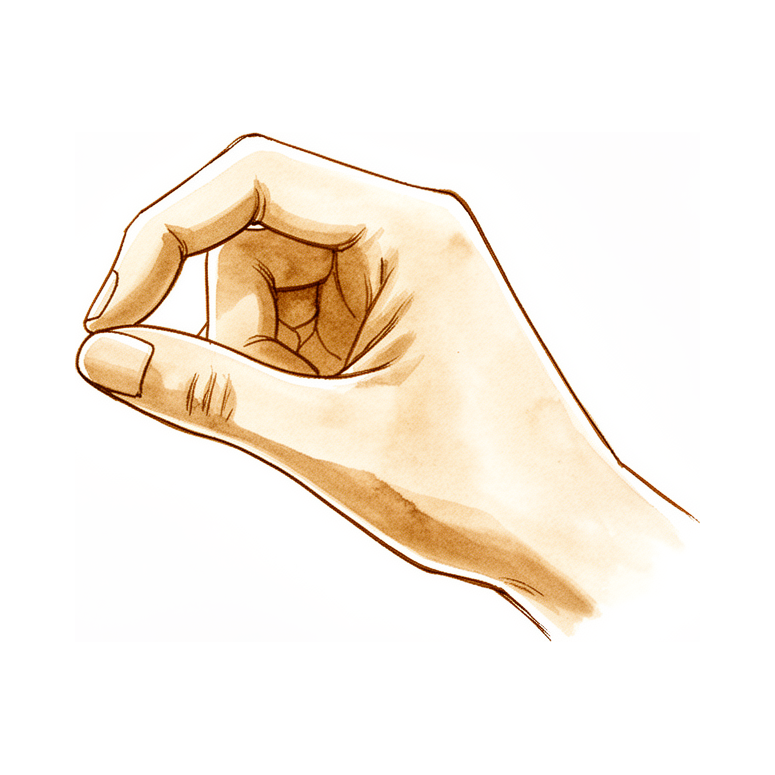
The thumb carpometacarpal (CMC) or trapeziometacarpal (TM) joint is a complex saddle-shaped joint that enables tri-planar motion [76]. This unique motion renders the joint vulnerable to articular surface attrition and subsequent osteoarthritis [76]. The thumb provides approximately 40% of hand function and nearly one-fourth of overall bodily function [159]. Essential movements of the first metacarpal-trapezial joint include opposition, key pinch (prehension), and circumduction [27]. During oppositional motion, internal rotation of the first metacarpal occurs, with the palmar base rotating primarily with respect to the dorsal base [97]. Directionally coupled motion patterns in the CMC joint are similar in men and women [108], and thumb motion capability is unaffected by sex or handedness [88].
Biomechanical alterations are evident in both healthy and arthritic joints. Contraction of the first dorsal interosseous (FDI) muscle appears to radiographically reduce subluxation of the healthy thumb CMC joint [30]. However, thumbs in patients with TMC-OA and healthy thumbs exhibit different kinematics during FDI maneuvers, suggesting an atrophic FDI may not be an efficient dynamic stabilizer [96]. In the arthritic TM joint, dorsal translation of the center of rotation characterizes flexion-extension kinematics, whereas radial translation is not observed in abduction-adduction [107]. Altered thumb rotation patterns during pinch may contribute to joint misalignment and osteoarthritis development [104]. A reduction in cylindrical grasp is associated with early symptomatic and radiographic CMC OA, whereas gross grasp is not associated with early thumb CMC OA [19].
Surgical interventions alter joint mechanics and stability. The first metacarpal extension-abduction osteotomy alters abnormal stress distribution patterns in thumb CMC osteoarthritis, leading to a more uniform stress distribution across the joint [23]. Proximal migration of the thumb metacarpal does not appear to influence functional outcome [42]. Trapeziectomy results in proximal migration of the first metacarpal, which is mitigated by suture suspensionplasty while maintaining normal motion [103]. In the LRTI group, trapezial height was better preserved, indicating that proximal migration of the thumb was prevented or limited [113]. Wrist biomechanics were significantly altered following trapeziectomy, and of the reconstructions tested, LRTI most closely resembled intact biomechanics in a cadaveric model [86]. Performing a trapeziectomy followed by up to 4 mm of proximal trapezoid resection has a negligible effect upon carpal, specifically lunocapitate and scapholunate, stability [112]. In a cadaver model of thumb trapeziectomy and flexor carpi radialis suspensionplasty, the decrease in key pinch force was larger than the relatively small increase in thumb CMC force [7].
Ligaments & Soft Tissue
The deep anterior oblique (palmar oblique), dorsal radial, and posterior oblique ligamentous structures are the primary ligaments of the thumb CMC joint [50]. In most cases of isolated thumb CMC joint dislocation, the ligaments are avulsed off the metacarpal base with a periosteal sleeve [50]. Painful instability predicated upon translational laxity of the TM joint surfaces is the hallmark of clinically apparent disease at the base of the thumb [117]. A rationale for a dynamic stabilization approach is presented based on the unique anatomy of the thumb [41].
Pathophysiology & Etiology
The exact etiology of thumb CMC joint OA is disputed, but articular cartilage degeneration has been attributed to high loads transmitted across the joint and to specific articular surface topography and mechanics [76]. Ligament laxity and incompetence lead to subluxation of the thumb metacarpal on the trapezium, causing areas of high contact stress, cartilage erosion, further subluxation, and OA [76]. Thumb carpometacarpal joint osteoarthritis reflects the joint's teleology, where pathomechanics drive inflammatory markers and injury to soft tissue structures rather than simple wear and tear [115]. Radiographic development of trapeziometacarpal arthrosis is an expected part of human aging, although clinically significant, functionally limiting trapeziometacarpal arthrosis is less common [63]. The development of clinically significant trapeziometacarpal arthrosis may be unrelated to hand use [63].
Thumb basal joint arthritis is a progressive disease with substantial new biomechanical and longitudinal clinical studies changing prevailing opinions on serial degenerative changes [91]. Dorsal subluxation in thumb flexion, jar, and pinch loading poses may ultimately be useful predictors of disease progression in patients with early thumb CMC OA [123]. Ergonomic solutions are necessary to decrease thumb motions or strenuous effort encountered at work, especially for women [106]. Thumb CMC arthritis is a potentially debilitating condition causing pain and weakness with the essential movements of the first metacarpal-trapezial joint [27]. Pain in thumb CMC arthritis is localized to the base of the thumb but may radiate proximally to the radial forearm [27]. Synovitis and effusion of early disease may be associated with thenar tenderness and first webspace cramping [27]. As the disease progresses, associated subjective instability and objective deformity are noted as the shoulder sign, or the radial prominence of the dorsally subluxed first metacarpal [27].
Traumatic injuries to the thumb CMC joint are distinct from degenerative processes. Thumb metacarpal base fractures with associated subluxation or dislocation of the CMC joint account for nearly 80% of thumb CMC injuries [40]. Isolated thumb CMC joint dislocations are rare [50].
Classification
Eaton–Glickel: The Eaton–Glickel classification of 1987 evaluates osteophytes, joint space narrowing, osteosclerosis, subluxation, and cystic changes in the thumb CMC joint [76]. In Eaton stage IV, similar destructive changes are present in the scaphotrapezial joint [76].
Eaton-Littler: The overall mean interobserver agreement of the Eaton-Littler radiological classification falls within the moderate range of agreement [130]. Hand surgeons’ mean interobserver agreement for this classification is just slightly better than that of radiologists [130]. This moderate interobserver agreement questions the efficiency of the system for staging CMC1 osteoarthritis [130].
Other Considerations: A systematic review of the literature demonstrates that radiographs assist in the assessment of CMC joint disease, but there is not a reliable system for classification of disease severity [28]. The radiological classification does not describe all stages of carpometacarpal joint osteoarthritis accurately enough to permit reliable and consistent communication between clinicians [70]. The authors suggest that ulnar instability should be included in the classification of thumb CMCj osteoarthritis stages and considered in treatment options [65]. The metacarpal surface of the trapezium demonstrates three distinct patterns of wear in arthritic surgical specimens [135]. A systematic review classifies CMC arthroplasty implants into four design types: total joint replacement, hemiarthroplasty, interposition arthroplasty, and miscellaneous designs [16].
Clinical Presentation
Symptoms and Functional Deficits
Thumb CMC arthritis manifests as pain and weakness during opposition, key pinch (prehension), and circumduction [27]. Pain is localized to the base of the thumb but may radiate proximally to the radial forearm [27]. As the disease progresses, subjective instability and objective deformity are noted as the shoulder sign, or the radial prominence of the dorsally subluxed first metacarpal [27].
Functional deficits correlate with disease stage. A reduction in cylindrical grasp strength is associated with early symptomatic and radiographic CMC OA [19], whereas gross grasp is not associated with early thumb CMC OA [19]. Pinch strength is less in patients with early thumb CMC OA compared to asymptomatic control subjects [102]. Among key, tripod, and tip pinch positions, key pinch has the most robust association with early thumb CMC OA diagnosis [102]. Self-reported pain, weakness, and physical examination may not correspond to radiographic findings when diagnosing early thumb CMC OA [102].
Physical Examination and Diagnostic Tests
The grind test is performed by circumducting the thumb metacarpal while compressing the joint axially and is considered positive if it elicits pain [109]. However, there is a relatively high incidence of false negative results for the grind test in CMC arthritis [109], and a negative grind test does not necessarily reflect negative radiographic evidence of thumb CMC osteoarthritis [61]. In a retrospective chart review of 69 patients, the reduction manoeuvre was more sensitive and specific than the grind or shift tests for diagnosing CMC arthritis [109]. Contraction of the first dorsal interosseous muscle appears to radiographically reduce subluxation of the healthy thumb CMC joint [30].
Radiographic Assessment
Radiographs assist in the assessment of CMC joint disease, but there is not a reliable system for classification of disease severity [28]. Subjects presenting with early CMC OA had significantly lower bone density as assessed with Hounsfield units at the thumb CMC joint (trapezium and first metacarpal base) [48].
Demographics and Prevalence
Postmenopausal women are the most common thumb CMC arthritis patients, with 40% to 57% exhibiting radiographic evidence of disease [27]. Middle-aged women have significant joint involvement at 10% [27]. Men over 75 years of age have significant joint involvement at 25% [27].
Investigations
Clinical Assessment and Outcome Measures: The Thumb Disability Examination (TDX) serves as a precise and valid outcome measure for patients with a clinical diagnosis or indications of thumb CMC osteoarthritis [33]. Tailoring outcome measures and treatments to the unique impact of thumb carpometacarpal osteoarthritis (CMC1 OA) is likely to improve clinical outcomes [52].
Plain Radiography: Wrist radiographs demonstrate a 47% sensitivity and 94% specificity in predicting end-stage ST joint arthritis, emphasizing the importance of directly visualizing the ST joint after trapeziectomy [146]. The modified thumb CMC stress view radiograph evaluates laxity and joint abnormalities of the trapeziometacarpal articulation with high inter- and intra-observer reliability for radial subluxation and first metacarpal width [161]. A comprehensive review describes the historical origin, positioning, and various measurements and classifications used to evaluate the trapeziometacarpal joint across different radiological views [55]. Subjects presenting with early CMC OA had significantly lower bone density as assessed with HU at the thumb CMC joint (trapezium and first metacarpal base) [48].
Bone Scan: Bone scan uptake after trapeziometacarpal joint arthroplasty progressively decreases over time, with normalization of tracer uptake expected between 14 and 25.5 months after surgery [150].
Other Considerations: Contraction of the first dorsal interosseous (FDI) appears to radiographically reduce subluxation of the healthy thumb CMC joint [30]. Novel technologies such as 3D printed braces, image-guided injections, and advanced surgical techniques show promise in precision and patient satisfaction, but they are not yet established as superior to standard treatments of thumb CMC OA [168]. Image-guided thumb CMC injections do not result in significant increases in time between injections and do not lead to a meaningful delay to surgery [57]. Advanced radiographic arthritis, current smoking status, and a history of ipsilateral hand surgery were patient-specific factors that predicted progression to surgery following injection [170].
Treatment
Non-Operative
Nonsurgical management is the initial reasonable treatment for thumb CMC arthritis regardless of disease stage [56]. Surgical options are reserved for cases refractory to conservative measures [20]. Non-operative treatment for thumb base osteoarthritis has not been thoroughly explored, and surgery may have a strong placebo effect, requiring further evaluation through pragmatic trials comparing surgery versus no surgery or placebo arms [122].
Operative
Indications: No single surgical intervention has proven superior to others for treating first CMC joint osteoarthritis [119]. Randomized clinical trials comparing CMC arthrodesis and total joint prostheses to trapeziectomy with long follow-up (≥1 year) are warranted [69]. International hand surgeons rely more on current evidence, utilize less postoperative therapy and opioid medications, and change procedures more often than US hand surgeons [163].
Surgical Approach / Technique: Ligament reconstruction and tendon interposition (LRTI) still predominates among surgical options to address thumb carpometacarpal arthritis [54]. Simple trapeziectomy is a clinically proven, effective technique with low morbidity that is useful in treating painful CMC arthritis and is comparable to other arthroplasty methods, including formal LRTI [125]. Volar ligament reconstruction is an effective technique for treating symptomatic laxity of the CMC joint of the thumb, giving good to excellent results consistently for Stage I and Stage II disease [72]. The "Pillow" technique for thumb CMC joint arthritis provides pain relief and satisfactory function at an average of 12.5 years after surgery [148]. Trapeziometacarpal limited excision arthroplasty is a simple and reliable alternative to existing surgical techniques for treating Stage II or III thumb carpometacarpal joint arthritis [31]. Limited excision arthroplasty of the trapeziometacarpal and scaphotrapezial joints is a viable alternative to existing surgical treatments for stage IV thumb arthritis, as evidenced by statistically significant improvements in clinical parameters [124].
Tendon interposition arthroplasty for degenerative arthritis of the trapeziometacarpal joint involves resecting the posts of the trapezial saddle and metacarpal base to create a flat surface perpendicular to the optimal functional axis of the thumb ray [149]. In tendon interposition arthroplasty, disease limited to the trapeziometacarpal joint is an indication for interposition arthroplasty, while degenerative changes in both the trapeziometacarpal and scaphotrapezial joints are an indication for trapezium replacement arthroplasty [149]. Interposition arthroplasty options for carpometacarpal arthritis of the thumb include ligament reconstruction and interposition arthroplasty [27].
The abductor pollicis longus suspension ligamentoplasty procedure provided excellent pain control with a mean VAS score of 1.7 and allowed patients to return to occupational activities [156]. Thumb basal joint arthroplasty using abductor pollicis longus tendon restored a stable, pain-free thumb that yielded excellent strength and motion at an average of 5.5 years after the procedure [167].
Implant Selection: Despite relatively satisfactory implant survivorship in the Norwegian Arthroplasty Register study, current evidence does not support widespread implementation of thumb CMC replacements [10]. Trapezial-metacarpal joint replacement using an ARPE implant provides excellent pain relief, good function, and in the event of failure, uncomplicated potential for salvage [133]. The MAÏA trapeziometacarpal prosthesis represents a long-term solution for surgical treatment of thumb rhizarthrosis [142]. This series demonstrates that thumb arthroplasty is a reliable long-term solution for thumb base arthritis, with significant pain reduction and functional improvement, even after 15 years of follow-up [64].
Alignment / Balancing Strategy: In thumb carpo-metacarpal total joint arthroplasty, the prosthetic cup in the trapezium should be placed parallel to the proximal articular surface of the trapezium and combined with a metacarpal stem with 7° palmar offset [139].
Adjuncts: Suture button placement between the thumb and index ray metacarpals has been shown in biomechanical studies to effectively resist subsidence of the thumb ray [153]. Several techniques of thumb basilar joint arthroplasty depend on an intact flexor carpi radialis (FCR) tendon [155]. Complete trapeziectomy alone or trapeziectomy with distraction pinning fails to restore basal joint ligamentous stability and may lead to long-term metacarpal proximal migration with recurrent pain, weakness, and instability, particularly in younger, higher-demand patients [155].
Other Considerations: The reduced healing time, reduced weeks of immobility, and fewer therapy visits following the Tightrope procedure suggest that the Tightrope procedure should be considered as an option for patients needing thumb CMC arthroplasty [59]. Pain relief and improved hand function appear to be key determinants of patient satisfaction after dual-mobility trapeziometacarpal joint implant arthroplasty [154]. The authors advocate that routine retrieval and analysis of failed trapeziometacarpal joint implants be considered essential practice within hand surgery [68].
Thumb CMC denervation is a treatment option for patients not responding to nonsurgical management, though its long-term durability is not yet established and it has not been included in systematic reviews comparing surgical options [127]. The treatment approach of denervation, joint lavage and capsular imbrication could be a good alternative to more invasive surgical options in patients with earlier stages of thumb carpometacarpal joint osteoarthritis, with advantages including a low rate of complications, low invasiveness, and short recovery times [53].
Complications and Revision: The article reviews the most common complications after surgery for basal thumb arthritis, emphasizing resection arthroplasty, joint replacement, and joint fusion, and highlights possible management strategies for the different types of complications [11]. The review describes various arthroplasty possibilities, indications, and surgical techniques for hand joints, noting that while pain relief is generally good, there are high rates of deformity recurrence and complications depending on the implant type and joint involved [17].
Perioperative and early postoperative complications in a series of 228 CMC joint Arpe® prostheses included fractures of the trapezium in three patients, two excessive trapezium osteotomies, and one stem penetration of the cortex of the thumb metacarpal [44]. Late complications in a series of 228 CMC joint Arpe® prostheses included cup loosening in ten (4.6%) and twelve prostheses (5.3%) dislocated [44].
In a revision surgery study, the visual analog scale pain score decreased from a mean of 7.2 (range 6–9) before surgery to 0.7 (range 0–2) after surgery [24]. A lack of metacarpal subsidence was observed past 5 years in most patients in a revision surgery study [24]. The difference in the radial abduction and palmar abduction of the thumb after revision surgery may be clinically irrelevant because it may reflect measurement error for a handheld goniometer [24]. Surgeon discretion is required to determine the cause and best possible treatment for symptomatic patients following failed thumb CMC arthroplasty [24].
Rehabilitation and Outcomes: After interposition arthroplasty of the thumb followed by two weeks cast fixation, a thermoplastic short orthotic thumb device should be used [136]. A home-based video-assisted therapy program was noninferior to in-person hand therapy for upper extremity function after thumb CMC arthroplasty [13]. This study demonstrates that multiple therapy programs exist and rehabilitation following thumb CMC arthroplasty predominantly utilizes clinical expertise [25]. In a cohort of patients with thumb CMC OA who underwent hand therapy including an orthosis, 15% of the patients underwent additional surgical treatment [73]. The TDX is a precise and valid outcome measure for individuals having a clinical diagnosis or indications of having thumb CMC OA [33].
Complications
Aseptic loosening: Aseptic cup loosening is the most common reason for implant failure in thumb CMC replacement arthroplasty [128]. Prosthesis loosening is a leading cause of poor outcome and is usually attributed to mechanical failure, prosthetic fracture, prosthetic malposition, soft tissue imbalance, or excessive joint laxity caused by progression of the arthritic disease process or excessive activity following surgery [90]. In a series of 228 Arpe® prostheses with a minimum of 10 years follow-up, cup loosening occurred in ten patients (4.6%) [44]. Two cases of cup loosening were successfully treated with cup revision in addition to autologous bone grafting [44]. Three implants showed partial radiolucency proximally, while no complete loosening of the stem was present [44].
Instability: Dislocation and subluxation are recognized complications of thumb CMC implant arthroplasty [129]. In the 228-patient Arpe® series, twelve prostheses (5.3%) dislocated [44]. Seven of these dislocated prostheses were resolved by closed reductions in four patients and open reductions in three patients [44]. Five dislocated prostheses remained dislocated at the final follow-up [44]. Approximately one-fourth of reoperation cases following thumb basal joint arthroplasty required revision arthroplasty for symptomatic subsidence or instability [78].
Periprosthetic fracture: Periprosthetic fracture is a documented complication of thumb CMC arthroplasty [129]. In the 228-patient Arpe® series, perioperative and early postoperative complications included fractures of the trapezium in three patients [44]. One stem penetration of the cortex of the thumb metacarpal occurred and remained functional in situ without evidence of loosening [44].
Wound complications: The wound complication rate for CMC arthroplasty is 0.66% [169]. In the 228-patient Arpe® series, there were five cases of suture reaction [44]. Patients who receive an intra-articular corticosteroid injection within the 3 months before surgery for CMC joint arthritis may be at increased risk of repeat surgery to treat a wound complication/infection in the 90-day postoperative period [181]. However, preoperative CMCJ steroid injection status does not affect major complication rates or functional outcomes following CMCJ arthroplasty [85].
Infection (PJI): There was no evidence of deep infection in the 228-patient Arpe® series [44].
Nerve palsy: Thirteen patients complained of moderate paraesthesia or dysesthesia dorsally on the thumb in the 228-patient Arpe® series [44]. Two patients reported persistent dorsal paraesthesia or dysesthesia symptoms at the 10-year review [44]. Three patients experienced transient complex regional pain syndrome type I [44].
Other Considerations: Total joint replacement for thumb CMC osteoarthritis is technically demanding with a potentially higher complication rate [34]. Many thumb CMC implant arthroplasties have been associated with high complication rates, including aseptic loosening and subsidence, subluxation and dislocation, periprosthetic fracture, and infection [129]. The overall complication rate for CMC arthroplasty is 1.3% [169]. Revision rates for thumb CMC replacement arthroplasty have been reported in the range of 42%–51% [128]. In the 228-patient Arpe® series, the frequency of small trapeziums was higher in failed cases (12 out of 16) than in functional outcomes (30 out of 200) [44]. Nine prostheses failed in the initial 104 CMC joints and seven occurred in the remaining 124 CMC joints after a change in surgical technique [44]. Two excessive trapezium osteotomies occurred and both failed [44]. The intermediate term (5 years minimum) rate of reoperation following thumb basal joint arthroplasty for any reason was 2% [78]. Unplanned early reoperation rates following thumb basal joint arthroplasty are lower than those published previously [134]. The Moje Acamo CMC implant results were clearly inferior to other implants and trapezectomy, leading to discontinuation of the procedure in the reporting clinic [35]. To protect the prosthesis after thumb CMC arthroplasty, patients are discouraged from lifting more than 2 lb regularly and no more than 10 lb [90]. Surgeons should be aware of the potential complication of failed suture button suspensionplasty when using this device to treat thumb carpometacarpal arthritis [60]. The most common reason for removal of pyrocarbon implants in a cohort of 25 pyrocarbon removals was the development of symptomatic STT osteoarthritis [92]. There was an average of 18.8 months (SD, 12.2) between primary pyrocarbon arthroplasty and the explant procedure in this cohort [92]. Complications of primary thumb CMC arthroplasty surgery, although relatively rare, can present in various clinical ways [14]. Awareness of select conditions will allow hand surgeons to identify and manage complications of trapeziectomy with or without suspension arthroplasty [131]. The article reviews the most common complications after surgery for basal thumb arthritis, emphasizing resection arthroplasty, joint replacement, and joint fusion [11].
Revision and Salvage Outcomes: Revision surgery for failed trapeziometacarpal joint arthritis can result in satisfactory long-term outcomes particularly when metacarpophalangeal joint pathology is addressed and complications are avoided [67]. The outcome after revision surgery for thumb carpometacarpal resection arthroplasty was less favourable than that reported for primary trapeziectomy with ligament reconstruction and tendon interposition [80]. Although 68% of patients indicated that their thumb was better than before primary surgery, the outcome after revision surgery was less favourable than that reported for primary trapeziectomy with ligament reconstruction and tendon interposition [80]. The outcomes of secondary trapeziectomy after failed trapeziometacarpal joint replacement arthroplasty generally do not differ from the primary trapeziectomy results [84]. In a study of revision surgery for failed thumb CMC arthroplasty, a lack of metacarpal subsidence was observed past 5 years in most patients [24]. There is no control group in the current cohort of revision CMC arthroplasty, and further study is needed to determine the ideal treatment for revision CMC arthroplasty [24]. The study established consensus recommendations for six common revision scenarios using a rigorous Delphi process involving experienced hand surgeons worldwide [182]. One in 6 thumbs underwent secondary TMC arthroplasty, an average of 11 months after the initial arthroscopy [83].
Recovery
Rehabilitation protocol: Rehabilitation following thumb CMC arthroplasty predominantly utilizes clinical expertise, with multiple therapy programs existing [25]. A home-based video-assisted therapy program is noninferior to in-person hand therapy for upper extremity function after thumb CMC arthroplasty [13]. The Tightrope procedure is associated with reduced healing time, reduced weeks of immobility, and fewer therapy visits compared to other options [59]. A modified Delphi-based consensus paper provides a clinical reference tool for the hand therapy assessment and treatment of nonsurgical thumb CMC joint OA [22].
Functional milestones: Total joint arthroplasty of the thumb CMC joint is efficacious with improved motion, strength, and pain relief [1]. GUEPAR II total joint arthroplasty of the thumb CMC joint is efficacious, improving motion, strength, and achieving a high degree of pain relief [36]. Suture suspension thumb CMC arthroplasty provides comparable clinical results to many current techniques, with advantages including shortened operative time, inherent stability, and no requirement for K-wire fixation, tendon transfer, or implants [5]. This technique also provides comparable clinical results and inherent stability of the thumb metacarpal height [6]. Suture suspension arthroplasty for thumb CMC arthritis reconstruction yields good to excellent long-term clinical outcomes at 12 to 14 years follow-up [8]. Patients who underwent suture-button suspensionplasty for thumb CMC osteoarthritis achieve excellent long-term outcomes by maintaining favorable subjective and objective results, despite some radiographic subsidence over time [2]. A relationship of any significance between postoperative first metacarpal subsidence and functional outcomes does not appear in modified suture suspension arthroplasty [175]. Although there is some reduction in thumb abduction from 3.5 to 13 years after abductor pollicis longus tendon interposition, other gains after surgery are retained and in some instances slightly improved [66]. In a cadaver model of thumb trapeziectomy and flexor carpi radialis suspensionplasty with thumb metacarpophalangeal hyperextension, the decrease in key pinch force was larger than the relatively small increase in thumb CMC force [7]. A reduction in cylindrical grasp strength is associated with early symptomatic and radiographic CMC OA, whereas gross grasp is not associated with early thumb CMC OA [19].
Other Considerations: Surgical subjects undergoing soft tissue or prosthetic CMC1 arthroplasty had a pronounced increase in sick leave in the first 2 months after surgery, followed by diminishing days of leave over time [77]. Mean sick leave time after soft tissue arthroplasty was 202 days in women and 170 days in men [77]. Mean sick leave following prosthetic arthroplasty was 177 days in women and 188 days in men [77]. When excluding those with documented sick leave in the month before surgery, mean postoperative sick leave decreased to 137 days in women and 125 days in men after soft tissue arthroplasty [77]. Higher rates of thumb CMC joint injections exist in the therapy cohort compared with the nontherapy cohort, 18.7% versus 14.6% (P < .001) at 2 years [43]. The total number of injections received by those who underwent therapy was 2.57 versus 2.11 in those who did not have therapy [43]. Higher rates of thumb CMC injections were noted in those who had more therapy sessions (P .008) [43]. Denervation, joint lavage, and capsular imbrication could be a good alternative to more invasive surgical options in patients with earlier stages of thumb carpometacarpal joint osteoarthritis, with advantages including a low rate of complications, low invasiveness, and short recovery times [53]. First metacarpal extension osteotomy can be an effective and durable procedure that does not limit future salvage procedures such as trapeziectomy or arthroplasty, supporting its use in early and moderate Eaton stages [171]. Limiting the magnitude of thumb loads after arthroplasty may contribute positively to the longevity of the procedure [62]. A history of depression may not adversely affect patient-reported outcomes after thumb CMC arthroplasty [32]. The procedure of partial trapeziectomy and FCR tendon graft interposition can give an excellent mid-term outcome with a zero-revision rate if utilized in a selected group of patients with CMCJ1 arthritis [176]. Following revision of thumb carpometacarpal resection arthroplasty, 68% of patients indicated that their thumb was better than before primary surgery [80].
Key Evidence
- [L4] In our series, total joint arthroplasty of the thumb CMC joint has proven to be efficacious with improved motion, strength, and pain relief. [1] (10.1016/j.jhsa.2006.08.008)
- [L4] Patients who underwent SBS surgery for thumb CMC osteoarthritis achieve excellent long-term outcomes by maintaining favorable subjective and objective results, despite some radiographic subsidence over time. [2] (10.1016/j.jhsg.2023.12.002)
- [L1] There is a lack of consensus on critical outcomes after surgery for thumb CMC joint OA. [4] (10.1016/j.jhsa.2020.05.024)
- [L4] Suture suspension thumb CMC arthroplasty appears to provide equal clinical results and several advantages over many current techniques, including shortened operative time, inherent stability, and no requirement for K-wire fixation, tendon transfer, or implants. [5] (10.1016/j.jhsa.2018.06.084)
- [L4] Suture suspension thumb CMC arthroplasty provides comparable clinical results and several advantages over many current techniques, including shortened operative time, inherent stability of the thumb metacarpal height, and no necessity for K-wire fixation, tendon transfers, or implants. [6] (10.1016/j.jhsa.2019.02.005)
- [L5] The decrease in key pinch force was larger than the relatively small increase in thumb CMC force. [7] (10.1016/j.jhsa.2022.11.018)
- [L4] The SSA technique for thumb CMC arthritis reconstruction yields good to excellent long-term clinical outcomes. [8] (10.1177/15589447211003176)
- [L1] Studies reporting outcomes in thumb CMCJ prosthetic total joint replacement are increasing in both number and quality. [9] (10.1302/2058-5241.6.200152)
- [L3] Despite relatively satisfactory implant survivorship in our register study, current evidence does not support widespread implementation of thumb CMC replacements. [10] (10.1177/1753193413513988)
- [L5] The article reviews the most common complications after surgery for basal thumb arthritis, emphasizing resection arthroplasty, joint replacement, and joint fusion, and highlights possible management strategies for the different types of complications. [11] (10.1177/17531934231197787)
- [L4] Thumb CMC denervation provides effective relief of arthritis pain that was durable at 5+ years after surgery in more than half of the initial cohort of patients treated. [12] (10.1016/j.jhsg.2022.02.005)
- [L1] VOT was noninferior to IPT for upper extremity function after thumb CMC arthroplasty. [13] (10.2106/jbjs.23.00597)
- [L5] [14] (10.1016/j.jhsa.2018.03.052)
- [L4] Instead, patients' prior surgical experience and surgeon attitudes toward thumb CMC arthritis appear to have a strong influence on the odds of patients undergoing surgery for thumb CMC arthritis. [15] (10.1016/j.jhsa.2021.02.009)
- [L4] This systematic review classifies CMC arthroplasty implants into four design types: total joint replacement, hemiarthroplasty, interposition arthroplasty, and miscellaneous designs, providing an overview of strategies, design changes, and biomechanical characteristics of currently available implants for treating osteoarthritis of the thumb. [16] (10.1016/j.jhsa.2019.11.015)
- [L4] The review describes various arthroplasty possibilities, indications, and surgical techniques for hand joints, noting that while pain relief is generally good, there are high rates of deformity recurrence and complications depending on the implant type and joint involved. [17] (10.1177/17531934211017703)
- [L4] Suture suspension arthroplasty is a simple, reliable, low morbidity, and cost-effective method for thumb CMC arthritis reconstruction with long-term outcomes similar to other trapeziectomy procedures. [18] (10.1016/j.jhsa.2015.06.053)
- [L3] A reduction in cylindrical grasp is associated with early symptomatic and radiographic CMC OA, whereas gross grasp is not associated with early thumb CMC OA, suggesting that cylindrical grasp may be a better tool to detect changes in thumb and hand function seen during early disease stages. [19] (10.1007/s11999-016-5151-2)
- [Paper] Degenerative arthritis of the thumb CMC joint is a common treatable condition where nonoperative modalities are effective for early stages, while surgical options are reserved for cases refractory to conservative measures. [20] (10.1016/j.hcl.2008.03.001)
- [L4] It is a reliable procedure with low morbidity, recommended only for isolated thumb CMC arthritis without scaphoid-trapezium joint degeneration. [21] (10.1016/j.otsr.2012.05.018)
- [L5] The findings describe the consensus of a group of experts and provide a clinical reference tool on the hand therapy assessment and treatment of nonsurgical thumb CMC joint OA. [22] (10.1016/j.jht.2023.08.008)
- [L4] The first metacarpal extension-abduction osteotomy alters abnormal stress distribution patterns in thumb CMC osteoarthritis, leading to a more uniform stress distribution across the joint. [23] (10.1186/s13018-025-05813-0)
- [L4] [24] (10.1016/j.jhsa.2017.07.015)
- [L4] This study demonstrates that multiple therapy programs exist and rehabilitation following thumb CMC arthroplasty predominantly utilizes clinical expertise. [25] (10.1016/j.jht.2020.10.016)
- [L5] [27] (10.1016/j.hcl.2010.05.006)
- [L1] Review of the literature demonstrates that radiographs assist in the assessment of CMC joint disease, but there is not a reliable system for classification of disease severity. [28] (10.1007/s11999-013-3208-z)
- [L1] The use of arthroscopic-assisted techniques for thumb CMC OA is still limited; however, it may be a reasonable option for patients with thumb CMC OA who do not respond to non-operative treatment. [29] (10.1177/1753193418757122)
- [L4] Contraction of the FDI appears to radiographically reduce subluxation of the healthy thumb CMC joint. [30] (10.1016/j.jht.2015.06.002)
- [L4] Trapeziometacarpal limited excision arthroplasty is a simple and reliable alternative to existing surgical techniques for treating Stage II or III thumb carpometacarpal joint arthritis. [31] (10.1177/1753193412469127)
- [L4] These findings suggest that a history of depression may not adversely affect patient-reported outcomes after thumb CMC arthroplasty. [32] (10.1016/j.jhsg.2026.100989)
- [L4] The TDX is a precise and valid outcome measure for individuals having a clinical diagnosis or indications of having thumb CMC OA. [33] (10.1016/j.jht.2021.07.002)
- [L5] Total joint replacement offers advantages over other surgical treatments, including restoration of thumb length and alignment, good cosmetic results, and faster recovery, though it is technically demanding with a potentially higher complication rate. [34] (10.1530/eor-22-0027)
- [L4] The results of treating osteoarthritis of the thumb CMC joint with the Moje Acamo CMC implant have been clearly inferior to other implants and trapezectomy, leading to discontinuation of the procedure in their clinic. [35] (10.1177/1753193408090759)
- [L4] In our series, GUEPAR II total joint arthroplasty of the thumb CMC joint has proven to be efficacious, improving motion, strength, and achieving a high degree of pain relief. [36] (10.1016/j.otsr.2008.06.001)
- [L5] A rationale for a dynamic stabilization approach is presented based on the unique anatomy of the thumb. [41] (10.1016/j.jht.2022.06.007)
- [L1] Furthermore, proximal migration of the thumb metacarpal does not appear to influence the functional outcome. [42] (10.2106/jbjs.d.02630)
- [L2] [43] (10.1016/j.jhsa.2023.05.019)
- [L2] [44] (10.1177/1753193419871660)
- [L2] Subjects presenting with early CMC OA had significantly lower bone density as assessed with HU at the thumb CMC joint (trapezium and first metacarpal base). [48] (10.1016/j.jhsa.2017.09.004)
- [L4] Outcome measures and treatments tailored to the unique impact of thumb carpometacarpal osteoarthritis (CMC1 OA) are likely to improve outcomes. [52] (10.1002/acr.24124)
- [L4] The findings indicate that the presented treatment approach could be a good alternative to more invasive surgical options in patients with earlier stages of thumb carpometacarpal joint osteoarthritis, with advantages including a low rate of complications, low invasiveness, and short recovery times. [53] (10.1177/1753193416632149)
- [L2] Of surgical options to address thumb carpometacarpal arthritis, LRTI still predominates, but nonprosthetic arthroplasty was the only cohort increasing in utilization over the years. [54] (10.1016/j.jhsa.2025.03.014)
- [L5] This review provides an overview of different radiological views described for the thumb, emphasizing their historical origin and positioning, and describes various measurements and classifications used to evaluate the trapeziometacarpal joint. [55] (10.1177/17531934221137979)
- [L5] The article reviews various surgical options for CMC arthritis, culminating in the delineation of the authors' preferred method, while noting that nonsurgical management is the initial reasonable treatment regardless of disease stage. [56] (10.1016/j.jhsg.2025.100864)
- [L3] Image-guided thumb CMC injections do not result in significant increases in time between injections and do not lead to a meaningful delay to surgery. [57] (10.1177/1558944719846572)
- [L4] The reduced healing time, reduced weeks of immobility, and fewer therapy visits following the procedure suggest that the Tightrope procedure should be considered as an option for patients needing thumb CMC arthroplasty. [59] (10.1016/j.jht.2013.12.012)
- [L4] Surgeons should be aware of this potential complication when using this device to treat thumb carpometacarpal arthritis. [60] (10.1016/j.jhsa.2017.03.017)
- [L3] However, a negative grind test does not necessarily reflect negative radiographic evidence of thumb CMC osteoarthritis. [61] (10.1016/j.jht.2010.02.001)
- [L5] Limiting the magnitude of thumb loads after arthroplasty may contribute positively to the longevity of this procedure. [62] (10.1177/1753193416659230)
- [L5] Radiographic development of trapeziometacarpal arthrosis is an expected part of human aging, although clinically significant, functionally limiting trapeziometacarpal arthrosis is less common, and its development may be unrelated to hand use. [63] (10.1016/j.jhsa.2015.04.038)
- [L4] This series demonstrates that thumb arthroplasty is a reliable long-term solution for thumb base arthritis, with significant pain reduction and functional improvement, even after 15 years of follow-up. [64] (10.1177/15589447241233367)
- [L3] The authors suggest that ulnar instability should be included in the classification of thumb CMCj osteoarthritis stages and considered in treatment options. [65] (10.1055/s-0039-1697650)
- [L3] Although there is some reduction in thumb abduction from 3.5 to 13 years after surgery, other gains after surgery are retained and in some instances slightly improved. [66] (10.1186/s12891-016-0910-5)
- [L4] Revision surgery, however, can result in satisfactory long-term outcomes particularly when metacarpophalangeal joint pathology is addressed and complications are avoided. [67] (10.1016/j.jhsa.2018.10.025)
- [L5] The authors advocate that routine retrieval and analysis of failed trapeziometacarpal joint implants be considered essential practice within hand surgery. [68] (10.1177/17531934261452468)
- [L1] However, randomized clinical trials of CMC arthrodesis and total joint prostheses compared to trapeziectomy with long follow-up (≥1 year) are warranted. [69] (10.1016/j.jhsa.2010.10.028)
- [L3] The radiological classification does not describe all stages of carpometacarpal joint osteoarthritis accurately enough to permit reliable and consistent communication between clinicians. [70] (10.1016/j.jhsa.2014.09.007)
- [L4] Volar ligament reconstruction is an effective technique for treating symptomatic laxity of the CMC joint of the thumb, giving good to excellent results consistently for Stage I and Stage II disease. [72] (10.1016/j.hcl.2006.02.007)
- [L2] In this cohort of patients with thumb CMC OA who underwent hand therapy including an orthosis, 15% of the patients underwent additional surgical treatment. [73] (10.1016/j.jhsa.2018.04.014)
- [L3] [76] (10.1177/1753193412466764)
- [L2] [77] (10.1016/j.jhsa.2017.11.019)
- [L4] The intermediate term (5 years minimum) rate of reoperation following thumb BJA for any reason was 2%, with only approximately one-fourth of reoperation cases requiring revision arthroplasty for symptomatic subsidence or instability. [78] (10.1016/j.jhsg.2023.12.013)
- [L4] Although 68% of patients indicated that their thumb was better than before primary surgery, the outcome after revision surgery was less favourable than that reported for primary trapeziectomy with ligament reconstruction and tendon interposition. [80] (10.1177/17531934211050559)
- [L3] This study demonstrated that 1 in 6 thumbs underwent secondary TMC arthroplasty, an average of 11 months after the initial arthroscopy. [83] (10.1177/1558944717725382)
- [L3] The outcomes of secondary trapeziectomy after failed trapeziometacarpal joint replacement arthroplasty generally do not differ from the primary trapeziectomy results. [84] (10.1016/j.jhsa.2013.01.030)
- [L3] Preoperative CMCJ steroid injection status does not affect major complication rates or functional outcomes following CMCJ arthroplasty. [85] (10.1177/15589447221081862)
- [L5] Wrist biomechanics were significantly altered following trapeziectomy, and of the reconstructions tested, LRTI most closely resembled the intact biomechanics in this cadaveric model. [86] (10.1016/j.jhsa.2019.10.003)
- [L3] Thumb motion capability was unaffected by sex and handedness. [88] (10.1016/j.jhsa.2014.08.012)
- [L5] [90] (10.1016/j.hcl.2012.08.025)
- [L5] Thumb basal joint arthritis is a progressive disease with substantial new biomechanical and longitudinal clinical studies changing prevailing opinions on serial degenerative changes. [91] (10.5435/jaaos-d-17-00374)
- [L3] [92] (10.1016/j.jhsa.2022.01.004)
- [L4] Thumbs in patients with TMC-OA and healthy thumbs have different kinematics during FDI maneuvers, and an atrophic FDI may not be an efficient dynamic stabilizer. [96] (10.1016/j.jhsa.2024.12.018)
- [L5] During thumb oppositional motion, internal rotation of the first metacarpal occurred, with the palmar base rotating primarily with respect to the dorsal base. [97] (10.1016/j.jhsa.2017.07.028)
- [L3] [102] (10.1007/s11999-015-4599-9)
- [L5] This biomechanical cadaver study supports the hypothesis that trapeziectomy results in proximal migration of the first metacarpal, which is mitigated by suture suspensionplasty while maintaining normal motion. [103] (10.1016/j.jhsa.2022.05.001)
- [L3] Altered thumb rotation patterns during pinch may contribute to joint misalignment and the development of osteoarthritis. [104] (10.1177/17531934251383073)
- [L3] Ergonomic solutions are necessary to decrease thumb motions or strenuous effort encountered at work, especially for women. [106] (10.1016/j.jhsa.2007.01.014)
- [L4] Dorsal translation of the center of rotation in flexion-extension but not radial translation in abduction-adduction is the kinematic characteristic of the arthritic TM joint. [107] (10.1016/j.jhsa.2003.11.002)
- [L4] Directionally coupled motion patterns in the CMC joint are similar in men and women. [108] (10.1007/s11999-013-3063-y)
- [L3] [109] (10.1177/1753193419845290)
- [L5] This biomechanical cadaveric study shows that performing a trapeziectomy followed by up to 4 mm of proximal trapezoid resection has a negligible effect upon carpal, specifically lunocapitate and scapholunate, stability. [112] (10.1016/j.jhsa.2019.06.015)
- [L2] However, in the LRTI group, the trapezial height was better preserved, indicating that proximal migration of the thumb was prevented or limited. [113] (10.1142/s0218810404001942)
- [L5] The article reviews current evidence suggesting that thumb carpometacarpal joint osteoarthritis reflects the joint's teleology, where pathomechanics drive inflammatory markers and injury to soft tissue structures rather than simple wear and tear. [115] (10.1016/j.jhsa.2018.01.002)
- [L5] Painful instability predicated upon translational laxity of the TM joint surfaces is the hallmark of clinically apparent disease at the base of the thumb. [117] (10.1016/s0749-0712(21)00238-9)
- [L1] No surgical intervention was superior to the other for treating the first CMC joint osteoarthritis. [119] (10.1016/j.jhsg.2024.12.005)
- [Letter] Non-operative treatment for thumb base osteoarthritis has not been thoroughly explored and surgery may have a strong placebo effect, requiring further evaluation through pragmatic trials comparing surgery versus no surgery or placebo arms. [122] (10.1177/17531934211008365)
- [L2] Dorsal subluxation in thumb flexion, jar, and pinch loading poses may ultimately be useful predictors of disease progression in patients with early thumb CMC OA. [123] (10.1097/corr.0000000000002575)
- [L4] Limited excision arthroplasty of the trapeziometacarpal and scaphotrapezial joints is a viable alternative to existing surgical treatments for stage IV thumb arthritis, as evidenced by statistically significant improvements in clinical parameters. [124] (10.1177/1753193415609656)
- [Paper] Simple trapeziectomy is a clinically proven, effective technique with low morbidity that is useful in treating painful CMC arthritis and is comparable to other arthroplasty methods, including formal LRTI. [125] (10.1016/j.hcl.2008.03.003)
- [L5] Thumb CMC denervation is a treatment option for patients not responding to nonsurgical management, though its long-term durability is not yet established and it has not been included in systematic reviews comparing surgical options. [127] (10.1016/j.jhsa.2024.12.002)
- [L3] [128] (10.1177/1753193419873230)
- [L1] [129] (10.1177/1753193414563243)
- [L3] [130] (10.1016/j.jhsa.2011.06.017)
- [L4] Awareness of these select conditions will allow hand surgeons to identify and manage these complications. [131] (10.1016/j.jhsa.2013.07.018)
- [L4] Trapezial-metacarpal joint replacement using an ARPE implant provides excellent pain relief, good function, and in the event of failure, uncomplicated potential for salvage. [133] (10.1016/j.jhsa.2013.08.073)
- [L4] These rates are lower than those published previously and should be considered by patients and surgeons when planning thumb BJA. [134] (10.1016/j.jhsg.2019.10.003)
- [L3] The metacarpal surface of the trapezium demonstrates three distinct patterns of wear in arthritic surgical specimens. [135] (10.1055/s-0033-1350088)
- [L1] After interposition arthroplasty of the thumb followed by two weeks cast fixation, a thermoplastic short orthotic thumb device should be used. [136] (10.1186/s12891-025-08433-1)
- [L4] The study suggests that in thumb carpo-metacarpal total joint arthroplasty, the prosthetic cup in the trapezium should be placed parallel to the proximal articular surface of the trapezium and combined with a metacarpal stem with 7° palmar offset. [139] (10.1177/1753193416630496)
- [L4] The MAÏA trapeziometacarpal prosthesis represents a long-term solution for surgical treatment of thumb rhizarthrosis. [142] (10.1177/17531934221136442)
- [L3] Wrist radiographs demonstrate a 47% sensitivity and 94% specificity in predicting end-stage ST joint arthritis, emphasizing the importance of directly visualizing the ST joint after trapeziectomy. [146] (10.1177/1558944718765246)
- [L4] This technique provides pain relief and satisfactory function at an average of 12.5 years after surgery. [148] (10.1016/j.jhsa.2016.04.018)
- [L4] [149] (10.1016/j.jhsa.2025.01.018)
- [L4] Bone scan uptake after trapeziometacarpal joint arthroplasty progressively decreases over time, with normalization of tracer uptake expected between 14 and 25.5 months after surgery. [150] (10.1177/17531934251345359)
- [L4] [153] (10.1016/j.arthro.2010.07.006)
- [L4] Pain relief and improved hand function appear to be key determinants of patient satisfaction. [154] (10.1177/17531934261468204)
- [L4] [155] (10.1016/j.jhsa.2013.06.014)
- [L4] The procedure provided excellent pain control with a mean VAS score of 1.7 and allowed patients to return to occupational activities. [156] (10.4055/cios.2015.7.3.372)
- [L4] [159] (10.1016/j.jhsa.2014.11.026)
- [L4] The modified thumb CMC stress view radiograph evaluates laxity and joint abnormalities of the trapeziometacarpal articulation with high inter- and intra-observer reliability for radial subluxation and first metacarpal width. [161] (10.1016/j.jhsa.2009.06.030)
- [L4] International hand surgeons rely more on current evidence, utilize less postoperative therapy and opioid medications, and change procedures more often than US hand surgeons. [163] (10.1177/1558944717717506)
- [L4] This technique restored a stable, pain-free thumb that yielded excellent strength and motion at an average of 5.5 years after the procedure. [167] (10.1016/j.jhsa.2011.05.026)
- [L4] Novel technologies such as 3D printed braces, image-guided injections, and advanced surgical techniques show promise in precision and patient satisfaction, but they are not yet established as superior to standard treatments of thumb CMC OA. [168] (10.5435/jaaos-d-23-01059)
- [L3] CMC arthroplasty has a very low overall complication rate of 1.3% and wound complication rate of 0.66%. [169] (10.1177/1558944717744341)
- [L4] Advanced radiographic arthritis, current smoking status, and a history of ipsilateral hand surgery were patient-specific factors that predicted progression to surgery following injection. [170] (10.1016/j.jhsa.2020.03.025)
- [L4] Our data suggest that first metacarpal extension osteotomy can be an effective and durable procedure that does not limit future salvage procedures such as trapeziectomy or arthroplasty and support use of this treatment in early and moderate Eaton stages. [171] (10.1016/j.jhsa.2008.08.003)
- [L4] A relationship of any significance between postoperative first metacarpal subsidence and functional outcomes does not appear. [175] (10.1177/1558944719886669)
- [Paper] The procedure of partial trapeziectomy and FCR tendon graft interposition can give an excellent mid-term outcome with a zero-revision rate if utilized in a selected group of patients with CMCJ1 arthritis. [176] (10.1055/s-0039-1698356)
- [L2] Patients who receive an intra-articular corticosteroid injection within the 3 months before surgery for CMC joint arthritis may be at increased risk of repeat surgery to treat a wound complication/infection in the 90-day postoperative period. [181] (10.1016/j.jhsa.2021.04.010)
- [L5] The study established consensus recommendations for six common revision scenarios using a rigorous Delphi process involving experienced hand surgeons worldwide. [182] (10.1177/17531934241227386)
See Also
- Trapeziectomy
- Dislocations
- Joint Disease
- Strength and Motion
- Basal Thumb Arthritis
- Arthroscopy
References
[1] Total Joint Arthroplasty in the Treatment of Advanced Stages of Thumb Carpometacarpal Joint Osteoarthritis. The Journal of Hand Surgery. 2006. DOI: 10.1016/j.jhsa.2006.08.008
[2] Long-Term Results of Suture-Button Suspensionplasty in the Treatment of Thumb Carpometacarpal Arthritis: A Minimum 10-Year Follow-Up. Journal of Hand Surgery Global Online. 2024. DOI: 10.1016/j.jhsg.2023.12.002
[4] Reporting Outcomes and Outcome Measures in Thumb Carpometacarpal Joint Osteoarthritis: A Systematic Review. The Journal of Hand Surgery. 2021. DOI: 10.1016/j.jhsa.2020.05.024
[5] Five-Year Results of Suture Suspension Thumb CMC Arthroplasty. The Journal of Hand Surgery. 2018. DOI: 10.1016/j.jhsa.2018.06.084
[6] Suture Suspension Arthroplasty for the Treatment of Thumb Carpometacarpal Arthritis. The Journal of Hand Surgery. 2019. DOI: 10.1016/j.jhsa.2019.02.005
[7] The Effect of Thumb Metacarpophalangeal Hyperextension on Thumb Axial Load and Lateral Pinch Force in a Cadaver Model of Thumb Trapeziectomy and Flexor Carpi Radialis Suspensionplasty. The Journal of Hand Surgery. 2024. DOI: 10.1016/j.jhsa.2022.11.018
[8] Suture Suspension Arthroplasty for Thumb Carpometacarpal Arthritis Reconstruction: 12- to 14-Year Follow-up. HAND. 2021. DOI: 10.1177/15589447211003176
[9] Thumb CMCJ prosthetic total joint replacement: a systematic review. EFORT Open Reviews. 2021. DOI: 10.1302/2058-5241.6.200152
[10] The results of 479 thumb carpometacarpal joint replacements reported in the Norwegian Arthroplasty Register. Journal of Hand Surgery (European Volume). 2014. DOI: 10.1177/1753193413513988
[11] Basal thumb arthritis surgery: complications and its management. Journal of Hand Surgery (European Volume). 2024. DOI: 10.1177/17531934231197787
[12] Selective Thumb Carpometacarpal Joint Denervation for Painful Arthritis: Follow-Up of Long-Term Clinical Outcomes. Journal of Hand Surgery Global Online. 2023. DOI: 10.1016/j.jhsg.2022.02.005
[13] Provision of a Home-Based Video-Assisted Therapy Program Is Noninferior to In-Person Hand Therapy After Thumb Carpometacarpal Arthroplasty. Journal of Bone and Joint Surgery. 2024. DOI: 10.2106/jbjs.23.00597
[14] Failed Thumb Carpometacarpal Arthroplasty: Common Etiologies and Surgical Options for Revision. The Journal of Hand Surgery. 2018. DOI: 10.1016/j.jhsa.2018.03.052
[15] Risk Factors for Failed Nonsurgical Treatment Resulting in Surgery on Thumb Carpometacarpal Arthritis. The Journal of Hand Surgery. 2021. DOI: 10.1016/j.jhsa.2021.02.009
[16] Trends in Trapeziometacarpal Implant Design: A Systematic Survey Based on Patents and Administrative Databases. The Journal of Hand Surgery. 2020. DOI: 10.1016/j.jhsa.2019.11.015
[17] Arthroplasty in the hand: what works and what doesn’t?. Journal of Hand Surgery (European Volume). 2021. DOI: 10.1177/17531934211017703
[18] Suture Suspension Arthroplasty for Thumb Carpometacarpal Arthritis Reconstruction: Long-term Outcome. The Journal of Hand Surgery. 2015. DOI: 10.1016/j.jhsa.2015.06.053
[19] Reduction in Cylindrical Grasp Strength Is Associated With Early Thumb Carpometacarpal Osteoarthritis. Clinical Orthopaedics & Related Research. 2017. DOI: 10.1007/s11999-016-5151-2
[20] Early Treatment of Degenerative Arthritis of the Thumb Carpometacarpal Joint. Hand Clinics. 2008. DOI: 10.1016/j.hcl.2008.03.001
[21] Partial arthroscopic trapeziectomy with ligament reconstruction to treat primary thumb basal joint osteoarthritis. Orthopaedics & Traumatology: Surgery & Research. 2012. DOI: 10.1016/j.otsr.2012.05.018
[22] Assessment and treatment of nonsurgical thumb carpometacarpal joint osteoarthritis: A modified Delphi-based consensus paper of the American Society of Hand Therapists. Journal of Hand Therapy. 2023. DOI: 10.1016/j.jht.2023.08.008
[23] First metacarpal extension-abduction osteotomy effect on joint remodeling and articular cartilage repair in thumb carpometacarpal osteoarthritis. Journal of Orthopaedic Surgery and Research. 2025. DOI: 10.1186/s13018-025-05813-0
[24] Revision of the Failed Thumb Carpometacarpal Arthroplasty. The Journal of Hand Surgery. 2017. DOI: 10.1016/j.jhsa.2017.07.015
[25] Practice patterns following carpometacarpal (CMC) arthroplasty. Journal of Hand Therapy. 2022. DOI: 10.1016/j.jht.2020.10.016
[27] Interposition Arthroplasty Options for Carpometacarpal Arthritis of the Thumb. Hand Clinics. 2010. DOI: 10.1016/j.hcl.2010.05.006
[28] Intra- and Interobserver Reliability of the Eaton Classification for Trapeziometacarpal Arthritis: A Systematic Review. Clinical Orthopaedics & Related Research. 2014. DOI: 10.1007/s11999-013-3208-z
[29] A systematic review and meta-analysis of arthroscopic assisted techniques for thumb carpometacarpal joint osteoarthritis. Journal of Hand Surgery (European Volume). 2018. DOI: 10.1177/1753193418757122
[30] First dorsal interosseous muscle contraction results in radiographic reduction of healthy thumb carpometacarpal joint. Journal of Hand Therapy. 2015. DOI: 10.1016/j.jht.2015.06.002
[31] Trapeziometacarpal narrow pseudarthrosis: a new surgical technique to treat thumb carpometacarpal joint arthritis. Journal of Hand Surgery (European Volume). 2012. DOI: 10.1177/1753193412469127
[32] The Impact of Depression and Antidepressant Treatment on Patient-Reported Outcomes Following Thumb Carpometacarpal Arthroplasty. Journal of Hand Surgery Global Online. 2026. DOI: 10.1016/j.jhsg.2026.100989
[33] Concurrent validity and precision of the thumb disability examination (TDX) in first carpometacarpal osteoarthritis. Journal of Hand Therapy. 2022. DOI: 10.1016/j.jht.2021.07.002
[34] Total joint replacement for osteoarthritis of the carpometacarpal joint of the thumb: why and how?. EFORT Open Reviews. 2022. DOI: 10.1530/eor-22-0027
[35] High Loosening Rate of the Moje Acamo Prosthesis for Treating Osteoarthritis of the Trapeziometacarpal Joint. Journal of Hand Surgery (European Volume). 2008. DOI: 10.1177/1753193408090759
[36] Second generation Guepar total arthroplasty of the thumb basal joint: 50 months follow-up in 84 cases. Orthopaedics & Traumatology: Surgery & Research. 2009. DOI: 10.1016/j.otsr.2008.06.001
[40] Rockwood And Green S Fractures In Adults. 42: Fractures of the Distal Radius and Ulna > Thumb CMC Joint Dislocation with Fracture.
[41] Dynamic stabilization of the painful thumb: A historical and evidence-informed synthesis. Journal of Hand Therapy. 2022. DOI: 10.1016/j.jht.2022.06.007
[42] Ligament Reconstruction with or without Tendon Interposition to Treat Primary Thumb Carpometacarpal Osteoarthritis. Journal of Bone and Joint Surgery. 2005. DOI: 10.2106/jbjs.d.02630
[43] Is Hand Therapy Associated With a Delay in Surgical Treatment in Thumb Carpometacarpal Arthritis?. The Journal of Hand Surgery. 2025. DOI: 10.1016/j.jhsa.2023.05.019
[44] Trapeziometacarpal total joint arthroplasty for osteoarthritis: 199 patients with a minimum of 10 years follow-up. Journal of Hand Surgery (European Volume). 2019. DOI: 10.1177/1753193419871660
[48] Changes in Local Bone Density in Early Thumb Carpometacarpal Joint Osteoarthritis. The Journal of Hand Surgery. 2018. DOI: 10.1016/j.jhsa.2017.09.004
[50] Rockwood And Green S Fractures In Adults. 42: Fractures of the Distal Radius and Ulna > Thumb CMC Joint Dislocation without Fracture.
[52] Impact of Thumb Carpometacarpal Joint Osteoarthritis: A Pragmatic Qualitative Study. Arthritis Care & Research. 2021. DOI: 10.1002/acr.24124
[53] Outcomes of denervation, joint lavage and capsular imbrication for painful thumb carpometacarpal joint osteoarthritis. Journal of Hand Surgery (European Volume). 2016. DOI: 10.1177/1753193416632149
[54] National Trends of Surgical Interventions for Thumb Carpometacarpal Arthritis From 2010 to 2022. The Journal of Hand Surgery. 2025. DOI: 10.1016/j.jhsa.2025.03.014
[55] Radiological imaging of the trapeziometacarpal joint: a historical and clinical perspective. Journal of Hand Surgery (European Volume). 2022. DOI: 10.1177/17531934221137979
[56] CMC Arthroplasty for Treatment of the Painful and Arthritic Thumb: A Review of Surgical Treatment Options with Preferred Technique. Journal of Hand Surgery Global Online. 2026. DOI: 10.1016/j.jhsg.2025.100864
[57] The Effect of Image-Guided Corticosteroid Injections on Thumb Carpometacarpal Arthritis. HAND. 2019. DOI: 10.1177/1558944719846572
[59] Thumb basal joint: Utilizing new technology for the treatment of a common problem. Journal of Hand Therapy. 2014. DOI: 10.1016/j.jht.2013.12.012
[60] Failed Suture Button Suspensionplasty of the Thumb Carpometacarpal Joint Salvaged Using Pyrocarbon Arthroplasty. The Journal of Hand Surgery. 2017. DOI: 10.1016/j.jhsa.2017.03.017
[61] Diagnostic Value of Clinical Grind Test for Carpometacarpal Osteoarthritis of the Thumb. Journal of Hand Therapy. 2010. DOI: 10.1016/j.jht.2010.02.001
[62] Total arthroplasty of basal thumb joint with Elektra prothesis: an in vitro analysis. Journal of Hand Surgery (European Volume). 2016. DOI: 10.1177/1753193416659230
[63] Epidemiology of Trapeziometacarpal Arthrosis. The Journal of Hand Surgery. 2015. DOI: 10.1016/j.jhsa.2015.04.038
[64] Thumb Arthroplasty as Reliable Long-term Solution for Trapeziometacarpal Osteoarthritis: A Minimum of 15 Years of Follow-up. HAND. 2024. DOI: 10.1177/15589447241233367
[65] Treatment of Severe Ulnar Instability of the MCP Joint Improves Function in LRTI Arthroplasty for Osteoarthritis of the Thumb CMC Joint. Journal of Wrist Surgery. 2019. DOI: 10.1055/s-0039-1697650
[66] Abductor pollicis longus tendon interposition for arthrosis of the first carpo-metacarpal joint. Long-term results. BMC Musculoskeletal Disorders. 2016. DOI: 10.1186/s12891-016-0910-5
[67] Outcomes of Revisions for Failed Trapeziometacarpal Joint Arthritis Surgery. The Journal of Hand Surgery. 2019. DOI: 10.1016/j.jhsa.2018.10.025
[68] Learning from Charnley: implant retrieval in modern hand surgery. Journal of Hand Surgery (European Volume). 2026. DOI: 10.1177/17531934261452468
[69] Surgical Management of Primary Thumb Carpometacarpal Osteoarthritis: A Systematic Review. The Journal of Hand Surgery. 2011. DOI: 10.1016/j.jhsa.2010.10.028
[70] Inter- and Intrarater Reliability of Osteoarthritis Classification at the Trapeziometacarpal Joint. The Journal of Hand Surgery. 2015. DOI: 10.1016/j.jhsa.2014.09.007
[72] Ligament Reconstruction. Hand Clinics. 2006. DOI: 10.1016/j.hcl.2006.02.007
[73] Outcome of a Hand Orthosis and Hand Therapy for Carpometacarpal Osteoarthritis in Daily Practice: A Prospective Cohort Study. The Journal of Hand Surgery. 2018. DOI: 10.1016/j.jhsa.2018.04.014
[76] A three-dimensional analysis of osteoarthritic changes in the thumb carpometacarpal joint. Journal of Hand Surgery (European Volume). 2012. DOI: 10.1177/1753193412466764
[77] Sick Leave After Surgery for Thumb Carpometacarpal Osteoarthritis: A Population-Based Study. The Journal of Hand Surgery. 2018. DOI: 10.1016/j.jhsa.2017.11.019
[78] Reoperation Rate Following Thumb Basal Joint Arthroplasty: A Minimum Follow-Up Period of 5 Years. Journal of Hand Surgery Global Online. 2024. DOI: 10.1016/j.jhsg.2023.12.013
[80] Outcomes and recommendations for revision of thumb carpometacarpal resection arthroplasty. Journal of Hand Surgery (European Volume). 2021. DOI: 10.1177/17531934211050559
[83] The Incidence of Arthroplasty After Initial Arthroscopy for Trapeziometacarpal Arthrosis. HAND. 2017. DOI: 10.1177/1558944717725382
[84] Outcome Comparison of Primary Trapeziectomy Versus Secondary Trapeziectomy Following Failed Total Trapeziometacarpal Joint Replacement. The Journal of Hand Surgery. 2013. DOI: 10.1016/j.jhsa.2013.01.030
[85] The Effect of Thumb Carpometacarpal Joint Corticosteroid Injections on Outcomes Following Arthroplasty. HAND. 2022. DOI: 10.1177/15589447221081862
[86] The Effect of Surgical Treatments for Trapeziometacarpal Osteoarthritis on Wrist Biomechanics: A Cadaver Study. The Journal of Hand Surgery. 2020. DOI: 10.1016/j.jhsa.2019.10.003
[88] Effect of Carpometacarpal Joint Osteoarthritis, Sex, and Handedness on Thumb In Vivo Kinematics. The Journal of Hand Surgery. 2014. DOI: 10.1016/j.jhsa.2014.08.012
[90] Rehabilitation Following Thumb CMC, Radiocarpal, and DRUJ Arthroplasty. Hand Clinics. 2013. DOI: 10.1016/j.hcl.2012.08.025
[91] Thumb Basal Joint Arthritis. Journal of the American Academy of Orthopaedic Surgeons. 2018. DOI: 10.5435/jaaos-d-17-00374
[92] Outcomes of Secondary Trapeziectomy Following Carpometacarpal Pyrocarbon Prosthetic Arthroplasty. The Journal of Hand Surgery. 2022. DOI: 10.1016/j.jhsa.2022.01.004
[96] Kinematics of Trapeziometacarpal Joint During First Dorsal Interosseous Maneuver in Osteoarthritic Patients: An Imaging Study Using Real-Time Magnetic Resonance Imaging and Ultrasonography. The Journal of Hand Surgery. 2025. DOI: 10.1016/j.jhsa.2024.12.018
[97] In Vivo 3-Dimensional Kinematics of Thumb Carpometacarpal Joint During Thumb Opposition. The Journal of Hand Surgery. 2018. DOI: 10.1016/j.jhsa.2017.07.028
[102] Weaker Functional Pinch Strength Is Associated With Early Thumb Carpometacarpal Osteoarthritis. Clinical Orthopaedics & Related Research. 2016. DOI: 10.1007/s11999-015-4599-9
[103] First Carpometacarpal Joint Motion and Proximal Migration of the First Metacarpal After Tensioning of a Suture Device Suspensionplasty Compared With Trapeziectomy: A Biomechanical Cadaver Study. The Journal of Hand Surgery. 2023. DOI: 10.1016/j.jhsa.2022.05.001
[104] Thumb rotation patterns during pinch in patients with trapeziometacarpal osteoarthritis. Journal of Hand Surgery (European Volume). 2025. DOI: 10.1177/17531934251383073
[106] Osteoarthritis of the Thumb Carpometacarpal Joint in Women and Occupational Risk Factors: A Case–Control Study. The Journal of Hand Surgery. 2007. DOI: 10.1016/j.jhsa.2007.01.014
[107] Comparative in vivo kinematic analysis of normal and osteoarthritic trapeziometacarpal joints. The Journal of Hand Surgery. 2004. DOI: 10.1016/j.jhsa.2003.11.002
[108] In Vivo Kinematics of the Thumb Carpometacarpal Joint During Three Isometric Functional Tasks. Clinical Orthopaedics & Related Research. 2014. DOI: 10.1007/s11999-013-3063-y
[109] Correction of Z-deformity of the thumb after trapeziectomy by modified Zancolli Lasso procedure. Journal of Hand Surgery (European Volume). 2019. DOI: 10.1177/1753193419845290
[112] The Biomechanical Consequences of Trapeziectomy and Partial Trapezoidectomy in the Treatment of Thumb Carpometacarpal and Scaphotrapeziotrapezoid Arthritis. The Journal of Hand Surgery. 2020. DOI: 10.1016/j.jhsa.2019.06.015
[113] TREATMENT OF BASAL JOINT ARTHRITIS OF THE THUMB: TRAPEZIECTOMY WITH OR WITHOUT TENDON INTERPOSITION/LIGAMENT RECONSTRUCTION. Hand Surgery. 1942. DOI: 10.1142/s0218810404001942
[115] The Teleology of the Thumb: On Purpose and Design. The Journal of Hand Surgery. 2018. DOI: 10.1016/j.jhsa.2018.01.002
[117] PATHOMECHANICS OF THE THUMB TRAPEZIOMETACARPAL JOINT. Hand Clinics. 2001. DOI: 10.1016/s0749-0712(21)00238-9
[119] Comparison of Surgical Techniques and Joint Injections for Base of Thumb Osteoarthritis: A Systematic Review. Journal of Hand Surgery Global Online. 2025. DOI: 10.1016/j.jhsg.2024.12.005
[122] Letter about a Published Paper. Journal of Hand Surgery (European Volume). 2021. DOI: 10.1177/17531934211008365
[123] Dorsal Subluxation of the First Metacarpal During Thumb Flexion is an Indicator of Carpometacarpal Osteoarthritis Progression. Clinical Orthopaedics & Related Research. 2023. DOI: 10.1097/corr.0000000000002575
[124] A new surgical technique for the treatment of scaphotrapezial arthritis associated with trapeziometacarpal arthritis: the narrow pseudoarthrosis. Journal of Hand Surgery (European Volume). 2016. DOI: 10.1177/1753193415609656
[125] Treatment of Advanced Carpometacarpal Joint Disease: Trapeziectomy and Hematoma Arthroplasty. Hand Clinics. 2008. DOI: 10.1016/j.hcl.2008.03.003
[127] Surgical Treatment of Thumb Basal Joint Arthritis: From Eaton’s Tendon Interposition to Denervation. The Journal of Hand Surgery. 2025. DOI: 10.1016/j.jhsa.2024.12.002
[128] Elektra prosthesis versus resection-suspension arthroplasty for thumb carpometacarpal osteoarthritis: a long-term cohort study. Journal of Hand Surgery (European Volume). 2019. DOI: 10.1177/1753193419873230
[129] Thumb carpometacarpal joint total arthroplasty: a systematic review. Journal of Hand Surgery (European Volume). 2015. DOI: 10.1177/1753193414563243
[130] Interobserver Agreement of the Eaton-Littler Classification System and Treatment Strategy of Thumb Carpometacarpal Joint Osteoarthritis. The Journal of Hand Surgery. 2011. DOI: 10.1016/j.jhsa.2011.06.017
[131] Complications of Trapeziectomy With or Without Suspension Arthroplasty. The Journal of Hand Surgery. 2014. DOI: 10.1016/j.jhsa.2013.07.018
[133] Sixteen-Year Experience of the ARPE Prosthesis for Symptomatic Trapezial-Metacarpal Osteoarthritis. The Journal of Hand Surgery. 2013. DOI: 10.1016/j.jhsa.2013.08.073
[134] Unplanned Early Reoperation Rate Following Thumb Basal Joint Arthroplasty. Journal of Hand Surgery Global Online. 2020. DOI: 10.1016/j.jhsg.2019.10.003
[135] Trapezial Topography in Thumb Carpometacarpal Arthritis. Journal of Wrist Surgery. 2013. DOI: 10.1055/s-0033-1350088
[136] Comparison of three different postoperative treatment options after interposition arthroplasty of the thumb, an observational study. BMC Musculoskeletal Disorders. 2025. DOI: 10.1186/s12891-025-08433-1
[139] Trapezium anatomy as a radiographic reference for optimal cup orientation in total trapeziometacarpal joint arthroplasty. Journal of Hand Surgery (European Volume). 2016. DOI: 10.1177/1753193416630496
[142] Long-term survival analysis of 191 MAÏA® prostheses for trapeziometacarpal arthritis. Journal of Hand Surgery (European Volume). 2022. DOI: 10.1177/17531934221136442
[146] Comparison of Radiographic and Intraoperative Visual Assessment of Scaphotrapezoid Joint Arthritis in Patients With End-Stage Carpometacarpal Arthritis of the Thumb Base. HAND. 2018. DOI: 10.1177/1558944718765246
[148] The “Pillow” Technique for Thumb Carpometacarpal Joint Arthritis: Cohort Study With 10- to 15-Year Follow-Up. The Journal of Hand Surgery. 2016. DOI: 10.1016/j.jhsa.2016.04.018
[149] Tendon interposition arthroplasty for degenerative arthritis of the trapeziometacarpal joint of the thumb. The Journal of Hand Surgery. 2025. DOI: 10.1016/j.jhsa.2025.01.018
[150] Bone scintigraphy in trapeziometacarpal joint replacement. Journal of Hand Surgery (European Volume). 2025. DOI: 10.1177/17531934251345359
[153] Suture Button Suspensionplasty After Arthroscopic Hemitrapeziectomy for Treatment of Thumb Carpometacarpal Arthritis. Arthroscopy. 2010. DOI: 10.1016/j.arthro.2010.07.006
[154] Determinants of patient satisfaction 5 years after dual-mobility trapeziometacarpal joint implant arthroplasty. Journal of Hand Surgery (European Volume). 2026. DOI: 10.1177/17531934261468204
[155] Salvage Options for Flexor Carpi Radialis Tendon Disruption During Ligament Reconstruction and Tendon Interposition or Suspension Arthroplasty of the Trapeziometacarpal Joint. The Journal of Hand Surgery. 2013. DOI: 10.1016/j.jhsa.2013.06.014
[156] Results of Abductor Pollicis Longus Suspension Ligamentoplasty for Treatment of Advanced First Carpometacarpal Arthritis. Clinics in Orthopedic Surgery. 2015. DOI: 10.4055/cios.2015.7.3.372
[159] Management of Osteoarthrosis of the Thumb Joints. The Journal of Hand Surgery. 2015. DOI: 10.1016/j.jhsa.2014.11.026
[161] The Carpometacarpal Stress View Radiograph in the Evaluation of Trapeziometacarpal Joint Laxity. The Journal of Hand Surgery. 2009. DOI: 10.1016/j.jhsa.2009.06.030
[163] Surgeon Preference, Influence, and Treatment of Thumb Carpometacarpal Arthritis. HAND. 2017. DOI: 10.1177/1558944717717506
[167] Thumb Basal Joint Arthroplasty Using Abductor Pollicis Longus Tendon: An Average 5.5-Year Follow-Up. The Journal of Hand Surgery. 2011. DOI: 10.1016/j.jhsa.2011.05.026
[168] New Technologies in the Treatment of Base of Thumb Osteoarthritis. Journal of the American Academy of Orthopaedic Surgeons. 2024. DOI: 10.5435/jaaos-d-23-01059
[169] Risk Factors for 30-Day Complications After Thumb CMC Joint Arthroplasty: An American College of Surgeons National Surgery Quality Improvement Program Study. HAND. 2017. DOI: 10.1177/1558944717744341
[170] Thumb Carpometacarpal Arthritis: Prognostic Indicators and Timing of Further Intervention Following Corticosteroid Injection. The Journal of Hand Surgery. 2020. DOI: 10.1016/j.jhsa.2020.03.025
[171] Long-Term Outcomes of First Metacarpal Extension Osteotomy in the Treatment of Carpal-Metacarpal Osteoarthritis. The Journal of Hand Surgery. 2008. DOI: 10.1016/j.jhsa.2008.08.003
[175] A Modified Suture Suspension Arthroplasty Technique for the Treatment of Basal Joint Arthritis: Short- to Intermediate-Term Outcomes. HAND. 2020. DOI: 10.1177/1558944719886669
[176] Mid-Term Results of Partial Trapeziectomy and Simple FCR Tendon Graft Interposition in a Selected Group of Patients with Thumb Carpometacarpal Joint Arthritis. Journal of Hand and Microsurgery. 2020. DOI: 10.1055/s-0039-1698356
[181] Risk of Infection in Thumb Carpometacarpal Surgery After Corticosteroid Injection. The Journal of Hand Surgery. 2021. DOI: 10.1016/j.jhsa.2021.04.010
[182] Diagnostic and treatment recommendations for recurrent or persistent symptoms after trapeziectomy: a Delphi study. Journal of Hand Surgery (European Volume). 2024. DOI: 10.1177/17531934241227386