Clinicians › Hand
Compartment Syndrome of the Upper Limb
Overview
Acute compartment syndrome is a rare but serious condition affecting the upper extremity, including the upper arm, forearm, and hand [1, 7]. It results from decreased compartment size or increased compartment content [6]. Early recognition and prompt surgical decompression are essential to prevent irreversible muscle and nerve damage, myonecrosis, contracture, and limb dysfunction [3, 4, 7]. Minimizing the time to fasciotomy is critical to optimize patient outcomes [3]. Adequate decompression of the 10 anatomic compartments of the hand is necessary at the time of fasciotomy [3]. While acute cases require emergent intervention, chronic compartment syndrome of the upper extremity is rare but should be considered in patients with appropriate history [5]. Diagnosis of chronic cases is aided by intramuscular pressure measurement and MRI before and after load, whereas angiography is not helpful [5].
The condition may arise from various etiologies, including suction injuries, ischemia from extended external pressure on the supraspinatus, scapula, and trapezius compartment, and phlegmasia cerulea dolens [2, 20, 23]. It can also occur in newborns, transferred muscles, and following crush injuries [12, 14, 27, 39]. In cases of multiple extremity involvement, surgeons should consider systemic disorders such as SCLS and treat both the compartment syndrome and the underlying disease [29]. Although a tourniquet used for 90 minutes does not appear to put the limb at risk [26], revascularization may contribute to crush syndrome due to reperfusion injury, raising doubts about mandatory surgical intervention in specific contexts [53].
Treatment options vary by acuity and patient profile. Endoscopic fasciotomy is considered the gold standard for chronic exertional compartment syndrome of the forearm and is the first choice for young sportsmen with anterior or posterior compartment syndromes [25, 40]. This technique is described as simple, reliable, and reproducible [11]. For acute cases, forearm fasciotomy of the relevant compartment is performed to decompress the area and gain a good functional outcome [15]. Early postoperative rehabilitation following suction injuries has provided favorable functional outcomes [2]. Recurrent compartment syndrome can occur even after complete release for crush injury [12].
Anatomy & Pathophysiology
Anatomical Distribution and Prevalence
Acute compartment syndrome is common in the leg but relatively rare in the upper limb [45]. In the upper extremity, it occurs most frequently in the forearm as a result of skeletal or vascular trauma [13]. While compartment syndromes have been recognized for many years in the calf and forearm compartments [21], clinicians must recognize that acute compartment syndrome can also occur in the upper arm, rather than only the forearm and leg [1]. It has become evident that compartment syndrome can occur in the upper arm, buttock, and thigh [21]. This condition is rare and generally occurs acutely in compartments of the legs and forearms [24]. Within the hand, compartment syndrome is rarer in the first dorsal interosseous space [24] and extremely rare in the thenar compartments [24].
Etiology and Mechanisms
Compartment syndromes in either the arm or the forearm, or both, may result from prolonged localized external compression, as seen in crush syndrome [13]. Localized compartment syndrome of the arm can also occur following a prolonged surgical procedure on the forearm and hand performed under pneumatic tourniquet control [13]. In children, suction injuries can lead to acute compartment syndrome of the interosseous muscle of the hand [2]. Ischaemic contracture of the intrinsic muscles of the hands can be a hazard of physical restraint [10]. Heavy compression of the wrist can disrupt the osseofibrous tunnel at several points, resulting in an acute compartment syndrome of the wrist and forearm [110].
Forearm compartment syndrome is often accompanied by the presence of fracture, especially of the distal radius [45]. Approximately 70% of forearm acute compartment syndrome cases are caused by the presence of fractures [45], while acute compartment syndrome without fracture occurs in about 30% of cases [45]. Closed muscle rupture with acute compartment syndrome of the forearm is uncommon [45].
Pathophysiology
In chronic compartment syndrome, one hypothesis for pathophysiology relates to an abnormal container, where muscle fascia is thickened or remodeled because of microtrauma and becomes fibrotic [24]. Another hypothesis relates to abnormal contents, where muscles non-physiologically increase in volume during exertion by more than 20% [24]. Increased pressure in a compartment leads to reduced venous return and tissue ischemia secondary to a reduced arteriovenous pressure gradient [24]. The ischemia caused by increased compartment pressure is generally reversible once the exertion stops [24]. The normal pressure in a muscle compartment before, immediately after, and 10 minutes after exertion is below 15 mmHg, 30 mmHg, and 15 mmHg, respectively [24]. When a limb affected by compartment syndrome is not adequately decompressed at an early stage, a different set of problems arises [21].
Anatomical Structures and Compartments
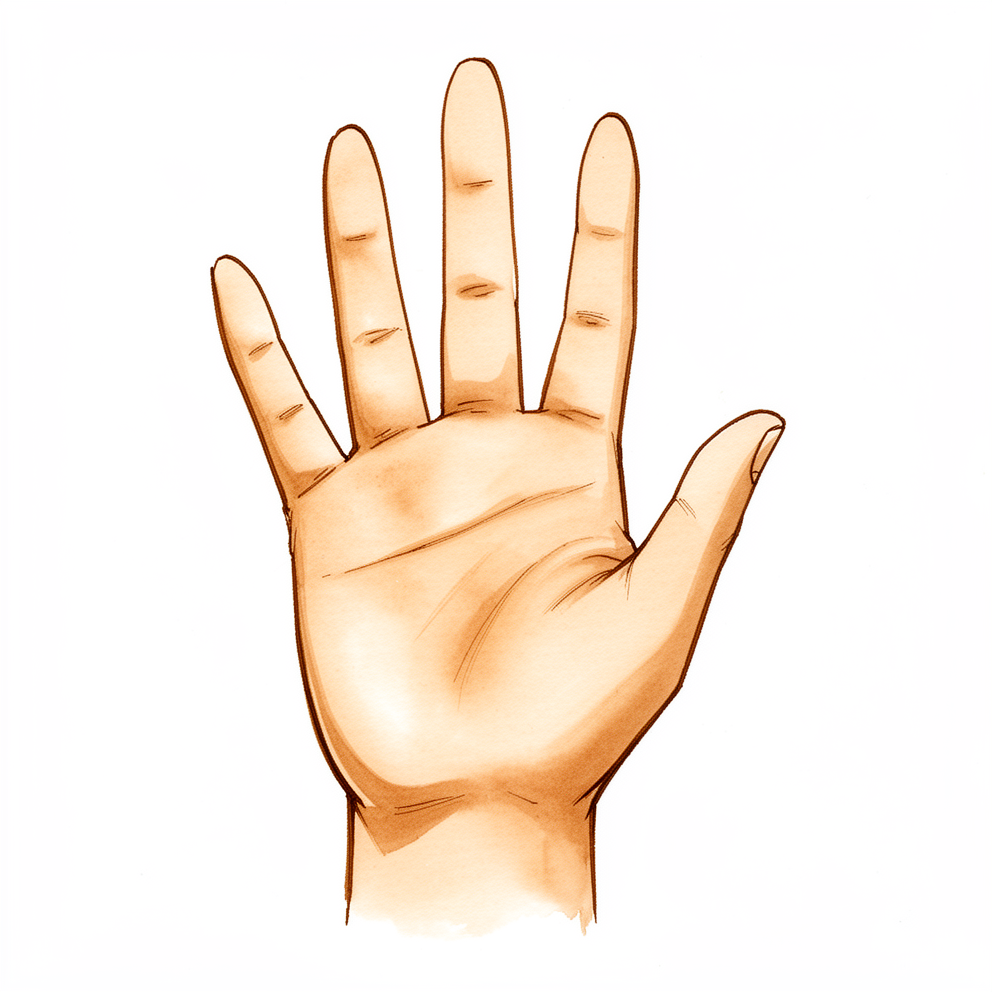
The hand contains 10 anatomic compartments that require adequate decompression at the time of fasciotomy [3]. The extrinsic extensors run through six different fibroosseous retinacular compartments at the wrist level [42]: * First extensor compartment: Contains the abductor pollicis longus and the extensor pollicis brevis [42]. * Second extensor compartment: Contains the extensor carpi radialis longus and the extensor carpi radialis brevis [42]. * Third compartment: Contains the extensor pollicis longus [42]. * Fourth extensor compartment: Contains the extensor indicis proprius lying deep to the four tendons of the extensor digitorum communis [42]. * Fifth compartment: Contains the extensor digiti quinti [42]. * Sixth compartment: Contains the extensor carpi ulnaris tendon [42].
There are seven interosseous muscles in the hand, consisting of four dorsal and three volar muscles [57]. The dorsal interossei are abductors and lie to the radial side of the index and middle fingers and the ulnar side of the middle and ring fingers [57]. The volar interossei are adductors and lie to the ulnar side of the index finger and the radial side of the ring and little fingers [57]. The middle finger has two dorsal interossei and no volar interossei because the central axis of the hand lies within it [57].
The flexor digitorum profundus and the flexor pollicis longus muscles form the deep compartment of the volar forearm [64]. The flexor digitorum profundus and flexor pollicis longus tendons occupy the floor of the carpal tunnel [64]. The superficial palmar fascia lies in a coronal plane beneath the palmar subcutaneous tissue and covers a triangular area of the central palm [67]. The skeleton of the hand and wrist consists of 27 bones, of which 19 are long bones [43]. The hand consists of 19 bones, 17 articulations, and 19 muscles situated entirely within the hand [55].
Classification
Pathophysiological Mechanisms: Upper extremity compartment syndrome causes are categorized into decreased compartment size and increased compartment content [6]. Two pathophysiological hypotheses for chronic compartment syndrome are an abnormal container (fibrotic fascia) and abnormal contents (muscle volume increase >20% during exertion) [24].
Anatomic Distribution: Compartment syndromes in the upper extremity occur most frequently in the forearm as a result of skeletal or vascular trauma [13]. Acute compartment syndrome of the upper arm can occur and is distinct from the more common locations of the forearm and leg [1]. Compartment syndrome may occur in the upper arm, buttock, and thigh, in addition to the calf and forearm [21]. The deep flexor compartment of the forearm is a discrete entity that can be involved in chronic compartment syndrome [16]. The pronator quadratus compartment has clear anatomic definitions that may be useful in diagnosing compartment syndrome [48]. Chronic compartment syndrome is rarer in the first dorsal interosseous space of the hand and extremely rare in the thenar compartments [24]. Bilateral chronic compartment syndrome of the thenar muscles is a rare condition with only three previously described cases in published studies prior to the 2015 report [24].
Etiological Categories: Compartment syndromes in the arm or forearm may result from prolonged localized external compression, such as crush syndrome [13]. Compartment syndrome of the arm can be a complication of pneumatic tourniquet use during surgical procedures [13]. Ischaemic contracture of the intrinsic muscles of the hands can result from physical restraint [10]. Recurrent compartment syndrome of the hand can occur following complete compartment release for a crush injury [12]. Phlegmasia cerulea dolens of the upper extremity is associated with compartment syndrome [23]. Systemic disorders, such as Systemic Capillary Leak Syndrome (SCLS), can be associated with multiple extremity compartment syndrome [29]. Neuroleptic malignant syndrome can cause bilateral forearm compartment syndromes characterized by elevated compartment pressures and muscle necrosis [30].
Clinical Phenotypes: Acute compartment syndrome of the upper extremity is a rare but serious condition requiring prompt diagnosis and emergent fasciotomy [7]. Chronic compartment syndrome of the upper extremity is a rare condition that should be considered with appropriate history [5]. Chronic exertional compartment syndrome of the forearm flexor muscles is a distinct entity that may be missed if there is a low index of suspicion for exertional pain [8]. Acute exertional compartment syndrome of the upper extremity is a rare but real condition [9]. Compartment syndromes involving the interosseous muscles can be missed and treated symptomatically for many years, leading to a chronic course [17, 18]. Chronic compartment syndrome in the anconeus should be considered in the differential diagnosis of lateral elbow pain [35]. Compartment syndrome should be considered in the differential diagnosis of a neonate who is unable to move an extremity [37].
Other Considerations: The demographics of acute hand compartment syndrome have evolved in the last 25 years, partly due to the opioid epidemic leading to a rise in 'found down' compartment syndrome [28]. The 'found down' patient represents a separate subset of traumatic rhabdomyolysis distinct from other cases of Crush Syndrome [91]. Traumatic conditions resulting in measurable rhabdomyolysis, including Crush Syndrome (CrushS) and Compartment Syndrome (CS), can be classified based on mechanism, ischemia time, and presence or absence of CS [91]. Late Compartment Syndrome has a distinct presentation and outcomes from acute Compartment Syndrome with a contrasting treatment approach [91]. Normal pressure in a muscle compartment is below 15 mmHg before exertion, 30 mmHg immediately after exertion, and 15 mmHg 10 minutes after exertion [24].
Clinical Presentation
General Recognition and Rarity
Acute compartment syndrome of the upper extremity is a rare but serious condition [7]. Compartment syndromes in the upper extremity occur most frequently in the forearm [13]. The condition is rarer in the first dorsal interosseous space of the hand and extremely rare in the thenar compartments [24].
Diagnostic Challenges and Symptoms
The most common symptom of compartment syndrome is pain, which is nonspecific, particularly when it occurs in a clinical setting where severe pain is expected [32]. Other signs and symptoms are frequently nonspecific, leading surgeons to delay definitive treatment [32]. If fasciotomy is performed only after complete paralysis has occurred, permanent functional damage may already be significant [32]. In the upper extremity, any functional residual deficits may have severe consequences [32].
A high index of suspicion is required to recognize the signs and symptoms of compartment syndrome in patients on prolonged anticoagulation who suffer even trivial trauma [38]. The diagnosis should be considered in patients with familial rhabdomyolysis who develop myalgia, swelling, and muscle weakness [73]. Hereditary angioedema must be considered when patients present with compartment syndrome of the upper extremity of unknown etiology [71]. When faced with clinical evidence of multiple extremity compartment syndrome, the surgeon should consider systemic disorders such as systemic capillary leak syndrome [29]. In patients with lateral elbow pain, chronic compartment syndrome in the anconeus should be considered a possibility in the differential diagnosis [35]. Although uncommon, compartment syndrome should be considered in the differential diagnosis of the neonate who is unable to move an extremity [37].
Physical Findings and Signs
Visible swelling, palpable tenseness, and maximum pain with passive stretching of the muscles are typical findings of compartment syndrome [34]. Normal pulses and capillary filling time can be present in compartment syndrome [34]. The absence of a sensory deficit is a constant finding in compartment syndromes of the dorsal forearm [34]. Physical signs and surgical intervention are important in the late management of compartment syndromes when the limb is not adequately decompressed at an early stage [21].
Etiology and Risk Factors
Approximately 70% of acute forearm compartment syndrome cases are caused by the presence of fractures [45]. Acute forearm compartment syndrome without fracture occurs in about 30% of cases [45]. Two hypotheses for the pathophysiology of chronic compartment syndrome are an abnormal container (thickened or fibrotic fascia) and abnormal contents (muscles increasing in volume by more than 20% during exertion) [24]. Increased pressure in chronic compartment syndrome leads to reduced venous return and tissue ischemia, which is generally reversible once exertion stops [24].
Bilateral forearm compartment syndromes can develop as a complication of neuroleptic malignant syndrome, characterized by elevated compartment pressures and muscle necrosis [30]. Forearm compartment syndrome can be secondary to leukemic infiltrates [46]. A traumatized vascular hamartoma can produce a forearm flexor compartment syndrome [49]. Brachial muscle injury can result in acute compartment syndrome of the upper arm [1]. Acute exertional compartment syndrome of the upper extremity can occur after activities such as a push-up contest [9]. Chronic exertional compartment syndrome of the forearm flexor muscles is associated with exertional pain [8]. Chronic compartment syndrome of the upper extremity can occur in motocross riders [5]. A localized compartment syndrome of the arm can occur following a prolonged surgical procedure on the forearm and hand performed under pneumatic tourniquet control [13].
Diagnostic Modalities
Diagnosis of chronic compartment syndrome is aided by intramuscular pressure measurement and MRI before and after load [5]. Angiography is not helpful in the diagnosis of chronic compartment syndrome of the upper extremity [5]. Elevated creatine kinase levels above 300 U/L are a useful screening test for the highest risk patients with acute forearm compartment syndrome [47]. Objective methods for determining the presence of increased compartmental pressure have come into practice recently [32]. Clear anatomic definitions of the pronator quadratus compartment may be useful in diagnosis based on pressure measurements made using specific techniques [48].
Investigations
Clinical Assessment: Acute compartment syndrome of the upper extremity is a rare but serious condition requiring prompt diagnosis to prevent adverse sequelae such as myonecrosis, contracture, and limb dysfunction [7]. Clinicians must recognize that this condition can occur in the upper arm, not only the forearm and leg, to avoid missed diagnosis [1]. In neonates who are unable to move an extremity, compartment syndrome should be considered in the differential diagnosis [37]. A careful physical examination is essential to direct care and future testing if indicated, as diagnostic tests can be expensive, time consuming, and often nonspecific [41]. For chronic exertional compartment syndrome, a greater index of suspicion in a patient with exertional pain might lead to earlier diagnosis and definitive treatment [8]. The deep flexor compartment is a discrete entity that should be emphasized in the diagnosis of chronic compartment syndrome [16]. Excessive reliance on manometric techniques may lead to failure to recognize subtle varieties of the compartment syndrome, such as localized ischemic necrosis in the deep compartment [84].
Pressure Measurement: Diagnosis of chronic compartment syndrome is aided by intramuscular pressure measurement [5]. A greater index of suspicion in a patient with exertional pain might have led to earlier intramuscular pressure measurement [8]. If signs suggestive of compartment syndrome develop after operation, prompt intracompartment pressure measurements are indicated [94]. The normal pressure in a muscle compartment before, immediately after and 10 minutes after the exertion is below 15 mmHg, 30 mmHg, and 15 mmHg, respectively [24].
MRI: Diagnosis of chronic compartment syndrome is aided by MRI before and after load [5].
Other Considerations: ICG-based fluorescence imaging may serve as a valuable adjunct for guiding surgical debridement, particularly in challenging cases of delayed or missed diagnosis of compartment syndrome [54].
Treatment
Acute Compartment Syndrome
Acute compartment syndrome of the upper extremity requires prompt diagnosis and emergent fasciotomy to optimize patient outcomes and prevent adverse sequelae such as myonecrosis, contracture, and limb dysfunction [7]. Early diagnosis, prompt surgical decompression, and early postoperative rehabilitation of suction injuries leading to acute compartment syndrome of the hand provided a favorable and functional outcome [2]. In a laboratory model of an acute forearm compartment syndrome, a single compartment fasciotomy may be sufficient to decrease compartment pressures in the non-released compartments (dorsal and mobile wad) [52]. ICG-based fluorescence imaging may serve as a valuable adjunct for guiding surgical debridement which may minimize complications and reduce the number of debridement procedures required, particularly in challenging cases of delayed or missed diagnosis of compartment syndrome [54]. Conservative tangential excision represents an effective method for both the prevention and treatment of heat-induced compartment syndrome [81]. Administration of antivenin is the currently recommended mainstay of treatment for snakebites in the upper extremity, with judicious application of surgical intervention in cases concerning for compartment syndrome, tissue necrosis, and limb compromise [82].
Chronic Compartment Syndrome
When symptoms persist despite conservative treatment (stretching, warm-up, correction of driving posture), the only non-surgical option to alleviate symptoms is to limit exertion [76]. Surgical treatment for chronic exertional compartment syndrome consists in preventive decompression of the compartment by fasciotomy [76]. Fasciotomy can be an effective treatment for chronic exertional compartment syndrome of the forearm [31].
Late Management and Sequelae
When the limb affected by the compartment syndrome is not adequately decompressed at an early stage, a different set of problems arises in late management [21]. Division of the tendons of the contracted interosseous muscles proximal to the metacarpophalangeal joints and release of the first web improved hand function in cases of ischaemic contracture [10]. Two patients were left with residual problems after resolution of the compartment syndrome despite early surgical intervention in one of these cases [33].
Complications
Missed or Delayed Diagnosis: Acute compartment syndrome is not limited to the forearm and leg; it can occur in the upper arm, where missed diagnosis carries serious consequences [1]. Delay in recognition and treatment of upper arm compartment syndrome can lead to irreversible muscle and nerve damage [4]. In the upper extremity, any functional residual deficits from compartment syndrome may have severe consequences [32]. The diagnosis may be missed in initial examinations, as documented in a patient with exercise-induced dorsal forearm compartment syndrome [34].
Tissue and Functional Damage: If not treated promptly, acute upper extremity compartment syndrome can result in myonecrosis, contracture, and limb dysfunction [7]. Ischaemic contracture of the intrinsic muscles of the hand can occur as a hazard of physical restraint [10]. Patients with compartment syndrome resulting from intravenous regional anesthesia may be left with residual problems despite early surgical intervention [33]. Additionally, biceps rupture in a patient on long-term anticoagulation can lead to compartment syndrome and nerve palsies [77].
Recurrence and Unusual Etiologies: Spontaneous compartment syndrome can occur in patients on long-term anticoagulation who suffer even trivial trauma [38]. Compartment syndrome of the forearm can be the initial symptom of systemic Vibrio vulnificus infection [85]. Acute compartment syndrome of the supraspinatus may be caused by ischemia resulting from the application of external pressure for an extended period of time on a compartment formed by the supraspinatus, scapula, and trapezius [20]. Compartment syndrome of the arm can also be a complication of the pneumatic tourniquet [13].
Impact on Outcomes and Management: Minimizing the time to surgical decompression is critical to optimize patient outcome in compartment syndrome [3]. Early diagnosis, prompt surgical decompression, and early postoperative rehabilitation for suction-induced hand compartment syndrome provided a favorable and functional outcome [2]. Fasciotomy performed less than twelve hours after the onset of acute compartment syndrome resulted in normal function in 68 per cent of the extremities [74]. Only 8 per cent of extremities having late fasciotomy had normal function [74]. The complication rates for early and late fasciotomized extremities were 4.5 per cent and 54 per cent, respectively [74]. No significant differences in residual function or complication rate were noted with "open" or "closed" fasciotomy [74]. Division of the tendons of contracted interosseous muscles proximal to the metacarpophalangeal joints and release of the first web improved hand function in cases of ischaemic contracture [10].
Recovery
Other Considerations: Delay in the treatment of compartment syndrome in the upper arm can lead to irreversible muscle and nerve damage [4]. If a fasciotomy is performed only after complete paralysis has occurred, permanent functional damage may already be significant [32]. In cases of ischaemic contracture, division of the tendons of contracted interosseous muscles proximal to the metacarpophalangeal joints and release of the first web improved hand function [10]. Endoscopic fasciotomy should be considered the gold standard treatment for chronic exertional compartment syndrome of the forearm [25]. Complete recovery followed a 48-hour interval between the onset of symptoms and decompressive fasciotomy in a case of exercise-induced dorsal forearm compartment syndrome [34]. Two patients were left with residual problems after resolution of compartment syndrome resulting from intravenous regional anesthesia, despite early surgical intervention in one of these cases [33].
Key Evidence
- [Case_report] Clinicians should fully recognize that acute compartment syndrome can occur in the upper arm, rather than only the forearm and leg, to avoid serious consequences caused by missed diagnosis and misdiagnosis. [1] (10.1186/s12891-021-04318-1)
- [L4] Early diagnosis, prompt surgical decompression, and early postoperative rehabilitation of this unusual etiology of compartment syndrome of the hand provided a favorable and functional outcome. [2] (10.1016/s0363-5023(96)80025-6)
- [L5] Minimizing the time to surgical decompression in a patient diagnosed with compartment syndrome is critical to optimize patient outcome, and adequate decompression of the 10 anatomic compartments of the hand is necessary at the time of fasciotomy. [3] (10.1016/j.hcl.2017.09.005)
- [L5] Early recognition and treatment of compartment syndrome in the upper arm is essential, as delay can lead to irreversible muscle and nerve damage. [4] (10.1016/0266-7681(94)90151-1)
- [L4] Chronic compartment syndrome of the upper extremity is rare but should be considered with appropriate history; diagnosis is aided by intramuscular pressure measurement and MRI before and after load, while angiography is not helpful. [5] (10.1055/s-2006-923785)
- [L5] This article describes the various causes of upper extremity compartment syndrome, categorizing them into decreased compartment size and increased compartment content. [6] (10.1016/s0749-0712(21)00395-4)
- [L5] Acute compartment syndrome of the upper extremity is a rare but serious condition requiring prompt diagnosis and emergent fasciotomy to optimize patient outcomes and prevent adverse sequelae such as myonecrosis, contracture, and limb dysfunction. [7] (10.1016/j.jhsa.2025.07.021)
- [L5] An appreciation of chronic exertional compartment syndrome of the upper extremity and a greater index of suspicion in a patient with exertional pain might have led to earlier intramuscular pressure measurement and definitive treatment with decompressive fasciotomy. [8] (10.1016/s0363-5023(88)80126-6)
- [L5] Acute exertional compartment syndrome (AECS) of the upper extremity is a rare but real condition that must be taken seriously. [9] (10.5435/jaaosglobal-d-19-00017)
- [L5] Division of the tendons of the contracted interosseous muscles proximal to the metacarpophalangeal joints and release of the left first web improved hand function. [10] (10.1016/0266-7681(86)90016-1)
- [L4] Endoscopic release of chronic forearm compartment syndromes is a simple, reliable, and reproducible technique. [11] (10.1016/j.main.2013.10.099)
- [L5] We present an unusual case involving recurrent compartment syndrome of the hand in a patient who underwent complete compartment release for a crush injury 5 weeks earlier. [12] (10.1016/s0363-5023(98)80091-9)
- [Case_report] [13] (10.2106/00004623-198466040-00027)
- [L4] Forearm compartment syndrome in the newborn is not as uncommon as previously thought. [14] (10.1016/j.jhsa.2005.06.003)
- [L5] Forearm fasciotomy of the relevant compartment should be performed to decompress the compartment and gain a good functional outcome. [15] (10.1016/s0020-1383(02)00304-2)
- [L5] This case illustrates an unusual cause and location of a chronic compartment syndrome and emphasises the importance of the deep flexor compartment as a discrete entity. [16] (10.1016/0266-7681(89)90014-4)
- [L5] Compartment syndromes involving the interosseous muscles can be missed and treated symptomatically for many years, leading to a chronic course. [17] (10.1016/0266-7681(87)90031-3)
- [L5] Compartment syndromes involving the interosseous muscles can be missed and treated symptomatically for many years, leading to a chronic course. [18] (10.1016/0266-7681_87_90031-3)
- [L5] The compartment syndrome may have been caused by ischemia resulting from the application of external pressure for an extended period of time on a compartment formed by the supraspinatus, scapula, and trapezius. [20] (10.1067/mse.2000.103617)
- [L4] [21] (10.1016/0020-1383(95)00112-m)
- [Case_report] Phlegmasia cerulea dolens of the upper extremity should raise the clinician's concern for an associated compartment syndrome. [23] (10.1016/j.jhsa.2009.08.003)
- [L5] [24] (10.1016/j.main.2015.06.002)
- [L4] In conclusion we presume that endoscopic fasciotomy, as treatment of chronic exertional compartment syndrome of the forearm should be considered as the gold standard treatment. [25] (10.1142/s2424835516400026)
- [Paper] The use of a tourniquet for 90 minutes, with or without various forms of bandaging, does not appear to put the limb at risk of a compartment syndrome. [26] (10.1016/0266-7681(91)90061-r)
- [L4] The paper highlights the importance of recognizing forearm compartment syndrome in the newborn, a rare condition that may be limb saving with proper treatment. [27] (10.1016/j.jhsa.2006.07.013)
- [L4] The demographics of acute hand compartment syndrome have evolved in the last 25 years compared with the prior literature, partly as a result of the opioid epidemic leading to a rise in 'found down' compartment syndrome. [28] (10.1177/15589447221084012)
- [L4] When faced with clinical evidence of multiple extremity compartment syndrome, the surgeon should consider systemic disorders, such as SCLS, and aggressively treat the compartment syndrome as well as the underlying disease. [29] (10.1007/s11552-010-9305-5)
- [L5] The patient developed bilateral forearm compartment syndromes as a complication of neuroleptic malignant syndrome, characterized by elevated compartment pressures and muscle necrosis. [30] (10.1016/s0363-5023(96)80121-3)
- [L4] Fasciotomy can be an effective treatment for chronic exertional compartment syndrome of the forearm. [31] (10.1177/1753193410397900)
- [L4] [32] (10.1016/s0363-5023(79)80160-4)
- [L4] Two patients were left with residual problems after resolution of the compartment syndrome despite early surgical intervention in one of these cases. [33] (10.1016/s0363-5023(87)80208-3)
- [L5] [34] (10.1016/s0363-5023(84)80205-1)
- [L5] In patients with lateral elbow pain, chronic compartment syndrome in the anconeus should be considered a possibility in the differential diagnosis. [35] (10.1053/jhsu.2000.9422)
- [L4] Although uncommon, compartment syndrome should be considered in the differential diagnosis of the neonate who is unable to move an extremity. [37] (10.1016/0363-5023(92)90401-a)
- [L5] A high index of suspicion is required to recognize the signs and symptoms of compartment syndrome in patients on prolonged anticoagulation who suffer even trivial trauma and whose anticoagulation is well controlled. [38] (10.1016/0266-7681(93)90193-j)
- [L4] Compartment syndrome of a transferred muscle is a real complication. [39] (10.1016/0266-7681(91)90134-a)
- [L4] It is our first choice indication in young sportsmen for syndromes of the forearm (anterior and/or posterior compartment). [40] (10.1016/s1297-3203(03)00060-x)
- [L4] [45] (10.1142/s0218810417500423)
- [L5] Early diagnosis of the lesion, and possibly treatment with chemotherapy and radiation, might have made it possible to prevent the compartment syndrome. [46] (10.1016/s0363-5023(87)80209-5)
- [L3] Elevated creatine kinase levels above 300 U/L are a useful screening test for the highest risk patients with acute forearm compartment syndrome. [47] (10.1177/1558944719884662)
- [L5] These clear anatomic definitions might be useful in diagnosis of compartment syndrome of the pronator quadratus; a clinical investigation may be justified on the basis of pressure measurements made using this technique. [48] (10.1053/jhsu.2001.26656)
- [L5] A case report is presented of a traumatized vascular hamartoma producing a forearm flexor compartment syndrome; such a case has not been reported previously. [49] (10.1016/s0363-5023(84)80077-5)
- [L5] In a laboratory model of an acute forearm compartment syndrome, a single compartment fasciotomy may be sufficient to decrease compartment pressures in the non-released compartments (dorsal and mobile wad). [52] (10.1016/j.injury.2012.08.006)
- [L5] The authors argue that mandatory surgical intervention for compartment syndrome is in doubt and that revascularization may contribute to crush syndrome due to reperfusion injury. [53] (10.1016/0020-1383(94)90169-4)
- [L4] This technique may serve as a valuable adjunct for guiding surgical debridement which may minimize complications and reduce the number of debridement procedures required, particularly in challenging cases of delayed or missed diagnosis of compartment syndrome. [54] (10.1016/j.injury.2026.113039)
- [Case_report] Hereditary angioedema is a rare but known cause of compartment syndrome of the upper extremity and must be considered when patients present with compartment syndrome of unknown etiology. [71] (10.1177/1558944716668830)
- [L5] The diagnosis of compartment syndrome should be considered in patients with familial rhabdomyolysis who develop myalgia, swelling, and muscle weakness. [73] (10.2106/00004623-200211000-00021)
- [L4] [74] (10.2106/00004623-197658010-00020)
- [L4] [76] (10.1016/j.hansur.2020.01.011)
- [L5] [77] (10.1016/s0266-7681(97)80415-9)
- [L4] Conservative tangential excision represents an effective method for both the prevention and treatment of heat-induced compartment syndrome. [81] (10.1016/j.injury.2024.112069)
- [L4] Administration of antivenin is the currently recommended mainstay of treatment, with judicious application of surgical intervention in cases concerning for compartment syndrome, tissue necrosis, and limb compromise. [82] (10.1016/j.jhsa.2018.06.016)
- [L5] Excessive reliance on manometric techniques may lead to failure to recognize subtle varieties of the compartment syndrome, such as localized ischemic necrosis in the deep compartment. [84] (10.1016/s0363-5023(80)80023-2)
- [L5] In evaluating a patient with compartment syndrome of unknown etiology, the surgeon should inquire about the patient’s medical history to determine whether it is consistent with V vulnificus exposure so that early and aggressive surgical intervention can be implemented. [85] (10.1053/jhsu.1999.0715)
- [L5] [91] (10.5435/jaaos-d-23-00734)
- [L5] If signs suggestive of compartment syndrome develop after operation, prompt intracompartment pressure measurements are indicated. [94] (10.1016/s0363-5023(89)80097-8)
- [L5] The heavy compression of the wrist disrupted the osseofibrous tunnel at several points, resulting in an acute compartment syndrome of the wrist and forearm. [110] (10.1016/0266-7681(86)90261-5)
References
[1] Brachial muscle injury resulting in acute compartment syndrome of the upper arm: a case report and literature review. BMC Musculoskeletal Disorders. 2021. DOI: 10.1186/s12891-021-04318-1
[2] Suction injuries in children leading to acute compartment syndrome of the interosseous muscle of the hand: case reports. The Journal of Hand Surgery. 1996. DOI: 10.1016/s0363-5023(96)80025-6
[3] Hand Compartment Syndrome. Hand Clinics. 2018. DOI: 10.1016/j.hcl.2017.09.005
[4] Compartment Syndrome of the Arm. Journal of Hand Surgery. 1994. DOI: 10.1016/0266-7681(94)90151-1
[5] Chronisches Kompartmentsyndrom der Unterarmbeuger beim Motocrossfahren. Handchirurgie · Mikrochirurgie · Plastische Chirurgie. 2006. DOI: 10.1055/s-2006-923785
[6] CAUSES OF UPPER EXTREMITY COMPARTMENT SYNDROME. Hand Clinics. 1998. DOI: 10.1016/s0749-0712(21)00395-4
[7] Acute Compartment Syndrome of the Upper Extremity. The Journal of Hand Surgery. 2026. DOI: 10.1016/j.jhsa.2025.07.021
[8] Chronic exertional compartment syndrome of the forearm flexor muscles. The Journal of Hand Surgery. 1988. DOI: 10.1016/s0363-5023(88)80126-6
[9] Acute Exertional Compartment Syndrome of Bilateral Upper Extremities After a Push-up Contest. JAAOS: Global Research and Reviews. 2019. DOI: 10.5435/jaaosglobal-d-19-00017
[10] Ischaemic contracture of the intrinsic muscles of the hands a hazard of physical restraint. The Journal of Hand Surgery: Journal of the British Society for Surgery of the Hand. 1986. DOI: 10.1016/0266-7681(86)90016-1
[11] Évaluation au long cours de l’aponévrotomie endoscopique dans le syndrome compartimental chronique d’avant bras. À propos de 72 cas. Chirurgie de la Main. 2013. DOI: 10.1016/j.main.2013.10.099
[12] Recurrent compartment syndrome of the hand: A case report. The Journal of Hand Surgery. 1998. DOI: 10.1016/s0363-5023(98)80091-9
[13] Compartment Syndrome of the Arm - A Complication of the Pneumatic Tourniquet. A Case Report. The Journal of Bone & Joint Surgery. 1984. DOI: 10.2106/00004623-198466040-00027
[14] Forearm Compartment Syndrome in the Newborn: Report of 24 Cases. The Journal of Hand Surgery. 2005. DOI: 10.1016/j.jhsa.2005.06.003
[15] Unexplained bilateral extensor and unilateral flexor acute compartment syndrome of the forearm. Injury. 2004. DOI: 10.1016/s0020-1383(02)00304-2
[16] Chronic Compartment Syndrome of the Flexor Muscles in the Forearm: A Case Report. Journal of Hand Surgery. 1989. DOI: 10.1016/0266-7681(89)90014-4
[17] First dorsal interosseous compartment syndrome. The Journal of Hand Surgery: Journal of the British Society for Surgery of the Hand. 1987. DOI: 10.1016/0266-7681(87)90031-3
[18] First Dorsal Interosseous Compartment Syndrome. Journal of Hand Surgery. 1987. DOI: 10.1016/0266-7681_87_90031-3
[20] Acute compartment syndrome of the supraspinatus: A case report. Journal of Shoulder and Elbow Surgery. 2000. DOI: 10.1067/mse.2000.103617
[21] Late management of compartment syndromes. Injury. 1995. DOI: 10.1016/0020-1383(95)00112-m
[23] Upper Extremity Compartment Syndrome in the Setting of Deep Venous Thrombosis and Phlegmasia Cerulea Dolens: Case Report. The Journal of Hand Surgery. 2009. DOI: 10.1016/j.jhsa.2009.08.003
[24] Bilateral chronic compartment syndrome of the thenar muscles: A case report. Chirurgie de la Main. 2015. DOI: 10.1016/j.main.2015.06.002
[25] Endoscopic Single Approach Forearm Fasciotomy for Chronic Exertional Compartment Syndrome: Long Term Follow-up. The Journal of Hand Surgery (Asian-Pacific Volume). 2016. DOI: 10.1142/s2424835516400026
[26] The Effect of Tourniquet Release on Intra-Compartmental Pressure in the Bandaged and Unbandaged Limb. Journal of Hand Surgery. 1991. DOI: 10.1016/0266-7681(91)90061-r
[27] Forearm Compartment Syndrome in the Newborn. The Journal of Hand Surgery. 2006. DOI: 10.1016/j.jhsa.2006.07.013
[28] Surgical Demographics of Acute Hand Compartment Syndrome. HAND. 2022. DOI: 10.1177/15589447221084012
[29] Compartment Syndrome in all Four Extremities: A Rare Case Associated with Systemic Capillary Leak Syndrome. HAND. 2010. DOI: 10.1007/s11552-010-9305-5
[30] Bilateral forearm compartment syndromes resulting from neuroleptic malignant syndrome. The Journal of Hand Surgery. 1996. DOI: 10.1016/s0363-5023(96)80121-3
[31] Chronic exertional compartment syndrome of the forearm: a case series of 12 patients treated with fasciotomy. Journal of Hand Surgery (European Volume). 2011. DOI: 10.1177/1753193410397900
[32] Compartment syndromes of the forearm: Early recognition using tissue pressure measurements. The Journal of Hand Surgery. 1979. DOI: 10.1016/s0363-5023(79)80160-4
[33] Compartment syndrome resulting from intravenous regional anesthesia. The Journal of Hand Surgery. 1987. DOI: 10.1016/s0363-5023(87)80208-3
[34] An exercise-induced compartment syndrome of the dorsal forearm—A case report. The Journal of Hand Surgery. 1984. DOI: 10.1016/s0363-5023(84)80205-1
[35] Chronic anconeus compartment syndrome: A case report. The Journal of Hand Surgery. 2000. DOI: 10.1053/jhsu.2000.9422
[37] Neonatal compartment syndrome. The Journal of Hand Surgery. 1992. DOI: 10.1016/0363-5023(92)90401-a
[38] Spontaneous Compartment Syndrome in a Patient on Long-Term Anticoagulation. Journal of Hand Surgery. 1993. DOI: 10.1016/0266-7681(93)90193-j
[39] Compartment Syndrome in Transferred Muscle: an Unusual Complication. Journal of Hand Surgery. 1991. DOI: 10.1016/0266-7681(91)90134-a
[40] L’aponévrotomie endoscopique dans les syndromes de loges chroniques d’effort à l’avant-bras : à propos de 41 cas. Chirurgie de la Main. 2003. DOI: 10.1016/s1297-3203(03)00060-x
[41] Orthopaedic Knowledge Update 13 Ebook Without Multimedia. Anatomy, Evaluation, Clinical Examination, and Imaging > Evaluation and Clinical Examination: Current Concepts.
[42] A Lange Medical Book Current Diagnosis Treatment In Orthopedics Fifth Edition. 9Hand Surgery > Image DISORDERS OF THE MUSCULATURE OF THE HAND.
[43] Exam Of The Hand Wrist 2Ed. 1.1 SKELETON OF THE HAND > The osseous skeleton.
[45] Acute Compartment Syndrome of Upper Extremities with Tendon Ruptures. The Journal of Hand Surgery (Asian-Pacific Volume). 2017. DOI: 10.1142/s0218810417500423
[46] Forearm compartment syndrome secondary to leukemic infiltrates. The Journal of Hand Surgery. 1987. DOI: 10.1016/s0363-5023(87)80209-5
[47] Factors Associated With Poor Outcomes in Acute Forearm Compartment Syndrome. HAND. 2019. DOI: 10.1177/1558944719884662
[48] Anatomy and intracompartmental pressure measurement technique of the pronator quadratus compartment. The Journal of Hand Surgery. 2001. DOI: 10.1053/jhsu.2001.26656
[49] Compartment syndrome caused by a traumatized vascular hamartoma. The Journal of Hand Surgery. 1984. DOI: 10.1016/s0363-5023(84)80077-5
[52] A single volar incision fasciotomy will decompress all three forearm compartments: A cadaver study. Injury. 2012. DOI: 10.1016/j.injury.2012.08.006
[53] Cortical bone screws. Injury. 1994. DOI: 10.1016/0020-1383(94)90169-4
[54] ICG-based fluorescence imaging to assess muscle perfusion for guiding surgical debridement after acute compartment syndrome. Injury. 2026. DOI: 10.1016/j.injury.2026.113039
[55] Exam Of The Hand Wrist 2Ed. INTRODUCTION.
[57] Green S Operative Hand Surgery. Interosseous and Hypothenar Muscles.
[64] A Lange Medical Book Current Diagnosis Treatment In Orthopedics Fifth Edition. 9Hand Surgery > FLEXOR TENDON INJURY.
[67] Green S Operative Hand Surgery. PERTINENT ANATOMY.
[71] Pediatric Hereditary Angioedema as a Cause of Acute Compartment Syndrome of the Hand and Forearm: A Case Report. HAND. 2016. DOI: 10.1177/1558944716668830
[73] COMPARTMENT SYNDROME IN A PATIENT WITH FAMILIAL RHABDOMYOLYSIS. The Journal of Bone and Joint Surgery-American Volume. 2002. DOI: 10.2106/00004623-200211000-00021
[74] Fasciotomy in the treatment of the acute compartment syndrome. The Journal of Bone & Joint Surgery. 1976. DOI: 10.2106/00004623-197658010-00020
[76] Endoscopic fasciotomy for chronic exertional compartment syndrome of the forearm: Clinical results of a new technique using an endoscopic carpal tunnel release device. Hand Surgery and Rehabilitation. 2020. DOI: 10.1016/j.hansur.2020.01.011
[77] Biceps Rupture in a Patient on Long-Term Anticoagulation Leading to Compartment Syndrome and Nerve Palsies. Journal of Hand Surgery. 1997. DOI: 10.1016/s0266-7681(97)80415-9
[81] Conservative tangential excision instead of escharotomy in the treatment of compartment syndrome. Injury. 2025. DOI: 10.1016/j.injury.2024.112069
[82] Management of Snakebites in the Upper Extremity. The Journal of Hand Surgery. 2019. DOI: 10.1016/j.jhsa.2018.06.016
[84] Diagnosis of compartment syndromes of the forearm. The Journal of Hand Surgery. 1980. DOI: 10.1016/s0363-5023(80)80023-2
[85] Compartment Syndrome of the Forearm as the Initial Symptom of Systemic Vibrio vulnificus Infection. The Journal of Hand Surgery. 1999. DOI: 10.1053/jhsu.1999.0715
[91] Traumatic Rhabdomyolysis: Crush Syndrome, Compartment Syndrome, and the ‘Found Down’ Patient. Journal of the American Academy of Orthopaedic Surgeons. 2023. DOI: 10.5435/jaaos-d-23-00734
[94] Transient compartment syndrome of the forearm resulting from venous congestion from a tourniquet. The Journal of Hand Surgery. 1989. DOI: 10.1016/s0363-5023(89)80097-8
[110] Fracture of the body of the hamate bone associated with compartment syndrome and dorsal decompression of the carpal tunnel. The Journal of Hand Surgery: Journal of the British Society for Surgery of the Hand. 1986. DOI: 10.1016/0266-7681(86)90261-5