Clinicians › Shoulder
Proximal Humerus Fracture
Proximal humerus fractures — Neer classification, sling management, and surgical options.
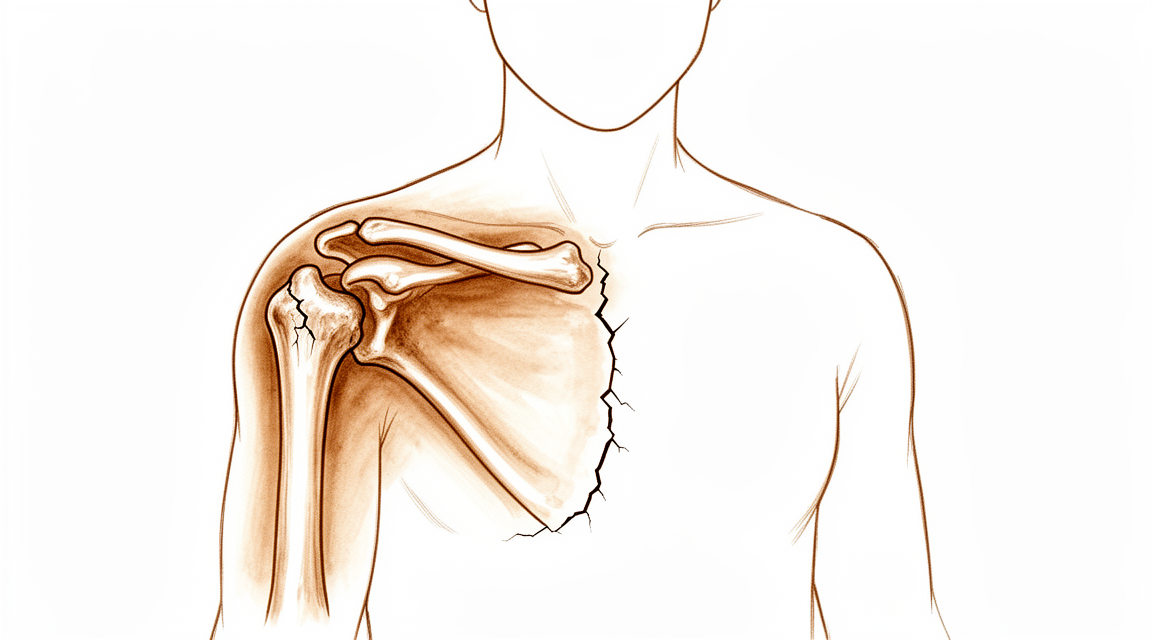
For patients: a plain-language version of this topic is available. See the patient guide.
Overview
Proximal humerus fractures in adults are predominantly managed non-operatively, a strategy associated with good outcomes in the majority of cases [1]. Systematic reviews confirm high rates of radiographic healing, good functional outcomes, and a modest complication rate for this approach [4]. Most one-part fractures are amenable to non-operative treatment with positive outcomes in the vast majority of cases [12], and nonsurgical management generally demonstrates successful outcomes and union rates greater than 90% [13]. In the elderly population, most proximal humeral fractures can be treated nonoperatively with good functional outcomes [20], and over the past decade, most older adults continue to receive this form of treatment [5]. Conversely, treatment algorithms and outcomes for patients less than or equal to 60 years of age are distinctly different from those of a more elderly population [16].
Operative intervention remains controversial, with available literature failing to demonstrate a clear clinical benefit of surgery over nonoperative management in adult patients younger than 65 years [26]. No single fixation method serves as a panacea; implant and method selection must be tailored to individual patient and fracture pattern characteristics based on clearly defined indications and contraindications [48]. For specific subgroups, reverse total shoulder arthroplasty is a current, reasonable, and safe option, particularly for higher Neer grades or older patients [55]. Hemiarthroplasty using a specific fracture stem and adequate tuberosity management yields successful radiographic and functional results after a mean follow-up of 4.8 years for primary nonreconstructable humeral head fractures [65]. In pediatric patients, favorable results are common and complications are infrequent [22]. However, patients with pathologic humerus fractures experience significantly higher complication rates after surgical treatment compared with native fractures, suggesting that guidelines for native fractures may not be generalizable to pathologic origins [67].
Current evidence is limited by conflicting opinions on the best outcome measure to assess function [6], with future literature recommended to use at least 3 outcome measures and 1 general health score until optimal scores are determined [3]. Most randomized controlled trials on surgical management do not include patient-specific variables within their inclusion and exclusion criteria [28]. Prospective clinical trials with longer-term follow-up are required for definitive assessment of the ideal fixation construct for two-part fractures [29]. The development of an evidence-based clinical protocol is long overdue, requiring a thoughtful, all-inclusive, randomized multicenter trial to determine the best treatment options [66]. Additionally, mortality at 1 year for fragility proximal humerus fractures is universally high regardless of risk factors [17], and patients undergoing reverse total shoulder arthroplasty have significantly worse perioperative outcomes, including higher rates of complications, longer hospital stays, and higher costs, compared to patients with other indications [198].
Anatomy & Pathophysiology
Bony Anatomy
The proximal humerus comprises four main anatomic parts: the humeral head, greater tuberosity (GT), lesser tuberosity (LT), and humeral shaft [76]. The articular surface of the humeral head is spherical with a diameter of 37 to 57 mm [76]. The most superior portion of the articular surface averages 8 mm above the greater tuberosity [76], while the superior margin of the humeral head articular surface is normally superior to the top of the greater tuberosity by 8 to 10 mm [88]. The radius of curvature of the humeral head is approximately 25 mm and is slightly larger in men than in women [88].
Humeral version averages 29.8 degrees, with a range of 10 to 55 degrees [76]. The humeral head is retroverted an average of 30 degrees [77] and averages 19° of retroversion [79]. The humeral head is inclined approximately 130 degrees with respect to the humeral shaft [76], and the neck-shaft angle measures an average of 135 degrees [77]. Alternatively, the humeral head averages 41° of inclination (neck-shaft angle) [79], and the average neck-shaft angle is 45 degrees (±5 degrees), with a range of 30 to 50 degrees [88]. The anatomic neck is located at the junction of the articular surface and the tuberosities [76]. The surgical neck represents the metadiaphyseal junction below the tuberosities but above the humeral shaft [76]. The bicipital groove lies between the greater and lesser tuberosities and serves as a pathway for the long head of the biceps tendon [76]. The distal aspect of the bicipital groove is internally rotated with respect to the proximal portion [76]. The distance from the lateral base of the coracoid process to the lateral margin of the greater tuberosity is called the lateral humeral offset [88]. The control volume is an important anatomic and functional area of the proximal humerus [68].
The glenoid is a convex structure of shallow depth shaped like an inverted pear [76]. The glenoid cavity is a shallow socket approximately one third the size of the humeral head [77]. The glenoid averages 5° of retroversion in relation to the axis of the scapular body [79]. The acromion, coracoacromial ligament, and coracoid process form the coracoacromial arch, a rigid bony-ligamentous structure that imparts stability to the shoulder girdle [76].
The proximal humerus has three centers of ossification: the humeral head (4 to 6 months), the greater tuberosity (1 to 3 years), and the lesser tuberosity (3 to 5 years) [79]. The proximal humeral ossification centers fuse to the shaft at age 17 to 20 years [79].
Soft Tissue Anatomy
The greater tuberosity serves as the attachment site for the supraspinatus, infraspinatus, and teres minor tendons of the rotator cuff [76]. The lesser tuberosity serves as the attachment site for the subscapularis tendon [76]. The rotator cuff consists of the subscapularis, supraspinatus, infraspinatus, and teres minor muscles [77]. The teres major is not a rotator cuff muscle [77]. The rotator cuff muscles serve as depressors of the humeral head to allow the deltoid to efficiently abduct the humerus [77]. The infraspinatus and teres minor are external rotators, while the subscapularis is an internal rotator of the humerus [77].
The deltoid and pectoralis major muscles, along with the rotator cuff, cause predictable displacement of fractures around the proximal humerus [77]. The subscapularis inserts on the lesser tuberosity and causes medial displacement of fracture fragments [76]. The supraspinatus and infraspinatus insert on the greater tuberosity and cause superior and posterior displacement of fracture fragments [76]. The pectoralis major inserts on the humeral shaft and displaces it medially [76].
The subacromial bursa separates the rotator cuff tendons from the coracoacromial arch, allowing them to glide [84]. The subscapular bursa lies between the subscapularis tendon and the neck of the scapula and communicates with the joint cavity between the superior and middle glenohumeral ligaments [80]. The humeroscapular motion interface lies between the inner structures of the proximal humerus, rotator cuff, coracohumeral ligament, and biceps tendon sheath and the superficial layer of the acromion, deltoid, coracoacromial ligament, coracoid process, and conjoined tendon [82]. Smooth, unrestricted motion at the humeroscapular motion interface is vital to shoulder mobility [82]. Adhesions in the humeroscapular motion interface can limit shoulder mobility after proximal humerus fracture trauma [82].
Vascular and Neurovascular Anatomy
The proximal humerus receives its blood supply from the anterior and posterior humeral circumflex branches from the third division of the axillary artery [76]. The posterior humeral circumflex artery travels with the axillary nerve, enters the quadrilateral space posteriorly, and anastomoses with a branch of the anterior circumflex to supply the posterior cuff [76]. The anterior humeral circumflex artery (AHCA) arises from the axillary artery at the inferior border of the subscapularis [76]. The AHCA provides vascular inflow to the humeral head by way of its terminal anterolateral branch known as the artery of Laing (also known as the arcuate artery) [76]. The ascending branch of the AHCA courses parallel to the lateral aspect of the long head biceps tendon and enters the humeral head at the interface of the bicipital groove and greater tuberosity [76]. Injury to the arcuate artery may result in osteonecrosis of the humeral head [76]. Additional extraosseous collateral branches can permit humeral head perfusion despite complete ligation of the arcuate artery [76]. The anterolateral ascending branch of the anterior humeral circumflex artery provides the primary blood supply to the humeral head [79]. The terminal intraosseous portion of the anterior humeral circumflex artery enters at the proximal aspect of the intertubercular groove as the arcuate artery [79]. Quantitative assessment has shown that 64% of the humeral head blood supply arises from the posterior humeral circumflex artery [83].
The brachial plexus and axillary artery are anterior to the coracoid process of the scapula and humeral head [77]. The axillary nerve is a terminal branch coming off the posterior cord of the brachial plexus just proximal to the coracoid process [82]. The axillary nerve passes beneath the conjoined tendon anterior to the subscapularis 3 to 5 mm medial to the musculotendinous junction and then adjacent to the inferior capsule before entering the quadrilateral space posteriorly [82]. The axillary nerve splits into the anterior and posterior branches within the quadrangular space [82]. The anterior and middle deltoid muscle receives sole innervation from the anterior branch of the axillary nerve [82]. Posterior deltoid muscle innervation varies, with supply only from the anterior branch in 2.3% of cases, from the posterior branch in 8.5%, and from both branches in 89.1% [82]. The posterior branch of the axillary nerve branches to supply the teres minor muscle and then terminates as the superior lateral brachial cutaneous nerve [82]. The close anatomical relationship between the proximal humerus, axillary artery, and brachial plexus predisposes these structures to combined injury patterns that can threaten limb viability [37].
Pathophysiology and Biomechanics
Stability and function of the glenohumeral joint are provided by the interaction of the glenohumeral joint that promote a near global range of motion (ROM) and purposeful function [76]. External loads transferred to the shoulder girdle are initially offset by joint surface anatomy, joint volume, atmospheric pressure, and joint fluid cohesion and adhesion [76]. Moderate and large loads are counterbalanced by the deltoid and rotator cuff and by the capsulolabral and bone structures, respectively [76]. Proximal humerus fractures alter complex interactions of the shoulder girdle, resulting in pain, decreased ROM and stiffness, and disability [76]. Displacement of each proximal humerus fracture part occurs in a predictable manner based on the deforming forces created by the tendinous insertions of the pectoralis major, subscapularis, supraspinatus, and infraspinatus [76].
Fractures of the anatomic neck are prognostically worse than fractures involving other regions of the proximal humerus with respect to the potential disruption of the vascular supply to the humeral head and the subsequent development of avascular necrosis [76]. Fractures of the anatomic neck have a poor prognosis because of complete disruption of the blood supply to the head [77]. Surgical neck fractures are common, and with these, the blood supply to the head is preserved [77]. Displaced proximal humerus fractures can impede normal movement of structures passing underneath the coracoacromial arch, causing impingement and disruption of normal glenohumeral motion [76]. In displaced and nondisplaced proximal humerus fractures, the subdeltoid and subacromial bursae can become thickened and fibrotic, forming adhesions that can limit normal glenohumeral motion [76]. Early ROM exercises after a fracture have been hypothesized to decrease the formation of such adhesions [76].
The glenohumeral joint depends on static and dynamic stabilizers for movement and stability, especially the rotator cuff [88]. The rotator cuff stabilizes the glenohumeral joint while allowing greater freedom of motion and fixes the fulcrum of the upper extremity against which the deltoid can contract and elevate the humerus [88]. The rotator cuff must act simultaneously and synergistically with the deltoid muscle for normal function [88]. The bony anatomy contributes little to stability and has been compared with a golf ball on a tee [89]. The glenoid labrum increases the depth of the socket by 50% around the humeral head and increases stability [89]. The glenoid articular surface and the labrum combine to create a socket that is approximately 9 mm deep in the superoinferior direction and 5 mm deep in the anteroposterior direction [89]. Adding the glenoid labrum increases the glenoid surface to 75% of the humeral head vertically and 57% horizontally [89]. Most stability of the shoulder is provided by the surrounding muscles and ligaments due to very little bony constraint [89].
The superior glenohumeral ligament is the primary restraint to inferior humeral subluxation in 0 degrees of abduction and is the primary stabilizer to anterior and posterior stress in the same position [89]. The middle glenohumeral ligament limits external rotation when the arm is in the lower and middle ranges of abduction but has little effect when the arm is in 90 degrees of abduction [89]. The inferior glenohumeral ligament is composed of an anterior band that is quite thick, a posterior band that is less thick and distinct, and a thinner intervening axillary pouch, creating a hammock-type sling [89]. With external rotation, the hammock slides anteriorly and superiorly, the anterior band tightens, and the posterior band fans out [89]. With internal rotation, the opposite occurs to the inferior glenohumeral ligament bands [89]. The anteroinferior glenohumeral ligament complex is the main stabilizer to anterior and posterior stresses when the shoulder is abducted 45 degrees or more [89]. The most important force couple involves the subscapularis and posterior rotator cuff, providing a compressive force that centers the humeral head in the glenoid cavity [89].
The tendons of the infraspinatus and supraspinatus muscles join approximately 15 mm proximal to their insertion and cannot be readily separated by blunt dissection [89]. The infraspinatus and teres minor fuse near their musculotendinous junctions [89]. The supraspinatus and subscapularis tendons join as a sheath that surrounds the biceps tendon at the entrance of the bicipital groove [89]. The roof of the biceps sheath consists of a portion of the supraspinatus tendon, and a sheet of the subscapularis tendon forms the floor [89]. The coracohumeral ligament is a thick band of fibrous tissue extending from the coracoid process along the surface of the capsule to the tuberosities between the supraspinatus and subscapularis tendons [89]. The coracohumeral ligament is deep to the tendinous insertion of the cuff and blends with the capsule and supraspinatus tendon to form part of the roof of the biceps sheath [89].
The capsule of the glenohumeral joint extends from the glenoid rim, progressing laterally toward the surgical neck of the humerus and blending with the tendons of the rotator cuff musculature [83]. Static stability of the glenohumeral joint is maintained by capsulolabral attachments and intracapsular ligamentous thickenings (superior, middle, and inferior glenohumeral ligaments) [83]. The rotator cuff and periscapular musculature afford dynamic stability to the glenohumeral joint [83]. The posteromedial metaphysis, a portion of the physis, and the epiphysis are intracapsular [83]. A large part of the proximal humeral physis is extracapsular, making it susceptible to traumatic injury [83]. The proximal humeral physis is irregularly shaped, with its apex located on the posteromedial portion of the proximal humerus [83]. The periosteum is thicker and stronger in the posteromedial portion of the proximal humerus as opposed to the anterolateral portion, which is often quite thin [83]. This fundamental anatomy explains the tendency of proximal humeral metaphyseal fracture fragments to penetrate the anterolateral periosteum [83].
The subscapularis originates from the anterior scapula and inserts anteriorly onto the lesser tuberosity [83]. The greater tuberosity provides attachment superiorly and posteriorly for the supraspinatus, infraspinatus, and teres minor, all of which originate from the posterior scapula [83]. The deltoid forward flexes and abducts the shoulder and courses from the clavicle and acromion superiorly, coalescing into a common tendinous insertion onto the lateral upper third of the humeral shaft [83]. The pectoralis major powers adduction and internal rotation due to its tendinous insertion anteriorly onto the lateral wall of the bicipital groove [83]. The pectoralis major forms the roof of the distal continuation of the bicipital tunnel, which is a closed space that extends proximally to the glenohumeral joint [83]. The brachial plexus is prone to injury when the proximal humerus is injured in fractures or dislocations, or during traction [83]. The axillary nerve circles the humeral neck just inferior to the glenohumeral joint as it courses posteriorly [83].
Humeral retroversion averages 65 degrees in infants and young children and gradually decreases, approaching adult values by 11 years of age [83]. Eighty percent of subsequent humeral growth comes from the proximal humeral physis, accounting for approximately 40% of the growth of the entire upper extremity [83]. Less than 75% of growth from the proximal humerus occurs before 2 years of age and more than 85% occurs by 8 years of age [83]. The proximal humeral physis closes by 14 to 17 years of age in girls and by 16 to 18 years in boys [83].
The incidence of proximal humerus fractures increased exponentially between the ages of forty and eighty-four years for women and between the ages of sixty and eighty-nine years for men [225]. The most common mechanism of fracture in elderly patients is a fall from standing [225]. Nearly ¾ of proximal humerus fractures occur after a low energy domestic fall [64]. Younger patients without osteoporosis generally sustain a proximal humerus fracture after motor vehicle accidents, falls from greater than a standing height, seizures, or electric shock [64]. Fractures occur as either a direct blow to the shoulder or from indirect force transfer from a fall onto an outstretched hand [64]. The impact drives the proximal humerus into the glenoid resulting in significant energy transfer.
Classification
Epidemiology and Context
Proximal humerus fractures account for approximately six per cent of all adult fractures [36]. The incidence of these injuries rapidly increases with age [36]. Women are affected between two and three times as often as men [36]. In adults, 87% of proximal humeral fractures resulted from falls from standing height [36]. The incidence of osteoporotic-related fractures of the proximal humerus in Finland tripled between 1970 and 2002 to 105 per 100,000 people aged 60 or above [36]. An epidemiological study of upper-limb fractures occurring in 2009 in the USA reported an overall incidence of 60 proximal humeral fractures per 100,000 people [36]. In the USA, the incidence was 253 per 100,000 in those aged 65 or older [36]. Proximal humerus fractures are osteoporotic injuries with increasing incidence due to aging populations [8]. Accurate clinical evaluation, imaging, and classification are paramount for informed treatment decisions [8].
Neer Classification
The Neer classification divides the proximal humerus into four anatomical segments: the articular part, the greater tuberosity, the lesser tuberosity, and the humeral shaft [36]. A segment is considered a 'part' if displaced by more than one centimetre or 45 degrees angulation from each other [36]. Fractures that did not meet the criteria for displacement of any one segment with respect to the others are considered 'minimally displaced' or one-part fractures [36]. The classification categories include two-part, three-part, and four-part fractures, which involve the displacement or angulation of some or all of the four segments [36]. Neer indicated that his classification was meant to be applied after operative exposure and believed that radiographs alone would be unreliable [23]. The system is based on accurate identification of the four major fragments and their relationship to each other [162]. A fragment is considered displaced when there is more than 1 cm of separation or more than 45° of angulation from the other fragments [162]. The definition of displacement was "arbitrarily set" and requires at least 1 cm of separation and 45° of angulation between fragments [169]. Neer clarified that the displacement limits were not intended to dictate treatment but to define the minimal displacement category and support standardization in outcome studies [169]. The revised Neer classification covers 98% of all proximal humeral fractures and is appropriate for clinical practice [122]. Fracture complexity according to the Neer classification was associated with clinical outcomes 10 years after a nonoperatively treated proximal humeral fracture [143]. A less complex proximal humeral fracture showed better range of motion and function compared with a more complex proximal humeral fracture at 10 years [143]. The Neer classification, but not the AO classification, is associated with 10-year clinical outcomes in nonoperatively treated proximal humeral fractures [143].
AO Classification
The AO classification uses a 3-category division of A, B, and C [192]. Type A fractures are simple fractures [192]. Type B fractures involve the surgical neck [192]. The AO classification proved to be more comprehensive than the Neer classification because it adequately describes the spectrum of proximal humeral fractures, including impacted valgus fractures which are not included in the Neer system [140].
Reliability and Interobserver Agreement
The Neer and AO classifications of proximal humeral fractures have limited intraobserver and interobserver reliability [23]. The lack of a reliable classification confounds efforts to compare the outcomes of treatment methods among different clinical trials and reports [23]. The addition of two-dimensional (2-D) computed tomography (CT) scans did not improve the interobserver reproducibility of the Neer or AO classification systems [23]. There was slight agreement on the Neer classification, as indicated by the kappa measure (k = 0.069 to 0.14), across radiographs, 2-D CT scans, and 3-D CT scans [23]. There was fair agreement on treatment (k = 0.28 to 0.33) across radiographs, 2-D CT scans, and 3-D CT scans [23]. Neither the Neer classification nor treatment agreement exhibited strong performance for clinical or research use in the study by Foroohar et al. [23]. Evaluation of the classification systems for fractures of the proximal humerus with plain radiographs has yielded low interobserver reliability [109]. Classifications of proximal humeral fractures using the Neer system based on CT scans and plain radiographs are not very reliable or reproducible due to difficulty in determining which segments are fractured [112]. The classification of proximal humeral fractures with both the Neer and AO systems remains difficult [104]. There is considerable disagreement with regard to the classification of proximal humeral fractures using the Neer system [108]. At present, there remains a 50% agreement between observers on how to classify proximal humeral fractures [59]. The classification of proximal humerus fractures has always suffered from poor intra- and interobserver reliability, especially in plain radiographs [169]. A systematic review found a consistently low level of observer agreement in 11 observational studies using the Neer system [183]. The widely held belief that experts in orthopedics disagree less than nonexperts when using the Neer system could not be supported [183]. Training improved agreement among both experts and nonexperts using the Neer system in one randomized trial [183]. Simplifying classifications and training observers did not improve the interobserver reliability for the diagnosis of proximal humeral fractures overall [187]. Data do not confirm superiority of either the Hertel or Neer classification system for the classification of comminuted proximal humeral fractures [144]. Surgeons agree more on treatment recommendations than on classification of proximal humeral fractures [41].
Alternative and Emerging Classifications
The HGLS classification is a reliable method of describing fractures of the proximal humerus compared with the Neer and AO systems [102]. A new classification system with emphasis on the qualitative aspects of proximal humeral fractures showed high reliability when based on a standardized imaging protocol including computed tomography scans [35]. The Mayo-FJD classification system for proximal humerus fractures seems to allow high intraobserver and interobserver agreement using both radiographs and computed tomography [148]. Three-dimensionally printed models improved interobserver agreement in the classification of proximal humeral fractures using the Neer system [165]. The MTM-classification resulted in various differences in reliability depending on the short or extensive version of application [178]. Interobserver analysis of the short version of the MTM-classification resulted in moderate kappa values in the category 'main parts' and substantial kappa values for analyzing 'fracture displacement' [178]. The extensive version of the MTM-classification, including evaluation of main or individual fracture type with specification, resulted in only fair agreement [178]. The lowest percentage agreement between all observers using the MTM-classification was found in the assessment of combination of fracture type and individual specification [178]. The highest percentage agreement between all observers using the MTM-classification was found in the assessment of fracture displacement [178].
Clinical Implications and Consensus
Consensus when managing proximal humerus fractures is limited to specific scenarios, whereas lack of consensus still exists in others [11]. Morphologic classification of proximal humerus fractures as the sole basis for treatment algorithms and surgical success should be scrutinized [158]. Fracture type remains the most critical independent predictor of shoulder function and patient satisfaction [63]. The choice of treatment for proximal humeral fractures depends on the fracture type and severity, surgeon expertise, patient age, and patient health status [52].
Clinical Presentation
Epidemiology and Patient Demographics
Proximal humerus fractures are predominantly osteoporotic injuries affecting women over 70, with incidence rising due to aging populations in poor general condition [8, 40]. These fractures are among the most common associated with osteoporosis, particularly when nondisplaced [128]. Patients presenting with a proximal humerus fracture demonstrate an increased prevalence of previous spine and extremity fractures and face a heightened risk of future fractures [19]. Substantial mortality is observed in patients sustaining these injuries [10].
Clinical Evaluation and Imaging
Accurate clinical evaluation, imaging, and classification are paramount for informed treatment decisions [8]. While the axillary view is traditionally utilized, it is painful, labor-intensive, costly, and does not appear to provide additional diagnostic value [50]. Computed tomography scans offer greater specificity than radiographs in assessing fracture sequelae [39]. Diagnosis of associated neurovascular injuries relies on early recognition through meticulous clinical examination and advanced imaging modalities [37].
Classification and Reliability
Fractures of the proximal humerus follow characteristic patterns [9]. However, the addition of two-dimensional computed tomography scans did not improve the interobserver reproducibility of the Neer or AO classification systems [23]. Interobserver agreement on the Neer classification was slight, with a kappa measure of 0.069 to 0.14 across radiographs, 2-D CT, and 3-D CT [23]. Conversely, interobserver agreement on treatment recommendations was fair, with a kappa measure of 0.28 to 0.33 across radiographs, 2-D CT, and 3-D CT [23]. Surgeons agree more on treatment recommendations than on the classification of proximal humeral fractures [41].
Functional Outcomes and Prognosis
Surviving patients frequently experience persistent symptoms that can be predicted as early as after 1 year [10]. Nondisplaced proximal humeral fractures can be a major cause of functional disability and reduction in subjective patient-perceived health [128]. Neurovascular injuries represent a rare yet clinically significant complication with potential for devastating functional outcomes [37]. Most nerve injuries, particularly involving the axillary nerve, demonstrate favorable outcomes with conservative management [37]. Vascular injuries demand urgent multidisciplinary intervention to restore perfusion and prevent irreversible ischemia [37]. No standardized management algorithm exists to universally optimize outcomes in complex neurovascular injury cases associated with proximal humerus fractures [37].
Investigations
Plain radiography: Standardized plain films are almost always sufficient for shoulder evaluation, and proper radiographic technique is as critical as surgical technique for achieving desired outcomes [33]. The standard shoulder series includes orthogonal views: a true anteroposterior (AP) view in the scapular plane, an AP view, an axillary view, and a scapular Y view [100]. The first key view is the AP in the plane of the glenoid, taken so the x-ray beam passes through the glenohumeral joint [33]. The second key view is the axillary view, taken with the arm in the functional position of elevation in the plane of the scapula [33]. This axillary view is referred to as the "truth view" because it demonstrates glenohumeral relationships in the functional position of elevation [33]. When taken properly, standardized AP and axillary views indicate cartilage space thickness, relative positions of the humeral head and glenoid, presence of osteophytes, degree of osteopenia, and extent of bony deformity and erosion [33]. The axillary truth view can show posterior subluxation or "functional decentering" not evident in images taken with the arm at the side [33]. The degree of posterior subluxation can be measured as the position of the center of the humeral head in relation to the plane of the scapula, the glenoid face, or the point of contact of the humeral articular surface on the glenoid articular surface [33]. The point of contact reflects the degree of centering of the net humeral joint reaction force on the glenoid [33]. Malcentering of the joint reaction force leads to posterior instability, posterior glenoid wear, and "rocking horse" loosening of prosthetic glenoid components [33].
The true AP view in the scapular plane visualizes the anterior greater tuberosity in profile [100]. The AP view with the arm in internal rotation visualizes the posterior aspect of the greater tuberosity and the lesser tuberosity in profile [100]. The axillary view enables determination of the humeral head position in the glenoid fossa and may detect occult, locked posterior shoulder dislocation in a patient who exhibits a lack of passive external rotation [100]. The scapular Y view provides visualization of the coracoacromial arch, can reveal coracoacromial spurs, and is a reliable alternative for evaluation of glenohumeral subluxation and dislocation [100]. Normal acromiohumeral distance is 7 to 14 mm, the width of the glenohumeral joint space should be symmetric superiorly and inferiorly, and the coracoclavicular distance is normally 1.1 to 1.3 cm [100]. Neer classified acromial morphology as type I (flat), type II (curved), and type III (hooked) [100]. Type III acromial morphology has a correlation with the presence of rotator cuff disease, though no direct causal relationship has been demonstrated [100]. The Neer classification of acromial morphology has shown relatively poor interobserver reliability [100].
For patients presenting with shoulder instability and dislocations, initial imaging uses standard radiographs to provide an overview of bony anatomy, orientation of the humeral head in relation to the glenoid, and initial assessment for both bony Bankart and Hill–Sachs lesions [103]. AP, Grashey (true AP view), Y, and axillary views are typically obtained [103]. The AP view is aligned with the body, while the Grashey view is oriented to the scapula with the radiographic beam centered onto the glenohumeral joint line [103]. An axillary view must be obtained in patients who are able to abduct the arm to evaluate for anterior or posterior humeral head subluxation or dislocation [103]. The axillary view is centered on the epicenter of the humeral head and the glenoid and provides an unambiguous view of anteroposterior glenohumeral alignment [103]. Clinical concerns of anterior or posterior glenohumeral subluxation/dislocation and osseous Bankart lesions can best be evaluated with the axillary view [103]. If the patient is unable to abduct their arm due to the acuity of injury, a scapular "Y" view must be obtained to evaluate the relationship of the humeral head to the glenoid [103]. In a systematic review of posterior shoulder dislocations, a missed initial diagnosis was reported in 73% of patients (150) due to the lack of an axillary view, Y view, or computed tomography (CT) imaging [103]. Of the 150 patients with missed initial diagnosis of posterior dislocation, almost all (147/150 or 98%) had only AP or lateral views of the shoulder [103]. When the axillary or Y-view radiographs were made subsequently, the diagnosis of posterior dislocation was confirmed in 100% of patients [103]. In a comparison of 75 consecutive patients with suspected shoulder dislocations, the axillary and scapular "Y" view resulted in the same diagnosis in 69 patients (92%) [103]. 81% of patients preferred the scapular "Y" view because of less pain, and the radiology technician preferred the "Y" view due to the ease of obtaining the image compared to the axillary view [103].
A Velpeau view can be obtained in patients who are guarding, done with the patient in the sling and the radiographic plate positioned posteriorly and under the shoulder [103]. A modified axillary view has been proposed by positioning the patient sitting on the radiographic table with the hand of the affected side on the table and the arm abducted 60 degrees [103]. Another modified axillary view is obtained with the patient leaning slightly forward, with the plate positioned behind the patient and the radiographic beam aiming down about 45 degrees toward the plate [103]. The modified axillary view with the patient leaning slightly forward provides greater comfort for the patient especially in the setting of acute traumatic dislocation [103]. Special radiographic views that can assist in identifying pathology related to shoulder instability include the Stryker Notch, West Point, and the Bernageau profile views [103]. The Stryker notch view is indicated to evaluate Hill–Sachs lesion after dislocation [100]. The West point view is indicated for anterior glenoid bone loss [100]. The Zanca view is indicated for the AC joint [100]. The Apical oblique view is indicated to evaluate for glenoid rim fracture in instability [100]. The Serendipity view is indicated for the sternoclavicular joint [100].
CT: Computed tomography (CT) is helpful for planning fracture surgery and shoulder joint replacement [93]. CT imaging is frequently used to evaluate fractures of the shoulder, assess for bony lesions in recurrent instability cases, and for preoperative templating for shoulder arthritis [99]. CT with three-dimensional reconstructions is the advanced imaging study of choice for determining the extent of glenoid bone loss in the setting of shoulder instability [100]. Three-dimensional sagittal CT scan of the shoulder shows anterior glenoid bone deficiency in the setting of shoulder instability and allows for optimal evaluation of displaced glenoid fracture [100]. CT scans have the disadvantage of being taken with the arm in the adducted position, unlike the axillary truth view [33]. The use of three-dimensional computed tomography imaging did not offer improved interobserver and intraobserver agreement compared with the use of two-dimensional computed tomography imaging with regard to classification and treatment of fractures of the proximal part of the humerus, except among reviewers with limited clinical experience [243]. Some investigators have reported that the addition of two-dimensional (2-D) computed tomography (CT) scans did not improve the interobserver reproducibility of either the Neer or AO classification systems [23]. Computed tomography scan was more specific than radiographs in the assessment of proximal humerus fracture sequelae [39]. 3-D CT images were more reliable than plain radiographs in the assessment of the prognostic factors of reduction loss of fractures of the proximal part of the humerus with the treatment of locking plates [234]. ZTE MRI presents a viable alternative to CT in the evaluation of proximal humerus fractures (PHF) [210]. The routine use of 3D-printed models may not be beneficial for classifying proximal humeral fracture patterns beyond the information gained from currently available imaging modalities, and the use of 3D-printed models as the sole determinant for recommending surgical intervention should be avoided at this time [245].
MRI: Magnetic resonance imaging (MRI) is useful to identify osteonecrosis of the humeral head, or a bone tumour [93]. MRI can identify labral tears and rotator cuff tears, with accuracy enhanced by combining the scan with arthrography [93]. MRI is the modality of choice for evaluating the rotator cuff, biceps, and subacromial/subdeltoid bursa [99]. T1-weighted MRI can reveal Hill–Sachs lesions and is often used with magnetic resonance (MR) arthrograms to provide a more detailed picture of the joint surfaces [99]. T2-weighted MRI provides better visualization of full thickness rotator cuff tears [99]. Traditional magnetic resonance imaging (MRI) is a diagnostic tool to complement both physical examination and standard radiographs in the management of patients with anterior shoulder instability [97]. MRI is utilized for evaluation of soft tissues, which can be performed with high contrast and spatial resolution [97]. Magnetic resonance (MR) accuracy in identifying labral and rotator cuff tears in the literature ranges from 70% to 100% [97]. The acquired multi-planar imaging allows for the detailed evaluation of the glenoid, labrum, joint capsule, and rotator cuff in different planes [97].
Magnetic resonance (MR) arthrography or arthrogram (MRA) refers to MRI of a joint that has been injected with an intra-articular contrast agent such as diluted gadolinium or saline solution [97]. The contrast material is injected prior to MRI by fluoroscopic or ultrasound guidance under strict aseptic technique [97]. By distending the joint capsule, the cartilage, ligaments, and labrum are outlined with contrast, increasing the sensitivity for detecting tears and other lesions [97]. In the acute dislocation setting, a joint effusion with distension of the joint may outline structures similarly, making the arthrogram unnecessary [97]. MR arthrography has proven utility by increasing both sensitivity and specificity in detecting injuries to the capsulolabral–ligamentous complex as compared to traditional MRI [97]. In a meta-analysis of 6 studies including 4,667 shoulders, MRA had greater diagnostic test accuracy for the detection of glenoid labral lesions than MRI [97]. MRA sensitivity was 88% and specificity was 93% for the detection of glenoid labral lesions, whereas MRI sensitivity was 76% and specificity was 87% [97]. With standard MRI or MRA, the shoulder is routinely positioned in neutral or partial external rotation [97]. Abduction and external rotation (ABER) of the arm is an alternative position that is utilized to increase the sensitivity and specificity for detecting anteroinferior labroligamentous injury [97]. Limited ROM or pain may prohibit patients from performing the ABER provocative maneuver [97]. Full routine MRI or MRA examination had similar accuracy as the ABER sequence in evaluating the anteroinferior labral–ligamentous complex [97]. The sensitivity of MRA with the ABER position for detecting anteroinferior labral lesions was significantly higher than that of the MRA in neutral position [97]. MRA with the ABER position was more effective in identifying Perthes lesions than MRA in neutral position [97]. MRAs can demonstrate a patulous capsule on the coronal, sagittal, and axial imaging in patients with multidirectional instability (MDI) and can be helpful in evaluating lesions of the rotator interval and other associated findings [97].
Other Considerations: The Neer and AO (Arbeitsgemeinschaft für Osteosynthesefragen) classifications of proximal humeral fractures have limited intraobserver and interobserver reliability [23]. Treatment protocols and scientific experiments rely on accurate and reliable fracture characterization prior to surgery [23]. There was slight agreement on the Neer classification, as indicated by the kappa measure (k = 0.069 to 0.14), across radiographs, 2-D CT scans, and three-dimensional (3-D) CT scans [23]. There was fair agreement on treatment (k = 0.28 to 0.33) across radiographs, 2-D CT scans, and three-dimensional (3-D) CT scans [23]. Neither the Neer classification nor treatment agreement exhibited strong performance for clinical or research use [23]. The new classification system with emphasis on the qualitative aspects of proximal humeral fractures showed high reliability when based on a standardized imaging protocol including computed tomography scans [35].
At least two X-ray views should be obtained for shoulder imaging: an anteroposterior in the plane of the glenoid and an axillary projection with the arm in abduction [93]. One-week control X-ray is not necessary in proximal humeral fractures conservatively treated [228]. Non-operative treatment of proximal humerus fractures seldom results in displacement that warrants operative intervention, and there is little utility to the routine use of postoperative radiographs in follow-up of patients with non-operatively treated proximal humerus fractures [25]. The temptation to "overimage" should be resisted, obtaining only the scans or reconstructions that are necessary for the care of the patient [33]. Many "axillary views" sent for consultation are taken without standardization, making it impossible to determine important features of the glenohumeral joint [33]. Artificial intelligence can accurately detect and classify proximal humerus fractures on plain shoulder AP radiographs [223]. CNNs proficiently rule out proximal humerus fractures on plain radiographs [224]. Imaging-based assessment of fracture stability does not reliably predict outcomes in patients with two-part proximal humeral fractures and may lead to unnecessary surgeries in patients with two-part proximal humeral fractures [221].
Treatment
Non-Operative
Non-operative management is the standard of care for the vast majority of proximal humerus fractures, particularly those that are minimally displaced, low-energy, or osteoporotic [14, 185]. Systematic reviews confirm high rates of radiographic healing, with a mean union rate of 98% (range 93–100%) and successful outcomes exceeding 90% [4, 13, 105]. The estimated median time to definitive union is 14 weeks [105]. Functional outcomes are generally fair, with a weighted mean Constant score of 74 (range 55–81) [105]. Complications occur in approximately 13% of cases, with varus malunion being the most common at 7% [105]. Avascular necrosis is uncommon, occurring in 2% of cases, while the risk of delayed or nonunion is 7% [105]. The eventual operation rate for non-operatively managed fractures is 5.6% [105].
Nonsurgical treatment is not benign neglect and requires frequent follow-up examination and imaging [115]. Indications include minimal displacement, impacted displaced fractures, medical comorbidities, osteoporosis, low functional demand, and low outcome expectations [115]. Fracture realignment is facilitated by sitting erect imaging, which allows the weight of the arm to offset muscle forces about the shoulder [115]. Intervention begins with a sling and rest until pain diminishes, followed by a rotator cuff program, range of motion activities, and activities of daily living until the patient is skilled in a home program [115]. Starting therapy too early or too late may be detrimental [115]. Short and long periods of immobilization yield similar results independent of fracture pattern [60]. For impacted osteoporotic fractures, an early conventional rehabilitation program consisting of 10 sessions of passive motion twice a week, followed by 10 sessions of active range of motion thrice a week, is effective [182]. In children, non-operative management is the treatment of choice due to tremendous remodeling potential [168].
Operative
Indications: Surgical treatment is indicated for young, high-demand patients, elderly patients with high expectations, cooperative patients, displaced unstable nonimpacted fractures, fracture-dislocations, and cases with adequate bone quality [115]. There is no good evidence that surgery is clearly superior to nonoperative treatment for proximal humerus fractures [184]. Initial randomized trials suggested conservative treatment was superior for elderly patients, but these studies involved small, heterogeneous groups with short follow-up and did not include all treatment options [136]. In elderly patients, including those with three- and four-fragment fractures, Neer threshold values for displacements should be respected if possible [136].
Surgical Approach / Technique: Closed reduction and percutaneous pinning has limited indications based on simple fracture pattern, patient compliance, and surgeon experience, and is primarily reserved for the pediatric population [115]. Contraindications include dislocations, metaphyseal comminution or diaphyseal extension, severe osteoporosis, and head-split fractures [115]. Pins are inserted initially under power and then advanced by hand terminally to avoid head penetration [115]. Percutaneous treatment of selected fractures results in predictable union and good clinical results with a low rate of complications [56]. Minimally invasive plate osteosynthesis (MIPO) is a safe and effective option with good functional recovery and fewer complications, which are typically technique dependent [157]. Treatment of 3- and 4-part fractures with an expandable intramedullary cage produced good clinical outcomes and a 100% union rate [156]. The effectiveness of the non-bridging construct (NCB) is similar to other published methods and potentially provides a less invasive option [151].
Implant Selection: The introduction of fixed angle osteosynthesis has extended the indications for osteosynthesis [136]. Proximal humeral fractures in younger patients can generally be treated with modern implants to achieve stability for early physiotherapy [136]. Nailing with the PHN is possible but limited to mainly A- and B-type fractures [134]. Osteosynthesis in osteoporotic bone typically produces inferior results compared to younger subjects with better bone stock [126]. In patients under 70 years of age treated with the PlantTan Fixator Plate, there were no cases of infection, impingement, avascular necrosis, or malunion [126]. In patients over 70 years of age treated with the PlantTan Fixator Plate, a significant proportion experienced avascular necrosis and implant migration [126].
Prosthesis Selection: Reverse total shoulder arthroplasty (RTSA) is a current, reasonable, and safe option for proximal humerus fractures, particularly in those with higher Neer grades and/or in older patients [55]. The short-term efficacy of one-stage reverse shoulder arthroplasty for complex proximal humeral fractures in the elderly is satisfactory [30]. RTSA is an effective treatment option for selected patients with acute proximal humerus fractures [161]. Hemiarthroplasty and reverse prosthesis are indicated for complex proximal humerus fractures in patients no younger than 70 years of age [45]. A meta-analysis demonstrates no significant differences in clinical outcomes or complication rates between standard components and fracture-specific components in reverse shoulder arthroplasty [159].
Other Considerations: The rate of complications following operative treatment of proximal humerus fractures is high [57]. There is no evidence of a difference in functional outcome at 1-year follow-up between surgical treatment and conservative treatment of displaced proximal humeral fractures in elderly patients [58]. A trial found no significant difference in clinical outcomes at 2 years between surgery and non-operative treatment in patients 60 years of age or older with displaced 2-part fractures [138]. In a randomized controlled trial, surgical treatment proved no better results than conservative treatment for patients with displaced proximal humeral fracture at 2-year follow-up [153]. There is moderate/low certainty of evidence that surgical treatment of moderately displaced proximal humerus fractures in elderly patients has not been proven to be superior to less costly non-surgical treatment options [137]. Treatment of 3- and 4-part proximal humerus fractures in geriatrics aims for a better long-term functional outcome [46].
General Treatment Considerations
Treatment for proximal humerus fractures remains controversial [13]. The currently available evidence cannot be used to derive any standardized, evidence-based treatment scheme for proximal humeral fractures [136]. Evidence-based recommendations to guide treatment are lacking [184]. A systematic review highlights significant heterogeneity in the terminology and definitions used to describe complications following non-surgical management, calling for standardized definitions to improve evidence synthesis [24]. Besides age, most RCTs on surgical management do not include patient-specific variables within their inclusion and exclusion criteria [28].
Complications
General and Systemic
Complications associated with proximal humerus fractures are varied and can be categorized as occurring at the time of initial injury, during operative management, or as delayed sequelae [21]. These injuries confer a more than two-fold increase in mortality at 1 year (9.8%), which continues to increase to 28.2% mortality at 5 years [61]. Compared with the general population, patients sustaining a proximal humeral fracture have a significantly higher risk of mortality up to one year after the injury [62]. There is substantial mortality in patients with a proximal humerus fracture, and surviving patients frequently have persistent symptoms that can be predicted as early as after 1 year [10]. At 5 years, 40.6% of patients had died following inpatient stay for proximal humeral fractures [213]. A fracture of the proximal humerus is associated with an increased prevalence of previous fractures of the spine and extremities and predicts an increased risk of future fractures [19].
Operative
Surgery for complex proximal humeral fractures leads to overall good long-term outcomes with high overall complication and reoperation rates [53]. In-hospital complications are more likely to occur after reverse shoulder arthroplasty than after locked plating for proximal humeral fractures [167]. The increased in-hospital risk for major adverse events and surgical complications may moderate the enthusiasm associated with reverse total shoulder arthroplasty for proximal humeral fractures in patients 65 years and older [167]. After surgical treatment, patients with pathologic humerus fractures had significantly higher complication rates compared with native humerus fractures [67]. Predictive models using machine learning techniques demonstrated favorable discrimination and satisfactory-to-excellent performance in forecasting prolonged length of stay and serious adverse complications occurring within 30 days of surgical intervention for proximal humerus fracture [186].
Non-Operative
The systematic review of the literature on the nonoperative treatment of proximal humerus fractures demonstrates a modest complication rate [4].
Recovery
Light activity (weeks): The provided evidence does not specify a typical week range for the resumption of desk work, driving, or light activities of daily living.
Full activity (months): The provided evidence does not specify a month range for the return to manual work, sport, or full range of motion and strength.
Complete recovery / outcome plateau (months): The provided evidence does not specify a month range for the stabilization of pain, strength, and final functional outcomes.
Rehabilitation protocol: The provided evidence does not detail specific physical therapy phasing, immobilisation duration, weight-bearing or range-of-motion progression, or sling and brace removal timing.
Functional milestones: Validated patient-reported outcome trajectories are not explicitly quantified with specific scores in the provided text. However, nonoperative treatment demonstrates good functional outcomes [4], while long-term treatment with reverse shoulder arthroplasty for displaced 3- or 4-part fractures provides better functional outcomes compared to nonoperative treatment [147]. This difference is attributed to the deterioration of functional outcomes in the nonoperative group over time [147]. Open reduction and internal fixation of nonosteoporotic fractures with locking plates yields favorable functional and radiologic outcomes at a minimum of 10 years of follow-up [160]. Minimally invasive treatment using the Humerusblock in patients younger than 70 years yields good midterm clinical and radiological results [31], and locking plates provide satisfactory functional outcomes after mid-term follow-up [47].
Other Considerations: Surviving patients with a proximal humerus fracture frequently have persistent symptoms that can be predicted as early as after 1 year [10]. Consequently, after one-year long-term follow-up of fixed proximal humerus fractures may be unnecessary for those without symptoms [43]. Patients in the proximal humerus fracture cohort were less likely to report persistent shoulder pain at all evaluated time points compared to the osteoarthritis cohort [241].
Mortality is a significant systemic risk, with a more than two-fold increase in mortality at 1 year (9.8%) [61]. Mortality continues to increase to 28.2% at 5 years [61], and patients have a significantly higher risk of mortality up to one year after the injury compared with the general population [62].
Complications associated with proximal humerus fractures are categorized as occurring at the time of initial injury, during operative management, or as delayed sequelae [21]. Surgery for complex proximal humeral fractures leads to overall good long-term outcomes [53], but is associated with high overall complication and reoperation rates [53]. Low arthroplasty survival is observed after treatment for proximal humerus fracture sequelae [15].
Regarding specific populations, most older adults who sustain proximal humerus fractures continue to receive nonoperative treatment [5]. Nonoperative treatment demonstrates high rates of radiographic healing [4] and is associated with a modest complication rate [4]. Reverse shoulder arthroplasty is a promising treatment for geriatrics with three- and four-part proximal humerus fractures aiming for a better long-term functional outcome [46]. Although the functionality and quality of life of patients with complex proximal humerus fractures treated with reverse total shoulder arthroplasty decreased significantly compared to the 2-year evaluation, this change was not clinically relevant [166]. Adolescents with proximal humeral fractures heal well and rarely result in impairments whether treated operatively or nonoperatively [75].
Future literature on proximal humerus fractures should use at least 3 outcome measures and 1 general health score until the optimal scores are determined [3].
Key Evidence
- [L4] Non-operative management is associated with good outcomes in the majority of proximal humerus fractures in adults. [1] (10.5312/wjo.v5.i5.685)
- [L3] Both age and gender have an association with the definitive treatment patients received for proximal humerus fractures over the last decade. [2] (10.1016/j.jseint.2021.11.007)
- [L4] We recommend that future literature on proximal humerus fractures use at least 3 outcomes measures and 1 general health score until the optimal scores are determined. [3] (10.1016/j.jse.2020.04.006)
- [L4] The systematic review of the literature on the nonoperative treatment of proximal humerus fractures demonstrates high rates of radiographic healing, good functional outcomes, and a modest complication rate. [4] (10.1097/bot.0b013e3182008df8)
- [L4] Over the past decade, most older adults who sustain proximal humerus fractures continue to receive nonoperative treatment. [5] (10.1016/j.jseint.2021.08.006)
- [L4] Additionally, there are conflicting opinions on what outcome measure is best to assess function following the treatment of proximal humerus fractures. [6] (10.1007/s00264-017-3569-0)
- [L3] Clinical results at 1-year follow-up confirmed the advantage of applying it to 3- or 4-part proximal humeral fractures in older patients. [7] (10.1186/s12891-022-05998-z)
- [L4] Fractures of the proximal humerus follow characteristic patterns. [9] (10.1016/j.jse.2017.05.014)
- [L3] Our results suggest that there is a substantial mortality in patients with a proximal humerus fracture, as we have previously reported, and that surviving patients frequently have persistent symptoms that can be predicted as early as after 1 year. [10] (10.1080/17453670510041295)
- [L5] Consensus when managing proximal humerus fractures is limited to specific scenarios, whereas lack of consensus still exists in others. [11] (10.1016/j.jse.2024.12.005)
- [L5] Treatment for proximal humerus fractures remains controversial, with nonsurgical management demonstrating successful outcomes and union rates greater than 90%. [13] (10.5435/jaaos-d-24-01073)
- [L4] In the vast majority of cases, proximal humerus fractures may be treated nonoperatively. [14] (10.1155/2012/861598)
- [L3] These results are pertinent when deciding on the treatment of proximal humerus fracture sequelae. [15] (10.1080/17453674.2020.1793548)
- [L4] Treatment algorithms and outcomes following proximal humerus fractures in patients less than or equal to 60 years of age are distinctly different from that of a more elderly population. [16] (10.1016/j.xrrt.2023.01.002)
- [L3] Mortality at 1 year for fragility proximal humerus fractures is universally high regardless of risk factors. [17] (10.1016/j.jse.2022.03.006)
- [L3] A fracture of the proximal humerus is associated both with increased prevalence of previous fractures of the spine and extremities and also predicting an increased risk of future fractures. [19] (10.1016/j.bone.2004.01.009)
- [L5] Most proximal humeral fractures in elderly patients can be treated nonoperatively with good functional outcomes. [20] (10.2106/jbjs.l.01293)
- [L5] Most pediatric patients with proximal humerus fractures have favorable results, and complications are infrequent. [22] (10.5435/jaaos-d-14-00033)
- [L3] [23] (10.2106/jbjs.l.00586)
- [L1] This systematic review highlights significant heterogeneity in the terminology and definitions used to describe complications following non-surgical management of proximal humeral fractures, calling for standardized definitions to improve evidence synthesis. [24] (10.1186/s12891-019-2459-6)
- [Paper] Non-operative treatment of proximal humerus fractures seldom results in displacement that warrants operative intervention, and there is little utility to the routine use of postoperative radiographs in follow-up of these patients. [25] (10.1016/j.otsr.2016.09.022)
- [L1] The available literature does not demonstrate a clear clinical benefit of operative treatment over nonoperative management of proximal humeral fractures in adult patients younger than 65 years. [26] (10.1016/j.xrrt.2021.04.014)
- [L2] Besides age, most RCTs on surgical management of proximal humerus fractures do not include patient-specific variables within their inclusion and exclusion criteria. [28] (10.1016/j.xrrt.2025.07.023)
- [L3] However, prospective clinical trials with longer-term follow-up are required for definitive assessment of the ideal fixation construct for surgical management of two-part proximal humerus fractures. [29] (10.1016/j.injury.2013.08.024)
- [L4] The short-term efficacy of one-stage reverse shoulder arthroplasty to treat complex proximal humeral fractures in the elderly is satisfactory. [30] (10.1111/os.12777)
- [L4] Minimally invasive treatment of displaced proximal humeral fractures in patients younger than 70 years using the Humerusblock yields good midterm clinical and radiological results. [31] (10.1016/j.injury.2015.05.017)
- [L3] The new classification system with emphasis on the qualitative aspects of proximal humeral fractures showed high reliability when based on a standardized imaging protocol including computed tomography scans. [35] (10.1016/j.jse.2015.08.006)
- [L1] [36] (10.1002/14651858.cd000434.pub4)
- [L5] [37] (10.1016/j.xrrt.2026.100825)
- [L2] Computed tomography scan was more specific than radiographs in the assessment of proximal humerus fracture sequelae. [39] (10.1177/17585732221150785)
- [L2] Proximal humerus fractures are now typically osteoporotic fractures in women over 70, with prevalence increasing due to an aging population in poor general condition. [40] (10.1016/j.otsr.2012.05.013)
- [L4] [41] (10.1186/1471-2474-13-114)
- [L3] After one-year, long-term follow-up of fixed proximal humerus fractures may be unnecessary for those without symptoms. [43] (10.1007/s00590-021-03099-6)
- [L4] They are indicated for complex proximal humerus fractures in patients no younger than 70 years of age. [45] (10.1016/j.otsr.2008.09.002)
- [L3] It is a promising treatment for geriatrics with three- and four-part proximal humerus fractures aiming for a better long-term functional outcome. [46] (10.1186/s12891-023-06669-3)
- [L4] The locking plate provides satisfactory functional outcomes after a mid-term follow-up in patients with displaced proximal humerus fractures. [47] (10.1007/s00590-010-0655-z)
- [L4] No single fixation method is a panacea for proximal humeral fractures; choice of implant and method should be selected according to individual patient and fracture pattern characteristics based on clearly defined indications and contraindications. [48] (10.1016/j.injury.2010.10.016)
- [L3] The axillary view for proximal humerus fractures is painful, labor-intensive, costly, and does not appear to provide additional diagnostic value. [50] (10.1007/s11420-015-9445-9)
- [L3] A majority of patients with proximal humeral fractures underwent non-operative treatment. [51] (10.1186/s12891-019-2812-9)
- [L4] The choice of treatment for proximal humeral fractures depends on the fracture type and severity, surgeon expertise, patient age, and patient health status. [52] (10.5435/jaaos-d-15-00240)
- [L5] Surgery for complex proximal humeral fractures leads to overall good long-term outcomes with high overall complication and reoperation rates. [53] (10.2106/jbjs.19.01109)
- [L5] The selection of RTSA over other surgical options is a current, reasonable, and safe option to treat proximal humerus fractures, particularly in those with higher Neer grades and/or in older patients. [55] (10.1097/corr.0000000000002430)
- [L4] Percutaneous treatment of selected proximal humeral fractures results in predictable union and good clinical results with a low rate of complications. [56] (10.1016/j.jse.2006.09.006)
- [L3] The rate of complications following operative treatment of proximal humerus fractures is high. [57] (10.1016/j.jse.2007.02.109)
- [L1] There is no evidence of a difference in functional outcome at 1-year follow-up between surgical treatment and conservative treatment of displaced proximal humeral fractures in elderly patients. [58] (10.1097/bot.0b013e31821c2e15)
- [L5] At present, there remains a 50% agreement between observers on how to classify proximal humeral fractures. [59] (10.1111/sae.12013)
- [L2] Short and long periods of immobilization yield similar results for nonoperatively treated proximal humeral fractures, independent of the fracture pattern. [60] (10.2106/jbjs.20.02137)
- [L3] Proximal humeral fractures confer a more than two-fold increase in mortality at 1 year (9.8%), which continues to increase to 28.2% mortality at 5 years. [61] (10.1177/1758573214525761)
- [L3] Compared with the general population, patients sustaining a proximal humeral fracture have a significantly higher risk of mortality up to one year after the injury. [62] (10.1302/0301-620x.102b11.bjj-2020-0627.r1)
- [L4] Fracture type remains the most critical independent predictor of shoulder function and patient satisfaction. [63] (10.1016/j.jseint.2026.101743)
- [L5] [64] (10.1007/978-3-319-08951-5_2)
- [L4] With narrow indications, use of a specific fracture stem and adequate tuberosity management, successful radiographic and functional results are presented after a mean follow-up of 4.8 years after hemiarthroplasty for primary nonreconstructable humeral head fractures. [65] (10.1016/j.jse.2023.02.118)
- [L5] The development of an evidence-based clinical protocol for the treatment of proximal humerus fractures is long overdue, requiring a thoughtful, all-inclusive, randomized multicenter trial to determine the best treatment options. [66] (10.1016/j.injury.2014.05.017)
- [L3] After surgical treatment, patients with pathologic humerus fractures had significantly higher complication rates compared with native humerus fractures, suggesting that guidelines and treatment algorithms for native humerus fractures may not be generalizable for those of pathologic origin. [67] (10.1016/j.jse.2020.10.024)
- [L5] The control volume is an important anatomic and functional area of the proximal humerus. [68] (10.1016/j.jse.2017.12.004)
- [L2] In most studies of proximal humeral fractures, only 1 or 2 patients experiencing an alternative outcome or lost to follow-up would change the conclusions for the dichotomous outcome studied. [70] (10.1016/j.jse.2022.01.141)
- [L3] Proximal humeral fractures of adolescents heal well and rarely result in impairments whether treated operatively or nonoperatively. [75] (10.2106/jbjs.22.01131)
- [L3] The HGLS classification is a reliable method of describing fractures of the proximal humerus compared with the Neer and AO systems. [102] (10.1016/j.jse.2012.09.018)
- [L4] The classification of proximal humeral fractures with both the Neer and AO systems remains difficult. [104] (10.1111/ans.13451)
- [L1] [105] (10.1186/s12891-018-2223-3)
- [L4] The studies included in this review show that there is considerable disagreement with regard to the classification of proximal humeral fractures using the Neer system. [108] (10.1007/s00590-008-0325-6)
- [L5] Evaluation of the classification systems for fractures of the proximal humerus with plain radiographs has yielded low interobserver reliability. [109] (10.1016/j.ocl.2008.05.002)
- [L4] Classifications of proximal humeral fractures using the Neer system based on CT scans and plain radiographs are not very reliable or reproducible due to difficulty in determining which segments are fractured. [112] (10.2106/00004623-199609000-00012)
- [L4] The revised Neer classification covers 98% of all proximal humeral fractures and is appropriate for clinical practice. [122] (10.1016/j.jse.2009.01.018)
- [L4] [126] (10.1016/j.injury.2005.05.030)
- [L4] Nonsurgical management of proximal humerus fractures decreased during the study period. [127] (10.1016/j.jhsa.2020.03.022)
- [L4] Nondisplaced proximal humeral fractures are among the most common fractures associated with osteoporosis, and they can be a major cause of functional disability and reduction in subjective patient-perceived health. [128] (10.1016/j.jse.2010.09.008)
- [L4] Nailing of proximal humeral fractures with the PHN is possible, but indication is limited to mainly A- and B-type fractures. [134] (10.1007/s00068-009-8091-7)
- [L4] [136] (10.3238/arztebl.2013.0591)
- [L1] There is moderate/low certainty of evidence that surgical treatment of moderately displaced proximal humerus fractures in elderly patients has not been proven to be superior to less costly non-surgical treatment options. [137] (10.1371/journal.pone.0207815)
- [L1] This trial found no significant difference in clinical outcomes at 2 years between surgery and non-operative treatment in patients 60 years of age or older with displaced 2-part fractures of the proximal humerus. [138] (10.1371/journal.pmed.1002855)
- [L4] The AO classification proved to be more comprehensive than the Neer classification because it adequately describes the spectrum of proximal humeral fractures, including impacted valgus fractures which are not included in the Neer system. [140] (10.1080/000164701753542023)
- [L3] Fracture complexity according to the Neer classification was associated with clinical outcomes 10 years after a nonoperatively treated proximal humeral fracture, with a less complex proximal humeral fracture showing better range of motion and function compared with a more complex proximal humeral fracture. [143] (10.1016/j.jse.2026.03.017)
- [L4] Data of this study do not confirm superiority of either classification system for the classification of comminuted proximal humeral fractures. [144] (10.1016/j.jos.2016.05.011)
- [L1] Long-term treatment with RSA for displaced 3- or 4-part proximal humerus fractures provides better functional outcomes compared to nonoperative treatment, a difference attributed to the deterioration of functional outcomes of the nonoperative treatment over time. [147] (10.1016/j.jse.2024.09.032)
- [L4] The Mayo-FJD classification system for proximal humerus fractures seems to allow high intraobserver and interobserver agreement using both radiographs and computed tomography. [148] (10.1016/j.jse.2023.02.035)
- [L1] Nonoperative treatment of proximal humeral fractures produces considerable variation in shoulder-specific and general health outcomes at 1 year, and a substantial proportion of patients have poor perceived functional outcomes. [149] (10.2106/jbjs.20.02018)
- [L4] The effectiveness of the NCB is similar to other published methods of treatment for fractures of the proximal humerus and potentially provides a less invasive option for this problem. [151] (10.1097/bot.0b013e3181ccafb3)
- [L1] In this randomized controlled trial, surgical treatment proved no better results than conservative treatment for patients with displaced proximal humeral fracture at 2-year follow-up. [153] (10.1007/s00590-013-1403-y)
- [L3] Nonsurgical treatment should have a more prominent role in the treatment of proximal humeral fractures. [155] (10.1016/j.jse.2011.01.025)
- [L4] Treatment of 3- and 4-part proximal humeral fractures with an expandable intramedullary cage produced good clinical outcomes and a 100% union rate. [156] (10.1016/j.jse.2019.05.002)
- [L4] MIPO is a safe and effective option for the treatment of proximal humerus fractures, with good functional recovery and fewer complications, which are typically technique dependent. [157] (10.1016/j.aott.2016.10.003)
- [L2] Morphologic classification of proximal humerus fractures as the sole basis for treatment algorithms and surgical success should be scrutinized. [158] (10.1016/j.jseint.2022.02.006)
- [L1] This meta-analysis demonstrates no significant differences in clinical outcomes or complication rates between standard components and fracture-specific components in RSA, suggesting comparable performance in the treatment of proximal humerus fractures. [159] (10.1302/0301-620x.107b9.bjj-2024-1508.r2)
- [L3] ORIF of nonosteoporotic proximal humeral fractures with locking plates led to favorable functional and radiologic outcomes at a minimum of 10 years of follow-up. [160] (10.1097/corr.0000000000002895)
- [Abstract] RTSA is an effective treatment option for selected patients with acute proximal humerus fractures. [161] (10.1016/j.jse.2014.06.021)
- [L4] [162] (10.1016/s0020-1383(99)00111-4)
- [L5] Three-dimensionally printed models improved interobserver agreement in the classification of proximal humeral fractures using the Neer system. [165] (10.1016/j.jseint.2020.10.019)
- [L4] The functionality and quality of life of patients with complex proximal humerus fractures treated with rTSA decreased significantly compared to the 2-year evaluation, although this change was not clinically relevant. [166] (10.1016/j.jse.2024.05.045)
- [L3] The increased in-hospital risk for major adverse events and surgical complications may moderate the enthusiasm associated with RTSA for proximal humeral fractures in patients 65 years and older. [167] (10.1097/corr.0000000000001776)
- [L5] [169] (10.1186/s13018-017-0639-3)
- [L4] It is concluded that displaced proximal humeral fractures can be treated satisfactorily by non-operative methods. [177] (10.1016/0020-1383(92)90124-b)
- [L4] [178] (10.1186/1471-2474-9-21)
- [L4] The majority of proximal humerus fractures are treated nonoperatively with good functional results. [181] (10.1097/bot.0b013e318133479c)
- [L1] This randomized controlled trial showed that impacted osteoporotic proximal humerus fractures can be managed non-operatively with an early conventional rehabilitation program composed by 10 sessions of passive motion twice a week, followed by recovery of active range of motion for further 10 sessions thrice a week. [182] (10.1007/s12306-017-0483-y)
- [L2] [183] (10.1016/j.jclinepi.2007.04.014)
- [L4] Evidence-based recommendations to guide treatment of proximal humerus fractures are lacking, and no good evidence exists whether surgery is clearly superior to nonoperative treatment. [184] (10.1016/j.ocl.2008.06.003)
- [L4] Most proximal humerus fractures are minimally displaced, low energy osteoporotic fractures and are effectively treated with conservative management. [185] (10.1007/s12178-012-9130-2)
- [L3] Predictive models constructed using ML techniques demonstrated favorable discrimination and satisfactory-to-excellent performance in forecasting prolonged LOS and serious adverse complications occurring within 30 days of surgical intervention for proximal humerus fracture. [186] (10.1016/j.jseint.2024.02.005)
- [L3] Simplifying classifications and training observers did not improve the interobserver reliability for the diagnosis of proximal humeral fractures overall. [187] (10.5435/jaaos-d-16-00223)
- [L5] [192] (10.1016/j.jht.2017.05.005)
- [Abstract] Patients with a proximal humerus fracture undergoing reverse total shoulder arthroplasty have significantly worse perioperative outcomes, including higher rates of complications, longer hospital stays, and higher costs, compared to patients with other indications. [198] (10.1016/j.jse.2015.05.005)
- [L4] ZTE MRI presents a viable alternative to CT in the evaluation of proximal humerus fractures (PHF). [210] (10.1016/j.jseint.2024.08.111)
- [L3] [213] (10.1016/j.jse.2019.05.030)
- [L5] Imaging-based assessment of fracture stability does not reliably predict outcomes in patients with two-part proximal humeral fractures and may lead to unnecessary surgeries. [221] (10.1530/eor-2026-0043)
- [L4] The use of artificial intelligence can accurately detect and classify proximal humerus fractures on plain shoulder AP radiographs. [223] (10.1080/17453674.2018.1453714)
- [L3] CNNs proficiently rule out proximal humerus fractures on plain radiographs. [224] (10.1302/0301-620x.106b11.bjj-2024-0264.r1)
- [L2] [225] (10.2106/jbjs.rvw.m.00140)
- [L1] According to the results of this study, one-week control X-Ray is not necessary in proximal humeral fractures conservatively treated. [228] (10.1016/j.jseint.2024.08.092)
- [L4] The present study demonstrated that 3-D CT images were more reliable than plain radiographs in the assessment of the prognostic factors of reduction loss of fractures of the proximal part of the humerus with the treatment of locking plates. [234] (10.1111/os.12332)
- [L3] Patients in the proximal humerus fracture (PHF) cohort were less likely to report persistent shoulder pain at all evaluated time points compared to the osteoarthritis (OA) cohort, suggesting that symptom relief following treatment of traumatic pathology may differ fundamentally from that of chronic degenerative disease. [241] (10.1016/j.jsea.2026.100012)
- [L3] The use of three-dimensional computed tomography imaging did not offer improved interobserver and intraobserver agreement compared with the use of two-dimensional computed tomography imaging with regard to classification and treatment of fractures of the proximal part of the humerus, except among reviewers with limited clinical experience. [243] (10.2106/jbjs.m.00199)
- [L5] The routine use of 3D-printed models may not be beneficial for classifying proximal humeral fracture patterns beyond the information gained from currently available imaging modalities, and their use as the sole determinant for recommending surgical intervention should be avoided at this time. [245] (10.1097/corr.0000000000002017)
See Also
- Fractures
- Total shoulder arthroplasty
- Rotator Cuff
- Shoulder Instability
- Shoulder Arthritis
- Reverse Shoulder Arthroplasty
- Internal Fixation
References
[1] Management of proximal humerus fractures in adults. World Journal of Orthopedics. 2014. DOI: 10.5312/wjo.v5.i5.685
[2] How age and gender influence proximal humerus fracture management in patients older than fifty years. JSES International. 2022. DOI: 10.1016/j.jseint.2021.11.007
[3] Outcome measures reported for the management of proximal humeral fractures: a systematic review. Journal of Shoulder and Elbow Surgery. 2020. DOI: 10.1016/j.jse.2020.04.006
[4] Nonoperative Treatment of Proximal Humerus Fractures: A Systematic Review. Journal of Orthopaedic Trauma. 2008. DOI: 10.1097/bot.0b013e3182008df8
[5] Trending a decade of proximal humerus fracture management in older adults. JSES International. 2022. DOI: 10.1016/j.jseint.2021.08.006
[6] Orthopaedic surgeons’ opinions surrounding the management of proximal humerus fractures: an international survey. International Orthopaedics. 2017. DOI: 10.1007/s00264-017-3569-0
[7] Technique and clinical results of a new intramedullary support nail and plate system for fixation of 3- or 4- part proximal humeral fractures in older adults. BMC Musculoskeletal Disorders. 2022. DOI: 10.1186/s12891-022-05998-z
[8] 1. Clinical Evaluation, Imaging, and Classification of Proximal Humerus Fractures. 2011.
[9] Fracture line morphology of complex proximal humeral fractures. Journal of Shoulder and Elbow Surgery. 2017. DOI: 10.1016/j.jse.2017.05.014
[10] Long-term outcome of a proximal humerus fracture predicted after 1 year. Acta Orthopaedica. 2005. DOI: 10.1080/17453670510041295
[11] Consensus statement on the treatment of proximal humerus fractures: a Delphi approach by the Neer Circle of the American Shoulder and Elbow Surgeons. Journal of Shoulder and Elbow Surgery. 2025. DOI: 10.1016/j.jse.2024.12.005
[12] 2. Non-operative Management of Proximal Humerus Fractures: Indications, Protocols, and Outcomes. 2011.
[13] Contemporary Management of Proximal Humeral Fractures. Journal of the American Academy of Orthopaedic Surgeons. 2025. DOI: 10.5435/jaaos-d-24-01073
[14] Evaluation and Management of Proximal Humerus Fractures. Advances in Orthopedics. 2012. DOI: 10.1155/2012/861598
[15] Low arthroplasty survival after treatment for proximal humerus fracture sequelae: 3,245 shoulder replacements from the Nordic Arthroplasty Register Association. Acta Orthopaedica. 2020. DOI: 10.1080/17453674.2020.1793548
[16] Proximal humerus fracture management and outcomes are distinctly different for individuals 60 years of age or younger: a systematic review. JSES Reviews, Reports, and Techniques. 2023. DOI: 10.1016/j.xrrt.2023.01.002
[17] Morbidity and mortality of fragility proximal humerus fractures: a retrospective cohort study of patients presenting to a level one trauma center. Journal of Shoulder and Elbow Surgery. 2022. DOI: 10.1016/j.jse.2022.03.006
[19] Increased fragility in patients with fracture of the proximal humerus: a case control study. Bone. 2004. DOI: 10.1016/j.bone.2004.01.009
[20] Proximal Humeral Fracture Treatment in Adults. Journal of Bone and Joint Surgery. 2014. DOI: 10.2106/jbjs.l.01293
[21] 6. Complications of Proximal Humerus Fractures: Evaluation and Management. 2011.
[22] Evaluation and Management of Pediatric Proximal Humerus Fractures. Journal of the American Academy of Orthopaedic Surgeons. 2015. DOI: 10.5435/jaaos-d-14-00033
[23] Interobserver Reliability of Classification and Characterization of Proximal Humeral Fractures. Journal of Bone and Joint Surgery. 2013. DOI: 10.2106/jbjs.l.00586
[24] Complications after non-surgical management of proximal humeral fractures: a systematic review of terms and definitions. BMC Musculoskeletal Disorders. 2019. DOI: 10.1186/s12891-019-2459-6
[25] Reducing resource utilization during non-operative treatment of pediatric proximal humerus fractures. Orthopaedics & Traumatology: Surgery & Research. 2017. DOI: 10.1016/j.otsr.2016.09.022
[26] Analyzing outcomes after proximal humerus fractures in patients <65 years: a systematic review and meta-analysis. JSES Reviews, Reports, and Techniques. 2021. DOI: 10.1016/j.xrrt.2021.04.014
[28] Randomized controlled trials investigating proximal humerus fractures lack consensus in inclusion criteria. JSES Reviews, Reports, and Techniques. 2025. DOI: 10.1016/j.xrrt.2025.07.023
[29] A comprehensive update on current fixation options for two-part proximal humerus fractures. Injury. 2014. DOI: 10.1016/j.injury.2013.08.024
[30] Treatment of Complex Proximal Humeral Fractures in the Elderly with Reverse Shoulder Arthroplasty. Orthopaedic Surgery. 2020. DOI: 10.1111/os.12777
[31] Midterm outcome and complications after minimally invasive treatment of displaced proximal humeral fractures in patients younger than 70 years using the Humerusblock. Injury. 2015. DOI: 10.1016/j.injury.2015.05.017
[33] Rockwood And Matsen S The Shoulder. Arthroscopic Management of Prearthritic and Arthritic Conditions of the Shoulder and the Postarthroplasty Shoulder > Radiographic Evaluation.
[35] Classification of proximal humeral fractures based on a pathomorphologic analysis. Journal of Shoulder and Elbow Surgery. 2016. DOI: 10.1016/j.jse.2015.08.006
[36] Interventions for treating proximal humeral fractures in adults. Cochrane Database of Systematic Reviews. 2015. DOI: 10.1002/14651858.cd000434.pub4
[37] Neurovascular Injuries Associated with Proximal Humerus Fractures: A Review of the Current Literature. JSES Reviews, Reports, and Techniques. 2026. DOI: 10.1016/j.xrrt.2026.100825
[39] Computed tomography improves the diagnostic accuracy but not the interobserver reliability of the Boileau classification of proximal humerus fracture sequelae. Shoulder & Elbow. 2023. DOI: 10.1177/17585732221150785
[40] Epidemiology of proximal humerus fractures managed in a trauma center. Orthopaedics & Traumatology: Surgery & Research. 2012. DOI: 10.1016/j.otsr.2012.05.013
[41] Surgeons agree more on treatment recommendations than on classification of proximal humeral fractures. BMC Musculoskeletal Disorders. 2012. DOI: 10.1186/1471-2474-13-114
[43] No change in outcome ten years following locking plate repair of displaced proximal humerus fractures. European Journal of Orthopaedic Surgery & Traumatology. 2021. DOI: 10.1007/s00590-021-03099-6
[45] Three or four parts complex proximal humerus fractures: Hemiarthroplasty versus reverse prosthesis: A comparative study of 40 cases. Orthopaedics & Traumatology: Surgery & Research. 2009. DOI: 10.1016/j.otsr.2008.09.002
[46] Rehabilitation progress following reverse total shoulder replacement and internal fixation for geriatric three and four-part proximal humerus fractures – a propensity score matched comparison. BMC Musculoskeletal Disorders. 2023. DOI: 10.1186/s12891-023-06669-3
[47] Results of 131 consecutive operated patients with a displaced proximal humerus fracture: an analysis with more than two years follow-up. European Journal of Orthopaedic Surgery & Traumatology. 2010. DOI: 10.1007/s00590-010-0655-z
[48] New trends in fixation of proximal humeral fractures: A review. Injury. 2011. DOI: 10.1016/j.injury.2010.10.016
[50] The Axillary View Typically Does Not Contribute to Decision Making in Care for Proximal Humeral Fractures. HSS Journal®: The Musculoskeletal Journal of Hospital for Special Surgery. 2015. DOI: 10.1007/s11420-015-9445-9
[51] Readmissions, revisions, and mortality after treatment for proximal humeral fractures in three large states. BMC Musculoskeletal Disorders. 2019. DOI: 10.1186/s12891-019-2812-9
[52] Management of Acute Proximal Humeral Fractures. Journal of the American Academy of Orthopaedic Surgeons. 2017. DOI: 10.5435/jaaos-d-15-00240
[53] Proximal Humeral Fractures: “Damned If You Operate, and Damned If You Don’t”. Journal of Bone and Joint Surgery. 2019. DOI: 10.2106/jbjs.19.01109
[55] CORR Insights®: Short-term Complications for Proximal Humerus Fracture Surgery Have Decreased: An Analysis of the National Surgical Quality Improvement Program Database. Clinical Orthopaedics & Related Research. 2022. DOI: 10.1097/corr.0000000000002430
[56] Outcomes after percutaneous reduction and fixation of proximal humeral fractures. Journal of Shoulder and Elbow Surgery. 2007. DOI: 10.1016/j.jse.2006.09.006
[57] Early Complications Of Operatively Treated Proximal Humerus Fractures. Journal of Shoulder and Elbow Surgery. 2007. DOI: 10.1016/j.jse.2007.02.109
[58] Surgical Treatment With an Angular Stable Plate for Complex Displaced Proximal Humeral Fractures in Elderly Patients: A Randomized Controlled Trial. Journal of Orthopaedic Trauma. 2012. DOI: 10.1097/bot.0b013e31821c2e15
[59] Decision-Making in Proximal Humeral Fractures. Shoulder & Elbow. 2013. DOI: 10.1111/sae.12013
[60] One Versus 3-Week Immobilization Period for Nonoperatively Treated Proximal Humeral Fractures. Journal of Bone and Joint Surgery. 2021. DOI: 10.2106/jbjs.20.02137
[61] Risk factors and predictors of mortality for proximal humeral fractures. Shoulder & Elbow. 2014. DOI: 10.1177/1758573214525761
[62] Mortality after a proximal humeral fracture. The Bone & Joint Journal. 2020. DOI: 10.1302/0301-620x.102b11.bjj-2020-0627.r1
[63] Prognostic value of the Mayo-Fundación Jiménez Díaz classification for nonsurgical proximal humerus fractures: a morphological approach to predicting functional outcomes. JSES International. 2026. DOI: 10.1016/j.jseint.2026.101743
[64] Nonoperative Treatment of Proximal Humerus Fractures. Proximal Humerus Fractures. 2014. DOI: 10.1007/978-3-319-08951-5_2
[65] Is there still a place for anatomic hemiarthroplasty in patients with high functional demands in primary, nonreconstructable proximal humeral fractures? A clinical and radiographic assessment. Journal of Shoulder and Elbow Surgery. 2023. DOI: 10.1016/j.jse.2023.02.118
[66] Proximal humerus fractures: Is there more than one way to skin a cat?. Injury. 2014. DOI: 10.1016/j.injury.2014.05.017
[67] Morbidity and mortality of surgically treated pathologic humerus fractures compared to native humerus fractures. Journal of Shoulder and Elbow Surgery. 2021. DOI: 10.1016/j.jse.2020.10.024
[68] A morphovolumetric study of head malposition in proximal humeral fractures based on 3-dimensional computed tomography scans: the control volume theory. Journal of Shoulder and Elbow Surgery. 2018. DOI: 10.1016/j.jse.2017.12.004
[70] Fragility of randomized controlled trials on treatment of proximal humeral fracture. Journal of Shoulder and Elbow Surgery. 2022. DOI: 10.1016/j.jse.2022.01.141
[75] Outcomes at a Mean of 13 Years After Proximal Humeral Fracture During Adolescence. Journal of Bone and Joint Surgery. 2023. DOI: 10.2106/jbjs.22.01131
[76] Rockwood And Matsen S The Shoulder. Shoulder and Elbow Specialty Clinic Workers’ Survey > ANATOMY.
[77] A Lange Medical Book Current Diagnosis Treatment In Orthopedics Fifth Edition. 2Musculoskeletal Trauma Surgery > SHOULDER AND ARM INJURIES.
[79] Aaos Comprehensive Orthopaedic Review 3. Anatomy of the Shoulder, Arm, and Elbow > I. Shoulder.
[80] Rockwood And Matsen S The Shoulder. Developmental Anatomy of the Shoulder and Anatomy of the Glenohumeral Joint > Bursae.
[82] Rockwood And Matsen S The Shoulder. Developmental Anatomy of the Shoulder and Anatomy of the Glenohumeral Joint > EDITOR COMMENTARY.
[83] Rockwood And Matsen S The Shoulder. Fractures, Dislocations, and Acquired Problems of the Shoulder in Children > FRACTURES OF THE PROXIMAL HUMERUS.
[84] Apley And Solomon S Concise System Of Orthopaedics And Trauma. DISORDERS OF THE ROTATOR CUFF.
[88] Campbell S Operative Orthopaedics 4 Volume Set. RECONSTRUCTIVE PROCEDURES OF THE SHOULDER AND ELBOW IN ADULTS > ANATOMY AND BIOMECHANICS.
[89] Campbell S Operative Orthopaedics 4 Volume Set. ANTERIOR CRUCIATE LIGAMENT RECONSTRUCTION WITH BONE-PATELLAR TENDON-BONE GRAFT > SHOULDER INJURIES > ANATOMY AND BIOMECHANICS.
[93] Apley And Solomon S Concise System Of Orthopaedics And Trauma. INVESTIGATION.
[97] Rockwood And Green S Fractures In Adults. 29: Principles of Nonunion and Bone Defect Treatment > Magnetic Resonance Imaging and Arthrography.
[99] Orthopaedic Knowledge Update 13 Ebook Without Multimedia. Shoulder Anatomy and Biomechanics, Clinical Evaluation, Imaging > Clinical Evaluation > Imaging.
[100] Aaos Comprehensive Orthopaedic Review 3. Imaging of the Shoulder and Elbow > I. Shoulder.
[102] A comprehensive classification of proximal humeral fractures: HGLS system. Journal of Shoulder and Elbow Surgery. 2013. DOI: 10.1016/j.jse.2012.09.018
[103] Rockwood And Green S Fractures In Adults. 29: Principles of Nonunion and Bone Defect Treatment > Radiography.
[104] Interobserver agreement of
[105] Open reduction internal fixation vs non-operative management in proximal humerus fractures: a prospective, randomized controlled trial protocol. BMC Musculoskeletal Disorders. 2018. DOI: 10.1186/s12891-018-2223-3
[108] Reliability of the Neer classification system in proximal humeral fractures: a systematic review of the literature. European Journal of Orthopaedic Surgery & Traumatology. 2008. DOI: 10.1007/s00590-008-0325-6
[109] Classification and Imaging of Proximal Humerus Fractures. Orthopedic Clinics of North America. 2008. DOI: 10.1016/j.ocl.2008.05.002
[112] Evaluation of the Neer System of Classification of Proximal Humeral Fractures with Computerized Tomographic Scans and Plain Radiographs. The Journal of Bone & Joint Surgery*. 1996. DOI: 10.2106/00004623-199609000-00012
[115] Chapter 90 Proximal Humeral Fractures. 2019.
[122] Four-segment classification of proximal humeral fractures revisited: A multicenter study on 509 cases. Journal of Shoulder and Elbow Surgery. 2009. DOI: 10.1016/j.jse.2009.01.018
[126] Early experience with the PlantTan Fixator Plate for 2 and 3 part fractures of the proximal humerus. Injury. 2005. DOI: 10.1016/j.injury.2005.05.030
[127] Cost-Minimization Analysis and Treatment Trends of Surgical and Nonsurgical Treatment of Proximal Humerus Fractures. The Journal of Hand Surgery. 2020. DOI: 10.1016/j.jhsa.2020.03.022
[128] Nondisplaced proximal humeral fractures: high incidence among outpatient-treated osteoporotic fractures and severe impact on upper extremity function and patient subjective health perception. Journal of Shoulder and Elbow Surgery. 2011. DOI: 10.1016/j.jse.2010.09.008
[134] Proximal humeral fractures and intramedullary nailing: Experience with a new nail system. European Journal of Trauma and Emergency Surgery. 2009. DOI: 10.1007/s00068-009-8091-7
[136] The Treatment of Proximal Humeral Fracture in Adults. Deutsches Ärzteblatt international. 2013. DOI: 10.3238/arztebl.2013.0591
[137] Treatment of humerus fractures in the elderly: A systematic review covering effectiveness, safety, economic aspects and evolution of practice. PLOS ONE. 2018. DOI: 10.1371/journal.pone.0207815
[138] Operative versus non-operative treatment for 2-part proximal humerus fracture: A multicenter randomized controlled trial. PLOS Medicine. 2019. DOI: 10.1371/journal.pmed.1002855
[140] The epidemiology of proximal humeral fractures. Acta Orthopaedica Scandinavica. 2023. DOI: 10.1080/000164701753542023
[143] The Neer classification, but not the AO classification, is associated with 10-year clinical outcomes in nonoperatively treated proximal humeral fractures: a cohort study in Malmö, Sweden. Journal of Shoulder and Elbow Surgery. 2026. DOI: 10.1016/j.jse.2026.03.017
[144] The reliability and reproducibility of the Hertel classification for comminuted proximal humeral fractures compared with the Neer classification. Journal of Orthopaedic Science. 2016. DOI: 10.1016/j.jos.2016.05.011
[147] Long-term outcomes of reverse shoulder arthroplasty versus nonoperative treatment for 3- or 4-part proximal humerus fractures in elderly patients: results from a prior randomized clinical trial. Journal of Shoulder and Elbow Surgery. 2025. DOI: 10.1016/j.jse.2024.09.032
[148] The Mayo-FJD Classification System For Proximal Humerus Fractures: Intra And Interobserver Agreement. Journal of Shoulder and Elbow Surgery. 2023. DOI: 10.1016/j.jse.2023.02.035
[149] Functional Outcome After Nonoperative Treatment of a Proximal Humeral Fracture in Adults. Journal of Bone and Joint Surgery. 2021. DOI: 10.2106/jbjs.20.02018
[151] Clinical Results for Minimally Invasive Locked Plating of Proximal Humerus Fractures. Journal of Orthopaedic Trauma. 2010. DOI: 10.1097/bot.0b013e3181ccafb3
[153] Displaced proximal humeral fractures: operative versus non-operative treatment—a 2-year extension of a randomized controlled trial. European Journal of Orthopaedic Surgery & Traumatology. 2014. DOI: 10.1007/s00590-013-1403-y
[155] Locking plate versus nonsurgical treatment for proximal humeral fractures: better midterm outcome with nonsurgical treatment. Journal of Shoulder and Elbow Surgery. 2011. DOI: 10.1016/j.jse.2011.01.025
[156] Three- and 4-part proximal humeral fracture fixation with an intramedullary cage: 1-year clinical and radiographic outcomes. Journal of Shoulder and Elbow Surgery. 2019. DOI: 10.1016/j.jse.2019.05.002
[157] Minimally invasive plate osteosynthesis with PHILOS plate for proximal humerus fractures. Acta Orthopaedica et Traumatologica Turcica. 2020. DOI: 10.1016/j.aott.2016.10.003
[158] The reliability of the Neer classification for proximal humerus fractures: a survey of orthopedic shoulder surgeons. JSES International. 2022. DOI: 10.1016/j.jseint.2022.02.006
[159] Standard compared with fracture-specific components in reverse shoulder arthroplasty for proximal humerus fractures. The Bone & Joint Journal. 2025. DOI: 10.1302/0301-620x.107b9.bjj-2024-1508.r2
[160] What Are the Long-term Outcomes of Locking Plates for Nonosteoporotic Three-part and Four-part Proximal Humeral Fractures With a Minimum 10-year Follow-up Period?. Clinical Orthopaedics & Related Research. 2023. DOI: 10.1097/corr.0000000000002895
[161] Reverse Total Shoulder Arthroplasty for Acute Proximal Humerus Fracture: Is There a Benefit in Using a Fracture-Specific Stem?. Journal of Shoulder and Elbow Surgery. 2014. DOI: 10.1016/j.jse.2014.06.021
[162] Plate fixation of proximal humeral fractures with indirect reduction: surgical technique and results utilizing three shoulder scores. Injury. 1999. DOI: 10.1016/s0020-1383(99)00111-4
[165] Interobserver and intraobserver agreement of three-dimensionally printed models for the classification of proximal humeral fractures. JSES International. 2021. DOI: 10.1016/j.jseint.2020.10.019
[166] Effectiveness over time of the reverse shoulder prosthesis for acute proximal humeral fracture. Journal of Shoulder and Elbow Surgery. 2025. DOI: 10.1016/j.jse.2024.05.045
[167] In-hospital Complications Are More Likely to Occur After Reverse Shoulder Arthroplasty Than After Locked Plating for Proximal Humeral Fractures. Clinical Orthopaedics & Related Research. 2021. DOI: 10.1097/corr.0000000000001776
[168] 24. Proximal Humerus Fractures in the Adolescent Patient: Diagnosis, Management, and Complications. 2009.
[169] Current concepts in locking plate fixation of proximal humerus fractures. Journal of Orthopaedic Surgery and Research. 2017. DOI: 10.1186/s13018-017-0639-3
[177] Displaced proximal humeral fractures: results of conservative treatment. Injury. 1992. DOI: 10.1016/0020-1383(92)90124-b
[178] Inter- and intraobserver reliability of the MTM-classification for proximal humeral fractures: A prospective study. BMC Musculoskeletal Disorders. 2008. DOI: 10.1186/1471-2474-9-21
[181] Treatment of Proximal Humerus Fractures. Journal of Orthopaedic Trauma. 2007. DOI: 10.1097/bot.0b013e318133479c
[182] Immediate intensive mobilization compared with immediate conventional mobilization for the impacted osteoporotic conservatively treated proximal humeral fracture: a randomized controlled trial. MUSCULOSKELETAL SURGERY. 2017. DOI: 10.1007/s12306-017-0483-y
[183] Training improves agreement among doctors using the Neer system for proximal humeral fractures in a systematic review. Journal of Clinical Epidemiology. 2008. DOI: 10.1016/j.jclinepi.2007.04.014
[184] Open Reduction and Internal Fixation of Proximal Humerus Fractures. Orthopedic Clinics of North America. 2008. DOI: 10.1016/j.ocl.2008.06.003
[185] Proximal humerus fractures. Current Reviews in Musculoskeletal Medicine. 2012. DOI: 10.1007/s12178-012-9130-2
[186] Preoperative factors predict prolonged length of stay, serious adverse complications, and readmission following operative intervention of proximal humerus fractures: a machine learning analysis of a national database. JSES International. 2024. DOI: 10.1016/j.jseint.2024.02.005
[187] The Effect of Two Factors on Interobserver Reliability for Proximal Humeral Fractures. Journal of the American Academy of Orthopaedic Surgeons. 2017. DOI: 10.5435/jaaos-d-16-00223
[192] Acute proximal humeral fractures in adults. Journal of Hand Therapy. 2017. DOI: 10.1016/j.jht.2017.05.005
[198] Reverse Total Shoulder Arthroplasty Patients with a Proximal Humerus Fracture Have Significantly Worse Perioperative Outcomes than Other Indications: An Analysis of 5644 Cases. Journal of Shoulder and Elbow Surgery. 2015. DOI: 10.1016/j.jse.2015.05.005
[210] "Preliminary Study Of Integrating ZTE MRI In Proximal Humerus Fractures: Bridging The Gap Between CT And MRI". JSES International. 2024. DOI: 10.1016/j.jseint.2024.08.111
[213] Mortality after inpatient stay for proximal humeral fractures. Journal of Shoulder and Elbow Surgery. 2020. DOI: 10.1016/j.jse.2019.05.030
[221] Imaging-based assessment of fracture stability does not reliably predict outcomes in patients with two-part proximal humeral fractures and may lead to unnecessary surgeries. EFORT Open Reviews. 2026. DOI: 10.1530/eor-2026-0043
[223] Automated detection and classification of the proximal humerus fracture by using deep learning algorithm. Acta Orthopaedica. 2018. DOI: 10.1080/17453674.2018.1453714
[224] Detection, classification, and characterization of proximal humerus fractures on plain radiographs. The Bone & Joint Journal. 2024. DOI: 10.1302/0301-620x.106b11.bjj-2024-0264.r1
[225] Reverse Shoulder Arthroplasty for the Treatment of Proximal Humeral Fractures. JBJS Reviews. 2014. DOI: 10.2106/jbjs.rvw.m.00140
[228] Is It Necessary To Do A One-Week X-Ray Control In Acute Proximal Humeral Fractures Conservatively Treated? Prospective Randomized Multicentric Study. JSES International. 2024. DOI: 10.1016/j.jseint.2024.08.092
[234] Postoperative Evaluation of Reduction Loss in Proximal Humeral Fractures: A Comparison of Plain Radiographs and Computed Tomography. Orthopaedic Surgery. 2017. DOI: 10.1111/os.12332
[241] Complication rates following total shoulder arthroplasty for osteoarthritis versus proximal humerus fracture: a propensity-matched cohort comparison of 9,190 patients. Journal of Shoulder and Elbow Arthroplasty. 2026. DOI: 10.1016/j.jsea.2026.100012
[243] The Impact of Three-Dimensional CT Imaging on Intraobserver and Interobserver Reliability of Proximal Humeral Fracture Classifications and Treatment Recommendations. Journal of Bone and Joint Surgery. 2014. DOI: 10.2106/jbjs.m.00199
[245] CORR Insights®: 3D-printed Handheld Models Do Not Improve Recognition of Specific Characteristics and Patterns of Three-part and Four-part Proximal Humerus Fractures. Clinical Orthopaedics & Related Research. 2021. DOI: 10.1097/corr.0000000000002017