Clinicians › Elbow
Distal biceps repair
Surgeon-side topic for distal biceps repair. Backed by 437 articles from the corpus, retrieved via combined MeSH + title-text matching.
For patients: a plain-language version of this topic is available. See the patient guide.
Overview¶
Surgical repair of distal biceps tendon ruptures reliably regains both supination and flexion strength in appropriate patients [20], providing consistently good results in terms of patient-scored outcomes [10]. Clinical and functional outcomes at more than 1 year post-repair are excellent, with no measurable differences in biceps strength compared to individuals who do not suffer radioulnar heterotopic ossification [5]. Patients treated with distal biceps tendon repair after a delay of more than 21 days can expect similar functional outcomes to those treated acutely [8], and selective disruption of the short head of the biceps distal tendon may be effectively treated with anatomic repair when diagnosed appropriately [13].
The overall frequency of reported complications is low, with a major complication rate of 7.5% and a reoperation rate of 4.5% [6, 11, 12]. Most morbidity from repair of the distal biceps tendon can be attributed primarily to a delay in the timing of the repair and secondarily to an extensive anterior exposure [3]. While the overall frequency of reported complications is higher for single-incision distal biceps repair than for double-incision repair [4], both single-incision and two-incision techniques are effective and similarly safe methods of treatment [21]. Minimally invasive distal biceps repair was safe and effective with a low rate of major complications [17], and the double-incision technique is associated with excellent long-term patient-reported outcomes [9].
Various fixation strategies yield favorable results. Distal biceps repair using cortical button fixation has been associated with excellent patient-reported outcomes and satisfaction with minimal complications [19], and single incision, unicortical button fixation yields a low rate of complications with good clinical results compared to other techniques reported in the literature [26]. A modified 2-incision distal biceps repair allows a safe immediate active range of motion protocol with early return of nearly full range of motion and strength, without any clinically significant disability [37]. Two-incision distal biceps repairs are associated with a high degree of patient satisfaction and a low complication rate [42], while single incision distal biceps repair with a knotless cortical button device demonstrates a low major complication rate and high patient satisfaction despite common transient minor complications [43]. Patients that underwent distal biceps reconstruction with a graft had similar failure rates, reoperation rates, and final range of motion compared to primary repair [7].
Anatomy & Pathophysiology¶
Bony Anatomy¶
The elbow functions as a trocho-ginglymoid joint comprising medial and lateral articulations that provide bony stability [72]. The ulnohumeral joint forms where the trochlea articulates with the ulna within the greater sigmoid notch, while the radiocapitellar joint forms at the articulation of the capitellum with the radial head [72]. The proximal radioulnar joint is held in close approximation to the ulna by the annular ligament [72]. The radial head is a concave elliptical structure covered with articular cartilage along the radiocapitellar joint and approximately 270° of the articular margin [72].
The distal humeral articulation is angled 30° from the longitudinal axis [72]. The axis of rotation is 5° to 7° angulated in the coronal plane to the epicondylar axis, with the medial side more distal than the lateral side [72]. The articular surface of the distal humerus is angled 30 degrees anterior to the humeral shaft axis [78]. The trochlea is covered by articular cartilage anteriorly, inferiorly, and posteriorly, creating an arc of almost 270 degrees [83]. In the coronal plane, the medial column of the distal humerus diverges approximately 45 degrees from the humeral shaft, while the lateral column diverges at approximately 20 degrees [83]. The lateral column curves anteriorly, creating a 35 to 40 degrees angle with the shaft in the sagittal plane [83].
In the coronal plane, the trochlea is more distal than the capitellum, resulting in a valgus alignment of 4 to 8 degrees [83]. The overall elbow has a valgus angle in extension of 10 to 17 degrees, termed the carrying angle [83]. The distal humerus articular surface is internally rotated 3 to 8 degrees axially [83]. The olecranon fossa and coronoid fossa are separated by a thin bony septum [83]. The trochlea articulates with the greater sigmoid notch of the ulna [83]. The radial head lines up in its lesser sigmoid, or radial notch, with the annular ligament surrounding it [80]. The ulnohumeral joint allows flexion and extension of the joint, whereas the radiocapitellar joint allows forearm rotation [80]. The trochlea has a 300-degree arc of cartilage [80].
Muscular Anatomy & Biomechanics¶
The biceps brachii inserts at the ulnar margin of the radial tuberosity, with the long head inserting proximally and the short head distally [73]. The biceps brachii is a powerful supinator of the forearm [73]. The biceps muscle is the strongest supinator of the forearm and assists the brachialis in elbow flexion [27]. The biceps muscle is more active in flexion of the supinated forearm than in flexion of the pronated forearm [27]. There is little, if any, electrical activity in the biceps muscle when flexion of the pronated forearm is attempted, unless there is a substantial pronating force resisting supination [27]. The contribution of the biceps to forearm supination increases with elbow flexion, reaching a maximum at about 90 degrees of flexion [27]. Beyond 90 degrees of elbow flexion, there is no substantial increase in biceps activity as the muscle-tendon unit shortens [27].
The brachialis is the strongest elbow flexor and attaches to the coronoid 11 mm distal to the tip [73]. The primary elbow extensor, the triceps, inserts on the olecranon process [73]. Rupture of the distal biceps tendon causes impairments in elbow flexion and forearm supination functions [69]. Biceps tendon rupture leads to a 60% decrease in supination strength in the neutrally oriented forearm [147]. An intact lacertus fibrosus contributes to elbow strength and should be preserved in distal biceps tendon repair [133].
Ligamentous Anatomy¶
The medial ulnar collateral ligament (MUCL) is the primary restraint to valgus stress within functional elbow range of motion [78]. The MUCL originates on the posterior medial epicondyle and inserts on the sublime tubercle of the medial coronoid process [78]. The posterior bundle of the MUCL is the primary restraint to valgus stress with the elbow in maximal flexion [78]. The lateral ulnar collateral ligament (LUCL) complex is an important restraint to varus and posterolateral rotatory instability [83]. The LUCL arises from an isometric point on the lateral epicondyle and attaches to the crista supinatoris of the proximal ulna [83]. The radial collateral ligament originates from an isometric point on the lateral epicondyle and fans out to attach to the annular ligament [83]. The annular ligament attaches to the anterior and posterior margins of the lesser sigmoid notch [83]. The medial epicondyle is the origin of the flexor-pronator muscle group and the medial collateral ligament [81]. The lateral epicondyle is the origin of the extensor-supinator muscle group and the lateral collateral ligament complex [81].
Pathophysiology & Etiology¶
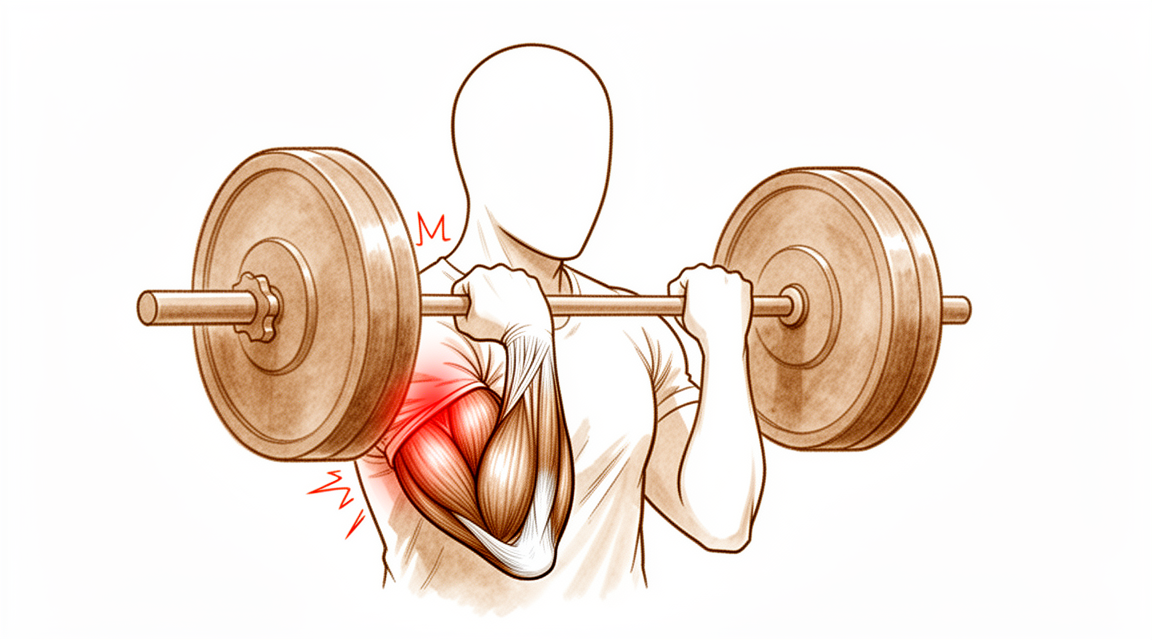
Rupture of the distal biceps tendon is most likely to occur in the dominant extremity of men between the fourth and sixth decades of life [27]. The average age at the time of distal biceps tendon rupture is approximately 50 years, with a range of 18 to 72 years [27]. All reported cases of complete distal biceps tendon rupture have occurred in men [27]. Partial rupture of the distal biceps tendon has been reported in women [27]. The mechanism of injury is usually a single traumatic event in which an unexpected extension force is applied to an arm flexed to 90 degrees [27]. The distal biceps tendon typically avulses from the radial tuberosity, although ruptures within the tendon substance and at the musculotendinous junction have been reported [27]. Distal biceps tendon ruptures were most commonly observed in weightlifting with a slightly flexed or isometrically extended elbow and forearm supination [140]. Partial distal biceps tendon tears are associated with a larger radial tuberosity and a smaller radioulnar space [152]. Mechanical impingement contributes to the pathogenesis of partial distal biceps tendon tears [152].
Classification¶
Distal biceps tendon ruptures are classified as either complete or partial [66]. Partial ruptures of the distal biceps brachii tendon represent a spectrum of patterns with varying involvement of the long head and short head tendons [157]. These injuries are exceedingly rare and have only been reported in small series and case reports [66]. There is no formal classification system for partial distal biceps tendon ruptures [66].
Complete distal biceps tendon ruptures are subdivided into acute and chronic based on the duration of time from injury [66]. Injuries occurring within 4 weeks of injury are classified as acute [66]. Injuries presenting after 4 weeks are classified as chronic [66]. Chronic distal biceps tendon injuries are further separated based on the integrity of the lacertus fibrosus [66]. A torn lacertus fibrosus is associated with proximal retraction of the biceps tendon, scarring of the tendon to the brachialis muscle, and myostatic contraction [66]. An intact lacertus fibrosus usually restricts the tendon from retracting proximally [66].
Other Considerations: The average age at the time of distal biceps tendon rupture is approximately 50 years [27]. Distal biceps tendon tears in women present differently than in men [31]. The mechanism of injury for distal biceps tendon rupture is usually a single traumatic event involving an unexpected extension force applied to an arm flexed to 90 degrees [27]. The distal biceps tendon typically avulses from the radial tuberosity [27]. Ruptures within the tendon substance and at the musculotendinous junction have been reported for distal biceps injuries [27]. Isolated single head rupture of the distal biceps has been described in six articles comprising a total of 9 cases [30]. All reported isolated single head ruptures of the distal biceps involved the short head tendon [30].
Clinical Presentation¶
Demographics and Epidemiology¶
Distal biceps tendon rupture most likely occurs in the dominant extremity of men between the fourth and sixth decades of life [27]. The average age at the time of distal biceps tendon rupture is approximately 50 years, with a reported range of 18 to 72 years [27]. The incidence of women who sustain a distal biceps tendon tear is 3.2% [40]. Partial tears are statistically more common than complete ruptures in women [40].
Mechanism of Injury¶
The mechanism of injury for distal biceps tendon rupture is usually a single traumatic event in which an unexpected extension force is applied to an arm flexed to 90 degrees [27]. The tendon typically avulses from the radial tuberosity, although ruptures within the tendon substance and at the musculotendinous junction have been reported [27]. The bicipital aponeurosis may or may not rupture acutely [27]. Some authors have described the rupture as occurring in stages, such that the insertion to the radial tuberosity is disrupted initially [27].
Functional Biomechanics¶
Contraction of the biceps muscle tends to supinate the pronated forearm and may therefore be inhibited when the forearm is in pronation [27].
Specific Tear Patterns¶
When diagnosed appropriately, selective disruption of the short head of the biceps distal tendon may be effectively treated with anatomic repair [13]. All reported tears involving an isolated single head rupture of the distal biceps involved the short head tendon [30]. In a systematic review of isolated single head ruptures, all patients were male and had a clear history of acute injury with no history of prodromal symptoms [30]. The mean age of patients with isolated short head tears was 42 years, with a range of 33 to 58 years [30]. MRI confirmed the diagnosis of short head tear in all patients in the systematic review of isolated single head ruptures, although one MRI was reported as indicating a complete tear while the long head tendon was found to be intact during surgery [30].
Diagnostic Imaging¶
The overall sensitivity and specificity of MRI were 92.4% and 100%, respectively, in detecting distal biceps tendon ruptures [109]. The sensitivity and specificity of MRI for complete distal biceps tears were 100% and 82.8%, respectively [109]. The sensitivity and specificity of MRI for partial distal biceps tears were 59.1% and 100%, respectively [109]. MRI is extremely sensitive in diagnosing complete distal biceps tears but is substantially less sensitive in diagnosing partial tears [109].
Investigations¶
Clinical Examination¶
The Hook test demonstrates imperfect validity; its use as a standalone diagnostic tool for distal biceps tendon ruptures is cautioned against [184]. In a systematic review of isolated short head ruptures, the presence of bruising was documented in 5 of 9 patients and was not commented on in the remaining 4 [30].
Imaging¶
MRI: The negative predictive value of MRI for distal biceps tendon pathology is 99% in patients without signal changes [168]. The flexion-abduction-supination (FABS) MRI view demonstrates no significant differences in sensitivity and specificity compared to standard elbow MRI for the diagnosis of partial distal biceps tendon injuries [179]. Both the FABS view and standard elbow MRI exhibit high sensitivity and specificity for the diagnosis of partial distal biceps tendon injuries [179]. In a systematic review of isolated short head ruptures, MRI was performed in all 9 patients and confirmed the diagnosis of short head tear in all cases [30]. In one case within a systematic review of isolated short head ruptures, MRI was reported as indicating a complete tear, but the long head tendon was found to be intact during surgery [30].
Other Considerations: A smaller radioulnar window is associated with a higher risk of distal biceps tendon rupture in patients with limited forearm rotation [182].
Treatment¶
Non-Operative¶
Nonoperative treatment for partial distal biceps tendon tears yields moderate success rates (47%) with no significant differences between strategies, though injection therapy offers the quickest relief [117]. Surgical treatment of partial distal biceps tendon tears is a viable option after failed nonsurgical treatment [16].
Operative¶
Indications: Operative management of complete distal biceps and triceps tendon ruptures is required in most cases, especially for active patients, laborers, and athletes wishing to return to competition [159]. Surgical management of distal biceps tears was a predictor of improved patient-reported outcomes only for patients with complete tears [28].
Surgical Approach / Technique: Distal biceps tendon repair surgery can be safely and successfully executed with either a single- or double-incision approach [46]. The mini-open 2-incision technique is a safe and effective method for repairing distal biceps tendon ruptures, resulting in pleasing cosmesis with minimal surgical dissection [96]. A 2-incision approach for distal biceps tendon repair with suture anchor fixation can restore elbow function and satisfy patients [50]. In a large cohort of 2-incision distal biceps repairs, there was a high degree of patient satisfaction and a low complication rate [42]. The double-incision approach had significantly fewer complications than the single-incision anterior approach, in particular about lateral antebrachial cutaneus nerve palsy [47]. A posterolateral muscle-splitting approach greatly enhanced the ability to repair the tendon within the original footprint as compared with an anterior approach [161]. An anterior approach would lead to a lateralized repair of the tendon, almost completely outside the original footprint area [161]. The insertion site was consistently posterior to the midline of the bicipital tuberosity and easily visualized through a posterior muscle-splitting approach [161]. The bicipital tuberosity lies in more pronation (65 and 68°) than is commonly held, and the geometric center of the tendon inserts in less pronation (50°) [158]. Future directions for distal biceps tendon repair techniques should focus on restoring an anatomic reattachment site while limiting supinator damage [104]. Endoscopy is a useful and minimally invasive diagnostic and treatment approach for distal biceps tendon pathology [22].
Implant Selection: Cortical button and suture anchor fixation for distal biceps tendon repair provide similar clinical outcomes and complication profiles [23]. Onlay distal biceps repair with 2 all-suture anchors has similar maximum strength to repair with an intramedullary button, and both are viable options for fixation [160]. Bone tunnel fixation had significantly fewer complications than suture anchors, interference screws, and cortical buttons [47]. Repair of distal biceps ruptures using an Endobutton fixation results in nearly normal return of strength and function, which is significantly better than in those managed nonoperatively [67]. Acute distal biceps tendon repair using cortical button fixation results in excellent patient-reported outcomes and health-related quality of life [162]. The intramedullary fixation button technique to repair the distal biceps tendon has excellent functional outcomes at 6 months [163]. The data support the use of single-incision knotless cortical button technique for acute and chronic distal biceps tendon rupture, demonstrating a low major complication rate and high patient satisfaction despite common transient minor complications [43]. The novel tension-slide double intramedullary cortical button technique for distal biceps reconstruction demonstrated similar patient-reported outcomes scores as prior studies with high patient satisfaction [154]. The method of tensionable distal biceps tendon repair with intramedullary knotless all-suture anchors and FiberLoop w/FiberTag suture may improve treatment outcome by preserving anatomic features key to distal biceps tendon function, enhancing repair integrity, and improving patient safety [15].
Timing and Chronic Injuries: Reinsertion of a distal biceps through a 2-incision approach should be performed within 2 weeks of the injury, when possible [35]. Despite a high rate of initial complications, patients treated with distal biceps tendon repair after a delay (>21 days) can expect similar functional outcomes to those treated acutely [8]. Chronic distal biceps tendon ruptures can be repaired successfully with a single incision using a suture button technique without the use of a graft [49]. Reconstruction of a chronic distal biceps tendon rupture with a single incision, suture anchors and tibialis anterior allograft achieves good to excellent clinical results with minimal complications [172].
Post-operative Management: Early motion after distal biceps tendon repair with cortical button fixation is well tolerated and does not appear to be associated with adverse outcomes [68]. A 2-incision distal biceps repair via nonabsorbable suture allows for immediate protected range of motion, reliably achieving nearly full range of motion with excellent return of strength and function [59]. Double incision repair technique with immediate mobilization for acute distal biceps tendon ruptures provides good results after 2 years in active patients [47]. Indomethacin prophylaxis is not recommended for two-incision distal biceps repairs based on findings and the risk of gastrointestinal complications [185].
Complications and Safety: Minor complications were common after distal biceps tendon repair; however, most were sensory nerve injuries that resolved with time [32]. Distal biceps repair with cortical button fixation places the posterior interosseous nerve at risk of injury regardless of the approach used [29]. Using suture anchors to repair the biceps tendon may predispose the repaired tendon to impingement when compared with other fixation techniques [166]. Endoscopic distal biceps tendon repair was technically feasible with both fixation techniques without a major rise in compartment pressures [100].
Other Considerations: Patients have excellent overall outcome after distal biceps tendon rupture repair [2]. Anatomic reattachment of the distal biceps tendon is a successful operative treatment option [24]. Repair of distal biceps ruptures in active, healthy patients has a high satisfaction rate regardless of technique or approach [58]. In a single surgery center, single-incision distal biceps repairs utilizing an implant were performed more expeditiously than double-incision repairs with a transosseous technique but incurred greater surgical costs [155]. Workers' compensation patients who underwent distal biceps tendon repair took longer to return to work and had worse DASH scores than non-workers' compensation patients [62].
Revision: This technique for revision distal biceps surgery is simple and cost effective, minimizes additional morbidity, and can potentially be used in revision surgery in other anatomic locations where cortical buttons were used [48].
Complications¶
Overall Complication Rates: The largest analysis of complications after distal biceps repair indicates a major complication rate of 4.6% [36]. In contrast, the early complication rate following partial distal biceps tendon repair was 20.5% [33]. Data support the use of a single incision with a knotless cortical button device for acute and chronic distal biceps tendon rupture, demonstrating a low major complication rate and high patient satisfaction despite common transient minor complications [43]. The complication rate did not differ significantly between one and two-incision distal biceps repairs [190]. However, the bone tunnel and cortical button methods had significantly lower complication rates compared with suture anchors and intraosseous screws [190]. SPOC distal biceps repair has a similar complication rate to other commonly used techniques [191]. Complication rates after distal biceps tendon repair performed by newly trained surgeons were similar to those previously reported in large cohort studies [136].
Nerve Injury: Nerve injury was the most common complication in distal biceps tendon repair performed by newly trained surgeons [136]. The incidence of posterior interosseous nerve (PIN) palsy after a single-incision distal biceps repair was 3.2% [192]. In a comparative study of three fixation techniques, the most common complication was neurapraxia, with 6 cases [141].
Re-rupture and Failure: The re-rupture rate after primary repair of the distal biceps tendon is low at 1.5% and occurs within 3 weeks of index repair [40]. Re-rupture of the distal biceps after primary repair can occur due to technical factors, timing after injury, and patient compliance [60]. All 3 re-ruptures in a comparative study of three fixation techniques were registered in the Mitek anchors group [141]. SPOC distal biceps repair has a low rerupture rate [191].
Other Considerations: Two patients in the Mitek anchors group required an open arthrolysis due to stiffness of the elbow [141].
Recovery¶
Light activity (weeks): The pooled mean time to return to work after distal biceps repair is 14.37±0.52 weeks [56]. While the majority of patients are able to return to work and sport following surgical repair [34], 89% of patients were able to fully return to work without any modification of duties [56].
Full activity (months): Patients can expect high levels of return to sport following distal biceps tendon repair, with some residual impairment compared with baseline [38]. Specifically, 95% of athletes return to sports and 82% return to the same preinjury level of competition [63]. The time to return to sports is approximately 40 weeks, depending on the type of sport [63]. Athletes sustaining distal biceps tendon rupture have a high postoperative return to sport rate, independently of selected surgical technique or rehabilitation program [107]. A high rate of return to sport was observed at 6 months postoperatively [122], and distal biceps tendon repair in competitive strength athletes resulted in a high return-to-sport rate and excellent recovery [170].
Rehabilitation protocol: Primary repair of chronic distal biceps tendon tears greater than 6 weeks from injury demonstrated excellent PROMs and elbow ROM [39]. Early active motion with a 0.9-kg weight restriction may be possible in patients undergoing distal biceps tendon repair using a single-incision EndoButton technique with FiberWire [111]. Repair of acute distal biceps tendon ruptures using a soft tissue button and interference screw technique through a limited anterior incision can allow for accelerated rehabilitation and early return to function [120].
Functional milestones: Distal biceps repair and reconstruction can restore near-normal flexion and supination strength [186]. However, chronic biceps ruptures undergoing reconstruction are highly functional and patients are satisfied, but the procedure does not restore peak supination strength [187]. Patients treated with distal biceps tendon repair after a delay (>21 days) can expect similar functional outcomes to those treated acutely, despite a high rate of initial complications [8].
Other Considerations: The re-rupture rate after primary repair of the distal biceps tendon is 1.5% and occurs within 3 weeks of index repair [40]. Rerupture of the distal biceps after primary repair can occur due to technical factors, timing after injury, and patient compliance [60].
Key Evidence¶
- [L3] Clinical and functional outcome at more than 1 year after distal biceps tendon repair was excellent in both groups. [1] (10.1016/j.jse.2015.12.007)
- [L3] Overall, patients have excellent outcome after distal biceps tendon rupture repair. [2] (10.1007/s00402-018-3018-6)
- [L4] Most morbidity from repair of the distal biceps tendon can be attributed primarily to a delay in the timing of the repair and secondarily to an extensive anterior exposure. [3] (10.2106/00004623-200011000-00010)
- [L1] The overall frequency of reported complications is higher for single-incision distal biceps repair than for double-incision repair. [4] (10.1177/2325967116668137)
- [L4] Biceps strength can be maintained with no measurable differences in clinical outcome when compared to individuals who do not suffer this complication following distal biceps repair. [5] (10.1016/j.jhsa.2007.06.018)
- [L3] Distal biceps repair is associated with a 7.5% major complication rate and 4.5% reoperation rate. [6] (10.1016/j.jse.2018.06.028)
- [L3] Patients that underwent distal biceps reconstruction with a graft had similar failure rates, reoperation rates, and final range of motion compared to primary repair. [7] (10.1016/j.jse.2020.01.062)
- [L3] Despite a high rate of initial complications, patients treated with distal biceps tendon repair after a delay (>21 days) can expect similar functional outcomes to those treated acutely. [8] (10.1016/j.jse.2017.02.025)
- [L4] Despite the cited approach-related morbidity, the authors report excellent long-term patient-reported outcomes for the double-incision distal biceps repair technique. [9] (10.1177/2325967120944812)
- [L4] Surgical repair of distal biceps ruptures provides consistently good results in terms of patient-scored outcomes. [10] (10.1016/j.injury.2012.10.029)
- [L3] Complication rates after distal biceps repair are low. [11] (10.5397/cise.2021.00472)
- [L3] The surgical repair of distal biceps tendon ruptures has an overall low rate of serious complications, regardless of approach or technique. [12] (10.1177/0363546517720200)
- [L4] When diagnosed appropriately, selective disruption of the short head of the biceps distal tendon may be effectively treated with anatomic repair. [13] (10.1016/j.jse.2016.09.050)
- [L5] The method may improve treatment outcome by preserving anatomic features key to distal biceps tendon function, enhancing repair integrity, and improving patient safety. [15] (10.1016/j.eats.2022.08.019)
- [L4] Surgical treatment of partial distal biceps tendon tears is a viable option after failed nonsurgical treatment. [16] (10.1016/j.jhsa.2010.04.024)
- [L4] In this series, minimally invasive distal biceps repair was safe and effective with a low rate of major complications. [17] (10.5397/cise.2023.00227)
- [L5] Distal biceps repair using cortical button fixation has been associated with excellent patient-reported outcomes and satisfaction with minimal complications. [19] (10.1016/j.eats.2023.07.028)
- [L4] Surgical repair of the distal biceps insertion reliably regains both supination and flexion strength in appropriate patients. [20] (10.5435/00124635-201003000-00003)
- [L4] Both surgical techniques for distal biceps tendon repair are effective and are similarly safe methods of treatment. [21] (10.1080/00913847.2016.1129260)
- [L5] Endoscopy is a useful and minimally invasive diagnostic and treatment approach for distal biceps tendon pathology. [22] (10.1016/j.eats.2022.10.003)
- [L4] [23] (10.1016/j.jse.2026.07.033)
- [Case_report] Anatomic reattachment of the distal biceps tendon is a successful operative treatment option. [24] (10.1186/s12891-020-03304-3)
- [L4] Distal biceps repair using single incision, unicortical button fixation yields a low rate of complications with good clinical results compared to other techniques reported in the literature. [26] (10.1177/2325967119s00365)
- [L5] [27] (10.5435/00124635-199905000-00006)
- [L2] Surgical management of distal biceps tears was a predictor of improved patient-reported outcomes only for patients with complete tears. [28] (10.1016/j.jhsa.2025.12.027)
- [L5] Distal biceps repair with cortical button fixation places the PIN at risk of injury regardless of the approach used. [29] (10.1016/j.jhsa.2018.09.002)
- [L4] [30] (10.1016/j.jse.2020.04.038)
- [L4] Distal biceps tendon tears in women present differently than in men. [31] (10.1016/j.jse.2010.01.015)
- [L4] Minor complications were common after distal biceps tendon repair; however, most were sensory nerve injuries that resolved with time. [32] (10.1016/j.jhsa.2012.06.022)
- [L4] The early complication rate following partial distal biceps tendon repair was 20.5%. [33] (10.1016/j.jhsa.2025.04.012)
- [L3] After surgical repair of distal biceps rupture, the majority of patients are able to return to work and sport. [34] (10.1177/2325967119s00367)
- [L4] Reinsertion of a distal biceps through a 2-incision approach should be performed within 2 weeks of the injury, when possible. [35] (10.1016/j.jse.2007.04.008)
- [L2] This is the largest analysis of complications after distal biceps repair, indicating a major complication rate of 4.6%. [36] (10.1177/0363546519899933)
- [L4] A modified 2-incision distal biceps repair allows a safe immediate active range of motion protocol with early return of nearly full range of motion and strength, without any clinically significant disability. [37] (10.1177/0363546508323749)
- [L4] Distal biceps tendon rupture is a significant injury; however, patients can expect high levels of return to sport following DBR with some residual impairment compared with baseline. [38] (10.1016/j.jse.2021.01.034)
- [L4] Primary repair of chronic distal biceps tendon tears greater than 6 weeks from injury demonstrated excellent PROMs and elbow ROM. [39] (10.1177/15589447221107691)
- [L4] [40] (10.1016/j.jse.2014.02.006)
- [L3] In this large cohort of 2-incision distal biceps repairs, we found a high degree of patient satisfaction and a low complication rate. [42] (10.1016/j.jse.2014.12.032)
- [L4] The data support the use of this technique and implant combination for acute and chronic distal biceps tendon rupture, demonstrating a low major complication rate and high patient satisfaction despite common transient minor complications. [43] (10.1177/17585732211060356)
- [L4] Distal biceps tendon repair surgery can be safely and successfully executed with either a single- or double-incision approach. [46] (10.1016/j.jse.2010.11.009)
- [L4] [47] (10.1016/j.otsr.2018.10.012)
- [L5] This technique is simple and cost effective, minimizes additional morbidity in revision distal biceps surgery, and can potentially be used in revision surgery in other anatomic locations where cortical buttons were used. [48] (10.1016/j.eats.2022.11.006)
- [L4] Chronic distal biceps tendon ruptures can be repaired successfully with a single incision using a suture button technique without the use of a graft. [49] (10.1016/j.jse.2020.01.103)
- [L4] A 2-incision approach for distal biceps tendon repair with suture anchor fixation can restore elbow function and satisfy patients. [50] (10.1016/j.jse.2007.07.006)
- [L4] [56] (10.1016/j.jse.2019.12.006)
- [L5] Repair of distal biceps ruptures in active, healthy patients has a high satisfaction rate regardless of technique or approach. [58] (10.1016/j.ocl.2015.10.003)
- [L4] A 2-incision distal biceps repair via nonabsorbable suture allows for immediate protected range of motion, reliably achieving nearly full range of motion with excellent return of strength and function. [59] (10.1016/j.jse.2004.12.003)
- [Case_report] Rerupture of the distal biceps after primary repair can occur due to technical factors, timing after injury, and most importantly, patient compliance. [60] (10.1016/j.jse.2006.09.012)
- [L3] WC patients who underwent distal biceps tendon repair took longer to return to work and had worse DASH scores than non-WC patients. [62] (10.1016/j.jse.2012.11.011)
- [L5] [63] (10.1016/j.jisako.2023.02.004)
- [L5] [66] (10.1016/j.csm.2004.06.001)
- [L3] Repair of distal biceps ruptures using an Endobutton fixation results in nearly normal return of strength and function, which is significantly better than in those managed nonoperatively. [67] (10.1016/j.jse.2015.10.008)
- [L1] Early motion after distal biceps tendon repair with cortical button fixation is well tolerated and does not appear to be associated with adverse outcomes. [68] (10.2106/jbjs.20.02047)
- [L5] [69] (10.1177/0363546507305009)
- [L4] The mini-open 2-incision technique is a safe and effective method for repairing distal biceps tendon ruptures, resulting in pleasing cosmesis with minimal surgical dissection. [96] (10.1016/j.jse.2006.10.021)
- [L5] Endoscopic distal biceps tendon repair was technically feasible with both fixation techniques without a major rise in compartment pressures. [100] (10.1016/j.jse.2018.04.020)
- [L3] Future directions for distal biceps tendon repair techniques should focus on restoring an anatomic reattachment site while limiting supinator damage. [104] (10.2106/jbjs.15.01025)
- [L4] Athletes sustaining distal biceps tendon rupture have a high postoperative return to sport rate, independently of selected surgical technique or rehabilitation program. [107] (10.1016/j.jse.2022.02.027)
- [L3] [109] (10.1016/j.jhsa.2009.08.016)
- [L5] Early active motion with a 0.9-kg weight restriction may be possible in those patients undergoing distal biceps tendon repair using this technique. [111] (10.1007/s00167-010-1348-1)
- [L3] Nonoperative treatment for partial distal biceps tendon tears yields moderate success rates (47%) with no significant differences between strategies, though injection therapy offers the quickest relief. [117] (10.1016/j.jse.2025.04.017)
- [L4] Repair of acute distal biceps tendon ruptures using a soft tissue button and interference screw technique through a limited anterior incision can allow for accelerated rehabilitation and early return to function. [120] (10.1177/0363546508330130)
- [L4] There was a high rate of return to sport after distal biceps tendon repair at 6 months postoperatively. [122] (10.1177/03635465241295618)
- [L3] An intact lacertus fibrosus contributes to elbow strength and should be preserved in distal biceps tendon repair. [133] (10.1007/s00167-019-05673-2)
- [L4] Complication rates after distal biceps tendon repair performed by newly trained surgeons were similar to those previously reported in large cohort studies, with nerve injury as the most common complication. [136] (10.1016/j.jse.2022.09.014)
- [L4] Distal biceps tendon ruptures were most commonly observed in weightlifting with a slightly flexed or isometrically extended elbow and forearm supination. [140] (10.1186/s12891-022-05546-9)
- [L3] [141] (10.1007/s00167-011-1591-0)
- [L2] Biceps tendon rupture leads to a 60% decrease in supination strength in the neutrally oriented forearm. [147] (10.1016/j.jse.2013.08.019)
- [L3] Partial distal biceps tendon tears are associated with a larger radial tuberosity and a smaller radioulnar space, supporting the hypothesis that mechanical impingement contributes to their pathogenesis. [152] (10.1016/j.jse.2022.01.149)
- [L4] The novel technique for distal biceps reconstruction demonstrated similar patient-reported outcomes scores as prior studies with high patient satisfaction while implementing techniques that significantly decrease the gap between the bone-tendon junction and safely utilize distal fixation methods with the highest load to failure. [154] (10.1016/j.xrrt.2026.100713)
- [L4] In a single surgery center, single-incision distal biceps repairs utilizing an implant were performed more expeditiously than double-incision repairs with a transosseous technique but incurred greater surgical costs. [155] (10.1016/j.xrrt.2021.09.006)
- [L4] Partial ruptures of the distal biceps brachii tendon represent a spectrum of patterns with varying involvement of the LH and SH tendons. [157] (10.1016/j.jse.2020.04.021)
- [L4] [158] (10.1016/j.jse.2007.11.002)
- [L5] Operative management of complete distal biceps and triceps tendon ruptures is required in most cases, especially for active patients, laborers, and athletes wishing to return to competition. [159] (10.1016/j.hcl.2016.08.019)
- [L5] This study demonstrates that onlay distal biceps repair with 2 all-suture anchors has similar maximum strength to repair with an intramedullary button and that both are viable options for fixation. [160] (10.1016/j.arthro.2021.06.036)
- [L5] [161] (10.1016/j.jse.2011.04.027)
- [L3] Acute distal biceps tendon repair using cortical button fixation was found to result in excellent patient-reported outcomes and health-related quality of life. [162] (10.1302/0301-620x.103b7.bjj-2020-2246.r1)
- [L4] The intramedullary fixation button technique to repair the distal biceps tendon has excellent functional outcomes at 6 months. [163] (10.1016/j.jse.2021.06.006)
- [L5] Using suture anchors to repair the biceps tendon may predispose the repaired tendon to impingement when compared with other fixation techniques. [166] (10.1016/j.jse.2014.02.023)
- [L3] The negative predictive value of 99% shows that patients without signal changes on MRI may be assumed to have no distal biceps tendon pathology. [168] (10.1016/j.jhsa.2022.01.020)
- [L4] Distal biceps tendon repair in competitive strength athletes resulted in a high return-to-sport rate and excellent recovery. [170] (10.1177/23259671251322700)
- [Paper] Reconstruction of a chronic distal biceps tendon rupture with a single incision, suture anchors and tibialis anterior allograft achieves good to excellent clinical results with minimal complications. [172] (10.1007/s00264-013-2182-0)
- [L4] No significant differences in sensitivity and specificity were found between the FABS view and standard elbow MRI in the diagnosis of partial distal biceps tendon injuries, with high sensitivity and specificity for both views. [179] (10.1016/j.jse.2020.05.014)
- [L3] Therefore, patients with a smaller radioulnar window have a higher risk of rupturing the distal biceps tendon. [182] (10.1016/j.jse.2023.09.020)
- [L2] The authors caution against using the Hook test alone to diagnose distal biceps tendon ruptures due to its imperfect validity. [184] (10.1016/j.jhsa.2023.07.004)
- [L3] Based on our findings and the risk of gastrointestinal complications, we do not recommend indomethacin prophylaxis for two-incision distal biceps repairs. [185] (10.1177/2325967118s00152)
- [L5] Distal biceps repair/reconstruction can restore near-normal flexion and supination strength. [186] (10.1016/j.jhsa.2019.09.014)
- [L4] Chronic biceps ruptures undergoing reconstruction are highly functional and patients are satisfied, but the procedure does not restore peak supination strength. [187] (10.1016/j.jse.2019.12.016)
- [L4] The complication rate did not differ significantly between one and two-incision distal biceps repairs; however, the bone tunnel and cortical button methods had significantly lower complication rates compared with suture anchors and intraosseous screws. [190] (10.2106/jbjs.m.00481)
- [L4] This study supports the use of SPOC distal biceps repair for both partial and complete biceps ruptures, with a low rerupture rate, similar complication rate to other commonly used techniques, and low return to OR rate. [191] (10.1016/j.jhsg.2026.101067)
- [L4] The incidence of PIN palsy after a single-incision distal biceps repair was 3.2% in our series. [192] (10.1016/j.jse.2012.08.001)
References¶
[1] Distal biceps tendon repair: comparison of clinical and radiological outcome between bioabsorbable and nonabsorbable screws. Journal of Shoulder and Elbow Surgery. 2016. DOI: 10.1016/j.jse.2015.12.007
[2] Functional outcome in patients who underwent distal biceps tendon repair. Archives of Orthopaedic and Trauma Surgery. 2018. DOI: 10.1007/s00402-018-3018-6
[3] Complications of Repair of the Distal Biceps Tendon with the Modified Two-Incision Technique†. The Journal of Bone and Joint Surgery-American Volume*. 2000. DOI: 10.2106/00004623-200011000-00010
[4] Complications of Distal Biceps Tendon Repair. Orthopaedic Journal of Sports Medicine. 2016. DOI: 10.1177/2325967116668137
[5] Radioulnar Heterotopic Ossification After Distal Biceps Tendon Repair: Results Following Surgical Resection. The Journal of Hand Surgery. 2007. DOI: 10.1016/j.jhsa.2007.06.018
[6] Major complications after distal biceps tendon repairs: retrospective cohort analysis of 970 cases. Journal of Shoulder and Elbow Surgery. 2018. DOI: 10.1016/j.jse.2018.06.028
[7] Chronic Distal Biceps Repair with Tendon Grafting: A Matched Comparison to Primary Repair. Journal of Shoulder and Elbow Surgery. 2020. DOI: 10.1016/j.jse.2020.01.062
[8] Delayed repair of distal biceps tendon ruptures is successful: a case-control study. Journal of Shoulder and Elbow Surgery. 2017. DOI: 10.1016/j.jse.2017.02.025
[9] Distal Biceps Tendon Repair Using a Modified Double-Incision Technique: Patient-Reported Outcomes With 10-Year Follow-up. Orthopaedic Journal of Sports Medicine. 2020. DOI: 10.1177/2325967120944812
[10] Distal biceps tendon rupture: Current concepts. Injury. 2013. DOI: 10.1016/j.injury.2012.10.029
[11] Determining the incidence and risk factors for short-term complications following distal biceps tendon repair. Clinics in Shoulder and Elbow. 2022. DOI: 10.5397/cise.2021.00472
[12] Surgical Treatment of Distal Biceps Tendon Ruptures: An Analysis of Complications in 784 Surgical Repairs. The American Journal of Sports Medicine. 2017. DOI: 10.1177/0363546517720200
[13] Rupture of the short head component of a bifurcated distal biceps tendon. Journal of Shoulder and Elbow Surgery. 2017. DOI: 10.1016/j.jse.2016.09.050
[15] Tensionable Distal Biceps Tendon Repair With Intramedullary Knotless All‐Suture Anchors and FiberLoop w/FiberTag Suture. Arthroscopy Techniques. 2022. DOI: 10.1016/j.eats.2022.08.019
[16] Surgical Treatment of Partial Distal Biceps Tendon Ruptures. The Journal of Hand Surgery. 2010. DOI: 10.1016/j.jhsa.2010.04.024
[17] Minimally invasive distal biceps tendon repair: a case series. Clinics in Shoulder and Elbow. 2023. DOI: 10.5397/cise.2023.00227
[19] Single‐Incision Distal Biceps Tendon Repair With Bicortical Tensionable Locking Button Fixation. Arthroscopy Techniques. 2023. DOI: 10.1016/j.eats.2023.07.028
[20] Surgical Treatment of Distal Biceps Rupture. American Academy of Orthopaedic Surgeon. 2010. DOI: 10.5435/00124635-201003000-00003
[21] A functional analysis of distal biceps tendon repair: single-incision Endobutton technique vs. two-incision modified Boyd–Anderson technique. The Physician and Sportsmedicine. 2015. DOI: 10.1080/00913847.2016.1129260
[22] Nanoscopic Distal Biceps Repair With Cortical Button and Interference Screw. Arthroscopy Techniques. 2023. DOI: 10.1016/j.eats.2022.10.003
[23] Cortical Button and Suture Anchor Fixation for Distal Biceps Tendon Repair Provide Similar Clinical Outcomes and Complication Profiles: A Systematic Review. Journal of Shoulder and Elbow Surgery. 2026. DOI: 10.1016/j.jse.2026.07.033
[24] No functional differences in anatomic reconstruction with one vs. two suture anchors after non-simultaneous bilateral distal biceps brachii tendon rupture: a case report and review of the literature. BMC Musculoskeletal Disorders. 2020. DOI: 10.1186/s12891-020-03304-3
[26] Distal Biceps Tendon Repair Using A Single-incision Approach With Unicortical Intramedullary Button Fixation: Report Early Post-operative Outcomes And Complications. Orthopaedic Journal of Sports Medicine. 2019. DOI: 10.1177/2325967119s00365
[27] Distal Biceps Tendon Injuries: Diagnosis and Management. Journal of the American Academy of Orthopaedic Surgeons. 1999. DOI: 10.5435/00124635-199905000-00006
[28] Thirty-Six Percent Conversion to Surgery Rate for Nonsurgical Treatment of Complete and Partial Distal Biceps Tears. The Journal of Hand Surgery. 2026. DOI: 10.1016/j.jhsa.2025.12.027
[29] Posterior Interosseous Nerve Proximity to Cortical Button Implant for Distal Biceps Repair With Single and 2-Incision Approaches. The Journal of Hand Surgery. 2019. DOI: 10.1016/j.jhsa.2018.09.002
[30] Distal biceps short head tears: repair, reconstruction, and systematic review. Journal of Shoulder and Elbow Surgery. 2020. DOI: 10.1016/j.jse.2020.04.038
[31] Distal biceps tendon tears in women. Journal of Shoulder and Elbow Surgery. 2010. DOI: 10.1016/j.jse.2010.01.015
[32] Complications Following Distal Biceps Repair. The Journal of Hand Surgery. 2012. DOI: 10.1016/j.jhsa.2012.06.022
[33] Early Postoperative Complications Following Partial Distal Biceps Tendon Surgical Repair. The Journal of Hand Surgery. 2026. DOI: 10.1016/j.jhsa.2025.04.012
[34] Return to Work and Sport After Distal Biceps Repair. Orthopaedic Journal of Sports Medicine. 2019. DOI: 10.1177/2325967119s00367
[35] Complications associated with repair of a distal biceps rupture using the modified two-incision technique. Journal of Shoulder and Elbow Surgery. 2008. DOI: 10.1016/j.jse.2007.04.008
[36] Complications After Distal Biceps Tendon Repair: A Systematic Review. The American Journal of Sports Medicine. 2020. DOI: 10.1177/0363546519899933
[37] Immediate Active Range of Motion after Modified 2-Incision Repair in Acute Distal Biceps Tendon Rupture. The American Journal of Sports Medicine. 2008. DOI: 10.1177/0363546508323749
[38] Return to sport and weightlifting analysis following distal biceps tendon repair. Journal of Shoulder and Elbow Surgery. 2021. DOI: 10.1016/j.jse.2021.01.034
[39] Primary Repair of Chronic Distal Biceps Tendon Tears. HAND. 2022. DOI: 10.1177/15589447221107691
[40] Re-rupture rate of primarily repaired distal biceps tendon injuries. Journal of Shoulder and Elbow Surgery. 2014. DOI: 10.1016/j.jse.2014.02.006
[42] Endobutton versus transosseous suture repair of distal biceps rupture using the two-incision technique: a comparison series. Journal of Shoulder and Elbow Surgery. 2015. DOI: 10.1016/j.jse.2014.12.032
[43] Distal biceps repair through a single incision with the use of a knotless cortical button device: Mid-term results. Shoulder & Elbow. 2021. DOI: 10.1177/17585732211060356
[46] Controversies in the surgical treatment of distal biceps tendon ruptures: single versus double-incision repairs. Journal of Shoulder and Elbow Surgery. 2011. DOI: 10.1016/j.jse.2010.11.009
[47] Double incision repair technique with immediate mobilization for acute distal biceps tendon ruptures provides good results after 2 years in active patients. Orthopaedics & Traumatology: Surgery & Research. 2019. DOI: 10.1016/j.otsr.2018.10.012
[48] Revision Distal Biceps Tendon Repair Using Original Intramedullary Buttons. Arthroscopy Techniques. 2023. DOI: 10.1016/j.eats.2022.11.006
[49] Chronic distal biceps avulsion treated with suture button. Journal of Shoulder and Elbow Surgery. 2020. DOI: 10.1016/j.jse.2020.01.103
[50] Elbow function after repair of the distal biceps brachii tendon with a two-incision approach. Journal of Shoulder and Elbow Surgery. 2008. DOI: 10.1016/j.jse.2007.07.006
[56] Return to work following a distal biceps repair: a systematic review of the literature. Journal of Shoulder and Elbow Surgery. 2020. DOI: 10.1016/j.jse.2019.12.006
[58] Complications of Distal Biceps Repair. Orthopedic Clinics of North America. 2016. DOI: 10.1016/j.ocl.2015.10.003
[59] Immediate range of motion after distal biceps tendon repair. Journal of Shoulder and Elbow Surgery. 2005. DOI: 10.1016/j.jse.2004.12.003
[60] Acute failure of distal biceps reconstruction: A case report. Journal of Shoulder and Elbow Surgery. 2007. DOI: 10.1016/j.jse.2006.09.012
[62] Outcomes after distal biceps repair in patients with workers' compensation claims. Journal of Shoulder and Elbow Surgery. 2013. DOI: 10.1016/j.jse.2012.11.011
[63] Return to sports following distal biceps tendon repair: A current concepts review. Journal of ISAKOS. 2023. DOI: 10.1016/j.jisako.2023.02.004
[66] Biceps tendon and triceps tendon injuries. Clinics in Sports Medicine. 2004. DOI: 10.1016/j.csm.2004.06.001
[67] A comparison of nonoperative vs. Endobutton repair of distal biceps ruptures. Journal of Shoulder and Elbow Surgery. 2016. DOI: 10.1016/j.jse.2015.10.008
[68] Is Immobilization Necessary for Early Return to Work Following Distal Biceps Repair Using a Cortical Button Technique?. Journal of Bone and Joint Surgery. 2021. DOI: 10.2106/jbjs.20.02047
[69] Biomechanical Analysis of Distal Biceps Tendon Repair Methods. The American Journal of Sports Medicine. 2007. DOI: 10.1177/0363546507305009
[72] Orthopaedic Knowledge Update 13 Ebook Without Multimedia. Anatomy, Biomechanics, Physical Examination, and Imaging of the Elbow > Anatomy > Bony Anatomy.
[73] Miller S Review Of Orthopaedics. SECTION 16 PATELLAR TRACKING IN TOTAL KNEE ARTHROPLASTY > TABLE 2.3 Shoulder Spaces.
[78] Miller S Review Of Orthopaedics. ELBOW.
[80] A Lange Medical Book Current Diagnosis Treatment In Orthopedics Fifth Edition. 2Musculoskeletal Trauma Surgery > INJURIES AROUND THE ELBOW.
[81] Orthopaedic Knowledge Update Trauma. Distal Humerus Fracture > Anatomy.
[83] Rockwood And Green S Fractures In Adults. 29: Principles of Nonunion and Bone Defect Treatment > Pathoanatomy and Applied Anatomy Related to Distal Humerus Fractures.
[96] Mini-open 2-incision technique for repair of distal biceps tendon ruptures. Journal of Shoulder and Elbow Surgery. 2007. DOI: 10.1016/j.jse.2006.10.021
[100] Analysis of technical feasibility and neurovascular safety of endoscopic distal biceps repair: a cadaveric study. Journal of Shoulder and Elbow Surgery. 2018. DOI: 10.1016/j.jse.2018.04.020
[104] Factors That Determine Supination Strength Following Distal Biceps Repair. Journal of Bone and Joint Surgery. 2016. DOI: 10.2106/jbjs.15.01025
[107] Systematic review of distal biceps tendon rupture in athletes: treatment and rehabilitation. Journal of Shoulder and Elbow Surgery. 2022. DOI: 10.1016/j.jse.2022.02.027
[109] Effectiveness of Magnetic Resonance Imaging in Detecting Partial and Complete Distal Biceps Tendon Rupture. The Journal of Hand Surgery. 2010. DOI: 10.1016/j.jhsa.2009.08.016
[111] Biomechanical analysis suggests early rehabilitation is possible after single‐incision EndoButton distal biceps repair with FiberWire. Knee Surgery, Sports Traumatology, Arthroscopy. 2010. DOI: 10.1007/s00167-010-1348-1
[117] Efficacy of conservative treatment strategies for partial distal biceps tendon ruptures: a case-control study. Journal of Shoulder and Elbow Surgery. 2026. DOI: 10.1016/j.jse.2025.04.017
[120] A Combined Technique for Distal Biceps Repair Using a Soft Tissue Button and Biotenodesis Interference Screw. The American Journal of Sports Medicine. 2009. DOI: 10.1177/0363546508330130
[122] Return to Sport After Distal Biceps Tendon Repair: A Systematic Review. The American Journal of Sports Medicine. 2025. DOI: 10.1177/03635465241295618
[133] An intact lacertus fibrosus improves strength after reinsertion of the distal biceps tendon. Knee Surgery, Sports Traumatology, Arthroscopy. 2019. DOI: 10.1007/s00167-019-05673-2
[136] Trends and complications of distal biceps tendon repair among American Board of Orthopaedic Surgery part II oral examination candidates. Journal of Shoulder and Elbow Surgery. 2023. DOI: 10.1016/j.jse.2022.09.014
[140] Distal biceps tendon ruptures occur with the almost extended elbow and supinated forearm – an online video analytic study. BMC Musculoskeletal Disorders. 2022. DOI: 10.1186/s12891-022-05546-9
[141] Surgical repair of the distal biceps brachii tendon: a comparative study of three surgical fixation techniques. Knee Surgery, Sports Traumatology, Arthroscopy. 2011. DOI: 10.1007/s00167-011-1591-0
[147] Factors affecting supination strength after a distal biceps rupture. Journal of Shoulder and Elbow Surgery. 2014. DOI: 10.1016/j.jse.2013.08.019
[152] Anatomic factors associated with partial distal biceps tendon tears: a comparative control study. Journal of Shoulder and Elbow Surgery. 2022. DOI: 10.1016/j.jse.2022.01.149
[154] A novel tension-slide double intramedullary cortical button technique for distal biceps tendon reconstruction: a case series. JSES Reviews, Reports, and Techniques. 2026. DOI: 10.1016/j.xrrt.2026.100713
[155] Distal biceps tendon repair: cost analysis of single- versus double-incision techniques in an ambulatory surgery center. JSES Reviews, Reports, and Techniques. 2022. DOI: 10.1016/j.xrrt.2021.09.006
[157] Partial rupture of the distal biceps brachii tendon: a magnetic resonance imaging analysis. Journal of Shoulder and Elbow Surgery. 2020. DOI: 10.1016/j.jse.2020.04.021
[158] Cross-sectional anatomy of the bicipital tuberosity and biceps brachii tendon insertion: Relevance to anatomic tendon repair. Journal of Shoulder and Elbow Surgery. 2008. DOI: 10.1016/j.jse.2007.11.002
[159] Biceps and Triceps Ruptures in Athletes. Hand Clinics. 2017. DOI: 10.1016/j.hcl.2016.08.019
[160] Intramedullary Unicortical Button and All‐Suture Anchors Provide Similar Maximum Strength for Onlay Distal Biceps Tendon Repair. Arthroscopy. 2021. DOI: 10.1016/j.arthro.2021.06.036
[161] Two-incision versus one-incision repair for distal biceps tendon rupture: a cadaveric study. Journal of Shoulder and Elbow Surgery. 2012. DOI: 10.1016/j.jse.2011.04.027
[162] Acute distal biceps tendon repair using cortical button fixation results in excellent short- and long-term outcomes. The Bone & Joint Journal. 2021. DOI: 10.1302/0301-620x.103b7.bjj-2020-2246.r1
[163] In vivo evaluation of a new intramedullary distal biceps tendon fixation device. Journal of Shoulder and Elbow Surgery. 2021. DOI: 10.1016/j.jse.2021.06.006
[166] Radioulnar space available at the level of the biceps tuberosity for repaired biceps tendon: a comparison of 4 techniques. Journal of Shoulder and Elbow Surgery. 2014. DOI: 10.1016/j.jse.2014.02.023
[168] Evaluation of MRI Signal Changes of the Distal Biceps Tendon in Asymptomatic Patients. The Journal of Hand Surgery. 2022. DOI: 10.1016/j.jhsa.2022.01.020
[170] Distal Biceps Tendon Repair in Competitive Strength Athletes: A Retrospective Series of 183 Athletes. Orthopaedic Journal of Sports Medicine. 2025. DOI: 10.1177/23259671251322700
[172] Single-incision chronic distal biceps tendon repair with tibialis anterior allograft. International Orthopaedics. 2013. DOI: 10.1007/s00264-013-2182-0
[179] Is the flexion-abduction-supination magnetic resonance imaging view more accurate than standard magnetic resonance imaging in detecting distal biceps pathology?. Journal of Shoulder and Elbow Surgery. 2020. DOI: 10.1016/j.jse.2020.05.014
[182] Smaller radioulnar window is associated with a distal biceps tendon rupture in patients with limited forearm rotation: a 3-dimensional computed tomography comparison study of proximal impingement caused by radial tuberosity hypertrophy—a single-center case series. Journal of Shoulder and Elbow Surgery. 2024. DOI: 10.1016/j.jse.2023.09.020
[184] Reliability and Validity of the Hook Test for Diagnosis of Distal Biceps Tendon Ruptures. The Journal of Hand Surgery. 2023. DOI: 10.1016/j.jhsa.2023.07.004
[185] Indomethacin Does Not Reduce Heterotopic Ossification In Two-incision Distal Biceps Repairs. Orthopaedic Journal of Sports Medicine. 2018. DOI: 10.1177/2325967118s00152
[186] Distal Biceps Tendon Repair and Reconstruction. The Journal of Hand Surgery. 2020. DOI: 10.1016/j.jhsa.2019.09.014
[187] Restoration of peak strength and endurance following distal biceps reconstruction with allograft for chronic ruptures. Journal of Shoulder and Elbow Surgery. 2020. DOI: 10.1016/j.jse.2019.12.016
[190] Repair Techniques for Acute Distal Biceps Tendon Ruptures. The Journal of Bone and Joint Surgery-American Volume. 2014. DOI: 10.2106/jbjs.m.00481
[191] Rerupture and Total Complication Rate After Single-Incision Power Optimizing Cost-Effective Distal Biceps Repair. Journal of Hand Surgery Global Online. 2026. DOI: 10.1016/j.jhsg.2026.101067
[192] Prognosis for recovery of posterior interosseous nerve palsy after distal biceps repair. Journal of Shoulder and Elbow Surgery. 2013. DOI: 10.1016/j.jse.2012.08.001