Patients › Elbow
Cubital Tunnel Release
Cubital tunnel release relieves ulnar nerve compression—addressing numbness/weakness in the ring & little fingers.
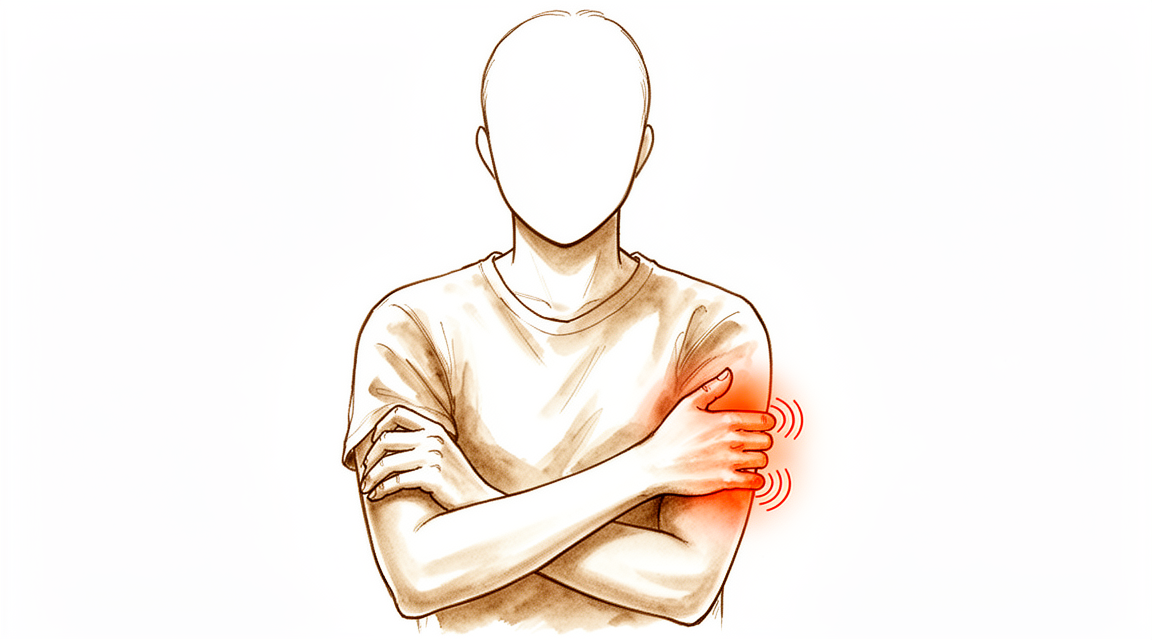
Why this operation has been suggested
Dr Kieran Hirpara, an upper-limb surgeon at Mater Private Hospital Rockhampton, starts with the least invasive options that suit your condition. Patients are generally referred to our clinic by their GP; if a physiotherapist has suggested you see us, you will still need a referral from your GP in order to be eligible for the Medicare rebate. At your appointment we take a history, examine your arm, and arrange imaging or nerve tests where needed. Cubital tunnel syndrome is the name for pressure on a nerve at the inside of your elbow. This pressure causes numbness or tingling in your little finger and the ring finger side of your hand, and it can worsen when your elbow is bent for long periods. For a long-standing problem like this we usually try non-operative care first: activity change, physiotherapy or hand therapy, splinting, and injections. We consider surgery when those steps have not given you enough improvement.
The operation is called cubital tunnel release. It eases the pressure on the nerve so your symptoms can settle. More than 90% of people who have this surgery are cured or show improvement. We will talk through what matters to you and decide together whether it is the right next step.
Before the operation
Once surgery is booked, we will give you clear instructions to follow. You will need to stop eating and drinking for seven hours before your operation. We ask for seven hours rather than six so your surgery time can be brought forward if the theatre list runs early. Some medications may need to be paused before surgery, and your surgeon will tell you which ones and when. Bring a list of everything you take, including tablets, injections and creams. Arrange for someone to drive you home afterwards, as you will not be able to drive yourself. Wear loose, comfortable clothing with a sleeve that is easy to remove. Imaging such as X-rays, ultrasound or MRI scans may have been arranged to help plan your operation. If you have other medical conditions, you may need blood tests or a review with the anaesthetist, but most people do not.
On the day
You arrive at the hospital's surgical admissions unit, where you are checked in and prepared for theatre. You will meet the anaesthetist, a doctor who looks after your comfort and safety during the operation. This operation is done under general anaesthetic. You will be fully asleep for the operation. Some patients may also have a regional nerve block for post-operative pain relief; the anaesthetist decides on the day based on your individual circumstances. You are then taken into the operating theatre, where the operation is performed.
You will wake up in the recovery area, where nurses watch over you while the anaesthetic wears off. Once you are stable, you either go to the ward or go home, depending on the procedure and your recovery. Many people go home the same day. Before you leave, we will explain how to care for your arm and what to expect over the coming days.
What the operation involves
The operation is called a cubital tunnel release. Your surgeon makes one cut on the inner side of your elbow, just behind the bony bump you can feel there. Through this cut, your surgeon finds the ulnar nerve, the nerve that has been squeezed and is causing the tingling in your little and ring fingers. The nerve runs through a tunnel of tissue near the elbow, a bit like a cable running through a narrow conduit. Your surgeon opens that tunnel so the nerve is no longer pinched. This is called a decompression, which means taking pressure off the nerve.
Sometimes the nerve also needs to be moved to a new position at the front of the elbow so it stays out of trouble when you bend your arm. Your surgeon will decide during the operation whether releasing the tunnel alone is enough, or whether moving the nerve will serve you better. The choice depends on your examination and what your surgeon finds.
Once the nerve is free, your surgeon closes the cut. A fine self-adhesive mesh is laid over the wound first, holding the skin edges together. A liquid skin glue is then painted over the mesh, where it sets and seals everything as one closure. It stays on for roughly one to two weeks, then lifts and peels away by itself, so there is nothing to take out.
After the operation
You will wake up in the recovery area, where nurses watch over you while the anaesthetic wears off. This is a day case, so you will go home the same day. Pain is usually mild to moderate and can be managed with simple pain relief; we will explain what to take before you leave. Your arm will have a soft dressing over the wound, and you can move your fingers, hand and shoulder as comfort allows. There is no cast or brace, and you will not need a sling unless we advise one. Please arrange for someone to stay with you for the first 24 hours after you get home. We leave the dressing on for about 10 days; please do not take it off before then unless we tell you to. We change or remove it when we see you.
Recovery
Most people notice the tingling in their little and ring fingers settles quickly after surgery. Many report sleeping better within days, because the night-time discomfort eases early. If your symptoms were severe, the numbness or weakness may take longer to fade. Feeling can return gradually, and that can take weeks, months or longer depending on how much the nerve was squeezed. Most people with severe symptoms still improve, even if the recovery is slow.
Your arm will have a soft dressing, which we leave on for about 10 days. You can move your fingers, hand and shoulder as comfort allows. Keep the wound dry and follow the care instructions we give you before you go home. Hand therapy after surgery is with Ruby Doolan at Extend Rehabilitation. Your hand therapist will guide your exercises and make a splint for you if one is needed. Gentle movement helps the nerve glide and keeps your elbow from stiffening.
You can do most daily tasks at home as soon as it feels comfortable, using your other arm where needed. Once the dressing comes off and the wound has settled, you can return to light activities. You can usually drive once any splint is off and you can hold the wheel and react quickly without pain; see our page on Driving after upper-limb surgery. Return to work and sport depends on what your job and hobbies involve, and the table above gives typical timeframes.
Recovery varies between individuals. Your timeline may differ, and we will guide you along the way.
What can go wrong
Most patients do well, but problems can occasionally happen. Your surgeon and the team monitor you closely to spot any issue early.
Sometimes the original symptoms do not settle, or they come back after a period of relief. You might notice the tingling or numbness in your little and ring fingers returning, or aching on the inner side of your elbow that will not go away. If this happens, bring it up at your next review. Further surgery to release the nerve again is possible, and many people still gain improvement from it, though results are less predictable than the first operation.
The wound can become infected. Watch for increasing pain around the cut, redness that spreads out from it, swelling, or discharge. If you notice any of these, contact the clinic promptly. Infections are usually treated with antibiotics and wound care, so early review matters.
A small nerve that runs near the inner elbow can be irritated during surgery. This can leave an area of numbness or a tender spot on the inner side of your forearm, or occasionally a small painful lump where the nerve has healed into scar tissue. If you notice new numbness or tenderness in that area, mention it at your review appointment.
The ulnar nerve itself can occasionally become unstable after release, shifting backwards and forwards over the bony bump as you bend your elbow. You might feel or see a flicking at the inner elbow. Tell your surgeon if you notice this.
Smoking can affect how well your recovery goes, so it is worth raising this with us before surgery. A previous fracture or dislocation of the same elbow can also make further surgery more likely, which we will discuss when planning your operation.
The complications table on this page lists typical rates if you want the specifics.
When to call us
Most problems show up early, and we would rather hear about them sooner than later. Call us if you have a fever, if the redness around the wound is spreading, or if there is discharge from it. Call us too if your pain keeps getting worse rather than easing, or if new numbness appears in your hand. Go to emergency if you have calf swelling or pain, shortness of breath, sudden severe pain in your arm, or you cannot move your arm at all.
Where to read more about the condition
This page is about the operation itself. The condition it treats, including what the evidence shows about when surgery helps and when it does not, is covered in more detail on the Cubital Tunnel Syndrome page.
Evidence & references
This is the clinical evidence summary written for health professionals. It is technical, and it lists the research this page was built from. You do not need to read it to understand your treatment or to make a decision about it.
Anatomy & Pathophysiology
Epidemiology & Clinical Presentation
- Cubital tunnel syndrome is the second most common entrapment neuropathy of the upper extremity behind carpal tunnel syndrome [1].
- The incidence of cubital tunnel syndrome is reported to be nearly 21 cases per 100,000 people per year [1].
- The prevalence of cubital tunnel syndrome in the United States population is between 1.8% and 5.9% [9].
- Pain is not a common symptom of cubital tunnel syndrome, but an aching pain localized to the elbow or proximal forearm may be reported [1].
- Patients typically present with worsening sensory numbness of the hand and digits in an ulnar distribution [1].
- Clinical progression may involve motor weakness of the hypothenar musculature and clawing of the hand due to loss of intrinsic musculature [1].
- Dysesthesias in the small finger and ulnar side of the ring finger are exacerbated by prolonged elbow flexion [8].
- Advanced clinical findings include intrinsic muscle weakness of the hand, hypothenar wasting, and resulting functional impairment [8].
- Patients with cubital tunnel release often have a history of trauma to the anatomic site of the cubital tunnel [9].
- Male gender is a risk factor for cubital tunnel syndrome [9].
Anatomical & Biomechanical Factors
- The ulnar nerve’s posterior location and superficial course make it susceptible to irritation, compression, and traction with elbow motion [8].
- Elbow flexion diminishes the volume of the cubital tunnel and elongates the nerve [8].
- Both compression and nerve tension can contribute to cubital tunnel syndrome [8].
- Ulnar nerve compression may stem from space-occupying lesions [8].
- Compression may occur proximally at the ligament of Struthers (medial intermuscular septum) [8].
- Compression may occur distally from fascial bands between the ulnar and humeral heads of the flexor carpi ulnaris [8].
- Compression may occur about the roof of the cubital tunnel in patients with an anconeus epitrochlearis [8].
- Subluxation or dislocation of the ulnar nerve during elbow flexion can be palpated and may be associated with increased symptoms [1].
- Ulnar nerve mobility may be associated with dislocation of the medial head of the triceps [1].
Diagnostic Localization
- The dorsal ulnar cutaneous nerve innervates the ulnar aspect of the dorsum of the hand and arises from the ulnar nerve approximately 6 cm proximal to the wrist [1].
- Diminished sensation in the dorsal ulnar cutaneous nerve territory localizes the lesion proximal to this branch, likely within the cubital tunnel [1].
- Preserved dorsal sensation may localize the lesion to Guyon canal in the wrist [1].
- Ultrasonography sensitivity for diagnosing ulnar neuropathy at the elbow ranges from 46% to 100% [1].
- Ultrasonography specificity for diagnosing ulnar neuropathy at the elbow ranges from 43% to 97% [1].
- MRI sensitivity for diagnosing ulnar neuropathy at the elbow is as high as 95% [1].
- MRI specificity for diagnosing ulnar neuropathy at the elbow is 80% [1].
- MRI can demonstrate enlarged, T2-hyperintense nerve lesions proximal to a point of compression with distal muscle atrophy [1].
- Ultrasonography can demonstrate hypoechoic, enlarged nerve fascicles [1].
- Electrodiagnostic studies are critical in the differential diagnosis and localization of the level of compression [7].
- If sensory loss far exceeds motor complaints, a sensory neuropathy should be considered [7].
- If motor complaints exceed sensory complaints, compression in the Guyon canal should be considered, especially if proximal extrinsic hand muscles are normal and there is no thenar atrophy [7].
- If there is additional thenar atrophy, radiculopathy or compression in the thoracic outlet should be considered [7].
- If extrinsic motors are equally involved, brachial plexus neuritis or upper motor neuron disease may be considered if deep tendon reflexes are increased [7].
Clinical Presentation
- Cubital tunnel syndrome is the second most common peripheral nerve entrapment disorder of the upper extremity after carpal tunnel syndrome [8].
- Pain is not a common symptom of cubital tunnel syndrome, but an aching pain localized to the elbow or proximal forearm may be reported by patients [1].
- Clinical manifestations include dysesthesias in the small finger and ulnar side of the ring finger exacerbated by prolonged elbow flexion [8].
- Patients may report numbness and tingling in the ulnar one and one-half digits of the affected upper extremity [8].
- Patients may report pain and numbness along the ulnar forearm and elbow [8].
- The disease progresses to involve motor weakness of the hypothenar musculature [1].
- Advanced findings include intrinsic muscle weakness of the hand, hypothenar wasting, and resulting functional impairment [8].
- Later in the disease process, patients may complain of grip weakness and hand atrophy [8].
- Clawing of the hand due to loss of intrinsic musculature is a typical presentation feature [1].
- In mild-to-moderate cubital tunnel syndrome, patients are instructed to avoid prolonged elbow flexion for sleeping [9].
- The severity of cubital tunnel syndrome is divided into three categories: mild dysfunction (intermittent paresthesias and subjective weakness), moderate dysfunction (intermittent paresthesias and measurable weakness), and severe dysfunction (persistent paresthesias and measurable weakness) [9].
- A detailed ulnar nerve examination should assess the presence or absence of sensation in the distribution of the dorsal ulnar cutaneous nerve [1].
- If sensation is diminished in the dorsal ulnar cutaneous nerve territory, the localization is proximal to this nerve and likely within the cubital tunnel [1].
- With preserved dorsal sensation, the lesion may be localized to Guyon canal in the wrist [1].
- Identification of dislocating structures is important as it may affect surgical decision making [1].
- Many conditions can mimic cubital tunnel syndrome, including amyotrophic lateral sclerosis and Pancoast tumors [7].
- If there is additional thenar atrophy, radiculopathy or rarely compression in the thoracic outlet with the very rare Gilliatt “true” neurogenic thoracic outlet syndrome should be considered [7].
- If extrinsic motors are equally involved, brachial plexus neuritis can be considered or upper motor neuron disease if the deep tendon reflexes are increased [7].
- Electrodiagnostic studies by an experienced examiner are critical in the differential diagnosis and localization of the level of compression [7].
- EMG/NCS may be ordered to confirm the extent of compression as well as sites, including identifying additional sites of compression such as above the elbow in the cervical spine [8].
- Electrophysiology is helpful to ensure proper diagnosis and targeted treatment [1].
Investigations
- Diagnosis of cubital tunnel syndrome is made by clinical history and physical examination, with adjunct electrophysiology and imaging as needed [1].
- Diminished sensation in the dorsal ulnar cutaneous nerve territory localizes the lesion proximal to this branch and likely within the cubital tunnel [1].
- Ultrasonography demonstrates hypoechoic, enlarged nerve fascicles in ulnar neuropathy at the elbow [1].
- Ultrasonography sensitivity for diagnosing ulnar neuropathy at the elbow is reported between 46% and 100% [1].
- Ultrasonography specificity for diagnosing ulnar neuropathy at the elbow is reported between 43% and 97% [1].
- MRI demonstrates enlarged, T2-hyperintense nerve lesions proximal to a point of compression with distal muscle atrophy in ulnar neuropathy at the elbow [1].
- MRI and ultrasonography can be used to evaluate recurrent or persistent symptoms after surgery [1].
Treatment
Non-Operative Management
- Conservative management for cubital tunnel syndrome includes activity modification, anti-inflammatory medications, and therapy [1].
- Many cases of cubital tunnel syndrome require surgical intervention despite attempts at conservative management [1].
Surgical Techniques: In Situ Decompression
- In situ decompression is a commonly utilized technique for ulnar nerve surgery within the cubital tunnel [1].
- Techniques for in situ decompression vary, with some surgeons unroofing the cubital tunnel and others performing circumferential neurolysis from the distal third of the arm (arcade of Struthers) through the cubital tunnel to distal structures (Osborne fascia) [1].
- The reported success rate for in situ decompression is 65.3% to 94.1% [1].
- The complication rate for in situ decompression is reported to be 3% [1].
- The rate of secondary surgery for in situ decompression is 2.5% [1].
- In patients with ulnar neuropathy and no evidence of active subluxation, in situ decompression is feasible and cost-effective [1].
- A recent trend favors performing in situ decompression rather than ulnar nerve transposition due to similar outcomes but higher complication and revision surgery rates associated with transposition [1].
Surgical Techniques: Anterior Transposition
- Anterior transposition is a commonly utilized technique for ulnar nerve surgery within the cubital tunnel [1].
- Anterior transposition can be performed subcutaneously, intramuscularly, or in a submuscular fashion [1].
- The reported success rate for subcutaneous transposition is 77.7% to 94% [1].
- Complication rates for anterior transposition are reported to be up to 14%, likely due to the more extensive dissection required [1].
- The rate of secondary surgery for anterior transposition is 11.1% [1].
- Anterior transposition involves more mobilization of the nerve and more extensive degrees of dissection of the soft tissues around the elbow compared to in situ decompression [1].
- Anterior transposition should be considered in patients where ulnar nerve subluxation or dislocation is apparent and reproducible during elbow flexion on physical examination [1].
- Structures that may tether the nerve distally after transposition include branches of the medial antebrachial cutaneous nerve, vascular branches from the ulnar artery, Osborne fascia, ulnar motor branches to the flexor carpi ulnaris, the distal intermuscular septum, the flexor-pronator muscle origin, and the investing fascia of the flexor digitorum superficialis overlying the ulnar nerve [1].
Surgical Techniques: Endoscopic Release
- Endoscopic techniques are being increasingly utilized for cubital tunnel release [1].
- Outcomes for endoscopic cubital tunnel release have been similar to in situ decompression for symptom relief and return to work [1].
- Patients undergoing endoscopic cubital tunnel release report higher scar satisfaction compared to other techniques [1].
- For endoscopic cubital tunnel release, the patient is placed supine with the shoulder abducted and externally rotated, and the arm on an arm table [4].
- A tourniquet is placed high on the brachium to avoid interfering with the surgical release during endoscopic cubital tunnel release [4].
- The incision for endoscopic cubital tunnel release is 2 cm long, made through the skin over the cubital tunnel just posterior to the medial epicondyle [4].
- During endoscopic cubital tunnel release, the dissection is carried down to the medial epicondyle while protecting superficial nerves and avoiding violation of the deep fascia during initial exposure [4].
- The ulnar nerve is identified by palpation directly posterior to the medial epicondyle, and an incision is made through the roof of the canal [4].
- A spatula is used to open the space between the ulnar nerve and the roof of the canal (fascia) during endoscopic release [4].
- A trocar/cannula is placed into the canal, with an attached retractor sliding on the external surface of the fascia to elevate superficial nerves [4].
- The roof of the canal (fascia) is divided with a blade along the superior slot of the cannula during endoscopic release [4].
Surgical Techniques: Open Decompression with Epicondylectomy
- An 8-cm skin incision is made along the course of the ulnar nerve centered over the posterior aspect of the medial epicondyle for open decompression with epicondylectomy [4].
- The medial epicondyle is exposed subperiosteally, incising the common flexor-pronator origin while protecting the ulnar collateral ligament [4].
- The entire medial epicondyle and a portion of the supracondylar ridge are removed with an osteotome or rongeur to release the insertion of the medial intermuscular septum [4].
- The medial intermuscular septum is exposed and excised proximally to the insertion of the coracobrachialis muscle to release the arcade of Struthers [4].
- A bone rasp is used to ensure that no bony ridges remain in the area of the osteotomy [4].
- The periosteum is reattached to the common flexor-pronator tendon to separate the raw cancellous surface from the ulnar nerve [4].
- The ulnar nerve is allowed to seek its own position adjacent to the medial humeral condyle after decompression [4].
- Postoperative care involves protecting the wound in a soft bulky dressing and allowing early range of motion as tolerated [4].
Comparative Outcomes and Complications
- A Cochrane review demonstrated no difference in symptom severity scores at 6 and 12 months follow-up between in situ decompression and anterior transposition techniques [1].
- There was insufficient evidence in the Cochrane review to recommend a best treatment between in situ decompression and anterior transposition [1].
- Complications from both in situ decompression and anterior transposition include ulnar instability, infection, and medial antebrachial cutaneous nerve injury [1].
- Cohorts reporting success rates for in situ decompression and subcutaneous transposition are small and subject to significant publication bias [1].
Revision Surgery
- Recurrent or persistent symptoms after cubital tunnel surgery can be difficult to treat [1].
- In patients with recurrent symptoms, 77% can experience either motor and/or sensory improvement after revision cubital tunnel decompression [1].
- 23% of patients with recurrent symptoms achieve complete recovery from symptoms at final follow-up after revision cubital tunnel decompression [1].
- Improvement in recurrent symptoms after revision surgery may be due to pain relief even when neurologic findings do not improve [1].
Complications
- Complications from in situ decompression and anterior transposition include ulnar instability, infection, and medial antebrachial cutaneous nerve injury [1].
- The reported complication rate for in situ decompression is 3% [1].
- The reported complication rate for anterior transposition is up to 14% [1].
- Higher complication rates for anterior transposition are likely due to the more extensive dissection required to complete the nerve transposition [1].
- Rates of secondary surgery were higher in patients undergoing anterior transposition compared to in situ release (11.1% vs 2.5%) [1].
- In patients with recurrent symptoms after surgery, 77% can experience either motor and/or sensory improvement after revision cubital tunnel decompression [1].
- In patients with recurrent symptoms after surgery, 23% achieve complete recovery from symptoms at final follow-up after revision cubital tunnel decompression [1].
References
[1] Orthopaedic Knowledge Update 13 Ebook Without Multimedia. Neuropathies, Vascular Conditions: Buerger’s, Raynaud’s; Degenerative Conditions > Upper Extremity Neuropathies > Cubital Tunnel Syndrome.
[4] Campbell S Operative Orthopaedics 4 Volume Set. COMPRESSIVE NEUROPATHIES OF THE HAND, FOREARM, AND ELBOW > ENDOSCOPIC CUBITAL TUNNEL RELEASE.
[7] Green S Operative Hand Surgery. Median Nerve Compression at the Elbow and Forearm > Recurrent Cubital Tunnel Syndrome.
[8] Orthopaedic Knowledge Update 13 Ebook Without Multimedia. Elbow Degenerative Conditions and Nerve Disorders > Nerve Disorders > Cubital Tunnel Syndrome.
[9] Campbell S Operative Orthopaedics 4 Volume Set. COMPRESSIVE NEUROPATHIES OF THE HAND, FOREARM, AND ELBOW > CUBITAL TUNNEL SYNDROME AND TARDY ULNAR NERVE PALSY.