Patients › Wrist
Kienböck's Disease
Kienböck’s disease — progressive wrist pain from lunate avascular necrosis; diagnosis and treatment options.
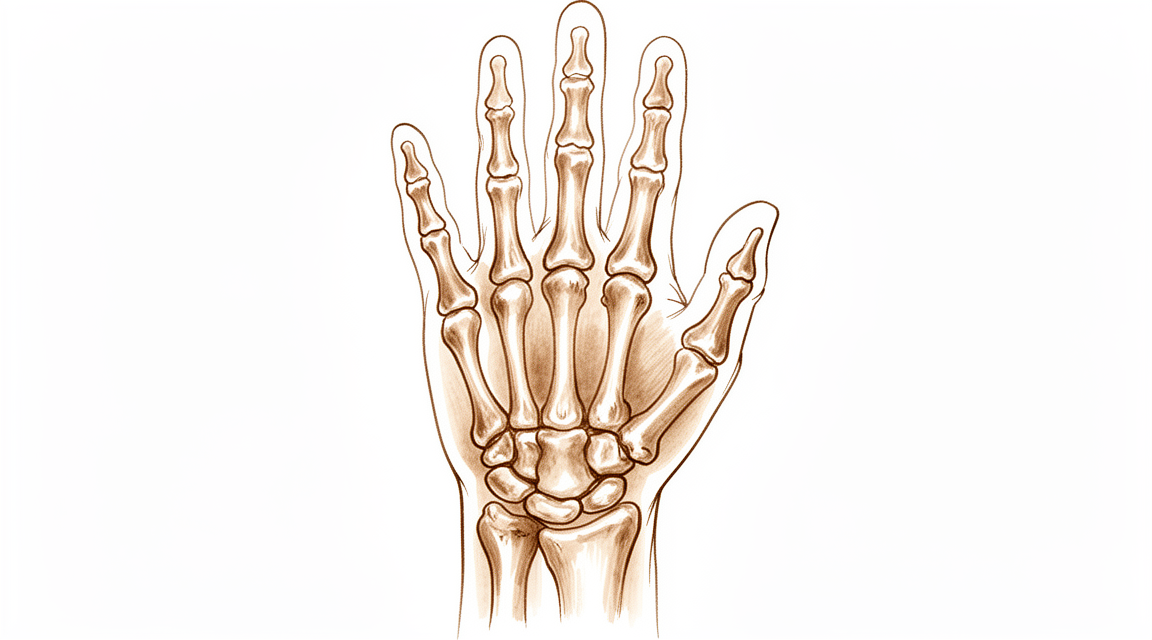
What you're feeling
The pain of Kienböck disease sits in the middle of the back of your wrist, over a small bone called the lunate. It often starts without any obvious injury, though some people remember a fall or a knock beforehand. The back of your wrist may also look or feel swollen.
The ache tends to worsen with activity and settles with rest. Many people notice it most when gripping, squeezing or bearing weight through the wrist. Your grip may feel weaker than usual, and your wrist may not bend or turn as freely as it once did.
Everyday tasks that load the wrist become harder. Pushing up from a chair, carrying shopping bags, wringing out a cloth or using a hand-held tool can all bring the pain on. Some people find the wrist is stiff and sore first thing in the morning or after a period of stillness.
If your wrist pain matches this pattern, it is worth having it looked at. A physical examination can point towards Kienböck disease, but scans are needed to confirm it.
What's actually happening
Your wrist is built from eight small bones working together as a team. One of them, the lunate, sits in the middle of the back of the wrist. It acts a bit like a shock absorber, taking load and passing it smoothly between the bones on either side.
In Kienböck disease, the blood supply to this small bone is poor or gets cut off. Some lunates are fed by a single vessel with little branching inside the bone, so there is no backup route if that supply is squeezed. When blood cannot get in, the bone softens and can start to break down. Repeated loading through the wrist is thought to raise the pressure inside the bone, which can choke off that blood flow. The shape of your wrist may play a part too: if one forearm bone is shorter than the other, the lunate can take more load than it is built for.
As the bone weakens, it may flatten or break into fragments. The bone beside it then loses its cushion and sinks into the space, and the whole row of wrist bones can fall out of line. That is why your grip weakens and the wrist stiffens as the condition progresses.
Doctors describe how far the disease has gone in stages. Early on, the bone is soft but still whole. Later, it collapses, and the wrist joints can develop wear-and-tear arthritis. The stage matters because it shapes what treatment makes sense, from taking load off the bone to rebuilding or, in advanced cases, removing or fusing parts of the wrist.
What we can do about it
Dr Kieran Hirpara, an upper-limb surgeon at Mater Private Hospital Rockhampton, starts with the least invasive options that suit your condition. Patients are generally referred to our clinic by their GP; if a physiotherapist has suggested you see us, you will still need a referral from your GP in order to be eligible for the Medicare rebate. At your first visit we take a history, examine your wrist and arrange scans if they are needed. Scans such as CT and MRI show how far the disease has gone and help us plan treatment.
For a long-standing problem like this, we usually try non-operative care first. That means changing how you use your wrist, easing back on heavy loading, and wearing a splint to rest the lunate. Physiotherapy or hand therapy aims to keep the wrist moving and maintain your grip strength while the bone is protected. We usually give this a fair trial before talking about surgery.
If pain medication is needed, simple anti-inflammatories can settle the ache so you can work on movement and strength. They treat the symptoms rather than the disease itself.
Surgery comes into the picture when non-operative care has not given enough relief, or when scans show the bone is starting to collapse. The aim of most operations is to take load off the lunate so it can settle. One option is shortening one of the forearm bones slightly, which spreads the load more evenly across the wrist. Another is a bone graft with its own blood supply, moved into the lunate to help it heal. These are joint-levelling procedures, and they suit earlier stages of the disease.
Once the lunate has collapsed substantially or wear-and-tear arthritis has developed in the wrist, we move to salvage options. These trade some wrist movement for comfort and function. A proximal row carpectomy removes the lunate and two neighbouring bones, letting the remaining bones take over. A wrist fusion joins some of the wrist bones together so they no longer grind against each other. Scaphocapitate arthrodesis, which joins two bones on the thumb side of the wrist, is another option we may discuss. We will go through what each involves and what it means for your wrist, and decide together which path suits you.
What to expect
Kienböck disease usually does not settle on its own. It tends to progress slowly over years, and without treatment it can reach the point where the wrist joints develop wear-and-tear arthritis. That said, the pace varies from person to person, and in some people the bone holds its shape for a year or more without changing at all.
With treatment, the outlook depends on how far things have gone. For earlier stages, taking load off the bone can bring long-lasting pain relief. Radial shortening osteotomy, the forearm-shortening operation described earlier, gives many people a decade or more of improvement, and most keep useful wrist function long term. A bone graft with its own blood supply can also settle things down for the long haul. For teenagers, these operations can improve both symptoms and how the wrist looks on scans.
For advanced disease, salvage operations such as a proximal row carpectomy or wrist fusion trade some movement for comfort. These aim to settle pain and keep the wrist working for everyday tasks, though they cannot restore it to what it was.
It is honest to say that no single treatment has been shown to work better than all the others for this condition. Some people do well with surgery, some with splints and activity change alone, and a few continue to have trouble despite treatment. About one in eight people who have the forearm-shortening operation later go on to a salvage procedure. Even so, most people who are treated get pain relief and keep a working wrist.
What you can do is protect the lunate early. Easing back on heavy loading, wearing your splint as advised, and keeping up hand therapy all give the bone its chance. The earlier the disease is caught, the more options you have. If your wrist pain is not settling, come back and see us rather than waiting it out.
When to see someone
See your GP if you have pain in the middle of the back of your wrist that will not settle, especially if it came on without a clear injury. Other signs worth acting on are swelling over the back of the wrist, a weaker grip, or a wrist that no longer bends and turns as freely as it did. Ask for a specialist review if rest, splinting and easing back on loading have not helped after a fair trial, or if the pain is getting in the way of your work or sleep. Kienböck disease tends to progress slowly, and the earlier it is picked up, the more treatment options you have. A physical examination can point towards it, but scans are needed to confirm the diagnosis.
In more depth
Advanced reading: the deeper science (optional)
This section goes further than you need for your own treatment decisions. Kienböck's disease is worth the extra reading because of an uncomfortable finding that runs through its literature: the operations performed for it improve symptoms without clearly changing what the disease does to the bone.
Surgery relieves pain; it has not been shown to alter the disease
The most direct comparison available followed patients long-term after radial osteotomy against those treated non-operatively. Radial osteotomy was not superior to non-operative treatment in terms of disease progression by Lichtman stage, but it did produce better outcomes for pain and range of wrist motion [1].
Read that as two separate claims, because it is. The operation helps how the wrist feels and moves. It has not been demonstrated to stop the lunate collapsing. A later long-term comparison of non-operative treatment against vascularised bone grafting reached a similarly measured conclusion [2].
This is the single most useful thing to understand before consenting to surgery here. If an operation is offered as a way to save the lunate, that framing is ahead of the evidence. If it is offered as a way to reduce pain and preserve motion in a wrist that hurts now, that is supported.
Why the radiographs and the symptoms drift apart
Kienböck's is defined radiologically, the Lichtman stages describe sclerosis, then collapse, then carpal disintegration, and it is natural to assume the pictures track the pain. They frequently do not. Wrists progress radiologically while feeling better, and wrists hurt persistently at early stages.
That mismatch is why "the X-ray looks worse" is not by itself a reason to operate, and why serial imaging is a poor way to decide. The decision belongs to symptoms and function.
The operations are numerous, which is itself informative
Radial shortening, capitate shortening, vascularised bone grafting, core decompression, partial fusions, proximal row carpectomy, the number of described procedures is large. A systematic review of capitate shortening osteotomy is among the more recent additions [3].
In surgery, a long list of competing operations for one condition is usually a sign that none of them is decisively better. That is the honest reading here, and it explains why two reasonable surgeons may propose different procedures for the same wrist without either being wrong.
The unifying logic behind most of them is mechanical: reduce the load passing through the lunate, either by shortening the radius so the ulna carries more, or by shortening the capitate so less force is transmitted down onto the lunate. They are attempts to unload a bone whose blood supply is failing, not attempts to restore that blood supply, with the partial exception of vascularised grafting, which tries to do both.
What this means for you
Three practical consequences. Watchful waiting is a legitimate option rather than a failure to act, particularly if pain is tolerable. The purpose of any operation should be stated in terms of symptoms, not stage. And because no procedure has separated itself from the others, being told why this operation suits your wrist, your ulnar variance, your stage, your demands — matters more here than in most of hand surgery.
References for the advanced reading
- Shin YH, Kim JK, Han M, Lee TK, Yoon JO. Comparison of long-term outcomes of radial osteotomy and nonoperative treatment for Kienböck disease: a systematic review. J Bone Joint Surg Am. 2018;100(14):1231-40.
- Park JY, Kim JK, Shin YH. Comparison of long-term outcomes between nonoperative treatment and vascularized bone graft for Kienböck disease. Clin Orthop Surg. 2023;15(4):643.
- Simske N, Pourghaed M, Johnson C, Clark DM. Capitate shortening osteotomy for Kienböck's disease: a systematic review. Hand (N Y). 2026.
Evidence & references
This is the clinical evidence summary written for health professionals. It is technical, and it lists the research this page was built from. You do not need to read it to understand your treatment or to make a decision about it.
Overview
Pediatric and Adolescent Management
- Radial osteotomies are effective in improving short-term clinical outcomes and radiographic findings in teenage patients with Kienböck disease [3].
- Good and excellent clinical and radiological outcomes can be achieved with both nonsurgical and surgical treatments in skeletally immature patients with Kienböck disease [6].
- A prospective investigation is needed to delineate the appropriate management and expected outcomes of pediatric and adolescent Kienbock disease [7].
- Children, adolescents, and elderly patients with Kienböck disease respond well to nonoperative treatments, and this should be considered before any surgical intervention [12].
- Temporary scaphotrapezoidal joint fixation is recommended for the surgical treatment of adolescent Kienböck's disease [13].
Advanced Disease and Salvage Procedures
- Functional outcomes in medium-term follow-up are discouraging after scaphocapitate arthrodesis for advanced stages of Kienböck disease [2].
- The long-term clinical benefits of scaphocapitate arthrodesis for treatment of collapsed Kienböck disease are demonstrated [8].
- Radial shortening osteotomy for symptomatic Kienböck's disease yields reasonable long-term function, though approximately one in eight patients underwent salvage surgery [9].
- Radial shortening osteotomy should not be contraindicated in advanced Kienbock's disease (without radiocarpal osteoarthritis) as it achieves long-lasting good clinical results with very few complications [11].
- Tendon ball arthroplasty in advanced Kienböck's disease results in long-term satisfactory clinical outcomes, despite widespread changes in the bones and joints within the wrist [17].
- Radial shortening osteotomy offers at least comparable outcomes with proximal row carpectomy in treating Kienböck's disease, particularly in preserving joint function and patient satisfaction [26].
Anatomy & Pathophysiology
Lunate Vascular Anatomy
- The lunate typically receives arterial contributions from branches entering both dorsally and palmarly [14].
- In one study, the lunate was supplied by only a single palmar artery in 7% of wrists [14].
- Intraosseous branching patterns vary, with 31% of specimens in one study showing a single path through the bone without significant arborization [14].
- A lunate with a single vessel and minimal branching may be at increased risk of osteonecrosis after hyperflexion or hyperextension injuries or a minimally displaced fracture [14].
- Lunate dislocation can occur without the development of osteonecrosis because the lunate usually dislocates palmarly with a flap of palmar capsule still attached, which transmits sufficient vascular supply to maintain viability [14].
- Lee (1963) found in cadaver experiments that the lunate had three predictable vascular patterns [42].
Etiology and Pathogenesis
- The exact mechanism(s) of Kienböck disease have not been established [1, 20].
- Mechanical factors described as having an influence in the development of Kienböck disease include ulnar variance, radial inclination, lunate morphology, intraosseous trabecular anatomy, ulnar length, lunate size, and repeated trauma [20].
- Vascular or biological factors postulated to favour the disease include a single arterial supply to the bone, poor intraosseous anastomoses, or a hypercoagulability status [20].
- The main aetiopathogenic theory is that repeated stresses to the lunate may induce a raised intraosseous pressure, which causes cessation of arterial blood flow and leads to hypoperfusion [20].
- This situation is similar to a bony "intracompartmental syndrome" and may cause progressive ischaemia, leading to interstitial oedema and necrosis of marrow fat [20].
- The pathogenesis of the disease cannot be attributed to one single cause; it seems more likely that a combination of risk and triggering factors is required [20].
- Disruption of venous outflow has been suggested as a cause of Kienböck disease [14].
- In vitro intraosseous pressure measurements within normal and necrotic lunates showed marked increases in pressure in the necrotic bones, a finding more consistent with venous stasis than with arterial compromise [14].
- It is unclear whether increased intraosseous pressure is a cause or a result of the disease process [14].
- Some believe that unrecognized and untreated fractures of the lunate lead to Kienböck's disease, based on cadaveric work by Verdan who observed that resulting fractures were not visible on standard radiographs but only on histology [61].
- Others have questioned these findings, with one study suggesting that early venous congestion, not fracture, of the lunate was responsible for the pathogenesis of Kienböck's disease [61].
- Kienböck disease is more common in patients with an ulnar minus variant [61].
- Ulter negative variance is a risk factor for Kienböck disease [33, 34].
- Decreased radial inclination is a risk factor for Kienböck disease [33, 34].
- Repetitive trauma is a risk factor for Kienböck disease [33, 34].
- Vascular patterns of the lunate are a risk factor for Kienböck disease [33, 34].
- Kienböck disease is most common in young men [33, 34].
- Kienböck disease manifests as atraumatic dorsal wrist pain and decreased grip strength [33, 34].
- Unexplained dorsal wrist pain in a young adult with negative ulnar variance should prompt magnetic resonance imaging (MRI) evaluation [33, 34].
- Kienböck disease is suspected in the face of central dorsal pain at the wrist, over the lunate [36].
- Kienböck disease often appears spontaneously, even if more or less intense or repeated injury events can be put forward [36].
- Patients with Kienböck disease often have limited mobility and grip strength [36].
- Kienböck disease is a progressive disease process that can lead to wrist pain and dysfunction [41].
- Anatomic, mechanical, vascular, and traumatic factors have been suggested to contribute to the disease [41].
- The natural history of Kienböck disease is unknown [41].
- Radiographic and clinical findings do not always correlate in Kienböck disease [41].
- Kienböck's disease is an eponym for idiopathic avascular osteonecrosis of the lunate [61].
- It usually has an insidious onset without a history of injury [61].
- Diagnosis is sometimes made after a simple fall that fractures the necrotic bone [61].
- Osteonecrosis may be the result of interruption of the vascular supply to the lunate, which shows no radiographic evidence of injury until sclerosis and osteochondral collapse [61].
- The lunate necrosis after perilunate dislocation is probably due to impairment of the arterial vasculature [61].
Carpal Anatomy and Biomechanics
- The wrist includes the distal radioulnar, radiocarpal, and ulnocarpal joints and the eight carpal bones and their proximal and distal articulations and attached ligaments [44].
- The eight carpal bones include the scaphoid, lunate, triquetrum, and pisiform in the proximal row and the trapezium, trapezoid, capitate, and hamate in the distal row [44].
- The radiocarpal joints are formed by the articulation of the distal radius with the scaphoid and lunate through their respective concave facets on the distal radius and the triquetrum on the triangular fibrocartilage [44].
- The distal concave articular surfaces of the proximal carpal row form the midcarpal articulations with the distal row [44].
- The distal ulnar convexity articulates at the lesser sigmoid notch of the distal radius [44].
- There is about a 20-degree inclination of the distal ulna at its articulation with the radius [44].
- The triangular fibrocartilage complex (TFCC) attaches to the ulnar margin of the lunate fossa of the radius and includes the ulnar collateral ligament, dorsal and volar radioulnar ligaments, articular disc, meniscal homologue, extensor carpi ulnaris sheath, and ulnolunate and ulnotriquetral ligament [44].
- The space of Poirier is a relatively thin area on the palmar side of the carpus, between the radiolunotriquetral ligament and the radioscapocapitate ligament, overlying the palmar surface of the lunate [44].
- The distal radius has three articular components: distally the scaphoid and lunate fossae, and medially the sigmoid notch [50].
- Between the scaphoid and the lunate fossa is a ridge that corresponds with the scapholunate interval [50].
- The concave elliptical distal radius is oriented in the sagittal plane with an average of 11 degrees of volar tilt [50].
- In the frontal plane, the average radial inclination is 23 degrees [50].
- Radial length is measured from the tip of the radial styloid to the ulnar articular surface and averages 13 mm [50].
- The radius bears 80% of the axial load transmitted through the radiocarpal joint, while the ulna bears 20% in neutral ulnar variance [51].
- The proximal row of carpal bones form an intercalated segment between the distal carpal row and the distal radius and are bound into a functional unit by the scapholunate interosseous ligament (SLIL) and lunotriquetral interosseous ligament (LTIL) [51].
- The distal row is rigid, with little motion between its bones due to stout intercarpal ligaments, and thus they act as a functional unit with the scaphoid bridging both rows [51].
- During wrist flexion from neutral, the proximal row translates dorsally [51].
- During wrist extension from neutral, the proximal row translates palmarly [51].
- The scapholunate interosseous ligament (SLIL) is the major stabilizer of the wrist and the most commonly injured wrist ligament [51].
- The SLIL is C-shaped, consisting of dorsal, palmar, and interosseous portions, with the dorsal portion being the strongest and thickest [51].
- The SLIL provides a flexion force on the lunate given its attachment to the scaphoid [51].
- The lunotriquetral interosseous ligament (LTIL) is C-shaped, where the volar portion is the thickest and strongest [51].
- The LTIL provides an extension moment on the lunate given its attachment to the triquetrum [51].
- The space of Poirier is an area adjacent to the proximal capitate without ligamentous attachment, situated ulnar to the radioscaphocapitate ligament and radial to the long radiolunate in the floor of the carpal tunnel [51].
- The space of Poirier is a weak area that is vulnerable to instability; the distal carpal row separates from the lunate through this space during a perilunate dislocation [51].
Disease Progression and Carpal Instability
- Fragmentation of the lunate results in loss of the mechanical strength of the central column and proximal migration of the capitate [58].
- Proximal migration of the capitate slackens the radioscaphocapitate (RSC) and scaphocapitate (SC) ligaments and leads to kinematic disruption of the carpus [58].
- In such circumstances, the loaded scaphoid is apt to follow its natural tendency and progressively collapse into flexion, an example of adaptive carpal instability [58].
- Rarely does Kienböck disease demonstrate scapholunate gap, dorsal intercalated segment instability (DISI), or dorsal translation of the scaphoid, which are pathognomonic findings of dissociative instability [58].
- One of the prognostic factors of Kienböck disease is the absence (stage 3A) or presence (stage 3B) of abnormal flexion and pronation deformity of the scaphoid [58].
- In stage 3A, the carpus remains relatively stable, whereas in stage 3B, it has collapsed [58].
- DISI can be caused by Kienböck disease [65].
- In DISI, the lunate extends with midcarpal flexion because the lunate remains connected to the triquetrum through the LTIL, while the scaphoid cannot exert its normal flexion movement [65].
Classification
Osseous Staging (Lichtman)
- The Lichtman classification for Kienböck's disease has good reliability and reproducibility [43].
- Stage III of Kienböck disease is the most common stage at initial presentation [37].
- Lichtman Stage IIIA is defined by lunate fragmentation without changes in carpal alignment [37].
- Lichtman Stage IIIB is defined by lunate fragmentation associated with fixed anterior flexion of the scaphoid, proximal migration of the capitate, and loss of carpal height [37].
- Lunate collapse and the appearance of radiocarpal or midcarpal degenerative arthritis occur in Lichtman Stage IV [37].
- The diagnosis of Kienböck disease in the precollapse stages is not well defined, as evidenced by substantial interobserver variability [29].
- Traditional radiographic indices measured on plain radiographs have poor diagnostic performance in the detection of carpal collapse in Kienböck's disease [16].
- High-resolution computed tomography has been shown to be more accurate than conventional radiography in the assessment of the osseous microstructure of the lunate in Kienböck disease [39].
- Assessment of the internal osseous structure and integrity of the lunate is often not possible by conventional radiography owing to superimposition of other information in the image [39].
Vascular Staging
- A separate vascular classification for Kienböck disease was developed by Schmitt et al. [39].
- The Schmitt classification is one of three existing classifications (osseous, vascular, cartilage) that Lichtman et al. recently combined into a unified classification and treatment algorithm [39].
Articular Cartilage Staging
- A separate cartilage classification for Kienböck disease was developed by Bain and Begg [39].
- The Bain and Begg arthroscopic classification provides a high probability of good long-term relief of pain and a minimal chance of requiring a salvage procedure when used for an articular-based approach to treatment [67].
- Contrary to current classifications, the articular cartilage of the lunate degenerates in early stages of Kienböck disease [5].
Unified Classification and Treatment Algorithms
- Lichtman et al. recently developed a unified classification and treatment algorithm combining the osseous, vascular, and cartilage classifications [39].
- The unified classification and treatment algorithm coordinates osseous, vascular, and articular data alongside patient age to allow for more precise and individualized treatment plans [24].
- A new treatment algorithm has been proposed that integrates traditional osseous classification with perfusion/viability and articular cartilage-based classifications [46].
- Bone morphology is particularly important for choosing the most appropriate treatment in Kienböck disease, specifically for determining surgical treatment decisions from stage III and IV [39].
Clinical Presentation
- Kienböck disease is suspected clinically in the presence of central dorsal pain at the wrist over the lunate [36].
- The onset of Kienböck disease often appears spontaneously, although more or less intense or repeated injury events may be present [36].
- Patients with Kienböck disease often exhibit limited mobility and grip strength [36].
- Clinical examination can suggest the presence of Kienböck disease but cannot confirm the diagnosis [36].
- Dorsal wrist swelling is a common manifestation of Kienböck disease and constitutes part of the pathology [53].
- The diagnosis of Kienböck disease in precollapse stages is not well defined, as evidenced by substantial interobserver variability [29].
- Traditional radiographic indices measured on plain radiographs have poor diagnostic performance in detecting carpal collapse in Kienböck disease [16].
- Lunate morphology may affect the severity of Kienböck disease at the time of initial presentation [10].
Investigations
Imaging Modalities and Diagnostic Performance
- High-resolution computed tomography (CT) is more accurate than conventional radiography in assessing the osseous microstructure of the lunate in Kienböck disease [39].
- Computed tomography of the lunate in Kienböck disease is an important investigative tool [66].
- Proton density–weighted MRIs reflected the extent and localization of the necrotic area in Kienböck-diseased lunates, as evidenced by comparison with histological analyses of the lunate specimens [70].
- Fast-field echo images using a 47-mm microscopy coil did not reflect the extent and localization of the necrotic area in Kienböck-diseased lunates when compared with histological analyses [70].
- MRI is the modality of choice for imaging radiographically occult fractures of the hand and wrist [52].
- The primary advantages of MRI compared with CT and radiography are improved tissue characterization, especially of soft tissues such as ligamentous structures and synovium, and the lack of ionizing radiation [52].
- Dynamic contrast enhancement has been used with inconsistent results to assess for the presence of avascular necrosis in the lunate or scaphoid after injury [52].
- 3T MRI is much preferred for hand and wrist imaging, especially for imaging small fields of view [52].
Staging and Classification
- The lunate consists of osseous, vascular, and cartilaginous components, for each of which a separate classification has been developed: osseous (Lichtman), vascular (Schmitt), and cartilage (Bain) [39].
- Lichtman et al. recently developed a unified classification and treatment algorithm combining the three existing classifications [39].
- Bone morphology is particularly important for choosing the most appropriate treatment in Kienböck disease, particularly for surgical decisions from stage III and IV [39].
- The authors propose a unified classification and treatment algorithm that coordinates osseous, vascular, and articular data alongside patient age to allow for more precise and individualized treatment plans for Kienböck disease [24].
Radiographic Progression and Indices
- Radiographic progression of Kienböck disease over 1 year or more seems slight on average regardless of treatment [21].
- There were no differences in changes in carpal height ratio, Stahl index, and carpal angles between patients who had radial shortening osteotomy and those who had nonsurgical treatment [21].
- Nearly half of the patients had no decrease in the carpal height ratio and/or the Stahl index over a minimum 1-year interval [21].
- Kienböck's disease progresses substantially faster than previously described [5].
Treatment
General Principles and Non-Operative Management
- The natural history of Kienböck's disease is generally considered a progressive condition that can end in Stage IV changes [4].
- Treatment strategies for Kienböck's disease focus on biomechanical unloading, vascularized bone grafts, or salvage procedures depending on the stage [4].
- There is limited, low-quality evidence that surgical treatment slows progression of Kienböck's disease [56].
- Many uncontrolled case series document slight improvement in motion and grip after surgical treatment without clear evidence that this is better than placebo or no intervention [56].
Operative: Joint-Leveling and Osteotomies
- The Lichtman classification directs treatment for Kienböck disease [33, 34].
- First-line surgical treatment for Kienböck disease includes a joint-leveling procedure or core decompression of the radius [33, 34].
- Radial shortening osteotomy is indicated for patients with ulnar-negative variance [33, 34].
- Radial shortening osteotomy provides decade-long improvement in 75% of patients and seems to be a reasonable treatment for symptomatic Kienböck’s disease [19].
- Radial shortening osteotomy offers at least comparable outcomes with proximal row carpectomy (PRC) in treating Kienböck's disease, particularly in preserving joint function and patient satisfaction [26].
- Capitate shortening is a safe and effective approach for treatment of the early stages of Kienböck's disease and can be associated with a satisfying outcome [45].
Operative: Vascularized Bone Grafting
- Supplemental vascularized bone grafting is described as part of the first-line surgical treatment for Kienböck disease [33, 34].
- Vascularized bone grafting for stage III Kienböck disease demonstrated favorable long-term results and is recommended as a surgical treatment [15].
- The treatment of Kienböck disease with vascularized bone graft from the dorsum of the radius has encouraging results and needs no other additional procedures [73].
- Vascularized grafts in general have demonstrated satisfactory clinical results in Kienböck disease, with excellent pain relief and improvement in range of motion and strength [64].
- Improved results were found in postoperative grip strength, pain relief, and function when a vascularized graft was combined with 4 months’ temporary scaphocapitate (SC) pinning [64].
- For Kienböck disease without collapse or injury to the articular surfaces, 5 plus 4 ECA grafts are currently considered a primary option [68].
- Osteochondral MFT flaps may prove to be a useful option to replace fragmented and very small proximal pole scaphoid nonunions and proximal lunate bone and cartilage in Kienböck cases, as an alternative to more common salvage procedures [68].
- The osteochondral, or MFT, flap has been used for replacement of the majority of the lunate, including the proximal articular surface [64].
- In a series of 16 patients treated with MFT flaps for lunate replacement, all but 1 patient had a good clinical result [64].
- In a series of 16 patients treated with MFT flaps for lunate replacement, radiographic changes demonstrated either no further collapse or improvement in lunate and carpal height over time in 14 of 16 patients [64].
Operative: Arthroscopic Procedures
- Arthroscopic lunate core decompression appears to be an effective and safe surgery for treating Kienböck disease on the basis of mid-term follow-up [59].
Operative: Arthrodesis and Salvage Procedures
- For Stage IIIB Kienböck disease, a salvage procedure for associated carpal instability and/or degenerative osteoarthritis is proximal row carpectomy (PRC) [33, 34].
- Scaphocapitate arthrodesis is an effective procedure for treatment of Kienböck disease associated with satisfactory functional outcomes and significant improvement in pain scores and grip strength [25].
- Nonetheless, functional outcomes in medium-term follow-up are discouraging after scaphocapitate arthrodesis for advanced stages of Kienböck disease [2].
- Scaphocapitate arthrodesis should be considered as a treatment option for wrist salvage in the patient with advanced Kienbock's disease [79].
- In scaphocapitate arthrodesis for Kienböck disease, debate remains regarding whether to remove the lunate, with a preference stated to not remove it [69].
- Studies have demonstrated successful pain relief is achieved without excision of the lunate in scaphocapitate arthrodesis for Kienböck disease [69].
- Expected outcomes for scaphocapitate arthrodesis include 50% to 60% range of motion in comparison to the opposite wrist [69].
- Expected outcomes for scaphocapitate arthrodesis include 80% grip strength [69].
- The nonunion rate for scaphocapitate arthrodesis is 15% [69].
- Minimum recovery time before sports participation after scaphocapitate arthrodesis is 3 months [69].
- Longer-term studies of outcome for scaphocapitate arthrodesis have demonstrated rates of progression of radioscaphoid arthritis between 9% and 50% [69].
- Progression of radioscaphoid arthritis after scaphocapitate arthrodesis has not proven to be predictably clinically relevant [69].
- Patients who smoke have a higher likelihood of nonunion after scaphocapitate arthrodesis [69].
Operative: Adolescent-Specific Procedures
- Surgical management of Kienböck's disease in adolescent patients can yield satisfactory outcomes in those that fail conservative management [28].
Complications
- Kienböck disease is a progressive condition that can end in Stage IV changes [4].
- The articular cartilage of the lunate degenerates in early stages of Kienböck disease [5].
- Approximately one in eight patients undergoing radial shortening osteotomy for symptomatic Kienböck's disease underwent salvage surgery [9].
- Scaphocapitate arthrodesis for advanced stages of Kienböck disease yields discouraging functional outcomes in medium-term follow-up [2].
Recovery
- Kienböck's disease is generally considered a progressive condition that can end in Stage IV changes [4].
- Contrary to current classifications, the articular cartilage of the lunate degenerates in early stages of Kienböck's disease [5].
- In a study comparing radial shortening osteotomy to nonsurgical treatment, there were no differences in changes to carpal height ratio and Stahl index between the two groups [21].
- Nearly half of patients with Kienböck disease had no decrease in the carpal height ratio and/or the Stahl index over a minimum 1-year interval [21].
- Radial shortening osteotomy provides decade-long improvement in 75% of patients with symptomatic Kienböck's disease [19].
- Radial shortening osteotomy for symptomatic Kienböck's disease yields reasonable long-term function [9].
- The medium- and long-term results of radial shortening osteotomy for Kienböck's disease in patients with negative ulnar variance are comparable to short-term results [35].
- Radial shortening osteotomy for Kienböck's disease in patients with negative ulnar variance provides long-lasting pain relief [35].
- Radial osteotomies are effective in improving short-term clinical outcomes in teenage patients with Kienböck disease [3].
- Radial osteotomies are effective in improving radiographic findings in teenage patients with Kienböck disease [3].
- Vascularized bone grafting for stage III Kienböck disease demonstrated favorable long-term results [15].
- Free vascularized iliac bone grafting for Kienböck's disease results in clinical and radiological improvements that last for a long period of time [22].
- The longer-term results of titanium lunate arthroplasty for stage III Kienböck disease are promising [31].
- Tendon ball arthroplasty in advanced Kienböck's disease results in long-term satisfactory clinical outcomes [17].
- Tendon ball arthroplasty in advanced Kienböck's disease is associated with widespread changes in the bones and joints within the wrist [17].
- Based on retrospective data from uncontrolled studies, no active treatment is superior in the treatment of Kienböck's disease [40].
- There are insufficient data to determine whether the outcomes of any intervention for Kienböck's disease are superior to placebo or the natural history of the disease [40].
Key Evidence
- [L5] [1] (10.5435/jaaos-d-20-00020)
- [L4] Nonetheless, functional outcomes in medium-term follow-up are discouraging after scaphocapitate arthrodesis for advanced stages of Kienböck disease. [2] (10.1016/j.jhsa.2013.08.063)
- [L4] The current results indicate that radial osteotomies are effective in improving not only short-term clinical outcomes, but also radiographic findings in teenage patients with Kienböck disease. [3] (10.1097/01.blo.0000173254.46899.72)
- [L5] The natural history of Kienbock's disease is not fully known, though it is generally considered a progressive condition that can end in Stage IV changes; treatment strategies focus on biomechanical unloading, vascularized bone grafts, or salvage procedures depending on the stage. [4] (10.1016/j.hcl.2006.07.003)
- [L4] Kienböck's disease progresses substantially faster than previously described and, contrary to current classifications, the articular cartilage of the lunate degenerates in early stages. [5] (10.1016/j.jhsa.2014.06.032)
- [L4] Good and excellent clinical and radiological outcomes can be achieved with both nonsurgical and surgical treatments in skeletally immature patients with Kienböck disease. [6] (10.1016/j.jhsa.2018.02.029)
- [L3] A prospective investigation is needed to delineate the appropriate management and expected outcomes of pediatric and adolescent Kienbock disease. [7] (10.1016/j.jhsg.2026.101068)
- [L4] The long-term clinical benefits of scaphocapitate arthrodesis for treatment of collapsed Kienböck disease are demonstrated. [8] (10.1177/1753193413496177)
- [L4] Radial shortening osteotomy for symptomatic Kienböck's disease yields reasonable long-term function, though approximately one in eight patients underwent salvage surgery. [9] (10.1055/s-0040-1714750)
- [L3] Lunate morphology may affect the severity of Kienböck disease at the time of initial presentation. [10] (10.1016/j.jhsa.2014.12.024)
- [L4] Radial shortening osteotomy should not be contraindicated in advanced Kienbock's disease (without radiocarpal osteoarthritis) as it achieves long-lasting good clinical results with very few complications. [11] (10.1055/s-0039-1688947)
- [L4] Children, adolescents, and elderly patients with Kienböck disease respond well to nonoperative treatments, and this should be considered before any surgical intervention. [12] (10.2106/jbjs.24.01090)
- [L4] We therefore recommend this procedure for the surgical treatment of adolescent Kienböck's disease. [13] (10.1016/j.jhsa.2008.09.019)
- [L5] [14] (10.5435/00124635-200103000-00006)
- [L3] Vascularized bone grafting for stage III Kienböck disease demonstrated favorable long-term results and is recommended as a surgical treatment. [15] (10.1016/j.jhsa.2013.02.010)
- [L3] Traditional radiographic indices measured on plain radiographs have poor diagnostic performance in the detection of carpal collapse in Kienböck's disease. [16] (10.1177/17531934231153966)
- [L4] Tendon ball arthroplasty in advanced Kienböck's disease results in long-term satisfactory clinical outcomes, despite widespread changes in the bones and joints within the wrist. [17] (10.1177/1753193412471183)
- [L4] Radial shortening osteotomy provides decade-long improvement in 75% of patients and seems to be a reasonable treatment for symptomatic Kienböck’s disease. [19] (10.1177/1753193413512222)
- [L5] [20] (10.1177/17531934221146851)
- [L4] [21] (10.1016/j.jhsa.2016.02.016)
- [L4] Free vascularized iliac bone grafting for Kienböck's disease is a reasonable treatment option, and clinical and radiological improvements last for a long period of time. [22] (10.1016/j.jhsa.2007.11.005)
- [L5] The authors propose a unified classification and treatment algorithm that coordinates osseous, vascular, and articular data alongside patient age to allow for more precise and individualized treatment plans for Kienböck disease. [24] (10.1016/j.jhsa.2022.03.014)
- [L4] Scaphocapitate arthrodesis is an effective procedure for treatment of Kienböck disease associated with satisfactory functional outcomes and significant improvement in pain scores and grip strength. [25] (10.1016/j.jhsg.2023.03.014)
- [L4] Radial shortening osteotomy offers at least comparable outcomes with PRC in treating Kienböck's disease, particularly in preserving joint function and patient satisfaction. [26] (10.1016/j.jhsa.2026.02.031)
- [L4] Surgical management of Kienböck ' s disease in adolescent patients can yield satisfactory outcomes in those that fail conservative management. [28] (10.1055/s-0040-1701511)
- [L4] Surgeons should be aware that the diagnosis of Kienböck disease in the precollapse stages is not well defined, as evidenced by the substantial interobserver variability. [29] (10.1177/1558944716677538)
- [L4] The longer-term results of TLA for stage III Kienböck disease are promising. [31] (10.1016/j.jhsa.2018.02.009)
- [L3] The medium- and long-term results of radial shortening osteotomy for Kienböck's disease in patients with negative ulnar variance are comparable to short-term results, providing long-lasting pain relief. [35] (10.1097/blo.0b013e318041d309)
- [L4] [36] (10.1016/j.otsr.2021.103161)
- [L4] [37] (10.1177/1753193416676723)
- [L3] [39] (10.1177/17531934241286115)
- [L4] Based on retrospective data from uncontrolled studies, no active treatment is superior in the treatment of Kienböck's disease and there are insufficient data to determine whether the outcomes of any intervention are superior to placebo or the natural history of the disease. [40] (10.1016/j.jhsa.2010.02.002)
- [L5] [41] (10.1016/j.jhsa.2012.06.029)
- [L4] [42] (10.1177/1753193408098481)
- [L4] The Lichtman et al. classification for Kienböck's disease has good reliability and reproducibility. [43] (10.1177/1753193410373862)
- [L2] Capitate shortening is a safe and effective approach for treatment of the early stages of Kienböck's disease and can be associated with a satisfying outcome. [45] (10.1177/15589447221081564)
- [L5] The manuscript reviews recent advances in diagnostics, classification, and treatment options for Kienböck disease to present a new treatment algorithm that integrates traditional osseous classification with perfusion/viability and articular cartilage-based classifications. [46] (10.1016/j.jhsa.2016.02.013)
- [L3] Dorsal wrist swelling in Kienböck ' s disease is a common manifestation and constitutes a part of pathology of Kienböck ' s disease, although further study is required to clarify the relation between wrist swelling and etiology of Kienböck ' s disease. [53] (10.1055/s-0038-1661420)
- [L5] There is limited, low-quality evidence that surgical treatment slows progression of Kienböck's disease, and many uncontrolled case series document slight improvement in motion and grip after surgical treatment without clear evidence that this is better than placebo or no intervention. [56] (10.1016/j.jhsa.2009.10.013)
- [L4] Arthroscopic lunate core decompression appears to be an effective and safe surgery for treating Kienböck disease on the basis of mid-term follow-up. [59] (10.1016/j.jhsa.2023.02.011)
- [L4] Computed tomography of the lunate in Kienböck disease is an important investigative tool. [66] (10.1016/j.jhsa.2018.05.008)
- [L4] This study confirms that the Bain and Begg arthroscopic classification and an articular-based approach to Kienböck disease provide a high probability of good longterm relief of pain and a minimal chance of requiring a salvage procedure. [67] (10.1016/j.jhsa.2020.11.004)
- [L4] Proton density–weighted MRIs but not fast-field echo images using a 47-mm microscopy coil reflected the extent and localization of the necrotic area in Kienböck-diseased lunates, as evidenced by comparison with histological analyses of the lunate specimens. [70] (10.1016/j.jhsa.2011.09.027)
- [L4] The treatment of Kienböck disease with vascularized bone graft from the dorsum of the radius has encouraging results and needs no other additional procedures. [73] (10.1007/s00402-008-0586-x)
- [L4] Given the significant postoperative reduction in associated pain symptoms at the time of follow-up, scaphocapitate arthrodesis should be considered as a treatment option for wrist salvage in the patient with advanced Kienbock's disease. [79] (10.1007/s11552-014-9705-z)
References
[1] Osteonecrosis of the Lunate: Kienböck Disease. Journal of the American Academy of Orthopaedic Surgeons. 2020. DOI: 10.5435/jaaos-d-20-00020
[2] Scaphocapitate Arthrodesis in the Treatment of Kienböck Disease. The Journal of Hand Surgery. 2013. DOI: 10.1016/j.jhsa.2013.08.063
[3] Radial Osteotomies for Teenage Patients with Kienböck Disease. Clinical Orthopaedics and Related Research. 2005. DOI: 10.1097/01.blo.0000173254.46899.72
[4] Kienböck's Disease: An Approach to Treatment. Hand Clinics. 2006. DOI: 10.1016/j.hcl.2006.07.003
[5] Characteristic Features and Natural Evolution of Kienböck Disease: Five Years Results of a Prospective Case Series and Retrospective Case Series of 106 Patients. The Journal of Hand Surgery. 2014. DOI: 10.1016/j.jhsa.2014.06.032
[6] Kienböck Disease in the Skeletally Immature Patient. The Journal of Hand Surgery. 2018. DOI: 10.1016/j.jhsa.2018.02.029
[7] A Scoping Review of Pediatric Kienböck Disease: What Do We Know?. Journal of Hand Surgery Global Online. 2026. DOI: 10.1016/j.jhsg.2026.101068
[8] Scaphocapitate arthrodesis for treatment of late stage Kienböck disease. Journal of Hand Surgery (European Volume). 2013. DOI: 10.1177/1753193413496177
[9] Radial Shortening Osteotomy for Symptomatic Kienböck's Disease: Complications and Long-Term Patient-Reported Outcome. Journal of Wrist Surgery. 2020. DOI: 10.1055/s-0040-1714750
[10] The Effect of Lunate Morphology in Kienböck Disease. The Journal of Hand Surgery. 2015. DOI: 10.1016/j.jhsa.2014.12.024
[11] Treatment of Advanced Kienbock's Disease (Lichtman Stage IIIB with Carpal Collapse) by a Shortening Osteotomy of the Radius: 21 Cases. Journal of Wrist Surgery. 2019. DOI: 10.1055/s-0039-1688947
[12] Kienböck Disease: Recent Advances in Understanding and Management. Journal of Bone and Joint Surgery. 2025. DOI: 10.2106/jbjs.24.01090
[13] Temporary Scaphotrapezoidal Joint Fixation for Adolescent Kienböck's Disease. The Journal of Hand Surgery. 2009. DOI: 10.1016/j.jhsa.2008.09.019
[14] Kienböck’s Disease: Diagnosis and Treatment. Journal of the American Academy of Orthopaedic Surgeons. 2001. DOI: 10.5435/00124635-200103000-00006
[15] Long-Term Results of Vascularized Bone Graft for Stage III Kienböck Disease. The Journal of Hand Surgery. 2013. DOI: 10.1016/j.jhsa.2013.02.010
[16] Diagnostic performance of traditional radiographic indices in detection of carpal collapse in Kienböck’s disease. Journal of Hand Surgery (European Volume). 2023. DOI: 10.1177/17531934231153966
[17] Long-term clinical results and MRI changes after tendon ball arthroplasty for advanced Kienböck’s disease. Journal of Hand Surgery (European Volume). 2013. DOI: 10.1177/1753193412471183
[19] Long-term outcome (20 to 33 years) of radial shortening osteotomy for Kienböck’s lunatomalacia. Journal of Hand Surgery (European Volume). 2013. DOI: 10.1177/1753193413512222
[20] Kienböck’s disease: preventing disease progression in early-stage disease. Journal of Hand Surgery (European Volume). 2023. DOI: 10.1177/17531934221146851
[21] Radiographic Progression of Kienböck Disease: Radial Shortening Versus No Surgery. The Journal of Hand Surgery. 2016. DOI: 10.1016/j.jhsa.2016.02.016
[22] Long-Term Subjective and Radiological Outcome After Reconstruction of Kienböck’s Disease Stage 3 Treated by a Free Vascularized Iliac Bone Graft. The Journal of Hand Surgery. 2008. DOI: 10.1016/j.jhsa.2007.11.005
[24] Precision Medicine for Kienböck Disease in the 21st Century. The Journal of Hand Surgery. 2022. DOI: 10.1016/j.jhsa.2022.03.014
[25] Clinical and Radiological Outcomes of Scaphocapitate Fusion in Kienböck Disease: A Systematic Review and Meta-Analysis. Journal of Hand Surgery Global Online. 2023. DOI: 10.1016/j.jhsg.2023.03.014
[26] Save or Salvage: Radial Shortening Osteotomy and Proximal Row Carpectomy in Kienböck’s Disease—A Descriptive Study. The Journal of Hand Surgery. 2026. DOI: 10.1016/j.jhsa.2026.02.031
[28] Adolescent Kienböck's Disease: A Comparison between Lunate Offloading and Revascularization Procedures. Journal of Wrist Surgery. 2020. DOI: 10.1055/s-0040-1701511
[29] Interobserver Agreement in Diagnosing Early-Stage Kienböck Disease on Radiographs and Magnetic Resonance Imaging. HAND. 2016. DOI: 10.1177/1558944716677538
[31] Long-Term Clinical Outcome After Titanium Lunate Arthroplasty for Kienböck Disease. The Journal of Hand Surgery. 2018. DOI: 10.1016/j.jhsa.2018.02.009
[33] Miller S Review Of Orthopaedics. SECTION 16 PATELLAR TRACKING IN TOTAL KNEE ARTHROPLASTY > TESTABLE CONCEPTS > IDIOPATHIC OSTEONECROSIS OF THE CARPUS.
[34] Miller S Review Of Orthopaedics. TESTABLE CONCEPTS > IDIOPATHIC OSTEONECROSIS OF THE CARPUS.
[35] Outcome of Kienböck's Disease 22 Years after Distal Radius Shortening Osteotomy. Clinical Orthopaedics & Related Research. 2007. DOI: 10.1097/blo.0b013e318041d309
[36] Kienböck's disease in 2021. Orthopaedics & Traumatology: Surgery & Research. 2022. DOI: 10.1016/j.otsr.2021.103161
[37] Radial shortening osteotomy for treatment of Lichtman Stage IIIA Kienböck disease. Journal of Hand Surgery (European Volume). 2016. DOI: 10.1177/1753193416676723
[39] Radiography versus computed tomography for osseous staging of Kienböck’s disease. Journal of Hand Surgery (European Volume). 2024. DOI: 10.1177/17531934241286115
[40] Systematic Review of the Treatment of Kienböck's Disease in Its Early and Late Stages. The Journal of Hand Surgery. 2010. DOI: 10.1016/j.jhsa.2010.02.002
[41] Kienböck Disease. The Journal of Hand Surgery. 2012. DOI: 10.1016/j.jhsa.2012.06.029
[42] The Incidence of Asymptomatic Kienböck’s Disease. Journal of Hand Surgery (European Volume). 2009. DOI: 10.1177/1753193408098481
[43] Reliability and reproducibility of Kienböck’s disease staging. Journal of Hand Surgery (European Volume). 2010. DOI: 10.1177/1753193410373862
[44] Campbell S Operative Orthopaedics 4 Volume Set. NERVE INJURIES AT THE LEVEL OF THE HAND AND WRIST > ANATOMY.
[45] Comparing the Radiologic and Functional Outcome of Radial Shortening Versus Capitate Shortening in Management of Kienböck’s Disease. HAND. 2022. DOI: 10.1177/15589447221081564
[46] Kienböck Disease: Moving Forward. The Journal of Hand Surgery. 2016. DOI: 10.1016/j.jhsa.2016.02.013
[50] A Lange Medical Book Current Diagnosis Treatment In Orthopedics Fifth Edition. 2Musculoskeletal Trauma Surgery > FRACTURES AND DISLOCATIONS OF THE DISTAL AND MID-FOREARM.
[51] Aaos Comprehensive Orthopaedic Review 3. Carpal Instability* > II. Anatomy and Biomechanics (See Chapter 92).
[52] Orthopaedic Knowledge Update 13 Ebook Without Multimedia. Anatomy, Evaluation, Clinical Examination, and Imaging > Imaging: Advances in Imaging of the Hand and Upper Extremity > Magnetic Resonance Imaging.
[53] Wrist Swelling in Kienböck's Disease. Journal of Wrist Surgery. 2018. DOI: 10.1055/s-0038-1661420
[56] Kienböck's Disease. The Journal of Hand Surgery. 2009. DOI: 10.1016/j.jhsa.2009.10.013
[58] Green S Operative Hand Surgery. AUTHORS' PREFERRED METHOD OF TREATMENT: SL DISSOCIATION > Carpal Malalignment Secondary to Deformity of the Lunate.
[59] Arthroscopic Treatment of Kienböck Disease: Mid-Term Outcome of Arthroscopic Lunate Core Decompression. The Journal of Hand Surgery. 2024. DOI: 10.1016/j.jhsa.2023.02.011
[61] Rockwood And Green S Fractures In Adults. 42: Fractures of the Distal Radius and Ulna > Kienböck's Disease.
[64] Green S Operative Hand Surgery. VASCULARIZED GRAFTS: SMALL BONE AND PERIOSTEAL FLAPS > Lunate Graft in Kienböck Disease.
[65] Aaos Comprehensive Orthopaedic Review 3. Carpal Instability* > III. Classifications.
[66] Fixation of the Fractured Lunate in Kienböck Disease. The Journal of Hand Surgery. 2019. DOI: 10.1016/j.jhsa.2018.05.008
[67] Long-Term Outcome of Surgical Treatment for Kienböck Disease Using an Articular-Based Classification. The Journal of Hand Surgery. 2021. DOI: 10.1016/j.jhsa.2020.11.004
[68] Green S Operative Hand Surgery. VASCULARIZED GRAFTS: SMALL BONE AND PERIOSTEAL FLAPS > SUMMARY.
[69] Green S Operative Hand Surgery. Scaphocapitate Arthrodesis.
[70] Correlation of Histopathology With Magnetic Resonance Imaging in Kienböck Disease. The Journal of Hand Surgery. 2012. DOI: 10.1016/j.jhsa.2011.09.027
[73] The treatment of Kienböck disease with vascularized bone graft from dorsal radius. Archives of Orthopaedic and Trauma Surgery. 2008. DOI: 10.1007/s00402-008-0586-x
[79] Limited Intercarpal Fusion as a Salvage Procedure for Advanced Kienbock Disease. HAND. 2014. DOI: 10.1007/s11552-014-9705-z