Clinicians › Hand
Joint Disease
Hand osteoarthritis: diagnosis, non-operative management, and surgical options for DIP, PIP, and CMC joints.
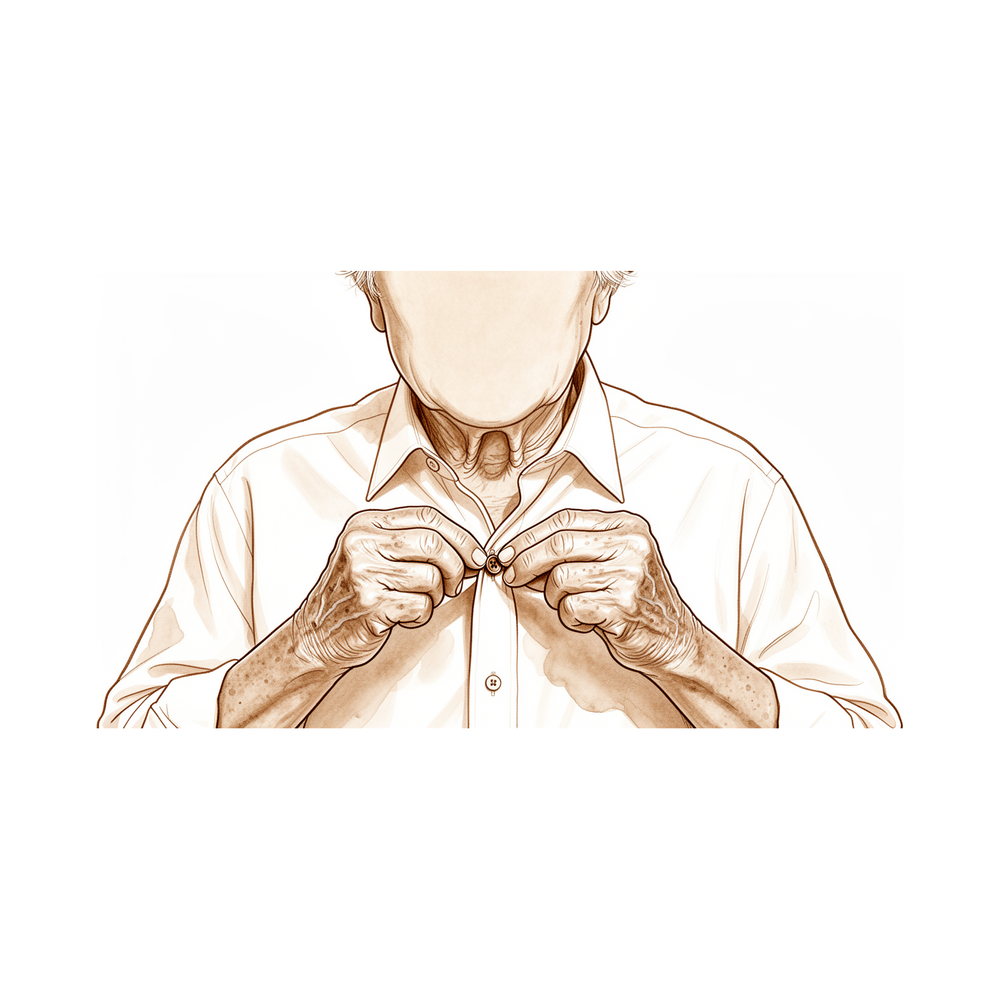
Overview
Rheumatoid arthritis management prioritizes early intervention, with all patients receiving disease-modifying antirheumatic drugs (DMARDs) immediately upon diagnosis to improve long-term outcomes, particularly when treatment begins within the first three months of disease [1]. Surgical indications for the rheumatoid hand require detailed study to clarify outcomes and allow consistent multidisciplinary advice [65]. While biologic DMARDs have altered the natural history of the disease, evolving indications exist for specific procedures such as A1 pulley release [30]. For psoriatic arthritis, biologic therapy combined with DMARDs is the mainstay of treatment, though end-stage joint destruction may necessitate surgery [3].
Surgical decision-making varies by joint and disease stage. In the thumb, a modified Terrono classification may guide joint-preserving surgery for Type 1 deformity [7], while fusion remains the benchmark for advanced metacarpophalangeal joint disease, although arthroplasty is a viable option to reduce pain and preserve motion [9]. For distal radioulnar joint disease, outcomes are best when surgery precedes severe destruction, fixed contractures, or dislocation [31]. In the wrist, proximal-row carpectomy is considered after conservative measures fail for proximal row diseases, with mild degenerative arthritis not serving as a contraindication [34].
Headline outcomes and patient preferences inform surgical selection. Joint replacement procedures relieve pain and improve function more than other operative treatments for osteoarthrosis, though they are limited by the inability of synthetic materials to duplicate articular cartilage properties [62]. Patients generally prefer the motion and grip strength preservation of arthroplasty over the lower reoperation rates and costs associated with arthrodesis for proximal interphalangeal joint surgery [121]. However, further level 1 evidence is needed to delineate indications for metacarpophalangeal joint hyperextension and thumb basilar joint arthritis [69], and there remains a lack of consensus on critical outcomes after surgery for thumb carpometacarpal joint osteoarthritis [137].
Anatomy & Pathophysiology
Bony Anatomy & Kinematics
The skeleton of the hand and wrist comprises 27 bones, of which 19 are long bones [47]. The hand itself consists of 19 bones, 17 articulations, and 19 muscles situated entirely within the hand [42]. The wrist possesses three axes of movement, permitting the hand to be positioned in any spatial configuration [47]. In the sagittal plane, the thumb metacarpal makes an angle of about 45 degrees with the second metacarpal [47]. The transverse axis of the palm forms an acute angle of approximately 75 degrees with the longitudinal axis [47]. Metacarpal mobility varies by digit; the ring metacarpal has about 10 degrees of mobility in flexion and extension [88], while the fifth metacarpal has a range of flexion–extension of approximately 20 degrees [88]. Epiphyseal plates are located at the proximal ends of the phalanges and the first metacarpal, whereas they are located at the distal ends of the other metacarpals [47]. The thumb carpometacarpal joint is the most common site of surgical reconstruction for osteoarthritis in the upper extremity [171].
Soft Tissue & Musculature
The dorsal interossei function as abductors, and the volar interossei function as adductors [86]. The middle finger has two dorsal interossei and no volar interossei because the central axis of the hand lies within it [86]. The sagittal bands keep the extrinsic extensor tendon balanced over the prominence of the metacarpal head, giving it the greatest mechanical efficiency [45]. Rupture or attenuation of the sagittal band fibers allows the extrinsic extensor tendon to sublux to the ulnar side of the metacarpal head, causing ulnar deviation of the finger [45]. The A2 and A4 pulleys are the most essential in maintaining the mechanical advantage of the flexor tendons [94]. The tenosynovium lining the fibroosseous tunnel supplies nutrition and lubrication to the poorly vascularized flexor tendons [94]. The dorsal skin becomes fragile in old age and has greater vulnerability to factors causing cutaneous atrophy, such as steroid therapy [96]. Flexion of the fingers produces a significant lengthening of the dorsal skin, with an average increase of 3 cm in the middle finger from extension to full flexion [96].
Joint Pathophysiology
Osteoarthritis consists of a generally progressive loss of articular cartilage accompanied by attempted repair, remodeling and sclerosis of subchondral bone, and formation of subchondral bone cysts and marginal osteophytes [151]. BCP crystals containing hydroxyapatite have been detected in 70% of OA cases, correlating with the extent of cartilage degradation and lesion severity [103]. Subchondral bone remodelling in osteoarthritis involves the development of subchondral sclerosis and osteophyte formation due to persistent abnormal mechanical stresses [186]. Microfractures of the osteochondral junction allow synovial fluid to penetrate the subchondral bone along with cytokines, increasing pathological effects [186]. In rheumatoid arthritis, immune complexes within the synovial membrane lead to an inflammatory cell response that causes synovial hyperplasia and joint destruction [99]. Synovitis resulting in release of inflammatory enzymes causes weakening of the capsular ligaments in rheumatoid arthritis [99]. Chronic dorsal subluxation of the metatarsophalangeal joints leads to imbalance between intrinsic and extrinsic muscles, converting interossei to weak extensors [99]. The most important factor in the development of finger deformities in rheumatoid arthritis is the changes occurring in the tendons and related structures, especially in early stages [153].
Thumb basal joint arthritis is a progressive disease with substantial new biomechanical and longitudinal clinical studies changing prevailing opinions on serial degenerative changes [122]. Severe stages of thumb CMC OA cause an asymmetrical motion deficit with decreased ROM in extension and adduction, leading to decreased capability of counteropposition [167]. Altered thumb rotation patterns during pinch may contribute to joint misalignment and the development of osteoarthritis [133]. The mechanism of MCPJ locking involves the radial sesamoid's pointed proximal edge wearing a groove in the metacarpal head cartilage, which becomes locked under muscle tension [191]. Both subjective and objective measures of hand function are impaired in severe chronic gout [81]. Women with hand osteoarthritis exhibited significantly lower intrinsic hand forces compared to healthy women, with a mean decrease of 30% across most force types [108]. People with hand arthritis move through a smaller arc of motion when performing some functional tasks as compared with controls [166].
Classification
1958 Diagnostic Criteria: The 1958 revision of diagnostic criteria for rheumatoid arthritis was intended to aid in obtaining more uniformity in the classification of patients with rheumatoid arthritis [43].
Larsen, Dale, and Eek (LDE): Published in 1977, the LDE classification is a grading system for rheumatoid arthritis that builds a score for the most important joints involved and calculates a single general number over all these joints [127]. Modified in 1995 to facilitate the classification of osseous and joint space changes, the system can be applied to different joints to quantify disease severity via total scoring of the most often involved joints [127]. It is mainly helpful in judging the progression of destruction and its distribution during the course of rheumatoid arthritis [127]. Because rheumatoid arthritis is a chronic disease, a classification system must consider the anticipation of future disease development [127].
Trapeziometacarpal (TMC) Arthrosis: Radiographic staging of TMC arthrosis has moderate interobserver and intra-observer reliability [61]. There is only fair inter-observer agreement in treatment recommended based on radiographic staging of TMC arthrosis, with a kappa of 0.33 [61].
Dell: The Dell classification for trapeziometacarpal joint osteoarthritis uses a I–IV scale and gives particular attention to the severity of joint subluxation [154].
Eaton–Littler: The Eaton–Littler classification for trapeziometacarpal joint osteoarthritis uses a I–IV scale and focuses on osteophyte formation [154].
Crosby: The Crosby classification for trapeziometacarpal joint osteoarthritis uses a 0–III scale and concentrates on the scaphotrapeziumtrapezoide articulation [154].
Composite TMC Score: A composite score composed of the sum of the Dell, Eaton–Littler, and Crosby classifications ranges from 2 (minimal joint degeneration) to 11 (complete joint destruction) [154].
Kellgren-Lawrence (KL): The KL classification is used to grade osteoarthritis in hand joints on radiographs [141]. Hand osteoarthritis is defined as having a KL score of ≥ 2 in at least two of the three joint groups (distal interphalangeal, proximal interphalangeal, and first carpometacarpal) in at least one hand [141]. Hand osteoarthritis can be categorized as moderate if 2–4 joint groups are involved and severe if 5–6 joint groups are involved [141]. The inter-rater agreement for classifying participants as “no hand OA” versus “hand OA” using the Kellgren-Lawrence classification showed a Kappa coefficient of 0.62 (95% CI 0.51–0.72) [141].
Modified Terrono: The modified Terrono classification for Type 1 thumb deformity in rheumatoid arthritis may benefit treatment, including joint-preserving surgery [7].
Green: The Green classification is used to grade trigger digit severity in clinical assessments [188].
Luck: Luck’s classification for Dupuytren’s disease includes a proliferative stage (I), involutional stage (II), and residual stage (III) [183]. A proposed modification to Luck’s classification uses type III collagen as a percentage of total collagen, with thresholds of 35% for stage I, 20–35% for stage II, and <20% for stage III [183].
American Rheumatism Association: The American Rheumatism Association's classification for rheumatoid arthritis includes Stage II and Stage III categories [176].
Other Considerations: In a UK survey, 24% of therapists were aware of a classification system for grading osteoarthritis severity [68]. Of the therapists aware of a classification system for grading osteoarthritis severity, 21 were aware of the Eaton and Littler classification system or stated grades 1–4 [68]. The final diagnosis of palindromic rheumatism requires ruling out other arthritic disorders and observing a protracted, non-destructive course over time [2]. Subtle differences in history, examination, laboratory values, and imaging can improve diagnostic acumen for monoarticular arthritis of the hand and wrist [5].
Clinical Presentation
Subtle differences in history, examination, laboratory values, and imaging improve diagnostic acumen for monoarticular arthritis of the hand and wrist [5]. Specific exfoliative cytological patterns can be readily recognized in fluids aspirated from joints in a variety of arthritides [56]. Clinicians should consider the diagnosis of gout when patients present after surgery with redness, pain, and swelling [115]. Diabetic neuropathy must be considered when a diabetic patient complains of symptoms not typical of an orthopaedic syndrome [118].
Gout Acute gout typically presents as a monoarticular arthritis that most commonly affects the first metatarsophalangeal joint but can involve the midfoot, ankle, or knee joint in 85%–90% of initial presentations [27]. The most common complaint is rapidly progressive joint pain over a short time course, usually less than 24 hours [27]. The affected joint is erythematous, warm, swollen, and tender to palpation [27]. Left untreated, an acute gout flare resolves over 3 to 10 days [27]. Elderly women are more likely to present with polyarticular involvement involving the fingers in acute gout [27]. Gout can cause an acute carpal tunnel syndrome caused by accumulation of uric acid crystals and subsequent inflammatory response within the soft tissues of the wrist [27].
Inflammatory and Systemic Arthropathies Rheumatoid arthritis has a predilection for the wrists and the proximal joints of the hands and feet [46]. Physical findings with rheumatoid arthritis tend to be symmetrical, whereas other inflammatory arthritis conditions are not [46]. The onset of rheumatoid arthritis tends to present in a subacute manner, whereas septic arthritis has a rapid onset in several hours [46]. Psoriatic arthritis involves the distal interphalangeal joint of the hands [46]. Arthritis in primary Sjögren’s syndrome is manifested by joint pain, swelling, redness, morning stiffness for more than 30 minutes, or elevated erythrocyte sedimentation rate (ESR) [111]. The diagnosis of familial Mediterranean fever is clinical, based on the association of monoarticular arthritis with recurrent fever and abdominal pain, as there are no specific laboratory aids [11]. The articular lesion in chronic post-rheumatic-fever arthritis (Jaccoud's arthritis) is characterized by periarticular fibrosis and the absence of chronic synovitis, which distinguishes it from rheumatoid arthritis [114].
Specific Etiologies and Syndromes The diagnosis of sea urchin spine arthritis is based on injury history, a symptom-free period, and the absence of laboratory abnormalities [6]. The diagnosis of blind-loop arthritis syndrome is established based on the patient's history of an intestinal-bypass operation and laboratory findings [36]. Pseudogout can mimic synovial chondromatosis clinically and roentgenographically due to extensive calcification of synovial tissue [60]. The diagnosis of trigger finger is primarily made based on history and physical examination [109].
Osteoarthritis and Elbow Pathology The diagnosis of hand osteoarthritis includes the presence of pain, aching or joint stiffness, bony enlargement of 2 or more of 10 selected finger joints, bony enlargement of at least a distal interphalangeal (DIP) joint, fewer than 2 swollen metacarpophalangeal (MCP) joints, or deformity of at least 1 of 10 selected joints [112]. The most common complaint of patients with primary or posttraumatic arthritis of the elbow are pain and/or loss of motion [32]. Pain in ulnohumeral arthritis may be associated at the extremes of motion in earlier forms but may be experienced throughout the arc of elbow flexion and extension in more advanced disease [32]. Loss of extension is the most common manifestation of loss of motion in elbow arthritis, though loss of motion may manifest as a loss in elbow flexion or forearm rotation depending on the site of arthritis [32]. Ulnar neuropathy is a frequent finding in patients presenting with degenerative joint disease of the elbow and is frequently subtle and not part of the patient's chief complaint [32].
Investigations
Clinical Evaluation: Diagnostic evaluation of the hand and wrist combines patient history with a careful physical examination to narrow the scope of possible pathologic processes, as diagnostic tests can be expensive, time-consuming, and nonspecific [25]. A systematic method for approaching the physical examination is essential due to the high density of structures in a small space [25]. Subtle differences in history, examination, laboratory values, and imaging improve diagnostic acumen for monoarticular arthritis of the hand and wrist rather than relying on a single pathognomonic finding [5].
Aspiration: Specific exfoliative cytological patterns can be recognized in synovial fluid aspirated from joints in a variety of arthritides, supporting the technique as a valuable diagnostic aid [56].
Laboratory: Although many osteoarthritis-related biomarkers are currently available, none can be considered a surrogate marker of clinical and imaging features for the diagnosis or prognosis of the disease at this time [48].
MRI: Up to 40% of patients with rheumatoid arthritis demonstrated progressive erosive disease detected by MRI despite DAS28 improvement or EULAR remission [29]. Early changes in peri-articular bone density and microstructure seen in rheumatoid arthritis are consistent with changes more commonly seen in aging bone and are slow or resistant to recovery despite well-controlled inflammatory joint symptoms with early DMARD therapy [82].
CT: Glenoid retroversion is increased in patients with severe arthritis compared to normal subjects, and computerized tomographic scans accurately reveal the extent and pattern of bone erosion [189].
Plain Radiography: Unrecognized joint incongruity in early-stage trapeziometacarpal arthritis is likely to lead to progression of joint degeneration, and recognition of this incongruity can lead to measures that may prevent or delay this progression [17]. In patients with established hand osteoarthritis, clinical involvement of the thumb base is associated with a higher clinical burden, whereas radiological involvement is associated with older age and more structural abnormalities [169]. Patients with degloving hand injuries should be informed of the risk of destructive arthropathy, and follow-up X-ray examination is necessary even in cases with no fracture at the time of injury [19].
Other Considerations: The diagnosis of palindromic rheumatism requires ruling out other arthritic disorders and observing a protracted, non-destructive course over time [2]. Early diagnosis of rheumatoid arthritis is important, and referral to a rheumatologist followed by treatment with disease-modifying antirheumatic agents has been shown to improve outcomes [26]. Augmenting plain radiographs with additional imaging modalities like ultrasound or dark-field imaging may aid in the diagnosis of septic arthritis of the proximal interphalangeal joint [139]. Synovial chondromatosis can be invasive, and even the best preoperative imaging may not demonstrate the degree of local tissue involvement [132]. Physicians should be aware of Charcot joint disease presentation in patients with insensate joints to avoid overtreatment [50].
Treatment
Non-Operative
Early and aggressive treatment of rheumatoid arthritis is now standard, with long-term outcomes improved when therapy begins within the first 3 months of disease [1]. Referral to a rheumatologist for disease-modifying antirheumatic agents (DMARDs) improves outcomes [26], and health systems should provide first-line treatment to enhance compliance and clinical results, particularly in vulnerable populations [119]. While complete resolution of signs and symptoms is achievable in perhaps 10% of patients [12], management of nonrheumatoid inflammatory arthroses remains primarily medical and continues to evolve with biologically targeted medications [21]. For thumb base osteoarthritis, a stepwise approach is recommended, beginning with self-management and progressing to splints and injections if symptoms persist [120]. Non-surgical treatments, including hand therapy and splinting, provide adequate pain relief for the majority of patients with thumb carpometacarpal arthritis, particularly in early stages [144], and can delay or obviate the need for surgery [144]. The American College of Rheumatology strongly recommends splinting for this condition [144]. Glucosamine and chondroitin sulfate may be considered reasonable options for symptomatic primary osteoarthritis if cost is not prohibitive [106]. Steroid injections are an acceptable modality with long-lasting results for chronic sesamoiditis of the thumb metacarpophalangeal joint [124]. Local hydrocortisone therapy is indicated for acute or chronic inflammation of one or a few peripheral joints, bursae, and tendon sheaths [152]. Nonoperative modalities are utilized before surgical options for shoulder osteoarthritis, particularly in moderate-to-mild disease [117]. An initial trial of nonsurgical management is warranted for articular cartilage injuries, involving rest, activity modification, anti-inflammatory medications, physical therapy, bracing, or injections [102].
Operative
Indications: Surgery for rheumatoid arthritis aims to relieve pain, restore function, correct or prevent deformity, and inhibit disease progression [105]. If pain is not the primary consideration, the surgeon must have reasonable confidence that the procedure will restore sufficient function to justify the intervention [105]. Surgery is worthwhile when adequate medical treatment has failed to significantly relieve pain [105]. For thumb carpometacarpal arthritis, the European League Against Rheumatism recommends surgery only if pain persists following non-pharmacologic treatment [144]. Arthroplasty is a viable option for thumb metacarpophalangeal joint disease to reduce pain, preserve motion, and limit progression of adjacent joint disease [9]. Arthrodesis of the trapeziometacarpal joint may be used for stage II or III disease in high-demand patients [40]. Surgical treatments like arthroplasty are considered effective for severe cases of shoulder osteoarthritis [117]. Patients who do not respond to conservative measures for articular cartilage injuries may benefit from surgical intervention [102].
Surgical Approach / Technique: Surgical management of articular cartilage injuries focuses on removing inflammatory mediators and restoring the osteochondral unit [102]. Options include arthroscopic débridement, bone marrow stimulation, osteochondral autograft transfer, osteochondral allograft transplantation, autologous chondrocyte implantation, and emerging techniques [102]. Synovectomy and tenosynovectomy are worthwhile prophylactic procedures if rheumatoid synovitis or tenosynovitis persists despite good medical treatment [105]. These procedures may help delay further distention of the joint capsule and ligament and prevent tendon rupture [105]. Short-term results of synovectomy in children with rheumatoid arthritis are no less favorable than in adults [22]. The modified Terrono classification may benefit the treatment of Type 1 thumb deformity in rheumatoid arthritis, including joint-preserving surgery [7]. Indications and contraindications for A1 pulley release in rheumatoid arthritis are evolving alongside the improved natural history associated with biologic DMARDs [30]. The treatment of the arthritic wrist requires a diversity of options due to the complex integrated system of joints [53]. Recommendations for clinical management of trapeziometacarpal joint infections align with large-joint principles but are tailored to the hand’s anatomical and clinical context [8].
Implant Selection: Favorable outcomes of suture button suspensionplasty for thumb carpometacarpal joint osteoarthritis, including improved range of motion and pain relief, remain durable over time [35]. The indications for and long-term expectations of silicone metacarpophalangeal arthroplasty must be carefully examined in light of improvements in the medical management of rheumatoid disease [18]. While rheumatoid arthritis may lead to deterioration in proximal interphalangeal joint function, the overall result of silicone-rubber metacarpophalangeal arthroplasty remains acceptable with proper indications and technique [33].
Other Considerations: Since the introduction of DMARDs in the mid-1990s and biologics in the early 2000s, there has been an 83% reduction in rheumatoid hand surgery in the United Kingdom [105]. This reduction indicates that medical treatments have been successful at preventing disease progression [105]. Patients should be advised that surgery neither cures rheumatoid arthritis nor restores the hand to normal [105]. Local progression of rheumatoid arthritis may not be altered by surgical procedures [105]. Hand appearance and pain relief are highly correlated with patient satisfaction in rheumatoid hand surgery [105]. Early results indicate satisfactory short-term outcomes for glenohumeral joint preservation procedures, though these have yet to show they can halt arthritic progression [23]. No treatment has clearly demonstrated significant joint preservation properties, including the ability to reverse progression of osteoarthritis [145]. Injection treatments for osteoarthritis have been shown in the majority of studies to be safe [145]. Adalimumab in combination with methotrexate reduces periarticular bone loss in rheumatoid arthritis independently of clinical response [125]. Despite similar treatment, male patients with rheumatoid arthritis reported better outcomes, particularly for pain and physical function, compared to female patients [64]. Involvement of a pediatric rheumatologist early in the course of a child’s disease helps determine an accurate diagnosis and select proper treatment [24]. Patients with established scaphoid non-union should be advised that osteoarthritis will most likely develop [66]. In the absence of recurrent Dupuytren's disease, severe preoperative deformity, incomplete correction at surgery, and noncompliance with therapy predispose patients to worse PIPJ contracture [150].
Perioperative Considerations
For minor procedures in patients with rheumatoid arthritis, medications should be continued [138]. For larger procedures, DMARDs should be discontinued 3 half-lives before surgery and resumed approximately 2 weeks after [138]. Salicylates are usually discontinued 1 to 2 weeks before surgery [105]. NSAIDs should be discontinued 2 to 5 days before surgery [105]. Patients who have taken corticosteroids for more than a 3-week period in the previous 12 months should receive supplemental corticosteroid therapy before, during, and after surgery [105]. If a general anesthetic is to be used, the alignment and stability of the cervical spine should be investigated before surgery [105]. Radiographs of the cervical spine are indicated to discover any subluxations if the rheumatoid disease has been generalized and prolonged [105]. The degree of cervical spine instability alerts the anesthesiologist to the possibility of spinal cord injury resulting from hyperextension or hyperflexion of the neck during intubation or maintaining a free airway [105]. Extensive involvement of the temporomandibular joint may also influence the approach to endotracheal intubation [105].
Complications
Implant Failure and Revision: Thirteen percent of joints treated with proximal interphalangeal joint pyrocarbon implants required a secondary surgical procedure [10]. The long-term survival rate of single-mobility uncemented prostheses in trapeziometacarpal osteoarthritis ranges from 83% after 5 years to 50% after 30 years [74]. Radiographic fracture following silicone metacarpophalangeal joint arthroplasty does not imply clinical deterioration [41].
Disease Progression and Recurrence: Unrecognized joint incongruity in early-stage trapeziometacarpal arthritis is likely to lead to progression of joint degeneration [17]. Long-term recurrence rates for Dupuytren's disease suggest recurrence in 67% of MCP joint contractures and 100% of PIP joint contractures, though recurrence was generally less severe than the initial contracture [75]. The progressive nature of cervical rheumatoid disease resulted in the recurrence of long-tract symptoms in three patients due to further subaxial subluxation distal to the original fusion site [76].
Other Considerations: Permanent joint damage can occur in familial Mediterranean fever, particularly in older children at onset, despite joint involvement typically being transient [14]. Destructive arthropathy is a risk following revascularization after degloving hand injury, and follow-up X-ray examination is necessary even in cases with no fracture at the time of injury [19]. Early results for glenohumeral joint preservation procedures indicate satisfactory short-term outcomes, though these procedures have yet to show they can halt arthritic progression [23].
Recovery
Light activity (weeks): The provided evidence does not specify a typical week range for the resumption of desk work, driving, or light activities of daily living.
Full activity (months): The provided evidence does not specify a month range for the return to manual work, sport, or full range of motion and strength.
Complete recovery / outcome plateau (months): The provided evidence does not specify a month range for the stabilization of pain, strength, and final functional outcomes.
Rehabilitation protocol: Hand therapy in the early stages of the disease could delay or reduce the need for surgical intervention by restoring dynamic stability at the joint [80]. Evidence of very low to low quality indicates that the effects of joint-protection programs compared with usual care or control on pain and hand function are too small to be clinically important at short-, intermediate-, and long-term follow-ups for people with hand arthritis [77].
Functional milestones: Disease activity was associated with hand function impairment in rheumatoid arthritis patients with variable follow-up [70]. At the 2-year follow-up, the median VAS score for pain decreased to 0 and the Quick DASH improved to 7 following percutaneous reamed arthrodesis for distal interphalangeal joint arthritis [71]. PIP denervation was associated with encouraging midterm outcomes in selected patients with symptomatic PIP joint osteoarthritis, with 81% of joints not requiring conversion to arthroplasty or arthrodesis over a 4-year follow-up [67]. Favorable outcomes (improvement in range of motion and pain relief) of suture button suspensionplasty remain durable over time [35]. Follow-up studies show that metacarpophalangeal joint arthroplasty in rheumatoid arthritis improves function and deformity and achieves nearly uniform patient satisfaction [142]. Patients with more severe range of motion limitation, DASH score, and pain score experienced a greater improvement of these measures at follow-up after silicone arthroplasty for nonrheumatic metacarpophalangeal joint arthritis [146]. So long as the MP joint is pain-free and relatively stable, most patterns of functional prehension can be maintained [173].
Other Considerations: Early and aggressive treatment of rheumatoid arthritis is now standard, and complete resolution of signs and symptoms is achievable in perhaps 10% of patients [12]. Up to 40% of patients demonstrated a progressive erosive disease detected by MRI despite DAS28 improvement or EULAR remission [29]. Early changes in peri-articular bone density and microstructure seen in rheumatoid arthritis are consistent with changes more commonly seen in aging bone and are slow or resistant to recover despite well controlled inflammatory joint symptoms with early DMARD therapy [82]. Despite similar treatment, male patients reported better outcomes, in particular for pain and physical function, compared to female patients [64]. 47.2% of people with rheumatoid arthritis from Nantong China experienced hand joint destruction [194]. Given the improvements in the medical management of rheumatoid disease, the indications for and long-term expectations of silicone metacarpophalangeal arthroplasty must be carefully examined [18]. Short-term results of synovectomy in children are no less favorable than in adults, and the danger of abnormal growth from rheumatoid inflammation is an indication for synovectomy, especially in children with unilateral knee involvement [22]. The mainstay of treatment for psoriatic arthritis is biologic therapy in conjunction with disease-modifying antirheumatic drugs, while patients with end-stage joint destruction may require surgery [3]. The long-term survival rate of single-mobility uncemented prostheses in trapeziometacarpal osteoarthritis is satisfactory, with a critical period in the first years ranging from 83% after 5 years to 50% after 30 years [74]. The MAÏA trapeziometacarpal joint prosthesis is a reliable long-term surgical procedure for trapeziometacarpal joint osteoarthritis, improving overall function beyond 10 years [158]. Survivorship is 97% clinically and 90% radiographically for silicone metacarpophalangeal joint arthroplasty for osteoarthritis, and radiographic fracture does not imply clinical deterioration [41]. Long-term recurrence rates suggest recurrence in 67% of MCP joint contractures and 100% of PIP joint contractures, though recurrence was generally less severe than the initial contracture [75]. Patients should be informed of the risk of destructive arthropathy, and follow-up X-ray examination is necessary even in cases with no fracture at the time of injury following revascularization after degloving hand injury [19].
Key Evidence
- [L5] All patients with rheumatoid arthritis should receive one or more DMARDs as soon as the diagnosis is established, as evidence suggests long-term outcomes are improved when treatment begins within the first 3 months of disease. [1] (10.1016/j.jhsa.2008.12.008)
- [L5] The mainstay of treatment is biologic therapy in conjunction with disease-modifying antirheumatic drugs, while patients with end-stage joint destruction may require surgery. [3] (10.5435/jaaos-20-01-028)
- [L5] Subtle differences in history, examination, laboratory values, and imaging, rather than one pathognomonic finding, can improve the diagnostic acumen and expedite appropriate treatment options for monoarticular arthritis of the hand and wrist. [5] (10.1016/j.jhsa.2012.04.010)
- [L4] Diagnosis of sea urchin spine arthritis is based on injury history, a symptom-free period, and absence of laboratory abnormalities. [6] (10.1016/j.jhsa.2007.11.016)
- [L3] The results suggest that the modified classification may benefit the treatment of Type 1 deformity, including joint-preserving surgery. [7] (10.1177/1753193419886719)
- [L4] Recommendations align with principles from large-joint infection management but are tailored to the anatomical and clinical context of the hand. [8] (10.1177/17531934251385450)
- [L5] For more advanced disease, fusion is the benchmark, while arthroplasty is a viable option to reduce pain, preserve motion, and limit progression of adjacent joint disease. [9] (10.5435/jaaos-d-18-00683)
- [L4] A total of 13% of the joints required a secondary surgical procedure. [10] (10.1016/j.jhsa.2009.08.010)
- [L4] The diagnosis is clinical, based on the association of monoarticular arthritis with recurrent fever and abdominal pain, as there are no specific laboratory aids. [11] (10.2106/00004623-196547080-00016)
- [L5] Early and aggressive treatment of rheumatoid arthritis is now standard, and complete resolution of signs and symptoms is achievable in perhaps 10% of patients. [12] (10.1016/j.jhsa.2008.11.010)
- [L4] While joint involvement is typically transient, this report emphasizes that permanent joint damage can occur, particularly in older children at onset. [14] (10.2106/00004623-197557020-00023)
- [L5] Unrecognized joint incongruity in early-stage trapeziometacarpal arthritis is likely to lead to progression of joint degeneration, and recognition of this incongruity can lead to measures that may prevent or delay this progression. [17] (10.1177/17531934221137780)
- [L4] Given these findings, the indications for and long-term expectations of silicone metacarpophalangeal arthroplasty must be carefully examined in light of the improvements in the medical management of rheumatoid disease. [18] (10.2106/00004623-200310000-00001)
- [Case_report] Patients should be informed of the risk of destructive arthropathy, and follow-up X-ray examination is necessary even in cases with no fracture at the time of injury. [19] (10.1177/15589447211003174)
- [L5] Management of nonrheumatoid inflammatory arthroses is typically medical in nature and continues to evolve with the development of biologically targeted medications. [21] (10.1016/j.jhsa.2015.05.029)
- [L5] Short-term results in children are no less favorable than in adults, and the danger of abnormal growth from rheumatoid inflammation is an indication for synovectomy, especially in children with unilateral knee involvement. [22] (10.2106/00004623-197153040-00001)
- [L4] Early results indicate satisfactory short-term outcomes, though these procedures have yet to show they can halt arthritic progression. [23] (10.1155/2012/160923)
- [L5] Early diagnosis of rheumatoid arthritis is important, and referral to a rheumatologist followed by treatment with disease-modifying antirheumatic agents has been shown to improve outcomes. [26] (10.1016/j.jhsa.2011.01.036)
- [L5] [27] (10.1016/j.jhsa.2012.04.041)
- [L3] Up to 40% of patients demonstrated a progressive erosive disease detected by MRI despite DAS28 improvement or EULAR remission. [29] (10.1186/s12891-017-1528-y)
- [L4] Indications and contraindications for A1 pulley release are evolving along with the improved natural history of RA associated with the use of biologic DMARDs. [30] (10.1177/1558944720975137)
- [L5] Surgical outcomes are best when performed before the patient displays severe joint destruction, fixed contractures, subluxation, or dislocation. [31] (10.1016/j.hcl.2005.08.009)
- [L5] [32] (10.1155/2013/473259)
- [L4] While rheumatoid arthritis may lead to deterioration in proximal interphalangeal joint function, the overall result remains acceptable with proper indications and technique. [33] (10.2106/00004623-199301000-00002)
- [L4] It should be considered after conservative measures fail, as mild degenerative arthritis is not a contraindication and progressive degenerative arthritis of the radial capitate articulation did not occur. [34] (10.2106/00004623-197759040-00004)
- [L4] Favorable outcomes (improvement in range of motion and pain relief) of SBS remain durable over time. [35] (10.1016/j.jhsa.2017.03.011)
- [Case_report] The diagnosis of blind-loop arthritis syndrome was established based on the patient's history of an intestinal-bypass operation and laboratory findings, and symptoms resolved with indomethacin treatment. [36] (10.2106/00004623-199072090-00023)
- [L5] The meeting formalized a cooperative study to begin in 1975 focusing on criteria for evaluating total hip and metacarpophalangeal joint replacement surgery and uniform listing of their complications. [39] (10.2106/00004623-197557040-00031)
- [L5] Arthrodesis of the TM joint may be used for stage II or stage III disease in the high-demand patient. [40] (10.1016/j.hcl.2008.03.006)
- [L4] Survivorship is 97% clinically and 90% radiographically, and radiographic fracture does not imply clinical deterioration. [41] (10.1016/j.jhsa.2016.07.009)
- [L5] The revised criteria are hoped to aid in obtaining more uniformity in the classification of patients with rheumatoid arthritis and should be reviewed in two or three years. [43] (10.2106/00004623-195941040-00023)
- [L5] Although many OA-related biomarkers are currently available, none can be considered as a surrogate marker of clinical and imaging features for the diagnosis or prognosis of the disease at this time. [48] (10.1186/1471-2474-16-s1-s2)
- [Case_report] Physicians should be aware of this presentation in patients with insensate joints to avoid overtreatment. [50] (10.2106/00004623-199274090-00017)
- [Paper] Treatment of the arthritic wrist is fascinating and challenging, requiring a diversity of treatment options due to the complex integrated system of joints, rather than a single effective treatment. [53] (10.1016/j.hcl.2005.08.013)
- [L4] Patients with thumb basal joint arthritis use cannabis-related products, with mixed reports on efficacy. [55] (10.1016/j.jhsa.2021.10.018)
- [L4] Specific exfoliative cytological patterns can be readily recognized in fluids aspirated from joints in a variety of arthritides, supporting the technique as a valuable diagnostic aid. [56] (10.2106/00004623-197658030-00019)
- [L2] This study will provide high-quality evidence to determine whether topical corticosteroid reduces pain over 6 weeks in patients with hand osteoarthritis, with major clinical and public health importance by informing clinical practice guidelines for the management of hand osteoarthritis and reducing the burden of the disabling disease. [58] (10.1186/s12891-021-04921-2)
- [L4] Pseudogout can mimic synovial chondromatosis clinically and roentgenographically due to extensive calcification of synovial tissue, but the two diseases have different treatments. [60] (10.2106/00004623-197557060-00030)
- [L5] [61] (10.1016/j.jhsa.2012.08.034)
- [L5] Joint replacement procedures relieve pain and improve function more than other current operative treatments but are limited by the inability of synthetic materials to duplicate the properties of articular cartilage; procedures that restore rather than replace the joint may offer advantages for young patients or those with less advanced disease. [62] (10.2106/00004623-199409000-00019)
- [L4] The findings indicate that the presented treatment approach could be a good alternative to more invasive surgical options in patients with earlier stages of thumb carpometacarpal joint osteoarthritis, with advantages including a low rate of complications, low invasiveness, and short recovery times. [63] (10.1177/1753193416632149)
- [L3] Despite similar treatment, male patients reported better outcomes, in particular for pain and physical function, compared to female patients. [64] (10.1186/ar2591)
- [L4] Rheumatoid hand operations require more detailed study, clarifying indications and outcome to allow consistent advice to patients from all members of the multidisciplinary team. [65] (10.1177/1753193411409830)
- [L4] Patients with established scaphoid non-union should be advised that osteoarthritis will most likely develop. [66] (10.2106/00004623-198567030-00013)
- [L3] PIP denervation was associated with encouraging midterm outcomes in selected patients with symptomatic PIP joint osteoarthritis, with 81% of joints not requiring conversion to arthroplasty or arthrodesis over a 4-year follow-up. [67] (10.1016/j.jhsa.2026.06.006)
- [L4] [68] (10.1258/ht.2009.009001)
- [L5] Further level 1 evidence is needed to delineate the indications for surgical intervention of this common deformity. [69] (10.1016/j.jhsa.2011.12.012)
- [L3] Disease activity was associated with hand function impairment in RA patients with variable follow-up. [70] (10.1186/s12891-016-1246-x)
- [L4] At the 2-year follow-up, the median VAS score for pain decreased to 0 and the Quick DASH improved to 7. [71] (10.1177/17531934251409628)
- [L4] The long-term survival rate of single-mobility uncemented prostheses is satisfactory, with a critical period in the first years ranging from 83% after 5 years to 50% after 30 years. [74] (10.1177/17531934231221692)
- [L4] Long-term recurrence rates suggest recurrence in 67% of MCP joint contractures and 100% of PIP joint contractures, though recurrence was generally less severe than the initial contracture. [75] (10.1016/s0363-5023(09)60096-4)
- [L4] The progressive nature of cervical rheumatoid disease resulted in the recurrence of long-tract symptoms in three patients due to further subaxial subluxation distal to the original fusion site. [76] (10.2106/00004623-198163080-00003)
- [L1] Evidence of very low to low quality indicates that the effects of JP programs compared with usual care/control on pain and hand function are too small to be clinically important at short-, intermediate-, and long-term follow-ups for people with hand arthritis. [77] (10.1016/j.jht.2018.09.012)
- [L5] The paper suggests that hand therapy in the early stages of the disease could delay or reduce the need for surgical intervention by restoring dynamic stability at the joint. [80] (10.1177/175899830000500201)
- [L4] Both subjective and objective measures of hand function are impaired in severe chronic gout. [81] (10.1093/rheumatology/kem246)
- [L2] Early changes in peri-articular bone density and microstructure seen in RA are consistent with changes more commonly seen in aging bone and are slow or resistant to recover despite well controlled inflammatory joint symptoms with early DMARD therapy. [82] (10.1186/s12891-017-1888-3)
- [L4] If the cost is not prohibitive, these products may be considered reasonable treatment options as part of a multimodal approach for symptomatic primary osteoarthritis. [106] (10.1016/j.jhsa.2013.05.017)
- [L3] Women with hand osteoarthritis exhibited significantly lower intrinsic hand forces compared to healthy women, with a mean decrease of 30% across most force types. [108] (10.1016/j.jht.2024.02.005)
- [L5] [109] (10.5435/jaaos-d-19-00614)
- [L3] [111] (10.1186/s13018-023-03513-1)
- [L2] [112] (10.1186/s12891-018-1965-2)
- [Case_report] The patient's articular lesion was distinctly different from rheumatoid arthritis, characterized by periarticular fibrosis and the absence of chronic synovitis, consistent with chronic post-rheumatic-fever arthritis (Jaccoud's arthritis). [114] (10.2106/00004623-198466070-00027)
- [L4] Clinicians should consider the diagnosis of gout when patients present after surgery with redness, pain, and swelling, and consider measuring urate levels before surgery and initiating colchicine prophylaxis when there is a known diagnosis of gout before surgery. [115] (10.1016/j.jhsa.2016.09.016)
- [L5] The article provides an overview of available treatments for shoulder osteoarthritis, noting that nonoperative modalities should be utilized before surgical options, particularly for patients with moderate-to-mild disease, while surgical treatments like arthroplasty are considered effective for severe cases. [117] (10.1155/2013/370231)
- [L3] Health systems should provide (first line) treatment for RA as a strategy to improve compliance with therapy and clinical outcomes, particularly in vulnerable populations. [119] (10.1186/ar2620)
- [L1] Non-surgical treatment provides clinically worthwhile improvements in pain and function, with a stepwise approach recommended starting with self-management, followed by splints and injections if symptoms persist. [120] (10.1177/17531934241313206)
- [L3] In aggregate, patients prefer surgical attributes characteristic of arthroplasty (ability to preserve joint motion and grip strength) relative to those associated with arthrodesis (decreased need for reoperation, lower costs, and shorter reoperation times). [121] (10.1016/j.jhsa.2018.03.001)
- [L5] Thumb basal joint arthritis is a progressive disease with substantial new biomechanical and longitudinal clinical studies changing prevailing opinions on serial degenerative changes. [122] (10.5435/jaaos-d-17-00374)
- [L4] Steroid injections were an acceptable treatment modality with long-lasting results for chronic sesamoiditis. [124] (10.1016/j.jhsa.2012.11.014)
- [L2] Adalimumab in combination with MTX reduces periarticular bone loss independently of clinical response. [125] (10.1186/1471-2474-12-54)
- [L4] The results show a non-pharmacological treatment gap in OA care, with most patients reporting no pain or mild pain and having not received non-pharmacological treatment prior to surgical consultation. [128] (10.1186/s12891-019-2567-3)
- [L5] Newer generation unconstrained surface replacement arthroplasties have shown promise in select cases of osteoarthritis and inflammatory arthritis. [131] (10.1016/j.jhsa.2010.11.035)
- [L4] Synovial chondromatosis can be invasive, and even the best preoperative imaging may not demonstrate the degree of local tissue involvement. [132] (10.1054/jhsb.2001.0677)
- [L3] Altered thumb rotation patterns during pinch may contribute to joint misalignment and the development of osteoarthritis. [133] (10.1177/17531934251383073)
- [L4] There are no long-term studies clarifying the natural history or high-quality trials addressing surgical indications and outcomes. [134] (10.1016/j.jhsa.2013.12.027)
- [L1] There is a lack of consensus on critical outcomes after surgery for thumb CMC joint OA. [137] (10.1016/j.jhsa.2020.05.024)
- [L5] For minor procedures, medications should be continued, while for larger procedures, DMARDs should be discontinued 3 half-lives before surgery and resumed approximately 2 weeks after. [138] (10.1016/j.jhsa.2012.04.015)
- [L5] Augmenting plain radiographs with additional imaging modalities like ultrasound or dark-field imaging may aid in diagnosis. [139] (10.1016/j.jhsa.2021.04.004)
- [L4] There is considerable variation in the practice of both non-surgical and surgical management of base of thumb osteoarthritis. [140] (10.1302/0301-620x.102b5.bjj-2019-1464.r2)
- [L3] [141] (10.1186/s12891-024-08073-x)
- [L5] Follow-up studies show that this surgery improves function and deformity and achieves nearly uniform patient satisfaction. [142] (10.5435/00124635-200305000-00005)
- [Commentary] The literature guiding nonoperative care of OA at the TMC joint is poor, characterized by a lack of homogeneity, small sample sizes, and extremely short follow-up periods, making the conclusions of the reviewed systematic review questionable. [143] (10.1016/j.jhsa.2014.08.046)
- [L2] [144] (10.1177/1753193420950600)
- [L5] [145] (10.1136/jisakos-2019-000377)
- [L3] Patients with more severe range of motion limitation, DASH score, and pain score experienced a greater improvement of these measures at follow-up. [146] (10.1016/j.jhsa.2013.09.016)
- [L2] In the absence of recurrent Dupuytren's disease, severe preoperative deformity, incomplete correction at surgery, and noncompliance with therapy predispose patients to worse PIPJ contracture. [150] (10.1016/j.jhsa.2006.11.015)
- [L5] [151] (10.2106/00004623-199704000-00022)
- [L4] The most important factor in the development of finger deformities is the changes occurring in the tendons and related structures, especially in early stages. [153] (10.2106/00004623-195739030-00006)
- [L3] [154] (10.1177/1753193412439678)
- [L4] MAÏA TMC joint prosthesis is a reliable long-term surgical procedure for TMC joint osteoarthritis, improving overall function beyond 10 years. [158] (10.1016/j.jhsa.2024.03.019)
- [L3] This study demonstrated that people with hand arthritis move through a smaller arc of motion when performing some functional tasks as compared with the controls, and that with instruction on joint protection techniques, participants made significant changes in the amount of movement used to perform tasks, which supports a proof of principle of joint protection. [166] (10.1016/j.jht.2020.10.010)
- [L3] Severe stages of thumb CMC OA cause an asymmetrical motion deficit with decreased ROM in extension and adduction, leading to decreased capability of counteropposition. [167] (10.1016/j.jhsa.2010.05.026)
- [L3] In patients with established hand OA clinical involvement of the TBJ is associated with a higher clinical burden whereas radiological involvement of the TBJ is associated with older age and more structural abnormalities. [169] (10.1016/j.jht.2014.01.006)
- [L5] The thumb carpometacarpal joint is the most common site of surgical reconstruction for osteoarthritis in the upper extremity. [171] (10.5435/00124635-200803000-00005)
- [L5] So long as the MP joint is pain-free and relatively stable, most patterns of functional prehension can be maintained. [173] (10.1016/j.hcl.2006.02.011)
- [L4] [183] (10.1177/1753193410362848)
- [L4] [186] (10.1302/2058-5241.4.180102)
- [L1] [188] (10.1016/j.jht.2018.02.007)
- [L3] Glenoid retroversion is increased in patients with severe arthritis compared to normal subjects, and computerized tomographic scans accurately reveal the extent and pattern of bone erosion. [189] (10.2106/00004623-199274070-00009)
- [L4] The mechanism of MCPJ locking involves the radial sesamoid's pointed proximal edge wearing a groove in the metacarpal head cartilage, which becomes locked under muscle tension. [191] (10.1177/1753193413517621)
- [L3] 47.2% of people with RA from Nantong China experienced hand joint destruction. [194] (10.1186/s12891-017-1548-7)
See Also
- Joint Surgery
- Neuropathy
- Trigger Finger
- Dupuytren's Disease
- Metacarpophalangeal joint arthroplasty
References
[1] Disease-Modifying Antirheumatic Drugs. The Journal of Hand Surgery. 2009. DOI: 10.1016/j.jhsa.2008.12.008
[2] Palindromic Rheumatism: An Unusual Cause of the Inflammatory Joint: TWO CASE REPORTS AND A REVIEW.. The Journal of Bone and Joint Surgery. American Volume. 1974.
[3] Psoriatic Arthritis. American Academy of Orthopaedic Surgeon. 2012. DOI: 10.5435/jaaos-20-01-028
[4] Articular Fractures. 2004.
[5] Diagnostic Considerations for Monoarticular Arthritis of the Hand and Wrist. The Journal of Hand Surgery. 2012. DOI: 10.1016/j.jhsa.2012.04.010
[6] Sea Urchin Spine Arthritis of the Hand. The Journal of Hand Surgery. 2008. DOI: 10.1016/j.jhsa.2007.11.016
[7] A modified Terrono classification for Type 1 thumb deformity in rheumatoid arthritis: a cross-sectional analysis. Journal of Hand Surgery (European Volume). 2019. DOI: 10.1177/1753193419886719
[8] Clinical management of trapeziometacarpal joint infections: a European Delphi consensus and literature review. Journal of Hand Surgery (European Volume). 2025. DOI: 10.1177/17531934251385450
[9] Thumb Metacarpophalangeal Joint Arthritis. Journal of the American Academy of Orthopaedic Surgeons. 2019. DOI: 10.5435/jaaos-d-18-00683
[10] Outcomes of Proximal Interphalangeal Joint Pyrocarbon Implants. The Journal of Hand Surgery. 2010. DOI: 10.1016/j.jhsa.2009.08.010
[11] The Articular Manifestations of Periodic Disease (Familial Mediterranean Fever). The Journal of Bone & Joint Surgery. 1965. DOI: 10.2106/00004623-196547080-00016
[12] TNF-α Antagonists and Other Recombinant Proteins for the Treatment of Rheumatoid Arthritis. The Journal of Hand Surgery. 2009. DOI: 10.1016/j.jhsa.2008.11.010
[14] Articular damage in familial Mediterranean fever. Report of four cases. The Journal of Bone & Joint Surgery. 1975. DOI: 10.2106/00004623-197557020-00023
[17] Trapeziometarpal joint arthritis in the young patient. Journal of Hand Surgery (European Volume). 2023. DOI: 10.1177/17531934221137780
[18] METACARPOPHALANGEAL JOINT ARTHROPLASTY IN RHEUMATOID ARTHRITIS. The Journal of Bone and Joint Surgery-American Volume. 2003. DOI: 10.2106/00004623-200310000-00001
[19] Destructive Arthropathy of the Interphalangeal Joint Following Revascularization After Degloving Hand Injury: A Case Report. HAND. 2021. DOI: 10.1177/15589447211003174
[21] Nonrheumatoid Inflammatory Arthroses of the Hand and Wrist. The Journal of Hand Surgery. 2015. DOI: 10.1016/j.jhsa.2015.05.029
[22] Synovectomy and the Rehabilitation of the Patient with Rheumatoid Arthritis. The Journal of Bone & Joint Surgery. 1971. DOI: 10.2106/00004623-197153040-00001
[23] Glenohumeral Joint Preservation: A Review of Management Options for Young, Active Patients with Osteoarthritis. Advances in Orthopedics. 2012. DOI: 10.1155/2012/160923
[24] Orthopaedic Knowledge Update. Arthritis* > Summary.
[25] Orthopaedic Knowledge Update 13 Ebook Without Multimedia. Anatomy, Evaluation, Clinical Examination, and Imaging > Evaluation and Clinical Examination: Current Concepts.
[26] Laboratory Diagnosis of Rheumatoid Arthritis. The Journal of Hand Surgery. 2011. DOI: 10.1016/j.jhsa.2011.01.036
[27] Medical Management of Acute Gout. The Journal of Hand Surgery. 2012. DOI: 10.1016/j.jhsa.2012.04.041
[29] Silent progression in patients with rheumatoid arthritis: is DAS28 remission an insufficient goal in RA? Results from the German Remission-plus cohort. BMC Musculoskeletal Disorders. 2017. DOI: 10.1186/s12891-017-1528-y
[30] Current Management of Trigger Digit in Rheumatoid Arthritis Patients: A Survey of ASSH Members. HAND. 2020. DOI: 10.1177/1558944720975137
[31] Management of the Distal Radioulnar Joint in Rheumatoid Arthritis. Hand Clinics. 2005. DOI: 10.1016/j.hcl.2005.08.009
[32] Primary and Posttraumatic Arthritis of the Elbow. Arthritis. 2013. DOI: 10.1155/2013/473259
[33] Arthroplasty of the metacarpophalangeal joints with use of silicone-rubber implants in patients who have rheumatoid arthritis. Long-term results.. The Journal of Bone & Joint Surgery. 1993. DOI: 10.2106/00004623-199301000-00002
[34] Proximal-row carpectomy for diseases of the proximal row. The Journal of Bone & Joint Surgery. 1977. DOI: 10.2106/00004623-197759040-00004
[35] Mean 5-Year Follow-up for Suture Button Suspensionplasty in the Treatment of Thumb Carpometacarpal Joint Osteoarthritis. The Journal of Hand Surgery. 2017. DOI: 10.1016/j.jhsa.2017.03.011
[36] Non-infectious pyogenic arthritis after a blind-loop intestinal-bypass operation. A case report.. The Journal of Bone & Joint Surgery. 1990. DOI: 10.2106/00004623-199072090-00023
[39] Soviet-American Cooperative Study on the Surgical Treatment of Arthritis OCTOBER 21-31, 1974. The Journal of Bone & Joint Surgery. 1975. DOI: 10.2106/00004623-197557040-00031
[40] Treatment of Advanced Carpometacarpal Joint Disease: Arthrodesis. Hand Clinics. 2008. DOI: 10.1016/j.hcl.2008.03.006
[41] Silicone Metacarpophalangeal Joint Arthroplasty for Osteoarthritis: Long Term Outcomes. The Journal of Hand Surgery. 2016. DOI: 10.1016/j.jhsa.2016.07.009
[42] Exam Of The Hand Wrist 2Ed. INTRODUCTION.
[43] 1958 Revision of Diagnostic Criteria for Rheumatoid Arthritis. The Journal of Bone & Joint Surgery. 1959. DOI: 10.2106/00004623-195941040-00023
[45] A Lange Medical Book Current Diagnosis Treatment In Orthopedics Fifth Edition. 9Hand Surgery > Image DISORDERS OF THE MUSCULATURE OF THE HAND.
[46] Orthopaedic Knowledge Update 13 Ebook Without Multimedia. Degenerative Conditions of the Knee > Inflammatory Arthritis.
[47] Exam Of The Hand Wrist 2Ed. 1.1 SKELETON OF THE HAND > The osseous skeleton.
[48] Biomarkers of prognosis and efficacy of treatment in OA. BMC Musculoskeletal Disorders. 2015. DOI: 10.1186/1471-2474-16-s1-s2
[50] Charcot joint disease of the shoulders in a patient who had familial sensory neuropathy with anhidrosis. A case report.. The Journal of Bone & Joint Surgery. 1992. DOI: 10.2106/00004623-199274090-00017
[53] Wrist Arthritis. Hand Clinics. 2005. DOI: 10.1016/j.hcl.2005.08.013
[55] Assessment of Medical Cannabis in Patients With Osteoarthritis of the Thumb Basal Joint. The Journal of Hand Surgery. 2023. DOI: 10.1016/j.jhsa.2021.10.018
[56] Exfoliative cytology interpretation of synovial fluid in joint disease. The Journal of Bone & Joint Surgery. 1976. DOI: 10.2106/00004623-197658030-00019
[58] Topical corticosteroid for treatment of hand osteoarthritis: study protocol for a randomised controlled trial. BMC Musculoskeletal Disorders. 2021. DOI: 10.1186/s12891-021-04921-2
[60] Pseudogout mimicking synovial chondromatosis. The Journal of Bone & Joint Surgery. 1975. DOI: 10.2106/00004623-197557060-00030
[61] Mild Trapezial-Metacarpal Arthrosis. The Journal of Hand Surgery. 2013. DOI: 10.1016/j.jhsa.2012.08.034
[62] Operative treatment of osteoarthrosis. Current practice and future development.. The Journal of Bone & Joint Surgery. 1994. DOI: 10.2106/00004623-199409000-00019
[63] Outcomes of denervation, joint lavage and capsular imbrication for painful thumb carpometacarpal joint osteoarthritis. Journal of Hand Surgery (European Volume). 2016. DOI: 10.1177/1753193416632149
[64] Women, men, and rheumatoid arthritis: analyses of disease activity, disease characteristics, and treatments in the QUEST-RA Study. Arthritis Research & Therapy. 2009. DOI: 10.1186/ar2591
[65] Rheumatoid hand surgery: differing perceptions amongst surgeons, rheumatologists and therapists in the UK. Journal of Hand Surgery (European Volume). 2011. DOI: 10.1177/1753193411409830
[66] The natural history of scaphoid non-union. A review of fifty-five cases.. The Journal of Bone & Joint Surgery. 1985. DOI: 10.2106/00004623-198567030-00013
[67] Is PIP Denervation for Osteoarthritis a Durable Solution? Results from a Multicenter Outcome Study. The Journal of Hand Surgery. 2026. DOI: 10.1016/j.jhsa.2026.06.006
[68] An investigation into therapists' management of osteoarthritis of the carpometacarpal joint of the thumb in the UK. Hand Therapy. 2009. DOI: 10.1258/ht.2009.009001
[69] Metacarpophalangeal Joint Hyperextension and the Treatment of Thumb Basilar Joint Arthritis. The Journal of Hand Surgery. 2012. DOI: 10.1016/j.jhsa.2011.12.012
[70] Patient and physician perspectives of hand function in a cohort of rheumatoid arthritis patients: the impact of disease activity. BMC Musculoskeletal Disorders. 2016. DOI: 10.1186/s12891-016-1246-x
[71] Percutaneous reamed arthrodesis for distal interphalangeal joint arthritis: surgical technique and case series. Journal of Hand Surgery (European Volume). 2026. DOI: 10.1177/17531934251409628
[74] 31 years survival rate of ARPE® single-mobility prosthesis in trapeziometacarpal osteoarthritis. Journal of Hand Surgery (European Volume). 2023. DOI: 10.1177/17531934231221692
[75] Dupuytren's Disease and Fibroblast Contractility. The Journal of Hand Surgery. 2009. DOI: 10.1016/s0363-5023(09)60096-4
[76] Cervical fusion in rheumatoid arthritis.. The Journal of Bone & Joint Surgery. 1981. DOI: 10.2106/00004623-198163080-00003
[77] The effectiveness of joint-protection programs on pain, hand function, and grip strength levels in patients with hand arthritis: A systematic review and meta-analysis. Journal of Hand Therapy. 2019. DOI: 10.1016/j.jht.2018.09.012
[80] Restoration of Dynamic Stability in Early Osteoarthritis of the Carpometacarpal Joint of the Thumb. The British Journal of Hand Therapy. 2000. DOI: 10.1177/175899830000500201
[81] Tophaceous joint disease strongly predicts hand function in patients with gout. Rheumatology. 2007. DOI: 10.1093/rheumatology/kem246
[82] Micro-structural bone changes in early rheumatoid arthritis persist over 1-year despite use of disease modifying anti-rheumatic drug therapy. BMC Musculoskeletal Disorders. 2017. DOI: 10.1186/s12891-017-1888-3
[86] Green S Operative Hand Surgery. Interosseous and Hypothenar Muscles.
[88] Exam Of The Hand Wrist 2Ed. The arches of the hand > The metacarpal arch.
[94] A Lange Medical Book Current Diagnosis Treatment In Orthopedics Fifth Edition. 9Hand Surgery > FLEXOR TENDON INJURY.
[96] Exam Of The Hand Wrist 2Ed. The dorsal skin.
[99] Campbell S Operative Orthopaedics 4 Volume Set. COMBINED HAMMER TOE AND MALLET TOE DEFORMITY WITH ASSOCIATED DOUBLE CORNS > ETIOLOGY OF JOINT DESTRUCTION.
[102] Orthopaedic Knowledge Update Sports Medicine 6. Articular Cartilage of the Knee > Introduction.
[103] Orthopaedic Basic Science Fifth Edition Print Ebook. Biology and Mechanics of the Skeletal Extracellular Matrix > Synovial Related Joint Diseases.
[105] Campbell S Operative Orthopaedics 4 Volume Set. TRANSFER OF THE EXTENSOR INDICIS PROPRIUS AND EXTENSOR DIGITI QUINTI PROPRIUS > RHEUMATOID ARTHRITIS.
[106] Glucosamine and Chondroitin Sulfate Treatment of Hand Osteoarthritis. The Journal of Hand Surgery. 2013. DOI: 10.1016/j.jhsa.2013.05.017
[108] Impaired intrinsic hand strength in women with osteoarthritis. Journal of Hand Therapy. 2024. DOI: 10.1016/j.jht.2024.02.005
[109] Current Concepts in the Management of Trigger Finger in Adults. Journal of the American Academy of Orthopaedic Surgeons. 2020. DOI: 10.5435/jaaos-d-19-00614
[111] Osteoarthritis or arthritis? Toward understanding of primary Sjögren’s syndrome patients with arthralgia. Journal of Orthopaedic Surgery and Research. 2023. DOI: 10.1186/s13018-023-03513-1
[112] The knitting community-based trial for older women with osteoarthritis of the hands: design and rationale of a randomized controlled trial. BMC Musculoskeletal Disorders. 2018. DOI: 10.1186/s12891-018-1965-2
[114] Chronic post-rheumatic-fever arthritis (Jaccoudʼs arthritis) involving the feet. A case report.. The Journal of Bone & Joint Surgery. 1984. DOI: 10.2106/00004623-198466070-00027
[115] Acute Gout Following Dermofasciectomy in a Patient With Dupuytren Disease. The Journal of Hand Surgery. 2017. DOI: 10.1016/j.jhsa.2016.09.016
[117] Shoulder Osteoarthritis. Arthritis. 2013. DOI: 10.1155/2013/370231
[118] NEUROGENIC ARTHROPATHY ASSOCIATED WITH DIABETES MELLITUS: Review of the Literature and Report of One Case in a Juvenile Diabetic.. The Journal of Bone and Joint Surgery. American Volume. 1955.
[119] Medication persistence over 2 years of follow-up in a cohort of early rheumatoid arthritis patients: associated factors and relationship with disease activity and with disability. Arthritis Research & Therapy. 2009. DOI: 10.1186/ar2620
[120] Guideline on managing thumb base osteoarthritis: The British Society for Surgery of the Hand Evidence for Surgical Treatment (BEST) findings and recommendations. Journal of Hand Surgery (European Volume). 2025. DOI: 10.1177/17531934241313206
[121] Understanding Patient Preferences in Proximal Interphalangeal Joint Surgery for Osteoarthritis: A Conjoint Analysis. The Journal of Hand Surgery. 2018. DOI: 10.1016/j.jhsa.2018.03.001
[122] Thumb Basal Joint Arthritis. Journal of the American Academy of Orthopaedic Surgeons. 2018. DOI: 10.5435/jaaos-d-17-00374
[124] Long-Term Results Using a Treatment Algorithm for Chronic Sesamoiditis of the Thumb Metacarpophalangeal Joint. The Journal of Hand Surgery. 2013. DOI: 10.1016/j.jhsa.2012.11.014
[125] Adalimumab reduces hand bone loss in rheumatoid arthritis independent of clinical response: Subanalysis of the PREMIER study. BMC Musculoskeletal Disorders. 2011. DOI: 10.1186/1471-2474-12-54
[127] Green S Operative Hand Surgery. Staging and Classification of Rheumatoid Arthritis.
[128] Non-pharmacological treatment gap preceding surgical consultation in thumb carpometacarpal osteoarthritis - a cross-sectional study. BMC Musculoskeletal Disorders. 2019. DOI: 10.1186/s12891-019-2567-3
[131] Metacarpophalangeal Joint Arthritis. The Journal of Hand Surgery. 2011. DOI: 10.1016/j.jhsa.2010.11.035
[132] Synovial Chondromatosis of the Metacarpophalangeal Joint. Journal of Hand Surgery. 2002. DOI: 10.1054/jhsb.2001.0677
[133] Thumb rotation patterns during pinch in patients with trapeziometacarpal osteoarthritis. Journal of Hand Surgery (European Volume). 2025. DOI: 10.1177/17531934251383073
[134] Rheumatoid Nodules. The Journal of Hand Surgery. 2014. DOI: 10.1016/j.jhsa.2013.12.027
[137] Reporting Outcomes and Outcome Measures in Thumb Carpometacarpal Joint Osteoarthritis: A Systematic Review. The Journal of Hand Surgery. 2021. DOI: 10.1016/j.jhsa.2020.05.024
[138] Perioperative Management of Rheumatoid Medications. The Journal of Hand Surgery. 2012. DOI: 10.1016/j.jhsa.2012.04.015
[139] Septic Arthritis of the Proximal Interphalangeal Joint After Rattlesnake Bite. The Journal of Hand Surgery. 2022. DOI: 10.1016/j.jhsa.2021.04.004
[140] Management of osteoarthritis at the base of the thumb. The Bone & Joint Journal. 2020. DOI: 10.1302/0301-620x.102b5.bjj-2019-1464.r2
[141] Associations between hand osteoarthritis, obesity and lipid metabolism: a cross-sectional study of the Halland County Osteoarthritis (HALLOA) cohort. BMC Musculoskeletal Disorders. 2024. DOI: 10.1186/s12891-024-08073-x
[142] Metacarpophalangeal Joint Arthroplasty in Rheumatoid Arthritis. Journal of the American Academy of Orthopaedic Surgeons. 2003. DOI: 10.5435/00124635-200305000-00005
[143] Commentary to “Conservative Treatment of Thumb Base Osteoarthritis: A Systematic Review”. The Journal of Hand Surgery. 2015. DOI: 10.1016/j.jhsa.2014.08.046
[144] Discrepancies in conservative treatment for thumb carpometacarpal arthritis: a comparison between different specialities and patient characteristics. Journal of Hand Surgery (European Volume). 2020. DOI: 10.1177/1753193420950600
[145] Management of osteoarthritis - biological approaches: current concepts. Journal of ISAKOS. 2020. DOI: 10.1136/jisakos-2019-000377
[146] Silicone Arthroplasty for Nonrheumatic Metacarpophalangeal Joint Arthritis. The Journal of Hand Surgery. 2013. DOI: 10.1016/j.jhsa.2013.09.016
[150] Predicting the Outcome of Surgery for the Proximal Interphalangeal Joint in Dupuytren’s Disease. The Journal of Hand Surgery. 2007. DOI: 10.1016/j.jhsa.2006.11.015
[151] Instructional Course Lectures, The American Academy of Orthopaedic Surgeons - Articular Cartilage. Part II. The Journal of Bone & Joint Surgery. 1997. DOI: 10.2106/00004623-199704000-00022
[152] INTRA-ARTICULAR HYDROCORTISONE IN ARTHRITIS AND ALLIED CONDITIONS: A Summary of Two Years' Clinical Experience.. The Journal of Bone and Joint Surgery. American Volume. 1953.
[153] Finger Deformities Caused by Rheumatoid Arthritis. The Journal of Bone & Joint Surgery. 1957. DOI: 10.2106/00004623-195739030-00006
[154] Trapeziectomy and tendon suspension with or without a Mitek anchor fixation in the thumb basal joint osteoarthritis. Journal of Hand Surgery (European Volume). 2012. DOI: 10.1177/1753193412439678
[158] MAÏA Trapeziometacarpal Joint Arthroplasty: Clinical and Radiological Outcomes of 76 Patients With More Than 10 Years of Follow-Up. The Journal of Hand Surgery. 2024. DOI: 10.1016/j.jhsa.2024.03.019
[166] Comparison of finger kinematics between patients with hand osteoarthritis and healthy participants with and without joint protection programs. Journal of Hand Therapy. 2022. DOI: 10.1016/j.jht.2020.10.010
[167] Motion Deficit of the Thumb in CMC Joint Arthritis. The Journal of Hand Surgery. 2010. DOI: 10.1016/j.jhsa.2010.05.026
[169] Thumb Base Involvement in Established Hand Osteoarthritis. Journal of Hand Therapy. 2014. DOI: 10.1016/j.jht.2014.01.006
[171] Thumb Carpal Metacarpal Arthritis. Journal of the American Academy of Orthopaedic Surgeons. 2008. DOI: 10.5435/00124635-200803000-00005
[173] Finger Metacarpophalangeal Joint Disease: The Role of Resection Arthroplasty and Arthrodesis. Hand Clinics. 2006. DOI: 10.1016/j.hcl.2006.02.011
[176] Surgery of the Rheumatoid Knee: SYNOVECTOMY AND DEBRIDEMENT.. The Journal of Bone and Joint Surgery. American Volume. 1973.
[183] Re-visiting Luck’s classification: a histological analysis of Dupuytren’s disease. Journal of Hand Surgery (European Volume). 2010. DOI: 10.1177/1753193410362848
[186] Subchondral bone remodelling in osteoarthritis. EFORT Open Reviews. 2019. DOI: 10.1302/2058-5241.4.180102
[188] Effectiveness of proximal interphalangeal joint–blocking orthosis vs metacarpophalangeal joint–blocking orthosis in trigger digit management: A randomized clinical trial. Journal of Hand Therapy. 2019. DOI: 10.1016/j.jht.2018.02.007
[189] The use of computerized tomography in the measurement of glenoid version.. The Journal of Bone & Joint Surgery. 1992. DOI: 10.2106/00004623-199274070-00009
[191] Pathoanatomy and treatment modifications of metacarpophalangeal joint locking of the thumb. Journal of Hand Surgery (European Volume). 2013. DOI: 10.1177/1753193413517621
[194] Factors associated with hand joint destruction in Chinese patients with rheumatoid arthritis. BMC Musculoskeletal Disorders. 2017. DOI: 10.1186/s12891-017-1548-7