Clinicians › General-Health
Pain Mechanisms and Management
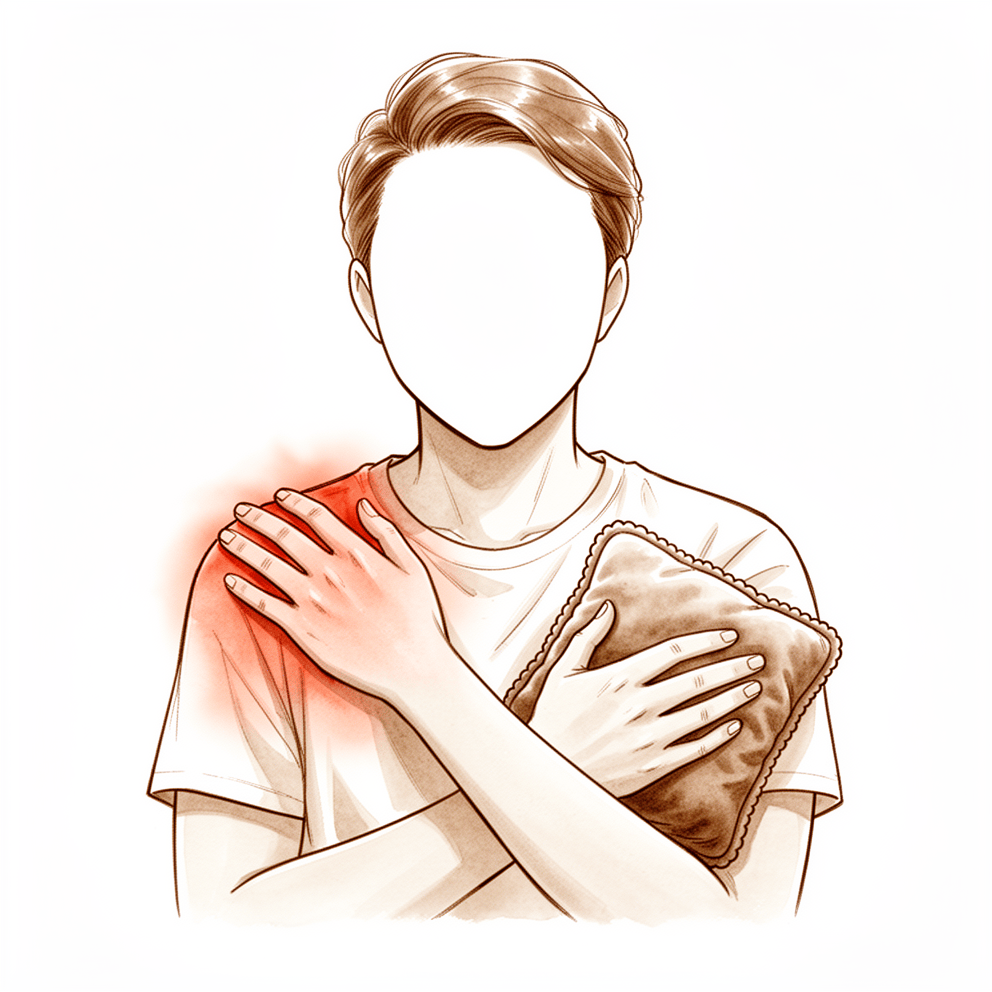
Overview
Chronic musculoskeletal pain is a multidimensional experience driven by interacting biological and pathobiological mechanisms [6]. The pain phenotype serves as a window on underlying neural pathophysiology and guides the development of personalized pain medicine [1]. Identification of these mechanisms in patient subgroups contributes to a mechanism-based classification, which fosters the development of targeted treatments [2]. Expert consensus-derived lists of clinical indicators provide criteria for classifying 'nociceptive', 'peripheral neuropathic', and 'central' mechanisms [3]. While acute, cancer-related, and chronic pain are classified as distinct, they share many similarities [46].
Complex regional pain syndrome is a multifaceted disorder involving sympathetic nervous system dysfunction, neurogenic inflammation, autoimmunity, and central nervous system plasticity [7]. Understanding these mechanisms is key to developing treatments beyond simple symptom management [7]. Progress in understanding neuropathic pain pathophysiology is spurring new diagnostic procedures and personalized interventions [4]. Evidence supports the existence of central nervous system pain modulation mechanisms, which selected clinical procedures can activate to control pain [5]. Diagnostic criteria for central sensitization assist in phenotyping patients to choose treatments that normalize hyperexcitable central neural activity [11].
The principles for managing an established pain syndrome are to relieve the subjective pain experience and institute active physical use of the involved extremity [15]. Surgery has only a limited role in the management of pain in the context of painful peripheral nerve disorders [32]. However, direct electrical stimulation of painful peripheral nerves is recommended when somatic peripheral nerve pain can be documented [48]. Appropriate postoperative pain treatment may start before surgery and last long enough to avoid pain-induced sensitization processes, as intense postoperative pain can favor the development of refractory chronic pain [51]. Preventive strategies are on the horizon for managing the transition from acute to persistent pain [14]. There is no particular protocol approach when dealing with the pain patient; a knowledgeable foundation is required to avoid becoming a contributor to the problem [20].
How It Works
Peripheral Mechanisms
Tissue injury induces changes in the nociceptive sensing system, including modifications related to sympathetic nervous system modulation of pain [29]. The peripheral pain detection system and central pain processing mechanisms interact to produce clinical shoulder pain [18]. Specific pathologies drive distinct peripheral presentations: cutaneous nerve entrapment in surgical scars causes deep, diffuse, and poorly localized pain through peripheral and central sensitization mechanisms [35], while the pathophysiology of painful neuromas involves fascicular escape and scarring [36].
Central Mechanisms
Chronic pain involves slow changes in tissue, nerve terminals, axons, and the central nervous system that modify pain mechanisms [24]. Inadequately treated acute pain can result in the sensitization of the peripheral and central nervous system, potentially leading to chronic pain [40]. Central sensitization arises from noxious inputs experienced throughout the entire perioperative period [22]. Complex regional pain syndrome involves sympathetic nervous system dysfunction, neurogenic inflammation, autoimmunity, and central nervous system plasticity [7]. Furthermore, chronic pain and depression may be based on common neuroplasticity mechanism changes [17].
Phenotyping and Classification
Expert consensus-derived lists of clinical indicators exist for 'nociceptive', 'peripheral neuropathic', and 'central' mechanisms of musculoskeletal pain [3]. Identification of underlying pathophysiologic mechanisms contributes to a mechanism-based subgroup classification of chronic musculoskeletal pain patients [2]. Diagnostic criteria to establish the presence of central sensitization assist in phenotyping patients for choosing treatments that normalize hyperexcitable central neural activity [11]. Understanding the division between healthy soft tissue pain and pathologic neuropathic pain allows a course correction in the treatment plan [39].
Modulation and Control
Clinical procedures used by clinicians are capable of activating pain modulation mechanisms to control patient pain [5]. Gate control is the mechanism of action for reducing the pain of in-office injections, rather than distraction or placebo [21]. Best results of block therapy require a thorough understanding of the complexities and limitations of pain physiology [9].
Multidimensional Factors
Pain is a multidimensional experience with many contributing and interacting biological and pathobiological mechanisms [6]. Psychosocial factors should be considered as possible risk and protective factors for the development of pain, as well as treatment targets that might be modulated to minimize the burden of pain [23].
What the Evidence Shows
Pain Mechanisms and Pathophysiology
Tissue injury alters the nociceptive sensing system, including changes related to sympathetic nervous system modulation of pain [29]. Rebound pain is characterized by hyperalgesia after a peripheral nerve block wears off [59]. This phenomenon can diminish or negate the overall benefit of regional anesthesia due to a counter-productive increase in opioid consumption [59].
Diagnosis and Phenotyping
Mechanistic classification of musculoskeletal pain relies on expert consensus-derived lists of clinical indicators for 'nociceptive', 'peripheral neuropathic', and 'central' mechanisms [3]. Identifying underlying pathophysiologic mechanisms in different subgroups contributes to a mechanism-based subgroup classification [2]. Diagnostic criteria establishing the presence of central sensitization assist in phenotyping patients for treatments that normalize hyperexcitable central neural activity [11]. Preoperative pain catastrophizing predicts pain outcome after knee arthroplasty [47]. The Nor-Hand protocol results will contribute to increased knowledge about pain mechanisms and pain outcomes in hand osteoarthritis [16].
Management Strategies and Interventions
Evidence supports the existence of central nervous system pain modulation mechanisms, and selected clinical procedures are capable of activating these mechanisms to control pain [5]. Preventive analgesia aims to reduce central sensitization arising from noxious inputs throughout the perioperative period [22]. An appropriate postoperative pain treatment may start before surgery, last long enough after surgery to avoid pain-induced sensitization processes, and includes effective analgesic interventions [19]. More effective analgesic and anesthetic measures in the perioperative period are needed to prevent progression to persistent pain [30].
Multimodal and Opioid-Sparing Approaches: Multimodal pain control protocols offer more effective postoperative pain control with fewer adverse effects than intravenous patient-controlled analgesia in patients undergoing rotator cuff repair [31]. These protocols are effective at reducing pain and the number of opioids needed for breakthrough pain with minimal side effects and without compromising patient satisfaction [27]. Opioid-sparing perioperative interventions, such as nerve blockade, have been shown to reduce the risk of chronic opioid use after surgery [63]. The best treatment for prolonged pain and persistent opioid use is likely prevention followed by early intervention, utilizing opioid-reducing strategies within enhanced recovery pathways and customized care for outliers [28].
Specific Interventions and Rehabilitation: An intervention focusing on pain catastrophizing seems to have potential for improving pain outcome in patients prone to catastrophizing pain [47]. Consideration of mechanism-appropriate rehabilitation interventions may assist therapists to select the most appropriate and effective treatments from the body of evidence supporting rehabilitation of complex regional pain syndrome [49]. Therapeutic interventions based on active coping strategies are essential for the treatment of chronic pain and the sustainability of the Public Health System [57]. Transcutaneous peripheral nerve stimulation reduced pain intensity from 8.4 (SD 1.6) before treatment to 4.2 (SD 3.5) immediately after treatment in patients with neuropathic pain in the upper limb [58]. Cannabis-based medicines may be effective in treating the pain and symptoms of peripheral neuropathy [62]. Multidisciplinary strategies for treating painful mononeuropathies address diagnosing the condition, clinical pain phenotyping, personalized pain treatment, and using a multidisciplinary team approach [65].
Outcomes and Limitations
Persistent pain is prevalent up to 84 months following traumatic musculoskeletal injury [61]. By 2 years, two in five patients had resolution of their chronic pain and had functional outcomes clinically equal to those without chronic pain at 1 year following knee arthroplasty [54]. Despite some nonopioid analgesics demonstrating promise, rescue opioids remained the most frequently employed postoperative pain medication after total hip and total knee arthroplasty [60]. Perioperative administration of gabapentin had no effect on postoperative pain resolution, but it had a modest effect on promoting opioid cessation after surgery [50]. The modified shot blocking device did not reduce the pain of injection, suggesting that gate control, rather than distraction or placebo, is the mechanism of action [21].
Research Gaps and Limitations: There is insufficient evidence to support the use of a single set of multidisciplinary interventions to address the primary long-term goals of functional restoration and pain relief in complex regional pain syndrome [55]. The disappointing results of clinical research in chronic non-specific low back pain are commonly explained by the failure of researchers to adequately attend to sub-grouping of the population [26]. Additional studies are needed to refine the multimodal pain protocol used in outpatient orthopaedic trauma surgeries [52].
Practical Considerations
Mechanism-Based Diagnosis and Phenotyping
Chronic pain is not simply a prolongation of acute pain; it involves slow changes in tissue, nerve terminals, axons, and the central nervous system that modify pain mechanisms [24]. Expert consensus-derived lists of clinical indicators provide criteria upon which clinicians may base mechanistic classifications of 'nociceptive', 'peripheral neuropathic', and 'central' mechanisms of musculoskeletal pain [3]. Diagnostic criteria to establish the presence of central sensitization assist in phenotyping patients for choosing treatments that produce analgesia by normalizing hyperexcitable central neural activity [11]. Disappointing results of clinical research in chronic non-specific low back pain are commonly explained by the failure of researchers to adequately attend to sub-grouping of the patient population [26].
Multidisciplinary and Personalized Management
Progress in understanding the pathophysiology of neuropathic pain is spurring the development of new diagnostic procedures and personalized interventions, which emphasize the need for a multidisciplinary approach to management [4]. There is no particular protocol approach when dealing with the pain patient, and a knowledgeable foundation is required to avoid becoming a contributor to the problem [20].
Pharmacologic and Multimodal Strategies
Opioids remain useful in both acute and chronic pain management but should be used cautiously and at specific times aided by tools assessing patient's risk of opioid abuse and pain chronicity [43]. Many studies have revealed the efficacy, safety, and opioid-sparing effects of intravenous acetaminophen [44]. The first aspect of minimizing opioid consumption involves the application of opioid titration, multimodal analgesia, or interventions with opioid-sparing effects [38].
Perioperative and Postoperative Pain Management
Acute postoperative pain can be more effectively managed if it is prioritised and anticipated by a well-informed care team who are educated with regard to appropriate analgesic options and understand what the long-term benefits of pain relief are [37]. A multimodal pain control protocol offers more effective postoperative pain control with fewer adverse effects than intravenous patient-controlled analgesia in patients undergoing rotator cuff repair [31]. Reduction of opioid consumption and minimization of side effects are primary outcomes, and prevention of chronic pain can positively affect long-term results in total joint arthroplasty [25]. Evaluating multimodal analgesic strategies is essential for understanding their benefits and limitations to develop individualized perioperative analgesic plans for total knee arthroplasty [41]. Peripheral nerve blocks are a safe and effective way to improve pain management while decreasing opioid consumption, particularly in outpatient settings [34]. Evidence supports the existence of pain modulation mechanisms and that selected clinical procedures used by clinicians are capable of activating these mechanisms to control patients' pain [5]. Preventive strategies on the horizon exist for managing the transition from acute to persistent pain [14].
Key Evidence
- [L5] The pain phenotype serves as a window on underlying pathophysiological neural mechanisms and as a guide for developing personalized pain medicine. [1] (10.1016/j.neuron.2012.02.008)
- [L4] The identification of the underlying pathophysiologic mechanisms in different subgroups of chronic musculoskeletal pain patients will contribute to a mechanism-based subgroup classification, fostering the development of mechanism-based treatments. [2] (10.1186/1471-2474-13-136)
- [L5] Expert consensus-derived lists of clinical indicators of 'nociceptive', 'peripheral neuropathic' and 'central' mechanisms of musculoskeletal pain provide some indication of the criteria upon which clinicians may base such mechanistic classifications. [3] (10.1016/j.math.2009.07.005)
- [Paper] Progress in the understanding of the pathophysiology of neuropathic pain is spurring the development of new diagnostic procedures and personalized interventions, which emphasize the need for a multidisciplinary approach to the management of neuropathic pain. [4] (10.1038/nrdp.2017.2)
- [L5] Evidence is presented which supports not only the existence of these pain modulation mechanisms but also that selected clinical procedures used by clinicians are capable of activating these mechanisms to control their patients' pain. [5] (10.1016/s0894-1130(97)80061-0)
- [Paper] Pain is a multidimensional experience with many contributing and interacting biological/pathobiological mechanisms. [6] (10.1016/s0894-1130(97)80063-4)
- [L5] Complex regional pain syndrome is a multifaceted disorder involving sympathetic nervous system dysfunction, neurogenic inflammation, autoimmunity, and central nervous system plasticity; understanding these mechanisms is key to developing mechanism-based treatments beyond simple symptom management. [7] (10.1016/j.hcl.2015.08.003)
- [L4] Rigorous evidence about the potential physiological mechanisms of action and effects of dry needling is still lacking. [8] (10.1007/s11916-013-0348-5)
- [L5] Best results of block therapy require thorough understanding of the complexities and limitations of pain physiology. [9] (10.1016/s0749-0712(21)00368-1)
- [L4] This review examines recent advances in peripheral nerve stimulation (PNS) for chronic pain management, emphasizing clinical data, indications, and translational research outcomes. [10] (10.1007/s11916-016-0590-8)
- [L4] Diagnostic criteria to establish the presence of central sensitization in patients will greatly assist the phenotyping of patients for choosing treatments that produce analgesia by normalizing hyperexcitable central neural activity. [11] (10.1016/j.pain.2010.09.030)
- [L4] This narrative review offers a clear overview of pain mechanism after knee arthroplasty and an understanding on how multimodal pain management can reduce the intensity and duration of pain after knee arthroplasty. [12] (10.1007/s00167-013-2750-2)
- [L4] Combinations of drugs that provide analgesic efficacy at reduced individual doses may confer the optimal risk-benefit ratio for pain management in the long term or in patients at increased cardiovascular risk. [13] (10.1007/s10067-006-0311-5)
- [L4] The authors also discuss preventive strategies on the horizon for managing the transition from acute to persistent pain. [14] (10.1016/j.eujps.2011.08.013)
- [L5] The principles for management of an established pain syndrome are to relieve the subjective pain experience and institute active physical use of the involved extremity. [15] (10.1016/0266-7681(84)90007-x)
- [L4] Results will contribute to increased knowledge about pain mechanisms and pain outcomes in hand OA. [16] (10.1136/bmjopen-2017-016938)
- [L5] It concludes that chronic pain and depression may be based on common neuroplasticity mechanism changes, providing new insights into the understanding of the association between the two conditions. [17] (10.1155/2017/9724371)
- [L5] The authors aim to provide an overview of the component parts of the peripheral pain detection system and central pain processing mechanisms in shoulder pain that interact to produce clinical pain. [18] (10.1136/bjsports-2012-091492)
- [L4] Therefore an appropriate postoperative pain treatment may start before surgery, last long enough after surgery to avoid pain induced sensitization processes and includes effective analgesic interventions (preventive analgesia). [19] (10.1016/j.bpa.2006.11.003)
- [Paper] The paper concludes that there is no particular protocol approach when dealing with the pain patient and that a knowledgeable foundation is required to avoid becoming a contributor to the problem. [20] (10.1016/s0894-1130(97)80059-2)
- [L1] The modified device did not reduce the pain of injection, suggesting that gate control, rather than distraction or placebo, is the mechanism of action. [21] (10.1177/1558944719884655)
- [L5] The goal of preventive analgesia is to reduce central sensitization that arises from noxious inputs experienced throughout the entire perioperative period. [22] (10.2106/jbjs.f.00906)
- [L4] These psychosocial factors should be considered as possible risk and protective factors for the development of pain, as well as treatment targets that might be modulated to minimize the burden of pain. [23] (10.2106/jbjs.20.00082)
- [Paper] Chronic pain is not simply a prolongation of acute pain but involves slow changes in tissue, nerve terminals, axons, and the central nervous system that modify pain mechanisms. [24] (10.1016/0266-7681(84)90010-x)
- [L5] Reduction of opioid consumption and minimization of side effects are primary outcomes, and prevention of chronic pain can positively affect long-term results. [25] (10.1016/j.arth.2017.05.002)
- [L5] The disappointing results of clinical research are commonly explained by the failure of researchers to adequately attend to sub-grouping of the chronic non-specific low back pain population; alternatively, current approaches may be ineffective and clinicians and researchers may need to radically rethink the nature of the problem and how it should best be managed. [26] (10.1186/1471-2474-9-11)
- [L5] Multimodal analgesia protocols are effective at reducing pain and the number of opioids needed for breakthrough pain with minimal side effects and without compromising patient satisfaction. [27] (10.1016/j.arthro.2020.05.003)
- [L5] The best treatment for prolonged pain and persistent opioid use is likely prevention followed by early intervention, utilizing opioid-reducing strategies within enhanced recovery pathways and customized care for outliers. [28] (10.1016/j.arth.2018.08.005)
- [Paper] The second section describes the current state of knowledge concerning the way our nociceptive sensing system changes as a result of tissue injury, including those changes related to sympathetic nervous system modulation of pain. [29] (10.1016/s0894-1130(97)80062-2)
- [L4] More effective analgesic/anesthetic measures in the perioperative period are needed to prevent the progression to persistent pain. [30] (10.2147/jpr.s144066)
- [L2] The multimodal pain control protocol was found to offer more effective postoperative pain control with fewer adverse effects than intravenous patient-controlled analgesia. [31] (10.1007/s00167-010-1294-y)
- [L4] These figures emphasize that surgery has only a limited role in the management of pain in this context. [32] (10.1016/0266-7681(84)90008-1)
- [L5] Peripheral nerve blocks are a safe and effective way to improve pain management while decreasing opioid consumption, particularly in outpatient settings. [34] (10.5435/jaaos-d-20-01325)
- [L5] Cutaneous nerve entrapment in surgical scars can cause deep, diffuse, poorly localized pain through peripheral and central sensitization mechanisms; while lidocaine injection is diagnostic, no surgical standard has emerged and future research should target central nervous system responses to injury. [35] (10.1016/j.jhsa.2009.04.003)
- [L5] The painful neuroma is a debilitating sequela of nerve injury with poorly understood pathophysiology involving fascicular escape and scarring; treatment must be tailored to the individual patient as there are a number of approaches available. [36] (10.1016/j.jhsa.2009.12.019)
- [Paper] Acute postoperative pain can be more effectively managed if it is prioritised and anticipated by a well-informed care team who are educated with regard to appropriate analgesic options and understand what the long-term benefits of pain relief are. [37] (10.1185/03007990903281059)
- [L2] The first aspect of minimizing opioid consumption involves the application of opioid titration, multimodal analgesia, or interventions with opioid-sparing effects. [38] (10.1111/pan.12420)
- [L5] Understanding the division between healthy soft tissue pain and pathologic neuropathic pain is an important first step, and allows a course correction in the treatment plan. [39] (10.1016/j.hcl.2015.08.006)
- [L5] Effective pain relief after surgery or acute injury can increase mobility, expedite a patient's return to normal function, and lead to an earlier return to work, while inadequately treated acute pain can result in the sensitization of the peripheral and central nervous system, potentially leading to chronic pain. [40] (10.2106/00004623-200406000-00029)
- [L2] Evaluating these strategies is essential for understanding their benefits and limitations to develop individualized perioperative analgesic plans. [41] (10.1186/s13018-024-05324-4)
- [L5] Opioids remain useful in both acute and chronic pain management but should be used cautiously and at specific times aided by tools assessing patient's risk of opioid abuse and pain chronicity. [43] (10.1016/j.arres.2021.100003)
- [L4] Many studies have revealed the efficacy, safety and opioid sparing effects of intravenous acetaminophen. [44] (10.4097/kjae.2015.68.1.3)
- [L5] Acute pain and other types of pain (cancer-related or chronic) that are classified as distinct actually have many similarities. [46] (10.1016/s0140-6736(99)03313-9)
- [L2] An intervention focusing on pain catastrophizing seems to have potential for improving pain outcome in patients prone to catastrophizing pain. [47] (10.1007/s11999-009-0963-y)
- [L4] The authors continue to recommend direct electrical stimulation of painful peripheral nerves in patients in whom they can document somatic peripheral nerve pain. [48] (10.1016/s0749-0712(21)00109-8)
- [L2] Consideration of mechanism-appropriate rehabilitation interventions may assist therapists to select the most appropriate and effective treatments from the body of evidence supporting rehabilitation of CRPS. [49] (10.1016/j.jht.2018.01.007)
- [L1] Perioperative administration of gabapentin had no effect on postoperative pain resolution, but it had a modest effect on promoting opioid cessation after surgery. [50] (10.1001/jamasurg.2017.4915)
- [L2] Intense postoperative pain can favor the development of refractory chronic pain. [51] (10.1016/s0035-1040(07)92675-6)
- [L2] Additional studies are needed to refine the multimodal pain protocol used in this study. [52] (10.5435/jaaos-d-20-01417)
- [L3] However, by 2 years, two in five patients had resolution of their chronic pain and had functional outcomes clinically equal to those without chronic pain at 1 year. [54] (10.1002/ksa.12455)
- [L4] There is insufficient evidence to support the use of a single set of multidisciplinary interventions to address the primary long-term goals of functional restoration and pain relief. [55] (10.1177/175899830801300202)
- [L2] Therapeutic interventions based on active coping strategies are essential for the treatment of chronic pain and the sustainability of the Public Health System. [57] (10.1186/s12891-019-2889-1)
- [L4] TPNS reduced pain intensity from 8.4 (SD 1.6) before treatment to 4.2 (SD 3.5) immediately after treatment. [58] (10.1142/s2424835516500041)
- [L5] Rebound pain is a condition characterized by hyperalgesia after the peripheral nerve block wears off, which can diminish or negate the overall benefit of regional anesthesia due to a counter-productive increase in opioid consumption. [59] (10.3390/ijerph16183257)
- [L1] Despite some nonopioid analgesics demonstrating promise, rescue opioids remained the most frequently employed postoperative pain medication. [60] (10.1016/j.arth.2024.11.013)
- [L4] The evidence from the eleven studies included in this review indicates that persistent pain is prevalent up to 84 months following traumatic injury. [61] (10.2147/jpr.s38878)
- [L2] Our analysis of the literature shows that cannabis-based medicines may be effective in treating the pain and symptoms of peripheral neuropathy. [62] (10.1016/j.jhsa.2024.09.015)
- [L5] It reviews risk factors associated with chronic opioid use after surgery and analyzes the extent to which opioid-sparing perioperative interventions, such as nerve blockade, have been shown to reduce the risk of chronic opioid use after surgery. [63] (10.1213/ane.0000000000002458)
- [L5] This narrative review discusses multidisciplinary strategies for treating painful mononeuropathies, addressing four pillars: diagnosing the condition, clinical pain phenotyping, personalized pain treatment, and using a multidisciplinary team approach to overcome the limitations of monodisciplinary interventions. [65] (10.1177/17531934241240389)
See Also
- Osteoarthritis
References
[1] Deconstructing the Neuropathic Pain Phenotype to Reveal Neural Mechanisms. Neuron. 2012. DOI: 10.1016/j.neuron.2012.02.008
[2] Subgroups of musculoskeletal pain patients and their psychobiological patterns – The LOGIN study protocol. BMC Musculoskeletal Disorders. 2012. DOI: 10.1186/1471-2474-13-136
[3] Clinical indicators of ‘nociceptive’, ‘peripheral neuropathic’ and ‘central’ mechanisms of musculoskeletal pain. A Delphi survey of expert clinicians. Manual Therapy. 2010. DOI: 10.1016/j.math.2009.07.005
[4] Neuropathic pain. Nature Reviews Disease Primers. 2017. DOI: 10.1038/nrdp.2017.2
[5] Central nervous system pathways for pain transmission and pain control: Issues relevant to the practicing clinician. Journal of Hand Therapy. 1997. DOI: 10.1016/s0894-1130(97)80061-0
[6] The integration of pain sciences into clinical practice. Journal of Hand Therapy. 1997. DOI: 10.1016/s0894-1130(97)80063-4
[7] New Concepts in Complex Regional Pain Syndrome. Hand Clinics. 2016. DOI: 10.1016/j.hcl.2015.08.003
[8] Physiologic Effects of Dry Needling. Current Pain and Headache Reports. 2013. DOI: 10.1007/s11916-013-0348-5
[9] NEURAL BLOCKADE FOR UPPER-EXTREMITY PAIN. Hand Clinics. 1996. DOI: 10.1016/s0749-0712(21)00368-1
[10] Review of Recent Advances in Peripheral Nerve Stimulation (PNS). Current Pain and Headache Reports. 2016. DOI: 10.1007/s11916-016-0590-8
[11] Central sensitization: Implications for the diagnosis and treatment of pain. Pain. 2011. DOI: 10.1016/j.pain.2010.09.030
[12] Pain after knee arthroplasty: an unresolved issue. Knee Surgery, Sports Traumatology, Arthroscopy. 2013. DOI: 10.1007/s00167-013-2750-2
[13] Pain management today—what have we learned?. Clinical Rheumatology. 2006. DOI: 10.1007/s10067-006-0311-5
[14] Preventing chronic pain following acute pain: Risk factors, preventive strategies, and their efficacy. European Journal of Pain Supplements. 2011. DOI: 10.1016/j.eujps.2011.08.013
[15] Symposium on Pain: Evaluation and Treatment of the Painful Upper Extremity. Journal of Hand Surgery. 1984. DOI: 10.1016/0266-7681(84)90007-x
[16] A hospital-based observational cohort study exploring pain and biomarkers in patients with hand osteoarthritis in Norway: The Nor-Hand protocol. BMJ Open. 2017. DOI: 10.1136/bmjopen-2017-016938
[17] The Link between Depression and Chronic Pain: Neural Mechanisms in the Brain. Neural Plasticity. 2017. DOI: 10.1155/2017/9724371
[18] Why does my shoulder hurt? A review of the neuroanatomical and biochemical basis of shoulder pain. British Journal of Sports Medicine. 2013. DOI: 10.1136/bjsports-2012-091492
[19] Postoperative pain—clinical implications of basic research. Best Practice & Research Clinical Anaesthesiology. 2007. DOI: 10.1016/j.bpa.2006.11.003
[20] Pain! Are You Ready For The Challenge?. Journal of Hand Therapy. 1997. DOI: 10.1016/s0894-1130(97)80059-2
[21] The Effectiveness of a Non-Invasive Shot Blocking Device for Reducing Pain of In-office Injections in Hand Surgery. HAND. 2019. DOI: 10.1177/1558944719884655
[22] Preventing the Development of Chronic Pain After Orthopaedic Surgery with Preventive Multimodal Analgesic Techniques. The Journal of Bone & Joint Surgery. 2007. DOI: 10.2106/jbjs.f.00906
[23] Behavioral, Psychological, Neurophysiological, and Neuroanatomic Determinants of Pain. Journal of Bone and Joint Surgery. 2020. DOI: 10.2106/jbjs.20.00082
[24] The Painful Consequences of Peripheral Injury. Journal of Hand Surgery. 1984. DOI: 10.1016/0266-7681(84)90010-x
[25] Oral Multimodal Analgesia for Total Joint Arthroplasty. The Journal of Arthroplasty. 2017. DOI: 10.1016/j.arth.2017.05.002
[26] Chronic non-specific low back pain – sub-groups or a single mechanism?. BMC Musculoskeletal Disorders. 2008. DOI: 10.1186/1471-2474-9-11
[27] Editorial Commentary : Opioids After Orthopaedic Surgery: Who Needs ‘Em?. Arthroscopy. 2020. DOI: 10.1016/j.arthro.2020.05.003
[28] Managing Prolonged Pain After Surgery: Examining the Role of Opioids. The Journal of Arthroplasty. 2018. DOI: 10.1016/j.arth.2018.08.005
[29] Nociceptors and the peripheral nervous system's role in pain. Journal of Hand Therapy. 1997. DOI: 10.1016/s0894-1130(97)80062-2
[30] Poorly controlled postoperative pain: prevalence, consequences, and prevention. Journal of Pain Research. 2017. DOI: 10.2147/jpr.s144066
[31] Multimodal approach to postoperative pain control in patients undergoing rotator cuff repair. Knee Surgery, Sports Traumatology, Arthroscopy. 2010. DOI: 10.1007/s00167-010-1294-y
[32] The Management of Painful Peripheral Nerve Disorders. Journal of Hand Surgery. 1984. DOI: 10.1016/0266-7681(84)90008-1
[34] Preoperative Peripheral Nerve Blocks in Orthopaedic Trauma Surgery: A Guide to Diagnosis-Based Treatment. Journal of the American Academy of Orthopaedic Surgeons. 2021. DOI: 10.5435/jaaos-d-20-01325
[35] Cutaneous Neuroma Physiology and Its Relationship to Chronic Pain. The Journal of Hand Surgery. 2009. DOI: 10.1016/j.jhsa.2009.04.003
[36] Neuromas of the Hand and Upper Extremity. The Journal of Hand Surgery. 2010. DOI: 10.1016/j.jhsa.2009.12.019
[37] Consensus statement on the anticipation and prevention of acute postoperative pain: multidisciplinary RADAR approach. Current Medical Research and Opinion. 2009. DOI: 10.1185/03007990903281059
[38] Strategies for preventing side effects of systemic opioid in postoperative pediatric patients. Pediatric Anesthesia. 2014. DOI: 10.1111/pan.12420
[39] Pain Examination and Diagnosis. Hand Clinics. 2016. DOI: 10.1016/j.hcl.2015.08.006
[40] Acute Pain Following Musculoskeletal Injuries and Orthopaedic Surgery. The Journal of Bone and Joint Surgery-American Volume. 2004. DOI: 10.2106/00004623-200406000-00029
[41] Advances in perioperative pain management for total knee arthroplasty: a review of multimodal analgesic approaches. Journal of Orthopaedic Surgery and Research. 2024. DOI: 10.1186/s13018-024-05324-4
[43] Towards a Comprehensive Theory of Non-Cancer Acute and Chronic Pain Management: The Critical Role of Reactive Oxygen and Nitrogen Species in Pain, and Opioid Dependence, Addiction, Hyperalgesia, and Tolerance. Advances in Redox Research. 2021. DOI: 10.1016/j.arres.2021.100003
[44] Intravenous non-opioid analgesia for peri- and postoperative pain management: a scientific review of intravenous acetaminophen and ibuprofen. Korean Journal of Anesthesiology. 2015. DOI: 10.4097/kjae.2015.68.1.3
[46] Acute pain. The Lancet. 1999. DOI: 10.1016/s0140-6736(99)03313-9
[47] Preoperative Pain Catastrophizing Predicts Pain Outcome after Knee Arthroplasty. Clinical Orthopaedics & Related Research. 2010. DOI: 10.1007/s11999-009-0963-y
[48] ELECTRICAL STIMULATION AND THE TREATMENT OF COMPLEX REGIONAL PAIN SYNDROMES OF THE UPPER EXTREMITY. Hand Clinics. 1997. DOI: 10.1016/s0749-0712(21)00109-8
[49] Mechanism-specific rehabilitation management of complex regional pain syndrome: Proposed recommendations from evidence synthesis. Journal of Hand Therapy. 2018. DOI: 10.1016/j.jht.2018.01.007
[50] Effect of Perioperative Gabapentin on Postoperative Pain Resolution and Opioid Cessation in a Mixed Surgical Cohort. JAMA Surgery. 2018. DOI: 10.1001/jamasurg.2017.4915
[51] Peut-on prévoir, avant l’intervention, l’intensité de la douleur postopératoire ?. Revue de Chirurgie Orthopédique et Réparatrice de l'Appareil Moteur. 2007. DOI: 10.1016/s0035-1040(07)92675-6
[52] Reduction of Opioid Consumption After Outpatient Orthopaedic Trauma Surgeries Using a Multimodal Pain Protocol. Journal of the American Academy of Orthopaedic Surgeons. 2021. DOI: 10.5435/jaaos-d-20-01417
[54] Chronic pain at 1‐year following knee arthroplasty is associated with a worse joint‐specific function and health‐related quality of life. Knee Surgery, Sports Traumatology, Arthroscopy. 2024. DOI: 10.1002/ksa.12455
[55] Report of a focus group survey of current practice in the therapeutic treatment of Complex Regional Pain Syndrome in the United Kingdom. The British Journal of Hand Therapy. 2008. DOI: 10.1177/175899830801300202
[57] Pain neuroscience education and physical exercise for patients with chronic spinal pain in primary healthcare: a randomised trial protocol. BMC Musculoskeletal Disorders. 2019. DOI: 10.1186/s12891-019-2889-1
[58] Transcutaneous Peripheral Nerve Stimulation for the Treatment of Neuropathic Pain in the Upper Limb. The Journal of Hand Surgery (Asian-Pacific Volume). 2016. DOI: 10.1142/s2424835516500041
[59] Does Rebound Pain after Peripheral Nerve Block for Orthopedic Surgery Impact Postoperative Analgesia and Opioid Consumption? A Narrative Review. International Journal of Environmental Research and Public Health. 2019. DOI: 10.3390/ijerph16183257
[60] Non-Opioid Analgesia Protocols After Total Hip Arthroplasty and Total Knee Arthroplasty: An Updated Scoping Review and Meta-Analysis. The Journal of Arthroplasty. 2025. DOI: 10.1016/j.arth.2024.11.013
[61] Systematic review of persistent pain and psychological outcomes following traumatic musculoskeletal injury. Journal of Pain Research. 2013. DOI: 10.2147/jpr.s38878
[62] The Use of Cannabinoids in the Treatment of Peripheral Neuropathy and Neuropathic Pain: A Systematic Review. The Journal of Hand Surgery. 2025. DOI: 10.1016/j.jhsa.2024.09.015
[63] Chronic Opioid Use After Surgery: Implications for Perioperative Management in the Face of the Opioid Epidemic. Anesthesia & Analgesia. 2017. DOI: 10.1213/ane.0000000000002458
[65] Multidisciplinary strategies to treat painful mononeuropathies in the upper extremity: from lab to bedside. Journal of Hand Surgery (European Volume). 2024. DOI: 10.1177/17531934241240389