Clinicians › Hand
Pain and VAS
Hand pain & complex regional pain syndrome: assessment, multimodal analgesia, and surgical considerations for vascular compromise.
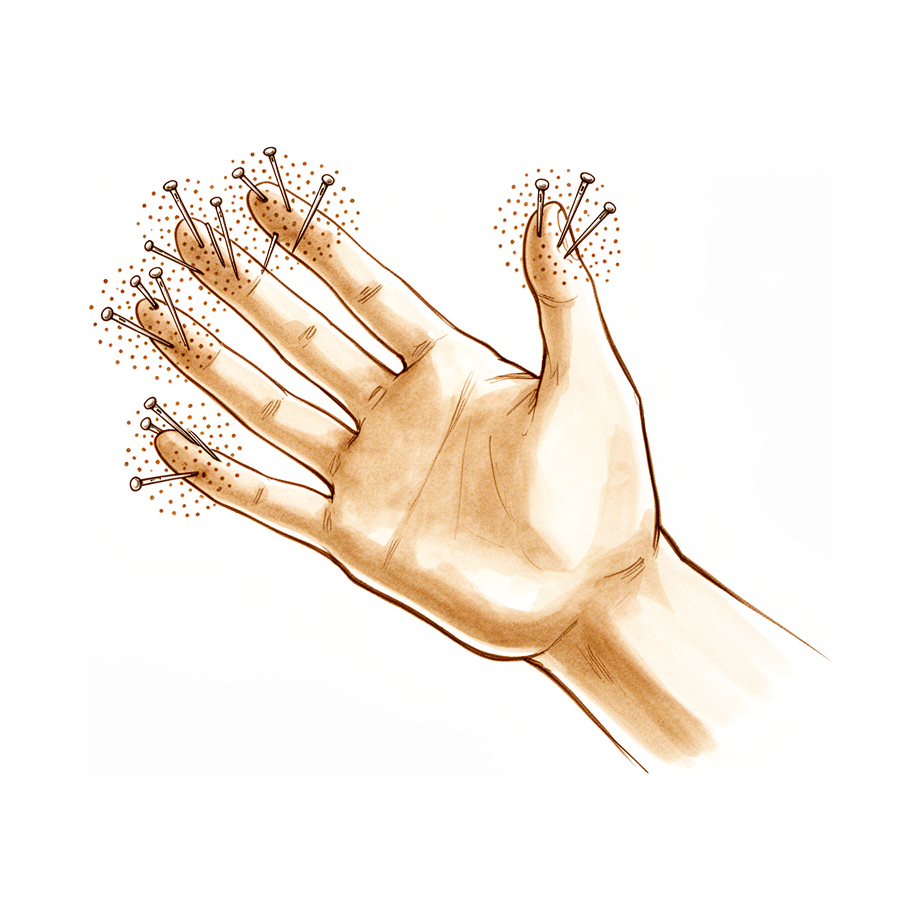
Overview
Pain assessment in hand and upper-extremity surgery relies on standardized thresholds to define clinical significance and acceptable outcomes. A change of 10 on the 100mm Visual Analog Scale (VAS) signifies a clinically important improvement or deterioration, while a VAS score of 33 or less defines acceptable postoperative pain control [2]. For the Numeric Rating Scale (NRS), the Patient-Acceptable Symptom State threshold in a postoperative non–shoulder hand and upper-extremity population is proposed to be 2.1 [14]. However, the upper anchor of the 0-10 NRS lacks universal standardization, and meaningful change on this scale is not consistent across its entire range [16]. Digital VAS scores may be slightly higher than paper VAS scores and slightly lower than verbal NRS scores; the digital VAS may be used interchangeably with other scales provided clinicians are aware of these slight differences [8].
Pain management extends beyond intensity to include interference and disability. Pain interference serves as a link between pain severity, impairment, and self-reported disability in wrist and hand pain, making its addressal important for improving outcomes [6]. In patients with chronic or traumatic peripheral nerve injury, pain intensity is only one component of pain, and the impact of pain in the context of disability must be considered [13]. Mental health status affects response to therapy; patients with increased depressive symptoms, anxiety, and pain interference require more therapy and fewer achieve all goals [47].
Postoperative pain control should begin before surgery, and combining multiple treatment strategies is beneficial [24]. Greater self-efficacy was the best determinant of satisfaction with pain relief after fracture surgery [7]. The ShotBlocker device effectively reduced injection pain versus controls when scores were adjusted for pain tolerance, though the injection approach does not affect patient pain perception scores or outcomes in trigger finger injections [23, 3]. Long-term outcomes indicate that patients with moderate or severe malunion of distal radius fractures have more disability and pain at rest than those without malunion at 1 year, though significant improvement in disability occurs after 2–4 years [1]. Outcomes of trapeziectomy and ligament reconstruction with tendon interposition show deterioration in DASH and PRWE scores and increasing VAS scores with increasing intervals from surgery [101].
Anatomy & Pathophysiology
Bony Anatomy
The skeleton of the hand and wrist comprises 27 bones, 19 of which are long bones [42]. The hand itself consists of 19 bones, 17 articulations, and 19 muscles situated entirely within the hand [38]. The skeletal structure is divided into five rays, each forming a polyarticulated chain of metacarpals and phalanges [42]. The thumb metacarpal is the shortest, while the index metacarpal is the longest [42]. The proximal and middle phalanges of the long and ring fingers are longer than those of the index finger [42]. The trapezium is angled out in front of the carpal plane, creating an angle of about 45 degrees between the first and second metacarpals in the sagittal plane [42]. The transverse axis of the palm forms an acute angle of approximately 75 degrees with the longitudinal axis [42]. Epiphyseal plates are located at the proximal ends of the phalanges and the first metacarpal, whereas they are located at the distal ends of the other metacarpals [42].
Metacarpal mobility varies significantly. The index metacarpal is the most firmly fixed, while the fifth metacarpal is semi-independent with a range of flexion–extension of approximately 20 degrees [70]. The ring metacarpal has about 10 degrees of mobility in flexion and extension [70]. The metacarpophalangeal joints serve as the keystones of the longitudinal arches of the hand [70]. Volar plates prevent hyperextension at the metacarpophalangeal joints [70].
Soft Tissue Anatomy
The hand functions as both an organ for obtaining information and an organ of execution [38]. The dorsal aspect is convex, while the anterior, palmar, or volar aspect is concave [38]. The palmar surface is the functional surface, whereas the dorsal surface is aesthetically important [38]. The blood and nerve supplies of the hand are continuous with those of the rest of the limb [38]. Extrinsic muscles originate outside the hand and insert on the hand or carpus, while intrinsic muscles have both origin and insertion within the hand [41].
Extrinsic extensors run through six fibroosseous retinacular compartments at the wrist level [41]. First compartment: Contains the abductor pollicis longus and extensor pollicis brevis [41]. Second compartment: Contains the extensor carpi radialis longus and extensor carpi radialis brevis [41]. Third compartment: Contains the extensor pollicis longus, which turns abruptly radialward about Lister tubercle [41]. Fourth compartment: Contains the extensor indicis proprius lying deep to the four tendons of the extensor digitorum communis [41]. Fifth compartment: Contains the extensor digiti quinti [41]. Sixth compartment: Contains the extensor carpi ulnaris tendon, which inserts at the base of the little finger metacarpal [41].
Sagittal band fibers insert onto the volar proximal phalanx and the lateral borders of the volar plate [41]. Rupture or attenuation of these fibers allows the extrinsic extensor tendon to sublux to the ulnar side of the metacarpal head, causing ulnar deviation of the finger [41]. The flexor digitorum profundus inserts on the proximal volar aspect of the distal phalanx [41]. The flexor digitorum superficialis acts as a flexor of the proximal interphalangeal and metacarpophalangeal joints [41].
There are seven interosseous muscles: four dorsal and three volar [68]. The dorsal interossei are abductors, while the volar interossei are adductors [68]. The middle finger has two dorsal interossei and no volar interossei because the central axis of the hand lies within it [68]. The superficial head of each dorsal interosseous muscle abducts and weakly flexes the proximal phalanx [68]. The deep head of each dorsal interosseous muscle flexes and weakly abducts the proximal phalanx while extending the middle and distal phalanges [68]. The volar interossei have only one muscle head and none insert onto the proximal phalanx [68]. The abductor digiti quinti and flexor digiti quinti brevis are similar in structure and function to the superficial and deep heads of the dorsal interossei, respectively [68]. The opponens digiti quinti arises from the pisohamate ligament and the hook of the hamate and inserts onto the ulnar side of the diaphysis of the fifth metacarpal [68].
The superficial palmar fascia covers a triangular area of the central palm, with the proximal corner facing directly proximal [77]. The palmaris longus tendon, when present, terminates in continuity with the fibers of the proximal corner of the superficial palmar fascia [77]. Four central bands of fascia extend distally from the common point of the superficial palmar fascia toward each of the fingers, with no central band for the thumb [77]. Digital neurovascular structures are surrounded by a diffuse network of thin transverse oblique fibers [77]. Fibers dorsal to the neurovascular bundle are collectively called Cleland ligament, and those palmar to the neurovascular bundle are called Grayson ligament [77]. A subdermal fascial layer borders the periphery of the web spaces from roughly the radial thumb sesamoid to the ulnar side of the small finger’s proximal flexion crease [77].
Skin dimensions are critical for reconstruction. The necessary skin to cover the thumb distal to the metacarpophalangeal joint is about 9 cm wide and 8 cm long [69]. The skin cover of both the palmar and dorsal surfaces of the hand is 12 cm by 10 cm [69]. The skin covering each finger is 7 cm by 10 cm on both the palmar and dorsal aspects [69].
Vascular Anatomy
The "princeps pollicis" artery, the terminal branch of the radial artery, crosses the first intermetacarpal space and runs along the ulnar side of the first metacarpal bone [71]. The princeps pollicis divides into two terminal rami, the collateral palmar arteries of the thumb, at the level of the cutaneous flexion crease of the metacarpophalangeal joint [71]. An arcade located deep in the flexor tendon joins together the two arteries at the level of the distal metaphysis of the first phalanx [71]. Only 15% of anatomical dissections fall into the classical category of palmar artery layout in the thumb [71]. In the second segment of the thumb, the main artery is the ulnar collateral artery, which is more often easier to dissect than the radial collateral artery [71]. The dorsal arteries of the thumb originate from the palmar arteries at the level of the first metacarpal and head distally on the side of the two distal phalanges [71].
Nerve Anatomy
The innervation of the flexor digitorum profundus of the index and middle fingers is through the anterior interosseous branch of the median nerve [74]. The profundus of the ring and little fingers is innervated by the ulnar nerve [74]. The entire flexor digitorum superficialis muscle receives innervation from the median nerve [74]. The flexor pollicis longus is innervated by the anterior interosseous branch of the median nerve [74]. The most important structure in the thenar area is the recurrent branch (motor) of the median nerve [72]. There is no single longitudinal incision in the proximal palm that completely avoids the palmar cutaneous branches of the median and ulnar nerves [72].
Functional Anatomy & Kinematics
The wrist has three axes of movement, permitting the hand to be positioned in any spatial configuration [42]. The shoulder is the most mobile joint in the body and allows orientation of the upper limb as required [38]. The combined movements of the wrist and forearm place the hand in a position for grasping [38]. For gripping, the wrist is usually in flexion when close to the trunk and in extension when placed at a distance [38]. The hand moves within a large volume of space, with the shoulder being the apex [38]. The digits converge in closing by flexing and adducting, and diverge in opening by extending and abducting [38]. When the fingers are extended and separated, the tips of the fingers lie on the circumference of a circle whose center is the head of the third metacarpal [38].
The axes of flexion are arranged so that flexion of all the metacarpophalangeal and proximal interphalangeal joints causes the fingers to converge toward the scaphoid [78]. The position of each articulation depends on the equilibrium of forces acting at that level, which is subject to the position of the immediately proximal articulation [75]. The wrist influences the position of the metacarpophalangeal joint, which affects the position of the proximal interphalangeal joint, which in turn affects the distal interphalangeal joint [75]. Almost all movements in the hand are around oblique and variable axes, resulting in combined movements [75]. The dorsal skin slides distally to allow metacarpophalangeal joint flexion [75]. Interphalangeal flexion is accomplished by means of a special arrangement of skin folds on the dorsum of each articulation [75].
In the middle finger, the distance between the wrist and the ungual fold shows an average increase of 3 cm as the finger goes from extension to full flexion [76]. Flexion at the metacarpophalangeal joint alone requires an average skin lengthening of 1.25 cm [76]. The dorsal skin becomes fragile in old age and has greater vulnerability to factors causing cutaneous atrophy, such as steroid therapy [76].
The palmar integument may be subdivided into two separate zones by the oppositional crease of the thumb [67]. The skin of the radial portion of the palm covers the thenar eminence and is the mobile portion [67]. The skin of the ulnar and distal portion covers the hypothenar eminence where the skin has poor mobility [67]. The central triangular part of the palm has fixed and poorly vascularized skin covering almost directly the superficial palmar aponeurosis [67]. When a digit is completely flexed, the integument of the adjacent phalanges comes into contact in the zones of the flexion creases, establishing areas of cutaneous contact in the form of a diamond [67]. The sides of the diamond-shaped cutaneous contact areas do not undergo variations in length during flexion and extension movements [67]. The dorsal slope of the web spaces has a gradual incline and its supple skin is not adherent to the subjacent region [67]. The palmar surface of the web spaces is flat and precipitously interrupted, with skin densely adherent to the commissural skeleton [67].
Pathophysiology
Complex Regional Pain Syndrome comprises four cardinal features: pain, swelling, movement abnormalities, and vasomotor instability [32]. Pain in Complex Regional Pain Syndrome is classically out of proportion to the degree of injury [32]. Vasomotor instability in Complex Regional Pain Syndrome includes colour, temperature, and sudomotor changes [32]. Chronic upper limb pain is paralleled by reduced neuromuscular function of the shoulder and hand along with impaired work ability, work disability, and general health [31]. Reduced grip strength due to musculoskeletal injury and pain may be attributed to decreased muscle contractions, fear of pain and reinjury, and disuse-related muscle atrophy [61]. The same pain-related protective mechanism that slows down grip initiation and release may also reduce grip force bilaterally [61].
In patients with peripheral neuropathic pain, the frequency of DFNS QST derived sensory phenotypes differs between aetiologies [37]. Thermal and mechanical hyperalgesia sensory perturbations are observed as the dominant sensory feature in subgroups of carpal tunnel syndrome patients [37]. Participants with mechanical hyperalgesia and sensory loss phenotypes demonstrate greater persisting neuropathic pain scores at 6 months postsurgery [37]. Prior to decompression surgery, loss of thermal detection and/or mechanical detection was more prevalent than gain to thermal or mechanical stimuli in carpal tunnel syndrome patients [37]. Significant improvement is observed in large fibre function post-surgery, however at 6 months sensory function remains impaired compared to healthy controls [37].
Pain is considered chronic if it persists three to six months or beyond a normal healing period [142]. The duration and degree of pain and disability after physical injury may be unrelated to the severity of injury [142]. Psychosocial variables have increasingly greater influence in the pain experience as pain becomes more chronic and are considered significant risk factors for the development of prolonged pain and disability [142]. Patients with a pain score of 5 or greater in the first 3 days after surgery are at high risk for Complex Regional Pain Syndrome development [140]. Patients with crush injuries are more likely to develop Complex Regional Pain Syndrome compared to other injury types [140]. The Mayo Wrist Score is determined primarily by grip strength rather than pain [19].
Classification
CRPS: Complex regional pain syndrome is classically classified into two forms: type I (formerly reflex sympathetic dystrophy) and type II (formerly causalgia) [106]. CRPS I implies no definite nerve injury, whereas CRPS II diagnosis requires evidence of nerve damage as a causative event [106]. The necessity of distinguishing between CRPS type I and type II has been recently questioned [106].
Derkash: The Derkash classification divides results following treatment of neurogenic thoracic outlet syndrome into "excellent," "good," "fair," and "poor" based on pain and return to activities [107]. An "excellent" result is defined as no pain and easy return to preoperative professional and leisure daily activities [107]. A "good" result is defined as intermittent well-tolerated pain and possible return to preoperative professional and leisure daily activities [107]. A "fair" result is defined as intermittent pain with bad tolerance and difficult return to preoperative professional and leisure daily activities [107]. A "poor" result is defined as no change in symptoms [107].
Palmer: The Palmer classification does not completely classify all peripheral triangular fibrocartilage complex tears, particularly dorsal tears [49].
Other Considerations: The IASP criteria and CRPS severity scores showed similar sensitivity in the early diagnosis of complex regional pain syndrome following surgical treatment of distal radial fractures [20]. However, these tools are poor indicators of the need for treatment in the early diagnosis of complex regional pain syndrome [20]. Classification of angular measurement according to tested systems after flexor tendon repair does not reflect the patient's perspective [56]. Furthermore, this classification limits the precision of the measurement and adds little value to the measurement itself [56].
Clinical Presentation
Pain Assessment and Measurement
A change of 10 on a 100mm pain Visual Analog Scale (VAS) signifies a clinically important improvement or deterioration [2]. The upper anchor of the 0-10 Numeric Rating Scale lacks universal standardization, and meaningful change is not consistent across the entire scale [16]. The digital version of the Visual Analog Scale (VAS-D) may be used interchangeably with other scales, though pain scores on the VAS-D may be slightly higher than the paper VAS (VAS-P) and slightly lower than the verbal Numeric Rating Scale (NRS-V) [8].
Pain intensity should be considered only one component of pain, and the impact of pain in the context of disability should be considered in patients with chronic nerve injury [13]. The Pain Interference domain has a larger correlation to physical function than numerical pain scores [15]. Addressing pain interference may be important to improve outcomes in participants with wrist/hand pain [6]. The association between greater pain interference and worse patient-reported upper extremity function was significantly stronger for patients older than 11 years than those 11 years old or younger [25].
Psychosocial factors are the strongest correlates of pain with corticosteroid injection for idiopathic trigger finger, though a large portion of variability remains unexplained [54]. Patient expectations and illness perceptions are associated with patient-reported pain and functional outcomes after surgical decompression for de Quervain's tenosynovitis [92]. Greater pain intensity in the uninjured upper extremity is associated with greater unhelpful thinking during recovery from upper-extremity injury [52]. Patient perception of pain control has the strongest relationship with hospital rating scores after orthopaedic trauma [51]. The brief Michigan Hand Questionnaire score gap was widest across patients reporting the lowest pain scores [21].
Clinical Conditions and Outcomes
Patients with moderate or severe malunion of distal radius fractures have more disability and pain at rest than patients without malunion at 1 year, but show significant improvement in disability after 2–4 years [1]. Complex Regional Pain Syndrome (CRPS) comprises four cardinal features: pain (out of proportion to injury), swelling, movement abnormalities, and vasomotor instability [32]. The IASP criteria and CRPS severity scores showed similar sensitivity in early diagnosis following surgical treatment of distal radial fractures, but both are poor indicators of the need for treatment [20]. High-intensity laser therapy and mirror therapy provide conclusive evidence of pain reduction in CRPS-I, even after the third treatment session [11].
Common clinical features of fibromyalgia can be grouped into six clusters based on patient perception: Pain, Fatigue, Domestic, Impairment, Affective, and Social [46]. A reduction in time off work of more than 1 day per week can be achieved in patients with fibromyalgia who have good pain responses to treatment [22]. Women report higher intensity, longer duration, and more pain locations, as well as poorer work ability, in office workers [87].
Screening at 3 months after hand trauma may detect posttraumatic stress disorder, anxiety, depression, and chronic pain [89]. The NFR threshold measurement may serve as a diagnostic assessment of allodynia and help discriminate patients who may benefit from centrally acting analgesics [102].
Investigations
Pain Measurement Scales and Thresholds: A change of 10 on the 100mm visual analog scale (VAS) for pain signifies a clinically important improvement or deterioration [2]. The digital version of the VAS (VAS-D) may be used interchangeably with other scales, though scores may be slightly higher than the paper VAS (VAS-P) and slightly lower than the verbal numeric rating scale (NRS-V) [8]. The proposed Patient-Acceptable Symptom State (PASS) threshold for the Numeric Rating Scale (NRS) pain score in a postoperative non-shoulder hand and upper-extremity population is 2.1 [14].
Pain Interference and Disability: The Pain Interference domain had a larger correlation to physical function than numerical pain scores [15].
Diagnostic Criteria and Imaging: The IASP criteria and CRPS severity scores showed similar sensitivity in early diagnosis of complex regional pain syndrome following surgical treatment of distal radial fractures, but both are poor indicators of the need for treatment [20]. Magnetic resonance imaging scans may not be the standard for accurate diagnosis and can misdirect care in workers' compensation patients [146].
Clinical Examination and Patient Reporting: Better final radiological and objective physical results were associated with a better patient-perceived outcome, as measured by the DASH score, in patients with displaced distal radius fractures [34]. Patients often have difficulty accurately describing their symptoms and may incorrectly attribute pathology to a perceived deficit [39]. A careful physical examination is essential to direct care and future testing if indicated [39].
Treatment
Pain Measurement and Thresholds
A change of 10 on the 100mm pain Visual Analog Scale (VAS) signifies a clinically important improvement or deterioration [2]. A VAS score of 33 or less signifies acceptable pain control, defined as the patient acceptable symptom state, after surgery [2]. When comparing assessment tools, pain scores on the digital VAS (VAS-D) may be slightly higher than those on the paper VAS (VAS-P) and slightly lower than the verbal Numeric Rating Scale (NRS-V) [8].
Non-Operative
Conservative management options include high-intensity laser therapy, which provides conclusive evidence of pain reduction in complex regional pain syndrome type I, even after the third treatment session [11]. In adult patients with musculoskeletal disorders, combined vitamin D supplementation and physiotherapy had a better pain-relieving effect than physiotherapy alone [94]. For in-office injections, the ShotBlocker device effectively reduced pain versus controls when scores were adjusted for pain tolerance [23]. Regarding trigger finger injections, the injection approach does not affect patient pain perception scores or outcomes [3]. For soft tissue pathology of the hand, high-dose triamcinolone injections outperformed low-dose injections regarding estimated time of relief, rate of repeat injection, and rate of surgery [103]. In individuals with carpal tunnel syndrome, perceptions of standardized thermal pain stimuli were not altered by neural mobilization techniques [148].
Operative
Indications: Surgery is indicated for advanced scapholunate advanced collapse wrist, where arthroscopic wrist debridement and radial styloidectomy result in good functional outcomes with the majority of patients experiencing a reduction in pain [4]. Thumb carpometacalcaneous joint arthritis is treated with the “Pillow” technique, which provides pain relief and satisfactory function at an average of 12.5 years after surgery [5]. Proximal interphalangeal joint osteoarthritis may be managed with a modular surface gliding implant (CapFlex-PIP), which resulted in a significant reduction in pain [10]. Pisiform excision is a well-tolerated, safe treatment for pain in the pisotriquetral joint resulting from arthrosis not controlled by nonsurgical means [64].
Surgical Approach / Technique: For lateral epicondylitis, there was no difference between arthroscopic and open lateral release regarding VAS score at 12 months postoperatively [17]. In thumb basal joint arthritis arthroplasties, functional outcome was similar 12 months after surgery with or without bone tunnel creation [27]. Following ulnar shortening for positive ulnar variance, wrist function recovered after an initial decrease from week 8 onward [12]. Dorsal capsular imbrication for posttraumatic instability of the distal radioulnar joint resulted in excellent pain reduction in 9 of 11 patients and unchanged pain in 2 patients [136].
Postoperative Pain Management and Prognosis
Pain Management: Postoperative pain control should begin before surgery, and combining multiple strategies for pain treatment is beneficial [24]. Patient perception of pain control has the strongest relationship with hospital satisfaction scores after orthopaedic trauma [51].
Prognosis: Patients with increased depressive symptoms, anxiety, and pain interference require more therapy with fewer achieving all goals [47]. In patients with carpal tunnel syndrome, those with mechanical hyperalgesia and sensory loss phenotypes demonstrate greater persisting neuropathic pain scores at 6 months postsurgery [37].
Complications
Nerve palsy: Targeted muscle reinnervation for neuroma pain resulted in complete relief of pain in the distribution of transferred nerves for all but one of 15 patients with preoperative neuroma pain, with no evidence of new neuroma pain in any of the 26 patients who underwent the procedure [65]. In revision cubital tunnel surgery, primary incomplete resection of the medial intermuscular septum was associated with significantly increased odds of worsened or unchanged postoperative average pain [112]. Higher preoperative average pain VAS scores and a history of more than one prior cubital tunnel procedure were significant predictors of worse postoperative average pain VAS scores in this population [112].
Pain and functional outcomes: Patients with moderate or severe malunion of distal radius fractures report more disability and pain at rest than patients without malunion at 1 year [1]. A change of 10 on the 100mm pain VAS signifies a clinically important improvement or deterioration after surgery, while a VAS score of 33 or less signifies acceptable pain control [2]. In pediatric hand surgery, the association between greater pain interference and worse patient-reported upper extremity function was significantly stronger for patients older than 11 years than for those 11 years old or younger [25]. Patients involved in a personal injury claim scored worse regarding pain and hand function before treatment for hand or wrist disorders compared to those without a claim [58].
Other Considerations: The injection approach for trigger finger does not affect patient pain perception scores or outcomes [3]. Psychosocial factors are the strongest correlates of pain with corticosteroid injection for idiopathic trigger finger [54]. Patients respond to extra-articular steroid injections with gradual improvement over the course of the first week [30]. Patients undergoing arthroscopic wrist debridement and radial styloidectomy for advanced scapholunate advanced collapse experience a reduction in pain [4]. The “Pillow” technique for thumb carpometacarpal joint arthritis provides pain relief at an average of 12.5 years after surgery [5]. Patients undergoing proximal interphalangeal joint arthroplasty with a modular surface gliding implant experienced a significant reduction in pain [10]. High-intensity laser therapy and mirror therapy provide conclusive evidence of pain reduction in complex regional pain syndrome type I in the hand area, even after the third treatment session [11]. There was no difference in complication rate between arthroscopic and open lateral release for lateral epicondylitis at 12 months postoperatively [17]. The widest brief Michigan Hand Questionnaire score gap after carpal tunnel release surgery was seen across patients reporting the lowest pain scores [21]. Functional outcome was similar 12 months after arthroplasty with or without bone tunnel creation for thumb basal joint arthritis [27]. Donor site morbidity for contralateral C7 transfer is typically mild and transient [28]. The minimum 2 years of follow-up evaluation of the SLFJ implant PIP joint arthroplasty demonstrated good pain relief [36]. At 6 months postsurgery, participants with mechanical hyperalgesia and sensory loss phenotypes demonstrate greater persisting neuropathic pain scores following carpal tunnel surgery [37]. Long-term outcomes of pelvic fractures are complicated by posterior pelvic pain [48]. Outcomes, recurrence, and complications rates after 4 years of follow-up support the use of arthroscopy as a treatment for dorsal wrist ganglion [105]. VAS pain scores (0–10) improved significantly from 3.7±2.6 preoperatively to 1.3±1.3 postoperatively in patients treated with scaphoid plate fixation and volar carpal artery vascularized bone graft for recalcitrant scaphoid nonunions [108]. Twelve of fifteen patients reported no residual pain following pisiform excision for pisotriquetral instability and arthritis, while two reported occasional mild pain in the ulnar side of the hand [111]. One patient reported moderate pain following pisiform excision, which had complete resolution postoperatively but recurred after a TFCC injury 19 months after surgery [111]. Average pain VAS scores did not change or worsened following 14 of the 52 revision cubital tunnel procedures [112]. More than half of the patients who recovered from early complex regional pain syndrome type 1 continue to complain of occasional pain, and grip strength and endurance of the affected hand remain impaired to varying degrees in a number of these patients [120]. Patients with a positive history of specific factors and flexor tendon injury found during A1 pulley release for trigger finger should be informed about the possibility of prolonged postoperative symptoms [143]. There was no statistical difference in the incidence of complication between simple release and Z-plasty of retinaculum for de Quervain’s disease [145]. The point prevalence of pain at the time of assessment was 25% in children evaluated for obstetrical brachial plexus palsy, with a lifetime prevalence of 66% [98]. The average intensity of the typical pain episode in children with obstetrical brachial plexus palsy who reported having pain at some point in their lifespan was 40±19 mm on the 100-mm visual analog scale [98]. Corticosteroid injection did not affect the apparently self-limited course of lateral elbow pain [63].
Recovery
Light activity (weeks): The provided evidence does not specify a typical week range for the resumption of desk work, driving, or light activities of daily living.
Full activity (months): The provided evidence does not specify a month range for the return to manual work, sport, or full range of motion and strength.
Complete recovery / outcome plateau (months): The provided evidence does not specify a month range for the stabilization of pain, strength, and final functional outcomes.
Rehabilitation protocol: The provided evidence does not detail specific physical therapy phasing, immobilisation duration, weight-bearing or range-of-motion progression, or sling and brace removal timing.
Functional milestones: A VAS score of 33 or less signifies acceptable pain control after surgery [2]. In the assessment of joint-protection programs for hand arthritis, a standard deviation of 0.5 points for pain and function indicates clinical importance [55]. Longitudinal changes on the DASH of 11 points represent minimally clinically important changes [149]. Longitudinal changes on the Quick-DASH of 16 points represent minimally clinically important changes [149]. Longitudinal changes on the PRWE of 14 points represent minimally clinically important changes [149].
Other Considerations: Wrist function recovered after an initial decrease from week 8 onward in patients undergoing ulnar shortening for positive ulnar variance [12]. Surface replacement proximal interphalangeal joint arthroplasty using the Self Locking Finger Joint Implant demonstrated good pain relief at a minimum of 2 years of follow-up [36]. Long-term outcomes for pelvic fractures are complicated by posterior pelvic pain [48]. A long-term reduction of health-related quality of life in women with vertebral fracture was observed in a seven-year follow-up study [53]. Satisfactory clinical and radiological results were observed in a short- to mid-term follow-up of scapholunate intercarpal ligamentoplasty for chronic scapholunate dissociation [62]. All but one of 15 patients who presented with preoperative neuroma pain experienced complete relief of pain in the distribution of the transferred nerves after targeted muscle reinnervation [65]. Subjects with early thumb carpometacarpal osteoarthritis who had 1 stage of radiographic progression had a significantly higher intensity of pain on the PRWHE pain subscale at 36-month follow-up [66]. Satisfactory subjective and functional outcomes persisted for patients following arthroscopic assisted resection for triangular fibrocartilage complex lesions at 19 years of follow-up [116]. Ivory arthroplasty for trapeziometacarpal osteoarthritis reduces pain up to 10 years postoperatively [128]. Long-term improvement in patients with diabetes remained after carpal tunnel release to the same extent as for patients without diabetes [134]. In the great majority of patients, idiopathic frozen shoulder is a self-limiting condition in which symptoms subside and full shoulder movement returns within a maximum of two years from the onset of symptoms [150].
Key Evidence
- [L2] Patients with moderate or severe malunion have more disability and pain at rest than patients without malunion at 1 year but show a significant improvement in disability after 2–4 years. [1] (10.1177/1753193411409317)
- [L2] Analgesic interventions that provide a change of 10 for the 100mm pain VAS signify a clinically important improvement or deterioration, and a VAS of 33 or less signifies acceptable pain control (i.e. a responder), after surgery. [2] (10.1093/bja/aew466)
- [L3] Our data suggest that injection approach does not affect patient pain perception scores or outcomes. [3] (10.1177/1558944717703134)
- [L4] Patients experience good functional outcomes with the majority experiencing a reduction in pain with the ability to return to work. [4] (10.1177/1558944717725383)
- [L4] This technique provides pain relief and satisfactory function at an average of 12.5 years after surgery. [5] (10.1016/j.jhsa.2016.04.018)
- [L4] Addressing pain interference may be important to improve outcomes in this population. [6] (10.1016/j.jht.2019.06.001)
- [L2] Greater self-efficacy was the best determinant of satisfaction with pain relief. [7] (10.1007/s11999-014-3660-4)
- [L3] Therefore, the VAS-D may be used interchangeably with the other two scales but therapists must be aware that pain scores on the VAS-D may be slightly higher than the VAS-P and slightly lower than the NRS-V. [8] (10.1016/j.jht.2011.07.017)
- [L4] Patients experienced a significant reduction in pain and a trend towards increased mobility. [10] (10.1016/j.jhsa.2014.10.047)
- [L1] The study results offer conclusive evidence of pain reduction, a highly debilitating symptom in CRPS-I, even after the third HILT treatment session. [11] (10.1016/j.jht.2025.02.009)
- [L4] In ulnar shortening with the UOL, wrist function recovered after an initial decrease from week 8 onward. [12] (10.1177/1558944717702465)
- [L4] Pain intensity should be considered only one component of pain, and the impact of pain in the context of disability should be considered in patients with chronic nerve injury. [13] (10.1016/j.jhsa.2010.07.018)
- [L3] The authors propose a value of 2.1 to represent the Patient-Acceptable Symptom State (PASS) threshold for the Numeric Rating Scale (NRS) pain score in this population. [14] (10.1016/j.jhsa.2024.07.020)
- [L3] The Pain Interference domain had a larger correlation to physical function than did numerical pain scores. [15] (10.1016/j.jhsa.2017.06.004)
- [L5] The authors argue that the upper anchor of the 0-10 Numeric Rating Scale lacks universal standardization and that meaningful change is more complex than current guidelines suggest, urging clinicians to use consistent anchors and recognize that important change is not consistent across the entire scale. [16] (10.1016/j.jht.2017.12.008)
- [L2] There was no difference between the 2 operative modalities when examining the DASH score, VAS score, PRTEE score, grip strength, or complication rate at 12 months postoperatively. [17] (10.1016/j.arthro.2018.07.008)
- [L3] The Mayo Wrist Score is determined primarily by grip strength rather than pain. [19] (10.1016/j.jhsa.2007.10.003)
- [L3] The IASP criteria and CRPS severity scores showed similar sensitivity in early diagnosis, but both are poor indicators of the need for treatment. [20] (10.1177/1753193412469142)
- [L3] Unexpectedly, the widest brief Michigan Hand Questionnaire score gap was seen across patients reporting lowest pain scores. [21] (10.1177/15589447211064365)
- [L1] A reduction in time off work >1 day per week can be achieved in patients with good pain responses. [22] (10.1186/1471-2474-12-125)
- [L1] The ShotBlocker device effectively reduced the pain of injection versus controls when scores were adjusted to account for pain tolerance. [23] (10.1177/1558944719884655)
- [L3] The evidence available suggests that postoperative pain control should begin before surgery and that combining multiple strategies for pain treatment is beneficial. [24] (10.1016/j.jhsa.2015.05.024)
- [L3] The association between greater pain interference and worse patient-reported upper extremity function was significantly stronger for patients older than 11 years than those 11 years old or younger. [25] (10.1016/j.jhsa.2020.05.011)
- [L1] However, 12 months after surgery, the functional outcome was similar. [27] (10.1016/j.jhsa.2014.04.044)
- [L5] Published clinical results have demonstrated significant improvements in upper limb function, confirming the procedure's safety and efficacy, with donor site morbidity that is typically mild and transient. [28] (10.1177/17531934251314640)
- [L1] Patients respond to extra-articular steroid injections with gradual improvement over the course of the first week. [30] (10.1016/j.jhsa.2007.08.002)
- [L4] Chronic upper limb pain was paralleled by reduced neuromuscular function of the shoulder and hand along with impaired work ability, work disability and general health. [31] (10.1186/s12891-016-0953-7)
- [L4] [32] (10.1177/1753193412471021)
- [L3] Better final radiological and objective physical results were associated with a better patient-perceived outcome, as measured by the DASH score, in this patient group. [34] (10.1197/j.jht.2007.06.001)
- [L4] The minimum 2 years of follow-up evaluation of the SLFJ implant PIP joint arthroplasty demonstrated good pain relief and good overall patient satisfaction while maintaining joint range of motion. [36] (10.1177/1558944717726136)
- [L3] [37] (10.1186/s12891-021-04832-2)
- [L4] Common clinical features of FM could be grouped into 6 clusters (Pain, Fatigue, Domestic, Impairment, Affective, and Social) based on patient perception of relevance to treatment. [46] (10.1186/1471-2474-11-134)
- [L3] There is some indication that patients with increased depressive symptoms, anxiety, and pain interference require more therapy with fewer achieving all goals, suggesting that mental health status may affect response to therapy. [47] (10.1016/j.jht.2020.10.006)
- [L4] The Palmer classification does not completely classify all peripheral TFCC tears, particularly dorsal tears. [49] (10.1016/j.arthro.2007.01.026)
- [L3] Patient perception of pain control seems to have the strongest relationship with hospital rating. [51] (10.5435/jaaos-d-20-00069)
- [L2] Given that greater pain intensity in the uninjured upper extremity is associated with greater unhelpful thinking, clinicians can be attuned to patient concerns about contralateral pain. [52] (10.1016/j.jhsa.2023.03.019)
- [L2] The long-term reduction of HRQOL in women with vertebral fracture emerged clearly in this study. [53] (10.1186/1471-2474-10-135)
- [L2] Psychosocial factors are the strongest correlates of pain with corticosteroid injection, but a large portion of the variability remains unexplained. [54] (10.1016/j.jhsa.2011.10.055)
- [L1] [55] (10.1016/j.jht.2018.09.012)
- [L4] Classification of angular measurement according to the tested systems does not reflect the patient's perspective; it limits the precision of the measurement and adds little value to the measurement itself. [56] (10.1016/j.jhsa.2018.06.010)
- [L3] [58] (10.1097/corr.0000000000002410)
- [L4] [61] (10.1016/j.jht.2011.06.004)
- [L2] This procedure led to satisfactory clinical and radiological results in a short- to mid-term follow-up. [62] (10.1177/1753193418772801)
- [L1] Corticosteroid injection did not affect the apparently self-limited course of lateral elbow pain. [63] (10.1016/j.jhsa.2008.02.004)
- [L3] Pisiform excision is a well-tolerated, safe treatment for pain in the pisotriquetral joint resulting from arthrosis and not controlled by nonsurgical means, although patients subjectively experience impairments in function that may not be identified objectively. [64] (10.1016/j.jhsa.2014.04.019)
- [L4] None of the 26 patients who underwent TMR demonstrated evidence of new neuroma pain after the procedure, and all but one of the 15 patients who presented with preoperative neuroma pain experienced complete relief of pain in the distribution of the transferred nerves. [65] (10.1007/s11999-014-3528-7)
- [L2] However, subjects with early CMC OA who had 1 stage of radiographic progression were found to have a significantly higher intensity of pain on the PRWHE pain subscale at 36-month follow-up. [66] (10.1177/1558944720928489)
- [L4] The present results provide new key information on pain characteristics in office workers, with women reporting higher intensity, longer duration, and more pain locations as well as poorer work ability. [87] (10.1186/1471-2474-14-226)
- [L4] Despite a limited evidence base, screening at 3 months may detect posttraumatic stress disorder, anxiety, depression, and chronic pain, potentially allowing for early intervention and improved treatment outcomes. [89] (10.1016/j.jht.2016.11.006)
- [L3] Patient expectations and illness perceptions are associated with patient-reported pain and functional outcomes after surgical decompression for de Quervain's tenosynovitis. [92] (10.1097/corr.0000000000001577)
- [L3] Combined intervention (vitamin D with physiotherapy) had a better pain-relieving effect than physiotherapy alone. [94] (10.3389/fnut.2021.717473)
- [L4] [98] (10.1016/j.jhsa.2015.02.003)
- [L4] The benefits of surgery should be balanced against the deterioration in the outcome measures of DASH and PRWE and increasing VAS scores with increasing intervals from surgery. [101] (10.1016/j.jhsa.2024.07.024)
- [L3] The NFR threshold measurement may serve as a diagnostic assessment of allodynia and help discriminate patients who may benefit from centrally acting analgesics. [102] (10.1002/art.10893)
- [L4] High-dose triamcinolone injections outperformed low-dose injections across most metrics including estimated time of relief, rate of repeat injection, and rate of surgery. [103] (10.1016/j.jhsa.2025.09.014)
- [L4] The outcomes, recurrence, and complications rates after 4 years of follow-up presented in this study support the use of arthroscopy as a treatment for dorsal wrist ganglion. [105] (10.1177/1558944717743601)
- [L4] [106] (10.1177/1753193412469143)
- [L1] [107] (10.1016/j.jhsa.2023.03.005)
- [L4] [108] (10.1016/j.jhsa.2016.04.021)
- [L4] [111] (10.1016/j.jhsa.2014.02.037)
- [L3] [112] (10.1177/1558944717743593)
- [L4] This study demonstrates persisting satisfactory subjective and functional outcomes for patients following arthroscopic assisted resection for lesions of the TFCC at 19 years of follow-up. [116] (10.1177/1558944717708029)
- [L4] [120] (10.1177/1753193408087034)
- [L2] Long-term results suggest the Ivory arthroplasty to be a reliable treatment for trapeziometacarpal osteoarthritis since it improves overall function and reduces pain up to 10 years postoperatively. [128] (10.1177/1753193418797890)
- [L2] Long-term improvement in patients with diabetes remained after carpal tunnel release to the same extent as for patients without diabetes. [134] (10.1016/j.jhsa.2014.01.012)
- [L4] [136] (10.1007/s00402-014-2092-7)
- [L2] [140] (10.1016/j.jht.2017.03.007)
- [L5] [142] (10.1016/j.jht.2009.09.001)
- [L4] In addition, they should explain to patients with a positive history of these factors and in whom flexor tendon injury is found during surgery about the possibility of prolonged postoperative symptoms. [143] (10.1016/j.jhsa.2018.06.023)
- [L4] Z-plasty allowed earlier return to activities of daily living but there was no statistical difference between the two groups in incidence of complication. [145] (10.1177/1753193418818341)
- [L3] Magnetic resonance imaging scans may not be the standard for accurate diagnosis and can misdirect care. [146] (10.1016/j.jhsa.2011.12.008)
- [L2] Perceptions of standardized thermal pain stimuli were not altered by either neural mobilization technique. [148] (10.1016/j.jht.2008.07.024)
- [L2] Longitudinal changes on the DASH of 11 points, the Quick-DASH of 16 points, and the PRWE of 14 points represent minimally clinically important changes. [149] (10.1016/s0363-5023(12)60023-9)
- [L4] In the great majority of patients idiopathic frozen shoulder is a self-limiting condition, in which symptoms subside and full shoulder movement returns within a maximum of two years from the onset of symptoms. [150] (10.2106/00004623-197860040-00030)
See Also
- Trigger Finger
- Trapeziectomy
- Flexor tendon repair
- Arthroscopy
References
[1] Fractures of the distal radius in women aged 50 to 75 years: natural course of patient-reported outcome, wrist motion and grip strength between 1 year and 2–4 years after fracture. Journal of Hand Surgery (European Volume). 2011. DOI: 10.1177/1753193411409317
[2] Measuring acute postoperative pain using the visual analog scale: the minimal clinically important difference and patient acceptable symptom state. British Journal of Anaesthesia. 2017. DOI: 10.1093/bja/aew466
[3] The Effect of Trigger Finger Injection Site on Injection-Related Pain. HAND. 2017. DOI: 10.1177/1558944717703134
[4] Arthroscopic Wrist Debridement and Radial Styloidectomy for Advanced Scapholunate Advanced Collapse Wrist: Long-term Follow-up. HAND. 2017. DOI: 10.1177/1558944717725383
[5] The “Pillow” Technique for Thumb Carpometacarpal Joint Arthritis: Cohort Study With 10- to 15-Year Follow-Up. The Journal of Hand Surgery. 2016. DOI: 10.1016/j.jhsa.2016.04.018
[6] Pain interference may be an important link between pain severity, impairment, and self-reported disability in participants with wrist/hand pain. Journal of Hand Therapy. 2020. DOI: 10.1016/j.jht.2019.06.001
[7] Opioid Use After Fracture Surgery Correlates With Pain Intensity and Satisfaction With Pain Relief. Clinical Orthopaedics & Related Research. 2014. DOI: 10.1007/s11999-014-3660-4
[8] Validity, Reliability, and Responsiveness of a Digital Version of the Visual Analog Scale for Measuring Pain Intensity. Journal of Hand Therapy. 2011. DOI: 10.1016/j.jht.2011.07.017
[10] A Modular Surface Gliding Implant (CapFlex-PIP) for Proximal Interphalangeal Joint Osteoarthritis: A Prospective Case Series. The Journal of Hand Surgery. 2015. DOI: 10.1016/j.jhsa.2014.10.047
[11] Effect of high-intensity laser therapy and mirror therapy on complex regional pain syndrome type I in the hand area: A randomized controlled trial. Journal of Hand Therapy. 2025. DOI: 10.1016/j.jht.2025.02.009
[12] Time-Dependent Recovery of Outcome Parameters in Ulnar Shortening for Positive Ulnar Variance: A Prospective Case Series. HAND. 2017. DOI: 10.1177/1558944717702465
[13] Relationships Among Pain Disability, Pain Intensity, Illness Intrusiveness, and Upper Extremity Disability in Patients With Traumatic Peripheral Nerve Injury. The Journal of Hand Surgery. 2010. DOI: 10.1016/j.jhsa.2010.07.018
[14] Establishing the Patient-Acceptable Symptom State for the Numeric Rating Scale-Pain Score in a Postoperative Non–Shoulder Hand and Upper-Extremity Population. The Journal of Hand Surgery. 2025. DOI: 10.1016/j.jhsa.2024.07.020
[15] Efficacy of PROMIS Pain Interference and Likert Pain Scores to Assess Physical Function. The Journal of Hand Surgery. 2017. DOI: 10.1016/j.jhsa.2017.06.004
[16] A reconceptualization of the pain numeric rating scale: Anchors and clinically important differences. Journal of Hand Therapy. 2018. DOI: 10.1016/j.jht.2017.12.008
[17] Arthroscopic Versus Open Lateral Release for the Treatment of Lateral Epicondylitis: A Prospective Randomized Controlled Trial. Arthroscopy. 2018. DOI: 10.1016/j.arthro.2018.07.008
[19] Predictors of Wrist Function and Health Status After Operative Treatment of Fractures of the Distal Radius. The Journal of Hand Surgery. 2008. DOI: 10.1016/j.jhsa.2007.10.003
[20] A comparison of the accuracy of two sets of diagnostic criteria in the early detection of complex regional pain syndrome following surgical treatment of distal radial fractures. Journal of Hand Surgery (European Volume). 2012. DOI: 10.1177/1753193412469142
[21] Prescription Opioids and Patient-Reported Outcomes and Satisfaction After Carpal Tunnel Release Surgery. HAND. 2022. DOI: 10.1177/15589447211064365
[22] Interference with work in fibromyalgia - effect of treatment with pregabalin and relation to pain response. BMC Musculoskeletal Disorders. 2011. DOI: 10.1186/1471-2474-12-125
[23] The Effectiveness of a Non-Invasive Shot Blocking Device for Reducing Pain of In-office Injections in Hand Surgery. HAND. 2019. DOI: 10.1177/1558944719884655
[24] Management of Acute Postoperative Pain in Hand Surgery: A Systematic Review. The Journal of Hand Surgery. 2015. DOI: 10.1016/j.jhsa.2015.05.024
[25] Upper Extremity Function, Peer Relationships, and Pain Interference: Evaluating the Biopsychosocial Model in a Pediatric Hand Surgery Population Using PROMIS. The Journal of Hand Surgery. 2020. DOI: 10.1016/j.jhsa.2020.05.011
[27] Comparison of Arthroplasties With or Without Bone Tunnel Creation for Thumb Basal Joint Arthritis: A Randomized Controlled Trial. The Journal of Hand Surgery. 2014. DOI: 10.1016/j.jhsa.2014.04.044
[28] Harnessing the uninjured hemisphere for treatment of the stroke or brain-injured patient – evolution of the contralateral C7 transfer. Journal of Hand Surgery (European Volume). 2025. DOI: 10.1177/17531934251314640
[30] Extra-Articular Steroid Injection: Early Patient Response and the Incidence of Flare Reaction. The Journal of Hand Surgery. 2007. DOI: 10.1016/j.jhsa.2007.08.002
[31] Associations between biopsychosocial factors and chronic upper limb pain among slaughterhouse workers: cross sectional study. BMC Musculoskeletal Disorders. 2016. DOI: 10.1186/s12891-016-0953-7
[32] Complex Regional Pain Syndrome: a review. Journal of Hand Surgery (European Volume). 2013. DOI: 10.1177/1753193412471021
[34] Patient-perceived Outcome after Displaced Distal Radius Fractures. Journal of Hand Therapy. 2007. DOI: 10.1197/j.jht.2007.06.001
[36] Outcomes of Surface Replacement Proximal Interphalangeal Joint Arthroplasty Using the Self Locking Finger Joint Implant: Minimum Two Years Follow-up. HAND. 2017. DOI: 10.1177/1558944717726136
[37] The association of sensory phenotype and concomitant mood, sleep and functional impairment with the outcome of carpal tunnel surgery. BMC Musculoskeletal Disorders. 2021. DOI: 10.1186/s12891-021-04832-2
[38] Exam Of The Hand Wrist 2Ed. INTRODUCTION.
[39] Orthopaedic Knowledge Update 13 Ebook Without Multimedia. Anatomy, Evaluation, Clinical Examination, and Imaging > Evaluation and Clinical Examination: Current Concepts.
[41] A Lange Medical Book Current Diagnosis Treatment In Orthopedics Fifth Edition. 9Hand Surgery > Image DISORDERS OF THE MUSCULATURE OF THE HAND.
[42] Exam Of The Hand Wrist 2Ed. 1.1 SKELETON OF THE HAND > The osseous skeleton.
[46] Identification of symptom and functional domains that fibromyalgia patients would like to see improved: a cluster analysis. BMC Musculoskeletal Disorders. 2010. DOI: 10.1186/1471-2474-11-134
[47] The relationship between depression, anxiety, and pain interference with therapy referral and utilization among patients with hand conditions. Journal of Hand Therapy. 2022. DOI: 10.1016/j.jht.2020.10.006
[48] Chapter 32 Pelvic Fractures: Definitive Treatment and Outcomes. 2021.
[49] Arthroscopic Repair of Triangular Fibrocartilage Complex Tears. Arthroscopy. 2007. DOI: 10.1016/j.arthro.2007.01.026
[51] Patient Perception of Pain Control (Not Opiate Amount) Affects Hospital Consumer Assessment of Healthcare Providers and Systems and Press Ganey Satisfaction Scores After Orthopaedic Trauma. Journal of the American Academy of Orthopaedic Surgeons. 2021. DOI: 10.5435/jaaos-d-20-00069
[52] Is Pain in the Uninjured Arm Associated With Unhelpful Thoughts and Distress Regarding Symptoms During Recovery From Upper-Extremity Injury?. The Journal of Hand Surgery. 2024. DOI: 10.1016/j.jhsa.2023.03.019
[53] Health-related quality of life after vertebral or hip fracture: a seven-year follow-up study. BMC Musculoskeletal Disorders. 2009. DOI: 10.1186/1471-2474-10-135
[54] Predictors of Pain During and the Day After Corticosteroid Injection for Idiopathic Trigger Finger. The Journal of Hand Surgery. 2012. DOI: 10.1016/j.jhsa.2011.10.055
[55] The effectiveness of joint-protection programs on pain, hand function, and grip strength levels in patients with hand arthritis: A systematic review and meta-analysis. Journal of Hand Therapy. 2019. DOI: 10.1016/j.jht.2018.09.012
[56] Correlations Among Objectively Measured Impairment, Outcome Classification Systems, and Subjectively Perceived Disability After Flexor Tendon Repair. The Journal of Hand Surgery. 2019. DOI: 10.1016/j.jhsa.2018.06.010
[58] Involvement in a Personal Injury Claim Is Associated With More Pain and Delayed Return to Work After Elective Nonsurgical or Surgical Treatment for Hand or Wrist Disorders: A Propensity Score–matched Comparative Study. Clinical Orthopaedics & Related Research. 2022. DOI: 10.1097/corr.0000000000002410
[61] Influence of Pain Associated with Musculoskeletal Disorders on Grip Force Timing. Journal of Hand Therapy. 2011. DOI: 10.1016/j.jht.2011.06.004
[62] Outcomes of scapholunate intercarpal ligamentoplasty for chronic scapholunate dissociation: a prospective study in 26 patients. Journal of Hand Surgery (European Volume). 2018. DOI: 10.1177/1753193418772801
[63] Injection of Dexamethasone Versus Placebo for Lateral Elbow Pain: A Prospective, Double-Blind, Randomized Clinical Trial. The Journal of Hand Surgery. 2008. DOI: 10.1016/j.jhsa.2008.02.004
[64] The Effect of Pisiform Excision on Wrist Function. The Journal of Hand Surgery. 2014. DOI: 10.1016/j.jhsa.2014.04.019
[65] Targeted Muscle Reinnervation: A Novel Approach to Postamputation Neuroma Pain. Clinical Orthopaedics & Related Research. 2014. DOI: 10.1007/s11999-014-3528-7
[66] The Association of AUSCAN and PRWHE Patient-reported Outcome Measures With Radiographic Progression of Early Thumb Carpometacarpal Arthritis at 36-Month Follow-up Is Limited to Subtle Changes in the Pain Subscale. HAND. 2020. DOI: 10.1177/1558944720928489
[67] Exam Of The Hand Wrist 2Ed. Functional cutaneous units.
[68] Green S Operative Hand Surgery. Interosseous and Hypothenar Muscles.
[69] Exam Of The Hand Wrist 2Ed. Planning skin cover of the hand and forearm.
[70] Exam Of The Hand Wrist 2Ed. The arches of the hand > The metacarpal arch.
[71] Exam Of The Hand Wrist 2Ed. Techniques of investigation of the arterial supply by J P Melki > Vascularization of the thumb > Palmar aspect.
[72] Campbell S Operative Orthopaedics 4 Volume Set. RESULTS OF SUTURE OF THE SCIATIC NERVE > PALMAR INCISIONS.
[74] A Lange Medical Book Current Diagnosis Treatment In Orthopedics Fifth Edition. 9Hand Surgery > FLEXOR TENDON INJURY.
[75] Exam Of The Hand Wrist 2Ed. 1.3 MOVEMENTS OF THE HAND AND WRIST > Gliding mechanisms.
[76] Exam Of The Hand Wrist 2Ed. The dorsal skin.
[77] Green S Operative Hand Surgery. PERTINENT ANATOMY.
[78] Exam Of The Hand Wrist 2Ed. The digital rays.
[87] Computer work and self-reported variables on anthropometrics, computer usage, work ability, productivity, pain, and physical activity. BMC Musculoskeletal Disorders. 2013. DOI: 10.1186/1471-2474-14-226
[89] Systematic review: Predicting adverse psychological outcomes after hand trauma. Journal of Hand Therapy. 2017. DOI: 10.1016/j.jht.2016.11.006
[92] Are Patient Expectations and Illness Perception Associated with Patient-reported Outcomes from Surgical Decompression in de Quervain’s Tenosynovitis?. Clinical Orthopaedics & Related Research. 2020. DOI: 10.1097/corr.0000000000001577
[94] Combined Effect of Vitamin D Supplementation and Physiotherapy on Reducing Pain Among Adult Patients With Musculoskeletal Disorders: A Quasi-Experimental Clinical Trial. Frontiers in Nutrition. 2021. DOI: 10.3389/fnut.2021.717473
[98] Pain in Children Following Microsurgical Reconstruction for Obstetrical Brachial Plexus Palsy. The Journal of Hand Surgery. 2015. DOI: 10.1016/j.jhsa.2015.02.003
[101] Outcome of Trapeziectomy and Ligament Reconstruction and Tendon Interposition for Patients Aged Less Than 56 Years: A Retrospective Study With a Minimum 5-Year Follow-Up. The Journal of Hand Surgery. 2024. DOI: 10.1016/j.jhsa.2024.07.024
[102] Neurophysiologic evidence for a central sensitization in patients with fibromyalgia. Arthritis & Rheumatism. 2003. DOI: 10.1002/art.10893
[103] Efficacy of Low-Dose Versus High-Dose Corticosteroid Injections for Soft Tissue Pathology of the Hand. The Journal of Hand Surgery. 2025. DOI: 10.1016/j.jhsa.2025.09.014
[105] Arthroscopic Resection of Dorsal Wrist Ganglion: Results and Rate of Recurrence Over a Minimum Follow-up of 4 Years. HAND. 2017. DOI: 10.1177/1558944717743601
[106] Complex regional pain syndrome: observations on diagnosis, treatment and definition of a new subgroup. Journal of Hand Surgery (European Volume). 2012. DOI: 10.1177/1753193412469143
[107] Considerations for Surgical Treatment of Neurogenic Thoracic Outlet Syndrome: A Meta-Analysis of Patient-Reported Outcomes. The Journal of Hand Surgery. 2023. DOI: 10.1016/j.jhsa.2023.03.005
[108] Scaphoid Plate Fixation and Volar Carpal Artery Vascularized Bone Graft for Recalcitrant Scaphoid Nonunions. The Journal of Hand Surgery. 2016. DOI: 10.1016/j.jhsa.2016.04.021
[111] Pisiform Excision for Pisotriquetral Instability and Arthritis. The Journal of Hand Surgery. 2014. DOI: 10.1016/j.jhsa.2014.02.037
[112] Pain and Function Following Revision Cubital Tunnel Surgery. HAND. 2017. DOI: 10.1177/1558944717743593
[116] Arthroscopic Assisted Resection of Triangular Fibrocartilage Complex Lesions: A 19-Year Follow-up. HAND. 2017. DOI: 10.1177/1558944717708029
[120] Treatment of Early Complex Regional Pain Syndrome Type 1 by A Combination of Mannitol and Dexamethasone. Journal of Hand Surgery (European Volume). 2008. DOI: 10.1177/1753193408087034
[128] Ivory arthroplasty for trapeziometacarpal osteoarthritis: 10-year follow-up. Journal of Hand Surgery (European Volume). 2018. DOI: 10.1177/1753193418797890
[134] Carpal Tunnel Release in Patients With Diabetes: A 5-Year Follow-Up With Matched Controls. The Journal of Hand Surgery. 2014. DOI: 10.1016/j.jhsa.2014.01.012
[136] Midterm functional outcome after dorsal capsular imbrication for posttraumatic instability of the distal radioulnar joint. Archives of Orthopaedic and Trauma Surgery. 2014. DOI: 10.1007/s00402-014-2092-7
[140] Risk factors for complex regional pain syndrome in patients with surgically treated traumatic injuries attending hand therapy. Journal of Hand Therapy. 2018. DOI: 10.1016/j.jht.2017.03.007
[142] Psychological Perspective on Hand Injury and Pain. Journal of Hand Therapy. 2010. DOI: 10.1016/j.jht.2009.09.001
[143] Factors Causing Prolonged Postoperative Symptoms Despite Absence of Complications After A1 Pulley Release for Trigger Finger. The Journal of Hand Surgery. 2019. DOI: 10.1016/j.jhsa.2018.06.023
[145] Comparison between simple release and Z-plasty of retinaculum for de Quervain’s disease: a retrospective study. Journal of Hand Surgery (European Volume). 2019. DOI: 10.1177/1753193418818341
[146] Magnetic Resonance Imaging in Evaluating Workers' Compensation Patients. The Journal of Hand Surgery. 2012. DOI: 10.1016/j.jhsa.2011.12.008
[148] Effects_of_Manual_Therapy_on_Pain_Perception_in_Individuals_with_Carpal_Tunnel_S_S0894113008001415. Journal of Hand Therapy. 2008. DOI: 10.1016/j.jht.2008.07.024
[149] Minimal Clinically Important Differences on the DASH, Quick-DASH and PRWE. The Journal of Hand Surgery. 2012. DOI: 10.1016/s0363-5023(12)60023-9
[150] Brief Note The Natural History of 'Idiopathic' Frozen Shoulder. The Journal of Bone & Joint Surgery. 1978. DOI: 10.2106/00004623-197860040-00030