Clinicians › Hand
Amputation and Replantation
Amputation vs replantation: patient selection, ischemia time limits, level-specific considerations, and post-operative rehabilitation.
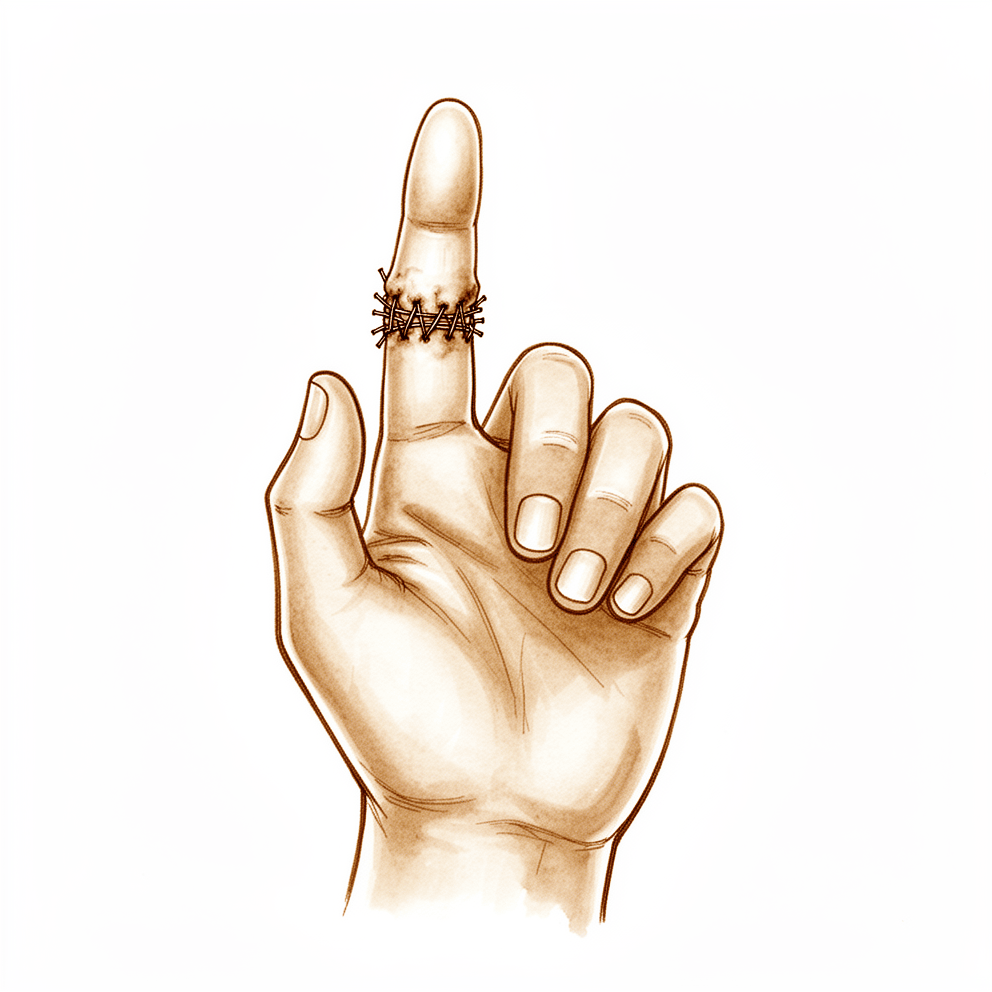
Overview
Replantation surgery is not associated with worse patient-reported outcomes than revision amputation [1]. In a series of seven cases of complete or incomplete upper extremity amputations requiring replantation, the overall survival rate was 67 per cent [2]. While the downtrend in replantations outpaced the downtrend in revision amputations, resulting in a decreased replantation-to-amputation ratio [8], functional results after major limb replantation are better than revision amputation and prosthesis fitting [10]. Fingertip replantation offers better functional results than revision amputation [9], though it is more technically demanding and requires longer recovery time [9]. Successful replantation is an ideal method for treatment of fingertip amputation [26], yet it is not routinely performed due to risks of failure, need for microsurgical skill, longer surgery time, prolonged hospital stay, and higher cost [26]. Secondary procedures optimize functional outcomes to far exceed those of revision amputation [17].
The decision to replant, revascularize, or amputate a nonviable digit is related to injury factors such as mechanism of injury, affected digit, and zone of injury [39]. The success of replantation and revascularization is related to both injury factors and the surgeon [39]. No data support definitive indications for limb salvage versus amputation [11], and long-term studies show that patients with limb-threatening injuries sustain significant disability regardless of the treatment chosen [11]. The decision for salvage versus amputation must consider the overall injury burden and patient preferences [12]. Successful and functional reconstruction of a severely damaged limb is possible with modern advances [12]. Revision amputation requires serious consideration to minimize further loss of function [21]. The amputated part should be examined carefully to eliminate rare conditions where replantation might not be the best option [14]. Histopathological evaluation should be performed if replantation is not indicated [14].
In children, successful replantation and revascularization promises good functional outcomes [88], and the indications for attempting these procedures are broad [88]. The authors advocate replantation or revascularization, when technically possible, of all completely or incompletely amputated parts in the upper extremity in children, provided that the child, the parents, and the surgeon are committed to the treatment in light of the expected result [38]. In multiply injured patients, the use of salvage flaps from non-replantable amputated limbs must be considered to prevent more proximal amputation [24]. The strategy of shortening the leg and later elongation may extend the indications for lower extremity replantations in selected patients [34]. The feasibility of gaining useful outcome through secondary procedures like free functioning muscle transfer should serve as an encouragement to extend the indications for replantation in avulsion amputations of the forearm [50]. The general public in both the United States and Japan prefer replantation over wound closure for digit amputations [19]. This issue presents modern indications, techniques, and outcomes for replantation and revascularization in the hand, with updated protocols and options for the most challenging cases [23].
Anatomy & Pathophysiology
Bony Anatomy
The hand and wrist skeleton comprises 27 bones, 19 of which are long bones [45]. The hand is organized into five rays, each forming a polyarticulated chain of metacarpals and phalanges [45]. The thumb ray is the shortest, consisting of a metacarpal and two phalanges, while the index metacarpal is the longest and the thumb metacarpal the shortest [45]. The proximal and middle phalanges of the middle and ring fingers are longer than those of the index finger [45]. The trapezium is angled out in front of the carpal plane, causing the first metacarpal to make an angle of about 45 degrees with the second metacarpal in the sagittal plane [45]. The transverse axis of the palm is oblique, forming an acute angle of approximately 75 degrees with the longitudinal axis [45]. Epiphyseal plates are located at the proximal ends of the phalanges and the first metacarpal, and at the distal ends of the other metacarpals [45].
Metacarpal mobility varies by digit. The index metacarpal is the most firmly fixed, while the fifth metacarpal is semi-independent with a range of flexion–extension of approximately 20 degrees [71]. The ring metacarpal has about 10 degrees of mobility in flexion and extension [71]. The metacarpophalangeal joints serve as the keystones of the longitudinal arches of the hand [71].
Musculotendinous Anatomy
Extrinsic muscles originate outside the hand and insert on the hand or carpus, whereas intrinsic muscles have both origin and insertion within the hand [44]. Extrinsic extensors run through six fibroosseous retinacular compartments at the wrist level [44]. The first compartment contains the abductor pollicis longus and extensor pollicis brevis [44]. The second compartment contains the extensor carpi radialis longus and brevis [44]. The third compartment contains the extensor pollicis longus, which turns abruptly radialward about Lister tubercle [44]. The fourth compartment contains the extensor indicis proprius lying deep to the four tendons of the extensor digitorum communis [44]. The fifth compartment contains the extensor digiti quinti [44]. The sixth compartment contains the extensor carpi ulnaris [44].
Sagittal band fibers form a sling that transmits proximal extrinsic extensor tension to the proximal phalanx, permitting metacarpophalangeal joint extension without a tendinous insertion onto the proximal phalanx [44]. Rupture or attenuation of these fibers allows the extrinsic extensor tendon to sublux to the ulnar side of the metacarpal head, causing ulnar deviation of the finger [44]. The flexor digitorum profundus inserts on the proximal volar aspect of the distal phalanx [44]. The flexor digitorum superficialis inserts via radial and ulnar slips into the proximal metaphysis of the middle phalanx [75]. The flexor pollicis longus inserts into the proximal base of the thumb distal phalanx [75]. The A2 and A4 pulleys are the most essential in maintaining the mechanical advantage of the flexor tendons [75].
There are seven interosseous muscles: four dorsal and three volar [69]. The dorsal interossei are abductors, while the volar interossei are adductors [69]. The middle finger has two dorsal interossei and no volar interossei because the central axis of the hand lies within it [69]. The deep head of each dorsal interosseous muscle forms a lateral tendon, or lateral band, at the level of the MP joint [69]. The terminal tendon inserts at the base of the distal phalanx to extend it [69].
Vascular Anatomy
The "princeps pollicis" artery is the terminal branch of the radial artery and runs along the ulnar side of the first metacarpal bone [72]. In anatomical studies, only 15% of dissections of the palmar arteries of the thumb fall into the classical "typical" category [72]. An arcade located deep in the flexor tendon joins together the two palmar arteries of the thumb at the level of the distal metaphysis of the first phalanx [72]. The ulnar collateral artery is often easier to dissect than the radial collateral artery and its size enables a more reliable microanastomosis [72]. The dorsal arteries of the thumb originate from the palmar arteries at the level of the first metacarpal and head distally on the side of the two distal phalanges [72].
Cutaneous Anatomy
The hand possesses "functional cutaneous units" similar to those described in the face [68]. The dorsal covering of the interphalangeal articulations forms a unique cutaneous unit characterized by a considerable excess of skin when the digits are in extension [68]. The palmar integument is subdivided into two separate zones by the oppositional crease of the thumb [68]. The skin of the radial portion of the palm covers the thenar eminence and is the mobile portion [68]. The skin of the ulnar and distal portion of the palm covers the hypothenar eminence where the skin has poor mobility [68]. The central triangular part of the palm has fixed and poorly vascularized skin covering almost directly the superficial palmar aponeurosis [68].
When a digit is completely flexed, the integument of adjacent phalanges comes into contact in the zones of the flexion creases, establishing areas of cutaneous contact in the form of a diamond [68]. The sides of this diamond do not undergo variations in length during the movements of flexion and extension [68]. The dorsal skin is thin and lined by a horny layer that is only 0.02 mm thick [77]. Flexion of the fingers produces a significant lengthening of the dorsal skin, with an average increase of 3 cm in the middle finger as it goes from extension to full flexion [77]. The necessary skin to cover the thumb distal to the metacarpophalangeal joint is about 9 cm wide and 8 cm long [70]. The skin cover of both the palmar and dorsal surfaces of the hand is 12 cm by 10 cm [70]. The skin covering each finger is 7 cm by 10 cm on both the palmar and dorsal aspects [70].
Functional Anatomy & Biomechanics
The hand is both an organ designed to obtain information and an organ of execution [41]. The hand functions efficiently only if the proximal joints of the limb are stable and yet mobile [41]. The wrist has three axes of movement, permitting the hand to be positioned in any spatial configuration [45]. The digital extremes of each ray converge in flexion either toward the pulp of the thumb for thumb pinch or toward the base of the thenar eminence for power grip [45]. The more ulnar the digit, the more obliquely it must deviate as it approaches the palm [45]. The skeleton of the hand presents a longitudinal and transverse concavity, giving it the shape of a cup with a palmar concavity when the thumb is placed next to the index finger [45].
The position of each articulation depends on the equilibrium of forces acting at that level, which is subject to the position of the immediately proximal articulation [76]. Almost all movements in the hand are around oblique and variable axes, resulting in combined movements permitting optimal orientation of the phalanges at the time of prehension [76]. The gliding mechanism of tendons depends on the nature of the anatomic area through which it moves and the direction and amplitude of tendon movement [76]. In narrow crowded areas, the gliding mechanism is assured by the synovial sheath, which allows a considerable amplitude of movement [76]. The fibrous sheath assumes the role of a pulley when the tendon changes direction [76]. The tenosynovium that lines the fibroosseous tunnel supplies both nutrition and lubrication to the poorly vascularized flexor tendons [75]. Within the flexor tendon sheath, tendon vascularity is supplied via the vincula system: the vinculum longus and brevis [75].
The superficial palmar fascia covers a triangular area of the central palm, with the proximal corner facing directly proximal [78]. Fibers dorsal to the digital neurovascular bundle are collectively called Cleland ligament, and those palmar to the bundle are called Grayson ligament [78]. The dorsal skin becomes fragile in old age and has a greater vulnerability to factors causing cutaneous atrophy, such as steroid therapy [77].
Pathophysiology of Injury & Replantation
Fingertip replantation offers better functional results than revision amputation, but is more technically demanding and requires longer recovery time [9]. Mid-palm amputations are ideal candidates for replantation and constitute an absolute indication [30]. The incidence of successful replantation is significantly higher for amputations at the level of the superficial or deep palmar arch compared with those at the level of the common digital arteries [30]. In children, an attempt should be made to replant almost any amputated digit [30]. The restoration of amputated digits has a success incidence in the range of 48%–97% reported for replantation procedures [48]. More than 50% of replantation patients undergo secondary procedures [48].
The majority of replant failures occur within 1 week of surgery and are caused by venous congestion or arterial thrombosis [48]. Complete amputation is associated with early replant failure compared to incomplete amputation [48]. Inability to perform a vascular anastomosis at the time of surgery is associated with early replant failure [48]. Crush, avulsion, and degloving mechanisms carry higher failure rates than sharp mechanisms [48]. The ideal candidate for replantation is a young, healthy person with a sharp mechanism of injury and minimal tissue destruction and contamination [49]. Indications for replantation include loss of a thumb, multiple digit amputations, and amputations at or proximal to the wrist [49].
In a retrospective cohort, microsurgery was successful in 73% of replantation cases and failed in 27% [66]. Single-finger replantation was successful in 70% of cases [66]. The most common injury mechanism for amputation was a saw blade, and it most often involved the thumb in the replantation subgroup [66]. Amputation mainly affected the distal phalanx in the replantation subgroup [66]. Digit replant does not restore premorbid hand function but does result in adequate hand function [115]. Replantation of an upper extremity proximal to the wrist joint satisfactorily restored the upper extremity function [119]. Even in most severe injuries of the upper limb, basic function can almost always be restored using the current available reconstructive armamentarium [122].
The mechanism of injury influences the success of replantation and revascularization and the need for subsequent surgeries after revision amputation [123]. Saw and laceration amputations are more likely to be successfully replanted than crush amputations due to differences in soft tissue involvement [123]. Lawn mower amputations predominate in spring, blast amputations in summer, and snow blower amputations in winter [123]. Closed degloving of the thumb is a rare condition caused by crushing and elongation forces that detaches soft tissues without skin disruption [128]. In the presence of digital amputations, both the involved and adjacent fingers exhibited reduced metacarpophalangeal joint flexion [139].
Vascular complications of flap procedures and replantation surgery in the upper extremity can be minimized by employing appropriate indications and thorough preoperative planning [131]. Efficient surgery with carefully performed vascular anastomoses outside the zone of injury is paramount to the success of replantation [131]. Skeletal shortening or vein grafting may be necessary to achieve vascular anastomoses outside the zone of injury in replantation [131]. Intra- and postoperative warming and hydration, pain control, and avoidance of vasopressors are important for replantation success [131]. Leeching was used significantly more frequently in avulsion injuries and injuries associated with fractures among revascularized digits [153]. For replantations, leeching was used regardless of the mechanism of injury, presence of bony injury, vein repair, or zone of injury [153].
Classification
General Principles and Decision-Making
Amputation is a reconstructive procedure designed to help the patient create a new interface with the world and resume their life, and it should never be viewed as a failure [97]. No data support definitive indications for limb salvage versus amputation, and regardless of the treatment chosen, long-term studies show that patients with limb-threatening injuries sustain significant disability [11]. In the absence of reliable evidence, the physician team should prioritize patient survival in the limb reconstruction versus amputation decision [29]. Limb-specific damage control measures or immediate amputation should be considered when additional attempts at definitive salvage will increase the risk of mortality [29]. The decision to replant, revascularize, or amputate a nonviable digit is related to injury factors such as mechanism of injury, affected digit, and zone of injury, as well as the surgeon [39]. The amputated part should be examined carefully to eliminate rare conditions where replantation might not be the best option, and histopathological evaluation should be performed if replantation is not indicated [14]. Hand transplantation is a reconstructive option for a small proportion of amputees who are sufficiently incapacitated, rather than an alternative to prosthetic management for all [105].
Injury Mechanisms and Specific Classifications
Amputations can be distinguished in two main categories: complete and incomplete [150]. In incomplete amputations, the distal segment is connected to the proximal stump by a bridging tissue [150]. Incomplete amputations can be further divided according to the viability of the amputated part into incomplete non-viable and incomplete viable amputations [150]. In incomplete viable amputations, the distal segment maintains sufficient blood circulation and does not need major additional microvascular reconstruction [150]. In incomplete non-viable amputations, circulation is inadequate and necessitates microvascular reconstruction [150]. Avulsion injuries constitute a distinct category due to extensive damage of vessels and nerves [150]. The presence of the "ribbon sign" in avulsion injuries suggests longitudinally transmitted injury to the vessel wall and indicates poor prognosis [150].
Urbaniak: Urbaniak classified ring injuries into three types: type I with adequate circulation, type II with inadequate circulation and viability after vessel repair, and type III with complete degloving or complete amputation [150].
Beris et al.: Beris et al. divided complete amputated ring avulsion injuries into two subtypes based on the involvement of the PIP joint and the rupture of the flexor tendon [150]. Ring injuries are defined as class IIIa in case of skin avulsions at the level of the proximal phalanx, amputation at the distal interphalangeal joint with an intact flexor digitorum superficialis [150]. Ring injuries are defined as class IIIb in case of skin avulsion and complete amputation at the level of the proximal phalanx, with severance of the flexor tendon [150].
Allen: The Allen (1980) classification is preferred for its simplicity [156]. Replantation performed beyond the distal half of the nail was associated with poorer outcomes, corresponding to types 1 and 2 in the Allen classification and zone 1 in the Ishikawa classification [156].
Tamai: The Tamai (1982) classification is preferred for ease in communication [156]. Tamai classified digital tip amputations into two groups, distal and proximal to the lunula, which marks the origin of the single central pulp artery [156].
Ishikawa: The Ishikawa et al. (1990) classification is based on the nail and could be considered an expansion of the Tamai classification [156]. In the Ishikawa classification, division through midway in Tamai zone 1 is divided into zones 1 and 2, and through Tamai zone 2 into zones 3 and 4 [156].
Mangled Digit Severity Score (MDSS): The Mangled Digit Severity Score (MDSS) classification predicts salvageability, with an MDSS ≥ 35 falling within the amputation-predicted range [51]. Successful salvage is defined as digit preservation without the need for secondary amputation because of either poor survival or unacceptable functional outcome [51]. Failed salvage is defined as any digit initially managed with an attempted salvage procedure that subsequently required secondary amputation during the follow-up period because of nonviability, failed revascularization, infection, or poor clinical progression [51]. Unexpected salvage success is defined as durable digit preservation in cases in which the MDSS classification fell within the amputation-predicted range (MDSS ≥ 35), but the digit did not require secondary amputation during follow-up [51]. Primary amputation is defined as digits managed with amputation at the index procedure without attempted salvage [51].
Epidemiology and Outcomes by Classification
The functional results of single finger replantation were most dependent on the level of amputation [15]. Distal forearm-level replantation gives the best functional result of all levels of limb replantation [61]. Patients with amputation level (I) according to the Das classification were more susceptible to having a successful composite grafting [65]. The odds ratio for successful composite grafting in patients with amputation level (I) was 0.31 (95% CI 0.14 to 0.67, P = 0.003) in the fixed-effect model [65]. Replantation is superior for fingertip amputations in Tamai Zone 1 and 2, providing good functional outcomes [108]. Although fingertip replantation offers better functional results than revision amputation, replantation is more technically demanding and requires longer recovery time [9]. The overall survival rate for 7 cases of complete or incomplete amputations of the upper extremity requiring replantation was 67 per cent [2, 3, 4, 5, 6, 7]. In a population of patients who underwent replantation, microsurgery was successful in 424 cases (73%) and failed in 159 cases (27%) [66]. Single-finger replantation was successful in 70% of cases in the studied population [66]. The most common injury mechanism for amputations was a saw blade, and it most often involved the thumb in the replantation subgroup and the index finger in the surgical amputation subgroup [66]. The amputation mainly affected the distal phalanx in the replantation subgroup and occurred through the distal interphalangeal joint in most cases in the surgical amputation subgroup [66]. Early amputation seems to be better in cases of complications, despite similar quality of life in the two groups in the long-term [16]. Reconstruction is a better option than prosthesis fitting due to the ability to perform secondary procedures and increased hand use over time [62]. The majority of major limb amputations are preventable by provision of health education, early presentation and appropriate management of the common indications [27].
Clinical Presentation
Patient preferences significantly influence the initial management of traumatic digit loss. In the United States and Japan, the general public prefers replantation over simple wound closure for digit amputations [19]. For lower-extremity amputations, the perceived outcome is not determined by the amount of limb removed. Instead, satisfaction correlates with factors that are optimizable through surgical technique, prosthetic fitting, and social management [47].
The decision to proceed with amputation requires a multidisciplinary approach involving rehabilitation and orthotic specialists. This process must ensure long-term management planning and provide the patient with the fullest possible prior information [53]. In cases of severe, resistant complex regional pain syndrome, amputation may be considered at a specialized centre as an option to improve quality of life and relieve agonizing pain, following multidisciplinary involvement [83]. Clinicians must counsel patients regarding the risks of aggravating or recurring complex regional pain syndrome, phantom pain, and unpredictable consequences of rehabilitation following amputation for this condition [83].
In patients with peripheral vascular insufficiency, determining the ideal amputation level involves many complex factors [31]. It appears unrealistic to expect absolute accuracy in predicting success or failure at different potential amputation levels [31]. The development of increasingly precise tests of local healing potential will provide progressively better estimates of the chances of a successful outcome at different possible amputation levels [31]. By integrating data from these tests with overall clinical assessment, the surgeon will be increasingly able to select the ideal amputation site [31]. Evidence indicates that heeding fluorescein angiogram results could have prevented three of seven primary amputation failures and both secondary amputation failures [35]. Furthermore, the majority of major limb amputations in northwestern Tanzania are preventable through health education, early presentation, and appropriate management of common indications [27].
Investigations
Fluorescein angiography: This modality assesses skin viability prior to amputation [35]. Failure to heed evidence from a fluorescein angiogram resulted in preventable failures of primary and secondary amputation in a series of seven cases [35].
Histopathology: Histopathological evaluation should be performed on the amputated part if replantation is not indicated to eliminate rare conditions where replantation might not be the best option [14].
Treatment
Non-Operative
Early and temporary use of finger prosthetics serves as a relatively simple method to manage compensation or secondary pain during the healing process following amputation [134].
Operative
Indications: The primary goal in managing a mangled upper extremity is to preserve life, with "life before limb" remaining the chief priority [124]. The decision between salvaging or amputating a limb must be made rapidly and on a case-by-case basis, as it has been shown to not be supported by scoring systems in the upper extremity [40]. No data support definitive indications for limb salvage versus amputation, and long-term studies show that patients with limb-threatening injuries sustain significant disability regardless of the treatment chosen [11]. Mid-palm amputations, whether or not they include the thumb, are ideal candidates for replantation and constitute an absolute indication [30]. In children, replantation or revascularization of all completely or incompletely amputated parts in the upper extremity is advocated when technically possible, provided that the child, the parents, and the surgeon are committed to the treatment [38]. Age alone should not be an absolute contraindication to finger replantation [86]. Bilateral hand transplantation is justified in cases of bilateral amputations with strict indications, while transplantation for the loss of one hand is not indicated [84].
Surgical Approach / Technique: Advanced, interdisciplinary surgical skills, specialized infrastructure, and equipment are required for major amputation cases [40]. Amputation is a reconstructive procedure that should provide the patient with the best possible residual limb to form a robust foundation for prosthesis fitting and optimal function [52]. While microsurgery has made replantation a routine procedure with reliable viability rates, achieving a satisfactory functional result is difficult and depends on a variety of factors [91]. Successful replantation is an ideal method for treatment of fingertip amputation, but it is not routinely performed due to risks of failure, need for microsurgical skill, longer surgery time, prolonged hospital stay, and higher cost [26]. The artery-only replantation was associated with a 79.8% survival rate [93]. A strategy of shortening the leg and later elongation may extend the indications for lower extremity replantations in selected patients [34]. Limb salvage surgery is associated with higher rates of inadequate margin surgery and consequently higher local recurrence rates than amputation, but should still be attempted whenever possible because local control is not the primary determinant of survival [137].
Adjuncts: Negative pressure wound therapy maintains wound homeostasis and reduces wound exudate and soft tissue edema, and its use on the amputation stump may shorten the delay from initial ectopic banking to subsequent delayed replantation [64].
Other Considerations: The perceived result of amputation is not associated with the amount of the limb that was amputated but rather with factors that may be optimized by surgical, prosthetic, and social management [47]. The Ganga Hospital Open Injury Severity Score requires high-quality multicentre trials to confirm findings and investigate effectiveness in children and in predicting secondary amputations [92]. Successful replantation of single fingertip amputations resulted in minimal pain, better functional outcome, better appearance, and higher patient satisfaction [87]. The success of digit replantation extends beyond survival in the operating room; secondary procedures optimize functional outcomes to far exceed those of revision amputation [17]. Hand replantation can be performed successfully both in survival and function in a non-specialized hospital of a sub-Saharan African country [114]. Results achieved with lower limb replantation give hope to proceed with such procedures, although controversies exist [33]. The factors determining the ideal level for amputation in a patient with peripheral vascular insufficiency are many and complex, and absolute accuracy in predicting success or failure at different potential amputation levels is unrealistic [31]. Amputation should not be ignored as a treatment option for long-standing therapy-resistant Complex Regional Pain Syndrome Type I [112].
Complications
Replantation Outcomes and Failure Rates
Fingertip replantation yields superior functional results compared to revision amputation, though it is more technically demanding and necessitates a longer recovery period [9]. The ultimate success of digit replantation extends beyond immediate intraoperative survival; secondary procedures are required to optimize functional outcomes, which ultimately far exceed those achieved through revision amputation [17]. In clinical studies, replantation failure is strictly defined as necrosis of the replanted finger that mandates revision amputation or the application of a flap to cover exposed bone [54]. Regarding timing, delaying digit replantation overnight produces results comparable to immediate replantation in selected cases [60].
Microsurgical and Technical Complications
Microsurgical complications manifest as complete or partial flap necrosis or the loss of a revascularized or replanted part [129]. Most microsurgical failures are attributable to errors in preoperative planning and patient preparation, intra-operative patient management and technical execution, and post-operative patient management [129]. Preoperative planning for microsurgery must rigorously evaluate physiologic age, cardiac and respiratory conditions, and comorbid illness. Specific comorbidities to assess include diabetes mellitus, obesity, tobacco use, coronary artery disease, peripheral vascular disease, coagulopathic states, previous surgical history, and previous reactions to anesthesia [129]. Additionally, the patient’s family history of coagulopathy and vasculitis must be evaluated [129].
Amputation Complications and Decision-Making
Determining the ideal level for amputation in patients with peripheral vascular insufficiency involves many complex factors, making it unrealistic to expect absolute accuracy in predicting success or failure at different potential amputation levels [31]. Major amputation decisions require advanced, interdisciplinary surgical skills, as well as specialized infrastructure and equipment [40]. In a two-year follow-up study of multi-limb amputees following the 2023 Türkiye earthquake, outcomes included a high rate of reoperation, substantial mortality, and limited functional recovery [58]. Resection-replantation with subsequent lengthening of the forearm causes less body image disturbance than does amputation [32].
Recovery
Light activity (weeks): The available evidence does not specify a typical week range for the resumption of desk work, driving, or light activities of daily living following amputation or replantation.
Full activity (months): The available evidence does not specify a typical month range for the return to manual work, sport, or full range of motion and strength.
Complete recovery / outcome plateau (months): The available evidence does not specify a typical month range for the stabilization of pain, strength, or final functional outcomes.
Rehabilitation protocol: Fingertip replantation requires longer recovery time than revision amputation [9]. Following revascularization, the skin from a completely degloved finger will survive in approximately two cases out of three [162].
Functional milestones: The study aimed to determine the postoperative time when maximum recovery, assessed by patient-reported outcomes, is expected after replantation or revision amputation [22]. The majority of zone I replantations led to satisfactory function [59]. The goal of hand allotransplantation is the achievement of long-term graft survival and useful function [56].
Other Considerations: The overall survival rate for 7 cases of complete or incomplete upper extremity amputations requiring replantation was 67 per cent [2, 3, 4, 5, 6, 7]. Fingertip replantation is more technically demanding than revision amputation [9]. The authors believe that a specific patient with a 7-year follow-up is one of the most successful cases of replantation of the leg [18]. Amputation had been considered for several patients in a series before tibiofibular cross-peg grafting was performed [25]. Replantation is not routinely performed due to risks of failure, need for microsurgical skill, longer surgery time, prolonged hospital stay, and higher cost [26]. Amputations in the Sixteenth Century were contaminated and grossly performed without vascular binding or wound closure [36]. Clinical results to date appear to justify continuation of allograft replacement in selected cases in preference to amputation [37]. It is important to primarily address lifethreatening injuries to save the patient’s life when major amputations occur with high-energy trauma [40]. The decision between salvaging or amputating a limb must be made rapidly [40]. The decision between salvaging or amputating a limb has to be made on a case-by-case basis [40]. The decision between salvaging or amputating a limb has been shown to not be supported by scoring systems, as it is in the lower extremity [40]. Advanced, interdisciplinary surgical skills are required in cases of major amputation [40]. Specialized infrastructure and equipment are required in cases of major amputation [40]. Patients aged 4 or under are variables that predict an improved graft survival rate [55]. More distal amputations (level 1a injuries) are variables that predict an improved graft survival rate [55]. A two-year follow-up study of multi-limb amputees following the 2023 Türkiye earthquake highlighted a high rate of reoperation, substantial mortality, and limited functional recovery [58]. Patients with the level of amputation (I) were more susceptible to having a successful composite grafting (OR 0.31, 95%CI 0.14 to 0.67, P = 0.003) in the fixed-effect model [65]. The overall composite graft survivability was 72.8% [65]. The complete survivability of composite grafts was 28.1% [65]. The partial survivability of composite grafts was 40.3% [65]. Composite graft survivability was more pronounced among the pediatric population, particularly patients aged less than four years and patients with amputation level (I) [65]. Smokers and patients with crushing injuries were at higher risk for composite graft failure [65]. Gender had no significant influence on the survival rate of amputation replantation [125]. Ischemia time had no significant influence on the survival rate of amputation replantation [125]. Delayed and suspended replantations demonstrate results comparable to immediate replantation regarding graft survival and clinical outcome [155]. The method of venous arterialization allows replantation of completely amputated thumbs that was previously considered impossible [161]. The method of venous arterialization for thumb replantation has low risk, short operation time, and good functional recovery [161].
Key Evidence
- [L3] Replantation surgery was not associated with worse patient-reported outcomes than revision amputation. [1] (10.1097/corr.0000000000002906)
- [L4] The paper describes 7 cases of complete or incomplete amputations of the upper extremity which required replantation with an overall survival rate of 67 per cent. [2] (10.1016/0020-1383(75)90197-7)
- [L4] The paper describes 7 cases of complete or incomplete amputations of the upper extremity which required replantation with an overall survival rate of 67 per cent. [3] (10.1016/0020-1383(75)90195-3)
- [L4] The paper describes 7 cases of complete or incomplete amputations of the upper extremity which required replantation with an overall survival rate of 67 per cent. [4] (10.1016/0020-1383(75)90194-1)
- [L4] The paper describes 7 cases of complete or incomplete amputations of the upper extremity which required replantation with an overall survival rate of 67 per cent. [5] (10.1016/0020-1383(75)90198-9)
- [L4] The paper describes 7 cases of complete or incomplete amputations of the upper extremity which required replantation with an overall survival rate of 67 per cent. [6] (10.1016/0020-1383(75)90193-x)
- [L4] The paper describes 7 cases of complete or incomplete amputations of the upper extremity which required replantation with an overall survival rate of 67 per cent. [7] (10.1016/0020-1383(75)90196-5)
- [L4] The downtrend in replantations outpaced the downtrend in revision amputations, resulting in a decreased replantation-to-amputation ratio. [8] (10.1016/j.jhsg.2024.07.012)
- [L5] Although fingertip replantation offers better functional results than does revision amputation, replantation is more technically demanding and requires longer recovery time. [9] (10.5435/00124635-201312000-00006)
- [L4] Functional results after a major limb replantation are better than revision amputation and prosthesis fitting. [10] (10.1016/j.jhsa.2011.03.039)
- [L5] Successful and functional reconstruction of a severely damaged limb is possible with modern advances, but the decision for salvage versus amputation must consider the overall injury burden and patient preferences. [12] (10.1016/j.hcl.2017.09.002)
- [L4] The amputated part should be examined carefully to eliminate rare conditions where replantation might not be the best option, and histopathological evaluation should be performed if replantation is not indicated. [14] (10.1016/j.jhsa.2015.08.028)
- [L4] The functional results of single finger replantation were most dependent on the level of amputation. [15] (10.2106/00004623-198567040-00017)
- [Paper] Early amputation seems to be better in cases of complications, despite similar quality of life in the two groups in the long-term. [16] (10.1016/j.otsr.2017.05.022)
- [L5] The success of digit replantation extends beyond survival in the operating room; secondary procedures optimize functional outcomes to far exceed those of revision amputation. [17] (10.1016/j.jhsg.2024.07.010)
- [L5] The authors believe that this patient is one of the most successful cases of replantation of the leg, with a long follow-up period. [18] (10.1016/s0020-1383(84)80013-3)
- [L3] The general public in both countries prefer replantation over wound closure for digit amputations. [19] (10.1016/j.jhsa.2015.05.026)
- [L5] Revision amputation requires serious consideration to minimize further loss of function. [21] (10.1016/s0749-0712(21)00524-2)
- [L3] The study aimed to determine the postoperative time when maximum recovery, assessed by patient-reported outcomes, is expected after replantation or revision amputation using data from an international multi-centre study. [22] (10.1177/1753193420960352)
- [L5] This issue presents modern indications, techniques, and outcomes for replantation and revascularization in the hand, with updated protocols and options for the most challenging cases. [23] (10.1016/j.hcl.2019.01.005)
- [L4] In multiply injured patients, the use of salvage flaps from non-replantable amputated limbs must be considered to prevent more proximal amputation. [24] (10.1016/s0020-1383(97)00078-8)
- [L4] Amputation had been considered for several patients in this series before this operation was performed. [25] (10.2106/00004623-197557050-00035)
- [L5] Successful replantation is an ideal method for treatment of fingertip amputation, but it is not routinely performed due to risks of failure, need for microsurgical skill, longer surgery time, prolonged hospital stay, and higher cost. [26] (10.1016/j.jhsa.2007.01.019)
- [L4] The majority of these amputations are preventable by provision of health education, early presentation and appropriate management of the common indications. [27] (10.1186/1749-799x-7-18)
- [L2] [29] (10.5435/jaaos-d-20-00188)
- [L5] [30] (10.1054/jhsb.2001.0595)
- [L5] [31] (10.2106/00004623-198163090-00020)
- [Case_report] Resection-replantation with subsequent lengthening of the forearm causes less body image disturbance than does amputation. [32] (10.1016/j.jhsa.2014.03.030)
- [L4] Results achieved with this patient give hope to proceed with lower limb replantations, although controversies exist. [33] (10.1016/j.injury.2020.02.113)
- [Case_report] This strategy of treatment, shortening of the leg and later elongation, may extend the indications for lower extremity replantations in selected patients. [34] (10.2106/00004623-199411000-00016)
- [L4] Had the surgeon heeded the evidence of the fluorescein angiogram, three of the seven failures of primary amputation and both of the failures of secondary amputation could have been prevented. [35] (10.2106/00004623-198264060-00010)
- [L4] Amputations in the Sixteenth Century were contaminated and grossly performed without vascular binding or wound closure, consistent with the surgical knowledge of that period. [36] (10.1186/1471-2474-15-301)
- [L4] Although the ultimate fate of the allografts is not known, the clinical results to date appear to justify continuation of this method of treatment in selected cases in preference to amputation. [37] (10.2106/00004623-197355010-00001)
- [L3] The authors advocate replantation or revascularization, when technically possible, of all completely or incompletely amputated parts in the upper extremity in children, provided that the child, the parents, and the surgeon are committed to the treatment in light of the expected result. [38] (10.2106/00004623-199412000-00003)
- [L3] The decision to replant, revascularize, or amputate a nonviable digit and the success of replantation and revascularization are related to both injury factors, such as mechanism of injury, affected digit, and zone of injury, and the surgeon. [39] (10.1007/s11552-013-9520-y)
- [L4] [40] (10.1186/s12891-017-1442-3)
- [L3] The perceived result of amputation is not associated with the amount of the limb that was amputated but rather with factors that may be optimized by surgical, prosthetic, and social management. [47] (10.2106/00004623-200008000-00004)
- [L4] [48] (10.1177/17531934211028155)
- [L5] [49] (10.5435/jaaos-d-14-00039)
- [L5] The feasibility of gaining useful outcome through secondary procedures like FFMT should serve as an encouragement to extend the indications for replantation in avulsion amputations of the forearm. [50] (10.1016/j.injury.2019.10.059)
- [L4] [51] (10.1016/j.jhsa.2026.06.001)
- [L5] The decision to amputate should be multidisciplinary, involving rehabilitation and orthotic specialists, with long-term management and the fullest possible prior information for the patient. [53] (10.1016/j.otsr.2017.12.001)
- [L3] [54] (10.2106/jbjs.17.00494)
- [L3] Patients aged 4 or under and more distal amputations (level 1a injuries) are variables that predict an improved graft survival rate. [55] (10.1177/1753193415613667)
- [L5] Similar to replantation, the goal of hand allotransplantation is the achievement of long-term graft survival and useful function. [56] (10.1016/j.hcl.2011.08.001)
- [L4] This study presents one of the largest case series of multi-limb amputees following a civilian earthquake, highlighting the high rate of reoperation, substantial mortality, and limited functional recovery at two-year follow-up in this population. [58] (10.1186/s13018-025-06231-y)
- [L4] Follow-up assessments show that the majority of zone I replantations led to satisfactory function. [59] (10.1016/j.jhsa.2008.05.005)
- [L4] The results of delaying replantation of digits overnight give results comparable with those of immediate replantation in selected cases. [60] (10.1016/j.jhsa.2018.03.047)
- [L5] Reconstruction is a better option than prosthesis fitting due to the ability to perform secondary procedures and increased hand use over time. [62] (10.1177/17531934211047760)
- [L4] [64] (10.1016/j.hcl.2019.01.002)
- [L1] [65] (10.1186/s13018-024-05230-9)
- [L4] [66] (10.1016/j.otsr.2017.12.014)
- [L4] Amputation can be considered by clinicians and patients as an option to improve quality of life and relieve agonizing pain of severe, resistant CRPS at a specialized centre after multidisciplinary involvement, but evidence is limited and there are risks of aggravating or recurrence of CRPS, phantom pain, and unpredictable consequences of rehabilitation. [83] (10.1302/2058-5241.4.190008)
- [L5] Bilateral hand transplantation is justified in cases of bilateral amputations with strict indications, while transplantation for the loss of one hand is not indicated. [84] (10.1054/jhsb.2001.0674)
- [L3] Age alone should not be an absolute contraindication to finger replantation. [86] (10.1016/j.jhsa.2011.01.031)
- [L3] Successful replantation of single fingertip amputations resulted in minimal pain, better functional outcome, better appearance, and higher patient satisfaction. [87] (10.1197/j.jht.2006.11.008)
- [L5] In children, successful replantation and revascularization promises good functional outcomes, thus the indications for attempting these procedures are broad. [88] (10.1016/j.hcl.2018.12.006)
- [L5] While microsurgery has made replantation a routine procedure with reliable viability rates, achieving a satisfactory functional result is difficult and depends on a variety of factors. [91] (10.5435/00124635-199803000-00004)
- [L1] However, there is a need for high-quality multicentre trials to confirm these findings and investigate the effectiveness of the score in children, and in predicting secondary amputations. [92] (10.1302/0301-620x.105b1.bjj-2022-0934.r1)
- [L4] The artery-only replantation was associated with a 79.8% survival rate. [93] (10.1016/j.jhsa.2019.06.013)
- [Commentary] Hand transplantation is a reconstructive option for a small proportion of amputees who are sufficiently incapacitated, rather than an alternative to prosthetic management for all. [105] (10.1177/1753193414568052)
- [L5] Replantation is superior for fingertip amputations in Tamai Zone 1 and 2, providing good functional outcomes. [108] (10.1177/1753193419871664)
- [L4] However, amputation should not be ignored as a treatment option for long-standing therapy-resistant CRPS-I. [112] (10.2106/jbjs.m.00788)
- [L5] Through this first experience, the authors state that hand replantation can be performed successfully both in survival and function in a non-specialized hospital of a sub-Saharan African country. [114] (10.4103/0970-0358.182228)
- [L1] Digit replant does not restore premorbid hand function but does result in adequate hand function. [115] (10.1177/1558944719834658)
- [L4] Replantation of an upper extremity proximal to the wrist joint satisfactorily restored the upper extremity function. [119] (10.1177/1753193411427228)
- [L4] Even in most severe injuries of the upper limb, basic function can almost always be restored using the current available reconstructive armamentarium. [122] (10.1016/j.hcl.2016.06.003)
- [L4] [123] (10.1177/1558944719844347)
- [L5] Gender and ischemia time had no significant influence on the survival rate of amputation replantation. [125] (10.1177/1753193415594572)
- [L4] Closed degloving of the thumb is a rare condition caused by crushing and elongation forces that detaches soft tissues without skin disruption. [128] (10.1016/j.jhsa.2007.06.016)
- [L5] [129] (10.1016/j.hcl.2010.01.007)
- [L5] [131] (10.1016/j.hcl.2015.01.008)
- [L4] This treatment technique is a relatively simple way to treat compensation or secondary pain during the healing process of an amputation. [134] (10.1016/j.jht.2010.04.003)
- [L3] Limb salvage surgery is associated with higher rates of inadequate margin surgery and consequently higher local recurrence rates than amputation, but should still be attempted whenever possible because local control is not the primary determinant of survival. [137] (10.1302/0301-620x.96b5.33140)
- [L3] In the presence of digital amputations, both the involved and adjacent fingers exhibited reduced MCPJ flexion. [139] (10.1016/j.jht.2008.07.016)
- [L4] [150] (10.1007/s00402-009-1021-7)
- [L4] [153] (10.1177/1753193418823595)
- [L4] Delayed and suspended replantations demonstrate results comparable to immediate replantation regarding graft survival and clinical outcome. [155] (10.1016/j.jhsa.2015.01.006)
- [L5] [156] (10.1177/17531934241228142)
- [L4] The method allows replantation of completely amputated thumbs that was previously considered impossible, with low risk, short operation time, and good functional recovery. [161] (10.1016/j.jhsa.2007.05.011)
- [L4] Following revascularization, the skin from a completely degloved finger will survive in approximately two cases out of three. [162] (10.1177/1753193417724680)
References
[1] Is Replantation Associated With Better Hand Function After Traumatic Hand Amputation Than After Revision Amputation?. Clinical Orthopaedics & Related Research. 2023. DOI: 10.1097/corr.0000000000002906
[2] Silicone arthroprostheses. Injury. 1975. DOI: 10.1016/0020-1383(75)90197-7
[3] Sensory flaps. Injury. 1975. DOI: 10.1016/0020-1383(75)90195-3
[4] Finger amputations. Injury. 1975. DOI: 10.1016/0020-1383(75)90194-1
[5] Hand trauma. Injury. 1975. DOI: 10.1016/0020-1383(75)90198-9
[6] Major replantation surgery. Injury. 1975. DOI: 10.1016/0020-1383(75)90193-x
[7] The metacarpal hand. Injury. 1975. DOI: 10.1016/0020-1383(75)90196-5
[8] Trends in Digit Replantation and Revision Amputation in the United States From 2009 to 2019. Journal of Hand Surgery Global Online. 2024. DOI: 10.1016/j.jhsg.2024.07.012
[9] Fingertip Injuries: An Update on Management. Journal of the American Academy of Orthopaedic Surgeons. 2013. DOI: 10.5435/00124635-201312000-00006
[10] Replantation Surgery. The Journal of Hand Surgery. 2011. DOI: 10.1016/j.jhsa.2011.03.039
[11] Chapter 15 The Mangled Lower Extremity. 2021.
[12] “Damage Control” Hand Surgery. Hand Clinics. 2018. DOI: 10.1016/j.hcl.2017.09.002
[14] Melanoma in an Amputated Fingertip. The Journal of Hand Surgery. 2015. DOI: 10.1016/j.jhsa.2015.08.028
[15] The results of replantation after amputation of a single finger.. The Journal of Bone & Joint Surgery. 1985. DOI: 10.2106/00004623-198567040-00017
[16] Is amputation a viable treatment option in lower extremity trauma?. Orthopaedics & Traumatology: Surgery & Research. 2017. DOI: 10.1016/j.otsr.2017.05.022
[17] Efficient Replantation: Techniques, Tricks, and Secondary Procedures for Improved Functional Outcomes. Journal of Hand Surgery Global Online. 2025. DOI: 10.1016/j.jhsg.2024.07.010
[18] Successful replantation of a leg—a 7-year follow-up. Injury. 1984. DOI: 10.1016/s0020-1383(84)80013-3
[19] A Comparative Study of Attitudes Regarding Digit Replantation in the United States and Japan. The Journal of Hand Surgery. 2015. DOI: 10.1016/j.jhsa.2015.05.026
[21] REVISION AMPUTATION ACHIEVING MAXIMUM FUNCTION AND MINIMIZING PROBLEMS. Hand Clinics. 2001. DOI: 10.1016/s0749-0712(21)00524-2
[22] Reposition graft technique for motorcycle chain injury fingertip amputations: experience with 50 patients. Journal of Hand Surgery (European Volume). 2020. DOI: 10.1177/1753193420960352
[23] Revascularization and Replantation in the Hand. Hand Clinics. 2019. DOI: 10.1016/j.hcl.2019.01.005
[24] Lower limb salvage using parts of the contralateral amputated leg. Injury. 1997. DOI: 10.1016/s0020-1383(97)00078-8
[25] Tibiofibular cross-peg grafting. The Journal of Bone & Joint Surgery. 1975. DOI: 10.2106/00004623-197557050-00035
[26] Fingertip Replantation. The Journal of Hand Surgery. 2007. DOI: 10.1016/j.jhsa.2007.01.019
[27] Major limb amputations: A tertiary hospital experience in northwestern Tanzania. Journal of Orthopaedic Surgery and Research. 2012. DOI: 10.1186/1749-799x-7-18
[29] American Academy of Orthopaedic Surgeons Clinical Practice Guideline Summary for Limb Salvage or Early Amputation. Journal of the American Academy of Orthopaedic Surgeons. 2021. DOI: 10.5435/jaaos-d-20-00188
[30] Indications and Selection for Digital Amputation and Replantation. Journal of Hand Surgery. 2001. DOI: 10.1054/jhsb.2001.0595
[31] Determining amputation levels in peripheral vascular disease.. The Journal of Bone & Joint Surgery. 1981. DOI: 10.2106/00004623-198163090-00020
[32] Osteosarcoma of the Distal Radius Treated With Segmental Forearm Resection, Hand Replantation, and Subsequent Limb Lengthening: Case Report. The Journal of Hand Surgery. 2014. DOI: 10.1016/j.jhsa.2014.03.030
[33] Lower limb replantation: 27 years follow up. Injury. 2020. DOI: 10.1016/j.injury.2020.02.113
[34] Replantation, revascularization, and reconstruction of both legs after amputations. A case report.. The Journal of Bone & Joint Surgery. 1994. DOI: 10.2106/00004623-199411000-00016
[35] The assessment of skin viability using fluorescein angiography prior to amputation.. The Journal of Bone & Joint Surgery. 1982. DOI: 10.2106/00004623-198264060-00010
[36] A great enigma of the Italian Renaissance: paleopathological study on the death of Giovanni dalle Bande Nere (1498–1526) and historical relevance of a leg amputation. BMC Musculoskeletal Disorders. 2014. DOI: 10.1186/1471-2474-15-301
[37] Allograft Replacement of All or Part of the End of a Long Bone Following Excision of a Tumor. The Journal of Bone & Joint Surgery. 1973. DOI: 10.2106/00004623-197355010-00001
[38] Results after replantation and revascularization in the upper extremity in children.. The Journal of Bone & Joint Surgery. 1994. DOI: 10.2106/00004623-199412000-00003
[39] Replantation and Revascularization vs. Amputation in Injured Digits. HAND. 2013. DOI: 10.1007/s11552-013-9520-y
[40] Long-term outcome following upper extremity replantation after major traumatic amputation. BMC Musculoskeletal Disorders. 2017. DOI: 10.1186/s12891-017-1442-3
[41] Exam Of The Hand Wrist 2Ed. INTRODUCTION.
[44] A Lange Medical Book Current Diagnosis Treatment In Orthopedics Fifth Edition. 9Hand Surgery > Image DISORDERS OF THE MUSCULATURE OF THE HAND.
[45] Exam Of The Hand Wrist 2Ed. 1.1 SKELETON OF THE HAND > The osseous skeleton.
[47] Correlations with Patientsʼ Perspectives of the Result of Lower-Extremity Amputation. The Journal of Bone and Joint Surgery-American Volume*. 2000. DOI: 10.2106/00004623-200008000-00004
[48] Factors associated with early and late digital revascularization and replantation failure: a retrospective cohort study. Journal of Hand Surgery (European Volume). 2021. DOI: 10.1177/17531934211028155
[49] Replantation of the Upper Extremity. Journal of the American Academy of Orthopaedic Surgeons. 2015. DOI: 10.5435/jaaos-d-14-00039
[50] Role of free functioning muscle transfer in improving the functional outcomes following replantation of crush avulsion amputations of the forearm. Injury. 2019. DOI: 10.1016/j.injury.2019.10.059
[51] Single Institution Validation Study of the Mangled Digit Severity Score for Predicting Salvageability of Severe Digital Injuries. The Journal of Hand Surgery. 2026. DOI: 10.1016/j.jhsa.2026.06.001
[52] Orthopaedic Knowledge Update Trauma. Amputations in Patients With Trauma > Introduction.
[53] Comments on: “Is amputation a viable treatment option in lower extremity trauma?” of M Barla, B Gavanier, M Mangin, J Parot, C Bauer, D Mainard published in Orthop Traumatol Surg Res 2017;103(6):971–975. Orthopaedics & Traumatology: Surgery & Research. 2018. DOI: 10.1016/j.otsr.2017.12.001
[54] Patency Test of Vascular Anastomosis with Assistance of High-Speed Video Recording in Digit Replantation. Journal of Bone and Joint Surgery. 2018. DOI: 10.2106/jbjs.17.00494
[55] The outcomes of digital tip amputation replacement as a composite graft in a paediatric population. Journal of Hand Surgery (European Volume). 2015. DOI: 10.1177/1753193415613667
[56] Surgical and Technical Aspects of Hand Transplantation: Is it Just Another Replant?. Hand Clinics. 2011. DOI: 10.1016/j.hcl.2011.08.001
[58] Functional outcomes and mortality after multi-limb amputations following the 2023 Türkiye earthquake: a two-year follow-up study from a level I trauma center. Journal of Orthopaedic Surgery and Research. 2025. DOI: 10.1186/s13018-025-06231-y
[59] Reconstruction of Circulation in the Fingertip Without Vein Repair in Zone I Replantation. The Journal of Hand Surgery. 2008. DOI: 10.1016/j.jhsa.2008.05.005
[60] Immediate Versus Overnight-Delayed Digital Replantation: Comparative Retrospective Cohort Study of Survival Outcomes. The Journal of Hand Surgery. 2018. DOI: 10.1016/j.jhsa.2018.03.047
[61] Chapter 36 Replantations in the Upper Extremities. 2019.
[62] Management of a mutilated hand: the current trends. Journal of Hand Surgery (European Volume). 2021. DOI: 10.1177/17531934211047760
[64] Revascularization and Replantation in the Hand. Hand Clinics. 2019. DOI: 10.1016/j.hcl.2019.01.002
[65] Factors predicting composite grafts survivability in patients with fingertip amputations; a systematic review and meta-analysis. Journal of Orthopaedic Surgery and Research. 2024. DOI: 10.1186/s13018-024-05230-9
[66] Epidemiology of traumatic upper limb amputations. Orthopaedics & Traumatology: Surgery & Research. 2018. DOI: 10.1016/j.otsr.2017.12.014
[68] Exam Of The Hand Wrist 2Ed. Functional cutaneous units.
[69] Green S Operative Hand Surgery. Interosseous and Hypothenar Muscles.
[70] Exam Of The Hand Wrist 2Ed. Planning skin cover of the hand and forearm.
[71] Exam Of The Hand Wrist 2Ed. The arches of the hand > The metacarpal arch.
[72] Exam Of The Hand Wrist 2Ed. Techniques of investigation of the arterial supply by J P Melki > Vascularization of the thumb > Palmar aspect.
[75] A Lange Medical Book Current Diagnosis Treatment In Orthopedics Fifth Edition. 9Hand Surgery > FLEXOR TENDON INJURY.
[76] Exam Of The Hand Wrist 2Ed. 1.3 MOVEMENTS OF THE HAND AND WRIST > Gliding mechanisms.
[77] Exam Of The Hand Wrist 2Ed. The dorsal skin.
[78] Green S Operative Hand Surgery. PERTINENT ANATOMY.
[83] Quality of life after amputation in patients with advanced complex regional pain syndrome: a systematic review. EFORT Open Reviews. 2019. DOI: 10.1302/2058-5241.4.190008
[84] Bilateral Hand Transplantation – Indication and Rationale. Journal of Hand Surgery. 2001. DOI: 10.1054/jhsb.2001.0674
[86] Adverse Events Following Digital Replantation in the Elderly. The Journal of Hand Surgery. 2011. DOI: 10.1016/j.jhsa.2011.01.031
[87] A_Retrospective_Study_of_Functional_Outcomes_after_Successful_Replantation_Versu_S0894113006002377. Journal of Hand Therapy. 2007. DOI: 10.1197/j.jht.2006.11.008
[88] Pediatric Replantation and Revascularization. Hand Clinics. 2019. DOI: 10.1016/j.hcl.2018.12.006
[91] Amputations of the Fingers and Hand: Indications for Replantation. Journal of the American Academy of Orthopaedic Surgeons. 1998. DOI: 10.5435/00124635-199803000-00004
[92] Clinical effectiveness of the Ganga Hospital Open Injury Severity Score for limb salvage versus amputation in patients with complex limb injuries. The Bone & Joint Journal. 2023. DOI: 10.1302/0301-620x.105b1.bjj-2022-0934.r1
[93] Survival and Comparison of External Bleeding Methods in Artery-Only Distal Finger Replantations. The Journal of Hand Surgery. 2020. DOI: 10.1016/j.jhsa.2019.06.013
[97] 11. Amputations. 2013.
[105] Commentary on The health technology assessment of the compulsory accident insurance scheme of hand transplantation in Switzerland. Brügger et al. J Hand Surg Eur. 2015, 40: 914–23. Journal of Hand Surgery (European Volume). 2015. DOI: 10.1177/1753193414568052
[108] Favoured treatments for fingertip defects and finger amputation distal to the distal interphalangeal joint in my unit and in Japan. Journal of Hand Surgery (European Volume). 2019. DOI: 10.1177/1753193419871664
[112] Informed Decision-Making Regarding Amputation for Complex Regional Pain Syndrome Type I. Journal of Bone and Joint Surgery. 2014. DOI: 10.2106/jbjs.m.00788
[114] Hand replantation: First experience in a sub-Saharan African country (Togo). Indian Journal of Plastic Surgery. 2016. DOI: 10.4103/0970-0358.182228
[115] Predictors of Hand Function Following Digit Replantation: Quantitative Review and Meta-Analysis. HAND. 2019. DOI: 10.1177/1558944719834658
[119] Long-term results of major upper extremity replantations. Journal of Hand Surgery (European Volume). 2011. DOI: 10.1177/1753193411427228
[122] Pushing the Boundaries of Salvage in Mutilating Upper Limb Injuries. Hand Clinics. 2016. DOI: 10.1016/j.hcl.2016.06.003
[123] Seasonal Trends in Traumatic Digit Amputations: Experience of a Level І and a Level ІІ Hospital in a Northeastern State. HAND. 2019. DOI: 10.1177/1558944719844347
[124] Chapter 33 Hand and Wrist Reconstruction: Microsurgery and Replantation. 2020.
[125] Effects of non-surgical factors on digital replantation survival rate: a meta-analysis. Journal of Hand Surgery (European Volume). 2015. DOI: 10.1177/1753193415594572
[128] Closed Degloving of the Thumb. The Journal of Hand Surgery. 2007. DOI: 10.1016/j.jhsa.2007.06.016
[129] Microsurgical Complications in the Upper Extremity. Hand Clinics. 2010. DOI: 10.1016/j.hcl.2010.01.007
[131] Management of Complications with Flap Procedures and Replantation. Hand Clinics. 2015. DOI: 10.1016/j.hcl.2015.01.008
[134] Early and Temporary Use of Finger Prosthetics to Aid Rehabilitation. Journal of Hand Therapy. 2011. DOI: 10.1016/j.jht.2010.04.003
[137] Is limb salvage surgery safe for bone sarcomas identified after a previous surgical procedure?. The Bone & Joint Journal. 2014. DOI: 10.1302/0301-620x.96b5.33140
[139] Assessing_Metacarpophalangeal_Joint_(MCPJ)_Flexion_in_Amputated_and_Adjacent_Fin_S0894113008001336. Journal of Hand Therapy. 2008. DOI: 10.1016/j.jht.2008.07.016
[150] Digit and hand replantation. Archives of Orthopaedic and Trauma Surgery. 2009. DOI: 10.1007/s00402-009-1021-7
[153] Quantifying outcomes for leech therapy in digit revascularization and replantation. Journal of Hand Surgery (European Volume). 2019. DOI: 10.1177/1753193418823595
[155] Delayed and Suspended Replantation for Complete Amputation of Digits and Hands. The Journal of Hand Surgery. 2015. DOI: 10.1016/j.jhsa.2015.01.006
[156] Distal fingertip replantation: indications, strategy and postoperative management. Journal of Hand Surgery (European Volume). 2024. DOI: 10.1177/17531934241228142
[161] Replantation of Completely Amputated Thumbs With Venous Arterialization. The Journal of Hand Surgery. 2007. DOI: 10.1016/j.jhsa.2007.05.011
[162] Techniques and survival incidence for revascularization of degloved fingers. Journal of Hand Surgery (European Volume). 2017. DOI: 10.1177/1753193417724680