Patients › Wrist
Scaphoid Fixation
Percutaneous and open compression-screw fixation of scaphoid fractures.
Why this operation has been suggested
Dr Kieran Hirpara, an upper-limb surgeon at Mater Private Hospital Rockhampton, matches the treatment to your specific injury. The scaphoid is a small bone near the base of your thumb, on the thumb side of your wrist. Scaphoid fixation means holding the broken bone still with a small screw so it can heal. We usually suggest it when the break has shifted out of place, or when the bone is slow to heal or has failed to heal at all.
Patients are generally referred to our clinic by their GP; if a physiotherapist has suggested you see us, you will still need a referral from your GP in order to be eligible for the Medicare rebate. At the clinic visit we take a history, examine your wrist and arrange scans if they are needed. A cast is often tried first for breaks that have not shifted. Surgery may be recommended straight away for some injuries, and it is also considered when a cast has not given enough healing. The aim is a wrist that heals well, moves well and bears load without pain.
Before the operation
In the days before surgery we confirm the plan with you and check which scans are needed. Most people will already have had X-rays, and some will need an MRI or ultrasound scan so we can see the break clearly before we operate. You will be given instructions about fasting: no food for seven hours before your arrival time. We ask for seven hours rather than a shorter period so that we can bring you forward if the theatre list runs early. Some medications may need to be paused, and we will tell you which ones and when. Bring a list of everything you take. Arrange a lift home, as you will not be able to drive yourself. Wear loose, comfortable clothing. If you have other medical conditions, you may need blood tests or a review with the anaesthetist.
On the day
You come to the hospital's surgical admissions unit, where you are checked in and prepared for theatre. You meet the anaesthetist, who reviews your health and answers any last questions. This operation is done under general anaesthetic. You will be fully asleep for the operation. Some patients may also have a regional nerve block for post-operative pain relief; the anaesthetist decides on the day based on your individual circumstances. You are then taken into the operating theatre, where the operation is performed.
You wake up in the recovery area, where nurses watch over you while the anaesthetic wears off. Your wrist may be supported, and you may feel some discomfort as the numbness settles. Once you are stable, you either go to a ward or go home the same day, depending on the procedure and how your recovery is going. Because you have had a general anaesthetic, you will need your arranged lift home and should rest for the remainder of the day.
What the operation involves
There are two ways we can reach the broken bone, and we choose the one that suits your fracture. For a break that has not shifted out of place, we can use a percutaneous approach. This means the screw is passed through the skin without a formal cut. For a break where the pieces need to be seen and moved back into line, or where a bone graft is being added, we make a single cut over the wrist and work through that.
Once we can see the bone, we hold the fracture with a screw passed down the length of the scaphoid. The screw squeezes the broken pieces together so they cannot move while they heal. Where the break is old, has not healed, or has lost bone, we add a bone graft to fill the gap and encourage healing. Where the blood supply to the broken piece is poor, we can use a vascularised bone graft instead. This is a small piece of bone moved with its own blood vessels still attached, so it brings a fresh blood supply with it. We choose between these options based on what your scans show.
We close the wound with stitches. You will have a dressing over the wrist, and we ask you to leave it in place for about 10 days.
After the operation
Most patients stay one night in hospital after this operation, though some are able to go home the same day. You will wake up in the recovery ward, where nurses keep an eye on you while the anaesthetic wears off. Your wrist will be supported in a splint or cast, and there will be a dressing over the wound. Pain is usually manageable with simple measures, and we will make sure you are comfortable before you leave. You can move around as soon as you feel able, though take it gently for the first day or two. Please arrange for someone to stay with you for the first 24 hours after you get home. We leave the dressing on for about 10 days; please do not take it off before then unless we tell you to. We change or remove it when we see you.
Recovery
For the first few days your wrist will be sore and may be swollen. Simple pain relief and rest usually settle this. Keeping your hand raised when you are sitting or lying down helps the swelling go down. The discomfort eases steadily as the days pass.
Your wrist will be in a splint or cast, so you will need help with some daily tasks at first. Dressing, cooking and carrying things with one hand take a little planning. You can move around the house as soon as you feel able, though take it gently for the first day or two. Once the dressing comes off at your review, your hand therapist Ruby Doolan at Extend Rehabilitation will guide your exercises and fit any splint you need. Hand therapy helps your wrist regain movement and grip strength as the bone heals.
You will not drive while the cast is on. Once the cast is removed and your surgeon clears you, you can read more on our page about driving after upper-limb surgery. You can return to work and other activities as your wrist allows, building up gradually. Heavier tasks and sport come back once the bone has healed and your grip feels strong without pain.
Everyone heals at a different pace, and your timeline may differ from what we describe. Your surgeon and your therapist will guide you at each review, and will let you know when it is safe to do more.
What can go wrong
Most patients do well, but problems can occasionally happen. Your surgeon and the team monitor you closely to spot any issue early.
The main thing we watch for is the bone failing to heal, or healing much more slowly than expected. You might notice a deep, aching pain in the wrist that does not settle the way a healing break usually does, or tenderness in the same spot near the base of your thumb. Some people feel a grinding sensation when they move the wrist or put weight through the hand. If the bone has not joined after a reasonable time, we will see it on your scans and talk through the next steps with you. A break that is not treated for four weeks or longer is harder to heal, and breaks near the end of the bone closest to the forearm are the hardest of all. This is why we ask you to come in promptly if you injure your wrist, and why we keep a close eye on how your healing is progressing.
If you have surgery for a bone that failed to heal, we may use a graft with its own blood supply to bring fresh blood to the area. Problems from this type of graft are uncommon. The main one worth knowing about is a patch of numbness or pins and needles on the back of the thumb side of the wrist, which in most cases is temporary. If you notice this, mention it at your next review.
If the bone cannot be saved, some people go on to have the broken pieces removed and the remaining wrist bones joined together. This settles pain for many people, and the result holds up over many years rather than wearing off.
If you notice pain that is getting worse rather than better, new swelling, or a wrist that will not bear load, contact our clinic rather than waiting for your next appointment. The complications table on this page lists typical rates if you want the specifics.
When to call us
Call us if your pain is getting worse instead of better, or if new swelling will not settle. Call us if you notice redness, warmth or discharge around the wound, or if you feel feverish. Call us if your fingers or thumb become numb, tingly or pale, or if you cannot move them. Go to emergency if you have sudden severe pain, calf swelling or pain, or shortness of breath. If your cast feels too tight, or your wrist pain does not ease the way a healing break usually should, contact our clinic rather than waiting for your next appointment.
Where to read more about the condition
This page is about the operation itself. The condition it treats, including what the evidence shows about when surgery helps and when it does not, is covered in more detail on the Scaphoid Fracture page.
Evidence & references
This is the clinical evidence summary written for health professionals. It is technical, and it lists the research this page was built from. You do not need to read it to understand your treatment or to make a decision about it.
Overview
- Fractures of the carpus other than the scaphoid are frequently missed on initial presentation [1].
- Diagnosis of carpal fractures other than the scaphoid requires a high index of suspicion [1].
- Diagnosis of carpal fractures other than the scaphoid requires tailored imaging [1].
- The specific indications for percutaneous screw fixation of nondisplaced scaphoid fractures must be determined in larger randomized, prospective studies [2].
- The risks and benefits of percutaneous screw fixation of nondisplaced scaphoid fractures must be determined in larger randomized, prospective studies [2].
- A technique described for avoiding overlong screws is applicable to any situation where the exact screw length is of critical importance [3].
- The complex scaphoid anatomy with its waist might alter the strategy of fracture fixation [4].
- The complex scaphoid anatomy with its waist might alter the strategy of fracture education and research [4].
- In a series of 24 patients with acute scaphoid fractures undergoing arthroscopically assisted reduction and percutaneous fixation, 15 presented with associated ligamentous and/or chondral/osteochondral injuries [5].
Anatomy & Pathophysiology
Bony Anatomy
- The scaphoid is a small, irregular S-shaped tubular bone located in the proximal carpal row on the radial aspect of the wrist [22].
- The scaphoid lies entirely within the wrist joint at a 45-degree plane to the longitudinal and horizontal axis of the wrist [22].
- The scaphoid articulates with the trapezium and trapezoid on its distal surface, the radius on its proximal/lateral surface, and the capitate and lunate on its medial surface [22].
- The proximal articular surface of the scaphoid is convex and articulates with the radius [22].
- The capitate head articulates with a sulcus on the radial articular surface of the scaphoid, providing a socket-like fit [22].
- The distal pole of the scaphoid sits ulnarly angulated relative to the proximal pole due to gentle pronation and flexion [22].
- The distal articular surface of the scaphoid contains two distinct facets for the trapezium and trapezoid, forming the STT joint [22].
- Over 80% of the scaphoid surface is covered with articular cartilage [22].
- The scaphoid is ridged across its nonarticular dorsoradial surface, which serves as the insertion point for the dorsal component of the scapholunate and intercarpal ligaments [22].
- The complex anatomy of the scaphoid waist may alter the strategy of fracture fixation, education, and research [4].
Vascular Supply
- The blood supply of the scaphoid arises from two vascular pedicles originating from the scaphoid branches of the radial artery [22].
- The dorsal branch enters via foramina along the spiral groove and dorsal ridge, supplying 70% to 80% of the scaphoid proximally, including the proximal pole [22].
- The volar branch enters via the scaphoid tubercle and supplies the remaining 20% to 30% of the distal scaphoid [22].
- The waist of the scaphoid has minimal or no perforating vasculature [22].
- No vessels perforate the proximal dorsal cartilaginous area or through the scapholunate ligament [22].
- Only 67% of scaphoid bones have arterial foramina throughout their length, including the distal, middle, and proximal thirds [27].
- 13% of scaphoid bones have blood supply predominantly in the distal third [27].
- 20% of scaphoid bones have most arterial foramina in the waist area with no more than a single foramen near the proximal third [27].
- One third of scaphoid fractures occurring in the proximal third may be without adequate blood supply [27].
- The prevalence of osteonecrosis can be 35% in fractures at the proximal pole level [27].
Ligaments and Kinematics
- The radioscapocapitate ligament does not attach to the bone itself but crosses the waist, acting as a sling that allows rotation [22].
- The RSC ligament acts as a fulcrum over which the scaphoid waist fractures [14].
- There are no tendon attachments to the scaphoid [22].
- The scaphoid acts as a midcarpal joint "bridge" linking and synchronizing the motions of the proximal and distal carpal rows as part of the key intercalated segment [22].
- Motion of the scaphoid includes rotation proximally and gliding distally, while providing stability to the midcarpal joint [22].
- The normal intrascaphoid angle is 24 degrees [33].
Pathophysiology of Injury
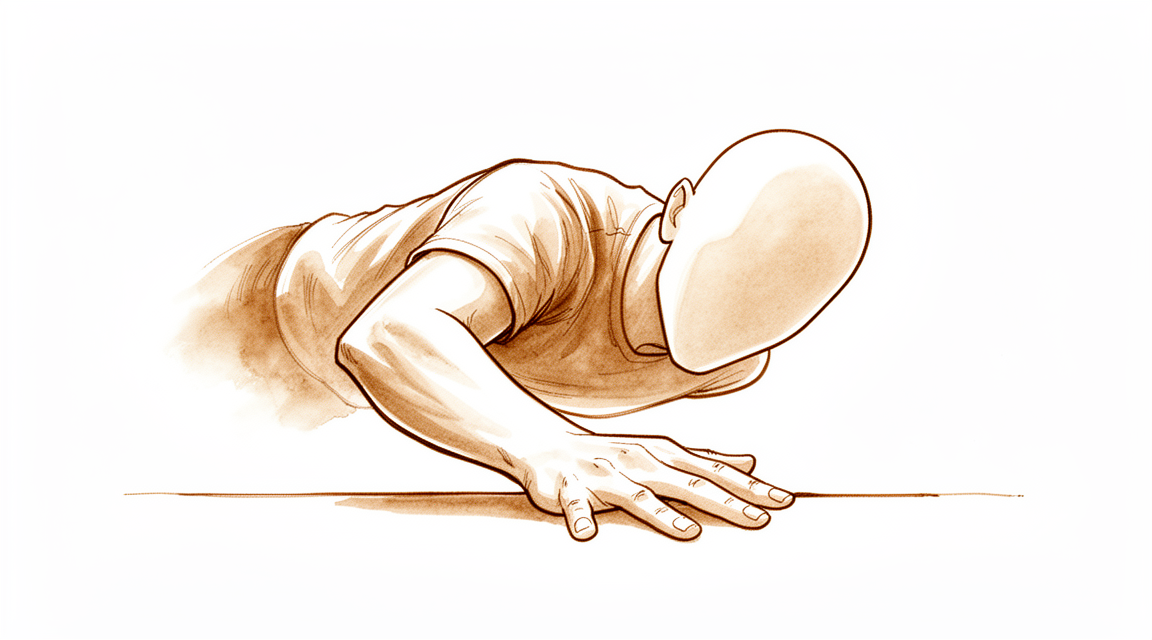
- Scaphoid fractures are caused by a fall on the outstretched palm, resulting in severe hyperextension and slight radial deviation of the wrist [27].
- Hyperextension past 95 degrees is the usual position of injury for scaphoid fractures [33].
- With the hyperextension mechanism, a fracture usually begins at the volar waist with tensile failure, propagating to the dorsal surface with compression loading until failure occurs [33].
- The scaphoid usually fractures on tension at the radial-palmar side [27].
- During injury, the proximal pole locks in the scaphoid fossa of the radius while the distal pole moves excessively dorsal [27].
- 60% to 80% of scaphoid fractures occur at the scaphoid waist or midportion [27].
- Snuffbox tenderness applies predominantly to waist fractures, which represent 70% of scaphoid fractures [14].
- Proximal pole fractures represent 20% of scaphoid fractures [14].
- Distal pole fractures represent 10% of scaphoid fractures [14].
- 17% of patients with scaphoid fractures have other fractures of the carpus and forearm, including transscaphoid perilunar dislocations, trapezium fractures, Bennett fractures, radial head fractures, lunate dislocations, and distal radius fractures [27].
- Proximal scaphoid fractures result from dorsal subluxation during forced hyperextension [33].
- Carpal dislocations and scapholunate ligament tears are reproduced with wrist extension and ulnar deviation combined with intercarpal supination [33].
- 15 of 24 patients with acute scaphoid fractures presented with associated ligamentous and/or chondral/osteochondral injuries [5].
Healing Potential and Nonunion
- The reduced capacity for periosteal healing due to extensive articular cartilage coverage increases the tendency for delayed union and nonunion [22].
- Proximal fractures are associated with at least temporary disruption of the interosseous blood supply to the proximal pole [22].
- Fractures in the proximal pole take longer to heal and usually have higher rates of nonunion [27].
- Nonunion occurs in 10% to 15% of all scaphoid fractures [33].
- The risk of nonunion increases with delay of treatment for more than 4 weeks [33].
- The risk of nonunion increases with proximal pole fractures [33].
- The risk of nonunion increases with fracture displacement greater than 1 mm [33].
- The risk of nonunion increases with osteonecrosis [33].
- The risk of nonunion increases with tobacco use [33].
- The risk of nonunion increases with associated carpal instability, specifically dorsal intercalated segmental instability (DISI) with a scapholunate angle >60 degrees and a capitolunate angle >15 degrees [33].
- Nonunion rates for nondisplaced waist fractures treated with casting are 5% to 12% [33].
- Nonunion rates for displaced scaphoid fractures treated nonoperatively reach 50% [33].
- Untreated displaced waist fractures angulate as the volar bone is reabsorbed, yielding a "humpback" flexion deformity [33].
- The resultant radial column shortening and extension of the proximal scaphoid pole releases the lunate to rotate into DISI under the influence of the attached triquetrum [33].
- Untreated scaphoid nonunion predictably progresses to arthritic change termed scaphoid nonunion advanced collapse (SNAC) [33].
- Arthritic change in SNAC arises at the radial styloid articulation with the distal scaphoid pole (stage I), followed by degeneration of the scaphocapitate joint (stage II), and ultimately the midcarpal joint (stage III) [33].
- Arthritic changes have been found in 97% of patients assessed at least 5 years after injury, with the degree of change proportionate to the duration of nonunion [33].
- In a 30-year follow-up review, 10% of patients with scaphoid fractures treated with thumb spica short-arm casts developed nonunion [33].
- Of those who developed nonunion, 60% demonstrated radiographic evidence of radiocarpal osteoarthritis, while only 2% of the healed group demonstrated degenerative change [33].
Classification
- Fractures of the carpus other than the scaphoid are frequently missed on initial presentation and require a high index of suspicion with tailored imaging for diagnosis [1].
- The complex scaphoid anatomy with its waist might alter the strategy of fracture fixation, education and research [4].
- In a series of 24 patients with acute scaphoid fractures, 15 presented with associated ligamentous and/or chondral/osteochondral injuries [5].
Clinical Presentation
History and Mechanism
- Patients classically present with wrist pain following a fall onto the outstretched hand, with almost 90% recalling a hyperextension injury [35].
- The usual mechanism of injury is forced hyperextension of the wrist [15].
- There is usually a history of trauma, such as falling on an outstretched hand, collision of the wrist against a person or heavy obstacle, or possibly a direct blow against an object [14].
- Patients present with a history of hyperextension to the wrist, often following a fall, sports, or punch injury [35].
- It is important to determine a history of previous trauma to the scaphoid and not treat a nonunion as if it is an acute fracture [35].
- In chronic injuries, athletes may complain of an inability to perform a push-up [39].
Physical Examination Findings
- The patient usually presents with pain on the radial side of the wrist [14].
- There may be swelling on the radial side as well [14].
- There may be limited range of motion and pain when applying extended wrist loading or positioning the wrist in extreme positions of flexion or extension [14].
- Wrists with acute fractures may have swelling and bruising in the radial aspect of the wrist [14].
- Wrists with chronic injury may have swelling in the dorsoradial wrist [14].
- Generally, pain, swelling, ecchymosis, and tenderness around the region of the scaphoid may be present in the acute phase [35].
- There may be slight fullness in the anatomical snuffbox [15].
- Precisely localized tenderness in the anatomical snuffbox is an important diagnostic sign [15].
- "Snuffbox tenderness" has become synonymous with scaphoid fracture, but this applies predominantly to waist fractures, which represent 70% of scaphoid fractures [14].
- The second most common type of scaphoid fracture is a proximal pole fracture, at 20% [14].
- The least common is a distal pole fracture, at 10% [14].
- Fractures tend to occur at the waist partly because the RSC ligament acts as a fulcrum over which the scaphoid waist fractures [14].
- The full physical examination of the scaphoid bone should include all of its parts: the waist, distal pole, and proximal pole [14].
- To palpate the anatomic snuffbox for the waist examination, palpate just distal to the radial styloid in the “soft spot” [14].
- The distal pole should be palpated at the scaphoid tubercle on the palmar aspect of the wrist [14].
- To palpate the distal pole, place the index finger in the anatomic snuffbox and place the thumb on the palmar aspect just distal to the anatomic snuffbox [14].
- With radial deviation of the wrist, the prominent bone palpated at the scaphoid tubercle should move palmarly toward the examiner’s thumb [14].
- The proximal pole is palpated dorsally in line with the second ray just distal to the dorsal radius lip [14].
- The scapholunate ligament is in line between the second and third rays just distal to the dorsal radius lip and corresponds to the 3-4 wrist arthroscopy portal [14].
- The proximal pole is just radial to the scapholunate ligament/3-4 portal area [14].
- Pain on longitudinal compression of the thumb (scaphoid axial compression test) is also a sign of scaphoid fracture [14].
- Examination must include pressure backwards over the scaphoid tubercle, palpation over the proximal pole, and telescoping of the thumb base [15].
- If any of the signs of snuffbox tenderness, scaphoid tubercle pressure, proximal pole palpation, or thumb telescoping are positive, the suspicion for a scaphoid fracture should be high [15].
- Pain and swelling can be subtle in the anatomic snuffbox and often these fractures present late [38].
- Evaluation for scaphoid fracture includes physical examination, examining for pain in the anatomic snuffbox or over the scaphoid tubercle [38].
- On physical examination, tenderness over the anatomic snuffbox or pain with resisted pronation prevents the surgeon from ruling out a scaphoid fracture [39].
Diagnostic Performance of Clinical Signs
- If all three tests of anatomic snuffbox tenderness, scaphoid tubercle tenderness, and scaphoid axial compression test are positive, there is 87% to 100% sensitivity and 74% specificity for scaphoid fracture [14].
- Anatomical snuffbox tenderness has a sensitivity of 87–100% and a specificity of 3–98% [35].
- Axial compression of the thumb has a sensitivity of 48–100% and a specificity of 22–97% [35].
- Scaphoid tubercle tenderness has a sensitivity of 82–100% and a specificity of 17–57% [35].
- Pain on ulnar deviation has a sensitivity of 67–100% and a specificity of 17–60% [35].
- Pain on radial deviation has a sensitivity of 67–90% and a specificity of 31–42% [35].
- Reduced range of movement of the thumb has a sensitivity of 65–66% and a specificity of 38–59% [35].
- Thumb–index finger pinch has a sensitivity of 75–79% and a specificity of 44–76% [35].
- No single sign has been found to be adequately sensitive or specific for scaphoid fracture [35].
- ASB tenderness is oversensitive and has poor specificity [35].
- In a study of 246 patients with a suspected fracture of the scaphoid, ASB tenderness was found to have a sensitivity of 90% and a specificity of 40% [35].
- In the same study of 246 patients, scaphoid tubercle tenderness had a sensitivity of 87% and specificity of 57% [35].
- In a prospective analysis of 73 patients with a suspected scaphoid fracture, the negative predictive value (NPV) of ASB pain on ulnar deviation of the pronated wrist was 100% [35].
- Patients with a negative test for ASB pain on ulnar deviation of the pronated wrist could be safely discharged at presentation as they did not have a scaphoid fracture [35].
- The use of one clinical sign in isolation was insufficient for the diagnosis of a fracture [35].
- A combination of ASB tenderness, scaphoid tubercle tenderness, and ASB pain on longitudinal compression of the thumb generated a sensitivity of 100% and a specificity of 74% [35].
- The combination of ASB tenderness, scaphoid tubercle tenderness, and ASB pain on longitudinal compression of the thumb was valid only for the first 24 hours after injury [35].
- Pain on thumb–index finger pinch and ASB pain on pronation of the forearm were most suggestive of a true scaphoid fracture [35].
- The best predictors of fracture within 72 hours of injury were the absence of pain on ulnar deviation of the wrist and pain on thumb–index finger pinch [35].
- Scaphoid tubercle tenderness was most predictive at week 2 [35].
- A clinical scaphoid score (CSS) uses three clinical tests: tenderness in the ASB with the wrist in ulnar deviation (3 points), tenderness over the scaphoid tubercle (2 points), and pain upon longitudinal compression of the thumb (1 point) [35].
- Patients with a CSS of 4 or higher require an MRI [35].
Occult Fractures and Initial Assessment
- Up to 30% to 40% of scaphoid fractures are not identified on initial assessment and investigation with standard four-view radiographs and are thus classified as having a suspected fracture [35].
- Patients who are subsequently found to have a fracture confirmed on repeated assessment and radiologic imaging, most frequently at 10 to 14 days after injury, are said to have had an occult fracture of the scaphoid [35].
- In these cases, the treating surgeon must balance employing immobilization and restriction of activities in a predominantly young and active population against the risks of nonunion and arthrosis associated with an undiagnosed and untreated scaphoid fracture [35].
- Radiographs are often negative at initial presentation approximately 25% of the time [39].
- Any history of wrist trauma and tenderness or decreased range of motion should increase suspicion [39].
Investigations
Clinical Examination
- Patients with scaphoid fractures usually present with pain on the radial side of the wrist and a history of trauma such as falling on an outstretched hand [14].
- Acute scaphoid fractures may present with swelling and bruising in the radial aspect of the wrist, while chronic injuries may present with swelling in the dorsoradial wrist [14].
- Snuffbox tenderness is predominantly associated with waist fractures, which represent 70% of scaphoid fractures [14].
- Proximal pole fractures account for 20% of scaphoid fractures, and distal pole fractures account for 10% [14].
- The physical examination for scaphoid fracture includes palpation of the anatomic snuffbox, the scaphoid tubercle, and the proximal pole [14].
- Pain on longitudinal compression of the thumb (scaphoid axial compression test) is a sign of scaphoid fracture [14].
- If anatomic snuffbox tenderness, scaphoid tubercle tenderness, and the scaphoid axial compression test are all positive, the sensitivity for scaphoid fracture is 87% to 100% and the specificity is 74% [14].
- Slight fullness in the anatomical snuffbox with precisely localized tenderness is an important diagnostic sign for scaphoid fracture [15].
- The clinical examination for scaphoid fracture must include pressure backwards over the scaphoid tubercle, palpation over the proximal pole, and telescoping of the thumb base [15].
- Dorsal swelling of the wrist, tenderness in the anatomic snuffbox, and painful dorsiflexion of the wrist or extension of the thumb are common clinical signs of scaphoid fracture [30].
Imaging
- Standard X-rays for scaphoid fracture evaluation should include AP, lateral, and two oblique views [15].
- Scaphoid fractures may not be visible on initial X-rays in the first few days after injury but usually become clearer two weeks later due to bone resorption and slight displacement [15].
- CT scans are more sensitive than plain radiography for diagnosing scaphoid fractures and are useful for confirming fragment alignment if surgery is planned or confirming union [15].
- MRI is the definitive method to confirm or exclude a diagnosis of scaphoid fracture if the technique is available [15].
- Plain radiography is approximately 50% sensitive for the detection of a scaphoid fracture [30].
- If a scaphoid fracture is suggested but radiographs are negative, up to 30% of patients may have positive follow-up radiographs at 2 weeks [30].
- MRI is more sensitive than CT for making the diagnosis of scaphoid fracture [30].
- A normal MRI study as early as 2 days after injury has a negative predictive value of 100% for scaphoid fracture [30].
- CT or MRI may be required to see lunate fractures that are difficult to detect on plain radiography [25].
- CT oriented in the longitudinal axis of the scaphoid with 1-mm cuts can be helpful to evaluate for bridging trabeculae when healing cannot be determined with certainty by standard radiographic examination [16].
- Computed tomography or magnetic resonance imaging can be helpful as an adjunct to standard x-rays to evaluate the cartilage of the radiolunate joint and confirm the SLAC stage [31].
- The diagnosis of osteonecrosis in scaphoid nonunion can be challenging because of the limited sensitivity of imaging modalities, including contrast-enhanced MRI [32].
- The presence of large cavitary lesions or cysts with bone resorption around the midwaist to proximal pole suggests that the bone has a compromised blood supply [32].
- A comparison of the carpal height to that of the contralateral wrist allows the extent of collapse and scaphoid shortening to be estimated [32].
Treatment
- The specific indications for and the risks and benefits of percutaneous screw fixation of nondisplaced scaphoid fractures must be determined in larger randomized, prospective studies [2].
- A described technique is applicable to any situation where the exact screw length is of critical importance [3].
- In a series of 24 patients with acute scaphoid fractures, 15 presented with associated ligamentous and/or chondral/osteochondral injuries during arthroscopically assisted reduction and percutaneous fixation [5].
- Arthroscopic treatment of a juvenile tillaux fracture is technically feasible, allows accurate reconstruction of the weight bearing surface of the joint, and enables secure internal fixation of the fracture [6].
- Regardless of fixation strategy, posterior ring reduction and stabilization is crucial for anterior pelvic ring injuries [7].
- Percutaneous screw fixation for acetabular fractures with quadrilateral plate involvement using three-dimensional fluoroscopy navigation is clinically feasible, allowing the quadrilateral plate to be anchored by percutaneous screws and enabling some degree of fracture gap reduction [8].
- The intrinsic instability of hexapod external fixation devices leads to higher shear forces which may cause failure, delayed union, or pseudarthrosis [9].
- Immediate exploration is proposed for open fractures, irreducible fractures, unacceptable reduction, associated vascular injuries, radial nerve palsy after manipulation, or intractable neurogenic pain in the context of humerus shaft fracture [10].
- A small clamp has been devised to maintain the reduction of bone fragments whilst they are being fixed [11].
- Parallel placement of 2 plates in the sagittal plane is as strong or stronger than the 90°/90° orientation for distal humeral fracture fixation [17].
- Linking plates together through the bone offers the greatest biomechanical stability for comminuted distal humeral fractures [17].
- A standard modified Henry approach was performed to expose the malunion of the distal radius in a patient-specific ramp-guide technique for opening-wedge osteotomies [41].
- In the described distal radius osteotomy technique, K-wires were used to define proximal screw hole positions after applying a pre-reduction guide [41].
- In the described distal radius osteotomy technique, less than half of the planned osteotomy was performed without losing the connection and position of the distal fragment [41].
- In the described distal radius osteotomy technique, a ramp-guide was fixed proximally using K-wires to guarantee accurate guide position [41].
- In the described distal radius osteotomy technique, a plate was latched on the ramp in the negative footprint and temporarily fixated with a cortical screw [41].
- In the described distal radius osteotomy technique, drilling was performed using conventional angular-stable sleeves and the plate was attached to the distal fragment with locking screws [41].
- In the described distal radius osteotomy technique, the ramp-guide was detached from the plate after losing the ramp-screw and removal in the proximal direction to complete the osteotomy [41].
- In the described distal radius osteotomy technique, reduction of the plate was performed with the fixated distal fragment in the pre-defined proximal screw holes on the shaft [41].
- In the described distal radius osteotomy technique, fluoroscopy was used to verify reduction and screw lengths prior to wound closure [41].
- In the described distal radius osteotomy technique, a volar splint was applied on the wrist post wound closure [41].
- In the described distal radius osteotomy technique, a two-week postoperative clinical control was scheduled with suture removal [41].
- In the described distal radius osteotomy technique, aftercare was conducted with immobilization in a splint and functional treatment provided by a hand therapist for the first eight weeks [41].
- The clinical results of local anaesthesia in the reduction of Colles' fracture should make an interesting and useful study [44].
Complications
- In a series of 24 patients with acute scaphoid fractures undergoing arthroscopically assisted reduction and percutaneous fixation, 15 patients presented with associated ligamentous and/or chondral/osteochondral injuries [5].
- The complex anatomy of the scaphoid waist may alter the strategy of fracture fixation [4].
Recovery
- The technique described for avoiding overlong screws is applicable to any situation where the exact screw length is of critical importance [3].
Key Evidence
- [L5] Fractures of the carpus other than the scaphoid are frequently missed on initial presentation and require a high index of suspicion with tailored imaging for diagnosis. [1] (10.5435/jaaos-d-20-00062)
- [L1] The specific indications for and the risks and benefits of percutaneous screw fixation of such fractures must be determined in larger randomized, prospective studies. [2] (10.2106/00004623-200104000-00001)
- [L5] The technique described is applicable to any situation where the exact screw length is of critical importance. [3] (10.1016/0020-1383(96)00024-1)
- [L4] The complex scaphoid anatomy with its waist might alter the strategy of fracture fixation, education and research. [4] (10.1186/s13018-021-02330-8)
- [L4] In this series, 15 of 24 patients with acute scaphoid fractures presented with associated ligamentous and/or chondral/osteochondral injuries. [5] (10.1016/j.arthro.2008.01.003)
- [L4] The procedure is technically feasible, allows accurate reconstruction of the weight bearing surface of the joint and secure internal fixation of the fracture. [6] (10.1007/s00167-006-0234-3)
- [L4] Regardless of fixation strategy, posterior ring reduction and stabilization is crucial. [7] (10.5435/jaaos-d-17-00839)
- [L4] The technique was clinically feasible, allowing the quadrilateral plate to be anchored by percutaneous screws and enabling some degree of fracture gap reduction. [8] (10.1016/j.injury.2011.08.002)
- [L5] The intrinsic instability of hexapod devices leads to higher shear forces which may cause failure, delayed union, or pseudarthrosis; new biomechanical studies are necessary to compare device modifications to reduce complications. [9] (10.1016/j.injury.2019.08.028)
- [Paper] Immediate exploration is proposed for open fractures, irreducible fractures, unacceptable reduction, associated vascular injuries, radial nerve palsy after manipulation, or intractable neurogenic pain. [10] (10.1016/j.injury.2013.01.004)
- [Paper] A small clamp has been devised to maintain the reduction of bone fragments whilst they are being fixed. [11] (10.1016/s0020-1383(79)80085-6)
- [L5] Parallel placement of 2 plates in the sagittal plane is as strong or stronger than the 90°/90° orientation, and linking the plates together through the bone offers the greatest biomechanical stability for comminuted distal humeral fractures. [17] (10.1016/j.jse.2004.09.033)
- [L3] [41] (10.1186/s12891-018-2279-0)
- [Paper] The clinical results of the Local anaesthesia in the reduction of Colles' fracture should make an interesting and useful study. [44] (10.1016/s0020-1383(73)80021-x)
References
[1] Evaluation and Management of Carpal Fractures Other Than the Scaphoid. Journal of the American Academy of Orthopaedic Surgeons. 2020. DOI: 10.5435/jaaos-d-20-00062
[2] Percutaneous Screw Fixation or Cast Immobilization for Nondisplaced Scaphoid Fractures. The Journal of Bone and Joint Surgery-American Volume. 2001. DOI: 10.2106/00004623-200104000-00001
[3] How to avoid overlong screws. Injury. 1996. DOI: 10.1016/0020-1383(96)00024-1
[4] 3D computational anatomy of the scaphoid and its waist for use in fracture treatment. Journal of Orthopaedic Surgery and Research. 2021. DOI: 10.1186/s13018-021-02330-8
[5] Incidence of Ligamentous and Other Injuries Associated With Scaphoid Fractures During Arthroscopically Assisted Reduction and Percutaneous Fixation. Arthroscopy. 2008. DOI: 10.1016/j.arthro.2008.01.003
[6] Arthroscopic treatment of a juvenile tillaux fracture. Knee Surgery, Sports Traumatology, Arthroscopy. 2006. DOI: 10.1007/s00167-006-0234-3
[7] Fixation of Anterior Pelvic Ring Injuries. Journal of the American Academy of Orthopaedic Surgeons. 2019. DOI: 10.5435/jaaos-d-17-00839
[8] Percutaneous screw fixation for the acetabular fracture with quadrilateral plate involved by three-dimensional fluoroscopy navigation: Surgical technique. Injury. 2012. DOI: 10.1016/j.injury.2011.08.002
[9] External fixation of the lower extremities: Constantly striving for the best results. Injury. 2019. DOI: 10.1016/j.injury.2019.08.028
[10] Approach to radial nerve palsy caused by humerus shaft fracture: Is primary exploration necessary?. Injury. 2013. DOI: 10.1016/j.injury.2013.01.004
[11] Bone fragment clamp. Injury. 1979. DOI: 10.1016/s0020-1383(79)80085-6
[14] Green S Operative Hand Surgery. Examination and Imaging of the Scaphoid.
[15] Apley And Solomon S Concise System Of Orthopaedics And Trauma. FRACTURES OF THE DISTAL RADIUS IN CHILDREN > FRACTURE OF THE SCAPHOID.
[16] Campbell S Operative Orthopaedics 4 Volume Set. NERVE INJURIES AT THE LEVEL OF THE HAND AND WRIST > OPEN REDUCTION AND INTERNAL FIXATION OF ACUTE DISPLACED FRACTURES OF THE SCAPHOID—DORSAL APPROACH.
[17] Optimizing stability in distal humeral fracture fixation. Journal of Shoulder and Elbow Surgery. 2005. DOI: 10.1016/j.jse.2004.09.033
[22] Rockwood And Green S Fractures In Adults. 42: Fractures of the Distal Radius and Ulna > Pathoanatomy and Applied Anatomy Related to Scaphoid Fractures.
[25] Campbell S Operative Orthopaedics 4 Volume Set. MALPOSITIONED NONUNION OF SCAPHOID FRACTURES ("HUMPBACK" DEFORMITY) > FRACTURES OF THE LUNATE AND KIENBÖCK DISEASE.
[27] Campbell S Operative Orthopaedics 4 Volume Set. NERVE INJURIES AT THE LEVEL OF THE HAND AND WRIST > FRACTURES OF THE SCAPHOID.
[30] Campbell S Operative Orthopaedics 4 Volume Set. OVERCORRECTION OSTEOTOMY AND LIGAMENTOUS REPAIR OR RECONSTRUCTION > SCAPHOID AND CARPAL FRACTURES.
[31] Green S Operative Hand Surgery. Scaphoid Excision and Four-Corner Fusion.
[32] Orthopaedic Knowledge Update Trauma. Hand/Carpal Fractures and Dislocations > Scaphoid Fractures > Scaphoid Nonunion.
[33] Green S Operative Hand Surgery. Biomechanics of Scaphoid Fractures and Implications of Nonunion.
[35] Rockwood And Green S Fractures In Adults. 42: Fractures of the Distal Radius and Ulna > Signs and Symptoms of Scaphoid Fractures.
[38] Orthopaedic Knowledge Update 13 Ebook Without Multimedia. Pediatric Forearm, Wrist, and Hand Trauma > Scaphoid Fractures.
[39] Orthopaedic Knowledge Update Sports Medicine 6. Hand and Wrist Injuries > Hand Injuries > Scaphoid Fractures.
[41] Improving accuracy of opening-wedge osteotomies of distal radius using a patient-specific ramp-guide technique. BMC Musculoskeletal Disorders. 2018. DOI: 10.1186/s12891-018-2279-0
[44] From Mr. J. C. Scott. Injury. 1973. DOI: 10.1016/s0020-1383(73)80021-x