Clinicians › Shoulder
Acromioclavicular Joint Injury (Shoulder Separation)
Acromioclavicular separation: Rockwood grading and CC reconstruction (corpus-synthesised).
For patients: a plain-language version of this topic is available. See the patient guide.
Overview
Acromioclavicular (AC) joint separations are common athletic injuries typically resulting from direct trauma to the point of the shoulder, though the precise incidence remains unknown [1, 8, 20]. The injury involves progressive disruption of ligamentous support, beginning with the capsular ligaments and extending to the coracoclavicular (CC) ligaments [8]. Clinically, higher-grade injuries present with distal clavicle prominence, localized bruising, swelling, and tenderness [8]. Evaluation requires a complete neurologic examination to rule out brachial plexus injury, assessment of scapular motion for dyskinesis, and manual comparison of horizontal plane translation against the contralateral shoulder [8]. Imaging includes AP, caudal tilt, and axillary views to detect posterior translation, with a normal CC distance of 11 to 13 mm [8]. Concomitant glenohumeral injuries are frequent, with diagnosis rates reaching 57.3% in patients over 35 years [4].
Management is dictated by injury grade and patient activity level. Nonsurgical treatment is recommended for Type I and II injuries, yielding good functional outcomes with most patients regaining full function within 4 to 6 weeks [8]. For Type III injuries, conservative management is advocated by most authorities, particularly in elderly or inactive patients, as meta-analyses demonstrate similar outcomes to surgery with fewer complications [8, 20]. Surgical intervention is indicated for most acute Type IV, V, and VI separations, where nonsurgical treatment likely results in substantial residual pain and limited function [8]. In selected Type III cases involving younger, active patients or those with cosmetic concerns, surgery may be considered [8].
No single surgical technique has been proven clearly superior, and the optimal approach remains undetermined [18, 24]. Emerging research supports anatomic reconstructions, which offer better cosmesis and functional outcomes compared to nonanatomic techniques [174, 24]. Both open and arthroscopic repairs yield good clinical results, though arthroscopic methods are more expensive and time-consuming [181]. Arthroscopic reconstruction offers less morbidity and avoids hardware removal, while double-loop suture repair provides a nearly anatomical reconstruction with low recurrence rates [7, 182]. Complication profiles vary by technique, with medialized clavicular tunnels associated with higher failure rates in anatomic reconstructions [18, 20].
Anatomy & Pathophysiology
Joint Structure and Biomechanics
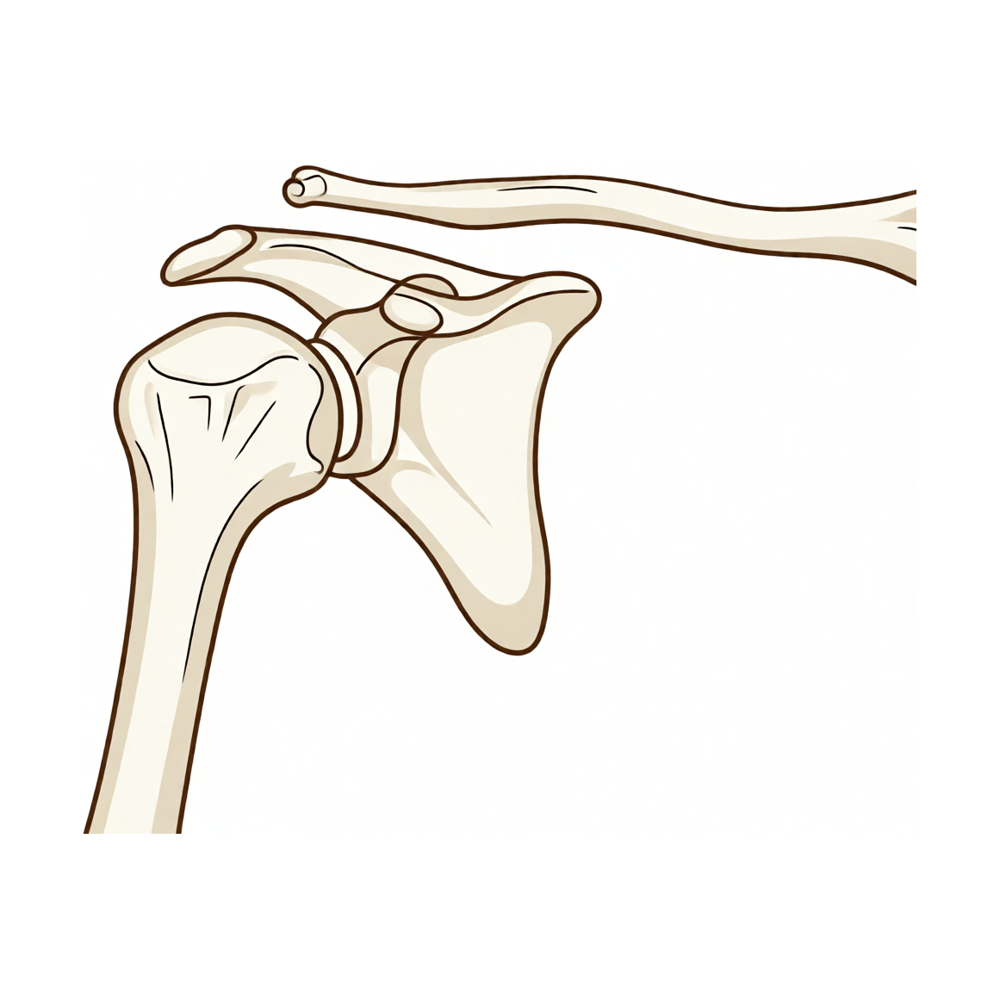
The acromioclavicular (AC) joint is a synovial diarthrodial joint located between the medial margin of the acromion and the lateral end of the clavicle [81]. A fibrocartilaginous disk separates the joint, though it degenerates with age and becomes essentially non-functional beyond the fourth decade [81, 106]. The angle of inclination between the distal clavicle and acromial facet articular surfaces is highly variable, ranging from near vertical to 50° angulation [81]. In approximately 50% of cases, the clavicular articular surface overrides the acromial surface, resulting in incongruent articular surfaces [103]. The joint capsule surrounds the articulation and is reinforced on all sides by AC joint capsular ligaments [81]. Innervation is provided by branches of the lateral pectoral, suprascapular, and axillary nerves [81, 103], while the blood supply derives mainly from the acromial artery, a branch of the deltoid artery of the thoracoacromial axis [106].
During full shoulder elevation, the clavicle rotates posteriorly 40° to 45°, but only 5° to 8° of rotation occurs at the AC joint due to synchronous scapular and sternoclavicular motion [81]. Significant motion at the AC joint during active humeral elevation contributes to scapular motion on the thorax [63]. Under 70-N loads, the normal AC joint translates 4 to 6 mm in the anterior, posterior, and superior planes [175]. Horizontal stability is provided by the AC joint ligaments, specifically the superior (50%) and posterior (25%) ligaments [81]. Vertical stability is maintained by the AC joint ligaments at physiologic loads and by the coracoclavicular (CC) ligaments at higher loads [81]. The AC ligaments serve as the primary restraint to anteroposterior translation between the clavicle and acromion [179]. The deltotrapezial fascia plays an important but unquantified role in AC joint stability [81]. Minimal resection of 5 mm and 10 mm of the distal clavicle increases horizontal clavicular motion in cadaveric models [81].
Ligamentous Anatomy
The AC ligaments consist of anterior, posterior, superior, and inferior components that surround the joint [103]. The superior AC ligament fibers blend with the deltoid and trapezius muscles attached to the superior aspect of the clavicle and acromion [103]. The distance from the lateral clavicle to the insertion of the superior AC ligament/capsule ranges from 5.2 to 7 mm in women and approximately 8 mm in men [103]. On the acromion, the capsular insertion begins, on average, 2.8 mm (range, 2.3 to 3.3 mm) from the medial acromion [81]. On the lateral clavicle, the capsular insertion begins a mean of 3.5 mm (range, 2.9 to 3.9 mm) from the distal clavicle [81].
The coracoclavicular (CC) ligament is a strong, heavy ligament running from the outer, inferior surface of the clavicle to the base of the coracoid process [103]. It consists of two components: the conoid and trapezoid ligaments [103]. The trapezoid ligament measures 0.8 to 2.5 cm in length and 0.8 to 2.5 cm in width [103]. The conoid ligament varies from 0.7 to 2.5 cm in length and 0.4 to 0.95 cm in width [103]. The conoid ligament is the more medial component, with its base attaching to the conoid tubercle on the posterior undersurface of the clavicle [103]. This tubercle is located at the apex of the posterior clavicular curve, at the junction of the lateral third of the flattened clavicle with the medial two-thirds of the triangular shaft [103]. The trapezoid ligament arises from the coracoid process, anterior and lateral to the conoid ligament attachment [103]. It inserts at the undersurface of the clavicle centered at a mean of 25 mm from the lateral end [81]. The conoid ligament inserts into the conoid tubercle at the posteroinferior clavicle centered at a mean of 46 mm from the lateral end [81].
The trapezoid ligament provides restraint against lateral translation of the clavicle in relation to the coracoid as well as vertical stability [81]. The conoid ligament is the strongest and most important vertical stabilizer of the AC joint at higher loads [81]. At small displacements, the AC ligaments are the primary restraint to posterior (89%) and superior (68%) translation of the clavicle [103]. At large displacements, the conoid ligament provides the primary restraint (62%) to superior translation [103]. At both large and small displacements, the AC ligaments remain the primary restraint (90%) to posterior translation [103]. The AC ligaments are responsible for 90% of anteroposterior stability and 77% of stability for anterior translation [106]. Distraction of the AC joint is limited by the AC ligaments (91%), and compression is limited by the trapezoid ligament (75%) [106]. The trapezoid and conoid ligaments have unique functions in normal shoulder kinematics due to their anatomic attachments [83]. The CC ligament acts as the prime suspensory ligament of the upper extremity, suspending the upper extremities from the distal clavicles [103].
Injury Mechanisms and Pathoanatomy
The most common mechanism of AC injury is a direct blow to the superior acromion with the arm adducted at the side [31]. This injury typically results from a fall onto the shoulder during contact sports, skiing, or cycling [31]. The force drives the acromion and clavicle inferiorly, but the sternoclavicular joint restricts clavicular movement, resulting in dissociation between the acromion and clavicle [31]. Less commonly, AC injuries result from indirect trauma from a fall onto the outstretched hand or elbow, driving the humerus against the acromion [31]. Indirect trauma disrupts the AC ligaments but typically spares the CC ligaments, resulting in a lower-grade injury [31]. Associated injuries to the clavicle, glenohumeral joint, rotator cuff, and superior labrum occur in 20% of AC separations [31].
A medially directed force to the lateral shoulder drives the acromion into and underneath the distal clavicle, resulting in higher degrees of injury and displacement [49]. The injury force produces a progressive pattern: first disruption of the AC ligaments, followed by disruption of the CC ligaments, and finally disruption of the deltotrapezial fascia [49]. The characteristic clinical deformity in complete AC dislocation is caused by inferior displacement of the shoulder and arm, not superior elevation of the clavicle [49]. The clavicle rests against the first rib, which blocks further downward displacement [54]. If the clavicle is not fractured, the acromioclavicular and coracoclavicular ligaments are ruptured due to downward force on the acromion [54]. Tears in the clavicular attachments of the deltoid and trapezius muscles may accompany AC joint injuries [54]. The severity of superior or posterior displacement is determined by the severity of injury to the AC and CC ligaments, joint capsule, and trapezius and deltoid muscles [54].
In cadaver dissections, cutting the AC ligament, joint capsule, and deltoid/trapezius muscles resulted in proximal clavicular displacement ranging from 0.5 to 1.0 cm [54]. Dividing the CC ligaments in addition to the AC structures resulted in superior clavicular displacement ranging from 1.5 to 2.5 cm [54]. Kinematic changes resulting from AC joint dislocation could be a potential source of pain and dysfunction in the shoulder [84]. Scapular and clavicular kinematics are affected in AC separation models [88].
Epidemiology
The incidence of AC joint injuries is unknown [8]. These injuries account for 40% to 50% of shoulder injuries in many contact sports [175] and approximately 9% of shoulder girdle injuries cause damage to the AC joint [175, 179]. AC joint injuries occur five times more frequently in men than in women [175]. The highest incidence is in the 20- to 30-year-old age group [175]. These injuries are associated with contact sports or athletic activity involving a direct blow to the lateral aspect of the shoulder [28] and occur commonly in active young adults in their second through fourth decades of life [179].
Classification and Radiographic Findings
The Rockwood classification divides AC joint injuries into six types based on comparative radiographs of the contralateral shoulder [27]: * Type I: AC ligament sprain without injury to the CC ligaments, with no AC joint widening or clavicular displacement [27]. * Type II: Complete rupture of the AC ligament, CC ligament sprain, and an increase in the CC distance by less than 25% compared with the contralateral shoulder [27]. * Type III: Disruption of the AC and CC ligaments, with the CC distance increased 25% to 100% compared with the contralateral shoulder [27]. * Type IV: Distal clavicle displaced posteriorly into the trapezius muscle [27]. * Type V: Disruption of the deltotrapezial fascia, with the CC distance increased by more than 100% compared with the contralateral shoulder [27]. * Type VI: Inferior displacement of the clavicle into the subcoracoid space [27].
A Zanca view is a modified, underpenetrated AP view with a cephalic tilt of 10° to 15° that gives excellent detail of the distal clavicle [8]. Weighted views include bilateral AP views with a weight tied to the wrists in relaxed standing [8]. These views help distinguish between type II and type III separations but are rarely indicated and often not clinically helpful [8]. Fracture of the base of the coracoid process should be ruled out, as it can result in superior displacement of the clavicle with an intact CC distance [8]. The differentiation between grade III and grade V separations can be made during physical examination by use of the shrug test [19]. The AC joint of type III injuries may reduce during the shrug test, but tearing of the deltotrapezial fascia makes it impossible for type V injuries to reduce [19]. Grade III separations are described as those with 100% displacement of the clavicle on radiographs compared with the contralateral side [19]. Grade V separations are described as exaggerated superior dislocation of the AC joint between 100% and 300% as seen radiographically [19].
Clinical Presentation by Grade
In type I injury, there is minimal to moderate tenderness to palpation over the AC joint, mild swelling, and minimal pain with arm movements [55]. Type I injuries do not demonstrate significant displacement visualized or quantifiable on radiography [55]. Type II injury presents with moderate to severe pain with palpation of the joint [55]. The distal end of the clavicle may be noted to be slightly superior to the acromion, and ecchymosis may be present [55]. Adduction motion of the shoulder typically produces pain in the AC joint in type II injuries [55]. Radiographic evidence for type II injury demonstrates partial (<50% clavicle width) superior clavicle subluxation at the AC joint compared to the contralateral side [55].
Patients with type III injury characteristically present with the upper extremity held adducted close to the body and supported in an elevated position [55]. Type III injury produces a characteristic shoulder droop sign due to inferior translation of the limb [55]. The clavicle may be prominent enough to tent the skin in type III injuries [55]. Tenderness is noted at the AC joint, the CC interspace, and along the superior aspect of the lateral clavicle in type III injuries [55]. Localized bruising, swelling, and tenderness are present in acute AC joint injuries [8]. Range of motion and rotator cuff strength are typically normal in chronic injuries but may be limited in acute injuries secondary to pain [8]. Scapular dyskinesis can be seen with AC joint injury [8].
Classification
Rockwood Classification System
The Rockwood classification was initially introduced in 1963 with types I, II, and III [27], and was expanded in 1984 to include types IV, V, and VI [27]. The system categorizes injuries based on ligamentous integrity and clavicular displacement relative to the contralateral shoulder.
Type I: Involves AC ligament sprain with intact CC ligaments, no AC joint widening, and no clavicular displacement [27]. Radiographically, the CC distance remains normal at 1.1–1.3 cm [27].
Type II: Consists of complete rupture of the AC ligament, CC ligament sprain, and widening of the AC joint [27]. The CC distance increases by less than 25% compared with the contralateral shoulder [27].
Type III: Involves disruption of both AC and CC ligaments, a widened AC joint, and an increase in the CC distance by 25% to 100% [27]. Clinically, this presents as superior displacement of the clavicle of up to 100% of the clavicle width with a reducible deformity [8].
Type IV: Characterized by posterior displacement of the distal clavicle, increased CC distance, and a non-reducible deformity [8]. Both AC and CC ligaments are disrupted [27].
Type V: Involves disruption of the deltotrapezial fascia, AC ligaments, and CC ligaments [27]. The clavicle exhibits greater than 100% superior displacement, with the CC distance increased by 100%–300% [27]. The deformity is usually not reducible [8].
Type VI: Involves inferior clavicle displacement with the distal clavicle lying under the acromion or coracoid process [8]. AC ligaments are disrupted, CC ligaments are intact, and the radiographic CC distance is decreased [27].
An ISAKOS subclassification of Rockwood Type III AC joint dislocations into a stable Type A and an unstable Type B is not clinically relevant in a prospective cohort study of 95 patients primarily treated non-surgically [111].
Pathoanatomy and Mechanism
Indirect trauma from a fall onto the outstretched hand or elbow typically spares the CC ligaments, resulting in a lower-grade injury [31]. Trauma with intact coracoclavicular ligaments did not result in acromioclavicular joint lesions higher than Rockwood type I and II [72].
Imaging and Diagnostic Reliability
Rockwood’s original classification was based on findings observed on plain radiographs [131]. Accurate classification of acromioclavicular joint separation requires standard AP films plus an additional modified axial or axillary view to demonstrate antero-posterior displacement of the clavicle [157]. Single-plane imaging may misdiagnose Rockwood grade IV injuries [157]. The normal coracoclavicular distance should be between 11 to 13 mm [8].
Interobserver reliability for classification using AP and axial radiographs was moderate with an intraclass correlation coefficient of 0.602 [131]. Interobserver reliability for the decision to operate using AP and axial radiographs was moderate with an intraclass correlation coefficient of 0.469 [131]. Intraobserver reliability for classification using plain radiographs was fair with a kappa statistic of 0.214 [131]. Intraobserver reliability for the decision to operate using plain radiographs was fair with a kappa statistic of 0.213 [131].
MR imaging provides exquisite visualization of the soft-tissue structures of the shoulder girdle [10]. In a study of 47 patients, ultrasound, MRI, and radiography results were in agreement in 24 cases for grading acromioclavicular joint injuries [41]. Radiography was incorrect in 24 cases compared to MRI or ultrasound findings [41]. Ultrasound was incorrect in six cases compared to MRI or radiography findings [41].
Associated Injuries
Concomitant injuries to the shoulder girdle obtained during traumatic AC joint separation may be more frequent than previously thought [16]. Glenohumeral injuries are a much more common epiphenomenon during acromioclavicular separation than previously ascertained, with a diagnosis rate rising to 57.3% in patients above 35 years [4]. High-grade AC-separations may be associated with traumatic concomitant glenohumeral pathologies resulting from the same trauma impact to the shoulder girdle [36].
Clinical Presentation
Epidemiology and Mechanism
Acromioclavicular joint injuries constitute 9% of all shoulder injuries [35]. These injuries occur most commonly in men, with an 8:1 male-to-female ratio, typically during the third decade of life in the context of contact sports or heavy overhead manual labor [90]. Among National Collegiate Athletic Association football players, acromioclavicular joint injuries accounted for 32% of all shoulder injuries [90]. The most common mechanism is a direct blow to the superior acromion with the arm adducted at the side, typically resulting from a fall onto the shoulder [31]. Indirect trauma from a fall onto an outstretched hand or elbow is a less common mechanism that typically results in lower-grade injuries [31].
Physical Examination
Inspection and Palpation: Localized bruising, swelling, and tenderness are present in acute acromioclavicular injuries [8]. Higher grade acromioclavicular injuries result in prominence of the distal clavicle [8]. In a type I injury, there is minimal to moderate tenderness to palpation over the AC joint, mild swelling, and minimal pain with arm movements [55]. In a type II injury, the distal end of the clavicle may be slightly superior to the acromion, ecchymosis may be present, and adduction motion typically produces pain in the AC joint [55]. Patients with a type III injury characteristically present with the upper extremity held adducted close to the body and supported in an elevated position to relieve pain [55].
Range of Motion and Stability: Scapular motion should be assessed as scapular dyskinesis can be seen with this type of injury [8]. The ability to reduce the deformity with manual pressure helps differentiate nonsurgical versus surgical treatment for higher grade injuries [8]. The "shrug test" differentiates a type III injury from a type IV or V injury, as the AC joint of a type III injury can be reduced with upward pressure or active shrugging, whereas types IV and V cannot be reduced if the deltotrapezial fascia is interposed [55].
Special Tests: The cross-arm adduction test produces compression pain localized to the AC joint [37]. O'Brien's active compression test with localized pain over the AC joint is suggestive of AC joint pathology [37]. Paxino's test involves thumb pressure directed anterior at the posterior AC joint [37]. A positive diagnostic analgesic injection provides relief in pain and symptoms [37].
Imaging
Radiography: Plain radiographs for acromioclavicular joint evaluation include an AP view of the clavicle, a caudal tilt view, and an axillary view [8]. Good-quality radiographs of the AC joint require one-third to one-half the beam penetration required to image the glenohumeral joint [37]. Weighted views include bilateral AP views with a weight tied to the wrists in relaxed standing and help distinguish between type II and type III separations [8]. The normal coracoclavicular distance between the superior aspect of the coracoid and the inferior clavicle is between 11 to 13 mm [8].
Advanced Imaging: MR images show discontinuity of normally low-signal-intensity acromioclavicular and coracoclavicular ligaments, surrounding soft-tissue edema, and resultant thickening of the ligament in chronic injuries [90, 68]. Ultrasound was wrong in six cases and radiography in 24 cases when compared to MRI for grading acute acromioclavicular dislocations [41].
Investigations
History and Mechanism
The mechanism of injury for acromioclavicular joint separations is usually direct trauma resulting from a fall on the point of the shoulder [8]. The most common mechanism is a direct blow to the superior acromion with the arm adducted at the side [31]. Falling or being tackled onto the lateral aspect of the shoulder with the arm in an adducted position produces a compressive (medial) and shear (vertical) force across the joint [49]. A medially directed force to the lateral shoulder that drives the acromion into and underneath the distal clavicle can result in higher degrees of injury and subsequently more displacement [49]. This injury force produces a progressive pattern: first disruption of the acromioclavicular ligaments, followed by disruption of the coracoclavicular ligaments, and finally disruption of the fascia overlying the clavicle that connects the deltoid and trapezius muscle attachments [49]. The characteristic clinical deformity in complete acromioclavicular dislocation is caused by inferior displacement of the shoulder and arm, not superior elevation of the clavicle [49].
Indirect injuries to the acromioclavicular joint are rare [8]. Less commonly, acromioclavicular injuries are due to indirect trauma from a fall onto the outstretched hand or elbow, driving the humerus against the acromion [31]. Indirect trauma disrupts the acromioclavicular ligaments but typically spares the coracoclavicular ligaments, resulting in a lower-grade injury [31].
Physical Examination
The sternoclavicular joint should be evaluated for swelling, deformity, and tenderness during the physical examination of acromioclavicular injuries [8]. Scapular motion should be carefully assessed as scapular dyskinesis can be seen with acromioclavicular injury [8]. Range of motion and rotator cuff strength are typically normal in chronic acromioclavicular injuries but may be limited in acute injuries secondary to pain [8]. The ability to reduce the deformity with manual pressure is important and can help differentiate nonsurgical versus surgical treatment for higher grade injuries [8].
Specific provocative tests include the cross-arm adduction test (arm flexed 90 degrees, adducted across chest), which produces compression pain localized to the acromioclavicular joint [37]. O'Brien's active compression test with localized pain over the acromioclavicular joint is a physical examination finding for acromioclavicular injury [37]. Paxino's test (thumb pressure directed anterior at the posterior acromioclavicular joint) is a physical examination finding for acromioclavicular injury [37]. Diagnostic analgesic injection resulting in positive relief of pain and symptoms is a physical examination finding for acromioclavicular injury [37].
The differentiation between grade III and grade V separations may be made during the physical examination by use of the shrug test [19]. The acromioclavicular joint of type III injuries may reduce during the shrug test, but tearing of the deltotrapezial fascia makes it impossible for type V injuries to reduce during this test [19]. If the distal clavicle displaces superiorly with pain on adduction of the arm across the body, the patient may do better with operative management [19].
Imaging
Plain radiography: Good-quality radiographs of the acromioclavicular joint require one-third to one-half the beam penetration required to image the glenohumeral joint [37]. Radiographs of the acromioclavicular joint taken using routine shoulder technique will be overpenetrated and small fractures may be overlooked [37]. The radiographic technician must be specifically requested to take radiographs of the “acromioclavicular joint” rather than the “shoulder” [37]. The Zanca view (a modified, underpenetrated AP view with a cephalic tilt of 10° to 15°) gives excellent detail of the distal clavicle [8]. The Zanca view involves placing the beam 10–15 degrees cephalad and using 50% of the AP penetration strength to determine displacement with comparison to the contralateral acromioclavicular joint and coracoclavicular distance [37]. The axillary view determines the anteroposterior position of the distal clavicle in relation to the acromion [37]. The anterior aspect of the clavicle should lie in the same plane as the anterior aspect of the acromion on the axillary view [8].
Fracture of the base of the coracoid process should be ruled out on radiographs as it can result in superior displacement of the clavicle with an intact coracoclavicular distance, creating a functionally equivalent acromioclavicular joint separation [8]. Weighted views are rarely indicated and often are not clinically helpful [8]. Cross-arm stress views (Basmania view) are AP views with the arm adducted [37]. Reducibility stress views include an active shrug maneuver with an AP of the shoulder or with the patient applying an upward directed load on the elbow while lying on a table, with the goal of determining whether the deltotrapezial fascia is interposed to prevent reduction [37]. Type V injury is defined by a coracoclavicular distance that is 100% greater than that of the opposite side, requiring bilateral acromioclavicular views [20]. Comparison of both sides of the acromioclavicular joint could help to inform physicians in predicting the need for additional evaluations in skeletally immature patients [30].
MRI: Resultant thickening of the acromioclavicular or coracoclavicular ligament allows identification of chronic acromioclavicular joint injuries on MR imaging [68].
CT: Wide field of view CT provides dynamic information not available through other imaging modalities for acromioclavicular joint instability [66]. 4D CT has provided information that altered the clinical management of acromioclavicular joint injury [66].
Other Considerations: Ultrasound, MRI, and radiography results were in agreement in 24 of 47 cases in a comparison of imaging modalities for acute acromioclavicular dislocation [41]. In the comparison of imaging modalities, ultrasound was wrong in six cases and radiography was wrong in 24 cases [41].
Associated Injuries
Associated injuries to the clavicle, glenohumeral joint, rotator cuff, and superior labrum occur in 20% of acromioclavicular separations [31]. Concomitant injuries to the shoulder girdle obtained during traumatic acromioclavicular joint separation may be more frequent than previously thought [16]. High-grade acromioclavicular separations may be associated with traumatic concomitant glenohumeral pathologies resulting from the same trauma impact to the shoulder girdle [36]. In patients requiring acromioclavicular joint reconstruction surgery for traumatic separations, diagnostic arthroscopy of the glenohumeral joint may be warranted due to the high incidence of associated pathology [188].
Treatment
Non-Operative Management
Nonsurgical treatment is the standard of care for Rockwood type I and type II acromioclavicular joint injuries [8, 93, 58, 155]. Initial management involves sling immobilization for pain control, typically for one week in type I injuries and two to three weeks in type II injuries [93, 155]. Additional modalities include rest, oral analgesics, NSAIDs, icing, and activity modification [155]. In highly competitive athletes, intra-articular long-acting anesthetic injections may be used to facilitate faster return to play in the acute setting [155]. The sling is discontinued once the patient is asymptomatic, followed by physical therapy focusing on passive and active shoulder motion [93]. Strengthening exercises begin after full range of motion is obtained [155]. Most patients regain full shoulder function within 4 to 6 weeks [8]. Contact sports and heavy lifting are avoided until the patient is pain-free with symmetric range of motion and strength, a period of approximately 2 to 3 months [93, 155].
Despite successful initial management, patients with type I and II injuries face increased risks of painful acromioclavicular joint arthritis and recurrent symptoms [8, 155]. Between 30% and 50% of young, very active patients report mild to moderate residual pain at the joint [8]. Retrospective studies indicate persistent symptoms in up to 40% to 50% of patients at 1, 6, and 10 years post-injury [155]. Pain may persist for as long as six months, with up to 33% of patients experiencing continued pain and instability at longer-term follow-up [93]. Injury to the articular cartilage or disk can contribute to subsequent shoulder complaints [155]. In one study, 27% of patients required surgical intervention at a mean of 26 months after type I or II injury [155]. Distal clavicle resection, either arthroscopic or open, is a potential solution for patients with persistent inflammation, osteoarthritis, or distal clavicle osteolysis who fail nonsurgical treatment [155].
Management of type III injuries is controversial, with a general consensus supporting nonoperative treatment for 8 to 12 weeks followed by reexamination [19, 20]. A 2007 survey of the American Orthopaedic Society for Sports Medicine found that 86.3% of members preferred an initial trial of nonsurgical management for uncomplicated type III injuries [155]. Multiple retrospective comparative studies show good clinical results and return to sport with nonsurgical treatment, with no advantage from surgery [8]. Nonsurgical treatment results in quicker recovery and return to work compared to surgical treatment [8, 155]. A 2018 systematic review and meta-analysis of 954 patients found no difference in functional outcome scores between surgical and nonsurgical groups [155]. In a prospective randomized study, the nonoperatively treated group demonstrated quicker regain of movement, quicker return to work and sports, and fewer poor results [58]. However, subgroup analysis showed better results in the operatively treated group for dislocations with >2 cm of displacement [58].
Surgical treatment of type III separations is associated with higher complication rates compared to nonsurgical treatment [8, 47]. In a study comparing nonoperative treatment with the Phemister procedure, the operative group had a higher amount of complications, with about half of patients experiencing problems with the metallic device or superficial infections [58]. Hook-plate fixation improved radiographic but not clinical outcomes compared with nonoperative treatment [89]. While surgical treatment may offer early benefits in pain relief and coracoclavicular distance improvement, it does not enhance long-term functional outcomes [47]. Both nonoperative and operative groups showed very good restoration of shoulder function and patient satisfaction at 24 months for type III and V dislocations [161]. In a trial comparing type III and IV separations, five patients (16%) in the nonsurgical group required surgery for persistent symptoms at a mean of 8.7 months [155].
For high-grade injuries, conservative management may be viable in patients without specific indications for immediate surgery [159]. In a retrospective study of type V separations in active-duty service members, 11 patients (61%) returned to full duty without surgery at an average of 97.8 days, compared to 6 patients (75%) in the acute surgical group who returned at an average of 169.3 days [21]. The primary indicator for operative treatment of grade III injuries is pain, with secondary factors including weakness and loss of motion [19]. Accompanying dynamic posterior translation in type III injuries should be considered a factor favoring surgical over conservative treatment [163]. High-grade injuries with complete rupture of all stabilizing ligamentous structures are usually treated by surgery due to loss of stability and scapula-thoracic imbalance [163].
Operative Management
Indications: Surgical intervention is indicated for high-grade injuries with complete rupture of stabilizing ligamentous structures, particularly when associated with dynamic posterior translation or significant scapula-thoracic imbalance [163]. For type III injuries, surgery is considered if initial nonsurgical treatment fails, with pain being the primary indicator and weakness or loss of motion as secondary factors [19, 155]. In chronic acromioclavicular joint instability, surgery is indicated after failed conservative therapy of 3 to 6 months [163]. A 2011 study recommended surgical management for type III separations in young, active patients in the acute setting [155]. Early surgical repair with or without augmentation results in better patient satisfaction and clinical outcomes compared with delayed reconstruction [155].
Surgical Approach / Technique: No single surgical technique has been proven clearly superior, though emerging research supports more anatomic reconstructions [24]. A gold standard for surgical stabilization of acute, painful dislocations has yet to be established [28]. Reduction of the acromioclavicular joint is not necessary to obtain consistently good results [17]. For one-directional vertical high-grade instabilities, an all-arthroscopic coracoacromial ligament transfer is appropriate [163]. A modification includes additional synthetic augmentation with a transclavicular-transcoracoidal TightRope implant, which provides better results regarding anterior vertical and superior translation [163]. Combined vertical and horizontal high-grade instabilities require a more stable reconstruction method, such as a free tendon graft (e.g., gracilis or semitendinosus tendon) and additional synthetic augmentation with a pulley-like implant to restore the anatomic and biomechanical situation of the native coracoclavicular ligament complex [163]. A modification of the free tendon graft technique includes additional acromioclavicular stabilization to treat horizontal instability [163]. Biologic augmentation should be considered for chronic high-grade instabilities due to the lack of intrinsic healing potential of ligamentous tissue [163].
Implant Selection: The Phemister procedure involves the use of a metallic device, which is associated with complications including device problems and superficial infections in about half of patients [58]. Hook-plate fixation improves radiographic outcomes but not clinical outcomes compared with nonoperative treatment [89]. Synthetic augmentation with a TightRope implant is used in modified coracoacromial ligament transfers to address anterior vertical and superior translation [163]. Pulley-like implants are used in combination with free tendon grafts for combined vertical and horizontal instabilities [163].
Other Considerations: The literature highlights serious weaknesses, particularly the lack of compelling evidence supporting surgery over nonoperative management for many cases, especially type III injuries [67]. There remains a lack of high-quality comparative studies from which treatment guidelines can be made [28]. Recommending costly and possibly harmful surgical treatment for Rockwood Type III dislocations is not supported by current evidence [94]. Delayed surgical intervention has no difference in outcomes compared with early surgical intervention for patients who did not do well with nonoperative treatment [94]. Specific features of patients who present with persistent pain or dysfunction after nonoperative treatment have not been identified in the acute postinjury period [94]. In the next 5 years, more effective improvements in nonoperative treatments for Rockwood Type III dislocations are expected [94]. Physical therapy programs that are functionally based and focused on restoring dynamic acromioclavicular, scapular, and shoulder motion could further improve the results of nonoperative treatment [94]. A clinical trial from Switzerland compared clinical outcomes between using a sling versus the Acromion 2.0 brace [94].
Complications
Operative Complications
General Risk: Operative management of acromioclavicular joint dislocations carries a higher complication rate than nonoperative treatment [17]. This disparity is particularly evident in Rockwood type III dislocations, where surgical intervention is associated with higher specific complication rates compared to conservative management [47]. The lack of consensus on the optimal surgical technique results in unique complication profiles dependent on the specific procedure employed [9].
Instability and Redislocation: Iatrogenic instability of the AC joint can result from overexuberant clavicle resection or disruption of the AC and coracoclavicular ligamentous system [171]. In a series of 35 patients treated with open reduction and percutaneous Kirschner wire fixation, complications included broken wires, inadequate fixation, and late recurrence of deformity [167]. Redislocation of the acromioclavicular joint has been reported as late as 4 years post-operation for complete disruption [167]. Early failures have also been documented with single clavicular transosseous coracoclavicular ligament reconstruction [69].
Pain and Functional Deficits: Persistent pain is the most common complication of distal clavicle resection, often stemming from over- or under-resection [171]. Complications following coracoclavicular ligament reconstruction include anterior shoulder pain, AC joint asymmetry, and activity-related weakness [59].
Wound and Infection: Superficial wound infection was observed in a series of patients treated with open reduction and percutaneous Kirschner wire fixation [167]. Other complications of distal clavicle resection include infection [171].
Stiffness and Arthrosis: Stiffness is a recognized complication of distal clavicle resection [171]. Osteoarthrosis without symptoms was noted in patients treated with open reduction and percutaneous Kirschner wire fixation [167].
Fracture and Fusion: Distal clavicle resection carries risks of fracture and spontaneous fusion [171].
Other Considerations: Incomplete resection during distal clavicle resection may occur due to poor visualization [171]. Posterior translation of the AC joint increases by 32% after distal clavicle resection with an AC capsular incision [171]. This posterior translation can be reduced to 13% if the resection is completed with a coracoacromial ligament augmentation procedure [171]. Postoperative iatrogenic instability may necessitate revision surgery or coracoclavicular ligament reconstruction [171]. Complex regional pain syndrome is an additional complication of distal clavicle resection [171].
Non-Operative and Long-Term Outcomes
Concomitant Injuries: Concomitant glenohumeral injuries are a common epiphenomenon during acromioclavicular separation, with a diagnosis rate rising to 57.3% in patients above 35 years [4].
Recovery
Light activity (weeks): Evidence does not specify a universal week range for light activities such as desk work or driving. However, nonsurgical management of acute high-grade acromioclavicular dislocations is associated with a faster return to work compared to surgical management [15]. Similarly, for type III and IV acromioclavicular joint dislocations, faster recovery was observed in the nonsurgical group compared to the surgical group [18].
Full activity (months): Specific month ranges for full activity are not defined in the provided evidence. In a retrospective study of active-duty service members with type V acromioclavicular dislocations, 11 patients (61%) in the conservative group returned to full duty without surgery at an average of 97.8 days [21]. In the same cohort, 6 patients (75%) in the acute surgical group returned to full duty at an average of 169.3 days [21]. Late reconstruction of the ligaments in young patients with complete acromioclavicular separations allows patients to return to strenuous sports or heavy labor [22].
Complete recovery / outcome plateau (months): The provided evidence does not specify a month range for the complete recovery or outcome plateau phase. Long-term functional outcome after Rockwood I and II acromioclavicular joint injuries is good, despite the frequent occurrence of radiographic changes [6]. Fifteen years postoperatively, good clinical results persisted and anatomic reduction was overall maintained after arthroscopically assisted 2-bundle anatomic reduction of acute acromioclavicular joint separations [190]. During this long-term period, asymptomatic ossification of the coracoclavicular ligaments was often observed [190]. Good functional and long-lasting recovery without pain and limitation of shoulder movement can be expected for inferior subcoracoid acromioclavicular dislocation [178].
Rehabilitation protocol: Low-grade acromioclavicular joint injuries are frequently managed successfully using non-surgical measures [1]. The acromioclavicular harness has been used with good results in treating twenty cases, maintaining reduction and bringing about permanent healing [45]. Single coracoclavicular suture fixation with Mersilene tape provided early recovery of shoulder motion and avoided further morbidity of the acromion in the treatment of acute unstable distal clavicle fractures [46].
Functional milestones: A systematic review and meta-analysis of randomized controlled trials found no difference in outcome scores between surgical and nonsurgical management of acute high-grade acromioclavicular dislocations [15]. There was no difference in outcome measures between surgical treatment using tunneled suspensory fixation and nonsurgical treatment of type III and IV acromioclavicular joint dislocations at 1-year follow-up [18]. The short-term follow-up of 15 patients treated with minimally invasive coracoclavicular ligament augmentation with a flip button/polydioxanone repair for total acromioclavicular joint dislocation revealed excellent radiologic and clinical results [43]. No subluxations or dislocations of the acromioclavicular joint were noted in the short-term follow-up of these 15 patients [43].
Other Considerations: High-grade acromioclavicular joint injuries often warrant surgical intervention to minimize pain and maximize shoulder function [1]. Surgical treatment may offer early benefits in pain relief and coracoclavicular distance improvement for Rockwood type III acromioclavicular joint dislocation [47]. However, surgical treatment for Rockwood type III acromioclavicular joint dislocation does not enhance long-term functional outcomes and is associated with higher specific complication rates [47]. Operative management was associated with a higher rate of complications than nonoperative treatment for acromioclavicular joint dislocation [17]. Early surgery for complete acromioclavicular joint dislocation results in better functional outcomes and fewer resubluxations/redislocations compared to delayed surgery, although overall complication rates are comparable between early and delayed surgical management [20]. The surgical group showed better cosmetic outcomes than the nonsurgical group in the management of acute high-grade acromioclavicular dislocations [15]. Five patients in the nonsurgical group for type III and IV acromioclavicular joint dislocations were later treated surgically because of dissatisfaction with nonsurgical treatment [18]. Type III acromioclavicular separations result in a significant change in the shoulder's motion and may warrant surgical reconstruction to restore normal function [75]. Satisfactory outcome for fracture clavicle with acromioclavicular dislocation depends upon restoring the stability of the clavicle as well as the acromioclavicular joint [70]. No long term disability results from the loss of the coraco-acromial ligament from its normal site [62]. The diagnosis rate of concomitant glenohumeral injuries rises to 57.3% in patients above 35 years with high-grade acromioclavicular separation [4]. Shoulder injuries, particularly those of the acromioclavicular joint, occur frequently in the NFL and can result in time lost but rarely require operative management [38].
Key Evidence
- [L5] Acromioclavicular joint separations are common injuries, with low-grade injuries frequently managed successfully using non-surgical measures and high-grade injuries often warranting surgical intervention to minimize pain and maximize shoulder function. [1] (10.1007/s12178-012-9144-9)
- [L5] Data support both surgical and nonoperative management for grade III acromioclavicular joint separations. [2] (10.1249/jsr.0000000000000530)
- [L4] Type I and II acromioclavicular joint disruptions impair long-term shoulder function in about half of patients 10 years after injury. [3] (10.1177/0363546508319047)
- [L4] Glenohumeral injuries are a much more common epiphenomenon during acromioclavicular separation than previously ascertained, with a diagnosis rate rising to 57.3% in patients above 35 years. [4] (10.1186/s12891-017-1803-y)
- [L2] A majority of patients with untreated acute grade III acromioclavicular separation will do well without any formal treatment, though a small percentage may require delayed surgical intervention. [5] (10.1177/03635465010290060401)
- [L3] Despite the frequent occurrence of radiographic changes, long-term functional outcome after Rockwood I and II acromioclavicular joint injuries is good, with only clinically nonrelevant functional differences between the injured and contralateral shoulders. [6] (10.1177/0363546520981993)
- [L4] Considering the nearly anatomical reconstruction, the avoidance of hardware complications, and the low rate of recurrence, this technique may be an attractive alternative to the management of acute acromioclavicular joint separations. [7] (10.1177/0363546505284187)
- [L4] A lack of consensus exists on the optimal surgical technique for acromioclavicular joint injuries, leading to unique complication profiles based on the technique used. [9] (10.5435/jaaos-d-24-00696)
- [L5] MR imaging provides exquisite visualization of the soft-tissue structures of the shoulder girdle. [10] (10.2214/ajr.180.4.1801103)
- [L5] The acute acromioclavicular joint dislocation clinical outcome will be achieved if you perform both procedures. [12] (10.1016/j.eats.2022.05.012)
- [L4] The results confirm the operative regime for separations of the acromioclavicular joint. [13] (10.1007/s001130050403)
- [L3] Reconstruction of chronic acromioclavicular joint dislocations restores good shoulder function and results in satisfied patients. [14] (10.1016/j.jse.2010.02.006)
- [L4] Concomitant injuries to the shoulder girdle obtained during traumatic AC joint separation may be more frequent than previously thought. [16] (10.1177/0363546508322891)
- [L3] Operative management was associated with a higher rate of complications than nonoperative treatment, and reduction of the acromioclavicular joint was not necessary to obtain consistently good results. [17] (10.2106/00004623-198769070-00013)
- [L4] The optimal technique for treating acromioclavicular separations has yet to be determined. [18] (10.1177/0363546516651613)
- [L4] Late reconstruction of the ligaments in young patients with complete acromioclavicular separations can yield better results than excision of the lateral clavicle, allowing patients to return to strenuous sports or heavy labor. [22] (10.2106/00004623-197658060-00008)
- [L5] This method provides a reliable surgical option for the treatment of acromioclavicular joint separation. [23] (10.1016/j.eats.2025.103903)
- [L5] No single surgical technique has been proven clearly superior to all others for acromioclavicular joint separations, though emerging research supports more anatomic reconstructions. [24] (10.1016/j.csm.2014.06.009)
- [L3] Comparison of both sides of the acromioclavicular joint could help to inform physicians in predicting the need for additional evaluations. [30] (10.1007/s11999-013-3242-x)
- [L5] [31] (10.1148/rg.2020200039)
- [L4] High-grade AC-separations may be associated with traumatic concomitant glenohumeral pathologies resulting from the same trauma impact to the shoulder girdle. [36] (10.1007/s00167-008-0666-z)
- [L4] Shoulder injuries, particularly those of the AC joint, occur frequently in the NFL and can result in time lost but rarely require operative management. [38] (10.1177/0363546513504284)
- [L2] [41] (10.1007/s00330-016-4413-4)
- [L4] The short-term follow-up of 15 recently operated patients reveals excellent radiologic and clinical results, with no subluxations or dislocations of the acromioclavicular joint noted. [43] (10.1016/j.arthro.2006.12.015)
- [L5] Studies have shown no distinct advantage for surgical reconstruction over nonoperative treatment for type III acromioclavicular injuries. [44] (10.5435/00124635-199701000-00002)
- [L4] The acromioclavicular harness has been used with good results in treating twenty cases, maintaining reduction and bringing about permanent healing. [45] (10.2106/00004623-195234010-00032)
- [L3] However, single coracoclavicular suture fixation with Mersilene tape provided early recovery of shoulder motion and avoided further morbidity of the acromion. [46] (10.1186/1749-799x-9-42)
- [L1] Surgical treatment may offer early benefits in pain relief and coracoclavicular distance improvement but does not enhance long-term functional outcomes and is associated with higher specific complication rates. [47] (10.1186/s12891-024-08100-x)
- [L1] There is insufficient evidence from randomised controlled trials to determine when surgical treatment is indicated for acromioclavicular dislocation in adults in current practice. [56] (10.1002/14651858.cd007429.pub2)
- [L4] Most patients were ultimately treated surgically, although complications such as anterior shoulder pain, AC joint asymmetry, and activity-related weakness were common sequelae resulting in physical limitations and separation from military service. [59] (10.1177/03635465211036713)
- [L4] No long term disability results from the loss of the coraco-acromial ligament from its normal site. [62] (10.1016/s0020-1383(80)80045-3)
- [L4] Significant motion occurs at the acromioclavicular joint during active humeral elevation, contributing to scapular motion on the thorax. [63] (10.2519/jospt.2008.2386)
- [L4] This study shows that non-operative treatment of acromioclavicular dislocations can be expected to give a good long-term outcome and that until an operative procedure is shown to give better results consistently, non-operative treatment should remain the treatment of choice. [64] (10.1016/0020-1383(95)90030-6)
- [L5] It provides dynamic information not available through other imaging modalities. 4D CT has provided information that altered the clinical management of this patient, showing future benefits for clinical approach to diagnosis and management of acromioclavicular joint injury. [66] (10.1111/1754-9485.12283)
- [L5] The literature on unstable acromioclavicular joint injuries highlights serious weaknesses, particularly the lack of compelling evidence supporting surgery over nonoperative management for many cases, especially type III injuries. [67] (10.1016/j.arthro.2018.03.022)
- [L5] Resultant thickening of the acromioclavicular or coracoclavicular ligament allows identification of chronic ACJ injuries. [68] (10.1148/rg.282075714)
- [L4] [69] (10.2147/oajsm.s73211)
- [L4] Satisfactory outcome depends upon restoring the stability of the clavicle as well as the acromioclavicular joint. [70] (10.1111/j.1758-5740.2010.00102.x)
- [L5] Postoperative radiographs confirmed preservation of reduction at the acromioclavicular joint. [71] (10.1097/bth.0b013e318159076a)
- [L5] Trauma with intact coracoclavicular ligaments did not result in acromioclavicular joint lesions higher than Rockwood type I and II. [72] (10.1007/s00402-014-2045-1)
- [L4] The authors recommend that grade III acromioclavicular dislocations be treated nonoperatively. [74] (10.1177/036354659202000316)
- [L5] Type III AC separations result in a significant change in the shoulder's motion and may warrant surgical reconstruction to restore normal function. [75] (10.1186/s12891-016-1330-2)
- [L5] The trapezoid and conoid ligaments have unique functions in normal shoulder kinematics because of their anatomic attachments. [83] (10.1016/j.arthro.2009.12.031)
- [L5] The kinematic changes could be a potential source of pain and dysfunction in the shoulder with AC joint dislocation. [84] (10.1177/0363546512458571)
- [L5] Scapular and clavicular kinematics were affected in AC separation models. [88] (10.1016/j.jse.2013.01.004)
- [L1] [89] (10.2106/jbjs.16.00582)
- [L5] [90] (10.2214/ajr.13.11460)
- [L4] [93] (10.2106/jbjs.l.00734)
- [L1] [94] (10.1097/corr.0000000000002545)
- [L2] [111] (10.1016/j.jisako.2023.03.318)
- [L5] [131] (10.1007/s11999-016-5079-6)
- [L5] The authors suggest that accurate classification of acromioclavicular joint separation requires standard AP films plus an additional modified axial or axillary view to demonstrate antero-posterior displacement of the clavicle, as single-plane imaging may misdiagnose Rockwood grade IV injuries. [157] (10.1016/j.injury.2016.06.031)
- [L3] These findings suggest that conservative management may be a viable alternative to surgery for high-grade acromioclavicular dislocations in patients without specific clinical indications for immediate surgical intervention. [159] (10.1016/j.jseint.2026.101722)
- [L1] Both the nonoperative and operative treatment groups had very good restoration of shoulder function and patient satisfaction at 24 months, and operative treatment did not lead to better outcomes compared with nonoperative treatment. [161] (10.1016/j.jse.2021.12.003)
- [L4] [167] (10.1016/0020-1383(82)90325-4)
- [L5] [171] (10.1177/0363546513485359)
- [Paper] The authors describe a preferred surgical technique for anatomic repair of acromioclavicular joint separation using a semitendinosus allograft, noting that anatomic reconstruction allows for better cosmesis and functional outcomes compared with nonanatomic techniques. [174] (10.1016/j.eats.2017.06.045)
- [L4] [175] (10.1302/2058-5241.3.170027)
- [L5] Good functional and long-lasting recovery without pain and limitation of shoulder movement can be expected. [178] (10.1007/s00068-003-1254-z)
- [L4] [179] (10.1016/j.ocl.2008.05.003)
- [L3] Aggressive treatment and rehabilitation are indicated in acute acromioclavicular injuries to avoid unnecessary residual symptoms. [180] (10.1177/036354658100900111)
- [L1] Both open and arthroscopic repair of acute acromioclavicular joint dislocation yielded good clinical results, yet the arthroscopic technique is more expensive and has a longer surgical time. [181] (10.1016/j.jse.2019.06.007)
- [L4] Considering its less morbidity, excellent cosmesis, no need of hardware removal, and minimal complications from breakage or migration of metal implants, this new technique offers an attractive alternative in acromioclavicular joint stabilization. [182] (10.1007/s00402-005-0073-6)
- [L4] Conservative treatment of the acromioclavicular injury is adequate in the great majority of patients and can properly be recommended and applied. [183] (10.1016/s0020-1383(73)80003-8)
- [L4] This arthroscopic approach allows the secure fixation of acromioclavicular joint dislocations with theoretically less morbidity of comparable open approaches. [184] (10.1016/j.arthro.2007.03.052)
- [L4] In patients requiring ACJ reconstruction surgery for traumatic ACJ separations, diagnostic arthroscopy of the GHJ may be warranted due to the high incidence of associated pathology. [188] (10.1016/j.arthro.2010.04.030)
- [L3] Fifteen years postoperatively, good clinical results persisted and anatomic reduction was overall maintained, often with asymptomatic ossification of the coracoclavicular ligaments. [190] (10.1177/03635465251355958)
See Also
References
[1] Acromioclavicular joint separations. Current Reviews in Musculoskeletal Medicine. 2012. DOI: 10.1007/s12178-012-9144-9
[2] Evaluation and Management of Grade III Acromioclavicular Joint Separations. Current Sports Medicine Reports. 2018. DOI: 10.1249/jsr.0000000000000530
[3] Long-Term Shoulder Function after Type I and II Acromioclavicular Joint Disruption. The American Journal of Sports Medicine. 2008. DOI: 10.1177/0363546508319047
[4] Concomitant glenohumeral pathologies in high-grade acromioclavicular separation (type III – V). BMC Musculoskeletal Disorders. 2017. DOI: 10.1186/s12891-017-1803-y
[5] A Prospective Evaluation of Untreated Acute Grade III Acromioclavicular Separations. The American Journal of Sports Medicine. 2001. DOI: 10.1177/03635465010290060401
[6] Long-term Outcome After Nonoperative Treatment for Rockwood I and II Acromioclavicular Joint Injuries. The American Journal of Sports Medicine. 2021. DOI: 10.1177/0363546520981993
[7] Double-Loop Suture Repair for Acute Acromioclavicular Joint Disruption. The American Journal of Sports Medicine. 2006. DOI: 10.1177/0363546505284187
[8] Aaos Comprehensive Orthopaedic Review 3. Disorders of the Acromioclavicular Joint > II. Traumatic Conditions of the AC Joint.
[9] Acromioclavicular Separations: Complications and How to Avoid Them. Journal of the American Academy of Orthopaedic Surgeons. 2025. DOI: 10.5435/jaaos-d-24-00696
[10] MR Imaging Appearance and Classification of Acromioclavicular Joint Injury. American Journal of Roentgenology. 2003. DOI: 10.2214/ajr.180.4.1801103
[12] Arthroscopic‐Assisted Coracoclavicular Stabilization With Anchorless Transosseous Double‐Row Acromioclavicular Ligament Complex Repair: The Acute Acromioclavicular Joint Dislocation. Arthroscopy Techniques. 2022. DOI: 10.1016/j.eats.2022.05.012
[13] Central K-wire and PDS-Cord for Acromioclavicular separations - a successful treatment?. Der Unfallchirurg. 1999. DOI: 10.1007/s001130050403
[14] Surgical treatment of chronic acromioclavicular dislocations: A comparative study of Weaver-Dunn augmented with PDS-braid or hook plate. Journal of Shoulder and Elbow Surgery. 2010. DOI: 10.1016/j.jse.2010.02.006
[15] Orthopaedic Knowledge Update Sports Medicine 6. Disorders of the Acromioclavicular Joint, Sternoclavicular Joint, and Clavicle > Annotated References.
[16] Incidence of Associated Injuries with Acute Acromioclavicular Joint Dislocations Types III through V. The American Journal of Sports Medicine. 2008. DOI: 10.1177/0363546508322891
[17] Dislocation of the acromioclavicular joint. An end-result study.. The Journal of Bone & Joint Surgery. 1987. DOI: 10.2106/00004623-198769070-00013
[18] Medialized Clavicular Bone Tunnel Position Predicts Failure After Anatomic Coracoclavicular Ligament Reconstruction in Young, Active Male Patients. The American Journal of Sports Medicine. 2016. DOI: 10.1177/0363546516651613
[19] Rockwood And Matsen S The Shoulder. Arthroscopic Treatment of Acromioclavicular Joint Osteolysis, Arthritis, and Instability > Acromioclavicular and Coracoclavicular Instability.
[20] Miller S Review Of Orthopaedics. SECTION 16 PATELLAR TRACKING IN TOTAL KNEE ARTHROPLASTY > ACROMIOCLAVICULAR AND STERNOCLAVICULAR INJURIES.
[21] Miller S Review Of Orthopaedics. ACROMIOCLAVICULAR AND STERNOCLAVICULAR INJURIES.
[22] Late reconstruction of the ligaments following acromioclavicular separation. The Journal of Bone & Joint Surgery. 1976. DOI: 10.2106/00004623-197658060-00008
[23] Arthroscopic Suspensory Construct for Acute Acromioclavicular Joint Separation. Arthroscopy Techniques. 2025. DOI: 10.1016/j.eats.2025.103903
[24] Surgical Management of Acromioclavicular Dislocations. Clinics in Sports Medicine. 2014. DOI: 10.1016/j.csm.2014.06.009
[27] Orthopaedic Knowledge Update Sports Medicine 6. Disorders of the Acromioclavicular Joint, Sternoclavicular Joint, and Clavicle > AC Joint Injuries > Classification.
[28] Rockwood And Green S Fractures In Adults. 29: Principles of Nonunion and Bone Defect Treatment > Introduction to Acromioclavicular and Sternoclavicular Joint Injuries.
[30] What Role Do Plain Radiographs Have in Assessing the Skeletally Immature Acromioclavicular Joint?. Clinical Orthopaedics & Related Research. 2014. DOI: 10.1007/s11999-013-3242-x
[31] Imaging of the Acromioclavicular Joint: Anatomy, Function, Pathologic Features, and Treatment. RadioGraphics. 2020. DOI: 10.1148/rg.2020200039
[35] Chapter 2 Disorders of the Acromioclavicular Joint, Sternoclavicular Joint, and Clavicle. 2019.
[36] Prevalence of concomitant intraarticular lesions in patients treated operatively for high‐grade acromioclavicular joint separations. Knee Surgery, Sports Traumatology, Arthroscopy. 2008. DOI: 10.1007/s00167-008-0666-z
[37] Rockwood And Green S Fractures In Adults. 29: Principles of Nonunion and Bone Defect Treatment > Imaging and Other Diagnostic Studies for Acromioclavicular and Sternoclavicular Joint Injuries > Imaging for Acromioclavicular Joint Injuries.
[38] Acromioclavicular Joint Injuries in the National Football League. The American Journal of Sports Medicine. 2013. DOI: 10.1177/0363546513504284
[41] Ultrasound of the coracoclavicular ligaments in the acute phase of an acromioclavicular disjonction: Comparison of radiographic, ultrasound and MRI findings. European Radiology. 2016. DOI: 10.1007/s00330-016-4413-4
[43] Minimally Invasive Coracoclavicular Ligament Augmentation With a Flip Button/Polydioxanone Repair for Treatment of Total Acromioclavicular Joint Dislocation. Arthroscopy. 2007. DOI: 10.1016/j.arthro.2006.12.015
[44] Acromioclavicular Joint Injuries and Distal Clavicle Fractures. Journal of the American Academy of Orthopaedic Surgeons. 1997. DOI: 10.5435/00124635-199701000-00002
[45] TREATMENT OF ACROMIOCLAVICULAR DISLOCATION BY MEANS OF A HARNESS. The Journal of Bone & Joint Surgery. 1952. DOI: 10.2106/00004623-195234010-00032
[46] Comparison of single coracoclavicular suture fixation and hook plate for the treatment of acute unstable distal clavicle fractures. Journal of Orthopaedic Surgery and Research. 2014. DOI: 10.1186/1749-799x-9-42
[47] Comparative efficacy of operative versus conservative treatment for Rockwood type III acromioclavicular joint dislocation: a systematic review and meta-analysis of randomized controlled trials. BMC Musculoskeletal Disorders. 2024. DOI: 10.1186/s12891-024-08100-x
[49] Rockwood And Green S Fractures In Adults. 29: Principles of Nonunion and Bone Defect Treatment > Assessment of Acromioclavicular and Sternoclavicular Joint Injuries > Mechanisms of Injury for Acromioclavicular and Sternoclavicular Joint Injuries.
[54] Campbell S Operative Orthopaedics 4 Volume Set. OPEN REDUCTION AND REPAIR OF PATELLAR DISLOCATION > ACROMIOCLAVICULAR JOINT.
[55] Rockwood And Green S Fractures In Adults. 29: Principles of Nonunion and Bone Defect Treatment > Examination Findings Based on Grade of Acromioclavicular Joint Injury.
[56] Surgical versus conservative interventions for treating acromioclavicular dislocation of the shoulder in adults. Cochrane Database of Systematic Reviews. 2010. DOI: 10.1002/14651858.cd007429.pub2
[58] Rockwood And Green S Fractures In Adults. 29: Principles of Nonunion and Bone Defect Treatment > Treatment Options for Acromioclavicular and Sternoclavicular Joint Injuries > Nonoperative Treatment of Acromioclavicular Joint Injuries.
[59] Coracoid or Clavicle Fractures Associated With Coracoclavicular Ligament Reconstruction. The American Journal of Sports Medicine. 2021. DOI: 10.1177/03635465211036713
[62] Disruption of the acromioclavicular joint: surgical anatomy and biological reconstruction. Injury. 1980. DOI: 10.1016/s0020-1383(80)80045-3
[63] Three-Dimensional Acromioclavicular Joint Motions During Elevation of the Arm. Journal of Orthopaedic & Sports Physical Therapy. 2008. DOI: 10.2519/jospt.2008.2386
[64] The long-term results of non-operative treatment of acromioclavicular dislocation. Injury. 1995. DOI: 10.1016/0020-1383(95)90030-6
[66] Wide field of view
[67] Editorial Commentary: Similar Outcomes Among Surgical Techniques for Unstable Acromioclavicular Injuries: Is There More to the Story?. Arthroscopy. 2018. DOI: 10.1016/j.arthro.2018.03.022
[68] MR Imaging Appearances of Acromioclavicular Joint Dislocation. RadioGraphics. 2008. DOI: 10.1148/rg.282075714
[69] Complications following arthroscopic fixation of acromioclavicular separations: a systematic review of the literature. Open Access Journal of Sports Medicine. 2015. DOI: 10.2147/oajsm.s73211
[70] Fracture Clavicle with Acromioclavicular Dislocation: A Complex Injury. Shoulder & Elbow. 2011. DOI: 10.1111/j.1758-5740.2010.00102.x
[71] Treatment of Complete Acromioclavicular Separations With a Modified Weaver and Dunn Technique. Techniques in Hand & Upper Extremity Surgery. 2008. DOI: 10.1097/bth.0b013e318159076a
[72] Acromioclavicular joint dislocations: radiological correlation between Rockwood classification system and injury patterns in human cadaver species. Archives of Orthopaedic and Trauma Surgery. 2014. DOI: 10.1007/s00402-014-2045-1
[74] Strength testing after third-degree acromioclavicular dislocations. The American Journal of Sports Medicine. 2020. DOI: 10.1177/036354659202000316
[75] Influence of disruption of the acromioclavicular and coracoclavicular ligaments on glenohumeral motion: a kinematic evaluation. BMC Musculoskeletal Disorders. 2016. DOI: 10.1186/s12891-016-1330-2
[81] Aaos Comprehensive Orthopaedic Review 3. Disorders of the Acromioclavicular Joint > I. Acromioclavicular Joint Anatomy and Biomechanics.
[83] A Biomechanical Analysis of the Native Coracoclavicular Ligaments and Their Influence on a New Reconstruction Using a Coracoid Tunnel and Free Tendon Graft. Arthroscopy. 2010. DOI: 10.1016/j.arthro.2009.12.031
[84] The Function of the Acromioclavicular and Coracoclavicular Ligaments in Shoulder Motion. The American Journal of Sports Medicine. 2012. DOI: 10.1177/0363546512458571
[88] Acromioclavicular joint ligamentous system contributing to clavicular strut function: a cadaveric study. Journal of Shoulder and Elbow Surgery. 2013. DOI: 10.1016/j.jse.2013.01.004
[89] Hook-Plate Fixation in Patients with Acute Acromioclavicular Joint Dislocation Improved Radiographic But Not Clinical Outcomes Compared with Nonoperative Treatment. Journal of Bone and Joint Surgery. 2016. DOI: 10.2106/jbjs.16.00582
[90] Acromioclavicular Joint: The Other Joint in the Shoulder. American Journal of Roentgenology. 2014. DOI: 10.2214/ajr.13.11460
[93] Management of Acromioclavicular Joint Injuries. Journal of Bone and Joint Surgery. 2014. DOI: 10.2106/jbjs.l.00734
[94] CORR Synthesis: What Is the Most Effective Treatment for Rockwood Type III Acromioclavicular Joint Dislocations?. Clinical Orthopaedics & Related Research. 2023. DOI: 10.1097/corr.0000000000002545
[103] Rockwood And Green S Fractures In Adults. 29: Principles of Nonunion and Bone Defect Treatment > Pathoanatomy and Applied Anatomy Relating to Acromioclavicular and Sternoclavicular Joint Injuries > Anatomy of the Acromioclavicular Joint.
[106] Rockwood And Matsen S The Shoulder. Developmental Anatomy of the Shoulder and Anatomy of the Glenohumeral Joint > Acromioclavicular Joint.
[111] The ISAKOS Subclassification of Rockwood Type III AC Joint Dislocations in a Stable Type A and an Unstable Type B Is Not Clinically Relevant. A Prospective Cohort Study of 95 Patients Primarily Treated Non-Surgically. Journal of ISAKOS. 2023. DOI: 10.1016/j.jisako.2023.03.318
[131] Classifications in Brief: Rockwood Classification of Acromioclavicular Joint Separations. Clinical Orthopaedics & Related Research. 2017. DOI: 10.1007/s11999-016-5079-6
[155] Orthopaedic Knowledge Update Sports Medicine 6. Disorders of the Acromioclavicular Joint, Sternoclavicular Joint, and Clavicle > AC Joint Injuries > Management.
[157] Addition notes on the 3-dimensional assessment of acromioclavicular joint injuries. Injury. 2016. DOI: 10.1016/j.injury.2016.06.031
[159] Is surgery always warranted for high-grade acromioclavicular dislocations?. JSES International. 2026. DOI: 10.1016/j.jseint.2026.101722
[161] No difference in clinical outcome at 2-year follow-up in patients with type III and V acromioclavicular joint dislocation treated with hook plate or physiotherapy: a randomized controlled trial. Journal of Shoulder and Elbow Surgery. 2022. DOI: 10.1016/j.jse.2021.12.003
[163] Rockwood And Matsen S The Shoulder. Shoulder and Elbow Specialty Clinic Workers’ Survey > Other Disorders of the Acromioclavicular Joint > Treatment Considerations and Selection Decision.
[167] Open reduction and percutaneous Kirschner wire fixation in complete disruption of the acromioclavicular joint. Injury. 1982. DOI: 10.1016/0020-1383(82)90325-4
[171] Degenerative Joint Disease of the Acromioclavicular Joint. The American Journal of Sports Medicine. 2013. DOI: 10.1177/0363546513485359
[174] Anatomic Acromioclavicular Joint Reconstruction With Semitendinosus Allograft: Surgical Technique. Arthroscopy Techniques. 2017. DOI: 10.1016/j.eats.2017.06.045
[175] Acromioclavicular joint injuries: diagnosis, classification and ligamentoplasty procedures. EFORT Open Reviews. 2018. DOI: 10.1302/2058-5241.3.170027
[178] Inferior Subcoracoid Acromioclavicular Dislocation. European Journal of Trauma. 2003. DOI: 10.1007/s00068-003-1254-z
[179] Acromioclavicular and Sternoclavicular Joint Injuries. Orthopedic Clinics of North America. 2008. DOI: 10.1016/j.ocl.2008.05.003
[180] The fate of the acromioclavicular joint in athletic injuries. The American Journal of Sports Medicine. 1981. DOI: 10.1177/036354658100900111
[181] Open versus modified arthroscopic treatment of acute acromioclavicular dislocation using a single tight rope: randomized comparative study of clinical outcome and cost-effectiveness. Journal of Shoulder and Elbow Surgery. 2019. DOI: 10.1016/j.jse.2019.06.007
[182] Arthroscopic reconstruction of the acromioclavicular joint disruption: surgical technique and preliminary results. Archives of Orthopaedic and Trauma Surgery. 2005. DOI: 10.1007/s00402-005-0073-6
[183] Injuries to the acromioclavicular joint. Injury. 1973. DOI: 10.1016/s0020-1383(73)80003-8
[184] Arthroscopic Coracoclavicular Ligament Reconstruction Utilizing Biologic and Suture Fixation: One to Two Year Results (SS‐40). Arthroscopy. 2007. DOI: 10.1016/j.arthro.2007.03.052
[188] Glenohumeral Joint Pathology Associated with High‐Grade Acromioclavicular Joint Separations (SS‐20). Arthroscopy. 2010. DOI: 10.1016/j.arthro.2010.04.030
[190] Long-term Follow-up After Arthroscopically Assisted 2-Bundle Anatomic Reduction of Acute Acromioclavicular Joint Separations. The American Journal of Sports Medicine. 2025. DOI: 10.1177/03635465251355958