Clinicians › Hand
PIP joint replacement
Surgeon-side topic for pip joint replacement. Backed by 354 articles from the corpus, retrieved via combined MeSH + title-text matching.
For patients: a plain-language version of this topic is available. See the patient guide.
Overview
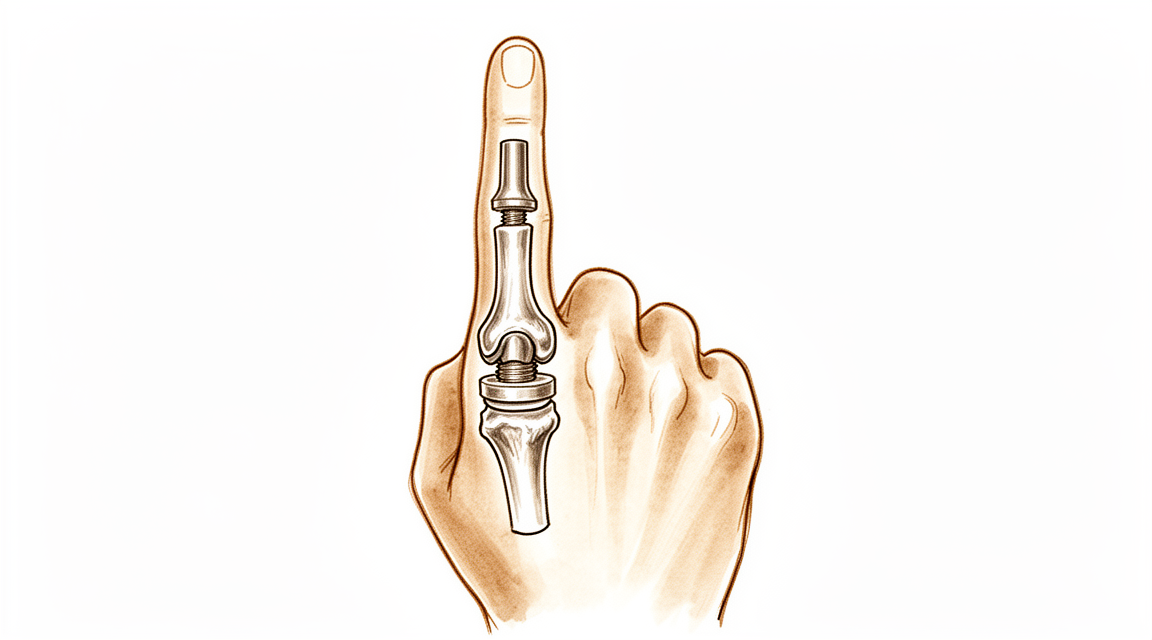
Proximal interphalangeal (PIP) joint arthroplasty is indicated for primary degenerative or post-traumatic arthritis in elderly, less-active patients to maintain motion and avoid arthrodesis [26]. Silicone implant arthroplasty remains the treatment of choice for the symptomatic osteoarthritic PIP joint [9], offering excellent functional results and patient satisfaction in the index finger [29] and serving as a good option for pain relief [30]. Surface replacement arthroplasty provides motion and stability for the index finger unattainable with silicone arthroplasty [8], with overall satisfying results [15]. Pyrocarbon implants are also utilized, with pyrocarbon hemiarthroplasty appearing as a viable alternative to total joint arthroplasty [37]. While treatment of the long finger may be a relative contraindication to PIP joint arthroplasty [5], PIP denervation offers encouraging midterm outcomes in selected patients with symptomatic osteoarthritis, with 81% of joints avoiding conversion to arthroplasty or arthrodesis over 4 years [7].
Headline outcomes vary by implant type. Silicone implants demonstrate 90% survivorship at an average of 10 years postoperatively [9]. Pyrocarbon implants show 85% survival at 5 years [31] and are associated with high patient satisfaction [31], though clinical outcomes remain variable despite substantially good survivorship [6]. Approximately 1 in 5 pyrocarbon PIP joint arthroplasties require revision surgery by 5 years, and 1 in 3 undergo more than one operation [10]. The SLFJ implant has demonstrated good pain relief, overall patient satisfaction, and maintenance of joint range of motion at minimum 2 years of follow-up [22]. The CapFlex-PIP implant demonstrates favourable medium-term results [16], and initial reports of PIP and MCP joint surface replacement implants are encouraging, with component loosening typical of earlier designs not being a problem to date [11].
Reoperations following primary nonconstrained PIP joint arthroplasties are common [1, 3], with extensor mechanism dysfunction being the most frequent cause [1]. Postoperative complications and the incidence of reoperations for surface replacement arthroplasty are noticeable and should be mentioned to patients in the preoperative setting [15]. Minimizing postoperative complications after MCP and PIP joint arthroplasty is one avenue to decrease health care costs [18]. Patients returned to work after a median of 8 weeks following PIP arthroplasty [4]. Ultimate salvage for a failed PIP joint arthroplasty may require arthrodesis or amputation [2]. Preliminary results encourage considering combining distal interphalangeal joint arthrodesis with proximal interphalangeal joint surface replacement arthroplasty to increase range of motion [12], although the authors of the study on concomitant DIP arthrodesis and PIP surface replacement no longer recommend the pyrolytic carbon implant for the treatment of osteoarthritis of the PIP joint [13]. Surface replacement arthroplasty using the SR PIP implant continues to be an option for patients with osteoarthritis of the PIP joint [33].
Anatomy & Pathophysiology
Bony Anatomy
The hand skeleton comprises 27 bones, 19 of which are long bones [47]. These bones are organized into five rays, each forming a polyarticulated chain of metacarpals and phalanges [47]. The thumb ray is the shortest, consisting of a metacarpal and two phalanges, while the other four digital rays consist of a metacarpal and three phalanges [47]. Epiphyseal plates are located at the proximal ends of the phalanges and the first metacarpal, and at the distal ends of the other metacarpals [47]. Regarding geometric characteristics, the distal articular surface of the third toe proximal phalanx more closely matched that of the finger proximal phalanx than did the toe middle phalanx distal articular surface [96].
Extensor Mechanism
The principal bony insertion of the extrinsic digital extensors is on the dorsal proximal aspect of the middle phalanx [46]. Metacarpophalangeal joint extension is provided by extrinsic extensor force transmitted through the sagittal bands, which form a sling allowing tension transmission to the proximal phalanx without a direct tendinous insertion [46]. The sagittal band fibers insert onto the volar proximal phalanx and the lateral borders of the volar plate [46]. Rupture or attenuation of these fibers permits extrinsic extensor tendon subluxation to the ulnar side of the metacarpal head, causing ulnar deviation of the finger [46].
The deep head of each dorsal interosseous muscle forms a lateral band at the metacarpophalangeal joint level [63]. This muscle flexes and weakly abducts the proximal phalanx while extending the middle and distal phalanges [63]. Oblique fibers from the lateral bands insert onto the lateral tubercles at the base of the middle phalanx to extend the proximal interphalangeal joint [63]. The lateral bands join with lateral slips of the extensor tendon to form the conjoined lateral band [63]. The two conjoined lateral bands unite at the distal third of the middle phalanx to form the terminal tendon, which inserts at the base of the distal phalanx to extend it [63]. The volar interossei form the ulnar lateral band of the index finger and the radial lateral band of the ring and little fingers, sending oblique or spiral fibers that insert onto the base of the middle phalanx at its lateral tubercle [63].
Flexor Mechanism
The flexor digitorum profundus inserts on the proximal volar aspect of the distal phalanx and flexes the distal interphalangeal, proximal interphalangeal, and metacarpophalangeal joints [46]. The flexor digitorum superficialis inserts via radial and ulnar slips into the proximal metaphysis of the middle phalanx, with its primary function being digital flexion at the proximal interphalangeal joint [69]. The fibroosseous tunnel, or digital flexor sheath, extends distally to the proximal aspect of the distal phalanx [69]. The A3 annular pulley is located over the proximal interphalangeal joint, while the A2 and A4 pulleys are the most essential in maintaining the mechanical advantage of the flexor tendons [69].
Ligaments and Stability
The volar plates are interconnected by the transverse interglenoid ligament and prevent hyperextension at the metacarpophalangeal joints [65]. The stability of the metacarpophalangeal joints is essential to the support of both the longitudinal arch and the transverse metacarpal arch [65].
Pathophysiology and Deformity
Swan neck deformity can occur after surface replacement arthroplasty of the PIP joint due to loss of palmar plate integrity following a palmar approach, while boutonniere deformity can result from loss of extensor mechanism integrity after a dorsal approach [14]. When present preoperatively, swan neck and boutonniere deformities are very difficult to correct during PIP joint implant arthroplasty [14]. Extensor mechanism dysfunction is the most frequent cause of reoperations following primary nonconstrained PIP joint arthroplasties [1]. Ultimate salvage for failed PIP joint arthroplasty may require arthrodesis or even amputation [2].
Patterns of peri-articular finger injuries differ greatly between the three finger joints, explained by the mechanism of falling and local biomechanical forces [75]. Proper biomechanics of a joint must be restored to achieve full, functional range of motion [77]. The relative motion concept harnesses normal functional anatomic relationships of the extensor digitorum communis and flexor digitorum profundus muscles to vary forces on finger joints, allowing immediate controlled active motion while reducing undesirable tension [101]. Study results identified clear patterns of motion loss associated with isolated simulated adhesions in different locations along the extensor mechanism [95].
Classification
PIP-Kellgren: A proposed functional-radiological classification system for PIP joint osteoarthritis may help stratify surgical candidates and standardize severity assessment [53].
Radiological Scoring for Bone Resorption: A radiological scoring system for bone resorption has been validated in the context of mid-term outcomes for the Self-Locking Finger Joint prosthesis [129]. In a study of 17 Self-Locking Finger Joint prostheses, 30 out of 34 implant components showed osteointegration with scores of 2 and 3 [129]. In the same study, no implant component received an osteointegration score of 0 [129].
Clinical Presentation
PIP joint arthroplasty is indicated for joints presenting with osteoarthritis destruction or post-traumatic conditions [41]. The procedure is offered for all digits, with selection depending on functional demands and pre-operative deformity [41]. Pre-requisites for successful arthroplasty include intact tendons and at least some residual joint stability [41].
Deformity and Stability Constraints
Corrections of a lateral deviation beyond 30° are difficult and likely to fail in PIP joint arthroplasty [41]. When present preoperatively, swan neck deformity and boutonniere deformity are very difficult to correct when performing PIPJ implant arthroplasty [14].
Rehabilitation Goals and Complications
The goal of index-finger rehabilitation after PIP arthroplasty is not maximum mobility but an optimized functional outcome [41]. Functional exercises with the index finger are begun later, and functional splinting is prolonged to protect the radial collateral ligament [41]. PIP joint stiffness remains an unsolved problem in hand surgery, with poor prognosis in complex cases even after complete arthrolysis and tenolysis [92]. It is common for patients to experience a prolonged duration of swelling, stiffness, and dysfunction following PIP joint sprains [91].
Investigations
Other Considerations: A proposed PIP-Kellgren functional-radiological classification system may help stratify surgical candidates and standardize severity assessment [53].
MRI: MRI is probably most useful in identifying additional pathology such as flexor tendon bowstringing [76]. It may also be helpful in providing a quantitative noninvasive measure of cellularity of affected areas, which serves as an index of biologic activity [76].
Doppler Imaging: An 8-MHz Doppler tone assessment may be used to identify superficially displaced neurovascular bundles when Dupuytren cords lie beneath soft fleshy prominences [76]. While Doppler imaging is a promising improvement for identifying palmar structures, higher resolution imaging technology is needed [76].
Treatment
Non-Operative
PIP denervation is an effective treatment for painful PIP osteoarthritis, providing lasting pain relief while conserving range of motion [137]. Anatomical findings provide a basis for procedures to denervate the PIP joint [39]. In selected patients with symptomatic PIP joint osteoarthritis, PIP denervation was associated with encouraging midterm outcomes, with 81% of joints not requiring conversion to arthroplasty or arthrodesis over a 4-year follow-up [7].
Operative
Indications: PIP joint arthroplasty is indicated for primary degenerative or post-traumatic arthritis in elderly, less-active patients to maintain motion and avoid arthrodesis [26].
Surgical Approach / Technique: Insertion of a silicone implant arthroplasty for the PIP joint can easily be performed through a lateral approach, affording early movement and few complications without leading to instability [20]. The volar approach to PIP joint silicone arthroplasty offers the advantages of maintaining the integrity of the extensor mechanism, providing pain relief, and improving postoperative range of motion with minimal complications [28]. A conservative dorsal approach for PIP joint arthroplasty conserves the extensor mechanism and collateral ligaments, facilitating post-operative rehabilitation [57]. No statistical difference exists in mean postoperative ROM, incidence of complications, or revision surgery between volar and dorsal approaches for PIP arthroplasty [51]. For surface replacement, the volar approach offers the advantage of maintaining the extensor tendon, which theoretically allows for more aggressive postoperative mobilization to potentially enhance the ROM [123]. However, the volar approach for PIP joint surface replacement is associated with risks of postoperative lateral instability, boutonniere deformity, adhesions of the flexor tendon and PIP joint contracture [123]. Conversely, the dorsal approach for PIP joint surface replacement is associated with a greater risk of extensor tendon adhesion leading to PIP joint motion restriction, possible instability in the coronal plane and ensuing swan-neck deformity [123]. Swan neck deformity can occur after surface replacement arthroplasty of the PIPJ due to loss of palmar plate integrity after the palmar approach [14]. Boutonniere deformity can occur after surface replacement arthroplasty of the PIPJ due to loss of extensor mechanism integrity after a dorsal approach [14].
Implant Selection: Silicone implant arthroplasty remains the treatment of choice for the symptomatic osteoarthritic PIP joint with an implant survivorship of 90% at an average of 10 years postoperatively [9]. It is a common and generally successful surgery for the correction of painful stiffness due to underlying arthropathy, with pain relief and patient satisfaction being generally reliable [36]. Treatment of MCP and PIP osteoarthritis with an anatomically neutral implant can provide reliable, long-term pain relief and maintenance of function [38]. Pyrocarbon PIPJ replacement is a safe and effective treatment for arthritis of the PIPJ, providing excellent pain relief and increasing the arc of motion by more than double the preoperative range [61]. Despite substantially good survivorship, clinical outcomes for PIP joint replacements with pyrocarbon implants are variable [6]. Approximately 1 in 5 PIP joint arthroplasties with a pyrocarbon implant will require revision surgery by 5 years, and 1 in 3 will undergo more than 1 operation [10]. Pyrocarbon PIPJ arthroplasty has a risk of early complications necessitating revision surgeries [23]. Based on findings from a specific study, the authors no longer recommend the pyrolytic carbon implant for the treatment of osteoarthritis of the PIPJ [13]. Surface replacement arthroplasty of the PIP joint holds promise for the future, offering motion and stability for the index finger unattainable with silicone arthroplasty [8]. The results of surface replacement arthroplasty of the PIP joint are overall satisfying; however, postoperative complications and incidence of reoperations are noticeable and should be mentioned to the patients in the preoperative setting [15]. The minimum 2 years of follow-up evaluation of the SLFJ implant PIP joint arthroplasty demonstrated good pain relief and good overall patient satisfaction while maintaining joint range of motion [22]. Initial reports of PIP and MCP joint surface replacement implants are encouraging, particularly because component loosening typical of earlier designs has not been a problem to date [11]. The revision rate for the LPM prosthesis was higher than in published series for other PIP joint implants, with close surveillance of all patients with this prosthesis currently in situ recommended [25].
Complications and Reoperations: Reoperations following primary nonconstrained PIP joint arthroplasties are common, with extensor mechanism dysfunction being the most frequent cause [1]. Periprosthetic joint infection is uncommon after MCP or PIP arthroplasties [17].
Revision: Revision arthroplasty is defined as removal of a prior arthroplasty (any implant type) and placement of a new total joint arthroplasty [56]. In a series of 75 consecutive revision PIP joint arthroplasties, the dorsal approach was used in 69 surgeries, the volar approach in 4, and the lateral approach in 2 [56].
Other Considerations: The superficialis sling (Flexor Digitorum Superficialis Tenodesis) for swan neck reconstruction may be performed through various approaches with the PIP joint positioned in 20-30 degrees of flexion [19]. Concomitant arthrodesis of the distal interphalangeal joint with surface replacement arthroplasty of the proximal interphalangeal joint is encouraged to increase range of motion following PIP joint arthroplasty, despite study limitations of small sample size and short follow-up [12]. Passive manipulation is an alternative to surgical release for select PIP joint extension contractures [136]. External fixation is a simple and effective treatment modality for chronic traumatic PIP joint contractures with good predictable medium- to long-term results [138]. Interphalangeal joint salvage arthrodesis using the Lister tubercle as bone graft can be applied to the PIP joint [105]. Total finger joint arthroplasty with a costal osteochondral autograft involves detaching the central slip at its insertion and turning it proximally for PIP joint exposure [132].
Complications
General Complication Rates and Reoperations: Postoperative complications and the incidence of reoperations following surface replacement arthroplasty of the PIP joint are noticeable and must be communicated to patients during the preoperative consultation [15]. Published complication rates range from 7% to 9% for silicone arthroplasties and up to 30% for surface replacements [55]. Correspondingly, reoperation and revision rates have been reported as 1% to 16% for silicone arthroplasties and 6% to 58% for surface replacement arthroplasties [55]. The most common complications include implant-related events such as loosening and fracture, synovitis, bony changes at the implant-bone interface, recurrent deformities or instability, stiffness, and severe pain leading to reoperation [55]. Longer follow-up and prospective randomized comparisons are required to better define rates of revision, failure, and complications [145].
Implant-Specific Complications: Silicone: With an implant survivorship of 90% at an average of 10 years postoperatively, silicone implant arthroplasty remains the treatment of choice for the symptomatic osteoarthritic PIP joint [9]. Potential complications include the risk of lateral instability and recurrence of deformity due to the non-constrained implant design [130]. Painful implant breakage was the most common reason for revision surgery in failed silicone PIP joint arthroplasty, occurring in 35% of cases [82]. Restricted active range of motion, with or without pain, was the reason for revision in 26% of failed silicone PIP joint arthroplasty cases [82]. A large ulnar deviation deformity was the primary indication for revision in 15% of failed silicone PIP joint arthroplasty cases [82]. Silicone synovitis was not observed in any of the patients in a study of revision surgery for failed silicone PIP joint arthroplasty [82].
Implant-Specific Complications: Pyrocarbon: Approximately 1 in 3 PIP joint arthroplasties with a pyrocarbon implant will undergo more than 1 operation [10]. The authors of a 2010 study no longer recommend the pyrolytic carbon implant for the treatment of osteoarthritis of the PIP joint [13]. Twenty-eight percent of patients required a second procedure and 8% required a revision arthroplasty in a study of pyrolytic carbon PIP joint arthroplasty [58]. A total of 13% of the joints required a secondary surgical procedure in a study of PIP joint pyrocarbon implants [147]. In a study of pyrolytic carbon resurfacing arthroplasty, 60 complications occurred in 28 joints, with only 3 joints free of complications [81]. In this same study, 5 implants (16%) had dislocated [81], and 4 implants (13%) had progressively subluxated but had not dislocated at the time of the final follow-up [81]. Contracture occurred in 20 of 31 joints [81], and 15 (48%) of 31 implants were loose by radiographic criteria [81]. All 5 patients who underwent arthrodesis or arthroplasty revision had grossly loose implants at the time of this surgery [81].
Implant-Specific Complications: Surface Replacement and Other Implants: The revision rate for the LPM prosthesis was higher than in published series for other PIP joint implants [25]. The revision rate of 29% and a further 20% rate of adverse clinical and radiological outcomes for the LPM PIPJ prosthesis at a maximum follow-up of 6 years is unacceptable [42]. In a study of surface replacement arthroplasty using a volar approach, the only noncemented joint demonstrated progressive subsidence of both components [21]. No coronal plane deformity or postural deformity was observed in this study [21], and good component integration and stability were observed in all 5 cemented joints [21].
Deformities and Instability: Postoperative dislocation was the second most common aetiology for border digit arthroplasty revision surgery, occurring in 6 cases [35]. In a study of multi-digit PIP joint arthroplasty during a single operation, there were 10 (7%) intraoperative fractures [48] and 2 (1%) postoperative fractures [48]. In a study of multi-digit PIP joint arthroplasty occurring on two or more different dates, there were 10 (12%) intraoperative fractures [48] and 2 (2%) postoperative fractures [48].
Infection: In a study of multi-digit PIP joint arthroplasty during a single operation, there were 4 (3%) infections [48]. In a study of multi-digit PIP joint arthroplasty occurring on two or more different dates, there were 3 (4%) infections [48]. Infection was the third most common aetiology for border digit arthroplasty revision surgery, occurring in 3 cases [35].
Revision and Salvage Outcomes: Younger age leads to higher revision rates after PIP arthroplasty, particularly in the posttraumatic setting [24]. The mean interval between primary surgery and revision was 4.0 years in a study of revision PIP joint arthroplasties [82]. In this study, patients gave an average satisfaction score of 6.5 out of 10 at follow-up [82], the mean pain level was 1.6 at follow-up [82], and patients achieved 34% in the Patient Evaluation Measure (PEM) at follow-up [82]. The active flexion of all PIP joints was 64° before the primary surgery, decreasing to 50° before the revision, and increasing to 61° at follow-up [82]. An extension lag of 14° was present before the primary surgery, which increased slightly to 17° before and after the revision [82]. The data demonstrate an increased use of primary PIPA utilization for patients with OA, whereas revision PIPA decreased [32]. In a study of border digit PIP joint arthroplasties, 20 (18%) required revision surgery [35], and 35 (18%) of the middle digits required revision surgery [35]. There was no significant increased risk of revision surgery in border digits compared to middle digits (hazard ratio 1.04, p 0.85) [35]. The average time from primary arthroplasty to revision operation in the border digit cohort was 0.7 years [35]. Border digit implant survival at 2, 5, and 10 years was 83%, 81%, and 81%, respectively [35], with no significant difference between border digits and non-border digits with respect to implant survival at any time point [35]. Multi-digit PIP joint arthroplasty occurring during a single operation demonstrated a reoperation-free survival of 68% at 5 years and 68% at 10 years [48], and a revision-free survival of 86% at 5 years and 86% at 10 years [48]. Multi-digit PIP joint arthroplasty occurring on two or more different dates demonstrated a reoperation-free survival of 68% at 5 years and 66% at 10 years [48], and a revision-free survival of 82% at 5 years and 80% at 10 years [48]. No statistical differences were found between multi-digit PIP joint arthroplasty during a single operation versus on two or more different dates in comparisons of reoperation-free survival and revision-free survival [48].
Recovery
Rehabilitation protocol: A controlled motion rehabilitation program guides occupational therapy over a twelve-week postoperative timeline [102]. This protocol promotes watchful progression toward the timely achievement of optimal PIP joint motion while protecting the extensor tendon repair [102]. Surgical approach influences early mobility; insertion of a silicone implant arthroplasty through a lateral approach affords early movement [20], whereas the volar approach to PIP surface replacement arthroplasty offers the advantage of maintaining the integrity of the extensor mechanism [21].
Other Considerations: Postoperative complications and the incidence of reoperations following surface replacement arthroplasty of the PIP joint are noticeable and should be mentioned to patients in the preoperative setting [15]. Minimizing these postoperative complications after PIP joint arthroplasty is one avenue to decrease health care costs [18].
Key Evidence
- [L4] Reoperations following primary nonconstrained PIP joint arthroplasties are common, with extensor mechanism dysfunction being the most frequent cause. [1] (10.1016/j.jhsa.2011.06.002)
- [L5] Ultimate salvage for the failed PIP joint arthroplasty may require arthrodesis or even amputation. [2] (10.1016/j.hcl.2017.12.011)
- [L4] Reoperations following primary non-constrained PIP arthroplasties are common. [3] (10.1016/s0363-5023(11)60049-x)
- [L3] Patients returned to work after a median of 8 weeks following PIP arthroplasty. [4] (10.1177/15589447221141485)
- [L1] Treatment of the long finger may be a relative contraindication to PIPJ arthroplasty. [5] (10.1177/1558944718791186)
- [L4] Despite substantially good survivorship, clinical outcomes for PIP joint replacements with pyrocarbon implants are variable. [6] (10.1302/2058-5241.2.160041)
- [L3] PIP denervation was associated with encouraging midterm outcomes in selected patients with symptomatic PIP joint osteoarthritis, with 81% of joints not requiring conversion to arthroplasty or arthrodesis over a 4-year follow-up. [7] (10.1016/j.jhsa.2026.06.006)
- [L4] Surface replacement arthroplasty of the PIP joint holds promise for the future, offering motion and stability for the index finger unattainable with silicone arthroplasty. [8] (10.1016/j.jhsa.2008.06.008)
- [L4] With an implant survivorship of 90% at average of 10 years postoperatively, silicone implant arthroplasty remains the treatment of choice for the symptomatic osteoarthritic PIP joint. [9] (10.1016/j.jhsa.2013.11.008)
- [L4] Approximately 1 in 5 PIP joint arthroplasties with a pyrocarbon implant will require revision surgery by 5 years, and 1 in 3 will undergo more than 1 operation. [10] (10.1016/j.jhsa.2018.06.020)
- [L5] Initial reports of PIP and MCP joint surface replacement implants are encouraging, particularly because component loosening typical of earlier designs has not been a problem to date. [11] (10.5435/00124635-200309000-00002)
- [L4] The authors state that their preliminary results encourage considering combining the two operations to increase range of motion following PIP joint arthroplasty, despite study limitations of small sample size and short follow-up. [12] (10.1177/1753193420954371)
- [L4] Based on these findings, the authors no longer recommend this implant for the treatment of osteoarthritis of the PIPJ. [13] (10.1016/s0363-5023(10)60073-1)
- [L4] [14] (10.1177/17531934241265837)
- [L4] The results of surface replacement arthroplasty of the PIP joint are overall satisfying; however, postoperative complications and incidence of reoperations are noticeable and should be mentioned to the patients in the preoperative setting. [15] (10.1007/s11552-009-9246-z)
- [L4] The CapFlex-PIP implant demonstrates favourable medium-term results in surface replacing arthroplasty of the proximal interphalangeal joint. [16] (10.1177/1753193420977244)
- [L4] PJI is uncommon after MCP or PIP arthroplasties. [17] (10.1016/j.jhsa.2024.12.008)
- [L3] Minimizing postoperative complications after MCP and PIP joint arthroplasty is one avenue to decrease health care costs. [18] (10.1016/j.jhsa.2019.11.002)
- [L5] The procedure may be performed through various approaches with the PIP joint positioned in 20-30 degrees of flexion. [19] (10.1016/j.jhsa.2015.07.018)
- [L4] Insertion of a silicone implant arthroplasty for the PIP joint can easily be performed through a lateral approach, affording early movement and few complications without leading to instability. [20] (10.1016/j.jhsa.2007.04.011)
- [L4] [21] (10.1016/j.jhsa.2011.03.003)
- [L4] The minimum 2 years of follow-up evaluation of the SLFJ implant PIP joint arthroplasty demonstrated good pain relief and good overall patient satisfaction while maintaining joint range of motion. [22] (10.1177/1558944717726136)
- [L3] Pyrocarbon PIPJ arthroplasty has a risk of early complications necessitating revision surgeries. [23] (10.1007/s00402-020-03592-3)
- [L3] Younger age leads higher revision rates after PIP arthroplasty, particularly in the posttraumatic setting. [24] (10.5435/jaaos-d-17-00109)
- [L4] The revision rate for the LPM prosthesis was higher than in published series for other PIP joint implants, with close surveillance of all patients with this prosthesis currently in situ recommended. [25] (10.1177/1753193407087864)
- [L4] Surface replacement arthroplasty of the PIPJ is indicated for primary degenerative or post-traumatic arthritis in elderly, less-active patients to maintain motion and avoid arthrodesis. [26] (10.1016/j.jhsa.2007.04.012)
- [L4] The volar approach to PIP joint silicone arthroplasty offers the advantages of maintaining the integrity of the extensor mechanism, providing pain relief, and improving postoperative range of motion with minimal complications. [28] (10.1016/j.jhsa.2014.03.033)
- [L4] The series shows that excellent functional results and patient satisfaction can be gained using silastic PIP joint arthroplasty in the index finger. [29] (10.1177/1558944720921468)
- [L4] Silicone arthroplasty for osteoarthritis of the PIP remains a good option for pain relief. [30] (10.1177/1558944718769427)
- [L4] The survival of pyrocarbon PIP joint arthroplasty was 85% at 5 years of follow-up, with high patient satisfaction. [31] (10.1016/j.jhsa.2012.02.012)
- [L4] The data demonstrate an increased use of primary PIPA utilization for patients with OA, whereas revision PIPA decreased. [32] (10.1177/1558944719837009)
- [L4] Surface replacement arthroplasty using the SR PIP implant continues to be an option for patients with osteoarthritis of the PIP joint. [33] (10.1016/j.jhsa.2014.11.015)
- [L4] [35] (10.1177/1753193420926127)
- [L4] Silicone implant arthroplasty of the PIP joint remains a common and generally successful surgery for the correction of painful stiffness due to underlying arthropathy, with pain relief and patient satisfaction being generally reliable. [36] (10.1016/j.jhsa.2007.04.013)
- [L4] Pyrocarbon hemiarthroplasty appears to be a viable alternative to total joint arthroplasty in the treatment of PIP joint arthritis. [37] (10.1016/j.jhsa.2014.12.016)
- [L4] Treatment of MCP and PIP osteoarthritis with an anatomically neutral implant can provide reliable, long-term pain relief and maintenance of function. [38] (10.1016/j.jhsa.2008.11.005)
- [L5] These findings provide an anatomical basis for procedures to denervate the PIP joint. [39] (10.1016/j.jhsa.2018.07.014)
- [L5] [41] (10.1302/2058-5241.4.180042)
- [L4] The revision rate of 29% and a further 20% rate of adverse clinical and radiological outcomes for the LPM PIPJ prosthesis at a maximum follow-up of 6 years is unacceptable. [42] (10.1177/1753193408094920)
- [L4] [48] (10.1177/1753193418765691)
- [L3] The study identified no statistical difference in mean postoperative ROM, incidence of complications, or revision surgery between volar and dorsal approaches for PIP arthroplasty. [51] (10.1177/1558944719861718)
- [L4] The proposed PIP-Kellgren functional-radiological classification system may help stratify surgical candidates and standardize severity assessment. [53] (10.1016/j.jhsg.2025.100911)
- [L1] [55] (10.1177/1753193418770606)
- [L3] [56] (10.1016/j.jhsa.2015.05.015)
- [L4] [57] (10.1054/jhsb.2000.0541)
- [L4] Twenty-eight percent of patients required a second procedure and 8% required a revision arthroplasty. [58] (10.1016/j.jhsa.2006.10.017)
- [L4] Pyrocarbon PIPJ replacement is a safe and effective treatment for arthritis of the PIPJ, providing excellent pain relief and increasing the arc of motion by more than double the preoperative range. [61] (10.1177/1753193411434053)
- [L4] The patterns of peri-articular finger injuries differ greatly between the three finger joints, explained by the mechanism of falling and local biomechanical forces. [75] (10.1177/17531934251381203)
- [L5] Proper biomechanics of a joint must be restored to achieve full, functional range of motion. [77] (10.1016/j.hcl.2017.12.008)
- [L4] [81] (10.2106/jbjs.j.00832)
- [L4] [82] (10.1016/j.jhsa.2013.11.035)
- [L4] It is common for patients to experience a prolonged duration of swelling, stiffness, and dysfunction following PIP joint sprains. [91] (10.1016/j.jhsa.2023.01.025)
- [L5] PIP joint stiffness remains an unsolved problem in hand surgery, with poor prognosis in complex cases even after complete arthrolysis and tenolysis. [92] (10.1177/17531934221143690)
- [L5] The results of this study identified clear patterns of motion loss that are associated with isolated simulated adhesions in different locations along the extensor mechanism. [95] (10.1016/j.jhsa.2018.12.011)
- [L4] The third toe proximal phalanx distal articular surface more closely matched the geometric characteristics of the finger proximal phalanx distal articular surface than did the toe middle phalanx distal articular surface. [96] (10.1016/j.jhsa.2011.01.047)
- [L5] The relative motion concept harnesses normal functional anatomic relationships of the EDC and FDP muscles to vary forces on finger joints, allowing immediate controlled active motion while reducing undesirable tension. [101] (10.1016/j.jht.2022.12.006)
- [L5] This controlled motion rehabilitation program has been useful in our practice to help guide occupational therapy over a twelve-week postoperative timeline in a manner that is simple and promotes watchful progression to the timely achievement of optimal PIP joint motion while protecting the extensor tendon repair. [102] (10.1016/j.jht.2019.04.003)
- [L4] [105] (10.1016/j.jhsa.2012.05.043)
- [L4] [123] (10.1177/1753193419891382)
- [L4] [129] (10.1177/17531934251414329)
- [L4] [130] (10.1177/17531934231156073)
- [L4] [132] (10.1177/1753193418806195)
- [L4] Passive manipulation is an alternative to surgical release for select PIP joint extension contractures. [136] (10.1016/j.jhsa.2022.01.023)
- [L4] Denervation is an effective treatment for painful PIP osteoarthritis, providing lasting pain relief while conserving range of motion. [137] (10.1016/j.otsr.2021.102976)
- [L4] External fixation is a simple and effective treatment modality for chronic traumatic PIP joint contractures with good predictable medium- to long-term results. [138] (10.1016/j.jhsa.2013.07.007)
- [L4] Longer follow-up and prospective randomized comparisons are needed to better define rates of revision, failure, and complications. [145] (10.1016/j.jhsa.2010.04.005)
- [L4] A total of 13% of the joints required a secondary surgical procedure. [147] (10.1016/j.jhsa.2009.08.010)
See Also
References
[1] Reoperations Following Proximal Interphalangeal Joint Nonconstrained Arthroplasties. The Journal of Hand Surgery. 2011. DOI: 10.1016/j.jhsa.2011.06.002
[2] Salvaging a Failed Proximal Interphalangeal Joint Implant. Hand Clinics. 2018. DOI: 10.1016/j.hcl.2017.12.011
[3] Reoperations following Proximal Interphalangeal Joint Unconstrained Arthroplasty. The Journal of Hand Surgery. 2011. DOI: 10.1016/s0363-5023(11)60049-x
[4] Type of Work and Preoperative Ability to Perform Work Affect Return to Usual Work Following Proximal Interphalangeal Joint Arthroplasty for Osteoarthritis. HAND. 2022. DOI: 10.1177/15589447221141485
[5] Prosthetic Arthroplasty of Proximal Interphalangeal Joints for Treatment of Osteoarthritis and Posttraumatic Arthritis: Systematic Review and Meta-Analysis Comparing the Three Ulnar Digits With the Index Finger. HAND. 2018. DOI: 10.1177/1558944718791186
[6] Proximal interphalangeal (PIP) joint replacements with pyrolytic carbon implants in the hand. EFORT Open Reviews. 2017. DOI: 10.1302/2058-5241.2.160041
[7] Is PIP Denervation for Osteoarthritis a Durable Solution? Results from a Multicenter Outcome Study. The Journal of Hand Surgery. 2026. DOI: 10.1016/j.jhsa.2026.06.006
[8] Surface Replacement Arthroplasty of the Proximal Interphalangeal Joint Using the PIP-SRA Implant: Results, Complications, and Revisions. The Journal of Hand Surgery. 2008. DOI: 10.1016/j.jhsa.2008.06.008
[9] Long-Term Results of Swanson Silicone Arthroplasty for Proximal Interphalangeal Joint Osteoarthritis. The Journal of Hand Surgery. 2014. DOI: 10.1016/j.jhsa.2013.11.008
[10] Medium-Term Outcomes With Pyrocarbon Proximal Interphalangeal Arthroplasty: A Study of 170 Consecutive Arthroplasties. The Journal of Hand Surgery. 2018. DOI: 10.1016/j.jhsa.2018.06.020
[11] New-Generation Implant Arthroplasties of the Finger Joints. Journal of the American Academy of Orthopaedic Surgeons. 2003. DOI: 10.5435/00124635-200309000-00002
[12] Concomitant arthrodesis of the distal interphalangeal joint with surface replacement arthroplasty of the proximal interphalangeal joint: a comparative study in 11 patients. Journal of Hand Surgery (European Volume). 2020. DOI: 10.1177/1753193420954371
[13] Pyrolytic Carbon Arthroplasty of the PIP Joint: Not all it's Cracked up to be. The Journal of Hand Surgery. 2010. DOI: 10.1016/s0363-5023(10)60073-1
[14] Proximal interphalangeal joint arthroplasty: current trends and evidence-based practice. Journal of Hand Surgery (European Volume). 2024. DOI: 10.1177/17531934241265837
[15] Proximal Interphalangeal Joint Replacement with Surface Replacement Arthroplasty (SR–PIP): Functional Results and Complications. HAND. 2009. DOI: 10.1007/s11552-009-9246-z
[16] Surface replacing arthroplasty of the proximal interphalangeal joint using the CapFlex-PIP implant: a prospective study with 5-year outcomes. Journal of Hand Surgery (European Volume). 2020. DOI: 10.1177/1753193420977244
[17] Incidence and Presentation of Periprosthetic Joint Infection After Primary Metacarpophalangeal and Proximal Interphalangeal Arthroplasty. The Journal of Hand Surgery. 2025. DOI: 10.1016/j.jhsa.2024.12.008
[18] National Prevalence of Complications and Cost of Small Joint Arthroplasty for Hand Osteoarthritis and Post-Traumatic Arthritis. The Journal of Hand Surgery. 2020. DOI: 10.1016/j.jhsa.2019.11.002
[19] Superficialis Sling (Flexor Digitorum Superficialis Tenodesis) for Swan Neck Reconstruction. The Journal of Hand Surgery. 2015. DOI: 10.1016/j.jhsa.2015.07.018
[20] Lateral Approach to Proximal Interphalangeal Joint Implant Arthroplasty. The Journal of Hand Surgery. 2007. DOI: 10.1016/j.jhsa.2007.04.011
[21] Surface Replacement Arthroplasty of the Proximal Interphalangeal Joint Using a Volar Approach: Case Series. The Journal of Hand Surgery. 2011. DOI: 10.1016/j.jhsa.2011.03.003
[22] Outcomes of Surface Replacement Proximal Interphalangeal Joint Arthroplasty Using the Self Locking Finger Joint Implant: Minimum Two Years Follow-up. HAND. 2017. DOI: 10.1177/1558944717726136
[23] Outcome of proximal interphalangeal joint replacement with pyrocarbon implants: a long-term longitudinal follow-up study. Archives of Orthopaedic and Trauma Surgery. 2020. DOI: 10.1007/s00402-020-03592-3
[24] Proximal Interphalangeal Joint Arthroplasty in Young Patients. Journal of the American Academy of Orthopaedic Surgeons. 2019. DOI: 10.5435/jaaos-d-17-00109
[25] TWO TO FIVE YEAR FOLLOW-UP OF THE LPM CERAMIC COATED PROXIMAL INTERPHALANGEAL JOINT ARTHROPLASTY. Journal of Hand Surgery (European Volume). 2008. DOI: 10.1177/1753193407087864
[26] Surface Replacement Arthroplasty of the Proximal Interphalangeal Joint. The Journal of Hand Surgery. 2007. DOI: 10.1016/j.jhsa.2007.04.012
[28] Silicone Proximal Interphalangeal Joint Arthroplasty for Primary Osteoarthritis Using a Volar Approach. The Journal of Hand Surgery. 2014. DOI: 10.1016/j.jhsa.2014.03.033
[29] The Long-term Results of Proximal Interphalangeal Joint Arthroplasty of the Osteoarthritic Index Finger. HAND. 2020. DOI: 10.1177/1558944720921468
[30] Proximal Interphalangeal Joint Silicone Arthroplasty for Osteoarthritis: Midterm Outcomes. HAND. 2018. DOI: 10.1177/1558944718769427
[31] Pyrocarbon Proximal Interphalangeal Joint Arthroplasty: Minimum Two-Year Follow-Up. The Journal of Hand Surgery. 2012. DOI: 10.1016/j.jhsa.2012.02.012
[32] Trends in Primary Proximal Interphalangeal Joint System and Revisions for Osteoarthritis of the Hand in the Medicare Database. HAND. 2019. DOI: 10.1177/1558944719837009
[33] Surface Replacement Arthroplasty of the Proximal Interphalangeal Joint Using the SR PIP Implant: Long-Term Results. The Journal of Hand Surgery. 2015. DOI: 10.1016/j.jhsa.2014.11.015
[35] Results of proximal interphalangeal arthroplasty: border digits versus middle digits. Journal of Hand Surgery (European Volume). 2020. DOI: 10.1177/1753193420926127
[36] The Dorsal Approach to Silicone Implant Arthroplasty of the Proximal Interphalangeal Joint. The Journal of Hand Surgery. 2007. DOI: 10.1016/j.jhsa.2007.04.013
[37] Pyrolytic Carbon Hemiarthroplasty in the Management of Proximal Interphalangeal Joint Arthritis. The Journal of Hand Surgery. 2015. DOI: 10.1016/j.jhsa.2014.12.016
[38] Anatomically Neutral Silicone Small Joint Arthroplasty for Osteoarthritis. The Journal of Hand Surgery. 2009. DOI: 10.1016/j.jhsa.2008.11.005
[39] Innervation of the Proximal Interphalangeal Joint: An Anatomical Study. The Journal of Hand Surgery. 2019. DOI: 10.1016/j.jhsa.2018.07.014
[41] The proximal interphalangeal joint: arthritis and deformity. EFORT Open Reviews. 2019. DOI: 10.1302/2058-5241.4.180042
[42] A Report on the Early Failure of the LPM Proximal Interphalangeal Joint Replacement. Journal of Hand Surgery (European Volume). 2008. DOI: 10.1177/1753193408094920
[46] A Lange Medical Book Current Diagnosis Treatment In Orthopedics Fifth Edition. 9Hand Surgery > Image DISORDERS OF THE MUSCULATURE OF THE HAND.
[47] Exam Of The Hand Wrist 2Ed. 1.1 SKELETON OF THE HAND > The osseous skeleton.
[48] Impact of multi- versus single finger proximal interphalangeal joint arthroplasty: analysis of 249 fingers treated in 15 years. Journal of Hand Surgery (European Volume). 2018. DOI: 10.1177/1753193418765691
[51] Comparison of Volar and Dorsal Approach for PIP Arthroplasty. HAND. 2019. DOI: 10.1177/1558944719861718
[53] Short-Term Outcomes of Digitalis Silicone Implant for Proximal Interphalangeal Joint Osteoarthritis and a Proposed Functional-Radiological Classification. Journal of Hand Surgery Global Online. 2026. DOI: 10.1016/j.jhsg.2025.100911
[55] Complications, reoperations and revisions after proximal interphalangeal joint arthroplasty: a systematic review and meta-analysis. Journal of Hand Surgery (European Volume). 2018. DOI: 10.1177/1753193418770606
[56] Revision Proximal Interphalangeal Arthroplasty: An Outcome Analysis of 75 Consecutive Cases. The Journal of Hand Surgery. 2015. DOI: 10.1016/j.jhsa.2015.05.015
[57] A Conservative Approach for Proximal Interphalangeal Joint Arthroplasty. Journal of Hand Surgery. 2001. DOI: 10.1054/jhsb.2000.0541
[58] Pyrolytic Carbon Proximal Interphalangeal Joint Arthroplasty: Results With Minimum Two-Year Follow-Up Evaluation. The Journal of Hand Surgery. 2007. DOI: 10.1016/j.jhsa.2006.10.017
[61] Pyrocarbon proximal interphalangeal joint arthroplasty: outcomes of a cohort study. Journal of Hand Surgery (European Volume). 2011. DOI: 10.1177/1753193411434053
[63] Green S Operative Hand Surgery. Interosseous and Hypothenar Muscles.
[65] Exam Of The Hand Wrist 2Ed. The arches of the hand > The metacarpal arch.
[69] A Lange Medical Book Current Diagnosis Treatment In Orthopedics Fifth Edition. 9Hand Surgery > FLEXOR TENDON INJURY.
[75] Is there a difference in the types of injuries occurring around each finger joint after a fall?. Journal of Hand Surgery (European Volume). 2025. DOI: 10.1177/17531934251381203
[76] Dupuytren S Disease And Related Hyperproliferative Disorders. 54. The Future of Dupuytren’s Research and Treatment > 54.4 Mechanical Measurements and Procedures > 54.4.4 Imaging.
[77] Advances in Proximal Interphalangeal Joint Arthroplasty. Hand Clinics. 2018. DOI: 10.1016/j.hcl.2017.12.008
[81] Pyrolytic Carbon Resurfacing Arthroplasty for Osteoarthritis of the Proximal Interphalangeal Joint of the Finger. Journal of Bone and Joint Surgery. 2011. DOI: 10.2106/jbjs.j.00832
[82] Revision Arthroplasty for Failed Silicone Proximal Interphalangeal Joint Arthroplasty: Indications and 8-Year Results. The Journal of Hand Surgery. 2014. DOI: 10.1016/j.jhsa.2013.11.035
[91] Swelling, Stiffness, and Dysfunction Following Proximal Interphalangeal Joint Sprains. The Journal of Hand Surgery. 2024. DOI: 10.1016/j.jhsa.2023.01.025
[92] The stiff proximal interphalangeal joint – an unsolved problem?. Journal of Hand Surgery (European Volume). 2023. DOI: 10.1177/17531934221143690
[95] The Effect of Extensor Tendon Adhesions on Finger Motion. The Journal of Hand Surgery. 2019. DOI: 10.1016/j.jhsa.2018.12.011
[96] Structural Comparison of the Finger Proximal Interphalangeal Joint Surfaces and Those of the Third Toe: Suitability for Joint Reconstruction. The Journal of Hand Surgery. 2011. DOI: 10.1016/j.jhsa.2011.01.047
[101] A commentary from the pioneers on the innovation of the relative motion concept: History, biologic considerations, and anatomic rationale. Journal of Hand Therapy. 2023. DOI: 10.1016/j.jht.2022.12.006
[102] A new controlled motion program for rehabilitation of the proximal interphalangeal joint arthroplasty. Journal of Hand Therapy. 2021. DOI: 10.1016/j.jht.2019.04.003
[105] Interphalangeal Joint Salvage Arthrodesis Using the Lister Tubercle as Bone Graft. The Journal of Hand Surgery. 2012. DOI: 10.1016/j.jhsa.2012.05.043
[123] Comparison of outcomes of three surgical approaches for proximal interphalangeal joint arthroplasty using a surface-replacing implant. Journal of Hand Surgery (European Volume). 2019. DOI: 10.1177/1753193419891382
[129] Proximal interphalangeal joint replacement with the Self-Locking Finger Joint prosthesis: mid-term outcomes and validation of a radiological scoring system for bone resorption. Journal of Hand Surgery (European Volume). 2026. DOI: 10.1177/17531934251414329
[130] Shifting the paradigm: ankylosis arthroplasty for the proximal interphalangeal joint with a novel collateral ligament reconstruction. Journal of Hand Surgery (European Volume). 2023. DOI: 10.1177/17531934231156073
[132] Total finger joint arthroplasty with a costal osteochondral autograft: up to 11 years of follow-up. Journal of Hand Surgery (European Volume). 2018. DOI: 10.1177/1753193418806195
[136] Passive Manipulation for Proximal Interphalangeal Joint Extension Contractures. The Journal of Hand Surgery. 2023. DOI: 10.1016/j.jhsa.2022.01.023
[137] Denervation of the proximal interphalangeal joint: Results from 54 cases in 42 patients. Orthopaedics & Traumatology: Surgery & Research. 2021. DOI: 10.1016/j.otsr.2021.102976
[138] Distraction for Proximal Interphalangeal Joint Contractures: Long-Term Results. The Journal of Hand Surgery. 2013. DOI: 10.1016/j.jhsa.2013.07.007
[145] Proximal Interphalangeal Joint Prosthetic Arthroplasty. The Journal of Hand Surgery. 2010. DOI: 10.1016/j.jhsa.2010.04.005
[147] Outcomes of Proximal Interphalangeal Joint Pyrocarbon Implants. The Journal of Hand Surgery. 2010. DOI: 10.1016/j.jhsa.2009.08.010