Clinicians › Shoulder
Bones & Joints
Anatomy and kinematics of the glenohumeral, acromioclavicular, sternoclavicular, and scapulothoracic joints and their role in shoulder girdle dysfunction.
Overview
Glenohumeral joint preservation aims to delay the need for prosthetic shoulder arthroplasty, a strategy supported by clinical experience showing many patients achieve satisfactory outcomes [1]. However, the long-term efficacy of these preservation techniques remains unknown [1]. Joint-preserving procedures for focal chondral defects have demonstrated reasonable outcomes, though the progression of osteoarthritis remains a persistent concern and long-term data are lacking [15]. While positive clinical outcomes are seen with various surgical techniques for articular cartilage defects in non-weightbearing joints, evidence specific to the shoulder is often limited to retrospective case series [16]. In well-selected patients with grade IV osteochondral lesions, arthroscopic debridement provides significant improvements in pain relief and function [48]. As research into cuff tear arthropathy continues, existing indications and treatment algorithms will be further refined [59].
Cartilage restoration strategies, including microfracture, yield mixed results. While some patients experience improved function and reduced pain [163], 21.4% require conversion to arthroplasty within 10 years [7], and up to 25% may require conversion in smaller series [163]. Between 33% and 42% of patients are considered to have potential clinical failure following microfracture [7]. Poor clinical outcomes are observed in patients converted to total shoulder arthroplasty after failed biological resurfacing, suggesting that total shoulder arthroplasty may be the preferred primary procedure for young patients with severe glenohumeral arthritis [34]. Mid to long-term data are required to evaluate osteoarthritic rates following minced cartilage implantation [11]. Arthroscopic management is an effective treatment for primary synovial chondromatosis, offering low morbidity and early functional return [8].
Instability management presents distinct challenges. Neither free bone graft transfer nor the Latarjet procedure prevents the progression of instability arthropathy, despite comparable success in joint stabilization [5]. In patients with minimal preoperative glenoid bone loss (<5%), the coracoid graft remains present in 97% of cases at a mean follow-up of 8 years after Latarjet [31]. For recurrent and disabling posterior subluxation, operative procedures achieve substantial improvement in approximately 90% of patients [18]. Conversely, pain remains unremitting in 50% of patients with multidirectional instability treated with soft tissue stabilization, potentially necessitating glenohumeral arthrodesis as a last option [61]. Specific operative procedures based on MRI findings provide satisfactory outcomes for chronic traumatic anterior sternoclavicular joint instability [27].
Arthrodesis considerably alleviates pain and provides acceptable function and satisfaction in selected patients [56]. However, hardware such as screws and staples can produce complications requiring reoperation and may cause permanent loss of joint function [30]. Arthroscopic outside-in shoulder release is safe and effective when guidelines are followed, allowing subsequent access to the glenohumeral joint in most cases [24]. Although subscapularis-sparing total shoulder arthroplasty achieves anatomic restoration, retained osteophytes and significant humeral head diameter mismatch raise concerns regarding long-term outcomes [167]. Due to limited evidence of superior clinical outcome, the advantages and complications of clavicle reconstruction should be carefully discussed with patients [166]. There are no evidence-based national guidelines for the management of shoulder osteoarthritis, and the gold standard treatment is stated to be regeneration of articular cartilage [28].
Anatomy & Pathophysiology
Bony Anatomy
The clavicle is the first bone to ossify, occurring at the fifth week of gestation, and is the only long bone to ossify by intramembranous ossification [76, 82]. Its primary blood supply is periosteal, with no nutrient artery present [76, 82]. The medial (sternal) epiphysis is the last ossification center to fuse, occurring at age 20 to 25 years [76].
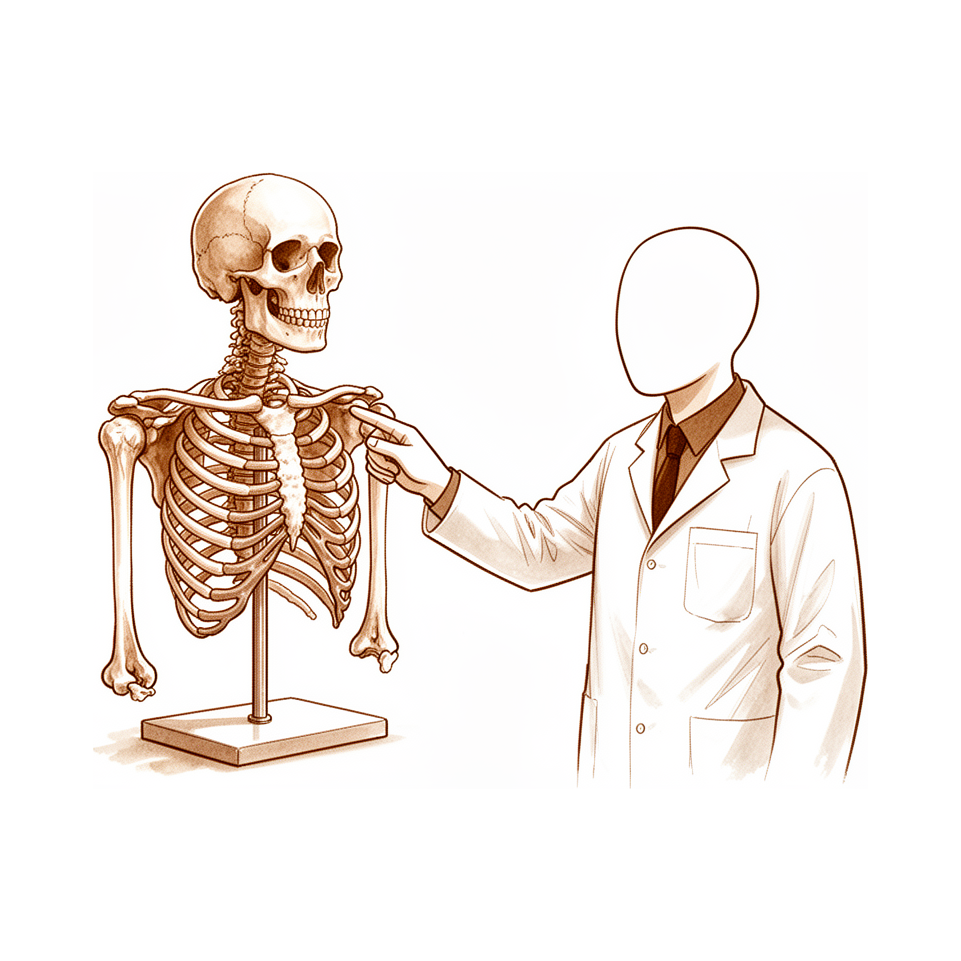
The scapula spans the second through seventh ribs and serves as an attachment for 17 muscles [91]. Ossification of the scapular body begins at the eighth week of gestation [76]. The scapula is anteverted on the chest wall approximately 30 degrees relative to the body [91]. It is attached to the axial skeleton by the acromioclavicular (AC) and sternoclavicular (SC) joints [75]. The scapula is separated from the chest wall by thin gliding fibro-fatty tissue, allowing smooth excursion over the chest wall [75]. The basic part of the scapula is the body, which is triangular when viewed anteroposteriorly [75]. The glenoid is connected with the flat body of the scapula by the scapular neck [75]. The coracoid process curves forwards from the superior surface of the scapular neck [75]. The scapular spine ends in a flattened bony process, the acromion, which curves forwards [75].
The acromion has three ossification centers: the metacromion (base), the mesoacromion (middle), and the preacromion (tip) [76]. Failure of fusion of the acromial ossification centers results in os acromiale [76]. The highest concentration of bony mass in the scapula is located in the glenoid, the scapular neck (including the base of the coracoid process), and the lateral border of the scapular body [75]. Two bony pillars extend between the glenoid and the scapular body to transmit compressive forces from the glenoid fossa [75]. The lateral pillar connects the inferior border of the glenoid with the inferior angle [75]. The spinal pillar arises from the central part of the glenoid and continues medially to become part of the base of the scapular spine [75]. The weakest bone in the scapula is located primarily in the central part of the biomechanical body, specifically in the infraspinous fossa [75]. The weakest area of the circumference of the biomechanical body of the scapula is the spinomedial angle [75]. In most scapular body fractures, one of the main fracture lines passes through the spinomedial angle [75].
The glenoid is a convex structure of shallow depth shaped like an inverted pear [72]. The glenoid cavity is a shallow socket, approximately one third the size of the humeral head [74]. The subchondral bone of the glenoid is relatively flat, and the articular concavity is augmented by cartilage and a circumferential labrum [76]. The glenoid averages 5° of retroversion in relation to the axis of the scapular body [76].
The proximal humerus has three centers of ossification: the humeral head (4 to 6 months), the greater tuberosity (1 to 3 years), and the lesser tuberosity (3 to 5 years) [76]. The proximal humeral ossification centers fuse to the shaft at age 17 to 20 years [76]. The humeral head averages 19° of retroversion and 41° of inclination (neck-shaft angle) [76]. The articular head of the proximal humerus is spherical and has a diameter of 37 to 57 mm [72]. The most superior portion of the articular surface of the humeral head averages 8 mm above the greater tuberosity [72]. The humeral version averages 29.8 degrees, with a range of 10 to 55 degrees [72]. The humeral head is inclined approximately 130 degrees with respect to the humeral shaft [72]. The neck-shaft angle measures an average of 135 degrees [74]. The humeral head is retroverted an average of 30 degrees [74].
The bicipital groove lies between the greater and lesser tuberosities and serves as a pathway for the long head of the biceps [72]. The distal aspect of the bicipital groove is internally rotated with respect to the proximal portion [72]. The anatomic neck of the proximal humerus is located at the junction of the articular surface and the tuberosities [72]. The surgical neck represents an indistinct region (metadiaphyseal junction) below the tuberosities but above the humeral shaft [72]. The greater tuberosity serves as the attachment site for the supraspinatus, infraspinatus, and teres minor tendons [72, 74]. The lesser tuberosity serves as the attachment site for the subscapularis tendon [72, 74].
The humeral shaft extends from the level of the insertion of the pectoralis major muscle proximally to the supracondylar ridge distally [74]. The upper portion of the humeral shaft is cylindrical and becomes more flattened in an anteroposterior direction as it proceeds distally [74]. Medial and lateral intermuscular septae divide the arm into anterior and posterior compartments [74]. The anterior compartment of the arm contains the biceps brachii, coracobrachialis, and brachialis muscles, along with the neurovascular bundle [74]. The posterior compartment of the arm contains the triceps brachii muscle and the radial nerve [74].
Joints and Ligaments
The sternoclavicular (SC) joint is the only true diarthrodial articulation between the upper appendicular and axial skeletons [76]. It is a double gliding joint with an articular disc [91]. The posterior SC joint capsule and ligaments are the primary stabilizers to anterior and posterior translation of the medial clavicle [76]. The posterior sternoclavicular ligament is the strongest and primary restraint to anteroposterior instability of the SC joint [91]. The SC joint rotates 30 degrees with shoulder motion [91].
The AC joint is a small diarthrodial joint with an interposed fibrocartilaginous disk [76]. It is a plane/gliding joint with a fibrocartilaginous disc [91]. The superior and posterior AC ligaments are the primary stabilizers to anterior and posterior (horizontal) translation of the clavicle [76]. The AC ligaments prevent anteroposterior displacement of the clavicle [91]. The posterior and superior AC ligaments are considered the strongest [91].
The coracoclavicular ligaments (conoid: medial; trapezoid: lateral) are the primary stabilizers to superior (vertical) translation of the distal clavicle [76, 82]. They prevent superior displacement of the distal clavicle [91]. The trapezoid ligament is located approximately 25 mm from the AC joint [91]. The conoid ligament is located approximately 45 mm from the AC joint and is stronger than the trapezoid ligament [91].
The superior shoulder suspensory complex (SSSC) provides a stable connection between the scapula and the axial skeleton [76]. The SSSC is a bone–soft-tissue ring that provides a stable connection of the glenoid and scapula to the clavicle [82]. It is composed of the glenoid, the coracoid process, the coracoclavicular ligaments, the distal clavicle, the AC joint, and the acromion [76]. Specifically, it comprises four bony landmarks—distal clavicle, acromion, coracoid process, and glenoid neck—and the supporting ligamentous complexes of the AC joint and the CC ligaments [82].
The glenohumeral joint is a ball and socket joint with the greatest range of motion in the body [91]. Motion of the glenohumeral joint is at the expense of stability, which is provided by static and dynamic restraints [91]. The glenohumeral joint depends on static and dynamic stabilizers for movement and stability [86]. Static stabilizers of the glenohumeral joint include articular congruity, the glenoid labrum, concavity-compression, negative intra-articular pressure, and the glenohumeral capsule and ligaments [76]. Static restraints of the glenohumeral joint include articular anatomy, glenoid labrum, glenohumeral ligaments, capsule, and negative intraarticular pressure [91]. Dynamic stabilizers of the glenohumeral joint include the rotator cuff and biceps tendon [91]. The rotator cuff stabilizes the glenohumeral joint via joint compression [76]. Scapulothoracic mechanics contribute to stability of the glenohumeral joint [91].
The shoulder joint is composed of four articulations: the sternoclavicular, acromioclavicular, glenohumeral, and scapulothoracic [87]. Normal function of the shoulder is a balance between mobility and stability [87]. Mobility is allowed by the “large ball–small socket” bony arrangement and the voluminous glenohumeral joint capsule [87]. The bony anatomy contributes little to stability of the shoulder [87]. The ligamentous constraints are the primary stabilizers at extremes of motion [87].
The glenoid labrum provides concavity and up to 50% of marginal glenoid socket depth [76]. The fibrocartilaginous glenoid labrum deepens the socket by 50% around the humeral head and increases stability [87]. The glenoid articular surface and the labrum combine to create a socket that is approximately 9 mm deep in the superoinferior direction and 5 mm deep in the anteroposterior direction [87]. Adding the glenoid labrum increases the glenoid surface to 75% of the humeral head vertically and 57% horizontally [87]. Labral anatomic variants include the sublabral foramen (anterosuperior) and Buford complex (absence of anterosuperior labrum and cordlike middle glenohumeral ligament) [91]. Repairing an anterosuperior labral variant may cause loss of external rotation [91].
The rotator interval is defined medially by the base of the coracoid, superiorly by the supraspinatus tendon, and inferiorly by the subscapularis tendon [76]. The rotator interval contains the coracohumeral (CH) ligament, the superior glenohumeral ligament (SGHL), and the intra-articular portion of the long head of the biceps tendon [76]. Laxity of the rotator interval results in inferior laxity (the sulcus sign) [76]. Contracture of the rotator interval is seen with adhesive capsulitis [76]. Tightening of the rotator interval decreases posterior and inferior translation [87].
The CH ligament restricts external rotation in adduction and is a static restraint to inferior and posterior translation in adduction and external rotation [76]. The CH ligament restrains inferior translation and external rotation of the adducted arm [91]. The SGHL is a primary static restraint against anterior translation with the arm at the side [76]. The SGHL restrains external rotation and inferior translation of the adducted or slightly abducted arm [91]. With the CH ligament, the SGHL forms a pulley that provides restraint against medial subluxation of the long head of the biceps tendon [76]. The SGHL is the primary restraint to inferior humeral subluxation in 0 degrees of abduction [87]. The SGHL is the primary stabilizer to anterior and posterior stress in 0 degrees of abduction [87].
The middle glenohumeral ligament (MGHL) is a primary static restraint against anterior translation with the arm in external rotation and 45° of abduction [76]. The MGHL restrains anterior translation with the arm abducted to 45 degrees [91]. The MGHL limits external rotation when the arm is in the lower and middle ranges of abduction [87]. The MGHL has little effect when the arm is in 90 degrees of abduction [87]. The MGHL is absent in up to 30% of shoulders [91].
The anterior band of the inferior glenohumeral ligament (AB-IGHL) is a primary static restraint against anterior-inferior dislocation of the glenohumeral joint in 90° of abduction and external rotation [76]. The inferior glenohumeral ligament, anterior band, restrains anterior and inferior translation with the arm externally rotated and abducted to 90 degrees [91]. The posterior band of the IGHL (PB-IGHL) is a primary static restraint against posterior-inferior translation in internal rotation and adduction [76]. The inferior glenohumeral ligament, posterior band, restrains posterior and inferior translation with the arm internally rotated and abducted to 90 degrees [91]. The inferior glenohumeral ligament is composed of an anterior band, a posterior band, and a thinner intervening axillary pouch, creating a hammock-type sling [87]. With external rotation, the hammock slides anteriorly and superiorly, the anterior band tightens, and the posterior band fans out [87]. With internal rotation, the opposite occurs to the inferior glenohumeral ligament bands [87]. The anteroinferior glenohumeral ligament complex is the main stabilizer to anterior and posterior stresses when the shoulder is abducted 45 degrees or more [87].
The superior transverse scapular ligament arises from the medial base of the coracoid overlying the suprascapular notch [76]. The suprascapular artery runs superior to the superior transverse scapular ligament, and the nerve runs deep to the ligament [76]. Entrapment of the suprascapular nerve at the superior transverse scapular ligament causes denervation of both the supraspinatus and the infraspinatus [76]. The spinoglenoid ligament overlies the suprascapular nerve at the spinoglenoid notch [76]. Entrapment, traction, or compression of the suprascapular nerve at the spinoglenoid notch causes denervation of the infraspinatus [76].
The coracoacromial ligament contributes to anterosuperior stability in rotator cuff deficiency and should be preserved with irreparable cuff tears to prevent anterosuperior escape [91].
The extrinsic muscles of the shoulder primarily control movement of the scapula and include the rhomboids, levator scapulae, trapezius, and serratus anterior [87]. The intrinsic muscles control the glenohumeral joint and include the rotator cuff muscles, deltoid, pectoralis major, teres major, latissimus dorsi, and biceps brachii [87]. Extrinsic muscles dynamically position the scapula to place the glenoid opposite the humeral head as the shoulder moves [87]. Ligament stiffness and torsional rigidity are increased with concomitant muscle activity [87]. Rotator cuff activity and biceps activity stiffen the capsule and decrease glenohumeral translation [87]. Intrinsic and extrinsic muscles serve as fine tuners of motion and power movers by working in “force couples” [87]. The most important force couple involves the subscapularis and posterior rotator cuff [87]. The subscapularis and posterior rotator cuff provide a compressive force that centers the humeral head in the glenoid cavity [87].
The tendinous insertions of the rotator cuff muscles, articular capsule, coracohumeral ligament, and glenohumeral ligament complex blend into a confluent sheet before insertion into the humeral tuberosities [87]. The tendons of the infraspinatus and supraspinatus muscles join approximately 15 mm proximal to their insertion and cannot be readily separated by blunt dissection [87]. The infraspinatus and teres minor fuse near their musculotendinous junctions [87].
Classification
Tumor Staging
Enneking: The Enneking staging system classifies benign lesions as stage 1 (latent), 2 (active), or 3 (aggressive) based on radiographic features [9]. For malignancies of bone and soft tissue, the system assigns a tumor grade based on histology (G), the anatomic site of primary disease (T), and the presence of metastases (M) [9]. Primary bone tumors are further classified as Stage 1A (low-grade, intracompartmental), Stage 1B (low-grade, extracompartmental), Stage 2A (high-grade, intracompartmental), Stage 2B (high-grade, extracompartmental), or Stage 3 (any of the above with metastases) [136].
TNM: The TNM staging system for primary sarcomas of bone classifies tumors as Stage 1A (low-grade, small, no metastases), Stage 1B (low-grade, large, no metastases), Stage 2A (intermediate- or high-grade, small, no metastases), Stage 2B (intermediate-grade, large, no metastases), Stage 3 (high-grade, large, no metastases), or Stage 4 (any with metastases) [136]. In this system, size is dichotomized as small (<8 cm) or large (>8 cm) [136]. The basis of all staging systems includes the grade of the tumor, size of the tumor, local extent, and presence of metastases [136].
Fracture Classification
AO/OTA: The AO/OTA scapula fracture classification system divides the scapula into three regions: the articular segment, the processes, and the body [29]. A body involvement not affecting the glenoid fossa with fracture exits on the inferior lateral and medial borders is coded B(lm) [29]. A body involvement of a fracture of the glenoid fossa with extension to the medial and superior borders is coded B(ms) in addition to the F code [29]. A specific fracture pattern running from the area above the superior edge of the fossa to the medial or superior border is coded B(gm) or B(gs), respectively [29]. If the g exit and the inferior lateral border are involved, the fracture is also coded F0 [29].
Neer: Classifications of proximal humeral fractures using the Neer system based on CT scans and plain radiographs are not very reliable or reproducible due to difficulty in determining which segments are fractured [160].
Mitsuzawa: The Mitsuzawa classification system for dislocated and displaced proximal humeral fractures incorporates perspectives on glenohumeral compatibility and displacement [181]. This system provided satisfactory intra- and interobserver reliability compared to the Neer and AO/OTA classifications [181].
Lateral Clavicle: A new simple classification system for lateral clavicle fractures showed substantial inter- and intraobserver reliability [127].
Joint Deformity and Instability Classification
Waters: The Waters glenohumeral joint deformity score is used to classify glenohumeral joint deformity in brachial plexus birth injury [35]. In a study of brachial plexus birth injury, all subjects with preoperative imaging had a glenohumeral joint deformity classification of 3 or 4 [35]. At the 5-year time point, 56% of subjects had a glenohumeral joint deformity classification of 1 or 2 [35].
Other Considerations: Three distinct patterns of incongruent glenohumeral joints were identified during surgery: a flattened posterior glenoid, a bifaceted glenoid with a distinct ridge, and a dislocation where the humeral head has slipped over the posterior edge of the glenoid [206]. There are discrepancies in the definition and classification of multidirectional instability of the glenohumeral joint [42].
Pathology Grading
Samilson and Prieto: The Samilson and Prieto classification is used to grade secondary osteoarthritis in the humeral head [177].
Bone Resorption Severity Score: This score defines Grade 1 as normal, Grade 2 as mild appearance of bone resorption at the margin of the bone, Grade 3 as moderate bone resorption involving subchondral bone with intact articular cartilage and bone interface, and Grade 4 as marked bone resorption involving extensive subchondral and marginal area with loss of intact articular cartilage and bone interface [44].
Clinical Presentation
Glenohumeral Joint
Symptomatic primary glenohumeral joint osteoarthritis presents with pain, reduced range of motion, and progressive loss of shoulder function [47]. The pathology is characterized by progressive humeral head cartilage loss, adaptive changes to the subchondral bone, and development of inferior humeral head osteophytes [47]. This process involves joint space narrowing and posterior humeral head subluxation, followed by progressive posterior glenoid bone loss [47]. In the appropriate clinical setting, both radiographs and MR images of the shoulder can be used to establish the diagnosis of chondrolysis of the glenohumeral joint [20].
Glenohumeral joint tuberculosis can be difficult to diagnose in its early stages and is often misdiagnosed as frozen shoulder [45]. It remained difficult to preoperatively diagnose panlabral tear using standard physical examinations and imaging studies [46]. The radiographic appearance of irreducible superolateral dislocation of the glenohumeral joint is unique and suggests complete tear of the rotator cuff with concomitant tear of the deltoid muscle [54]. Heterotopic ossification formation should be considered in the differential diagnosis of a patient presenting with severe musculoskeletal pain and associated stiffness after a prolonged illness [4]. Recognition of musculoskeletal presentations of systemic amyloidosis can lead to earlier diagnosis and treatment, which may prevent life-threatening manifestations [19]. Early diagnosis and appropriate intervention are critical to prevent joint destruction and optimize patient outcomes in pigmented villonodular synovitis involving the glenohumeral joint [2].
Acromioclavicular Joint
Osteoarthritis of the acromioclavicular joint is a common condition causing anterior or superior shoulder pain, especially with overhead and cross-body activities [41]. Diagnosis relies on history, physical examination, imaging, and diagnostic local anesthetic injection [41]. However, diagnosis can be challenging given the lack of specificity with positive physical examination findings and the variable nature of AC joint pain [41]. Symptomatic acromioclavicular joint osteoarthritis must be differentiated from instability and subtle instability, which may have similar symptoms [41]. Plain radiographs can reveal degeneration of the acromioclavicular joint, but diagnosis cannot be based on this alone because similar radiographic findings can be seen in asymptomatic individuals [41].
In acute acromioclavicular joint injuries, localized bruising, swelling, and tenderness are present [17]. Range of motion and rotator cuff strength typically are normal in chronic acromioclavicular joint injuries but may be limited in acute injuries secondary to pain [17]. Higher grade acromioclavicular joint injuries result in prominence of the distal clavicle [17]. The ability to reduce the deformity with manual pressure is important and, for higher grade acromioclavicular joint injuries, can help differentiate nonsurgical versus surgical treatment [17]. Horizontal plane translation of the distal clavicle should be assessed manually and compared with the opposite shoulder in acromioclavicular joint injuries [17].
A complete neurologic examination of the upper extremity should be performed to rule out brachial plexus injuries in acromioclavicular joint injuries [17]. Scapular motion should be carefully assessed as scapular dyskinesis can be seen with acromioclavicular joint injury [17]. The axillary view is needed to rule out posterior translation of the distal clavicle in acromioclavicular joint injuries [17]. The BvR test is a highly sensitive test in patients presenting with isolated acromioclavicular related symptoms, and demonstrates acromioclavicular joint pathology better than other accepted tests [107]. A combination of physical tests is more helpful than isolated tests in evaluating patients with acromioclavicular joint pathologic lesions [103].
Sternoclavicular Joint
The sternoclavicular joint is a saddle-shaped synovial joint serving as the only skeletal articulation between the axial skeleton and the upper limb [12]. Sternoclavicular joint osteoarthritis is a very common incidental finding on CT scans, particularly with increasing age, with nearly 90% of patients older than 50 years showing some evidence of these changes [22]. The sternoclavicular joint should be evaluated for swelling, deformity, and tenderness during the physical examination of the acromioclavicular joint [17]. Prompt diagnosis of posterior sternoclavicular dislocations leading to early treatment may help to prevent some of these complications [146].
General Musculoskeletal and Other
Patients with bone tumors most frequently present with pain, which initially may be activity related, but a patient with a malignancy of bone often complains of progressive pain at rest and at night [130]. Patients with benign bone tumors also may have activity-related pain if the lesion is large enough to weaken the bone [130]. Osteoid osteoma may cause night pain initially [130]. Patients with soft-tissue tumors rarely complain of pain but more often complain of a mass [130]. Patients with nerve sheath tumors may have pain or neurologic signs [130]. Age may be the most important information obtained in the history of musculoskeletal neoplasms because most benign and malignant musculoskeletal neoplasms occur within specific age ranges [130]. Nontraumatic disorders of the clavicle are uncommon and frequently the diagnosis is not obvious [21]. A comprehensive investigation is appropriate before surgical excision of the thumb IP joint sesamoid bone [6].
Investigations
Plain radiography: Standardized plain films are almost always sufficient for shoulder care and provide information unobtainable from CT scans [38]. The standard series includes orthogonal views: a true AP view in the scapular plane, an AP view, an axillary view, and a scapular Y view [116]. The true AP view in the scapular plane visualizes the anterior greater tuberosity in profile and reveals proximal humeral migration when the arm is in neutral rotation with slight abduction [116]. The AP view with the arm in internal rotation visualizes the posterior aspect of the greater tuberosity and the lesser tuberosity in profile [116]. The axillary view, taken with the arm in the functional position of elevation, is referred to as the "truth view" because it demonstrates glenohumeral relationships in elevation, unlike CT scans taken with the arm adducted [38]. This view enables measurement of posterior subluxation or "functional decentering" not evident at the side [38]. Posterior subluxation is measured by the position of the humeral head center relative to the scapular plane, the glenoid face, or the point of contact of the humeral articular surface on the glenoid [38]. The point of contact reflects the centering of the net humeral joint reaction force; malcentering leads to posterior instability, posterior glenoid wear, and "rocking horse" loosening of prosthetic glenoid components [38]. The scapular Y view visualizes the coracoacromial arch, reveals coracoacromial spurs associated with rotator cuff pathology, and serves as a reliable alternative for evaluating glenohumeral subluxation and dislocation [116]. It can also show scapular body abnormalities and acromial shape [116].
Normal radiographic measurements include an acromiohumeral distance of 7 to 14 mm, symmetric superior and inferior glenohumeral joint space width, and a coracoclavicular distance of 1.1 to 1.3 cm [116]. Neer classified acromial morphology as type I (flat), type II (curved), and type III (hooked) [116]. Type III morphology correlates with rotator cuff disease, though no direct causal relationship is demonstrated, and the classification shows relatively poor interobserver reliability [116]. Specific views are indicated for targeted pathology: the Serendipity view (40° cephalic tilt, supine) for the sternoclavicular joint; the West Point view (prone, 25° downward and 25° medial beam) for anterior glenoid bone loss; the Zanca view (10° cephalic tilt, half voltage) for the AC joint; the Stryker notch view (10° cephalic tilt, arm over head) for Hill-Sachs lesions; and the apical oblique view (45° to thorax, 45° caudal) for glenoid rim fractures [116]. In a systematic review of posterior dislocations, 73% of patients had a missed initial diagnosis due to the lack of an axillary view, Y view, or CT [121]. Of these, 98% had only AP or lateral views [121]. Subsequent axillary or Y-view radiographs confirmed the diagnosis in 100% of cases [121]. In a comparison of 75 patients, axillary and scapular Y views yielded the same diagnosis in 92% of cases [121]. Patients preferred the scapular Y view due to less pain, and radiology technicians preferred it for ease of acquisition [121]. A modified axillary view can be obtained with the patient sitting, hand on table, and arm abducted 60 degrees [121]. The Velpeau view is obtained with the patient in a sling, plate posteriorly under the shoulder, and beam directed down to the plate [121]. Conventional radiographs are appropriate for trauma, dislocation, night pain, or chronic shoulder pain [116]. They can observe arthritis, calcific tendinitis, and osteolysis of the distal clavicle [114]. In the appropriate clinical setting, radiographs can establish the diagnosis of chondrolysis of the glenohumeral joint [20]. An algorithm has improved the role of shoulder radiography as an initial imaging modality to rule out rotator cuff tears [207].
CT: CT imaging is frequently used to evaluate shoulder fractures, assess bony lesions in recurrent instability, or for preoperative templating for shoulder arthritis [114]. CT with three-dimensional reconstructions is the advanced imaging study of choice for determining the extent of glenoid bone loss in shoulder instability [116]. CT is helpful for planning fracture surgery and shoulder joint replacement [99]. Although CT may offer increased precision in measuring glenoid version, this precision does not improve surgical quality or clinical outcome [38]. Three-dimensional reconstructions reveal fine anatomical details, but this additional information rarely changes arthroplasty planning or conduct [38]. CT is the gold standard for imaging sternoclavicular dislocations [190]. SCJ osteoarthritis is a common incidental finding on CT, with nearly 90% of patients older than 50 years showing evidence of these changes [22]. The process of obtaining a 3D view of the shoulder joint from an MRI can be completed effectively to assess bone loss while solving issues surrounding CT scans [152]. Convolutional neural networks could potentially provide rapid and accurate 3D MRI glenohumeral bone models and glenoid bone loss measurements [198].
MRI: MRI is the modality of choice for evaluating the rotator cuff, biceps, and subacromial/subdeltoid bursa [114]. T1-weighted MRI can reveal Hill-Sachs lesions and is often used with MR arthrograms for detailed joint surface visualization [114]. T2-weighted MRI provides better visualization of full-thickness rotator cuff tears [114]. MRI is useful for identifying osteonecrosis of the humeral head or bone tumors [99]. MRI can identify labral and rotator cuff tears, with accuracy enhanced by combining the scan with arthrography [99]. Traditional MRI is utilized for soft tissue evaluation with high contrast and spatial resolution in anterior shoulder instability [108]. MR accuracy in identifying labral and rotator cuff tears ranges from 70% to 100% [108]. Multi-planar imaging allows detailed evaluation of the glenoid, labrum, joint capsule, and rotator cuff [108]. In a meta-analysis of 4,667 shoulders, MRA had greater diagnostic test accuracy for glenoid labral lesions than MRI, with MRA sensitivity of 88% and specificity of 93% versus MRI sensitivity of 76% and specificity of 87% [108]. Abduction and external rotation (ABER) positioning increases sensitivity and specificity for detecting anteroinferior labroligamentous injury [108]. Limited range of motion or pain may prohibit the ABER maneuver [108]. Schreinemachers et al. found that full routine MRI or MRA examination had similar accuracy as the ABER sequence for evaluating the anteroinferior labral–ligamentous complex [108]. Tian et al. found that MRA with the ABER position had significantly higher sensitivity for anteroinferior labral lesions than neutral position MRA and was more effective in identifying Perthes lesions [108]. MRAs can demonstrate a patulous capsule in multidirectional instability and evaluate rotator interval lesions [108]. Glenoid dysplasia, increased capsular cross-sectional area, and increased glenoid retroversion are associated with increased posterior labral tears and symptomatic instability [108]. Glenoid retroversion was significantly increased in patients with symptomatic posterior labral tears, but no significant association existed between instability and increased humeral head subluxation [108]. The diagnosis of multidirectional instability is clinical, and the need for expensive or invasive imaging should be weighed against the information gained [108]. MRI with or without intra-articular contrast is equally reliable for assessing articular cartilage damage prior to diagnostic arthroscopy [194]. In the appropriate clinical setting, MR images can establish the diagnosis of chondrolysis of the glenohumeral joint [20]. Combined glenoid labral lesions involving anterior, posterior, and superior tears are infrequent and typically not completely defined by noncontrast MRI or MR arthrography [205]. Pre-operative MRI does not preclude concomitant glenohumeral joint arthroscopy [186]. The parenchymal-level thickness of the inferior glenohumeral joint capsule measured via ultrasonography was negatively correlated with joint range of motion in all directions [66]. This case highlights the importance of considering heterotopic ossification in the differential diagnosis of severe musculoskeletal pain and stiffness after prolonged illness [4].
MR Arthrography: MR arthrography (MRA) refers to MRI of a joint injected with an intra-articular contrast agent such as diluted gadolinium or saline [108]. Contrast is injected prior to MRI by fluoroscopic or ultrasound guidance under strict aseptic technique [108]. By distending the joint capsule, MRA outlines cartilage, ligaments, and labrum with contrast, increasing sensitivity for detecting tears [108]. In acute dislocation, joint effusion with distension may outline structures similarly to MRA, making the arthrogram unnecessary [108]. MRA has proven utility by increasing both sensitivity and specificity in detecting capsulolabral–ligamentous complex injuries compared to traditional MRI [108]. MR arthrography is considered the benchmark for evaluating labral tears and is rarely indicated for rotator cuff pathology [114]. When MRI or MRA is contraindicated (e.g., pacemaker, vascular clips), CT arthrography is indicated [114]. Arthrography involves injection of contrast with MRI or CT to enhance imaging of joint surfaces and pathology [114]. This technique provides direct MR arthrography and avoids the need for x-ray fluoroscopy facilities [170]. The modified posterior injection technique for glenohumeral MRA does not require fluoroscopic guidance and does not traverse important anterior structures [208].
Ultrasonography: Ultrasonography is a low-cost alternative to MRI and arthrography for evaluating skeletal and soft-tissue structures [114]. It provides immediate, real-time visualization of the rotator cuff, biceps tendon, and calcific deposits [114]. Ultrasonography can measure the subacromial space and detect rotator cuff muscle atrophy [114]. Real-time imaging allows evaluation of impingement in various positions and motions [114]. It is highly operator-dependent and less useful for very small or larger than 3 cm rotator cuff tears or labral tears [114]. Ultrasonography is a simple and accurate test for identifying rotator cuff tears and calcific tendinitis [99]. It can guide injections or barbotage of calcific deposits [99]. The shoulder is the most commonly performed joint examination using ultrasonography [94]. Accuracy depends on operator skill and awareness of pitfalls [94].
Other Considerations: The arthroscopic approach offers a unique advantage in diagnosing and treating occult intra-articular pathology [40]. Arthroscopic management is an effective treatment of choice with low morbidity and early functional return for primary synovial chondromatosis of the shoulder [8]. Early diagnosis and appropriate intervention are critical to prevent joint destruction and optimize outcomes in pigmented villonodular synovitis [2]. Long-term outcomes of glenohumeral preservation techniques are presently unknown, but clinical experience shows many patients do well and delay the need for prosthetic shoulder arthroplasty [1]. Biologic resurfacing is applied to young, active individuals with glenohumeral arthritis [3]. Arthroscopic autologous chondrocyte implantation demonstrated favorable clinical and radiologic results up to 24 months in a young patient with a symptomatic glenoid cartilage defect [25].
Treatment
Non-Operative
An initial trial of nonsurgical management is usually warranted for articular cartilage injuries, consisting of rest, activity modification, anti-inflammatory medications, physical therapy, bracing treatment, or injections [39]. For multidirectional instability of the glenohumeral joint, exercise-based management is a recognized conservative strategy [178]. Nontraumatic disorders of the clavicle are uncommon and frequently present with non-obvious diagnoses; treatment varies by disorder and may include symptomatic and expectant management, drug therapy, or nonsurgical treatment [21].
Operative
Indications: Total shoulder arthroplasty (TSA) is considered the gold standard for treating severe glenohumeral arthritis when nonoperative measures fail [83]. Poor clinical outcomes in patients converted to TSA after failure of biological resurfacing suggest that TSA may be the preferred primary procedure in young patients with severe glenohumeral arthritis [34]. Arthroscopic treatment may be the best alternative for elderly patients with significant medical comorbidities who cannot tolerate major surgery, or young patients with early-onset arthritis where prosthesis longevity is a concern [83]. For acute dislocations of the sternoclavicular joint, closed reduction is typically the first line of management, with surgical treatment indicated in most active individuals following a failed closed reduction attempt [173]. Operative management of a symptomatic os acromiale is indicated when initial nonoperative treatment fails [50]. A custom hemiarthroplasty appears to be a reasonable method to salvage proximal humeral dysplasia epiphysealis hemimelica when nonsurgical management has failed to provide relief [187].
Surgical Approach / Technique: Surgical management for articular cartilage injuries should focus on removing inflammatory mediators and restoring the osteochondral unit [39]. Surgical options include arthroscopic débridement, bone marrow stimulation, osteochondral autograft transfer, osteochondral allograft transplantation, autologous chondrocyte implantation, and various newer, emerging techniques [39]. Arthroscopic debridement improved clinical outcome in 68% of patients suffering from advanced osteoarthritis of the glenohumeral joint [143]. In selected patients with grade IV osteochondral lesions of the glenohumeral joint, significant improvements in pain relief and function follow arthroscopic debridement [48]. An arthroscopic outside-in shoulder release can be performed safely and effectively when certain guidelines are followed and can allow for subsequent access to the glenohumeral joint in most cases [24]. The combined open and arthroscopic approach was thought to be the most effective for the painful scapulothoracic articulation, with 81% of patients reporting satisfaction [158]. Distension of the glenohumeral joint provides a similar long-term efficacy to all reference treatments for frozen shoulder [13].
Implant Selection: In patients aged under 50 years, a 59% rate of glenoid lucency was noted after TSA and a 68% rate of radiographic glenoid erosions after hemiarthroplasty at a minimum follow-up of 5 years [83]. Osteochondral autograft transfer is a second-line option for small defects where cylindrical grafts are harvested from nonweightbearing areas such as the intercondylar notch [195]. Allograft transplantation is reserved for salvage cases and is not standard of care in Europe [195].
Adjuncts: Fibrin adhesive offers advantages over internal fixation for the repair of chondral and osteochondral injuries by causing no further damage to the cartilage and avoiding the need for a second operation for the removal of metalwork [169].
Other Considerations: The American Academy of Orthopaedic Surgeons (AAOS) published a clinical practice guideline for the management of glenohumeral joint osteoarthritis to assist in clinical decision-making for nonsurgical and surgical management [47]. The AAOS clinical practice guideline was approved by the AAOS Board of Directors in March 2020 [47]. Symptomatic primary glenohumeral joint osteoarthritis is characterized by progressive humeral head cartilage loss, adaptive changes to the subchondral bone, and development of inferior humeral head osteophytes [47]. Primary glenohumeral joint osteoarthritis has no specific causative factor other than the degenerative process that naturally occurs because of aging [47]. There are no evidence-based national guidelines for the management of osteoarthritis of the shoulder, and the gold standard treatment is stated to be regeneration of articular cartilage [28]. Strong evidence supports that there is no benefit to the use of hyaluronic acid in the treatment of glenohumeral joint osteoarthritis [55]. The AAOS clinical practice guidelines classify the use of arthroscopy for the treatment of glenohumeral arthritis as grade I, implying an inability to recommend for or against this option [83]. A systematic review indicates that arthroscopic debridement for glenohumeral arthritis lacks high-quality evidence to support its routine use [83]. Arthroscopy provides an opportunity to diagnose and treat coexistent soft tissue pathology in patients with osteoarthritis, potentially eliminating the need for arthroplasty [83]. Joint-preserving procedures have shown reasonable outcomes for focal chondral defects of the glenohumeral joint, but long-term outcomes remain unknown and the progression of osteoarthritis remains a concern [15]. Positive clinical outcomes have been demonstrated with various surgical techniques for articular cartilage defects, particularly in non-weightbearing joints, though evidence for the shoulder specifically is often limited to retrospective case series [16]. More research is necessary to determine which treatment for chondral pathology in the shoulder provides the best long-term outcomes [32]. Outcomes of arthroscopic osteochondral graft resurfacing for the treatment of osteoarthritis are encouraging but demonstrate considerable variability between patients [118]. Current clinical treatments for articular cartilage defects have limited ability to repair tissue and often result in mechanically inferior cartilage [115]. The perfect protocol to produce articular cartilage has not been defined yet, and results of tissue engineered cartilage and bone are as yet inferior to native tissue [188]. Results of pre-clinical and clinical trials have provided initial evidence of efficacy and indicated safety in the therapeutic use of mesenchymal stem cell therapies for the treatment of knee osteoarthritis [112]. The authors state that there are no evidence-based national guidelines for the management of osteoarthritis of the shoulder [28].
Microfracture is considered a treatment option for patients with articular cartilage damage less than 2.5 cm, but radiographic findings in these patients showed a progression of osteoarthritis [195]. In a prospective study, 21.4% of patients required conversion to arthroplasty within 10 years after microfracture of the glenohumeral joint [7]. In a prospective study, 33% to 42% of patients were considered to have potential clinical failure after microfracture of the glenohumeral joint [7]. Donor site morbidity after arthroscopic intervention for osteochondral autograft transfer needs to be considered as an unusual but serious complication [195].
Both free bone graft transfer and the Latarjet procedure showed comparable success in joint stabilization for anterior shoulder instability with glenoid bone loss, but neither could prevent the progression of instability arthropathy [5]. Although bony lesions may be relatively rare compared with soft-tissue pathology, they constitute a critically important entity in the management of shoulder instability [23]. Pain remains unremitting in 50% of patients with multidirectional instability treated with soft tissue stabilization, and glenohumeral arthrodesis may be needed as a last option [61]. The ability to reduce the deformity with manual pressure is important for higher grade AC joint injuries and can help differentiate nonsurgical versus surgical treatment [17]. The author calls for high-level prospective randomized studies comparing surgical and non-operative treatments for acute AC dislocation, noting that current evidence is insufficient for proper evidence-based guidelines due to the scarcity of level 1 or 2 studies [168].
Undertaking a specific operative procedure based on MRI diagnosis and structural anatomic MRI findings for chronic traumatic anterior sternoclavicular joint instability provides a satisfactory outcome with regards to joint stability and clinical outcomes [27]. Irrespective of the amount of shortening, MRI showed more bursitis and tendinitis on the fractured side in clavicle shaft malunion, and shortening of ≥ 20 mm cannot be used as a poor prognostic criterion [65]. The authors strongly agree with the caution against the use of intra-articular pain pumps and recommend that their use be abandoned due to the risk of chondrolysis [141]. The authors caution against the use of intra-articular pain pump catheters due to reports of chondrolysis of the glenohumeral joint after infusion of bupivacaine [174].
Complications
Glenohumeral Joint Preservation and Cartilage Repair
Long-term outcomes for glenohumeral preservation techniques remain unknown, although clinical experience indicates that many patients delay the need for prosthetic shoulder arthroplasty [1]. Joint-preserving procedures for focal chondral defects show reasonable outcomes, but osteoarthritis progression remains a concern [15]. Following microfracture of the glenohumeral joint, 21.4% of patients required conversion to arthroplasty within 10 years, and 33% to 42% were considered to have potential clinical failure at 10-year follow-up [7]. Mid- to long-term results are required to evaluate the osteoarthritic rate following minced cartilage implantation [11]. Osteoarthritic changes may reflect the natural course of the underlying disease, encouraging further studies on the natural history of cartilage lesions and osteoarthritis in the shoulder [62]. Arthroscopic debridement and capsular release for glenohumeral osteoarthritis appears to be a viable alternative in short-term follow-up, though longer-term study is needed [64].
Instability and Arthroplasty
Both free bone graft transfer and the Latarjet procedure showed comparable success in joint stabilization, but neither prevented the progression of instability arthropathy [5]. Arthrosis of the glenohumeral joint after arthroscopic Bankart repair rarely causes more than minor subjective symptoms or a minor objectively perceived disadvantage during 13 years' follow-up [14]. At a mean follow-up of 8 years, the coracoid graft remained present in 97% of cases after the Latarjet procedure, even in patients with minimal preoperative glenoid bone loss (<5%) [31]. Reestablishing a functional glenohumeral joint is challenging once soft tissue stabilizers of the glenohumeral joint are no longer competent [4].
The overall complication rate after total shoulder arthroplasty is estimated to be approximately 15% [132]. Component loosening, primarily of the glenoid, is the most commonly reported complication after total shoulder arthroplasty [132]. Glenohumeral instability is the second most commonly reported complication after total shoulder arthroplasty [132]. Rotator cuff tear is the third most commonly reported complication after total shoulder arthroplasty [132]. Periprosthetic fracture is the fourth most commonly reported complication after total shoulder arthroplasty [132]. Infection is the fifth most commonly reported complication after total shoulder arthroplasty [132]. Component loosening after total shoulder arthroplasty has been reported to occur approximately 8 years after surgery [132]. Infection after total shoulder arthroplasty has been reported to occur at 12 years [132]. Periprosthetic fractures after total shoulder arthroplasty have been reported to occur at 6 years [132].
In a review of 2540 shoulders undergoing unconstrained total shoulder arthroplasty, component loosening occurred in 6.31% of all shoulders [129]. In a review of 2540 shoulders undergoing unconstrained total shoulder arthroplasty, instability occurred in 4.9% of all shoulders [129]. In a review of 2540 shoulders undergoing unconstrained total shoulder arthroplasty, periprosthetic fracture occurred in 1.8% of all shoulders [129]. In a review of 2540 shoulders undergoing unconstrained total shoulder arthroplasty, rotator cuff tear occurred in 1.3% of all shoulders [129]. In a review of 2540 shoulders undergoing unconstrained total shoulder arthroplasty, neural injury occurred in 0.8% of all shoulders [129]. In a review of 2540 shoulders undergoing unconstrained total shoulder arthroplasty, infection occurred in 0.7% of all shoulders [129].
The complication rate for reverse total shoulder arthroplasty has fallen to 6% recently, down from initial rates of 50% [132]. The most common complications after reverse total shoulder arthroplasty include scapular notching, hematoma formation, glenoid dissociation, glenohumeral dislocation, acromial and scapular spine fractures, infection, loosening or dissociation of the humeral component, and nerve injury [132]. Clinical outcomes of reverse total shoulder arthroplasty at a minimum follow-up of 1 year were similar in high- and lower-risk groups for iatrogenic suprascapular neuropathy by screw violation [176].
Most nerve injuries following total shoulder arthroplasty are neurapraxias that recover with time [129]. If no recovery of nerve function is noted after 6 weeks post-total shoulder arthroplasty, an electromyographic examination should be obtained and repeated at 3 months [129]. Exploration of the nerve should be considered if no recovery has occurred as evident by electromyography at 3 months post-total shoulder arthroplasty [129]. An offset humeral head prosthesis allows 5 to 7 degrees of version correction in the anterior or posterior direction for malpositioned cemented components [129]. A malpositioned cemented humeral stem often requires a lengthy and difficult revision procedure to remove the well-fixed component and replace it in an appropriate position [129].
Hardware and Fixation Complications
Screws and staples used about the glenohumeral joint can produce complications that require reoperation and are capable of causing a permanent loss of joint function [30]. Pins used to stabilize the acromioclavicular joint have been reported to migrate into remote, life-threatening locations such as the lung, spinal cord, neck posterior to the carotid sheath, and pleura [120]. Vessels in the thorax and neck have been penetrated by migrating pins used for acromioclavicular joint stabilization [120]. Pin migration in operations about the shoulder can be prevented by bending a hook on the portion of the pin that protrudes from the acromion process [120]. Smooth pins should rarely if ever be used in the shoulder girdle area due to the risk of migration [120].
Loss of reduction is a significant complication following operative treatment of acromioclavicular dislocations [120]. Fracture through a drill hole is a specific complication that may occur following operative treatment of acromioclavicular dislocations [120]. Loss of purchase of internal fixation is a specific complication that may occur following operative treatment of acromioclavicular dislocations [120]. Metal failure is a specific complication that may occur following operative treatment of acromioclavicular dislocations [120]. Migration of the fixation device to other parts of the body is a specific complication that may occur following operative treatment of acromioclavicular dislocations [120]. Simple repair of the coracoclavicular and acromioclavicular ligaments without additional support of coracoclavicular sutures, screws, or internal fixation will likely fail in the treatment of acromioclavicular joint ligamentous injury [120]. The Weaver–Dunn technique alone is not strong enough in general for acromioclavicular joint repair and must be supplemented with additional fixation [120]. Failure of soft tissue repairs in acromioclavicular joint surgery can result from suture breakage, suture anchor pullout, or screw breakage [120]. If failure of acromioclavicular soft tissue repair is noticed early in the postoperative period, reoperation to correct the problem is usually indicated [120]. If failure of acromioclavicular soft tissue repair occurs weeks to months after surgery, infection should be suspected and ruled out [120]. Erosion of a Dacron graft through the distal clavicle has been described in coracoclavicular fixation using grafts [120]. Coracoid fracture has been noted after reconstruction of the coracoclavicular ligaments through two drill holes in the distal clavicle [120]. Fractures of the distal clavicle secondary to the use of loop sutures between the coracoid and the distal clavicle have been reported [120].
Infection and Nonunion
Infected nonunion is defined as persistence of an infection at the fracture site and surrounding tissue with failure of bone healing for 8 months [124]. Risk factors associated with infected nonunion include exposed bone devoid of vascularized periosteal coverage for more than six weeks [124]. Risk factors associated with infected nonunion include purulent discharge [124]. Risk factors associated with infected nonunion include a positive microbiological culture from the wound [124]. Risk factors associated with infected nonunion include histological evidence of necrotic bone containing empty lacunae [124]. Treatment and long-term outcomes of infected nonunion are commonly complicated by soft-tissue problems including multiple sinuses, osteomyelitis, osteopenia, complex deformities with limb-length discrepancy, and adjacent joint stiffness [124]. Motor and sensory dysfunction of the limb, chronic pain, and biopsychosocial factors may lead to considerable physical, social, financial, and mental impact on the life of patients with infected nonunion [124].
Other Considerations
Substances that behave benignly in other locations may have a destructive effect when introduced into a joint [219]. The natural history of primary anterior dislocation of the glenohumeral joint in adolescent patients has a high rate of recurrent dislocation, which usually occurs within two years of the initial injury [204]. The likelihood of having a stable shoulder one year after primary anterior dislocation in adolescence is 59% [204]. The likelihood of having a stable shoulder two years after primary anterior dislocation in adolescence is 38% [204]. The likelihood of having a stable shoulder five years after primary anterior dislocation in adolescence is 21% [204]. The likelihood of having a stable shoulder ten years after primary anterior dislocation in adolescence is 7% [204]. Neither age nor gender significantly predicted recurrent dislocation during follow-up in adolescent patients with primary anterior glenohumeral dislocation [204].
Osteoarthritis of the sternoclavicular joint is a very common incidental finding on CT scans, with nearly 90% of patients older than 50 years showing some evidence of these changes [22]. The prevalence of intraarticular associated lesions after acute acromioclavicular joint injuries is 20% [36]. The prevalence of associated intraarticular lesions after grade 3 acromioclavicular joint injuries is 10.4% [36]. The prevalence of associated intraarticular lesions after grade 4 acromioclavicular joint injuries is 17.2% [36]. The prevalence of associated intraarticular lesions after grade 5 acromioclavicular joint injuries is 18.8% [36]. There were no statistically significant differences in the prevalence of associated intraarticular lesions between sexes following acute acromioclavicular joint injuries [36]. There were no statistically significant differences in the prevalence of associated intraarticular lesions based on age following acute acromioclavicular joint injuries [36].
Diagnosis of symptomatic acromioclavicular osteoarthritis can be challenging given the lack of specificity with positive physical examination findings and the variable nature of acromioclavicular joint pain [41]. Symptomatic acromioclavicular osteoarthritis must be differentiated from instability and subtle instability, which may have similar symptoms [41]. Diagnosis of acromioclavicular osteoarthritis cannot be based on plain radiographs alone because similar radiographic findings can be seen in asymptomatic individuals [41]. Both open and arthroscopic resection arthroplasty for acromioclavicular osteoarthritis have proven to provide predictable pain relief [41]. Each technique for acromioclavicular resection arthroplasty has its own unique set of potential complications that may be minimized with an improved understanding of the anatomical and biomechanical characteristics of the joint along with meticulous surgical technique [41].
After subchondral fractures, significant changes in the cartilage itself occur after 6 months [63]. The stiffening of 38 percent from a normal to an early arthritic condition was accompanied by a trabecular contiguity change from 0.7 to 0.8 in human subchondral cancellous bone [71]. A comprehensive investigation is appropriate before surgical excision of the thumb interphalangeal joint sesamoid bone [6]. Treatment for nontraumatic disorders of the clavicle varies by disorder and may include symptomatic and expectant management, drug therapy, and nonsurgical or surgical treatment [21].
Recovery
Light activity (weeks): The provided evidence does not specify a timeline for the return to desk work, driving, or light activities of daily living.
Full activity (months): The provided evidence does not specify a timeline for the return to manual work, sport, or full range of motion and strength.
Complete recovery / outcome plateau (months): The provided evidence does not specify a timeline for the stabilization of pain, strength, or final functional outcomes.
Rehabilitation protocol: The evidence does not detail specific physiotherapy phasing, immobilisation duration, weight-bearing progression, or sling removal timing. However, synovial cells and fibroblasts return to normal by 6 months after radiofrequency capsular shrinkage for atraumatic instability [175], while collagen bundles tend to remain reparative in the medium term [175]. Significant changes in cartilage occur after 6 months following subchondral fractures [63].
Functional milestones: In patients with brachial plexus birth injury, the Waters glenohumeral joint deformity score improved significantly during the study period (p < 0.0001) [35]. The greatest magnitude of improvement occurred between the preoperative and 1-year time points [35]. Further improvement across postoperative time points did not reach a level of significance (p = 0.40) [35]. There was no significant deterioration in glenohumeral joint deformity with time [35]. At the 5-year time point following tendon transfers and open reduction, 56% of subjects had a glenohumeral joint deformity classification of 1 or 2 [35].
Other Considerations: Long-term outcomes of glenohumeral preservation techniques are presently unknown [1]. Clinical experience indicates that many patients undergoing these techniques do well and delay the need for prosthetic shoulder arthroplasty [1]. At an average 10-year follow-up, 33% to 42% of patients were considered to have potential clinical failure after microfracture of the glenohumeral joint [7]. Arthrosis after arthroscopic Bankart repair rarely causes more than minor subjective symptoms or a minor objectively perceived disadvantage during 13 years' follow-up [14]. Substantial improvement was achieved in approximately 90 per cent of patients with recurrent and disabling posterior subluxation of the glenohumeral joint treated with the described operative procedure [18]. The coracoid graft remained present in 97% of cases at a mean follow-up of 8 years after Latarjet procedure in patients with minimal preoperative glenoid bone loss (<5%) [31]. Total shoulder arthroplasty may be the preferred primary procedure in young patients with severe glenohumeral arthritis based on poor outcomes after conversion from failed biological resurfacing [34]. The long-term effects of articular impact injury remain unknown [52]. Evidence suggests a possible link between articular impact injury and late joint degeneration due to the potential importance of chondrocyte apoptosis in osteoarthritis [52]. Osteoarthritic changes may reflect the natural course of the underlying disease in the shoulder [62]. Arthroscopic debridement and capsular release seems to be a viable alternative in the short term follow-up for osteoarthritis of the glenohumeral joint [64]. A longer term study is needed to evaluate arthroscopic debridement and capsular release for osteoarthritis of the glenohumeral joint [64]. The natural life history of nodules in pigmented villonodular synovitis speaks against a neoplastic origin [70]. Inflammation in its broadest interpretation, as a reaction to injury, appears to be the most acceptable explanation for the lesion in pigmented villonodular synovitis [70]. A patient with shoulder pseudoparalysis after a massive cuff tear interposed within the glenohumeral joint achieved full recovery with pain-free function and normal range of motion at 2-year follow-up following arthroscopic repair [165]. Double-plating of proximal humeral fractures yields good clinical mid- to long-term results in complex and highly unstable fractures [184]. Improved histology was correlated with improved final construct strength at the 12-week time point in a sheep model of rotator cuff repair using an interposition bioresorbable scaffold [191]. Larger studies with longer-term follow-up are required to fully evaluate the potential benefits of performing a pedicled-lesser tuberosity osteotomy for access to the humeral head when undertaking joint-preserving surgery [193]. Kinetic and biochemical characteristics of developing chondroepiphyseal regions became heterogeneous very early in development [217]. Forty-seven (96 per cent) of the forty-nine shoulders had a good clinical result after distal release of the contracture in deltoid muscle contracture [220]. Success in current efforts towards cell-based orthopaedic treatment options for cartilage trauma and early stages of osteoarthritic degeneration will strictly depend on strategies that rely on known mechanisms of a chondrocyte's regulation [221].
Key Evidence
- [L4] The long-term outcomes of glenohumeral preservation techniques are presently unknown, but clinical experience shows many patients do well and delay the need for prosthetic shoulder arthroplasty. [1] (10.1155/2012/160923)
- [Case_report] Early diagnosis and appropriate intervention are critical to prevent joint destruction and optimize patient outcomes. [2] (10.1186/s12891-025-08936-x)
- [L5] The article reviews the historical basis and current applications of this procedure for young, active individuals with glenohumeral arthritis. [3] (10.1016/j.jse.2007.03.006)
- [L4] This case highlights the importance of considering heterotopic ossification formation in the differential diagnosis of a patient presenting with severe musculoskeletal pain and associated stiffness after a prolonged illness, as well as the challenges associated with reestablishing a functional joint once soft tissue stabilizers of the glenohumeral joint are no longer competent. [4] (10.1016/j.xrrt.2023.09.011)
- [L2] Both cohorts showed comparable success in joint stabilization, but neither could prevent the progression of instability arthropathy. [5] (10.1016/j.jse.2025.01.017)
- [L4] A comprehensive investigation is appropriate before surgical excision of the thumb IP joint sesamoid bone. [6] (10.1016/j.jhsa.2011.11.015)
- [L4] However, 21.4% of patients required conversion to arthroplasty within 10 years, and 33% to 42% were considered to have potential clinical failure. [7] (10.1177/0363546517750627)
- [L4] Arthroscopic management is an effective treatment of choice with low morbidity and early functional return. [8] (10.1016/j.arthro.2006.07.009)
- [L5] [9] (10.5435/jaaos-d-17-00449)
- [L4] In addition, mid to long-term results are needed to evaluate the osteoarthritic rate. [11] (10.1016/j.jseint.2025.101443)
- [L5] The sternoclavicular joint is a saddle-shaped synovial joint serving as the only skeletal articulation between the axial skeleton and the upper limb. [12] (10.1177/1758573218756880)
- [L1] Distension of the glenohumeral joint provides a similar long-term efficacy to all reference treatments. [13] (10.1038/s41598-017-10895-w)
- [L4] Arthrosis rarely causes more than minor subjective symptoms or a minor objectively perceived disadvantage during 13 years' follow-up. [14] (10.1016/j.jse.2011.04.023)
- [L4] Joint-preserving procedures have shown reasonable outcomes for focal chondral defects of the glenohumeral joint, but long-term outcomes remain unknown and the progression of osteoarthritis remains a concern. [15] (10.1177/17585732221142610)
- [L5] Positive clinical outcomes have been demonstrated with various surgical techniques, particularly in non-weightbearing joints, though evidence for the shoulder specifically is often limited to retrospective case series. [16] (10.5435/jaaos-d-17-00057)
- [L4] Substantial improvement was achieved in approximately 90 per cent of patients who had recurrent and disabling posterior subluxation of the glenohumeral joint with the described operative procedure. [18] (10.2106/00004623-198971020-00006)
- [Case_report] Recognition of musculoskeletal presentations of systemic amyloidosis can lead to earlier diagnosis and treatment, which may prevent life-threatening manifestations. [19] (10.1016/j.xrrt.2022.01.008)
- [L4] In the appropriate clinical setting, both radiographs and MR images of the shoulder can be used to establish the diagnosis of chondrolysis of the glenohumeral joint. [20] (10.2214/ajr.05.1477)
- [L5] Nontraumatic disorders of the clavicle are uncommon and frequently the diagnosis is not obvious; treatment varies by disorder and may include symptomatic and expectant management, drug therapy, and nonsurgical or surgical treatment. [21] (10.5435/00124635-200604000-00002)
- [L3] SCJ osteoarthritis is a very common incidental finding on CT scans, particularly with increasing age, with nearly 90% of patients older than 50 years showing some evidence of these changes. [22] (10.1016/j.jse.2016.04.029)
- [L5] Although bony lesions may be relatively rare compared with soft-tissue pathology, they constitute a critically important entity in the management of shoulder instability. [23] (10.1016/j.arthro.2008.05.015)
- [Paper] The procedure can be performed safely and effectively when certain guidelines are followed and can allow for subsequent access to the glenohumeral joint in most cases. [24] (10.1016/j.eats.2020.04.001)
- [Case_report] The procedure demonstrated favorable clinical and radiologic results up to 24 months in a young patient with a symptomatic glenoid cartilage defect. [25] (10.1016/j.jse.2018.06.013)
- [L4] Undertaking a specific operative procedure based on these findings provides a satisfactory outcome with regards to joint stability and clinical outcomes. [27] (10.1016/j.jse.2025.04.018)
- [L4] The authors state that there are no evidence-based national guidelines for the management of osteoarthritis of the shoulder and that the gold standard treatment would be regeneration of articular cartilage. [28] (10.12968/hmed.2008.69.5.29358)
- [L2] [29] (10.1016/j.jse.2013.07.040)
- [L4] Screws and staples can produce complications that require reoperation and are capable of causing a permanent loss of joint function. [30] (10.2106/00004623-198466020-00003)
- [L4] At a mean follow-up of 8 years, the coracoid graft remained present in 97% of cases, even in patients with minimal preoperative glenoid bone loss (<5%). [31] (10.1016/j.jse.2026.02.020)
- [L4] More research is necessary to determine which treatment for chondral pathology in the shoulder provides the best long-term outcomes. [32] (10.1016/j.arthro.2012.03.026)
- [L4] The poor clinical outcomes seen in patients who are converted to a TSA after failure of biological resurfacing suggests that TSA may be the preferred primary procedure in young patients with severe glenohumeral arthritis. [34] (10.1016/j.arthro.2011.03.028)
- [L4] [35] (10.2106/jbjs.19.00685)
- [L1] [36] (10.1007/s00167-020-05917-6)
- [L1] The arthroscopic approach offers a unique advantage in diagnosing and treating occult intra-articular pathology. [40] (10.1016/j.jse.2006.10.006)
- [L5] [41] (10.1177/0363546513485359)
- [L5] There are discrepancies in the definition and classification of multidirectional instability, which can make diagnosis and treatment selection challenging. [42] (10.1016/j.jht.2017.03.005)
- [Paper] [44] (10.1186/1471-2474-10-46)
- [L4] Glenohumeral joint tuberculosis can be difficult to diagnose in its early stages and is often misdiagnosed as frozen shoulder. [45] (10.1016/j.jse.2011.07.026)
- [L3] It remained difficult to preoperatively diagnose panlabral tear using standard physical examinations and imaging studies. [46] (10.1016/j.arthro.2019.09.012)
- [L1] [47] (10.5435/jaaos-d-20-00404)
- [L4] In well-selected patients with grade IV osteochondral lesions of the glenohumeral joint, significant improvements in pain relief and function follow arthroscopic debridement of the glenohumeral joint. [48] (10.1067/mse.2002.120143)
- [L4] Operative management of a symptomatic os acromiale that has failed initial nonoperative treatment leads to decreased symptoms and improvement in clinical outcomes. [50] (10.1016/j.jse.2019.05.047)
- [L5] The long-term effects of articular impact injury remain unknown, but evidence showing the potential importance of chondrocyte apoptosis in osteoarthritis and the observation that apoptosis results from articular impacts suggests a possible link between impact injury and late joint degeneration. [52] (10.1097/01.blo.0000133567.28491.7d)
- [L5] The radiographic appearance is unique and suggests complete tear of the rotator cuff with concomitant tear of the deltoid muscle. [54] (10.1007/s00256-015-2183-8)
- [L4] In selected patients, shoulder fusion considerably alleviates pain and provides acceptable function and satisfaction. [56] (10.1016/j.otsr.2017.05.021)
- [L5] As studies continue to look at the results of these procedures in cuff tear arthropathy, existing indications and treatment algorithms will be further refined. [59] (10.4055/cios.2010.2.4.196)
- [L4] However, pain remains unremitting in 50% of patients, and glenohumeral arthrodesis may be needed as a last option. [61] (10.1097/01.blo.0000146468.08655.ab)
- [L5] The authors agree that osteoarthritic changes may reflect the natural course of the underlying disease and encourage further studies on the natural history of cartilage lesions and osteoarthritis in the shoulder. [62] (10.1016/j.arthro.2010.11.061)
- [L5] After subchondral fractures, significant changes in the cartilage itself occur after 6 months. [63] (10.1007/s00402-004-0701-6)
- [L4] This seems to be a viable alternative in the short term follow-up, though a longer term study is needed. [64] (10.1016/j.arthro.2010.04.032)
- [L4] Irrespective of the amount of shortening, MRI showed more bursitis and tendinitis on the fractured side, and shortening of ≥ 20 mm cannot be used as a poor prognostic criterion. [65] (10.1016/j.xrrt.2026.100679)
- [L3] The parenchymal-level thickness was negatively correlated with joint range of motion in all directions, suggesting the assessment may be helpful in selecting treatment options. [66] (10.1016/j.jseint.2024.06.004)
- [L4] The stiffening of 38 percent from a normal to an early arthritic condition was accompanied by a trabecular contiguity change from 0.7 to 0.8. [71] (10.2106/00004623-197456020-00010)
- [L3] These tests have utility in evaluating patients with acromioclavicular joint pathologic lesions, and a combination of these physical tests is more helpful than isolated tests. [103] (10.1177/0363546503261723)
- [L3] The BvR test is a highly sensitive test in patients presenting with isolated AC related symptoms, and demonstrates AC joint pathology better than other accepted tests. [107] (10.1016/j.jse.2010.05.023)
- [L4] Results of pre-clinical and clinical trials have provided initial evidence of efficacy and indicated safety in the therapeutic use of mesenchymal stem cell therapies for the treatment of knee osteoarthritis. [112] (10.1186/s12891-016-1085-9)
- [L4] Current clinical treatments for articular cartilage defects have limited ability to repair tissue and often result in mechanically inferior cartilage; emerging regenerative approaches and strategies informing future treatment options are discussed to address these limitations. [115] (10.3389/fbioe.2021.770655)
- [L4] Outcomes of arthroscopic osteochondral graft resurfacing for the treatment of OA are encouraging, but demonstrate considerable variability between patients. [118] (10.1016/j.jse.2015.11.018)
- [L4] The presented classification system as well as associated treatment algorithms for lateral clavicle fractures showed substantial inter- and intraobserver reliability. [127] (10.1016/j.jse.2025.04.021)
- [L4] The authors strongly agree with the caution against the use of intra-articular pain pumps and recommend that their use be abandoned. [141] (10.1016/j.arthro.2010.11.001)
- [L3] Arthroscopic debridement improved clinical outcome in 68% of patients suffering from advanced OA of glenohumeral joint. [143] (10.1186/s12891-015-0741-9)
- [Case_report] Prompt diagnosis of posterior SC dislocations leading to early treatment may help to prevent some of these complications. [146] (10.1016/j.jse.2011.06.001)
- [Paper] The process of obtaining a 3D view of the shoulder joint from an MRI can be completed effectively to assess bone loss while also solving some issues surrounding CT scans. [152] (10.1016/j.eats.2024.102972)
- [L4] The combined open and arthroscopic approach was thought to be the most effective, with 81% of patients reporting satisfaction. [158] (10.1097/01.blo.0000128647.38363.8e)
- [L4] Classifications of proximal humeral fractures using the Neer system based on CT scans and plain radiographs are not very reliable or reproducible due to difficulty in determining which segments are fractured. [160] (10.2106/00004623-199609000-00012)
- [L4] For some patients, microfracture can result in improved function and reduced pain, however, in this small series, up to 25% of patients required conversion to arthroplasty less than 10 years following the index microfracture procedure. [163] (10.1177/2325967117s00294)
- [Case_report] The patient achieved full recovery with pain-free function and normal range of motion at 2-year follow-up following arthroscopic repair. [165] (10.1016/j.jseint.2021.02.004)
- [Case_report] While outcomes met the patient's satisfaction, advantages and complications of clavicle reconstruction should be carefully discussed with patients due to limited evidence of superior clinical outcome. [166] (10.1186/s12891-019-2588-y)
- [L2] Although anatomic restoration of the shoulder can be accomplished using subscapularis-sparing TSA, retained osteophytes and significant mismatch of the HHD raise concerns regarding long-term outcomes. [167] (10.1016/j.jse.2015.03.009)
- [L5] The author calls for high-level prospective randomized studies comparing surgical and non-operative treatments for acute AC dislocation, noting that current evidence is insufficient for proper evidence-based guidelines due to the scarcity of level 1 or 2 studies. [168] (10.1007/s00167-016-4203-1)
- [L4] It offers advantages over internal fixation by causing no further damage to the cartilage and avoiding the need for a second operation for the removal of metalwork. [169] (10.1016/0020-1383(88)90043-5)
- [L4] This technique provides direct MR arthrography and avoids the need for x-ray fluoroscopy facilities. [170] (10.1016/j.crad.2008.02.013)
- [L4] A closed reduction is typically the first line of management, with surgical treatment indicated in most active individuals following a failed closed reduction attempt. [173] (10.5435/jaaos-d-20-01239)
- [L4] The authors caution against the use of intra-articular pain pump catheters. [174] (10.1016/j.arthro.2010.01.022)
- [L4] Synovial cells and fibroblasts return to normal by 6 months, but collagen bundles tend to remain reparative in the medium term. [175] (10.1016/j.jse.2006.06.008)
- [L3] However, the clinical outcomes of RTSA at a minimum follow-up of 1 year were similar in the high- and lower-risk groups. [176] (10.1016/j.jse.2021.10.024)
- [L4] [177] (10.1016/j.jse.2019.07.030)
- [L4] [178] (10.1016/j.jse.2013.08.006)
- [L4] The Mitsuzawa classification system, which incorporates perspectives on glenohumeral compatibility and displacement, provided satisfactory intra- and interobserver reliability compared to the Neer and AO/OTA classifications. [181] (10.1186/s13018-024-05423-2)
- [Abstract] Double-plating of proximal humeral fractures yields good clinical mid- to long-term results in complex and highly unstable fractures. [184] (10.1016/j.jse.2022.01.036)
- [L4] Pre-operative MRI's do not preclude concomitant GHJ arthroscopy. [186] (10.1016/j.arthro.2010.04.030)
- [Case_report] This appears to be a reasonable method to salvage this difficult and challenging problem when nonsurgical management has failed to provide relief. [187] (10.1016/j.jse.2011.08.043)
- [Paper] The perfect protocol to produce articular cartilage has not been defined yet, and results of tissue engineered cartilage and bone are as yet inferior to native tissue. [188] (10.1016/j.injury.2008.01.037)
- [L4] CT is the gold standard, making this the most reliable method until further research establishes other modalities. [190] (10.1016/j.jse.2011.07.015)
- [L5] Improved histology was correlated with improved final construct strength at the 12-week time point. [191] (10.1016/j.jse.2019.05.024)
- [Case_report] Larger studies with longer-term follow-up are required to fully evaluate the potential benefits of performing a P-LTO for access to the humeral head when undertaking joint-preserving surgery. [193] (10.1016/j.xrrt.2021.04.010)
- [L4] MRI with or without intra-articular contrast medium in this study were equally reliable as a non-invasive method for assessment of articular cartilage damage of the glenohumeral joint prior to diagnostic arthroscopy. [194] (10.1007/s00256-010-0922-4)
- [Paper] [195] (10.1016/j.eats.2021.03.012)
- [L4] CNNs could potentially be used in clinical practice to provide rapid and accurate 3D MRI glenohumeral bone models and GBL measurements. [198] (10.1148/ryai.2020190116)
- [L3] [204] (10.1302/0301-620x.97b4.34989)
- [L3] Combined lesions of the glenoid labrum involving tears of the anterior, posterior, and superior labrum are infrequent injuries that are typically not completely defined by either noncontrast MRI or MR arthrography. [205] (10.1016/j.arthro.2012.10.005)
- [L3] [206] (10.1016/j.jse.2019.02.025)
- [L4] Thus, the algorithm improved the role of shoulder radiography as an initial imaging modality to rule out rotator cuff tears. [207] (10.1016/j.jse.2023.02.068)
- [L4] The modified posterior injection technique for MR arthrography of the glenohumeral joint does not require fluoroscopic guidance and does not traverse the important anterior structures that require assessment. [208] (10.1148/radiol.2422051964)
- [L5] The results indicated that kinetic and biochemical characteristics of developing chondroepiphyseal regions became heterogeneous very early in development. [217] (10.1002/jor.1100070407)
- [L5] Substances that behave benignly in other locations may have a destructive effect when introduced into a joint, and physicians should remember this whenever they expose articular cartilage to any foreign substance. [219] (10.1177/0363546507307756)
- [L3] Forty-seven (96 per cent) of the forty-nine shoulders had a good clinical result after distal release of the contracture. [220] (10.2106/00004623-199802000-00010)
- [L5] Success in current efforts towards cell-based orthopaedic treatment options in cases of cartilage trauma and early stages of osteoarthritic degeneration will strictly depend on strategies that rely on known mechanisms of a chondrocyte's regulation. [221] (10.1016/j.injury.2008.01.044)
See Also
- Shoulder Arthroplasty
- Total shoulder arthroplasty
- Latarjet Procedure
- Os Acromiale
- Fractures
- Rotator Cuff
- Frozen Shoulder
- Calcific Tendinitis
- Shoulder Arthritis
- Shoulder Instability
- Internal Fixation
- Capsular Release for Frozen Shoulder
- Suprascapular neuropathy
- Rotator cuff repair
References
[1] Glenohumeral Joint Preservation: A Review of Management Options for Young, Active Patients with Osteoarthritis. Advances in Orthopedics. 2012. DOI: 10.1155/2012/160923
[2] Simultaneous involvement of pigmented villonodular synovitis in the left shoulder glenohumeral joint and ankle joint: a rare case report. BMC Musculoskeletal Disorders. 2025. DOI: 10.1186/s12891-025-08936-x
[3] Biologic resurfacing of the arthritic glenohumeral joint: Historical review and current applications. Journal of Shoulder and Elbow Surgery. 2007. DOI: 10.1016/j.jse.2007.03.006
[4] Glenohumeral joint auto-fusion in a morbidly obese patient intubated for severe COVID-19 infection. JSES Reviews, Reports, and Techniques. 2024. DOI: 10.1016/j.xrrt.2023.09.011
[5] Hawkins Award 2024: free bone graft transfer vs. Latarjet procedure for treatment of anterior shoulder instability with glenoid bone loss: five-year follow-up of a prospective randomized trial. Journal of Shoulder and Elbow Surgery. 2025. DOI: 10.1016/j.jse.2025.01.017
[6] Painful Clicking of the Thumb Interphalangeal Joint Caused by a Sesamoid Bone: A Report of Three Cases. The Journal of Hand Surgery. 2012. DOI: 10.1016/j.jhsa.2011.11.015
[7] Long-term Clinical Outcomes After Microfracture of the Glenohumeral Joint: Average 10-Year Follow-up. The American Journal of Sports Medicine. 2018. DOI: 10.1177/0363546517750627
[8] Diagnosis and Arthroscopic Treatment of Primary Synovial Chondromatosis of the Shoulder. Arthroscopy. 2006. DOI: 10.1016/j.arthro.2006.07.009
[9] Common Tumors and Tumor-like Lesions of the Shoulder. Journal of the American Academy of Orthopaedic Surgeons. 2019. DOI: 10.5435/jaaos-d-17-00449
[11] Minced cartilage implantation in the glenohumeral joint – The new kid on the block for high-grade chondral defects. JSES International. 2026. DOI: 10.1016/j.jseint.2025.101443
[12] Sternoclavicular joint. Shoulder & Elbow. 2018. DOI: 10.1177/1758573218756880
[13] Effectiveness of Glenohumeral Joint Dilatation for Treatment of Frozen Shoulder: A Systematic Review and Meta-analysis of Randomized Controlled Trials. Scientific Reports. 2017. DOI: 10.1038/s41598-017-10895-w
[14] Arthrosis of glenohumeral joint after arthroscopic Bankart repair: a long-term follow-up of 13 years. Journal of Shoulder and Elbow Surgery. 2012. DOI: 10.1016/j.jse.2011.04.023
[15] Surgical treatment options for articular cartilage defects of the glenohumeral joint: A systematic review. Shoulder & Elbow. 2022. DOI: 10.1177/17585732221142610
[16] Management of Articular Cartilage Defects in the Glenohumeral Joint. Journal of the American Academy of Orthopaedic Surgeons. 2018. DOI: 10.5435/jaaos-d-17-00057
[17] Chapter 76 Disorders of the Acromioclavicular Joint. 2019.
[18] Posterior subluxation of the glenohumeral joint.. The Journal of Bone & Joint Surgery. 1989. DOI: 10.2106/00004623-198971020-00006
[19] Amyloid deposition in the glenohumeral joint: a case report. JSES Reviews, Reports, and Techniques. 2022. DOI: 10.1016/j.xrrt.2022.01.008
[20] Chondrolysis of the Glenohumeral Joint After Arthroscopy: Findings on Radiography and Low-Field-Strength MRI. American Journal of Roentgenology. 2007. DOI: 10.2214/ajr.05.1477
[21] Nontraumatic Disorders of the Clavicle. Journal of the American Academy of Orthopaedic Surgeons. 2006. DOI: 10.5435/00124635-200604000-00002
[22] The prevalence of osteoarthritis of the sternoclavicular joint on computed tomography. Journal of Shoulder and Elbow Surgery. 2017. DOI: 10.1016/j.jse.2016.04.029
[23] Bony Instability of the Shoulder. Arthroscopy. 2008. DOI: 10.1016/j.arthro.2008.05.015
[24] Arthroscopic Outside‐in Shoulder Release for Patients With an Inaccessible Glenohumeral Joint. Arthroscopy Techniques. 2020. DOI: 10.1016/j.eats.2020.04.001
[25] Arthroscopic autologous chondrocyte implantation in the glenohumeral joint: a case report. Journal of Shoulder and Elbow Surgery. 2018. DOI: 10.1016/j.jse.2018.06.013
[27] Surgical stabilization of chronic traumatic anterior sternoclavicular joint instability based on magnetic resonance imaging diagnosis and structural anatomic magnetic resonance imaging findings. Journal of Shoulder and Elbow Surgery. 2026. DOI: 10.1016/j.jse.2025.04.018
[28] Management of osteoarthritis of the glenohumeral joint. British Journal of Hospital Medicine. 2008. DOI: 10.12968/hmed.2008.69.5.29358
[29] The AO Foundation and Orthopaedic Trauma Association (AO/OTA) scapula fracture classification system: focus on body involvement. Journal of Shoulder and Elbow Surgery. 2014. DOI: 10.1016/j.jse.2013.07.040
[30] Complications about the glenohumeral joint related to the use of screws and staples.. The Journal of Bone & Joint Surgery. 1984. DOI: 10.2106/00004623-198466020-00003
[31] Long-Term Minimum 5-Year Follow-Up 3D CT Evaluation of Bone Graft Status After Latarjet in Patients with No or Minimal Preoperative Glenoid Bone Loss.. Journal of Shoulder and Elbow Surgery. 2026. DOI: 10.1016/j.jse.2026.02.020
[32] Operative Treatment of Chondral Defects in the Glenohumeral Joint. Arthroscopy. 2012. DOI: 10.1016/j.arthro.2012.03.026
[34] Outcomes of Shoulder Arthroplasty After Failure of Biological Resurfacing of the Glenohumeral Joint (SS‐24B). Arthroscopy. 2011. DOI: 10.1016/j.arthro.2011.03.028
[35] Follow-up Study on the Effects of Tendon Transfers and Open Reduction on Moderate Glenohumeral Joint Deformity in Brachial Plexus Birth Injury. Journal of Bone and Joint Surgery. 2020. DOI: 10.2106/jbjs.19.00685
[36] The prevalence of intraarticular associated lesions after acute acromioclavicular joint injuries is 20%. A systematic review and meta‐analysis. Knee Surgery, Sports Traumatology, Arthroscopy. 2020. DOI: 10.1007/s00167-020-05917-6
[38] Rockwood And Matsen S The Shoulder. Arthroscopic Management of Prearthritic and Arthritic Conditions of the Shoulder and the Postarthroplasty Shoulder > Radiographic Evaluation.
[39] Orthopaedic Knowledge Update Sports Medicine 6. Articular Cartilage of the Knee > Introduction.
[40] Arthroscopic versus open distal clavicle excision: Comparative results at six months and one year from a randomized, prospective clinical trial. Journal of Shoulder and Elbow Surgery. 2007. DOI: 10.1016/j.jse.2006.10.006
[41] Degenerative Joint Disease of the Acromioclavicular Joint. The American Journal of Sports Medicine. 2013. DOI: 10.1177/0363546513485359
[42] Multidirectional instability of the glenohumeral joint: Etiology, classification, assessment, and management. Journal of Hand Therapy. 2017. DOI: 10.1016/j.jht.2017.03.005
[44] Disease modifying and antiangiogenic activity of 2-Methoxyestradiol in a murine model of rheumatoid arthritis. BMC Musculoskeletal Disorders. 2009. DOI: 10.1186/1471-2474-10-46
[45] Glenohumeral joint tuberculosis that mimics frozen shoulder: a retrospective analysis. Journal of Shoulder and Elbow Surgery. 2012. DOI: 10.1016/j.jse.2011.07.026
[46] Preoperative Diagnostic Rates and Clinical Outcomes After Arthroscopic Stabilization Procedures for Panlabral Tear of the Glenohumeral Joint. Arthroscopy. 2019. DOI: 10.1016/j.arthro.2019.09.012
[47] Management of Glenohumeral Joint Osteoarthritis. Journal of the American Academy of Orthopaedic Surgeons. 2020. DOI: 10.5435/jaaos-d-20-00404
[48] Non-prosthetic management of grade IV osteochondral lesions of the glenohumeral joint. Journal of Shoulder and Elbow Surgery. 2002. DOI: 10.1067/mse.2002.120143
[50] Os acromiale: systematic review of surgical outcomes. Journal of Shoulder and Elbow Surgery. 2020. DOI: 10.1016/j.jse.2019.05.047
[52] The Long-Term Effects of Articular Impaction. Clinical Orthopaedics & Related Research. 2004. DOI: 10.1097/01.blo.0000133567.28491.7d
[54] Irreducible superolateral dislocation of the glenohumeral joint. Skeletal Radiology. 2015. DOI: 10.1007/s00256-015-2183-8
[55] AAOS CPG: Management of Glenohumeral Joint Osteoarthritis. 2024.
[56] Revision rate after screw or plate arthrodesis of the glenohumeral joint. Orthopaedics & Traumatology: Surgery & Research. 2017. DOI: 10.1016/j.otsr.2017.05.021
[59] Rotator Cuff Deficient Arthritis of the Glenohumeral Joint. Clinics in Orthopedic Surgery. 2010. DOI: 10.4055/cios.2010.2.4.196
[61] A Soft Tissue Attempt to Stabilize the Multiply Operated Glenohumeral Joint with Multidirectional Instability. Clinical Orthopaedics and Related Research. 2004. DOI: 10.1097/01.blo.0000146468.08655.ab
[62] Comments on Glenohumeral Joint Preservation. Arthroscopy. 2011. DOI: 10.1016/j.arthro.2010.11.061
[63] Photoshop-based image analysis of canine articular cartilage after subchondral damage. Archives of Orthopaedic and Trauma Surgery. 2004. DOI: 10.1007/s00402-004-0701-6
[64] Arthroscopic Debridement and Capsular release of the Shoulder as a Treatment for Osteoarthritis of the Glenohumeral Joint (SS‐22). Arthroscopy. 2010. DOI: 10.1016/j.arthro.2010.04.032
[65] Does clavicle shaft malunion with more than 20 mm shortening have a clinical and radiological effect on the shoulder joint?. JSES Reviews, Reports, and Techniques. 2026. DOI: 10.1016/j.xrrt.2026.100679
[66] Inferior glenohumeral joint capsule thickness in frozen shoulder via ultrasonography. JSES International. 2024. DOI: 10.1016/j.jseint.2024.06.004
[70] Pigmented Villonodular Synovitis of the Glenohumeral Joint and Biceps Tendon Sheath. 2021.
[71] Quantitative Studies of Human Subchondral Cancellous Bone. The Journal of Bone & Joint Surgery. 1974. DOI: 10.2106/00004623-197456020-00010
[72] Rockwood And Matsen S The Shoulder. Shoulder and Elbow Specialty Clinic Workers’ Survey > ANATOMY.
[74] A Lange Medical Book Current Diagnosis Treatment In Orthopedics Fifth Edition. 2Musculoskeletal Trauma Surgery > SHOULDER AND ARM INJURIES.
[75] Rockwood And Green S Fractures In Adults. 29: Principles of Nonunion and Bone Defect Treatment > Applied Anatomy Related to Scapular Fractures.
[76] Aaos Comprehensive Orthopaedic Review 3. Anatomy of the Shoulder, Arm, and Elbow > I. Shoulder.
[82] Aaos Comprehensive Orthopaedic Review 3. Fractures of the Clavicle, Scapula, and Glenoid > I. Clavicular Fractures.
[83] Rockwood And Matsen S The Shoulder. Arthroscopic Management of Prearthritic and Arthritic Conditions of the Shoulder and the Postarthroplasty Shoulder > INDICATIONS FOR ARTHROSCOPIC TREATMENT.
[86] Campbell S Operative Orthopaedics 4 Volume Set. RECONSTRUCTIVE PROCEDURES OF THE SHOULDER AND ELBOW IN ADULTS > ANATOMY AND BIOMECHANICS.
[87] Campbell S Operative Orthopaedics 4 Volume Set. ANTERIOR CRUCIATE LIGAMENT RECONSTRUCTION WITH BONE-PATELLAR TENDON-BONE GRAFT > SHOULDER INJURIES > ANATOMY AND BIOMECHANICS.
[91] Miller S Review Of Orthopaedics. Genetics of musculoskeletal conditions and abnormalities are summarized in Table 1.27 > UPPER EXTREMITY > SHOULDER.
[94] Orthopaedic Knowledge Update Sports Medicine 6. Diagnostic Ultrasonography and Ultrasonography-Guided Procedures > Annotated References.
[99] Apley And Solomon S Concise System Of Orthopaedics And Trauma. INVESTIGATION.
[103] Diagnostic Value of Physical Tests for Isolated Chronic Acromioclavicular Lesions. The American Journal of Sports Medicine. 2004. DOI: 10.1177/0363546503261723
[107] Clinical evaluation of acromioclavicular joint pathology: Sensitivity of a new test. Journal of Shoulder and Elbow Surgery. 2011. DOI: 10.1016/j.jse.2010.05.023
[108] Rockwood And Green S Fractures In Adults. 29: Principles of Nonunion and Bone Defect Treatment > Magnetic Resonance Imaging and Arthrography.
[112] Mesenchymal stem cell therapy in the treatment of osteoarthritis: reparative pathways, safety and efficacy – a review. BMC Musculoskeletal Disorders. 2016. DOI: 10.1186/s12891-016-1085-9
[114] Orthopaedic Knowledge Update 13 Ebook Without Multimedia. Shoulder Anatomy and Biomechanics, Clinical Evaluation, Imaging > Clinical Evaluation > Imaging.
[115] Strategies for Articular Cartilage Repair and Regeneration. Frontiers in Bioengineering and Biotechnology. 2021. DOI: 10.3389/fbioe.2021.770655
[116] Aaos Comprehensive Orthopaedic Review 3. Imaging of the Shoulder and Elbow > I. Shoulder.
[118] Two year results of all arthroscopic resurfacing of the glenohumeral joint with fresh osteochondral allograft: a prospective study. Journal of Shoulder and Elbow Surgery. 2016. DOI: 10.1016/j.jse.2015.11.018
[120] Rockwood And Green S Fractures In Adults. 29: Principles of Nonunion and Bone Defect Treatment > Algorithm 31-2 > Author's preferred treatment for traumatic posterior sternoclavicular dislocation.
[121] Rockwood And Green S Fractures In Adults. 29: Principles of Nonunion and Bone Defect Treatment > Radiography.
[124] Orthopaedic Basic Science Fifth Edition Print Ebook. Venous Thromboembolic Disease and Fat Embolism Syndrome > Infected Nonunion and Fracture-Related Infection.
[127] Differentiating and treating lateral clavicle fractures: a new simple classification system. Journal of Shoulder and Elbow Surgery. 2026. DOI: 10.1016/j.jse.2025.04.021
[129] Campbell S Operative Orthopaedics 4 Volume Set. RECONSTRUCTIVE PROCEDURES OF THE SHOULDER AND ELBOW IN ADULTS > INTRAOPERATIVE COMPLICATIONS > Table 12.4.
[130] Campbell S Operative Orthopaedics 4 Volume Set. ARTHROSCOPIC DEBRIDEMENT AND PARTIAL SYNOVECTOMY OF THE HIP IN AN ADULT > DIAGNOSTIC EVALUATION > GENERAL APPROACH TO MUSCULOSKELETAL NEOPLASMS.
[132] Campbell S Operative Orthopaedics 4 Volume Set. RECONSTRUCTIVE PROCEDURES OF THE SHOULDER AND ELBOW IN ADULTS > COMPLICATIONS OF SHOULDER ARTHROPLASTY.
[136] Apley And Solomon S Concise System Of Orthopaedics And Trauma. STAGING.
[141] Chondrolysis of the Glenohumeral Joint: Level of Evidence and Additional Analyses. Arthroscopy. 2011. DOI: 10.1016/j.arthro.2010.11.001
[143] Relationship between probability of future shoulder arthroplasty and outcomes of arthroscopic debridement in patients with advanced osteoarthritis of glenohumeral joint. BMC Musculoskeletal Disorders. 2015. DOI: 10.1186/s12891-015-0741-9
[146] Cerebrovascular accident in a 19-year-old patient: a case report of posterior sternoclavicular dislocation. Journal of Shoulder and Elbow Surgery. 2011. DOI: 10.1016/j.jse.2011.06.001
[152] Creating a Three‐Dimensional Reconstruction of the Glenohumeral Joint From Magnetic Resonance Imaging to Assist in Surgical Decision‐Making. Arthroscopy Techniques. 2024. DOI: 10.1016/j.eats.2024.102972
[158] The Painful Scapulothoracic Articulation. Clinical Orthopaedics & Related Research. 2004. DOI: 10.1097/01.blo.0000128647.38363.8e
[160] Evaluation of the Neer System of Classification of Proximal Humeral Fractures with Computerized Tomographic Scans and Plain Radiographs. The Journal of Bone & Joint Surgery*. 1996. DOI: 10.2106/00004623-199609000-00012
[163] Long-Term Clinical Outcomes after Microfracture of the Glenohumeral Joint: Minimum 7-Year Follow-up. Orthopaedic Journal of Sports Medicine. 2017. DOI: 10.1177/2325967117s00294
[165] Shoulder pseudoparalysis in a child after massive cuff tear interposed within the glenohumeral joint: a case report. JSES International. 2021. DOI: 10.1016/j.jseint.2021.02.004
[166] Total clavicle reconstruction with free peroneal graft for the surgical management of chronic nonbacterial osteomyelitis of the clavicle: a case report. BMC Musculoskeletal Disorders. 2019. DOI: 10.1186/s12891-019-2588-y
[167] Total shoulder arthroplasty using a subscapularis-sparing approach: a radiographic analysis. Journal of Shoulder and Elbow Surgery. 2015. DOI: 10.1016/j.jse.2015.03.009
[168] Acromio-clavicular dislocation—let’s move further. Knee Surgery, Sports Traumatology, Arthroscopy. 2016. DOI: 10.1007/s00167-016-4203-1
[169] The use of fibrin adhesive in the repair of chondral and osteochondral injuries. Injury. 1988. DOI: 10.1016/0020-1383(88)90043-5
[170] MR-guided direct arthrography of the glenohumeral joint. Clinical Radiology. 2008. DOI: 10.1016/j.crad.2008.02.013
[173] Acute Dislocations of the Sternoclavicular Joint: A Review Article. Journal of the American Academy of Orthopaedic Surgeons. 2021. DOI: 10.5435/jaaos-d-20-01239
[174] Chondrolysis of the Glenohumeral Joint After Infusion of Bupivacaine Through an Intra‐articular Pain Pump Catheter: A Report of 18 Cases. Arthroscopy. 2010. DOI: 10.1016/j.arthro.2010.01.022
[175] Histologic evaluation of the glenohumeral joint capsule after radiofrequency capsular shrinkage for atraumatic instability. Journal of Shoulder and Elbow Surgery. 2007. DOI: 10.1016/j.jse.2006.06.008
[176] Three-dimensional analysis of baseplate screw penetration in reverse total shoulder arthroplasty: risk of iatrogenic suprascapular neuropathy by screw violation. Journal of Shoulder and Elbow Surgery. 2022. DOI: 10.1016/j.jse.2021.10.024
[177] Autologous chondrocyte implantation for treatment of focal articular cartilage defects of the humeral head. Journal of Shoulder and Elbow Surgery. 2020. DOI: 10.1016/j.jse.2019.07.030
[178] The effect of exercise-based management for multidirectional instability of the glenohumeral joint: a systematic review. Journal of Shoulder and Elbow Surgery. 2014. DOI: 10.1016/j.jse.2013.08.006
[181] A new classification for dislocated and displaced proximal humeral fractures. Journal of Orthopaedic Surgery and Research. 2025. DOI: 10.1186/s13018-024-05423-2
[184] Three-Dimensional Measurement Of Bone Fragment Displacement In Proximal Humerus Fractures: A Computerized Analysis. Journal of Shoulder and Elbow Surgery. 2022. DOI: 10.1016/j.jse.2022.01.036
[186] Glenohumeral Joint Pathology Associated with High‐Grade Acromioclavicular Joint Separations (SS‐20). Arthroscopy. 2010. DOI: 10.1016/j.arthro.2010.04.030
[187] Treatment of proximal humeral dysplasia epiphysealis hemimelica with custom hemiarthroplasty: a case report. Journal of Shoulder and Elbow Surgery. 2011. DOI: 10.1016/j.jse.2011.08.043
[188] Tissue engineering of osteochondral constructs in vitro using bioreactors. Injury. 2008. DOI: 10.1016/j.injury.2008.01.037
[190] Use of an O-arm intraoperative computed tomography scanner for closed reduction of posterior sternoclavicular dislocations. Journal of Shoulder and Elbow Surgery. 2012. DOI: 10.1016/j.jse.2011.07.015
[191] A prospective study comparing tendon-to-bone interface healing using an interposition bioresorbable scaffold with a vented anchor for primary rotator cuff repair in sheep. Journal of Shoulder and Elbow Surgery. 2020. DOI: 10.1016/j.jse.2019.05.024
[193] Pedicled-lesser tuberosity osteotomy for glenohumeral joint exposure: a technical note and case report highlighting its use in allograft reconstruction of a large engaging reverse Hill-Sachs lesion after posterior shoulder dislocation. JSES Reviews, Reports, and Techniques. 2021. DOI: 10.1016/j.xrrt.2021.04.010
[194] Efficacy of diagnostic magnetic resonance imaging for articular cartilage lesions of the glenohumeral joint in patients with instability. Skeletal Radiology. 2010. DOI: 10.1007/s00256-010-0922-4
[195] Minced Cartilage Procedure for One‐Stage Arthroscopic Repair of Chondral Defects at the Glenohumeral Joint. Arthroscopy Techniques. 2021. DOI: 10.1016/j.eats.2021.03.012
[198] Three-dimensional MRI Bone Models of the Glenohumeral Joint Using Deep Learning: Evaluation of Normal Anatomy and Glenoid Bone Loss. Radiology: Artificial Intelligence. 2020. DOI: 10.1148/ryai.2020190116
[204] The natural history of primary anterior dislocation of the glenohumeral joint in adolescence. The Bone & Joint Journal. 2015. DOI: 10.1302/0301-620x.97b4.34989
[205] Sensitivity of Preoperative Magnetic Resonance Imaging and Magnetic Resonance Arthrography in Detection of Panlabral Tears of the Glenohumeral Joint. Arthroscopy. 2013. DOI: 10.1016/j.arthro.2012.10.005
[206] Development of the glenohumeral joint after subscapular release and open relocation in children with brachial plexus birth palsy: long-term results in 61 patients. Journal of Shoulder and Elbow Surgery. 2019. DOI: 10.1016/j.jse.2019.02.025
[207] The Role Of The Long Head Of The Biceps For The Stability Of The Glenohumeral Joint. Journal of Shoulder and Elbow Surgery. 2023. DOI: 10.1016/j.jse.2023.02.068
[208] MR Arthrography of the Glenohumeral Joint: Modified Posterior Approach without Imaging Guidance. Radiology. 2007. DOI: 10.1148/radiol.2422051964
[217] Kinetic and biochemical heterogeneity in vertebrate chondroepiphyseal regions during development. Journal of Orthopaedic Research. 1989. DOI: 10.1002/jor.1100070407
[219] Caveat Injector. The American Journal of Sports Medicine. 2007. DOI: 10.1177/0363546507307756
[220] Contracture of the Deltoid Muscle. The Journal of Bone and Joint Surgery (American Volume). 1998. DOI: 10.2106/00004623-199802000-00010
[221] Perspectives on articular cartilage biology and osteoarthritis. Injury. 2008. DOI: 10.1016/j.injury.2008.01.044