Clinicians › Elbow
Bone Anatomy
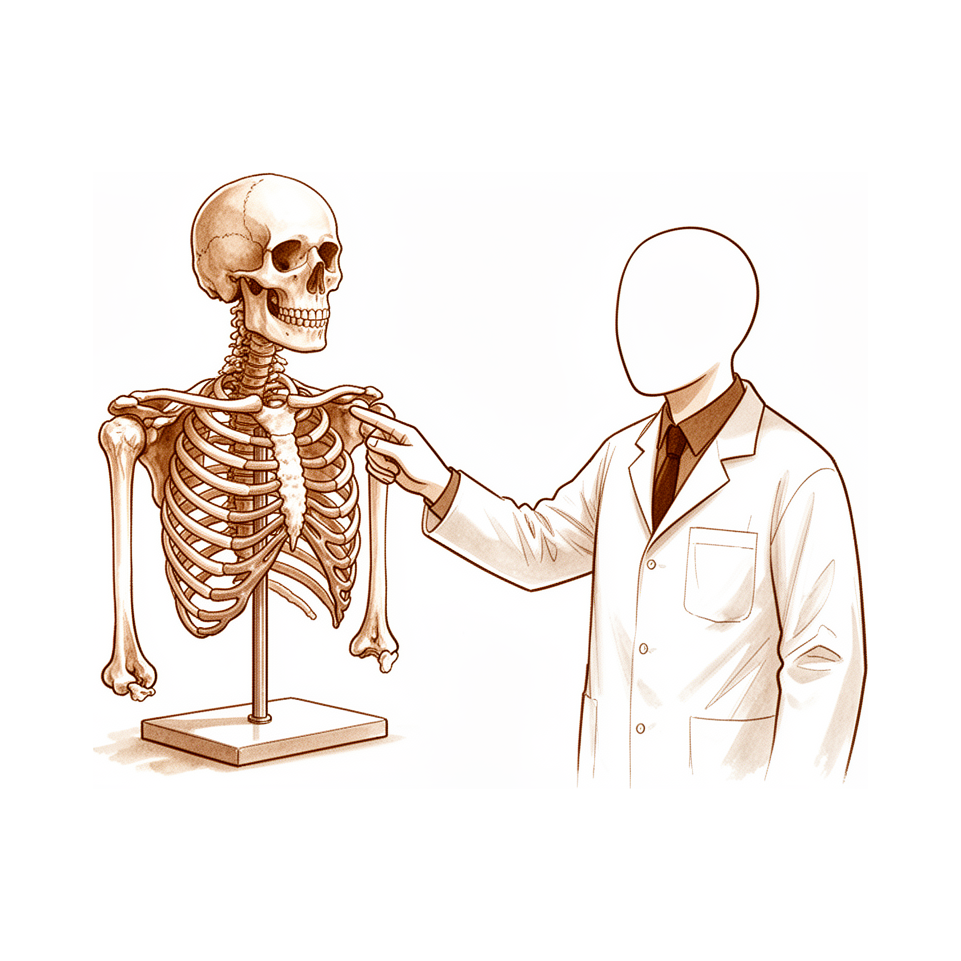
Elbow osseous anatomy: humerus, ulna, radius—critical landmarks for fracture classification & surgical approaches.
Overview
The upper extremity encompasses a complex interplay of bony architecture, neurovascular structures, and mechanical properties that dictates surgical planning and execution. Bony anatomy is defined by specific landmarks and vascular territories; for instance, the ulnar greater sigmoid notch coverage angle involves contributions from both bone and cartilage [1], while the vascularization of the lateral portion of the distal humerus appears more precarious than other areas [26]. A 'musculoperiosteal radial artery' defines specific arterial periosteal territories for the distal humerus [26]. Intraindividual parameter variations in the proximal radius must be considered in the design of anatomically precontoured plates [6]. The insertional anatomy of the anterior medial collateral ligament at the sublime tubercle has been described in detail [25]. Bone constituents are deposited as a crystalline structure [68], and a rational approach to studying pathological changes involves analyzing factors influencing bone deposition and demineralization [68]. Bone diseases can be classified based on sclerosis and lysis [68].
Neurovascular and soft tissue anatomy is critical for safe surgical exposure. Recognition of anatomical details and variations of the ulnar nerve is essential for accurate diagnosis and surgical decompression to avoid iatrogenic injury [3]. Thorough understanding of forearm anatomy, including the locations of cutaneous nerves, muscular intervals, and deep neurovascular structures, is essential for performing surgical exposure of the radius and ulna [24]. Detailed knowledge of the anatomical situation in areas of pin implantation is important for unilateral external fixation in the upper limb [2]. The anatomy of the shoulder, arm, and elbow includes ossification patterns, joint mechanics, ligamentous stabilizers, musculature, neurovascular structures, and surgical approaches [14]. Preparation and detailed anatomic knowledge are important for surgical procedures in upper extremity trauma [4].
Mechanical and biological properties further inform clinical decision-making. Data regarding the mechanical properties of bone tissue can support or contradict hypotheses due to the absence of standardization or unification of experimental methods, approaches, and goals [9]. Understanding nuances of developmental processes, cellular interactions, and signaling pathways is essential for advancing fundamental knowledge and developing therapies for genetic bone diseases and tissue regeneration [7]. Research relating to the biology and biomechanics of fracture healing supports the argument for beneficial effects of movement at the fracture site produced by functional bracing [12].
Osseous Anatomy
General Principles and Measurement
Biomechanical and clinical studies are required to determine the true clinical relevance of anatomic variations in the ulnar greater sigmoid notch coverage angle [1]. Detailed knowledge of the anatomical situation in areas of pin implantation is of great importance for unilateral external fixation in the upper limb [2]. Intraindividual parameter variations must be taken into account in the design of anatomically precontoured plates for the proximal radius [6]. Understanding the nuances of developmental processes, cellular interactions, and signaling pathways is essential for advancing fundamental knowledge and developing novel therapies for genetic bone diseases and tissue regeneration [7]. Data from the literature concerning the mechanical properties of bone tissue can be extracted to support or contradict many hypotheses due to the absence of standardization or unification of experimental methods, approaches, and goals [9]. Differences in measurement methods likely caused the differences in clavicular length observed in scientific studies, as all three evaluated methods had either reliability or methodological issues [34].
Distal Humerus
The anatomical neck of the proximal humerus possesses significantly higher trabecular density than other regions [11]. Removal of the anatomical neck leads to a substantial increase in displacement and strain concentration, particularly on the medial and posterior surfaces [11]. Cartilage thickness of the distal humerus is not uniform and modifies the morphologic shape and diameters of the humeral articular surface [28]. The micro-architecture of the posterolateral area of the lateral condyle is weaker, especially in the elderly, which may lead to mechanical failure or loosening of screws [33]. MRI provides direct visualisation of the bony, cartilaginous, and soft tissue components of distal humeral epiphysis fracture separation in neonates, offering a distinct advantage over plain radiography and ultrasound scanning [16].
Radial Head and Proximal Radius
Cartilage thickness varies between subjects and does not correlate with bone parameters [29]. The diameters of the radial head cannot be inferred from indirect measurements of dry bones or radiographs [29].
Coronoid Process
The volume and articular surface area of the coronoid can be estimated based on anatomical measurements and gender [30]. The Coronoid height index (CHI) is a reliable CT-based technique to assess coronoid height and bone loss that is independent of patient size [31].
Pediatric and Radiographic Norms
The positions of the radial and axillary nerves maintain linear relationships with arm lengths in growing children [18]. The locations of the radial and axillary nerves in relation to palpable osseous landmarks are predictable in growing children [18]. Most commonly utilized radiographic measures for elbow anatomy were consistent between sexes, across the adolescent age group, and between adolescents and young adults [32].
Ligaments and Joint Capsule
Surgical Access and Visualization: A combination of two ligament-preserving surgical approaches enables viewing the entirety of the capitellar joint surface [10]. These ligament-preserving approaches to the capitellum may represent an alternative to ligament-releasing approaches [10]. Specifically, dual direct lateral portals allow access to a large portion of the capitellum without disrupting the lateral ligamentous complex [50]. Correct placement of these dual direct lateral portals for capitellar osteochondritis dissecans does not disrupt the lateral ligamentous complex [50].
Anatomical Landmarks and Reconstruction: Restoring the normal anatomy of key elbow capsuloligamentous and tendinous structures is crucial for effective reconstruction after bony or soft tissue trauma [13]. Measured distances of the lateral ulnar collateral ligament (LUCL) and radial collateral ligament (RCL) attachments in reference to clinically relevant landmarks can aid surgeons in performing more anatomic reconstruction or repair of the lateral ligamentous complex of the elbow [62]. The insertional anatomy of the anterior medial collateral ligament at the sublime tubercle has been described in detail [25].
Joint Surface and Fracture Management: The ulnar greater sigmoid notch coverage angle involves contributions from both bone and cartilage [1]. Regarding radiocarpal pathology, open anatomical reduction with stabilization of all injured structures, followed by six to eight weeks of immobilization, is probably optimum treatment for fracture-dislocation of the radiocarpal joint [19]. For olecranon fractures, fixation must be secure enough to permit early motion to avoid significant stiffness of the elbow joint [48].
Muscles and Tendons
Upper Extremity
Detailed anatomic knowledge of implantation areas is critical for unilateral external fixation in the upper limb [2]. Surgical procedures for upper extremity trauma require preparation and detailed anatomic knowledge regarding exposures and coverage [4]. Anatomic considerations from cases of impinging exostoses of the proximal radius provide guidance in assessing atypical symptoms from soft-tissue impingement and planning surgical resection [5].
Proximal Humerus and Grooves: The infraspinatus bare area of the proximal humerus broadens as the humeral head is evaluated in a superior to inferior fashion [67]. The proximal spiral groove is located distal to the inferior edge of the latissimus dorsi tendon with a minimum distance of 25.5 mm [69].
Forearm Anatomy: The ulnar interosseous crest coincides with the forearm axis of rotation [70]. The radial interosseous crest apex coincides with the proximal central band footprint [70].
Elbow Ligaments and Nerves: The footprints of the posterolateral ligament of the elbow have been described, and its clinical significance is demonstrated in cases of elbow instability from acute ligament tears and elbow pain from ligament enthesopathy [71]. The location of the posterior interosseous nerve is quite variable during 2-incision distal biceps tendon repair [78]. To avoid iatrogenic injury to the posterior interosseous nerve during 2-incision distal biceps tendon repair, the dorsal incision should be placed no more than 25 mm anterior to the SBU [78]. During 2-incision distal biceps tendon repair, deep dissection should be performed proximally first to identify the radial nerve before continuing distally to expose the tendon footprint [78].
Phalanges: A longitudinal groove runs the length of the phalangeal shaft on the volar aspect [76]. Dorsally placed bicortical screws for proximal phalanx shaft fracture fixation could protrude into the volar longitudinal groove unnoticed on intraoperative imaging, potentially causing impingement on the flexor tendon [76].
Clavicle and Triceps: Most of the pectoralis major and deltoid muscles are attached anteriorly to the clavicle [77]. The non-attachment area for the pectoralis major and deltoid muscles on the clavicle is located mainly from the superior to posterior part of the clavicle midshaft [77]. The distal tendinous portion of the triceps brachii is divided into a superficial aponeurosis and an intramuscular tendon [79]. The intramuscular tendon of the distal triceps brachii is significantly thicker than the superficial aponeurosis [79]. The intramuscular tendon of the distal triceps brachii inserts broadly onto the proximal and lateral facets of the olecranon [79].
Elbow
A cadaveric study maps the anatomic landscape encountered endoscopically for proximal hamstring repair, supporting the efficacy and safety of the procedure [72]. Measurements of common flexor tendon origins on the medial epicondyle allow for the creation of a map of their specific origins, sizes, and position relative to the MCL [74]. A distally based tendon graft reconstruction of the annular ligament of the elbow using the tendon of the superficial head of the brachialis muscle is feasible in most patients [75].
Neurovascular Anatomy
Upper Limb and Forearm
A thorough understanding of forearm anatomy, including the locations of cutaneous nerves, muscular intervals, and deep neurovascular structures, is essential to adequately perform surgical exposure of the radius and ulna [24]. The course of the radial nerve in the distal part of the upper arm has great variety [21].
Elbow and Humerus
Recognition of ulnar nerve anatomical details and variations is essential for accurate diagnosis and surgical decompression to avoid iatrogenic injury [3]. Understanding the extraosseous and intraosseous arterial anatomy of the adult elbow may help avoid iatrogenic injury to the intraosseous circulation during trauma or extensive dissection [8]. The neurovascular distribution on the bony-en-face view of the humeral greater tuberosity includes 15 zones that highlight both safe and dangerous zones [17].
The intraosseous vascular anatomy of the distal humerus is relatively consistent, with a single nutrient artery supplying the diaphysis and segmental vessels supplying the columns [53]. Watershed areas exist at the trochlear groove and fossae in the distal humerus [53]. The vascularization of the lateral portion of the distal extremity of the humerus appears more precarious [26]. A 'musculoperiosteal radial artery' has been identified in the distal humerus, defining specific arterial periosteal territories [26]. Vascular anatomy for vascularized olecranon bone grafts is consistent and flap harvest is simple and straightforward in all cadaveric specimens [42]. A high index of suspicion for neurovascular entrapment in proximal humeral fractures led to prompt surgical treatment, resulting in an optimal outcome with full recovery of motor, sensory, and sympathetic functions at 1-year follow-up [64].
Wrist and Hand
The laterovolar group of vessels is the most important contributor to the intraosseous blood supply of the scaphoid [23].
Diagnostic Imaging
Magnetic resonance neurography provides anatomical correlation and pinpoints nerve pathology, thereby enhancing diagnostic confidence and guiding appropriate treatment planning [22].
Biomechanics and Function
Mechanical Properties and Density
Mechanical strength and subchondral mineralization in the humeral head are significantly associated (P < .01) [51]. The anatomical neck possesses significantly higher trabecular density than other regions of the proximal humerus [11]. Density data for Type E3 glenoids may help optimize future implant designs that leverage high-density regions to improve fixation and reduce micromotion [60].
Joint Mechanics and Stability
In response to axial load, elbows with a fracture involving more than 50 percent of the coronoid process displace more readily than elbows with a fracture involving 50 percent or less of the coronoid process, especially when the elbow is flexed 60 degrees and beyond [66]. In the context of the effect of elbow flexion on valgus carrying angle, all specimens underwent varus angle change until at least 90 degrees of flexion [65]. Loss in the range of rotation can be expected with residual angles of 20 degrees or more in fractures of both bones of the forearm [54]. Extremes variables lead to a drop in range of motion, and more precise range of motion such as internal rotation has to be investigated separately [52].
Implant Design and Interface
Intraindividual parameter variations in the proximal radius have to be taken into account in the design of anatomically precontoured plates [6]. Increasing the size of the humeral stem had no significant effects on bone-to-implant contact during loading [47]. Improved histology was correlated with improved final construct strength at the 12-week time point in a study comparing tendon-to-bone interface healing using an interposition bioresorbable scaffold with a vented anchor [63].
Fracture Healing and Biomechanical Models
Research relating to the biology and biomechanics of fracture healing supports the argument for the beneficial effects of movement at the fracture site produced by functional bracing [12]. A biomechanical model successfully created a reproducible and clinically relevant palmar beak fracture in a biomechanical setting [49].
Common Sites of Injury
Impinging exostoses of the proximal radius may cause atypical symptoms arising from impingement on soft-tissue structures [5]. Anatomic considerations for these lesions may aid in planning for surgical resection [5]. In the elbow region, severe osseous, soft tissue, and neural trauma affect the functional results of Monteggia fracture-dislocations [39]. For pediatric patients, maintaining heightened suspicion for associated injuries and implementing accurate radiography with frequent follow-up are essential for pediatric Monteggia fracture–dislocation with ipsilateral distal radius fracture [35]. Accurate identification of partial avulsion patterns in the pediatric humeral medial epicondyle is likely important for understanding the natural history of these injuries and the outcomes of different treatment strategies [27].
Acute and chronic proximal radio-ulnar joint injuries are classified for treatment according to patient age (paediatric or adult), timing (acute or chronic), and the presence of associated bony or ligamentous injuries [20]. Traumatic bowing of the forearm is a distinct clinical entity caused by plastic deformation from longitudinal forces, often occurring with a fracture of the other bone [36]. Injuries to the long bones are relatively common complications of breech deliveries, especially in babies born to primiparas [38].
Observable nerve trauma is relatively common with directly traumatized nerves in at least 39% and nerve transection in at least 16% of patients with clinical nerve deficits in brachial gunshot wounds [37].
Surgical Anatomy
General Principles
Accurate diagnosis and surgical decompression depend on the recognition of anatomical details and variations to prevent iatrogenic injury [3]. Detailed anatomic knowledge is equally critical for the preparation and execution of surgical procedures addressing upper extremity trauma [4]. Anatomic considerations guide the assessment of atypical symptoms arising from soft-tissue impingement and aid in planning surgical resection [5]. Magnetic resonance neurography provides anatomical correlation and pinpoints nerve pathology, thereby enhancing diagnostic confidence and guiding treatment planning [22].
Bony Landmarks and Osteotomy Planning
A combination of two ligament-preserving approaches enables viewing the entirety of the capitellum joint surface and may represent an alternative to ligament-releasing approaches [10]. Neurovascular distribution in 15 zones on the bony-en-face view of the humeral greater tuberosity highlights both safe and dangerous zones [17].
For proximal ulna osteotomy, using the narrowest edge lacking cartilage as a reference to locate the bare area allows a chevron osteotomy to enter the joint in the bare area in most specimens, decreasing associated damage to joint cartilage [43]. A transverse osteotomy perpendicular to the posterior surface of the ulna aiming at the visible bare area may reduce the chances of violating nonvisible articular cartilage [44]. Targeting the proximal ulna's narrowest segment provides an effective approach for osteotomy when precise morphology is unknown [45]. Palpable landmarks can be used to perform minimally invasive surgeries to reduce torsional deformities without the need for fluoroscopy [46].
Key Evidence
- [L5] Biomechanical and clinical studies are needed to understand the true clinical relevance of these anatomic variations. [1] (10.1016/j.jse.2015.06.006)
- [L5] Detailed knowledge about the anatomical situation in the areas of pin implantation is of great importance. [2] (10.1016/s0020-1383(99)00258-2)
- [L5] Recognition of these anatomical details and variations is essential for accurate diagnosis and surgical decompression to avoid iatrogenic injury. [3] (10.1016/j.hcl.2007.05.001)
- [L5] The issue emphasizes the importance of preparation and detailed anatomic knowledge in surgical procedures for upper extremity trauma, providing comprehensive descriptions of exposures and coverage with clinical examples. [4] (10.1016/j.hcl.2014.08.004)
- [L4] The anatomic considerations illustrated by these two cases may provide guidance in assessment of atypical symptoms arising from impingement on soft-tissue structures and aid in planning for surgical resection. [5] (10.1016/j.xrrt.2021.01.001)
- [L5] Besides the wide range in size, intraindividual parameter variations have to be taken into account in the design of anatomically precontoured plates. [6] (10.1016/j.jse.2011.11.008)
- [L5] Understanding this anatomy may help avoid iatrogenic injury to the intraosseous circulation during trauma or extensive dissection. [8] (10.2106/00004623-199711000-00007)
- [L4] Data from the literature concerning the mechanical properties of bone tissue can be extracted to support or contradict many hypotheses, not because of any inherent ambiguities in the data but rather because of the absence of standardization or unification of experimental methods, approaches, and goals. [9] (10.2106/00004623-197456050-00012)
- [L5] A combination of these two ligament-preserving approaches enables viewing the entirety of the joint surface and may represent an alternative to ligament-releasing approaches. [10] (10.1016/j.jse.2022.01.013)
- [L5] The anatomical neck possesses significantly higher trabecular density than other regions, and its removal leads to a substantial increase in displacement and strain concentration, particularly on the medial and posterior surfaces. [11] (10.1186/s13018-025-06486-5)
- [Paper] The authors present an excellent overview of research relating to the biology and biomechanics of fracture healing to support their argument for the beneficial effects of movement at the fracture site produced by functional bracing. [12] (10.1016/0020-1383(96)89814-7)
- [L5] Restoring the normal anatomy of key elbow capsuloligamentous and tendinous structures is crucial for effective reconstruction after bony or soft tissue trauma. [13] (10.1016/j.jse.2014.05.003)
- [L5] It has a distinct advantage over plain radiography and ultrasound scanning as it provides direct visualisation of the bony, cartilaginous and soft tissue components of the injury. [16] (10.1016/s0020-1383(01)00102-4)
- [L5] The study demonstrates the neurovascular distribution in 15 zones on the bony-en-face view of the HGT, clearly highlighting both safe and dangerous zones. [17] (10.1016/j.jse.2025.02.061)
- [L4] The positions of the radial and axillary nerves maintain linear relationships with arm lengths in growing children, and their locations in relation to palpable osseous landmarks are predictable. [18] (10.2106/jbjs.19.00019)
- [L4] Open anatomical reduction with stabilization of all injured structures, followed by six to eight weeks of immobilization, is probably optimum treatment. [19] (10.2106/00004623-197759020-00011)
- [L5] This review summarizes current techniques for PRUJ repair and reconstruction, classifying treatment according to patient age (paediatric or adult), timing (acute or chronic), and the presence of associated bony or ligamentous injuries. [20] (10.1016/j.jisako.2026.101159)
- [L5] The course of the radial nerve in the distal part of the upper arm has great variety. [21] (10.1371/journal.pone.0186890)
- [Paper] Its main benefit is providing anatomical correlation and pinpointing nerve pathology, thereby enhancing diagnostic confidence and guiding appropriate treatment planning. [22] (10.1177/23259671251400763)
- [L4] The laterovolar group of vessels is the most important contributor to the intraosseous blood supply of the scaphoid. [23] (10.2106/00004623-196648060-00010)
- [L5] A thorough understanding of forearm anatomy, including the locations of cutaneous nerves, muscular intervals, and deep neurovascular structures, is essential to adequately perform surgical exposure of the radius and ulna. [24] (10.5435/00124635-201107000-00006)
- [L5] The study presents a detailed description of the insertional anatomy of the anterior medial collateral ligament at the sublime tubercle. [25] (10.1016/j.jse.2018.08.006)
- [L5] The letter highlights the discovery of a 'musculoperiosteal radial artery' and defines specific arterial periosteal territories for the distal humerus, noting that the vascularization of the lateral portion of the distal extremity appears more precarious. [26] (10.1016/j.jhsa.2007.07.010)
- [L4] Accurate identification of these injury patterns and their underlying pathology is likely important for understanding the natural history of these injuries and the outcomes of different treatment strategies. [27] (10.1177/03635465241310407)
- [L4] Cartilage thickness is not uniform and modifies the morphologic shape and diameters of the humeral articular surface. [28] (10.1016/j.jse.2016.10.012)
- [L5] The observation that cartilage thickness varies between subjects and does not correlate with bone parameters suggests that the diameters of the radial head cannot be inferred from indirect measurements of dry bones or radiographs. [29] (10.1016/j.jse.2015.07.003)
- [L4] The volume and articular surface area of the coronoid can be estimated based on anatomical measurements and gender. [30] (10.1016/j.jhsa.2010.11.002)
- [L4] The Coronoid height index (CHI) is a reliable CT-based technique to assess coronoid height and bone loss that is independent of patient size and can be used for clinical and research purposes. [31] (10.1016/j.jseint.2024.07.004)
- [L4] Most commonly utilized radiographic measures were consistent between sexes, across the adolescent age group, and between adolescents and young adults. [32] (10.1016/j.jse.2011.10.026)
- [L5] This study evaluated the differences in cortical and trabecular bone parameters in each region of the distal humerus, finding that the micro-architecture of the posterolateral area of the lateral condyle is weaker, especially in the elderly, which may lead to mechanical failure or loosening of screws. [33] (10.1016/j.jse.2009.08.005)
- [L4] As all three measurement methods had either reliability or methodological issues, differences in measurement methods likely caused the differences in clavicular length observed in scientific studies. [34] (10.1186/s12891-017-1881-x)
- [Case_report] Maintaining heightened suspicion for associated injuries and implementing accurate radiography with frequent follow-up are essential. [35] (10.1016/j.xrrt.2024.06.002)
- [L4] Traumatic bowing of the forearm is a distinct clinical entity caused by plastic deformation from longitudinal forces, often occurring with a fracture of the other bone. [36] (10.2106/00004623-197456030-00019)
- [L4] Observable nerve trauma is relatively common with directly traumatized nerves in at least 39% and nerve transection in at least 16% of patients with clinical nerve deficits. [37] (10.1177/15589447231221170)
- [L4] Severe osseous, soft tissue, and neural trauma affect the functional results of the elbow region. [39] (10.1186/1749-799x-1-12)
- [L5] Vascular anatomy is consistent and flap harvest is simple and straightforward in all cadaveric specimens. [42] (10.1016/j.jhsa.2019.05.014)
- [L5] Using the narrowest edge lacking cartilage as a reference to locate the bare area, the designed chevron osteotomy entered the joint in the bare area in most specimens and decreased associated damage to the joint cartilage. [43] (10.1016/j.jhsa.2017.02.012)
- [L5] Transverse osteotomy perpendicular to the posterior surface of the ulna aiming at the visible bare area may reduce the chances of violating the nonvisible articular cartilage. [44] (10.1016/j.jhsa.2022.07.010)
- [L5] Targeting the proximal ulna's narrowest segment provides an effective approach for osteotomy when precise morphology is unknown. [45] (10.1016/j.jse.2024.12.012)
- [L3] Minimally invasive surgeries can be performed by using these palpable landmarks to reduce torsional deformities without the need for fluoroscopy. [46] (10.1186/s12891-020-3118-7)
- [L5] Increasing the size of the humeral stem had no significant effects on bone-to-implant contact during loading. [47] (10.1016/j.jseint.2021.05.006)
- [L5] Fixation must be secure enough to permit early motion to avoid significant stiffness of the elbow joint. [48] (10.5435/00124635-200007000-00007)
- [L5] This model successfully created a reproducible and clinically relevant palmar beak fracture in a biomechanical setting. [49] (10.1016/j.jhsa.2018.04.024)
- [L5] Correct placement of dual direct lateral portals does not disrupt the lateral ligamentous complex and allows access to a large portion of the capitellum. [50] (10.1016/j.arthro.2007.01.029)
- [L5] Mechanical strength and subchondral mineralization in the humeral head are significantly associated (P < .01). [51] (10.1016/j.jse.2011.05.018)
- [Abstract] Extremes variables lead to a drop in ROM, and more precise ROM such as internal rotation has to be investigated separately. [52] (10.1016/j.jse.2022.01.082)
- [L5] The study shows the intraosseous vascular anatomy of the distal humerus is relatively consistent, with a single nutrient artery supplying the diaphysis and segmental vessels supplying the columns, while watershed areas exist at the trochlear groove and fossae. [53] (10.1016/j.jhsa.2007.02.019)
- [L5] Loss in the range of rotation can be expected with residual angles of 20 degrees or more. [54] (10.2106/00004623-198264010-00003)
- [L4] The density data may help optimize future implant designs that leverage these high-density regions to improve fixation and reduce micromotion. [60] (10.1016/j.jse.2026.03.022)
- [L5] The current study provides measured distances of LUCL and RCL attachments in reference to clinically relevant landmarks, which can potentially aid surgeons in performing more anatomic reconstruction or repair of the lateral ligamentous complex of the elbow. [62] (10.1177/2325967120961373)
- [L5] Improved histology was correlated with improved final construct strength at the 12-week time point. [63] (10.1016/j.jse.2019.05.024)
- [L4] A high index of suspicion for neurovascular entrapment led to prompt surgical treatment, resulting in an optimal outcome with full recovery of motor, sensory, and sympathetic functions at 1-year follow-up. [64] (10.1016/j.jse.2017.09.034)
- [L5] All specimens underwent varus angle change until at least 90 degrees of flexion. [65] (10.1016/j.jhsa.2023.07.010)
- [L5] In response to axial load, elbows with a fracture involving more than 50 percent of the coronoid process displace more readily than elbows with a fracture involving 50 percent or less of the coronoid process, especially when the elbow is flexed 60 degrees and beyond. [66] (10.2106/00004623-200012000-00009)
- [L5] The infraspinatus bare area broadens as one evaluates the humeral head in a superior to inferior fashion. [67] (10.1177/17585732241229068)
- [L5] The proximal spiral groove was found to be distal to the inferior edge of the latissimus dorsi tendon in all specimens, with a minimum distance of 25.5 mm. [69] (10.1016/j.jse.2017.07.021)
- [L5] The ulnar interosseous crest coincides with the forearm axis of rotation, and the radial interosseous crest apex coincides with the proximal central band footprint. [70] (10.5397/cise.2021.00451)
- [L4] Its footprints were described, and its clinical significance was demonstrated in cases of elbow instability caused by acute ligament tears and elbow pain due to ligament enthesopathy. [71] (10.1016/j.jse.2023.08.033)
- [L5] This cadaveric study maps the anatomic landscape encountered endoscopically and supports the efficacy and safety of endoscopic proximal hamstring repair. [72] (10.1177/2325967118s00147)
- [L5] The measurements found have allowed the creation of a map of the specific common flexor tendon origins and their sizes on the medial epicondyle, as well as their position relative to the MCL. [74] (10.1016/j.jhsa.2024.04.008)
- [L5] A distally based tendon graft reconstruction of the annular ligament of the elbow using the tendon of the superficial head of the brachialis muscle would be feasible in most patients, based on this anatomic study. [75] (10.1016/j.jhsa.2013.04.008)
- [L5] A longitudinal groove runs the length of the phalangeal shaft, and dorsally placed bicortical screws could protrude into this groove unnoticed on intraoperative imaging, potentially causing impingement on the flexor tendon. [76] (10.1016/j.jhsa.2016.12.009)
- [L5] Most of the pectoralis major and deltoid muscles were attached anteriorly, with the non-attachment area located mainly from the superior to posterior part of the clavicle midshaft. [77] (10.1186/s12891-023-06266-4)
- [L5] PIN location is quite variable, and to avoid iatrogenic injury during 2-incision distal biceps tendon repair, we recommend placement of the dorsal incision no more than 25 mm anterior to the SBU and carrying out deep dissection proximally first to identify the RT before continuing the dissection distally to expose the tendon footprint. [78] (10.1016/j.jse.2023.05.016)
- [L5] The distal tendinous portion of the triceps brachii is divided into a superficial aponeurosis and an intramuscular tendon, with the latter being significantly thicker and inserting broadly onto the proximal and lateral facets of the olecranon. [79] (10.1016/j.jse.2024.11.023)
See Also
References
[1] The ulnar greater sigmoid notch “coverage angle”: bone and cartilage contribution. Magnetic resonance imaging anatomic study on 78 elbows. Journal of Shoulder and Elbow Surgery. 2015. DOI: 10.1016/j.jse.2015.06.006
[2] The anatomical base of unilateral external fixation in the upper limb. Injury. 2000. DOI: 10.1016/s0020-1383(99)00258-2
[3] Ulnar Nerve Anatomy. Hand Clinics. 2007. DOI: 10.1016/j.hcl.2007.05.001
[4] Options for Surgical Exposure and Soft Tissue Coverage in Upper Extremity Trauma. Hand Clinics. 2014. DOI: 10.1016/j.hcl.2014.08.004
[5] Impinging exostoses of the proximal radius: a report of two cases with distinct clinical features. JSES Reviews, Reports, and Techniques. 2021. DOI: 10.1016/j.xrrt.2021.01.001
[6] The anatomy of the proximal radius: implications on fracture implant design. Journal of Shoulder and Elbow Surgery. 2012. DOI: 10.1016/j.jse.2011.11.008
[7] Chapter 11 Developmental Biology. 2020.
[8] The Extraosseous and Intraosseous Arterial Anatomy of the Adult Elbow (dagger). The Journal of Bone and Joint Surgery (American Volume)*. 1997. DOI: 10.2106/00004623-199711000-00007
[9] The Mechanical Properties of Cortical Bone. The Journal of Bone & Joint Surgery. 1974. DOI: 10.2106/00004623-197456050-00012
[10] Surgical Approaches To The Capitellum: A Comparative Anatomic Study. Journal of Shoulder and Elbow Surgery. 2022. DOI: 10.1016/j.jse.2022.01.013
[11] A study on the biomechanical properties of cancellous bone across different regions of the proximal humerus. Journal of Orthopaedic Surgery and Research. 2025. DOI: 10.1186/s13018-025-06486-5
[12] Functional fracture bracing. Injury. 1996. DOI: 10.1016/0020-1383(96)89814-7
[13] Three-dimensional analysis of elbow soft tissue footprints and anatomy. Journal of Shoulder and Elbow Surgery. 2014. DOI: 10.1016/j.jse.2014.05.003
[14] Chapter 69 Anatomy of the Shoulder, Arm, and Elbow. 2019.
[16] Distal humeral epiphysis fracture separation in neonates — diagnosis using MRI scan. Injury. 2002. DOI: 10.1016/s0020-1383(01)00102-4
[17] Novel surgical safety zones on bony-en-face view of humeral greater tuberosity: a fresh cadaveric dissection study. Journal of Shoulder and Elbow Surgery. 2025. DOI: 10.1016/j.jse.2025.02.061
[18] Establishing Safe Zones to Avoid Nerve Injury in the Approach to the Humerus in Pediatric Patients. Journal of Bone and Joint Surgery. 2019. DOI: 10.2106/jbjs.19.00019
[19] Fracture-dislocation of the radiocarpal joint. The Journal of Bone & Joint Surgery. 1977. DOI: 10.2106/00004623-197759020-00011
[20] Acute and chronic proximal radio-ulnar joint injuries (PRUJ): current concepts. Journal of ISAKOS. 2026. DOI: 10.1016/j.jisako.2026.101159
[21] The course of the radial nerve in the distal humerus: A novel, anatomy based, radiographic assessment. PLOS ONE. 2017. DOI: 10.1371/journal.pone.0186890
[22] Magnetic Resonance Neurography Findings in Clinically Suspected Posterior Interosseous Neuropathy: Response. Orthopaedic Journal of Sports Medicine. 2026. DOI: 10.1177/23259671251400763
[23] The Extraosseous and Intraosseous Blood Supply of the Scaphoid Bone. The Journal of Bone & Joint Surgery. 1966. DOI: 10.2106/00004623-196648060-00010
[24] Surgical Exposures of the Radius and Ulna. Journal of the American Academy of Orthopaedic Surgeons. 2011. DOI: 10.5435/00124635-201107000-00006
[25] Insertional anatomy of the anterior medial collateral ligament on the sublime tubercle of the elbow. Journal of Shoulder and Elbow Surgery. 2019. DOI: 10.1016/j.jse.2018.08.006
[26] Intraosseous Blood Supply to the Distal Humerus. The Journal of Hand Surgery. 2007. DOI: 10.1016/j.jhsa.2007.07.010
[27] Partial Avulsion Patterns in the Pediatric Humeral Medial Epicondyle. The American Journal of Sports Medicine. 2025. DOI: 10.1177/03635465241310407
[28] Cartilage thickness of distal humerus and its relationships with bone dimensions: magnetic resonance imaging bilateral study in healthy elbows. Journal of Shoulder and Elbow Surgery. 2017. DOI: 10.1016/j.jse.2016.10.012
[29] Contribution of cartilage to size and shape of radial head circumference: magnetic resonance imaging analysis of 78 elbows. Journal of Shoulder and Elbow Surgery. 2016. DOI: 10.1016/j.jse.2015.07.003
[30] Quantitative Measurements of the Coronoid in Healthy Adult Patients. The Journal of Hand Surgery. 2011. DOI: 10.1016/j.jhsa.2010.11.002
[31] Coronoid height index: a reliable and reproducible technique for quantifying coronoid bone loss in elbow instability. JSES International. 2024. DOI: 10.1016/j.jseint.2024.07.004
[32] Elbow radiographic anatomy: measurement techniques and normative data. Journal of Shoulder and Elbow Surgery. 2012. DOI: 10.1016/j.jse.2011.10.026
[33] Three-dimensional osseous micro-architecture of the distal humerus: Implications for internal fixation of osteoporotic fracture. Journal of Shoulder and Elbow Surgery. 2010. DOI: 10.1016/j.jse.2009.08.005
[34] Bone shortening of clavicular fractures: comparison of measurement methods. BMC Musculoskeletal Disorders. 2017. DOI: 10.1186/s12891-017-1881-x
[35] A case of pediatric Monteggia fracture–dislocation with ipsilateral distal radius fracture. JSES Reviews, Reports, and Techniques. 2024. DOI: 10.1016/j.xrrt.2024.06.002
[36] Traumatic Bowing of the Forearm in Children. The Journal of Bone & Joint Surgery. 1974. DOI: 10.2106/00004623-197456030-00019
[37] Brachial Gunshot Wounds: Injury Patterns and Considerations for Managing the Abnormal Neurological Examination. HAND. 2024. DOI: 10.1177/15589447231221170
[38] liv SI'EXCER T. SNEDECOR, M.D., AND HARRISON B. WILSON, M.D., HACKENSACK, NEW JERSEY. 1949.
[39] Unusual patterns of Monteggia fracture-dislocation. Journal of Orthopaedic Surgery and Research. 2006. DOI: 10.1186/1749-799x-1-12
[42] Vascularized Olecranon Bone Graft: An Anatomical Study and Novel Technique. The Journal of Hand Surgery. 2020. DOI: 10.1016/j.jhsa.2019.05.014
[43] The Bare Area of the Proximal Ulna: An Anatomic Study With Relevance to Chevron Osteotomy. The Journal of Hand Surgery. 2017. DOI: 10.1016/j.jhsa.2017.02.012
[44] Morphology of Proximal Ulna Bare Area: A Guide for Olecranon Osteotomy. The Journal of Hand Surgery. 2024. DOI: 10.1016/j.jhsa.2022.07.010
[45] Morphological map of the proximal ulna bare area: a computer-assisted anatomical study in relation to olecranon osteotomy. Journal of Shoulder and Elbow Surgery. 2025. DOI: 10.1016/j.jse.2024.12.012
[46] Geometrical analysis for assessing torsional alignment of humerus. BMC Musculoskeletal Disorders. 2020. DOI: 10.1186/s12891-020-3118-7
[47] The effect of humeral implant thickness and canal fill on interface contact and bone stresses in the proximal humerus. JSES International. 2021. DOI: 10.1016/j.jseint.2021.05.006
[48] Olecranon Fractures: Treatment Options. Journal of the American Academy of Orthopaedic Surgeons. 2000. DOI: 10.5435/00124635-200007000-00007
[49] Bennett Fractures: A Biomechanical Model and Relevant Ligamentous Anatomy. The Journal of Hand Surgery. 2019. DOI: 10.1016/j.jhsa.2018.04.024
[50] Dual Direct Lateral Portals for Treatment of Osteochondritis Dissecans of the Capitellum: An Anatomic Study. Arthroscopy. 2007. DOI: 10.1016/j.arthro.2007.01.029
[51] Correlation between mineralization and mechanical strength of the subchondral bone plate of the humeral head. Journal of Shoulder and Elbow Surgery. 2012. DOI: 10.1016/j.jse.2011.05.018
[52] Virtual ROM RSA: An Analysis Based On 10’000 Scapula. Journal of Shoulder and Elbow Surgery. 2022. DOI: 10.1016/j.jse.2022.01.082
[53] Intraosseous Blood Supply to the Distal Humerus. The Journal of Hand Surgery. 2007. DOI: 10.1016/j.jhsa.2007.02.019
[54] The effect on supination-pronation of angular malalignment of fractures of both bones of the forearm.. The Journal of Bone & Joint Surgery. 1982. DOI: 10.2106/00004623-198264010-00003
[60] Bone Densities in Type E3 Glenoids: Quantitative Assessments and Topographical Distributions. Journal of Shoulder and Elbow Surgery. 2026. DOI: 10.1016/j.jse.2026.03.022
[62] Quantitative and Qualitative Analyses of the Lateral Ligamentous Complex and Extensor Tendon Origins of the Elbow: An Anatomic Study. Orthopaedic Journal of Sports Medicine. 2020. DOI: 10.1177/2325967120961373
[63] A prospective study comparing tendon-to-bone interface healing using an interposition bioresorbable scaffold with a vented anchor for primary rotator cuff repair in sheep. Journal of Shoulder and Elbow Surgery. 2020. DOI: 10.1016/j.jse.2019.05.024
[64] An important lesson in assessing neurovascular involvement in proximal humeral fractures: the presence of neuropathic pain in a dysvascular limb. Journal of Shoulder and Elbow Surgery. 2018. DOI: 10.1016/j.jse.2017.09.034
[65] The Effect of Elbow Flexion On Valgus Carrying Angle. The Journal of Hand Surgery. 2025. DOI: 10.1016/j.jhsa.2023.07.010
[66] The Role of the Coronoid Process in Elbow Stability. The Journal of Bone and Joint Surgery-American Volume. 2000. DOI: 10.2106/00004623-200012000-00009
[67] Describing the infraspinatus bare area of the proximal humerus: An anatomic cadaveric study. Shoulder & Elbow. 2024. DOI: 10.1177/17585732241229068
[68] The constituents of bone, as determined by analysis, are best illustrated diagrammatically (Fig. 1). The elements of which bone is composed are deposited as a crystalline. 1950.
[69] Surgical anatomy of the radial nerve in the deltopectoral approach for revision shoulder arthroplasty and periprosthetic fracture fixation: a cadaveric study. Journal of Shoulder and Elbow Surgery. 2017. DOI: 10.1016/j.jse.2017.07.021
[70] Topographical measurement of the attachments of the central band of the interosseous membrane on interosseous crests of the radius and ulna. Clinics in Shoulder and Elbow. 2021. DOI: 10.5397/cise.2021.00451
[71] The posterolateral ligament of the elbow: anatomy and clinical relevance. Journal of Shoulder and Elbow Surgery. 2024. DOI: 10.1016/j.jse.2023.08.033
[72] Endoscopic Proximal Hamstring Repair: Portal Site Anatomy - A Cadaveric Study. Orthopaedic Journal of Sports Medicine. 2018. DOI: 10.1177/2325967118s00147
[74] Mapping Origins of Tendons on the Medial Epicondyle to Improve Treatment of Medial Epicondylitis: Anatomical Study. The Journal of Hand Surgery. 2025. DOI: 10.1016/j.jhsa.2024.04.008
[75] Annular Ligament Reconstruction Using the Distal Tendon of the Superficial Head of the Brachialis Muscle: An Anatomical Feasibility Study. The Journal of Hand Surgery. 2013. DOI: 10.1016/j.jhsa.2013.04.008
[76] Volar Anatomy of the Proximal Phalanx: Implications for Screw Length Selection for Fixation of Shaft Fractures. The Journal of Hand Surgery. 2017. DOI: 10.1016/j.jhsa.2016.12.009
[77] Insertion sites of the muscles attached to the clavicle: a cadaveric study of the clavicle. BMC Musculoskeletal Disorders. 2023. DOI: 10.1186/s12891-023-06266-4
[78] Avoiding the posterior interosseous nerve during 2-incision distal biceps tendon repair: an anatomic study. Journal of Shoulder and Elbow Surgery. 2023. DOI: 10.1016/j.jse.2023.05.016
[79] Anatomy of the distal tendinous structure of the triceps brachii: implications for the role of the triceps brachii to resist valgus elbow forces during baseball pitching. Journal of Shoulder and Elbow Surgery. 2025. DOI: 10.1016/j.jse.2024.11.023