What you're feeling
Adult spinal deformity means your spine has developed a curve that it should not have. The curve may bend to the side, which is called scoliosis, or forward, which is called kyphosis. Some people have a mix of both. The curve may have been present for years without trouble, or it may have developed slowly as the joints and discs in your spine wore out.
The most common symptom is back pain. It often sits in the lower back, where the curve puts uneven load on muscles and joints. Standing or walking for a while can make it worse, because your body works harder to hold you upright against the curve. Many people find they cannot stand as long as they used to before the ache builds. Sitting or leaning forward may ease it.
The curve can also press on the nerves in your spine. This can cause pain, tingling or numbness running down a leg, sometimes past the knee. Some people notice their legs feel heavy or tired after walking a short distance, and they need to sit down or lean forward before the legs settle.
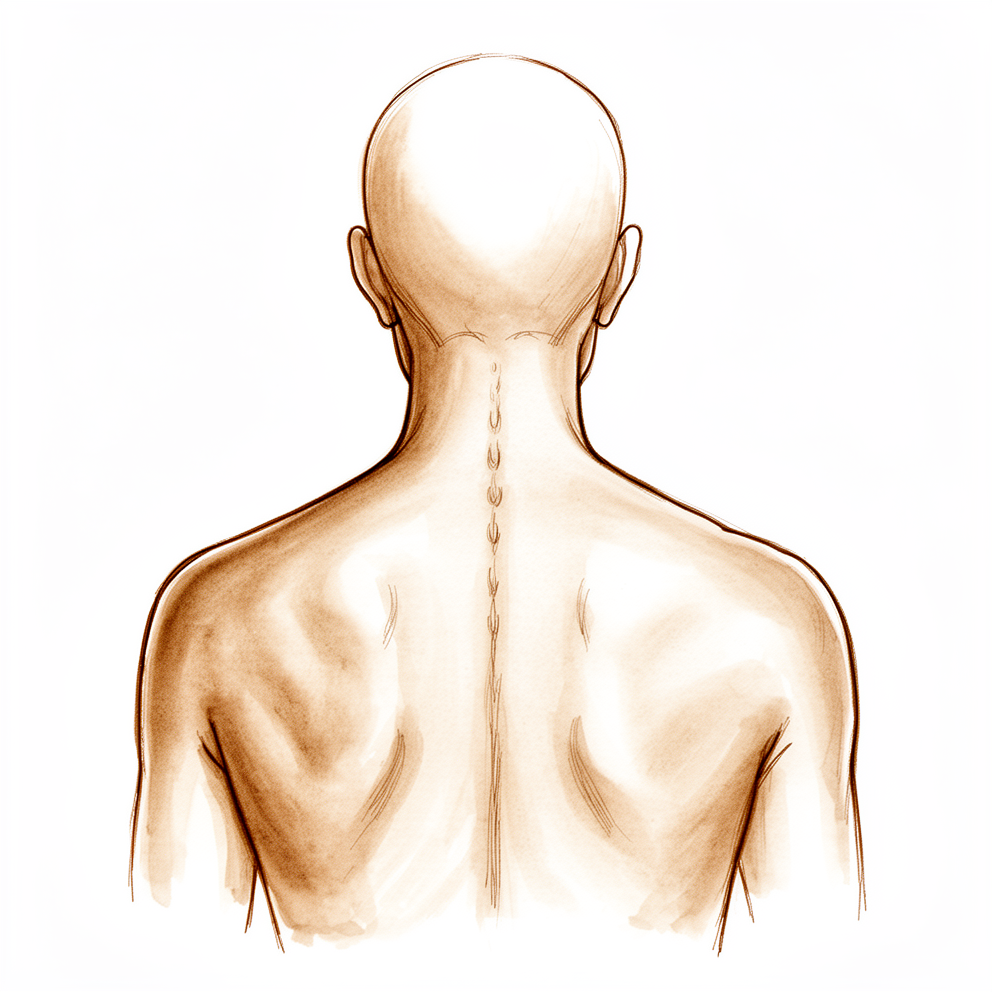
As the curve progresses, changes become visible and practical. One shoulder or hip may sit higher than the other, or your waistline may look uneven. Your trunk may shift to one side of your pelvis. Clothes may hang differently. Tasks that need balance and stamina become harder: walking through a shopping centre, standing at the kitchen bench cooking, climbing stairs, or getting through a day on your feet at work. Some people find their height has shortened, or that they lean forward more when they walk so they can see ahead.
If the curve is severe, it can affect breathing by crowding the chest, and it can make sitting uncomfortable or unsteady. Nerve pressure can also cause weakness in the legs.
If any of these symptoms are getting worse over time, that is worth acting on. Progressive curves and nerve compression are the two changes your surgeon will want to assess.
What's actually happening
Your spine is built from a stack of bones, each separated by a disc that works like a cushion between them. The discs and the small joints behind them share the load of your body. When everything lines up well, that load passes down through the spine evenly and into your hips.
In adult spinal deformity, the stack has drifted out of line. Instead of a straight column with gentle natural curves, your spine has developed a bend to the side, a forward hunch, or both. The curve is measured as an angle on an X-ray, and a curve greater than 10 degrees in a fully grown adult counts as a spinal deformity.
Two main things cause this. In some people the curve began years earlier, often in adolescence, and stayed quiet until adulthood. In others the curve is new, developing as the discs and joints of the lower back wear out over time. Worn joints can no longer hold the spine steady, so one level slowly slips and tilts against its neighbour, and the curve grows from there.
The trouble is that an out-of-line spine does not carry load evenly. Some parts of the spine take more than their share, which is why standing and walking build up an ache. The curve also tends to be stiffer in adults than in younger people, so it does not simply straighten out when you lie down.
The curve is three-dimensional as well. As the spine bends sideways it also twists, and that twist is what makes a rib or the muscles beside the spine bunch up on one side when you bend forward. The twist and the sideways shift can narrow the space around the nerves inside the spine, which is where the leg pain, tingling and heaviness come from.
Your body also tries to compensate. To keep your eyes level and your balance, your hips and lower back adjust their posture, and those adjustments put extra strain on joints that are already worn.
What we can do about it
Standing X-rays let us measure the curve and check how your spine holds you upright. Scans such as MRI can show whether nerves are being squeezed.
For many people, we begin with non-operative care. Activity changes, physiotherapy and pain medication can settle symptoms without touching the curve itself. Physiotherapy aims to build the strength and stamina your back needs to carry you through the day, and to ease the ache that builds with standing and walking. We usually suggest giving this a fair trial before talking about surgery. Non-operative care tends to hold things steady rather than improve function, so we will monitor your symptoms and your curve over time and act if either gets worse.
Surgery enters the conversation when the curve or its symptoms stop you managing daily life, when the curve keeps progressing, or when nerve compression is causing leg pain that has not settled with nonsurgical treatment. Your general health matters too, because conditions such as severe osteoporosis can make it hard to hold the spine in a corrected position. In those situations we may advise against a large operation.
There is more than one operation, and we match the operation to your spine. Some people need only the nerve pressure relieved, which is called decompression. Others need decompression plus a fusion limited to a few levels. Larger or stiffer curves need a longer fusion that straightens the spine and holds it there while the bones heal together. For very stiff curves, we may cut and reshape part of a vertebra to restore balance. Each option carries different risks, and we will talk those through with you.
Surgery for adult spinal deformity is major surgery, and we want you to have the full picture before deciding. Complications are common with these operations, and a second operation later is a real possibility. We also use several measures during and after surgery to reduce blood loss and lower the chance of infection, and we monitor your nerves throughout the operation. Most complications settle without lasting harm to your quality of life. This is a shared decision, made together with you, based on what your symptoms, your scans and your goals for daily life are telling us.
What to expect
Adult spinal deformity usually does not go away on its own. A curve that has already developed tends to stay, and some curves slowly worsen over time. How quickly that happens depends on the cause of the curve. In adults, some curves stop changing, while others, particularly those that came on with wear and tear of the discs and small joints of the spine, can keep progressing slowly.
Without treatment, the outlook varies. Some curves stay mild and cause little trouble. Others worsen steadily, and the symptoms you already have, such as back ache with standing and leg pain from nerve pressure, tend to build rather than settle. A severe forward curve left alone can crowd the chest and affect breathing, and it can make sitting and balance harder. Nerve pressure that is not relieved can lead to lasting weakness in the legs. These are the changes your surgeon will watch for at review.
With treatment, many people get real relief. Non-operative care such as physiotherapy and pain medication tends to hold things steady rather than improve them, so it works best when your symptoms are mild and your curve is stable. Surgery aims to straighten the spine, take pressure off nerves and restore your balance when you stand. It can correct a forward hunch and provide lasting improvement in pain and function over time. Straightening the spine can also improve breathing where the curve has been crowding the chest, and it can ease the practical burdens of a severe curve, such as sitting comfort and the help you need with daily care.
Surgery is not a quick fix, and it carries real risks, as covered earlier on this page. Some people need a second operation down the track. Your surgeon will talk you through what the evidence says about your own situation, because the right choice depends on your symptoms, your curve and your general health.
When to see someone
See your GP if you have back pain that keeps building when you stand or walk, or leg pain, tingling or numbness that has not settled after a few weeks. Ask for a specialist review if one shoulder or hip sits higher than the other, your waistline looks uneven, or you have visibly lost height or started leaning forward. These changes suggest the curve is progressing. Ask for review sooner if your legs feel heavy or weak after short walks, if you need to lean on things to stay upright, or if the curve is changing fast. Go to an emergency department if you suddenly lose feeling or movement in your legs, or lose control of your bladder or bowels. Severe nerve compression needs same-day assessment.
Evidence & references
This is the clinical evidence summary written for health professionals. It is technical, and it lists the research this page was built from. You do not need to read it to understand your treatment or to make a decision about it.
Overview
Definitions and Classification
- Scoliosis is defined as a lateral spinal curvature in the frontal plane [4].
- Kyphosis is defined as a forward (flexed) curvature of the spine in the sagittal plane [4].
- Lordosis is defined as a hyperextension deformity of the spine, most common in the lumbar spine [4].
- True scoliosis always includes a rotational component and generally includes a lordotic component [4].
- In a flexible spine, a single rigid curvature can lead to physiologic compensatory curvatures in the opposite direction above and below the primary curvature [4].
- Spinal curvatures may be idiopathic, congenital, or accompany neuromuscular disorders, tumors, and infections [4].
- Adolescent idiopathic scoliosis accounts for 80% of all idiopathic scoliosis [4].
- Adolescent idiopathic scoliosis is found most commonly in early adolescent girls [4].
- Patients with atypical curvature patterns, such as left thoracic curves or idiopathic curvature in younger children, may require extensive testing such as EMG or MRI before the cause can be designated idiopathic [4].
Clinical Evaluation
- Spinal examination should include checking the level of the pelvis and looking for asymmetry of the rib, scapula, neck, and shoulder height [4].
- Leg-length inequality can cause apparent scoliosis that disappears when the short leg is elevated on blocks [4].
- Forward bending should be performed to note asymmetric prominence of the lumbar paraspinous muscle, rib cage, or scapula, which suggests the rotational portion of scoliosis [4].
- The magnitude of asymmetry during forward bending corresponds to the severity of the curvature [4].
- A careful neurologic exam including upper extremity reflexes, abdominal reflexes, and lower extremity examination is required [4].
- Radiographs are used to assess type, severity, and location of the curvature and to look for underlying lesions [4].
- Bending radiographs may reveal which curvatures are structural and which are flexible compensations [4].
- The Cobb method is usually used to measure curvatures by measuring the degree of tilt between the most affected vertebral endplates [4].
- Radiographs document progression of idiopathic curvatures [4].
- Observations of the ossification pattern of the iliac crest apophysis (Risser sign) are used to estimate skeletal maturity [4].
Adult Spinal Deformity: Surgical Management
- Goals of surgery for adult spinal deformity include decompression of involved neural elements [9].
- Goals of surgery for adult spinal deformity include reestablishment of coronal and sagittal balance, which is more important than absolute Cobb angle correction [9].
- Goals of surgery for adult spinal deformity include reestablishment of horizontal gaze without compensatory mechanisms [9].
- Indications for surgery include inability to perform activities of daily living due to deformity-associated disability [9].
- Indications for surgery include progressive deformity in the coronal or sagittal plane [9].
- Indications for surgery include neurological compression causing claudication or radiculopathy not responsive to nonsurgical treatment [9].
- Contraindications for surgery include cardiopulmonary conditions or associated comorbidities [9].
- Contraindications for surgery include profound osteoporosis, which may prevent durable and effective fixation [9].
- Contraindications for surgery include physical or mental condition that would impair surgical preparation or recovery [9].
- Decompression alone is indicated for patients with radiculopathy, stable deformity, and central or lateral recess stenosis [9].
- Decompression alone could result in increased postoperative deformity or iatrogenic instability [9].
- Decompression with limited fusion is indicated when radiographs show apical progression or symptomatic lumbosacral fractional curve [9].
- Decompression and long fusion with deformity correction is indicated for lumbar degenerative scoliosis, large scoliosis curve, and severe subluxation of apical vertebra [9].
- The upper instrumented vertebra (UIV) should be horizontal rather than tilted [9].
- The UIV is often chosen as having neutral rotation and being stable, bisected by the central sacral vertical line [9].
- The proximal fusion level should not stop within kyphotic regions [9].
- Surgical risk factors for proximal junctional kyphosis or failure include posterior soft-tissue injury, combined anterior-posterior fusion, fusion to the sacrum or ilium, and thoracoplasty [9].
- Techniques for preventing proximal junctional kyphosis include preserving supra-adjacent facets, facet capsules, intraspinous ligaments, and supraspinous ligaments [9].
- Techniques for preventing proximal junctional kyphosis include reducing instrumentation stiffness by using smaller diameter rods, transitional rods, or less stiff materials [9].
- Techniques for preventing proximal junctional kyphosis include using hooks or sublaminar wires rather than pedicle screws in the UIV [9].
- Techniques for preventing proximal junctional kyphosis include augmenting the UIV or UIV+1 with cement [9].
- Techniques for preventing proximal junctional kyphosis include fixating ribs without fusion at UIV+1 [9].
- Distal fusion should stop below a symptomatic fractional curve [9].
- Extending distal fusion to S1 rather than stopping at L5 improves and better maintains correction of coronal and sagittal balance [9].
- Extending distal fusion to S1 avoids subsequent L5–S1 disk degeneration and fusion extension [9].
- Extending distal fusion to S1 increases operative time, complication rate, revision rate, and risk of pseudarthrosis [9].
- Indications for extending fusion to S1 include existing L5–S1 pathology, L5 involvement in the fractional curve with lumbosacral obliquity, or incomplete correction of global sagittal imbalance [9].
- Osteotomies are indicated for rigid coronal, sagittal, or biplanar deformities [9].
- Cervical spine anterior osteotomy involves removing a wedge between two vertebral bodies including the intervertebral disk, distracting the osteotomy, and inserting bone graft [9].
- Cervical spine anterior osteotomy provides approximately 17° of correction per level [9].
- Schwab Grade 1 osteotomy involves partial facet joint resection and provides 5° to 10° of correction per level [9].
- Schwab Grade 2 osteotomy involves complete facet joint resection and provides approximately 10° of correction per level [9].
- Schwab Grades 3 and 4 osteotomies involve pedicle and partial body resection and provide 25° to 35° of correction per level [9].
- Schwab Grades 5 and 6 osteotomies involve complete vertebra and discs resection (vertebral column resection) [9].
- Vertebral column resection allows for high biplanar angular correction [9].
Anatomy & Pathophysiology
Embryology and Development
- The primitive streak deepens to form the primitive groove, which folds onto itself to form the neural tube [38].
- The neural crest forms dorsally and develops into the peripheral nervous system, spinal ganglia, and sympathetic trunk [38].
- The neural tube develops into the spinal cord [38].
- The notochord develops into the vertebral bodies and intervertebral disks [38].
- Vertebrae develop from somites that surround the notochord and neural tube [38].
- Each vertebra forms from the caudal portion of one sclerotome and the rostral portion of the subjacent level [38].
- The nucleus pulposus derives from notochordal cells [38].
- The anulus fibrosus develops from sclerotomal cells and mesenchymal stem cells surrounding the notochord [38].
- Failure of the neural tube to close caudally can cause spina bifida, meningocele, or myelomeningocele [38].
- Failure of segmentation of somites may result in block vertebrae or unsegmented bars [38].
- Failure of formation can lead to congenital hemivertebrae [38].
- Diastematomyelia is believed to be caused by the persistence of the neurenteric canal, which is present during the third and fourth weeks of gestation [40].
- The most aggressive congenital scoliosis is associated with a hemivertebra on one side and an unsegmented bar on the other [40].
Osseous Anatomy
- The bony anatomy of the spine consists of 7 cervical, 12 thoracic, 5 lumbar, 5 fused sacral, and 4 or 5 fused coccygeal vertebrae [22].
- The vertebral body is connected by pedicles to the posterior arch, which consists of the lamina and spinous process [22].
- The spinal canal is formed by the vertebral body anteriorly, the lamina posteriorly, and the pedicles laterally [22].
- Vertebral bodies function primarily to bear weight and transfer forces to the pelvis and hips [22].
- Posterior elements provide protection to neural structures and function as a tension band [22].
- The thoracic spine represents two transitional zones: from the highly mobile cervical spine to the rigid thoracic region, and back to the more mobile lumbar spine [32].
- The thoracic spine, in conjunction with the ribs and sternum, forms a bony "cube" that is an inherently stable structure [32].
- Thoracic vertebral bodies are larger than cervical vertebrae but smaller than lumbar vertebrae [32].
- The spinal canal is narrowest in the thoracic region [32].
- The spinous processes of the midthoracic spine project sharply obliquely, overlapping the lamina and spinous processes inferiorly [32].
- Lumbar vertebral bodies have a transverse diameter greater than the anterior-posterior diameter [39].
- Lumbar pedicles arise from the superior aspect of the vertebral bodies and project more horizontally than thoracic pedicles [39].
- The sagittal orientation of lumbar facet joints allows flexion and extension while providing resistance to axial rotation and translation [39].
Ligaments
- The anterior longitudinal ligament is strong, thickest at the center of the vertebral body, and resists hyperextension [43].
- The posterior longitudinal ligament is weaker than the anterior longitudinal ligament and extends from the occiput to the posterior sacrum [43].
- The posterior longitudinal ligament is hourglass-shaped, with wider sections located over the discs [43].
- Ossification of the posterior longitudinal ligament is associated with an increased risk of dural tears [43].
- The ligamentum flavum is a strong yellow elastic ligament connecting the laminae that is constantly in tension [43].
- Hypertrophy of the ligamentum flavum may contribute to nerve root compression [43].
- The supraspinous ligament lies dorsal to the spinous processes and begins at C7 in continuity with the ligamentum nuchae [43].
- The integrity of the posterior ligamentous complex has implications for operative versus nonoperative treatment [43].
Spinal Cord Anatomy
- Dorsal cells in the spinal cord are primarily sensory and ventral cells are primarily motor [36].
- The dorsal columns are responsible for the transfer of vibration, deep pressure, and proprioception [36].
- The lateral spinothalamic tract transmits pain and temperature sensation [36].
- The ventral spinothalamic tract transmits light touch [36].
- Efferent voluntary motor function is transmitted along the lateral corticospinal tracts [36].
- Fibers of the upper extremities are located deeper within the spinal column, with those related to the torso and lower extremities located sequentially more superficially [36].
- At birth, the conus medullaris lies around the L3 level, but by adulthood it lies around the L1-L2 level [36].
- The 31 pairs of spinal nerves consist of 8 cervical, 12 thoracic, 5 lumbar, 5 sacral, and 1 coccygeal nerves [36].
- In the cervical spine, nerve roots exit above the same-numbered pedicle, with the exception of the eighth nerve root which exits under the C7 pedicle [36].
- From T1 distally, nerve roots exit the spine below the same-numbered pedicle [36].
Vascular Anatomy
- The thoracic and lumbar levels are supplied by paired segmental arteries originating directly from the aorta [34].
- The cervical spine derives its circulation primarily from the vertebral arteries [34].
- The vertebral arteries typically enter the transverse foramen at the C6 level [34].
- The anterior spinal artery is responsible for supplying approximately 80% of the vascular supply to the spinal cord [34].
- The arteria medullaris magna (artery of Adamkiewicz) typically arises on the left side between the T8 and L1 levels [34].
- The artery of Adamkiewicz is the largest of the feeders of the lumbar cord [37].
- The blood supply to the spinal cord is poorest at T4-9, which is considered the critical vascular zone [37].
- Interference with circulation at T4-9 is most likely to result in paraplegia [37].
Biomechanics and Alignment
- Normal cervical alignment is approximately 15° of lordosis [33].
- The thoracic spine generally ranges from 20° to 40° of kyphosis [33].
- The lumbar spine has approximately 40° to 50° of lordosis [33].
- Kyphotic segments (thoracic, sacral) are considered "primary" curvatures present in utero and at birth [33].
- Lordotic curvatures of the cervical and lumbar spine develop secondarily later in life [33].
- Changes in sagittal balance that shift the center of gravity too far ventrally can result in significant pain and disability [33].
- The functional spinal unit consists of two vertebrae, the disk between them, and the facet joints [33].
- Vertebral bodies bear 70% to 90% of the static axial load of the spine [33].
- Facet joints support 10% to 20% of axial load in a standing, neutral alignment [33].
- In extension, facet joints may bear up to 30% of the axial load [33].
- In flexion, facet joints may be burdened with up to 50% of the anterior shear load [33].
Pathophysiology of Spinal Deformity
- Adult spinal deformity is defined as a coronal Cobb angle of greater than 10° in a skeletally mature person [26].
- Adult spinal deformity is often three-dimensional, with deformities in the coronal, sagittal, and axial planes [26].
- The main categories of adult spinal deformity are degenerative (de novo) and idiopathic [26].
- The prevalence of adult spinal deformity is 8.3% to 68% [26].
- Approximately 60% of the adult population has some form of spinal deformity, but only approximately 6% are symptomatic [14].
- Most patients with symptoms from spinal deformity are 70 years of age or older [14].
- Approximately 60% of patients with late-onset degenerative scoliosis are female [14].
- Degenerative curves tend to be short segment, usually lumbar, and less severe than curves in idiopathic scoliosis [14].
- Symptoms of spinal stenosis are more common in patients with degenerative scoliosis [14].
- Adult spinal deformity curves tend to be more rigid than those in adolescents [14].
- Scoliosis is a lateral spinal curvature in the frontal plane that always includes a rotational component [4].
- Kyphosis is a forward (flexed) curvature of the spine in the sagittal plane [4].
- Lordosis is a hyperextension deformity of the spine, most common in the lumbar spine [4].
- Spinal stenosis refers to a narrowing of the spinal canal, most commonly due to degenerative material such as hypertrophic ligamentum flavum, osteophytes, and disk herniations [24].
- Stenosis can occur in the central portion of the canal, the lateral recess, or the foramen [24].
- Stenosis at the level of the pedicles often indicates an underlying congenital or developmental stenosis of the bony canal [24].
- Concomitant spinal instability and/or deformity may accentuate spinal stenosis by narrowing the canal between translated segments [24].
- Late posttraumatic deformity is the most common long-term complication associated with fractures of the spinal column [20].
- Late kyphotic deformity is caused by progressive wedging of the vertebral body and attenuation of the posterior tension band [20].
- Segmental spinal dysgenesis, congenital vertebral displacement, and congenital dislocation of the spine create severe localized kyphosis and lead to a neurologic deficit in 50% to 60% of patients [47].
- Type I congenital kyphosis is characterized by failure of formation of the vertebral body with present pedicles and posterior elements [47].
- Neurologic function in patients with congenital kyphosis is generally good at birth, with paraplegia subsequently developing as a result of untreated instability and worsening kyphotic deformity [47].
- Lumbar kyphosis is a common deformity in myelomeningocele patients, occurring in 20%–46% of cases [62].
- Paralytic kyphosis (<90 degrees at birth) is the most common type of kyphosis in myelomeningocele patients, accounting for 44% of cases [62].
- Sharp-angled kyphosis (≥90 degrees at birth) accounts for 38% of kyphosis cases in myelomeningocele patients [62].
- Both paralytic and sharp-angled kyphotic curves in myelomeningocele progress during growth at a rate of 2–6 degrees/yr [62].
- Progressive kyphosis in myelomeningocele is usually associated with a compensatory thoracic lordosis [62].
- Progressive kyphosis in myelomeningocele is associated with the loss of any previously preserved lower extremity function [62].
Pathophysiology of Spinal Cord Injury
- Trauma to the spinal cord causes dysfunction with nonprogressive loss of sensory and motor function distal to the injury [5].
- The incidence of spinal cord injury in the United States is about 17,700 new cases annually [57].
- The prevalence of spinal cord injury patients living in the United States is expected to be approximately 288,000 persons [57].
- Motor vehicle accidents account for 38% of spinal cord injury cases [57].
- Falls account for 31.6% of spinal cord injury cases [57].
- Inflammatory cytokines such as interleukin-6 and tumor necrosis factor are detectable acutely at the site of spinal cord injury [61].
- Activation of apoptotic pathways has been detected within 6 hours of injury in both neurons and oligodendrocytes [61].
- Gliosis of the spinal cord begins approximately 1 week after the spinal cord injury zone has been established [61].
- Macrophage activity removes hematoma and tissue marked for cellular degradation, leaving behind cystic cavities in the spinal cord [61].
- The plasticity of intact axons spared during partial spinal cord injuries can provide meaningful functional recovery [61].
- Central cord syndrome results from trauma to the central gray matter, which has a higher metabolic requirement and is more susceptible to trauma and ischemia [21].
- Central cord syndrome often results from a minor injury such as a fall in an older patient with cervical spinal canal stenosis [21].
- Most patients with central cord syndrome can walk despite severe paralysis of the upper limb [21].
- Anterior cord syndrome results from direct contusion to the anterior cord by bone fragments or damage to the anterior spinal artery [21].
- Brown-Séquard syndrome is caused by complete hemisection of the spinal cord and results in greater ipsilateral proprioceptive motor loss and greater contralateral loss of pain and temperature sensation [21].
- Spinal shock must resolve before a diagnosis of complete spinal cord injury can be made, as evidenced by the return of the bulbocavernosus reflex [21].
- Patients with complete spinal cord injury who have recovered from spinal shock have a negligible chance of any useful motor return [21].
- Scoliosis is the most common complication of spinal cord injury in children, with an incidence reported between 85% and 100% in patients injured before the adolescent growth spurt [27].
- Syringomyelia has been noted frequently after spinal cord injury, developing in the first few months or decades later, and is more common in patients with complete lesions [27].
Classification
- Adult spinal deformity is defined as a coronal Cobb angle of greater than 10° in a skeletally mature person [26].
- Adult spinal deformity is often three-dimensional, with deformities in the coronal, sagittal, and axial planes [26].
- The main categories of adult spinal deformity are degenerative (de novo) and idiopathic [26].
- The Scoliosis Research Society (SRS)–Schwab classification system describes coronal curve type plus sagittal modifiers and reflects the radiographic severity of the deformity [26].
- A proposed classification system for cervical spinal deformity includes a deformity descriptor defining the apex of the deformity and five modifiers [26].
- Scoliosis is a lateral spinal curvature in the frontal plane, best appreciated by physical examination from the patient’s back and by anteroposterior radiographs [4].
- Scoliosis curvatures are described by the direction of their convexity [4].
- True scoliosis always includes a rotational component that may not be fully appreciated on radiograph [4].
- True scoliosis generally includes a lordotic component as well [4].
- Kyphosis is a forward (flexed) curvature of the spine in the sagittal plane, best appreciated from the side and by lateral radiographs [4].
- If kyphosis is acutely angular, a posterior prominence called a gibbus may be evident in the sagittal plane [4].
- Lordosis is a hyperextension deformity of the spine, most common in the lumbar spine but also often accompanying scoliosis [4].
- Lumbar lordosis may be secondary to flexion contracture of the hip [4].
- The Cobb method is usually used to measure spinal curvatures [4].
- The Cobb method measures the angle between the far (top and bottom) endplates of the most inclined vertebrae [4].
- Congenital kyphosis is classified into three types: failure of formation (type I), failure of segmentation (type II), and mixed abnormalities (type III) [1].
- Type I congenital kyphosis (failure of formation) is the most common type [1].
- Type I congenital kyphosis has a worse prognosis than other types [1].
- Type I congenital kyphosis carries the highest risk for neurologic complications [1].
- Severe Type I congenital kyphosis is an immediate indication for surgery [1].
- Congenital scoliosis progression risk is highest for unilateral unsegmented bar with contralateral hemivertebra, characterized by rapid and relentless progression [1].
- Congenital scoliosis progression risk is high for unilateral unsegmented bar, characterized by rapid progression [1].
- Fully segmented hemivertebra presents a steady character of curve progression [1].
- Partially segmented hemivertebra presents a less rapid character of curve progression, with curves usually less than 40 degrees at maturity [1].
- Incarcerated hemivertebra may slowly progress [1].
- Nonsegmented hemivertebra presents little progression [1].
- Neuromuscular scoliosis is characterized by long, sweeping C-shaped curves [1].
- Neuromuscular scoliosis is associated with pelvic obliquity [1].
- Neuromuscular scoliosis can be rapidly progressive, especially for the patient in a wheelchair [1].
- The AO thoracolumbar injury classification system categorizes injury morphology into type A (compression injuries), type B (tension band injuries), and type C (displacement/translational injuries) [13].
- AO thoracolumbar injury classification type A0 denotes mechanically insignificant fractures of the spinous or transverse processes [13].
- AO thoracolumbar injury classification type A1 denotes fracture of a single end plate without any involvement of posterior vertebral wall [13].
- AO thoracolumbar injury classification type A2 denotes coronal split of pincer-type fractures involving both endplates, without any involvement of posterior vertebral wall [13].
- AO thoracolumbar injury classification type A3 denotes incomplete burst fractures involving a single end plate with any involvement of posterior vertebral wall [13].
- AO thoracolumbar injury classification type A4 denotes complete burst fractures affecting both end plates with any involvement of posterior vertebral wall [13].
- AO thoracolumbar injury classification type B1 denotes monosegmental osseous failure of posterior tension band extending into vertebral body, also defined as “chance fractures” in thoracolumbar injuries [13].
- AO thoracolumbar injury classification type B2 denotes injury of posterior tension band (bony, capsuloligamentous or ligamentous) with or without osseous involvement [13].
- AO thoracolumbar injury classification type B3 denotes injury of anterior tension band with disruption of anterior bone/disk with tethering of posterior elements [13].
- In the AO thoracolumbar injury classification, neurologic injury is graded at admission into N0 (intact), N1 (transient deficits), N2 (symptoms of radiculopathy), N3 (cauda equina), N4 (complete spinal cord), and NX (neurology undetermined) [13].
- The American Spinal Injury Association (ASIA) Impairment Scale classifies spinal cord injuries into complete (ASIA grade A) or incomplete (ASIA grades B-D), with ASIA grade E reflecting a normal neurologic status [19].
- ASIA grade A is defined as no motor or sensory function preserved in sacral segments S4-S5 [19].
- ASIA grade B is defined as sensory function, but not motor function, preserved below the neurologic level and including sacral segments S4-S5 [19].
- ASIA grade C is defined as motor function preserved below the neurologic level, with more than half of the key muscles below the neurologic level having a muscle grade <3 [19].
- ASIA grade D is defined as motor function preserved below the neurologic level, with at least half of the key muscles below the neurologic level having a muscle grade of ≥3 [19].
- ASIA grade E is defined as normal motor and sensory functions [19].
Clinical Presentation
General Spinal Deformity Assessment
- Spinal curvature may present with variable findings and can be idiopathic, congenital, or associated with neuromuscular disorders, tumors, or infections [4].
- Scoliosis is a lateral spinal curvature in the frontal plane that always includes a rotational component and generally includes a lordotic component [4].
- The rotation of vertebrae accompanying scoliosis is the physical feature that allows clinical detection, as lateral curvature is often undetected externally [4].
- Physical examination for spinal deformity involves checking the level of the pelvis and looking for obvious asymmetry of the rib, scapula, neck, and shoulder height [4].
- Leg-length inequality can cause apparent scoliosis, which disappears when the short leg is elevated on blocks [4].
- Forward bending should be performed to note any asymmetric prominence of the lumbar paraspinous muscle, rib cage, or scapula, which suggests the rotational portion of scoliosis [4].
- The magnitude of asymmetry during forward bending corresponds to the severity of the curvature, with convexity directed toward the most prominent side [4].
- A careful neurologic exam should include upper extremity reflexes, abdominal reflexes, and a thorough lower extremity neurologic examination [4].
- Bending radiographs may reveal which curvatures are "structural" and which are more flexible compensations (secondary curvature) [4].
- The Cobb method is usually used to measure curvatures by assessing the degree of tilt between the most affected vertebral endplates [4].
- History should include symptoms such as changes in body habitus, gait disturbance due to myelopathy or claudication, and presence of axial or radicular pain [25].
- Physical examination for adult spinal deformity includes assessing patient stance for trunk shift, shoulder or pelvic asymmetry, and overall coronal and sagittal alignment [25].
- Supine positioning is used to evaluate sagittal plane rigidity and hip flexion contractures using the Thomas test [25].
- Leg length discrepancy and pelvic obliquity should be evaluated during physical examination [25].
- A complete neurological examination is required for patient evaluation [25].
- AP and lateral 36-inch cassette views are used to visualize the entire spine, iliac crests, and clavicles [25].
- AP and lateral whole-body views are used to visualize deformity compensatory mechanisms such as pelvic retroversion, hip flexion, and knee flexion [25].
- Upright and supine films are used to assess flexibility [25].
- Sagittal plane deformity is a prime driver of disability [25].
- The C7 sagittal vertical axis (C7 SVA) is the horizontal distance between the C7 plumb line and the posterior superior aspect of S1, with a normal range of <5 cm [25].
- The T1 pelvic angle (T1PA) is the angle drawn from the center of T1, to the center of the femoral heads, then to the midpoint of the S1 end plate, with a surgical goal of <14° [25].
- Lumbar lordosis (LL) is measured as the T12–S1 or L1–S1 sagittal Cobb angle, with a normal value around 60° [25].
- Loss of lumbar lordosis correlates with pain and functional disability [25].
- Pelvic incidence (PI) is a constant, anatomic parameter independent of pelvic positioning and is intimately related to lumbar lordosis [25].
- The surgical goal for lumbar lordosis is to be within 10° of pelvic incidence [25].
- Pelvic tilt (PT) is the angle drawn from the midpoint of the S1 end plate, to the center of the femoral heads, then to the vertical, with a normal range of <20° [25].
- Increasing pelvic tilt is a compensatory mechanism for sagittal plane malalignment [25].
- Sacral slope (SS) is the angle subtended by the superior end plate of S1 and the horizontal [25].
- The relationship between pelvic parameters is defined as Pelvic incidence = Pelvic tilt + sacral slope (PI = PT + SS) [25].
- Coronal alignment (CA) is the horizontal distance between the C7 plumb line and a vertical line drawn from the center of the sacrum, with a surgical goal of <4 cm [25].
- The fractional curve is the angle between the lower end vertebra of the lumbar curve (usually L4) and the superior end plate of S1, which is key to overall coronal alignment [25].
- Cervical lordosis (CL) is the C1–C7 or C2–C7 sagittal Cobb angle, with an average of around −40° in patients without cervical spine deformity [25].
- Cervical hyperlordosis may be compensating for sagittal malalignment of the remaining spine [25].
- The cervical sagittal vertical axis is the sagittal horizontal distance between the C2 plumb line and the posterior superior margin of C7, with a normal range of <40 mm [25].
- T1 slope (T1S) is the sagittal angle between the superior end plate of T1 and the horizontal drawn from the superior end plate of T1 [25].
- The normal range of T1S minus C2–C7 cervical lordosis is <15° [25].
- If T1S is high, full spine radiographs should be obtained to check for concomitant thoracolumbar deformity [25].
- The chin-brow vertical angle (CBVA) is the sagittal angle formed between a line drawn between the chin and eyebrow, and the vertical drawn from the eyebrow, with a normal range of −10° to +20° [25].
- MRI assesses central canal and foraminal stenosis, facet hypertrophy, spinal cord and neural compression, and degenerative disk disease [25].
- CT assesses bony anatomy better than MRI and may be useful for evaluating pedicle anatomy and planning surgical fixation [25].
- Dual-energy radiograph absorptiometry measures bone density [25].
Congenital Spinal Deformities
- Congenital kyphosis is classified into failure of formation (type I), failure of segmentation (type II), and mixed abnormalities (type III) [1].
- Failure of formation (type I) congenital kyphosis is the most common type, has a worse prognosis, and carries the highest risk for neurologic complications [1].
- Severe failure of formation (type I) congenital kyphosis is an immediate indication for surgery [1].
- Type II congenital kyphosis can be monitored to document progression, but progressive curves should be fused posteriorly [1].
- Vertebral anomalies leading to congenital scoliosis include defects of segmentation (e.g., block vertebra, unilateral bar) and defects of formation (e.g., hemivertebra, wedge vertebra) [1].
- Unilateral unsegmented bar with contralateral hemivertebra poses the highest risk for progression, characterized by rapid and relentless curve progression [1].
- Unilateral unsegmented bar poses a high risk for progression, characterized by rapid curve progression [1].
- Fully segmented hemivertebra poses a moderate risk for progression, characterized by steady curve progression [1].
- Partially segmented hemivertebra poses a lower risk for progression, with curves usually <40 degrees at maturity [1].
- Nonsegmented hemivertebra has little progression [1].
Neuromuscular Spinal Deformities
- Spine deformity is common with neuromuscular conditions, including traumatic paralysis, Duchenne muscular dystrophy, Friedrich ataxia, spinal muscular atrophy, myelomeningocele, cerebral palsy, neurofibromatosis, and arthrogryposis [1].
- Neuromuscular scoliosis typically presents with long, sweeping C-shaped curves and associated pelvic obliquity [1].
- Most patients with neuromuscular scoliosis have some pulmonary involvement secondary to the underlying condition and detrimental contribution from the scoliosis [1].
- Cardiac issues are common in Duchenne muscular dystrophy and other neuromuscular conditions [1].
- Bilevel positive airway pressure may be required before and after surgery for patients with neuromuscular scoliosis [1].
- Patients with WBC counts less than 1500 cells/µL and albumin levels lower than 3.5 g/dL have higher infection rates and longer hospital stays [1].
- Bracing is ineffective for Duchenne muscular dystrophy, Friedrich ataxia, cerebral palsy, and arthrogryposis [1].
- Bracing is useful to delay fusion in young patients with spinal muscular atrophy or spina bifida (myelomeningocele) with curves between 25 and 45 degrees [1].
- Bracing is indicated for nondystrophic neurofibromatosis curves between 25 and 40 degrees [1].
- Surgery for Duchenne muscular dystrophy is indicated when the curve is progressive and more than 25 to 30 degrees to delay pulmonary function deterioration [1].
- Surgery for Friedrich ataxia, spinal muscular atrophy, spina bifida (myelomeningocele), and arthrogryposis is indicated if the curve is >50 degrees or progressive [1].
- Surgery for cerebral palsy is indicated for >50 degrees in ambulatory patients, progressive curves >50 degrees in communicative and aware patients, or curves interfering with seating and nursing [1].
- Surgery for neurofibromatosis is indicated if the curve is >40 degrees or progressive [1].
- Use of corticosteroids in patients with Duchenne muscular dystrophy has been shown to reduce incidence and delay development of scoliosis [1].
- Spinal deformity in patients with myelomeningocele can be congenital or acquired, including scoliosis secondary to vertebral malformations, congenital kyphosis related to posterior dysplasia, and intrathecal anomalies such as diastematomyelia [15].
- Acquired deformities in myelomeningocele include idiopathic-like scoliosis, pelvic obliquity–related scoliosis, and neuromuscular curves secondary to spinal muscle asymmetry, hydrocephalus, or tethered cord [15].
- Problems created by spinal deformity in myelomeningocele include unstable skin over the deformity in kyphosis, pressure sores or interference with sitting balance in wheelchair-bound patients, and pulmonary compromise secondary to compression from the diaphragm or rib deformity [15].
- Radiographic evaluation of the entire spinal column should be carried out in infants with myelomeningocele to look for kyphosis, the last level of posterior element closure, and evidence of congenital spinal deformity [6].
- Routine physical examination and periodic radiographic screening for evidence of scoliosis should be performed in all patients with spina bifida [6].
- Curves between 25 and 45 degrees in skeletally immature patients with myelomeningocele may be considered for total-contact orthoses [6].
- Spinal fusion should be considered for curves greater than 55 degrees in patients with myelomeningocele unless the patient is a community ambulator [6].
- In community ambulators with myelomeningocele, spinal fusion to the pelvis should be delayed until the patient becomes largely wheelchair-reliant or the curve worsens significantly [6].
- Patients with myelomeningocele who undergo spinal surgery are particularly likely to experience peri- and postoperative complications, including pressure sores, urinary tract infections, wound breakdown, deep infections, pseudarthrosis, and progression of the deformity [6].
- Preoperative assessment for myelomeningocele patients must ensure stable shunt function, no ongoing urinary tract infection, healthy weight-bearing skin of the pelvis and upper thighs, and healthy skin over the operative spine [6].
- Spinal muscular atrophy (SMA) is an inherited degenerative disease of the anterior horn cells of the spinal cord that occurs in one in 20,000 births [16].
- Clinical characteristics of SMA include severe weakness and hypotonia, areflexia, fine tremor of the fingers, fasciculation of the tongue, and normal sensation [16].
- In SMA, proximal muscles are affected more than distal ones, and the lower extremities are usually weaker than the upper extremities [16].
- In nonambulatory SMA patients, variable improvement in motor ability declines between 5 and 15 years, followed by relative stability with gradual decline after age 15 [16].
- Orthopaedic treatment is generally required for hip and spine problems in SMA patients [16].
- Fractures are frequent in SMA patients, especially nonambulators, with the femur, ankle, and humerus being the most common sites [16].
- Joint contractures can occur in SMA, especially in the upper extremities, and tend to worsen with age [16].
- Children with type I SMA are markedly hypotonic and generally die as a result of the disease early in life, making orthopaedic reconstruction not warranted [16].
- Many children with infantile SMA are never able to walk even with braces, but most patients with the juvenile form are able to walk for many years [16].
- Hip subluxation may occur in SMA due to the absence of the hip or unilateral or bilateral hip subluxation [16].
- A stable and comfortable sitting position is essential for many SMA children who are sitters [16].
Spinal Cord Injury and Trauma
- Trauma to the spinal cord causes dysfunction of the cord, with nonprogressive loss of sensory and motor function distal to the injury [5].
- Approximately 400,000 people have spinal cord damage in the United States, with an incidence of about 10,000 per year [5].
- The leading causes of spinal cord injury are motor vehicle accidents, gunshot wounds, falls, sports injuries, and water injuries [5].
- Tetraplegia refers to loss or impairment of motor or sensory function in the cervical segments of the spinal cord with resulting impairment of function in the arms, trunk, legs, and pelvic organs [5].
- Paraplegia refers to loss or impairment of motor or sensory function in the thoracic, lumbar, or sacral segments of the spinal cord, with intact arm function [5].
- Complete injury refers to an injury with no spared motor or sensory function in the lowest sacral segments [5].
- Incomplete injury refers to an injury with partial preservation of sensory or motor function below the neurologic level and includes the lowest sacral segments [5].
- The diagnosis of complete spinal cord injury cannot be made until the period of spinal shock is over, as evidenced by the return of the bulbocavernosus reflex [5].
- Patients with complete spinal cord injury who have recovered from spinal shock have a negligible chance for any useful motor return [5].
- Anterior cord syndrome commonly results from direct contusion to the anterior cord by bone fragments or from damage to the anterior spinal artery [5].
- In anterior cord syndrome, only posterior column function (proprioception and light touch) may be present depending on the extent of cord involvement [5].
- Central cord syndrome often results from a minor injury such as a fall in an older patient with cervical spinal canal stenosis [5].
- Most patients with central cord syndrome are able to walk despite severe paralysis of the upper extremity [5].
- Brown-Séquard syndrome is caused by complete hemisection of the spinal cord, classically by a stab wound [5].
- Brown-Séquard syndrome results in greater ipsilateral proprioceptive motor loss and greater contralateral loss of pain and temperature sensation two to three segments below [5].
- Affected patients with Brown-Séquard syndrome have an excellent prognosis and usually will be able to ambulate [5].
- A traumatic spinal cord injury without instability in the spondylotic or congenitally stenotic spine is most usually central cord syndrome [12].
- Patients with central cord syndrome may exhibit varying degrees of compromise of lower extremity function as well as bowel or bladder dysfunction [12].
- Patients with central cord syndrome often present with complete or incomplete spinal cord injury without radiographic signs of a frank injury, fracture, or ligamentous disruption [12].
- Underlying cervical stenosis, which can arise from degenerative changes or a congenitally narrow canal, increases the risk of neural injury with abrupt movements of the neck [12].
- Young age, higher level of education, absence of cord signal anomalies, motor function at presentation, and absence of spasticity are good prognostic indicators for central cord syndrome [12].
- Medical comorbidities, instability, and a high degree of spinal canal compromise are predictors of inferior results for central cord syndrome [12].
- A spinal injury must be assumed to be present in all multiply injured patients until proven otherwise [19].
- 10% to 15% of all trauma patients with severe head injuries have an associated cervical spine injury [19].
- Pain or tenderness anywhere along the spine, from the occiput to the sacrum, should raise the concern for a spinal injury [19].
-
The American Spinal Injury Association (ASIA) Impairment Scale is used to classify spinal cord injuries into complete (ASIA grade A) or incomplete (ASIA grades B-D), with ASIA grade E reflecting a normal neurologic status [19].
Investigations
Spinal Trauma Imaging
- In alert, asymptomatic patients without neck pain or distracting injury, with a normal neurological examination and complete range of motion, radiographic evaluation is not recommended and only clinical clearance is necessary [45].
- Patients with neck tenderness and pain require multidetector CT (MDCT), which has a sensitivity of 97% to 100% [45].
- Radiographs, flexion-distraction or neutral, have limited utility in the acute setting because of their high false-negative and false-positive rates [45].
- Patients with presumed spinal cord injury should undergo MRI to determine the location and severity of the injury and to identify the cause of spinal cord compression [45].
- Edema increases with time, reducing the ability to properly evaluate spinal cord lesions on MRI [45].
- Ligamentous injury of the cervical spine may not be clearly identifiable from MDCT images, but MRI images can reliably identify ligamentous injuries [45].
- Patients presenting with a Glasgow Coma Scale of less than 15 and midline tenderness with neurological symptoms should be evaluated with MRI for possible ligamentous injury [45].
- CT remains the most useful advanced imaging technique for spinal trauma due to inherent contrast provided by bone and unmatched spatial resolution [51].
- MRI is helpful in patients with suspected spinal cord injury, epidural hematoma, or traumatic disc herniation [51].
- Soft-tissue injuries, such as ligamentous tears, can be identified in the acute stage on MRI [51].
- Discontinuity of normally hypointense ligaments, hemorrhage, and edema can be seen on sagittal T2-weighted MRI images in the setting of trauma [51].
- In the setting of trauma, MRI is usually reserved for neurologically impaired patients whose CT examinations are negative or for patients in whom spinal fracture reduction is planned and associated disc pathology must be excluded [51].
- The diagnostic workup of spinal injuries includes plain radiographs, CT scans, and MRI for visualization of soft-tissue injuries to ligaments and intervertebral disks, epidural bleeding, dural tears, spinal cord contusions and lacerations, and intramedullary lesion expansion over time [19].
- An MRI should only be obtained for patients who are hemodynamically stable and adequately resuscitated [19].
- The initial assessment of multiply injured patients by whole-body CT scans, which provide thin section images of the entire spine with two-dimensional and three-dimensional reconstructions, has largely replaced conventional radiographs [19].
- Additional vertebral fractures at a different level occur in approximately 10% of cases [19].
- Once a thoracolumbar spine fracture has been detected, the remaining spine should be imaged to rule out noncontiguous spinal injury, which may occur in up to 12% of patients [13].
- Imaging is critical to effective management of spinal trauma, with guidelines based on region of spinal trauma (cervical, thoracic, or lumbosacral) highlighting differences between imaging modalities [3].
- MRI provides a guide for utilizing the modality in spinal trauma and helps readers better understand and analyze images [3].
- A retrospective study evaluated cervical spine trauma to determine the ideal imaging modalities for identifying bony and ligamentous injury in the cervical spine [3].
- An evidence-based algorithm for management of cervical spine trauma in the trauma setting focuses on appropriate cervical spine clearance, optimal use of imaging, and appropriate spine consultations [3].
Neurologic Assessment
- The American Spinal Injury Association (ASIA) Impairment Scale is used to classify spinal cord injuries [19].
- ASIA grade A indicates a complete injury with no motor or sensory function preserved in sacral segments S4-S5 [19].
- ASIA grade B indicates an incomplete injury where sensory function, but not motor function, is preserved below the neurologic level and includes sacral segments S4-S5 [19].
- ASIA grade C indicates an incomplete injury where motor function is preserved below the neurologic level, and more than half of the key muscles below the neurologic level have a muscle grade <3 [19].
- ASIA grade D indicates an incomplete injury where motor function is preserved below the neurologic level, and at least half of the key muscles below the neurologic level have a muscle grade of ≥3 [19].
- ASIA grade E reflects a normal neurologic status with normal motor and sensory functions [19].
- The neurologic examination is critical to the classification and treatment of spinal injuries because it determines the patient’s potential level of recovery [5].
- The neurologic level of the lesion refers to the highest neural segment having normal motor and sensory function [5].
- The presence or absence of sacral function determines the completeness of the injury [5].
- Sacral motor function is assessed by testing contraction of the external anal sphincter, graded as present or absent [5].
- Sacral sensation is tested at the anal mucocutaneous junction [5].
- Testing of the external anal sphincter is performed by assessing perceived deep sensation as present or absent when the examiner’s finger is inserted [5].
- To elicit the bulbocavernosus reflex, the clinician examines the patient’s rectum digitally, feeling for contraction of the anal sphincter while squeezing the glans penis or clitoris [5].
- In a patient with complete spinal cord injury, spinal shock may last for as little as several hours or as long as several months [5].
- The ability to respond to pain and to light touch signifies that the entire posterior half of the cord has some intact function and offers a better prognosis for motor recovery in anterior cord syndrome [5].
- If there is no recovery of motor function and pain sensation 4 weeks after injury, the prognosis for significant motor return is poor in anterior cord syndrome [5].
- The overall prognosis for patients with central cord syndrome is variable, with most patients able to walk despite severe paralysis of the upper extremity [5].
Spinal Deformity and Stenosis Imaging
- Spinal examination should proceed by placing the patient in the standing position and checking the level of the pelvis and looking for obvious asymmetry of the rib, scapula, neck, and shoulder height [4].
- The patient should bend forward to note any asymmetric prominence of the lumbar paraspinous muscle, rib cage, or scapula, which suggests the rotational portion of scoliosis [4].
- From the side, prominence of the spine should be checked to indicate kyphosis, both in the upright and forward-bending position [4].
- The Cobb method is usually used to measure curvatures, describing the degree of tilt between the most affected vertebral endplates [4].
- A noncontrast MRI scan is the most useful diagnostic tool for identifying spinal stenosis [24].
- In patients who cannot have MRI scans, a CT myelogram is necessary [24].
- There is little role for a plain CT scan in evaluating spinal stenosis, although it may be useful in identifying associated bony abnormalities or for surgical planning [24].
- Standing plain AP, lateral, and flexion-extension x-rays should be taken to rule out associated spinal instability or deformity [24].
- Axial MRI can demonstrate lateral recess (subarticular) stenosis due to thickening of the ligamentum flavum and associated disk bulges [24].
- Severe central stenosis causing a pinhole-size spinal canal can be noted on MRI, along with associated facet joint synovitis and arthropathy [24].
- The L4/5 level is the most commonly involved segment in spinal stenosis [24].
- Stenosis can occur in the central portion of the canal, the lateral recess, or the foramen [24].
- In most cases, stenosis occurs at the level of the facet joints [24].
- Stenosis is relatively uncommon at the level of the pedicles, and when it occurs at this level, it often indicates an underlying congenital or developmental stenosis of the bony canal [24].
Spinal Infection Imaging
- Blood cultures should be obtained to assess for disseminated infection and identification of microbial pathogen in patients with suspected osteomyelitis/diskitis [18].
- Radiographic examination of patients with osteomyelitis of the spine usually demonstrates changes in the architecture of the vertebral body, such as scalloping of end plates and sclerosis of the subchondral bone [18].
- Changes in the osteology of the posterior elements of the spine are rarely seen because of the predilection of infectious pathogens for the vertebral body [18].
- Radiographic changes in the vertebrae usually take several weeks to develop and may not be seen in a patient with acute vertebral osteomyelitis [18].
- In patients with chronic osteomyelitis, loss of bone commonly causes focal kyphosis [18].
- Standing full-length scoliosis radiographs can be obtained to assess sagittal spinal alignment in greater detail [18].
- Noncontrast CT scan of the affected part of the spine is commonly performed and can show bony morphologic changes in greater detail [18].
- Bony retropulsion into the spinal canal, subchondral sclerosis, erosion of the vertebral end plates, and other bony changes secondary to vertebral osteomyelitis/diskitis are better delineated with CT scan imaging than with MRI [18].
- CT-guided bone biopsy can be performed to obtain a sample of the affected vertebral body to allow for guidance of antibiotic therapy [18].
- MRI of the affected area of the spine with and without gadolinium contrast allows for detailed imaging of the soft-tissue structures of the spine and should be obtained in all patients with suspected osteomyelitis of the spine [18].
- MRI allows the clinician to assess for local spread of the infection, the development of epidural abscess/diskitis, and the chronicity of the infectious process [18].
- On T1-weighted imaging, a patient with vertebral osteomyelitis/diskitis will have hypointense signal at the affected end plate and disk [18].
- T2-weighted imaging will demonstrate hyperintense signal in the vertebral body and disk space in vertebral osteomyelitis/diskitis [18].
- If the infectious process has spread to the spinal canal, MRI will demonstrate any associated epidural phlegmon or epidural abscess [18].
- The addition of gadolinium contrast allows for improved visualization of the infectious process, as the contrast will be taken up at the site of the infection, providing increased visualization of the boundaries of the infection [18].
- Plain radiographic findings in pyogenic vertebral osteomyelitis include osteopenia, paraspinous soft tissue swelling (loss of a psoas shadow), erosion of the vertebral end plates, and disc destruction [30].
- Bone scanning is sensitive for a destructive process in pyogenic vertebral osteomyelitis [30].
- MRI is sensitive for detecting infection and specific in differentiating infection from tumor in pyogenic vertebral osteomyelitis [30].
- Gadolinium enhances MRI sensitivity in pyogenic vertebral osteomyelitis [30].
- Tissue diagnosis via blood cultures or aspiration of the infection is mandatory for pyogenic vertebral osteomyelitis [30].
- MRI is the modality of choice for spinal epidural abscess, and supplementation with gadolinium allows differentiation between epidural abscess and CSF [30].
- Abscess and CSF have high signal intensity on T2-weighted images [30].
- Gadolinium enhances the pus on T1-weighted images, whereas CSF remains low-signal [30].
Laboratory Findings
- Bloodwork can show a normal or elevated white blood cell count in patients with osteomyelitis/diskitis of the spine [18].
- Patients with osteomyelitis/diskitis will have an elevated erythrocyte sedimentation rate (ESR) and C-reactive protein (CRP) secondary to the inflammatory response [18].
- Laboratory findings in pyogenic vertebral osteomyelitis include elevated ESR, CRP, and WBC count, which is often high normal or mildly elevated [30].
- Laboratory findings in spinal epidural abscess include elevated ESR and CRP values, which are often more elevated than in osteodiscitis [30].
Treatment
Adult Spinal Deformity: Goals and Indications
- The goals of surgery for adult spinal deformity are decompression of involved neural elements, reestablishment of coronal and sagittal balance, and reestablishment of horizontal gaze without compensatory mechanisms [9].
- Reestablishment of coronal and sagittal balance is considered more important than absolute Cobb angle correction [9].
- Indications for surgery include neurological compression causing claudication or radiculopathy that is not responsive to nonsurgical treatment [9].
- Contraindications for surgery include physical or mental conditions that would impair surgical preparation or recovery [9].
- The goal of treatment for degenerative scoliosis is to relieve back pain and symptoms of spinal stenosis [14].
- The treatment goals for adult idiopathic scoliosis are usually pain control and deformity correction [14].
- Treatment of adult idiopathic and degenerative scoliosis requires a different approach than that used for typical adolescent idiopathic scoliosis [14].
- Adult spinal deformity curves tend to be more rigid than those in adolescents [14].
- Surgery for adult spinal deformity is complicated by the prevalence of medical comorbidities and osteopenia in older patients [14].
Adult Spinal Deformity: Surgical Techniques
- Decompression alone may result in increased postoperative deformity or iatrogenic instability [9].
- Decompression with limited fusion is indicated for patients with apical progression or symptomatic lumbosacral fractional curves who cannot undergo a long fusion [9].
- Decompression and long fusion with deformity correction is indicated for lumbar degenerative scoliosis, large scoliosis curves, and severe subluxation of the apical vertebra [9].
- Scoliosis is corrected with posterior instrumentation, lumbar lordosis is restored with anterior column release and support, and sagittal balance is restored with anterior column support or vertebral osteotomy [9].
- The fusion must include the apex of the deformity, severe lateral subluxation, and spondylolisthesis or retrolisthesis [9].
- The proximal construct should not stop within kyphotic regions [9].
- For thoracic and lumbar double-curve degenerative scoliosis, the proximal construct should include the thoracic curve and any portion of the curve [9].
- Techniques to prevent proximal junctional kyphosis or failure include preserving supra-adjacent facets, facet capsules, intraspinous ligaments, and supraspinous ligaments [9].
- Reducing instrumentation stiffness by using smaller diameter rods, transitional rods, less stiff materials, or hooks/sublaminar wires rather than pedicle screws in the UIV helps prevent proximal junctional kyphosis [9].
- Augmenting the UIV or UIV+1 with cement is a technique for preventing proximal junctional kyphosis [9].
- Fixating ribs without fusion at UIV+1 is a technique for preventing proximal junctional kyphosis [9].
- Indications for extending distal fusion to S1 include existing L5–S1 pathology, symptomatic degenerative changes, L5 involvement in a fractional curve with lumbosacral obliquity, or incomplete correction of global sagittal imbalance [9].
- L5–S1 fusion outcomes are improved by adding interbody fusion or pelvic fixation [9].
- Osteotomy is indicated for rigid coronal, sagittal, or biplanar deformities [9].
- Cervical spine anterior osteotomy usually accompanies posterior augmentation [9].
- Schwab Grades 5 and 6 osteotomies involve complete vertebra and disc resection (vertebral column resection) and achieve high biplanar angular correction [9].
Adult Spinal Deformity: Outcomes and Complications
- Health-related quality of life (HRQOL) improved more by surgical treatment than by nonsurgical treatment [29].
- Complications related to surgical treatment are frequent, but most are recoverable and have minimal detrimental effect on HRQOL [29].
- The overall complication rate for surgical treatment of adult spinal deformity is 72% [29].
- Radiographic complications account for 29% of overall complications in adult spinal deformity surgery [29].
- Neurological complications account for 28% of overall complications in adult spinal deformity surgery [29].
- Implant complications account for 26% of overall complications in adult spinal deformity surgery [29].
- Surgical complications account for 26% of overall complications in adult spinal deformity surgery [29].
- Cardiopulmonary complications account for 22% of overall complications in adult spinal deformity surgery [29].
- Infection accounts for 15% of overall complications in adult spinal deformity surgery [29].
- The perioperative complication rate is 44% [29].
- Intraoperative neurological monitoring is mandatory in adult spinal deformity surgeries [29].
- Tranexamic acid is associated with reduced intraoperative blood loss [29].
- Intrawound vancomycin powder may reduce the rate of surgical site infection [29].
- The late complication rate is 54% [29].
- For complex adult spinal deformity surgery patients, neurologic and nonneurologic complications predict lower 2-year HRQOLs [29].
- Use of recombinant human bone morphogenetic protein-2 is associated with reduced risk of pseudarthrosis [29].
- The overall early complication rate for cervical deformity surgical treatment is 44% [29].
- Dysphagia occurs in 12% of cervical deformity surgical cases [29].
- C5 palsy occurs in 6% of cervical deformity surgical cases [29].
- Surgical site infection occurs in 6% of cervical deformity surgical cases [29].
- Respiratory failure occurs in 5% of cervical deformity surgical cases [29].
- Mortality occurs in 1% of cervical deformity surgical cases [29].
- Long-term major medical complications for cervical deformity surgery range from 3% to 44% [29].
- Long-term neurological complications for cervical deformity surgery are around 14% [29].
- Long-term mortality for cervical deformity surgery ranges from 3% to 7% [29].
- Cervical deformity surgical treatment has a high patient satisfaction rate despite complications [29].
Posttraumatic Spinal Deformity
- Late posttraumatic deformity is the most common long-term complication associated with fractures of the spinal column [20].
- Late kyphotic deformity is caused by progressive wedging of the vertebral body and attenuation of the posterior tension band [20].
- Surgery is recommended for patients with significant pain, progressive neurologic deficits, or postural difficulties in the presence of focal kyphosis of 20 degrees or greater [20].
- The primary aims of surgical treatment for kyphotic deformity are to restore normal sagittal balance, decompress neurologic structures, and stabilize the spine [20].
- Restoration of sagittal alignment may be accomplished using posterior-based osteotomies or a circumferential approach [20].
- In the thoracic spine, circumferential procedures such as vertebral column resections are typically done through a posterior approach alone [20].
- At the thoracolumbar junction, posterior-only and combined anterior-posterior approaches are often used based on surgeon's preference [20].
- In the lower lumbar spine, circumferential procedures are likely to require combined anterior–posterior approaches [20].
- Smith–Peterson or Ponte osteotomies may achieve correction of approximately 10 to 15 degrees per level [20].
- Smith–Peterson or Ponte osteotomies require a mobile anterior intervertebral segment [20].
- A pedicle subtraction osteotomy may provide correction of more than 30 degrees [20].
- A pedicle subtraction osteotomy is effective for deformities with a rigid anterior column, such as malunited burst fractures [20].
- A circumferential approach with anterior discectomy or corpectomy in conjunction with posterior Smith–Peterson or Ponte osteotomies provides less correction per level than a pedicle subtraction osteotomy [20].
- A circumferential approach with anterior discectomy or corpectomy in conjunction with posterior Smith–Peterson or Ponte osteotomies lengthens the anterior column [20].
- The overall complication rate when correcting posttraumatic deformities is approximately 10% [20].
Neuromuscular Scoliosis
- Bracing is ineffective for Duchenne muscular dystrophy [1].
- Surgery is indicated early for Duchenne muscular dystrophy at 25–30 degrees to delay pulmonary function deterioration [1].
- Bracing is ineffective for Friedrich ataxia [1].
- Fusion is indicated for Friedrich ataxia if the curve is >50 degrees or progressive [1].
- Bracing is useful to delay fusion in young patients with spinal muscular atrophy and curves between 25 and 45 degrees [1].
- Fusion is indicated for spinal muscular atrophy if the curve is >50 degrees or progressive [1].
- Bracing is useful to delay fusion in young patients with spina bifida (myelomeningocele) and curves between 25 and 45 degrees [1].
- Fusion is indicated for spina bifida (myelomeningocele) if the curve is >50 degrees or progressive [1].
- Bracing is ineffective for cerebral palsy [1].
- Surgery is indicated for cerebral palsy if the curve is >50 degrees in ambulatory patients [1].
- Surgery is indicated for cerebral palsy if there are progressive curves >50 degrees in communicative and aware patients [1].
- Surgery is indicated for cerebral palsy if the curve interferes with seating and nursing, with family desire for surgery [1].
- Fusion is indicated for neurofibromatosis if the curve is >40 degrees or progressive [1].
- Bracing is ineffective for arthrogryposis [1].
- Fusion is indicated for arthrogryposis if the curve is >50 degrees or progressive [1].
- For patients in a wheelchair, trunk support can be modified to provide better truncal balance [1].
- Bracing is controversial and not typically used for neuromuscular scoliosis but may be used to delay surgical treatment [1].
- Supplemental nutrition or gastrostomy tube feeding should be considered for patients with low WBC and albumin levels [1].
- Scoliosis in arthrogryposis has a reported incidence ranging from 2.5% to 66% [28].
- The predominant curve pattern in arthrogryposis is a single thoracolumbar curve, often associated with pelvic obliquity and nonambulation [28].
- Bracing is commonly believed to be ineffective for arthrogryposis scoliosis [28].
- In patients with arthrogryposis younger than 8 years, early-onset deformity is managed with techniques that preserve spinal and thoracic growth [28].
- Patients with arthrogryposis older than 10 years undergo conventional spinal fusion with instrumentation [28].
- In arthrogryposis patients with hip extension deformities, fusion to the pelvis must consider how sitting will be accommodated postoperatively, with hip releases or flexion osteotomies planned as necessary [28].
- Low-profile implants, such as sublamina wire instrumentation, must be selected for arthrogryposis patients due to poor tissue coverage [28].
- Some arthrogryposis patients with thoracic insufficiency may be best treated with expansion thoracoplasty procedures [28].
Myelomeningocele and Congenital Spinal Deformities
- Congenital spinal deformities in myelomeningocele are managed with local anterior and posterior spinal fusion if the deformity is progressive [6].
- Progressive neuromuscular (noncongenital) curves in myelomeningocele are treated according to severity, evidence of progression, and the patient’s skeletal maturity [6].
- Spinal fusion should be considered for myelomeningocele curves greater than 55 degrees unless the patient is a community ambulator [6].
- For community ambulators with myelomeningocele, spinal fusion to the pelvis should be delayed until the patient becomes largely wheelchair-reliant or the curve worsens significantly [6].
- Preoperatively, the treating surgeon must ensure that the patient’s shunt function is stable, there is no ongoing urinary tract infection, and weight-bearing skin is free of pressure sores [6].
- Preoperative assessment for myelomeningocele surgery should include neurosurgical consultation to assess the potential need for prior or concurrent detethering of the spinal cord [6].
- Postoperatively, the patient’s perineal skin must be carefully monitored when the patient resumes sitting due to changed anatomical load and loss of lumbopelvic movement [6].
- Wheelchair seating modifications should be made in the early postoperative period for myelomeningocele patients to lessen the likelihood of skin problems [6].
- One- or two-person assisted transfers are encouraged for 6 to 8 weeks postoperatively for myelomeningocele patients to prevent excessive lumbopelvic movement [6].
- Posterior fusion is favored in young children (<5 years) with congenital kyphosis curves of less than 50 degrees and normal neurologic examination [1].
- Posterior fusion for congenital kyphosis functions as a posterior (convex) hemiepiphysiodesis [1].
- Anterior/posterior fusion is reserved for older children or more severe congenital kyphosis curves [1].
- Anterior vertebrectomy, spinal cord decompression, and anterior fusion followed by posterior fusion are indicated for congenital kyphosis curves associated with neurologic deficits [1].
- Vertebral column resection is indicated for hemivertebra causing coronal or sagittal plane deformity and/or large fixed spinal deformity [1].
- Bracing is generally ineffective for congenital scoliosis but may be useful for controlling compensatory curves and delaying surgery [10].
- Posterior spinal fusion is the treatment option for unilateral unsegmented bar with contralateral hemivertebra, with anterior fusion added for girls <10 years and boys <12 years [1].
- Posterior spinal fusion is the treatment option for unilateral unsegmented bar, with anterior fusion added for girls <10 years and boys <12 years [1].
- Anterior spinal fusion or hemivertebra excision are treatment options for fully segmented hemivertebra [1].
- Observation or hemivertebra excision are treatment options for partially segmented hemivertebra [1].
- Observation is the treatment option for incarcerated hemivertebra [1].
- Observation is the treatment option for nonsegmented hemivertebra [1].
Complications
Adult Spinal Deformity Surgery
- Overall complication rates for adult spinal deformity surgical treatment are 72% [29].
- Radiographic complications occur in 29% of adult spinal deformity surgical cases [29].
- Neurological complications occur in 28% of adult spinal deformity surgical cases [29].
- Implant complications occur in 26% of adult spinal deformity surgical cases [29].
- Surgical complications occur in 26% of adult spinal deformity surgical cases [29].
- Cardiopulmonary complications occur in 22% of adult spinal deformity surgical cases [29].
- Infection occurs in 15% of adult spinal deformity surgical cases [29].
- Perioperative complication rates for adult spinal deformity surgery are 44% [29].
- Late complication rates for adult spinal deformity surgery are 54% [29].
- Radiographic complications occur in 24% of late complications in adult spinal deformity surgery [29].
- Implant complications occur in 23% of late complications in adult spinal deformity surgery [29].
- Neurological complications occur in 12% of late complications in adult spinal deformity surgery [29].
- Infection occurs in 5% of late complications in adult spinal deformity surgery [29].
- Cardiopulmonary complications occur in 2% of late complications in adult spinal deformity surgery [29].
- Most complications related to adult spinal deformity surgical treatment are recoverable and have minimal detrimental effect on health-related quality of life [29].
- For complex adult spinal deformity surgery patients, neurologic and nonneurologic complications predict lower 2-year health-related quality of life [29].
- Adult spinal deformity surgery is more likely to have complications such as dural tears, nonunion, implant breakage, and wound infection compared to adolescent idiopathic scoliosis surgery [14].
- Decompression alone for adult spinal deformity could result in increased postoperative deformity or iatrogenic instability [9].
- Extending distal fusion to S1 rather than stopping at L5 increases operative time, complication rate, revision rate, and risk of pseudarthrosis [9].
- Pseudarthrosis is the most common level of complication when extending distal fusion to S1 [9].
Cervical Deformity Surgery
- Early complication rates for cervical deformity surgical treatment are 44% [29].
- Major early complications for cervical deformity surgical treatment are 24% [29].
- Minor early complications for cervical deformity surgical treatment are 28% [29].
- Dysphagia occurs in 12% of early complications in cervical deformity surgery [29].
- C5 palsy occurs in 6% of early complications in cervical deformity surgery [29].
- Surgical site infection occurs in 6% of early complications in cervical deformity surgery [29].
- Respiratory failure occurs in 5% of early complications in cervical deformity surgery [29].
- Mortality occurs in 1% of early complications in cervical deformity surgery [29].
- Long-term major medical complications for cervical deformity surgical treatment range from 3% to 44% [29].
- Long-term neurological complications for cervical deformity surgical treatment are around 14% [29].
- Long-term mortality for cervical deformity surgical treatment ranges from 3% to 7% [29].
Myelomeningocele and Neuromuscular Spinal Deformity
- Patients with myelomeningocele who undergo spinal surgery are particularly likely to experience peri- and postoperative complications [6].
- Pressure sores are more frequent in patients with myelomeningocele undergoing spinal surgery than in other spinal deformity patient populations [6].
- Urinary tract infections are more frequent in patients with myelomeningocele undergoing spinal surgery than in other spinal deformity patient populations [6].
- Wound breakdown is more frequent in patients with myelomeningocele undergoing spinal surgery than in other spinal deformity patient populations [6].
- Deep infections are more frequent in patients with myelomeningocele undergoing spinal surgery than in other spinal deformity patient populations [6].
- Pseudarthrosis is more frequent in patients with myelomeningocele undergoing spinal surgery than in other spinal deformity patient populations [6].
- Progression of the deformity is more frequent in patients with myelomeningocele undergoing spinal surgery than in other spinal deformity patient populations [6].
- Surgical complication rates for spinal deformity in myelomeningocele patients are as high as 53% [56].
- Infection risk for spinal deformity surgery in myelomeningocele patients is 33.3% [56].
- Spinal deformity in myelomeningocele can be associated with seating imbalance, pressure sores, and respiratory compromise [56].
Congenital Spinal Deformities
- Type I congenital kyphosis (failure of formation) carries the highest risk for neurologic complications [1].
- Type I congenital kyphosis (failure of formation) has a worse prognosis than other types [1].
- Congenital scoliosis has a high incidence of associated intraspinal abnormalities, ranging from 20% to 40% [10].
- Congenital scoliosis has a high incidence of associated cardiac abnormalities, ranging from 12% to 26% [10].
- Congenital scoliosis has a high incidence of associated genitourinary abnormalities, at 20% [10].
Spinal Cord Injury
- Acute complications of spinal cord injury include pneumonia, sepsis, autonomic dysreflexia, and pulmonary embolism [27].
- The incidence of pulmonary embolism in patients with spinal cord injury is 1.85% [27].
- The overall incidence of pulmonary embolism in pediatric trauma patients is 0.000069% [27].
- Deep vein thrombosis developed in 6 out of 28,692 pediatric trauma patients [27].
- Pulmonary embolism developed in 2 out of 28,692 pediatric trauma patients [27].
- Both patients with pulmonary embolism in the pediatric trauma review had a spinal cord injury [27].
- Long-term complications of spinal cord injury include pulmonary and urologic problems, pressure sores, syringomyelia, and scoliosis [27].
- Syringomyelia is more common in patients with complete spinal cord lesions [27].
- The most common initial symptoms of syringomyelia after spinal cord injury include pain, dysesthesias, increased tone, and weakness [27].
- Scoliosis is the most common complication of spinal cord injury in children [27].
- The incidence of scoliosis in patients injured before the adolescent growth spurt is reported to be between 85% and 100% [27].
- Untreated paralytic scoliosis can lead to sitting imbalance and pulmonary problems [27].
Posttraumatic Spinal Deformity
Recovery
- In patients with spinal muscular atrophy, WBC counts less than 1500 cells/µL and albumin levels lower than 3.5 g/dL are associated with higher infection rates and longer hospital stays [1].
- For patients with spinal muscular atrophy who have WBC counts less than 1500 cells/µL and albumin levels lower than 3.5 g/dL, supplemental nutrition or gastrostomy tube feeding should be considered [1].
- In patients with Duchenne muscular dystrophy, bilevel positive airway pressure may be required before and after surgery [1].
- For patients with central cord syndrome, nonoperative management can include a period of observation because many patients will have virtually complete resolution of their neural deficits [12].
- For patients with central cord syndrome, young age, higher level of education, absence of cord signal anomalies, motor function at presentation, and absence of spasticity have been cited as good prognostic indicators of outcome [12].
- For patients with central cord syndrome, medical comorbidities, instability, and a high degree of spinal canal compromise were identified as predictors of inferior results [12].
- In a retrospective study by Chen et al., early surgery for central cord syndrome resulted in faster neurologic recovery with better motor scores at 1 and 6 months after surgery [12].
- In a retrospective study by Chen et al., there was no statistically significant difference between the operative and nonoperative groups for central cord syndrome by 2 years [12].
- Guest et al. proposed that surgery within 24 hours of traumatically induced central cord syndrome was safe and more cost effective than delayed procedures [12].
- In a review by Chen et al. of outcomes following surgical intervention for central cord syndrome, no significant difference in outcome was reported between those who received early surgery (within 4 days) and delayed surgery [12].
- In a review by Chen et al., the surgical approach and underlying cervical pathology did not influence outcome for central cord syndrome [12].
- In a review by Chen et al., physical function scores do not improve to the same extent as motor function and sensation after surgical intervention for central cord syndrome [12].
- In a review by Chen et al., almost a third of the cohort was dissatisfied with their final functional outcome after surgical intervention for central cord syndrome [12].
- Fehlings and Arvin called for more aggressive intervention for central cord syndrome, noting that the definition of early surgery in Chen et al.'s work did not meet the Spine Trauma Study Group criteria of intervention performed within 24 hours of injury [12].
- In the authors' practice described in Rockwood and Green's, operative treatment for central cord syndrome is delayed following resolution of spinal shock [12].
- In the authors' practice described in Rockwood and Green's, patients with central cord syndrome are observed for signs of neurologic recovery over a period of 2 to 3 days [12].
- In the authors' practice described in Rockwood and Green's, surgical decompression is performed if there are no signs of return of function after the observation period [12].
- In the authors' practice described in Rockwood and Green's, surgery is postponed if physical examination demonstrates improvement in motor strength [12].
- In the authors' practice described in Rockwood and Green's, patients may have complete motor and sensory recovery but demonstrate residual signs and symptoms of myelopathy such as walking imbalance or diminished finger dexterity [12].
- In the authors' practice described in Rockwood and Green's, if residual signs and symptoms of myelopathy occur after recovery, a decompressive procedure is performed electively in the weeks following injury [12].
References
[1] Miller S Review Of Orthopaedics. SECTION 16 PATELLAR TRACKING IN TOTAL KNEE ARTHROPLASTY > CONGENITAL SPINAL DEFORMITIES > 2. Congenital kyphosis (Fig. 3.29).
[3] Orthopaedic Knowledge Update 13 Ebook Without Multimedia. Spinal Trauma > Annotated References.
[4] A Lange Medical Book Current Diagnosis Treatment In Orthopedics Fifth Edition. 10Pediatric Orthopedic Surgery > SPINAL CURVATURE.
[5] A Lange Medical Book Current Diagnosis Treatment In Orthopedics Fifth Edition. 12Rehabilitation > SPINAL CORD INJURY.
[6] Tachdjian S Pediatric Orthopaedics From The Texas Scottish Rite Hospital For Children E Book. Pigmented Villonodular Synovitis and Giant Cell Tumor of the Tendon Sheath > Spinal Deformities > General Management of the Spine.
[9] Aaos Comprehensive Orthopaedic Review 3. Adult Spinal Deformity* > V Surgical Treatment.
[10] Miller S Review Of Orthopaedics. SECTION 16 PATELLAR TRACKING IN TOTAL KNEE ARTHROPLASTY > CONGENITAL SPINAL DEFORMITIES > 1. Congenital scoliosis.
[12] Rockwood And Green S Fractures In Adults. Imaging of Cervical Spine Fractures and Dislocations > Spinal Cord Injury without Instability in the Spondylotic Spine.
[13] Aaos Comprehensive Orthopaedic Review 3. Spinal Trauma > IV. Thoracolumbar Fractures.
[14] Campbell S Operative Orthopaedics 4 Volume Set. OVERVIEW OF LUMBAR AND THORACIC DISC DEGENERATION AND HERNIATION > ADULT SPINAL DEFORMITY.
[15] Tachdjian S Pediatric Orthopaedics From The Texas Scottish Rite Hospital For Children E Book. Pigmented Villonodular Synovitis and Giant Cell Tumor of the Tendon Sheath > Spinal Deformities.
[16] Campbell S Operative Orthopaedics 4 Volume Set. RADICAL PLANTAR-MEDIAL RELEASE AND DORSAL CLOSING WEDGE OSTEOTOMY > SPINAL MUSCULAR ATROPHY.
[18] Orthopaedic Knowledge Update 13 Ebook Without Multimedia. Spinal Column Infections > Osteomyelitis/Diskitis > Diagnosis.
[19] Orthopaedic Knowledge Update Trauma. Treatment of Patients With Polytrauma and Indications for Damage Control Orthopaedic Care > Treatment of Patients With Polytrauma > Spinal Injuries.
[20] Rockwood And Green S Fractures In Adults. Imaging of Cervical Spine Fractures and Dislocations > Spinal Deformity.
[21] Aaos Comprehensive Orthopaedic Review 3. Neuro-orthopaedics and Rehabilitation > I. Spinal Cord Injuries.
[22] Orthopaedic Knowledge Update 13 Ebook Without Multimedia. Spinal Anatomy > Osseous Anatomy.
[24] A Lange Medical Book Current Diagnosis Treatment In Orthopedics Fifth Edition. 4Disorders, Diseases, and Injuries of the Spine > SPINAL STENOSIS.
[25] Aaos Comprehensive Orthopaedic Review 3. Adult Spinal Deformity* > III Patient Evaluation.
[26] Aaos Comprehensive Orthopaedic Review 3. Adult Spinal Deformity* > I Introduction.
[27] Tachdjian S Pediatric Orthopaedics From The Texas Scottish Rite Hospital For Children E Book. Pigmented Villonodular Synovitis and Giant Cell Tumor of the Tendon Sheath > Complications After Spinal Cord Injury.
[28] Tachdjian S Pediatric Orthopaedics From The Texas Scottish Rite Hospital For Children E Book. Plate 35.2 Scapulocostal Stabilization for Scapular Winging (Ketenjian Technique) > Hand > Scoliosis and Spinal Deformity.
[29] Aaos Comprehensive Orthopaedic Review 3. Adult Spinal Deformity* > VI Outcomes.
[30] Miller S Review Of Orthopaedics. SECTION 16 PATELLAR TRACKING IN TOTAL KNEE ARTHROPLASTY > SPINAL INFECTIONS AND INFLAMMATORY ARTHRITIDES > 2. Pyogenic vertebral osteomyelitis.
[32] Orthopaedic Knowledge Update 13 Ebook Without Multimedia. Spinal Anatomy > Osseous Anatomy > Thoracic Vertebrae.
[33] Orthopaedic Knowledge Update 13 Ebook Without Multimedia. Spinal Anatomy > Biomechanics.
[34] Orthopaedic Knowledge Update 13 Ebook Without Multimedia. Spinal Anatomy > Vascular Anatomy.
[36] Orthopaedic Knowledge Update 13 Ebook Without Multimedia. Spinal Anatomy > Spinal Cord.
[37] Campbell S Operative Orthopaedics 4 Volume Set. RECONSTRUCTION OF THE PATELLOFEMORAL AND PATELLOTIBIAL LIGAMENTS WITH A SEMITENDINOSUS TENDON GRAFT > CIRCULATION OF SPINAL CORD.
[38] Orthopaedic Knowledge Update 13 Ebook Without Multimedia. Spinal Anatomy > Embryology and Development.
[39] Orthopaedic Knowledge Update 13 Ebook Without Multimedia. Spinal Anatomy > Osseous Anatomy > Lumbar Vertebrae.
[40] Aaos Comprehensive Orthopaedic Review 3. Anatomy of the Spine* > I. Nervous System and Spinal Cord Anatomy.
[43] Miller S Review Of Orthopaedics. Genetics of musculoskeletal conditions and abnormalities are summarized in Table 1.27 > ARTHROLOGY > 1. Spinal ligaments (Fig. 2.105).
[45] Orthopaedic Knowledge Update 13 Ebook Without Multimedia. Spinal Trauma > Initial Management of Spinal Trauma > Diagnostic Imaging.
[47] Tachdjian S Pediatric Orthopaedics From The Texas Scottish Rite Hospital For Children E Book. Lumbar spine modifier A, B, C rules > Segmental Spinal Dysgenesis, Congenital Vertebral Displacement, and Congenital Dislocation of the Spine.
[51] Campbell S Operative Orthopaedics 4 Volume Set. SPINAL TRAUMA.
[56] Orthopaedic Knowledge Update 13 Ebook Without Multimedia. Neuromuscular Disorders in Children > Myelomeningocele > Spinal Deformity.
[57] Orthopaedic Basic Science Fifth Edition Print Ebook. Rare Genetic Bone Diseases of Orthopaedic Significance > Spinal Cord Injury.
[61] Rockwood And Green S Fractures In Adults. Imaging of Cervical Spine Fractures and Dislocations > Mechanics of Spinal Cord Injury.
[62] Tachdjian S Pediatric Orthopaedics From The Texas Scottish Rite Hospital For Children E Book. Pigmented Villonodular Synovitis and Giant Cell Tumor of the Tendon Sheath > Spinal Deformities > Kyphosis.