Clinicians › Shoulder
Soft Tissue Structures
Anatomy and pathology of the glenohumeral capsule, subacromial bursa, and rotator interval, focusing on their roles in joint stability and pain generation.
Overview
Soft tissue integrity is central to restoring anatomic attachments and preventing chronic instability in global elbow instability [1]. In the shoulder, recognizing complex soft tissue injuries is essential for improving clinical diagnosis and surgical treatment of stability and instability pathologies [30]. While open reduction of interposed tissues in isolated anteromedial radial head dislocation can yield good short-term functional outcomes [2], revision total shoulder arthroplasty remains technically challenging and produces inferior results compared to primary arthroplasty, particularly when soft-tissue problems are the indication [3]. The biomechanical consequences of biceps adhesions may limit range of motion and clinical outcomes in situations where the biceps is at risk for scarring [4].
Management strategies vary by pathology and patient profile. Superior labrum anterior and posterior (SLAP) repairs are generally favored in younger, active patients, whereas treating the biceps is preferred in lower-demand patients aged >30 years [57]. For massive rotator cuff tears, the authors no longer use nor recommend deltoid flap reconstruction based on mid- and long-term functional and structural results [71]. In paediatric populations with symptomatic non-traumatic shoulder labrum tears, arthroscopic labrum debridement is the most frequent management, with both operative and non-operative approaches resulting in good outcomes and high rates of return to sports [32]. Arthroscopic surgery allows for complete resection of lesions in patients with coracoid impingement caused by soft tissue tumours [39].
Current evidence is insufficient to clearly define the relationship between structural integrity of repaired rotator cuffs and long-term clinical outcome [21]. Although retear is common in rotator cuff pathology, patients may still experience pain and functional improvement, though intact repairs generally lead to better long-term outcomes [20]. Surgical intervention for shoulder impingement resulted in a small statistically significant but clinically unimportant improvement in long-term functional outcomes [23]. Long-term outcomes beyond five years and high-quality comparative or randomized trials are needed to define durability, refine indications, and position long head of the biceps-based dynamic anterior stabilization within the broader algorithm for anterior shoulder instability management [24].
Anatomy & Pathophysiology
Osseous Anatomy
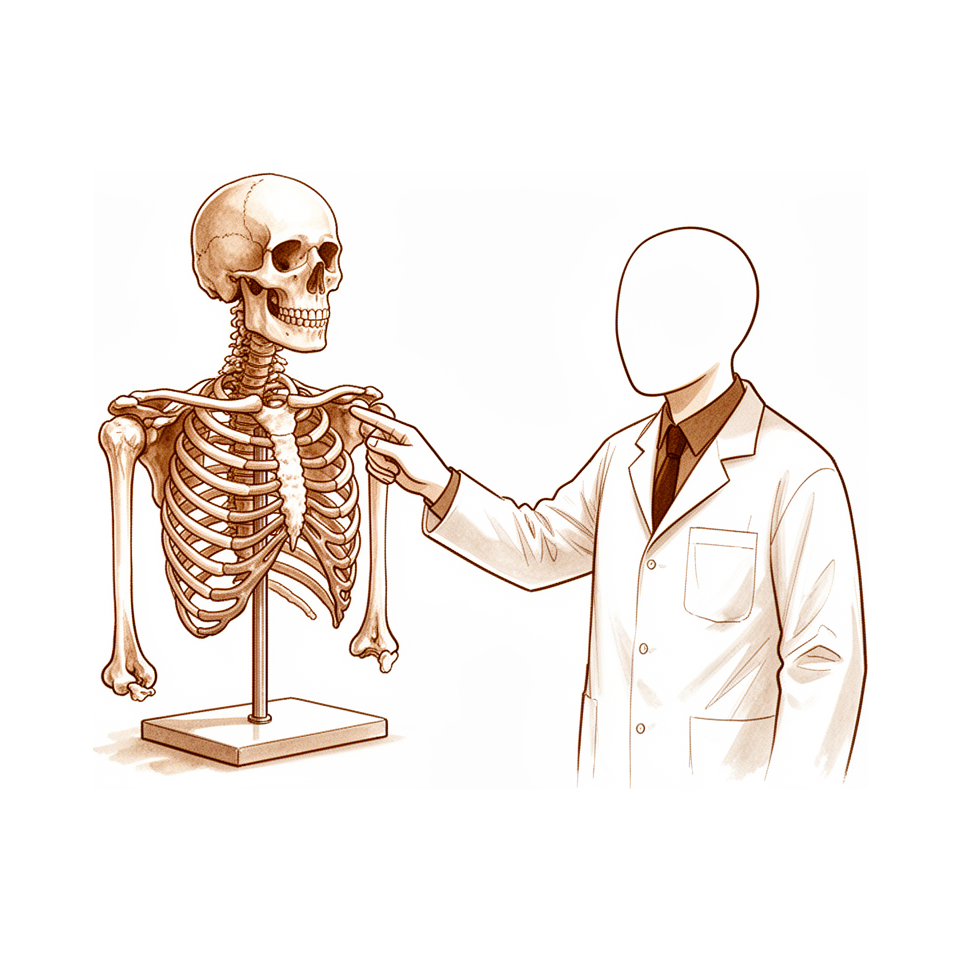
The proximal humerus comprises the humeral head, greater tuberosity, lesser tuberosity, and humeral shaft [73]. The articular head is spherical with a diameter of 37 to 57 mm [73]. The most superior portion of the articular surface averages 8 mm above the greater tuberosity [73]. Humeral version averages 29.8 degrees, ranging from 10 to 55 degrees [73]. The humeral head is inclined approximately 130 degrees with respect to the humeral shaft [73]. The bicipital groove lies between the greater and lesser tuberosities, serving as a pathway for the long head of the biceps [73]. The distal aspect of the bicipital groove is internally rotated with respect to the proximal portion [73]. The anatomic neck is located at the junction of the articular surface and the tuberosities [73]. The surgical neck represents an indistinct region below the tuberosities but above the humeral shaft [73].
The greater tuberosity serves as the attachment site for the supraspinatus, infraspinatus, and teres minor tendons [73]. The lesser tuberosity serves as the attachment site for the subscapularis tendon [73]. The glenoid is a convex structure of shallow depth shaped like an inverted pear [73]. The acromion, coracoacromial ligament, and coracoid process form the coracoacromial arch [73]. The rotator cuff, subacromial bursa, and subdeltoid bursa pass underneath the coracoacromial arch [73].
The scapula is attached to the axial skeleton by the clavicle via the acromioclavicular and sternoclavicular joints [75]. The scapula is separated from the chest wall by thin gliding fibro-fatty tissue, allowing smooth excursion over the chest wall [75]. The basic part of the scapula is the body, which is triangular when viewed anteroposteriorly [75]. The glenoid is connected with the flat body of the scapula by the scapular neck [75]. The coracoid process curves forwards from the superior surface of the scapular neck [75]. The scapular spine ends in a flattened bony process, the acromion, which curves forwards [75]. The highest concentration of bony mass in the scapula is found in the glenoid, the scapular neck including the base of the coracoid process, and the lateral border of the scapular body [75].
Two bony pillars extend between the glenoid and the scapular body to transmit compressive forces from the glenoid fossa [75]. The lateral pillar connects the inferior border of the glenoid with the inferior angle [75]. The spinal pillar arises from the central part of the glenoid and continues medially to become part of the base of the scapular spine [75]. The two pillars connected by a markedly thinner medial border form the basic load-bearing structure of the scapular body, constituting the biomechanical body of the scapula [75]. The weakest bone in the scapula is located primarily in the central part of the biomechanical body, specifically in the infraspinous fossa [75]. The weakest area of the circumference of the biomechanical body of the scapula is the spinomedial angle, which is the connection of the scapular spine and the medial border of the scapula [75]. In most scapular body fractures, one of the main fracture lines passes through the spinomedial angle [75].
The clavicle is the first bone to ossify at the fifth week of gestation and is the only long bone to ossify by intramembranous ossification [76]. The medial epiphysis of the clavicle is the last ossification center to fuse, occurring at age 20 to 25 years [76]. The primary blood supply to the clavicle is periosteal, and no nutrient artery is present [76]. The scapula has only one true diarthrodial articulation, the acromioclavicular joint [76]. Normal shoulder motion is approximately two-thirds glenohumeral and one-third scapulothoracic [76]. Ossification of the scapular body begins at the eighth week of gestation [76]. The scapular spine is an osseous ridge that separates the supraspinatus and infraspinatus fossae [76]. The acromion has three ossification centers: the metacromion, mesoacromion, and preacromion [76]. Failure of fusion of the acromial ossification centers results in os acromiale [76]. The relationship between acromial anatomy and rotator cuff disease remains controversial [76]. The classification of acromial morphology as flat, curved, or hooked is challenged by poor interobserver reliability [76]. The coracobrachialis muscle and the short head of the biceps tendon originate from the coracoid process [76]. The pectoralis minor muscle inserts onto the medial coracoid process [76]. The relationship between coracoid morphology and subscapularis tears is controversial [76].
The subchondral bone of the glenoid is relatively flat, and the articular concavity is augmented by cartilage and a circumferential labrum [76]. The glenoid averages 5 degrees of retroversion in relation to the axis of the scapular body [76]. The superior shoulder suspensory complex provides a stable connection between the scapula and the axial skeleton [76]. The superior shoulder suspensory complex is composed of the glenoid, coracoid process, coracoclavicular ligaments, distal clavicle, acromioclavicular joint, and acromion [76]. The superior strut of the superior shoulder suspensory complex comprises the middle clavicle [76]. The inferior strut of the superior shoulder suspensory complex comprises the lateral scapular border and spine of the scapula [76].
The proximal humerus has three centers of ossification: the humeral head, greater tuberosity, and lesser tuberosity [76]. The humeral head ossification center appears at 4 to 6 months, the greater tuberosity at 1 to 3 years, and the lesser tuberosity at 3 to 5 years [76]. The proximal humeral ossification centers fuse to the shaft at age 17 to 20 years [76]. The humeral head averages 19 degrees of retroversion and 41 degrees of inclination [76]. The anterolateral ascending branch of the anterior humeral circumflex artery provides the primary blood supply to the humeral head [76]. The anterolateral ascending branch of the anterior humeral circumflex artery travels proximally in the lateral aspect of the intertubercular groove [76]. The terminal intraosseous portion of the anterior humeral circumflex artery enters at the proximal aspect of the intertubercular groove as the arcuate artery [76].
The sternoclavicular joint is the only true diarthrodial articulation between the upper appendicular and axial skeletons [76]. The posterior sternoclavicular joint capsule and ligaments are the primary stabilizers to anterior and posterior translation of the medial clavicle [76]. The acromioclavicular joint is a small diarthrodial joint with an interposed fibrocartilaginous disk [76]. The superior and posterior acromioclavicular ligaments are the primary stabilizers to anterior and posterior translation of the clavicle [76]. The coracoclavicular ligaments are the primary stabilizers to superior translation of the distal clavicle [76]. The conoid ligament is medial and the trapezoid ligament is lateral within the coracoclavicular complex [76].
The rotator cuff stabilizes the glenohumeral joint via joint compression [76]. Positioning of the scapulothoracic joint contributes to dynamic stability of the glenohumeral joint [76]. Static stabilizers of the glenohumeral joint include articular congruity, the glenoid labrum, concavity-compression, negative intra-articular pressure, and the glenohumeral capsule and ligaments [76]. The glenoid labrum provides concavity and up to 50% of marginal glenoid socket depth [76]. The rotator interval is defined medially by the base of the coracoid, superiorly by the supraspinatus tendon, and inferiorly by the subscapularis tendon [76]. The rotator interval contains the coracohumeral ligament, the superior glenohumeral ligament, and the intra-articular portion of the long head of the biceps tendon [76]. Laxity of the rotator interval results in inferior laxity, known as the sulcus sign [76]. Contracture of the rotator interval is seen with adhesive capsulitis [76].
The coracohumeral ligament restricts external rotation in adduction [76]. The coracohumeral ligament is a static restraint to inferior and posterior translation in adduction and external rotation [76]. The superior glenohumeral ligament is a primary static restraint against anterior translation with the arm at the side [76]. With the coracohumeral ligament, the superior glenohumeral ligament forms a pulley that provides restraint against medial subluxation of the long head of the biceps tendon [76]. The middle glenohumeral ligament is a primary static restraint against anterior translation with the arm in external rotation and 45 degrees of abduction [76]. The anterior band of the inferior glenohumeral ligament is a primary static restraint against anterior-inferior dislocation of the glenohumeral joint in 90 degrees of abduction and external rotation [76]. The posterior band of the inferior glenohumeral ligament is a primary static restraint against posterior-inferior translation in internal rotation and adduction [76].
The superior transverse scapular ligament arises from the medial base of the coracoid overlying the suprascapular notch [76]. The suprascapular artery runs superior to the superior transverse scapular ligament, and the nerve runs deep to the ligament [76]. Entrapment of the suprascapular nerve at the superior transverse scapular ligament causes denervation of both the supraspinatus and the infraspinatus [76]. The spinoglenoid ligament overlies the suprascapular nerve at the spinoglenoid notch [76]. Entrapment, traction, or compression of the suprascapular nerve at the spinoglenoid notch causes denervation of the infraspinatus [76].
The scapula spans the second through seventh ribs and serves as an attachment for 17 muscles [87]. The scapula is anteverted on the chest wall approximately 30 degrees relative to the body [87]. Grashey radiographs are taken obliquely at 30 degrees for a true anteroposterior view of the scapula [87]. The glenoid is retroverted approximately 5 degrees relative to the scapular body [87]. Os acromiale is incomplete fusion of secondary ossification centers, most commonly between the mesoacromion and meta-acromion [87]. Attachments to the coracoid include the coracoacromial ligament, coracoclavicular ligaments, conjoined tendon, and pectoralis minor [87]. The suprascapular artery passes superior to the superior transverse scapular ligament and the suprascapular nerve passes inferior to the ligament through the suprascapular notch [87]. At the spinoglenoid notch, both the artery and nerve are inferior to the inferior transverse scapular ligament [87]. The coracoacromial ligament contributes to anterosuperior stability in rotator cuff deficiency [87]. The coracoacromial ligament should be preserved with irreparable cuff tears to prevent anterosuperior escape [87]. The acromial branch of the thoracoacromial artery runs on the medial aspect of the coracoacromial ligament [87]. The coracoacromial ligament is the arthroscopic landmark for a complete release of the rotator interval for adhesive capsulitis [87].
The clavicle is the first bone in the body to ossify at 5 weeks gestation and last to fuse with the medial epiphysis at 25 years of age [87]. Fracture of the clavicle is the most common musculoskeletal birth injury [87]. The humeral head is retroverted 30 degrees relative to the transepicondylar axis of the humerus [87]. Head height is approximately 5.6 cm above the superior border of the pectoralis major tendon [87]. The anatomic neck is located directly below the humeral head and serves as an attachment for the shoulder capsule [87]. The surgical neck is more distal than the anatomic neck and is more often involved in fractures [87]. The transverse humeral ligament is an important stabilizer of the biceps tendon [87].
The sternoclavicular joint is a double gliding joint with an articular disc [87]. The sternoclavicular joint is the only true joint connecting the upper extremity with the axial skeleton [87]. The posterior sternoclavicular ligament is the strongest and primary restraint to anteroposterior instability [87]. The sternoclavicular joint rotates 30 degrees with shoulder motion [87]. The acromioclavicular joint is a plane or gliding joint with a fibrocartilaginous disc [87]. Acromioclavicular ligaments prevent anteroposterior displacement of the clavicle [87]. The posterior and superior acromioclavicular ligaments are considered the strongest [87]. Coracoclavicular ligaments prevent superior displacement of the distal clavicle [87]. The trapezoid ligament is anterolateral and located approximately 25 mm from the acromioclavicular joint [87]. The conoid ligament is posteromedial, stronger, and located approximately 45 mm from the acromioclavicular joint [87].
The humeral shaft extends from the level of the insertion of the pectoralis major muscle proximally to the supracondylar ridge distally [74]. The upper portion of the humeral shaft is cylindrical and becomes more flattened in an anteroposterior direction as it proceeds distally [74]. Medial and lateral intermuscular septae divide the arm into anterior and posterior compartments [74]. The anterior compartment of the arm contains the biceps brachii, coracobrachialis, and brachialis muscles, along with the neurovascular bundle [74]. The neurovascular bundle in the anterior compartment courses along the medial border of the biceps with the brachial artery and vein and the median, musculocutaneous, and ulnar nerves [74]. The posterior compartment of the arm contains the triceps brachii muscle and the radial nerve [74]. The glenoid cavity is a shallow socket, approximately one-third the size of the humeral head [74]. Stability of the glenohumeral joint depends on the capsule, ligament, and muscle [74]. A redundant capsule allows for motion in the glenohumeral joint [74]. The proximal humerus contains the humeral head, lesser and greater tuberosities, bicipital groove, and proximal humeral shaft [74]. The anatomic neck lies at the junction of the head and the tuberosities [74]. The surgical neck lies below the greater and lesser tuberosities [74].
Vascular & Neural Anatomy
The proximal humerus receives its blood supply from the anterior and posterior humeral circumflex branches from the third division of the axillary artery [73]. The posterior humeral circumflex artery travels with the axillary nerve, enters the quadrilateral space posteriorly, and anastomoses with a branch of the anterior circumflex to supply the posterior cuff [73]. The anterior humeral circumflex artery arises from the axillary artery at the inferior border of the subscapularis [73]. The anterior humeral circumflex artery provides vascular inflow to the humeral head by way of its terminal anterolateral branch known as the artery of Laing or arcuate artery [73]. The ascending branch of the anterior humeral circumflex artery courses parallel to the lateral aspect of the long head biceps tendon and enters the humeral head at the interface of the bicipital groove and greater tuberosity [73]. Injury to the arcuate artery may result in osteonecrosis of the humeral head [73]. Additional extraosseous collateral branches can permit humeral head perfusion despite complete ligation of the arcuate artery [73].
Classification
Ligaments and Tendons
Ligaments are composed of densely packed type I collagen, proteoglycans, elastin, and water [12]. They are shorter and wider than tendons, with a lower percentage of collagen and a higher percentage of proteoglycans and water [12]. Type I collagen constitutes approximately 70% of the dry weight of ligaments [12]. The collagen fibers in ligaments are less organized than those in tendons, and ligament fibroblasts appear rounder than tendon fibroblasts [12]. Ligaments exhibit viscoelastic behavior similar to that of tendons, though they possess relatively low vascularity and cellularity [12].
Ligament Injury Grading: Ligament injuries are generally classified into three grades [12]. Grade I corresponds to a mild sprain [12]. Grade II corresponds to a moderate sprain or partial tear [12]. Grade III corresponds to a complete ligament tear [12]. An additional type of ligament injury is avulsion of the ligament from its bony insertion [12].
Soft Tissue Sarcomas
Enneking Staging System: This system classifies tumours based on grade (high or low), presence of metastases, and compartmental status (confined to or grown out of the original compartment) [103]. A compartment is defined as an enclosed tissue space, such as a bone, a joint space, or a muscle group confined by its fascial envelope [103]. Stage 1A is a low-grade, intracompartmental tumour [103]. Stage 1B is a low-grade, extracompartmental tumour [103]. Stage 2A is a high-grade, intracompartmental tumour [103]. Stage 2B is a high-grade, extracompartmental tumour [103]. Stage 3 includes any of the above with metastases [103].
TNM Staging System: In this system, size is dichotomized to small (<5 cm) or large (>5 cm) [103]. Stage 1A is low-grade, small, with no metastases [103]. Stage 1B is low-grade, large, with no metastases [103]. Stage 2A is intermediate- or high-grade, small, with no metastases [103]. Stage 2B is intermediate-grade, large, with no metastases [103]. Stage 3 is high-grade, large, with no metastases [103]. Stage 4 is any tumour with metastases [103].
Rotator Cuff and Tendon Pathology
Sugaya Classification: This system grades rotator cuff tendon healing on MRI [163]. Grade I indicates sufficient thickness with homogenously low intensity [163]. Grade II indicates sufficient thickness with partial high intensity [163]. Grade III indicates insufficient thickness without discontinuity [163]. Grade IV indicates the presence of minor discontinuity [163]. Grade V indicates the presence of a major discontinuity [163]. Grades I to III are classed as healed, irrespective of their aspect [38]. Grades IV and V are classed as either an iterative tear or a failed healing response [38].
Riley Classification: This system identifies tendinopathy Grade III and Grade IV [141].
Boileau et al. Grading System: This system classifies structural integrity of repaired tendons [143]. Intact indicates no leakage at the insertion or in the tendon [143]. Incomplete leakage indicates a small slit of contrast medium leakage into the tendon limited to one oblique coronal section [143]. Complete leakage indicates apparent discontinuity with contrast medium into the subacromial space [143].
Hamada-Fukuda Classification: This classification is used to grade rotator cuff tears based on radiologic factors [38].
Samilson-Prieto Grading: Grades I to IV are used to assess the presence of glenohumeral arthritis [38].
Anatomical Variations and Structures
Biceps Tendon Variations: A classification of 12 variations of the intra-articular portion of the long head of the biceps tendon has been proposed [151].
Subscapularis Muscle: The most common type of subscapularis muscle features three bellies, in line with Larson's model of the division of the subscapularis muscle into three parts [63].
Rotator Interval Variants: DePalma types 1 and 3 are the most commonly encountered anatomic variants in the rotator interval region [62].
Bicipital Tunnel: The bicipital tunnel is a closed space with 3 anatomically and histologically distinct zones, where zones 1 and 2 differ from zone 3 [142].
Clinical Presentation
General Soft Tissue and Ligament Properties
Ligaments function to restrict joint motion and stabilize joints [12]. Type I collagen constitutes approximately 70% of the dry weight of ligaments [12]. Ligament injuries are classified into three grades: * Grade I: Mild sprain [12]. * Grade II: Moderate sprain or partial tear [12]. * Grade III: Complete ligament tear [12].
Shoulder Impingement Syndrome
Shoulder impingement syndrome is the most commonly diagnosed shoulder disorder, typically presenting with rotator cuff tendinopathy [15]. The aetiology remains unclear and debated [15]. The superior boundary of the subacromial space is formed by the acromion and the coracoacromial ligament [15]. The anterior acromion has been identified as the site where compression on the bursal side of the rotator cuff tendon occurs if it does not move superiorly during arm elevation [15]. Only 25% to 30% of the surface of the humeral head is in contact with the glenoid at one time [15].
Subjective mechanical symptoms are a common complaint in patients with suspected rotator cuff pathology [49]. The presence of a subacromial spur is presumptive evidence of shoulder impingement [133]. Dynamic sonography allows direct visualization of the relationships between the acromion, humeral head, and intervening soft tissues during active shoulder motion [11]. Extensive intraarticular contact observed in all subjects suggests that internal impingement mechanisms may play a role in the Neer and Hawkins sign positions [40].
Fibrous bands are a common finding in the quadrilateral space in cadavers, suggesting they are a normal finding rather than a pathological cause [19]. Sternoclavicular joint arthritis is an unrecognized cause of shoulder impingement; the 'shrug test' is recommended as part of routine shoulder examination to recognize this condition early [35]. Soft tissue tumours can cause coracoid impingement syndrome [39]. A subacromial lipoma can cause shoulder impingement syndrome, and MRI is useful to determine the precise etiology and inform surgical treatment [50]. A septum between the long head biceps tendon and intra-articular supraspinatus can cause anterior shoulder pain; recognizing this anatomy may help arthroscopic surgeons decide therapeutic options [36].
Digital infrared thermographic imaging shows that forward elevation and external rotation are more reduced in the hypothermic group compared to hyperthermic and normal groups in patients with shoulder impingement syndrome [122]. Clinical examination can rule out the presence of a rotator cuff tear only if done by a clinical specialist such as an orthopedic surgeon [122]. No conclusive evidence favors any single test to detect rotator cuff disorders accurately [122].
Rotator Cuff and Biceps Pathology
Diagnosis of long head biceps tendon and subscapularis pathology in association with shoulder rotator cuff pathology can be challenging due to limitations in MRI and arthroscopic visualization [58]. Surgeons should maintain a high level of suspicion and utilize specific techniques to prevent missing long head biceps tendon and subscapularis pathology [58]. In situations where the biceps is at risk for scarring, the biomechanical consequence of biceps adhesions may limit range of motion and clinical outcomes [4]. Three congenital variations in the long head of the biceps tendon have been presented, with literature reviews unable to link these uncommon lesions to a common pathoanatomic presentation or suggest a universally accepted treatment algorithm [37].
While retear is common in rotator cuff pathology, patients may still experience pain and functional improvement [20]. Intact rotator cuff repairs generally lead to better long-term outcomes [20]. Recognition of atypical presentations of calcific tendinitis with bone erosion may prevent unnecessary biopsy and overtreatment [52].
Instability and Capsulolabral Pathology
Recognizing complex soft tissue injuries is important to restore anatomic attachments and prevent chronic instability in global elbow instability [1]. Open reduction of interposed tissues in irreducible isolated anteromedial radial head dislocation can result in a good functional outcome, at least in the short term [2]. Understanding the detailed anatomy and anatomical variations of the glenohumeral joint is essential for surgeons to understand pathology, make correct diagnoses of instability, and select proper treatment options [33]. While DePalma types 1 and 3 are most commonly encountered in the rotator interval region, other anatomic variants are frequent and should be considered when assessing and manipulating structures [62]. The glenoid labrum's embryology, anatomy, microscopy, biomechanical properties, and clinical lesions are summarized to aid clinicians in understanding its function and pathology [6].
Scapular and Periscapular Pathology
Scapular muscle detachment appears to be a clinically identifiable syndrome with a homogeneous set of history and physical findings [9]. Nuchal fibromas, typically superficial lesions, may involve deep skeletal muscle and fascia and can be difficult to resect [16]. Contracture of the deltoid muscle presents with pain, skin dimpling, palpable fibrous bands, and winging of the scapula [34].
Other Soft Tissue Presentations
Nonsurgical treatment may be a viable option for spinoglenoid ganglion cysts in the absence of suprascapular nerve involvement or superior labrum anterior and posterior-related physical findings [56]. The presentation of giant cell tumors of the tendon sheath in Hoffa fat pad is exceptional [59].
Investigations
Plain radiography: Standardized plain films are almost always sufficient to garner the information needed for shoulder care, and there is information that can be gathered from properly taken plain films that cannot be obtained from CT scans [47]. The purpose of imaging the shoulder is to help establish the diagnosis, determine the severity of the pathoanatomy, assist in surgical planning, and enable the surgeon to illustrate the condition of the shoulder to the patient [47]. Unless a specific research protocol is in place, the temptation to “overimage” should be resisted, obtaining only the scans or reconstructions that are necessary for the care of the patient [47]. Proper radiographic technique is as important as proper surgical technique to achieve the desired outcome [47]. At least two X-ray views should be obtained for shoulder imaging: an anteroposterior in the plane of the glenoid and an axillary projection with the arm in abduction to show the relationship of the humeral head to the glenoid [90].
The first key radiographic view is the anteroposterior (AP) in the plane of the scapula taken so that the x-ray beam passes through the glenohumeral joint [47]. The AP view in the plane of the scapula shows the superoinferior position of the humeral head relative to the glenoid, the presence of osteophytes on the humeral head and glenoid, narrowing of the joint space, and the degree of medial displacement of the humerus in relation to the lateral acromial line [47]. The second key radiographic view is the axillary view taken with the arm in the functional position of elevation in the plane of the scapula and oriented so that both the spinoglenoid notch and the scapular neck are visible [47]. The axillary view demonstrates the glenohumeral relationships in the functional position of elevation and is referred to as the “truth view” [47]. The standardized axillary view enables the measurement of posterior subluxation or “functional decentering” that is not evident in images taken with the arm at the side [47].
The degree of posterior subluxation can be measured as the position of the center of the humeral head in relation to the plane of the scapula, the position of the center of the humeral head in relation to the glenoid face, or the point of contact of the humeral articular surface on the glenoid articular surface [47]. The point of contact of the humeral articular surface on the glenoid articular surface reflects the degree of centering of the net humeral joint reaction force on the glenoid [47]. Malcentering of the joint reaction force leads to posterior instability, posterior glenoid wear, and “rocking horse” loosening of prosthetic glenoid components [47]. Patients presenting with shoulder instability and dislocations are initially imaged with standard radiographs to provide an overview of bony anatomy, orientation of the humeral head in relation to the glenoid, and initial assessment for bony Bankart and Hill–Sachs lesions [102]. In a systematic review of posterior shoulder dislocations, 73% of patients had a missed initial diagnosis due to the lack of an axillary view, Y view, or computed tomography (CT) imaging [102]. Of the patients with missed initial diagnoses of posterior dislocation, 98% had only AP or lateral views of the shoulder [102]. When axillary or Y-view radiographs were made subsequently in patients with suspected posterior dislocation, the diagnosis was confirmed in 100% of patients [102].
Specific radiographic views are indicated for targeted pathology: the Stryker Notch view is indicated to evaluate for Hill–Sachs lesion after dislocation [99]; the West Point view is indicated to evaluate for anterior glenoid bone loss [99]; the Zanca view is indicated to evaluate the acromioclavicular (AC) joint [99]; the apical oblique view is indicated to evaluate for glenoid rim fracture in instability [99]; and the Serendipity view is indicated to evaluate the sternoclavicular joint [99]. Normal radiographic parameters include an acromiohumeral distance of 7 to 14 mm [99], a symmetric superior and inferior glenohumeral joint space width [99], and a coracoclavicular distance of 1.1 to 1.3 cm [99]. Type III acromial morphology has been shown to have a correlation with the presence of rotator cuff disease, although no direct causal relationship has been demonstrated [99]. The classification of acromial morphology has shown relatively poor interobserver reliability [99]. A study demonstrates a significant association between oblique AC joint morphology and patients requiring AC joint excision for pain [22]. Neither the critical shoulder angle nor the acromial index influenced the functional outcomes of massive posterosuperior tears after repair [170].
CT: CT scans may offer a few degrees of increased precision in the measurement of glenoid version, but this precision does not necessarily improve the quality of the surgery or the clinical outcome [47]. CT scans have the disadvantage of being taken with the arm in the adducted position, unlike the axillary truth view [47]. Computed tomography (CT) is helpful for planning fracture surgery and shoulder joint replacement [90]. CT imaging is frequently used to evaluate fractures of the shoulder, to assess for bony lesions in recurrent instability cases, or for preoperative templating for shoulder arthritis [97]. CT with three-dimensional reconstructions is the advanced imaging study of choice for determining the extent of glenoid bone loss in the setting of shoulder instability [99].
MRI: Magnetic resonance imaging (MRI) is useful to identify osteonecrosis of the humeral head, or a bone tumour [90]. MRI can identify labral tears and rotator cuff tears, although the accuracy for these is enhanced by combining the scan with arthrography [90]. MRI is the modality of choice for evaluating the rotator cuff, biceps, and subacromial/subdeltoid bursa [97]. T1-weighted MRI can reveal Hill–Sachs lesions and is often used with magnetic resonance (MR) arthrograms to provide a more detailed picture of the joint surfaces [97]. T2-weighted MRI provides better visualization of full thickness rotator cuff tears [97]. MR arthrography is considered the benchmark for evaluation for labral tears and rarely is indicated for evaluation of rotator cuff pathology [97]. When MRI or MR arthrography is contraindicated, CT arthrography is indicated [97].
Traditional magnetic resonance imaging (MRI) is utilized for evaluation of soft tissues in anterior shoulder instability with high contrast and spatial resolution [95]. Magnetic resonance (MR) accuracy in identifying labral and rotator cuff tears in the literature ranges from 70% to 100% [95]. MR arthrography (MRA) increases both sensitivity and specificity in detecting injuries to the capsulolabral–ligamentous complex as compared to traditional MRI [95]. In a meta-analysis of 6 studies including 4,667 shoulders, MRA had greater diagnostic test accuracy for the detection of glenoid labral lesions than MRI, with MRA sensitivity of 88% and specificity of 93% versus MRI sensitivity of 76% and specificity of 87% [95]. Abduction and external rotation (ABER) of the arm is an alternative position utilized to increase the sensitivity and specificity for detecting anteroinferior labroligamentous injury [95]. Limited range of motion or pain may prohibit patients from performing the ABER provocative maneuver [95]. Schreinemachers et al. found that full routine MRI or MRA examination had similar accuracy as the ABER sequence in evaluating the anteroinferior labral–ligamentous complex [95]. Tian et al. found that the sensitivity of MRA with the ABER position for detecting anteroinferior labral lesions was significantly higher than that of MRA in neutral position and more effective in identifying Perthes lesions [95].
MRAs can demonstrate a patulous capsule on the coronal, sagittal, and axial imaging in patients with multidirectional instability (MDI) [95]. MRAs can be helpful in evaluating lesions of the rotator interval and other associated findings that may affect the eventual surgical plan [95]. The presence of glenoid dysplasia, increased capsular cross-sectional area, and increased glenoid retroversion have all been found to be associated with increased posterior labral tears and symptomatic instability [95]. Glenoid retroversion was significantly increased in patients with symptomatic posterior labral tears, but there was no significant association between instability and increased humeral head subluxation [95]. The diagnosis of multidirectional instability (MDI) is a clinical one, and the need for expensive and/or invasive imaging should be weighed against the information that will be gained from these studies [95]. MRI is very useful to determine the precise etiology and inform surgical treatment for subacromial lipoma causing shoulder impingement syndrome [50]. A high index of suspicion and MRI arthrogram investigation are necessary for non-operatively treated proximal humerus fractures if symptoms persist, to address biceps tendon pathology operatively if indicated [182]. The H-loop technique resulted in a lower MRI signal-to-noise ratio compared to other suture constructs in an animal study of subscapularis tendon tear healing [179]. Magnetic resonance imaging indicates that the donor site after autologous osteochondral mosaicplasty for cartilaginous lesions of the elbow joint is resurfaced with fibrous tissue [146].
Ultrasonography: Ultrasonography is a simple and accurate test for identifying rotator cuff tears and calcific tendinitis [90]. Ultrasonography can be useful in guiding injections or barbotage (aspirating calcific deposits in the rotator cuff) [90]. Ultrasonography is a low-cost alternative to MRI and arthrography for evaluating both skeletal and soft-tissue structures of the shoulder [97]. Ultrasonography can provide immediate, real-time visualization of the rotator cuff, biceps tendon, and calcific deposits [97]. Ultrasonography can be used to measure the subacromial space and detect atrophy of rotator cuff muscles [97]. As a result of providing images in real-time, ultrasonography can evaluate impingement in various positions and motions [97]. Ultrasonography is highly operator dependent and is not as useful for evaluating labral tears or rotator cuff tears that are very small or larger than 3 cm [97]. Dynamic sonography can provide useful information regarding potential intrinsic and extrinsic causes of shoulder impingement syndrome [11]. The most commonly performed joint examination using ultrasonography is the shoulder examination [88]. Accuracy of rotator cuff ultrasonography depends on the skill of the scanner operator and an awareness of pitfalls that are encountered [88]. Ultrasonography can pick up on partial tears of zone II flexor tendon lacerations that may need treatment but have normal physical examination findings [88].
In a study of 147 patients with rotator cuff calcific tendinitis treated with ultrasonography-guided lavage, 70% of shoulders resulted in significant reduction of symptoms [88]. Calcifications that were softer and middle-sized (12 to 17 mm) had more significant improvement after ultrasonography-guided lavage [88]. Better results after ultrasonography-guided lavage for calcific tendinitis occurred in patients aged 30 to 40 years [88]. The sensitivity of ultrasonography for the detection of full-thickness rotator cuff tears is 98% [99]. The specificity of ultrasonography for the detection of full-thickness rotator cuff tears is 80% [99]. The positive predictive value of ultrasonography for the detection of full-thickness rotator cuff tears is 90% [99]. The negative predictive value of ultrasonography for the detection of full-thickness rotator cuff tears is 95% [99]. The accuracy of ultrasonography for the detection of full-thickness rotator cuff tears is 94% [99]. The sensitivity of MRI for the detection of full-thickness rotator cuff tears is 100% [99]. The specificity of MRI for the detection of full-thickness rotator cuff tears is 68% [99]. The positive predictive value of MRI for the detection of full-thickness rotator cuff tears is 85% [99]. The negative predictive value of MRI for the detection of full-thickness rotator cuff tears is 100% [99]. The accuracy of MRI for the detection of full-thickness rotator cuff tears is 89% [99].
Arthroscopy: Arthroscopy is useful for diagnosing and treating subacromial impingement, intra-articular lesions, detachment of the glenoid labrum and rotator cuff tears [90]. The arthroscopic approach offers a unique advantage in diagnosing and treating occult intra-articular pathology [168]. Arthroscopic surgery allowed for complete resection of the lesions in patients with coracoid impingement caused by soft tissue tumours [39]. Recognizing anterior shoulder pain due to persistence of a septum between long head biceps tendon and intra-articular supraspinatus may help arthroscopic surgeons decide the best therapeutic options depending on each patient's symptoms [36]. Extensive intraarticular contact observed in all subjects suggests that internal impingement mechanisms may play a role in the Neer and Hawkins sign positions for shoulder impingement [40].
Other Considerations: The authors highlight the importance of recognizing complex soft tissue injuries to restore anatomic attachments and prevent chronic instability in global elbow instability [1]. Radiographic methods including 3-D CT and MRI as well as the intraoperative findings of the labrum cannot be considered an accurate and reliable basis for the diagnosis and treatment of subspine impingement in patients with femoroacetabular impingement [165]. The findings demonstrate that nuchal fibromas, typically superficial lesions, may involve deep skeletal muscle and fascia and can be difficult to resect [16]. The findings stress the importance of early diagnosis and proper treatment of synovial chondromatosis of the hip [72]. Synovial chondromatosis should be considered when a periarticular mass is evident [177]. Conservative treatment was useless for idiopathic extension contracture of the little metacarpophalangeal joint [53]. The IBR enabled a robust healing response evident through MRI and biopsy evaluation, demonstrating superior tendon quality and healing in full-thickness rotator cuff tears [67]. Medialization provides less tension to the tendon which leads to a more effective healing process and improves clinical outcome postoperatively for postero superior retracted cuff tears [68]. Improved histology was correlated with improved final construct strength at the 12-week time point in a sheep model of rotator cuff repair using an interposition bioresorbable scaffold [26]. Repair of both anterior capsulolabral lesions and supraspinatus tendon tears successfully restored range of motion and increased the force required for dislocation in human cadaveric shoulders [181]. The lateral impression of the greater tuberosity could be identified in dry bone samples and on 3D micro-CT images of the humerus [180]. Multi-photon imaging revealed a clear three-dimensional structure of the human muscle in rotator cuff tears with or without fatty infiltration [171]. Surgeons should be aware of the increased effective length of knotless suture anchors and utilize imaging to investigate postoperative failure to progress [175]. The diagnosis of a stiff shoulder depends on awareness of the problem, with history and physical examination being paramount, and ancillary studies may also be helpful in certain circumstances [46]. It is important to understand the natural history of a stiff shoulder so that patients are well informed and can actively participate in decision-making [46]. No treatment has proved to be definitive for a stiff shoulder, and the literature supports many forms of treatment, both operative and nonoperative [46]. The treatment approach for a stiff shoulder should be tailored to each individual patient to ensure the best possible outcome [46]. Understanding of the detailed anatomy and anatomical variations of the glenohumeral joint is essential for surgeons to understand pathology, make correct diagnoses.
Treatment
Non-Operative
Initial management of posterior capsular contracture prioritizes nonsurgical intervention, specifically range-of-motion stretching [128]. For shoulder impingement syndrome following whiplash-type injuries, conservative measures must be pursued before surgical options are considered [139]. Similarly, subacromial decompression is indicated for shoulder impingement only when mechanical impingement is present and pain persists despite nonsurgical measures [145]. In post-traumatic stiffness, manipulation under anaesthetic is recommended when conservative methods fail [149]. Current evidence-based practices among Dutch-speaking physiotherapists align with established treatment guidelines for shoulder impingement syndrome [150]. For lymphedema, complete decongestive therapy may be initiated preoperatively to optimize volume reduction and soft-tissue quality [55]. Conservative treatment of Rockwood type III acromioclavicular joint separation using a brace or sling has shown no statistical difference in CC-index between groups at follow-up [134].
Operative
Indications: Operative treatment for full-thickness rotator cuff tears yields greater improvement in Constant scores and significantly decreased pain compared to nonoperative management [135]. SLAP repairs are generally favored in younger, active patients, whereas treating the biceps is preferred in lower-demand patients aged >30 years [57]. Arthroscopic labrum debridement is the most frequent management for symptomatic non-traumatic shoulder labrum tears in the paediatric population, with both operative and non-operative approaches resulting in good outcomes, high rates of return to sports, and no complications [32].
Surgical Approach / Technique: Open reduction of interposed tissues for irreducible isolated anteromedial radial head dislocation can result in a good functional outcome, at least in the short term [2]. For large rotator cuff tears, the combined suture bridge with Mason-Allen construct demonstrates substantially better structural healing and clinical outcomes at 2 years compared to suture bridge alone [41]. Repair of large rotator cuff tears structurally reinforced with xenograft ECM results in improved functional outcome scores and strength [44]. Isolated bioinductive repair enables a robust healing response evident through MRI and biopsy evaluation, demonstrating superior tendon quality and healing for full-thickness rotator cuff tears [67]. Medialization repair for postero superior retracted cuff tears provides less tension to the tendon, leading to a more effective healing process and improved postoperative clinical outcome [68]. The authors no longer use nor recommend deltoid flap reconstruction for massive rotator cuff tears based on mid- and long-term functional and structural results [71]. Clinical results for arthroscopic surgery of rotator cuff retear show improvements in scores and decreased pain, especially in patients treated with a new repair [159]. A novel technique for managing severe capsulolabral deficiency involves Bankart augmentation with a split subscapularis tendon flap; while less invasive than open approaches, it is technically difficult and requires further studies to confirm consistent success [61]. Histologic evidence indicates robust tissue healing and maturation after thermal treatment by the laser-assisted capsular shift procedure for glenohumeral instability [69]. Although anatomic restoration of the shoulder can be accomplished using subscapularis-sparing TSA, retained osteophytes and significant mismatch of the HHD raise concerns regarding long-term outcomes [27]. The authors advocate removal of the clavicular hook implant as soon as bony union and/or ligamentous healing is achieved to prevent subacromial shoulder impingement and rotator cuff lesion [65].
Postoperative Protocol: The postoperative protocol for rotator interval capsuloligamentous plication typically involves placing patients into a sling for 4 to 6 weeks, with the primary procedure dictating the regimen [129]. It is advised to avoid more than 30 degrees of external rotation for the first 5 to 6 weeks to protect the rotator interval plication [129]. After rotator interval plication, active and active-assisted exercises and terminal range of motion stretching begin after sling removal, with a goal of full activity at 6 months [129]. For modified Neer acromioplasty, gentle passive forward flexion of the shoulder is performed by the surgeon on the afternoon or evening of the day of operation [136]. On the first postoperative day, patients are taught pendulum exercises and passive forward flexion in the supine position [136]. On the second postoperative day, patients are instructed in the use of either a one-meter stick or an overhead pulley to achieve greater passive flexion [136]. Patients are discharged on the second or third postoperative day when comfortable and confident with passive flexion exercises [136]. A sling should be worn when out in public after modified Neer acromioplasty but can be removed when at home, in the office, or while sleeping [136]. Patients undergoing total resection and reconstruction of collateral ligaments for elbow stiffness induced by heterotopic ossification are monitored using a long-arm hinged brace that maintains full extension of the elbow during the night and permits flexion/extension during the daytime [130]. ROM exercises and indomethacin therapy are initiated on the first day after total resection and reconstruction of collateral ligaments for elbow stiffness, with a prophylactic dose of 75 mg/day indomethacin administered for eight weeks postoperatively to prevent HO [130]. Patients are transitioned to the physical therapy and rehabilitation department for additional exercises focusing on pain management for a duration of one month after total resection and reconstruction of collateral ligaments for elbow stiffness [130]. Recovery after excision of a large intermuscular shoulder lipoma was uneventful, involving a simple sling as needed for comfort and supervised physical therapy for active range of motion and strength training continued for 6 months [132].
Revision: Revision total shoulder arthroplasty is technically challenging with inferior results compared to primary arthroplasty, particularly when soft-tissue problems are the indication [3].
Other Considerations: In situations where the biceps is at risk for scarring, the biomechanical consequence of biceps adhesions may limit ROM and clinical outcomes [4]. Improved histology was correlated with improved final construct strength at the 12-week time point when using an interposition bioresorbable scaffold with a vented anchor for primary rotator cuff repair in sheep [26]. The clinical outcomes of reverse total shoulder arthroplasty at a minimum follow-up of 1 year were similar in the high- and lower-risk groups for iatrogenic suprascapular neuropathy by screw violation [25]. Nonpathologic contact beneath the coracoacromial arch may be present in normal shoulders [154]. A significant association exists between oblique AC joint morphology and patients requiring AC joint excision for pain [22]. Current evidences are insufficient to clearly define the relationship between structural integrity of repaired cuffs and long-term clinical outcome [21]. Despite good healing rates, not all patients with healed rotator cuffs experience good outcomes [42]. Long-term outcomes beyond five years and high-quality comparative or randomized trials are needed to define durability, refine indications, and position LHB-based DAS within the broader algorithm for anterior shoulder instability management [24]. Although many treatment techniques for periscapular tendon transfers remain in their infancy and further follow-up is necessary before universal adoption, they provide a novel means of addressing difficult-to-treat and complex shoulder girdle pathologies [10].
Complications
Elbow Instability and Dislocation
Failure to recognize complex soft tissue injuries can lead to chronic instability if anatomic attachments are not restored [1]. Irreducible isolated anteromedial radial head dislocation may occur due to ruptured anterior capsule and annular ligament interposition [2]. Open reduction of interposed tissues in cases of radial head dislocation can result in a good functional outcome, at least in the short term [2].
Shoulder Arthroplasty and Soft Tissue Management
Retained osteophytes and significant mismatch of the humeral head diameter raise concerns regarding long-term outcomes in anatomic total shoulder arthroplasty using a subscapularis-sparing approach [27].
Rotator Cuff Pathology and Repair
Biceps adhesions may limit range of motion and clinical outcomes in situations where the biceps is at risk for scarring [4]. Early surgical treatment seems to be a relevant factor allowing good shoulder function after arthroscopic repair of isolated subscapularis tears [14]. Current evidence is insufficient to clearly define the relationship between structural integrity of repaired cuffs and long-term clinical outcome [21]. Repair of large rotator cuff tears structurally reinforced with xenograft extracellular matrix resulted in improved functional outcome scores and strength [44]. Medialized repair may be useful in cases where anatomic bone-to-tendon repair is difficult due to excessive tension of the repaired tendon and a torn tendon that does not reach the anatomic insertion [167]. Remodeling following chronic tendon tear leads to a degenerative replacement of muscle with connective tissue rather than an active infiltrative process [45].
Impingement Syndrome and Subacromial Space
Shoulder impingement syndrome is the most commonly diagnosed shoulder disorder, yet its aetiology remains unclear and debated [15]. The anterior acromion has been identified as the site at which compression on the bursal side of the rotator cuff tendon occurs if it does not move superiorly during arm elevation [15]. There is a significant association between oblique acromioclavicular joint morphology and patients requiring acromioclavicular joint excision for pain [22].
Muscular and Tendon Complications
Treatment of deltoid muscle contracture resolved pain, skin dimpling, palpable fibrous bands, and winging of the scapula, with no infections or neuromuscular complications [34]. Literature reviews have been unable to link congenital variations of the long head of the biceps tendon to a common pathoanatomic presentation or suggest a universally accepted treatment algorithm [37]. Long-term outcomes beyond five years and high-quality comparative or randomized trials are needed to define the durability of dynamic anterior stabilization of the long head of the biceps [24].
General Soft Tissue and Ligament Considerations
Ligaments are composed of densely packed type I collagen, proteoglycans, elastin, and water, with type I collagen making up about 70% of the dry weight [12]. Ligament injuries are generally classified into three grades: Grade I (mild sprain), Grade II (moderate sprain/partial tear), and Grade III (complete ligament tear), with avulsion from bony insertion as an additional type [12]. In patients with lymphedema, conservative therapies such as complete decongestive therapy can be initiated before surgical intervention to optimize volume reduction and soft-tissue quality [55].
Recovery
Ligament and Tendon Healing: Ligament injuries are classified into three grades: Grade I corresponds to a mild sprain, Grade II corresponds to a moderate sprain or partial tear, and Grade III corresponds to a complete ligament tear [12]. Histologic evaluation of the glenohumeral joint capsule after laser-assisted capsular shift revealed robust tissue healing and maturation following thermal treatment [69]. However, morphologic collagen structure can be histologically abnormal for up to 16 months after thermal capsulorrhaphy [183]. Histological findings suggest that surgical treatment of acute acromioclavicular joint dislocations should be performed as early as possible within a timeframe of 1 week after trauma to exploit the utmost biological healing potential [178]. At the hard-soft tissue interface, a zone exhibiting a gradient in mineral relative to collagen was detected at the leading edge as early as postnatal day 7 [43]. The development of this graded mineralized interface is linked to endochondral bone formation near the tendon insertion [43]. In a sheep model using an interposition bioresorbable scaffold, improved histology was correlated with improved final construct strength at the 12-week time point [26]. Use of a biphasic interpositional allograft resulted in a histological profile that was essentially equivalent to that of a standard rotator cuff repair at 3-, 6-, and 12-week postoperative timepoints in an ovine model [172]. Histologic evaluation indicated that the extracellular matrix likely caused degenerative changes in the long head of the biceps tendon in the presence of rotator cuff tears [174].
Rotator Cuff Repair Outcomes: While retear is common, patients may still experience pain and functional improvement, though intact repairs generally lead to better long-term outcomes [20]. Outcomes were similar at 6 months between the combined suture bridge with Mason-Allen construct and suture bridge alone [41]. At long-term follow-up, arthroscopic rotator cuff repair with the double-row technique showed no significant difference in clinical outcome compared with single-row repair in small to medium tears [166]. Repair of large rotator cuff tears structurally reinforced with xenograft extracellular matrix resulted in improved functional outcomes scores and strength [44].
Soft Tissue Management and Complications: Open reduction of interposed tissues in cases of irreducible isolated anteromedial radial head dislocation can result in a good functional outcome, at least in the short term [2]. The procedure for deltoid muscle contracture resolved pain, skin dimpling, palpable fibrous bands, and winging of the scapula, with no infections or neuromuscular complications [34].
Assessment and Rehabilitation: Dynamic sonography allows direct visualization of the relationships between the acromion, humeral head, and intervening soft tissues during active shoulder motion and can provide useful information regarding potential intrinsic and extrinsic causes of shoulder impingement syndrome [11].
Key Evidence
- [Case_report] The authors highlight the importance of recognizing complex soft tissue injuries to restore anatomic attachments and prevent chronic instability. [1] (10.1016/j.xrrt.2022.08.005)
- [Case_report] Open reduction of interposed tissues can result in a good functional outcome, at least in the short term. [2] (10.1177/17585732211039459)
- [L5] Revision total shoulder arthroplasty is technically challenging with inferior results compared to primary arthroplasty, particularly when soft-tissue problems are the indication. [3] (10.5435/jaaos-21-01-23)
- [L5] In situations where the biceps is at risk for scarring, the biomechanical consequence of biceps adhesions may limit ROM and clinical outcomes. [4] (10.1016/j.jse.2012.07.003)
- [Paper] It allows simple wound closure to be practised safely on a medium which attempts to simulate the properties of soft tissue. [5] (10.1016/0020-1383(95)93506-d)
- [L5] This review presents a concise summary of the embryology, anatomy, microscopy, biomechanical properties and clinical lesions involving the glenoid labrum to aid the clinician in understanding its function and pathology. [6] (10.1111/j.1758-5740.2010.00050.x)
- [L1] Most studies were set in secondary or tertiary care and used reference standards such as arthroscopic surgery, MRI, or ultrasonography. [8] (10.1002/14651858.cd007427.pub2)
- [L4] Scapular muscle detachment appears to be a clinically identifiable syndrome with a homogeneous set of history and physical findings. [9] (10.1016/j.jse.2013.05.008)
- [L5] Although many treatment techniques remain in their infancy and further follow-up is necessary before universal adoption, they provide a novel means of addressing difficult-to-treat and complex shoulder girdle pathologies. [10] (10.1016/j.jhsa.2015.06.123)
- [L4] Dynamic sonography allows direct visualization of the relationships between the acromion, humeral head, and intervening soft tissues during active shoulder motion and can provide useful information regarding potential intrinsic and extrinsic causes of shoulder impingement syndrome. [11] (10.2214/ajr.05.0528)
- [L3] Establishment of normative values may enable surgeons to explain the lack of progress after surgical joint release, determine progress with hand therapy, and choose the optimal timing of surgical intervention once soft-tissue equilibrium is achieved. [13] (10.1016/j.jhsg.2025.100748)
- [L4] Early surgical treatment seems to be a relevant factor allowing good shoulder function. [14] (10.1177/0363546516676261)
- [Paper] [15] (10.1016/j.clinbiomech.2015.06.001)
- [L4] The findings demonstrate that nuchal fibromas, typically superficial lesions, may involve deep skeletal muscle and fascia and can be difficult to resect. [16] (10.2106/00004623-199811000-00017)
- [L5] Fibrous bands are a common finding in the quadrilateral space in cadavers, suggesting they are a normal finding rather than a pathological cause. [19] (10.1016/j.jse.2007.05.013)
- [L5] It highlights that while retear is common, patients may still experience pain and functional improvement, though intact repairs generally lead to better long-term outcomes. [20] (10.1016/j.csm.2017.12.013)
- [L4] Current evidences are insufficient to clearly define the relationship between structural integrity of repaired cuffs and long-term clinical outcome. [21] (10.1007/s00167-014-3234-8)
- [L3] The study demonstrates a significant association between oblique AC joint morphology and patients requiring AC joint excision for pain. [22] (10.1177/1758573214525762)
- [L1] Surgical intervention resulted in a small statistically significant but clinically unimportant improvement in long-term functional outcomes. [23] (10.9778/cmajo.20180179)
- [L4] Long-term outcomes beyond five years and high-quality comparative or randomized trials are needed to define durability, refine indications, and position LHB-based DAS within the broader algorithm for anterior shoulder instability management. [24] (10.5397/cise.2025.00752)
- [L3] However, the clinical outcomes of RTSA at a minimum follow-up of 1 year were similar in the high- and lower-risk groups. [25] (10.1016/j.jse.2021.10.024)
- [L5] Improved histology was correlated with improved final construct strength at the 12-week time point. [26] (10.1016/j.jse.2019.05.024)
- [L2] Although anatomic restoration of the shoulder can be accomplished using subscapularis-sparing TSA, retained osteophytes and significant mismatch of the HHD raise concerns regarding long-term outcomes. [27] (10.1016/j.jse.2015.03.009)
- [L5] The purpose of this article is to review the current literature concerning shoulder anatomy/pathology related to shoulder stability/instability to improve clinical diagnosis and surgical treatment of our patients. [30] (10.1016/j.arthro.2011.05.017)
- [Case_report] Extensive total deltoid excision is an oncologically safe procedure for resection of sarcomas in the deltoid muscle. [31] (10.1016/j.jse.2006.04.004)
- [L4] However, based on the available data, patients are most frequently managed with arthroscopic labrum debridement, and both operative and non-operative management result in good outcomes with high rates of return to sports and no complications. [32] (10.1136/jisakos-2016-000122)
- [L5] Understanding of the detailed anatomy and anatomical variations of the glenohumeral joint is essential for surgeons to understand pathology, make correct diagnoses of instability, and select proper treatment options. [33] (10.1007/s00167-015-3892-1)
- [L3] The procedure resolved pain, skin dimpling, palpable fibrous bands, and winging of the scapula, with no infections or neuromuscular complications. [34] (10.2106/00004623-199802000-00010)
- [L4] The authors recommend the 'shrug test' as part of routine shoulder examination to recognize this pathology early. [35] (10.1111/j.1758-5740.2010.00060.x)
- [L4] Recognizing this entity may help arthroscopic surgeons decide the best therapeutic options depending on each patient's symptoms. [36] (10.1016/j.jse.2011.10.019)
- [L4] The authors present three patients with congenital variations of the long head of the biceps tendon, noting that literature reviews have been unable to link these uncommon lesions to a common pathoanatomic presentation or suggest a universally accepted treatment algorithm. [37] (10.1016/j.jse.2006.10.020)
- [L3] [38] (10.1016/j.jse.2017.03.037)
- [L4] Arthroscopic surgery allowed for complete resection of the lesions in patients with coracoid impingement caused by soft tissue tumours. [39] (10.1007/s00167-014-3048-8)
- [L4] Extensive intraarticular contact observed in all subjects suggests that internal impingement mechanisms may play a role in these signs. [40] (10.1016/j.jse.2005.04.007)
- [L5] The combined suture bridge with Mason-Allen construct demonstrated substantially better structural healing and clinical outcomes at 2 years compared to suture bridge alone, particularly in large and massive tears, though outcomes were similar at 6 months. [41] (10.1016/j.arthro.2023.10.038)
- [L3] Despite good healing rates, not all patients with healed rotator cuffs experience good outcomes. [42] (10.1016/j.jse.2021.03.112)
- [L5] A zone exhibiting a gradient in mineral relative to collagen was detected at the leading edge of the hard-soft tissue interface as early as postnatal day 7, and development of the graded mineralized interface is linked to endochondral bone formation near the tendon insertion. [43] (10.1371/journal.pone.0048630)
- [L4] Repair of large rotator cuff tears structurally reinforced with xenograft ECM resulted in improved functional outcomes scores and strength. [44] (10.1016/j.jse.2016.02.029)
- [L4] Remodeling following chronic tendon tear leads to a degenerative replacement of muscle with connective tissue rather than an active infiltrative process. [45] (10.1016/j.jse.2016.07.070)
- [L2] Subjective mechanical symptoms in the affected shoulder are a common complaint in patients with suspected rotator cuff pathology. [49] (10.1016/j.jse.2024.02.024)
- [L5] MRI is very useful to determine the precise etiology and inform surgical treatment. [50] (10.3233/bmr-140222)
- [L5] Recognition of atypical presentations of calcific tendinitis with bone erosion may prevent unnecessary biopsy and overtreatment. [52] (10.1016/j.jse.2009.02.009)
- [L4] Conservative treatment was useless for this entity. [53] (10.1016/j.jhsa.2012.08.041)
- [L5] [55] (10.5435/jaaos-d-21-01136)
- [L4] Nonsurgical treatment may be a viable option in the absence of suprascapular nerve involvement or superior labrum anterior and posterior-related physical findings. [56] (10.1016/j.jse.2023.11.025)
- [L5] SLAP repairs are generally favored in younger, active patients, whereas treating the biceps is preferred in lower-demand patients aged >30 years. [57] (10.1016/j.jse.2024.09.040)
- [L5] Diagnosis of long head biceps tendon and subscapularis pathology in association with shoulder rotator cuff pathology can be challenging due to limitations in MRI and arthroscopic visualization; surgeons should maintain a high level of suspicion and utilize specific techniques to prevent missing pathology. [58] (10.1016/j.arthro.2017.09.005)
- [L4] The presentation of giant cell tumors of the tendon sheath in Hoffa fat pad is exceptional. [59] (10.1177/2325967117s00038)
- [L4] The authors present a novel technique for managing severe capsulolabral deficiency by Bankart augmentation with a split subscapularis tendon flap, noting that while less invasive than open approaches, it is technically difficult and further studies are needed to confirm consistent success. [61] (10.1016/j.arthro.2011.02.032)
- [L4] While DePalma types 1 and 3 are most commonly encountered, other anatomic variants are frequent and should be considered when assessing and manipulating structures in region of the rotator interval and anterior shoulder. [62] (10.1016/j.jse.2012.08.024)
- [L5] The most common type was the subscapularis muscle with three bellies, in line with Larson's model of the division of the subscapularis muscle into three parts. [63] (10.1155/2021/7450000)
- [L3] The authors advocate removal of the implant as soon as bony union and/or ligamentous healing is achieved. [65] (10.1186/1749-799X-9-6)
- [L1] The IBR enabled a robust healing response evident through MRI and biopsy evaluation, demonstrating superior tendon quality and healing. [67] (10.1016/j.jse.2024.03.043)
- [L4] The study aimed to evaluate functional and radiological outcomes, noting that medialization provides less tension to the tendon which leads to a more effective healing process and improves clinical outcome postoperatively. [68] (10.1016/j.jse.2021.03.122)
- [L4] The study revealed histologic evidence of robust tissue healing and maturation after thermal treatment by the laser-assisted capsular shift procedure, although mechanical and biochemical characterization of the tissue was not evaluated. [69] (10.1177/03635465990270020801)
- [L4] Based on the results of this series, the authors no longer use nor recommend this technique. [71] (10.1016/j.jse.2009.06.005)
- [Case_report] The findings stress the importance of early diagnosis and proper treatment of synovial chondromatosis of the hip. [72] (10.2106/00004623-199173090-00019)
- [L3] [122] (10.1016/j.jse.2006.11.010)
- [L5] Initial management of posterior capsular contracture should be nonsurgical, emphasizing range-of-motion stretching. [128] (10.5435/00124635-200605000-00002)
- [L5] [129] (10.1177/2325967115621494)
- [L4] [130] (10.1016/j.jseint.2025.101418)
- [Case_report] [132] (10.1016/j.jseint.2020.10.006)
- [L4] The presence of a subacromial spur is presumptive evidence of shoulder impingement and the patient should be appropriately evaluated. [133] (10.1148/radiology.150.1.6689783)
- [L2] [134] (10.1016/j.jseint.2023.02.017)
- [L1] Operative treatment resulted in greater improvement in Constant scores and significantly decreased pain scores compared to nonoperative management. [135] (10.1016/j.jse.2017.09.032)
- [L3] Caution should be used when offering surgery to these patients, and conservative measures should be pursued first. [139] (10.1111/j.1758-5740.2012.00199.x)
- [L3] [141] (10.1111/j.1758-5740.2012.00178.x)
- [L5] The bicipital tunnel is a closed space with 3 anatomically and histologically distinct zones, where zones 1 and 2 differ from zone 3. [142] (10.1016/j.jse.2014.09.026)
- [L3] [143] (10.1007/s00167-011-1520-2)
- [L5] The panel agreed that subacromial decompression is a good choice for shoulder impingement if there is evidence of mechanical impingement with pain not responding to nonsurgical measures. [145] (10.1016/j.arthro.2021.09.031)
- [L4] However, magnetic resonance imaging indicates that the donor site is resurfaced with fibrous tissue. [146] (10.1177/0363546507306465)
- [L3] The authors recommend MUA in post-traumatic stiffness cases where conservative methods have failed. [149] (10.1177/1758573217693974)
- [L4] These practices are in line with current evidence for the treatment of SIS. [150] (10.1016/j.jmpt.2012.10.009)
- [L4] The authors propose a classification of 12 variations of the intra-articular portion of the long head of the biceps tendon and suggest that these congenital conditions may acquire pathologic significance due to partial detachment from the mesothelial or synovial fusion with the inferior surface of the capsule. [151] (10.1016/j.jse.2009.03.006)
- [L5] Nonpathologic contact beneath the coracoacromial arch may be present in normal shoulders. [154] (10.1016/j.jse.2009.12.006)
- [L4] Clinical results showed improvements in scores and decreased pain, especially in patients treated with a new repair. [159] (10.1016/j.jse.2021.03.121)
- [L1] [163] (10.3390/jcm12020581)
- [L4] Radiographic methods including 3-D CT and MRI as well as the intraoperative findings of the labrum cannot be considered an accurate and reliable basis for the diagnosis and treatment of SSI in FAI patients. [165] (10.1186/s12891-022-06045-7)
- [L2] At long-term follow-up, arthroscopic rotator cuff repair with the double-row technique showed no significant difference in clinical outcome compared with single-row repair in small to medium tears. [166] (10.1016/j.jse.2009.11.053)
- [L4] Medialized repair may be useful in cases in which anatomic bone-to-tendon repair would be difficult because of the excessive tension of the repaired tendon and a torn tendon that does not reach the anatomic insertion. [167] (10.1016/j.jse.2016.11.007)
- [L1] The arthroscopic approach offers a unique advantage in diagnosing and treating occult intra-articular pathology. [168] (10.1016/j.jse.2006.10.006)
- [L5] This mechanical advantage must be weighed against surgical efficiency, with consideration given to factors such as tissue quality. [169] (10.1016/j.arthro.2010.02.035)
- [L3] Neither of these radiographic parameters influenced the functional outcomes of massive posterosuperior tears after repair. [170] (10.1016/j.jisako.2024.07.008)
- [L4] Multi-photon imaging revealed a clear three-dimensional structure of the human muscle. [171] (10.1016/j.jse.2018.05.005)
- [L5] Use of the biphasic interpositional allograft resulted in a histological profile that was essentially equivalent to that of a standard RCR at 3-, 6-, and 12-week postoperative timepoints. [172] (10.1016/j.arthro.2023.03.018)
- [L5] Histologic evaluation indicated that the extracellular matrix likely caused these degenerative changes. [174] (10.1186/s12891-023-06338-5)
- [L4] Surgeons should be aware of the increased effective length of these devices and utilize imaging to investigate postoperative failure to progress. [175] (10.1016/j.arthro.2009.05.006)
- [L4] The case is presented due to its rarity, with only one similar case found in the literature, suggesting that synovial chondromatosis should be considered when a periarticular mass is evident. [177] (10.2106/00004623-197355080-00020)
- [L4] Our histological findings suggest that surgical treatment of acute ACJ dislocations should be performed as early as possible within a timeframe of 1 week after trauma to exploit the utmost biological healing potential. [178] (10.1186/s12891-020-03614-6)
- [L5] The H-loop technique resulted in more mature histological structures and a lower MRI signal-to-noise ratio. [179] (10.1177/03635465261415821)
- [L5] The lateral impression of the greater tuberosity could be identified in dry bone samples and on 3D micro-CT images of the humerus. [180] (10.1016/j.jse.2014.09.038)
- [L5] Repair of both pathologic conditions successfully restored range of motion and increased the force required for dislocation. [181] (10.1016/j.arthro.2013.05.031)
- [L5] The authors emphasize that a high index of suspicion and MRI arthrogram investigation are necessary for non-operatively treated proximal humerus fractures if symptoms persist, to address biceps tendon pathology operatively if indicated. [182] (10.1136/bcr-2019-232124)
- [L4] Morphologic collagen structure can be histologically abnormal for up to 16 months after thermal capsulorrhaphy. [183] (10.1177/03635465020300050201)
See Also
- Total shoulder arthroplasty
- Rotator Cuff
- Shoulder Instability
- Fractures
- Os Acromiale
- Rotator Cuff Disorders
- Calcific Tendinitis
- Shoulder Arthritis
- Rotator cuff repair
- Subacromial Decompression
- Suprascapular neuropathy
References
[1] Global elbow instability: a case report. JSES Reviews, Reports, and Techniques. 2023. DOI: 10.1016/j.xrrt.2022.08.005
[2] Irreducible isolated anteromedial radial head dislocation due to ruptured anterior capsule and annular ligament interposition: A case report. Shoulder & Elbow. 2021. DOI: 10.1177/17585732211039459
[3] Soft-tissue Management in Revision Total Shoulder Arthroplasty. Journal of the American Academy of Orthopaedic Surgeons. 2012. DOI: 10.5435/jaaos-21-01-23
[4] The effect of biceps adhesions on glenohumeral range of motion: a cadaveric study. Journal of Shoulder and Elbow Surgery. 2013. DOI: 10.1016/j.jse.2012.07.003
[5] A skin model for wound closure tuition. Injury. 1995. DOI: 10.1016/0020-1383(95)93506-d
[6] The Glenoid Labrum. Shoulder & Elbow. 2010. DOI: 10.1111/j.1758-5740.2010.00050.x
[8] Physical tests for shoulder impingements and local lesions of bursa, tendon or labrum that may accompany impingement. Cochrane Database of Systematic Reviews. 2013. DOI: 10.1002/14651858.cd007427.pub2
[9] Medial scapular muscle detachment: clinical presentation and surgical treatment. Journal of Shoulder and Elbow Surgery. 2014. DOI: 10.1016/j.jse.2013.05.008
[10] Scapular and Shoulder Girdle Muscular Anatomy: Its Role in Periscapular Tendon Transfers. The Journal of Hand Surgery. 2016. DOI: 10.1016/j.jhsa.2015.06.123
[11] Dynamic Sonography Evaluation of Shoulder Impingement Syndrome. American Journal of Roentgenology. 2006. DOI: 10.2214/ajr.05.0528
[12] Chapter 62 Tendons and Ligaments. 2019.
[13] A Novel Technique to Assess Soft-Tissue Redundancy Over the Proximal Interphalangeal Joint. Journal of Hand Surgery Global Online. 2025. DOI: 10.1016/j.jhsg.2025.100748
[14] Long-term Results After Arthroscopic Repair of Isolated Subscapularis Tears. The American Journal of Sports Medicine. 2016. DOI: 10.1177/0363546516676261
[15] An evidence-based review of current perceptions with regard to the subacromial space in shoulder impingement syndromes: Is it important and what influences it?. Clinical Biomechanics. 2015. DOI: 10.1016/j.clinbiomech.2015.06.001
[16] Nuchal Fibroma of the Shoulder Involving Skeletal Muscle. The Journal of Bone & Joint Surgery. 1998. DOI: 10.2106/00004623-199811000-00017
[19] The anatomy of the quadrilateral space with reference to quadrilateral space syndrome. Journal of Shoulder and Elbow Surgery. 2008. DOI: 10.1016/j.jse.2007.05.013
[20] Shoulder Rotator Cuff Pathology. Clinics in Sports Medicine. 2018. DOI: 10.1016/j.csm.2017.12.013
[21] Long‐term outcome after arthroscopic rotator cuff treatment. Knee Surgery, Sports Traumatology, Arthroscopy. 2014. DOI: 10.1007/s00167-014-3234-8
[22] An analysis of acromioclavicular joint morphology as a factor for shoulder impingement syndrome. Shoulder & Elbow. 2014. DOI: 10.1177/1758573214525762
[23] Surgery for shoulder impingement: a systematic review and meta-analysis of controlled clinical trials. CMAJ Open. 2019. DOI: 10.9778/cmajo.20180179
[24] A comprehensive review of dynamic anterior stabilization of the long head of the biceps. Clinics in Shoulder and Elbow. 2026. DOI: 10.5397/cise.2025.00752
[25] Three-dimensional analysis of baseplate screw penetration in reverse total shoulder arthroplasty: risk of iatrogenic suprascapular neuropathy by screw violation. Journal of Shoulder and Elbow Surgery. 2022. DOI: 10.1016/j.jse.2021.10.024
[26] A prospective study comparing tendon-to-bone interface healing using an interposition bioresorbable scaffold with a vented anchor for primary rotator cuff repair in sheep. Journal of Shoulder and Elbow Surgery. 2020. DOI: 10.1016/j.jse.2019.05.024
[27] Total shoulder arthroplasty using a subscapularis-sparing approach: a radiographic analysis. Journal of Shoulder and Elbow Surgery. 2015. DOI: 10.1016/j.jse.2015.03.009
[30] Arthroscopic Anatomy, Variants, and Pathologic Findings in Shoulder Instability. Arthroscopy. 2011. DOI: 10.1016/j.arthro.2011.05.017
[31] Shoulder function after extensive total deltoid excision for treatment of soft-tissue sarcoma: A case report. Journal of Shoulder and Elbow Surgery. 2007. DOI: 10.1016/j.jse.2006.04.004
[32] Outcomes in surgical and conservative treatment of symptomatic non-traumatic shoulder labrum tears in the paediatric population: a systematic review. Journal of ISAKOS. 2017. DOI: 10.1136/jisakos-2016-000122
[33] Anatomy of the capsulolabral complex and rotator interval related to glenohumeral instability. Knee Surgery, Sports Traumatology, Arthroscopy. 2015. DOI: 10.1007/s00167-015-3892-1
[34] Contracture of the Deltoid Muscle. The Journal of Bone and Joint Surgery (American Volume). 1998. DOI: 10.2106/00004623-199802000-00010
[35] Sternoclavicular Joint Arthritis: Unrecognized Cause of Shoulder Impingement. Shoulder & Elbow. 2010. DOI: 10.1111/j.1758-5740.2010.00060.x
[36] Anterior shoulder pain due to persistence of a septum between long head biceps tendon and intra-articular supraspinatus. Journal of Shoulder and Elbow Surgery. 2012. DOI: 10.1016/j.jse.2011.10.019
[37] Three congenital variations in the long head of the biceps tendon: A review of pathoanatomic considerations and case reports. Journal of Shoulder and Elbow Surgery. 2007. DOI: 10.1016/j.jse.2006.10.020
[38] Ten-year clinical and anatomic follow-up after repair of anterosuperior rotator cuff tears: influence of the subscapularis. Journal of Shoulder and Elbow Surgery. 2017. DOI: 10.1016/j.jse.2017.03.037
[39] Soft tissue tumour causing coracoid impingement syndrome. Knee Surgery, Sports Traumatology, Arthroscopy. 2014. DOI: 10.1007/s00167-014-3048-8
[40] In vivo anatomy of the Neer and Hawkins sign positions for shoulder impingement. Journal of Shoulder and Elbow Surgery. 2006. DOI: 10.1016/j.jse.2005.04.007
[41] Editorial Commentary: Improved Suture Configurations Can Enhance Shoulder Rotator Cuff Healing: The Cuff Doesn’t Always Heal—But We Can Nudge It in the Right Direction. Arthroscopy. 2024. DOI: 10.1016/j.arthro.2023.10.038
[42] Arthroscopic Rotator Cuff Repair: Is Healing Enough?. Journal of Shoulder and Elbow Surgery. 2021. DOI: 10.1016/j.jse.2021.03.112
[43] Mineral Distributions at the Developing Tendon Enthesis. PLoS ONE. 2012. DOI: 10.1371/journal.pone.0048630
[44] A prospective, multicenter study to evaluate clinical and radiographic outcomes in primary rotator cuff repair reinforced with a xenograft dermal matrix. Journal of Shoulder and Elbow Surgery. 2016. DOI: 10.1016/j.jse.2016.02.029
[45] Histological quantification of chronic human rotator cuff muscle degeneration. Journal of Shoulder and Elbow Surgery. 2016. DOI: 10.1016/j.jse.2016.07.070
[46] Rockwood And Matsen S The Shoulder. Arthroscopic Management of Prearthritic and Arthritic Conditions of the Shoulder and the Postarthroplasty Shoulder > SUMMARY.
[47] Rockwood And Matsen S The Shoulder. Arthroscopic Management of Prearthritic and Arthritic Conditions of the Shoulder and the Postarthroplasty Shoulder > Radiographic Evaluation.
[49] The significance of subjective mechanical symptoms in rotator cuff pathology. Journal of Shoulder and Elbow Surgery. 2024. DOI: 10.1016/j.jse.2024.02.024
[50] Subacromial lipoma causing shoulder impingement syndrome. Journal of Back and Musculoskeletal Rehabilitation. 2017. DOI: 10.3233/bmr-140222
[52] Calcific tendinitis of the rotator cuff associated with intraosseous loculation: Two case reports. Journal of Shoulder and Elbow Surgery. 2009. DOI: 10.1016/j.jse.2009.02.009
[53] Idiopathic Extension Contracture of the Little Metacarpophalangeal Joint. The Journal of Hand Surgery. 2013. DOI: 10.1016/j.jhsa.2012.08.041
[55] Soft-Tissue Considerations in Shoulder Surgery in the Patient With Lymphedema. Journal of the American Academy of Orthopaedic Surgeons. 2022. DOI: 10.5435/jaaos-d-21-01136
[56] Spontaneous resolution of spinoglenoid ganglion cyst: a case series. Journal of Shoulder and Elbow Surgery. 2024. DOI: 10.1016/j.jse.2023.11.025
[57] Principles of the superior labrum and biceps complex: an expert consensus from the NEER Circle. Journal of Shoulder and Elbow Surgery. 2025. DOI: 10.1016/j.jse.2024.09.040
[58] Editorial Commentary: You May Not Have Seen It, but It Has Seen You: Diagnosis of Long Head Biceps Tendon and Subscapularis Pathology in Association With Shoulder Rotator Cuff Pathology Can Be Challenging. Arthroscopy. 2017. DOI: 10.1016/j.arthro.2017.09.005
[59] Giant cell tumor in adipose package Hoffa. Orthopaedic Journal of Sports Medicine. 2017. DOI: 10.1177/2325967117s00038
[61] Bankart Augmentation for Capsulolabral Deficiency Using a Split Subscapularis Tendon Flap. Arthroscopy. 2011. DOI: 10.1016/j.arthro.2011.02.032
[62] Variability of the capsular anatomy in the rotator interval region of the shoulder. Journal of Shoulder and Elbow Surgery. 2013. DOI: 10.1016/j.jse.2012.08.024
[63] The Subscapularis Muscle: A Proposed Classification System. BioMed Research International. 2021. DOI: 10.1155/2021/7450000
[65] Clavicular hook plate may induce subacromial shoulder impingement and rotator cuff lesion--dynamic sonographic evaluation.. Journal of orthopaedic surgery and research. 2014. DOI: 10.1186/1749-799X-9-6
[66] Chapter 3 Emerging Technologies in Orthopaedic Trauma. 2021.
[67] An isolated bioinductive repair vs sutured repair for full-thickness rotator cuff tears: 2-year results of a double blinded, randomized controlled trial. Journal of Shoulder and Elbow Surgery. 2024. DOI: 10.1016/j.jse.2024.03.043
[68] Functional and Radiological Outcome of Medialization Repair for a Postero Superior Retracted Cuff Tear. Journal of Shoulder and Elbow Surgery. 2021. DOI: 10.1016/j.jse.2021.03.122
[69] Histologic Evaluation of the Glenohumeral Joint Capsule After the Laser-Assisted Capsular Shift Procedure for Glenohumeral Instability. The American Journal of Sports Medicine. 1999. DOI: 10.1177/03635465990270020801
[71] Deltoid flap reconstruction for massive rotator cuff tears: Mid- and long-term functional and structural results. Journal of Shoulder and Elbow Surgery. 2010. DOI: 10.1016/j.jse.2009.06.005
[72] Synovial chondromatosis with secondary subluxation of the hip. A case report.. The Journal of Bone & Joint Surgery. 1991. DOI: 10.2106/00004623-199173090-00019
[73] Rockwood And Matsen S The Shoulder. Shoulder and Elbow Specialty Clinic Workers’ Survey > ANATOMY.
[74] A Lange Medical Book Current Diagnosis Treatment In Orthopedics Fifth Edition. 2Musculoskeletal Trauma Surgery > SHOULDER AND ARM INJURIES.
[75] Rockwood And Green S Fractures In Adults. 29: Principles of Nonunion and Bone Defect Treatment > Applied Anatomy Related to Scapular Fractures.
[76] Aaos Comprehensive Orthopaedic Review 3. Anatomy of the Shoulder, Arm, and Elbow > I. Shoulder.
[87] Miller S Review Of Orthopaedics. Genetics of musculoskeletal conditions and abnormalities are summarized in Table 1.27 > UPPER EXTREMITY > SHOULDER.
[88] Orthopaedic Knowledge Update Sports Medicine 6. Diagnostic Ultrasonography and Ultrasonography-Guided Procedures > Annotated References.
[90] Apley And Solomon S Concise System Of Orthopaedics And Trauma. INVESTIGATION.
[95] Rockwood And Green S Fractures In Adults. 29: Principles of Nonunion and Bone Defect Treatment > Magnetic Resonance Imaging and Arthrography.
[97] Orthopaedic Knowledge Update 13 Ebook Without Multimedia. Shoulder Anatomy and Biomechanics, Clinical Evaluation, Imaging > Clinical Evaluation > Imaging.
[99] Aaos Comprehensive Orthopaedic Review 3. Imaging of the Shoulder and Elbow > I. Shoulder.
[102] Rockwood And Green S Fractures In Adults. 29: Principles of Nonunion and Bone Defect Treatment > Radiography.
[103] Apley And Solomon S Concise System Of Orthopaedics And Trauma. STAGING.
[122] The effectiveness of digital infrared thermographic imaging in patients with shoulder impingement syndrome. Journal of Shoulder and Elbow Surgery. 2007. DOI: 10.1016/j.jse.2006.11.010
[128] Posterior Capsular Contracture of the Shoulder. Journal of the American Academy of Orthopaedic Surgeons. 2006. DOI: 10.5435/00124635-200605000-00002
[129] The Rotator Interval of the Shoulder. Orthopaedic Journal of Sports Medicine. 2015. DOI: 10.1177/2325967115621494
[130] Total resection and reconstruction of collateral ligaments in severe elbow stiffness induced by heterotopic ossification: a novel approach and review of the literature. JSES International. 2026. DOI: 10.1016/j.jseint.2025.101418
[132] A large intermuscular shoulder lipoma causing pain and weakness in an 87-year-old patient: a case report. JSES International. 2021. DOI: 10.1016/j.jseint.2020.10.006
[133] Shoulder impingement syndrome: radiographic evaluation.. Radiology. 1984. DOI: 10.1148/radiology.150.1.6689783
[134] Conservative treatment of Rockwood type III acromioclavicular joint separation: a randomized controlled trial sling vs. brace. JSES International. 2023. DOI: 10.1016/j.jseint.2023.02.017
[135] Operative versus nonoperative treatment for the management of full-thickness rotator cuff tears: a systematic review and meta-analysis. Journal of Shoulder and Elbow Surgery. 2018. DOI: 10.1016/j.jse.2017.09.032
[136] Shoulder impingement syndrome: diagnosis, radiographic evaluation, and treatment with a modified Neer acromioplasty.. The Journal of Bone and Joint Surgery. American Volume. 1993.
[139] Outcome of Arthroscopic Subacromial Decompression for Shoulder Impingement Syndrome after a Whiplash Type Injury. Shoulder & Elbow. 2012. DOI: 10.1111/j.1758-5740.2012.00199.x
[141] Shoulder Rotator Cuff Responses to Extracorporeal Shockwave Therapy: Morphological and Immunohistochemical Analysis. Shoulder & Elbow. 2012. DOI: 10.1111/j.1758-5740.2012.00178.x
[142] The anatomy and histology of the bicipital tunnel of the shoulder. Journal of Shoulder and Elbow Surgery. 2015. DOI: 10.1016/j.jse.2014.09.026
[143] The effect of multiple channeling on the structural integrity of repaired rotator cuff. Knee Surgery, Sports Traumatology, Arthroscopy. 2011. DOI: 10.1007/s00167-011-1520-2
[145] Subacromial Decompression in Patients With Shoulder Impingement With an Intact Rotator Cuff: An Expert Consensus Statement Using the Modified Delphi Technique Comparing North American to European Shoulder Surgeons. Arthroscopy. 2021. DOI: 10.1016/j.arthro.2021.09.031
[146] Donor Site Evaluation after Autologous Osteochondral Mosaicplasty for Cartilaginous Lesions of the Elbow Joint. The American Journal of Sports Medicine. 2007. DOI: 10.1177/0363546507306465
[149] Management of post-traumatic stiffness of the shoulder following upper limb trauma with manipulation under anaesthetic. Shoulder & Elbow. 2017. DOI: 10.1177/1758573217693974
[150] Evidence-Based Treatment Methods for the Management of Shoulder Impingement Syndrome Among Dutch-Speaking Physiotherapists: An Online, Web-Based Survey. Journal of Manipulative and Physiological Therapeutics. 2012. DOI: 10.1016/j.jmpt.2012.10.009
[151] Variations of the intra-articular portion of the long head of the biceps tendon: A classification of embryologically explained variations. Journal of Shoulder and Elbow Surgery. 2009. DOI: 10.1016/j.jse.2009.03.006
[154] Contact between the coracoacromial arch and the rotator cuff tendons in nonpathologic situations: A cadaveric study. Journal of Shoulder and Elbow Surgery. 2010. DOI: 10.1016/j.jse.2009.12.006
[159] Arthroscopic Surgery of Rotator Cuff Retear: New Repair Versus Tendon Transfer. Journal of Shoulder and Elbow Surgery. 2021. DOI: 10.1016/j.jse.2021.03.121
[163] The Effect of PRP Augmentation of Arthroscopic Repairs of Shoulder Rotator Cuff Tears on Postoperative Clinical Scores and Retear Rates: A Systematic Review and Meta-Analysis. Journal of Clinical Medicine. 2023. DOI: 10.3390/jcm12020581
[165] A comparison between ultrasound-guided AIIS injection and radiography in the diagnosis of subspine impingement in patients with FAI. BMC Musculoskeletal Disorders. 2022. DOI: 10.1186/s12891-022-06045-7
[166] Single-row versus double-row arthroscopic rotator cuff repair in small- to medium-sized tears. Journal of Shoulder and Elbow Surgery. 2010. DOI: 10.1016/j.jse.2009.11.053
[167] Medialized repair for retracted rotator cuff tears. Journal of Shoulder and Elbow Surgery. 2017. DOI: 10.1016/j.jse.2016.11.007
[168] Arthroscopic versus open distal clavicle excision: Comparative results at six months and one year from a randomized, prospective clinical trial. Journal of Shoulder and Elbow Surgery. 2007. DOI: 10.1016/j.jse.2006.10.006
[169] Comparison of Mechanical Stability in Double‐Row Rotator Cuff Repairs Between a Knotless Transtendon Construct Versus the Addition of Medial Knots. Arthroscopy. 2010. DOI: 10.1016/j.arthro.2010.02.035
[170] Critical shoulder angle and acromial index do not influence functional outcomes after repair of massive rotator cuff tears. Journal of ISAKOS. 2024. DOI: 10.1016/j.jisako.2024.07.008
[171] Characteristics of human satellite cells from rotator cuff tears with or without fatty infiltration. Journal of Shoulder and Elbow Surgery. 2018. DOI: 10.1016/j.jse.2018.05.005
[172] Biphasic Interpositional Allograft for Rotator Cuff Repair Augmentation Is Safe in an Ovine Model. Arthroscopy. 2023. DOI: 10.1016/j.arthro.2023.03.018
[174] Imaging and histological evaluation of the long head of the biceps tendon in the presence of different types of rotator cuff tears. BMC Musculoskeletal Disorders. 2023. DOI: 10.1186/s12891-023-06338-5
[175] Proper Insertion Angle Is Essential to Prevent Intra‐Articular Protrusion of a Knotless Suture Anchor in Shoulder Rotator Cuff Repair. Arthroscopy. 2009. DOI: 10.1016/j.arthro.2009.05.006
[177] Synovial Chondromatosis of the Knee with Associated Extracapsular Chondromas. The Journal of Bone & Joint Surgery. 1973. DOI: 10.2106/00004623-197355080-00020
[178] The acromioclavicular ligament shows an early and dynamic healing response following acute traumatic rupture. BMC Musculoskeletal Disorders. 2020. DOI: 10.1186/s12891-020-03614-6
[179] Comparison of 3 Suture Constructs on Upper One-third Subscapularis Tendon Tear Healing: An Animal Study Comparing Biomechanical, Histological, and Imaging Characteristics of Different Techniques. The American Journal of Sports Medicine. 2026. DOI: 10.1177/03635465261415821
[180] The anatomic relationship between the morphology of the greater tubercle of the humerus and the insertion of the infraspinatus tendon. Journal of Shoulder and Elbow Surgery. 2015. DOI: 10.1016/j.jse.2014.09.038
[181] Anterior Capsulolabral Lesions Combined With Supraspinatus Tendon Tears: Biomechanical Effects of the Pathologic Condition and Repair in Human Cadaveric Shoulders. Arthroscopy. 2013. DOI: 10.1016/j.arthro.2013.05.031
[182] Atypical biceps-related complication of proximal humerus fracture leading to internal shoulder impingement due to tendon stump dislocation. BMJ Case Reports. 2019. DOI: 10.1136/bcr-2019-232124
[183] Histologic Evaluation of the Shoulder Capsule in Normal Shoulders, Unstable Shoulders, and after Failed Thermal Capsulorrhaphy. The American Journal of Sports Medicine. 2002. DOI: 10.1177/03635465020300050201