Patients › General-Health
Peptide Therapy in Musculoskeletal Medicine
Injectable and regenerative peptide therapies in orthopaedics and sports medicine — what the evidence shows for tendon, cartilage and bone healing, and where the hype outpaces the data.
What it is
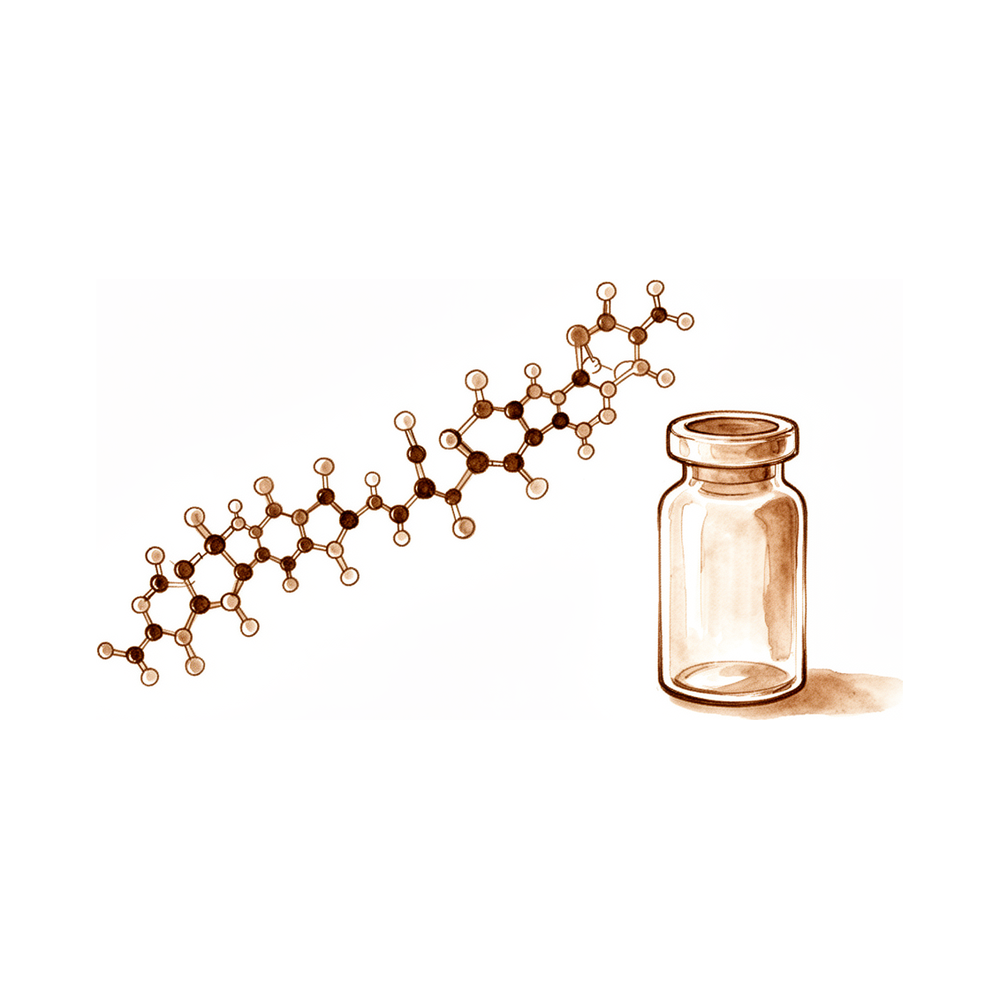
Peptides are tiny signalling molecules your body already uses to tell cells what to do. In orthopaedics, they are being studied as treatments for injured tendons, ligaments, cartilage and bone. Some, like the bone morphogenetic proteins, occur naturally in the body. Others are designed in a lab to copy or boost those natural signals [1].
Right now, injectable peptides for sports and musculoskeletal problems remain largely experimental [2]. There is not enough good evidence yet to support using them in everyday care [3]. Because the safety and effectiveness data are thin, peptide supplements should not replace or add to standard orthopaedic treatment at this stage [4]. If you have seen peptides promoted online for tendon or joint problems, it is worth knowing that the research has not caught up with the marketing.
A few peptide-type treatments do have firmer footing. Two bone healing proteins, BMP-2 and BMP-7, are backed by strong studies [5] and have regulatory approval for specific fracture problems [6]. Growth factors, which are related signalling molecules, also show promise. One called platelet-derived growth factor may help ligaments heal if given soon after injury [7]. Another, insulin-like growth factor-I, may help badly damaged tendons [8]. These are not the same as the peptide supplements sold for general use, and they are given under strict medical supervision.
How do they work? Think of peptides as messengers that switch on repair. They can encourage cells to build more collagen, the fibre that gives tendons their strength [9]. They can also calm inflammation in joints and help cartilage cells behave more normally [10]. Researchers are still working out which signals help which tissue, and how to deliver them safely [11].
Does it work?
The honest answer is that, for most injectable peptides, we do not yet know. There are no randomised controlled trials of BPC-157 in humans at all, so there is no way to judge whether it works, whether it is safe, or who it might help [12]. Orthopaedic and sports medicine specialists are advised to understand this gap before offering these injections [3].
Some peptide-type treatments do show promise in early research, but most of that work has been done in animals or in the lab, not in people like you. In rat studies, certain growth factors helped tendons and ligaments heal stronger [7] [13], and one called sprifermin boosted cartilage repair after microfracture surgery [14]. A nerve-related growth factor helped broken bone repair faster in rats [15]. These findings are a starting point, not proof.
A few results have been mixed or disappointing. One growth factor, VEGF, is not recommended for helping bone form during limb lengthening in rabbits [16]. A scaffold on its own helped stabilise a large bone defect but did not achieve full bone union or restore normal strength [17]. GLP-1 agonists, a diabetes and weight-loss medicine sometimes discussed around joint replacement, may not produce enough weight loss to reach the body mass index usually needed for that surgery [18].
It is also worth knowing that most social media posts about peptides draw on lab or animal data, or on personal stories, and market them as fixes for almost anything [19]. That is not the same as evidence from careful human trials.
So if you are considering peptide therapy, the fair summary is this: a small number of related treatments show early promise, but the injections marketed directly to you today lack the trials needed to confirm they work or are safe. Your doctor can talk you through what has been properly tested and what has not.
What are the risks?
The honest answer is that nobody has a full picture of the risks yet. For most injectable peptides, there are no good human trials tracking what goes wrong, so the side effects you might notice have not been properly counted [3]. That gap is itself a risk, and it is why peptide supplements should not replace or add to your standard orthopaedic care at this stage [4].
Some risks are already known from the research. Tissue responses to growth factors can vary depending on which part of the body is treated, so a dose that helps one tendon may behave differently in another [11]. In joint work, suppressing one nerve-related growth factor has shown different effects depending on how severe the arthritis is [20]. And in bone healing, one growth factor, VEGF, is not recommended for helping bone form during limb lengthening [16].
There are also risks around what you might be buying. Most social media posts about peptides draw on lab or animal data, or on personal stories, and market them as fixes for almost anything [19]. Without human trials, there is no way to judge whether a product is effective, safe, or right for your condition [12].
A few related treatments have stronger safety data. Two bone healing proteins, BMP-2 and BMP-7, are backed by strong studies [5]. Growth factor treatment of cartilage cells in the lab has been regarded as safe in terms of telomere biology [21]. But these are given under strict medical supervision, not sold as supplements.
If you are considering peptide therapy, ask what human evidence exists for the specific product, what side effects have been recorded, and how your doctor would monitor you. If those answers are thin, that tells you something important.
Is it right for you?
For most people reading this page, the honest answer is probably not yet. The injectable peptide supplements marketed for tendon, joint and bone problems have not been tested well enough in humans to know who benefits [3]. Because the safety and effectiveness data are thin, they should not replace or add to your standard orthopaedic treatment at this stage [4].
A small group of related treatments sits in a different category. Growth factors given soon after injury may help some tendons and ligaments heal [7] [8], and two bone healing proteins have regulatory approval for specific fracture problems [6]. If your condition matches one of these, your doctor may discuss it as part of a supervised treatment plan. That is a medical decision, not a supplement purchase.
Who probably will not benefit? If you have seen peptides promoted online as fixes for almost anything, from performance to appearance, that marketing draws on lab studies and personal stories rather than human trials [19]. No trial has shown these products work for everyday joint and muscle complaints.
Compared with the main alternatives, established treatments such as physiotherapy, standard injections and surgery have far stronger evidence behind them. Peptide therapy remains experimental for most musculoskeletal problems [2].
This should be a shared decision with your doctor. Ask what human evidence exists for the specific product, and read the risks section above before deciding. If the answers are thin, standard care is the safer path for now.
The bottom line
For most peptide injections sold for tendon, joint and bone problems, the honest answer is not yet. There are no good human trials behind them, so they should not replace or add to your standard orthopaedic care [3] [4]. A small number of related treatments, such as growth factors for tendons and approved bone healing proteins, show promise under medical supervision [7] [8] [6]. If you are curious, treat online claims with caution, because most marketing draws on lab and animal work rather than trials in people [19]. The single most important caveat: ask what human evidence exists for the specific product before considering it.
References
- Peptide Therapeutics in Orthopaedics. *Journal of Bone and Joint Surgery*. 2026. 10.2106/jbjs.26.00785
- Injectable Peptides in Sports Medicine: A Structured Narrative Review of Evidence, Safety, and Antidoping Implications. *JBJS Reviews*. 2026. 10.2106/jbjs.rvw.26.00027
- Injectable Peptide Therapy: A Primer for Orthopaedic and Sports Medicine Physicians. *The American Journal of Sports Medicine*. 2026. 10.1177/03635465251357593
- Peptide Supplements and Their Therapeutic Applications in Sports Medicine. *The American Journal of Sports Medicine*. 2026. 10.1177/03635465261464420
- Carrier systems and application of growth factors in orthopaedics. *Injury*. 2008. 10.1016/s0020-1383(08)70014-7
- Clinical applications of growth factors in bone injuries: Experience with BMPs. *Injury*. 2013. 10.1016/s0020-1383(13)70008-1
- Influence of dosage and timing of application of platelet‐derived growth factor on early healing of the rat medial collateral ligament. *Journal of Orthopaedic Research*. 1996. 10.1002/jor.1100140509
- Insulin‐like growth factor‐I improves cellular and molecular aspects of healing in a collagenase‐induced model of flexor tendinitis. *Journal of Orthopaedic Research*. 2002. 10.1016/s0736-0266(02)00009-8
- The pentapeptide KTTKS promoting the expressions of type I collagen and transforming growth factor‐β of tendon cells. *Journal of Orthopaedic Research*. 2007. 10.1002/jor.20455
- Dual transduction of insulin‐like growth factor‐I and interleukin‐l receptor antagonist protein controls cartilage degradation in an osteoarthritic culture model. *Journal of Orthopaedic Research*. 2005. 10.1016/j.orthres.2004.06.020
- Patellar tendon and anterior cruciate ligament have different mitogenic responses to platelet‐derived growth factor and transforming growth factor β. *Journal of Orthopaedic Research*. 1996. 10.1002/jor.1100140407
- Injectable Therapeutic Peptides—An Adjunct to Regenerative Medicine and Sports Performance?. *Arthroscopy*. 2024. 10.1016/j.arthro.2024.09.005
- Comparison of the effect of intra‐tendon applications of recombinant human platelet‐derived growth factor‐BB, platelet‐rich plasma, steroids in a rat achilles tendon collagenase model. *Journal of Orthopaedic Research*. 2013. 10.1002/jor.22483
- Recombinant fibroblast growth factor‐18 (sprifermin) enhances microfracture‐induced cartilage healing. *Journal of Orthopaedic Research*. 2021. 10.1002/jor.25063
- Topical application of nerve growth factor improves fracture healing in rats. *Journal of Orthopaedic Research*. 1997. 10.1002/jor.1100150212
- Effects of locally applied vascular endothelial growth factor (VEGF) and VEGF‐inhibitor to the rabbit tibia during distraction osteogenesis. *Journal of Orthopaedic Research*. 2003. 10.1016/s0736-0266(02)00159-6
- Quantitative assessment of scaffold and growth factor‐mediated repair of critically sized bone defects. *Journal of Orthopaedic Research*. 2007. 10.1002/jor.20372
- Glucagon-like Peptide-1 Agonists. *JBJS Reviews*. 2024. 10.2106/jbjs.rvw.23.00167
- Paper 32. Performance & Promises: A Social Media Review of Alleged Indications, Risks and Usage of “Peptides” in Musculoskeletal Health. *Orthopaedic Journal of Sports Medicine*. 2026. 10.1177/2325967126s00290
- Nerve growth factor receptors in equine synovial membranes vary with osteoarthritic disease severity. *Journal of Orthopaedic Research*. 2022. 10.1002/jor.25382
- Influence of the growth factors PDGF‐BB, TGF‐β1 and bFGF on the replicative aging of human articular chondrocytes during in vitro expansion. *Journal of Orthopaedic Research*. 2009. 10.1002/jor.21007
Evidence & references
This is the clinical evidence summary written for health professionals. It is technical, and it lists the research this page was built from. You do not need to read it to understand your treatment or to make a decision about it.
Overview
- Peptide therapeutics in orthopaedics have evolved from naturally occurring agents like bone morphogenetic proteins to rationally engineered synthetics [3].
- Injectable peptides for sports medicine remain largely experimental [8].
- While peptide therapy may possess significant therapeutic and regenerative potential, there is a current lack of evidence to support the clinical use of these peptides [1].
- Because of the lack of robust efficacy and safety data, peptide supplements should not currently be recommended as a replacement or adjunct for existing orthopaedic standard of care [4].
- Growth factors play a critical role in the biologic processes that drive tendons to heal [5].
- Platelet-derived growth factor has promise for healing ligaments but must be administered in appropriate doses soon after injury [7].
- Data support the potential use of intralesional IGF-I for treatment of debilitating tendon injuries [9].
- Only BMP-2 and BMP-7 can be recommended based on level I studies [10].
- A myofibroblast–mast cell–neuropeptide axis of fibrosis in the joint capsules in post-traumatic contractures has been identified as a potential target for prophylactic or therapeutic interventions [11].
- Parathyroid hormone-related peptide may be involved in the pathophysiology of osteoarthritis [12].
- Osteogenic growth peptide treatment resulted in a stronger expression of transforming growth factor-β, both locally and systemically, in rat fracture healing specimens [13].
- Local delivery of specific neuropeptides could reverse the functional deficits of neuropathic ligaments in only 2 weeks in a rat model [15].
- The effect of transforming growth factor-β1 on the expression of the type-II collagen gene was observed as early as 12 hours after administration, but this effect was not observed in response to bone morphogenetic proteins 3 or 4 [20].
- VEGF is not recommended for enhancement of bone formation during distraction osteogenesis [22].
- In the first 2 weeks after lesion induction, tissue levels of IGF-I protein decreased approximately 40% compared to normal tendon [31].
- The use of BMP currently has two FDA-approved indications: treatment of open tibial fractures treated with intramedullary fixation and treatment of tibia long bone non-union [57].
- Chondrocyte-binding peptides may be coupled to therapeutic molecules to provide targeted treatment for cartilage disorders [2].
- The term “medicinal signaling cells” has important implications for orthopaedic surgeons when counseling patients, selecting biologic adjuncts, interpreting outcome data, and designing future clinical trials [21].
- Loss of function in musculoskeletal tissues initiates from either a failure of the cells that produce and maintain the extracellular matrix or as a consequence of material failure of the extracellular matrix itself [43].
- Advances in the identification of candidate therapeutic cell populations and the development of new biomaterials have occurred over the last three decades to address degenerative processes in musculoskeletal tissues [43].
How It Works
Current Clinical Status and Safety
- There is a current lack of evidence to support the clinical use of injectable peptides [1].
- Peptide supplements should not currently be recommended as a replacement or adjunct for existing orthopaedic standard of care due to the lack of robust efficacy and safety data [4].
- Regenerative medicine holds great promise for orthopaedic surgery by developing novel therapies that replace, repair, or promote tissue regeneration [19].
Bone Healing and Fracture Repair
- Osteogenic growth peptide treatment results in a stronger expression of transforming growth factor-β both locally and systemically in rat fracture models [13].
- Topical application of nerve growth factor increases the effectiveness and rate of repair of bone in rat fracture models [18].
- Local growth factor application enhances healing in the early phase without alteration of the normal healing process [35].
- Mesenchymal stem cell expression of stromal cell-derived factor-1β provides potent synergistic effects supporting bone formation in local regenerative therapy models [41].
Tendon and Ligament Healing
- Insulin-like growth factor-I improves cellular and molecular aspects of healing in a collagenase-induced model of flexor tendinitis [9].
- Recombinant human platelet-derived growth factor-BB treatment is an effective therapy and may be an option for clinical applications to treat tendinopathy [16].
- Tissue responses to growth factors in tendons and ligaments may vary at different anatomic sites [17].
- The pentapeptide KTTKS promotes the expressions of type I collagen and transforming growth factor-β of tendon cells [23].
- Interventions developed to improve healing of flexor tendons must address differences in regulation between tendon and tendon sheath because they will likely affect the outcomes [40].
- The IGFBP response of flexor tendons to injury and healing provides information necessary for the design of protocols that may enhance tendon healing through manipulation of IGF-I ligand and binding protein levels [42].
Cartilage and Osteoarthritis
- Chondrocyte-binding peptides identified by phage display may be coupled to therapeutic molecules to provide targeted treatment for cartilage disorders [2].
- Effective mechanisms of growth factor delivery for articular cartilage repair may differ for different growth factors [24].
- Transduction with interleukin-1 receptor antagonist protein decreased the synovial expression of interleukin-1α, interleukin-1β, and matrix metalloproteinases, indicating a mechanism for prevention of matrix degradation [25].
- Cartilage fragments from osteoarthritic knees promote chondrogenic differentiation of mesenchymal stem cells without exogenous growth factor induction [37].
- The actions of insulin-like growth factor binding proteins 2 and 3 in articular cartilage extend beyond the classic modulation of IGF receptor action [38].
- Transforming growth factor-β exerts at least some of its actions in articular cartilage via cross-talk mechanisms involving the IGF-BP-2 system [39].
Mechanistic Pathways and Fibrosis
- A myofibroblast–mast cell–neuropeptide axis of fibrosis exists in the joint capsules in post-traumatic contractures [11].
- Epigenetic regulators are critical for normal skeletogenesis and are viable candidate drug targets for short-term local pharmacological strategies to mitigate musculoskeletal tissue degeneration [26].
What the Evidence Shows
Current Clinical Status and Recommendations
- Orthopaedic and sports medicine providers must understand the current lack of evidence to support the clinical use of peptide therapies, despite their potential therapeutic and regenerative capabilities [1].
- Due to a lack of robust efficacy and safety data, peptide supplements should not currently be recommended as a replacement or adjunct for existing orthopaedic standard of care [4].
- The use of BPC-157 for sports performance and recovery is not recommended because there are no randomized controlled trials investigating its use in human subjects, and the science is lacking to determine overall effectiveness, safety profile, and clinical indications [50].
- Social media posts regarding peptides in musculoskeletal health mostly extrapolate from preclinical or anecdotal data, marketing them as panaceas for health, performance, and aesthetics [32].
Bone Healing and Fracture Repair
- Osteogenic growth peptide treatment resulted in a stronger expression of transforming growth factor-β both locally and systemically in rat fracture healing models [13].
- Topical application of nerve growth factor increased the effectiveness and rate of repair of bone in rat fracture models [18].
- Recombinant human fibroblast growth factor-2 (rhFGF-2) dose-dependently increased the percentage of patients with radiographic bone union and decreased the average time needed for union in a prospective trial on patients with osteotomy [33].
- Treatment with a scaffold alone improved defect stability at 16 weeks compared to nontreatment but did not achieve bone union or restoration of mechanical function in critically sized bone defects [47].
- The addition of a BMP binding peptide (BBP) to recombinant human BMP-7 may result in lesser amounts of rhBMP-7 needed to achieve union in the clinical setting [49].
- Only BMP-2 and BMP-7 can be recommended based on level I studies for carrier systems and application of growth factors in orthopaedics [10].
- A synthetic growth factor mimetic at a dose of 100 ng per 0.2 mL of injectable demineralized bone matrix (DBM) gel generated the most optimal results for augmenting DBM mineralization [51].
- Vascular endothelial growth factor (VEGF) is not recommended for enhancement of bone formation during distraction osteogenesis [22].
Tendon and Ligament Healing
- Platelet-derived growth factor (PDGF) has promise for healing ligaments but must be administered in appropriate doses soon after injury [7].
- Intralesional insulin-like growth factor-I (IGF-I) has potential use for the treatment of debilitating tendon injuries [9].
- Recombinant human platelet-derived growth factor-BB (rhPDGF-BB) treatment is an effective therapy and may be an option for clinical applications to treat tendinopathy [16].
- Injections of rhPDGF-BB at 3 and 10 mg increased maximum load-to-failure, and 10 mg increased stiffness, relative to controls and commonly used treatments in a rat Achilles tendon collagenase model [28].
- The pentapeptide KTTKS has potential clinical use to improve the process of tendon healing [23].
- Growth hormone-releasing peptide 2 (GHRP-2) may enhance bone-tendon healing and reduce retear rate after rotator cuff repair [48].
Cartilage and Osteoarthritis
- Additional in vivo studies are needed to evaluate the potential of growth factors as stimulators in cartilage repair [14].
- Transduction with interleukin-1 receptor antagonist (IL-1Ra) decreased the synovial expression of IL-1α, IL-1β, and matrix metalloproteinases, indicating a mechanism for prevention of matrix degradation [25].
- Recombinant fibroblast growth factor-18 (sprifermin) at 100 μg provided the highest treatment benefit for microfracture-induced cartilage healing [27].
- Treatment with the self-assembling KLD peptide in combination with microfracture resulted in no additional improvements over microfracture-only treatment in an equine model [45].
- Transforming growth factor-β1 stimulated the expression of the type-II collagen gene in periosteum-derived cells as early as 12 hours after administration, an effect not observed with bone morphogenetic proteins 3 or 4 [20].
- Patients with advanced osteoarthritis demonstrated little elevation in myeloperoxidase (MPO) levels, and chlorinated peptides were undetectable [44].
- Suppression of nerve growth factor (NGF) may result in varied effects depending on different stages of the osteoarthritic disease process [58].
Nerve Healing
- The combination of nerve growth factor and ciliary neurotrophic factor may enhance regeneration in the peripheral nervous system [59].
Glucagon-Like Peptide-1 (GLP-1) Receptor Agonists
- GLP-1 receptor agonists may not produce sufficient weight loss to achieve body mass index cutoffs for total joint arthroplasty depending on individual patient factors, including starting bodyweight [30].
- After adjusting for metabolic confounds, the postulated skeletal benefit of GLP-1 receptor agonists did not translate to meaningful risk reductions for upper extremity fragility fracture [46].
General Regenerative Medicine Context
- Regenerative medicine holds promise for orthopaedic surgery by developing novel therapies that replace, repair, or promote tissue regeneration [19].
- The concept of "medicinal signaling cells" has implications for orthopaedic surgeons when counseling patients, selecting biologic adjuncts, interpreting outcome data, and designing future clinical trials [21].
Practical Considerations
Current Status and Recommendations
- Orthopaedic and sports medicine providers must understand the current lack of evidence to support the clinical use of peptide therapies [1].
- Due to the lack of robust efficacy and safety data, peptide supplements should not currently be recommended as a replacement or adjunct for existing orthopaedic standard of care [4].
- Today only BMP-2 and BMP-7 can be recommended based on level I studies [10].
Tendon and Ligament Applications
- rhPDGF-BB treatment is an effective therapy and may be an option for clinical applications to treat tendinopathy [16].
- Injections of rhPDGF-BB increased maximum load-to-failure (3 and 10 mg) and stiffness (10 mg) relative to controls and commonly used treatments [28].
- Findings indicate a benefit to the use of MSCs and AdIGF-MSCs for the treatment of tendinitis [54].
Cartilage and Joint Applications
- The highest treatment benefit for microfracture-induced cartilage healing was detected following 100 μg sprifermin treatment [27].
- Therapeutic strategies for microfracture augmentation, such as growth factor–functionalized self-assembling peptide hydrogel scaffolds, can be cost-effective ways to improve cartilage healing outcomes [53].
- A myofibroblast–mast cell–neuropeptide axis of fibrosis in joint capsules is identified as a potential target for prophylactic or therapeutic interventions in post-traumatic contractures [11].
Bone Healing and Fracture Management
- Nerve growth factor administration suggests it may play an important role in the healing processes of fractured bone [18].
- rhFGF-2 dose dependently increased the percentage of patients with radiographic bone union and decreased the average time needed for such union [33].
Perioperative and Systemic Considerations
- GLP-1 receptor agonists have perioperative implications in total joint arthroplasty patients [29].
- GLP-1 agonists may not produce sufficient weight loss to achieve body mass index cutoffs for total joint arthroplasty depending on individual patient factors, including starting bodyweight [30].
- It is no longer acceptable to treat various athletic conditions with medications without accounting for the effects on performance, the medical-legal implications, and the identification of exercise-induced conditions [34].
Safety and Mechanistic Insights
- Growth factor treatment of chondrocyte cell cultures for cell therapy purposes can be regarded as safe in terms of telomere biology [55].
- Most social media posts extrapolate from preclinical or anecdotal data, marketing peptides as panaceas for health, performance, and aesthetics [32].
Key Evidence
- [L5] While peptide therapy may possess significant therapeutic and regenerative potential, it is critical that orthopaedic and sports medicine providers understand the current lack of evidence to support the clinical use of these peptides. [1] (10.1177/03635465251357593)
- [Paper] We anticipate that such peptides may be coupled to therapeutic molecules to provide targeted treatment for cartilage disorders. [2] (10.1002/jor.22325)
- [Paper] Peptide therapeutics in orthopaedics have evolved from naturally occurring agents like bone morphogenetic proteins to rationally engineered synthetics. [3] (10.2106/jbjs.26.00785)
- [L5] Because of the lack of robust efficacy and safety data, peptide supplements should not currently be recommended as a replacement or adjunct for existing orthopaedic standard of care. [4] (10.1177/03635465261464420)
- [Paper] It has become clear that growth factors play a critical role in the biologic processes that drive tendons to heal. [5] (10.1197/j.jht.2005.01.012)
- [Paper] These results indicate that platelet-derived growth factor has promise for healing ligaments but that it must be administered in appropriate doses soon after injury. [7] (10.1002/jor.1100140509)
- [L5] Injectable peptides for sports medicine remain largely experimental. [8] (10.2106/jbjs.rvw.26.00027)
- [Paper] These data support the potential use of intralesional IGF-I for treatment of debilitating tendon injuries. [9] (10.1016/s0736-0266(02)00009-8)
- [Paper] Today only BMP-2 and BMP-7 can be recommended based on level I studies. [10] (10.1016/s0020-1383(08)70014-7)
- [L5] These observations identify putative mechanistic components of a myofibroblast–mast cell–neuropeptide axis of fibrosis in the joint capsules in post-traumatic contractures and potential prophylactic or therapeutic interventions. [11] (10.1002/jor.22676)
- [L4] Our results suggest that parathyroid hormone-related peptide may be involved in the pathophysiology of osteoarthritis. [12] (10.1002/jor.1100150204)
- [Paper] The specimens treated with osteogenic growth peptide had a stronger expression of transforming growth factor-β, both locally and systemically. [13] (10.1002/jor.1100180119)
- [Paper] Additional in vivo studies are needed to evaluate the potential of these growth factors as stimulators in cartilage repair. [14] (10.1002/jor.1100180111)
- [Paper] Local delivery of specific neuropeptides could reverse the functional deficits of these neuropathic ligaments in only 2 weeks. [15] (10.1002/jor.20335)
- [Paper] Data suggest that rhPDGF-BB treatment is an effective therapy and may be an option for clinical applications to treat tendinopathy. [16] (10.1002/jor.22222)
- [Paper] Although growth factors have the potential to modulate soft-tissue repair, tissue responses in tendons and ligaments may vary at different anatomic sites. [17] (10.1002/jor.1100140407)
- [Paper] The resultant increases in effectiveness and rate of repair of bone with administration of nerve growth factor suggest that it may play an important role in the healing processes of fractured bone. [18] (10.1002/jor.1100150212)
- [L5] Regenerative medicine holds great promise for orthopaedic surgery by developing novel therapies that replace, repair, or promote tissue regeneration. [19] (10.1002/jor.20432)
- [Paper] This effect was observed as early as 12 hours after administration of transforming growth factor-β1 but was not observed in response to bone morphogenetic proteins 3 or 4. [20] (10.1002/jor.1100150321)
- [L5] Caplan’s term “medicinal signaling cells” and has important implications for orthopaedic surgeons when counseling patients, selecting biologic adjuncts, interpreting outcome data, and designing future clinical trials. [21] (10.5435/jaaos-d-26-00882)
- [Paper] VEGF is not recommended for enhancement of bone formation in this setting. [22] (10.1016/s0736-0266(02)00159-6)
- [Paper] These findings strongly implicated the potential clinical use of pentapeptide KTTKS to improve the process of tendon healing in the future. [23] (10.1002/jor.20455)
- [L3] These data indicate that effective mechanisms of growth factor delivery for articular cartilage repair may differ for different growth factors. [24] (10.1002/jor.22444)
- [Paper] Transduction with IL-1Ra decreased the synovial expression of IL-1α and IL-1β and matrix metalloproteinases, indicating a mechanism for prevention of matrix degradation. [25] (10.1016/j.orthres.2004.06.020)
- [Paper] The combined body of molecular and genetic studies focusing on epigenetic regulators indicates that these proteins are critical for normal skeletogenesis and viable candidate drug targets for short-term local pharmacological strategies to mitigate musculoskeletal tissue degeneration. [26] (10.1002/jor.24305)
- [Paper] We detected the highest treatment benefit following 100 μg sprifermin treatment. [27] (10.1002/jor.25063)
- [L3] Injections of rhPDGF-BB increased maximum load-to-failure (3 and 10 m g) and stiffness (10 m g) relative to controls and commonly used treatments. [28] (10.1002/jor.22483)
- [Paper] This review critically appraises current evidence on perioperative implications of GLP-1 receptor agonists in total joint arthroplasty patients. [29] (10.5435/jaaos-d-25-00892)
- [Paper] While efficacious, GLP-1 agonists may not produce sufficient weight loss to achieve body mass index cutoffs for total joint arthroplasty depending on individual patient factors, including starting bodyweight. [30] (10.2106/jbjs.rvw.23.00167)
- [Paper] In the first 2 weeks after lesion induction, tissue levels of IGF-I protein actually decreased approximately 40% compared to normal tendon. [31] (10.1016/j.orthres.2004.05.007)
- [Paper] Most posts extrapolate from preclinical or anecdotal data, marketing peptides as panaceas for health, performance, and aesthetics, as evidenced by the poor DISCERN scores. [32] (10.1177/2325967126s00290)
- [L2] The rhFGF-2 dose dependently increased the percentage of patients with radiographic bone union, and decreased the average time needed for such union. [33] (10.1002/jor.20315)
- [Paper] It is no longer acceptable to treat various athletic conditions with medications without accounting for the effects on performance, the medical-legal implications, and the identification of exercise-induced conditions. [34] (10.1016/s0278-5919(05)70076-4)
- [Paper] In conclusion, local growth factor application enhances the healing in the early phase without alteration of the normal healing process. [35] (10.1016/j.orthres.2003.09.009)
- [L5] The findings support the hypothesis that cartilage fragments from osteoarthritic knee promote chondrogenic differentiation without exogenous growth factor induction. [37] (10.1002/jor.21541)
- [Paper] This suggests the hypothesis that the actions of these IGFBPs in articular cartilage extend beyond the classic modulation of IGF receptor action. [38] (10.1002/jor.20660)
- [Paper] These data help to support the postulate that TGF-β exerts at least some of its actions in articular cartilage via cross-talk mechanisms involving the IGF-BP-2 system. [39] (10.1016/s0736-0266(02)00154-7)
- [Paper] These findings indicate that interventions developed to improve healing of these tissues will have to address these differences, because they will likely affect the outcomes. [40] (10.1016/j.jhsa.2006.06.011)
- [Paper] SDF-1b provides potent synergistic effects supporting BMSC-mediated bone formation and appears a suitable candidate for optimization of bone augmentation in translational protocols. [41] (10.1002/jor.22749)
- [Paper] The results of this study document the IGFBP response of flexor tendons to injury and healing, which provides information necessary for the design of protocols that may enhance tendon healing through manipulation of IGF-I ligand and binding protein levels. [42] (10.1002/jor.20000)
- [L4] Patients in the control and advanced OA groups demonstrated little elevation in MPO levels and Cl-peptides were undetectable. [44] (10.1002/jor.20400)
- [L5] Treatment with the self-assembling KLD peptide in combination with microfracture resulted in no additional improvements over microfracture-only treatment. [45] (10.2106/jbjs.m.01408)
- [L3] After adjusting for metabolic confounds, we found that the postulated skeletal benefit of GLP 1RAs did not translate to meaningful risk reductions in this population. [46] (10.1016/j.injury.2026.113456)
- [Paper] Treatment with scaffold alone improved defect stability at 16 weeks compared to nontreatment, but did not achieve bone union or restoration of mechanical function. [47] (10.1002/jor.20372)
- [L5] The present study might be a transitional study to show the efficacy of GHRP-2 in enhancing bone-tendon healing and reduce retear rate after rotator cuff repair. [48] (10.1016/j.arthro.2024.11.094)
- [Paper] Improved healing imparted by the addition of BBP may result in lesser amounts of rhBMP-7 needed to achieve union in the clinical setting. [49] (10.1002/jor.21252)
- [L5] The authors do not recommend the use of BPC-157 for sports performance and recovery because there are no randomized controlled trials investigating its use in human subjects, and the science is clearly lacking to determine the overall effectiveness, safety profile, and clinical indications for sports enhancement in athletes. [50] (10.1016/j.arthro.2024.09.005)
- [Paper] In these studies, 100 ng of peptide per 0.2 mL of injectable DBM gel generated the most optimal results. [51] (10.1002/jor.20215)
- [L5] Therapeutic strategies for microfracture augmentation, such as those presented in this study, can be cost-effective ways to improve cartilage healing outcomes. [53] (10.1177/03635465211021798)
- [Paper] These findings indicate a benefit to the use of MSCs and AdIGF-MSCs for the treatment of tendinitis. [54] (10.1002/jor.20887)
- [Paper] Growth factor treatment of chondrocyte cell cultures for cell therapy purposes can be regarded as safe in terms of telomere biology. [55] (10.1002/jor.21007)
- [Paper] The use of BMP currently has two FDA-approved indications: treatment of open tibial fractures treated with intramedullary fixation and treatment of tibia long bone non-union. [57] (10.1016/s0020-1383(13)70008-1)
- [Paper] Suppression of NGF may result in varied effects depending on different stages of the osteoarthritic disease process. [58] (10.1002/jor.25382)
- [Paper] These data support the conclusion that the use of nerve growth factor and ciliary neurotrophic factor in combination may enhance regeneration in the peripheral nervous system. [59] (10.1053/jhsu.2001.24148)
References
[1] Injectable Peptide Therapy: A Primer for Orthopaedic and Sports Medicine Physicians. The American Journal of Sports Medicine. 2026. DOI: 10.1177/03635465251357593
[2] Identification of chondrocyte‐binding peptides by phage display. Journal of Orthopaedic Research. 2013. DOI: 10.1002/jor.22325
[3] Peptide Therapeutics in Orthopaedics. Journal of Bone and Joint Surgery. 2026. DOI: 10.2106/jbjs.26.00785
[4] Peptide Supplements and Their Therapeutic Applications in Sports Medicine. The American Journal of Sports Medicine. 2026. DOI: 10.1177/03635465261464420
[5] The Use of Growth Factors on Tendon Injuries. Journal of Hand Therapy. 2005. DOI: 10.1197/j.jht.2005.01.012
[7] Influence of dosage and timing of application of platelet‐derived growth factor on early healing of the rat medial collateral ligament. Journal of Orthopaedic Research. 1996. DOI: 10.1002/jor.1100140509
[8] Injectable Peptides in Sports Medicine: A Structured Narrative Review of Evidence, Safety, and Antidoping Implications. JBJS Reviews. 2026. DOI: 10.2106/jbjs.rvw.26.00027
[9] Insulin‐like growth factor‐I improves cellular and molecular aspects of healing in a collagenase‐induced model of flexor tendinitis. Journal of Orthopaedic Research. 2002. DOI: 10.1016/s0736-0266(02)00009-8
[10] Carrier systems and application of growth factors in orthopaedics. Injury. 2008. DOI: 10.1016/s0020-1383(08)70014-7
[11] A myofibroblast-mast cell-neuropeptide axis of fibrosis in post-traumatic joint contractures: An in vitro analysis of mechanistic components. Journal of Orthopaedic Research. 2014. DOI: 10.1002/jor.22676
[12] Expression of parathyroid hormone‐related peptide in human osteoarthritis. Journal of Orthopaedic Research. 1997. DOI: 10.1002/jor.1100150204
[13] Osteogenic growth peptide normally stimulated by blood loss and marrow ablation has local and systemic effects on fracture healing in rats. Journal of Orthopaedic Research. 2000. DOI: 10.1002/jor.1100180119
[14] Responsiveness of bovine chondrocytes to growth factors in medium with different serum concentrations. Journal of Orthopaedic Research. 2000. DOI: 10.1002/jor.1100180111
[15] Adjuvant neuropeptides can improve neuropathic ligament healing in a rat model. Journal of Orthopaedic Research. 2007. DOI: 10.1002/jor.20335
[16] Dose–response effect of an intra‐tendon application of recombinant human platelet‐derived growth factor‐BB (rhPDGF‐BB) in a rat Achilles tendinopathy model. Journal of Orthopaedic Research. 2012. DOI: 10.1002/jor.22222
[17] Patellar tendon and anterior cruciate ligament have different mitogenic responses to platelet‐derived growth factor and transforming growth factor β. Journal of Orthopaedic Research. 1996. DOI: 10.1002/jor.1100140407
[18] Topical application of nerve growth factor improves fracture healing in rats. Journal of Orthopaedic Research. 1997. DOI: 10.1002/jor.1100150212
[19] Regenerative medicine in orthopaedic surgery. Journal of Orthopaedic Research. 2007. DOI: 10.1002/jor.20432
[20] Regulation of the expression of the type‐II collagen gene in periosteum‐derived cells by three members of the transforming growth factor–β superfamily. Journal of Orthopaedic Research. 1997. DOI: 10.1002/jor.1100150321
[21] Clinical Translation of Mesenchymal Stem Cells to Medicinal Signaling Cells: Origins, Clinical Applications, and the Future of Regenerative Medicine–2026 Arnold I. Caplan Award for Distinguished Research in Orthobiologics. Journal of the American Academy of Orthopaedic Surgeons. 2026. DOI: 10.5435/jaaos-d-26-00882
[22] Effects of locally applied vascular endothelial growth factor (VEGF) and VEGF‐inhibitor to the rabbit tibia during distraction osteogenesis. Journal of Orthopaedic Research. 2003. DOI: 10.1016/s0736-0266(02)00159-6
[23] The pentapeptide KTTKS promoting the expressions of type I collagen and transforming growth factor‐β of tendon cells. Journal of Orthopaedic Research. 2007. DOI: 10.1002/jor.20455
[24] Endogenous versus exogenous growth factor regulation of articular chondrocytes. Journal of Orthopaedic Research. 2013. DOI: 10.1002/jor.22444
[25] Dual transduction of insulin‐like growth factor‐I and interleukin‐l receptor antagonist protein controls cartilage degradation in an osteoarthritic culture model. Journal of Orthopaedic Research. 2005. DOI: 10.1016/j.orthres.2004.06.020
[26] Epigenetics as a New Frontier in Orthopedic Regenerative Medicine and Oncology. Journal of Orthopaedic Research. 2019. DOI: 10.1002/jor.24305
[27] Recombinant fibroblast growth factor‐18 (sprifermin) enhances microfracture‐induced cartilage healing. Journal of Orthopaedic Research. 2021. DOI: 10.1002/jor.25063
[28] Comparison of the effect of intra‐tendon applications of recombinant human platelet‐derived growth factor‐BB, platelet‐rich plasma, steroids in a rat achilles tendon collagenase model. Journal of Orthopaedic Research. 2013. DOI: 10.1002/jor.22483
[29] The Effect of Glucagon-like Peptide-1 Receptor Agonists in Total Joint Arthroplasty: Implications, Complications, and Considerations. Journal of the American Academy of Orthopaedic Surgeons. 2026. DOI: 10.5435/jaaos-d-25-00892
[30] Glucagon-like Peptide-1 Agonists. JBJS Reviews. 2024. DOI: 10.2106/jbjs.rvw.23.00167
[31] Temporal expression of growth factors and matrix molecules in healing tendon lesions. Journal of Orthopaedic Research. 2005. DOI: 10.1016/j.orthres.2004.05.007
[32] Paper 32. Performance & Promises: A Social Media Review of Alleged Indications, Risks and Usage of “Peptides” in Musculoskeletal Health. Orthopaedic Journal of Sports Medicine. 2026. DOI: 10.1177/2325967126s00290
[33] Local application of recombinant human fibroblast growth factor‐2 on bone repair: A dose–escalation prospective trial on patients with osteotomy. Journal of Orthopaedic Research. 2007. DOI: 10.1002/jor.20315
[34] PREFACE. Clinics in Sports Medicine. 1998. DOI: 10.1016/s0278-5919(05)70076-4
[35] Long‐term effects of local growth factor (IGF‐I and TGF‐β1) treatment on fracture healing. A safety study for using growth factors. Journal of Orthopaedic Research. 2004. DOI: 10.1016/j.orthres.2003.09.009
[37] Cartilage fragments from osteoarthritic knee promote chondrogenesis of mesenchymal stem cells without exogenous growth factor induction. Journal of Orthopaedic Research. 2011. DOI: 10.1002/jor.21541
[38] Subcellular distribution of the insulin‐like growth factor (IGF) binding proteins (IGFBPs) 2 and 3 in articular chondrocytes. Journal of Orthopaedic Research. 2008. DOI: 10.1002/jor.20660
[39] Localization of insulin‐like growth factor binding protein‐2 in chondrocytes of bovine articular cartilage. Journal of Orthopaedic Research. 2003. DOI: 10.1016/s0736-0266(02)00154-7
[40] Patterns of mRNA Expression for Matrix Molecules and Growth Factors in Flexor Tendon Injury: Differences in the Regulation Between Tendon and Tendon Sheath. The Journal of Hand Surgery. 2006. DOI: 10.1016/j.jhsa.2006.06.011
[41] Mesenchymal stem cell expression of stromal cell‐derived factor‐1β augments bone formation in a model of local regenerative therapy. Journal of Orthopaedic Research. 2014. DOI: 10.1002/jor.22749
[42] Expression of insulin‐like growth factor binding proteins in healing tendon lesions. Journal of Orthopaedic Research. 2005. DOI: 10.1002/jor.20000
[43] Orthopaedic Basic Science Fifth Edition Print Ebook. Cells and Materials for Soft-Tissue Repair and Regeneration > Introduction.
[44] Myeloperoxidase and chlorinated peptides in osteoarthritis: potential biomarkers of the disease. Journal of Orthopaedic Research. 2007. DOI: 10.1002/jor.20400
[45] Effects of the Combination of Microfracture and Self-Assembling Peptide Filling on the Repair of a Clinically Relevant Trochlear Defect in an Equine Model. Journal of Bone and Joint Surgery. 2014. DOI: 10.2106/jbjs.m.01408
[46] Glucagon-like peptide-1 receptor agonist use for type 2 diabetes and risk of upper extremity fragility fracture. Injury. 2026. DOI: 10.1016/j.injury.2026.113456
[47] Quantitative assessment of scaffold and growth factor‐mediated repair of critically sized bone defects. Journal of Orthopaedic Research. 2007. DOI: 10.1002/jor.20372
[48] Growth Hormone–Releasing Peptide 2 May Be Associated With Decreased M1 Macrophage Production and Increased Histologic and Biomechanical Tendon‐Bone Healing Properties in a Rat Rotator Cuff Tear Model. Arthroscopy. 2024. DOI: 10.1016/j.arthro.2024.11.094
[49] Enhancement of recombinant human BMP‐7 bone formation with bmp binding peptide in a rodent femoral defect model. Journal of Orthopaedic Research. 2010. DOI: 10.1002/jor.21252
[50] Injectable Therapeutic Peptides—An Adjunct to Regenerative Medicine and Sports Performance?. Arthroscopy. 2024. DOI: 10.1016/j.arthro.2024.09.005
[51] Augmentation of demineralized bone matrix (DBM) mineralization by a synthetic growth factor mimetic. Journal of Orthopaedic Research. 2006. DOI: 10.1002/jor.20215
[53] Microfracture Augmentation With Trypsin Pretreatment and Growth Factor–Functionalized Self-assembling Peptide Hydrogel Scaffold in an Equine Model. The American Journal of Sports Medicine. 2021. DOI: 10.1177/03635465211021798
[54] Mesenchymal stem cells and insulin‐like growth factor‐I gene‐enhanced mesenchymal stem cells improve structural aspects of healing in equine flexor digitorum superficialis tendons. Journal of Orthopaedic Research. 2009. DOI: 10.1002/jor.20887
[55] Influence of the growth factors PDGF‐BB, TGF‐β1 and bFGF on the replicative aging of human articular chondrocytes during in vitro expansion. Journal of Orthopaedic Research. 2009. DOI: 10.1002/jor.21007
[57] Clinical applications of growth factors in bone injuries: Experience with BMPs. Injury. 2013. DOI: 10.1016/s0020-1383(13)70008-1
[58] Nerve growth factor receptors in equine synovial membranes vary with osteoarthritic disease severity. Journal of Orthopaedic Research. 2022. DOI: 10.1002/jor.25382
[59] Axonal regeneration stimulated by the combination of nerve growth factor and ciliary neurotrophic factor in an end-to-side model. The Journal of Hand Surgery. 2001. DOI: 10.1053/jhsu.2001.24148