Clinicians › Hand
Joint Surgery
Hand joint surgery: arthritis (CMC, PIP), Dupuytren’s disease (CCH, fasciectomy), and trigger finger management strategies.
Overview
Functional range of motion of finger joints is critical for directing surgical indications, rehabilitation, and outcome assessment [5]. Osteoarthritis remains the most common indication for arthrodesis of the distal interphalangeal and thumb interphalangeal joints [11]. For trapeziometacarpal joint arthritis, limited resection and interposition still predominates, although nonprosthetic arthroplasty was the only cohort increasing in utilization from 2010 to 2022 [68]. Proximal interphalangeal joint arthroplasty is advocated as an alternative to arthrodesis, particularly for lower-demand patients, offering pain relief while preserving movement [35]. However, treatment of the long finger may be a relative contraindication to this procedure [32].
Headline outcomes vary by procedure. Revision surgery for failed trapeziometacarpal joint arthritis yields satisfactory long-term results when metacarpophalangeal pathology is addressed and complications are avoided [2]. Total joint arthroplasty for trapeziometacarpal arthritis demonstrates higher 5-year survival (93% vs 73%) and superior key pinch strength compared to trapeziectomy [25]. Conversely, revision proximal interphalangeal arthroplasty is associated with a 70% 5-year survival and a high incidence of complications [12]. Postoperative complications for distal interphalangeal and thumb interphalangeal arthrodesis occur at rates similar to existing literature [11].
Patient preferences often favor motion-preserving options. In aggregate, patients prefer the attributes of proximal interphalangeal joint arthroplasty, such as preserved joint motion and grip strength, over arthrodesis [33]. Similarly, patients satisfied with both trapeziometacarpal implant arthroplasty and resection arthroplasty prefer implant arthroplasty if choosing again [38]. Motion-preserving distal interphalangeal arthroplasty is suggested for patients with higher functional demands and stable preoperative joints [46]. Despite these preferences, no standardized data set is required by major hand journals, and functional scores are used infrequently in implant arthroplasty studies [67].
Anatomy & Pathophysiology
Bony Anatomy and Kinematics
The skeleton of the hand and wrist comprises 27 bones, including 19 long bones [44]. The hand itself consists of 19 bones, 17 articulations, and 19 muscles situated entirely within the hand [40]. The wrist possesses three axes of movement, permitting the hand to be positioned in any spatial configuration [44]. In the sagittal plane, the thumb metacarpal makes an angle of about 45 degrees with the second metacarpal [44]. The transverse axis of the palm forms an acute angle of approximately 75 degrees with the longitudinal axis [44].
Metacarpal mobility varies by digit. The fifth metacarpal has a range of flexion–extension of approximately 20 degrees [84], while the ring metacarpal has about 10 degrees of mobility in flexion and extension [84]. Thumb motion capability was unaffected by sex and handedness [100]. Severe stages of thumb CMC OA cause an asymmetrical motion deficit with decreased ROM in extension and adduction [141]. The reconstructed basilar joint of the pollicized index finger adapts both morphologically and functionally, allowing movement on all 3 spatial planes [36].
Soft Tissue Anatomy
Extrinsic extensors run through six different fibroosseous retinacular compartments at the wrist level [43]. The abductor pollicis longus inserts at the base of the thumb metacarpal and radially abducts the thumb [43]. The extensor pollicis longus provides forceful extension of the thumb interphalangeal joint [43]. Sagittal bands keep the extrinsic extensor tendon balanced over the prominence of the metacarpal head to maximize mechanical efficiency [43].
There are seven interosseous muscles, comprising four dorsal and three volar muscles [81]. The dorsal interossei are abductors and the volar interossei are adductors [81]. The middle finger has two dorsal interossei and no volar interossei because the central axis of the hand lies within it [81]. The flexor digitorum profundus inserts on the proximal volar aspect of the distal phalanx [43]. The flexor digitorum superficialis inserts via radial and ulnar slips into the proximal metaphysis of the middle phalanx [89]. The A2 and A4 pulleys are the most essential in maintaining the mechanical advantage of the flexor tendons [89]. The tenosynovium that lines the fibroosseous tunnel supplies both nutrition and lubrication to the poorly vascularized flexor tendons [89].
Dorsal skin of the hand is thin, possesses a normal pilosebaceous system, and has loose connections with deeper planes allowing free gliding [91]. Flexion of the fingers produces a significant lengthening of the dorsal skin, with an average increase of 3 cm in the middle finger from extension to full flexion [91]. Palmar skin is subdivided into functional cutaneous units, with the radial portion covering the thenar eminence and the ulnar/distal portion covering the hypothenar eminence [80]. The superficial palmar fascia covers a triangular area of the central palm, with four central bands extending distally toward each of the fingers [92]. Digital neurovascular structures are surrounded by a diffuse network of thin transverse oblique fibers, with dorsal fibers called Cleland ligament and palmar fibers called Grayson ligament [92].
Pathophysiology
BCP crystals that contain hydroxyapatite have been detected in 70% of OA cases, correlating with the extent of cartilage degradation and lesion severity [82]. These BCP crystals activate joint cells including fibroblasts, macrophages, chondrocytes, and osteoclasts, which produce cartilage-degrading matrix proteinases and pro-inflammatory cytokines [82]. Thumb carpometacarpal joint osteoarthritis reflects the joint's teleology, where pathomechanics drive inflammatory markers and injury to soft tissue structures rather than simple wear and tear [124]. Resulting compressive shear forces at the trapeziometacarpal joint can lead over time to trapeziometacarpal joint osteoarthritis [142].
A reduction in cylindrical grasp is associated with early symptomatic and radiographic CMC OA, whereas gross grasp is not associated with early thumb CMC OA [114]. The internal structure and material properties of the phalanges play a significant role in both the magnitude and distribution of stresses in the MCP joint [119]. Synovectomy of the proximal interphalangeal joint provides relief of pain, potentially through partial joint denervation or removal of enzymes toxic to the joint [73]. Afferent nerve endings have been demonstrated in synovium as well as in capsule and ligaments [73].
Classification
Eaton: The Eaton classification is a radiographic grading system for trapeziometacarpal arthrosis that relies exclusively on radiographic changes [15, 75]. In studies of factors associated with radiographic trapeziometacarpal arthrosis, Eaton stages III and IV are often consolidated into a single group to focus on the trapeziometacarpal joint rather than the scaphotrapeziotrapezoidal joint [15].
Burton: The Burton classification system for trapeziometacarpal arthritis utilizes clinical signs, patient symptoms, and radiographs, depending on subjective symptoms and objective signs rather than pure radiographic changes [75]. Stage I involves early degeneration characterized by patient-reported pain, a positive grind test, and ligamentous laxity demonstrated by dorsoradial subluxation [75]. Stage II demonstrates increased instability, chronic subluxation, and radiographic degenerative changes [75]. Stage III involves further progression of degeneration to include the scaphotrapezial joint [75]. Stage IV is defined as either Stage II or Stage III with metacarpophalangeal joint changes [75].
Kellgren-Lawrence: The Kellgren-Lawrence classification is used to identify radiological signs of proximal interphalangeal joint osteoarthritis, with a grade of 2 or higher serving as a criterion for surgical consideration [162].
Other Considerations: Arthroscopy allows for a true assessment of thumb carpometacarpal joint status, which is not accurately represented by simple radiographic means, particularly in early stages of osteoarthritis [45]. The modified Eaton-Littler classification is used to stage osteoarthritis in comparative studies of thumb carpometacarpal joint arthritis treatments [76]. The Eaton-Glickel classification is used to sort preoperative X-ray films for thumb carpometacarpal osteoarthritis into stages [182].
Clinical Presentation
Patients often struggle to accurately describe their symptoms and may incorrectly attribute pathology to a perceived deficit, whether real or imagined [28]. A careful physical examination is essential to direct care and future testing if indicated [28]. The functional range of motion is important for directing indications for surgery and rehabilitation, and assessing outcome of treatment [5]. No preoperative diagnostic or demographic variable being abnormal reliably predicted clinically meaningful improvement in carpal tunnel release outcomes across early follow-up [49].
Chronic Arthropathy
Arthroscopy allows for a true assessment of the joint status, whereas traditional radiographic staging does not represent an accurate assessment of articular status [45]. In early stages of thumb carpometacarpal osteoarthritis, symptoms are frequently worse than the radiographic findings [45]. Osteoarthritis is likely to remain the most common indication for basal joint arthroscopy [57]. Chronic pain and inflammation are useful indications for metacarpophalangeal arthroscopy [57]. Less favorable results were seen in patients with accompanying hand pathologies undergoing modified Epping procedure for trapeziometacarpal osteoarthritis [110].
Rheumatoid and Inflammatory Conditions
Synovectomy alone is advisable only in selected cases with isolated synovial involvement and no underlying joint pathology [63]. In more advanced cases of rheumatoid involvement, complete débridement accompanied by arthrodesis or ulnar head resection is the treatment of choice to arrest disease progression [63].
Deformity and Specific Syndromes
A successful operative result for swan-neck and boutonniere deformities depends on complete preoperative examination, correct staging of the deformity, and proper timing of treatment [22]. A brief knowledge of Hajdu-Cheney syndrome may help the hand surgeon to appropriately diagnose, assess, and refer these patients to rheumatologists or bone metabolism specialists [97].
Postoperative Monitoring
Patients with osteoarthritis and possibly thyroid disease have a greater propensity to develop trigger finger after carpal tunnel release [20]. Patients with osteoarthritis and possibly thyroid disease should be monitored closely in the postoperative period for expeditious detection and management of new-onset trigger finger [20].
Investigations
Clinical Examination: A careful physical examination is essential to direct care and future testing, as diagnostic tests such as imaging and serum laboratory studies can be expensive, time-consuming, and often nonspecific [28]. Clinical evaluation of the injured or dysfunctional hand and wrist requires combining patient history with a careful physical examination to pinpoint or narrow the scope of possible pathologic processes [28]. Due to the number of structures in a small space, a systematic method is essential for approaching the physical examination of the hand and wrist [28].
Doppler Imaging: An 8-MHz Doppler tone assessment may be used to identify superficially displaced neurovascular bundles when Dupuytren cords lie beneath soft fleshy prominences, but false-negatives are possible [99]. Doppler imaging is a promising improvement for identifying structures in Dupuytren's disease, but higher resolution imaging technology is needed [99].
MRI: Magnetic resonance imaging (MRI) is probably most useful in identifying additional pathology such as flexor tendon bowstringing in Dupuytren's disease [99]. MRI may be helpful in providing a quantitative noninvasive measure of cellularity of affected areas in Dupuytren's disease, which is an index of biologic activity [99]. In cases of incomplete open carpal tunnel release, MRI can direct decision making toward ultrasound-guided surgery as opposed to open revision [145]. Magnetic resonance imaging indicates that the donor site after autologous osteochondral mosaicplasty is resurfaced with fibrous tissue [167].
CT: Advanced imaging, including standard CT, is helpful to confirm the diagnosis of thumb metacarpal-trapezoid impingement [158].
Bone Scan: Advanced imaging, including bone scintigraphy and single-photon emission CT, is helpful to confirm the diagnosis of thumb metacarpal-trapezoid impingement [158].
Treatment
Non-Operative
Conservative management for thumb carpometacarpal (CMC) osteoarthritis includes manual therapy and exercise protocols, which produce pain improvements exceeding the minimal clinically important difference [59]. A rigid CMC-MCP splint is superior to multimodal treatment for reducing pain at medium-term time points, whereas multimodal treatment and hand exercises reduce pain at short-term intervals [171]. Intra-articular corticosteroid injections provide short-term improvement but show no significant difference in pain or functional outcomes compared to hyaluronic acid or platelet-rich plasma administration [111]. Occupational therapy demonstrates a small, non-significant tendency to delay and reduce the need for surgery [127]. For articular cartilage injuries, an initial trial of nonsurgical management is usually warranted, encompassing rest, activity modification, anti-inflammatory medications, physical therapy, bracing, or injections [42]. Compression neuropathies with intermittent symptoms are generally treated first with physical therapy and splinting prior to surgical decompression [96].
Operative
Indications: Surgery for arthritis of the hand relieves pain and improves activities of daily living [108]. Surgical management of articular cartilage injuries should focus on removing inflammatory mediators and restoring the osteochondral unit [42]. For coxa vara, surgical management is indicated for progressive, painful, unilateral deformity or leg-length discrepancy, while moderate nonprogressive deformity often does not require surgery [54]. Osteoarthritis is likely to remain the most common indication for basal joint arthroscopy, while chronic pain and inflammation are useful indications for metacarpophalangeal arthroscopy [57]. Arthroplasty of the PIP joint with the TACTYS prosthesis should be proposed exceptionally if the PIP joint arthritis causes invalidating functional pain [50].
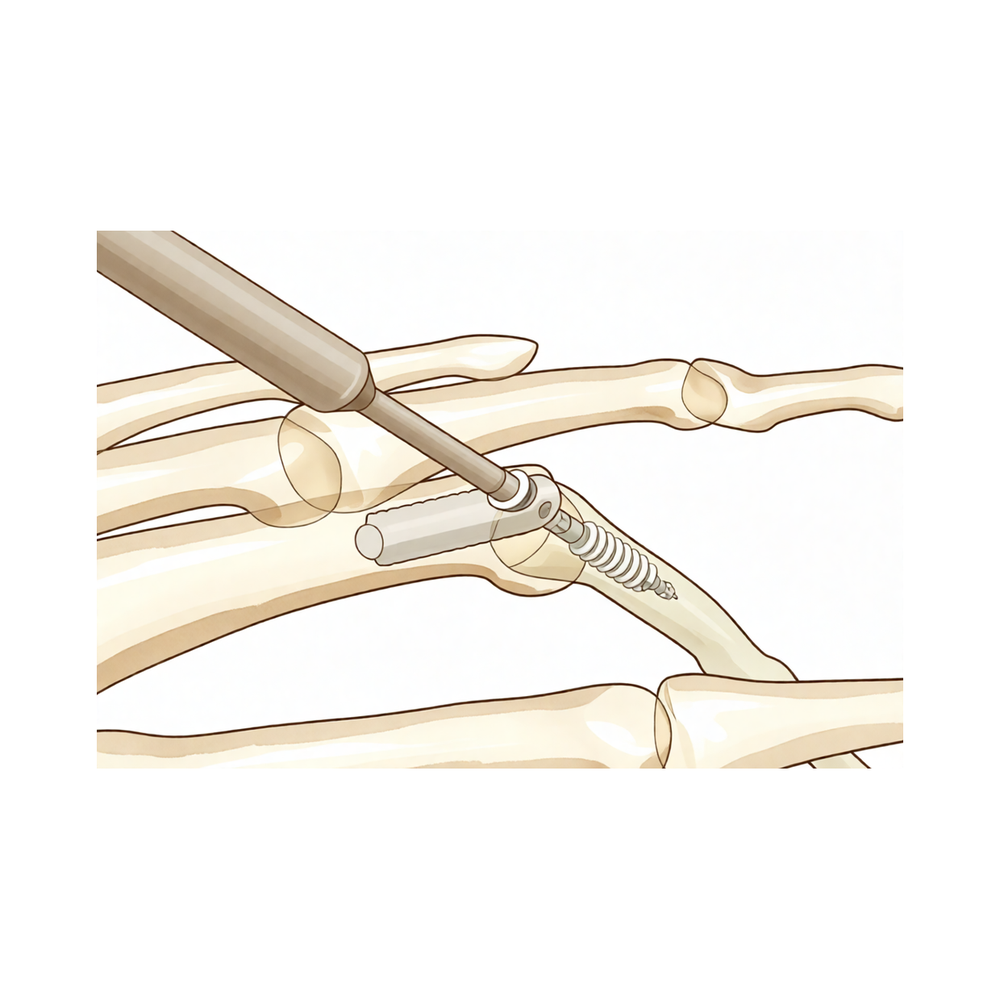
Surgical Approach / Technique: There are many surgical procedures that provide pain relief and improve function for trapeziometacarpal arthritis [48]. Surgical options for articular cartilage injuries include arthroscopic débridement, bone marrow stimulation, osteochondral autograft transfer, osteochondral allograft transplantation, autologous chondrocyte implantation, and various newer, emerging techniques [42]. Mini-open carpal tunnel release significantly improves function and pain with a relatively low risk of mainly temporary complications [65]. Low recurrence rates and maintenance of low symptom and function scores can be expected at 8 to 10 years following single-portal endoscopic carpal tunnel release [69]. Early outcomes of third CMC joint sparing techniques in total wrist fusion appear equivalent, but longer-term data are still required [24].
Implant Selection: Total joint arthroplasty for trapeziometacarpal joint arthritis demonstrates higher 5-year survival (93% vs 73%) compared to trapeziectomy [25]. Key pinch strength, satisfaction, and willingness to undergo the same treatment again favor total joint arthroplasty over trapeziectomy [25]. Patients are satisfied with both trapeziometacarpal implant arthroplasty and resection arthroplasty but prefer implant arthroplasty if they had to choose again [38]. Ligament reconstruction and tendon interposition (LRTI) remains the predominant surgical option for thumb carpometacarpal arthritis, while nonprosthetic arthroplasty was the only cohort increasing in utilization from 2010 to 2022 [68]. Total joint arthroplasty with a dual mobility prosthesis for the thumb carpometacarpal joint appears to be a satisfactory solution [72]. The modified Epping procedure for trapeziometacarpal osteoarthritis has an encouraging overall outcome, with subjective loss of strength being a main complaint among patients [157]. A study comparing resection-interposition arthroplasty and trapezio-metacarpal arthrodesis found no significant difference in outcomes, but arthrodesis was preferred as it caused fewer problems [62]. Pyrocarbon MP joint arthroplasty in primary osteoarthritic patients is well tolerated, with good patient satisfaction and pain relief, preservation and some improvement of movement, and improved functional scores [105]. Pyrocarbon PIP joint prosthesis replacement reports good pain relief and stable radiographic integration at 5 years, with no late revisions or loosening observed, despite no improvement in range of motion [7]. Pyrolytic carbon hemiarthroplasty for PIP joint arthritis yields clinical and patient satisfaction outcomes that compare favorably with published outcomes of arthroplasty, with encouraging radiographic outcomes regarding implant position and loosening [113]. MatOrtho PIP joint arthroplasty achieves good pain relief, improvement in functional scores, and may improve range of motion, though caution is advised for stiff joints or those with significant deformity or instability [14]. PIPJ implant arthroplasty is a good and reliable option for symptomatic PIPJ degenerative, post-traumatic, or inflammatory arthritis given the proper clinical setting [78].
Pain Management: Nonopioid medications as part of a perioperative pain control strategy after carpal tunnel release demonstrate improved pain scores compared with opioid medications with similar patient satisfaction and functional outcomes [125]. To obtain early satisfactory outcomes after trapeziectomy with ligament reconstruction and tendon interposition arthroplasty, it is important to treat postoperative surgical site pain and joint stiffness [18].
Adjuncts: The authors recommend applying a noninflated tourniquet for use when necessary during endoscopic carpal tunnel release using wide-awake anesthesia [123]. The safety and efficacy of domestic robot-assisted arthroplasty in China are well documented, with reported accuracy and short-term clinical efficacy [101].
Other Considerations: Preoperative CMCJ steroid injection status does not affect major complication rates or functional outcomes following CMCJ arthroplasty [58]. Midcarpal arthritis, which may develop after distal scaphoid resection for degenerative arthritis secondary to scaphoid nonunion, did not cause appreciable deterioration in patient outcomes [10]. Exclusion criteria for arthroscopic debridement and synovectomy for basal joint arthritis include fixed deformities of the CMC joint, complete loss of the CMC joint space, scaphotrapezial disease, metacarpophalangeal joint hyperextension, prior CMC joint surgery, rheumatoid arthritis, neurologic conditions, and local infection [56]. The Burton classification system for trapeziometacarpal arthritis utilizes clinical signs, patient symptoms, and radiographs to stage the disease from I to IV [75]. The Eaton classification for trapeziometacarpal arthritis relies on radiographic changes only [75]. Approximately 1 in 5 PIP joint arthroplasties with a pyrocarbon implant will require revision surgery by 5 years, and 1 in 3 will undergo more than 1 operation [21]. A total of 13% of PIP joints treated with pyrocarbon implants required a secondary surgical procedure [1]. Treatment of the long finger may be a relative contraindication to PIPJ arthroplasty [32]. The authors advocate offering PIP joint arthroplasty of the osteoarthritic index finger, especially in lower demand patients as an alternative to arthrodesis, with the benefit of providing good pain relief while preserving movement [35]. Combining proximal interphalangeal joint arthroplasty with distal interphalangeal arthrodesis leads to 1-year outcomes that are similar to those achieved by proximal interphalangeal joint replacement alone [64]. The functional range of motion is important for directing indications for surgery and rehabilitation, and assessing outcome of treatment for finger joints [5]. Metacarpophalangeal joint arthroplasty continues to play a central role in the management of the rheumatoid hand [34]. Osteoarthritis was the most common indication for arthrodesis of distal interphalangeal and thumb interphalangeal joints, and postoperative complications occurred at a rate similar to that reported in the existing literature [11]. Postoperative neuropathy following carpal tunnel release in conjunction with volar plating of distal radius fractures is mild and likely to resolve with conservative treatment [155]. Published clinical results for contralateral C7 transfer have demonstrated significant improvements in upper limb function, confirming the procedure's safety and efficacy, with donor site morbidity that is typically mild and transient [103]. There are currently no clinical practice guidelines for acute pain management in musculoskeletal injury or surgery [88].
Complications
PIP Joint Arthroplasty
Infection (PJI): Periprosthetic joint infection is uncommon after MCP or PIP arthroplasties [74].
Reoperation and Revision: Thirteen percent of joints treated with pyrocarbon implants required a secondary surgical procedure [1]. Revision PIP arthroplasty is associated with a high incidence of complications and a 70% 5-year survival rate [12]. In MCP joints affected by rheumatoid arthritis, pyrocarbon arthroplasty carries high complication and overall reoperation rates, with 1 in 10 patients undergoing revision within 5 years postoperatively [116].
Trapeziometacarpal (Basal Thumb) Joint Surgery
Reoperation and Revision: Revision surgery for failed trapeziometacarpal joint arthritis surgery can result in satisfactory long-term outcomes when metacarpophalangeal joint pathology is addressed and complications are avoided [2]. Total joint arthroplasty for trapeziometacarpal joint arthritis demonstrated a 5-year survival rate of 93% compared to 73% for trapeziectomy [25]. Revision within 10 years after ivory arthroplasty for trapeziometacarpal osteoarthritis was needed in four of 26 cases [79].
Other Considerations: Basal thumb arthritis surgery with transfer of the abductor pollicis brevis origin to the flexor carpi radialis tendon has a low complication rate [109]. Preoperative CMCJ steroid injection status does not affect major complication rates following CMCJ arthroplasty [58]. Simultaneous dual prosthetic replacement of trapeziometacarpal and scaphotrapezial-trapezoid joints achieves a low complication rate [27].
Carpal Tunnel Release
Reoperation and Revision: The majority of revision carpal tunnel releases are indicated for recurrent symptoms [3]. The rate of revision carpal tunnel release remains constant and linear throughout the follow-up period [3]. Beyond 5 years, the revision rate for endoscopic versus open carpal tunnel release was similar (RR = 0.85, 95% CI = 0.74-1.01; OR = 0.76, 95% CI = 0.58-1.00) [71].
Other Joint Procedures
Other Considerations: Midcarpal arthritis developing after distal scaphoid resection did not cause appreciable deterioration in patient outcomes [10]. Postoperative complications for distal interphalangeal and thumb interphalangeal joint arthrodesis occurred at a rate similar to that reported in existing literature [11]. Despite major primary complications and a high incidence of radiographic signs of degenerative changes after 8.8 years, mainly good clinical results were achieved with Judet's bipolar radial head prosthesis [173].
Recovery
Light activity (weeks): The evidence base does not specify a typical week range for returning to desk work, driving, or light activities of daily living. A Level-II study found outcomes virtually comparable between early mobilization and prolonged immobilization protocols for basal joint surgery [9], but specific timelines for light activity are not defined in the provided data.
Full activity (months): The evidence base does not specify a typical month range for returning to manual work, sport, or full range of motion and strength. While mean motion and strength increased after trapeziometacarpal osteoarthritis treatment with the ARPE implant [120], and improvements in abductor pollicis longus tendon interposition are maintained long-term [66], specific durations for full activity return are not provided.
Complete recovery / outcome plateau (months): The evidence base does not specify a month range for when pain, strength, and final functional outcomes stabilize. Patients who were 65 years of age or older at the time of surgery maintained their clinical improvement for at least 5 years after carpal tunnel release [188]. Mean motion and strength increased whereas pain decreased after trapeziometacarpal osteoarthritis treatment with the ARPE implant, and these results remained constant within the follow-up period [120]. The improvements obtained in the short term after abductor pollicis longus tendon interposition for arthrosis of the first carpo-metacarpal joint are maintained also long-term [66].
Rehabilitation protocol: A Level-II study found outcomes virtually comparable between early mobilization and prolonged immobilization protocols for basal joint surgery [9]. Much of the broader literature on basal joint surgery remains inconclusive, leading surgeons to rely on Level-IV or Level-V evidence and personal experience [9]. Synovectomy alone is advisable only in selected cases with isolated synovial involvement and no underlying joint pathology; in more advanced cases, complete débridement accompanied by arthrodesis or ulnar head resection is the treatment of choice to arrest disease progression [63].
Functional milestones: No variable being abnormal reliably predicted clinically meaningful improvement in BCTQ outcomes across early follow-up after carpal tunnel release [49]. The procedure for proximal interphalangeal joint arthroplasty achieves good pain relief, improvement in functional scores and may improve range of motion, though caution is advised for stiff joints or those with significant deformity/instability [14]. The study reports good pain relief and stable radiographic integration at 5 years with a pyrocarbon prosthesis replacing the proximal interphalangeal joint, with no late revisions or loosening observed, despite no improvement in range of motion [7]. By preserving carpal stability and thumb function, simultaneous dual prosthetic replacement of trapeziometacarpal and scaphotrapezial-trapezoid joints achieves favorable functional outcomes and a low complication rate [27].
Other Considerations: Patients with osteoarthritis and possibly thyroid disease should be monitored closely in the postoperative period for expeditious detection and management of new-onset trigger finger following carpal tunnel release [20]. Revision surgery for failed trapeziometacarpal joint arthritis surgery can result in satisfactory long-term outcomes particularly when metacarpophalangeal joint pathology is addressed and complications are avoided [2]. A total of 13% of the joints required a secondary surgical procedure following proximal interphalangeal joint pyrocarbon implants [1]. Implant survivorship for silicone metacarpophalangeal arthroplasty is 97% (clinical) and 88% (radiographic) in long-term follow-up [60]. A successful operative result for swan-neck and boutonniere deformities in the rheumatoid hand depends on complete preoperative examination, correct staging of the deformity, and proper timing of treatment [22].
Key Evidence
- [L4] A total of 13% of the joints required a secondary surgical procedure. [1] (10.1016/j.jhsa.2009.08.010)
- [L4] Revision surgery, however, can result in satisfactory long-term outcomes particularly when metacarpophalangeal joint pathology is addressed and complications are avoided. [2] (10.1016/j.jhsa.2018.10.025)
- [L4] The majority of revisions are indicated for recurrent symptoms, with the rate remaining constant and linear throughout the follow-up period. [3] (10.1016/j.jhsa.2026.02.006)
- [L5] As of 1 January 2018, The Journal of Bone and Joint Surgery, The Bone & Joint Journal, and Clinical Orthopaedics and Related Research require authors of all randomised clinical trials that began after the publication of this editorial to demonstrate proof of prospective registration to be considered for review. [4] (10.1302/0301-620x.98b12.38081)
- [L4] The functional range of motion is important for directing indications for surgery and rehabilitation, and assessing outcome of treatment. [5] (10.1177/1753193414533754)
- [L5] Surgical options for scaphotrapeziotrapezoidal joint osteoarthritis are numerous, but none has clear evidence of superiority. [6] (10.1177/17531934241295345)
- [L4] The study reports good pain relief and stable radiographic integration at 5 years, with no late revisions or loosening observed, despite no improvement in range of motion. [7] (10.1177/1753193413479527)
- [L5] The commentary notes that while the referenced Level-II study found outcomes virtually comparable between early mobilization and prolonged immobilization protocols, much of the broader literature on basal joint surgery remains inconclusive, leading surgeons to rely on Level-IV or Level-V evidence and personal experience. [9] (10.2106/jbjs.18.00298)
- [L4] Midcarpal arthritis, which may develop after the procedure, did not cause appreciable deterioration in patient outcomes. [10] (10.1016/j.jhsa.2014.05.031)
- [L3] Osteoarthritis was the most common indication for arthrodesis and postoperative complications occurred at a rate similar to that reported in the existing literature. [11] (10.1186/s12891-024-07361-w)
- [L3] Revision arthroplasty was associated with a 70% 5-year survival but with a high incidence of complications. [12] (10.1016/j.jhsa.2015.05.015)
- [L4] The International Consensus Meeting recommended that disease-modifying antirheumatic drugs should be halted prior to elective total joint arthroplasty based on their half-life, with cessation performed under the direction of the treating physician. [13] (10.1016/j.arth.2017.11.031)
- [L4] Patients can be advised that the procedure achieves good pain relief, improvement in functional scores and may improve range of motion, though caution is advised for stiff joints or those with significant deformity/instability. [14] (10.1177/1753193415614251)
- [L3] [15] (10.1177/1558944717732064)
- [L5] The author recommends volar capsulodesis to preserve motion, though long-term outcomes remain unknown. [17] (10.1016/j.jhsa.2011.05.006)
- [L4] To obtain early satisfactory outcomes, it is important to treat postoperative surgical site pain and joint stiffness. [18] (10.1016/j.otsr.2019.11.020)
- [L4] Longer follow-up and prospective randomized comparisons are needed to better define rates of revision, failure, and complications. [19] (10.1016/j.jhsa.2010.04.005)
- [L4] Based on these results, we recommend that patients with osteoarthritis and possibly thyroid disease should be informed of their greater propensity to develop TF and these patients should be monitored closely in the postoperative period for expeditious detection and management of new-onset TF. [20] (10.1142/s0218810410004606)
- [L4] Approximately 1 in 5 PIP joint arthroplasties with a pyrocarbon implant will require revision surgery by 5 years, and 1 in 3 will undergo more than 1 operation. [21] (10.1016/j.jhsa.2018.06.020)
- [L5] A successful operative result depends on complete preoperative examination, correct staging of the deformity, and proper timing of treatment. [22] (10.5435/00124635-199903000-00002)
- [L1] Early outcomes of third CMC joint sparing techniques appear equivalent but longer-term data are still required. [24] (10.1016/j.jhsg.2026.101022)
- [L1] However, key pinch strength, satisfaction, and willingness to undergo the same treatment again favored total joint arthroplasty, which also demonstrated higher 5-year survival (93% vs 73%). [25] (10.1177/17531934251357456)
- [L4] By preserving carpal stability and thumb function, this approach achieves favorable functional outcomes and a low complication rate, making it a potentially superior alternative for patients with high functional demands or those requiring durable long-term results. [27] (10.1016/j.jhsa.2025.12.013)
- [L1] Treatment of the long finger may be a relative contraindication to PIPJ arthroplasty. [32] (10.1177/1558944718791186)
- [L3] In aggregate, patients prefer surgical attributes characteristic of arthroplasty (ability to preserve joint motion and grip strength) relative to those associated with arthrodesis (decreased need for reoperation, lower costs, and shorter reoperation times). [33] (10.1016/j.jhsa.2018.03.001)
- [L5] Metacarpophalangeal joint arthroplasty continues to play a central role in the management of the rheumatoid hand. [34] (10.1177/17531934261430139)
- [L4] The authors advocate offering this procedure, especially in lower demand patients as an alternative to arthrodesis, with the benefit of providing good pain relief while preserving movement. [35] (10.1177/1558944720921468)
- [L4] The reconstructed joint adapts both morphologically and functionally, allowing movement on all 3 spatial planes. [36] (10.1016/j.jhsa.2016.06.011)
- [L3] Patients were satisfied with both procedures, but if they had to choose again, they would prefer implant arthroplasty. [38] (10.1177/17531934241265809)
- [L4] [45] (10.1016/j.hcl.2011.06.004)
- [L3] Motion-preserving distal interphalangeal arthroplasty is suggested as an alternative to arthrodesis for patients with higher functional demands and stable preoperative joints. [46] (10.1177/1753193420917818)
- [L5] There are many surgical procedures that provide pain relief and improve function for trapeziometacarpal arthritis, and clinical research is used to determine which procedures consistently produce the best outcomes. [48] (10.1016/j.jht.2013.10.004)
- [L4] Although select preoperative diagnostic and demographic factors demonstrated time-limited associations with early outcomes, no variable being abnormal reliably predicted clinically meaningful improvement in this cohort across early follow-up. [49] (10.1016/j.jhsg.2026.101023)
- [L4] It should be proposed exceptionally if the PIP joint arthritis causes invalidating functional pain. [50] (10.1177/15589447211030962)
- [L5] Surgical management is indicated for progressive, painful, unilateral deformity or leg-length discrepancy, while moderate nonprogressive deformity often does not require surgery. [54] (10.5435/00124635-199803000-00003)
- [L3] [56] (10.1016/j.arthro.2009.06.031)
- [L5] Osteoarthritis will likely remain the most common indication for basal joint arthroscopy while chronic pain and inflammation are useful indications for metacarpophalangeal arthroscopy. [57] (10.1016/j.jhsa.2007.02.020)
- [L3] Preoperative CMCJ steroid injection status does not affect major complication rates or functional outcomes following CMCJ arthroplasty. [58] (10.1177/15589447221081862)
- [L1] The between-group differences for pain improvements exceeded the minimal clinically important difference, supporting the use of this approach in patients with CMC joint OA. [59] (10.2519/jospt.2013.4524)
- [L4] Implant survivorship is 97% (clinical) and 88% (radiographic) in long-term follow-up. [60] (10.1016/j.jhsa.2017.10.010)
- [L3] The study found no significant difference in outcomes between the two procedures, but arthrodesis was preferred as it caused fewer problems, with only one patient not completely satisfied compared to the arthroplasty group. [62] (10.1007/s004020100313)
- [L4] Synovectomy alone is advisable only in selected cases with isolated synovial involvement and no underlying joint pathology; in more advanced cases, complete débridement accompanied by arthrodesis or ulnar head resection is the treatment of choice to arrest disease progression. [63] (10.2106/00004623-196648060-00006)
- [L3] Combining proximal interphalangeal joint arthroplasty with distal interphalangeal arthrodesis leads to 1-year outcomes that are similar to those achieved by proximal interphalangeal joint replacement alone. [64] (10.1177/17531934231191255)
- [L1] Based on a best-evidence meta-analysis of contemporary studies, mOCTR significantly improved function and pain, with a relatively low risk of mainly temporary complications. [65] (10.1016/j.jhsg.2023.08.005)
- [L3] We therefore conclude that the improvements obtained in the short term after this procedure are maintained also long-term. [66] (10.1186/s12891-016-0910-5)
- [L4] There is no standardized data set required by major hand journals or recommended by hand surgeon bodies, and functional scores are used infrequently in studies on implant arthroplasty despite their importance. [67] (10.1177/1753193419883968)
- [L2] Of surgical options to address thumb carpometacarpal arthritis, LRTI still predominates, but nonprosthetic arthroplasty was the only cohort increasing in utilization over the years. [68] (10.1016/j.jhsa.2025.03.014)
- [L3] Low recurrence rates and maintenance of low symptom and function scores can be expected at 8 to 10 years following this technique. [69] (10.1007/s11552-014-9614-1)
- [L3] Beyond 5 years, the revision rate of the two approaches was similar (RR = 0.85, 95% CI = 0.74-1.01; OR = 0.76, 95% CI = 0.58-1.00). [71] (10.1177/15589447251333817)
- [L4] Total joint arthroplasty with a dual mobility prosthesis appears to be a satisfactory solution in our series. [72] (10.1177/1558944718797341)
- [L4] [73] (10.2106/00004623-197456010-00008)
- [L4] PJI is uncommon after MCP or PIP arthroplasties. [74] (10.1016/j.jhsa.2024.12.008)
- [L5] [75] (10.1007/s11552-007-9068-9)
- [L1] [76] (10.1016/j.jhsa.2024.10.018)
- [L4] PIPJ implant arthroplasty is a good and reliable option for symptomatic PIPJ degenerative, post-traumatic or inflammatory arthritis given the proper clinical setting. [78] (10.1177/17531934241265837)
- [L2] However, revision within 10 years after surgery was needed in four of 26 cases. [79] (10.1177/1753193418797890)
- [L4] A brief knowledge of the syndrome may help the hand surgeon to appropriately diagnose, assess, and refer these patients to rheumatologists or bone metabolism specialists. [97] (10.1016/j.jhsa.2020.02.012)
- [L3] Thumb motion capability was unaffected by sex and handedness. [100] (10.1016/j.jhsa.2014.08.012)
- [L4] The safety and efficacy of domestic robot-assisted arthroplasty in China are well documented, and its accuracy and short-term clinical efficacy have been reported. [101] (10.1186/s42836-021-00109-0)
- [L5] Published clinical results have demonstrated significant improvements in upper limb function, confirming the procedure's safety and efficacy, with donor site morbidity that is typically mild and transient. [103] (10.1177/17531934251314640)
- [L4] This study supports previous findings that pyrocarbon MP joint arthroplasty in primary osteoarthritic patients is well tolerated, with good patient satisfaction and pain relief, preservation and some improvement of movement and improved functional scores. [105] (10.1177/1753193413511946)
- [L3] Surgery for arthritis of the hand relieves pain and improves activities of daily living (ADL). [108] (10.1054/jhsb.1998.0211)
- [L4] The procedure is safe, with a low complication rate, and demonstrates long-term durability. [109] (10.1016/j.jhsa.2009.03.016)
- [L4] Less favorable results were seen in patients with accompanying hand pathologies. [110] (10.1007/s00402-013-1776-8)
- [L1] Despite short-term improvement with intra-articular corticosteroid injections, there was no significant difference in pain and functional outcomes following intra-articular corticosteroid injections compared to hyaluronic acid or platelet-rich plasma administration. [111] (10.1016/j.jhsa.2024.02.001)
- [L4] Clinical and patient satisfaction outcomes compared favorably with published outcomes of arthroplasty, with encouraging radiographic outcomes regarding implant position and loosening. [113] (10.1016/j.jhsa.2014.12.016)
- [L3] A reduction in cylindrical grasp is associated with early symptomatic and radiographic CMC OA, whereas gross grasp is not associated with early thumb CMC OA, suggesting that cylindrical grasp may be a better tool to detect changes in thumb and hand function seen during early disease stages. [114] (10.1007/s11999-016-5151-2)
- [L4] Complication and overall reoperation rates were high, while 1 in 10 undergo revision within 5 years postoperatively. [116] (10.1177/15589447211063577)
- [L5] The internal structure and material properties of the phalanges were found to play a significant role in both the magnitude and distribution of stresses. [119] (10.1007/s11552-012-9430-4)
- [L4] Mean motion and strength increased whereas pain decreased after surgery and these results remained constant within the follow-up period. [120] (10.1016/j.jhsa.2017.05.007)
- [L4] The authors recommend applying a noninflated tourniquet for use when necessary. [123] (10.1016/j.jhsg.2019.10.005)
- [L5] The article reviews current evidence suggesting that thumb carpometacarpal joint osteoarthritis reflects the joint's teleology, where pathomechanics drive inflammatory markers and injury to soft tissue structures rather than simple wear and tear. [124] (10.1016/j.jhsa.2018.01.002)
- [L1] Nonopioid medications as part of a perioperative pain control strategy demonstrate improved pain scores compared with opioid medications with similar patient satisfaction and functional outcomes. [125] (10.1177/1558944719836211)
- [L1] Occupational therapy showed a small non-significant tendency to delay and reduce the need for surgery in CMCJ osteoarthritis. [127] (10.1136/rmdopen-2019-001046)
- [L3] Severe stages of thumb CMC OA cause an asymmetrical motion deficit with decreased ROM in extension and adduction, leading to decreased capability of counteropposition. [141] (10.1016/j.jhsa.2010.05.026)
- [L5] The resulting compressive shear forces can lead over time to trapeziometacarpal joint osteoarthritis. [142] (10.1016/j.jhsa.2010.10.029)
- [L5] In this case, MRI directed decision making toward US-guided surgery as opposed to open. [145] (10.1016/j.jhsg.2026.101119)
- [L4] Postoperative neuropathy is mild and likely to resolve with conservative treatment. [155] (10.1016/s0363-5023(11)60009-9)
- [L4] [157] (10.1007/s00402-015-2307-6)
- [L4] Advanced imaging (bone scintigraphy and single-photon emission CT and standard CT) are helpful to confirm the diagnosis. [158] (10.1016/j.jhsa.2021.02.017)
- [L3] [162] (10.1177/15589447221141485)
- [L4] However, magnetic resonance imaging indicates that the donor site is resurfaced with fibrous tissue. [167] (10.1177/0363546507306465)
- [L1] [171] (10.1097/corr.0000000000003300)
- [L4] Despite major primary complications and high incidence of radiographic signs of degenerative changes after 8.8 years, mainly good clinical results were achieved with Judet's bipolar prosthesis. [173] (10.1016/j.jse.2010.05.022)
- [L3] [182] (10.1186/s13018-019-1469-2)
- [L4] Patients who were 65 years of age or older at the time of surgery maintained their clinical improvement for at least 5 years after surgery. [188] (10.1016/j.jhsa.2009.10.020)
See Also
- Trapeziectomy
- Arthroscopy
- Trigger Finger
- Dupuytren's Disease
- Compression Neuropathies
- PIP Joint Arthritis
- Metacarpophalangeal joint arthroplasty
- Neuropathy
- Basal Thumb Arthritis
References
[1] Outcomes of Proximal Interphalangeal Joint Pyrocarbon Implants. The Journal of Hand Surgery. 2010. DOI: 10.1016/j.jhsa.2009.08.010
[2] Outcomes of Revisions for Failed Trapeziometacarpal Joint Arthritis Surgery. The Journal of Hand Surgery. 2019. DOI: 10.1016/j.jhsa.2018.10.025
[3] The Rate and Timing of Revision Carpal Tunnel Release with Long-Term Follow-Up. The Journal of Hand Surgery. 2026. DOI: 10.1016/j.jhsa.2026.02.006
[4] The Journal of Bone and Joint Surgery, The Bone & Joint Journal, and Clinical Orthopaedics and Related Research require prospective registration of randomised clinical trials. The Bone & Joint Journal*. 2016. DOI: 10.1302/0301-620x.98b12.38081
[5] The functional range of motion of the finger joints. Journal of Hand Surgery (European Volume). 2014. DOI: 10.1177/1753193414533754
[6] Surgical options and outcomes for treatment of osteoarthritis of the scaphotrapeziotrapezoidal joint. Journal of Hand Surgery (European Volume). 2025. DOI: 10.1177/17531934241295345
[7] Ten years’ experience with a pyrocarbon prosthesis replacing the proximal interphalangeal joint. A prospective clinical and radiographic follow-up. Journal of Hand Surgery (European Volume). 2013. DOI: 10.1177/1753193413479527
[9] Rehabilitation Protocols After Basal Joint Surgery: All over the Map. Journal of Bone and Joint Surgery. 2018. DOI: 10.2106/jbjs.18.00298
[10] Distal Scaphoid Resection for Degenerative Arthritis Secondary to Scaphoid Nonunion: A 20-Year Experience. The Journal of Hand Surgery. 2014. DOI: 10.1016/j.jhsa.2014.05.031
[11] Arthrodesis of distal interphalangeal and thumb interphalangeal joint: a retrospective cohort study of 149 cases. BMC Musculoskeletal Disorders. 2024. DOI: 10.1186/s12891-024-07361-w
[12] Revision Proximal Interphalangeal Arthroplasty: An Outcome Analysis of 75 Consecutive Cases. The Journal of Hand Surgery. 2015. DOI: 10.1016/j.jhsa.2015.05.015
[13] Rheumatoid Arthritis, Disease Modifying Agents, and Periprosthetic Joint Infection: What Does a Joint Surgeon Need to Know?. The Journal of Arthroplasty. 2018. DOI: 10.1016/j.arth.2017.11.031
[14] MatOrtho proximal interphalangeal joint arthroplasty: minimum 2-year follow-up. Journal of Hand Surgery (European Volume). 2016. DOI: 10.1177/1753193415614251
[15] Factors Associated With Radiographic Trapeziometacarpal Arthrosis in Patients Not Seeking Care for This Condition. HAND. 2017. DOI: 10.1177/1558944717732064
[17] Metacarpophalangeal Hyperextension Deformity Associated With Trapezial-Metacarpal Arthritis. The Journal of Hand Surgery. 2011. DOI: 10.1016/j.jhsa.2011.05.006
[18] Chronological changes in surgical outcomes after trapeziectomy with ligament reconstruction and tendon interposition arthroplasty for thumb carpometacarpal osteoarthritis. Orthopaedics & Traumatology: Surgery & Research. 2020. DOI: 10.1016/j.otsr.2019.11.020
[19] Proximal Interphalangeal Joint Prosthetic Arthroplasty. The Journal of Hand Surgery. 2010. DOI: 10.1016/j.jhsa.2010.04.005
[20] RISK FACTORS FOR TRIGGER FINGER OCCURRENCE AFTER CARPAL TUNNEL RELEASE. Hand Surgery. 2010. DOI: 10.1142/s0218810410004606
[21] Medium-Term Outcomes With Pyrocarbon Proximal Interphalangeal Arthroplasty: A Study of 170 Consecutive Arthroplasties. The Journal of Hand Surgery. 2018. DOI: 10.1016/j.jhsa.2018.06.020
[22] Operative Correction of Swan-Neck and Boutonniere Deformities in the Rheumatoid Hand. Journal of the American Academy of Orthopaedic Surgeons. 1999. DOI: 10.5435/00124635-199903000-00002
[24] Long-term Grip Strength and Complications After Total Wrist Fusion With and Without Inclusion of the Third Carpometacarpal Joint: A Systematic Review and Meta-analysis. Journal of Hand Surgery Global Online. 2026. DOI: 10.1016/j.jhsg.2026.101022
[25] Total joint arthroplasty versus trapeziectomy for trapeziometacarpal joint arthritis: 5-year follow-up of a randomized controlled trial. Journal of Hand Surgery (European Volume). 2025. DOI: 10.1177/17531934251357456
[27] Simultaneous Dual Prosthetic Replacement of Trapeziometacarpal and Scaphotrapezial-Trapezoid Joints in Pantrapezial Osteoarthritis: Midterm Results of a Combined Implant Strategy. The Journal of Hand Surgery. 2026. DOI: 10.1016/j.jhsa.2025.12.013
[28] Orthopaedic Knowledge Update 13 Ebook Without Multimedia. Anatomy, Evaluation, Clinical Examination, and Imaging > Evaluation and Clinical Examination: Current Concepts.
[32] Prosthetic Arthroplasty of Proximal Interphalangeal Joints for Treatment of Osteoarthritis and Posttraumatic Arthritis: Systematic Review and Meta-Analysis Comparing the Three Ulnar Digits With the Index Finger. HAND. 2018. DOI: 10.1177/1558944718791186
[33] Understanding Patient Preferences in Proximal Interphalangeal Joint Surgery for Osteoarthritis: A Conjoint Analysis. The Journal of Hand Surgery. 2018. DOI: 10.1016/j.jhsa.2018.03.001
[34] Balancing metacarpophalangeal joint arthroplasty in rheumatoid arthritis. Journal of Hand Surgery (European Volume). 2026. DOI: 10.1177/17531934261430139
[35] The Long-term Results of Proximal Interphalangeal Joint Arthroplasty of the Osteoarthritic Index Finger. HAND. 2020. DOI: 10.1177/1558944720921468
[36] Morphology and Mobility of the Reconstructed Basilar Joint of the Pollicized Index Finger. The Journal of Hand Surgery. 2016. DOI: 10.1016/j.jhsa.2016.06.011
[38] Which would you choose again? Comparison of trapeziometacarpal implant versus resection arthroplasty in the same patient. Journal of Hand Surgery (European Volume). 2024. DOI: 10.1177/17531934241265809
[40] Exam Of The Hand Wrist 2Ed. INTRODUCTION.
[42] Orthopaedic Knowledge Update Sports Medicine 6. Articular Cartilage of the Knee > Introduction.
[43] A Lange Medical Book Current Diagnosis Treatment In Orthopedics Fifth Edition. 9Hand Surgery > Image DISORDERS OF THE MUSCULATURE OF THE HAND.
[44] Exam Of The Hand Wrist 2Ed. 1.1 SKELETON OF THE HAND > The osseous skeleton.
[45] New Frontiers in Hand Arthroscopy. Hand Clinics. 2011. DOI: 10.1016/j.hcl.2011.06.004
[46] Silicone arthroplasty versus screw arthrodesis in distal interphalangeal joint osteoarthritis. Journal of Hand Surgery (European Volume). 2020. DOI: 10.1177/1753193420917818
[48] Evolution of basal joint arthroplasty and technology in hand surgery. Journal of Hand Therapy. 2014. DOI: 10.1016/j.jht.2013.10.004
[49] Preoperative Diagnostic Factors Associated With Early MCID Achievement in BCTQ Outcomes Following Carpal Tunnel Release. Journal of Hand Surgery Global Online. 2026. DOI: 10.1016/j.jhsg.2026.101023
[50] Arthroplasty of the Proximal Interphalangeal Joint With the TACTYS Prosthesis: Clinical and Radiographic Results With a Mean Follow-up of 5 Years. HAND. 2022. DOI: 10.1177/15589447211030962
[54] Coxa Vara in Childhood: Evaluation and Management. Journal of the American Academy of Orthopaedic Surgeons. 1998. DOI: 10.5435/00124635-199803000-00003
[56] Arthroscopic Debridement and Synovectomy for Treating Basal Joint Arthritis. Arthroscopy. 2009. DOI: 10.1016/j.arthro.2009.06.031
[57] Arthroscopy of the Trapeziometacarpal and Metacarpophalangeal Joints. The Journal of Hand Surgery. 2007. DOI: 10.1016/j.jhsa.2007.02.020
[58] The Effect of Thumb Carpometacarpal Joint Corticosteroid Injections on Outcomes Following Arthroplasty. HAND. 2022. DOI: 10.1177/15589447221081862
[59] The Effectiveness of a Manual Therapy and Exercise Protocol in Patients With Thumb Carpometacarpal Osteoarthritis: A Randomized Controlled Trial. Journal of Orthopaedic & Sports Physical Therapy. 2013. DOI: 10.2519/jospt.2013.4524
[60] Silicone Metacarpophalangeal Arthroplasty for Osteoarthritis: Long-Term Results. The Journal of Hand Surgery. 2018. DOI: 10.1016/j.jhsa.2017.10.010
[62] Surgical treatment of basal joint disease of the thumb: comparison between resection-interposition arthroplasty and trapezio-metacarpal arthrodesis. Archives of Orthopaedic and Trauma Surgery. 2002. DOI: 10.1007/s004020100313
[63] Posterior (Dorsal) Synovectomy for Rheumatoid Involvement of the Hand and Wrist. The Journal of Bone & Joint Surgery. 1966. DOI: 10.2106/00004623-196648060-00006
[64] Does distal interphalangeal joint arthrodesis affect proximal interphalangeal joint arthroplasty outcomes in the same finger?. Journal of Hand Surgery (European Volume). 2023. DOI: 10.1177/17531934231191255
[65] Best-Evidence Systematic Review and Meta-Analysis of Mini-Open Carpal Tunnel Release. Journal of Hand Surgery Global Online. 2024. DOI: 10.1016/j.jhsg.2023.08.005
[66] Abductor pollicis longus tendon interposition for arthrosis of the first carpo-metacarpal joint. Long-term results. BMC Musculoskeletal Disorders. 2016. DOI: 10.1186/s12891-016-0910-5
[67] Functional outcomes after surgery for thumb carpometacarpal joint arthritis. Journal of Hand Surgery (European Volume). 2019. DOI: 10.1177/1753193419883968
[68] National Trends of Surgical Interventions for Thumb Carpometacarpal Arthritis From 2010 to 2022. The Journal of Hand Surgery. 2025. DOI: 10.1016/j.jhsa.2025.03.014
[69] Long-Term Outcomes following Single-Portal Endoscopic Carpal Tunnel Release. HAND. 2014. DOI: 10.1007/s11552-014-9614-1
[71] Reoperation Rates and Short-Term Complications Following Endoscopic Versus Open Carpal Tunnel Release: A Longitudinal Analysis. HAND. 2025. DOI: 10.1177/15589447251333817
[72] Total Thumb Carpometacarpal Joint Arthroplasty: A Retrospective Functional Study of 28 MOOVIS Prostheses. HAND. 2018. DOI: 10.1177/1558944718797341
[73] Synovectomy of the Proximal Interphalangeal Joint of the Finger in Rheumatoid Arthritis. The Journal of Bone & Joint Surgery. 1974. DOI: 10.2106/00004623-197456010-00008
[74] Incidence and Presentation of Periprosthetic Joint Infection After Primary Metacarpophalangeal and Proximal Interphalangeal Arthroplasty. The Journal of Hand Surgery. 2025. DOI: 10.1016/j.jhsa.2024.12.008
[75] CMC Arthroplasty of the Thumb: A Review. HAND. 2007. DOI: 10.1007/s11552-007-9068-9
[76] Arthrodesis Versus Ligament Reconstruction and Tendon Interposition for Thumb Carpometacarpal Joint Arthritis: A Systematic Review and Meta-Analysis. The Journal of Hand Surgery. 2025. DOI: 10.1016/j.jhsa.2024.10.018
[78] Proximal interphalangeal joint arthroplasty: current trends and evidence-based practice. Journal of Hand Surgery (European Volume). 2024. DOI: 10.1177/17531934241265837
[79] Ivory arthroplasty for trapeziometacarpal osteoarthritis: 10-year follow-up. Journal of Hand Surgery (European Volume). 2018. DOI: 10.1177/1753193418797890
[80] Exam Of The Hand Wrist 2Ed. Functional cutaneous units.
[81] Green S Operative Hand Surgery. Interosseous and Hypothenar Muscles.
[82] Orthopaedic Basic Science Fifth Edition Print Ebook. Biology and Mechanics of the Skeletal Extracellular Matrix > Synovial Related Joint Diseases.
[84] Exam Of The Hand Wrist 2Ed. The arches of the hand > The metacarpal arch.
[88] Rockwood And Green S Fractures In Adults. 21: Psychosocial Aspects of Recovery After Trauma > Future Directions.
[89] A Lange Medical Book Current Diagnosis Treatment In Orthopedics Fifth Edition. 9Hand Surgery > FLEXOR TENDON INJURY.
[91] Exam Of The Hand Wrist 2Ed. The dorsal skin.
[92] Green S Operative Hand Surgery. PERTINENT ANATOMY.
[96] Orthopaedic Knowledge Update 13 Ebook Without Multimedia. Neuropathies, Vascular Conditions: Buerger’s, Raynaud’s; Degenerative Conditions > Summary.
[97] Hand Deformities in Hajdu-Cheney Syndrome: A Case Series of 3 Patients Across 3 Consecutive Generations. The Journal of Hand Surgery. 2021. DOI: 10.1016/j.jhsa.2020.02.012
[99] Dupuytren S Disease And Related Hyperproliferative Disorders. 54. The Future of Dupuytren’s Research and Treatment > 54.4 Mechanical Measurements and Procedures > 54.4.4 Imaging.
[100] Effect of Carpometacarpal Joint Osteoarthritis, Sex, and Handedness on Thumb In Vivo Kinematics. The Journal of Hand Surgery. 2014. DOI: 10.1016/j.jhsa.2014.08.012
[101] What’s new in artificially intelligent joint surgery in China? The minutes of the 2021 IEEE ICRA and literature review. Arthroplasty. 2022. DOI: 10.1186/s42836-021-00109-0
[103] Harnessing the uninjured hemisphere for treatment of the stroke or brain-injured patient – evolution of the contralateral C7 transfer. Journal of Hand Surgery (European Volume). 2025. DOI: 10.1177/17531934251314640
[105] Pyrocarbon metacarpophalangeal joint replacement in primary osteoarthritis. Journal of Hand Surgery (European Volume). 2013. DOI: 10.1177/1753193413511946
[108] Hand Surgery and Quality of Life. Journal of Hand Surgery. 1999. DOI: 10.1054/jhsb.1998.0211
[109] Long-Term Follow-Up of Basal Joint Resection Arthroplasty of the Thumb With Transfer of the Abductor Pollicis Brevis Origin to the Flexor Carpi Radialis Tendon. The Journal of Hand Surgery. 2009. DOI: 10.1016/j.jhsa.2009.03.016
[110] Midterm results after modified Epping procedure for trapeziometacarpal osteoarthritis. Archives of Orthopaedic and Trauma Surgery. 2013. DOI: 10.1007/s00402-013-1776-8
[111] Efficacy of Intra-Articular Corticosteroid Injection for Nonsurgical Management of Trapeziometacarpal Osteoarthritis: A Systematic Review and Meta-Analysis of Randomized Controlled Trials. The Journal of Hand Surgery. 2024. DOI: 10.1016/j.jhsa.2024.02.001
[113] Pyrolytic Carbon Hemiarthroplasty in the Management of Proximal Interphalangeal Joint Arthritis. The Journal of Hand Surgery. 2015. DOI: 10.1016/j.jhsa.2014.12.016
[114] Reduction in Cylindrical Grasp Strength Is Associated With Early Thumb Carpometacarpal Osteoarthritis. Clinical Orthopaedics & Related Research. 2017. DOI: 10.1007/s11999-016-5151-2
[116] Outcomes of Pyrocarbon Arthroplasty in Metacarpophalangeal Joints Affected by Rheumatoid Arthritis. HAND. 2022. DOI: 10.1177/15589447211063577
[119] A three-dimensional finite element analysis of finger joint stresses in the MCP joint while performing common tasks. HAND. 2012. DOI: 10.1007/s11552-012-9430-4
[120] Joint Survival Analysis and Clinical Outcome of Total Joint Arthroplasties With the ARPE Implant in the Treatment of Trapeziometacarpal Osteoarthritis With a Minimal Follow-Up of 5 Years. The Journal of Hand Surgery. 2017. DOI: 10.1016/j.jhsa.2017.05.007
[123] Endoscopic Carpal Tunnel Release Using Wide-Awake Anesthesia. Journal of Hand Surgery Global Online. 2020. DOI: 10.1016/j.jhsg.2019.10.005
[124] The Teleology of the Thumb: On Purpose and Design. The Journal of Hand Surgery. 2018. DOI: 10.1016/j.jhsa.2018.01.002
[125] Opioid Versus Nonopioid Analgesia After Carpal Tunnel Release: A Randomized, Prospective Study. HAND. 2019. DOI: 10.1177/1558944719836211
[127] Does occupational therapy delay or reduce the proportion of patients that receives thumb carpometacarpal joint surgery? A multicentre randomised controlled trial. RMD Open. 2019. DOI: 10.1136/rmdopen-2019-001046
[141] Motion Deficit of the Thumb in CMC Joint Arthritis. The Journal of Hand Surgery. 2010. DOI: 10.1016/j.jhsa.2010.05.026
[142] Current Concepts of the Anatomy of the Thumb Trapeziometacarpal Joint. The Journal of Hand Surgery. 2011. DOI: 10.1016/j.jhsa.2010.10.029
[145] Ultrasound-Guided Revision Carpal Tunnel Release for Incomplete Open Carpal Tunnel Release: Using Magnetic Resonance Imaging to Guide Sonographic Access. Journal of Hand Surgery Global Online. 2026. DOI: 10.1016/j.jhsg.2026.101119
[155] The Value of Carpal Tunnel Release in Conjunction with Volar Plating of Distal Radius Fractures. The Journal of Hand Surgery. 2011. DOI: 10.1016/s0363-5023(11)60009-9
[157] Long-term results after modified Epping procedure for trapeziometacarpal osteoarthritis. Archives of Orthopaedic and Trauma Surgery. 2015. DOI: 10.1007/s00402-015-2307-6
[158] Thumb Metacarpal-Trapezoid Impingement as an Etiology of Pain After Trapeziectomy and Basal Joint Soft Tissue Arthroplasty: A Case Series. The Journal of Hand Surgery. 2021. DOI: 10.1016/j.jhsa.2021.02.017
[162] Type of Work and Preoperative Ability to Perform Work Affect Return to Usual Work Following Proximal Interphalangeal Joint Arthroplasty for Osteoarthritis. HAND. 2022. DOI: 10.1177/15589447221141485
[167] Donor Site Evaluation after Autologous Osteochondral Mosaicplasty for Cartilaginous Lesions of the Elbow Joint. The American Journal of Sports Medicine. 2007. DOI: 10.1177/0363546507306465
[171] What Are the Most Clinically Effective Nonoperative Interventions for Thumb Carpometacarpal Osteoarthritis? An Up-to-date Systematic Review and Network Meta-analysis. Clinical Orthopaedics & Related Research. 2024. DOI: 10.1097/corr.0000000000003300
[173] Mid- to long-term results after bipolar radial head arthroplasty. Journal of Shoulder and Elbow Surgery. 2010. DOI: 10.1016/j.jse.2010.05.022
[182] Comparison of arthrodesis and arthroplasty of Chinese thumb carpometacarpal osteoarthritis. Journal of Orthopaedic Surgery and Research. 2019. DOI: 10.1186/s13018-019-1469-2
[188] Five-Year Follow-Up of Carpal Tunnel Release in Patients Over Age 65. The Journal of Hand Surgery. 2010. DOI: 10.1016/j.jhsa.2009.10.020