Clinicians › Shoulder
Revision shoulder replacement
Surgeon-side topic for revision shoulder replacement. Backed by 422 articles from the corpus, retrieved via combined MeSH + title-text matching.
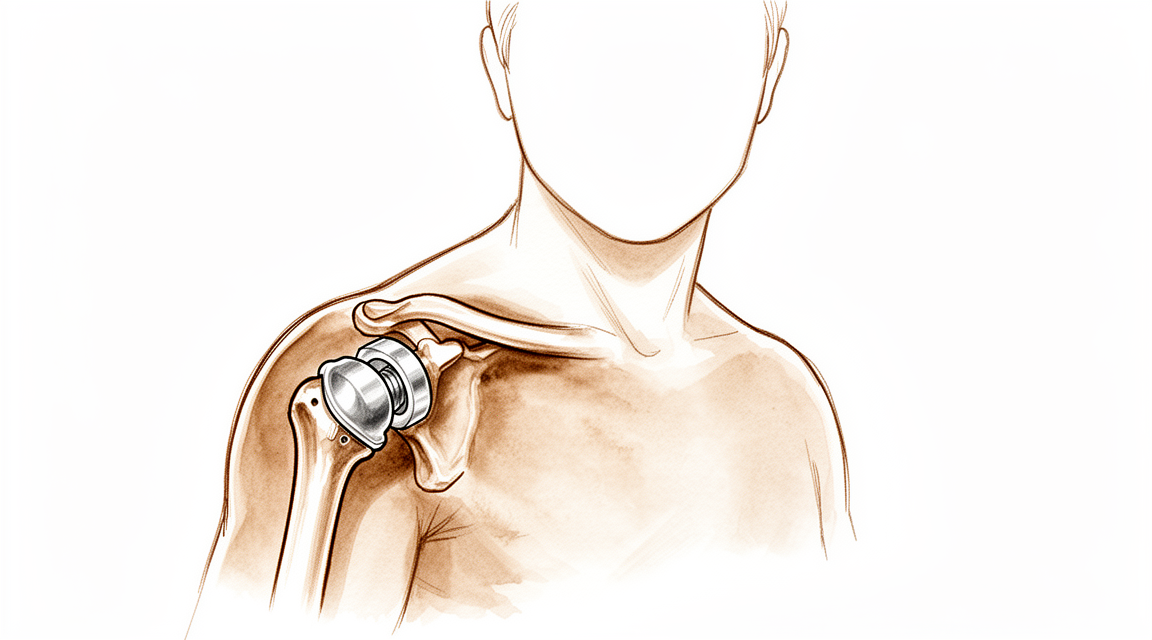
For patients: a plain-language version of this topic is available. See the patient guide.
Overview
Shoulder arthroplasties are generally designed to last 10-15 years [1], yet revision procedures are currently being performed at a mean of 3.9 years from the primary operation [1]. The incidence of both primary and revision shoulder replacements is expected to increase in the coming years [2], with a massive rise projected by 2040 driven mainly by a rising number of fracture-related procedures [6]. Revision shoulder arthroplasty outcomes are generally inferior to those of primary reverse total shoulder arthroplasty [3], and complications and further revision surgeries are common [3]. Despite these challenges, revision procedures lead to notable improvements in pain, motion, and function [3], with revision reverse shoulder arthroplasty demonstrating significant long-term clinical improvements [4]. The implant survival rate for revision reverse shoulder arthroplasty is 85% at ten years [4].
The outcome of revision shoulder arthroplasty can be predicted on the basis of the indication for the procedure [5]. The majority of revisions are performed for patients who are unlikely to have a periprosthetic joint infection [8], with less than 10% meeting ICM criteria for definite periprosthetic joint infection [8]. Anatomic total shoulder arthroplasties and reverse shoulder arthroplasties are the most revised implants for humeral loosening [9], with reverse shoulder arthroplasties being the most common implant used for this specific revision [9]. Revisions for humeral loosening yield modest clinical improvements [10], and patients undergoing this procedure are more likely to experience complications resulting in rerevision [10]. Revision risk for shoulder arthroplasty in osteoarthritis differs by gender [189], and optimum revision rates vary for both gender and implant type in osteoarthritis diagnoses [12].
Complication and reoperation rates are higher for revision reverse shoulder arthroplasty than for primary reverse shoulder arthroplasty [15]. Outcomes are comparable for revision of failed anatomic shoulder arthroplasty to reverse shoulder arthroplasty [15], although patients undergoing this specific conversion have worse clinical outcomes compared with those undergoing primary reverse total shoulder arthroplasty [33]. This conversion is also associated with higher complication and revision rates compared to primary reverse total shoulder arthroplasty [33]. Total shoulder arthroplasty provides better value than reverse shoulder arthroplasty at an average of 4 years [17], and has higher rates of radiographic loosening without higher revision rates compared to reverse shoulder arthroplasty [17]. There were no differences in survivorship at 4 years between reverse and anatomic total shoulder arthroplasty for osteoarthritis [189].
Anatomy & Pathophysiology
Bony Anatomy
The proximal humerus comprises four main parts: the humeral head, greater tuberosity, lesser tuberosity, and humeral shaft [81]. The articular head is spherical with a diameter of 37 to 57 mm [81] and a radius of curvature of approximately 25 mm, which is slightly larger in men than in women [93]. The articular surface is essentially spherical, with an arc of approximately 160 degrees covered by articular cartilage [93]. The most superior portion of the articular surface averages 8 mm above the greater tuberosity [81], while the superior margin is normally superior to the top of the greater tuberosity by 8 to 10 mm [93]. Head height is approximately 5.6 cm above the superior border of the pectoralis major tendon [95].
Humeral version averages 29.8 degrees, with a range of 10 to 55 degrees [81], and the humeral head is retroverted an average of 30 degrees [82]. Proximal humeral retroversion is highly variable, ranging from 0 to 55 degrees depending on the measurement method [93]. The humeral head is inclined approximately 130 degrees with respect to the humeral shaft [81], and the neck-shaft angle measures an average of 135 degrees [82]. Another source reports the average neck-shaft angle as 45 degrees (±5 degrees), with a range of 30 to 50 degrees [93]. Arthritic shoulders have a flatter neck-shaft angle close to 50 degrees [93]. The anatomic neck is located at the junction of the articular surface and the tuberosities [81], while the surgical neck represents an indistinct region at the metadiaphyseal junction below the tuberosities but above the humeral shaft [81].
The glenoid is a convex structure of shallow depth shaped like an inverted pear [81]. The glenoid cavity is a shallow socket approximately one third the size of the humeral head [82]. The glenoid articular surface radius of curvature is 2 to 3 mm larger than that of the humeral head [93]. The glenoid averages 5° of retroversion in relation to the axis of the scapular body [84], and is retroverted approximately 5 degrees relative to the scapular body [95]. The normal position of the glenoid surface in relation to the axis of the scapular body ranges from 2 degrees of anteversion to 7 degrees of retroversion [93].
The scapula is attached to the axial skeleton by the acromioclavicular and sternoclavicular joints [83]. The glenoid is connected with the flat body of the scapula by the scapular neck [83]. The coracoid process curves forwards from the superior surface of the scapular neck [83], and the acromion is a flattened bony process that curves forwards from the scapular spine [83]. The highest concentration of bony mass in the scapula is located in the glenoid, the scapular neck, and the lateral border of the scapular body [83]. Two bony pillars transmit compressive forces from the glenoid fossa: the lateral pillar and the spinal pillar [83]. The weakest bone in the scapula is located primarily in the central part of the biomechanical body, specifically the infraspinous fossa [83], and the weakest area of the circumference of the biomechanical body is the spinomedial angle [83]. The scapula is anteverted on the chest wall approximately 30 degrees relative to the body [95].
Vascular Supply
The proximal humerus receives its blood supply from the anterior and posterior humeral circumflex branches from the third division of the axillary artery [81]. The anterior humeral circumflex artery arises from the axillary artery at the inferior border of the subscapularis [81] and provides vascular inflow to the humeral head by way of its terminal anterolateral branch known as the artery of Laing or arcuate artery [81]. The ascending branch of the anterior humeral circumflex artery courses parallel to the lateral aspect of the long head biceps tendon and enters the humeral head at the interface of the bicipital groove and greater tuberosity [81]. The major blood supply to the humeral head is through this ascending branch, which penetrates the head at the bicipital groove and becomes the arcuate artery [82]. The terminal intraosseous portion of the anterior humeral circumflex artery enters at the proximal aspect of the intertubercular groove as the arcuate artery [84].
The posterior humeral circumflex artery travels with the axillary nerve, enters the quadrilateral space posteriorly, and anastomoses with a branch of the anterior circumflex to supply the posterior cuff [81]. Quantitative assessment has shown that 64% of the humeral head blood supply arises from the posterior humeral circumflex artery [88]. The anterior and posterior humeral circumflex arteries provide a rich blood supply to the proximal humerus [88]. Injury to the arcuate artery may result in osteonecrosis of the humeral head [81], although additional extraosseous collateral branches can permit humeral head perfusion despite complete ligation of the arcuate artery [81]. Fractures of the anatomic neck have a poor prognosis because of complete disruption of the blood supply to the head [82], whereas surgical neck fractures are common and preserve the blood supply to the head [82].
Soft Tissue Anatomy
The rotator cuff consists of four muscles: the subscapularis, supraspinatus, infraspinatus, and teres minor [82]. The teres major is not a rotator cuff muscle [82]. The cuff muscles serve as depressors of the humeral head to allow the deltoid to efficiently abduct the humerus [82]. The infraspinatus and teres minor are external rotators, while the subscapularis is an internal rotator of the humerus [82]. The rotator cuff is a sheet of conjoined tendons closely applied over the shoulder capsule and inserting mainly into the greater tuberosity of the humerus, with the subscapularis inserted into the lesser tuberosity [89]. The greater tuberosity provides attachment superiorly and posteriorly for the supraspinatus, infraspinatus, and teres minor [88], while the lesser tuberosity serves as the attachment site for the subscapularis tendon [81]. The subscapularis originates from the anterior scapula and inserts anteriorly onto the lesser tuberosity [88].
The tendinous insertions of the rotator cuff muscles, the articular capsule, the coracohumeral ligament, and the glenohumeral ligament complex blend into a confluent sheet before insertion into the humeral tuberosities [94]. The tendons of the infraspinatus and supraspinatus muscles join approximately 15 mm proximal to their insertion and cannot be readily separated by blunt dissection [94]. The infraspinatus and teres minor fuse near their musculotendinous junctions [94]. The supraspinatus and subscapularis tendons join as a sheath that surrounds the biceps tendon at the entrance of the bicipital groove [94]. The roof of the biceps sheath consists of a portion of the supraspinatus tendon, and a sheet of the subscapularis tendon forms the floor [94].
The coracoacromial arch is formed by the acromion process posterosuperiorly, the coracoid process anteriorly, and the coracoacromial ligament joining them [89]. The subacromial bursa separates the rotator cuff tendons from the coracoacromial arch, allowing them to glide [89]. The subscapular bursa lies between the subscapularis tendon and the neck of the scapula and communicates with the joint cavity between the superior and middle glenohumeral ligaments [85]. This bursa protects the tendon of the subscapularis at the point where it passes under the base of the coracoid process and over the neck of the scapula [85]. The subscapular bursa often houses loose bodies in the shoulder and is a region in which synovitis of the shoulder may be most intense [85].
The rotator interval is defined medially by the base of the coracoid, superiorly by the supraspinatus tendon, and inferiorly by the subscapularis tendon [84]. It contains the coracohumeral ligament, the superior glenohumeral ligament, and the intra-articular portion of the long head of the biceps tendon [84]. Laxity of the rotator interval results in inferior laxity (the sulcus sign), and contracture of the interval is seen with adhesive capsulitis [84]. The coracohumeral ligament is a thick band of fibrous tissue extending from the coracoid process along the surface of the capsule to the tuberosities between the supraspinatus and subscapularis tendons [94]. It is deep to the tendinous insertion of the cuff and blends with the capsule and supraspinatus tendon to form part of the roof of the biceps sheath [94]. The coracohumeral ligament restricts external rotation in adduction and is a static restraint to inferior and posterior translation in adduction and external rotation [84].
The superior glenohumeral ligament is a primary static restraint against anterior translation with the arm at the side [84]. With the coracohumeral ligament, the superior glenohumeral ligament forms a pulley that provides restraint against medial subluxation of the long head of the biceps tendon [84]. The middle glenohumeral ligament is a primary static restraint against anterior translation with the arm in external rotation and 45° of abduction [84]. The anterior band of the inferior glenohumeral ligament is a primary static restraint against anterior-inferior dislocation of the glenohumeral joint in 90° of abduction and external rotation [84]. The posterior band of the inferior glenohumeral ligament is a primary static restraint against posterior-inferior translation in internal rotation and adduction [84].
The glenoid labrum increases the depth of the socket by 50% around the humeral head [94]. The glenoid articular surface and the labrum combine to create a socket that is approximately 9 mm deep in the superoinferior direction and 5 mm deep in the anteroposterior direction [94]. Adding the glenoid labrum increases the glenoid surface to 75% of the humeral head vertically and 57% horizontally [94].
The capsule of the glenohumeral joint extends from the glenoid rim, progressing laterally toward the surgical neck of the humerus and blending with the tendons of the rotator cuff musculature [88]. The posteromedial metaphysis, a portion of the physis, and the epiphysis are intracapsular [88]. A large part of the proximal humeral physis is extracapsular, making it susceptible to traumatic injury [88]. The periosteum is thicker and stronger in the posteromedial portion of the proximal humerus as opposed to the anterolateral portion, which is often quite thin [88].
The deltoid courses from the clavicle and acromion superiorly, coalescing into a common tendinous insertion onto the lateral upper third of the humeral shaft [88]. The pectoralis major inserts anteriorly onto the lateral wall of the bicipital groove and forms the roof of the distal continuation of the bicipital tunnel [88]. The deltoid and pectoralis major muscles, along with the rotator cuff, cause predictable displacement of fractures around the proximal humerus [82].
The humeroscapular motion interface lies between the inner structures of the proximal humerus, rotator cuff, coracohumeral ligament, and biceps tendon sheath and the superficial layer of the acromion, deltoid, coracoacromial ligament, coracoid process, and conjoined tendon [87]. The axillary nerve is a terminal branch coming off the posterior cord of the brachial plexus just proximal to the coracoid process [87]. It passes beneath the conjoined tendon anterior to the subscapularis 3 to 5 mm medial to the musculotendinous junction and then adjacent to the inferior capsule before entering the quadrilateral space posteriorly [87]. The axillary nerve circles the humeral neck just inferior to the glenohumeral joint as it courses posteriorly [88]. It splits into the anterior and posterior branches within the quadrangular space [87]. The anterior and middle deltoid muscle receives sole innervation from the anterior branch of the axillary nerve [87]. Posterior deltoid muscle innervation varies, with supply only from the anterior branch in 2.3% of cases, from the posterior branch in 8.5%, and from both branches in 89.1% [87]. The posterior branch of the axillary nerve branches to supply the teres minor muscle and then terminates as the superior lateral brachial cutaneous nerve [87].
In the anterior deltopectoral approach, the axillary nerve can be palpated by sweeping a finger inferiorly across the subscapularis muscle tendon interface [87]. In the anterolateral deltoid splitting approach, the axillary nerve crosses approximately 5 cm inferior to the anterolateral acromial corner [87]. In the posterior deltoid splitting approach, the axillary nerve is approximately 7 cm from the posterior acromial corner [87].
The superior transverse scapular ligament arises from the medial base of the coracoid overlying the suprascapular notch [84]. The suprascapular artery runs superior to the superior transverse scapular ligament, and the nerve runs deep to the ligament [84]. Entrapment of the suprascapular nerve at the superior transverse scapular ligament causes denervation of both the supraspinatus and the infraspinatus [84]. The spinoglenoid ligament overlies the suprascapular nerve at the spinoglenoid notch [84]. Entrapment, traction, or compression at the spinoglenoid notch causes denervation of the infraspinatus [84].
Pathophysiology & Biomechanics
Stability and function of the glenohumeral joint are provided by the interaction of the glenohumeral joint that promote a near global range of motion and purposeful function [81]. External loads transferred to the shoulder girdle are initially offset by joint surface anatomy, joint volume, atmospheric pressure, and joint fluid cohesion and adhesion [81]. Moderate and large loads are counterbalanced by the deltoid and rotator cuff and by the capsulolabral and bone structures, respectively [81].
The glenohumeral joint depends on static and dynamic stabilizers for movement and stability, especially the rotator cuff [93]. The rotator cuff stabilizes the glenohumeral joint while allowing greater freedom of motion and fixes the fulcrum of the upper extremity against which the deltoid can contract and elevate the humerus [93]. The rotator cuff must act simultaneously and synergistically with the deltoid muscle for normal function [93].
Restoration of glenohumeral anatomy is essential for a good functional outcome in shoulder replacement [93]. Maintaining the lateral humeral offset is important because a significant decrease reduces the lever arms for the deltoid and supraspinatus muscles, which weakens abduction and impairs function [93]. A significant increase in lateral humeral offset causes excessive tension on the soft tissues ("overstuffing" of the joint), which results in loss of motion and likely accelerates polyethylene wear [93]. Humeral articular malposition of more than 4 mm led to increased subacromial contact [93]. Periprosthetic humeral fractures alter complex interactions of the shoulder girdle, resulting in pain, decreased range of motion and stiffness, and disability [81].
Classification
Glenoid Defects: Current classification systems exhibit poor reliability in categorizing glenoid defects following the removal of a reverse shoulder arthroplasty [47].
Periprosthetic Humeral Fractures: Commonly used classification schemes for periprosthetic humeral fractures are not comprehensive enough to capture fracture types encountered in current practice [74]. The Unified Classification of periprosthetic fractures needs to be substantially expanded to provide guidance into the management of periprosthetic humeral fractures after shoulder arthroplasty [74].
Proximal Humeral Bone Loss: The McLendon classification defines Type I as less than 5 cm of bone loss, Type II as greater than 5 cm but less than 10 cm of bone loss, and Type III as greater than 10 cm of bone loss with significant compromise of the deltoid insertion [71].
Glenoid Morphology: The Walch classification allowed a fair to substantial agreement in the categorization of glenoid morphology [180]. It defines a well-centered glenoid as having a humeral subluxation index value of 45% to 55% [20].
Heterotopic Ossification: Heterotopic ossification after revision shoulder arthroplasty has been classified using the Kjaersgard-Andersen classification, custom classifications, and other grading systems [183].
Other Considerations: A clear standardised set of shoulder arthroplasty complication definitions is lacking [18]. The most common causes of revision surgery differ by implant type, with rotator cuff tears being the most common cause in total shoulder arthroplasty patients and glenoid component loosening being the most common cause in reverse total shoulder arthroplasty patients [172].
Clinical Presentation
Indications and Failure Modes
Severe pain and stiffness constitute the chief complaints and primary criteria for revising a failed shoulder hemiarthroplasty to a reverse total arthroplasty [19]. In the broader context of revision shoulder arthroplasty, glenoid failure and instability represent the most common causes [59]. Specifically, glenoid component failure remains a major driver of poor patient outcomes following total shoulder arthroplasty [29]. While rotator cuff failure is a known issue, loosening is the most common diagnosis prompting revision in cohorts of total shoulder arthroplasty [50]. Most patients presenting with painful glenoid arthrosis after hemiarthroplasty exhibit marked pain and demonstrate improved motion following revision to a total shoulder replacement [53]. Instability after shoulder arthroplasty is a complication with limited salvage options; reoperation for instability using anatomic designs has resulted in high rates of persistent instability [42]. This challenging complication, characterized by high failure rates after revision procedures, has prompted a clinical shift toward reverse shoulder arthroplasty [131].
Clinical Outcomes
Revision reverse shoulder arthroplasty yields notable improvements in pain, motion, and function, although these outcomes are generally inferior to those of primary reverse total shoulder arthroplasty [3]. Patients undergoing revision of a failed anatomic total shoulder arthroplasty to a reverse design experience worse clinical outcomes compared with primary reverse total shoulder arthroplasty patients [33]. This inferiority extends to all patient-reported outcome measures, including abduction, elevation, pain relief, and patient satisfaction [33]. Specific patient populations also demonstrate distinct responses: patients with neurologic disorders show improvements in pain and function after shoulder arthroplasty [27], and patients diagnosed with depression experience significant clinical improvement from baseline following total shoulder arthroplasty [127].
Complications and Risk Factors
Complications and subsequent revision surgeries are common in revision reverse shoulder arthroplasty [3]. Patients converting from a failed anatomic total shoulder arthroplasty to a reverse design face higher complication and revision rates than those undergoing primary reverse total shoulder arthroplasty [33]. Humeral complications after reverse shoulder arthroplasty are not rare, increase in frequency with longer follow-up, and negatively impact functional outcomes [138]. Patients undergoing revisions specifically for humeral loosening are more likely to experience complications that result in rerevision [10]. Additionally, patients with neurologic disorders report higher complication and revision rates compared with patients without neurologic conditions [27]. Complications associated with antibiotic administration after revision shoulder arthroplasty are not infrequent and are more common in patients whose initial protocol involves intravenous antibiotics [55].
Infection
Infection assessment requires a high index of suspicion, as it is warranted even in cases of apparently aseptic shoulder arthroplasty failure [58]. Among revision shoulder arthroplasty cases involving humeral loosening, 52% were confirmed to be aseptic [13]. Regarding pathogenicity, the presence of hemolysis was not associated with increased pathogenicity in patients with P. acnes–positive cultures following revision shoulder arthroplasty [130].
Epidemiology and Prognosis
Although shoulder arthroplasties are designed to last 10-15 years, revisions are currently being performed at a mean of 3.9 years from the primary procedure [1]. The incidence of shoulder arthroplasty in patients less than 50 years old is higher than previously reported, with most cases performed for primary osteoarthritis [40]. A massive increase in both primary and revision shoulder arthroplasties is expected by 2040, driven mainly by a rising number of fracture-related procedures [6]. In terms of long-term durability, revision reverse shoulder arthroplasty maintains an implant survival rate of 85% at ten years [4].
Investigations
Plain radiography: Standardized plain films are almost always sufficient to garner the information needed for shoulder arthroplasty planning [38]. The purpose of imaging is to establish the diagnosis, determine the severity of the pathoanatomy, assist in surgical planning, and illustrate the condition to the patient [38]. The standard shoulder series should include orthogonal views: a true AP view in the scapular plane, an AP view, an axillary view, and a scapular Y view [106]. The first key radiographic view is the anteroposterior (AP) in the plane of the scapula, taken so that the x-ray beam passes through the glenohumeral joint [38]. The true AP view in the scapular plane visualizes the anterior greater tuberosity in profile and can reveal proximal humeral migration [106]. The second key view is the axillary view, taken with the arm in the functional position of elevation in the plane of the scapula, referred to as the "truth view" [38]. This view demonstrates glenohumeral relationships in the functional position of elevation, unlike CT scans which are taken with the arm adducted [38]. The standardized axillary view enables the measurement of posterior subluxation or "functional decentering" that is not evident in images taken with the arm at the side [38]. It is necessary for evaluating glenohumeral joint instability and determining the humeral head position in the glenoid fossa [106]. The axillary view may detect occult, locked posterior shoulder dislocation in a patient who exhibits a lack of passive external rotation [106]. The scapular Y view provides visualization of the coracoacromial arch and can reveal coracoacromial spurs associated with rotator cuff pathology [106]. At least two X-ray views should be obtained: an anteroposterior in the plane of the glenoid and an axillary projection with the arm in abduction to show the relationship of the humeral head to the glenoid [99].
Normal radiographic parameters include an acromiohumeral distance of 7 to 14 mm, a symmetric superior and inferior glenohumeral joint space width, and a coracoclavicular distance of 1.1 to 1.3 cm [106]. CT with three-dimensional reconstructions is the advanced imaging study of choice for determining the extent of glenoid bone loss in the setting of shoulder instability [106]. Radiographic measurements are generally valid for evaluating postoperative parameters in reverse total shoulder arthroplasty [202].
MRI: MRI is the modality of choice for evaluating the rotator cuff, biceps, and subacromial/subdeltoid bursa [105]. It is useful to identify osteonecrosis of the humeral head or a bone tumour [99]. MRI can identify labral tears and rotator cuff tears, although accuracy for these is enhanced by combining the scan with arthrography [99]. T1-weighted MRI can reveal Hill-Sachs lesions and is often used with magnetic resonance (MR) arthrograms to provide a more detailed picture of the joint surfaces [105]. T2-weighted MRI provides better visualization of full thickness rotator cuff tears [105]. MR arthrography is considered the benchmark for evaluation of labral tears and is rarely indicated for evaluation of rotator cuff pathology [105]. When MRI or MR arthrography is contraindicated, CT arthrography is indicated [105]. In a meta-analysis, MRA had a sensitivity of 88% and specificity of 93% for the detection of glenoid labral lesions, whereas MRI had a sensitivity of 76% and specificity of 87% [103]. MRA has greater diagnostic test accuracy than MRI in the detection of glenoid labral lesions [103]. The sensitivity of MRA with the ABER position for detecting anteroinferior labral lesions is significantly higher than that of MRA in the neutral position [103]. MRA with the ABER position is more effective in identifying Perthes lesions than MRA in the neutral position [103]. Full routine MRI or MRA examination had similar accuracy as the ABER sequence in evaluating the anteroinferior labral–ligamentous complex [103].
CT: CT is helpful for planning fracture surgery and shoulder joint replacement [99]. CT imaging is frequently used to evaluate fractures of the shoulder, assess for bony lesions in recurrent instability cases, or for preoperative templating for shoulder arthritis [105]. CT scans may offer a few degrees of increased precision in the measurement of glenoid version, but this precision does not improve the quality of the surgery or the clinical outcome [38]. Three-dimensional reconstructions can reveal fine details of the shoulder anatomy, but this additional information rarely changes the planning or conduct of the arthroplasty [38].
Ultrasonography: Ultrasonography is a simple and accurate test for identifying rotator cuff tears and calcific tendinitis [99]. It is a low-cost alternative to MRI and arthrography for evaluating both skeletal and soft-tissue structures of the shoulder [105]. Ultrasonography can provide immediate, real-time visualization of the rotator cuff, biceps tendon, and calcific deposits [105]. It can be used to measure the subacromial space and detect atrophy of rotator cuff muscles [105]. Ultrasonography can be useful in guiding injections or barbotage (aspirating calcific deposits in the rotator cuff) [99]. However, it is highly operator dependent and is not as useful for evaluating labral tears or rotator cuff tears that are very small or larger than 3 cm [105].
Arthroscopy: Arthroscopy is useful for diagnosing and treating subacromial impingement, intra-articular lesions, detachment of the glenoid labrum and rotator cuff tears [99].
Diagnostic Accuracy: The sensitivity of ultrasonography for the detection of full-thickness rotator cuff tears is 98%, with a specificity of 80%, a positive predictive value of 90%, a negative predictive value of 95%, and an accuracy of 94% [106]. The sensitivity of MRI for the detection of full-thickness rotator cuff tears is 100%, with a specificity of 68%, a positive predictive value of 85%, a negative predictive value of 100%, and an accuracy of 89% [106].
Other Considerations: The diagnosis of a stiff shoulder depends on awareness of the problem, with history and physical examination being paramount; ancillary studies may be helpful in certain circumstances [37]. Progression of central-peg radiolucency and worse Penn Shoulder Scores at follow-up are associated with revision surgery and clinical failure [198]. A higher critical shoulder angle correlates with an increased revision rate following shoulder arthroplasty, primarily due to complications such as prosthetic loosening [79]. Patients with mild radiographic signs of arthritis have about sevenfold higher odds of failing to achieve the minimum clinically important difference (MCID) after anatomic total shoulder replacement compared to patients with severe arthritis [229]. Although a high prevalence of radiographic signs associated with rotator cuff failure and glenoid wear were reported, this did not translate to a high complication rate or inferior outcome [54]. Radiographical analysis showed high prevalence of signs associated with loosening, which did not seem to translate to high complication rates or inferior results [224]. Radiographic follow-up shows that long-stemmed humeral components are at a low risk for loosening [208]. The clinical and radiologic results of the short-stem shoulder arthroplasty are comparable to those with the third and fourth generations of standard stem arthroplasty [203]. The functional and radiographic outcomes of Eclipse total shoulder replacement are excellent [213]. The study reports good clinical and radiologic outcomes with the novel short metaphyseal reverse total shoulder arthroplasty design at 2 to 7 years, demonstrating improved patient satisfaction and function with a low complication rate [223]. The clinical and radiographic evaluation of a bone preserving metaphyseal humeral component in reverse shoulder arthroplasty is promising, with good clinical results, no signs of loosening or subsidence [51]. No patient was revised for symptomatic glenoid loosening in the cohort using an all-polyethylene cemented glenoid component [28]. Use of a custom glenoid resulted in encouraging clinical and radiographic outcomes, with no failures in implant survivorship seen at early follow-up [237]. The study evaluated clinical and radiological results of reverse shoulder arthroplasty with impacted humeral asymmetric grafting for cuff tear arthropathy and glenoid retroversion, noting significant correction of retroversion and functional improvement at 24 months [232]. Although radiographically severe, avascular necrosis does not necessarily impair shoulder function, whereas post-traumatic arthritis is associated with progressive functional decline [233].
In the predominantly male patient population below the age of 55, reverse shoulder arthroplasty and stemless anatomic total shoulder arthroplasty have a lower short-term revision risk than stemmed anatomic total shoulder arthroplasty [7]. Patients with loose glenoid components and more severe glenoid bone loss intraoperatively have an increased risk of subsequent revision of the reverse shoulder arthroplasty owing to glenosphere loosening or failure [238]. Second-stage revision to a total reverse procedure can be performed once imaging confirms bone graft and construct stability [218]. The majority of revision shoulder arthroplasties are performed for patients who are unlikely to have a periprosthetic joint infection, with less than 10% meeting ICM criteria for definite PJI [8]. In all cohorts analyzed, loosening, not rotator cuff failure, was the most common diagnosis for revision [50]. The most revised implants for humeral loosening were anatomic total shoulder arthroplasties and reverse shoulder arthroplasties, with reverse shoulder arthroplasties being the most common implant used for revision [9]. Revisions for humeral loosening yield modest clinical improvements, but patients are more likely to experience complications resulting in rerevision [10]. Shoulder arthroplasty performed on the male population must be carefully checked after surgery for the possible presence of P. [32].
Treatment
Non-Operative
The provided evidence does not detail specific conservative management protocols such as weight loss, physical therapy, or pharmacologic interventions for revision shoulder replacement.
Operative
Indications: Revision shoulder arthroplasty is indicated for failed primary implants, with the mean time from primary procedure to revision currently at 3.9 years, despite designs intended to last 10–15 years [1]. The number of revision procedures has increased over a 12-year period, with the average interval between primary and secondary procedures rising from 20 months (2005–2010) to 40 months (2011–2016) [23]. Specific indications include painful glenoid arthrosis after hemiarthroplasty, where revision to total shoulder replacement provides marked pain relief and improved motion [53]. Revision to reverse total shoulder arthroplasty (RSA) is utilized for prosthetic instability, as anatomic designs carry high rates of persistent instability upon reoperation [42]. Additionally, revision of hemiarthroplasty or anatomical total shoulder replacement for instability using a reverse design prosthesis yields good short-term results [70]. Long-term data suggest limited utility of hemiarthroplasty for complex proximal humerus fractures, supporting careful patient selection and consideration of reverse shoulder arthroplasty [52].
Surgical Approach / Technique: Revision shoulder arthroplasty with glenoid bone grafting can produce good short-term outcomes, and glenoid component reinsertion should be attempted whenever possible [14]. For baseplate failure in failed anatomic shoulder arthroplasty, outcomes are comparable to primary RSA, though complications and reoperation rates are higher [15]. In the open-book technique for subscapularis reconstruction using sliced biceps tendon autograft augmentation, the grafted tendon had a mean size of 12 patients prior to augmentation [199]. The glenoid-to-humeral head cut distance should be studied further as a potential indication for humeral stem revision, as it correlates with the space available for a revision implant [171].
Implant Selection: The use of the reverse prosthesis in the revision setting increased from 51% in the first 6 years of a 12-year study period to 78% over the most recent 6 years [23]. Total shoulder arthroplasty is preferentially used for osteoarthritis, while reverse total shoulder arthroplasty is preferred for rotator cuff arthropathy [25]. Cement-within-cement fixation of the humeral component in revision RSA is associated with reasonable operative time, good medium-term survival, and low complications [45]. Humeral stem fixation with or without cement during primary shoulder arthroplasty demonstrated similar operative time, need for intraoperative humeral osteotomy, and postoperative complication rates in the revision setting [61]. Both cemented and press-fit humeral fixation techniques yield durable improvements in shoulder function with similar 10-year survival rates [187]. Modular shoulder arthroplasty is a suitable procedure for conversion RSA in elderly patients [60]. Convertible humeral and glenoid platforms address challenges in minimizing complexity during revisions from anatomic to reverse TSA, but these implants are not always convertible and can introduce additional challenges [126]. Anatomic total shoulder arthroplasty with a posterior augmented glenoid is a viable alternative to RSA for Walch B2 and B3 glenoids [125]. Cementless reverse shoulder prostheses with a neck–shaft angle of 140° were associated with good clinical outcomes at 2 years' follow-up [209]. Anatomic total shoulder arthroplasty provides pain relief and improved quality of life with a 10-year survival rate of 96% [207]. The Global® CAP® shoulder resurfacing implant has a higher early revision rate compared to conventional shoulder arthroplasties, potentially due to ease of revision and implant-related factors [22].
Alignment / Balancing Strategy: Glenoid retroversion does not impact clinical outcomes or implant survivorship after total shoulder arthroplasty with minimal, noncorrective reaming [205].
Adjuncts: Biologic resurfacing of the glenoid may have a minimal and as yet undefined role in managing glenohumeral arthritis in the young active patient compared to traditional hemiarthroplasty or total shoulder arthroplasty [194]. Until long-term results are available, pyrocarbon interposition shoulder arthroplasty should remain to be tested in a few specialized shoulder centers [34].
Revision: Revision procedures lead to notable improvements in pain, motion, and function, although outcomes are generally inferior to primary reverse total shoulder arthroplasty, with complications and revision surgeries being common [3]. Revision reverse shoulder arthroplasty demonstrates significant long-term clinical improvements and an implant survival rate of 85% at ten years [4]. Total shoulder arthroplasty provides better value than reverse shoulder arthroplasty at an average of 4 years, despite higher rates of radiographic loosening without higher revision rates [17]. The revision risk with constrained reverse total shoulder implants for proximal humerus tumors was higher than reported for other proximal humerus prostheses, likely due to increased stresses at the humeral component-bone interface causing aseptic loosening [65].
Other Considerations: The majority of revision shoulder arthroplasties are performed for patients unlikely to have a periprosthetic joint infection (PJI), with less than 10% meeting ICM criteria for definite PJI [8]. Patients undergoing treatment of shoulder PJI with débridement, antibiotics, and implant retention (DAIR) did not have an increased rate of reinfection compared with single-stage and 2-stage revision procedures [16]. Functional improvement was obtained after reimplantation of a reverse total shoulder prosthesis but was not seen after hemiarthroplasty and cement spacer in staged revision with antibiotic spacers for shoulder prosthetic joint infections [184]. When implant exchange after shoulder PJI is not feasible, permanent antibiotic spacers and resection arthroplasty are both salvage procedures that provide similar rates of infection eradication [75]. Nearly 45% of RTSA and 42% of anatomic total shoulder arthroplasty (ATSA) patients returned to the hospital within one year, most often for shoulder or non-shoulder complications [204]. Patients with neurologic disorders demonstrate improvements in pain and function after shoulder arthroplasty but have higher reported complication and revision rates compared with patients without neurologic conditions [27]. Shoulder arthroplasty patients from distressed communities use more opioids within 90 days before and after surgery and are more likely to become prolonged opioid users, placing them at risk for readmission and revision surgery [206]. Anti-osteoporotic therapy is associated with reduced rates of 2-year revision following total shoulder arthroplasty in patients with osteoporosis [78]. Surgeons should employ a multidisciplinary approach in preoperative risk stratification of inflammatory arthritis undergoing shoulder replacement due to higher rates of medical and surgical complications [62]. The incidence of shoulder replacement and revision is expected to increase in the following years, constituting a burden for healthcare systems [2].
Complications
General Burden and Revision Rates: Revision shoulder arthroplasties are generally performed at a mean of 3.9 years from the primary procedure, despite implants being designed to last 10–15 years [1]. The incidence of shoulder replacement and revision is expected to increase in coming years, constituting a burden for healthcare systems [2]. Revision procedures are projected to increase at greater rates than their respective primary counterparts [239]. Complications and reoperation rates for revision reverse shoulder arthroplasty are higher than those for primary reverse shoulder arthroplasty [15]. The rate of re-revision after revision reverse total shoulder arthroplasty is 13% in the first 2 years postoperatively and increases to 35% at 5 years [221]. Although a low rate of humeral component loosening was observed with cement-within-cement fixation, higher rates of complications and re-revision surgery were observed over time secondary to aseptic glenoid component loosening and instability [173].
Infection (PJI): Single-stage revision demonstrated infection control and complication rates comparable with 2-stage revision for shoulder PJI [67]. Complications associated with antibiotic administration after revision shoulder arthroplasty are not infrequent and are more common in patients whose initial protocol is IV antibiotics [55]. Nearly one-quarter of revision shoulder arthroplasties had unexpected positive cultures, but patients without these cultures had a nonsignificantly higher risk of reoperation compared with those with unexpected positive cultures [241]. Undergoing an arthroscopic procedure of the ipsilateral shoulder before undergoing an arthroplasty was associated with greater risk of prosthetic joint infection [243]. Shoulder arthroscopy performed within 2 years before shoulder arthroplasty is associated with a higher infection rate in the first year after shoulder arthroplasty [245]. Previous rotator cuff repair increases the risk of revision surgery for periprosthetic joint infection after reverse shoulder arthroplasty [246]. Patients with patient-reported penicillin allergy were at an increased risk for prosthetic joint infection after total shoulder arthroplasty, likely due to receiving second-line antibiotics [242]. Preoperative malnutrition is associated with a higher 2-year risk of PJI and revision total shoulder arthroplasty [244].
Aseptic Loosening: Glenoid failure and instability are the most common causes of revision [59]. In 28 of 1067 (2.6%) convertible arthroplasties placed, a revision of the humeral stem was required, versus 43 of 1430 (3.0%) of the non-convertible prostheses [44]. A hemi shoulder arthroplasty and a previous shoulder surgery were both found to independently increase the risk of humeral stem revision [44]. Postoperative complications occurred in 26.7% of shoulders treated with total shoulder arthroplasty, with the most common complication being glenoid loosening, which occurred in 39 (19.3%) shoulders [111].
Instability: Glenoid failure and instability are the most common causes of revision [59]. Patients with Parkinson disease had a higher risk of prosthetic shoulder dislocation compared with the non-PD group (6.1% vs. 2.6%) [112].
Periprosthetic Fracture: In a study of immediate postoperative radiographs, periprosthetic fractures represented 90% of all complications diagnosed, including humeral shaft, greater tuberosity, and metaphyseal fractures [114]. Of 4063 shoulder arthroplasties reviewed via immediate postoperative radiographs, a complication was identified in 10 cases (0.2%) [114]. Sustaining a fragility fracture before shoulder arthroplasty portends substantial postoperative risk of periprosthetic fractures, infection, subsequent fragility fractures, and all-cause revision at the 2-year postoperative period [247].
Wound Complications: Wound complications and revision rates in patients undergoing shoulder arthroplasty who require postoperative therapeutic anticoagulation are significantly elevated compared with controls [220].
Other Considerations: Glenospheres <38 mm can be expected to increase revision rates in primary reverse total shoulder arthroplasties [80]. Polyethylene dissociation is a rare complication after reverse shoulder arthroplasty, with an incidence of 0.7% in a series of 549 patients [175]. Postoperative complications occurred in 29% of shoulders treated with hemiarthroplasty, with the most common complications being progressive glenoid wear, followed by stiffness and pain [111]. Patients with Parkinson disease were more likely to experience one or more postoperative complications following shoulder arthroplasty (14.1% vs. 10.5%) compared with non-PD patients [112]. Patients with staged bilateral shoulder arthroplasty who have the second arthroplasty within 3 months have significantly higher rates of revision surgery, loosening/lysis, periprosthetic fracture, VTE, and blood transfusions [72]. Prior bariatric surgery is associated with an increased rate of complications after primary shoulder arthroplasty independent of body mass index, with risks more pronounced when surgery is performed within 2 years of bariatric surgery [231]. Preoperative malnutrition is associated with a higher rate of 90-day complications, including sepsis and myocardial infarction, following shoulder replacement [244]. Age below 65 years and previous shoulder surgery were significantly associated with an increased risk of revision [234]. Shoulder arthroplasty for inflammatory arthritis is associated with higher rates of medical and surgical complications [62].
Recovery
Light activity (weeks): Patients typically return to work after shoulder arthroplasty at an average of 2.3 months postoperatively [31]. Recommendations for return-to-driving range from 6 to 12 weeks [188].
Full activity (months): Most patients are able to return to one or more sports following shoulder arthroplasty, with anatomic total shoulder arthroplasty demonstrating the highest rate of return [170]. A high return to sport can be expected after total shoulder arthroplasty [179]. Reverse total shoulder arthroplasty remains a reliable method to ensure adequate muscle strength and return to play in patients with rotator cuff tears [145].
Complete recovery / outcome plateau (months): Functional recovery peaks at 12 months postoperatively, with no clinically significant deterioration observed over the initial ten years [248].
Rehabilitation protocol: Early, active rehabilitation after reverse total shoulder arthroplasty is safe and effective, and may offer early clinical benefits over a conservative, delayed mobilisation programme [157]. Rehabilitation guidelines for reverse total shoulder replacement aim to achieve optimal pain relief and maximize functional outcomes while mitigating risks associated with the surgery [69].
Functional milestones: Six distinct early recovery trajectories were identified after total shoulder arthroplasty, with 83.7% of patients experiencing very low pain scores after only 2 weeks [68].
Other Considerations: Revision reverse shoulder arthroplasty leads to notable improvements in pain, motion, and function [3]. However, patients undergoing revision of a failed anatomic total shoulder arthroplasty to reverse total shoulder arthroplasty have worse clinical outcomes compared with those undergoing primary reverse total shoulder arthroplasty, including all patient-reported outcomes, abduction, elevation, pain relief, and patient satisfaction [33].
Key Evidence
- [L4] Generally, shoulder arthroplasties are designed to last 10-15 years; however, revisions are being performed at a mean 3.9 years from the primary procedure. [1] (10.1016/j.jse.2019.12.015)
- [L3] The incidence of shoulder replacement and revision is expected to increase in the following years, constituting a burden for the healthcare systems. [2] (10.1186/s12891-022-05849-x)
- [L5] Although the outcomes are generally inferior to primary reverse total shoulder arthroplasty and complications and revision surgeries are common, revision procedures still lead to notable improvements in pain, motion, and function. [3] (10.5435/jaaos-d-17-00535)
- [L3] Revision reverse shoulder arthroplasty demonstrates significant long-term clinical improvements and an implant survival rate of 85% at ten years. [4] (10.1302/0301-620x.107b11.bjj-2025-0436.r1)
- [L3] A massive increase of primary and revision shoulder arthroplasties is expected by 2040, mainly due to a rising number of fracture-related procedures. [6] (10.3390/jcm10215123)
- [L3] In the predominantly male patient population below the age of 55, reverse shoulder arthroplasty and stemless anatomic total shoulder arthroplasty have a lower short-term revision risk than stemmed anatomic total shoulder arthroplasty. [7] (10.1016/j.jse.2024.07.032)
- [L3] The majority of revision shoulder arthroplasties are performed for patients who are unlikely to have a PJI, with less than 10% meeting ICM criteria for definite PJI. [8] (10.1016/j.jse.2025.01.040)
- [L4] The most revised implants for humeral loosening were anatomic total shoulder arthroplasties and reverse shoulder arthroplasties, with reverse shoulder arthroplasties being the most common implant used for revision. [9] (10.1016/j.jse.2024.08.053)
- [L4] Revisions for humeral loosening yield modest clinical improvements, but patients are more likely to experience complications resulting in rerevision. [10] (10.1016/j.jse.2023.02.006)
- [L3] The optimum shoulder arthroplasty revision rates vary for both the gender and implant type for the diagnosis of OA. [12] (10.1016/j.jse.2024.08.033)
- [L4] Fifty-two percent of revision shoulder arthroplasty cases with humeral loosening were aseptic. [13] (10.1016/j.jse.2024.03.004)
- [L4] Revision shoulder arthroplasty with glenoid bone grafting can produce good short-term outcome and glenoid component reinsertion should be attempted whenever possible. [14] (10.1007/s11999-007-0108-0)
- [L4] Complications and reoperation rates were higher than those for primary RSA but outcomes were comparable for revision of failed anatomic shoulder arthroplasty. [15] (10.1016/j.jse.2023.06.039)
- [L3] Patients undergoing treatment of shoulder PJI with DAIR did not have an increased rate of reinfection compared with single-stage and 2-stage revision procedures. [16] (10.1016/j.jse.2023.06.012)
- [Abstract] Total shoulder arthroplasty provides better value than reverse shoulder arthroplasty at an average of 4 years, despite higher rates of radiographic loosening without higher revision rates. [17] (10.1016/j.jse.2014.11.013)
- [L1] A clear standardised set of shoulder arthroplasty complication definitions is lacking. [18] (10.1007/s00402-017-2635-9)
- [L4] [19] (10.1016/j.jse.2017.06.038)
- [L4] [20] (10.1016/j.jse.2015.12.010)
- [L3] Two-stage revisions using a reverse total shoulder arthroplasty at the time of reimplantation generate superior range of motion and functional outcome scores. [21] (10.1016/j.jse.2019.03.001)
- [L4] It has a higher early revision rate compared to conventional shoulder arthroplasties, which may be a result of both the ease of revision and implant-related factors. [22] (10.1177/1758573217704818)
- [L4] [23] (10.1016/j.jse.2018.08.002)
- [L2] Patients achieved maximum medical improvement at 1 postoperative year following reverse total shoulder arthroplasty. [24] (10.1016/j.jse.2018.05.029)
- [L3] Total shoulder arthroplasty is being preferentially used to treat osteoarthritis, and reverse total shoulder arthroplasty is being preferentially used to treat rotator cuff arthropathy. [25] (10.1002/acr.23167)
- [L4] Patients with neurologic disorders demonstrate improvements in pain and function after shoulder arthroplasty but have higher reported complication and revision rates when compared with patients without neurologic conditions. [27] (10.1016/j.jse.2024.05.023)
- [L4] No patient was revised for symptomatic glenoid loosening. [28] (10.1016/j.jse.2026.03.018)
- [L4] Glenoid component failure remains a major cause of poor patient outcomes after total shoulder arthroplasty. [29] (10.1016/j.jse.2017.09.029)
- [L1] A majority of patients return to work after shoulder arthroplasty at an average of 2.3 months postoperatively. [31] (10.1016/j.jse.2018.12.011)
- [L2] Shoulder arthroplasty performed on the male population must be carefully checked after surgery for the possible presence of P. [32] (10.1186/s12891-020-03332-z)
- [L3] Patients undergoing revision of a failed anatomic total shoulder arthroplasty to reverse total shoulder arthroplasty have worse clinical outcomes compared with those undergoing primary rTSA, including all PROMs, abduction, elevation, pain relief, and patient satisfaction, with higher complication and revision rates. [33] (10.1016/j.jse.2024.09.019)
- [L4] Until long-term results are available, this type of innovative implant should remain to be tested in a few specialized shoulder centers. [34] (10.1016/j.jse.2017.01.002)
- [L3] Deciding on a primary repair does not seem to impact outcomes such as cost, length of stay, and readmission when revision by reverse shoulder arthroplasty is needed. [35] (10.1016/j.jse.2021.03.094)
- [L4] The 9-year outcome after stemless shoulder replacement is comparable to that of third- and fourth-generation standard shoulder arthroplasty. [36] (10.1016/j.jse.2017.02.017)
- [L4] The incidence of shoulder arthroplasty in patients less than 50 years old is higher than previously reported, with most cases performed for primary osteoarthritis. [40] (10.1016/j.jse.2023.01.040)
- [L4] [42] (10.1007/s11999-017-5429-z)
- [L3] [44] (10.1186/s12891-021-04247-z)
- [L4] Cement-within-cement fixation of the humeral component in revision reverse shoulder arthroplasty is associated with a reasonable operative time, good medium-term survival rates, and good pain relief and functional outcomes with low complications. [45] (10.1016/j.jse.2017.01.013)
- [Paper] Current classifications exhibit poor reliability in categorizing glenoid defects post-reverse shoulder arthroplasty removal. [47] (10.1016/j.jseint.2024.08.170)
- [L3] In all these cohorts, loosening, not rotator cuff failure, was the most common diagnosis for revision. [50] (10.1016/j.jse.2022.04.015)
- [L4] The clinical and radiographic evaluation of a bone preserving metaphyseal humeral component in reverse shoulder arthroplasty is promising, with good clinical results, no signs of loosening or subsidence. [51] (10.1007/s00264-014-2328-8)
- [L5] These findings suggest limited utility of hemiarthroplasty in the long term, supporting the need for careful patient selection and consideration of alternative surgical options such as reverse shoulder arthroplasty. [52] (10.1016/j.xrrt.2025.100616)
- [L4] Most patients with painful glenoid arthrosis after a hemiarthroplasty have marked pain relief and improvement in motion after revision to a total shoulder replacement. [53] (10.2106/00004623-199806000-00010)
- [L4] Although a high prevalence of radiographic signs associated with rotator cuff failure and glenoid wear were reported, this did not translate to a high complication rate or inferior outcome. [54] (10.1016/j.jse.2025.03.036)
- [L4] Complications associated with antibiotic administration after revision shoulder arthroplasty are not infrequent and are more common in patients whose initial protocol is IV antibiotics. [55] (10.2106/jbjs.19.00846)
- [L4] A high index of suspicion for infection is warranted in cases of apparently aseptic shoulder arthroplasty failure. [58] (10.1016/j.jse.2015.12.026)
- [L4] Glenoid failure and instability are the most common causes of revision. [59] (10.1016/j.jse.2019.07.034)
- [L4] Modular shoulder arthroplasty is a suitable procedure for conversion RSA in elderly patients. [60] (10.3390/jcm11030834)
- [L3] Humeral stem fixation with or without cement during primary shoulder arthroplasty demonstrated similar operative time, need for intraoperative humeral osteotomy, and postoperative complication rates in the setting of revision arthroplasty. [61] (10.1016/j.jse.2017.11.010)
- [L3] Surgeons should consider these potential complications and employ a multidisciplinary approach in preoperative risk stratification of IA undergoing shoulder replacement. [62] (10.1016/j.jse.2023.09.014)
- [L4] The revision risk with this constrained reverse total shoulder implant was higher than reported for other proximal humerus prostheses, likely due to increased stresses at the humeral component-bone interface causing aseptic loosening. [65] (10.1097/corr.0000000000001245)
- [L3] Single-stage revision demonstrated infection control and complication rates comparable with 2-stage revision for shoulder PJI. [67] (10.2106/jbjs.rvw.26.00055)
- [L2] Six distinct early recovery trajectories were identified after total shoulder arthroplasty, with 83.7% of patients (the 'Faster group') experiencing very low pain scores after only 2 weeks. [68] (10.1016/j.jse.2025.06.016)
- [L5] The review outlines rehabilitation guidelines developed to manage patients who have undergone reverse total shoulder replacement, aiming to achieve optimal pain relief and maximize functional outcomes while mitigating risks associated with the surgery. [69] (10.1111/j.1758-5740.2011.00138.x)
- [L4] Revision of hemiarthroplasty or anatomical total shoulder replacement for instability using a reverse design prosthesis gives good short-term results. [70] (10.1302/0301-620x.95b5.30964)
- [L4] [71] (10.1016/j.jse.2018.10.023)
- [L3] Patients with staged bilateral shoulder arthroplasty who have the second arthroplasty within 3 months have significantly higher rates of revision surgery, loosening/lysis, periprosthetic fracture, VTE, and blood transfusions. [72] (10.1016/j.jse.2020.06.010)
- [L4] [74] (10.5435/jaaos-d-21-01001)
- [L1] When implant exchange after shoulder PJI is not feasible, permanent antibiotic spacers and resection arthroplasty are both salvage procedures that provide similar rates of infection eradication. [75] (10.1016/j.jse.2021.10.016)
- [L3] This study demonstrates a significant association between anti-osteoporotic therapy and reduced rates of 2-year revision following total shoulder arthroplasty. [78] (10.1016/j.jse.2024.09.020)
- [L4] A higher CSA correlates with an increased revision rate following shoulder arthroplasty, primarily due to complications such as prosthetic loosening. [79] (10.1186/s13018-025-06655-6)
- [L3] Glenospheres <38 mm can be expected to increase revision rates in primary RTSAs. [80] (10.1016/j.jse.2021.11.013)
- [L3] [111] (10.1016/j.jse.2019.03.006)
- [L3] [112] (10.1016/j.jse.2023.04.003)
- [L4] [114] (10.1016/j.jse.2022.10.027)
- [L3] The study supports the use of anatomic total shoulder arthroplasty with a posterior augmented glenoid as a viable alternative to reverse total shoulder arthroplasty for this patient population. [125] (10.1016/j.jse.2026.08.001)
- [L5] Convertible humeral and glenoid platforms address some challenges in minimizing complexity and complications during revisions from anatomic to reverse total shoulder arthroplasty, but these implants are not always convertible and can introduce additional challenges. [126] (10.5435/jaaos-d-23-01134)
- [L3] Patients with a diagnosis of depression should be counseled that they will experience a significant clinical improvement from baseline after total shoulder arthroplasty. [127] (10.2106/jbjs.16.00541)
- [L3] The presence of hemolysis was not associated with increased pathogenicity in patients with P acnes–positive cultures following revision shoulder arthroplasty, when assessed by objective perioperative criteria and the postoperative clinical course. [130] (10.1016/j.jse.2017.12.025)
- [L5] Instability is a challenging complication with high failure rates after revision procedures, prompting a movement toward reverse shoulder arthroplasty, though this may not be ideal for all patients. [131] (10.5435/jaaos-d-23-01072)
- [L4] Humeral complications after RSA are not rare, increase with longer follow-up, and have a negative impact on functional outcomes. [138] (10.1016/j.jse.2017.11.028)
- [L5] Reverse total shoulder arthroplasty remains a reliable method to ensure adequate muscle strength and return to play in this patient group. [145] (10.1016/j.arthro.2024.03.013)
- [L1] Early, active rehabilitation after reverse total shoulder arthroplasty is safe and effective, and may have early clinical benefits over a conservative, delayed mobilisation programme. [157] (10.1177/1758573220937394)
- [L1] Most patients are able to return to one or more sports following shoulder arthroplasty, with anatomic total shoulder arthroplasty having the highest rate of return. [170] (10.1007/s00167-017-4547-1)
- [L3] Glenoid to the humeral head cut distance should be studied further as a potential indication for humeral stem revision, as it correlates with the space available for a revision implant. [171] (10.1016/j.jse.2023.01.030)
- [L3] Although revision risk was similar, the most common causes of revision were different, with rotator cuff tears in TSA patients and glenoid component loosening in RTSA patients. [172] (10.1016/j.jse.2023.03.021)
- [L4] Although a low rate of humeral component loosening was observed, higher rates of complications and re-revision surgery were observed over time secondary to aseptic glenoid component loosening and instability. [173] (10.1016/j.xrrt.2024.08.006)
- [L4] [175] (10.1016/j.jse.2017.05.004)
- [L1] A high return to sport can be expected after total shoulder arthroplasty. [179] (10.1016/j.jseint.2025.05.028)
- [L4] [180] (10.1016/j.jse.2024.11.039)
- [L3] Patients treated with mismatched components demonstrated similar clinical outcomes and revision rates to those treated with matched components in revision shoulder arthroplasty, though results are limited by small sample size and short-term follow-up. [182] (10.1016/j.jse.2025.02.003)
- [L3] [183] (10.5435/jaaos-d-24-00063)
- [L3] Functional improvement was obtained after reimplantation of a reverse total shoulder prosthesis but was not seen after hemiarthroplasty and cement spacer. [184] (10.1007/s11999.0000000000000049)
- [L3] Both cemented and press-fit humeral fixation techniques yield durable and significant improvements in shoulder function with similar rates of survival at 10 years of follow-up. [187] (10.1016/j.jse.2023.11.029)
- [L4] The review highlights significant variability in return-to-driving timelines across different procedures and immobilization devices, with recommendations ranging from immediate return for minor hand surgery to 6-12 weeks for shoulder arthroplasty, emphasizing the need for standardized guidelines. [188] (10.1530/EOR-23-0117)
- [L3] There were no differences in survivorship at 4 years between reverse and anatomic total shoulder arthroplasty, but revision risk differed by gender; surgeons might select anatomic total shoulder arthroplasty with an all-polyethylene glenoid to treat osteoarthritis despite the current popularity of reverse total shoulder arthroplasty. [189] (10.1097/corr.0000000000001869)
- [L4] Our results suggest that biologic resurfacing of the glenoid may have a minimal and as yet undefined role in the management of glenohumeral arthritis in the young active patient over more traditional methods of hemiarthroplasty or total shoulder arthroplasty. [194] (10.1016/j.jse.2013.06.001)
- [L3] Progression of central-peg radiolucency and worse Penn Shoulder Scores at follow-up are associated with revision surgery and clinical failure. [198] (10.1016/j.jse.2020.07.039)
- [L5] [199] (10.1016/j.eats.2024.103345)
- [L3] The study confirms that radiographic measurements are generally valid for evaluating postoperative parameters in reverse total shoulder arthroplasty. [202] (10.1016/j.jse.2024.10.016)
- [L4] The clinical and radiologic results of the short-stem shoulder arthroplasty are comparable to those with the third and fourth generations of standard stem arthroplasty. [203] (10.1016/j.jse.2015.08.044)
- [L4] Nearly 45% of RTSA and 42% of ATSA patients returned to the hospital within one year, most often for shoulder or non-shoulder complications. [204] (10.1016/j.jse.2024.05.009)
- [L4] Glenoid retroversion does not impact clinical outcomes or implant survivorship after total shoulder arthroplasty with minimal, noncorrective reaming. [205] (10.1016/j.jseint.2022.02.011)
- [L3] Shoulder arthroplasty patients from distressed communities use more opioids within 90 days before and after their surgery and are more likely to become prolonged opioid users, placing them at risk for readmission and revision surgery. [206] (10.1016/j.jse.2024.04.016)
- [L4] Anatomic total shoulder arthroplasty provides pain relief and improved quality of life with a 10-year survival rate of 96%. [207] (10.5435/jaaos-d-21-00302)
- [L4] Radiographic follow-up shows these components are at a low risk for loosening. [208] (10.1016/j.jse.2014.01.008)
- [L4] The use of cementless reverse shoulder prostheses with a NSA of 140° was associated with good clinical outcomes at 2 years' follow-up. [209] (10.1016/j.jse.2023.08.021)
- [L4] The functional and radiographic outcomes of Eclipse total shoulder replacement are excellent. [213] (10.1016/j.jse.2018.05.039)
- [L4] Additionally, second-stage revision to a total reverse procedure can be performed once imaging confirms bone graft and construct stability. [218] (10.1016/j.jse.2022.02.018)
- [L3] Wound complications and revision rates in patients undergoing shoulder arthroplasty who require postoperative therapeutic anticoagulation are significantly elevated compared with controls. [220] (10.1016/j.jse.2019.11.029)
- [L4] The rate of re-revision after revision RTSA is low in the first 2 years postoperatively (13%) but increases to 35% at 5 years. [221] (10.1016/j.jse.2022.11.024)
- [L3] The study reports good clinical and radiologic outcomes with the novel short metaphyseal reverse total shoulder arthroplasty design at 2 to 7 years, demonstrating improved patient satisfaction and function with a low complication rate. [223] (10.1016/j.jse.2015.12.017)
- [L4] Interestingly, the radiographical analysis showed high prevalence of signs associated with loosening, which did not seem to translate to high complication rates or inferior results. [224] (10.1016/j.jse.2023.09.015)
- [Paper] Patients with mild radiographic signs of arthritis have about sevenfold higher odds of failing to achieve the minimum clinically important difference (MCID) after anatomic total shoulder replacement compared to patients with severe arthritis. [229] (10.1097/corr.0000000000002747)
- [L3] These risks were more pronounced when shoulder arthroplasty was performed within 2 years of bariatric surgery. [231] (10.1016/j.jse.2023.02.120)
- [L4] The study evaluated clinical and radiological results of reverse shoulder arthroplasty with impacted humeral asymmetric grafting for cuff tear arthropathy and glenoid retroversion, noting significant correction of retroversion and functional improvement at 24 months. [232] (10.1016/j.jse.2021.03.054)
- [L4] Although radiographically severe, AVN does not necessarily impair shoulder function, whereas PTA is associated with progressive functional decline. [233] (10.1016/j.jseint.2026.101683)
- [L3] Age below 65 years (HR 2.63) and previous shoulder surgery (HR 2.00) were also significantly associated with an increased risk of revision. [234] (10.1016/j.jseint.2025.101482)
- [L4] Use of this custom glenoid resulted in encouraging clinical and radiographic outcomes, with no failures in implant survivorship seen at early follow-up. [237] (10.1177/17585732231200495)
- [L3] Patients with loose glenoid components and more severe glenoid bone loss intraoperatively have an increased risk of subsequent revision of the RSA owing to glenosphere loosening or failure. [238] (10.1016/j.jse.2020.07.024)
- [L4] Additionally, revision procedures are projected to increase at greater rates than their respective primary counterparts. [239] (10.1016/j.jseint.2024.10.013)
- [L3] Nearly one-quarter of revision shoulder arthroplasties had unexpected positive cultures, but patients without these cultures had a nonsignificantly higher risk of reoperation compared with those with unexpected positive cultures. [241] (10.1016/j.jse.2016.10.023)
- [L3] Patients with patient-reported penicillin allergy were at an increased risk for prosthetic joint infection after total knee arthroplasty and total shoulder arthroplasty, likely due to receiving second-line antibiotics. [242] (10.1097/corr.0000000000001497)
- [L3] Undergoing an arthroscopic procedure of the ipsilateral shoulder before undergoing an arthroplasty was associated with greater risk of prosthetic joint infection. [243] (10.1016/j.arthro.2021.01.013)
- [L3] Preoperative malnutrition is associated with a higher rate of 90-day complications, including sepsis and myocardial infarction following shoulder replacement and a higher 2-year risk of PJI and revision TSA. [244] (10.1016/j.jse.2025.03.005)
- [L3] Shoulder arthroscopy performed within 2 years before shoulder arthroplasty is associated with a higher infection rate in the first year after shoulder arthroplasty. [245] (10.1016/j.jse.2020.09.019)
- [L3] There is an increased risk of revision owing to periprosthetic joint infection after reverse shoulder arthroplasty for patients with previous rotator cuff repair. [246] (10.1016/j.jse.2022.07.001)
- [L3] Sustaining a fragility fracture before shoulder arthroplasty portends substantial postoperative risk of periprosthetic fractures, infection, subsequent fragility fractures, and all-cause revision at the 2-year postoperative period. [247] (10.5435/jaaos-d-22-00752)
- [L4] The registry demonstrates that functional recovery peaks at 12 months postoperatively with no clinically significant deterioration over the initial ten years. [248] (10.1186/s12891-024-08117-2)
See Also
- Shoulder Arthroplasty
- Total shoulder arthroplasty
- Reverse Shoulder Arthroplasty
- Fractures
- Rotator Cuff
- Shoulder Instability
- Shoulder Arthritis
- Calcific Tendinitis
- Cuff Arthropathy
- Shoulder Arthroscopy
- Rotator cuff repair
References
[1] Revision shoulder arthroplasty: a systematic review and comparison of North American vs. European outcomes and complications. Journal of Shoulder and Elbow Surgery. 2020. DOI: 10.1016/j.jse.2019.12.015
[2] Shoulder replacement: an epidemiological nationwide study from 2009 to 2019. BMC Musculoskeletal Disorders. 2022. DOI: 10.1186/s12891-022-05849-x
[3] Revision Reverse Shoulder Arthroplasty. Journal of the American Academy of Orthopaedic Surgeons. 2019. DOI: 10.5435/jaaos-d-17-00535
[4] Long-term results and implant survival of revision reverse shoulder arthroplasty after a mean follow-up of ten years. The Bone & Joint Journal. 2025. DOI: 10.1302/0301-620x.107b11.bjj-2025-0436.r1
[5] Retrospective, single-centre analysis comparing clinical outcomes of reverse total shoulder replacement for fracture, degenerative changes and revision procedure. 2025.
[6] Projections of Primary and Revision Shoulder Arthroplasty until 2040: Facing a Massive Rise in Fracture-Related Procedures. Journal of Clinical Medicine. 2021. DOI: 10.3390/jcm10215123
[7] Stemless anatomic and reverse shoulder arthroplasty in patients under 55 years of age with primary glenohumeral osteoarthritis: an analysis of the Australian Orthopedic Association National Joint Replacement Registry at 5 years. Journal of Shoulder and Elbow Surgery. 2025. DOI: 10.1016/j.jse.2024.07.032
[8] Assessment of periprosthetic joint infection in revision shoulder arthroplasty. Journal of Shoulder and Elbow Surgery. 2025. DOI: 10.1016/j.jse.2025.01.040
[9] Revision for humeral stem loosening: a systematic review. Journal of Shoulder and Elbow Surgery. 2025. DOI: 10.1016/j.jse.2024.08.053
[10] Humeral loosening in reverse shoulder arthroplasty: an analysis of 2,342 cases. Journal of Shoulder and Elbow Surgery. 2023. DOI: 10.1016/j.jse.2023.02.006
[12] Comparing optimum prosthesis combinations of total stemmed, stemless and reverse shoulder arthroplasty revision rates for men and women with glenohumeral osteoarthritis. Journal of Shoulder and Elbow Surgery. 2025. DOI: 10.1016/j.jse.2024.08.033
[13] Humeral stem loosening is not always prosthetic joint infection. Journal of Shoulder and Elbow Surgery. 2024. DOI: 10.1016/j.jse.2024.03.004
[14] Glenoid Reconstruction in Revision Shoulder Arthroplasty. Clinical Orthopaedics & Related Research. 2008. DOI: 10.1007/s11999-007-0108-0
[15] Revision reverse shoulder arthroplasty for the management of baseplate failure: an analysis of 676 revision reverse shoulder arthroplasty procedures. Journal of Shoulder and Elbow Surgery. 2024. DOI: 10.1016/j.jse.2023.06.039
[16] Outcomes after débridement, antibiotics, and implant retention for prosthetic joint infection in shoulder arthroplasty. Journal of Shoulder and Elbow Surgery. 2024. DOI: 10.1016/j.jse.2023.06.012
[17] Outcomes and Value of Reverse Shoulder Arthroplasty for the Treatment of Glenohumeral Osteoarthritis with an Intact Rotator Cuff: A Matched Cohort Study. Journal of Shoulder and Elbow Surgery. 2015. DOI: 10.1016/j.jse.2014.11.013
[18] Towards standardised definitions of shoulder arthroplasty complications: a systematic review of terms and definitions. Archives of Orthopaedic and Trauma Surgery. 2017. DOI: 10.1007/s00402-017-2635-9
[19] Revision of failed shoulder hemiarthroplasty to reverse total arthroplasty: analysis of 157 revision implants. Journal of Shoulder and Elbow Surgery. 2018. DOI: 10.1016/j.jse.2017.06.038
[20] Total shoulder arthroplasty using an inlay mini-glenoid component for glenoid deficiency: a 2-year follow-up of 9 shoulders in 7 patients. Journal of Shoulder and Elbow Surgery. 2016. DOI: 10.1016/j.jse.2015.12.010
[21] Management of infected shoulder arthroplasty: a comparison of treatment strategies. Journal of Shoulder and Elbow Surgery. 2019. DOI: 10.1016/j.jse.2019.03.001
[22] Seven-year survival analysis of the Global® CAP® (Conservative Anatomic Prosthesis) shoulder resurfacing. Shoulder & Elbow. 2017. DOI: 10.1177/1758573217704818
[23] The impact of the reverse prosthesis on revision shoulder arthroplasty: analysis of a high-volume shoulder practice. Journal of Shoulder and Elbow Surgery. 2019. DOI: 10.1016/j.jse.2018.08.002
[24] Establishing maximum medical improvement following reverse total shoulder arthroplasty for rotator cuff deficiency. Journal of Shoulder and Elbow Surgery. 2018. DOI: 10.1016/j.jse.2018.05.029
[25] Yearly Trends in Elective Shoulder Arthroplasty, 2005–2013. Arthritis Care & Research. 2017. DOI: 10.1002/acr.23167
[27] The impact of neurologic disorders on clinical and functional outcomes after shoulder arthroplasty: a systematic review. Journal of Shoulder and Elbow Surgery. 2024. DOI: 10.1016/j.jse.2024.05.023
[28] Minimum 5-year outcomes of anatomic total shoulder arthroplasty with the Arthrosurface aspherical humerus and inlay glenoid. Journal of Shoulder and Elbow Surgery. 2026. DOI: 10.1016/j.jse.2026.03.018
[29] What can be learned from an analysis of 215 glenoid component failures?. Journal of Shoulder and Elbow Surgery. 2018. DOI: 10.1016/j.jse.2017.09.029
[31] Return to work after shoulder arthroplasty: a systematic review and meta-analysis. Journal of Shoulder and Elbow Surgery. 2019. DOI: 10.1016/j.jse.2018.12.011
[32] Antibiotic prophylaxis in primary and revision shoulder replacement: a systematic review. BMC Musculoskeletal Disorders. 2020. DOI: 10.1186/s12891-020-03332-z
[33] Anatomic total shoulder arthroplasty revised to reverse total shoulder arthroplasty: clinical and radiographic outcomes compared to primary reverse total shoulder arthroplasty. Journal of Shoulder and Elbow Surgery. 2025. DOI: 10.1016/j.jse.2024.09.019
[34] Pyrocarbon interposition shoulder arthroplasty: preliminary results from a prospective multicenter study at 2 years of follow-up. Journal of Shoulder and Elbow Surgery. 2017. DOI: 10.1016/j.jse.2017.01.002
[35] Reverse Shoulder Arthroplasty for Rotator Cuff Tears with and Without Prior Failed Repair: A Comparative Analysis. Journal of Shoulder and Elbow Surgery. 2021. DOI: 10.1016/j.jse.2021.03.094
[36] Nine-year outcome after anatomic stemless shoulder prosthesis: clinical and radiologic results. Journal of Shoulder and Elbow Surgery. 2017. DOI: 10.1016/j.jse.2017.02.017
[37] Rockwood And Matsen S The Shoulder. Arthroscopic Management of Prearthritic and Arthritic Conditions of the Shoulder and the Postarthroplasty Shoulder > SUMMARY.
[38] Rockwood And Matsen S The Shoulder. Arthroscopic Management of Prearthritic and Arthritic Conditions of the Shoulder and the Postarthroplasty Shoulder > Radiographic Evaluation.
[40] Incidence of primary anatomic and reverse total shoulder arthroplasty in patients less than 50 years of age and high early revision risk. Journal of Shoulder and Elbow Surgery. 2023. DOI: 10.1016/j.jse.2023.01.040
[42] Revision to Reverse Total Shoulder Arthroplasty Restores Stability for Patients With Unstable Shoulder Prostheses. Clinical Orthopaedics & Related Research. 2017. DOI: 10.1007/s11999-017-5429-z
[44] Stem retention and survival in revision of anatomical convertible shoulder arthroplasty to reverse arthroplasty: a Dutch registry study. BMC Musculoskeletal Disorders. 2021. DOI: 10.1186/s12891-021-04247-z
[45] Cement-within-cement technique in revision reverse shoulder arthroplasty. Journal of Shoulder and Elbow Surgery. 2017. DOI: 10.1016/j.jse.2017.01.013
[47] Glenoid Defects In Revision Reverse Shoulder Arthroplasty: Are Current Classification Systems Appropriate?. JSES International. 2024. DOI: 10.1016/j.jseint.2024.08.170
[50] Total shoulder replacement stems in osteoarthritis—short, long, or reverse? An analysis of the impact of crosslinked polyethylene. Journal of Shoulder and Elbow Surgery. 2022. DOI: 10.1016/j.jse.2022.04.015
[51] Reverse shoulder arthroplasty with a short metaphyseal humeral stem. International Orthopaedics. 2014. DOI: 10.1007/s00264-014-2328-8
[52] Long-term outcomes of hemiarthroplasty for complex proximal humerus fractures: a systematic review of clinical studies with minimum 10-year follow-up. JSES Reviews, Reports, and Techniques. 2026. DOI: 10.1016/j.xrrt.2025.100616
[53] Revision Total Shoulder Arthroplasty for the Treatment of Glenoid Arthrosis. The Journal of Bone & Joint Surgery*. 1998. DOI: 10.2106/00004623-199806000-00010
[54] Long-term functional and radiographic outcomes of anatomic total shoulder arthroplasty using an all-polyethylene cemented glenoid component with a minimum follow-up of 10 years. Journal of Shoulder and Elbow Surgery. 2026. DOI: 10.1016/j.jse.2025.03.036
[55] The Use and Adverse Effects of Oral and Intravenous Antibiotic Administration for Suspected Infection After Revision Shoulder Arthroplasty. Journal of Bone and Joint Surgery. 2020. DOI: 10.2106/jbjs.19.00846
[58] Loose glenoid components in revision shoulder arthroplasty: is there an association with positive cultures?. Journal of Shoulder and Elbow Surgery. 2016. DOI: 10.1016/j.jse.2015.12.026
[59] Revision of failed shoulder arthroplasty: epidemiology, etiology, and surgical options. Journal of Shoulder and Elbow Surgery. 2020. DOI: 10.1016/j.jse.2019.07.034
[60] Conversion of Hemiarthroplasty to Reverse Shoulder Arthroplasty with Humeral Stem Retention. Journal of Clinical Medicine. 2022. DOI: 10.3390/jcm11030834
[61] Effects of cemented versus press-fit primary humeral stem fixation in the setting of revision shoulder arthroplasty. Journal of Shoulder and Elbow Surgery. 2018. DOI: 10.1016/j.jse.2017.11.010
[62] Shoulder arthroplasty for inflammatory arthritis is associated with higher rates of medical and surgical complications: a nationwide matched cohort analysis from 2016-2020. Journal of Shoulder and Elbow Surgery. 2024. DOI: 10.1016/j.jse.2023.09.014
[65] Proximal Humerus Tumors: Higher-than-Expected Risk of Revision With Constrained Reverse Shoulder Arthroplasty. Clinical Orthopaedics & Related Research. 2020. DOI: 10.1097/corr.0000000000001245
[67] One-Stage or Two-Stage Revision for Infected Shoulder Arthroplasty. JBJS Reviews. 2026. DOI: 10.2106/jbjs.rvw.26.00055
[68] Trajectories of pain recovery during the first 8 weeks after shoulder arthroplasty: results from the shoulder diary study using latent growth curve modeling. Journal of Shoulder and Elbow Surgery. 2026. DOI: 10.1016/j.jse.2025.06.016
[69] Rehabilitation following Reverse Total Shoulder Replacement. Shoulder & Elbow. 2011. DOI: 10.1111/j.1758-5740.2011.00138.x
[70] Revision of an unstable hemiarthroplasty or anatomical total shoulder replacement using a reverse design prosthesis. The Bone & Joint Journal. 2013. DOI: 10.1302/0301-620x.95b5.30964
[71] Clinical outcomes following reverse shoulder arthroplasty–allograft composite for revision of failed arthroplasty associated with proximal humeral bone deficiency: 2- to 15-year follow-up. Journal of Shoulder and Elbow Surgery. 2019. DOI: 10.1016/j.jse.2018.10.023
[72] The relationship of bilateral shoulder arthroplasty timing and postoperative complications. Journal of Shoulder and Elbow Surgery. 2021. DOI: 10.1016/j.jse.2020.06.010
[74] Periprosthetic Postoperative Humeral Fractures After Shoulder Arthroplasty. Journal of the American Academy of Orthopaedic Surgeons. 2022. DOI: 10.5435/jaaos-d-21-01001
[75] Outcomes after resection arthroplasty versus permanent antibiotic spacer for salvage treatment of shoulder periprosthetic joint infections: a systematic review and meta-analysis. Journal of Shoulder and Elbow Surgery. 2022. DOI: 10.1016/j.jse.2021.10.016
[78] Anti-osteoporotic treatment reduces risk of revision following total shoulder arthroplasty in patients with osteoporosis. Journal of Shoulder and Elbow Surgery. 2025. DOI: 10.1016/j.jse.2024.09.020
[79] Impact of the critical shoulder angle on shoulder arthroplasty outcomes: a systematic review. Journal of Orthopaedic Surgery and Research. 2026. DOI: 10.1186/s13018-025-06655-6
[80] Effect of glenosphere size on reverse shoulder arthroplasty revision rate: an analysis from the Australian Orthopaedic Association National Joint Replacement Registry (AOANJRR). Journal of Shoulder and Elbow Surgery. 2022. DOI: 10.1016/j.jse.2021.11.013
[81] Rockwood And Matsen S The Shoulder. Shoulder and Elbow Specialty Clinic Workers’ Survey > ANATOMY.
[82] A Lange Medical Book Current Diagnosis Treatment In Orthopedics Fifth Edition. 2Musculoskeletal Trauma Surgery > SHOULDER AND ARM INJURIES.
[83] Rockwood And Green S Fractures In Adults. 29: Principles of Nonunion and Bone Defect Treatment > Applied Anatomy Related to Scapular Fractures.
[84] Aaos Comprehensive Orthopaedic Review 3. Anatomy of the Shoulder, Arm, and Elbow > I. Shoulder.
[85] Rockwood And Matsen S The Shoulder. Developmental Anatomy of the Shoulder and Anatomy of the Glenohumeral Joint > Bursae.
[87] Rockwood And Matsen S The Shoulder. Developmental Anatomy of the Shoulder and Anatomy of the Glenohumeral Joint > EDITOR COMMENTARY.
[88] Rockwood And Matsen S The Shoulder. Fractures, Dislocations, and Acquired Problems of the Shoulder in Children > FRACTURES OF THE PROXIMAL HUMERUS.
[89] Apley And Solomon S Concise System Of Orthopaedics And Trauma. DISORDERS OF THE ROTATOR CUFF.
[93] Campbell S Operative Orthopaedics 4 Volume Set. RECONSTRUCTIVE PROCEDURES OF THE SHOULDER AND ELBOW IN ADULTS > ANATOMY AND BIOMECHANICS.
[94] Campbell S Operative Orthopaedics 4 Volume Set. ANTERIOR CRUCIATE LIGAMENT RECONSTRUCTION WITH BONE-PATELLAR TENDON-BONE GRAFT > SHOULDER INJURIES > ANATOMY AND BIOMECHANICS.
[95] Miller S Review Of Orthopaedics. Genetics of musculoskeletal conditions and abnormalities are summarized in Table 1.27 > UPPER EXTREMITY > SHOULDER.
[99] Apley And Solomon S Concise System Of Orthopaedics And Trauma. INVESTIGATION.
[103] Rockwood And Green S Fractures In Adults. 29: Principles of Nonunion and Bone Defect Treatment > Magnetic Resonance Imaging and Arthrography.
[105] Orthopaedic Knowledge Update 13 Ebook Without Multimedia. Shoulder Anatomy and Biomechanics, Clinical Evaluation, Imaging > Clinical Evaluation > Imaging.
[106] Aaos Comprehensive Orthopaedic Review 3. Imaging of the Shoulder and Elbow > I. Shoulder.
[111] Mid- to long-term follow-up of shoulder arthroplasty for primary glenohumeral osteoarthritis in patients aged 60 or under. Journal of Shoulder and Elbow Surgery. 2019. DOI: 10.1016/j.jse.2019.03.006
[112] Inpatient charges, complication, and revision rates for shoulder arthroplasty in Parkinson disease: a regional database study. Journal of Shoulder and Elbow Surgery. 2023. DOI: 10.1016/j.jse.2023.04.003
[114] Routine immediate postoperative radiographs rarely identify unknown complications after shoulder arthroplasty. Journal of Shoulder and Elbow Surgery. 2023. DOI: 10.1016/j.jse.2022.10.027
[125] Anatomic Total Shoulder Arthroplasty with the Tornier Perform Posterior Augmented Glenoid versus Reverse Total Shoulder Arthroplasty for the Treatment of Walch B2 and B3 Glenoids: A Propensity Score Matched Analysis. Journal of Shoulder and Elbow Surgery. 2026. DOI: 10.1016/j.jse.2026.08.001
[126] Convertible Humeral and Glenoid Components for Anatomic Shoulder Arthroplasty. Journal of the American Academy of Orthopaedic Surgeons. 2025. DOI: 10.5435/jaaos-d-23-01134
[127] Depression and Patient-Reported Outcomes Following Total Shoulder Arthroplasty. Journal of Bone and Joint Surgery. 2017. DOI: 10.2106/jbjs.16.00541
[130] Hemolytic strains of Propionibacterium acnes do not demonstrate greater pathogenicity in periprosthetic shoulder infections. Journal of Shoulder and Elbow Surgery. 2018. DOI: 10.1016/j.jse.2017.12.025
[131] Instability and the Anatomic Total Shoulder Arthroplasty. Journal of the American Academy of Orthopaedic Surgeons. 2024. DOI: 10.5435/jaaos-d-23-01072
[138] Long-term humeral complications after Grammont-style reverse shoulder arthroplasty. Journal of Shoulder and Elbow Surgery. 2018. DOI: 10.1016/j.jse.2017.11.028
[145] Editorial Commentary : Even With a High Retear Rate, Shoulder Capsular Reconstruction Outcomes are Promising, But Are We Seeing an Increase in Strength?. Arthroscopy. 2024. DOI: 10.1016/j.arthro.2024.03.013
[157] A randomised trial comparing two rehabilitation approaches following reverse total shoulder arthroplasty. Shoulder & Elbow. 2020. DOI: 10.1177/1758573220937394
[170] Return to sport after shoulder arthroplasty: a systematic review and meta-analysis. Knee Surgery, Sports Traumatology, Arthroscopy. 2017. DOI: 10.1007/s00167-017-4547-1
[171] Factors associated with humeral stem revision in anatomic to reverse total shoulder arthroplasty revision. Journal of Shoulder and Elbow Surgery. 2023. DOI: 10.1016/j.jse.2023.01.030
[172] Similar rates of revision surgery following primary anatomic compared with reverse shoulder arthroplasty in patients aged 70 years or older with glenohumeral osteoarthritis: a cohort study of 3791 patients. Journal of Shoulder and Elbow Surgery. 2023. DOI: 10.1016/j.jse.2023.03.021
[173] Cement-within-cement technique in revision reverse total shoulder arthroplasty: complications, reoperations, and revision rates at 5-year mean follow-up. JSES Reviews, Reports, and Techniques. 2025. DOI: 10.1016/j.xrrt.2024.08.006
[175] Polyethylene dissociation from humeral stem status after reverse total shoulder arthroplasty. Journal of Shoulder and Elbow Surgery. 2017. DOI: 10.1016/j.jse.2017.05.004
[179] Why do patients not return to sports or work after anatomical or reverse total shoulder arthroplasty? A systematic review and meta-analysis. JSES International. 2025. DOI: 10.1016/j.jseint.2025.05.028
[180] Anatomic total shoulder arthroplasty with keeled glenoids in patients younger than 60 years at 10 years minimum: which risk factors of failure are still valid at long-term follow-up?. Journal of Shoulder and Elbow Surgery. 2025. DOI: 10.1016/j.jse.2024.11.039
[182] Mismatched implants yield comparable outcomes in revision shoulder arthroplasty. Journal of Shoulder and Elbow Surgery. 2025. DOI: 10.1016/j.jse.2025.02.003
[183] Heterotopic Ossification After Shoulder Arthroplasty: A Systematic Review. Journal of the American Academy of Orthopaedic Surgeons. 2024. DOI: 10.5435/jaaos-d-24-00063
[184] Staged Revision With Antibiotic Spacers for Shoulder Prosthetic Joint Infections Yields High Infection Control. Clinical Orthopaedics & Related Research. 2018. DOI: 10.1007/s11999.0000000000000049
[187] Cemented vs. press-fit humeral stems: a matched cohort analysis at a mean follow-up of 10 years. Journal of Shoulder and Elbow Surgery. 2024. DOI: 10.1016/j.jse.2023.11.029
[188] Return to driving post upper or lower extremity orthopaedic surgical procedures: a scoping review of current published literature. EFORT Open Reviews. 2023. DOI: 10.1530/EOR-23-0117
[189] A Comparison of Revision Rates for Osteoarthritis of Primary Reverse Total Shoulder Arthroplasty to Primary Anatomic Shoulder Arthroplasty with a Cemented All-polyethylene Glenoid: Analysis from the Australian Orthopaedic Association National Joint Replacement Registry. Clinical Orthopaedics & Related Research. 2021. DOI: 10.1097/corr.0000000000001869
[194] The high failure rate of biologic resurfacing of the glenoid in young patients with glenohumeral arthritis. Journal of Shoulder and Elbow Surgery. 2014. DOI: 10.1016/j.jse.2013.06.001
[198] Central-peg radiolucency progression of an all-polyethylene glenoid with hybrid fixation in anatomic total shoulder arthroplasty is associated with clinical failure and reoperation. Journal of Shoulder and Elbow Surgery. 2021. DOI: 10.1016/j.jse.2020.07.039
[199] The Open‐Book Technique With Sliced Biceps Tendon Autograft Augmentation in the Reconstruction of the Subscapularis in Shoulder Arthroplasty. Arthroscopy Techniques. 2024. DOI: 10.1016/j.eats.2024.103345
[202] The validity of radiographic measurements compared to 3-dimensional-surface model-based measurements in shoulders with reverse total shoulder arthroplasty. Journal of Shoulder and Elbow Surgery. 2025. DOI: 10.1016/j.jse.2024.10.016
[203] Radiologic bone adaptations on a cementless short-stem shoulder prosthesis. Journal of Shoulder and Elbow Surgery. 2016. DOI: 10.1016/j.jse.2015.08.044
[204] Postoperative revision, complication and economic outcomes of patients with reverse or anatomic total shoulder arthroplasty at one year: a retrospective, United States hospital billing database analysis. Journal of Shoulder and Elbow Surgery. 2025. DOI: 10.1016/j.jse.2024.05.009
[205] Glenoid retroversion does not impact clinical outcomes or implant survivorship after total shoulder arthroplasty with minimal, noncorrective reaming. JSES International. 2022. DOI: 10.1016/j.jseint.2022.02.011
[206] Effects of socioeconomic burden on opioid use following total shoulder arthroplasty. Journal of Shoulder and Elbow Surgery. 2024. DOI: 10.1016/j.jse.2024.04.016
[207] Survivorship of Anatomic Total Shoulder Arthroplasty. Journal of the American Academy of Orthopaedic Surgeons. 2022. DOI: 10.5435/jaaos-d-21-00302
[208] Long-stemmed humeral components in primary shoulder arthroplasty. Journal of Shoulder and Elbow Surgery. 2014. DOI: 10.1016/j.jse.2014.01.008
[209] Medium-term clinical and radiographic outcomes of a cementless prosthesis with a 140° neck–shaft angle in reverse total shoulder arthroplasty. Journal of Shoulder and Elbow Surgery. 2024. DOI: 10.1016/j.jse.2023.08.021
[213] Clinical and radiologic outcomes following total shoulder arthroplasty using Arthrex Eclipse stemless humeral component with minimum 2 years' follow-up. Journal of Shoulder and Elbow Surgery. 2018. DOI: 10.1016/j.jse.2018.05.039
[218] Hemi-reverse revision arthroplasty in the setting of severe glenoid bone loss. Journal of Shoulder and Elbow Surgery. 2022. DOI: 10.1016/j.jse.2022.02.018
[220] Therapeutic postoperative anticoagulation is a risk factor for wound complications, infection, and revision after shoulder arthroplasty. Journal of Shoulder and Elbow Surgery. 2020. DOI: 10.1016/j.jse.2019.11.029
[221] Survivorship analysis of revision reverse total shoulder arthroplasty. Journal of Shoulder and Elbow Surgery. 2023. DOI: 10.1016/j.jse.2022.11.024
[223] Reverse shoulder arthroplasty with a cementless short metaphyseal humeral implant without a stem: clinical and radiologic outcomes in prospective 2- to 7-year follow-up study. Journal of Shoulder and Elbow Surgery. 2016. DOI: 10.1016/j.jse.2015.12.017
[224] Functional and radiographic outcomes of reverse shoulder arthroplasty with a minimum follow-up of 10 years. Journal of Shoulder and Elbow Surgery. 2024. DOI: 10.1016/j.jse.2023.09.015
[229] Editor’s Spotlight/Take 5: Patients With Mild Osteoarthritis Are Less Likely to Achieve a Clinically Important Improvement in Pain or Function After Anatomic Total Shoulder Arthroplasty. Clinical Orthopaedics & Related Research. 2023. DOI: 10.1097/corr.0000000000002747
[231] Prior bariatric surgery is associated with an increased rate of complications after primary shoulder arthroplasty independent of body mass index. Journal of Shoulder and Elbow Surgery. 2023. DOI: 10.1016/j.jse.2023.02.120
[232] Retroverted Glenoid Reconstruction Using Delta Xtend Baseplate and Impacted Humeral Head Asymmetric Graft. Journal of Shoulder and Elbow Surgery. 2021. DOI: 10.1016/j.jse.2021.03.054
[233] Long-term clinical and radiographic outcomes after locking plate fixation of proximal humerus fractures: a 6-year follow-up study. JSES International. 2026. DOI: 10.1016/j.jseint.2026.101683
[234] Survival Analysis of Total Shoulder Arthroplasty for Glenohumeral Osteoarthritis. Comparison of anatomical and reversed implants a registry study. JSES International. 2026. DOI: 10.1016/j.jseint.2025.101482
[237] Early results of reverse total shoulder arthroplasty using a patient-specific baseplate to address severe glenoid deficiency. Shoulder & Elbow. 2023. DOI: 10.1177/17585732231200495
[238] The effect of glenoid bone loss and rotator cuff status in failed anatomic shoulder arthroplasty after revision to reverse shoulder arthroplasty. Journal of Shoulder and Elbow Surgery. 2021. DOI: 10.1016/j.jse.2020.07.024
[239] Projections of utilization of primary and revision shoulder arthroplasty in the United States in the next 40 years. JSES International. 2025. DOI: 10.1016/j.jseint.2024.10.013
[241] Future surgery after revision shoulder arthroplasty: the impact of unexpected positive cultures. Journal of Shoulder and Elbow Surgery. 2017. DOI: 10.1016/j.jse.2016.10.023
[242] Is Patient-reported Penicillin Allergy Independently Associated with Increased Risk of Prosthetic Joint Infection After Total Joint Arthroplasty of the Hip, Knee, and Shoulder?. Clinical Orthopaedics & Related Research. 2020. DOI: 10.1097/corr.0000000000001497
[243] Undergoing an Arthroscopic Procedure Prior to Shoulder Arthroplasty is Associated With Greater Risk of Prosthetic Joint Infection. Arthroscopy. 2021. DOI: 10.1016/j.arthro.2021.01.013
[244] Preoperative malnutrition is associated with increased risk of 90-day major medical complications and increased 2-year revision rates following total shoulder arthroplasty. Journal of Shoulder and Elbow Surgery. 2025. DOI: 10.1016/j.jse.2025.03.005
[245] The impact of prior ipsilateral arthroscopy on infection rates after shoulder arthroplasty. Journal of Shoulder and Elbow Surgery. 2021. DOI: 10.1016/j.jse.2020.09.019
[246] Previous rotator cuff repair increases the risk of revision surgery for periprosthetic joint infection after reverse shoulder arthroplasty. Journal of Shoulder and Elbow Surgery. 2023. DOI: 10.1016/j.jse.2022.07.001
[247] Increased Risk of Periprosthetic Fractures and Revision Arthroplasty in Patients Undergoing Shoulder Arthroplasty With a History of Prior Fragility Fractures: A Matched Cohort Analysis. Journal of the American Academy of Orthopaedic Surgeons. 2023. DOI: 10.5435/jaaos-d-22-00752
[248] Optimizing post-surgical outcomes: unveiling the importance of patient-reported outcomes with insights from the schulthess local shoulder arthroplasty registry. BMC Musculoskeletal Disorders. 2024. DOI: 10.1186/s12891-024-08117-2