Clinicians › Spine
Low back pain
For patients: a plain-language version of this topic is available. See the patient guide.
Overview
Chronic low back pain is associated with significant disability driven by several factors [1]. In a routine clinical setting, it is important to provide patients suffering from chronic non-specific low back pain with adequate information about the prognosis of their complaint [2]. An inception cohort study design has been described to determine the prognosis of chronic non-specific low back pain in a representative cohort of patients sourced from primary care [3]. Patients with concomitant low back pain and lumbar spine pathology showed comparable patient-reported outcome measures to those without back concerns at a minimum of 5-year follow-up [4]. Among patients with low back pain before total hip arthroplasty, 62.9% had improved low back pain [63].
Current clinical practice guidelines provide recommendations for almost all major aspects of the management of low back pain, but there is marked heterogeneity between them [17]. Approaches to primary outcome assessment in back pain need re-assessment [24]. Variability in inclusion and exclusion criteria used in non-specific low back pain trials may impact the generalizability of trial results [49]. Risk factors associated with pain severity should be considered for early interventions to improve outcomes in non-specific low back pain [12].
Surgery may benefit patients with chronic low back pain, and a new classification based on the injury pattern may be of interest [31]. However, the evidence for spinal fusion or disc replacement in non-specific low back pain is poor; spinal fusion should only be performed as part of a randomised controlled trial, and lumbar disc replacement should not be performed [55]. No trials are yet available which have evaluated the cost-effectiveness of minimal interventional procedures in patients with chronic mechanical low back pain [62]. Diskography remains a second-line diagnostic modality in select patients with recalcitrant back pain to clarify surgical indications, despite its controversial validity and inconsistent postdiskography surgical outcomes [33].
Anatomy & Pathophysiology
Bony Anatomy
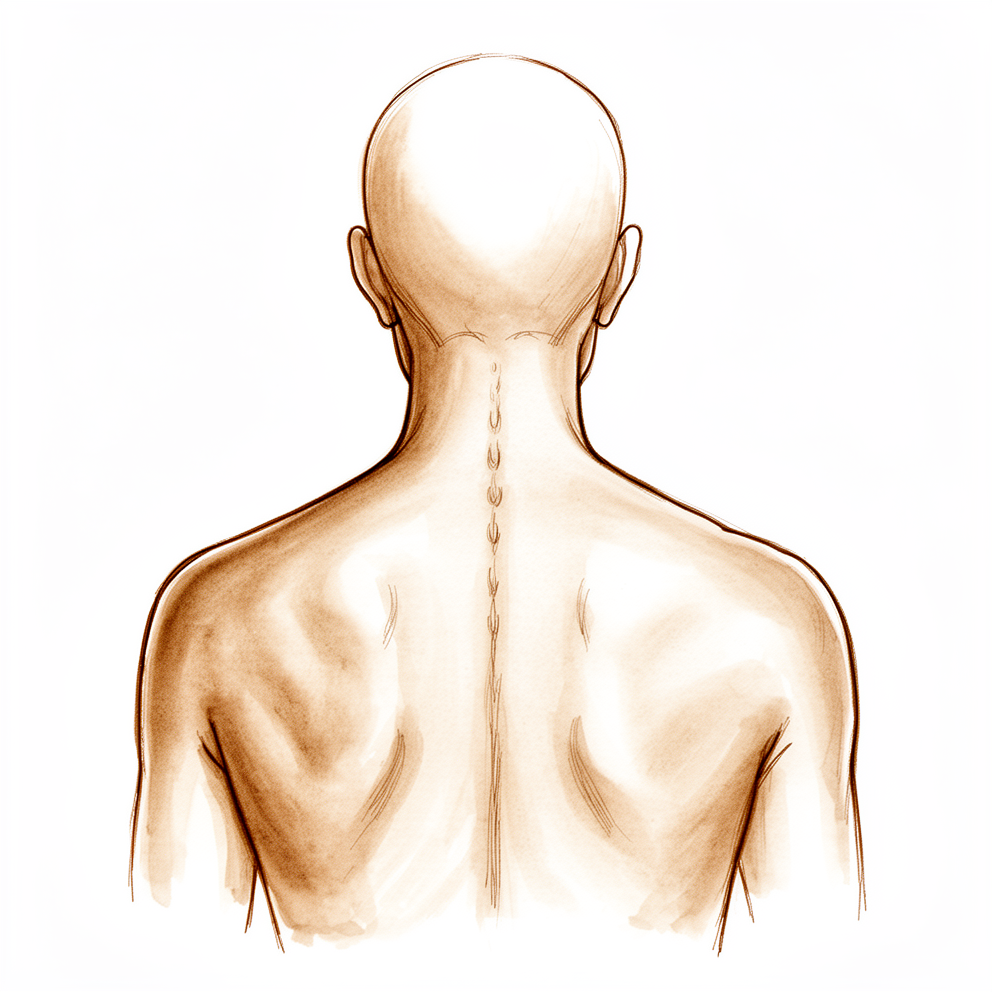
The vertebral column comprises 33 vertebrae divided into five sections: 7 cervical, 12 thoracic, 5 lumbar, 5 sacral, and 4 coccygeal [82]. The sacral and coccygeal vertebrae are fused, typically allowing for 24 mobile segments [82]. A typical vertebra consists of an anterior vertebral body and a posterior arch that encloses the vertebral canal [82]. The vertebral body is a fairly cylindrical mass of bone composed of an inner region of cancellous bone surrounded by a thin shell of cortical bone [79]. It connects via pedicles to the posterior arch, which consists of the lamina and spinous process [74]. The neural arch is formed by two pedicles laterally and two laminae posteriorly, united to form the spinous process [82]. The vertebral bodies primarily bear weight and transfer forces to the pelvis and hips, while the posterior elements protect neural structures and function as a tension band [74]. The articular processes articulate with adjacent vertebrae to form synovial joints, with their relative orientation determining the degree of flexion, extension, or rotation possible in each segment [82]. The spinous and transverse processes serve as levers for attached muscles [82].
The thoracic spine represents two transitional zones, from the highly mobile cervical spine into the rigid thoracic region and back to the mobile lumbar spine [76]. It is inherently stable due to its rigidity in conjunction with the ribs and sternum, forming a bony "cube" that protects the heart and lungs [76]. Thoracic vertebral bodies are larger than cervical but smaller than lumbar vertebrae [76]. The pedicles arise more superiorly from the posterior vertebral body and project obliquely from superodorsal to inferoventral [76]. Spinous processes of the upper four thoracic vertebrae project horizontally with slight inferior angulation, similar to cervical levels [76]. In the midthoracic spine, spinous processes project sharply obliquely, overlapping inferiorly [76]. From T10 to T12, they transition to a more horizontal projection consistent with lumbar vertebrae [76]. Rib heads articulate with the lateral aspect of vertebral bodies via a shared articulation at the disk space level, referred to as a demifacet [76]. The first, eleventh, and twelfth vertebral bodies have only a single articulation for the same-numbered rib head [76]. Transverse processes project obliquely superolaterally, with the costotransverse joint located along the ventral aspect [76]. There is no costotransverse articulation at T11 or T12, which represent a transitional zone to the lumbar spine with shorter transverse processes projecting more laterally [76].
The length of the vertebral column averages 72 cm in men and 7 to 10 cm less in women [82]. The vertebral canal extends throughout the column, providing protection for the spinal cord, conus medullaris, and cauda equina [82]. Each mobile vertebral body generally increases in size from cranial to caudal [82]. A decreased number of vertebrae has been associated with degenerative spondylolisthesis, suggesting numerical variants may potentially be a clinical problem [180].
Intervertebral Disc Anatomy
Each successive vertebra is connected anteriorly via the intervertebral disc (IVD) and posteriorly via the facet joints [79]. The IVD provides a unique combination of compressive stiffness and flexibility to support normal spine biomechanics [79]. It is composed of an inner nucleus pulposus (NP) and an outer ring termed the anulus fibrosus (AF) [79]. The nucleus pulposus serves as an osmotic pump to attract water and generate hydraulic pressure when subjected to significant loads during activities of daily living [79]. The anulus fibrosus encapsulates the gelatinous nucleus pulposus, providing mechanical support to contain NP pressure and constrain intervertebral rotations [79]. The outer anulus fibrosus integrates with the vertebral rim via a fibrocartilage enthesis consisting of a thin layer of calcified cartilage, or "tidemark" [79]. The end plate is a bilayer of cartilage and bone that separates the disk from adjacent vertebrae [79]. The cartilage end plate integrates with the inner anulus fibrosus to fully encapsulate the nucleus pulposus [79]. The end plate must be strong and thick to resist significant loads but also permeable to favor chemical transport and disk cellular vitality [79].
Ligaments and Soft Tissue
Additional soft-tissue structures provide passive support to the spinal column, including the anterior longitudinal ligament, posterior longitudinal ligament, ligamentum flavum, facet joint capsule, interspinous ligament, and supraspinous ligaments [79]. The spinal column is stabilized by a set of paraspinal muscles that include the erector spinae, psoas, and multifidus [79]. The erector spinae runs longitudinally on the dorsal surface of the spinal column and functions to extend the spine [79]. The psoas runs longitudinally on the ventrolateral surface of the spinal column and serves to flex the hip (bilateral contraction) or laterally bend the trunk (unilateral contraction) [79]. The multifidus connects intersegmentally to stabilize the spine by acting like a bowstring to maintain lordosis [79].
Biomechanics and Alignment
Normal cervical alignment is approximately 15° of lordosis [78]. The thoracic spine generally ranges from 20° to 40° of kyphosis [78]. The lumbar spine has approximately 40° to 50° of lordosis [78]. The sacrum is kyphotic [78]. Kyphotic segments (thoracic, sacral) are considered "primary" curvatures as they are already present in utero and at birth [78]. The lordotic curvatures of the cervical and lumbar spine develop secondarily later in life to allow the growing child to develop an upright posture [78]. The center of gravity of the spinal column runs from the odontoid process proximally through the sacral promontory caudally [78]. Changes in sagittal balance that shift the center of gravity too far ventrally can result in significant pain and disability [78].
The basic motion segment of the spine, the "functional spinal unit," consists of two vertebrae, the disk between them, and the facet joints (and their capsules) [78]. The functional spinal unit serves to limit motion of the spine within the confines of protecting the neural structures contained therein [78]. Vertebral bodies are loaded in series, with more caudal levels supporting more weight than more cranial segments [78]. The vertebral bodies bear 70% to 90% of the static axial load of the spine [78]. The facet joints support 10% to 20% of axial load in a standing, neutral alignment [78]. In extension, the facet joints may bear up to 30% of the axial load [78]. In flexion, the facet joints may be burdened with up to 50% of the anterior shear load [78]. The intervertebral disk helps absorb axial loads by deforming the nucleus pulposus, which redistributes axial forces radially [78]. The radial pressure generated by the nucleus pulposus is resisted by the tensile properties of the alternating bands of fibers within the anulus fibrosus [78]. The spinous processes and transverse processes act as lever arms, providing mechanical advantage for the muscles that insert along their surfaces [78].
Global lumbar spine kinematics do not reflect regional lumbar spine kinematics, which has implications for interpretation of measures of spinal posture, motion and loading [93]. Bending speed imposes different levels of demand on the kinematics and pattern of the lumbo-pelvic movement [108]. The preserved biomechanical behavior in the upper lumbar segments underscores the particular vulnerability of the lumbosacral junction to mechanical deficits [109]. The low individual physiologic maximum of lower segment lumbar extension mobility may cause overloading of the low back among athletes involved in sports with frequent maximal lumbar extension and predicts future low back pain [175]. The inverse association of trunk flexion with chronic low back pain and lumbar osteoarthritis may indicate a role for a flexible spine in avoiding or managing these conditions [194].
Vascular Anatomy
The thoracic and lumbar levels are supplied by paired segmental arteries which originate directly from the aorta along its posterior surface, then run posteriorly along the midportion of the vertebral body [83]. Branches of the segmental arteries supply the vertebral body, the paraspinal musculature, and the spinal cord [83]. The cervical spine derives its circulation primarily from the vertebral arteries [83]. The vertebral arteries arise from the subclavian arteries on either side, coursing superiorly [83]. They typically enter the transverse foramen at the C6 level and run proximally through the transverse foramina to C1 [83]. The vertebral arteries course posteriorly over the superior aspect of the C1 ring before turning proximally again and entering the foramen magnum, where they merge to form the basilar artery [83]. Segmental branches to each cervical vertebra arise from the vertebral artery and the deep cervical branch of the costocervical trunk [83]. There is a great deal of variability in the anatomy of the vertebral artery, with one side typically being more dominant than the other [83]. Occasionally, the vertebral artery enters through the transverse foramen of C7 rather than C6 [83]. Anomalous courses of the vertebral artery are not uncommon, such as the vessel looping through a cervical vertebral body before returning to its longitudinal course through the transverse foramen [83].
The vascular supply of the spinal cord is primarily from the medullary branches of the segmental spinal arteries [83]. Medullary branches merge to feed the anterior spinal artery, which is responsible for supplying approximately 80% of the vascular supply to the spinal cord [83]. Typically, three anterior medullary arteries supply the cervical region, one or two supply the thoracic region, and one supplies the lumbosacral spinal cord [83]. The arteria medullaris magna (AMM), also known as the arteria radicularis magna or artery of Adamkiewicz, is the largest anterior segmental artery [83]. The AMM typically arises on the left side anywhere between the T8 and L1 level, although right-sided origins are not uncommon [83]. Ligation or injury to the AMM could have disastrous consequences for any planned anterior procedures at the thoracolumbar junction [83].
Neural Anatomy
A typical mixed spinal nerve has three distinct components: motor, sensory, and sympathetic [84]. Motor rootlets leave the anterolateral sulcus of the spinal cord and unite to form each motor root, with fibers arising from the anterior horn cells to innervate skeletal muscles [84]. Sensory fibers arise from pain, thermal, tactile, and stretch receptors, with cell bodies located within the dorsal root ganglia [84]. Sensory axons enter the posterolateral sulcus of the cord via several rootlets [84]. Fibers conveying joint or position sensibility and some tactile fibers turn cephalad in the dorsal columns and do not synapse before reaching the gracile and cuneate nuclei at the cervicomedullary junction [84]. Pain and temperature fibers synapse in the substantia gelatinosa and cross to ascend in the dorsal spinothalamic tract [84]. Tactile fibers enter, synapse, and cross to ascend in the ventral spinothalamic tract [84].
The sympathetic component of all 31 mixed spinal nerves leaves the spinal cord along only 14 motor roots [84]. The cells of origin for sympathetic fibers are in the intermediolateral cell column that extends throughout the thoracic and upper lumbar cord segments [84]. Sympathetic fibers exit from the cord with the 12 thoracic and first two lumbar motor roots, enter the respective mixed spinal nerve, and promptly emerge from it as white rami [84]. White rami pass anteriorly to the corresponding sympathetic ganglion, where synapse may occur [84]. Postganglionic fibers pass back to the mixed spinal nerve as a gray ramus or pass for variable distances up or down the paravertebral chain to synapse at higher or lower levels [84]. Sweat glands, blood vessels, and erector pili are innervated in a segmental pattern [84].
Mixed spinal nerves, having left the intervertebral foramina, receive their sympathetic component and promptly branch into anterior and posterior primary rami [84]. The posterior primary rami are directed posteriorly and supply the paraspinal musculature and the skin along the posterior aspect of the trunk, neck, and head [84]. The upper three cervical posterior rami are larger than their corresponding anterior rami, supplying relatively large areas of the scalp posteriorly and the musculature around the craniocervical junction [84]. With exceptions for the upper cervical levels, posterior primary rami are small, and the major part of each spinal nerve continues laterally in an anterior primary ramus to enter a plexus or to become an intercostal nerve [84]. Anterior primary rami of all the cervical, the first thoracic, and all the lumbosacral nerves join in the formation of plexuses [84]. The upper four cervical anterior rami form the cervical plexus, and the lower four cervical and first thoracic anterior rami form the brachial plexus [84]. The first three and a part of the fourth lumbar anterior rami form the lumbar plexus [84]. The sacral anterior rami along with the fifth lumbar and a part of the fourth join to form the lumbosacral plexus [84].
The area of skin supplied by the fibers of a single spinal root is called a dermatome [84]. Segmental dermatomal patterns are well preserved in the thoracic region but not in the limbs [84]. Migration of the limb buds accounts for the displacement of midcervical dermatomes along the lateral aspect of the arm and radial aspect of the forearm [84]. Migration of the limb buds accounts for the displacement of lower cervical and upper thoracic dermatomes along the medial aspect of the arm and the ulnar aspect of the forearm [84]. Lumbar and sacral dermatomal alignment along the various aspects of the lower extremity is similarly explained by limb bud migration [84]. The line separating the more rostral segmental dermatomes from the more caudal ones is called the axial line and may be followed into the spinal axis [84].
C1 emerges between the skull and C1 vertebra [80]. C2–7 emerge superior to pedicles [80]. C8 emerges inferior to the pedicle of the C7 vertebra [80]. T1–Co emerge inferior to pedicles of their respective vertebrae [80]. The L4 nerve root is associated with the tibialis anterior muscle and patellar reflex [80]. The L5 nerve root is associated with toe extensors [80]. The S1 nerve root is associated with the peroneal muscle and Achilles reflex [80].
Pathophysiology of Degeneration and Stenosis
Low back pain is a complicated disorder and a leading cause of disability worldwide [122]. Lumbar spine spondylosis is a common condition with an estimated prevalence ranging from 40% to 85% [122]. Lumbar spondylosis is due to a degenerative cascade that has an association with intervertebral disk degeneration [122]. Mechanical progression and associated disk space narrowing leads to adjacent level pedicle approximation with narrowing of the superior-inferior dimensions of the interverte
Classification
Treatment-based classification: This approach identifies clusters of findings from history and clinical examination that predict a more favorable outcome with a specific treatment approach [16]. It assists clinicians in predicting which intervention is likely to be most effective for individual patients with low back pain [16]. Sub-classification based on specific movement control exercises is superior to general exercise in sub-acute low back pain when both are combined with manual therapy [139].
Quebec Task Force Classification: This system represents a simple measure based on the clinician’s clinical assessment [164]. It includes categories for local LBP only, LBP + leg pain above the knee, LBP + leg pain below the knee, and LBP + leg pain and neurological signs [164]. The classification has concurrent validity, though the heterogeneity of patients with LBP is more complex than that which can be explained by leg pain patterns alone [142].
STarT Back Tool (SBT): This tool uses a patient self-reported questionnaire to calculate risk of persistent LBP disability, resulting in three subgroups: low, medium, and high risk [164]. A risk classification schema using items similar to the STarT-Back in a primary care population with strictly defined acute LBP had limited ability to identify persons who progressed to chronic pain [38]. The Kappa value for agreement between risk group classification using STarT Back and ÖMPSQ was 0.35 [184].
Latent Class Analysis (LCA) Subgroups: LCA derived single-stage subgroups include Mildly affected (mild), Recent onset severe LBP (recent disability), Pain- and work-related concerns (work-related), Nerve root involvement (nerve root), Severely affected very recent onset (very recent), Persistent LBP with psychological issues (persistent), and Severely affected recent onset with several consequences (severe) [164]. The prevalence of the "Mildly affected: mild intermittent LBP" subgroup was 17% [164]. The prevalence of the "Recent onset severe LBP, activity limitations" subgroup was 21% [164]. The prevalence of the "Pain- and work-related concerns, high physical workload" subgroup was 14% [164]. The prevalence of the "Nerve root involvement" subgroup was 8% [164]. The prevalence of the "Severely affected: very recent onset severe LBP, social participation and activity limitations" subgroup was 15% [164]. The prevalence of the "Persistent LBP, psychological issues, activity limitations and comorbidity" subgroup was 14% [164]. The prevalence of the "Severely affected: recent onset LBP with several consequences" subgroup was 12% [164].
Other Considerations: The chronic low back pain syndrome is highly multifactorial and comprises many more dimensions of health and quality of life than merely back-related functioning [15]. A new classification based on the injury pattern may be of interest for patients with chronic low back pain [31]. Aggregation of different locations or intensities of pain into one binary classification of LBP may result in loss of information useful in prevention or treatment [137]. The heterogeneity of patients with LBP is more complex than that which can be explained by leg pain patterns alone [142]. There is no evidence to support the use of sub-grouping for people with low back pain, and the clinical importance of identifying subgroups is limited due to small subgroup sizes and small additional effect sizes [134]. Textural features from T2-weighted magnetic resonance images can be applied in low back pain classification [50]. Latent Class Analysis of MRI data detected clinically meaningful subgroups of MRI findings that could be arranged into biologically plausible hypothetical degenerative pathways with face validity [64]. Multiple and severe lumbar MRI findings of advanced disc degeneration and vertebral endplate signal changes in the lower lumbar spine have a stronger association with pain than milder stages of degeneration [64]. A novel classification of the course of LBP based on repetitive measurements over a year revealed predicting factors for chronic LBP in a working population [158]. The distribution of low back disability in school teachers in Botswana was 67% minimal, 28% moderate, 4% severe, and 1% crippled [162]. Differences in characteristics of nonspecific low back pain between elderly and young patients were successfully detected using a new detailed VAS scoring system [22]. The prevalence of low back pain varies with the definition of low back pain and emergency setting [37]. Low back pain is consistently a top presenting complaint in emergency settings [37].
Clinical Presentation
Low back pain is a common presenting complaint in the emergency department, where most patients receive a diagnosis of non-specific or mechanical low back pain without potential nerve root involvement [13]. The differential diagnosis for extravertebral low back pain is extensive, with prevalence rates varying by clinical setting [100]. In the Middle East and North Africa region, low back pain remains a leading cause of disability, characterized by significant variation in burden across countries and sexes, as well as strong associations with socio-demographic factors [40]. In the general South Korean population, chronic low back pain is most common among the elderly and women [112]. The presence of comorbidities is associated with poorer care for low back pain [36].
Definitions and Classification
Acute low back pain is defined as a primary complaint of pain in the area between the 12th rib and buttock crease, with or without radiating leg pain, of less than 6 weeks duration [97]. Chronic non-specific low back pain is defined as pain in the region between the lower ribs and gluteal folds, with or without leg pain, lasting more than 3 months [94]. In systematic reviews of co-occurring musculoskeletal pain, the definition of low back pain was typically based on location combined with duration, and in some instances with pain intensity [23]. According to the German guideline on specific low back pain, most low back pain diagnoses were categorized as specific, contrary to common international assumptions [28].
Risk Factors and Prognosis
Both the presence and absence of low back pain seem to be predictive for the future course [8]. Significant risk factors for developing low back pain include a previous history of low back pain and the presence of low back pain symptoms at the start of work [9]. Risk factors associated with pain severity in non-specific low back pain should be considered for early interventions to improve outcomes [12]. The clinical course of low back pain symptoms followed a pattern that was similar in randomised clinical trials and cohort observational studies [18]. A risk classification schema using items similar to the STarT-Back in a primary care population with strictly defined acute low back pain had limited ability to identify persons who progressed to chronic pain [38].
Assessment and Comorbidities
Clinicians are recommended to assess factors beyond pain intensity, including physical, psychological, social, and health-related quality of life measures [21]. Differences in characteristics of nonspecific low back pain between elderly and young patients were successfully detected using a detailed visual analogue scale scoring system [22]. Low back pain is strongly associated with sleep disturbance, with the association being stronger in participants with more frequent low back pain [114].
Red Flags and Differential Diagnosis
Potential red flags, which are frequently used risk factors for identifying serious disorders causing low back pain, are documented by general practitioners for each patient [99]. Sacroiliac joint dysfunction should be considered strongly in the differential diagnosis of low back pain in patients with positive disc findings but without neurological deficits [41].
Investigations
Clinical Assessment: Clinical examination findings have been evaluated for their ability to identify the most common patho-anatomical disorders in the lumbar spine [20]. A new detailed visual analogue scale for patients in motion, standing, and sitting successfully detected differences in characteristics of nonspecific low back pain between elderly and young patients [22]. Significant risk factors for developing low back pain include a previous history of low back pain and the presence of low back pain symptoms at the start of work [9]. Both the presence and absence of low back pain seem to be predictive for the future course of the condition [8]. Lumbar spondylolisthesis is associated with severity of disability in patients with chronic mechanical low back pain [73], while severe lumbar spondylosis at the middle or lower level may contribute to low back pain [216]. Most LBP diagnoses were categorized as specific according to the German guideline on specific LBP, contrary to common international assumptions [28]. Back pain is a common presenting complaint in emergency departments, with most persons receiving a diagnosis of non-specific/mechanical low back pain with no potential nerve root involvement [13].
MRI: MRI is the procedure of choice for screening patients with low back or sciatic pain after routine radiography [105]. It has supplanted CT myelography in the lumbar and thoracic spine because it is noninvasive and less expensive [105]. MRI provides ideal evaluation of the intervertebral discs, nerve roots, posterior longitudinal ligament, and intervertebral foramen due to high soft-tissue contrast and resolution [105]. MRI is superior to CT for the identification of infections, tumors, and degenerative changes within the discs [106], and is superior for imaging the disc and directly imaging neural structures [106]. MRI allows for the imaging of the nerve root in the foramen, which is difficult even with postmyelography CT [106]. MRI evidence of lumbar disc degeneration was found in 35% of patients aged 20 to 39 years and in 100% of patients older than 50 years [106]. A positive MRI T2-weighted image of the lumbar disc with a high-intensity zone (HIZ) indicates disc degeneration and may be a specific indicator for the physical diagnosis of discogenic low back pain [177]. Modic changes, particularly Type 2, are common radiological findings in lumbar spine imaging, most frequently occurring at L4/L5 and L5/S1 levels [221].
MRI Interpretation: MRI findings must be carefully correlated with the clinical impression because anatomy that is abnormal may be asymptomatic [106]. The best way to obtain meaningful clinical information from MRI is to have a specific question derived from history and physical examination, posed using the parameters of neural compression, instability, and deformity [106]. Failure to interpret MRI in the context of specific clinical questions can lead to poor clinical choices and outcomes [106]. MRI abnormalities examined in a longitudinal study were not major predictors of outcome in patients with low back pain [159]. Few MRI findings showed large magnitude associations with symptom outcomes, even when applying more specific definitions for spine-related symptom outcomes [209]. No statistically significant differences were observed in current back pain intensity, leg pain intensity, LBP duration, physical function, or mental health between groups with 0-3 and ≥4 MRI findings [197]. Structural measures, including MRI findings, showed no statistical association with adverse outcomes in subjects with benign persistent back pain [32].
CT: CT myelography is reserved for patients who have contraindications to MRI or who have equivocal MRI examinations [105]. CT is particularly useful in differentiating compression fractures from burst fractures and in identifying subtle features such as facet widening [110]. CT evaluation is essential in determining the stability of thoracic and lumbar spine fractures [110]. Narrowing of the spinal canal is best demonstrated by computed tomography [116]. Destructive lesions of the spine may require both CT and magnetic resonance imaging to show the extent of cord involvement [116]. The primary disadvantage of CT imaging in comparison to MRI is that it does not provide as good a visualization of the soft tissues [110].
Discography: Diskography remains a second-line diagnostic modality in select patients with recalcitrant back pain to clarify surgical indications [33]. Diskography has controversial validity and inconsistent postdiskography surgical outcomes [33]. Negative discography in patients with probable symptoms of discogenic low back pain cannot absolutely exclude the diagnosis of discogenic pain [186].
Laboratory: Blood and cerebrospinal fluid investigations may be necessary depending on the suspected diagnosis [116].
Other Considerations: The presence of a morphological variation from 'normal' in an imaging study does not confirm the diagnosis [102]. To be of diagnostic value, imaging studies must be concordant with clinical symptoms and signs [102]. An imaging study alone is insufficient to qualify for a DRE category, excepting spinal fractures [102].
Treatment
Non-Operative Management
The management of nonspecific chronic low back pain is heterogeneous and not well codified, with residual symptoms remaining common [26]. In most patients, no specific pathoanatomic cause is identifiable, so treatment targets pain reduction and functional improvement irrespective of etiology [56]. When pathology is known, nonsurgical treatment should be directed specifically at the cause [56]. Pharmacological management serves as a co-adjuvant to non-pharmacological therapy and is not a substitute for it [26]. Given uncertainty in the evidence, non-specific low back pain should be managed with non-pharmacological treatments that mitigate pain and disability in the immediate term [141]. Patients must understand the prognosis and purpose of each recommended treatment [56].
Exercise and Physical Therapy: The effect of various exercise types on pain and disability varies, with no major difference between types [46]. A systematic review found all six evaluated exercise therapies effectively alleviated low back pain, with yoga showing the best results [126]. Recent studies strongly support physiotherapy for improving back care and preventing non-specific low back pain in children and adolescents [143]. Osteopathic manipulative treatment significantly reduces low back pain [132]. Verum acupuncture is more effective than sham treatment for non-pharmacological management [167]. Extracorporeal shockwave therapy is effective and safe for chronic low back pain [128].
Multidisciplinary and Psychological Approaches: Both exercise therapy and multidisciplinary biopsychosocial rehabilitation (MBR) are effective in alleviating chronic low back pain [121]. Education-oriented MBR is the most efficacious for pain mitigation, while behavior-focused MBR is the most efficacious for disability reduction [121]. A multidisciplinary group videoconferencing approach is feasible, beneficial for patient health, and may shift a patient’s status from surgical candidate to non-candidate [123]. The PAINDOC multidisciplinary program is a feasible treatment for non-specific chronic low back pain [144]. Targeting self-efficacy is more important than addressing dysfunctional behavioral cognitions in patients with longstanding chronic low back pain [27]. Assessing personal control at baseline as a moderator for physiotherapy outcomes should be further explored [68].
Prognostic Factors and Assessment: Clinicians should assess factors beyond pain intensity, including physical, psychological, social, and health-related quality of life measures, when evaluating treatment effectiveness [21]. A low level of formal education and high self-reported back disability may be associated with poor response to non-surgical multidisciplinary management in tertiary care [136]. In severely obese patients, the rate of meaningful important change was lowest, indicating the least treatment response compared to other groups [129]. Both the presence and absence of low back pain are predictive for the future course of the condition [8]. Recovery from low back pain at 6 months was low, at 12.6% [30].
Operative Management
Indications: The evidence for spinal fusion or disc replacement in non-specific low back pain is poor [55]. Spinal fusion for non-specific low back pain should only be performed as part of a randomised controlled trial [55]. Lumbar disc replacement should not be performed for non-specific low back pain [55]. The treatment of chronic, nonradicular, discogenic low back pain remains controversial [130].
Surgical Approach / Technique: Intradiskal electrothermal therapy for chronic, nonradicular, discogenic low back pain shows reported therapeutic success rates of 60% to 80%, but precise quantification of clinical benefits remains to be proved in randomized prospective trials [130]. Patients with chronic low back pain who underwent surgical stabilization of the spine showed slightly better scores on a disability index than those managed with an intensive rehabilitation program [169].
Other Considerations: Patients with concomitant low back pain and lumbar spine pathology showed comparable patient-reported outcome measures to those without back concerns at a minimum of 5-year follow-up after hip arthroscopy for femoroacetabular impingement syndrome [4].
Diagnostic and Prognostic Considerations
The disappointing results of clinical research in chronic non-specific low back pain are commonly explained by the failure of researchers to adequately attend to sub-grouping of the population [149]. Current approaches may be ineffective, necessitating that clinicians and researchers radically rethink the nature of the problem and its management [149]. Variability in inclusion and exclusion criteria used in non-specific low back pain trials may impact the generalizability of trial results [49].
Complications
Other Considerations: Low back pain remains a leading cause of disability in the Middle East and North Africa region [40]. Recovery from low back pain at 6 months was low (12.6%) [30]. Low back pain was a common complication following oblique lateral interbody fusion with an incidence rate of 18.1% [138]. A back injury in the absence of neck injury is unusual and strongly associated with a previous history of back pain [146]. Few individuals with neck or low back pain were on sick leave or were granted a disability pension owing to neck or low back problems during 12 years of follow up [54]. The relationship between chronic low back pain and the future development of depression or anxiety symptoms is not causal [135]. Past work-related low back injury may be an important risk factor for future episodes of low back pain and disability in the general population [69].
Recovery
Prognosis and Natural Course: Recovery from low back pain at 6 months is low, with a rate of 12.6% [30]. In patients from the secondary care sector with chronic low back pain, there is considerable variation in weekly persistence of symptoms during 1 year, ranging from bothersome pain each day of the week every week of the year to no weeks at all with 7 days of pain [220]. In a prospective longitudinal cohort study in primary healthcare, all outcome measurements, except for hand grip force, showed small improvements or remained stable over a period of 13 years [53]. Over this same 13-year period, 40% of participants improved with a clinically important change in self-reported activity related to chronic low back pain [53]. It is possible to define clinically meaningful clusters of patients based on their individual course of low back pain over time [214].
Prognostic Factors and Predictors: A previous history of low back pain was the most consistent risk factor for transition to low back pain from a baseline of a pain-free state [44]. Past history of low back pain is a major risk factor for the development of new episodes of disabling back pain among Japanese workers [43]. Structural measures, including MRI findings and provocative discography results, showed no statistical association with adverse outcomes in subjects with benign persistent back pain [32]. Patient-physiotherapist agreement has some impacts on the short-term outcomes of low back pain [58]. At a population level, back beliefs were generally positive and relatively constant over time, but misconceptions about a poor prognosis were common [191]. Fear-avoidance beliefs and distress are associated with disability in both chronic low back pain and patients at an early stage of acute low back pain [219].
Multidimensional Assessment and Management: Treatment-based classification, which focuses on identifying clusters of findings from the history and clinical examination that predict a more favorable outcome with a specific treatment approach, may assist clinicians in predicting which intervention is likely to be most effective for individual patients with low back pain [16]. An effective, appropriately targeted, and well implemented exercise program for the long-term management of low back pain could minimize the burden of the condition on patients, the health care system and society [61]. Most participants of a 10-week low back pain programme attended almost all sessions [217].
Key Evidence
- [L4] Chronic low back pain is associated with significant disability driven by several factors. [1] (10.1186/s12891-019-2403-9)
- [L2] In a routine clinical setting it is important to provide patients suffering from chronic non-specific low back pain with adequate information about the prognosis of their complaint. [2] (10.1186/1471-2474-12-252)
- [L2] This study protocol describes the design of an inception cohort study to determine the prognosis of chronic non-specific low back pain in a representative cohort of patients sourced from primary care. [3] (10.1186/1471-2474-8-11)
- [L3] Patients with concomitant low back pain and lumbar spine pathology showed comparable patient-reported outcome measures to those without back concerns at a minimum of 5-year follow-up. [4] (10.1002/arj.70191)
- [L2] If proven to be effective, this approach will constitute a major advance in the management of low back pain. [5] (10.1186/s12891-015-0852-3)
- [L2] Results of this study may inform referring providers and patients about the most effective nonoperative treatment and/or sequence of nonoperative treatments to treat chronic low back pain. [6] (10.1186/s12891-020-03324-z)
- [L4] Both presence and absence of low back pain seem to be predictive for the future course. [8] (10.1186/1471-2474-14-270)
- [L2] Significant risk factors for developing low back pain were a previous history of low back pain and presence of low back pain symptoms at the start of work. [9] (10.1186/s12891-018-2037-3)
- [L2] The results will inform best practice for treating chronic low back pain and prevent its occurrence. [10] (10.1186/1471-2474-6-54)
- [L2] This trial will evaluate the effectiveness of screening for risk factors for chronic low back pain followed by a risk tailored intervention to prevent chronic low back pain. [11] (10.1186/1471-2474-11-5)
- [L4] These factors should be considered for early interventions to improve outcomes in non-specific low back pain. [12] (10.1186/s12891-024-07828-w)
- [L4] Back pain is a common presenting complaint in our local emergency department, with most of these persons receiving a diagnosis of non-specific/mechanical low back pain with no potential nerve root involvement. [13] (10.1186/s12891-018-2237-x)
- [L4] The findings benefit the diagnosis of chronic low back pain and the understanding of differences between different forms of discogenic low back pain. [14] (10.1186/1471-2474-15-193)
- [L3] The chronic low back pain syndrome is highly multifactorial and comprises many more dimensions of health and quality of life than merely back-related functioning. [15] (10.1186/s12891-021-04130-x)
- [Paper] Treatment-based classification, which focuses on identifying clusters of findings from the history and clinical examination that predict a more favorable outcome with a specific treatment approach, may assist clinicians in predicting which intervention is likely to be most effective for individual patients with low back pain. [16] (10.1016/j.csm.2008.03.002)
- [L2] Current CPGs provide recommendations for almost all major aspects of the management of LBP, but there is marked heterogeneity between them. [17] (10.1186/s12891-024-07468-0)
- [L1] The clinical course of LBP symptoms followed a pattern that was similar in RCTs and cohort observational studies. [18] (10.1186/1471-2474-15-68)
- [L2] This paper presents the rationale, design, methods, and operational aspects of a planned randomised controlled trial to determine if subgrouping and targeted treatment is better than best current care for reducing long-term disability from low back pain. [19] (10.1186/1471-2474-9-58)
- [L1] This is the first comprehensive systematic review of diagnostic accuracy studies that evaluate clinical examination findings for their ability to identify the most common patho-anatomical disorders in the lumbar spine. [20] (10.1186/s12891-017-1549-6)
- [L5] This review discusses the multidimensional nature of chronic non-specific low back pain and recommends that clinicians assess factors beyond pain intensity, including physical, psychological, social, and health-related quality of life measures. [21] (10.1111/papr.12846)
- [L4] Differences in characteristics of nonspecific low back pain between elderly and young patients were successfully detected using the new detailed VAS scoring system. [22] (10.1155/2012/680496)
- [L1] [23] (10.1186/s12891-020-03893-z)
- [L4] Approaches to primary outcome assessment in back pain need re-assessment. [24] (10.1186/s12891-015-0534-1)
- [L5] The management of nonspecific chronic low back pain is not well codified and extremely heterogeneous, with residual symptoms common; pharmacological management should be considered as co-adjuvant to non-pharmacological therapy and is not a substitute for it. [26] (10.1186/s13018-022-03426-5)
- [L3] [27] (10.1186/s12891-021-04637-3)
- [L4] Most LBP diagnoses were categorized as specific according to the German guideline on specific LBP, contrary to common international assumptions. [28] (10.1186/s12891-025-08514-1)
- [L2] This trial will provide the first randomized trial evidence of the clinical effectiveness of implementing risk stratification with matched treatment options for low back pain in a United States health care delivery system. [29] (10.1186/s12891-016-1219-0)
- [L2] Recovery from low back pain at 6 months was low (12.6%). [30] (10.1186/s12891-015-0509-2)
- [L2] Surgery may benefit patients with chronic low back pain, and a new classification based on the injury pattern may be of interest. [31] (10.1016/j.otsr.2018.11.021)
- [L2] Structural measures, including MRI findings and provocative discography results, showed no statistical association with adverse outcomes. [32] (10.1016/j.spinee.2004.05.250)
- [L5] Diskography remains a second-line diagnostic modality in select patients with recalcitrant back pain to clarify surgical indications, despite its controversial validity and inconsistent postdiskography surgical outcomes. [33] (10.5435/00124635-200601000-00008)
- [L3] The presence of comorbidities is associated with poorer care for low back pain. [36] (10.1186/s12891-018-2316-z)
- [L1] Our results indicate that low back pain is consistently a top presenting complaint and that the prevalence of low back pain varies with definition of low back pain and emergency setting. [37] (10.1186/s12891-017-1511-7)
- [L2] A risk classification schema using the recommended cut-off scores with items similar to the STarT-Back in a primary care population with strictly defined acute LBP had limited ability to identify persons who progressed to chronic pain. [38] (10.1002/ejp.615)
- [L4] Low back pain remains a leading cause of disability in the Middle East and North Africa region, with significant variation in burden across countries and sexes, and strong associations with socio-demographic factors. [40] (10.1186/s12891-023-06178-3)
- [L4] Sacroiliac joint dysfunction should be considered strongly in the differential diagnosis of low back pain in patients with positive disc findings but without neurological deficits. [41] (10.1007/s00402-007-0420-x)
- [L2] Past history of LBP is a major risk factor for the development of new episodes of disabling back pain among Japanese workers. [43] (10.1186/s12891-017-1686-y)
- [L1] A previous history of LBP was the most consistent risk factor for transition to LBP from a baseline of a pain-free state. [44] (10.1016/j.spinee.2014.01.026)
- [L1] The effect of various exercise types used in chronic low back pain on pain and disability varies with no major difference between exercise types. [46] (10.1186/s12891-022-05722-x)
- [L2] Individualized administration route preference-matched treatment in acute low back pain improves therapeutic outcomes, although further studies with larger cohorts are needed. [47] (10.1186/s13018-020-01594-w)
- [L1] Most reviews of randomized clinical trials indicate that spinal manipulative therapy provides some short-term benefit to patients, especially with acute low back pain. [48] (10.5435/00124635-200307000-00002)
- [L2] This review highlights the variability in inclusion and exclusion criteria used in non-specific low back pain trials, which may impact the generalizability of trial results. [49] (10.1186/s12891-018-2034-6)
- [L4] Textural features from T2-weighted magnetic resonance images can be applied in low back pain classification. [50] (10.1002/jor.24973)
- [L2] All outcome measurements, except for hand grip force, showed small improvements or remained stable over a period of 13 years. 40% of participants improved with a clinically important change in self-reported activity related to chronic low back pain over the 13-year period. [53] (10.1186/s12891-025-09371-8)
- [L2] Few individuals with neck or low back pain were on sick leave or were granted a disability pension owing to neck or low back problems during 12 years of follow up. [54] (10.1186/1471-2474-7-66)
- [L5] The evidence for spinal fusion or disc replacement in non-specific low back pain is poor; spinal fusion should only be performed as part of a randomised controlled trial, and lumbar disc replacement should not be performed. [55] (10.1302/0301-620x.99b8.bjj-2017-0199.r1)
- [L5] [56] (10.5435/00124635-200608000-00005)
- [L2] The results of this study indicate that patient-physiotherapist agreement has some impacts on the short-term outcomes of low back pain. [58] (10.1186/1471-2474-7-76)
- [L3] An effective, appropriately targeted, and well implemented exercise program for the long-term management of LBP could minimize the burden of the condition on patients, the health care system and society. [61] (10.1186/s12891-024-07712-7)
- [L2] No trials are yet available which have evaluated the cost-effectiveness of minimal interventional procedures in patients with chronic mechanical low back pain, which emphasizes the importance of this study. [62] (10.1186/1471-2474-13-260)
- [L3] Among patients with low back pain before total hip arthroplasty, 62.9% had improved low back pain. [63] (10.1016/j.arth.2021.08.025)
- [L3] [64] (10.1186/s12891-018-1978-x)
- [L4] Assessing Personal control at baseline as a relevant moderator for the outcome prognosis of successful physiotherapy management of persistent low back pain should be further explored. [68] (10.1186/s12891-022-05031-3)
- [L3] These results suggest that past work-related low back injury may be an important risk factor for future episodes of low back pain and disability in the general population. [69] (10.1186/1471-2474-9-22)
- [L4] Lumbar spondylolisthesis is associated with severity of disability in patients with chronic mechanical low back pain. [73] (10.1186/s12891-017-1562-9)
- [L3] Global lumbar spine kinematics do not reflect regional lumbar spine kinematics, which has implications for interpretation of measures of spinal posture, motion and loading. [93] (10.1186/1471-2474-9-152)
- [L2] [94] (10.1186/s12891-022-05578-1)
- [L2] [97] (10.1186/s12891-017-1432-5)
- [L4] [99] (10.1186/1471-2474-14-351)
- [L5] The differential diagnosis of extravertebral LBP is extensive with relatively low prevalence rates dependent on the clinical setting. [100] (10.1186/s12891-024-07435-9)
- [L3] The present findings show that bending speed imposes different levels of demand on the kinematics and pattern of the lumbo-pelvic movement. [108] (10.1186/s12891-017-1515-3)
- [L3] The preserved biomechanical behavior in the upper lumbar segments underscores the particular vulnerability of the lumbosacral junction to mechanical deficits. [109] (10.1186/s12891-025-09238-y)
- [L3] Chronic low back pain was most common in the elderly and women in the general South Korean population. [112] (10.1186/s13018-023-03509-x)
- [L2] Low back pain is strongly associated with sleep disturbance, with the association being stronger in participants with more frequent low back pain. [114] (10.1186/s12891-022-06106-x)
- [L1] Both exercise therapy and MBR modalities were effective in alleviating chronic low back pain, with education-oriented MBR emerging as the most efficacious for pain mitigation and behavior-focused MBR being the most efficacious for disability reduction. [121] (10.3390/jcm12237489)
- [L2] The multidisciplinary group videoconferencing approach to managing chronic non-specific low back pain was feasible, suggesting overall beneficial effects on patients' health and could play a role in changing a patient's status from candidate to non-candidate for surgery. [123] (10.1186/s12891-023-06763-6)
- [L1] All six exercise therapies effectively alleviated low back pain, with yoga showing the best results. [126] (10.1186/s12891-025-08658-0)
- [L1] The authors suggest that ESWT is effective and safe for treating chronic low back pain. [128] (10.1186/s13018-023-03943-x)
- [L3] In severely obese patients with low back pain, the rate of meaningful important change was lowest, indicating the least treatment response compared to other groups. [129] (10.1186/s12891-016-0992-0)
- [L5] The treatment of chronic, nonradicular, discogenic low back pain remains controversial, and while intradiskal electrothermal therapy shows reported therapeutic success rates of 60% to 80%, a more precise quantification of clinical benefits remains to be proved in randomized prospective trials. [130] (10.5435/00124635-200301000-00003)
- [L1] OMT significantly reduces low back pain. [132] (10.1186/1471-2474-6-43)
- [L1] Despite this, the clinical importance of identifying these subgroups is limited due to small subgroup sizes and small additional effect sizes, providing no evidence to support the use of sub-grouping for people with low back pain. [134] (10.1186/s12891-021-04028-8)
- [L2] The relationship between chronic low back pain and the future development of depression or anxiety symptoms is not causal. [135] (10.1016/j.spinee.2017.02.009)
- [L2] A low level of formal education and high level of self-reported back disability may be associated with a poor response to non-surgical multidisciplinary management of LBP in tertiary care. [136] (10.1186/s12891-020-03839-5)
- [L4] Aggregation of different locations of pain or different intensities of pain into one binary classification of LBP may result in loss of information which may potentially be useful in prevention or treatment of LBP. [137] (10.1186/1471-2474-15-283)
- [L3] Low back pain was a common complication following OLIF with an incidence rate of 18.1%. [138] (10.1186/s13018-025-05584-8)
- [L1] Sub-classification based specific movement control exercises are superior to general exercise in sub-acute low back pain when both are combined with manual therapy. [139] (10.1186/s12891-016-0986-y)
- [L1] With uncertainty of evidence, NS-LBP should be managed with non-pharmacological treatments which seem to mitigate pain and disability at immediate-term. [141] (10.1136/bjsports-2020-103596)
- [L4] These findings underpin the concurrent validity of the Quebec Task Force Classification, though the heterogeneity of patients with LBP is more complex than that which can be explained by leg pain patterns alone. [142] (10.1186/1471-2474-13-236)
- [L1] Recent studies provide strong support for the use of physiotherapy in the improvement of back care and prevention of non-specific low back pain in children and adolescents. [143] (10.1186/s12891-022-05270-4)
- [L2] This study showed that the PAINDOC multidisciplinary program is a feasible treatment for patients with non-specific chronic low-back pain. [144] (10.1186/s12891-025-08294-8)
- [L4] A back injury in the absence of neck injury is unusual and strongly associated with a previous history of back pain. [146] (10.1016/j.injury.2009.06.165)
- [L5] The disappointing results of clinical research are commonly explained by the failure of researchers to adequately attend to sub-grouping of the chronic non-specific low back pain population; alternatively, current approaches may be ineffective and clinicians and researchers may need to radically rethink the nature of the problem and how it should best be managed. [149] (10.1186/1471-2474-9-11)
- [L2] This trial will determine the difference in outcomes between specific physiotherapy treatment tailored to each of the five subgroups versus advice which is recommended in guidelines as a suitable treatment for most people with a low back disorder. [152] (10.1186/1471-2474-12-104)
- [L2] This study presents a novel classification of the course of LBP based on repetitive measurements over a year, and revealed the predicting factors for chronic LBP based on repetitive measurements in a working population. [158] (10.1186/s12891-016-1307-1)
- [L2] Our findings suggest that the MRI abnormalities examined are not major predictors of outcome in patients with LBP. [159] (10.1186/1471-2474-12-234)
- [Paper] The distribution of low back disability was 67% minimal, 28% moderate, 4% severe, and 1% crippled. [162] (10.1186/1471-2474-15-359)
- [L2] [164] (10.1186/s12891-017-1708-9)
- [L1] Verum acupuncture is more effective than sham treatment for the non-pharmacological management of LBP. [167] (10.1186/s13018-022-03212-3)
- [L1] Patients with chronic low back pain who had surgical stabilization of the spine showed slightly better scores on a disability index than did those managed with an intensive rehabilitation program. [169] (10.2106/jbjs.8802.ebo2)
- [L2] The low individual physiologic maximum of lower segment lumbar extension mobility may cause overloading of the low back among athletes involved in sports with frequent maximal lumbar extension and that it predicts future low back pain. [175] (10.1177/036354659702500316)
- [L1] A positive MRI T2-weighted image of the lumbar disc with HIZ indicates disc degeneration and may be a specific indicator for the physical diagnosis of discogenic low back pain. [177] (10.1186/s13018-023-04187-5)
- [L3] A decreased number of vertebrae was associated with degenerative spondylolisthesis, suggesting numerical variants may potentially be a clinical problem. [180] (10.1302/0301-620x.103b7.bjj-2020-1760.r1)
- [L4] [184] (10.1186/s12891-018-2082-y)
- [L2] Negative discography in patients with probable symptoms of discogenic low back pain cannot absolutely exclude the diagnosis of discogenic pain. [186] (10.1007/s00402-011-1448-5)
- [L3] At a population level, back beliefs were generally positive and relatively constant over time, but misconceptions about a poor prognosis were common. [191] (10.1186/s12891-019-2925-1)
- [L3] The inverse association of trunk flexion with chronic low back pain and lumbar osteoarthritis may indicate a role for a flexible spine in avoiding or managing these conditions. [194] (10.1186/s12891-019-2523-2)
- [L4] No statistically significant differences were observed in current back pain intensity, leg pain intensity, LBP duration, physical function, or mental health between the groups with 0-3 and ≥4 MRI findings. [197] (10.1186/s12891-026-09614-2)
- [L2] Even when applying more specific definitions for spine-related symptom outcomes, few MRI findings showed large magnitude associations with symptom outcomes. [209] (10.1186/1471-2474-15-152)
- [L3] It is possible to define clinically meaningful clusters of patients based on their individual course of LBP over time. [214] (10.1186/1471-2474-12-99)
- [L4] Severe lumbar spondylosis at the middle or lower level may contribute to low back pain. [216] (10.1186/s12891-016-1343-x)
- [L3] Most participants of a 10-week low back pain programme attended almost all sessions. [217] (10.1186/s12891-021-04329-y)
- [L3] The results replicate previous reports on the association between pain experience, fear-avoidance beliefs, distress, and disability in chronic low back pain, and extend the findings to patients at an early stage of acute low back pain. [219] (10.1016/j.pain.2004.09.020)
- [L2] This study revealed there to be considerable variation in weekly persistence of symptoms during 1 year in patients from the secondary care sector with chronic LBP, ranging from bothersome pain each day of the week every week of the year to no weeks at all with 7 days of pain. [220] (10.1186/s12891-015-0754-4)
- [L4] Modic changes, particularly Type 2, are common radiological findings in lumbar spine imaging, most frequently occurring at L4/L5 and L5/S1 levels. [221] (10.1186/s12891-025-09182-x)
See Also
References
[1] Factors influencing disability in patients with chronic low back pain attending a tertiary hospital in sub-Saharan Africa. BMC Musculoskeletal Disorders. 2019. DOI: 10.1186/s12891-019-2403-9
[2] Course and prognosis of recovery for chronic non-specific low back pain: design, therapy program and baseline data of a prospective cohort study. BMC Musculoskeletal Disorders. 2011. DOI: 10.1186/1471-2474-12-252
[3] Prognosis of chronic low back pain: design of an inception cohort study. BMC Musculoskeletal Disorders. 2007. DOI: 10.1186/1471-2474-8-11
[4] Hip Arthroscopy in Femoroacetabular Impingement Syndrome With Versus Without Low Back Pain and Lumbar Spine Pathology Shows Comparable Outcomes at Minimum 5‐Year Follow‐Up. Arthroscopy. 2026. DOI: 10.1002/arj.70191
[5] Integrating Mobile health and Physical Activity to reduce the burden of Chronic low back pain Trial (IMPACT): a pilot trial protocol. BMC Musculoskeletal Disorders. 2016. DOI: 10.1186/s12891-015-0852-3
[6] The OPTIMIZE study: protocol of a pragmatic sequential multiple assessment randomized trial of nonpharmacologic treatment for chronic, nonspecific low back pain. BMC Musculoskeletal Disorders. 2020. DOI: 10.1186/s12891-020-03324-z
[8] Stability of low back pain reporting over 8 years in a general population aged 40/41 years at base-line: data from three consecutive cross-sectional surveys. BMC Musculoskeletal Disorders. 2013. DOI: 10.1186/1471-2474-14-270
[9] The relationship between low back pain and professional driving in young military recruits. BMC Musculoskeletal Disorders. 2018. DOI: 10.1186/s12891-018-2037-3
[10] The effect of motor control exercise versus placebo in patients with chronic low back pain [ACTRN012605000262606]. BMC Musculoskeletal Disorders. 2005. DOI: 10.1186/1471-2474-6-54
[11] Assessing a risk tailored intervention to prevent disabling low back pain - protocol of a cluster randomized controlled trial. BMC Musculoskeletal Disorders. 2010. DOI: 10.1186/1471-2474-11-5
[12] Risk factors Associated with Pain Severity in Syrian patients with non-specific low back Pain. BMC Musculoskeletal Disorders. 2024. DOI: 10.1186/s12891-024-07828-w
[13] The prevalence of low back pain in the emergency department: a descriptive study set in the Charles V. Keating Emergency and Trauma Centre, Halifax, Nova Scotia, Canada. BMC Musculoskeletal Disorders. 2018. DOI: 10.1186/s12891-018-2237-x
[14] MALDI-TOF-MS serum protein profiling for developing diagnostic models and identifying serum markers for discogenic low back pain. BMC Musculoskeletal Disorders. 2014. DOI: 10.1186/1471-2474-15-193
[15] Comprehensiveness and validity of a multidimensional assessment in patients with chronic low back pain: a prospective cohort study. BMC Musculoskeletal Disorders. 2021. DOI: 10.1186/s12891-021-04130-x
[16] Clinical Prediction for Success of Interventions for Managing Low Back Pain. Clinics in Sports Medicine. 2008. DOI: 10.1016/j.csm.2008.03.002
[17] Recent clinical practice guidelines for the management of low back pain: a global comparison. BMC Musculoskeletal Disorders. 2024. DOI: 10.1186/s12891-024-07468-0
[18] The clinical course of low back pain: a meta-analysis comparing outcomes in randomised clinical trials (RCTs) and observational studies. BMC Musculoskeletal Disorders. 2014. DOI: 10.1186/1471-2474-15-68
[19] A randomised clinical trial of subgrouping and targeted treatment for low back pain compared with best current care. The STarT Back Trial Study Protocol. BMC Musculoskeletal Disorders. 2008. DOI: 10.1186/1471-2474-9-58
[20] Clinical classification in low back pain: best-evidence diagnostic rules based on systematic reviews. BMC Musculoskeletal Disorders. 2017. DOI: 10.1186/s12891-017-1549-6
[21] Domains of Chronic Low Back Pain and Assessing Treatment Effectiveness: A Clinical Perspective. Pain Practice. 2019. DOI: 10.1111/papr.12846
[22] Evaluation of Nonspecific Low Back Pain Using a New Detailed Visual Analogue Scale for Patients in Motion, Standing, and Sitting: Characterizing Nonspecific Low Back Pain in Elderly Patients. Pain Research and Treatment. 2012. DOI: 10.1155/2012/680496
[23] Distribution and prevalence of musculoskeletal pain co-occurring with persistent low back pain: a systematic review. BMC Musculoskeletal Disorders. 2021. DOI: 10.1186/s12891-020-03893-z
[24] Primary outcome measure use in back pain trials may need radical reassessment. BMC Musculoskeletal Disorders. 2015. DOI: 10.1186/s12891-015-0534-1
[26] Choosing the appropriate pharmacotherapy for nonspecific chronic low back pain. Journal of Orthopaedic Surgery and Research. 2022. DOI: 10.1186/s13018-022-03426-5
[27] Targeting self-efficacy more important than dysfunctional behavioral cognitions in patients with longstanding chronic low back pain; a longitudinal study. BMC Musculoskeletal Disorders. 2021. DOI: 10.1186/s12891-021-04637-3
[28] Frequency, combinations and clinical relevance of outpatient low back pain diagnoses: analysis of claims data in a population-based cohort study. BMC Musculoskeletal Disorders. 2025. DOI: 10.1186/s12891-025-08514-1
[29] Evaluation of a risk-stratification strategy to improve primary care for low back pain: the MATCH cluster randomized trial protocol. BMC Musculoskeletal Disorders. 2016. DOI: 10.1186/s12891-016-1219-0
[30] Psychological predictors of recovery from low back pain: a prospective study. BMC Musculoskeletal Disorders. 2015. DOI: 10.1186/s12891-015-0509-2
[31] Chronic low back pain: Relevance of a new classification based on the injury pattern. Orthopaedics & Traumatology: Surgery & Research. 2019. DOI: 10.1016/j.otsr.2018.11.021
[32] Discographic, MRI and psychosocial determinants of low back pain disability and remission: a prospective study in subjects with benign persistent back pain. The Spine Journal. 2005. DOI: 10.1016/j.spinee.2004.05.250
[33] Diskography in the Evaluation of Low Back Pain. Journal of the American Academy of Orthopaedic Surgeons. 2006. DOI: 10.5435/00124635-200601000-00008
[36] What is the association between the presence of comorbidities and the appropriateness of care for low back pain? A population-based medical record review study. BMC Musculoskeletal Disorders. 2018. DOI: 10.1186/s12891-018-2316-z
[37] Prevalence of low back pain in emergency settings: a systematic review and meta-analysis. BMC Musculoskeletal Disorders. 2017. DOI: 10.1186/s12891-017-1511-7
[38] Can a back pain screening tool help classify patients with acute pain into risk levels for chronic pain?. European Journal of Pain. 2015. DOI: 10.1002/ejp.615
[40] The burden of low back pain and its association with socio-demographic variables in the Middle East and North Africa region, 1990–2019. BMC Musculoskeletal Disorders. 2023. DOI: 10.1186/s12891-023-06178-3
[41] The role of sacroiliac joint dysfunction in the genesis of low back pain: the obvious is not always right. Archives of Orthopaedic and Trauma Surgery. 2007. DOI: 10.1007/s00402-007-0420-x
[43] Assessment of potential risk factors for new onset disabling low back pain in Japanese workers: findings from the CUPID (cultural and psychosocial influences on disability) study. BMC Musculoskeletal Disorders. 2017. DOI: 10.1186/s12891-017-1686-y
[44] Incidence and risk factors for first-time incident low back pain: a systematic review and meta-analysis. The Spine Journal. 2014. DOI: 10.1016/j.spinee.2014.01.026
[46] Summarizing the effects of different exercise types in chronic low back pain – a systematic review of systematic reviews. BMC Musculoskeletal Disorders. 2022. DOI: 10.1186/s12891-022-05722-x
[47] Matching actual treatment with patient administration-route-preference improves analgesic response among acute low back pain patients—a randomized prospective trial. Journal of Orthopaedic Surgery and Research. 2020. DOI: 10.1186/s13018-020-01594-w
[48] Spinal Manipulative Therapy for Low Back Pain. Journal of the American Academy of Orthopaedic Surgeons. 2003. DOI: 10.5435/00124635-200307000-00002
[49] Inclusion and exclusion criteria used in non-specific low back pain trials: a review of randomised controlled trials published between 2006 and 2012. BMC Musculoskeletal Disorders. 2018. DOI: 10.1186/s12891-018-2034-6
[50] T2‐weighted magnetic resonance imaging texture as predictor of low back pain: A texture analysis‐based classification pipeline to symptomatic and asymptomatic cases. Journal of Orthopaedic Research. 2021. DOI: 10.1002/jor.24973
[53] Change in self-reported activity in chronic low back pain after 13 years – a prospective longitudinal cohort study in primary healthcare. BMC Musculoskeletal Disorders. 2025. DOI: 10.1186/s12891-025-09371-8
[54] Primary care consultation, hospital admission, sick leave and disability pension owing to neck and low back pain: a 12-year prospective cohort study in a rural population. BMC Musculoskeletal Disorders. 2006. DOI: 10.1186/1471-2474-7-66
[55] The surgical treatment of non-specific low back pain. The Bone & Joint Journal. 2017. DOI: 10.1302/0301-620x.99b8.bjj-2017-0199.r1
[56] Nonsurgical Management of Acute and Chronic Low Back Pain. Journal of the American Academy of Orthopaedic Surgeons. 2006. DOI: 10.5435/00124635-200608000-00005
[58] Does patient-physiotherapist agreement influence the outcome of low back pain? A prospective cohort study. BMC Musculoskeletal Disorders. 2006. DOI: 10.1186/1471-2474-7-76
[61] Implementation of back to living well, a community-based program for the tertiary prevention of low back pain: a study protocol. BMC Musculoskeletal Disorders. 2024. DOI: 10.1186/s12891-024-07712-7
[62] Cost-effectiveness of minimal interventional procedures for chronic mechanical low back pain: design of four randomised controlled trials with an economic evaluation. BMC Musculoskeletal Disorders. 2012. DOI: 10.1186/1471-2474-13-260
[63] Preoperative Factors Associated With Low Back Pain Improvement After Total Hip Arthroplasty in a Japanese Population. The Journal of Arthroplasty. 2022. DOI: 10.1016/j.arth.2021.08.025
[64] The association between subgroups of MRI findings identified with latent class analysis and low back pain in 40-year-old Danes. BMC Musculoskeletal Disorders. 2018. DOI: 10.1186/s12891-018-1978-x
[68] Illness perceptions; exploring mediators and/or moderators in disabling persistent low back pain. Multiple baseline single-case experimental design. BMC Musculoskeletal Disorders. 2022. DOI: 10.1186/s12891-022-05031-3
[69] Is a history of work-related low back injury associated with prevalent low back pain and depression in the general population?. BMC Musculoskeletal Disorders. 2008. DOI: 10.1186/1471-2474-9-22
[73] Associations between disc space narrowing, anterior osteophytes and disability in chronic mechanical low back pain: a cross sectional study. BMC Musculoskeletal Disorders. 2017. DOI: 10.1186/s12891-017-1562-9
[74] Orthopaedic Knowledge Update 13 Ebook Without Multimedia. Spinal Anatomy > Osseous Anatomy.
[76] Orthopaedic Knowledge Update 13 Ebook Without Multimedia. Spinal Anatomy > Osseous Anatomy > Thoracic Vertebrae.
[78] Orthopaedic Knowledge Update 13 Ebook Without Multimedia. Spinal Anatomy > Biomechanics.
[79] Orthopaedic Basic Science Fifth Edition Print Ebook. Biology and Mechanics of the Skeletal Extracellular Matrix > Anatomy.
[80] Miller S Review Of Orthopaedics. Genetics of musculoskeletal conditions and abnormalities are summarized in Table 1.27 > SURGICAL APPROACHES TO THE SPINE (Table 2.46).
[82] Campbell S Operative Orthopaedics 4 Volume Set. RECONSTRUCTION OF THE PATELLOFEMORAL AND PATELLOTIBIAL LIGAMENTS WITH A SEMITENDINOSUS TENDON GRAFT > ANATOMY OF VERTEBRAL COLUMN.
[83] Orthopaedic Knowledge Update 13 Ebook Without Multimedia. Spinal Anatomy > Vascular Anatomy.
[84] Campbell S Operative Orthopaedics 4 Volume Set. PERIPHERAL NERVE INJURIES OF THE UPPER AND LOWER EXTREMITIES > ANATOMY OF THE SPINAL NERVES > COMPONENTS OF MIXED SPINAL NERVES.
[93] Regional differences in lumbar spinal posture and the influence of low back pain. BMC Musculoskeletal Disorders. 2008. DOI: 10.1186/1471-2474-9-152
[94] The effect of phasic versus combined neuromuscular electrical stimulation using the StimaWELL 120MTRS system on multifidus muscle morphology and function in patients with chronic low back pain: a randomized controlled trial protocol. BMC Musculoskeletal Disorders. 2022. DOI: 10.1186/s12891-022-05578-1
[97] Efficacy of paracetamol, diclofenac and advice for acute low back pain in general practice: design of a randomized controlled trial (PACE Plus). BMC Musculoskeletal Disorders. 2017. DOI: 10.1186/s12891-017-1432-5
[99] Differences between patients with chronic widespread pain and local chronic low back pain in primary care - a comparative cross-sectional analysis. BMC Musculoskeletal Disorders. 2013. DOI: 10.1186/1471-2474-14-351
[100] Extravertebral low back pain: a scoping review. BMC Musculoskeletal Disorders. 2024. DOI: 10.1186/s12891-024-07435-9
[102] Queensland Guidelines for Evaluation of Permanent Impairment, 2nd edition. Queensland Guidelines for Evaluation of Permanent Impairment, 2nd edition > Spine, p. 29.
[105] Campbell S Operative Orthopaedics 4 Volume Set. INTERVERTEBRAL DISC DISEASE.
[106] Campbell S Operative Orthopaedics 4 Volume Set. OVERVIEW OF LUMBAR AND THORACIC DISC DEGENERATION AND HERNIATION > MAGNETIC RESONANCE IMAGING.
[108] The effects of bending speed on the lumbo-pelvic kinematics and movement pattern during forward bending in people with and without low back pain. BMC Musculoskeletal Disorders. 2017. DOI: 10.1186/s12891-017-1515-3
[109] Fatigue-induced biomechanical decoupling at L4-S1 discs: mechanism of disc degeneration in chronic low back pain. BMC Musculoskeletal Disorders. 2025. DOI: 10.1186/s12891-025-09238-y
[110] Rockwood And Green S Fractures In Adults. Imaging of Cervical Spine Fractures and Dislocations > Computed Tomography.
[112] Prevalence of chronic low back pain and its associated factors in the general population of South Korea: a cross-sectional study using the National Health and Nutrition Examination Surveys. Journal of Orthopaedic Surgery and Research. 2023. DOI: 10.1186/s13018-023-03509-x
[114] Low back pain is associated with sleep disturbance: a 3-year longitudinal study after the Great East Japan Earthquake. BMC Musculoskeletal Disorders. 2022. DOI: 10.1186/s12891-022-06106-x
[116] Apley And Solomon S Concise System Of Orthopaedics And Trauma. INVESTIGATION.
[121] Effects of Multidisciplinary Biopsychosocial Rehabilitation on Short-Term Pain and Disability in Chronic Low Back Pain: A Systematic Review with Network Meta-Analysis. Journal of Clinical Medicine. 2023. DOI: 10.3390/jcm12237489
[122] Orthopaedic Basic Science Fifth Edition Print Ebook. Lumbar Spondylosis, Degenerative Disk Disease, and Radiculopathy > Introduction.
[123] Feasibility of a multidisciplinary group videoconferencing approach for chronic low back pain: a randomized, open-label, controlled, pilot clinical trial (EN-FORMA). BMC Musculoskeletal Disorders. 2023. DOI: 10.1186/s12891-023-06763-6
[126] Evaluating the effectiveness of six exercise interventions for low back pain: a systematic review and meta-analysis. BMC Musculoskeletal Disorders. 2025. DOI: 10.1186/s12891-025-08658-0
[128] Efficacy and safety of extracorporeal shockwave therapy in chronic low back pain: a systematic review and meta-analysis of 632 patients. Journal of Orthopaedic Surgery and Research. 2023. DOI: 10.1186/s13018-023-03943-x
[129] Obesity is associated with more disability at presentation and after treatment in low back pain but not in neck pain: findings from the OIOC registry. BMC Musculoskeletal Disorders. 2016. DOI: 10.1186/s12891-016-0992-0
[130] Treatment of Chronic Discogenic Low Back Pain With Intradiskal Electrothermal Therapy. Journal of the American Academy of Orthopaedic Surgeons. 2003. DOI: 10.5435/00124635-200301000-00003
[132] Osteopathic manipulative treatment for low back pain: a systematic review and meta-analysis of randomized controlled trials. BMC Musculoskeletal Disorders. 2005. DOI: 10.1186/1471-2474-6-43
[134] Identification of subgroup effect with an individual participant data meta-analysis of randomised controlled trials of three different types of therapist-delivered care in low back pain. BMC Musculoskeletal Disorders. 2021. DOI: 10.1186/s12891-021-04028-8
[135] Chronic low back pain and the risk of depression or anxiety symptoms: insights from a longitudinal twin study. The Spine Journal. 2017. DOI: 10.1016/j.spinee.2017.02.009
[136] A multisite longitudinal evaluation of patient characteristics associated with a poor response to non-surgical multidisciplinary management of low back pain in an advanced practice physiotherapist-led tertiary service. BMC Musculoskeletal Disorders. 2020. DOI: 10.1186/s12891-020-03839-5
[137] Prevalence of low back pain by anatomic location and intensity in an occupational population. BMC Musculoskeletal Disorders. 2014. DOI: 10.1186/1471-2474-15-283
[138] The risk factors for low back pain following oblique lateral interbody fusion: focus on sarcopenia. Journal of Orthopaedic Surgery and Research. 2025. DOI: 10.1186/s13018-025-05584-8
[139] Sub-classification based specific movement control exercises are superior to general exercise in sub-acute low back pain when both are combined with manual therapy: A randomized controlled trial. BMC Musculoskeletal Disorders. 2016. DOI: 10.1186/s12891-016-0986-y
[141] Effectiveness of treatments for acute and subacute mechanical non-specific low back pain: a systematic review with network meta-analysis. British Journal of Sports Medicine. 2021. DOI: 10.1136/bjsports-2020-103596
[142] Patients with low back pain differ from those who also have leg pain or signs of nerve root involvement – a cross-sectional study. BMC Musculoskeletal Disorders. 2012. DOI: 10.1186/1471-2474-13-236
[143] Effectiveness of physiotherapy interventions for back care and the prevention of non-specific low back pain in children and adolescents: a systematic review and meta-analysis. BMC Musculoskeletal Disorders. 2022. DOI: 10.1186/s12891-022-05270-4
[144] A multidisciplinary pain management program for patients with chronic low back pain: a randomized, single-blind, controlled, feasibility study. BMC Musculoskeletal Disorders. 2025. DOI: 10.1186/s12891-025-08294-8
[146] Can patients with low energy whiplash associated disorder develop low back pain?. Injury. 2010. DOI: 10.1016/j.injury.2009.06.165
[149] Chronic non-specific low back pain – sub-groups or a single mechanism?. BMC Musculoskeletal Disorders. 2008. DOI: 10.1186/1471-2474-9-11
[152] Specific treatment of problems of the spine (STOPS): design of a randomised controlled trial comparing specific physiotherapy versus advice for people with subacute low back disorders. BMC Musculoskeletal Disorders. 2011. DOI: 10.1186/1471-2474-12-104
[158] Low back pain patterns over one year among 842 workers in the DPhacto study and predictors for chronicity based on repetitive measurements. BMC Musculoskeletal Disorders. 2016. DOI: 10.1186/s12891-016-1307-1
[159] Predictors of long-term pain and disability in patients with low back pain investigated by magnetic resonance imaging: A longitudinal study. BMC Musculoskeletal Disorders. 2011. DOI: 10.1186/1471-2474-12-234
[162] Low back pain among school teachers in Botswana, prevalence and risk factors. BMC Musculoskeletal Disorders. 2014. DOI: 10.1186/1471-2474-15-359
[164] Latent class analysis derived subgroups of low back pain patients – do they have prognostic capacity?. BMC Musculoskeletal Disorders. 2017. DOI: 10.1186/s12891-017-1708-9
[167] Acupuncture in chronic aspecific low back pain: a Bayesian network meta-analysis. Journal of Orthopaedic Surgery and Research. 2022. DOI: 10.1186/s13018-022-03212-3
[169] Surgical Stabilization of the Spine Improved Disability Slightly More Than an Intensive Rehabilitation Program in Patients with Chronic Low Back Pain. The Journal of Bone & Joint Surgery. 2006. DOI: 10.2106/jbjs.8802.ebo2
[175] Lumbar Mobility and Low Back Pain During Adolescence. The American Journal of Sports Medicine. 1997. DOI: 10.1177/036354659702500316
[177] The correlation between the lumbar disc MRI high-intensity zone and discogenic low back pain: a systematic review and meta-analysis. Journal of Orthopaedic Surgery and Research. 2023. DOI: 10.1186/s13018-023-04187-5
[180] Transitional vertebrae and numerical variants of the spine. The Bone & Joint Journal. 2021. DOI: 10.1302/0301-620x.103b7.bjj-2020-1760.r1
[184] Risk classification of patients referred to secondary care for low back pain. BMC Musculoskeletal Disorders. 2018. DOI: 10.1186/s12891-018-2082-y
[186] Diagnosis of discogenic low back pain in patients with probable symptoms but negative discography. Archives of Orthopaedic and Trauma Surgery. 2012. DOI: 10.1007/s00402-011-1448-5
[191] Back beliefs in patients with low back pain: a primary care cohort study. BMC Musculoskeletal Disorders. 2019. DOI: 10.1186/s12891-019-2925-1
[194] Relationship of joint hypermobility with low Back pain and lumbar spine osteoarthritis. BMC Musculoskeletal Disorders. 2019. DOI: 10.1186/s12891-019-2523-2
[197] Associations between single and combined lumbar MRI findings and low back pain with and without leg pain: a cross-sectional study. BMC Musculoskeletal Disorders. 2026. DOI: 10.1186/s12891-026-09614-2
[209] Longitudinal associations between incident lumbar spine MRI findings and chronic low back pain or radicular symptoms: retrospective analysis of data from the longitudinal assessment of imaging and disability of the back (LAIDBACK). BMC Musculoskeletal Disorders. 2014. DOI: 10.1186/1471-2474-15-152
[214] Clustering patients on the basis of their individual course of low back pain over a six month period. BMC Musculoskeletal Disorders. 2011. DOI: 10.1186/1471-2474-12-99
[216] Prevalence of lumbar spondylosis and its association with low back pain among community-dwelling Japanese women. BMC Musculoskeletal Disorders. 2016. DOI: 10.1186/s12891-016-1343-x
[217] Adherence and characteristics of participants enrolled in a standardised programme of patient education and exercises for low back pain, GLA:D® Back – a prospective observational study. BMC Musculoskeletal Disorders. 2021. DOI: 10.1186/s12891-021-04329-y
[219] Fear-avoidance beliefs and distress in relation to disability in acute and chronic low back pain. Pain. 2004. DOI: 10.1016/j.pain.2004.09.020
[220] Persistence of pain in patients with chronic low back pain reported via weekly automated text messages over one year. BMC Musculoskeletal Disorders. 2015. DOI: 10.1186/s12891-015-0754-4
[221] Prevalence of modic changes in patients with low back pain and association with degenerative spinal findings: a retrospective MRI study. BMC Musculoskeletal Disorders. 2025. DOI: 10.1186/s12891-025-09182-x