Outcomes & Research
Elbow outcomes research: PROMs, UCLR trends in MLB, and value-based care metrics for shoulder arthroplasty & elbow reconstruction.
Overview
Future objective outcome-based and comparative studies are needed to evaluate optimal treatment modalities for multi-ligament injured knees before evidence-based recommendations can be made [1]. Evidence-based clinical practice guidelines, appropriate use criteria, outcome measures, and patient-reported outcome measures are critical tools to ensure the best clinical care and will be increasingly integrated into care pathways [2]. Developing a core outcome set would allow for more effective comparison across studies in systematic reviews [3].
Artificial intelligence analysis of biomedical, large, clinical registry data using machine learning requires tens of thousands of subjects and a focus on substantial clinical benefit, as the minimal clinically important difference is too low a bar [4]. Registries should include validated patient-reported outcome scores and measures of clinical relevance and expectations [4]. Orthopaedic registry studies differ from randomized controlled trials in many ways and offer certain advantages [32]. The strengths and limitations of registry cohort studies and randomized controlled trials must be understood to properly evaluate the literature [32].
Heterogeneity in implant type, patient characteristics, and outcome measures, along with inadequate reporting of study details, restricts definitive conclusions in functional outcomes post-radial head arthroplasty [6]. The patients' characteristics and indications for surgery were not described in a majority of clinical outcome studies of rotator cuff repair [11]. Factors leading to impactful conclusions and clinical change include the role of outcome selection, study design, presentation of results, and stakeholder involvement [12]. Comparative studies need to use appropriate outcome measures with adequate sample sizes to provide meaningful results in shoulder arthroplasty outcomes [29].
Case series on the use of elbow arthroscopy for management of the pediatric elbow have demonstrated significant improvements in functional outcomes and low rates of major complications [13]. Evidence surrounds several potential indications for elbow arthroscopy in the pediatric population beyond osteochondritis dissecans [13]. Further research is needed to assess larger patient cohorts and compare outcomes to size-matched approaches for arthroscopic treatment of off-track Hill-Sachs lesions using fresh osteochondral allograft plugs [31].
Anatomy & Pathophysiology
Kinematics and Stability
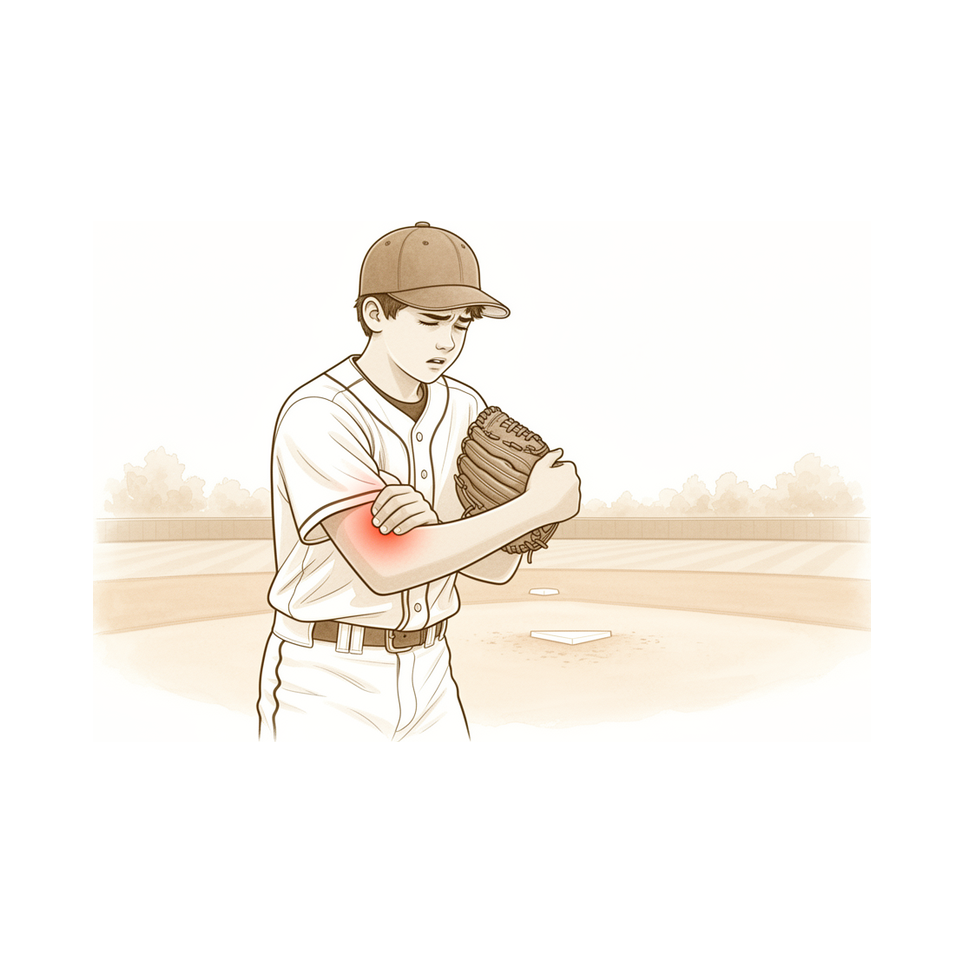
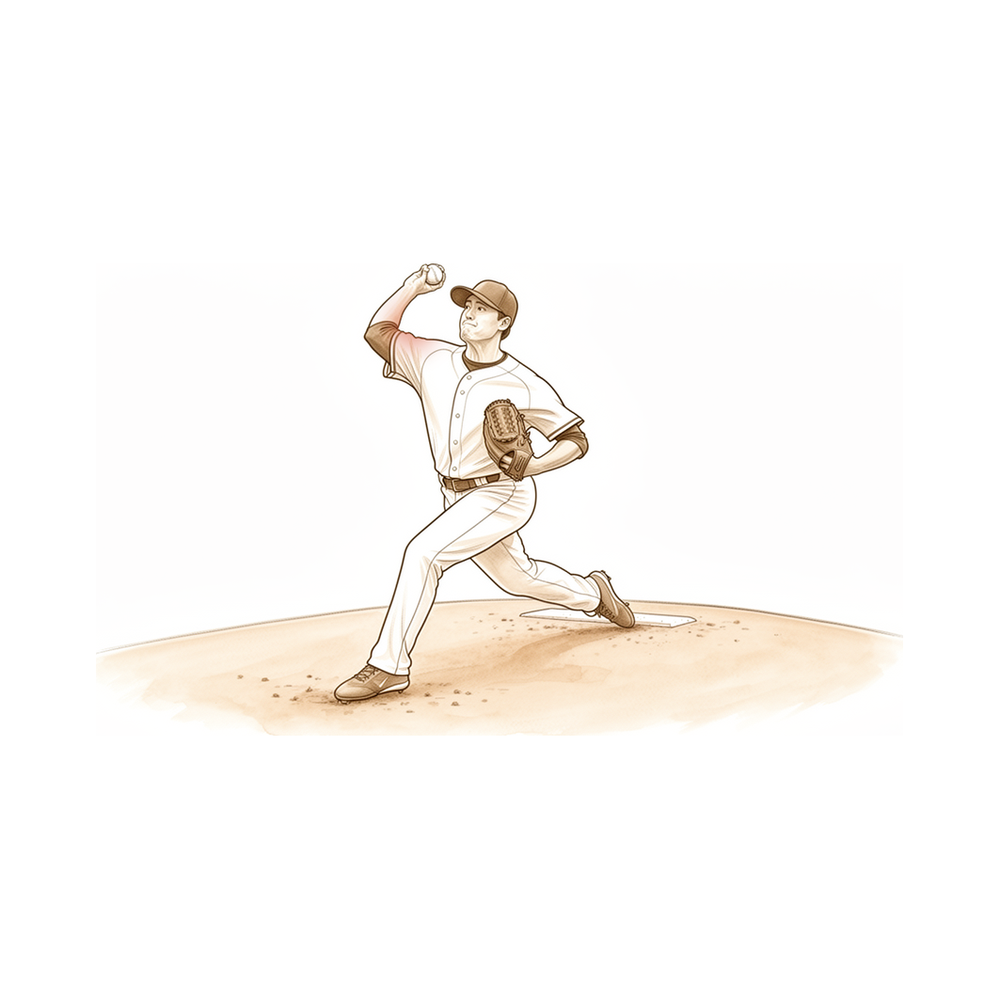
The most common mechanism of acute elbow dislocation involves a valgus moment to an extended elbow, suggesting some acute dislocations result from acute valgus instability and are distinct from posterolateral rotatory instability [88]. Pitching 100 balls induces a significant reduction in the dynamic stabilizing ability against elbow valgus laxity in high school baseball players [92].
Biomechanics and Strength
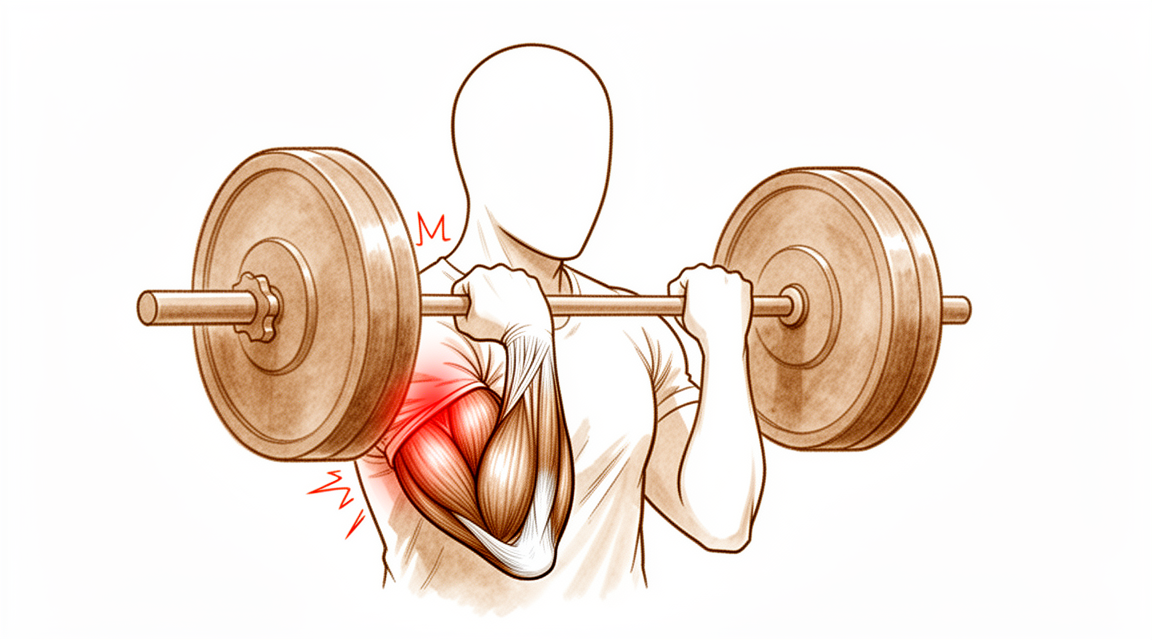
Elbow range of motion is influenced by age, sex, and BMI [85]. Normative values for isometric elbow strength show large standard deviations and lack consensus on measurement devices and positions, requiring cautious interpretation [93]. Pain originating from the long head of the biceps tendon induces an approximately 30% decrease in shoulder abduction and elbow flexion strength despite no structural or biomechanical abnormalities in the model [97].
Pathology and Classification
A pathologic classification for elbow stiffness provides a new perspective on the understanding and standardization of elbow arthrolysis [22].
Classification
Evidence-based clinical practice guidelines, appropriate use criteria, outcome measures, and patient-reported outcome measures are critical tools to ensure the best clinical care for patients and will be increasingly integrated into care pathways [2]. Developing a core outcome set allows for more effective comparison across studies in systematic reviews [3] and helps standardize outcome reporting to ensure future research is relevant, interpretable, and amenable to systematic review and/or meta-analysis [5].
Elbow Stiffness: A proposed pathologic classification provides a new perspective on the understanding and standardization of elbow arthrolysis, providing satisfactory clinical outcomes [22].
Greater Trochanteric Pain Syndrome (GTPS): An intraoperative classification system and treatment algorithm for surgical treatment of various GTPS types leads to favorable patient-reported outcomes [45].
Meniscal Extrusion: Integrating dynamic factors and clinical outcomes in MRI-based classifications informs treatment approaches for meniscal extrusion [7].
Shoulder Arthroplasty: Alternative glenoid classification systems or predictive models should be considered to provide more precise prognoses for patients before and after shoulder arthroplasty performed for osteoarthritis with an intact rotator cuff [61].
Radial Head Arthroplasty: Heterogeneity in the type of implant, patient characteristics, and outcome measures used, along with inadequate reporting of study details, restricts definitive conclusions in functional outcomes post-radial head arthroplasty research [6].
Other Considerations: The first requirement to make progress in the field of upper-extremity musculoskeletal disorders is to agree on unambiguous terminology and classification [76]. Comprehensive registries collecting information on orthopaedic injuries, treatment, complications, and outcomes are required to characterize trauma, evaluate treatment options, and improve care and outcomes [78]. Registries should include validated patient-reported outcome scores and measures of clinical relevance and expectations [4]. Several countries' Diagnosis-Related Groups (DRG) systems for knee replacement might be improved through the introduction of classification variables for revision of knee replacement or for the presence of complications or comorbidities [49]. Different Frequency, Etiology, Direction, and Severity (FEDS) categories showed varying degrees of improvement and failure rates, indicating that the system can be used to provide prognostic insight for presurgical education [69]. Epidemiology and non-epidemiology-trained reviewers can apply the levels-of-evidence guide to published studies with acceptable interobserver agreement, though the validity of this system remains a question for future research [68]. The Musculoskeletal Outcomes Data Evaluation and Management System achieved its goal regarding the development of validated questionnaires, but the data collection component did not [75].
Clinical Presentation
History: A combination of generic patient-reported outcomes, a disease-specific questionnaire, and physical measures using standardized protocols should be used for outcomes studies in Dupuytren’s disease [15]. Patient-reported outcomes are highly useful when they inform other relevant outcomes, such as predicting return to sport [34]. Psychological factors are potentially modifiable, allowing for early identification and intervention to improve final outcomes [34].
Inspection & Palpation: Patients with giant cell tumour should be followed indefinitely [47]. Patients with giant cell tumour should be referred promptly if new symptoms, particularly pain, emerge [47].
Range-of-Motion & Stability: Integrating dynamic factors and clinical outcomes in MRI-based classifications supports informing treatment approaches for meniscal extrusion [7].
Red-Flag Patterns & Prognostic Subgrouping: Prognostic subgrouping revealed more diverse patterns in pain and function recovery over 1 year than observed in patients classified by traditional diagnostic groups [44]. Prognostic subgrouping may better reflect the diversity in recovery of common musculoskeletal disorders [44].
Outcome Reporting Standards: Future objective outcome-based and comparative studies are needed to evaluate optimal treatment modalities for multi-ligament injured knees before evidence-based recommendations can be made [1]. Evidence-based clinical practice guidelines, appropriate use criteria, outcome measures, and patient-reported outcome measures are critical tools to ensure the best clinical care for patients [2]. Registries should include validated patient-reported outcome scores and measures of clinical relevance and expectations [4]. Development of a core outcome set helps standardize outcome reporting and ensures future research is relevant, interpretable, and amenable to systematic review or meta-analysis [5]. Efforts to standardize outcomes reporting facilitate comparisons across the literature and improve understanding of the prognosis for superior labrum anterior and posterior tears [16]. There is a need for consistent and transparent reporting of outcomes when treating complex cases such as periprosthetic joint infections [43]. There has been a demonstrated increase in core outcome sets developed for both research and routine practice [46]. Core outcome sets consistently have high inclusion of patient participants [46].
Patient-Reported Outcome Measures (PROMs) Implementation: Only 57% of primary medical providers use patient-reported outcome measures within their practice [37]. The information from patient-reported outcome measures used by primary medical providers is largely used for research rather than clinical decision-making [37]. Researchers should review existing patient-reported outcome measures before developing or translating new ones to determine if one already suits clinical or research needs [39]. New patient-reported outcomes should only be developed for constructs with no existing measures or for specific needs like faster completion [39]. The strong psychometric performance of the Persian version of the IKDC-SF across subgroups and its clinically meaningful change thresholds support its use in both clinical and research settings [40]. Failure to attempt a return to sport does not equate to a poor clinical outcome, as patients can still experience statistically significant and clinically meaningful improvements in patient-reported outcome measures [41].
Research Design & Bias: Factors leading to impactful conclusions and clinical change include the role of outcome selection, study design, presentation of results, and stakeholder involvement [12]. Patients who declined enrolment in a randomized trial investigating weight loss versus knee arthroplasty reported more severe symptoms than those who accepted [33]. Predictive biomarkers are needed to better assess clinical course and treatment efficacy to enable individualized therapy [42].
Investigations
Plain radiography: Radiographic angles of total knee arthroplasty (TKA) using true unrestricted kinematic alignment are sparsely and inconsistently reported [20]. Different alignment strategies are often grouped under the term kinematic alignment, contributing to conflicting reports and unresolved questions regarding the efficacy of true unrestricted kinematic alignment [20]. Intramedullary and extramedullary tibial alignment guides provided comparable radiographic and clinical outcomes when applied to each knee of the same patient [81]. Intramedullary and extramedullary guides allow flexible selection based on patient anatomy and surgical conditions [81]. Radiographic osteoarthritis was correlated with higher failure rates, increased conversion to total knee arthroplasty, and worse outcomes after surgical management of femoroacetabular impingement (FAI) [86].
MRI: MRI-based classifications should integrate dynamic factors and clinical outcomes to inform treatment approaches for meniscal extrusion [7]. The MRI-based BOGIE score correlates with early clinical function after autologous osteochondral grafting for osteochondritis dissecans of the capitellum [63]. The MRI-based BOGIE score may be useful as an adjunct tool in decision making on activity progression for osteochondritis dissecans of the capitellum [63]. A reliable 6-stage MRI-based classification addressing ulnar collateral ligament (UCL) tear grade and location may confer decision making between operative and nonoperative management of UCL tears [83]. Improvements in MRI scores followed and continued longer than improvements assessed by clinical scores after platelet-rich plasma injection in patients with lateral epicondylitis [36]. Postoperative MRI findings reflect clinical outcomes in arthroscopic debridement for refractory lateral epicondylitis [70]. In recovered groups, improvement of tendinopathy area was 60% on postoperative MRI compared to 16% in unrecovered groups [70].
CT: Ongoing assessment using additional X-rays, computed tomography scans, or other diagnostic tests is recommended for effective monitoring of patients experiencing pain or limited range of motion after primary anatomic and reverse total shoulder arthroplasty [67].
Other Considerations: Future objective outcome-based studies and comparative studies are needed to evaluate optimal treatment modalities for operative management of the medial collateral ligament in multi-ligament injured knees [1]. A longer follow-up period is required to determine the influence of radiological findings on final outcomes in total knee arthroplasty with cemented versus uncemented femoral components [17]. Comparison of clinical outcomes between different modalities should consider the minimal clinically important difference (MCID) in addition to statistically significant differences [73]. Correlation of retrieval findings with radiographic and clinical data may help establish predictors of prostheses at risk for failure in revision reverse total shoulder arthroplasty [91].
Treatment
Non-Operative
Conservative management is effective for a majority of adolescent patients with femoroacetabular impingement (FAI) syndrome, with significant improvements in patient-reported outcomes (PROs) persisting at a mean 5-year follow-up [79]. Non-operative treatment of partial anterior cruciate ligament (ACL) rupture is justified as it yields good results in the majority of patients, although a substantial number will aggravate their injury over time [84]. For symptomatic lumbar disc herniation, the overall incidence of regression is 63% among non-surgically treated patients [25]. In cases of trapezius palsy, patients failing conservative treatment report good outcomes following surgical intervention [72]. There is no evidence on outcomes following non-operative management of FAI with concomitant Tönnis Grade 2 or more hip osteoarthritis [80].
Operative
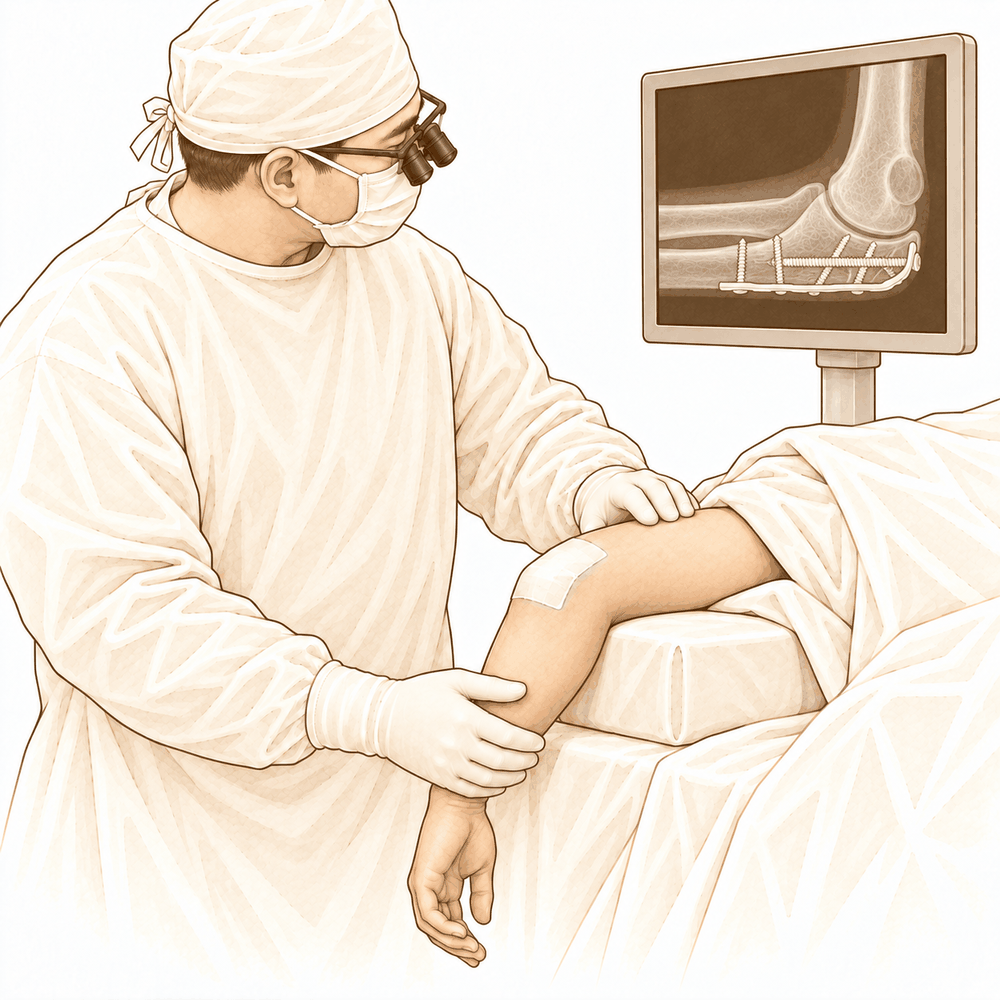
Indications: Obesity is not a contraindication to unicompartmental knee arthroplasty (UKA) provided other patient selection criteria are adhered to [35]. Low and high body mass index, along with lower numbers of screws in the articular segment, are risk factors for non-union of distal humeral fractures in the elderly [71]. Non-union is associated with poor clinical outcomes in this population [71]. Most patients with juvenile idiopathic arthritis benefit from total elbow arthroplasty for the long term, demonstrating satisfactory clinical outcomes and implant durability [10].
Surgical Approach / Technique: Arthroscopic treatment (AT) and corticosteroid injection (CT) both produce clinical effects in femoroacetabular impingement syndrome (FAI) [23]. Operative treatment results in greater improvement in Constant scores and significantly decreased pain scores compared to nonoperative management for full-thickness rotator cuff tears [74]. Surgery reduces pain and disability in lumbar spinal stenosis better than nonoperative treatment, with effectiveness sustained over 2 years [50]. However, the objective measure of walking ability improved in both operative and nonoperative groups for lumbar spinal stenosis, with no statistical difference between the groups [50]. Custom hemiarthroplasty appears to be a reasonable method to salvage proximal humeral dysplasia epiphysealis hemimelica when nonsurgical management has failed to provide relief [94].
Adjuncts: There is limited evidence in support of bone marrow aspirate concentrate as an additive to bone marrow stimulation for osteochondral lesions of the talus [38]. Until sufficiently powered, patient- and researcher-blinded, prospective randomised controlled trials are conducted, authors advise not to implement bone marrow aspirate concentrate therapy for osteochondral lesions of the talus without clinical evidence that justifies the additional costs [38]. Larger and long-term controlled trials are needed to support the clinical effectiveness of autologous bone marrow stem cell implantation for osteonecrosis of the knee in sickle cell disease [8].
Other Considerations: Evidence-based clinical practice guidelines, appropriate use criteria, outcome measures, and patient-reported outcome measures are critical tools to ensure the best clinical care for patients and will be increasingly integrated into care pathways [2]. Outcome evaluation is a systematic and objective procedure to determine the impact and success of a therapeutic program, focusing on the patient's well-being in daily life [48]. Understanding what constitutes a real-world benefit from treatment is key to designing and critically appraising clinical research [52]. Future objective outcome-based studies as well as comparative studies are needed to further evaluate the optimal treatment modality for operative management of the medial collateral ligament in the multi-ligament injured knee before evidence-based recommendations can be made [1].
Standardization of outcome reporting is essential across various subspecialties. Developing a core outcome set would allow for more effective comparison across studies in systematic reviews for shoulder arthroplasty research [3]. Development of a core outcome set will help standardize outcome reporting and ensure future research in Dupuytren’s disease is relevant, interpretable, and amenable to systematic review and/or meta-analysis [5]. A combination of generic patient reported outcomes, a disease-specific questionnaire, and physical measures using standardised protocols should be used for future outcomes studies on Dupuytren’s disease [15]. The heterogeneity of type of implant, patient characteristics, and outcome measures used, along with an inadequate reporting of study details, restricts definitive conclusions regarding functional outcomes post-radial head arthroplasty [6]. The patients' characteristics and indications for surgery were not described in a majority of clinical outcome studies of rotator cuff repair [11].
Further research is necessary to clarify the effects on patient outcomes of using patient-reported outcomes (PROs) in clinical practice for knee and hip osteoarthritis [54]. Non-responders to patient-reported outcomes in hip and knee arthroplasty had significantly increased mortality and significantly worse baseline scores despite similar demographics and revision risk [65]. Randomized controlled trial outcomes for nonoperative management of lateral epicondylitis of the elbow are statistically fragile, where a reversal of only 3 patient outcomes could considerably influence reported statistically significant findings [56]. Possible reasons for trends in the surgical treatment of cubital tunnel syndrome include expanded indications or changing surgical preferences [30]. There was a decreasing incidence of anterior cruciate ligament tears and increasing utilization of anterior cruciate ligament reconstruction in the United States from 2010 to 2020 [90]. The overall decrease in ACL tears, ACL reconstruction, and nonoperative management found in the 2010–2020 study is a reversal from trends reported in the literature from previous decades [90].
Complications
Nerve palsy: Distal peripheral neuropathy develops in 14.6% of previously asymptomatic patients undergoing arthroscopic rotator cuff repair, with 91.7% of those experiencing resolution by 3 months [28].
Other Considerations: Autologous bone marrow stem cell implantation for osteonecrosis of the knee in sickle cell disease requires larger and long-term controlled trials to support its clinical effectiveness [8]. Anatomic total shoulder arthroplasty in patients younger than 50 years of age may result in moderately inferior functional outcomes and long-term survivorship compared to older patients [18]. Total elbow arthroplasty offers satisfactory clinical outcomes at long-term follow-up with relatively stable revision and complication rates compared to short and medium term [19]. Radial head arthroplasty results in satisfactory clinical outcomes and modest complication and revision rates at long-term follow-up, despite high levels of radiologic degenerative changes over the same period [21]. Ultrasound-guided tenotomy for tendinopathies of the elbow has been sustained in long-term follow-up with no reported complications [58]. Patients undergoing shoulder surgery with a history of cervical spine condition have increased rates of surgical complications compared to patients without dual shoulder-cervical spine pathology [95]. Stemless reverse total shoulder arthroplasty is associated with a low complication rate and good early clinical outcomes [98]. History of prior implant complication is the most important patient feature for predicting complications following primary anatomic total shoulder replacements [100]. Complication rates remain high for linked total elbow replacement systems despite design advances [101]. The true rate of rerupture after distal biceps tendon repair may be higher than previously thought, although postoperative complication rates are similar to those found in prior studies [105]. Major complications occur at roughly half the rate in the staged group compared to the single-stage group for severe PIPJ contractures in Dupuytren disease, although the study was underpowered for complication analysis [106].
Recovery
Light activity (weeks): Evidence does not provide specific week ranges for light activity or desk work return.
Full activity (months): Evidence does not provide specific month ranges for full activity, manual work, or sport return.
Complete recovery / outcome plateau (months): Long-term follow-up is required to determine the influence of radiological findings on final outcome in cemented versus uncemented femoral components in total knee arthroplasty [17]. For autologous bone marrow stem cell implantation for osteonecrosis of the knee in sickle cell disease, larger and long-term controlled trials are required to support clinical effectiveness [8]. Further studies with long-term follow-up are needed to determine whether the grafted area maintains structural and functional integrity after Autologous Matrix-Induced Chondrogenesis for treatment of focal cartilage defects in the knee [55].
Rehabilitation protocol: Functional ability and health related quality of life improved after rehabilitation in a structured national rehabilitation program for patients with musculoskeletal disorders [64].
Functional milestones: The Discovery Elbow System results in improved function, reduced pain, and high patient satisfaction at a 4-year mean follow-up [9]. Total elbow arthroplasty provides long-term benefit with satisfactory clinical outcomes and implant durability in patients with juvenile idiopathic arthritis [10]. Total elbow arthroplasty offers satisfactory clinical outcomes at long-term follow-up, with relatively stable revision and complication rates compared to short and medium term [19]. Minimally invasive Oxford unicompartmental knee arthroplasty ensures excellent functional outcome and high survivorship in the long term [51]. Patients younger than 50 years of age may expect moderately inferior functional outcomes and long-term survivorship compared to older patients undergoing anatomic total shoulder arthroplasty [18]. The short term clinical outcomes of patients undergoing revision rotator cuff repair were similar to primary rotator cuff repair [62]. Patients with a preoperative duration of symptomatic medial knee overload/arthritis of two years or greater do not experience inferior PRO or clinical outcomes than patients with a symptom duration of less than 2 years at mid-term follow-up [116]. Between 1- and 2-year follow-up assessments, 21.5% of patients improved and 18.6% declined in self-reported functional status following hip arthroscopy [53]. The overall incidence of regression is 63% among non-surgically treated symptomatic lumbar disc herniation patients [25]. Distal biceps short head tears present acutely, have a poor natural history akin to complete tears, and have good outcomes with acute and delayed reconstruction [26]. 14.6% of previously asymptomatic patients develop new onset distal peripheral neuropathy after arthroscopic rotator cuff repair, but 91.7% of those experience resolution by 3 months [28]. Early reimplantation (abbreviated two-stage) provides similar outcomes to traditional two-stage exchange, though optimal timing and selection criteria remain undefined [115].
Other Considerations: Standardization of outcomes reporting is needed to facilitate comparisons across the literature and improve understanding of the prognosis for superior labrum anterior and posterior tears [16]. Prospective, long-term observational studies are needed to understand the natural history of early post-traumatic osteoarthritis before formulating and studying interventions [24]. Clinical Orthopaedics and Related Research asks authors to consider alternatives to Kaplan-Meier survivorship, such as competing-risks analysis, when the frequency of the competing event is greater than 10% to 20% and the followup duration approaches 10 years [27]. The binary outcome analysis assessing MCID achievement is performed at a single time point, typically 1 year, and uses an interval-censoring method to minimize bias from follow-up timing variability [112]. Longitudinal studies require continued contact and evaluation of patients for many years after the administration of treatment, and every reasonable effort should be made to obtain information on all patients in a study to ensure meaningful data [114].
Key Evidence
- [L4] Future objective outcome-based studies as well as comparative studies are needed to further evaluate the optimal treatment modality before evidence-based recommendations can be made. (10.1007/s00167-009-0810-4)
- [L2] Developing a core outcome set would allow for more effective comparison across studies in systematic reviews. (10.1371/journal.pone.0187865)
- [L5] Registries should include validated patient-reported outcome scores and measures of clinical relevance and expectations. (10.1016/j.arthro.2023.10.035)
- [L1] Development of a core outcome set will help standardize outcome reporting, and ensure future research in this field is relevant, interpretable, and amenable to systematic review and/or meta-analysis. (10.1177/1753193420903624)
- [L4] The heterogeneity of type of implant, patient characteristics and outcome measures used, along with an inadequate reporting of study details, restrict any definitive conclusions being made. (10.1177/1758573214524934)
- [L4] Results also support integrating dynamic factors and clinical outcomes in MRI-based classifications to inform treatment approaches. (10.1002/ksa.12183)
- [L4] Larger and long-term controlled trials are needed to support its clinical effectiveness. (10.1186/s12891-018-2067-x)
- [L4] The Discovery Elbow System resulted in improved function, reduced pain, and high patient satisfaction. (10.1016/j.jse.2014.08.013)
- [L4] However, most benefit from the intervention for a long term with satisfactory clinical outcomes and implant durability. (10.1016/j.jse.2014.03.012)
- [L3] The patients' characteristics and indications for surgery were not described in a majority of clinical outcome studies of rotator cuff repair. (10.1007/s11999-008-0585-9)
- [Paper] The purpose of this review is to discuss which factors lead to impactful conclusions and clinical change, including the role of outcome selection, study design, presentation of results, and stakeholder involvement. (10.1016/j.injury.2019.10.082)
- [L1] Case series published to date have demonstrated significant improvements in functional outcomes and low rates of major complications, with evidence surrounding several potential indications beyond osteochondritis dissecans. (10.1016/j.arthro.2021.01.047)
- [L1] A combination of generic patient reported outcomes, a disease-specific questionnaire, and physical measures using standardised protocols should be used for future outcomes studies. (10.1186/1471-2474-14-131)
- [L4] Efforts to standardize outcomes reporting would facilitate comparisons across the literature and improve our understanding of the prognosis of this injury. (10.1016/j.jse.2016.04.020)
- [L1] A longer follow-up period is required to determine the influence of radiological findings on final outcome. (10.1007/s00167-010-1347-2)
- [L4] Compared to older patients, those under 50 may expect moderately inferior functional outcomes and long-term survivorship. (10.1016/j.jse.2025.09.005)
- [L4] Our systematic review established that TEA offers patients satisfactory clinical outcomes at long-term follow-up, with relatively stable revision and complication rates compared to short and medium term. (10.1016/j.jse.2020.11.014)
- [L1] Different alignment strategies are often grouped under the umbrella term of kinematic alignment, which contributes to conflicting reports, confusion and unresolved questions regarding the efficacy of true unrestricted kinematic alignment. (10.1002/ksa.12494)
- [L4] Our systematic review established that RHA results in satisfactory clinical outcomes and modest complication and revision rates at long-term follow-up, despite high levels of radiologic degenerative changes over the same period. (10.1016/j.jse.2021.03.142)
- [L4] This study suggests that the proposed pathologic classification provides a new perspective on the understanding and standardization of elbow arthrolysis, providing satisfactory clinical outcomes. (10.1016/j.jse.2019.08.001)
- [L1] AT and CT both can have clinical effects when facing FAI. (10.1186/s13018-022-03187-1)
- [L5] The conference identified critical gaps between laboratory and clinical investigations, emphasizing the need for prospective, long-term observational studies to understand the natural history of early post-traumatic osteoarthritis before formulating and studying interventions. (10.1177/0363546511411654)
- [L1] The overall incidence of regression is 63% among non-surgically treated symptomatic lumbar disc herniation patients. (10.1186/s12891-020-03548-z)
- [L4] They present acutely, have a poor natural history akin to complete tears, and have good outcomes with acute and delayed reconstruction. (10.1016/j.jse.2020.04.038)
- [Paper] Clinical Orthopaedics and Related Research will begin asking authors to consider alternatives to Kaplan-Meier survivorship, such as a competing-risks analysis, when the frequency of the competing event is greater than 10% to 20% and the followup duration approaches 10 years. (10.1007/s11999-015-4182-4)
- [L2] Additionally, 14.6% of previously asymptomatic patients develop new onset DPN, but 91.7% of those also experience resolution by 3 months. (10.1016/j.jse.2016.12.039)
- [L1] Comparative studies need to use appropriate outcome measures with adequate sample sizes to provide meaningful results. (10.1016/j.jse.2024.11.029)
- [L3] Possible reasons include expanded indications or changing surgical preferences. (10.1016/j.jhsa.2013.04.044)
- [L4] Further research is needed to assess larger patient cohorts and compare outcomes to size-matched approaches. (10.1016/j.jse.2024.06.008)
- [L3] Orthopaedic registry studies differ from randomized controlled trials in many ways and offer certain advantages; the strengths and limitations of registry cohort studies and RCTs must be understood to properly evaluate the literature. (10.2106/jbjs.n.01332)
- [L4] We observed discrepancies in patient-reported outcomes, with those who declined enrolment reporting more severe symptoms. (10.1002/ksa.12546)
- [L5] Patient-reported outcomes are highly useful when they inform other relevant outcomes, such as predicting return to sport, and psychological factors are potentially modifiable, allowing for early identification and intervention to improve final outcomes. (10.1016/j.arthro.2022.11.028)
- [L4] Improvements in the MRI scores followed and continued longer than improvements assessed by the clinical scores. (10.1016/j.jse.2022.01.147)
- [L4] Only 57% of primary medical providers are using patient reported outcome measures within their practice, with the information largely used for research rather than clinical decision-making. (10.1177/2325967119s00107)
- [L1] Until sufficiently powered, patient- and researcher-blinded, prospective randomised controlled trials are conducted, the authors advise not to implement this therapy without clinical evidence that justifies the additional costs. (10.1007/s00167-023-07651-1)
- [L5] Before developing or translating a new patient-reported outcome (PRO), researchers should review existing measures to determine if one already suits the clinical or research needs, as new PROs should only be developed for constructs with no existing measures or for specific needs like faster completion. (10.1016/j.jht.2015.01.010)
- [L3] Its strong psychometric performance across subgroups and clinically meaningful change thresholds supports its use in both clinical and research settings. (10.1016/j.jisako.2025.101053)
- [L5] Failure to attempt a return to sport does not equate to a poor clinical outcome, as patients can still experience statistically significant and clinically meaningful improvements in patient-reported outcome measures. (10.1016/j.arthro.2022.01.015)
- [Paper] Predictive biomarkers are needed to better assess clinical course and treatment efficacy to enable individualized therapy. (10.1007/s00120-008-1745-y)
- [L4] There is a need for consistent and transparent reporting of outcomes when treating complex cases. (10.1016/j.arth.2025.10.031)
- [L3] Prognostic subgrouping revealed more diverse patterns in pain and function recovery over 1 year than observed in the same patients classified by traditional diagnostic groups and may better reflect the diversity in recovery of common MSK disorders. (10.1186/s12891-021-04332-3)
- [L3] This validation study supports that the classification system and treatment algorithm for surgical treatment of various GTPS types leads to favorable patient-reported outcomes. (10.1016/j.arthro.2021.01.058)
- [L2] There has been a demonstrated increase in core outcome sets developed for both research and routine practice, and consistently high inclusion of patient participants. (10.1371/journal.pone.0244878)
- [L4] Patients with GCT should be followed indefinitely, and referred promptly if new symptoms, particularly pain, emerge. (10.1302/0301-620x.104b12.bjj-2022-0401.r1)
- [L5] Outcome evaluation is a systematic and objective procedure to determine the impact and success of a therapeutic program, focusing on the patient's well-being in daily life. (10.1016/j.otsr.2013.06.012)
- [L3] Several countries' DRG system might be improved through the introduction of classification variables for revision of knee replacement or for the presence of complications or comorbidities. (10.1007/s00167-013-2374-6)
- [L1] The effectiveness for pain and disability was sustained over 2 years, but the objective measure of walking ability improved in both groups, with no statistical difference between operative and nonoperative groups. (10.2106/jbjs.8908.ebo2)
- [L3] Oxford UKA of the medial compartment ensures good long-term survivorship with an excellent functional outcome. (10.1007/s00167-018-5299-2)
- [L5] Understanding what constitutes a real-world benefit from treatment is key to designing and critically appraising clinical research. (10.1177/1753193419870100)
- [L3] Between 1- and 2-year follow-up assessments, 21.5% of patients improved and 18.6% declined in self-reported functional status. (10.1177/03635465221122769)
- [L2] Further research is necessary to clarify the effects on patient outcomes of using PROs in clinical practice. (10.1186/s12891-019-2620-2)
- [L4] However, further studies with long-term follow-up are needed to determine whether the grafted area will maintain structural and functional integrity over time. (10.1007/s00167-010-1042-3)
- [L2] Findings point to a lack in robustness for conclusions drawn from RCTs relating to nonoperative treatment for lateral epicondylitis, where a reversal of only 3 patient outcomes could considerably influence reported statistically significant findings. (10.1016/j.xrrt.2025.03.008)
- [L4] These effects have been sustained in long-term follow-up with no reported complications. (10.1016/j.jse.2019.06.011)
- [L3] Alternative glenoid classification systems or predictive models should be considered to provide more precise prognoses. (10.1016/j.jse.2023.08.029)
- [L3] The short term clinical outcomes of patients undergoing revision rotator cuff repair were similar to primary rotator cuff repair. (10.1177/2325967114s00016)
- [L3] The MRI-based BOGIE score appears to correlate with early clinical function and may be useful as an adjunct tool in decision making on activity progression. (10.1177/0363546520902475)
- [L3] Functional ability and health related quality of life improved after rehabilitation. (10.1186/1471-2474-14-57)
- [L3] Non-responders had significantly increased mortality and significantly worse baseline scores despite similar demographics and revision risk. (10.1302/0301-620x.108b1.bjj-2025-0683.r1)
- [L3] Compared with CTA patients, RA patients achieved similar clinical outcomes following RSA. (10.1016/j.jse.2020.05.022)
- [L4] For patients experiencing pain or limited range of motion, ongoing assessment using additional X-rays, computed tomography scans, or other diagnostic tests is recommended for effective monitoring. (10.1016/j.jse.2024.11.010)
- [L4] Epidemiology and non-epidemiology-trained reviewers can apply the levels-of-evidence guide to published studies with acceptable interobserver agreement, though the validity of this system remains a question for future research. (10.2106/00004623-200408000-00016)
- [L2] Different FEDS categories showed varying degrees of improvement and failure rates, indicating that the system can be used to provide prognostic insight for presurgical education. (10.1016/j.jse.2019.12.002)
- [L4] In the recovered and unrecovered groups, improvement of tendinopathy area was 60% versus 16%, indicating that postoperative MRI findings reflect clinical outcomes. (10.1016/j.arthro.2022.07.019)
- [L3] Non-union is associated with poor clinical outcomes. (10.1177/17585732221131923)
- [L4] Patients failing conservative treatment report good outcomes following surgical treatment of trapezius palsy. (10.1177/1758573219872730)
- [L4] To compare clinical outcomes between different modalities, we should consider not only statistically significant differences but also the MCID. (10.1016/j.jse.2017.10.032)
- [L1] Operative treatment resulted in greater improvement in Constant scores and significantly decreased pain scores compared to nonoperative management. (10.1016/j.jse.2017.09.032)
- [L4] The Musculoskeletal Outcomes Data Evaluation and Management System achieved its goal regarding the development of validated questionnaires, but the data collection component did not. (10.1097/01.blo.0000137589.23853.61)
- [L1] The first requirement to make progress in this field is to agree on unambiguous terminology and classification of UEDs. (10.1186/1471-2474-7-7)
- [L5] Comprehensive registries collecting information on orthopaedic injuries, treatment, complications, and outcomes are required to characterize trauma, evaluate treatment options, and improve care and outcomes. (10.1016/j.injury.2005.02.027)
- [L2] Nonoperative management of FAI syndrome is effective in a majority of adolescent patients, with significant improvements in PROs persisting at a mean 5-year follow-up. (10.1177/03635465211030512)
- [L4] No evidence exists on outcomes following non-operative management of FAI with concomitant Tönnis Grade 2 or more OA of the hip. (10.1007/s00167-022-07274-y)
- [L3] IM and EM guides provided comparable radiographic and clinical outcomes, allowing flexible selection based on patient anatomy and surgical conditions. (10.1186/s12891-025-09390-5)
- [L4] A reliable 6-stage MRI-based classification addressing UCL tear grade and location may confer decision making between operative and nonoperative management. (10.1016/j.jse.2018.11.063)
- [L3] Non-operative treatment of partial ACL rupture is justified as it yields good results in the majority of patients, though a substantial number will aggravate their injury over time. (10.1007/s001670050015)
- [L4] Elbow ROM is influenced by age, sex and BMI. (10.1177/1758573217728711)
- [L1] Radiographic osteoarthritis was correlated with higher failure rates, increased conversion to total hip arthroplasty, and worse outcomes after surgical management of femoroacetabular impingement. (10.5435/jaaos-d-17-00380)
- [L4] Radiographic predictors for failure were related to over- and undertreatment of acetabular rim trimming. (10.1007/s11999-014-4025-8)
- [L4] The most common mechanism appears to involve a valgus moment to an extended elbow, suggesting some acute elbow dislocations may result from acute valgus instability and are distinct in nature and mechanism from posterolateral rotatory instability. (10.1016/j.jhsa.2012.12.017)
- [L3] The overall midterm risk of revision after RSA for CTA was low (5%). (10.1016/j.jse.2018.02.060)
- [L4] The overall decrease in ACL tears, ACLR, and nonoperative management found in this study is a reversal from trends reported in the literature from previous decades. (10.1016/j.arthro.2024.08.018)
- [L4] Correlation of retrieval findings with radiographic and clinical data may help establish predictors of prostheses at risk for failure. (10.1016/j.jse.2015.06.004)
- [L5] Pitching 100 balls induces a significant reduction in dynamic stabilizing ability against elbow valgus laxity. (10.1016/j.jse.2023.11.001)
- [L4] Large standard deviations of normative values in combination with different measurement devices used, as well as the different measurement positions of the subjects, demonstrated that there is no consensus about measuring the isometric elbow strength and therefore the normative values have to be interpreted with caution. (10.1177/1758573217748643)
- [Case_report] This appears to be a reasonable method to salvage this difficult and challenging problem when nonsurgical management has failed to provide relief. (10.1016/j.jse.2011.08.043)
- [L2] Patients undergoing shoulder surgery with a history of a cervical spine condition have increased rates of surgical complications and mixed but consistently nonsuperior patient-reported outcomes compared to patients without dual shoulder-cervical spine pathology. (10.1016/j.arthro.2025.01.010)
- [L4] Pain originating from LHBT induced an approximately 30% decrease of shoulder abduction and elbow flexion strength despite there being no structural or biomechanical abnormalities in this model. (10.1016/j.jse.2018.05.009)
- [L4] The study observed a low complication rate and good early clinical outcomes, indicating that this approach can be considered for broader use in the future. (10.5397/cise.2024.00836)
- [L3] History of prior implant complication was the most important patient feature for XGBoost performance, a novel patient feature that surgeons should consider when counseling patients. (10.1177/24715492221075444)
- [L3] Despite design advances, complication rates remain high. (10.1302/0301-620x.96b10.33815)
- [L4] Postoperative complication rates were similar to those found in prior studies, although the true rate of rerupture may be higher than previously thought. (10.1016/j.jse.2015.11.012)
- [L3] Major complications occurred at roughly half the rate in the staged group, suggesting a potential safety advantage, although the study was underpowered for complication analysis. (10.1016/j.jhsa.2025.10.019)
- [L5] The authors clarify that their study's binary outcome analysis assesses MCID achievement at a single time point (typically 1 year) and that the interval-censoring method used minimizes bias from follow-up timing variability. (10.1016/j.arth.2024.10.087)
- [L5] Longitudinal studies require continued contact and evaluation of patients for many years after the administration of treatment, and every reasonable effort should be made to obtain information on all patients in a study to ensure meaningful data. (10.2106/00004623-199803000-00018)
- [L1] Early reimplation (abbreviated two-stage) provides similar outcomes to traditional two-stage exchange, though optimal timing and selection criteria remain undefined. (10.1016/j.arth.2025.10.075)
- [L4] Patients with a preoperative duration of symptomatic medial knee overload/arthritis of two years or greater do not experience inferior PRO or clinical outcomes than patients with a symptom duration of less than 2 years at mid-term follow-up. (10.1016/j.jisako.2022.03.003)
See Also
- Elbow Arthroplasty
- Patient Outcomes
- Cubital Tunnel Syndrome
- Tendinopathies
References
[1] Operative management of the medial collateral ligament in the multi‐ligament injured knee: an evidence‐based systematic review. Knee Surgery, Sports Traumatology, Arthroscopy. 2009. DOI: 10.1007/s00167-009-0810-4
[2] Chapter 2 Evidence-Based Quality and Outcomes Assessment in Pediatric Orthopaedics. 2020.
[3] Inconsistent selection of outcomes and measurement devices found in shoulder arthroplasty research: An analysis of studies on ClinicalTrials.gov. PLOS ONE. 2017. DOI: 10.1371/journal.pone.0187865
[4] Editorial Commentary: Artificial Intelligence Analysis of Biomedical, Large, Clinical Registry Data Using Machine Learning Requires Tens of Thousands of Subjects and a Focus on Substantial Clinical Benefit: Minimal Clinically Important Difference Is too Low a Bar. Arthroscopy. 2024. DOI: 10.1016/j.arthro.2023.10.035
[5] A systematic review identifying outcomes and outcome measures in Dupuytren’s disease research. Journal of Hand Surgery (European Volume). 2020. DOI: 10.1177/1753193420903624
[6] Functional outcomes post-radial head arthroplasty: a systematic review of literature. Shoulder & Elbow. 2014. DOI: 10.1177/1758573214524934
[7] Meniscal extrusion consensus statement: A collaborative survey within the Meniscus International Network (MenIN) Study Group. Knee Surgery, Sports Traumatology, Arthroscopy. 2024. DOI: 10.1002/ksa.12183
[8] Use of autologous bone marrow stem cell implantation for osteonecrosis of the knee in sickle cell disease: a preliminary report. BMC Musculoskeletal Disorders. 2018. DOI: 10.1186/s12891-018-2067-x
[9] Total elbow arthroplasty: a prospective clinical outcome study of Discovery Elbow System with a 4-year mean follow-up. Journal of Shoulder and Elbow Surgery. 2015. DOI: 10.1016/j.jse.2014.08.013
[10] The outcome of total elbow arthroplasty in juvenile idiopathic arthritis (juvenile rheumatoid arthritis) patients. Journal of Shoulder and Elbow Surgery. 2014. DOI: 10.1016/j.jse.2014.03.012
[11] Indications for Surgery in Clinical Outcome Studies of Rotator Cuff Repair. Clinical Orthopaedics & Related Research. 2009. DOI: 10.1007/s11999-008-0585-9
[12] Which study outcomes change practice. Injury. 2020. DOI: 10.1016/j.injury.2019.10.082
[13] The Use of Elbow Arthroscopy for Management of the Pediatric Elbow: A Systematic Review of Indications and Outcomes. Arthroscopy: The Journal of Arthroscopic & Related Surgery. 2021. DOI: 10.1016/j.arthro.2021.01.047
[15] Optimal functional outcome measures for assessing treatment for Dupuytren’s disease: a systematic review and recommendations for future practice. BMC Musculoskeletal Disorders. 2013. DOI: 10.1186/1471-2474-14-131
[16] Variable reporting of functional outcomes and return to play in superior labrum anterior and posterior tear. Journal of Shoulder and Elbow Surgery. 2016. DOI: 10.1016/j.jse.2016.04.020
[17] Cemented versus uncemented femoral components in total knee arthroplasty. Knee Surgery, Sports Traumatology, Arthroscopy. 2010. DOI: 10.1007/s00167-010-1347-2
[18] Anatomic total shoulder arthroplasty indications, outcomes, and survivorship in patients younger than 50 years of age: a systematic review. Journal of Shoulder and Elbow Surgery. 2026. DOI: 10.1016/j.jse.2025.09.005
[19] Long-term outcomes of total elbow arthroplasty: a systematic review of studies at 10-year follow-up. Journal of Shoulder and Elbow Surgery. 2021. DOI: 10.1016/j.jse.2020.11.014
[20] Sparse and inconsistent reporting of pre‐ and post‐operative radiographic angles of total knee arthroplasty using true unrestricted kinematic alignment: An umbrella review and secondary meta‐analysis. Knee Surgery, Sports Traumatology, Arthroscopy. 2024. DOI: 10.1002/ksa.12494
[21] Long-term outcomes of radial head arthroplasty for radial head fractures—a systematic review at minimum 8-year follow-up. Journal of Shoulder and Elbow Surgery. 2021. DOI: 10.1016/j.jse.2021.03.142
[22] A new pathologic classification for elbow stiffness based on our experience in 216 patients. Journal of Shoulder and Elbow Surgery. 2020. DOI: 10.1016/j.jse.2019.08.001
[23] Conservative therapy versus arthroscopic surgery of femoroacetabular impingement syndrome (FAI): a systematic review and meta-analysis. Journal of Orthopaedic Surgery and Research. 2022. DOI: 10.1186/s13018-022-03187-1
[24] Closing the Gap Between Bench and Bedside Research for Early Arthritis Therapies (EARTH). The American Journal of Sports Medicine. 2011. DOI: 10.1177/0363546511411654
[25] The incidence of regression after the non-surgical treatment of symptomatic lumbar disc herniation: a systematic review and meta-analysis. BMC Musculoskeletal Disorders. 2020. DOI: 10.1186/s12891-020-03548-z
[26] Distal biceps short head tears: repair, reconstruction, and systematic review. Journal of Shoulder and Elbow Surgery. 2020. DOI: 10.1016/j.jse.2020.04.038
[27] Editorial: Estimating Survivorship in the Face of Competing Risks. Clinical Orthopaedics & Related Research. 2015. DOI: 10.1007/s11999-015-4182-4
[28] Distal peripheral neuropathy in arthroscopic rotator cuff repair: a prospective investigation. Journal of Shoulder and Elbow Surgery. 2017. DOI: 10.1016/j.jse.2016.12.039
[29] Systematic review of shoulder arthroplasty outcomes: what sample size is meaningful?. Journal of Shoulder and Elbow Surgery. 2025. DOI: 10.1016/j.jse.2024.11.029
[30] Trends in the Surgical Treatment of Cubital Tunnel Syndrome: An Analysis of the National Survey of Ambulatory Surgery Database. The Journal of Hand Surgery. 2013. DOI: 10.1016/j.jhsa.2013.04.044
[31] Outcomes following arthroscopic treatment of off-track Hill-Sachs lesions using fresh osteochondral allograft plugs: a case series. Journal of Shoulder and Elbow Surgery. 2024. DOI: 10.1016/j.jse.2024.06.008
[32] Understanding Orthopaedic Registry Studies. The Journal of Bone and Joint Surgery. 2016. DOI: 10.2106/jbjs.n.01332
[33] Characteristics of eligible patients with knee osteoarthritis accepting versus declining participation in a randomised trial investigating the effect of weight loss versus knee arthroplasty to explore generalisability: A cross‐sectional study. Knee Surgery, Sports Traumatology, Arthroscopy. 2025. DOI: 10.1002/ksa.12546
[34] Editorial Commentary: Designing Patient‐Reported Outcome Measures That Have High Clinical Utility and Minimum Responder Burden: When Less Is More. Arthroscopy. 2023. DOI: 10.1016/j.arthro.2022.11.028
[35] The_Effect_of_BMI_on_Survivorship_of_Unicompartmental_Knee_Arthroplasty_S0883540310000264. n.d..
[36] Repeated magnetic resonance imaging at 6 follow-up visits over a 2-year period after platelet-rich plasma injection in patients with lateral epicondylitis. Journal of Shoulder and Elbow Surgery. 2022. DOI: 10.1016/j.jse.2022.01.147
[37] THE USE OF PATIENT REPORTED OUTCOME MEASURES BY PRIMARY MEDICAL PROVIDERS IN THE PEDIATRIC SPORTS POPULATION. Orthopaedic Journal of Sports Medicine. 2019. DOI: 10.1177/2325967119s00107
[38] Limited evidence in support of bone marrow aspirate concentrate as an additive to the bone marrow stimulation for osteochondral lesions of the talus: a systematic review and meta‐analysis. Knee Surgery, Sports Traumatology, Arthroscopy. 2023. DOI: 10.1007/s00167-023-07651-1
[39] Why do we need new patient-reported outcomes?. Journal of Hand Therapy. 2015. DOI: 10.1016/j.jht.2015.01.010
[40] Psychometric validation and cultural adaptation of the Persian version of international knee documentation committee subjective knee form (IKDC-SF) across diverse knee pathologies. Journal of ISAKOS. 2026. DOI: 10.1016/j.jisako.2025.101053
[41] Editorial Commentary: Failure to Return to Sport, or Rather a Failure to Attempt a Return After Hip Arthroscopy Is Not Correlated With Poor Clinical Outcome: The Devil Is in the Details. Arthroscopy. 2022. DOI: 10.1016/j.arthro.2022.01.015
[42] Molekularpathologische Bestimmung prädiktiver Biomarker. Der Urologe. 2008. DOI: 10.1007/s00120-008-1745-y
[43] Lower Reported Success Rates of Two-Stage Revisions for Periprosthetic Joint Infections Using Musculoskeletal Infection Society Outcome Reporting Tool at a Specialty Referral Center. The Journal of Arthroplasty. 2025. DOI: 10.1016/j.arth.2025.10.031
[44] Recovery trajectories in common musculoskeletal complaints by diagnosis contra prognostic phenotypes. BMC Musculoskeletal Disorders. 2021. DOI: 10.1186/s12891-021-04332-3
[45] Intraoperative Classification System Yields Favorable Outcomes for Patients Treated Surgically for Greater Trochanteric Pain Syndrome. Arthroscopy. 2021. DOI: 10.1016/j.arthro.2021.01.058
[46] Choosing important health outcomes for comparative effectiveness research: 6th annual update to a systematic review of core outcome sets for research. PLOS ONE. 2021. DOI: 10.1371/journal.pone.0244878
[47] A systematic review of multicentric giant cell tumour with the presentation of three cases at long-term follow-up. The Bone & Joint Journal. 2022. DOI: 10.1302/0301-620x.104b12.bjj-2022-0401.r1
[48] Outcome evaluation in pediatric orthopedics. Orthopaedics & Traumatology: Surgery & Research. 2014. DOI: 10.1016/j.otsr.2013.06.012
[49] Knee replacement and Diagnosis‐Related Groups (DRGs): patient classification and hospital reimbursement in 11 European countries. Knee Surgery, Sports Traumatology, Arthroscopy. 2013. DOI: 10.1007/s00167-013-2374-6
[50] Surgery Reduced Pain and Disability in Lumbar Spinal Stenosis Better Than Nonoperative Treatment. The Journal of Bone & Joint Surgery. 2007. DOI: 10.2106/jbjs.8908.ebo2
[51] Minimally invasive Oxford unicompartmental knee arthroplasty ensures excellent functional outcome and high survivorship in the long term. Knee Surgery, Sports Traumatology, Arthroscopy. 2018. DOI: 10.1007/s00167-018-5299-2
[52] Different terminologies that help the interpretation of outcomes. Journal of Hand Surgery (European Volume). 2019. DOI: 10.1177/1753193419870100
[53] Relationship of Average Outcomes Scores and Change in Status Requires Further Interpretation Between 1 and 2 Years Following Hip Arthroscopy. The American Journal of Sports Medicine. 2022. DOI: 10.1177/03635465221122769
[54] Implementing patient-reported outcomes in clinical decision-making within knee and hip osteoarthritis: an explorative review. BMC Musculoskeletal Disorders. 2019. DOI: 10.1186/s12891-019-2620-2
[55] Mid‐term results of Autologous Matrix‐Induced Chondrogenesis for treatment of focal cartilage defects in the knee. Knee Surgery, Sports Traumatology, Arthroscopy. 2010. DOI: 10.1007/s00167-010-1042-3
[56] Randomized controlled trial outcomes for nonoperative management of lateral epicondylitis of the elbow are statistically fragile: a systematic review. JSES Reviews, Reports, and Techniques. 2025. DOI: 10.1016/j.xrrt.2025.03.008
[58] Ultrasound-guided tenotomy improves physical function and decreases pain for tendinopathies of the elbow: a retrospective review. Journal of Shoulder and Elbow Surgery. 2019. DOI: 10.1016/j.jse.2019.06.011
[61] Prognostic value of the Walch classification for patients before and after shoulder arthroplasty performed for osteoarthritis with an intact rotator cuff. Journal of Shoulder and Elbow Surgery. 2024. DOI: 10.1016/j.jse.2023.08.029
[62] Primary Versus Revision Arthroscopic Rotator Cuff Repair - An Analysis In 350 Consecutive Patients. Orthopaedic Journal of Sports Medicine. 2014. DOI: 10.1177/2325967114s00016
[63] Early Radiographic Healing and Functional Results After Autologous Osteochondral Grafting for Osteochondritis Dissecans of the Capitellum: Introduction of a New Magnetic Resonance Imaging–Based Scoring System. The American Journal of Sports Medicine. 2020. DOI: 10.1177/0363546520902475
[64] Promoting work ability in a structured national rehabilitation program in patients with musculoskeletal disorders: outcomes and predictors in a prospective cohort study. BMC Musculoskeletal Disorders. 2013. DOI: 10.1186/1471-2474-14-57
[65] Patient-reported outcomes may be ‘missing not at random’ in hip and knee arthroplasty. The Bone & Joint Journal. 2026. DOI: 10.1302/0301-620x.108b1.bjj-2025-0683.r1
[66] Comparison of outcomes after reverse shoulder arthroplasty in patients with rheumatoid arthritis and cuff tear arthropathy. Journal of Shoulder and Elbow Surgery. 2021. DOI: 10.1016/j.jse.2020.05.022
[67] Utility of radiographs for asymptomatic patients following primary anatomic and reverse total shoulder arthroplasty. Journal of Shoulder and Elbow Surgery. 2025. DOI: 10.1016/j.jse.2024.11.010
[68] Interobserver Agreement in the Application of Levels of Evidence to Scientific Papers in the American Volume of The Journal of Bone and Joint Surgery. The Journal of Bone and Joint Surgery-American Volume. 2004. DOI: 10.2106/00004623-200408000-00016
[69] Surgical outcomes in the Frequency, Etiology, Direction, and Severity (FEDS) classification system for shoulder instability. Journal of Shoulder and Elbow Surgery. 2020. DOI: 10.1016/j.jse.2019.12.002
[70] Arthroscopic Debridement for Refractory Lateral Epicondylitis Results for Substantial Improvement in Tendinosis Scores and Good Clinical Outcomes: Qualitative and Quantitative Magnetic Resonance Imaging Analysis. Arthroscopy. 2022. DOI: 10.1016/j.arthro.2022.07.019
[71] Low and high body mass index and lower numbers of screws in the articular segment are risk factors for non-union of distal humeral fractures in the elderly: A multi-center retrospective study (TRON study). Shoulder & Elbow. 2022. DOI: 10.1177/17585732221131923
[72] Surgical treatment of trapezius palsy: A systematic review. Shoulder & Elbow. 2019. DOI: 10.1177/1758573219872730
[73] Minimal clinically important differences in Rowe and Western Ontario Shoulder Instability Index scores after arthroscopic repair of anterior shoulder instability. Journal of Shoulder and Elbow Surgery. 2018. DOI: 10.1016/j.jse.2017.10.032
[74] Operative versus nonoperative treatment for the management of full-thickness rotator cuff tears: a systematic review and meta-analysis. Journal of Shoulder and Elbow Surgery. 2018. DOI: 10.1016/j.jse.2017.09.032
[75] Lessons Learned from the Hip and Knee Musculoskeletal Outcomes Data Evaluation and Management System. Clinical Orthopaedics and Related Research. 2004. DOI: 10.1097/01.blo.0000137589.23853.61
[76] Incidence and prevalence of upper-extremity musculoskeletal disorders. A systematic appraisal of the literature. BMC Musculoskeletal Disorders. 2006. DOI: 10.1186/1471-2474-7-7
[78] Orthopaedic trauma: Establishment of an outcomes registry to evaluate and monitor treatment effectiveness. Injury. 2006. DOI: 10.1016/j.injury.2005.02.027
[79] Nonoperative Management of Femoroacetabular Impingement in Adolescents: Clinical Outcomes at a Mean of 5 Years: A Prospective Study. The American Journal of Sports Medicine. 2021. DOI: 10.1177/03635465211030512
[80] No evidence exists on outcomes of non‐operative management in patients with femoroacetabular impingement and concomitant Tönnis Grade 2 or more hip osteoarthritis: a scoping review. Knee Surgery, Sports Traumatology, Arthroscopy. 2022. DOI: 10.1007/s00167-022-07274-y
[81] Intramedullary and extramedullary tibial alignment guides applied to each knee of the same patient resulted in no significant differences in radiological or clinical outcomes. BMC Musculoskeletal Disorders. 2025. DOI: 10.1186/s12891-025-09390-5
[83] Prognostic utility of an magnetic resonance imaging-based classification for operative versus nonoperative management of ulnar collateral ligament tears: one-year follow-up. Journal of Shoulder and Elbow Surgery. 2019. DOI: 10.1016/j.jse.2018.11.063
[84] Can we predict the outcome of a partial rupture of the anterior cruciate ligament?. Knee Surgery, Sports Traumatology, Arthroscopy. 1997. DOI: 10.1007/s001670050015
[85] Normative values and affecting factors for the elbow range of motion. Shoulder & Elbow. 2017. DOI: 10.1177/1758573217728711
[86] Outcome of Surgical Treatment of Hip Femoroacetabular Impingement Patients with Radiographic Osteoarthritis: A Meta-analysis of Prospective Studies. Journal of the American Academy of Orthopaedic Surgeons. 2019. DOI: 10.5435/jaaos-d-17-00380
[87] Eighty Percent of Patients With Surgical Hip Dislocation for Femoroacetabular Impingement Have a Good Clinical Result Without Osteoarthritis Progression at 10 Years. Clinical Orthopaedics & Related Research. 2015. DOI: 10.1007/s11999-014-4025-8
[88] An Online Video Investigation Into the Mechanism of Elbow Dislocation. The Journal of Hand Surgery. 2013. DOI: 10.1016/j.jhsa.2012.12.017
[89] Risk and risk factors for revision after primary reverse shoulder arthroplasty for cuff tear arthropathy and osteoarthritis: a Nordic Arthroplasty Register Association study. Journal of Shoulder and Elbow Surgery. 2018. DOI: 10.1016/j.jse.2018.02.060
[90] Decreasing Incidence of Anterior Cruciate Ligament Tears and Increasing Utilization of Anterior Cruciate Ligament Reconstruction in the United States From 2010 to 2020. Arthroscopy. 2024. DOI: 10.1016/j.arthro.2024.08.018
[91] Elucidating trends in revision reverse total shoulder arthroplasty procedures: a retrieval study evaluating clinical, radiographic, and functional outcomes data. Journal of Shoulder and Elbow Surgery. 2015. DOI: 10.1016/j.jse.2015.06.004
[92] Weakening and factors of medial elbow dynamic stabilizers against elbow valgus laxity after repetitive pitching in high school baseball players. Journal of Shoulder and Elbow Surgery. 2024. DOI: 10.1016/j.jse.2023.11.001
[93] Normative values of isometric elbow strength in healthy adults: a systematic review. Shoulder & Elbow. 2018. DOI: 10.1177/1758573217748643
[94] Treatment of proximal humeral dysplasia epiphysealis hemimelica with custom hemiarthroplasty: a case report. Journal of Shoulder and Elbow Surgery. 2011. DOI: 10.1016/j.jse.2011.08.043
[95] Concurrent Cervical Spine Pathology Is Associated With No Clear Difference in Clinical Outcomes, but Increased Complication Rates Following Shoulder Surgery: A Systematic Review. Arthroscopy. 2025. DOI: 10.1016/j.arthro.2025.01.010
[97] Differences in subacromial distance during shoulder axial rotation between standing and supine positions. Journal of Shoulder and Elbow Surgery. 2018. DOI: 10.1016/j.jse.2018.05.009
[98] Reconsidering the clinical outcomes of the stemless reverse total shoulder arthroplasty design implant. Clinics in Shoulder and Elbow. 2024. DOI: 10.5397/cise.2024.00836
[100] Development of a Machine Learning Algorithm for Prediction of Complications and Unplanned Readmission Following Primary Anatomic Total Shoulder Replacements. Journal of Shoulder and Elbow Arthroplasty. 2022. DOI: 10.1177/24715492221075444
[101] Medium-term clinical results of a linked total elbow replacement system. The Bone & Joint Journal. 2014. DOI: 10.1302/0301-620x.96b10.33815
[105] Trends associated with distal biceps tendon repair in the United States, 2007 to 2011. Journal of Shoulder and Elbow Surgery. 2016. DOI: 10.1016/j.jse.2015.11.012
[106] Single-Stage Versus Staged Fasciectomy for Severe PIPJ Contractures in Dupuytren Disease: A Retrospective Comparative Study. The Journal of Hand Surgery. 2026. DOI: 10.1016/j.jhsa.2025.10.019
[112] Reply to letter regarding “Revision Total Knee Arthroplasty Achieves Minimal Clinically Important Difference Faster than Primary Total Knee Arthroplasty”. The Journal of Arthroplasty. 2025. DOI: 10.1016/j.arth.2024.10.087
[114] Current Concepts Review - Methods for Locating Missing Patients for the Purpose of Long-Term Clinical Studies. The Journal of Bone & Joint Surgery*. 1998. DOI: 10.2106/00004623-199803000-00018
[115] 2025 ICM: Abbreviated Two- and 1.5-Stage. The Journal of Arthroplasty. 2025. DOI: 10.1016/j.arth.2025.10.075
[116] Preoperative symptom duration does not affect clinical outcomes after high tibial osteotomy at a minimum of 2-year follow-up. Journal of ISAKOS. 2022. DOI: 10.1016/j.jisako.2022.03.003