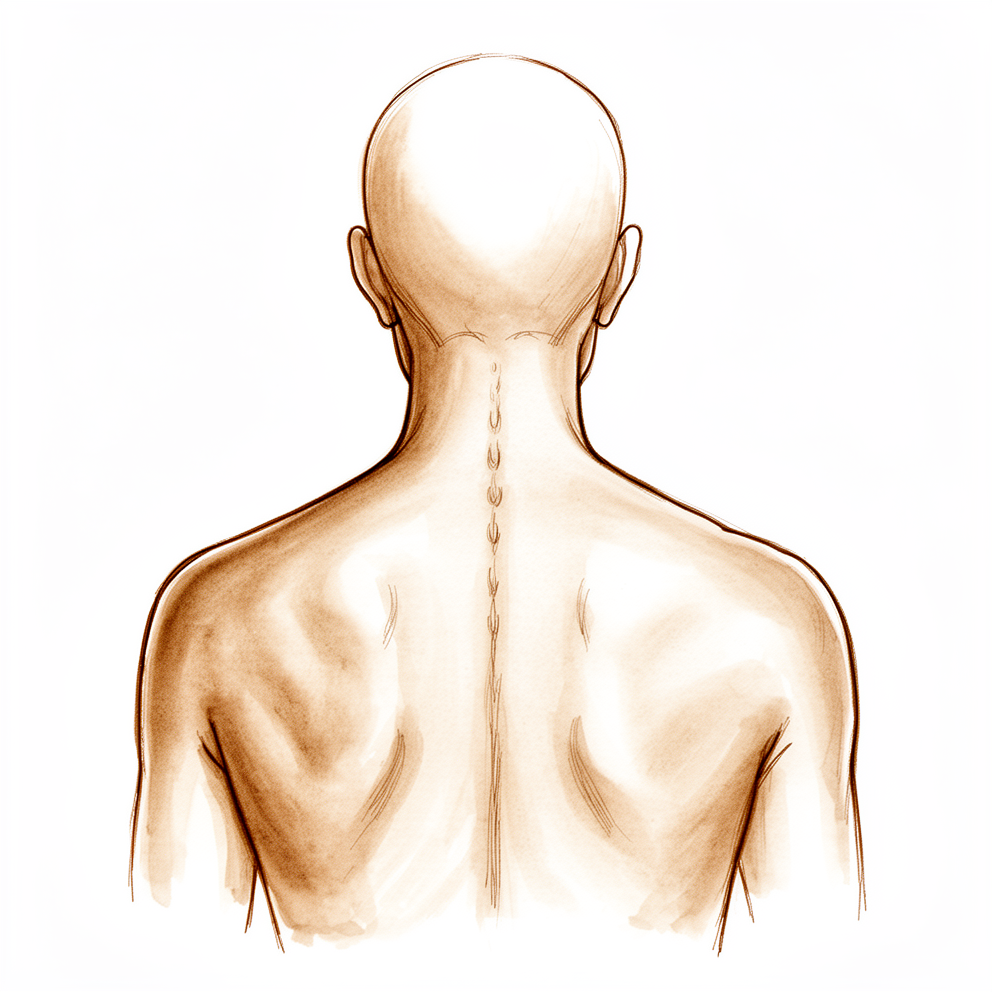
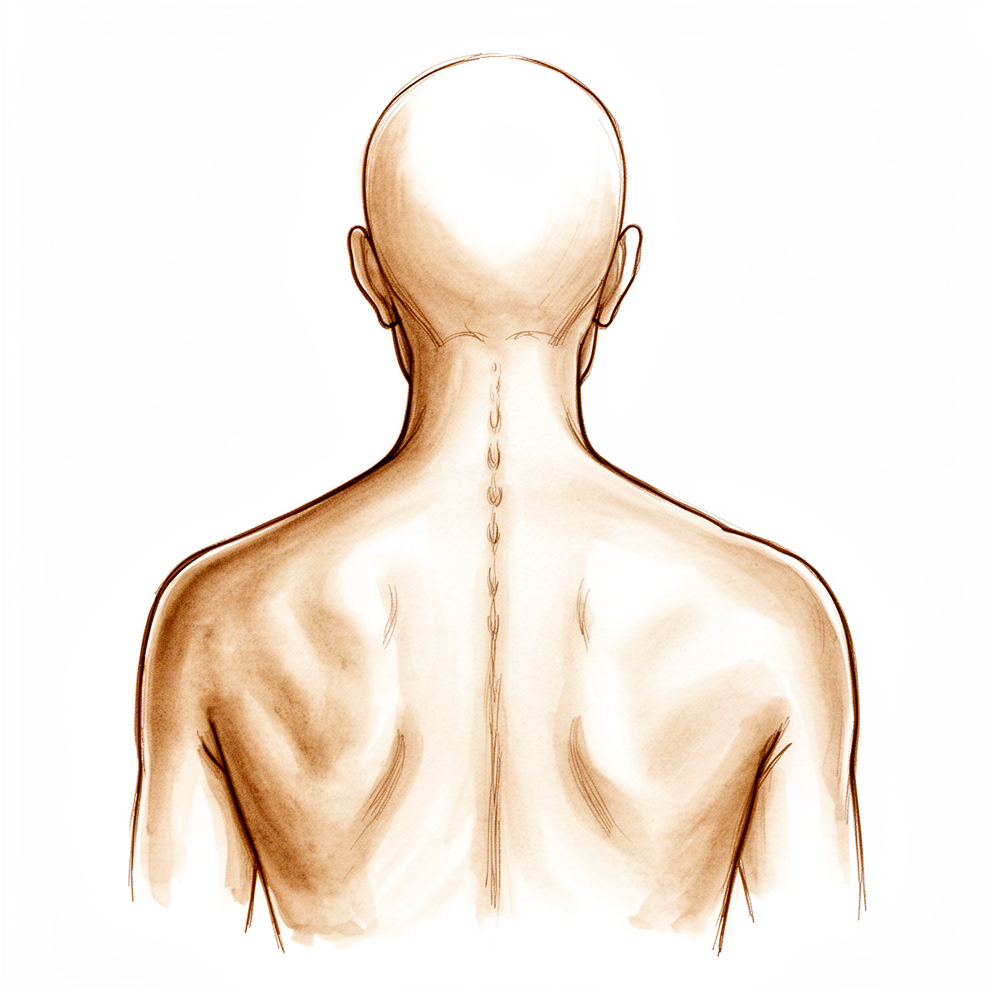
Thoracic & Sacral Region
Thoracic and sacral spine pathology, including traumatic fractures, disc degeneration, and congenital anomalies, with a focus on biomechanical constraints and neurovascular risks.
Overview
Surgical management of thoracic and sacral pathology requires approach-specific considerations to optimize outcomes and safety. Anterior-only or posterior-only techniques yield satisfactory clinical results for consecutive multisegment thoracic and lumbar tuberculosis [1]. In Pott’s deformity, the aorta shifts away from the apex vertebra but remains in close proximity to the vertebral body at levels adjacent to the osteotomy in the axial plane, while morbid segments covering lumbar vertebrae present with an “M” shaped aorta in the sagittal plane [2]. For thoracic herniated discs, failure of conservative measures serves as a relative indication for surgery [11].
Oncologic and congenital conditions demand distinct strategic priorities. En bloc resection is the primary choice for thoracic and lumbar chondrosarcoma or chordoma in eligible patients to ensure safety and local tumor control [23]. Adults with sacral myelomeningocele experience poorer long-term outcomes than children and require continued orthopaedic care into adulthood [9]. Surgical methods for early onset idiopathic scoliosis focus on maintaining curve correction while preserving spinal and trunk growth, with expansion thoracoplasty controlling deformity to allow thoracic spine growth and providing additional lung volume [56].
Technological and procedural evolution continues to refine care standards. A new cervicothoracic fixation device offers good segmental fixation for the cervical and thoracic spine despite some disadvantages [34]. Transsacral fixation/fusion may enable safe lumbosacral fusion without iliac fixation in carefully selected patients with long-segment constructs [66]. For adolescent idiopathic scoliosis, recent research provides updated criteria for selective fusion candidates, balancing patient goals and specific factors to limit complications and maximize deformity correction [64].
Quantification and approach selection remain active areas of investigation. The literature lacks a standard guideline for stereophotogrammetric protocols to quantify multi-segmental thoracolumbar motion, and these approaches remain limited from a clinical viewpoint [5]. Consequently, the optimal surgical approach for specific thoracolumbar fractures remains controversial, warranting multiple clinical cohort studies to establish comprehensive surgical protocols [45].
Anatomy & Pathophysiology
Osseous & Morphological Variability
The thoracolumbar spine exhibits distinct morphological and biomechanical characteristics across different regions and pathologies. Stereophotogrammetric protocols can quantify multi-segmental motion of the thoracolumbar spine, yet no standard guideline is established and clinical applicability remains limited [5]. Normative reference data for 3D vertebral and pelvic position, including trunk inclination, kyphosis, lordosis, and pelvic rotation, have been established for asymptomatic females [65]. In contrast to the thoracic or lumbar spine, the unique microarchitecture of cervical vertebrae results in fractures occurring later in the cervical region [22].
Thoracolumbar degenerative conditions span a spectrum from asymptomatic states to catastrophic spinal malalignment and disability [27]. Abnormal mechanical stress contributes to intervertebral disc degeneration in old thoracolumbar fractures with kyphosis [44]. Different forms of scoliosis exhibit different vibrational characteristics, with scoliotic vertebrae acting as weak links under whole body vibration loading [48].
Disc Pathology & Mechanical Stress
Symptomatic thoracolumbar disc herniation presents with distinct pathophysiological mechanisms based on type. In type I symptomatic thoracolumbar disc herniation, disc degeneration is accelerated by regional kyphosis [25]. In type II symptomatic thoracolumbar disc herniation, excessive mechanical stress is directly loaded at the thoracolumbar apex [25].
Kinematics & Global Alignment
Global alignment and postural changes are driven by complex interactions between spinal segments and the pelvis. The lumbosacral and hip motions are major contributors to global alignment postural change [39]. Head position relative to the spine is significantly correlated with spinal-pelvic parameters and the lower lumbar multifidus muscle in degenerative spinal kyphosis patients [61].
In adolescent idiopathic scoliosis (AIS), the coronal Cobb angle and the symmetry index (SI) of paraspinal muscle activity vary with posture changes [50]. Spinal morphology and its correction influence the intensity and location of back pain in AIS, although balance does not influence pain severity [41].
Neuromuscular & Systemic Considerations
Treatment strategies must account for broader neuromuscular and systemic factors. Biomechanical relationships between disorders in various skeletal structures must be considered in the treatment of spinal muscular atrophy patients [67].
Classification
Thoracic and Lumbar Tuberculosis: Posterior-only and anterior-only surgical approaches can lead to satisfactory clinical results in the treatment of patients with consecutive multisegment thoracic and lumbar tuberculosis [1]. In Pott’s deformity, patients with morbid segments covering lumbar vertebrae present with an “M” shaped aorta in the sagittal plane [2]. The aorta shifts further from the apex vertebra but is located in close proximity to the vertebral body at levels above and below the osteotomy levels in the axial plane [2].
Thoracic Spine Imaging: Lateral roentgenographic examination of the thoracic spine can result in the complete disappearance of ribs from the plate, outlining the spinal column with clarity [33].
Thoracolumbar Fractures: The modified thoracolumbar fracture classification scoring system (TLICS) is a practical tool for the classification and assessment of thoracolumbar fractures with guiding significance for clinical treatment [49]. The operation rate using the modified TLICS system was slightly lower than that of the standard TLICS system [49]. Classifications of thoracic and lumbar fractures provide an efficient means of communication but many original reports lack a rigorous scientific foundation and were based largely on the insights of experienced surgeons [46].
Chronic Symptomatic Osteoporotic Thoracolumbar Fracture (CSOTF): The new morphological classification system for chronic symptomatic osteoporotic thoracolumbar fracture (CSOTF) demonstrated excellent reliability in its initial assessment [70].
Degenerative Thoracolumbar Kyphosis: A novel classification for degenerative thoracolumbar kyphosis proposes four types based on thoracolumbar kyphosis and balance, followed by targeted treatment strategies [69].
Symptomatic Thoracolumbar Disc Herniation: In type I symptomatic thoracolumbar disc herniation, disc degeneration was accelerated by regional kyphosis [25]. In type II symptomatic thoracolumbar disc herniation, excessive mechanical stress was directly loaded at the thoracolumbar apex [25].
Sacral Fractures: Sacral fracture classification systems aim to ensure adequate communication and satisfactory clinical outcomes [16]. Sacral dysmorphism is identified in almost half of the adult population and complicates the interpretation of sacral anatomy necessary for safe iliosacral screw placement [18].
Hip-Spine Classification: The Hip-Spine Classification system allows surgeons to make appropriate preoperative evaluations [57]. The Hip-Spine Classification system guides the use of dual mobility (DM) components in patients with spinopelvic pathology to reduce the risk of dislocation [57].
Other Considerations: Fractures occur much later in the cervical spine than in the thoracic or lumbar spine due to the unique microarchitecture of cervical vertebrae [22]. The T8-sacrum relative phase showed some discriminative ability for thoracic spine pain, but its reliability was not adequate [4].
Clinical Presentation
Thoracic spine pain and pain radiating into the chest are significantly less common than lumbar or cervical spine pain [6]. In thoracolumbar degenerative conditions, clinical presentation spans a wide spectrum from asymptomatic states to catastrophic spinal malalignment and disability [27]. Management of thoracolumbar and lumbosacral spine-related pain is highly individualized based on pathology, symptomatic involvement, and the patient’s activity or physical demands [14]. Nonsurgical treatment serves as the first line of therapy for these conditions [14].
In Pott’s deformity, patients with morbid segments covering lumbar vertebrae present with an “M” shaped aorta in the sagittal plane [2]. The aorta shifts further from the apex vertebra but remains in close proximity to the vertebral body at levels above and below the osteotomy levels in the axial plane [2]. For thoracic disc herniation, clinicians should consider this diagnosis in patients presenting with cardiopulmonary, abdominal, or pelvic pain, particularly when basic diagnostic studies of these areas are negative [40].
Juvenile Idiopathic Scoliosis: The chief prognostic feature at an early stage is the level of the most rotated vertebra at the apex of the primary curve [12]. The final pattern of deformity is defined by the level of the caudad neutral vertebra [12]. In mucopolysaccharidoses, the severity of kyphosis at initial presentation may predict the progression of thoracolumbar deformity [10].
Post-Traumatic and Post-Surgical Sequelae: A spinal curve of 10 degrees or more was found in half of eighteen patients followed for more than ten years after thoracotomy for tracheoesophageal fistula [3]. Clinically important restrictive lung disease was found in 43% of patients following early thoracic fusion in non-neuromuscular scoliosis [29]. Poor pulmonary function following early thoracic fusion is linked to extensive thoracic fusion and proximal levels starting at T1 or T2 [29].
Sacral and Sacroiliac Pathology: Sacral dysmorphism is identified in almost half of the adult population and complicates the interpretation of sacral anatomy necessary for safe iliosacral screw placement [18]. L-spine MRI commonly reveals sacral insufficiency fractures (SIF), and familiarity with SIF features on L-spine MRI helps increase sensitivity in detecting this underrecognized entity [19]. Diagnosis of acute sacro-iliac osteomyelitis in children is difficult due to early non-specific symptoms and unrevealing initial roentgenograms [20]. Serial roentgenograms and tomograms are beneficial for localizing acute sacro-iliac osteomyelitis in children [20]. Sacro-iliac fusion relieved disabling symptoms in a patient with true diastasis of the sacro-iliac joints with hypermobility [17].
Functional Assessment: The T8-sacrum relative phase showed some discriminative ability for thoracic spine pain during treadmill walking, but its reliability was not adequate [4]. Chylothorax is a common complication when Gorham-Stout syndrome lesions involve the thoracic spine [8].
Investigations
Plain radiography: Lateral roentgenographic examination of the thoracic spine outlines the spinal column with clarity comparable to actual anatomical structure and results in the complete disappearance of ribs from the plate [33]. In patients with Pott’s deformity involving lumbar vertebrae, the aorta assumes an “M” shape and shifts further from the apex vertebra in the sagittal plane, while remaining in close proximity to the vertebral body at levels above and below the osteotomy levels in the axial plane [2]. For adolescent idiopathic thoracolumbar/lumbar scoliosis, five radiological parameters correlate with the need for distal extension of fusion, and an equation incorporating these parameters reliably informs selection of the lowest instrumented vertebra [76]. Supine and standing radiographs are important tools for diagnosing proximal junctional failure induced by dynamic cord compression [80].
MRI: Lumbar spine MRI commonly reveals sacral insufficiency fractures (SIF); familiarity with SIF features on lumbar spine MRI increases sensitivity in detecting this underrecognized entity [19]. Patients undergoing lumbar decompressive surgery should have sagittal whole spine MRI studies pre-operatively to exclude proximal neurological compression, as missed thoracic spinal stenosis can cause neurological deterioration after decompressive lumbar surgery [78]. Radiologists should be familiar with the unusual imaging finding of giant cell tumors of the mobile spine invading adjacent vertebrae [72].
Tomosynthesis: Various stereophotogrammetric protocols exist to quantify multi-segmental motion of the thoracolumbar spine, but no standard guideline is available [5]. Stereophotogrammetric approaches for quantifying multi-segmental thoracolumbar spine motion remain limited from a clinical point of view [5]. The T8-sacrum relative phase shows some discriminative ability for thoracic spine pain but has inadequate reliability [4].
Other Considerations: Posterior-only and anterior-only surgical approaches yield satisfactory clinical results for consecutive multisegment thoracic and lumbar tuberculosis [1]. A spinal curve of 10 degrees or more occurs in half of patients followed for more than ten years after thoracotomy for tracheoesophageal fistula [3]. Pain in the thoracic spine and pain radiating into the chest are much less common than pain in the lumbar or cervical spines [6]. Chylothorax is a common complication when Gorham-Stout syndrome lesions involve the thoracic spine [8]. Severity of kyphosis at initial presentation may predict the progression of thoracolumbar deformity in patients with mucopolysaccharidoses [10]. Sacro-iliac fusion relieves disabling symptoms in patients with true diastasis of the sacro-iliac joints and hypermobility [17]. Diagnosis of acute sacro-iliac osteomyelitis is difficult due to early non-specific symptoms and unrevealing initial roentgenograms; serial roentgenograms and tomograms are beneficial for localizing the condition [20]. Clinically important restrictive lung disease occurs in 43% of patients following early thoracic fusion for non-neuromuscular scoliosis, with poor pulmonary function linked to extensive thoracic fusion and proximal levels starting at T1 or T2 [29]. Pedicle screw placement at the apex of adolescent idiopathic thoracic scoliosis carries a higher risk of spinal cord injury on the concave side than on the convex side [79].
Treatment
Non-Operative
Management of thoracolumbar and lumbosacral spine-related pain is highly individualized based on pathology, symptomatic involvement, and the activity or physical demands of the patient, with nonsurgical treatment usually serving as the first line of therapy [14]. Failure of conservative measures is a relative indication for surgery in thoracic herniated discs [11].
Operative
Indications: Surgical stabilization of the spine is reserved for severe progressive deformities of infantile developmental thoracolumbar kyphosis with segmental subluxation that are unresponsive to conservative treatment [71]. Operative management of fragility fractures of the pelvis should be considered for patients failing a brief period of non-operative management, though prospective randomized trials are needed to improve evidence [73]. Sacroplasty significantly benefits patients with unacceptable pain from non-dislocated fragility fractures of the sacrum, whereas those with low pain levels benefit from conservative therapy [68].
Surgical Approach / Technique: Anterior-only and posterior-only surgical approaches both lead to satisfactory clinical results in the treatment of consecutive multisegment thoracic and lumbar tuberculosis [1]. Staged surgery effectively achieves neurological functional recovery in patients with multi-segment spinal stenosis in the thoracic and lumbar regions, with favorable efficacy and safety [7]. Sequential correction combined with posterior grade 4 or grade 5 spinal osteotomies is an excellent and safe treatment for severe and rigid kyphoscoliosis in adults [51]. En bloc resection is recommended as the primary choice for patients with chondrosarcoma or chordoma in the thoracic and lumbar regions who are eligible, considering safety and local tumor control [23]. Multilevel en bloc spondylectomy for multisegmental spinal tumors achieves oncologic resections with an acceptable survival rate and reasonable local control [42]. A combined anterior approach for sacroiliac and pelvic lesions is suitable for patients who are not too corpulent or muscular and can be implemented in a fair number of patients if indications are made correctly [59]. Non-operative treatment for stable thoracolumbar burst fractures demonstrates established clinical proficiency with excellent long-term outcomes and lower complication rates compared to instrumented approaches [74]. Uninstrumented fusion for low-grade lytic spondylolisthesis demonstrates established clinical proficiency with excellent long-term outcomes and lower complication rates compared to instrumented approaches [74].
Implant Selection: Satisfactory functional and oncological outcomes can be obtained in sacral and pelvic malignant bone tumors using 3D printing for patient-specific implants [21]. A new cervicothoracic fixation device is considered a good device for segmental fixation of the cervical and thoracic spine despite some disadvantages [34].
Alignment / Balancing Strategy: Selection of the fusion and fixation range in intervertebral surgery to correct thoracicolumbar and lumbar tuberculosis effectively restores physiological curvature of the spine and reduces degeneration of adjacent vertebral bodies [15]. Maintenance of main thoracic curve correction using rigid instrumentation provides stable spontaneous lumbar curve correction over time in adolescent idiopathic scoliosis [38]. Increased proximal thoracic kyphosis after operation could have a beneficial effect on the improvement of cervical lordosis in patients with Lenke type 1 adolescent idiopathic scoliosis [13].
Adjuncts: Multidisciplinary approaches are important for the prevention and management of spinal deformity after thoracotomy in children with pulmonary hydatid disease [75].
Other Considerations: Outcome in patients with multiple myeloma of the spine is particularly affected by multiple fractures in the thoracolumbar and lumbar regions and by failure to prevent kyphosis [26]. Patients with morbid segments covering lumbar vertebrae in Pott’s deformity present with an “M” shaped aorta in the sagittal plane, with the aorta shifted further from the apex vertebra but located in close proximity to the vertebral body at levels above and below the osteotomy levels in the axial plane [2]. A spinal curve of 10 degrees or more was found in half of eighteen patients followed for more than ten years after a thoracotomy for tracheoesophageal fistula [3].
Complications
Thoracotomy-Related Deformity: Thoracotomy is associated with the development of spinal curves of 10 degrees or more in half of patients followed for more than ten years [3]. Scoliosis following thoracotomy for tracheoesophageal fistula repair appears to be a late consequence of the operation, likely due to the elimination of function of the external intercostal muscles [37]. Thoracotomy for aortic coarctation in children is also associated with the development of scoliosis [37].
Pulmonary and Lymphatic Complications: Physicians should be vigilant for possible serious pulmonary complications when lesions involve the thoracic spine [8]. Chylothorax is a common complication when Gorham-Stout syndrome lesions involve the thoracic spine [8].
Adult Scoliosis Outcomes: Complications developed in 53 per cent of patients undergoing surgical treatment for adult scoliosis [36]. The highest mortality rate in surgically treated adult scoliosis was observed in patients with congenital scoliosis who had cor pulmonale [36]. Perioperative complications for posterior spinal fusion in degenerative scoliosis patients significantly extend hospital stay [62].
Sacral Myelomeningocele: Adults with sacral myelomeningocele have poorer long-term outcomes than children and do not uniformly do well on a long-term basis [9]. Adults with sacral myelomeningocele need continued orthopaedic care into adulthood [9].
Multiple Myeloma of the Spine: Multiple fractures in the thoracolumbar and lumbar regions affect outcomes in patients with multiple myeloma of the spine [26]. Failure to prevent kyphosis affects outcomes in patients with multiple myeloma of the spine [26].
Recovery
Light activity (weeks): Specific timelines for light activity are not defined in the current evidence base. However, minimally invasive techniques such as thoracoscopy combined with transforaminal endoscopy facilitate early recovery of spinal cord function [31].
Full activity (months): Long-term outcomes for posterior decompression and fusion surgery for thoracic ossification of the posterior longitudinal ligament demonstrate that relative improvement is maintained even after 10 years [30]. In cases of lower thoracic and thoracolumbar junction spinal metastases, implant stability can be maintained up to 28 months with a satisfying functional outcome following palliative posterolateral transpedicular partial corpectomy without anterior reconstruction [58].
Complete recovery / outcome plateau (months): Staged surgery effectively achieves neurological functional recovery in patients with multi-segment spinal stenosis in the thoracic and lumbar regions, demonstrating favorable efficacy and safety [7]. For cervical spondylotic myelopathy, the best postoperative results are obtained for patients managed with decompression within six months to one year after symptom onset [77].
Rehabilitation protocol: Treatment goals in early-onset scoliosis include preserving growth of the spine and thoracic cavity to maximize lung function [81]. Adults with sacral myelomeningocele do not uniformly do well on a long-term basis and require continued orthopaedic care into adulthood [9].
Functional milestones: Posterior-only and anterior-only surgical approaches can lead to satisfactory clinical results in the treatment of patients with consecutive multisegment thoracic and lumbar tuberculosis [1]. Structural iliac bone grafts provide better long-term maintenance of spinal alignment and stability compared to multi-fold rib grafts in single-segment thoracic and thoracolumbar spinal tuberculosis [32].
Other Considerations: Relative indications for surgery for herniated discs vary by level; failure of conservative measures is the indication for thoracic discs [11].
Key Evidence
- [L3] The posterior-only and anterior-only approaches can lead to satisfactory clinical results in the treatment of patients with consecutive multisegment thoracic and lumbar tuberculosis. (10.1186/s13018-020-01876-3)
- [L3] Patients whose morbid segments covered lumbar vertebrae presented with an “M” shaped aorta in sagittal plane, and the aorta shifted further from apex vertebra but was located in close proximity to the vertebral body at levels above and below the osteotomy levels in axial plane. (10.1186/s12891-022-05331-8)
- [L4] A spinal curve of 10 degrees or more was found in half of eighteen patients who were followed for more than ten years after a thoracotomy. (10.2106/00004623-198062070-00015)
- [L3] The T8-sacrum relative phase showed some discriminative ability, but reliability was not adequate. (10.1186/1471-2474-14-345)
- [L1] The literature offers various stereophotogrammetric protocols to quantify multi-segmental motion of the thoracolumbar spine without a standard guideline, and approaches remain limited from a clinical point of view. (10.1186/s12891-022-05925-2)
- [L4] Pain reported for and from the lumbar and cervical spines was found to be relatively common whereas pain in the thoracic spine and pain radiating into the chest was much less common. (10.1186/1471-2474-10-39)
- [L4] Staged surgery can effectively achieve neurological functional recovery in patients with multi-segment spinal stenosis in thoracic and lumbar regions, with favorable efficacy and safety. (10.1186/s12891-015-0672-5)
- [Case_report] Chylothorax is a common complication when lesions involve the thoracic spine, and physicians should be vigilant for possible serious pulmonary complications. (10.1186/s12891-019-2542-z)
- [L4] The outcomes for adults who have a sacral myelomeningocele seem to be much poorer than those reported for children; they do not uniformly do well on a long-term basis and they need continued orthopaedic care into adulthood. (10.2106/00004623-199409000-00003)
- [L3] Severity of kyphosis at initial presentation may predict progression of thoracolumbar deformity. (10.1302/0301-620x.98b2.36144)
- [L5] Relative indications vary by level: six months of persisting symptoms for cervical, failure of conservative measures for thoracic, and failure to improve after six weeks for lumbar. (10.1302/2058-5241.6.210020)
- [L4] The chief prognostic feature at an early stage was the level of the most rotated vertebra at the apex of the primary curve, and the final pattern of deformity was defined by the level of the caudad neutral vertebra. (10.2106/00004623-199608000-00003)
- [L3] The increased proximal thoracic kyphosis after operation could have a beneficial effect on the improvement of cervical lordosis. (10.1186/s12891-017-1590-5)
- [L3] It effectively restores the physiological curvature of the spine and reduces the degeneration of adjacent vertebral bodies in the spinal column. (10.1186/s12891-021-04335-0)
- [Paper] The manuscript aims to present current knowledge regarding classification systems, clinical assessment, decision-making factors, and treatment options for sacral fractures to ensure adequate communication and satisfactory clinical outcomes. (10.1016/j.injury.2020.11.015)
- [L4] Sacro-iliac fusion relieved the patient of her disabling symptoms. (10.2106/00004623-195739060-00015)
- [L4] Sacral dysmorphism is identified in almost half of the adult population and complicates the interpretation of sacral anatomy necessary for safe iliosacral screw placement. (10.5435/jaaos-20-01-008)
- [L4] To know that L-spine MRI commonly reveal SIF and to be familiar with SIF features on L-spine MRI would help increase sensitivity in detecting this commonly underrecognized entity and achieve earlier and more appropriate management. (10.1186/s12891-018-2189-1)
- [L4] Diagnosis of acute sacro-iliac osteomyelitis is difficult due to early non-specific symptoms and unrevealing initial roentgenograms; serial roentgenograms and tomograms are beneficial for localization. (10.2106/00004623-197355030-00022)
- [L5] Satisfactory results in terms of functional and oncological outcomes can be obtained in sacral and pelvic malignant bone tumors. (10.1530/eor-23-0066)
- [L5] Due to the unique microarchitecture of the cervical vertebrae, fractures occur much later in this region than they do in the thoracic or lumbar spine. (10.1186/s13018-022-03105-5)
- [L4] Considering safety and local tumor control, en bloc resection is recommended as the primary choice for patients with chondrosarcoma/chordoma in the thoracic and lumbar regions who are eligible for this treatment. (10.1186/s12891-024-07353-w)
- [L4] In type I, disc degeneration was accelerated by regional kyphosis, while in type II, excessive mechanical stress was directly loaded at the thoracolumbar apex. (10.1186/s12891-021-04033-x)
- [L4] Outcome is particularly affected by multiple fractures in the thoracolumbar and lumbar regions and by failure to prevent kyphosis. (10.1302/0301-620x.98b9.37786)
- [L3] Clinically important restrictive lung disease was found in 43% of patients, with poor pulmonary function linked to extensive thoracic fusion and proximal levels starting at T1 or T2. (10.2106/jbjs.g.00184)
- [L4] The long-term outcomes revealed that although cervical and lumbar spinal lesions led to reoperations, they did not affect QoL, and relative improvement was maintained even after 10 years. (10.2106/jbjs.23.01475)
- [L3] Thoracoscopy combined with transforaminal endoscopy produces equivalent long-term results with shorter operation time, less intraoperative blood loss, fewer complications, and higher surgical safety compared to thoracoscopy alone, while fully decompressing and facilitating early recovery of spinal cord function. (10.1186/s13018-024-05242-5)
- [L3] Multi-fold rib grafts resulted in shorter operation times and less postoperative pain, while structural iliac bone grafts provided better long-term maintenance of spinal alignment and stability. (10.1186/s13018-023-04416-x)
- [L5] The technique resulted in a complete disappearance of the ribs from the plate and outlined the spinal column with the clarity of the actual anatomical structure. (10.2106/00004623-195032010-00019)
- [L4] Despite some disadvantages, it is a good device for segmental fixation of the cervical and thoracic spine. (10.1186/s12891-024-07953-6)
- [L4] Complications developed in 53 per cent of patients, with the highest mortality rate observed in patients with congenital scoliosis who had cor pulmonale. (10.2106/00004623-198163020-00013)
- [L3] The main cause of scoliosis in these patients appears to be a late consequence of the operation itself, likely due to the elimination of function of the external intercostal muscles. (10.2106/00004623-199304000-00006)
- [L3] Maintenance of main thoracic curve correction using rigid instrumentation provided stable spontaneous lumbar curve correction over time. (10.1302/0301-620x.98b7.37587)
- [L3] The lumbosacral and hip motions were the major contributors to global alignment postural change. (10.1186/s12891-021-04865-7)
- [L4] Thoracic disc herniation should be considered in the differential diagnosis for patients with cardiopulmonary, abdominal, and pelvic pain, especially if basic diagnostic studies of these areas are negative. (10.2106/00004623-200402000-00026)
- [L3] Although balance did not influence pain severity, spinal morphology and its correction appear to have influenced the intensity and location of back pain. (10.1186/s12891-020-03462-4)
- [L4] In patients with multisegmental spinal tumors, oncologic resections were achieved by multilevel en bloc spondylectomy and led to an acceptable survival rate with reasonable local control. (10.1007/s11999-014-3578-x)
- [L3] Abnormal mechanical stress may contribute to this degeneration, highlighting the importance of managing stress in kyphotic deformities. (10.1186/s12891-024-08157-8)
- [L5] The optimal surgical approach for specific thoracolumbar fractures remains a matter of controversy, warranting multiple clinical cohort studies to establish a comprehensive surgical protocol. (10.5435/00124635-200807000-00008)
- [L5] Classifications are generalizations that can provide an efficient means of communication, but many original reports describing common thoracic and lumbar injury classifications lack a rigorous scientific foundation and were based largely on the insights of experienced surgeons. (10.5435/00124635-200209000-00008)
- [L5] Different forms of scoliosis exhibit different vibrational characteristics, with scoliotic vertebrae acting as weak links under whole body vibration loading. (10.1186/s12891-019-2728-4)
- [L3] The modified TLICS system is a practical tool for the classification and assessment of thoracolumbar fractures with guiding significance for clinical treatment, and the operation rate was slightly lower than that of the TLICS system. (10.1186/s13018-023-03958-4)
- [L3] The coronal Cobb angle and the SI of paraspinal muscle activity in AIS patients vary with posture changes. (10.1186/s12891-024-07329-w)
- [L4] Sequential correction combined with posterior grade 4 or grade 5 spinal osteotomies is an excellent and safe treatment for severe and rigid kyphoscoliosis in adults. (10.1186/s12891-023-06736-9)
- [L4] Control of spine deformity with expansion thoracoplasty allows growth of the thoracic spine, and it is likely that the longer thorax provides additional volume for growth of the underlying lungs with probable clinical benefit. (10.2106/00004623-200303000-00002)
- [L3] The Hip-Spine Classification system allows surgeons to make appropriate evaluations preoperatively, and it guides the use of DM components in patients with spinopelvic pathology in order to reduce the risk of dislocation in these high-risk patients. (10.1302/0301-620x.103b7.bjj-2020-2448.r2)
- [L4] The results of this study suggest that the stability of implants can be maintained up to 28 months with satisfying functional outcome after a palliative posterolateral transpedicular partial corpectomy without anterior reconstruction. (10.1186/s13018-015-0255-z)
- [Letter] The author responds to comments regarding a combined anterior approach for sacroiliac and pelvic lesions, emphasizing that while the approach is suitable for patients who are not too corpulent or muscular, it can be implemented in a fair number of patients if indications are made correctly. (10.1016/j.otsr.2021.102845)
- [L3] The study showed that the head position relative to the spine were significantly correlated to some spinal-pelvic parameters, and the lower lumbar multifidus muscle. (10.1186/s12891-021-04621-x)
- [L3] The high morbidity of perioperative complications for posterior spinal fusion significantly extends hospital stay of degenerative scoliosis patients. (10.1186/s12891-018-2148-x)
- [L5] Surgical methods continue to evolve and are primarily directed at obtaining and maintaining curve correction while simultaneously preserving spinal and trunk growth. (10.5435/00124635-200602000-00005)
- [L5] Recent research provides updated criteria to determine optimal candidates for selective fusion, which must be weighed against patient goals and patient-specific factors to limit complications and maximize chances of successful deformity correction. (10.5435/jaaos-d-21-01175)
- [L4] The study presents normative reference data for 3D vertebral and pelvic position measured by surface topography in asymptomatic females, establishing baseline values for parameters such as trunk inclination, kyphosis, lordosis, and pelvic rotation. (10.1186/s13018-021-02843-2)
- [L4] Transsacral fixation/fusion may allow for safe lumbosacral fusion without iliac fixation in the setting of long-segment constructs in carefully selected patients. (10.1007/s11999-013-3335-6)
- [L4] Biomechanical relationships between disorders located in various skeletal structures should be taken into account in the treatment of SMA patients. (10.1186/s12891-020-03710-7)
- [L3] Patients with fragility fractures of the sacrum with low pain levels benefit from conservative therapy, whereas those with unacceptable pain from non-dislocated fractures benefit significantly from sacroplasty. (10.1186/s12891-022-06039-5)
- [L3] The study proposed a novel classification with four types of degenerative thoracolumbar kyphosis based on thoracolumbar kyphosis and balance, followed by targeted treatment strategies for various types. (10.1186/s13018-025-05713-3)
- [L4] The new classification system for CSOTF demonstrated excellent reliability in this initial assessment. (10.1186/s13018-020-01882-5)
- [L4] Surgical stabilisation of the spine can be reserved for severe progressive deformities unresponsive to conservative treatment. (10.1302/0301-620x.97b7.35665)
- [L4] Radiologists should be familiar with this imaging characteristic. (10.1186/s12891-021-04610-0)
- [L2] Operative management of fragility fractures of the pelvis should be considered for patients failing a brief period of non-operative management, however prospective randomised trials need to be performed to provide improved evidence for this intervention. (10.1186/s12891-021-04579-w)
- [L5] Non-operative treatment for stable thoracolumbar burst fractures and uninstrumented fusion for low-grade lytic spondylolisthesis demonstrate established clinical proficiency with excellent long-term outcomes and lower complication rates compared to instrumented approaches. (10.1302/0301-620x.98b1.37508)
- [L3] This study emphasises the importance of multidisciplinary approaches in the prevention and management of spinal deformity. (10.1186/s12891-025-08584-1)
- [L3] Five radiological parameters correlate with the need for distal extension of the fusion, and an equation incorporating these parameters reliably informs selection of the lowest instrumented vertebra. (10.1302/0301-620x.96b8.33837)
- [L5] The best postoperative results are obtained for patients managed with decompression within six months to one year after symptom onset, those with early mild findings, and those with a postoperative spinal cord transverse area greater than forty square millimeters. (10.2106/00004623-199409000-00020)
- [L4] The authors advise that patients undergoing lumbar decompressive surgery should have sagittal whole spine MRI studies pre-operatively to exclude proximal neurological compression. (10.1302/0301-620x.95b10.31222)
- [L4] The screw placement is at a higher risk of spinal cord injury on the concave side than that on the convex side of apex in thoracic curve in MRI images. (10.1186/s12891-015-0766-0)
- [Case_report] Supine and standing radiographs may be an important tool in the diagnosis of proximal junctional failure induced by dynamic cord compression. (10.1186/s12891-023-06791-2)
See Also
References
[1] Surgical management of consecutive multisegment thoracic and lumbar tuberculosis: anterior-only approach vs. posterior-only approach. Journal of Orthopaedic Surgery and Research. 2020. DOI: 10.1186/s13018-020-01876-3
[2] Different angular kyphosis locations have different relative positions of aorta to spine in patients with Pott’s deformity. BMC Musculoskeletal Disorders. 2022. DOI: 10.1186/s12891-022-05331-8
[3] Scoliosis after thoracotomy in tracheoesophageal fistula patients. A follow-up study.. The Journal of Bone & Joint Surgery. 1980. DOI: 10.2106/00004623-198062070-00015
[4] Reliability and validity of spinal coordination patterns during treadmill walking in persons with thoracic spine pain – a preliminary study. BMC Musculoskeletal Disorders. 2013. DOI: 10.1186/1471-2474-14-345
[5] Stereophotogrammetric approaches to multi-segmental kinematics of the thoracolumbar spine: a systematic review. BMC Musculoskeletal Disorders. 2022. DOI: 10.1186/s12891-022-05925-2
[6] Pain in the lumbar, thoracic or cervical regions: do age and gender matter? A population-based study of 34,902 Danish twins 20–71 years of age. BMC Musculoskeletal Disorders. 2009. DOI: 10.1186/1471-2474-10-39
[7] Multilevel thoracic ossification of ligamentum flavum coexisted with/without lumbar spinal stenosis: staged surgical strategy and clinical outcomes. BMC Musculoskeletal Disorders. 2015. DOI: 10.1186/s12891-015-0672-5
[8] A rare case of Gorham-stout syndrome involving the thoracic spine with progressive bilateral chylothorax: a case report. BMC Musculoskeletal Disorders. 2019. DOI: 10.1186/s12891-019-2542-z
[9] Myelomeningocele at the sacral level. Long-term outcomes in adults.. The Journal of Bone & Joint Surgery. 1994. DOI: 10.2106/00004623-199409000-00003
[10] Thoracolumbar kyphosis in patients with mucopolysaccharidoses. The Bone & Joint Journal. 2016. DOI: 10.1302/0301-620x.98b2.36144
[11] Herniated discs: when is surgery necessary?. EFORT Open Reviews. 2021. DOI: 10.1302/2058-5241.6.210020
[12] Juvenile Idiopathic Scoliosis. Curve Patterns and Prognosis in One Hundred and Nine Patients. The Journal of Bone & Joint Surgery*. 1996. DOI: 10.2106/00004623-199608000-00003
[13] Cervical kyphosis in patients with Lenke type 1 adolescent idiopathic scoliosis: the prediction of thoracic inlet angle. BMC Musculoskeletal Disorders. 2017. DOI: 10.1186/s12891-017-1590-5
[14] Chapter 35 Thoracolumbar Spine. 2019.
[15] Selection of the fusion and fixation range in the intervertebral surgery to correct thoracolumbar and lumbar tuberculosis: a retrospective clinical study. BMC Musculoskeletal Disorders. 2021. DOI: 10.1186/s12891-021-04335-0
[16] Sacral fractures: An updated and comprehensive review. Injury. 2021. DOI: 10.1016/j.injury.2020.11.015
[17] True Diastasis of the Sacro-Iliac Joints with Hypermobility. The Journal of Bone & Joint Surgery. 1957. DOI: 10.2106/00004623-195739060-00015
[18] Variations in Sacral Morphology and Implications for Iliosacral Screw Fixation. American Academy of Orthopaedic Surgeon. 2012. DOI: 10.5435/jaaos-20-01-008
[19] Lumbar spine MRI versus non-lumbar imaging modalities in the diagnosis of sacral insufficiency fracture: a retrospective observational study. BMC Musculoskeletal Disorders. 2018. DOI: 10.1186/s12891-018-2189-1
[20] Acute Osteomyelitis Adjacent to the Sacro-iliac Joint in Children. The Journal of Bone & Joint Surgery. 1973. DOI: 10.2106/00004623-197355030-00022
[21] 3D printing for patient-specific implants in musculoskeletal oncology. EFORT Open Reviews. 2023. DOI: 10.1530/eor-23-0066
[22] Breaking strength and bone microarchitecture in osteoporosis: a biomechanical approximation based on load tests in 104 human vertebrae from the cervical, thoracic, and lumbar spines of 13 body donors. Journal of Orthopaedic Surgery and Research. 2022. DOI: 10.1186/s13018-022-03105-5
[23] Complications and local recurrence of chondrosarcoma and chordoma treated by total tumor resection in thoracic and lumbar spine. BMC Musculoskeletal Disorders. 2024. DOI: 10.1186/s12891-024-07353-w
[25] Analysis of sagittal profile and radiographic parameters in symptomatic thoracolumbar disc herniation patients. BMC Musculoskeletal Disorders. 2021. DOI: 10.1186/s12891-021-04033-x
[26] The relationship between spinopelvic measurements and patient-reported outcome scores in patients with multiple myeloma of the spine. The Bone & Joint Journal. 2016. DOI: 10.1302/0301-620x.98b9.37786
[27] Chapter 49 Thoracolumbar Conditions. 2020.
[29] Pulmonary Function Following Early Thoracic Fusion in Non-Neuromuscular Scoliosis. The Journal of Bone & Joint Surgery. 2008. DOI: 10.2106/jbjs.g.00184
[30] Ten-Year Follow-up of Posterior Decompression and Fusion Surgery for Thoracic Ossification of the Posterior Longitudinal Ligament. Journal of Bone and Joint Surgery. 2024. DOI: 10.2106/jbjs.23.01475
[31] Decompression and reconstruction the spinal TB lesion of a single vertebra through thoracoscopy alone or combined with foraminal endoscopy. Journal of Orthopaedic Surgery and Research. 2024. DOI: 10.1186/s13018-024-05242-5
[32] Comparative evaluation of multi-fold rib and structural iliac bone grafts in single-segment thoracic and thoracolumbar spinal tuberculosis: clinical and radiological outcomes. Journal of Orthopaedic Surgery and Research. 2023. DOI: 10.1186/s13018-023-04416-x
[33] LATERAL ROENTGENOGRAPHIC EXAMINATION OF THE THORACIC SPINE. The Journal of Bone & Joint Surgery. 1950. DOI: 10.2106/00004623-195032010-00019
[34] Case series study and finite element analysis of a new cervicothoracic fixation device. BMC Musculoskeletal Disorders. 2024. DOI: 10.1186/s12891-024-07953-6
[36] Surgical treatment of adult scoliosis. A review of two hundred and twenty-two cases.. The Journal of Bone & Joint Surgery. 1981. DOI: 10.2106/00004623-198163020-00013
[37] Scoliosis in children after thoracotomy for aortic coarctation.. The Journal of Bone & Joint Surgery. 1993. DOI: 10.2106/00004623-199304000-00006
[38] Maintenance of spontaneous lumbar curve correction following thoracic fusion of main thoracic curves in adolescent idiopathic scoliosis. The Bone & Joint Journal. 2016. DOI: 10.1302/0301-620x.98b7.37587
[39] Paradoxical spinopelvic motion: does global balance influence spinopelvic motion in total hip arthroplasty?. BMC Musculoskeletal Disorders. 2021. DOI: 10.1186/s12891-021-04865-7
[40] Thoracic Disc Herniation Presenting with Chronic Nausea and Abdominal Pain. The Journal of Bone & Joint Surgery. 2004. DOI: 10.2106/00004623-200402000-00026
[41] Adolescent idiopathic scoliosis: evaluating perioperative back pain through a simultaneous morphological and biomechanical approach. BMC Musculoskeletal Disorders. 2020. DOI: 10.1186/s12891-020-03462-4
[42] Multilevel En Bloc Spondylectomy for Tumors of the Thoracic and Lumbar Spine Is Challenging But Rewarding. Clinical Orthopaedics & Related Research. 2015. DOI: 10.1007/s11999-014-3578-x
[44] Characteristics and mechanical mechanisms of intervertebral disc degeneration in old thoracolumbar fractures with kyphosis: clinical observations and finite element analyses. BMC Musculoskeletal Disorders. 2024. DOI: 10.1186/s12891-024-08157-8
[45] Thoracolumbar Fractures: Anterior Decompression and Interbody Fusion. Journal of the American Academy of Orthopaedic Surgeons. 2008. DOI: 10.5435/00124635-200807000-00008
[46] Classifications of Thoracic and Lumbar Fractures: Rationale and Supporting Data. Journal of the American Academy of Orthopaedic Surgeons. 2002. DOI: 10.5435/00124635-200209000-00008
[48] Differential response to vibration of three forms of scoliosis during axial cyclic loading: a finite element study. BMC Musculoskeletal Disorders. 2019. DOI: 10.1186/s12891-019-2728-4
[49] The difference and clinical application of modified thoracolumbar fracture classification scoring system in guiding clinical treatment. Journal of Orthopaedic Surgery and Research. 2023. DOI: 10.1186/s13018-023-03958-4
[50] The role of the paraspinal muscles in the development of adolescent idiopathic scoliosis based on surface electromyography and radiographic analysis. BMC Musculoskeletal Disorders. 2024. DOI: 10.1186/s12891-024-07329-w
[51] Sequential correction of severe and rigid kyphoscoliosis: a new technical note and preliminary results. BMC Musculoskeletal Disorders. 2023. DOI: 10.1186/s12891-023-06736-9
[56] GROWTH OF THE THORACIC SPINE IN CONGENITAL SCOLIOSIS AFTER EXPANSION THORACOPLASTY. The Journal of Bone and Joint Surgery-American Volume. 2003. DOI: 10.2106/00004623-200303000-00002
[57] 2021 Otto Aufranc Award: A simple Hip-Spine Classification for total hip arthroplasty. The Bone & Joint Journal. 2021. DOI: 10.1302/0301-620x.103b7.bjj-2020-2448.r2
[58] Palliative transpedicular partial corpectomy without anterior vertebral reconstruction in lower thoracic and thoracolumbar junction spinal metastases. Journal of Orthopaedic Surgery and Research. 2015. DOI: 10.1186/s13018-015-0255-z
[59] Reply to letter from T. Shigemura and H. Hamano. Orthopaedics & Traumatology: Surgery & Research. 2021. DOI: 10.1016/j.otsr.2021.102845
[61] The compensatory mechanisms for global sagittal balance in degenerative spinal kyphosis patients: a radiological analysis of muscle-skeletal associations. BMC Musculoskeletal Disorders. 2021. DOI: 10.1186/s12891-021-04621-x
[62] Risk factors of perioperative complications for posterior spinal fusion in degenerative scoliosis patients: a retrospective study. BMC Musculoskeletal Disorders. 2018. DOI: 10.1186/s12891-018-2148-x
[63] Early Onset Idiopathic Scoliosis. Journal of the American Academy of Orthopaedic Surgeons. 2006. DOI: 10.5435/00124635-200602000-00005
[64] Updated Criteria for Fusion Level Selection in Adolescent Idiopathic Scoliosis Including Use of Three-Dimensional Analysis. Journal of the American Academy of Orthopaedic Surgeons. 2023. DOI: 10.5435/jaaos-d-21-01175
[65] Evaluation of 3D vertebral and pelvic position by surface topography in asymptomatic females: presentation of normative reference data. Journal of Orthopaedic Surgery and Research. 2021. DOI: 10.1186/s13018-021-02843-2
[66] Does Minimally Invasive Transsacral Fixation Provide Anterior Column Support in Adult Scoliosis?. Clinical Orthopaedics & Related Research. 2014. DOI: 10.1007/s11999-013-3335-6
[67] Cervical rotation, chest deformity and pelvic obliquity in patients with spinal muscular atrophy. BMC Musculoskeletal Disorders. 2020. DOI: 10.1186/s12891-020-03710-7
[68] Comparative outcome of different treatment options for fragility fractures of the sacrum. BMC Musculoskeletal Disorders. 2022. DOI: 10.1186/s12891-022-06039-5
[69] A novel classification on degenerative thoracolumbar kyphosis based on sagittal spino-pelvic alignment: should the thoracolumbar segments be intervened?. Journal of Orthopaedic Surgery and Research. 2025. DOI: 10.1186/s13018-025-05713-3
[70] Reliability and application of the new morphological classification system for chronic symptomatic osteoporotic thoracolumbar fracture. Journal of Orthopaedic Surgery and Research. 2020. DOI: 10.1186/s13018-020-01882-5
[71] Infantile developmental thoracolumbar kyphosis with segmental subluxation of the spine. The Bone & Joint Journal. 2015. DOI: 10.1302/0301-620x.97b7.35665
[72] Giant cell tumors of the mobile spine with invasion of adjacent vertebrae: an unusual imaging finding. BMC Musculoskeletal Disorders. 2021. DOI: 10.1186/s12891-021-04610-0
[73] Operative management of fragility fractures of the pelvis – a systematic review. BMC Musculoskeletal Disorders. 2021. DOI: 10.1186/s12891-021-04579-w
[74] Thoracolumbar spinal treatment without screws. The Bone & Joint Journal. 2016. DOI: 10.1302/0301-620x.98b1.37508
[75] Spinal deformity after thoracotomy in children with pulmonary hydatid disease. BMC Musculoskeletal Disorders. 2025. DOI: 10.1186/s12891-025-08584-1
[76] Posterior spinal fusion for adolescent idiopathic thoracolumbar/lumbar scoliosis. The Bone & Joint Journal. 2014. DOI: 10.1302/0301-620x.96b8.33837
[77] Evaluation and Management of Cervical Spondylotic Myelopathy. The Journal of Bone & Joint Surgery. 1994. DOI: 10.2106/00004623-199409000-00020
[78] Neurological deterioration due to missed thoracic spinal stenosis after decompressive lumbar surgery. The Bone & Joint Journal. 2013. DOI: 10.1302/0301-620x.95b10.31222
[79] The potential risk of spinal cord injury from pedicle screw at the apex of adolescent idiopathic thoracic scoliosis: magnetic resonance imaging evaluation. BMC Musculoskeletal Disorders. 2015. DOI: 10.1186/s12891-015-0766-0
[80] Dynamic cord compression induced by proximal junctional failure and loose pedicle screws after thoracolumbar fusion surgery: a case report. BMC Musculoskeletal Disorders. 2023. DOI: 10.1186/s12891-023-06791-2
[81] Chapter 31 Early-Onset Scoliosis and Congenital Spine Disorders. 2020.