Clinicians › Spine
Osteoporotic vertebral fracture
For patients: a plain-language version of this topic is available. See the patient guide.
Overview
Osteoporotic vertebral compression fractures are prevalent in elderly populations, with epidemiologic data indicating that 25 out of 1000 patients present with such fractures [3]. In this cohort, over two-thirds of patients underwent surgical treatment, and the overall complication rate was 6.3% [3]. The condition is strongly associated with low bone mass and osteoporosis in elderly men, for whom BMD studies are recommended [6]. While most patients with vertebral fragility fractures can be managed conservatively [30], surgical intervention is indicated for patients with severe pain refractory to analgesia [30]. The AAOS clinical practice guideline, based on systematic reviews, provides recommendations ranging from Inconclusive to Strong [1, 14]. Specifically, there is a Strong recommendation against vertebroplasty in patients not improving with nonsurgical management, and a Weak recommendation for kyphoplasty in the same population [14].
Vertebroplasty and kyphoplasty are minimally invasive interventions that address fracture-related pain and kyphotic deformity without subjecting elderly patients to inordinate risks [33]. Vertebroplasty delivered superior clinical and radiological outcomes over the first year compared to conservative treatment in patients without neurological deficit [8], and is effective for intractable pain [29]. Good short-term results have been reported for both procedures in osteoporotic and metastatic fractures [12], including multiple-level compression fractures in the elderly [18]. However, pooled results indicate that vertebroplasty did not provide a clinically important improvement in pain or function, and do not support its routine use [15]. Cement augmentation appears to have positive outcomes compared with optimal medical treatment or sham, though conclusions should be drawn cautiously due to a high likelihood of bias from industry sponsorship [32].
Complications are relatively infrequent in percutaneous treatment, although cement leakage is more common with vertebroplasty and in metastatic disease [23]. The long-term benefits and safety regarding the risk of subsequent vertebral fractures have not been clearly demonstrated, necessitating further prospective randomized studies [5]. The most important factors for new vertebral compression fractures after percutaneous augmentation are the degree of osteoporosis and resistant kyphosis [76]. Management of osteoporosis in spine surgery is challenging, but with appropriate patient selection and medical optimization, patients can experience pain relief, deformity correction, and improved function [28]. Outcome is particularly affected by multiple fractures in the thoracolumbar and lumbar regions and by failure to prevent kyphosis [16]. A unipedicular approach is encouraged as the preferred surgical technique [61], and effective treatment with raloxifene may lower mortality in postmenopausal patients after vertebroplasty [24].
Anatomy & Pathophysiology
Vertebral Column Anatomy
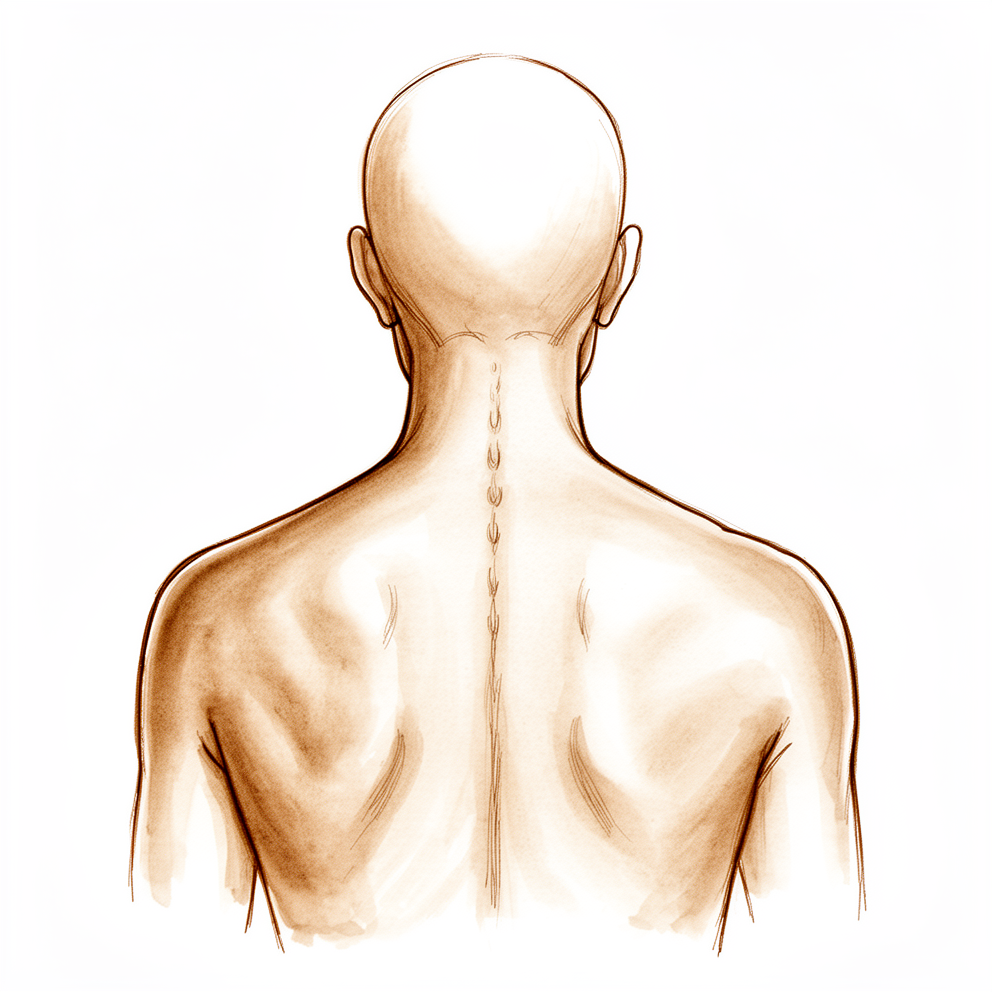
The vertebral column comprises 33 vertebrae divided into five sections: 7 cervical, 12 thoracic, 5 lumbar, 5 sacral, and 4 coccygeal [92]. The sacral and coccygeal vertebrae are fused, typically allowing for 24 mobile segments [92]. The cervical and lumbar segments develop lordosis as an erect posture is acquired, while the thoracic and sacral segments maintain kyphotic postures found in utero, serving as attachment points for the rib cage and pelvic girdle [92]. A typical vertebra comprises an anterior body and a posterior arch that enclose the vertebral canal [92]. The neural arch is composed of two pedicles laterally and two laminae posteriorly that are united to form the spinous process [92]. To either side of the arch of the vertebral body is a transverse process and superior and inferior articular processes [92]. The articular processes articulate with adjacent vertebrae to form synovial joints, and their relative orientation accounts for the degree of flexion, extension, or rotation possible in each segment of the vertebral column [92]. The spinous and transverse processes serve as levers for the numerous muscles attached to them [92]. The length of the vertebral column averages 72 cm in men and 7 to 10 cm less in women [92]. The vertebral canal extends throughout the length of the column and provides protection for the spinal cord, conus medullaris, and cauda equina [92].
Intervertebral Disk Anatomy
The intervertebral disk connects adjacent vertebral bodies, and together with the adjacent vertebral bodies and facet joints, constitutes the functional spinal unit that provides mechanical stability and allows physiologic motion [45]. The disks run between vertebral bodies from C2 to S1, function to resist loads on the spine and provide stability, and contribute up to one-third of the height of the spinal column [94]. The disk consists of the cartilaginous end plates of the vertebral bodies, the outer anulus fibrosus, and the inner nucleus pulposus [94]. The end plate serves as a point of attachment of the disk to the superior and inferior surfaces of the vertebral bodies and is a thin layer of hyaline cartilage [94]. The adult intervertebral disk is avascular and derives its nutrition through diffusion from terminal capillaries in the vertebral bodies just below the end plates [94].
The nucleus pulposus is centrally located and confined by the end plates and the anulus fibrosus [45]. It is the remnant of the embryonic notochord and comprises the gelatinous center of the intervertebral disk [94]. The extracellular matrix of the nucleus pulposus is composed primarily of type II collagen and aggrecan, which makes it relatively hydrophilic [94]. In a normal healthy lumbar disk, large aggregating proteoglycans (aggrecan and versican) constitute a high percentage of the dry weight in the nucleus [97]. Glycosaminoglycan molecules (keratan sulfate and chondroitin sulfate) decorate the aggrecan and versican core protein and are highly negatively charged, creating a highly hydrophilic matrix that attracts H2O molecules to provide swelling pressure that counteracts axial loads [97]. The nucleus pulposus serves to resist axial loads as well as provide height to the intervertebral disk [94]. It resists compressive loads, dampens mechanical loads, and evenly distributes forces onto the end plates [45]. The matrix of the nucleus pulposus is viscoelastic, dissipates mechanical energy, and is subject to creep, resulting in disk height being less at the end of each day [97]. Nucleus pulposus cells are initially of notochordal origin, but by adulthood they are replaced by chondrocyte-like cells that are thought to arise from the cartilaginous end plate [97]. The nucleus pulposus is hypoxic and relatively acidic, an environment in which nucleus pulposus cells are more synthetically active [97].
The anulus fibrosus of the disk is designed to resist tensile loads, allow spinal motion, provide mechanical connection between the vertebrae, and confine the nucleus pulposus [45]. It consists of concentrically layered fibrous cartilage lamellae primarily composed of type I collagen, which surrounds the nucleus pulposus [94]. The fibers of the anulus fibrosus run in alternating oblique trajectories [94]. The anulus fibrosus is composed primarily of concentric layers of type I collagen with fibers obliquely orientated within each layer, with orientation alternating between layers [97]. The alternating, oblique orientation of collagen fibers gives the anulus fibrosus high tensile strength and helps resist intervertebral distraction while keeping it flexible enough to deform and allow intervertebral motion [97]. The anulus fibrosus resists tensile forces within the spine, including those due to the compression of the nucleus pulposus [94]. As the nucleus pulposus degenerates, the anulus fibrosus takes proportionately more axial load [97]. Defects in the anulus fibrosus lead to herniated disks that could cause radiculopathy [97].
The end plates form the interface between the vertebrae and the disk and define the upper and lower boundaries of the disk [97]. The central portion of the end plate provides a major pathway for nutrients from the vertebral bodies to diffuse into the disk [97]. In the adult, the disk is avascular, with blood supply ending at the bony end plate of the vertebral body and the outer anulus fibrosus [97]. Most of the disk is considered immunologically isolated due to its avascularity [97]. Nutrients are supplied to the disk cells primarily through diffusion because of the avascularity of the disk [97]. As the disk gets larger during development, the distances that nutrition must diffuse across become larger, further impeding nutritional supply to the disk cells [97]. This decrease in nutritional transport is thought to contribute to disk degeneration [97]. The axial skeleton is derived from the sclerotome of the somites [97].
Innervation of the intervertebral disk is confined to the peripheral anulus fibrosus [97]. The sinuvertebral nerve, which arises from the dorsal root ganglion, innervates the outer anulus fibrosus [97]. In some degenerated disks with fissures, nerve fibers may be found deeper in the anulus fibrosus [97]. The normal nucleus pulposus is not innervated [97]. Pain sensation from the disk arises only from the anulus fibrosus, but the nucleus pulposus can generate molecules such as cytokines and proteinases that can lead to pain [97].
Pathophysiology of Osteoporotic Vertebral Fracture
Osteoporosis is the most common metabolic bone disease resulting from imbalance between bone formation and bone resorption [25]. Spinal fractures are the most common manifestation of osteoporosis, although only one in three patients are symptomatic [25]. In elderly patients, osteoporosis-related spinal fractures have similar morbidity and mortality as hip fractures [25]. The T12 vertebral body has the highest likelihood of experiencing an osteoporotic fracture [10]. The thoracolumbar spine has a 2-fold higher risk of osteoporotic vertebral compression fracture than the non-thoracolumbar spine [80]. Progressive sintering of osteoporotic fractures in the thoracolumbar junction accentuates lordosis in underlying segments, potentially exacerbating degenerative changes and symptomatic manifestations [9]. Vertebral fractures alter the location of the termination level of the conus medullaris, thereby altering potential neurological symptoms [81].
Local biomechanical factors, particularly the state of degeneration of adjacent intervertebral discs and disc height, are equally important as bone mineral density in determining vertebral fracture risk and type [105]. In men, only bone parameters discriminated prevalent vertebral fractures, while texture and muscle parameters were not significant [26]. Acute multiple osteoporotic vertebral compression fractures are an accelerated form of osteoporotic vertebral fracture cascades showing similar anatomical distribution and distribution pattern in the spine [123]. Fracture healing of osteoporotic vertebral fractures is mainly attributed to vertebral factors, including mechanical stress and metabolic status [168]. The difference between thoracic and lumbar posterior vertebral wall morphology is a reason that the rate of bone cement leakage into the thoracic spinal canal is significantly higher than that into the lumbar spinal canal [167]. Clinicians should consider the pedicular dissociation fracture morphology and contemplate fracture stability, especially with bipedicular vertebral dissociation, when planning surgical interventions [82]. An increment in metastasis size in the normal bone mineral density spine produces a greater impact on vertebral stability compared to the osteoporotic spine [69].
Classification
Radiographic and Morphologic Classification
Genant Semiquantitative Grading: This scheme classifies vertebral fractures into four grades based on height loss: grade 0 (normal or uncertain, height loss <20.0%), grade 1 (mild, height loss 20.0–24.9%), grade 2 (moderate, height loss 25%-40%), and grade 3 (severe, height loss ≥40%) [147].
Fracture Severity: Severity is defined by the percentage of vertebral body collapse on plain lateral radiographs as mild (20–25% collapse), moderate (26–40% collapse), and severe (>40% collapse) [163].
Morphologic Patterns: Vertebral fractures are morphologically classified as wedge-shaped, biconcave-shaped, or crush fractures [141]. A bipedicular dissociation fracture pattern represents a distinct morphology in elderly osteoporotic vertebral fractures that requires consideration of fracture stability during surgical planning [82].
Magerl Classification: This system categorizes thoracolumbar burst fractures into type A3.1 (incomplete burst), A3.2 (burst-split), and A3.3 (complete burst) [164].
Regional and Temporal Classification: Fractures are classified by spinal region into thoracic (T6-T10), thoracolumbar (T11-L2), and lumbar (L3-L5) groups [127]. By duration of disease, fractures are classified as acute (<2 weeks), subacute (2 weeks to 2 months), and chronic (>2 months) [141].
Imaging-Based Classification and Diagnosis
MRI and CT Differentiation: Acute vertebral fractures are determined by the presence of bone marrow edema with or without loss of vertebral height, while old fractures are identified by a history of trauma, loss of vertebral height, and absence of marrow edema [147]. A scoring system using MRI and CT radiologic findings differentiates malignant vertebral fractures from osteoporotic vertebral fractures with high accuracy [27].
Automated Detection and Risk Tools: A YOLOv8-based model on lateral lumbar radiographs demonstrates preliminary feasibility for automated vertebral-level detection and classification of thoracolumbar fractures with osteoporosis-related stratification [116]. The trabecular bone score (TBS) is a significant indicator of vertebral fractures and may help identify patients with osteopenia who need pharmacologic therapy [85]. Unlike lumbar spine BMD, the TBS is not affected by the presence of syndesmophytes [83]. The OSTA tool may be used to identify the risk of osteoporosis and new painful osteoporotic vertebral fractures in Han Chinese women [65].
Diagnostic Challenges: Underdiagnosis of osteoporotic vertebral fractures is common due to a lack of radiographic detection [20].
Epidemiologic and Risk Factor Classification
Risk Factors: Age and BMD are major risk factors for vertebral fracture risk [13]. Twenty percent of acute osteoporotic vertebral compression fractures can involve multiple vertebrae without significant spine trauma or lower baseline bone mineral density [7]. Patients with any type of fragility fracture have a notable risk of subsequent fractures within 3 years, especially hip fractures [37].
Population-Specific Considerations: The osteoporosis diagnostic site and prevalence in spinal cord injury differ according to regional-based TDXA and international standards of the TNHA [36]. Distal radius bone mineral density has the potential to be integrated into future osteoporosis classification systems [100].
Pathologic and Complication Classification
Progressive Deformity: Progressive sintering of osteoporotic fractures in the thoracolumbar junction accentuates lordosis in underlying segments, potentially exacerbating degenerative changes [9].
Non-Osteoporotic Comparisons: Unlike compression fractures, vertebral body bruise (VBB) found in adult patients with nonosteoporotic spinal fractures of AO classification A or B types did not develop collapse [21].
Post-Implant Changes: Kyphotic change occurred mostly after implant removal due to loss of disc height, which may be a limitation of temporary short-segment instrumentation for thoracolumbar burst fractures [87].
Clinical Presentation
Epidemiology and Risk Factors
Age and bone mineral density (BMD) are major risk factors for vertebral fracture risk [13]. Osteoporosis and low bone mass are present in about 50% of elective spine patients older than 50 years [25]. An important proportion of patients over 60 years old evaluated with chest plus abdominal and pelvic CT scans present vertebral compression fractures [35]. Twenty percent of acute osteoporotic vertebral compression fractures can involve multiple vertebrae without significant spine trauma or lower baseline bone mineral density [7]. Underdiagnosis of osteoporotic vertebral fractures is a common problem due to a lack of radiographic detection [20]. Pregnancy- and lactation-associated osteoporosis with vertebral fractures is a rare clinical entity that is more likely to occur in older and thinner pregnant women [60].
Clinical Symptoms and Complications
Patients with osteoporotic vertebral fractures involving the inferior endplate are predisposed to lower limb radiculopathy [34]. Thoracolumbar fascia injury is not rare in osteoporotic vertebral fracture patients and presents multiple levels of involvement [124]. Patients who have any type of fragility fracture have a notable risk of subsequent fractures within 3 years, especially hip fractures [37]. A history of fragility fracture significantly increases the risk of another, with relative risk two to three times higher in women and up to six times in men [70]. Greater than a single vertebral fracture significantly increases the risk of further vertebral fractures [70]. In a meta-analysis of nontreated patients enrolled in vertebroplasty studies, 18% had secondary fracture within 12 months [70].
Diagnostic Imaging and Assessment
MRI signal change of the lumbar fracture suggesting a hyperintense T2 signal and a hypointense T1 signal indicates active bone metabolism [103]. Fractures with bone marrow edema signals (low T1-weighted signals and high T2-weighted signals) are classified as newly onset fractures, usually within 2 weeks after the fracture [106]. In patients with simple compression fractures, attention should be paid to the posterior vertebral body and both endplates as well as the T1-weighted MRI findings to allow early detection of spinal canal compromise [54]. A novel scoring system using MRI and CT radiologic findings to differentiate malignant vertebral fractures from osteoporotic vertebral fractures was efficient with high accuracy and good applicability [27]. Hounsfield unit measurements on CT scans are useful for identifying osteoporosis and predicting complications [59]. A sagittal L1-Hounsfield unit (HU) value ≤110 on CT scan is used as a diagnostic criterion for osteoporosis with high specificity [103]. The OSTA may be a simple and effective tool for identifying the risk of osteoporosis and new painful osteoporotic vertebral fractures in Han Chinese women [65]. Vertebral body bruise (VBB) found in adult patients with nonosteoporotic spinal fractures of AO classification A or B types did not develop collapse, unlike compression fractures [21]. Equivalent values between anterior vertebral height, wedge ratio, and wedge angle may be useful to secure a reliable value of vertebral mobility and establish cutoff values for bone union [2].
Investigations
Plain radiography: Acute measured height change of greater than 1 inch is suggestive of acute vertebral fracture [120]. Vertebral fracture rarely shows significant collapse on X-ray in the first 2 weeks after injury [86]. The Genant classification is the most commonly used for vertebral fracture, defining Grade 1 as mild (<25% height loss), Grade 2 as moderate (25% to 40% height loss), and Grade 3 as severe (>40% height loss) [120]. Most clinicians consider only moderate and severe Genant classification grades as significant [120]. The Genant classification does not take into account bursting type fractures [120]. A supine lateral radiograph (SuLR) can identify more intravertebral clefts (IVCs) than standing lateral radiographs before performing MRI in patients with severely collapsed fractures [181].
MRI: MRI can show edema in the vertebral body indicating recent fracture when age determination is required [120]. In patients with simple compression fractures, attention should be paid to the posterior vertebral body and both endplates as well as T1-weighted MRI findings to allow early detection of spinal canal compromise [54]. A novel scoring system using MRI and CT radiologic findings to differentiate malignant vertebral fractures from osteoporotic vertebral fractures was efficient with high accuracy and good applicability in Chinese patients [27].
CT: Computed tomography (CT) data can be used to estimate bone status via opportunistic CT, utilizing the Hounsfield unit (HU) which is related to BMD [115]. PACS tools can calculate mean HU for any elliptical region of interest (ROI) [115]. Dark-field signals and attenuation signals showed moderate to strong correlations with finite element analysis-estimated fracture load, suggesting potential utility in assessing vertebral bone strength [182]. Lower 3D-HU was significantly associated with new vertebral fracture following percutaneous vertebral augmentation in postmenopausal women [184]. Skeletal muscle index and psoas muscle index based on CT at the third lumbar spine level can predict osteoporosis [58].
Bone Density Assessment: Dual energy x-ray absorptiometry (DXA) is the benchmark to assess bone mineral density (BMD) [115]. DXA measures areal BMD (in g/cm2) of the proximal femur, lumbar spine, and distal radius [115]. BMD is reported as SD difference to a reference standard, using T-score for young healthy females and Z-score for age-/gender-matched subjects [115]. Vertebral fracture assessment (VFA) can be performed at the time of DXA and identifies occult vertebral fracture in 20% to 30% of cases [115]. VFA is useful to change diagnosis from low bone mass (osteopenia) to osteoporosis [115]. Trabecular bone score (TBS) was a significant indicator of vertebral fractures in the Japanese population and might contribute to identifying patients with vertebral fractures, particularly those with osteopenia [85].
Tissue Diagnosis: Vertebral body biopsy prior to vertebral augmentation is a safe and efficacious procedure that can assist in the identification of previously unsuspected processes responsible for compression fractures [183]. A modified percutaneous vertebroplasty instrument technique for vertebral body biopsy displays appropriate safety and high diagnostic accuracy for the preoperative diagnosis of diseases that yield vertebral bone destruction, especially vertebral tumor lesions [185].
Other Considerations: Vertebral fracture index (VFI), skeletal fracture index (SFI), and vertebral strength ratio (VSR) do not help clinicians to diagnose osteoporosis well [58]. The authors recommend BMD studies for subcohorts of elderly men with vertebral fractures [6].
Treatment
Non-Operative
The initial treatment for osteoporotic vertebral fractures is nonsurgical [25]. For patients with osteoporotic vertebral compression fractures secondary to Cushing's syndrome without neurological damage, systematic conservative treatments including pain management, brace treatment, and anti-osteoporosis measures are preferred over surgical treatment [68]. An active, positive, and encouraging approach to exercise and physical activity is essential to facilitate rehabilitation, prevent further bone loss, and maintain a physically active lifestyle after fracture [57]. Short-term vitamin D supplementation in patients with osteoporotic vertebral compression fracture and vitamin D deficiency did not result in significant differences in fracture union status, functional outcome, or quality of life compared to non-supplementation groups [39].
Operative
Indications: Vertebroplasty delivered superior clinical and radiological outcomes over the first year from intervention when compared to conservative treatment in patients with osteoporotic compression fractures without neurological deficit [8]. However, the AAOS recommendations include a Strong recommendation against vertebroplasty and a Weak recommendation for kyphoplasty in patients not improving with nonsurgical management [14]. Pooled results indicate that vertebroplasty did not provide patients with a clinically important improvement in pain or function, and therefore do not support the routine use of vertebroplasty for osteoporotic vertebral fractures [15]. Cement augmentation for symptomatic osteoporotic vertebral fractures seems to have positive outcomes compared with optimal medical treatment or sham, although conclusions should be drawn cautiously due to a high likelihood of bias with most studies being sponsored by industry [32].
Surgical Approach / Technique: Vertebroplasty and kyphoplasty are minimally invasive surgical interventions offering promising results for the treatment of painful osteoporotic vertebral fractures, addressing both fracture-related pain and kyphotic deformity without subjecting elderly patients to inordinate risks [33]. Kyphoplasty is effective in alleviating pain and decreasing deformities due to osteoporotic vertebral fractures [63]. Percutaneous kyphoplasty (PKP) has a positive effect on vertebral compression fractures with different bone mineral density (BMD) and is especially suitable for osteoporotic vertebral compression fractures [31]. The use of vertebroplasty with cement to treat multiple-level osteoporotic spinal compression fractures in the elderly has value and brings good results to patients which were previously unimaginable [18]. Both early and delayed operations of kyphoplasty can achieve satisfactory clinical and radiographic outcomes for osteoporotic vertebral compression fractures (VCFs) [17]. The clinical and radiological results of unipedicular percutaneous kyphoplasty for treating osteoporotic vertebral compression fractures in the lower lumbar region were similar to those of bipedicular percutaneous kyphoplasty [90]. Consequently, the authors encourage the use of a unipedicular approach as the preferred surgical technique for the treatment of osteoporotic vertebral compression fractures [61]. Kyphoplasty is a safe, clinically effective treatment for osteoporotic vertebral fracture with peripheral wall damage when using individualised surgical techniques to prevent bone cement leakage [132]. Jack vertebral dilator kyphoplasty for osteoporotic vertebral compression fracture is safe, feasible, and effective and has the prospect of further broad application in the future [136]. As a safe and effective strategy, Tirobot-assisted vertebroplasty can realize the quick recovery from thoracolumbar osteoporotic compression fracture [122]. PVCPP is an effective treatment method for patients with unstable osteoporotic vertebral fractures [56].
Other Considerations: Complications are relatively infrequent, though cement leakage is more common with vertebroplasty and in metastatic disease, while specific indications and long-term outcomes require further refinement [23]. The most important factors for new VCFs after a percutaneous augmentation procedure are the degree of osteoporosis and resistant kyphosis [76]. Adjacent fracture of cemented vertebrae is inevitable after vertebroplasty but can be mitigated by anti-osteoporotic therapy to increase bone mass [89]. The long-term benefits and safety in terms of risk of subsequent vertebral fractures have not been clearly demonstrated and further prospective randomized studies are needed with standards for reporting [5]. The combined treatment of incomplete burst fractures of the thoracolumbar spine in elderly patients appears to be a successful and complication-free therapeutic strategy even in the long term [88]. Management of osteoporosis in patients undergoing spine surgery is challenging, but with appropriate patient selection, medical optimization, and surgical techniques, these patients can experience pain relief, deformity correction, and improved function [28].
Bone Health Optimization and Secondary Fracture Prevention
Secondary fracture prevention is essential after osteoporotic-related fractures but is done in less than 20% of cases and includes education, assessment of bone health, nutritional supplements, weight-bearing exercise, and fall prevention, and if indicated pharmaceutical medications [25]. From Medicare database secondary treatment was given in 10% of patients but was associated with reduced risk of fracture by 40% [70]. Preoperative and postoperative treatment of osteoporosis in the spine surgery patients has been shown to improve outcomes and reduce complications [25]. Multiple RCTs comparing biphosphonates and placebo in patients undergoing lumbar spine fusion show improved clinical outcomes, radiologic outcomes, and lower risk of complications [62]. One RCT and multiple cohort studies show that teriparatide can lead to improved clinical outcomes, radiologic outcomes, and lower risk of complications in spinal fusion patients [62]. This retrospective study suggests that teriparatide may enhance fracture healing and improve the union rate in osteoporotic vertebral compression fractures [128]. Vitamin D deficiency is present in the majority of spine patients and should be corrected after fracture and before elective surgery [25]. Osteoporosis and vitamin D deficiency are common and associated with poorer outcomes, recurrent fractures, and higher complication risks [25].
Complications
General Complications and Outcomes: In a cohort of 8000 acute vertebral fractures, 25 out of 1000 patients presented with a vertebral fracture, with over two-thirds treated surgically and a 6.3% complication rate [3]. Osteoporosis and vitamin D deficiency are associated with poorer outcomes, recurrent fractures, and higher complication risks [25]. Osteoporosis and low bone mass are present in about 50% of elective spine patients older than 50 years and negatively affect clinical outcomes, associated with increased complications and revision surgery [25]. Preoperative and postoperative treatment of osteoporosis in spine surgery patients has been shown to improve outcomes and reduce complications [25].
Adjacent and Subsequent Fractures: New vertebral compression fractures (NVCF) following percutaneous vertebral augmentation (PVA) for osteoporotic vertebral compression fractures (OVCF) are multifactorial, with most risk factors identifiable preoperatively [148]. A history of anti-osteoporosis treatment is a protective factor against subsequent vertebral fractures after percutaneous vertebral augmentation [165]. Hypertension, diabetes, thoracolumbar fracture, postoperative Cobb angle, surgical method, puncture method, and bone cement volume show no significant correlation with subsequent vertebral fractures after percutaneous vertebral augmentation [165]. Advanced age and decreased lumbar and hip BMD scores most strongly indicated a risk of adjacent vertebral fracture following percutaneous vertebroplasty (PVP) [91]. Female sex, cerebrovascular disease, fracture history, and bone cement intervertebral leakage are risk factors for new vertebral compression fractures after percutaneous kyphoplasty (PKP) [174]. An additional history of fracture is significantly associated with secondary fractures after percutaneous vertebroplasty for osteoporotic vertebral compression fractures (OR 6.37; 95% CI 3.22–12.59) [41]. Age is significantly associated with secondary fractures after percutaneous vertebroplasty for osteoporotic vertebral compression fractures (OR 1.16; 95% CI 1.03–1.10) [41]. A fracture at T12 has occurred both following vertebroplasty at L1 and an untreated fracture at L1 [77].
Radiographic and Structural Complications: Vertebral height deterioration (VHD) after percutaneous vertebroplasty might be due to the natural course of fracture or osteoporosis [38].
Procedural Complications: Complications of percutaneous vertebral augmentation are relatively infrequent, though cement leakage is more common with vertebroplasty and in metastatic disease [23]. The use of percutaneously applied titanium mesh cages (OsseoFix®) for unstable osteoporotic thoracolumbar burst fractures is able to reduce cement-associated complications [78]. Further studies are required to assess long-term results and possible complications of a novel intravertebral fixation technique for lumbar osteoporotic vertebral bipedicular dissociation fractures [145].
Recovery
Radiographic and Structural Outcomes: Up to 1 year postoperatively, the effect of PVP exceeded the effect of conservative therapy with respect to pain relief in patients with osteoporotic compression fractures [157]. Bilateral PVP exhibits enhanced long-term prognostic outcomes and significantly curtails the prevalence of subsequent vertebral injuries compared to unilateral PVP [156]. In OVCFs with IVC, the two procedures have similar short- and long-term pain relief, functional recovery, local kyphosis correction, and vertebral height maintenance [152]. PIVR combined with PKP can overcome the limitations of PKP alone, restore vertebral fractures to a satisfactory height, and effectively maintain spinal stability, improving long-term quality of life [139]. This approach has the advantages of good short- and medium-term effect, excellent bone cement distribution, and low incidence of kyphosis recurrence [153]. MIAS leads to good clinical results with—in majority—minimal spine-related impairment at the latest follow-up [154]. The fracture healed without incident and had no adverse effect on the patient's ultimate outcome [71]. Delayed paraparesis after double-level thoracolumbar vertebral collapse due to osteoporosis was treated successfully by double-level posterior spinal shortening using a pedicle screw and hook system [186].
Complications and Secondary Fractures: Twenty-five out of 1000 patients presented with a vertebral fracture, with over two-thirds treated surgically and a 6.3% complication rate [3]. An additional history of fracture is associated with a significant risk of secondary fractures after percutaneous vertebroplasty (OR 6.37; 95% CI 3.22–12.59; P < 0.05) [41]. Age is associated with secondary fractures after percutaneous vertebroplasty for osteoporotic vertebral compression fractures (OR 1.16; 95% CI 1.03–1.10; P < 0.05) after removing an outlier study [41]. Vertebral body morphology of type 2 diabetes mellitus patients was worse since the sixth month after surgery [84]. VHD might be due to natural course of fracture/ osteoporosis [38].
Functional and Systemic Outcomes: Poor physical functioning may lead to functional dependence, accelerated bone loss, and increased risk for falls, injuries, and fractures [143]. Efficacy in terms of pain relief and functional outcome is comparable with the results in patients with osteoporosis [22]. Short-term vitamin D supplementation of patients with osteoporotic vertebral compression fracture and deficiency of vitamin D did not result in significant differences in fracture union status, functional outcome, and quality of life between the supplementation groups and the non-supplementation groups of patients [39]. Kinetics of bone turnover markers after vertebral fracture as well as the reference value at each period were established in the present study [177].
Key Evidence
- [L1] This clinical practice guideline is based on a series of systematic reviews of published studies on the treatment of symptomatic osteoporotic spinal compression fractures. [1] (10.5435/00124635-201103000-00007)
- [L4] These findings may be useful to secure a reliable value of vertebral mobility of osteoporotic vertebral fractures using simultaneous measurements in three dimensions in clinical practice and to establish cutoff values for vertebral mobility to determine bone union. [2] (10.1186/s13018-023-03758-w)
- [L3] Twenty-five out of 1000 patients presented with a vertebral fracture, with over two-thirds treated surgically and a 6.3% complication rate. [3] (10.1186/s13018-022-03147-9)
- [L3] VP + PI may provide better short-term radiographic stability than VP alone in selected patients with osteoporotic vertebral fractures. [4] (10.1186/s12891-026-09999-0)
- [L4] However, the long-term benefits and safety in terms of risk of subsequent vertebral fractures have not been clearly demonstrated and further prospective randomized studies are needed with standards for reporting. [5] (10.1007/s00198-011-1639-5)
- [L3] The authors recommend BMD studies for subcohorts of elderly men with vertebral fractures. [6] (10.1302/0301-620x.97b8.35032)
- [L3] 20% of acute osteoporotic vertebral compression fractures can involve multiple vertebra without significant spine trauma or lower baseline bone mineral density. [7] (10.1186/s13018-023-03874-7)
- [L3] Vertebroplasty delivered superior clinical and radiological outcomes over the first year from intervention when compared to conservative treatment of patients with osteoporotic compression fractures without neurological deficit. [8] (10.1007/s00264-017-3409-2)
- [L4] Progressive sintering of osteoporotic fractures in the thoracolumbar junction accentuates lordosis in underlying segments, potentially exacerbating degenerative changes and symptomatic manifestations. [9] (10.1186/s13018-025-05454-3)
- [L3] Additionally, the T12 vertebral body has the highest likelihood of experiencing an osteoporotic fracture. [10] (10.1186/s13018-024-04896-5)
- [L3] These data confirm that age and BMD are major risk factors for vertebral fracture risk. [13] (10.1186/1471-2474-13-163)
- [L1] The AAOS recommendations on the treatment of symptomatic osteoporotic spinal compression fractures range from Inconclusive to Strong, with a Strong recommendation against vertebroplasty and a Weak recommendation for kyphoplasty in patients not improving with nonsurgical management. [14] (10.5435/00124635-201103000-00008)
- [L1] The pooled results of vertebroplasty did not provide patients with a clinically important improvement in pain or function, and therefore do not support the routine use of vertebroplasty for osteoporotic vertebral fractures. [15] (10.1097/corr.0000000000000430)
- [L4] Outcome is particularly affected by multiple fractures in the thoracolumbar and lumbar regions and by failure to prevent kyphosis. [16] (10.1302/0301-620x.98b9.37786)
- [L3] Both early and delayed operations of kyphoplasty can achieve satisfactory clinical and radiographic outcomes for osteoporotic VCFs. [17] (10.1016/j.injury.2012.06.008)
- [L4] The use of vertebroplasty with cement to treat multiple-level osteoporotic spinal compression fractures in the elderly does have value, and brings good results to patients which were previously unimaginable. [18] (10.1007/s00402-007-0426-4)
- [L3] Underdiagnosis of osteoporotic vertebral fractures is a common problem due to a lack of radiographic detection. [20] (10.1016/j.injury.2018.10.006)
- [L3] Unlike compression fractures, the vertebral body with traumatic VBB found in adult patients with nonosteoporotic spinal fractures of AO classification A or B types did not develop collapse. [21] (10.1186/s12891-022-05405-7)
- [L4] Efficacy in terms of pain relief and functional outcome is comparable with the results in patients with osteoporosis. [22] (10.1097/01.blo.0000131642.96984.74)
- [L5] Complications are relatively infrequent, though cement leakage is more common with vertebroplasty and in metastatic disease, while specific indications and long-term outcomes require further refinement. [23] (10.5435/00124635-200501000-00003)
- [L3] Effective treatment with raloxifene may have a lower mortality rate in patients with postmenopausal osteoporosis-related vertebral fractures after vertebroplasty. [24] (10.1186/s12891-015-0670-7)
- [L3] In men, only bone parameters discriminated prevalent vertebral fractures, while texture and muscle parameters were not significant. [26] (10.1186/s12891-026-09893-9)
- [L3] This novel scoring system using MRI and CT radiologic findings to differentiate malignant vertebral fractures from osteoporotic vertebral fractures in Chinese patients was efficient with high accuracy and good applicability. [27] (10.1186/s12891-018-2331-0)
- [L5] Management of osteoporosis in patients undergoing spine surgery is challenging, but with appropriate patient selection, medical optimization, and surgical techniques, these patients can experience pain relief, deformity correction, and improved function. [28] (10.5435/jaaos-d-14-00042)
- [L4] Vertebroplasty is an effective treatment for patients with intractable pain due to osteoporotic vertebral compression fractures. [29] (10.2106/jbjs.d.02670)
- [L5] Most patients with Vertebral Fragility Fractures can be managed conservatively, but those with severe pain refractory to analgesia should be considered for vertebral augmentation. [30] (10.1016/j.injury.2018.04.018)
- [L3] PKP has a positive effect on vertebral compression fractures with different BMD, and is especially suitable for osteoporotic vertebral compression fractures. [31] (10.1186/s12891-023-06341-w)
- [L5] Cement augmentation for the treatment of symptomatic osteoporotic vertebral fractures seems to have positive outcomes compared with optimal medical treatment or sham, although conclusions should be drawn cautiously due to a high likelihood of bias with most studies being sponsored by industry. [32] (10.1302/2058-5241.2.160057)
- [L5] Vertebroplasty and kyphoplasty are minimally invasive surgical interventions offering promising results for the treatment of painful osteoporotic vertebral fractures, addressing both fracture-related pain and kyphotic deformity without subjecting elderly patients to inordinate risks. [33] (10.2106/00004623-200608000-00026)
- [L4] Patients with osteoporotic vertebral fractures involving the inferior endplate are predisposed to lower limb radiculopathy. [34] (10.1186/s12891-024-07314-3)
- [L3] An important proportion of patients over 60 years old evaluated with chest plus abdominal and pelvic CT scans present vertebral compression fractures. [35] (10.1007/s00402-019-03177-9)
- [L3] The osteoporosis diagnostic site and prevalence in spinal cord injury differed according to the regional-based TDXA and international standards of the TNHA. [36] (10.1186/s12891-024-07184-9)
- [L3] Patients who have any type of fragility fracture have a notable risk of subsequent fractures within 3 years, especially hip fractures. [37] (10.5435/jaaos-d-17-00103)
- [L3] VHD might be due to natural course of fracture/ osteoporosis. [38] (10.1186/s12891-025-08574-3)
- [L3] Short-term vitamin D supplementation of patients with osteoporotic vertebral compression fracture and deficiency of vitamin D did not result in significant differences in fracture union status, functional outcome, and quality of life between the supplementation groups and the non-supplementation groups of patients. [39] (10.1186/s13018-021-02717-7)
- [L1] [41] (10.1186/s13018-021-02722-w)
- [L3] In patients with simple compression fractures, attention should be paid to the posterior vertebral body and both endplates as well as the T1-weighted MRI findings to allow early detection of spinal canal compromise, which can have devastating consequences. [54] (10.1016/j.injury.2017.04.057)
- [L5] PVCPP is an effective treatment method for patients with unstable osteoporotic vertebral fractures. [56] (10.1186/s12891-024-07689-3)
- [L5] An active, positive, and encouraging approach to exercise and physical activity is essential to facilitate rehabilitation, prevent further bone loss, and maintain a physically active lifestyle after osteoporotic vertebral fracture. [57] (10.1016/j.injury.2019.04.007)
- [L3] In addition, VFI, SFI, and VSR do not help clinicians to diagnose osteoporosis well. [58] (10.1186/s12891-022-05887-5)
- [L5] This review serves as an update to diagnosis, management, and treatment of patients with osteoporosis undergoing spinal surgery, highlighting new anabolic pharmacologic options and the utility of Hounsfield unit measurements on CT scans for identifying osteoporosis and predicting complications. [59] (10.5435/jaaos-d-24-00311)
- [L4] PLO with vertebral fractures is a rare clinical entity, which is more likely to occur in older and thinner pregnant women. [60] (10.1186/s12891-021-04776-7)
- [L1] We therefore encourage the use of a unipedicular approach as the preferred surgical technique for the treatment of osteoporotic vertebral compression fractures. [61] (10.1302/0301-620x.95b3.29819)
- [L4] Kyphoplasty is effective in alleviating pain and decreasing deformities due to osteoporotic vertebral fractures. [63] (10.1016/j.otsr.2012.03.018)
- [L2] The OSTA may be a simple and effective tool for identifying the risk of osteoporosis and new painful osteoporotic vertebral fractures in Han Chinese women. [65] (10.1186/1471-2474-14-271)
- [L4] Vertebroplasty and kyphoplasty both have roles in the treatment of vertebral fractures, but differences exist in the indications for the two percutaneous techniques. [66] (10.1007/s00402-010-1083-6)
- [Case_report] For osteoporotic vertebral compression fractures secondary to Cushing's syndrome without neurological damage, the authors prefer systematic conservative treatments including pain management, brace treatment, and anti-osteoporosis measures over surgical treatment. [68] (10.1186/s12891-023-06253-9)
- [L5] Unexpectedly, an increment in metastasis size in the normal BMD spine produces a greater impact on vertebral stability compared to the osteoporotic spine. [69] (10.1186/s12891-018-1953-6)
- [L4] The fracture healed without incident and had no adverse effect on the patient's ultimate outcome. [71] (10.1097/blo.0b013e3180315082)
- [L2] This study fills a gap in the evidence base for treatment of painful osteoporotic vertebral fractures and will likely influence future treatment guidelines. [72] (10.1186/s13018-024-05301-x)
- [L2] The most important factors for new VCFs after a percutaneous augmentation procedure are the degree of osteoporosis and resistant kyphosis. [76] (10.1007/s00402-010-1106-3)
- [L4] A fracture at T12 has occurred both following vertebroplasty at L1 and an untreated fracture at L1. [77] (10.1016/j.injury.2009.07.038)
- [L4] [78] (10.1186/s13018-015-0322-5)
- [L3] Thoracolumbar spine has 2-folds higher risk of OVCF than non-thoracolumbar spine. [80] (10.1186/s13018-023-04140-6)
- [L3] Vertebral fractures alter the location of the termination level of the conus medullaris, thereby altering potential neurological symptoms. [81] (10.1186/s13018-017-0649-1)
- [L4] Clinicians should consider the pedicular dissociation fracture morphology and contemplate fracture stability, especially with bipedicular vertebral dissociation, when planning surgical interventions. [82] (10.5435/jaaosglobal-d-23-00241)
- [L3] Unlike lumbar spine BMD, TBS is not affected by the presence of syndesmophytes. [83] (10.1186/s12891-023-06431-9)
- [L3] However, vertebral body morphology of type 2 diabetes mellitus patients was worse since the sixth month after surgery. [84] (10.1186/s13018-023-03792-8)
- [L4] TBS was a significant indicator of vertebral fractures in the Japanese population and might contribute to identifying patients with vertebral fractures, particularly those with osteopenia who need pharmacologic therapy. [85] (10.1186/s12891-022-05839-z)
- [L2] This study suggests that vertebral fracture rarely shows significant collapse on X-ray in the first 2 weeks after injury. [86] (10.1186/s13018-014-0096-1)
- [L3] Kyphotic change occurred mostly after implant removal due to loss of disc height, which may be a limitation of this surgical procedure. [87] (10.1016/j.injury.2016.03.003)
- [L4] The combined treatment of incomplete burst fractures of the thoracolumbar spine in elderly patients appears to be a successful and complication-free therapeutic strategy even in the long term. [88] (10.1055/s-0032-1327936)
- [L3] Adjacent fracture of cemented vertebrae is inevitable after vertebroplasty but can be mitigated by anti-osteoporotic therapy to increase bone mass. [89] (10.1186/s12891-016-1003-1)
- [L3] The clinical and radiological results of unipedicular percutaneous kyphoplasty for treating osteoporotic vertebral compression fractures in the lower lumbar region were similar to those of bipedicular percutaneous kyphoplasty. [90] (10.1186/s12891-023-06545-0)
- [L3] Advanced age and decreased lumbar and hip BMD scores most strongly indicated a risk of adjacent vertebral fracture following PVP. [91] (10.1186/s12891-016-0887-0)
- [L3] Consequently, it has the potential to be integrated into future osteoporosis classification systems. [100] (10.1186/s12891-025-09431-z)
- [L3] [103] (10.1186/s12891-021-04845-x)
- [L5] Local biomechanical factors, particularly the state of degeneration of adjacent intervertebral discs and disc height, are equally important as bone mineral density in determining vertebral fracture risk and type. [105] (10.1007/s00402-011-1355-9)
- [L3] [106] (10.1186/s12891-018-2040-8)
- [L4] The proposed YOLOv8n framework demonstrated preliminary feasibility for automated vertebral-level detection and classification of thoracolumbar fractures with osteoporosis-related stratification on lateral lumbar radiographs. [116] (10.1186/s12891-026-09845-3)
- [L3] As a safe and effective strategy, this surgery can realize the quick recovery from thoracolumbar osteoporotic compression fracture. [122] (10.1186/s13018-021-02211-0)
- [L3] amOVCF are an accelerated form of OVCFcs showing similar anatomical distribution and distribution pattern of OVCF in the spine. [123] (10.1186/s13018-024-05337-z)
- [L3] Thoracolumbar fascia injury is not rare in osteoporotic vertebral fracture patients and presents multiple levels of involvement. [124] (10.1186/s12891-023-06280-6)
- [L3] [127] (10.1186/s12891-021-04070-6)
- [L3] This retrospective study suggests that teriparatide may enhance fracture healing and improve the union rate in osteoporotic vertebral compression fractures. [128] (10.1186/s12891-017-1509-1)
- [L4] Kyphoplasty is a safe, clinically effective treatment for osteoporotic vertebral fracture with peripheral wall damage when using individualised surgical techniques to prevent bone cement leakage. [132] (10.1016/j.injury.2009.09.033)
- [L4] Jack vertebral dilator kyphoplasty for osteoporotic vertebral compression fracture is safe, feasible, and effective and has the prospect of further broad application in the future. [136] (10.1186/s13018-016-0371-4)
- [L3] PIVR combined with PKP can overcome the limitations of PKP alone, restore vertebral fractures to a satisfactory height, and effectively maintain spinal stability, improving long-term quality of life. [139] (10.1186/s13018-018-0978-8)
- [L3] [141] (10.1186/s13018-021-02337-1)
- [L3] Poor physical functioning may lead to functional dependence, accelerated bone loss, and increased risk for falls, injuries, and fractures. [143] (10.1186/s12891-017-1531-3)
- [L4] Further studies are required to assess long-term results and possible complications. [145] (10.5435/jaaosglobal-d-24-00372)
- [L3] [147] (10.1186/s12891-023-06484-w)
- [L1] This study confirms that new vertebral compression fractures (NVCF) following percutaneous vertebral augmentation (PVA) for osteoporotic vertebral compression fractures (OVCF) are multifactorial, with most risk factors identifiable preoperatively. [148] (10.1186/s13018-025-06424-5)
- [L1] The two procedures have similar short- and long-term pain relief, functional recovery, local kyphosis correction, and vertebral height maintenance in OVCFs with IVC. [152] (10.1186/s13018-020-01938-6)
- [L3] It has the advantages of good short- and medium-term effect, excellent bone cement distribution, and low incidence of kyphosis recurrence. [153] (10.1186/s13018-023-03506-0)
- [L3] MIAS leads to good clinical results with—in majority—minimal spine-related impairment at the latest follow-up. [154] (10.1186/s13018-020-01807-2)
- [L3] Bilateral PVP exhibits enhanced long-term prognostic outcomes and significantly curtails the prevalence of subsequent vertebral injuries compared to unilateral PVP. [156] (10.1186/s12891-023-06997-4)
- [L1] Up to 1 year postoperatively, the effect of PVP exceeded the effect of conservative therapy with respect to pain relief in patients with osteoporotic compression fractures. [157] (10.2106/jbjs.15.00425)
- [L3] [163] (10.1186/s12891-021-04685-9)
- [L4] [164] (10.1016/j.injury.2010.03.025)
- [L1] Conversely, a history of anti-osteoporosis treatment is a protective factor, while hypertension, diabetes, thoracolumbar fracture, postoperative Cobb angle, surgical method, puncture method, and bone cement volume show no significant correlation. [165] (10.1186/s12891-025-08998-x)
- [L3] The difference between thoracic and lumbar posterior vertebral wall morphology is a reason that the rate of bone cement leakage into the thoracic spinal canal is significantly higher than that into the lumbar spinal canal. [167] (10.1186/s12891-019-2807-6)
- [L3] These results suggest that fracture healing of OVFs would be mainly attributed to vertebral factors, including mechanical stress and metabolic status. [168] (10.1186/s12891-019-2719-5)
- [L3] Female sex, cerebrovascular disease, fracture history and bone cement intervertebral leakage are risk factors for new vertebral compression fractures after PKP. [174] (10.1186/s12891-023-06801-3)
- [L4] Kinetics of bone turnover markers after vertebral fracture as well as the reference value at each period were established in the present study. [177] (10.1186/s13018-018-1025-5)
- [L3] SuLR can identify more IVCs than standing lateral radiographs before performing a costly MRI in patients with severely collapsed fractures who may become candidates for vertebroplasty. [181] (10.1186/1471-2474-11-164)
- [L4] Dark-field signals and attenuation signals showed moderate to strong correlations with FEA-estimated fracture load, suggesting potential utility in assessing vertebral bone strength. [182] (10.1186/s12891-025-08709-6)
- [L4] Vertebral body biopsy prior to vertebral augmentation is a safe and efficacious procedure that can assist in the identification of previously unsuspected processes responsible for compression fractures. [183] (10.1016/j.injury.2007.06.019)
- [L3] Lower 3D-HU was significantly associated with new vertebral fracture (NVF) following PVA in postmenopausal women. [184] (10.1186/s13018-025-05651-0)
- [L4] The technique displays appropriate safety and high diagnostic accuracy and presents a desirable reference value for the preoperative diagnosis of diseases that yield vertebral bone destruction, especially for vertebral tumor lesions. [185] (10.1186/s12891-022-05117-y)
- [Case_report] Delayed paraparesis after double-level thoracolumbar vertebral collapse due to osteoporosis was treated successfully by double-level posterior spinal shortening using a pedicle screw and hook system. [186] (10.1007/s00402-008-0606-x)
See Also
References
[1] The Treatment of Symptomatic Osteoporotic Spinal Compression Fractures. American Academy of Orthopaedic Surgeon. 2011. DOI: 10.5435/00124635-201103000-00007
[2] Equivalent values between anterior vertebral height, wedge ratio, and wedge angle for evaluating vertebral mobility and deformity in osteoporotic vertebral fractures: a conventional observational study. Journal of Orthopaedic Surgery and Research. 2023. DOI: 10.1186/s13018-023-03758-w
[3] Epidemiologic analysis of 8000 acute vertebral fractures: evolution of treatment and complications at 10-year follow-up. Journal of Orthopaedic Surgery and Research. 2022. DOI: 10.1186/s13018-022-03147-9
[4] Radiological evaluation and complications of percutaneous vertebroplasty and fenestrated pedicle screw fixation with bone cement augmentation: propensity-score matched cohort study. BMC Musculoskeletal Disorders. 2026. DOI: 10.1186/s12891-026-09999-0
[5] Balloon kyphoplasty and vertebroplasty in the management of vertebral compression fractures. Osteoporosis International. 2011. DOI: 10.1007/s00198-011-1639-5
[6] The number and characteristics of prevalent vertebral fractures in elderly men are associated with low bone mass and osteoporosis. The Bone & Joint Journal. 2015. DOI: 10.1302/0301-620x.97b8.35032
[7] Comparison of acute single versus multiple osteoporotic vertebral compression fractures in radiographic characteristic and bone fragility. Journal of Orthopaedic Surgery and Research. 2023. DOI: 10.1186/s13018-023-03874-7
[8] The variability of vertebral body volume and pain associated with osteoporotic vertebral fractures: conservative treatment versus percutaneous transpedicular vertebroplasty. International Orthopaedics. 2017. DOI: 10.1007/s00264-017-3409-2
[9] The influence of sintering of osteoporotic vertebral fractures on the sagittal lumbar profile and degenerative changes. Journal of Orthopaedic Surgery and Research. 2025. DOI: 10.1186/s13018-025-05454-3
[10] The reduced cortical bone density in vertebral bodies: risk for osteoporotic fractures? Insights from CT analysis. Journal of Orthopaedic Surgery and Research. 2024. DOI: 10.1186/s13018-024-04896-5
[12] Painful Osteoporotic Vertebral Fracture : Pathogenesis, Evaluation, and Roles of Vertebroplasty and Kyphoplasty in Its Management.. The Journal of Bone and Joint Surgery. American Volume. 2003.
[13] Important risk factors and attributable risk of vertebral fractures in the population-based Tromsø study. BMC Musculoskeletal Disorders. 2012. DOI: 10.1186/1471-2474-13-163
[14] AAOS Clinical Practice Guideline: The Treatment of Symptomatic Osteoporotic Spinal Compression Fractures. Journal of the American Academy of Orthopaedic Surgeons. 2011. DOI: 10.5435/00124635-201103000-00008
[15] Cochrane in CORR®: Percutaneous Vertebroplasty for Osteoporotic Vertebral Compression Fracture. Clinical Orthopaedics & Related Research. 2018. DOI: 10.1097/corr.0000000000000430
[16] The relationship between spinopelvic measurements and patient-reported outcome scores in patients with multiple myeloma of the spine. The Bone & Joint Journal. 2016. DOI: 10.1302/0301-620x.98b9.37786
[17] Early or delayed operation, which is more optimal for kyphoplasty? A retrospective study on cement leakage during kyphoplasty. Injury. 2012. DOI: 10.1016/j.injury.2012.06.008
[18] Clinical evaluation of vertebroplasty for multiple-level osteoporotic spinal compression fracture in the elderly. Archives of Orthopaedic and Trauma Surgery. 2007. DOI: 10.1007/s00402-007-0426-4
[20] The impact of magnetic resonance imaging in the diagnostic and classification process of osteoporotic vertebral fractures. Injury. 2018. DOI: 10.1016/j.injury.2018.10.006
[21] The progression of the vertebral body bruise associated with a spinal fracture. BMC Musculoskeletal Disorders. 2022. DOI: 10.1186/s12891-022-05405-7
[22] Kyphoplasty Enhances Function and Structural Alignment in Multiple Myeloma. Clinical Orthopaedics and Related Research. 2004. DOI: 10.1097/01.blo.0000131642.96984.74
[23] Percutaneous Treatment of Vertebral Body Pathology. Journal of the American Academy of Orthopaedic Surgeons. 2005. DOI: 10.5435/00124635-200501000-00003
[24] Is raloxifene associated with lower risk of mortality in postmenopausal women with vertebral fractures after vertebroplasty?: a hospital-based analysis. BMC Musculoskeletal Disorders. 2015. DOI: 10.1186/s12891-015-0670-7
[25] Aaos Comprehensive Orthopaedic Review 3. Assessment and Treatment of Osteoporosis and Vertebral Fractures* > XV. Conclusion.
[26] Association of trabecular texture and paraspinal muscle characteristics with prevalent vertebral fractures - QCT results from a subcohort of the AGES population. BMC Musculoskeletal Disorders. 2026. DOI: 10.1186/s12891-026-09893-9
[27] A novel MRI- and CT-based scoring system to differentiate malignant from osteoporotic vertebral fractures in Chinese patients. BMC Musculoskeletal Disorders. 2018. DOI: 10.1186/s12891-018-2331-0
[28] Management of Osteoporosis in Spine Surgery. Journal of the American Academy of Orthopaedic Surgeons. 2015. DOI: 10.5435/jaaos-d-14-00042
[29] Prospective Measurement of Function and Pain in Patients with Non-Neoplastic Compression Fractures Treated with Vertebroplasty. The Journal of Bone & Joint Surgery. 2006. DOI: 10.2106/jbjs.d.02670
[30] Vertebral Fragility Fractures (VFF)—Who, when and how to operate. Injury. 2018. DOI: 10.1016/j.injury.2018.04.018
[31] Efficacy of percutaneous kyphoplasty on vertebral compression fractures with different bone mineral densities: a retrospective study. BMC Musculoskeletal Disorders. 2023. DOI: 10.1186/s12891-023-06341-w
[32] Percutaneous cement augmentation for osteoporotic vertebral fractures. EFORT Open Reviews. 2017. DOI: 10.1302/2058-5241.2.160057
[33] Minimally Invasive Techniques for the Treatment of Osteoporotic Vertebral Fractures. The Journal of Bone & Joint Surgery. 2006. DOI: 10.2106/00004623-200608000-00026
[34] Surgical management of lower limb radiculopathy following acute singe-level osteoporotic vertebral fracture of lower lumbar spine in geriatric patient: a retrospective study. BMC Musculoskeletal Disorders. 2024. DOI: 10.1186/s12891-024-07314-3
[35] Incidental identification of vertebral compression fractures in patients over 60 years old using computed tomography scans showing the entire thoraco-lumbar spine. Archives of Orthopaedic and Trauma Surgery. 2019. DOI: 10.1007/s00402-019-03177-9
[36] Comparison of the prevalence of osteoporosis in people with spinal cord injury according to bone mineral density reference values for the diagnosis of osteoporosis: a retrospective, cross-sectional study. BMC Musculoskeletal Disorders. 2024. DOI: 10.1186/s12891-024-07184-9
[37] Recurrent Fragility Fractures: A Cross-sectional Analysis. Journal of the American Academy of Orthopaedic Surgeons. 2019. DOI: 10.5435/jaaos-d-17-00103
[38] Predictors for vertebral height deterioration in fractured vertebrae operated by percutaneous vertebroplasty. BMC Musculoskeletal Disorders. 2025. DOI: 10.1186/s12891-025-08574-3
[39] Effects of vitamin D supplementation on the functional outcome in patients with osteoporotic vertebral compression fracture and vitamin D deficiency. Journal of Orthopaedic Surgery and Research. 2021. DOI: 10.1186/s13018-021-02717-7
[41] Risk factors for secondary fractures to percutaneous vertebroplasty for osteoporotic vertebral compression fractures: a systematic review. Journal of Orthopaedic Surgery and Research. 2021. DOI: 10.1186/s13018-021-02722-w
[45] Aaos Comprehensive Orthopaedic Review 3. Intervertebral Disk > I. Function.
[54] Clinical importance of posterior vertebral height loss on plain radiography when conservatively treating osteoporotic vertebral fractures. Injury. 2017. DOI: 10.1016/j.injury.2017.04.057
[56] Biomechanical study between percutaneous vertebroplasty combined with cement pedicle plasty improves vertebral biomechanical stability: A finite element analysis. BMC Musculoskeletal Disorders. 2024. DOI: 10.1186/s12891-024-07689-3
[57] The role of exercise after osteoporotic vertebral fracture. Injury. 2019. DOI: 10.1016/j.injury.2019.04.007
[58] Based on CT at the third lumbar spine level, the skeletal muscle index and psoas muscle index can predict osteoporosis. BMC Musculoskeletal Disorders. 2022. DOI: 10.1186/s12891-022-05887-5
[59] Osteoporosis Evaluation and Management in Spine Surgery. Journal of the American Academy of Orthopaedic Surgeons. 2024. DOI: 10.5435/jaaos-d-24-00311
[60] Pregnancy- and lactation-associated osteoporosis with vertebral fractures: a systematic review. BMC Musculoskeletal Disorders. 2021. DOI: 10.1186/s12891-021-04776-7
[61] Comparison of unipedicular and bipedicular balloon kyphoplasty for the treatment of osteoporotic vertebral compression fractures. The Bone & Joint Journal. 2013. DOI: 10.1302/0301-620x.95b3.29819
[62] Aaos Comprehensive Orthopaedic Review 3. Assessment and Treatment of Osteoporosis and Vertebral Fractures* > XIV. Preoperative Bone Health Optimization.
[63] Kyphoplasty versus vertebroplasty in osteoporotic thoracolumbar spine fractures. Short-term retrospective review of a multicentre cohort of 127 consecutive patients. Orthopaedics & Traumatology: Surgery & Research. 2012. DOI: 10.1016/j.otsr.2012.03.018
[65] Validation of an osteoporosis self-assessment tool to identify primary osteoporosis and new osteoporotic vertebral fractures in postmenopausal Chinese women in Beijing. BMC Musculoskeletal Disorders. 2013. DOI: 10.1186/1471-2474-14-271
[66] Indications and contraindications for vertebroplasty and kyphoplasty. Archives of Orthopaedic and Trauma Surgery. 2010. DOI: 10.1007/s00402-010-1083-6
[68] Osteoporotic vertebral compression fractures caused by Cushing’s syndrome in young women: case report and literature review. BMC Musculoskeletal Disorders. 2023. DOI: 10.1186/s12891-023-06253-9
[69] Biomechanical effects of metastasis in the osteoporotic lumbar spine: A Finite Element Analysis. BMC Musculoskeletal Disorders. 2018. DOI: 10.1186/s12891-018-1953-6
[70] Aaos Comprehensive Orthopaedic Review 3. Assessment and Treatment of Osteoporosis and Vertebral Fractures* > XII. Secondary Fracture Prevention.
[71] CASE REPORT: Vertebral Compression Fracture in a Fused and Instrumented Lumbar Segment. Clinical Orthopaedics & Related Research. 2007. DOI: 10.1097/blo.0b013e3180315082
[72] Vertebroplasty for painful osteoporotic vertebral compression fractures: a protocol for a single-center doubled-blind randomized sham-controlled clinical trial. VOPE2. Journal of Orthopaedic Surgery and Research. 2024. DOI: 10.1186/s13018-024-05301-x
[76] Adjacent vertebral fractures after percutaneous vertebral augmentation of osteoporotic vertebral compression fracture: a comparison of balloon kyphoplasty and vertebroplasty. Archives of Orthopaedic and Trauma Surgery. 2010. DOI: 10.1007/s00402-010-1106-3
[77] A prospective audit and literature review of further osteoporotic vertebral compression fractures following vertebroplasty or kyphoplasty procedures. Injury. 2009. DOI: 10.1016/j.injury.2009.07.038
[78] Fracture care using percutaneously applied titanium mesh cages (OsseoFix®) for unstable osteoporotic thoracolumbar burst fractures is able to reduce cement-associated complications—results after 12 months. Journal of Orthopaedic Surgery and Research. 2015. DOI: 10.1186/s13018-015-0322-5
[80] Comparison of thoracolumbar versus non-thoracolumbar osteoporotic vertebral compression fractures in risk factors, vertebral compression degree and pre-hospital back pain. Journal of Orthopaedic Surgery and Research. 2023. DOI: 10.1186/s13018-023-04140-6
[81] Reduction of vertebral height with fragility vertebral fractures can induce variety of neurological deterioration. Journal of Orthopaedic Surgery and Research. 2017. DOI: 10.1186/s13018-017-0649-1
[82] A Novel Bipedicular Dissociation Fracture Pattern of Vertebral Osteoporotic Fractures of the Elderly. JAAOS: Global Research and Reviews. 2024. DOI: 10.5435/jaaosglobal-d-23-00241
[83] Relationship between trabecular bone score, bone mineral density and vertebral fractures in patients with axial spondyloarthritis. BMC Musculoskeletal Disorders. 2023. DOI: 10.1186/s12891-023-06431-9
[84] The effect of type 2 diabetes mellitus on the prognosis of osteoporotic vertebral compression fracture with osteoporotic fracture classification after vertebroplasty. Journal of Orthopaedic Surgery and Research. 2023. DOI: 10.1186/s13018-023-03792-8
[85] Identifying vertebral fractures in the Japanese population using the trabecular bone score: a cross-sectional study. BMC Musculoskeletal Disorders. 2022. DOI: 10.1186/s12891-022-05839-z
[86] Discriminating imaging findings of acute osteoporotic vertebral fracture: a prospective multicenter cohort study. Journal of Orthopaedic Surgery and Research. 2014. DOI: 10.1186/s13018-014-0096-1
[87] Surgical outcomes of temporary short-segment instrumentation without augmentation for thoracolumbar burst fractures. Injury. 2016. DOI: 10.1016/j.injury.2016.03.003
[88] Langzeitergebnisse nach Hybridstabilisierung inkompletter Berstungsfrakturen der thorakolumbalen Wirbelsäule des älteren Patienten. Zeitschrift für Orthopädie und Unfallchirurgie. 2013. DOI: 10.1055/s-0032-1327936
[89] Can anti-osteoporotic therapy reduce adjacent fracture in magnetic resonance imaging-proven acute osteoporotic vertebral fractures?. BMC Musculoskeletal Disorders. 2016. DOI: 10.1186/s12891-016-1003-1
[90] Comparison of unipedicular and bipedicular kyphoplasty for treating acute osteoporotic vertebral compression fractures in the lower lumbar spine: a retrospective study. BMC Musculoskeletal Disorders. 2023. DOI: 10.1186/s12891-023-06545-0
[91] Risk factors of adjacent vertebral collapse after percutaneous vertebroplasty for osteoporotic vertebral fracture in postmenopausal women. BMC Musculoskeletal Disorders. 2016. DOI: 10.1186/s12891-016-0887-0
[92] Campbell S Operative Orthopaedics 4 Volume Set. RECONSTRUCTION OF THE PATELLOFEMORAL AND PATELLOTIBIAL LIGAMENTS WITH A SEMITENDINOSUS TENDON GRAFT > ANATOMY OF VERTEBRAL COLUMN.
[94] Orthopaedic Knowledge Update 13 Ebook Without Multimedia. Spinal Anatomy > Intervertebral Disk.
[97] Aaos Comprehensive Orthopaedic Review 3. Intervertebral Disk > II. Anatomy.
[100] The added value of distal radius bone mineral density for the diagnosis of osteoporosis in patients with a history of fragility fracture. BMC Musculoskeletal Disorders. 2025. DOI: 10.1186/s12891-025-09431-z
[103] Development and validation of a nomogram for predicting the probability of new vertebral compression fractures after vertebral augmentation of osteoporotic vertebral compression fractures. BMC Musculoskeletal Disorders. 2021. DOI: 10.1186/s12891-021-04845-x
[105] Biomechanics of vertebral compression fractures and clinical application. Archives of Orthopaedic and Trauma Surgery. 2011. DOI: 10.1007/s00402-011-1355-9
[106] Correlation analysis between the magnetic resonance imaging characteristics of osteoporotic vertebral compression fractures and the efficacy of percutaneous vertebroplasty: a prospective cohort study. BMC Musculoskeletal Disorders. 2018. DOI: 10.1186/s12891-018-2040-8
[115] Aaos Comprehensive Orthopaedic Review 3. Assessment and Treatment of Osteoporosis and Vertebral Fractures* > V. Diagnosis of Osteoporosis.
[116] Application of a YOLOv8-based model on lateral lumbar radiographs for screening of acute and chronic thoracolumbar fractures and osteoporosis. BMC Musculoskeletal Disorders. 2026. DOI: 10.1186/s12891-026-09845-3
[120] Aaos Comprehensive Orthopaedic Review 3. Assessment and Treatment of Osteoporosis and Vertebral Fractures* > XIII. Osteoporotic Vertebral Fractures.
[122] Effectiveness of Tirobot-assisted vertebroplasty in treating thoracolumbar osteoporotic compression fracture. Journal of Orthopaedic Surgery and Research. 2021. DOI: 10.1186/s13018-021-02211-0
[123] Similarities in distribution pattern between acute multiple osteoporotic vertebral compression fractures and vertebral fractures cascades. Journal of Orthopaedic Surgery and Research. 2024. DOI: 10.1186/s13018-024-05337-z
[124] Thoracolumbar fascia injury in osteoporotic vertebral fracture: the important concomitant damage. BMC Musculoskeletal Disorders. 2023. DOI: 10.1186/s12891-023-06280-6
[127] Image classification of osteoporotic vertebral fracture with endplate-disc complex Injury. BMC Musculoskeletal Disorders. 2021. DOI: 10.1186/s12891-021-04070-6
[128] Effect of teriparatide (rh-PTH 1–34) versus bisphosphonate on the healing of osteoporotic vertebral compression fracture: A retrospective comparative study. BMC Musculoskeletal Disorders. 2017. DOI: 10.1186/s12891-017-1509-1
[132] Is kyphoplasty reliable for osteoporotic vertebral compression fracture with vertebral wall deficiency?. Injury. 2010. DOI: 10.1016/j.injury.2009.09.033
[136] Evaluation of surgical outcome of Jack vertebral dilator kyphoplasty for osteoporotic vertebral compression fracture—clinical experience of 218 cases. Journal of Orthopaedic Surgery and Research. 2016. DOI: 10.1186/s13018-016-0371-4
[139] Clinical application of the pedicle in vitro restorer in percutaneous kyphoplasty. Journal of Orthopaedic Surgery and Research. 2018. DOI: 10.1186/s13018-018-0978-8
[141] Risk factors of postoperative bone cement leakage on osteoporotic vertebral compression fracture: a retrospective study. Journal of Orthopaedic Surgery and Research. 2021. DOI: 10.1186/s13018-021-02337-1
[143] Association of vertebral compression fractures with physical performance measures among community-dwelling Japanese women aged 40 years and older. BMC Musculoskeletal Disorders. 2017. DOI: 10.1186/s12891-017-1531-3
[145] A Novel Intravertebral Fixation Technique of Lumbar Osteoporotic Vertebral Bipedicular Dissociation Fractures. JAAOS: Global Research and Reviews. 2025. DOI: 10.5435/jaaosglobal-d-24-00372
[147] Efficacy and confounding factors of CT attenuation value differences in distinguishing acute and old vertebral compression fractures: a retrospective study. BMC Musculoskeletal Disorders. 2023. DOI: 10.1186/s12891-023-06484-w
[148] Risk factors for new vertebral compression fracture following percutaneous vertebral augmentation: a systematic review and meta-analysis based on multivariate logistic regression analysis. Journal of Orthopaedic Surgery and Research. 2025. DOI: 10.1186/s13018-025-06424-5
[152] Analysis of two minimally invasive procedures for osteoporotic vertebral compression fractures with intravertebral cleft: a systematic review and meta-analysis. Journal of Orthopaedic Surgery and Research. 2020. DOI: 10.1186/s13018-020-01938-6
[153] Comparison of a directional cement delivery device versus conventional device in unilateral percutaneous kyphoplasty for the therapy of osteoporotic thoracolumbar fracture in the elderly. Journal of Orthopaedic Surgery and Research. 2023. DOI: 10.1186/s13018-023-03506-0
[154] Long-term results after thoracoscopic anterior spondylodesis with or without posterior stabilization of unstable incomplete burst fractures of the thoracolumbar junction: a prospective cohort study. Journal of Orthopaedic Surgery and Research. 2020. DOI: 10.1186/s13018-020-01807-2
[156] Effect of different cement distribution in bilateral and unilateral Percutaneous vertebro plasty on the clinical efficacy of vertebral compression fractures. BMC Musculoskeletal Disorders. 2023. DOI: 10.1186/s12891-023-06997-4
[157] Comparing Percutaneous Vertebroplasty and Conservative Therapy for Treating Osteoporotic Compression Fractures in the Thoracic and Lumbar Spine. Journal of Bone and Joint Surgery. 2016. DOI: 10.2106/jbjs.15.00425
[163] The impact of intravertebral cleft on cement leakage in percutaneous vertebroplasty for osteoporotic vertebral compression fractures: a case-control study. BMC Musculoskeletal Disorders. 2021. DOI: 10.1186/s12891-021-04685-9
[164] Kyphoplasty as an alternative treatment of traumatic thoracolumbar burst fractures Magerl type A3. Injury. 2012. DOI: 10.1016/j.injury.2010.03.025
[165] Risk factors for subsequent vertebral fractures after percutaneous vertebral augmentation in Asian populations: a systematic review and meta-analysis. BMC Musculoskeletal Disorders. 2025. DOI: 10.1186/s12891-025-08998-x
[167] A mysterious risk factor for bone cement leakage into the spinal canal through the Batson vein during percutaneous kyphoplasty: a case control study. BMC Musculoskeletal Disorders. 2019. DOI: 10.1186/s12891-019-2807-6
[168] Endplate and intervertebral disc injuries in acute and single level osteoporotic vertebral fractures: is there any association with the process of bone healing?. BMC Musculoskeletal Disorders. 2019. DOI: 10.1186/s12891-019-2719-5
[174] Establishment and validation of a nomogram for predicting new fractures after PKP treatment of for osteoporotic vertebral compression fractures in the elderly individuals. BMC Musculoskeletal Disorders. 2023. DOI: 10.1186/s12891-023-06801-3
[177] Kinetic of bone turnover markers after osteoporotic vertebral compression fractures in postmenopausal female. Journal of Orthopaedic Surgery and Research. 2018. DOI: 10.1186/s13018-018-1025-5
[181] Role of the supine lateral radiograph of the spine in vertebroplasty for osteoporotic vertebral compression fracture: a prospective study. BMC Musculoskeletal Disorders. 2010. DOI: 10.1186/1471-2474-11-164
[182] Finite element fracture load analysis and dark-field X-ray imaging of osteoporotic and healthy vertebrae in human lumbar spine specimens. BMC Musculoskeletal Disorders. 2025. DOI: 10.1186/s12891-025-08709-6
[183] Retrospective review of biopsy results following percutaneous fixation of vertebral compression fractures. Injury. 2008. DOI: 10.1016/j.injury.2007.06.019
[184] CT-based vertebral three-dimensional Hounsfield unit can predict the new vertebral fracture after percutaneous vertebral augmentation in postmenopausal women: a retrospective study. Journal of Orthopaedic Surgery and Research. 2025. DOI: 10.1186/s13018-025-05651-0
[185] Clinical application of a modified percutaneous vertebroplasty instrument in vertebral body biopsy in adults. BMC Musculoskeletal Disorders. 2022. DOI: 10.1186/s12891-022-05117-y
[186] Double-level posterior spinal shortening for paralytic osteoporotic vertebral collapse of two vertebral bodies with a normal vertebra in between: a case report. Archives of Orthopaedic and Trauma Surgery. 2008. DOI: 10.1007/s00402-008-0606-x