Clinical Metrics
Elbow PROMs—DASH, QuickDASH, OES, PREE, LES, and PROMIS UE CAT—for outcome assessment & clinical decision-making.
Overview
Establishing a uniformly accepted, validated outcomes tool that assesses pain, function, patient satisfaction, and anatomic integrity is essential for consistent outcomes assessment after operative and nonoperative management [1]. Such tools enable comparisons across the literature and serve as critical components of evidence-based clinical practice guidelines, appropriate use criteria, and patient-reported outcome measures [2]. Integrating these metrics into care pathways ensures the best clinical care for patients [2].
Outcomes should be expressed as raw scores rather than categorical rankings [3]. The outcome of therapies must be determined based on a patient-derived assessment of function, a clinical examination, and an assessment of pain [3]. To facilitate meaningful comparisons across providers and insights that improve the value of care, consensus on quality measures is required [12]. Academic medical journals should incorporate guidelines to encourage studies to include social determinants of health variables, enabling the assessment of outcomes to apply to a broader population [17].
Specific instruments offer targeted utility in clinical evaluation. The International Hip Outcome Tool (iHOT-33) can be used as a primary outcome measure for prospective patient evaluation and randomized clinical trials [4]. Translating Shoulder Computerized Adaptive Testing (CAT) generated outcome measures into clinical practice may improve clinical interpretation and assist clinicians using patient-reported outcomes [5]. The percentage of maximal possible improvement (%MPI) offers a simple method to quickly assess improvements across patient outcome scores, though the %MPI that represents patient improvement is not uniformly the previously established 30% threshold [6].
Defining clinically meaningful effects relies on specific metrics. The Minimal Clinically Important Difference (MCID) and Clinically Important Difference (CID) are useful tools to define general guidelines for determining whether a treatment produces clinically meaningful effects [11]. However, the many pitfalls associated with MCID and CID metrics require a detailed understanding of the methods to calculate them and their context of use [11]. In elbow arthroplasty research, the use of many outcomes with different instruments indicates a need to define a core set of outcomes and instruments for future research [8]. For anatomic total shoulder arthroplasty, surgeons should use score-specific estimates of the minimal clinically important %MPI to gauge success [20]. Current thresholds commonly used to gauge success in this procedure have limited ability to predict success based on patient satisfaction using the Simple Shoulder Test [21].
Anatomy & Pathophysiology
Measurement and Assessment
Accurate evaluation of the elbow requires a comprehensive understanding of its anatomy, biomechanics, and diagnostic tests [30]. Functional biomechanics are essential when treating complex pathology of this joint [30]. While trained human eyes can visually estimate elbow range of motion as accurately as conventional clinical goniometry, this method requires prior evaluation of accuracy and reliability for each observer [59]. Smartphone "selfies" provide a reliable and accurate tool for measuring elbow range of motion [15], offering a convenient and precise method for assessing arm motion [48]. Additionally, tridimensional electromagnetic sensor systems can provide an accurate evaluation of the elbow joint in clinical settings [52].
Biomechanics and Functional Motion
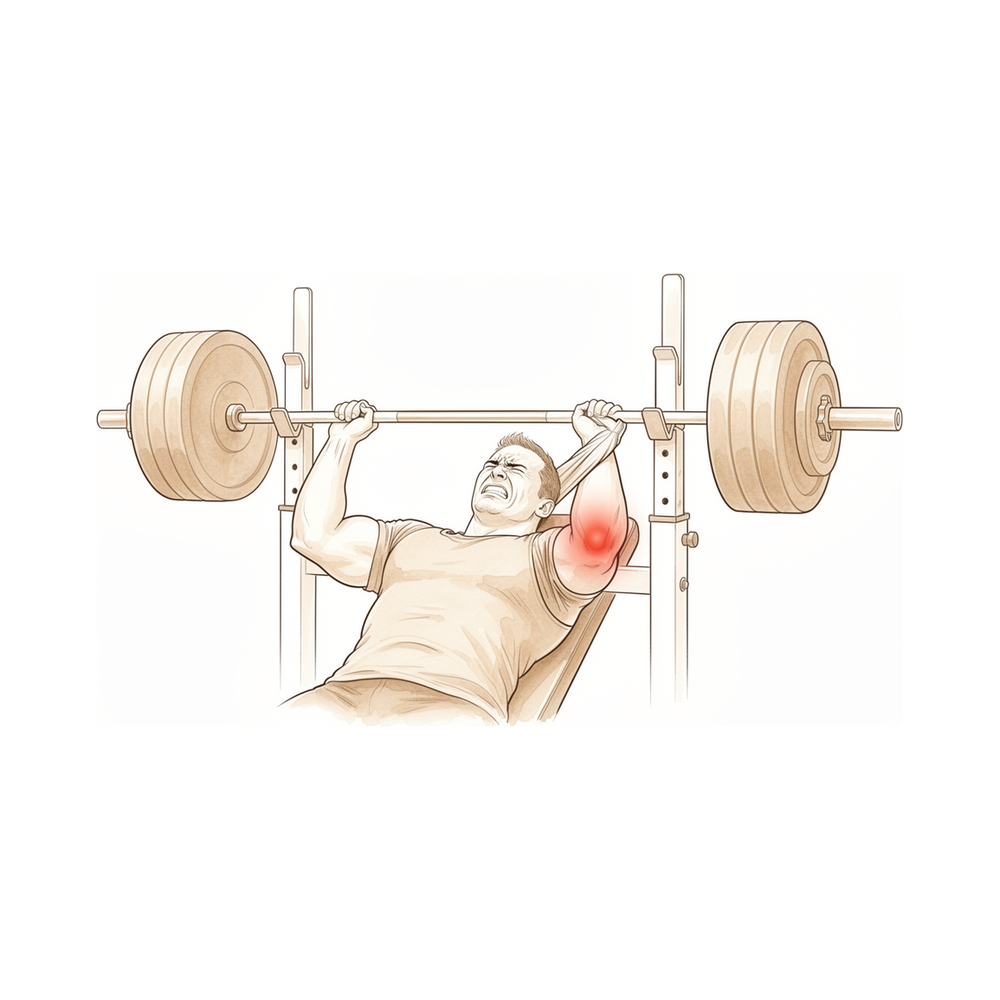
Functional elbow range of motion necessary for activities of daily living may be greater than previously reported [45]. Elbow joint moments vary in different directions during daily tasks [29], and elbow flexion strength and forearm supination strength differ between the dominant and nondominant sides [47]. Specific movement patterns are required for distinct activities; for example, a different movement pattern of the left elbow and both shoulders is used when changing gears while driving straight [31], and specific ranges of motion are identified for driving a car with a manual transmission and a left-sided steering wheel [46]. Furthermore, elbow angle significantly influences muscle activation patterns and force output during the concentric phase of push-up plus exercises [40].
Sports Kinetics and Laxity
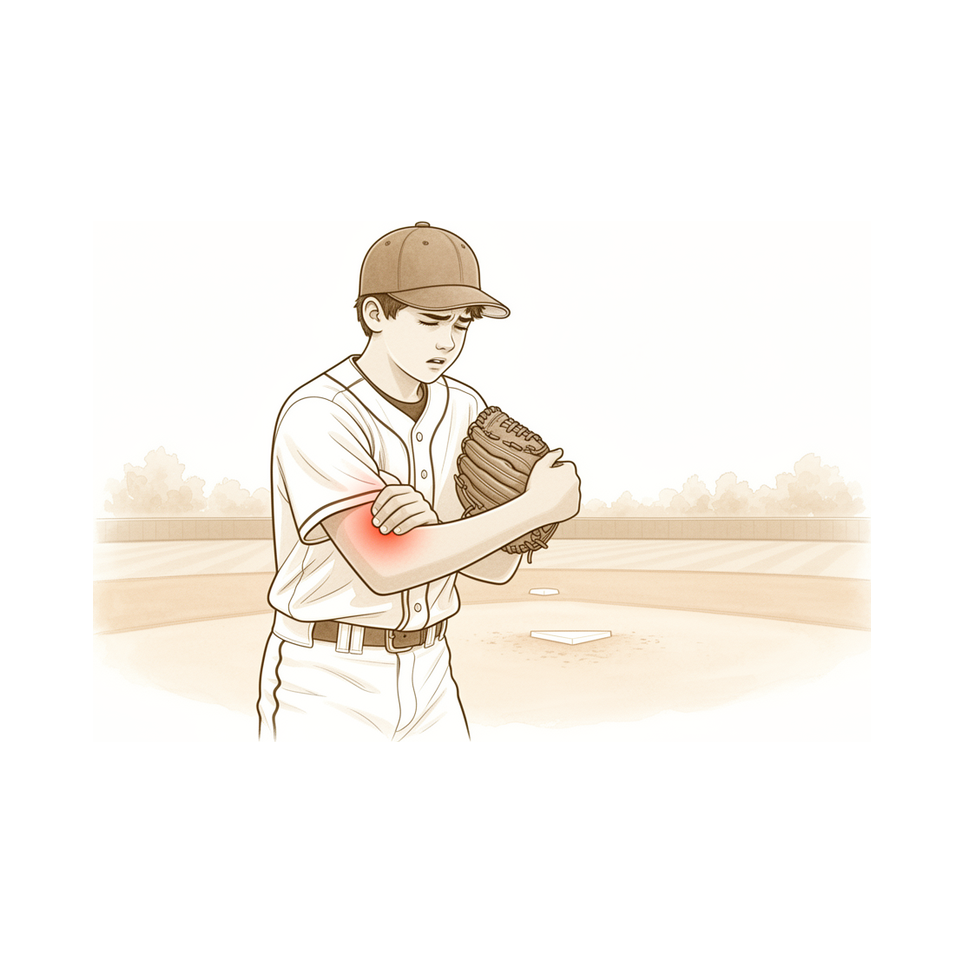
Shoulder flexibility, arm speed, and elbow varus torque are interrelated [43]. In baseball pitching, specific phases vary in relation to ball speed and upper extremity kinetic parameters [49]. Peak elbow varus torque estimates are consistently more pronounced than ball velocity benefits, suggesting no specific time point may provide a ball velocity benefit while concomitantly minimizing torque [53]. Repetitive throwing alters joint stability: pitching 100 balls induces a significant reduction in dynamic stabilizing ability against elbow valgus laxity [51], whereas throwing 30 pitches significantly decreases medial elbow laxity with stress, possibly due to flexor-pronator activation [56].
Clinical Scoring
The Shanghai Elbow Dysfunction Score (SHEDS) is an excellent, comprehensive, valid scoring system to evaluate joint function in patients with elbow stiffness [57].
Classification
Core Outcome Framework: Creating a uniformly accepted, validated outcomes tool that assesses pain, function, patient satisfaction, and anatomic integrity would enable consistent outcomes assessment after operative and nonoperative management and allow comparisons across the literature [1]. Evidence-based clinical practice guidelines, appropriate use criteria, outcome measures, and patient-reported outcome measures are critical tools to ensure the best clinical care for patients and will be increasingly integrated into care pathways [2]. Consensus on quality measures will facilitate meaningful comparisons across providers and insights that will enable improvements in the value of care delivered to patients [12]. Many outcomes have been used with many different instruments for their measurement, indicating a need to define a core set of outcomes and instruments for future research in this area [8].
Measurement Standards: Outcomes should be expressed as raw scores rather than as categorical rankings [3]. The outcome of therapies should be determined on the basis of a patient-derived assessment of function, a clinical examination, and an assessment of pain [3]. The %MPI offers a simple method to quickly assess improvements across patient outcome scores [6]. The %MPI that represents patient improvement is not uniformly the previously established 30% threshold [6]. PROMs scores vary between patients with different insurance types in an orthopaedic foot and ankle cohort [62].
SANE Score: The SANE score is recommended as a reliable outcome indicator for iterative follow-up [10]. The SANE score can be combined with a more clinically informative score such as the ASES or other process-based scores for preoperative and final workup [10].
Other Considerations: Other rating systems still have to be proven in the future to be as good as the Oxford Elbow Score for clinical or research purposes [54]. The clinical management of cancer patients is still largely based on histological staging, grading, and tumor typing [55]. Histological staging, grading, and tumor typing subjects some cancer patients to unnecessary therapies while others miss beneficial treatments [55]. A classification model for individuals with tennis elbow stratifies individuals as severe, moderate, or mild [58]. Individuals characterized as severe with tennis elbow might best be served with treatments involving rest [58]. Moderate or mild individuals with tennis elbow might best undertake a more restorative exercise program [58]. Models for creating a common scale for the conversion of qDASH and PRWHE scores perform well at the group level [60]. There is more error at the individual level when converting qDASH and PRWHE scores [60]. External validation with independent datasets is recommended for models converting qDASH and PRWHE scores [60]. The CODER study defined core domains for the clinical outcomes of elbow replacement obtained by consensus from patients, carers, and healthcare professionals [61].
Clinical Presentation
Outcomes assessment in rotator cuff pathology must uniformly evaluate pain, function, patient satisfaction, and anatomic integrity to enable consistent assessment and cross-literature comparisons [1]. Evidence-based clinical practice guidelines, appropriate use criteria, outcome measures, and patient-reported outcome measures are critical tools for ensuring best clinical care and are increasingly integrated into care pathways [2]. To facilitate meaningful comparisons across providers and provide insights to enable improvements in the value of care, consensus on quality measures is essential [12].
Outcomes should be expressed as raw scores rather than categorical rankings [3]. The outcome of therapies must be determined based on patient-derived assessment of function, clinical examination, and assessment of pain [3]. Combining a general health outcome measure, a general shoulder measure, a disease- or condition-specific shoulder measure, and an activity measure allows for broad patient assessment [38].
Primary Outcome Measures: The Single Assessment Numeric Evaluation (SANE) score is strongly recommended as the primary patient outcome measure for patients with all shoulder conditions [37]. The International Hip Outcome Tool (iHOT-33) can be used as a primary outcome measure for prospective patient evaluation and randomized clinical trials [4]. The 6-question SAS score is an efficient total shoulder arthroplasty (TSA)-specific outcome measure with equivalent or better validity, responsiveness, and clinical interpretability as five other historical assessment tools [9].
Alternative Assessment Methods: Translating shoulder computerized adaptive testing (CAT) generated outcome measures into clinical practice may improve clinical interpretation and assist clinicians using patient-reported outcomes [5]. The percentage of maximal possible improvement (%MPI) offers a simple method to quickly assess improvements across patient outcome scores [6]. The %MPI that represents patient improvement is not uniformly the previously established 30% threshold [6]. The %MPI judged relative to patient-reported substantial clinical improvement offers an alternative method to quickly assess improvements across patient outcome scores [7]. This method also offers a new way to assess improvements across patient outcome scores in anatomic total shoulder arthroplasty [13].
Limitations of Existing Tools: The Constant Score has deficiencies relating to the assessment of subjective variables and interobserver reliability [18]. It is advisable to combine the Constant Score with a subjective patient-evaluated and diagnosis-specific score or to use patient-reported outcomes instruments [18]. Many outcomes have been used with many different instruments for their measurement in elbow arthroplasty research, indicating a need to define a core set of outcomes and instruments for future research [8].
Clinical Relevance Metrics: The minimal clinically important difference (MCID) and clinical importance of disease (CID) are useful tools to define general guidelines for determining whether a treatment produces clinically meaningful effects [11]. Pitfalls associated with MCID and CID metrics require a detailed understanding of the methods to calculate them and their context of use [11]. The cutoff point for clinical relevance in pain depends on the methods used to estimate the minimal clinically important change (MCIC) and on the patient's baseline severity of pain [34]. Normal outcome scores in a young, active adult population may be in the 96% to 98% range [14].
Patient-Reported Outcome Measure (PROM) Utilization: Only 57% of primary medical providers are using patient-reported outcome measures within their practice [33]. Patient-reported outcome measure information used by primary medical providers is largely used for research rather than clinical decision-making [33]. Patient recall of QuickDASH scores is generally accurate over intervals up to two years [36]. Mean differences between recalled and actual QuickDASH scores remain below the minimal clinically important difference of 13 points, except at three months where a significant difference was observed [36].
Physical Examination and Monitoring: Smartphone "selfies" are a reliable and accurate tool for measuring elbow range of motion, allowing this parameter to be obtained outside normal clinic visits to improve follow-up assessment frequency and minimize loss to follow-up [15].
Investigations
Plain radiography: Routine use of radiographs is not recommended for lateral epicondylitis to avoid overinterpretation of findings [63]. There is moderate to substantial agreement between and within raters using Mirels' score on upper limb radiographs [70].
MRI: Magnetic resonance imaging scans may not be the standard for accurate diagnosis in workers' compensation patients and can misdirect care [32].
Other Considerations: A uniformly accepted, validated outcomes tool assessing pain, function, patient satisfaction, and anatomic integrity would enable consistent outcomes assessment after operative and nonoperative management and allow comparisons across the literature [1]. The International Hip Outcome Tool (iHOT-33) can be used as a primary outcome measure for prospective patient evaluation and randomized clinical trials [4]. The 12-item International Hip Outcome Tool may not have the maximum measurement required to capture the true outcome following hip arthroscopy at minimum one-year follow-up [27]. Computerized Adaptive Testing (CAT)-generated outcome measures may improve clinical interpretation and assist clinicians using patient-reported outcomes during clinical practice [5].
Many outcomes have been used with many different instruments for their measurement in elbow arthroplasty research, indicating a need to define a core set of outcomes and instruments for future research [8]. The SANE score is recommended as a reliable outcome indicator for iterative follow-up [10]. The SANE score can be combined with a more clinically informative score such as the ASES or other process-based scores for preoperative and final workup [10]. Outcome measures such as the Patient-Specific Functional Scale and commonly used clinical measures in hand osteoarthritis measure different constructs and should not be used interchangeably [64].
The percentage of maximal possible improvement (%MPI) offers a simple method to quickly assess improvements across patient outcome scores [6]. The %MPI that represents patient improvement is not uniformly the previously established 30% threshold [6]. The %MPI judged relative to patient-reported substantial clinical improvement offers an alternative method to quickly assess improvements across patient outcome scores [7]. The %MPI judged relative to patient-reported substantial clinical improvement offers a new method to assess improvements across patient outcome scores after anatomic total shoulder arthroplasty [13]. Surgeons should use score-specific estimates of the minimal clinically important %MPI to gauge success after anatomic total shoulder arthroplasty [20]. Normal outcome scores in a young population may be in the 96% to 98% range [14].
Longitudinal changes on the DASH of 11 points represent minimally clinically important changes [16]. Longitudinal changes on the Quick-DASH of 16 points represent minimally clinically important changes [16]. Longitudinal changes on the PRWE of 14 points represent minimally clinically important changes [16].
Treatment
Non-Operative
Evidence-based clinical practice guidelines, appropriate use criteria, outcome measures, and patient-reported outcome measures are critical tools to ensure the best clinical care for patients and will be increasingly integrated into care pathways [2]. Creating a uniformly accepted, validated outcomes tool that assesses pain, function, patient satisfaction, and anatomic integrity would enable consistent outcomes assessment after operative and nonoperative management and allow comparisons across the literature [1].
Operative
Outcome Assessment Standards: Outcomes should be expressed as raw scores rather than as categorical rankings [3]. The outcome of therapies should be determined on the basis of a patient-derived assessment of function, a clinical examination, and an assessment of pain [3]. The International Hip Outcome Tool (iHOT-33) can be used as a primary outcome measure for prospective patient evaluation and randomized clinical trials [4], although the English version of the 12-item International Hip Outcome Tool may not have the maximum measurement required to capture the true outcome following hip arthroscopy at minimum one-year follow-up [27]. Results from computerized adaptive testing may improve clinical interpretation of CAT-generated outcome measures and assist clinicians using patient-reported outcomes during clinical practice [5]. Estimates of minimal important change of the National Institutes of health research task force impact score using computer adaptive measures are consistent with previous MIC estimates based on non-adaptive short form surveys and have implications for improving the accuracy of pain treatment response assessment [72].
Metric Utility and Interpretation: The MCID and CID are useful tools to define general guidelines to determine whether a treatment produces clinically meaningful effects, but the many pitfalls associated with these metrics require a detailed understanding of the methods to calculate them and their context of use [11]. The percentage maximal possible improvement (%MPI) judged relative to patient-reported substantial clinical improvement offers an alternative method to quickly assess improvements across patient outcome scores after reverse total shoulder arthroplasty [7]. Similarly, the percentage maximal possible improvement (%MPI) judged relative to patient-reported substantial clinical improvement offers a new method to assess improvements across patient outcome scores after anatomic total shoulder arthroplasty [13]. The 6-question SAS score is an efficient TSA-specific outcome measure with equivalent or better validity, responsiveness, and clinical interpretability as 5 other historical assessment tools [9]. The SANE metric establishes clinically significant outcomes for shoulder arthroplasty, showing that achievement of clinically significant outcomes in SANE was correlated with achieving meaningful outcomes with legacy measures of ASES and Constant scores [19]. Current thresholds commonly used to gauge success after anatomic total shoulder arthroplasty have limited ability to predict success based on patient satisfaction using the Simple Shoulder Test [21]. Normal outcome scores in a young population may be in the 96% to 98% range [14].
Specific Procedure Outcomes: Lower final scores and lack of improvement were significantly associated with a higher risk of subsequent revision surgery for the Mayo Hip Score [65]. Nearly all patients (98%) with preoperative MCS score ≥40 achieved an acceptable state of pain relief compared with only 56% of patients with preoperative MCS score <40 following rotator cuff repair [69]. Simple decompression surgery for ulnar neuropathy at the elbow produced patient satisfaction with only a small change in their questionnaire scores [68]. No improvement in clinical outcome in terms of fracture reduction and functional outcome has been established for 3D-assisted operative treatment of pelvic ring injuries [71]. For commonly used arthroscopic global rating scales, none was particularly superior and any one score could therefore be used [73].
Emerging Technologies and Tools: Understanding the current evidence and appropriate indications of emerging technologies is of critical importance for their utilization in orthopaedic trauma [41]. Academic medical journals should incorporate guidelines to encourage studies to include social determinants of health variables to enable the assessment of outcomes to apply to a broader population [17]. Electronic patient-reported outcomes fail to achieve a significant response rate because they are too long and complicated, making the collection of quality metrics a difficult task [22]. The current adapted versions of the Shoulder Pain and Disability Index (SPADI) should undergo further evaluation before use in clinical practice [42].
Other Considerations: Custom hemiarthroplasty appears to be a reasonable method to salvage proximal humeral dysplasia epiphysealis hemimelica when nonsurgical management has failed to provide relief [67].
Complications
The evidence base provided does not contain specific data regarding the incidence, risk factors, or management of surgical complications such as infection, aseptic loosening, instability, periprosthetic fracture, thromboembolism, patellar/extensor-mechanism issues, stiffness/arthrofibrosis, nerve palsy, wound complications, or polyethylene wear. Consequently, no specific complication categories can be detailed.
Other Considerations: The development of a uniformly accepted, validated outcomes tool that assesses pain, function, patient satisfaction, and anatomic integrity would enable consistent outcomes assessment after operative and nonoperative management and allow comparisons across the literature [1]. Evidence-based clinical practice guidelines, appropriate use criteria, outcome measures, and patient-reported outcome measures are critical tools to ensure the best clinical care for patients and will be increasingly integrated into care pathways [2]. Outcomes should be expressed as raw scores rather than as categorical rankings [3]. The outcome of therapies should be determined on the basis of a patient-derived assessment of function, a clinical examination, and an assessment of pain [3]. The International Hip Outcome Tool (iHOT-33) can be used as a primary outcome measure for prospective patient evaluation and randomized clinical trials [4]. Results may improve clinical interpretation of CAT-generated outcome measures and assist clinicians using patient-reported outcomes during clinical practice [5]. The percentage of maximal possible improvement (%MPI) offers a simple method to quickly assess improvements across patient outcome scores [6]. The %MPI that represents patient improvement is not uniformly the previously established 30% threshold [6]. The percentage of maximal possible improvement (%MPI) judged relative to patient-reported substantial clinical improvement offers an alternative method to quickly assess improvements across patient outcome scores [7]. The 6-question SAS score is an efficient TSA-specific outcome measure with equivalent or better validity, responsiveness, and clinical interpretability as 5 other historical assessment tools [9]. The SANE score is recommended as a reliable outcome indicator for iterative follow-up [10]. The SANE score can be combined with a more clinically informative score such as the ASES or other process-based scores for preoperative and final workup [10]. Longitudinal changes on the DASH of 11 points represent minimally clinically important changes [16]. Longitudinal changes on the Quick-DASH of 16 points represent minimally clinically important changes [16]. Longitudinal changes on the PRWE of 14 points represent minimally clinically important changes [16]. The Constant Score has deficiencies relating to the assessment of subjective variables and interobserver reliability [18]. It is advisable to combine the Constant Score with a subjective patient-evaluated and diagnosis-specific score or to use patient-reported outcomes instruments [18]. Electronic patient-reported outcomes fail to achieve a significant response rate because they are too long and complicated [22]. The collection of quality metrics is a difficult task due to poor response rates from electronic patient-reported outcome data collection systems [22]. Long-term results are required to assess the survivorship of the Discovery Elbow System [23]. Physical outcome measures are being changed for the use of patient reported outcomes [24]. Range of motion and strength are not as reliable measures as one would think [24]. Longitudinal changes on the DASH of 10 points represent minimal clinically important changes [25]. Longitudinal changes on the QuickDASH of 14 points represent minimal clinically important changes [25]. Longitudinal changes on the PRWE of 14 points represent minimal clinically important changes [25]. Individual recollected scores do not agree sufficiently to be reliable for single patients [26]. The mean of recollected scores in larger groups is not significantly different from contemporaneous scores [26]. Recollected scores allow use for population-level assessment when prospective measurement is not possible [26]. The Measurement of Shoulder Activity Level can be completed quickly and used in conjunction with patient-based measures of shoulder outcome to define patient populations for cohort studies [28]. The Measurement of Shoulder Activity Level can be used to assess activity level as a prognostic factor in patients with shoulder disorders [28]. There is a substantial variation in the representation of quality metrics in contemporary hand surgery literature [66].
Recovery
Light activity (weeks): Desk work, driving, and light activities of daily living (ADLs) are typically resumed within the first few weeks postoperatively. The course of complaints for arm, neck, and/or shoulder conditions demonstrates mild complaints at baseline and an overall stable course during one-year follow-up [77].
Full activity (months): Return to manual work, sport, and full range of motion/strength is generally achieved within several months. Long-term results are required to assess the survivorship of the Discovery Elbow System [23].
Complete recovery / outcome plateau (months): Pain, strength, and final functional outcomes stabilize over the long term. Physical outcome measures are shifting toward patient-reported outcomes [24], as range of motion and strength are not as reliable measures as previously thought [24].
Rehabilitation protocol: Rehabilitation focuses on restoring function through validated assessment tools. Smartphone "selfies" are a reliable and accurate tool for measuring elbow range of motion, allowing elbow function parameters to be obtained outside a normal clinic visit [15]. This method improves the frequency of follow-up assessments and minimizes loss to follow-up necessary for quality control and research [15].
Functional milestones: Outcomes should be expressed as raw scores rather than categorical rankings [3]. The outcome of therapies should be determined on the basis of a patient-derived assessment of function, a clinical examination, and an assessment of pain [3]. Creating a uniformly accepted, validated outcomes tool that assesses pain, function, patient satisfaction, and anatomic integrity would enable consistent outcomes assessment after operative and nonoperative management and allow comparisons across the literature [1]. Evidence-based clinical practice guidelines, appropriate use criteria, outcome measures, and patient-reported outcome measures are critical tools to ensure the best clinical care for patients and will be increasingly integrated into care pathways [2].
Specific validated instruments include: * The International Hip Outcome Tool (iHOT-33) can be used as a primary outcome measure for prospective patient evaluation and randomized clinical trials [4]. * The percentage of maximal possible improvement (%MPI) judged relative to patient-reported substantial clinical improvement offers an alternative method to quickly assess improvements across patient outcome scores [7]. * The 6-question SAS score is an efficient TSA-specific outcome measure with equivalent or better validity, responsiveness, and clinical interpretability as 5 other historical assessment tools [9]. * The SANE score is recommended as a reliable outcome indicator for iterative follow-up [10]. * The SANE score can be combined with a more clinically informative score such as the ASES or other process-based scores for preoperative and final workup [10]. * The Measurement of Shoulder Activity Level can be completed quickly and used in conjunction with patient-based measures of shoulder outcome to define patient populations for cohort studies [28]. * The Measurement of Shoulder Activity Level can be used to assess activity level as a prognostic factor in patients with shoulder disorders [28].
Minimally clinically important changes (MCID) for longitudinal assessments are defined as follows: * DASH: 11 points [16] or 10 points [25]. * Quick-DASH: 16 points [16] or 14 points [25]. * PRWE: 14 points [16] or 14 points [25].
Regarding the Oxford Shoulder Score, individual recollected scores do not agree sufficiently to be reliable for single patients [26]. However, the mean of recollected Oxford Shoulder Scores in larger groups is not significantly different from contemporaneous scores [26]. Recollected Oxford Shoulder Scores allow use for population-level assessment when prospective measurement is not possible [26]. The Oxford Shoulder Score is affected by nonshoulder upper-limb and neck pathology, as well as age [44]. The effect of nonshoulder upper-limb and neck pathology and age on the Oxford Shoulder Score is statistically significant but unlikely to be of clinical significance in short-term to mid-term longitudinal studies [44]. The effect of nonshoulder upper-limb and neck pathology and age on the Oxford Shoulder Score may become more significant in longer-term studies, particularly as patient age increases over 50 years [44].
For general musculoskeletal function, the Musculoskeletal Function Assessment Questionnaire was more responsive than the SF-36 [50]. The Musculoskeletal Function Assessment Questionnaire was more efficient in measuring changes in function between baseline and follow-up values than the SF-36, the Western Ontario and McMaster Universities Osteoarthritis Index, and the Sickness Impact Profile Health-Status Measures [50].
Other Considerations: Clinical Orthopaedics and Related Research will begin asking authors to consider alternatives to Kaplan-Meier survivorship, such as a competing-risks analysis, when the frequency of the competing event is greater than 10% to 20% and the followup duration approaches 10 years [76].
Key Evidence
- [L4] Creating a uniformly accepted, validated outcomes tool that assesses pain, function, patient satisfaction, and anatomic integrity would enable consistent outcomes assessment after operative and nonoperative management and allow comparisons across the literature. (10.1016/j.jse.2015.08.007)
- [L4] Outcomes should be expressed as raw scores rather than as categorical rankings, and the outcome of therapies should be determined on the basis of a patient-derived assessment of function, a clinical examination, and an assessment of pain. (10.2106/00004623-199802000-00002)
- [L4] It can be used as a primary outcome measure for prospective patient evaluation and randomized clinical trials. (10.1016/j.arthro.2012.03.013)
- [L2] Results may improve clinical interpretation of CAT-generated outcome measures and assist clinicians using patient-reported outcomes during clinical practice. (10.1016/j.jht.2010.06.001)
- [L4] The %MPI offers a simple method to quickly assess improvements across patient outcome scores, but the %MPI that represents patient improvement is not uniformly the previously established 30% threshold. (10.1016/j.jse.2023.04.011)
- [L3] The percentage of maximal possible improvement (%MPI) judged relative to patient-reported substantial clinical improvement offers an alternative method to quickly assess improvements across patient outcome scores. (10.1016/j.jse.2023.05.004)
- [L4] Many outcomes have been used with many different instruments for their measurement, indicating a need to define a core set of outcomes and instruments for future research in this area. (10.1302/0301-620x.104b10.bjj-2022-0570.r1)
- [L4] The 6-question SAS score is an efficient TSA-specific outcome measure with equivalent or better validity, responsiveness, and clinical interpretability as 5 other historical assessment tools. (10.1016/j.jse.2021.01.021)
- [L3] We recommend the SANE score as a reliable outcome indicator for iterative follow-up, which can then be combined with a more clinically informative score such as the ASES or other process-based scores for preoperative and final workup. (10.1016/j.arthro.2015.03.010)
- [L5] The MCID and CID are useful tools to define general guidelines to determine whether a treatment produces clinically meaningful effects, but the many pitfalls associated with these metrics require a detailed understanding of the methods to calculate them and their context of use. (10.1186/s13018-014-0144-x)
- [L5] Consensus on quality measures will facilitate meaningful comparisons across providers and insights that will enable improvements in the value of care we deliver to our patients. (10.1016/j.arth.2016.01.075)
- [L4] The percentage maximal possible improvement (%MPI) judged relative to patient-reported substantial clinical improvement offers a new method to assess improvements across patient outcome scores. (10.1016/j.jse.2023.04.010)
- [L4] Clinicians and researchers should be aware that normal outcome scores in a young population may be in the 96% to 98% range. (10.1016/j.jse.2008.10.009)
- [L4] This important parameter of elbow function can therefore be obtained outside a normal clinic visit, thereby improving frequency of follow up assessments (and minimizing loss to follow up) necessary for quality control and research. (10.1016/j.jse.2018.11.007)
- [L2] Longitudinal changes on the DASH of 11 points, the Quick-DASH of 16 points, and the PRWE of 14 points represent minimally clinically important changes. (10.1016/s0363-5023(12)60023-9)
- [L4] Academic medical journals should incorporate guidelines to encourage studies to include such variables to enable the assessment of outcomes to apply to a broader population. (10.1016/j.jseint.2024.07.001)
- [L5] The Constant Score has deficiencies relating to the assessment of subjective variables and interobserver reliability; it is advisable to combine it with a subjective patient-evaluated and diagnosis-specific score or to use patient-reported outcomes instruments. (10.1016/j.jse.2007.06.013)
- [L3] The study establishes clinically significant outcomes for SANE, showing that achievement of clinically significant outcomes in SANE was correlated with achieving meaningful outcomes with legacy measures of ASES and Constant scores. (10.1016/j.jse.2019.04.041)
- [L4] Surgeons should use score-specific estimates of the minimal clinically important %MPI to gauge success. (10.1016/j.jse.2022.12.012)
- [L3] Current thresholds commonly used to gauge success after aTSA have limited ability to predict success based on patient satisfaction using the SST. (10.1016/j.jse.2024.11.013)
- [L5] Electronic patient-reported outcomes fail to achieve a significant response rate because they are too long and complicated, making the collection of quality metrics a difficult task. (10.1016/j.arthro.2017.08.271)
- [L4] Long-term results are required to assess the survivorship of this system. (10.1016/j.jse.2014.08.013)
- [Paper] Physical outcome measures are being changed for the use of patient reported outcomes, and range of motion and strength are not as reliable measures as one would think. (10.1016/j.injury.2019.11.017)
- [L3] Longitudinal changes on the DASH of 10 points, on the QuickDASH of 14 points, and on the PRWE of 14 points represent minimal clinically important changes. (10.1016/j.jhsa.2012.12.032)
- [L4] Individual recollected scores do not agree sufficiently to be reliable for single patients, but the mean of recollected scores in larger groups is not significantly different from contemporaneous scores, allowing use for population-level assessment when prospective measurement is not possible. (10.1016/j.jse.2009.02.024)
- [L3] This tool may not have the maximum measurement required to capture the true outcome following this procedure. (10.1302/0301-620x.102b8.bjj-2020-0074.r1)
- [L1] It can be completed quickly and used in conjunction with patient-based measures of shoulder outcome to define patient populations for cohort studies, and to assess activity level as a prognostic factor in patients with shoulder disorders. (10.1097/01.blo.0000173255.85016.1f)
- [L5] This study analyzed elbow joint moments in different directions during daily tasks. (10.1016/j.jse.2023.07.042)
- [L5] A different movement pattern of the left elbow and both shoulders is used when changing gears while driving straight. (10.1016/j.jseint.2024.09.028)
- [L3] Magnetic resonance imaging scans may not be the standard for accurate diagnosis and can misdirect care. (10.1016/j.jhsa.2011.12.008)
- [L4] Only 57% of primary medical providers are using patient reported outcome measures within their practice, with the information largely used for research rather than clinical decision-making. (10.1177/2325967119s00107)
- [L3] Above that value, the cutoff point for clinical relevance depends on the methods used to estimate MCIC and on the patient's baseline severity of pain. (10.1186/1471-2474-9-43)
- [L3] Patient recall of QuickDASH scores is generally accurate over intervals up to two years, with mean differences between recalled and actual scores remaining below the minimal clinically important difference of 13 points, except at three months where a significant difference was observed. (10.2106/jbjs.l.01485)
- [L5] We strongly recommend the SANE score as the primary patient outcome measure for patients with all shoulder conditions, given the value of measuring every patient's progress and growing pressure to quantify patient outcomes. (10.1016/j.jse.2023.12.001)
- [L5] Combining a general health outcome measure, a general shoulder measure, a disease- or condition-specific shoulder measure, and an activity measure allows for broad patient assessment. (10.5435/00124635-201007000-00006)
- [L3] Elbow angle significantly influenced muscle activation patterns and force output during the concentric phase of the exercise. (10.1186/s12891-015-0486-5)
- [L1] Therefore, it is recommended that the current adapted versions of the SPADI undergo further evaluation before use in clinical practice. (10.1177/1758998319876953)
- [L4] Shoulder flexibility, arm speed, and elbow varus torque are interrelated and should be considered collectively when treating pitchers. (10.1177/0363546517719047)
- [L4] The Oxford Shoulder Score is affected by nonshoulder upper-limb and neck pathology, as well as age; while the effect is statistically significant, it is unlikely to be of clinical significance in short-term to mid-term longitudinal studies but may become more significant in longer-term studies, particularly as patient age increases over 50 years. (10.1177/1758573217738137)
- [L4] Functional elbow range of motion necessary for activities of daily living may be greater than previously reported. (10.2106/jbjs.i.01633)
- [L5] This study describes the range of elbow motion identified to drive a car with a manual transmission and a left-sided steering wheel. (10.1016/j.jse.2018.11.053)
- [L4] Elbow flexion strength and forearm supination strength differ between the dominant and nondominant sides. (10.1016/j.jse.2017.05.031)
- [L4] This method provides a convenient and precise tool in assessment of arm motion. (10.1186/s12891-016-0957-3)
- [L4] There are specific phases that vary in relation to ball speed and upper extremity kinetic parameters, reinforcing the importance of effectively and consistently timing segmental interactions. (10.1177/0363546512467952)
- [L3] It was more responsive than the SF-36 and more efficient in measuring changes in function between baseline and follow-up values. (10.2106/00004623-199709000-00006)
- [L5] Pitching 100 balls induces a significant reduction in dynamic stabilizing ability against elbow valgus laxity. (10.1016/j.jse.2023.11.001)
- [L4] The current results demonstrated the possibility of using the electromagnetic system to provide an accurate evaluation of the elbow joint in clinical settings. (10.1186/s13018-022-02961-5)
- [L4] Peak elbow varus torque estimates were consistently more pronounced than ball velocity benefits, suggesting no specific time point may provide a ball velocity benefit while concomitantly minimizing torque. (10.1016/j.jse.2021.07.028)
- [L2] Other rating systems still have to be proven in the future to be as good as the Oxford Elbow Score for clinical or research purposes. (10.1016/j.jse.2013.04.013)
- [Paper] The clinical management of cancer patients is still largely based on histological staging, grading, and tumor typing, which subjects some patients to unnecessary therapies while others miss beneficial treatments. (10.1007/s00120-008-1745-y)
- [L4] Throwing 30 pitches significantly decreases medial elbow laxity with stress, possibly due to flexor-pronator activation. (10.1016/j.jse.2023.10.018)
- [L4] Our results suggest that the newly developed SHEDS is an excellent, comprehensive, valid scoring system to evaluate joint function in patients with elbow stiffness. (10.1016/j.jse.2018.08.007)
- [L5] The utility of this classification model is that the stratification of individuals characterized as severe might best be served with treatments involving rest, while moderate or mild individuals might best undertake a more restorative exercise program. (10.1016/j.jht.2012.06.007)
- [L2] The trained human eye can visually estimate elbow range of motion as accurately as conventional clinical goniometry, provided the accuracy and reliability of the method have been evaluated for each observer. (10.1007/s00167-011-1720-9)
- [L4] While the models perform well at the group level, there is more error at the individual level, and external validation with independent datasets is recommended. (10.1177/17531934251331033)
- [L4] This study defined core domains for the clinical outcomes of elbow replacement obtained by consensus from patients, carers, and healthcare professionals. (10.1302/0301-620x.106b11.bjj-2024-0352.r1)
- [L3] PROMs scores vary between patients with different insurance types in an orthopaedic foot and ankle cohort. (10.5435/jaaos-d-19-00487)
- [L4] Thus, patients and surgeons should be careful to avoid overinterpretation of such findings, and routine use of radiographs is not recommended. (10.1016/j.jhsa.2017.03.016)
- [L3] These outcome measures were shown to measure different constructs and therefore should not be used interchangeably. (10.1016/j.jht.2017.04.003)
- [L2] Lower final scores and lack of improvement were significantly associated with a higher risk of subsequent revision surgery. (10.1186/s12891-016-0868-3)
- [L1] We identified quality measures used in contemporary hand surgery literature and found a substantial variation in the representation of quality metrics. (10.1016/j.jhsa.2021.05.026)
- [Case_report] This appears to be a reasonable method to salvage this difficult and challenging problem when nonsurgical management has failed to provide relief. (10.1016/j.jse.2011.08.043)
- [L2] Simple decompression surgery for UNE produced patient satisfaction with only a small change in their questionnaire scores. (10.1016/j.jhsa.2013.01.022)
- [L3] Nearly all patients (98%) with preoperative MCS score ≥40 achieved an acceptable state of pain relief compared with only 56% of patients with preoperative MCS score <40. (10.1016/j.jse.2023.12.011)
- [L3] This study demonstrates moderate to substantial agreement between and within raters using Mirels' score on upper limb radiographs. (10.1016/j.jseint.2022.03.006)
- [L1] No improvement in clinical outcome in terms of fracture reduction and functional outcome has been established so far. (10.3390/jpm11090930)
- [L2] These findings are consistent with previous MIC estimates based on non-adaptive short form surveys and have implications for improving the accuracy of pain treatment response assessment. (10.1186/s12891-025-08378-5)
- [L3] For these commonly used arthroscopic global rating scales, none was particularly superior and any one score could therefore be used. (10.2106/jbjs.o.00434)
- [Paper] Clinical Orthopaedics and Related Research will begin asking authors to consider alternatives to Kaplan-Meier survivorship, such as a competing-risks analysis, when the frequency of the competing event is greater than 10% to 20% and the followup duration approaches 10 years. (10.1007/s11999-015-4182-4)
- [L2] The results demonstrate mild complaints at baseline and an overall stable course during one-year follow-up. (10.1186/s12891-018-2116-5)
See Also
- Elbow Arthroplasty
- Tennis Elbow
References
[1] Outcomes assessment in rotator cuff pathology: what are we measuring?. Journal of Shoulder and Elbow Surgery. 2015. DOI: 10.1016/j.jse.2015.08.007
[2] Chapter 2 Evidence-Based Quality and Outcomes Assessment in Pediatric Orthopaedics. 2020.
[3] Validity of Observer-Based Aggregate Scoring Systems as Descriptors of Elbow Pain, Function, and Disability. The Journal of Bone and Joint Surgery (American Volume)*. 1998. DOI: 10.2106/00004623-199802000-00002
[4] The Development and Validation of a Self‐Administered Quality‐of‐Life Outcome Measure for Young, Active Patients With Symptomatic Hip Disease: The International Hip Outcome Tool (iHOT‐33). Arthroscopy. 2012. DOI: 10.1016/j.arthro.2012.03.013
[5] Translating Shoulder Computerized Adaptive Testing Generated Outcome Measures into Clinical Practice. Journal of Hand Therapy. 2010. DOI: 10.1016/j.jht.2010.06.001
[6] Quantifying success after reverse total shoulder arthroplasty: the minimal clinically important percentage of maximal possible improvement. Journal of Shoulder and Elbow Surgery. 2023. DOI: 10.1016/j.jse.2023.04.011
[7] Quantifying success after reverse total shoulder arthroplasty: the substantial clinically important percentage of maximal possible improvement. Journal of Shoulder and Elbow Surgery. 2023. DOI: 10.1016/j.jse.2023.05.004
[8] Elbow arthroplasty research methods, outcome domains, and instruments used in clinical outcome studies. The Bone & Joint Journal. 2022. DOI: 10.1302/0301-620x.104b10.bjj-2022-0570.r1
[9] Validation of a machine learning–derived clinical metric to quantify outcomes after total shoulder arthroplasty. Journal of Shoulder and Elbow Surgery. 2021. DOI: 10.1016/j.jse.2021.01.021
[10] Correlation Between American Shoulder and Elbow Surgeons and Single Assessment Numerical Evaluation Score After Rotator Cuff or SLAP Repair. Arthroscopy. 2015. DOI: 10.1016/j.arthro.2015.03.010
[11] Determining the clinical importance of treatment benefits for interventions for painful orthopedic conditions. Journal of Orthopaedic Surgery and Research. 2015. DOI: 10.1186/s13018-014-0144-x
[12] What Quality Metrics Is My Hospital Being Evaluated on and What Are the Consequences?. The Journal of Arthroplasty. 2016. DOI: 10.1016/j.arth.2016.01.075
[13] Quantifying success after anatomic total shoulder arthroplasty: the substantial clinically important percentage of maximal possible improvement. Journal of Shoulder and Elbow Surgery. 2023. DOI: 10.1016/j.jse.2023.04.010
[14] Normal shoulder outcome score values in the young, active adult. Journal of Shoulder and Elbow Surgery. 2009. DOI: 10.1016/j.jse.2008.10.009
[15] Smart phone “selfies”—a reliable and accurate tool for measuring elbow range of motion. Journal of Shoulder and Elbow Surgery. 2019. DOI: 10.1016/j.jse.2018.11.007
[16] Minimal Clinically Important Differences on the DASH, Quick-DASH and PRWE. The Journal of Hand Surgery. 2012. DOI: 10.1016/s0363-5023(12)60023-9
[17] Trends and predictors of reporting social determinants of health in shoulder surgery. JSES International. 2024. DOI: 10.1016/j.jseint.2024.07.001
[18] How should we use the Constant Score?—A commentary. Journal of Shoulder and Elbow Surgery. 2008. DOI: 10.1016/j.jse.2007.06.013
[19] Single Assessment Numeric Evaluation (SANE) is a reliable metric to measure clinically significant improvements following shoulder arthroplasty. Journal of Shoulder and Elbow Surgery. 2019. DOI: 10.1016/j.jse.2019.04.041
[20] Quantifying success after anatomic total shoulder arthroplasty: the minimal clinically important percentage of maximal possible improvement. Journal of Shoulder and Elbow Surgery. 2023. DOI: 10.1016/j.jse.2022.12.012
[21] Do we need to reconsider how we gauge success after anatomic total shoulder arthroplasty? A study of thresholds optimized for patient satisfaction using the Simple Shoulder Test. Journal of Shoulder and Elbow Surgery. 2025. DOI: 10.1016/j.jse.2024.11.013
[22] Editorial Commentary: Is the Information Gathered From Patient‐Reported Outcome Worth the Time and Effort? Electronic Patient‐Reported Outcome Data Collection Systems Result in Poor Response Rate. Arthroscopy. 2017. DOI: 10.1016/j.arthro.2017.08.271
[23] Total elbow arthroplasty: a prospective clinical outcome study of Discovery Elbow System with a 4-year mean follow-up. Journal of Shoulder and Elbow Surgery. 2015. DOI: 10.1016/j.jse.2014.08.013
[24] Physical outcome measures: The role of strength and range of motion in orthopaedic research. Injury. 2020. DOI: 10.1016/j.injury.2019.11.017
[25] Minimal Clinically Important Differences of 3 Patient-Rated Outcomes Instruments. The Journal of Hand Surgery. 2013. DOI: 10.1016/j.jhsa.2012.12.032
[26] Is retrospective application of the Oxford Shoulder Score valid?. Journal of Shoulder and Elbow Surgery. 2009. DOI: 10.1016/j.jse.2009.02.024
[27] Responsiveness and ceiling effects of the English version of the 12-item International Hip Outcome Tool following hip arthroscopy at minimum one-year follow-up. The Bone & Joint Journal. 2020. DOI: 10.1302/0301-620x.102b8.bjj-2020-0074.r1
[28] Measurement of Shoulder Activity Level. Clinical Orthopaedics and Related Research. 2005. DOI: 10.1097/01.blo.0000173255.85016.1f
[29] Elbow joint loads during simulated activities of daily living: implications for formulating recommendations after total elbow arthroplasty. Journal of Shoulder and Elbow Surgery. 2024. DOI: 10.1016/j.jse.2023.07.042
[30] Chapter 26 Anatomy, Biomechanics, Physical Examination, and Imaging of the Elbow. 2020.
[31] Doctor, when can I drive? – compensation capability while driving with restricted elbow – a biomechanical analysis. JSES International. 2025. DOI: 10.1016/j.jseint.2024.09.028
[32] Magnetic Resonance Imaging in Evaluating Workers' Compensation Patients. The Journal of Hand Surgery. 2012. DOI: 10.1016/j.jhsa.2011.12.008
[33] THE USE OF PATIENT REPORTED OUTCOME MEASURES BY PRIMARY MEDICAL PROVIDERS IN THE PEDIATRIC SPORTS POPULATION. Orthopaedic Journal of Sports Medicine. 2019. DOI: 10.1177/2325967119s00107
[34] Minimum detectable and minimal clinically important changes for pain in patients with nonspecific neck pain. BMC Musculoskeletal Disorders. 2008. DOI: 10.1186/1471-2474-9-43
[36] Accuracy of Patient Recall of Hand and Elbow Disability on the QuickDASH Questionnaire Over a Two-Year Period. Journal of Bone and Joint Surgery. 2013. DOI: 10.2106/jbjs.l.01485
[37] Measure what matters: Single Assessment Numeric Evaluation (SANE) score as the critical measure for shoulder outcomes. Journal of Shoulder and Elbow Surgery. 2024. DOI: 10.1016/j.jse.2023.12.001
[38] Shoulder Outcomes Measures. American Academy of Orthopaedic Surgeon. 2010. DOI: 10.5435/00124635-201007000-00006
[40] The effects of exercise type and elbow angle on vertical ground reaction force and muscle activity during a push-up plus exercise. BMC Musculoskeletal Disorders. 2015. DOI: 10.1186/s12891-015-0486-5
[41] Chapter 3 Emerging Technologies in Orthopaedic Trauma. 2021.
[42] A systematic review of the cross-cultural adaptations and measurement properties of the Shoulder Pain and Disability Index. Hand Therapy. 2019. DOI: 10.1177/1758998319876953
[43] The Relationship of Throwing Arm Mechanics and Elbow Varus Torque: Within-Subject Variation for Professional Baseball Pitchers Across 82,000 Throws. The American Journal of Sports Medicine. 2017. DOI: 10.1177/0363546517719047
[44] The influence of age and unreported symptoms on the Oxford Shoulder Score. Shoulder & Elbow. 2017. DOI: 10.1177/1758573217738137
[45] Functional Elbow Range of Motion for Contemporary Tasks. Journal of Bone and Joint Surgery. 2011. DOI: 10.2106/jbjs.i.01633
[46] Doctor, when can I drive?—the range of elbow motion while driving a car. Journal of Shoulder and Elbow Surgery. 2019. DOI: 10.1016/j.jse.2018.11.053
[47] Elbow flexion and forearm supination strength in a healthy population. Journal of Shoulder and Elbow Surgery. 2017. DOI: 10.1016/j.jse.2017.05.031
[48] Validity and reliability of arm abduction angle measured on smartphone: a cross-sectional study. BMC Musculoskeletal Disorders. 2016. DOI: 10.1186/s12891-016-0957-3
[49] Associations Between Timing in the Baseball Pitch and Shoulder Kinetics, Elbow Kinetics, and Ball Speed. The American Journal of Sports Medicine. 2012. DOI: 10.1177/0363546512467952
[50] Comparison of the Musculoskeletal Function Assessment Questionnaire with the Short Form-36, the Western Ontario and McMaster Universities Osteoarthritis Index, and the Sickness Impact Profile Health-Status Measures. The Journal of Bone and Joint Surgery (American Volume)*. 1997. DOI: 10.2106/00004623-199709000-00006
[51] Weakening and factors of medial elbow dynamic stabilizers against elbow valgus laxity after repetitive pitching in high school baseball players. Journal of Shoulder and Elbow Surgery. 2024. DOI: 10.1016/j.jse.2023.11.001
[52] Accuracy and reliability of tridimensional electromagnetic sensor system for elbow ROM measurement. Journal of Orthopaedic Surgery and Research. 2022. DOI: 10.1186/s13018-022-02961-5
[53] Elbow varus torque and ball velocity associations in high school and professional pitchers with increased sagittal-plane trunk tilt. Journal of Shoulder and Elbow Surgery. 2022. DOI: 10.1016/j.jse.2021.07.028
[54] Elbow-specific clinical rating systems: extent of established validity, reliability, and responsiveness. Journal of Shoulder and Elbow Surgery. 2013. DOI: 10.1016/j.jse.2013.04.013
[55] Molekularpathologische Bestimmung prädiktiver Biomarker. Der Urologe. 2008. DOI: 10.1007/s00120-008-1745-y
[56] The influence of a single 30-pitch session on elbow laxity in adolescent and collegiate baseball pitchers. Journal of Shoulder and Elbow Surgery. 2024. DOI: 10.1016/j.jse.2023.10.018
[57] Development and validation of a new elbow-specific scoring system for patients with elbow stiffness: the Shanghai Elbow Dysfunction Score. Journal of Shoulder and Elbow Surgery. 2019. DOI: 10.1016/j.jse.2018.08.007
[58] A Potential Classification Model for Individuals with Tennis Elbow. Journal of Hand Therapy. 2012. DOI: 10.1016/j.jht.2012.06.007
[59] Accuracy and inter‐observer reliability of visual estimation compared to clinical goniometry of the elbow. Knee Surgery, Sports Traumatology, Arthroscopy. 2011. DOI: 10.1007/s00167-011-1720-9
[60] Creating a common scale for the conversion of qDASH and PRWHE scores. Journal of Hand Surgery (European Volume). 2025. DOI: 10.1177/17531934251331033
[61] Core Outcome Domains for Elbow Replacement (CODER). The Bone & Joint Journal. 2024. DOI: 10.1302/0301-620x.106b11.bjj-2024-0352.r1
[62] The Effect of Health Insurance Coverage on Orthopaedic Patient-reported Outcome Measures. Journal of the American Academy of Orthopaedic Surgeons. 2020. DOI: 10.5435/jaaos-d-19-00487
[63] Radiographic and Clinical Analysis of Lateral Epicondylitis. The Journal of Hand Surgery. 2017. DOI: 10.1016/j.jhsa.2017.03.016
[64] Relationship of the Patient-Specific Functional Scale to commonly used clinical measures in hand osteoarthritis. Journal of Hand Therapy. 2017. DOI: 10.1016/j.jht.2017.04.003
[65] Validation of the Mayo Hip Score: construct validity, reliability and responsiveness to change. BMC Musculoskeletal Disorders. 2016. DOI: 10.1186/s12891-016-0868-3
[66] Quality Metrics in Hand Surgery: A Systematic Review. The Journal of Hand Surgery. 2021. DOI: 10.1016/j.jhsa.2021.05.026
[67] Treatment of proximal humeral dysplasia epiphysealis hemimelica with custom hemiarthroplasty: a case report. Journal of Shoulder and Elbow Surgery. 2011. DOI: 10.1016/j.jse.2011.08.043
[68] The Minimal Clinically Important Difference After Simple Decompression for Ulnar Neuropathy at the Elbow. The Journal of Hand Surgery. 2013. DOI: 10.1016/j.jhsa.2013.01.022
[69] A threshold of lower preoperative mental health is associated with decreased achievement of comfort and capability benchmarks following rotator cuff repair: a retrospective cohort study. Journal of Shoulder and Elbow Surgery. 2024. DOI: 10.1016/j.jse.2023.12.011
[70] Mirels’ score for upper limb metastatic lesions: do we need a different cutoff for recommending prophylactic fixation?. JSES International. 2022. DOI: 10.1016/j.jseint.2022.03.006
[71] Does 3D-Assisted Operative Treatment of Pelvic Ring Injuries Improve Patient Outcome?—A Systematic Review of the Literature. Journal of Personalized Medicine. 2021. DOI: 10.3390/jpm11090930
[72] Estimating minimal important change of the National Institutes of health research task force impact score using computer adaptive measures: a secondary analysis of two randomized clinical trials in a military population with chronic pain. BMC Musculoskeletal Disorders. 2025. DOI: 10.1186/s12891-025-08378-5
[73] Which Global Rating Scale?. The Journal of Bone and Joint Surgery. 2016. DOI: 10.2106/jbjs.o.00434
[76] Editorial: Estimating Survivorship in the Face of Competing Risks. Clinical Orthopaedics & Related Research. 2015. DOI: 10.1007/s11999-015-4182-4
[77] The course of complaints of arm, neck and/or shoulder: a cohort study in a university population participating in work or study. BMC Musculoskeletal Disorders. 2018. DOI: 10.1186/s12891-018-2116-5