Skip to content

Daily Living and Disability

Upper extremity disability assessment: DASH questionnaire interpretation, measurement limitations, and evolving PROMs.

Overview

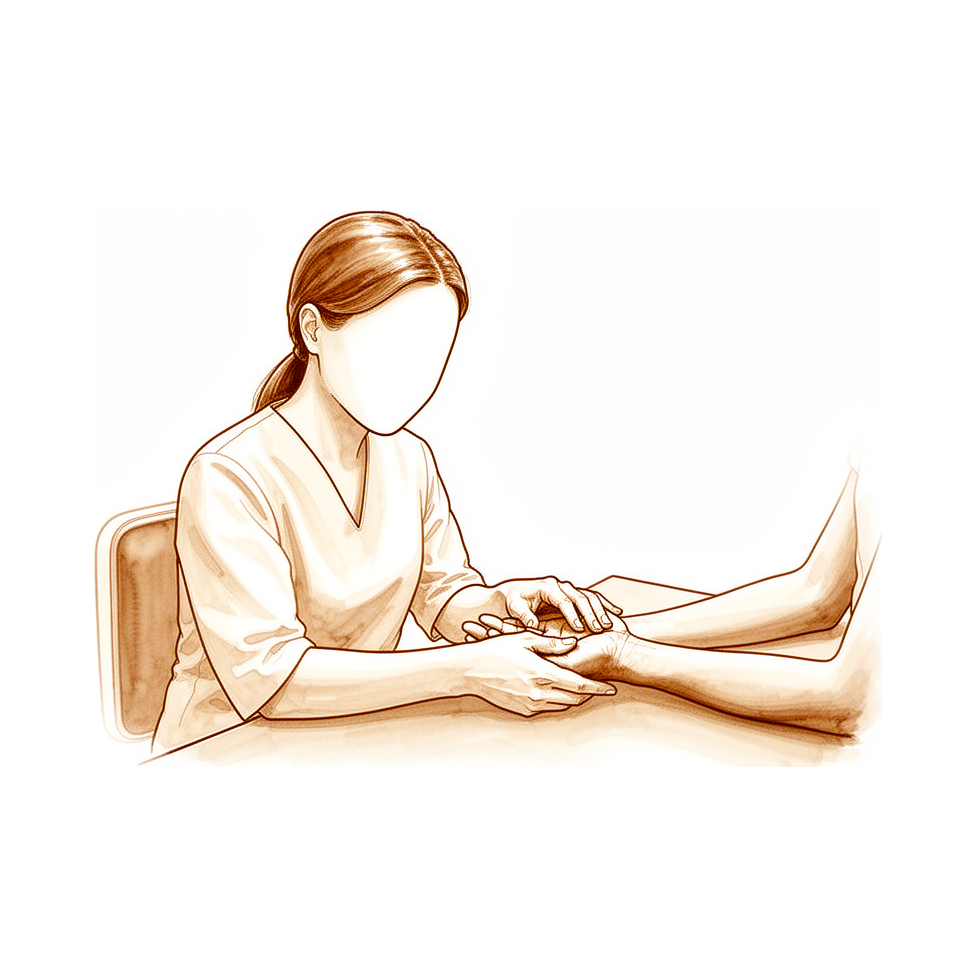
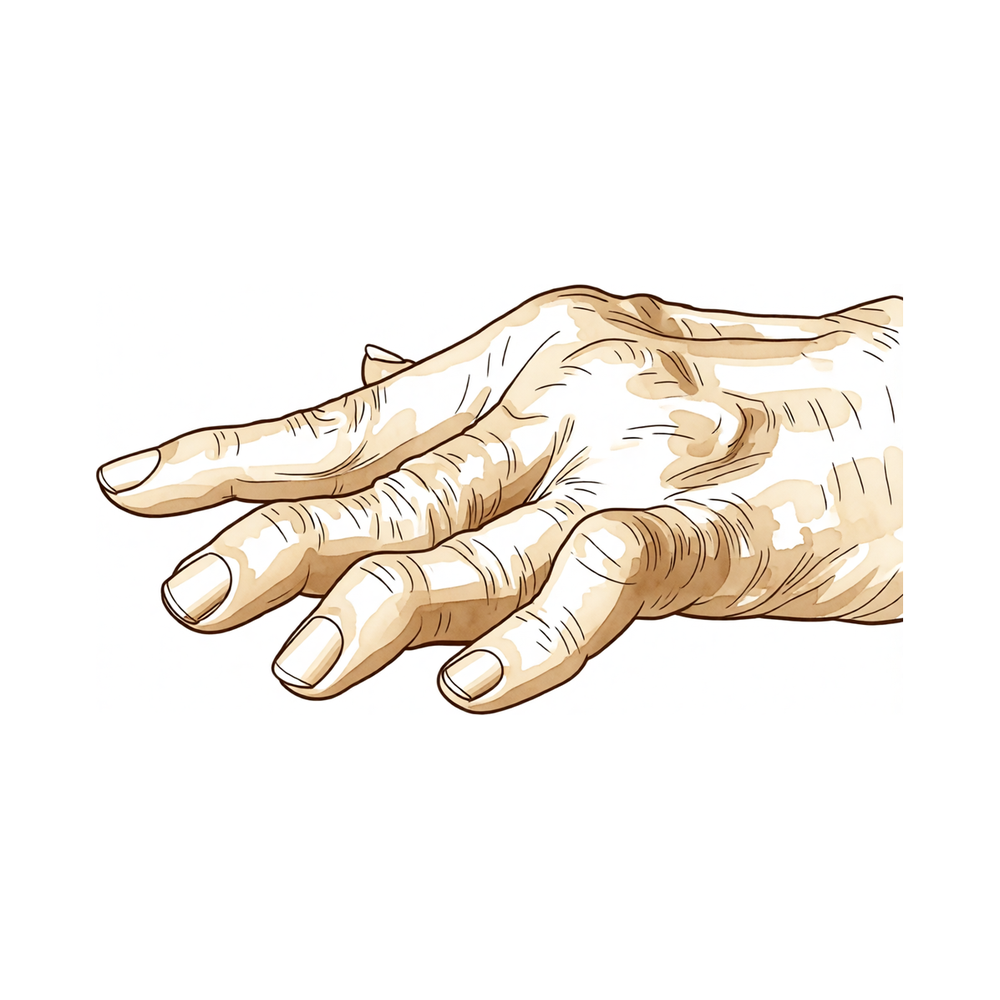
Functional recovery following upper extremity trauma and disease is inextricably linked to psychosocial factors, which serve as the strongest determinants of health-related quality of life and disability [11]. Early retirement correlates with worsened disability, quality of life, and functional outcomes in patients undergoing replantation or revascularisation [1]. Conversely, Dupuytren's disease presents with known functional impairments, self-care limitations, and major psychosocial impacts, where safety and social issues of hand function are evident associations with functional recovery [4, 9]. In shoulder arthroplasty, patients frequently fail to utilize their maximum active abduction during activities of daily living [15].

Accurate assessment is critical for guiding individualized treatment and work adjustments. Inclusion of disability outcome measures facilitates activity-of-daily-living–oriented regimens in hand trauma [2], while careful evaluation of functional capacity and self-reported disability is warranted for osteoarthritis management [3]. Pain and function are the Michigan Hand Outcomes Questionnaire domains best able to discriminate between satisfied and dissatisfied patients [19]. However, the use of invalidated or unreliable patient-reported outcome measures may improperly estimate pain and functional status, potentially affecting treatment options, satisfaction, reimbursement, and quality of life [21]. The International Classification of Functioning, Disability and Health (ICF) framework promotes adequate outcome measures by targeting patient-centred goals and respecting patient needs [23].

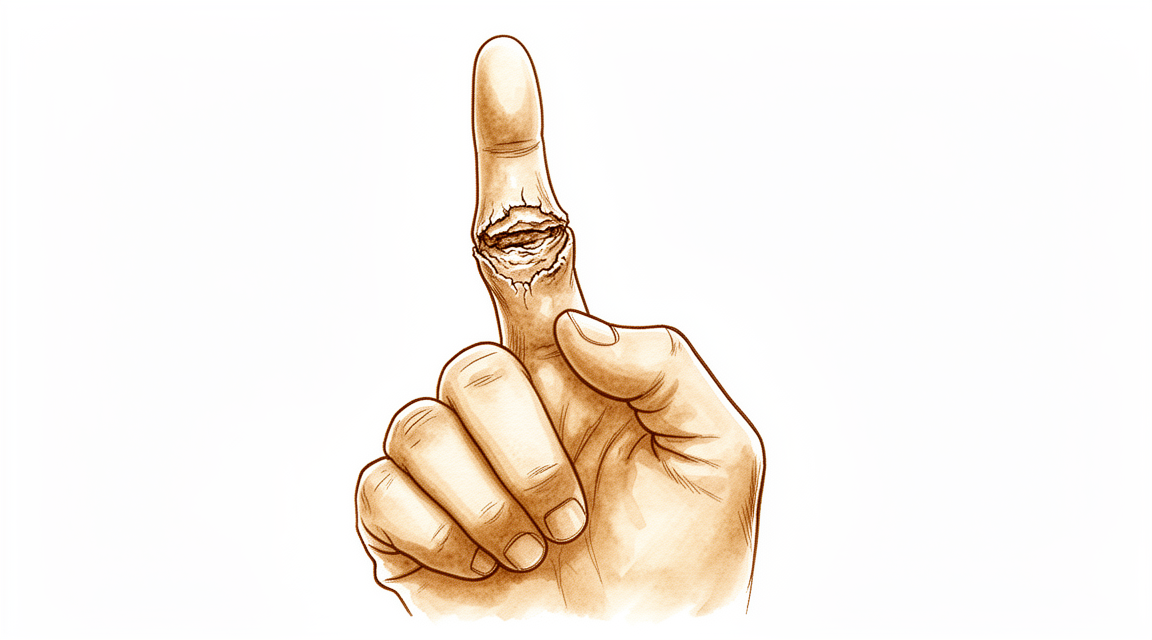
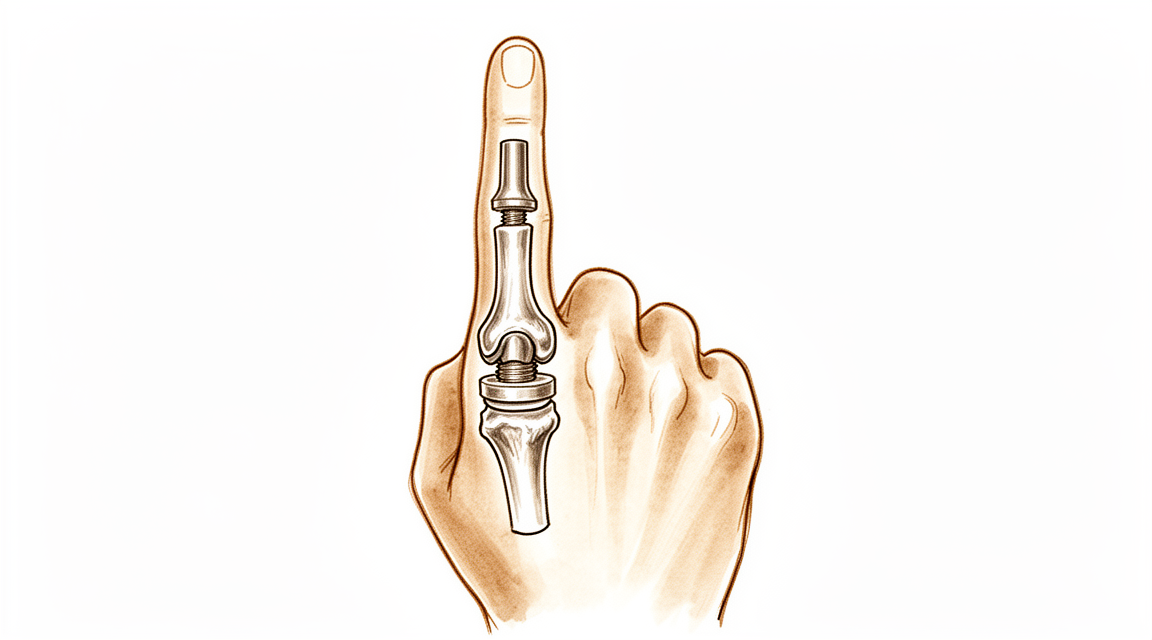
Prosthetic interventions offer viable pathways to restore function and psychological well-being. Early and temporary finger prosthetics improve function with psychological benefits and help determine suitability for permanent devices before costly investment [22]. In a reported case, a 3D-printed prosthesis improved function by nearly two standard deviations while maintaining quality of life, demonstrating that 3D-printing is a viable, adaptable, and cost-effective alternative [14].

Anatomy & Pathophysiology

Thumb ray dysfunction in sensibility and mobility remains the primary functional disability following exploded hand syndrome [12]. Adults with untreated triphalangeal thumbs demonstrate adequate thumb movement but diminished strength for specific functions [16]. Accurate diagnosis and management of hand and carpal fractures and dislocations are predicated on a thorough physical examination and appropriate imaging to limit joint stiffness while preserving mobility and function [48].

Functional Assessment: The ICF HandA provides a consensus on outcome measures and instruments to systematically assess function in patients with hand injuries and disorders [24]. Measurement of individual finger forces can provide more accurate biomechanical models of the hand and determine the effect of disease on hand functions [32]. Kinematic and clinical measurements objectively and quantitatively evaluate skilled hand function in individuals with chemotherapy-induced peripheral neuropathy in clinical settings [36]. A novel instrument for the quantification of hand forces during a jar opening task can be used to better understand the hand kinetics associated with this task and joint protection strategies intended to reduce hand loads [38]. Reference values of intrinsic muscle strength of the hand of adolescents and young adults provide factors to be considered when evaluating hand function and therapeutic outcomes in both clinical and research settings [57]. High test-retest reliability of tip, key, and palmar pinch force sense in healthy adults can be achieved using standardized positioning and the proposed approach [62].

Kinematics and Mechanics: Dexterity is a subset of hand function defined as the coordination of voluntary movement to accomplish an actual or simulated functional task accurately, quickly, resourcefully, and adapting to the environment or change [43]. Simultaneous activation of the FDP and the intrinsic muscles results in an apparently more functional hand closing compared with FDP activation alone because of altered kinematics and larger fingertip-to-palm distances [45]. Current movement science supports the tight interaction of posture and upper extremity function through developmental time and in real time, such that one system cannot be considered separate from the other [54]. Biomechanical analysis showed a huge amount of force and pressure, several times larger than that of ring avulsion injury, results when a steer pulls on the thumb [55]. Touch screen technology has become increasingly relevant to hand function in modern society [56]. Knowing frequently used grasp types is essential for assessing grasp rehabilitation processes and developing hand prostheses [60].

Therapeutic Outcomes and Limitations: Classification and understanding of congenital hand and upper extremity disorders has vastly improved since the 1970s, with a primary focus on achieving optimal function through recognizing deformities, identifying surgical options, and managing patient expectations [26]. Fundamental muscle-tendon-joint mechanics studies allow for single-stage surgical reconstruction of hand function and early postoperative activity-based training in patients with cervical spinal cord injuries [53]. Targeted surgical intervention and undefined therapy intervention seemed to have little influence on activity and participation in hemiplegic cerebral palsy, although wrist/finger biomechanics and active range of motion improved [52]. Taping can be an effective option for repositioning the thumb and improves upper extremity function by controlling the thumb in palm mechanically and enabling sensorial input by maintaining the correct hand position [42]. The slopes of the force-generation and force-decay phases of the Force-Time curve did not validly measure the sincerity of effort in participants with upper extremity injury, perhaps because they were protective of their injured hand and exerted only submaximal effort even at their best grip attempt [40].

Classification

MACS: The Manual Ability Classification System (MACS) is utilized to evaluate the functional capacity of children with cerebral palsy in handling objects during daily activities [18].

Zancolli: In patients with upper-extremity spasticity associated with cerebral palsy, treatment with neuromuscular electrical stimulation and dynamic bracing can result in a 1 to 3 level advancement within the Zancolli classification, correlating with marked improvement in upper-extremity function [61].

ICF HandA: The ICF HandA establishes a consensus on outcome measures and instruments designed to systematically assess function in patients presenting with hand injuries and disorders [24].

Other Considerations: Early retirement is associated with worse disability, quality of life, and functional outcomes following replantation or revascularisation of the upper extremity [1]. Dupuytren's disease is linked to known functional impairments, limitations on self-care, and major psychosocial impacts [4]. Amputation level correlates with physical function but not with quality of life or pain measures following amputation for musculoskeletal tumours [5]. Demographic variables, including advanced age, low family income, and multiple medical conditions, significantly influence scores on numerous scoring systems for knee symptoms [50]. Classification of angular measurements according to tested systems does not reflect the patient's perspective, limits measurement precision, and adds little value after flexor tendon repair [59]. The QoL questionnaire is a more appropriate instrument than the DASH for clients with stenosing flexor tenosynovitis, unless the clients are in the severe (grade 3) category [39]. Certain domains and categories from the ICF are not covered by the DASH [51]. Inclusion of disability outcome measures in hand trauma evaluation can expand the clinician's view toward individualized, activity-of-daily-living–oriented treatment regimens [2]. Classification and understanding of congenital hand and upper extremity disorders have vastly improved since the 1970s, with a primary focus on achieving optimal function through recognizing deformities, identifying surgical options, and managing patient expectations [26]. A comprehensive overview of orthoses, amputations, and prostheses details terminology, principles of operation, design types, and management of associated complications to guide clinical decision-making [63].

Clinical Presentation

Functional assessment in hand trauma and arthropathy must extend beyond impairment to include patient-reported disability and quality of life. Early retirement correlates with worse functional outcomes and quality of life following upper extremity replantation or revascularisation [1]. While amputation level predicts physical function after musculoskeletal tumour resection, it does not correlate with quality of life or pain measures [5]. Conversely, psychological factors are the strongest determinants of health-related quality of life and disability in hand injury patients [11], influencing patient-reported status more significantly than performance-based functional measures [6].

Evaluation of upper limb capacity is critical for tailoring management across diverse pathologies. In osteoarthritis, assessing functional capacity and self-reported disability guides advice on exercises and work adjustments [3]. For Dupuytren's disease, known functional impairments and limitations in self-care necessitate addressing major psychosocial impacts [4]. Patients with hand-arm vibration syndrome present with a spectrum of functional, social, emotional, and psychological disability [17]. Similarly, dual-task interference significantly impacts daily life in Parkinson's disease, particularly in those with severe disease or upper extremity involvement [20].

Specific diagnostic tools and clinical findings define the scope of disability in these populations. The MACS classification effectively evaluates how children with cerebral palsy handle objects during daily activities [18]. In exploded hand syndrome, while general outcomes are favorable, thumb ray dysfunction in sensibility and mobility remains the primary functional disability [12]. Adults with untreated triphalangeal thumbs demonstrate adequate movement but diminished strength for specific functions [16]. For wrist and hand pain, pain interference is a key factor linking impairment severity to self-reported disability [33].

Outcome measurement and intervention response vary by condition and treatment modality. The QuickDASH measures disability or symptom severity with precision comparable to the DASH across various arm disorders [35]. In the Michigan Hand Outcomes Questionnaire, pain and function are the domains best able to discriminate between satisfied and dissatisfied patients [19]. Splinting for partial thumb amputation yields clinically significant functional improvements and enhanced patient perception of disability despite minimal changes in impairment [13]. Patients with scleroderma show clinically significant improvements in body function and activity participation following paraffin and exercise treatment [7]. Early identification of sarcopenia is essential to prevent negative consequences such as disability and death in hospitalized elderly patients [10]. Finally, disability outcome measures can expand clinician perspectives toward individualized, activity-of-daily-living–oriented treatment regimens for hand trauma [2].

Investigations

Plain radiography: Radiological osteoarthritis following a mallet finger fracture mirrors the natural degenerative process in the distal interphalangeal joint and is accompanied by a decrease in range of motion, yet this does not clinically affect patient-reported outcome measures [75]. In patients with osteoarthritis of the hands, careful evaluation of upper limb functional capacity and self-reported disability is warranted to provide advice regarding exercises or adjustments at work [3].

Other Considerations: Early retirement is associated with worse disability, quality of life, and functional outcome after replantation or revascularisation of the upper extremity [1]. Psychological factors appear to affect disability (patient-reported health status) more than they affect performance-based measures of function [6] and are the strongest determinants of health-related quality of life (HRQOL) and disability in patients with hand injury [11]. Inclusion of disability outcome measures in the evaluation of hand trauma regimens may help expand the clinician's view to more individualized, activity-of-daily-living–oriented treatment regimens [2]. While general outcomes were good for exploded hand syndrome, thumb ray dysfunction in sensibility and mobility remained the main functional disability [12]. The mean DASH score was moderately elevated at 15 after hand injury from powered wood splitters, indicating that many of these patients have sequelae [30]. Disease activity was associated with hand function impairment in rheumatoid arthritis patients with variable follow-up [31]. Higher baseline functional impairment was not associated with better treatment adherence in persons diagnosed with thumb base osteoarthritis [73]. Digital pain extent was not associated with any psychological measure nor with pain-related disability in people with chronic musculoskeletal pain [76]. Moderate-severe hallux valgus deformity and hallux valgus-related pain impaired physical function independent of knee osteoarthritis [77]. Despite recurrence, the mean postoperative deformity following osteotomy of the thumb delta phalanx in Rubinstein–Taybi syndrome was significantly better than preoperatively, and the majority of patients' families subjectively reported good function [78].

Functional Assessment: Participants with scleroderma experienced clinically significant improvements in body function/structure measurements of hand function and in their ability to participate in activities following paraffin and exercise treatment [7]. Bilateral above-the-knee amputees from the Vietnam War led relatively normal, productive lives within the context of their physical limitations [8]. Splint use for partial thumb amputation demonstrated clinically significant changes over time with minimal changes in impairment, indicating enhanced function and improved patient perception of disability [13]. Function improved by nearly two standard deviations while quality of life was maintained in a participant using a 3D-printed prosthesis [14]. Patients were not able to take advantage of their maximum active abduction during the range of motion in activities of daily living following shoulder arthroplasty [15]. Reporting active extension deficit or using patient-reported outcome measures may minimize the impact of dynamism in Dupuytren's contractures [29].

Treatment

Non-Operative

Conservative management is a primary consideration for several upper extremity conditions. For stiff digits, initial nonsurgical treatment is warranted, though results may be poorer in severe or chronic contractures; surgery should be considered if limited improvement occurs after 3 to 6 months of conservative management [49]. Patients with acute calcific periarthritis of the hand who continue conservative treatment demonstrate pain relief and reduced calcification for up to 6 months, suggesting this approach be tried for at least that duration before surgical options [58]. Nonoperative treatment for Boutonniere deformity can achieve one to two grades of range of motion improvement, although the deformity may persist even after dedicated conservative management [65]. Physical therapies represent the most robustly assessed non-surgical treatments for early Dupuytren's disease, yet current studies are underpowered, providing insufficient evidence of efficacy [47]. Therapeutic activities mimicking activities of daily living improve hand function more effectively than standard rehabilitation activities in young adult patients with hand injuries [34]. Hand therapy results in statistically and clinically significant improvements in pain, grip strength, upper extremity function, and health-related quality of life for breast cancer survivors experiencing aromatase inhibitor-associated musculoskeletal syndrome [46]. Children receiving Botulinum A toxin injections demonstrate clinically meaningful short-term improvements in upper extremity function [41]. A non-pharmacological treatment gap exists in osteoarthritis care, with most patients reporting no pain or mild pain and having not received non-pharmacological treatment prior to surgical consultation [68].

Operative

Indications: Surgical intervention is indicated for long-standing therapy-resistant complex regional pain syndrome type I, where amputation should not be ignored as a treatment option [70]. For Dupuytren's disease, safety and social issues of hand function and quality of life are associated with functional recovery after surgery and hand therapy [9]. Upper limb surgery for severe spasticity after acquired brain injury significantly improves the ease of care for non-communicative patients [69]. Early retirement is associated with worse disability, quality of life, and functional outcome after replantation or revascularisation of the upper extremity, highlighting the need for timely intervention [1].

Surgical Approach / Technique: To accurately determine the effectiveness of Dupuytren disease interventions from the patients' perspective, it is important to determine their impacts on both activity limitations and quality of life [37]. Assessment and treatment of psychosocial factors may improve surgical outcomes, correct pain-related misconceptions, decrease reported pain and disability, increase quality of life, and limit unnecessary interventions [64]. Incorporating a biopsychosocial approach into rehabilitation could lead to better functional outcomes in the prediction of disability in trigger finger [44].

Implant Selection: A 3D-printed prosthesis improved function by nearly two standard deviations while maintaining quality of life for a participant [14]. The use of early and temporary finger prosthetics improves function, provides psychological benefits, and helps determine if a patient will want or use a permanent prosthetic before investing in a costly item [22].

Alignment / Balancing Strategy: Amputation level is linked to physical function but not to quality of life or pain measures after amputation for musculoskeletal tumours [5]. Treatment options for hallux rigidus and osteoarthrosis of the first metatarsophalangeal joint range from non-operative measures to various surgical procedures including cheilectomy, arthroplasty, and arthrodesis, with selection depending on disease stage and patient factors [71].

Pain Management: Permanent results with a functional upper extremity and very satisfactory pain relief can be anticipated with intravenous regional anaesthesia using lidocaine and methylprednisolone for complex regional pain syndrome type I [67].

Adjuncts: There is a moderate correlation between financial distress and disability in patients with nonacute orthopaedic conditions, particularly in patients with low socioeconomic status [66].

Other Considerations: Disability outcome measures should be included in the evaluation of hand trauma regimens to facilitate individualized, activity-of-daily-living–oriented treatment [2]. Evaluation of upper limb functional capacity and self-reported disability is warranted to provide advice regarding exercises or adjustments at work for patients with osteoarthritis of the hands [3]. Patients were not able to take advantage of their maximum active abduction during the range of motion in activities of daily living following shoulder arthroplasty [15]. The use of invalidated or unreliable patient-reported outcome measures may improperly estimate patient pain and functional status, affecting treatment options, patient satisfaction, reimbursement, and/or quality of life [21]. The International Classification of Functioning, Disability and Health (ICF) can help promote the development of adequate outcome measures including activity limitation and participation restrictions by targeting patient-centred goals [23].

Complications

Other Considerations: Early retirement following replantation or revascularisation of the upper extremity is associated with worse disability, quality of life, and functional outcomes [1]. Disability outcome measures can expand clinician views toward individualized, activity-of-daily-living–oriented treatment regimens for hand trauma [2]. Evaluation of upper limb functional capacity and self-reported disability is warranted to provide advice regarding exercises or adjustments at work for patients with osteoarthritis of the hands [3]. Dupuytren's disease is associated with known functional impairments, limitations on self-care, and major impacts on the psychosocial area [4]. Safety and social issues of hand function and quality of life have an evident association with functional recovery after surgery and hand therapy in patients with Dupuytren's disease [9]. Reporting active extension deficit or using patient-reported outcome measures may minimize the impact of dynamism in Dupuytren's contractures [29]. A mean DASH score of 15 after hand injury from powered wood splitters indicates that many patients have sequelae [30].

Amputation level is linked to physical function but not to quality of life or pain measures after amputation for musculoskeletal tumours [5]. Bilateral above-the-knee amputees from the Vietnam War have led relatively normal, productive lives within the context of their physical limitations [8]. Psychological factors appear to affect patient-reported health status (disability) more than they affect performance-based measures of function [6]. Participants with scleroderma experienced clinically significant improvements in body function/structure measurements of hand function and in their ability to participate in activities following paraffin and exercise treatment [7]. Early identification of sarcopenia is essential to prevent negative consequences such as disability and death among hospitalized elderly patients [10]. Patients with hand-arm vibration syndrome experience functional, social, emotional, and psychological disability [17]. Dual-task interference may impact the daily lives of people with Parkinson's disease, especially those with more severe disease or who report arm and hand problems [20]. A holistic approach addressing both physical and mental aspects is crucial for long-term functional outcomes after hand injury [25]. Patients with a weak sense of coherence face several conditions in life that challenge their everyday lives, and a hand-related disorder makes their everyday lives even more challenging [27]. The nature of life impact following ankle fractures can extend beyond short-term pain and discomfort into many areas of life [28].

Recovery

Light activity (weeks): Evidence does not provide specific week ranges for light activity phases such as desk work or driving. However, early identification of sarcopenia is essential to prevent negative consequences such as disability and death among hospitalized elderly patients [10], and early retirement is associated with worse disability, quality of life, and functional outcome after replantation or revascularisation of the upper extremity [1]. Evaluation of upper limb functional capacity and self-reported disability is warranted to provide advice regarding exercises or adjustments at work for patients with osteoarthritis of the hands [3].

Full activity (months): Specific month ranges for manual work or sport are not detailed in the evidence base. Results after 9-month follow-up for Dupuytren's contracture treated with percutaneous fasciotomy with Xiaflex (collagenase) include details on hand therapy [74]. Participants with scleroderma experienced clinically significant improvements in body function/structure measurements of hand function and in their ability to participate in activities following paraffin and exercise treatment [7]. Better early functional outcomes after operation for distal radial fracture do not seem to shorten sick leave duration [79].

Complete recovery / outcome plateau (months): The evidence does not define specific month ranges for the stabilization of pain, strength, or final functional outcomes. Long-term results of prosthetic treatment for child amputees followed into adult life are excellent, with most making normal social adjustments and more than half having families [72]. Bilateral above-the-knee amputees from the Vietnam War led relatively normal, productive lives within the context of their physical limitations [8]. Amputation level is linked to physical function but not to quality of life or pain measures after amputation for musculoskeletal tumours [5].

Rehabilitation protocol: A holistic approach addressing both physical and mental aspects is crucial for long-term functional outcomes after hand injury [25]. Safety and social issues of hand function and quality of life had an evident association with functional recovery after surgery and hand therapy in patients with Dupuytren's disease [9]. Splint use for partial thumb amputation demonstrated clinically significant changes over time with minimal changes in impairment, indicating enhanced function and improved patient perception of disability [13]. Disability outcome measures can expand clinician views toward individualized, activity-of-daily-living–oriented treatment regimens for hand trauma [2].

Functional milestones: Psychological factors appear to affect patient-reported health status (disability) more than they affect performance-based measures of function [6]. Dupuytren's disease is associated with known functional impairments, limitations on self-care, and major impacts on the psychosocial area [4]. Disease activity was associated with hand function impairment in rheumatoid arthritis patients with variable follow-up [31]. The nature of life impact following ankle fractures can extend beyond short term pain and discomfort into many areas of life [28]. Patients with a weak sense of coherence faced several conditions in life that challenged their everyday lives, and their hand-related disorder made their everyday lives even more challenging [27].

Other Considerations: Early retirement is associated with worse disability, quality of life, and functional outcome after replantation or revascularisation of the upper extremity [1]. Evaluation of upper limb functional capacity and self-reported disability is warranted to provide advice regarding exercises or adjustments at work for patients with osteoarthritis of the hands [3]. Early identification of sarcopenia is essential to prevent negative consequences such as disability and death among hospitalized elderly patients [10].

Key Evidence

  • [L3] Also, those who had to retire early had a worse disability, quality of life and functional outcome. (10.1186/1471-2474-15-73)
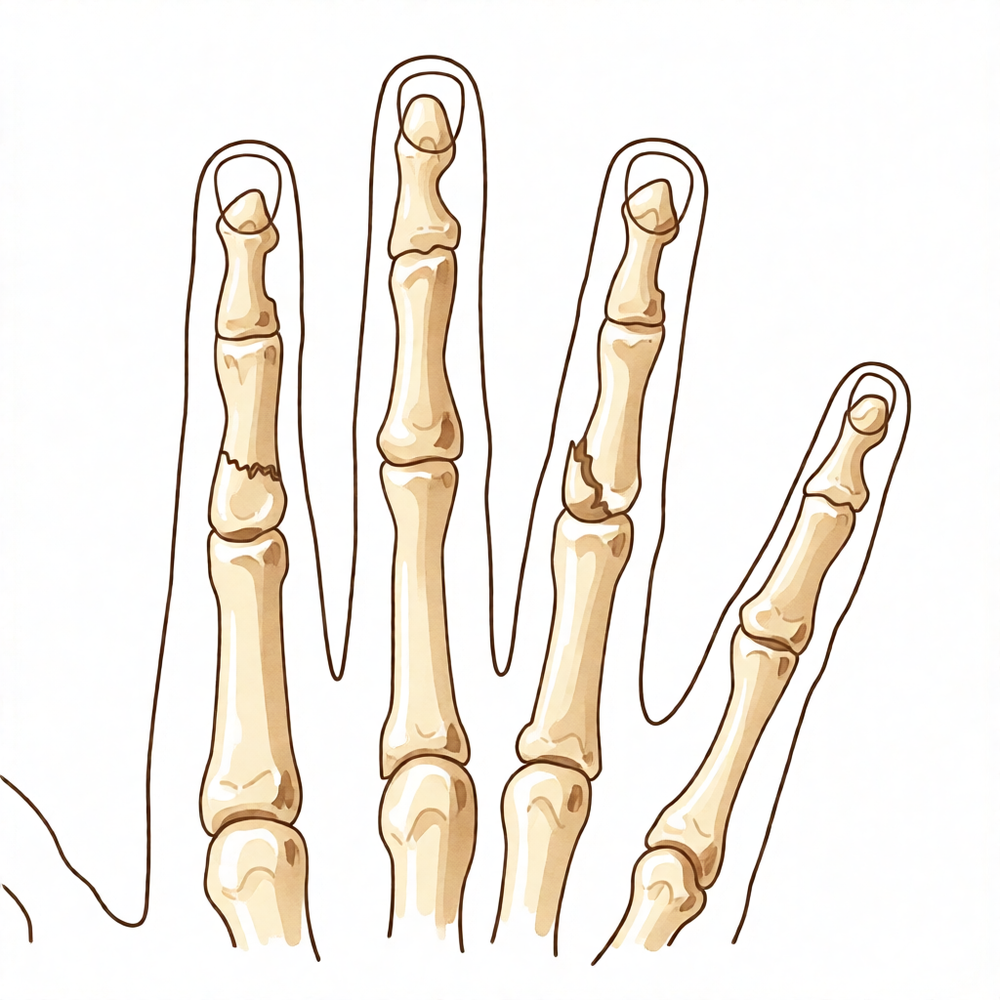
  • [L3] The inclusion of disability outcome measures in the evaluation of hand trauma regimens might help to expand the clinician's view to more individualized, activity-of-daily-living–oriented, treatment regimens. (10.1016/j.jhsa.2006.05.017)
  • [L3] A careful evaluation of upper limb functional capacity and self-reported disability is warranted to provide advice regarding exercises or adjustments at work. (10.1016/j.jht.2017.01.003)
  • [L1] The results illustrate the existence of known functional impairments, limitations on self-care, and major impacts on the psychosocial area. (10.1016/j.jht.2024.12.007)
  • [L4] This unprecedented national survey confirms amputation level is linked to physical function, but not QOL or pain measures. (10.1302/0301-620x.97b9.35192)
  • [L2] Psychological factors appear to affect disability (patient-reported health status) more than they affect performance-based measures of function. (10.1016/j.jhsa.2008.07.006)
  • [L4] All participants experienced clinically significant improvements in both body function/structure measurements of hand function and in their ability to participate in activities. (10.1016/j.jht.2008.06.009)
  • [L4] The patients in the present study have led relatively normal, productive lives within the context of their physical limitations. (10.2106/00004623-199910000-00003)
  • [L4] Safety and social issues of hand function and quality of life had an evident association with functional recovery. (10.1016/j.jht.2014.11.006)
  • [L4] Early identification is essential to prevent negative consequences such as disability and death. (10.1186/s12891-015-0570-x)
  • [L2] Psychological factors are the strongest determinants of the HRQOL and disability. (10.1016/j.jhsa.2009.11.016)
  • [L4] While general outcomes were good, thumb ray dysfunction in sensibility and mobility remained the main functional disability. (10.1177/1753193412468577)
  • [L4] Splint use in this case demonstrated clinically significant changes over time with minimal changes in impairment indicating enhanced function and improved patient perception of disability. (10.1016/j.jht.2008.08.004)
  • [Case_report] Function improved for this participant by nearly two standard deviations, while quality of life was maintained. 3D-printing is a viable, adaptable, and cost-effective alternative that aided the participant's function. (10.1016/j.jht.2024.12.004)
  • [L3] Patients were not able to take advantage of their maximum active abduction during the range of motion in activities of daily living. (10.1016/j.jse.2009.10.012)
  • [L4] Adults with untreated triphalangeal thumbs had adequate thumb movement but diminished strength for specific functions. (10.1016/j.jhsa.2010.03.033)
  • [L4] HAVS patients experience functional, social, emotional, and psychological disability. (10.1016/j.jht.2016.10.010)
  • [L3] The MACS classification is useful to evaluate how well children can handle objects in daily activities. (10.1016/j.jhsa.2008.02.032)
  • [L3] Pain and function are the domains of the MHQ that are best able to discriminate between patients who are satisfied and those who are not. (10.1016/j.jhsa.2008.11.001)
  • [L4] Dual-task interference may impact the daily lives of people with PD, especially those with more severe disease or who report arm and hand problems. (10.1016/j.jht.2024.04.002)
  • [L2] The use of invalidated or unreliable patient-reported outcome measures may improperly estimate patient pain and functional status, which could affect treatment options, patient satisfaction, reimbursement, and/or quality of life. (10.5435/jaaos-d-16-00303)
  • [L4] The use of the prosthetic improves function, which in turn, can have improved psychological benefits, and helps determine if the patient will want or use a permanent prosthetic before investing in a costly item. (10.1016/j.jht.2010.04.003)
  • [L1] The ICF can help promote further development of adequate outcome measures including activity limitation and participation restrictions by targeting patient centred goals and respecting patients' needs. (10.1186/1471-2474-9-139)
  • [L4] The ICF HandA provides a consensus on outcome measures and instruments to systematically assess function in patients with hand injuries and disorders. (10.1177/1753193417706248)
  • [L4] A holistic approach addressing both physical and mental aspects is crucial for long-term functional outcomes. (10.1016/j.jht.2023.10.002)
  • [L4] Participants had several conditions in life that challenged their everyday lives, and the hand-related disorder made their everyday lives even more challenging. (10.1016/j.jht.2023.12.016)
  • [L4] The nature of life impact following ankle fractures can extend beyond short term pain and discomfort into many areas of life. (10.1186/1471-2474-13-224)
  • [L3] Reporting active extension deficit or using patient-reported outcome measures may minimize this impact. (10.1177/1753193414529074)
  • [L4] The mean DASH score was moderately elevated at 15, indicating that many of these patients have sequelae. (10.1177/1753193410381820)
  • [L3] Disease activity was associated with hand function impairment in RA patients with variable follow-up. (10.1186/s12891-016-1246-x)
  • [L4] Measurement of individual finger forces can provide more accurate biomechanical models of the hand and determine the effect of disease on hand functions. (10.1016/j.jht.2020.04.002)
  • [L4] Pain interference appears to be an important factor explaining the link between impairment, pain severity, and self-reported disability. (10.1016/j.jht.2019.06.001)
  • [L1] Therapeutic activities that mimic ADL improve the functions of the hand more effectively than standard rehabilitation activities. (10.1016/j.jhsa.2007.08.008)
  • [L3] The results indicate that the QuickDASH can be used instead of the DASH to measure disability/symptom severity with similar precision in a variety of arm disorders. (10.1186/1471-2474-7-44)
  • [L3] Our kinematic and clinical measurements objectively and quantitatively evaluate skilled hand function in individuals with CIPN in clinical settings. (10.1016/j.jht.2017.06.003)
  • [L4] To determine accurately the effectiveness of Dupuytren disease interventions from the patients' perspective, it is important to determine their impacts on both activity limitations and quality of life. (10.1016/j.jhsa.2013.03.036)
  • [L4] Our findings support that we have presented a tool which can be used in future study within this population to better understand the hand kinetics associated with the highly problematic task of jar-opening and joint protection strategies intended to reduce hand loads. (10.1016/j.jht.2021.04.012)
  • [L3] The QoL questionnaire is a more appropriate instrument than the DASH for use with clients with SFT, unless the clients are in the severe (grade 3) category. (10.1016/j.jht.2015.04.005)
  • [L3] The slopes of the force-generation and force-decay phases of the Force-Time curve did not validly measure the sincerity of effort in participants with upper extremity injury, perhaps because they were protective of their injured hand and exerted only submaximal effort even at their best grip attempt. (10.1016/j.jht.2010.07.005)
  • [L1] Children receiving BoNT-A injections demonstrated clinically meaningful short-term improvements in upper extremity function. (10.1016/j.jhsa.2012.12.019)
  • [L1] Taping can be an effective option for repositioning the thumb and improves upper extremity function by controlling the thumb in palm mechanically and enabling sensorial input by maintaining the correct hand position. (10.1016/j.jht.2014.09.007)
  • [L5] Dexterity is a subset of hand function defined as the coordination of voluntary movement to accomplish an actual or simulated functional task accurately, quickly, resourcefully, and adapting to the environment or change. (10.1016/j.jht.2019.11.001)
  • [L4] Incorporating a biopsychosocial approach into rehabilitation could lead to better functional outcomes. (10.1177/17531934221131883)
  • [L5] Simultaneous activation of the FDP and the intrinsic muscles results in an apparently more functional hand closing compared with FDP activation alone because of altered kinematics and larger fingertip-to-palm distances. (10.1016/j.jhsa.2013.08.099)
  • [L4] This study demonstrates that hand therapy resulted in statistically and clinically significant improvement in pain, grip strength, upper extremity function, and health related quality of life. (10.1016/j.jht.2025.01.007)
  • [L1] Physical therapies were the most robustly assessed but studies were underpowered, providing insufficient evidence of efficacy. (10.1186/s12891-016-1200-y)
  • [L5] Initial nonsurgical treatment is warranted but may have poorer results in patients with more severe or chronic contractures; surgery should be considered for limited improvement after 3 to 6 months of conservative management. (10.5435/jaaos-d-18-00310)
  • [L4] Numerous scoring systems have been devised to evaluate patients who have symptoms related to the knee, but demographic variables such as advanced age, low family income, and multiple medical conditions significantly affect scores. (10.2106/00004623-199706000-00009)
  • [L4] The targeted surgical intervention and undefined therapy intervention seemed to have little influence on activity and participation, although wrist/finger biomechanics and active range of motion improved. (10.1197/j.jht.2008.01.001)
  • [L5] The authors present fundamental muscle-tendon-joint mechanics studies that allow for single-stage surgical reconstruction of hand function and early postoperative activity-based training in patients with cervical spinal cord injuries. (10.1177/1753193419827814)
  • [L5] Current movement science supports the tight interaction of posture and upper extremity function through developmental time and in real time, such that one system cannot be considered separate from the other. (10.1016/j.jht.2015.01.008)
  • [L4] Biomechanical analysis showed a huge amount of force and pressure, several times larger than that of ring avulsion injury, results when a steer pulls on the thumb. (10.1177/03635465030310051601)
  • [L3] Touch screen technology has become increasingly relevant to hand function in modern society. (10.1016/j.jhsa.2014.12.028)
  • [L4] The results provide reference values and suggest factors to be considered when evaluating hand function and therapeutic outcomes in both clinical and research settings. (10.1016/j.jht.2017.05.012)
  • [L4] Those who continued conservative treatment showed pain relief and reduced calcification for up to 6 months, suggesting conservative treatment could be tried for at least 6 months before considering surgical options. (10.1186/s13018-018-0997-5)
  • [L4] Classification of angular measurement according to the tested systems does not reflect the patient's perspective; it limits the precision of the measurement and adds little value to the measurement itself. (10.1016/j.jhsa.2018.06.010)
  • [L4] Knowing these frequently used grasp types is essential for assessing grasp rehabilitation processes and developing hand prostheses. (10.1016/j.jht.2014.04.002)
  • [L4] All patients moved up 1 to 3 levels in the Zancolli classification and showed a marked improvement in upper-extremity function. (10.1054/jhsb.1998.0002)
  • [L4] This study demonstrates that high test-retest reliability of tip, key, and palmar pinch force sense in healthy adults can be achieved using standardized positioning and the proposed approach. (10.1186/s12891-020-3187-7)
  • [L5] Assessment and treatment of psychosocial factors may improve surgical outcomes, correct pain-related misconceptions, decrease reported pain and disability, increase quality of life, and limit unnecessary interventions, particularly for patients with nonspecific or medically unexplained pain. (10.1016/j.jhsa.2008.05.007)
  • [L3] One to two grades of ROM improvement can be achieved, although deformity can persist even after dedicated conservative management. (10.1016/j.jht.2025.02.013)
  • [L3] A moderate correlation exists between financial distress and disability in patients with nonacute orthopaedic conditions, particularly in patients with low socioeconomic status. (10.5435/jaaos-d-18-00252)
  • [L4] Permanent results with a functional upper extremity and very satisfactory pain relief can be anticipated. (10.1177/1753193411413852)
  • [L4] The results show a non-pharmacological treatment gap in OA care, with most patients reporting no pain or mild pain and having not received non-pharmacological treatment prior to surgical consultation. (10.1186/s12891-019-2567-3)
  • [L4] Surgery significantly improved the ease of care for non-communicative patients with severe upper limb spasticity, with implications for carers and associated health costs. (10.1177/1753193419866595)
  • [L4] However, amputation should not be ignored as a treatment option for long-standing therapy-resistant CRPS-I. (10.2106/jbjs.m.00788)
  • [L5] Treatment options range from non-operative measures to various surgical procedures including cheilectomy, arthroplasty, and arthrodesis, with selection depending on disease stage and patient factors. (10.2106/00004623-199806000-00015)
  • [L2] Higher baseline functional impairment was not associated with better adherence. (10.1016/j.jht.2021.04.024)
  • [L2] Results after 9 month follow-up, hand therapy after treatment will be presented in detail and discussed. (10.1016/j.jht.2010.09.006)
  • [L4] Radiological OA after an MFF is similar to the natural degenerative process in the DIP joint and is accompanied by a decrease in range of motion of the DIP joint, which does not clinically affect PROMs. (10.1016/j.jhsa.2023.03.027)
  • [L4] However, digital pain extent was not associated with any psychological measure nor with pain-related disability. (10.1186/s12891-022-05700-3)
  • [L3] Moderate-severe HV deformity and HV-related pain impaired physical function independent of KOA. (10.1186/s12891-018-2100-0)
  • [L4] Despite the recurrence, the mean postoperative deformity was significantly better than preoperatively and the majority of patients' families subjectively reported good function. (10.1177/1753193409354523)
  • [L3] Although several studies have shown better early functional outcomes after operation, this does not seem to shorten sick leave. (10.1177/17531934231194673)

See Also

References

[1] Disability and health after replantation or revascularisation in the upper extremity in a population in southern Sweden – a retrospective long time follow up. BMC Musculoskeletal Disorders. 2014. DOI: 10.1186/1471-2474-15-73

[2] Impairment and Disability After Severe Hand Injuries With Multiple Phalangeal Fractures. The Journal of Hand Surgery. 2007. DOI: 10.1016/j.jhsa.2006.05.017

[3] Upper limb functional capacity of working patients with osteoarthritis of the hands: A cross-sectional study. Journal of Hand Therapy. 2017. DOI: 10.1016/j.jht.2017.01.003

[4] Patients’ perspectives on Dupuytren’s disease: A scoping review and categorization using the WHO International Classification of Functioning, Disability and Health Framework (ICF). Journal of Hand Therapy. 2025. DOI: 10.1016/j.jht.2024.12.007

[5] Physical functioning, pain and quality of life after amputation for musculoskeletal tumours. The Bone & Joint Journal. 2015. DOI: 10.1302/0301-620x.97b9.35192

[6] Influence of Psychological Factors on Grip Strength. The Journal of Hand Surgery. 2008. DOI: 10.1016/j.jhsa.2008.07.006

[7] The Effect of Paraffin and Exercise on Hand Function in Persons with Scleroderma: A Series of Single Case Studies. Journal of Hand Therapy. 2009. DOI: 10.1016/j.jht.2008.06.009

[8] Long-Term Follow-up Study of Bilateral Above-the-Knee Amputees from the Vietnam War†. The Journal of Bone & Joint Surgery*. 1999. DOI: 10.2106/00004623-199910000-00003

[9] Factors affecting functional recovery after surgery and hand therapy in patients with Dupuytren's disease. Journal of Hand Therapy. 2015. DOI: 10.1016/j.jht.2014.11.006

[10] Frequency of sarcopenia and associated factors among hospitalized elderly patients. BMC Musculoskeletal Disorders. 2015. DOI: 10.1186/s12891-015-0570-x

[11] Responsiveness of the Michigan Hand Outcomes Questionnaire and the Disabilities of the Arm, Shoulder, and Hand Questionnaire in Patients With Hand Injury. The Journal of Hand Surgery. 2010. DOI: 10.1016/j.jhsa.2009.11.016

[12] The exploded hand syndrome: a report of five industrial injury cases. Journal of Hand Surgery (European Volume). 2012. DOI: 10.1177/1753193412468577

[13] Opposition Splint for Partial Thumb Amputation: A Case Study Measuring Disability before and after Splint Use. Journal of Hand Therapy. 2009. DOI: 10.1016/j.jht.2008.08.004

[14] Hand function and quality of life with a 3D-printed prosthesis: A case report. Journal of Hand Therapy. 2025. DOI: 10.1016/j.jht.2024.12.004

[15] Can shoulder arthroplasty restore the range of motion in activities of daily living? A prospective 3D video motion analysis study. Journal of Shoulder and Elbow Surgery. 2010. DOI: 10.1016/j.jse.2009.10.012

[16] Evaluation of Function and Appearance of Adults With Untreated Triphalangeal Thumbs. The Journal of Hand Surgery. 2010. DOI: 10.1016/j.jhsa.2010.03.033

[17] Hand-arm vibration syndrome: Workers' experience with functional impairment and disability. Journal of Hand Therapy. 2017. DOI: 10.1016/j.jht.2016.10.010

[18] Hand Function in Cerebral Palsy. Report of 367 Children in a Population-Based Longitudinal Health Care Program. The Journal of Hand Surgery. 2008. DOI: 10.1016/j.jhsa.2008.02.032

[19] The Minimal Clinically Important Difference of the Michigan Hand Outcomes Questionnaire. The Journal of Hand Surgery. 2009. DOI: 10.1016/j.jhsa.2008.11.001

[20] Effects of dual-task interference on dexterity performance in people with mild to moderately severe Parkinson’s disease: An observational analysis. Journal of Hand Therapy. 2025. DOI: 10.1016/j.jht.2024.04.002

[21] Measures for Pain and Function Assessments for Patients With Osteoarthritis. Journal of the American Academy of Orthopaedic Surgeons. 2016. DOI: 10.5435/jaaos-d-16-00303

[22] Early and Temporary Use of Finger Prosthetics to Aid Rehabilitation. Journal of Hand Therapy. 2011. DOI: 10.1016/j.jht.2010.04.003

[23] ICF components of corresponding outcome measures in flexor tendon rehabilitation – a systematic review. BMC Musculoskeletal Disorders. 2008. DOI: 10.1186/1471-2474-9-139

[24] International Classification of Functioning, Disability and Health: development of an assessment set to evaluate functioning based on the Brief ICF Core Set for Hand Conditions – ICF HandA. Journal of Hand Surgery (European Volume). 2017. DOI: 10.1177/1753193417706248

[25] A global proprioception concept after hand injury—Patient report. Journal of Hand Therapy. 2024. DOI: 10.1016/j.jht.2023.10.002

[26] Chapter 55 Pediatric Upper Extremity Disorders. 2020.

[27] Management of everyday life after a hand operation—A qualitative study of patients with a weak sense of coherence. Journal of Hand Therapy. 2024. DOI: 10.1016/j.jht.2023.12.016

[28] Life impact of ankle fractures: Qualitative analysis of patient and clinician experiences. BMC Musculoskeletal Disorders. 2012. DOI: 10.1186/1471-2474-13-224

[29] Dynamism in Dupuytren’s contractures. Journal of Hand Surgery (European Volume). 2014. DOI: 10.1177/1753193414529074

[30] DASH and sollerman test scores after hand injury from powered wood splitters. Journal of Hand Surgery (European Volume). 2010. DOI: 10.1177/1753193410381820

[31] Patient and physician perspectives of hand function in a cohort of rheumatoid arthritis patients: the impact of disease activity. BMC Musculoskeletal Disorders. 2016. DOI: 10.1186/s12891-016-1246-x

[32] Evaluation of individual finger forces during activities of daily living in healthy individuals and those with hand arthritis. Journal of Hand Therapy. 2020. DOI: 10.1016/j.jht.2020.04.002

[33] Pain interference may be an important link between pain severity, impairment, and self-reported disability in participants with wrist/hand pain. Journal of Hand Therapy. 2020. DOI: 10.1016/j.jht.2019.06.001

[34] Comparison of Therapeutic Activities With Therapeutic Exercises in the Rehabilitation of Young Adult Patients With Hand Injuries. The Journal of Hand Surgery. 2007. DOI: 10.1016/j.jhsa.2007.08.008

[35] The shortened disabilities of the arm, shoulder and hand questionnaire (Quick DASH): validity and reliability based on responses within the full-length DASH. BMC Musculoskeletal Disorders. 2006. DOI: 10.1186/1471-2474-7-44

[36] Kinematic evaluation for impairment of skilled hand function in chemotherapy-induced peripheral neuropathy. Journal of Hand Therapy. 2019. DOI: 10.1016/j.jht.2017.06.003

[37] The Impact of Dupuytren Disease on Patient Activity and Quality of Life. The Journal of Hand Surgery. 2013. DOI: 10.1016/j.jhsa.2013.03.036

[38] Reliability and validity of a novel instrument for the quantification of hand forces during a jar opening task. Journal of Hand Therapy. 2022. DOI: 10.1016/j.jht.2021.04.012

[39] Stenosing flexor tenosynovitis: Validity of standard assessment tools of daily functioning and quality of life. Journal of Hand Therapy. 2015. DOI: 10.1016/j.jht.2015.04.005

[40] Using the Force–Time Curve to Determine Sincerity of Effort in People with Upper Extremity Injuries. Journal of Hand Therapy. 2011. DOI: 10.1016/j.jht.2010.07.005

[41] Upper Extremity Spasticity in Children With Cerebral Palsy: A Randomized, Double-Blind, Placebo-Controlled Study of the Short-Term Outcomes of Treatment With Botulinum A Toxin. The Journal of Hand Surgery. 2013. DOI: 10.1016/j.jhsa.2012.12.019

[42] Effects of taping the hand in children with cerebral palsy. Journal of Hand Therapy. 2015. DOI: 10.1016/j.jht.2014.09.007

[43] Defining dexterity—Untangling the discourse in clinical practice. Journal of Hand Therapy. 2020. DOI: 10.1016/j.jht.2019.11.001

[44] Prediction of disability in trigger finger: a cross-sectional and longitudinal study. Journal of Hand Surgery (European Volume). 2022. DOI: 10.1177/17531934221131883

[45] Intrinsic Hand Muscle Function, Part 1: Creating a Functional Grasp. The Journal of Hand Surgery. 2013. DOI: 10.1016/j.jhsa.2013.08.099

[46] The effectiveness of hand therapy for breast cancer survivors experiencing aromatase inhibitor-associated musculoskeletal syndrome in the hands and wrists. Journal of Hand Therapy. 2025. DOI: 10.1016/j.jht.2025.01.007

[47] Systematic review of non-surgical treatments for early Dupuytren’s disease. BMC Musculoskeletal Disorders. 2016. DOI: 10.1186/s12891-016-1200-y

[48] Chapter 29 Hand/Carpal Fractures and Dislocations. 2021.

[49] Etiology, Evaluation, and Management Options for the Stiff Digit. Journal of the American Academy of Orthopaedic Surgeons. 2019. DOI: 10.5435/jaaos-d-18-00310

[50] Demographic Biases of Scoring Instruments for the Results of Total Knee Arthroplasty. The Journal of Bone & Joint Surgery*. 1997. DOI: 10.2106/00004623-199706000-00009

[51] Linking_the_Disabilities_of_Arm,_Shoulder,_and_Hand_to_the_International_Classif_S0894113007001238. n.d..

[52] Pre- and Postsurgical Evaluation of Hand Function in Hemiplegic Cerebral Palsy: Exemplar Cases. Journal of Hand Therapy. 2008. DOI: 10.1197/j.jht.2008.01.001

[53] Reach out and grasp the opportunity: reconstructive hand surgery in tetraplegia. Journal of Hand Surgery (European Volume). 2019. DOI: 10.1177/1753193419827814

[54] Upper extremity function: What's posture got to do with it?. Journal of Hand Therapy. 2015. DOI: 10.1016/j.jht.2015.01.008

[55] Thumb Amputations from Team Roping. The American Journal of Sports Medicine. 2003. DOI: 10.1177/03635465030310051601

[56] Hand Function With Touch Screen Technology in Children With Normal Hand Formation, Congenital Differences, and Neuromuscular Disease. The Journal of Hand Surgery. 2015. DOI: 10.1016/j.jhsa.2014.12.028

[57] Reference values of intrinsic muscle strength of the hand of adolescents and young adults. Journal of Hand Therapy. 2018. DOI: 10.1016/j.jht.2017.05.012

[58] Effective period of conservative treatment in patients with acute calcific periarthritis of the hand. Journal of Orthopaedic Surgery and Research. 2018. DOI: 10.1186/s13018-018-0997-5

[59] Correlations Among Objectively Measured Impairment, Outcome Classification Systems, and Subjectively Perceived Disability After Flexor Tendon Repair. The Journal of Hand Surgery. 2019. DOI: 10.1016/j.jhsa.2018.06.010

[60] An introductory study of common grasps used by adults during performance of activities of daily living. Journal of Hand Therapy. 2014. DOI: 10.1016/j.jht.2014.04.002

[61] Neuromuscular Electrical Stimulation and Dynamic Bracing as a Treatment for Upper-Extremity Spasticity in Children with Cerebral Palsy. Journal of Hand Surgery. 1999. DOI: 10.1054/jhsb.1998.0002

[62] Test–retest reliability of tip, key, and palmar pinch force sense in healthy adults. BMC Musculoskeletal Disorders. 2020. DOI: 10.1186/s12891-020-3187-7

[63] Chapter 4 Orthoses, Amputations, and Prostheses. 2019.

[64] Value of Psychological Evaluation of the Hand Surgical Patient. The Journal of Hand Surgery. 2008. DOI: 10.1016/j.jhsa.2008.05.007

[65] Nonoperative treatment of the Boutonniere deformity: Is there a difference in outcomes?. Journal of Hand Therapy. 2025. DOI: 10.1016/j.jht.2025.02.013

[66] The Association of Financial Distress With Disability in Orthopaedic Surgery. Journal of the American Academy of Orthopaedic Surgeons. 2019. DOI: 10.5435/jaaos-d-18-00252

[67] Complex regional pain syndrome type I as a consequence of trauma or surgery to upper extremity: management with intravenous regional anaesthesia, using lidocaine and methyloprednisolone. Journal of Hand Surgery (European Volume). 2011. DOI: 10.1177/1753193411413852

[68] Non-pharmacological treatment gap preceding surgical consultation in thumb carpometacarpal osteoarthritis - a cross-sectional study. BMC Musculoskeletal Disorders. 2019. DOI: 10.1186/s12891-019-2567-3

[69] Upper limb surgery for severe spasticity after acquired brain injury improves ease of care. Journal of Hand Surgery (European Volume). 2019. DOI: 10.1177/1753193419866595

[70] Informed Decision-Making Regarding Amputation for Complex Regional Pain Syndrome Type I. Journal of Bone and Joint Surgery. 2014. DOI: 10.2106/jbjs.m.00788

[71] Current Concepts Review - Hallux Rigidus and Osteoarthrosis of the First Metatarsophalangeal Joint. The Journal of Bone & Joint Surgery*. 1998. DOI: 10.2106/00004623-199806000-00015

[72] The Juvenile Amputee Program: Its Social and Economic Value: A FOLLOW-UP STUDY AFTER THE AGE OF TWENTY-ONE.. The Journal of Bone and Joint Surgery. American Volume. 1969.

[73] High baseline pain is associated with treatment adherence in persons diagnosed with thumb base osteoarthritis: An observational study. Journal of Hand Therapy. 2022. DOI: 10.1016/j.jht.2021.04.024

[74] Dupuytren's Contracture—Therapy and Result Following Percutaneous Fasciotomy With Xiaflex (Collagenase). Journal of Hand Therapy. 2010. DOI: 10.1016/j.jht.2010.09.006

[75] Posttraumatic Osteoarthritis of the Distal Interphalangeal Joint: A Follow-Up Study of 12 Years After Nonsurgical Treatment of Mallet Finger Fractures. The Journal of Hand Surgery. 2023. DOI: 10.1016/j.jhsa.2023.03.027

[76] Digital pain extent is associated with pain intensity but not with pain-related cognitions and disability in people with chronic musculoskeletal pain: a cross-sectional study. BMC Musculoskeletal Disorders. 2022. DOI: 10.1186/s12891-022-05700-3

[77] Does hallux valgus impair physical function?. BMC Musculoskeletal Disorders. 2018. DOI: 10.1186/s12891-018-2100-0

[78] Long-term results following osteotomy of the thumb delta phalanx in Rubinstein–Taybi Syndrome. Journal of Hand Surgery (European Volume). 2009. DOI: 10.1177/1753193409354523

[79] Duration of sick leave after operated and non-operated distal radial fracture: a Finnish cohort study of 19,995 patients. Journal of Hand Surgery (European Volume). 2023. DOI: 10.1177/17531934231194673

Creative Commons BY-NC 4.0

CC Creative Commons licence
BY Attribution — you must credit the source
NC NonCommercial — not for commercial use

Attribution-NonCommercial 4.0 International


Creative Commons Corporation ("Creative Commons") is not a law firm and does not provide legal services or legal advice. Distribution of Creative Commons public licenses does not create a lawyer-client or other relationship. Creative Commons makes its licenses and related information available on an "as-is" basis. Creative Commons gives no warranties regarding its licenses, any material licensed under their terms and conditions, or any related information. Creative Commons disclaims all liability for damages resulting from their use to the fullest extent possible.

Using Creative Commons Public Licenses

Creative Commons public licenses provide a standard set of terms and conditions that creators and other rights holders may use to share original works of authorship and other material subject to copyright and certain other rights specified in the public license below. The following considerations are for informational purposes only, are not exhaustive, and do not form part of our licenses.

Considerations for licensors: Our public licenses are intended for use by those authorized to give the public permission to use material in ways otherwise restricted by copyright and certain other rights. Our licenses are irrevocable. Licensors should read and understand the terms and conditions of the license they choose before applying it. Licensors should also secure all rights necessary before applying our licenses so that the public can reuse the material as expected. Licensors should clearly mark any material not subject to the license. This includes other CC- licensed material, or material used under an exception or limitation to copyright. More considerations for licensors: wiki.creativecommons.org/Considerations_for_licensors

Considerations for the public: By using one of our public licenses, a licensor grants the public permission to use the licensed material under specified terms and conditions. If the licensor's permission is not necessary for any reason--for example, because of any applicable exception or limitation to copyright--then that use is not regulated by the license. Our licenses grant only permissions under copyright and certain other rights that a licensor has authority to grant. Use of the licensed material may still be restricted for other reasons, including because others have copyright or other rights in the material. A licensor may make special requests, such as asking that all changes be marked or described. Although not required by our licenses, you are encouraged to respect those requests where reasonable. More considerations for the public: wiki.creativecommons.org/Considerations_for_licensees


Creative Commons Attribution-NonCommercial 4.0 International Public License

By exercising the Licensed Rights (defined below), You accept and agree to be bound by the terms and conditions of this Creative Commons Attribution-NonCommercial 4.0 International Public License ("Public License"). To the extent this Public License may be interpreted as a contract, You are granted the Licensed Rights in consideration of Your acceptance of these terms and conditions, and the Licensor grants You such rights in consideration of benefits the Licensor receives from making the Licensed Material available under these terms and conditions.

Section 1 -- Definitions.

a. Adapted Material means material subject to Copyright and Similar Rights that is derived from or based upon the Licensed Material and in which the Licensed Material is translated, altered, arranged, transformed, or otherwise modified in a manner requiring permission under the Copyright and Similar Rights held by the Licensor. For purposes of this Public License, where the Licensed Material is a musical work, performance, or sound recording, Adapted Material is always produced where the Licensed Material is synched in timed relation with a moving image.

b. Adapter's License means the license You apply to Your Copyright and Similar Rights in Your contributions to Adapted Material in accordance with the terms and conditions of this Public License.

c. Copyright and Similar Rights means copyright and/or similar rights closely related to copyright including, without limitation, performance, broadcast, sound recording, and Sui Generis Database Rights, without regard to how the rights are labeled or categorized. For purposes of this Public License, the rights specified in Section 2(b)(1)-(2) are not Copyright and Similar Rights.

d. Effective Technological Measures means those measures that, in the absence of proper authority, may not be circumvented under laws fulfilling obligations under Article 11 of the WIPO Copyright Treaty adopted on December 20, 1996, and/or similar international agreements.

e. Exceptions and Limitations means fair use, fair dealing, and/or any other exception or limitation to Copyright and Similar Rights that applies to Your use of the Licensed Material.

f. Licensed Material means the artistic or literary work, database, or other material to which the Licensor applied this Public License.

g. Licensed Rights means the rights granted to You subject to the terms and conditions of this Public License, which are limited to all Copyright and Similar Rights that apply to Your use of the Licensed Material and that the Licensor has authority to license.

h. Licensor means the individual(s) or entity(ies) granting rights under this Public License.

i. NonCommercial means not primarily intended for or directed towards commercial advantage or monetary compensation. For purposes of this Public License, the exchange of the Licensed Material for other material subject to Copyright and Similar Rights by digital file-sharing or similar means is NonCommercial provided there is no payment of monetary compensation in connection with the exchange.

j. Share means to provide material to the public by any means or process that requires permission under the Licensed Rights, such as reproduction, public display, public performance, distribution, dissemination, communication, or importation, and to make material available to the public including in ways that members of the public may access the material from a place and at a time individually chosen by them.

k. Sui Generis Database Rights means rights other than copyright resulting from Directive 96/9/EC of the European Parliament and of the Council of 11 March 1996 on the legal protection of databases, as amended and/or succeeded, as well as other essentially equivalent rights anywhere in the world.

l. You means the individual or entity exercising the Licensed Rights under this Public License. Your has a corresponding meaning.

Section 2 -- Scope.

a. License grant.

1. Subject to the terms and conditions of this Public License, the Licensor hereby grants You a worldwide, royalty-free, non-sublicensable, non-exclusive, irrevocable license to exercise the Licensed Rights in the Licensed Material to:

a. reproduce and Share the Licensed Material, in whole or in part, for NonCommercial purposes only; and

b. produce, reproduce, and Share Adapted Material for NonCommercial purposes only.

2. Exceptions and Limitations. For the avoidance of doubt, where Exceptions and Limitations apply to Your use, this Public License does not apply, and You do not need to comply with its terms and conditions.

3. Term. The term of this Public License is specified in Section 6(a).

4. Media and formats; technical modifications allowed. The Licensor authorizes You to exercise the Licensed Rights in all media and formats whether now known or hereafter created, and to make technical modifications necessary to do so. The Licensor waives and/or agrees not to assert any right or authority to forbid You from making technical modifications necessary to exercise the Licensed Rights, including technical modifications necessary to circumvent Effective Technological Measures. For purposes of this Public License, simply making modifications authorized by this Section 2(a) (4) never produces Adapted Material.

5. Downstream recipients.

a. Offer from the Licensor -- Licensed Material. Every recipient of the Licensed Material automatically receives an offer from the Licensor to exercise the Licensed Rights under the terms and conditions of this Public License.

b. No downstream restrictions. You may not offer or impose any additional or different terms or conditions on, or apply any Effective Technological Measures to, the Licensed Material if doing so restricts exercise of the Licensed Rights by any recipient of the Licensed Material.

6. No endorsement. Nothing in this Public License constitutes or may be construed as permission to assert or imply that You are, or that Your use of the Licensed Material is, connected with, or sponsored, endorsed, or granted official status by, the Licensor or others designated to receive attribution as provided in Section 3(a)(1)(A)(i).

b. Other rights.

1. Moral rights, such as the right of integrity, are not licensed under this Public License, nor are publicity, privacy, and/or other similar personality rights; however, to the extent possible, the Licensor waives and/or agrees not to assert any such rights held by the Licensor to the limited extent necessary to allow You to exercise the Licensed Rights, but not otherwise.

2. Patent and trademark rights are not licensed under this Public License.

3. To the extent possible, the Licensor waives any right to collect royalties from You for the exercise of the Licensed Rights, whether directly or through a collecting society under any voluntary or waivable statutory or compulsory licensing scheme. In all other cases the Licensor expressly reserves any right to collect such royalties, including when the Licensed Material is used other than for NonCommercial purposes.

Section 3 -- License Conditions.

Your exercise of the Licensed Rights is expressly made subject to the following conditions.

a. Attribution.

1. If You Share the Licensed Material (including in modified form), You must:

a. retain the following if it is supplied by the Licensor with the Licensed Material:

i. identification of the creator(s) of the Licensed Material and any others designated to receive attribution, in any reasonable manner requested by the Licensor (including by pseudonym if designated);

ii. a copyright notice;

iii. a notice that refers to this Public License;

iv. a notice that refers to the disclaimer of warranties;

v. a URI or hyperlink to the Licensed Material to the extent reasonably practicable;

b. indicate if You modified the Licensed Material and retain an indication of any previous modifications; and

c. indicate the Licensed Material is licensed under this Public License, and include the text of, or the URI or hyperlink to, this Public License.

2. You may satisfy the conditions in Section 3(a)(1) in any reasonable manner based on the medium, means, and context in which You Share the Licensed Material. For example, it may be reasonable to satisfy the conditions by providing a URI or hyperlink to a resource that includes the required information.

3. If requested by the Licensor, You must remove any of the information required by Section 3(a)(1)(A) to the extent reasonably practicable.

4. If You Share Adapted Material You produce, the Adapter's License You apply must not prevent recipients of the Adapted Material from complying with this Public License.

Section 4 -- Sui Generis Database Rights.

Where the Licensed Rights include Sui Generis Database Rights that apply to Your use of the Licensed Material:

a. for the avoidance of doubt, Section 2(a)(1) grants You the right to extract, reuse, reproduce, and Share all or a substantial portion of the contents of the database for NonCommercial purposes only;

b. if You include all or a substantial portion of the database contents in a database in which You have Sui Generis Database Rights, then the database in which You have Sui Generis Database Rights (but not its individual contents) is Adapted Material; and

c. You must comply with the conditions in Section 3(a) if You Share all or a substantial portion of the contents of the database.

For the avoidance of doubt, this Section 4 supplements and does not replace Your obligations under this Public License where the Licensed Rights include other Copyright and Similar Rights.

Section 5 -- Disclaimer of Warranties and Limitation of Liability.

a. UNLESS OTHERWISE SEPARATELY UNDERTAKEN BY THE LICENSOR, TO THE EXTENT POSSIBLE, THE LICENSOR OFFERS THE LICENSED MATERIAL AS-IS AND AS-AVAILABLE, AND MAKES NO REPRESENTATIONS OR WARRANTIES OF ANY KIND CONCERNING THE LICENSED MATERIAL, WHETHER EXPRESS, IMPLIED, STATUTORY, OR OTHER. THIS INCLUDES, WITHOUT LIMITATION, WARRANTIES OF TITLE, MERCHANTABILITY, FITNESS FOR A PARTICULAR PURPOSE, NON-INFRINGEMENT, ABSENCE OF LATENT OR OTHER DEFECTS, ACCURACY, OR THE PRESENCE OR ABSENCE OF ERRORS, WHETHER OR NOT KNOWN OR DISCOVERABLE. WHERE DISCLAIMERS OF WARRANTIES ARE NOT ALLOWED IN FULL OR IN PART, THIS DISCLAIMER MAY NOT APPLY TO YOU.

b. TO THE EXTENT POSSIBLE, IN NO EVENT WILL THE LICENSOR BE LIABLE TO YOU ON ANY LEGAL THEORY (INCLUDING, WITHOUT LIMITATION, NEGLIGENCE) OR OTHERWISE FOR ANY DIRECT, SPECIAL, INDIRECT, INCIDENTAL, CONSEQUENTIAL, PUNITIVE, EXEMPLARY, OR OTHER LOSSES, COSTS, EXPENSES, OR DAMAGES ARISING OUT OF THIS PUBLIC LICENSE OR USE OF THE LICENSED MATERIAL, EVEN IF THE LICENSOR HAS BEEN ADVISED OF THE POSSIBILITY OF SUCH LOSSES, COSTS, EXPENSES, OR DAMAGES. WHERE A LIMITATION OF LIABILITY IS NOT ALLOWED IN FULL OR IN PART, THIS LIMITATION MAY NOT APPLY TO YOU.

c. The disclaimer of warranties and limitation of liability provided above shall be interpreted in a manner that, to the extent possible, most closely approximates an absolute disclaimer and waiver of all liability.

Section 6 -- Term and Termination.

a. This Public License applies for the term of the Copyright and Similar Rights licensed here. However, if You fail to comply with this Public License, then Your rights under this Public License terminate automatically.

b. Where Your right to use the Licensed Material has terminated under Section 6(a), it reinstates:

1. automatically as of the date the violation is cured, provided it is cured within 30 days of Your discovery of the violation; or

2. upon express reinstatement by the Licensor.

For the avoidance of doubt, this Section 6(b) does not affect any right the Licensor may have to seek remedies for Your violations of this Public License.

c. For the avoidance of doubt, the Licensor may also offer the Licensed Material under separate terms or conditions or stop distributing the Licensed Material at any time; however, doing so will not terminate this Public License.

d. Sections 1, 5, 6, 7, and 8 survive termination of this Public License.

Section 7 -- Other Terms and Conditions.

a. The Licensor shall not be bound by any additional or different terms or conditions communicated by You unless expressly agreed.

b. Any arrangements, understandings, or agreements regarding the Licensed Material not stated herein are separate from and independent of the terms and conditions of this Public License.

Section 8 -- Interpretation.

a. For the avoidance of doubt, this Public License does not, and shall not be interpreted to, reduce, limit, restrict, or impose conditions on any use of the Licensed Material that could lawfully be made without permission under this Public License.

b. To the extent possible, if any provision of this Public License is deemed unenforceable, it shall be automatically reformed to the minimum extent necessary to make it enforceable. If the provision cannot be reformed, it shall be severed from this Public License without affecting the enforceability of the remaining terms and conditions.

c. No term or condition of this Public License will be waived and no failure to comply consented to unless expressly agreed to by the Licensor.

d. Nothing in this Public License constitutes or may be interpreted as a limitation upon, or waiver of, any privileges and immunities that apply to the Licensor or You, including from the legal processes of any jurisdiction or authority.


Creative Commons is not a party to its public licenses. Notwithstanding, Creative Commons may elect to apply one of its public licenses to material it publishes and in those instances will be considered the “Licensor.” The text of the Creative Commons public licenses is dedicated to the public domain under the CC0 Public Domain Dedication. Except for the limited purpose of indicating that material is shared under a Creative Commons public license or as otherwise permitted by the Creative Commons policies published at creativecommons.org/policies, Creative Commons does not authorize the use of the trademark "Creative Commons" or any other trademark or logo of Creative Commons without its prior written consent including, without limitation, in connection with any unauthorized modifications to any of its public licenses or any other arrangements, understandings, or agreements concerning use of licensed material. For the avoidance of doubt, this paragraph does not form part of the public licenses.

Creative Commons may be contacted at creativecommons.org.