Clinicians › Spine
Spinal Anatomy & Physiology
Lumbar spinal anatomy and biomechanics, focusing on neuroforaminal and central canal dimensions and the drivers of degenerative stenosis.
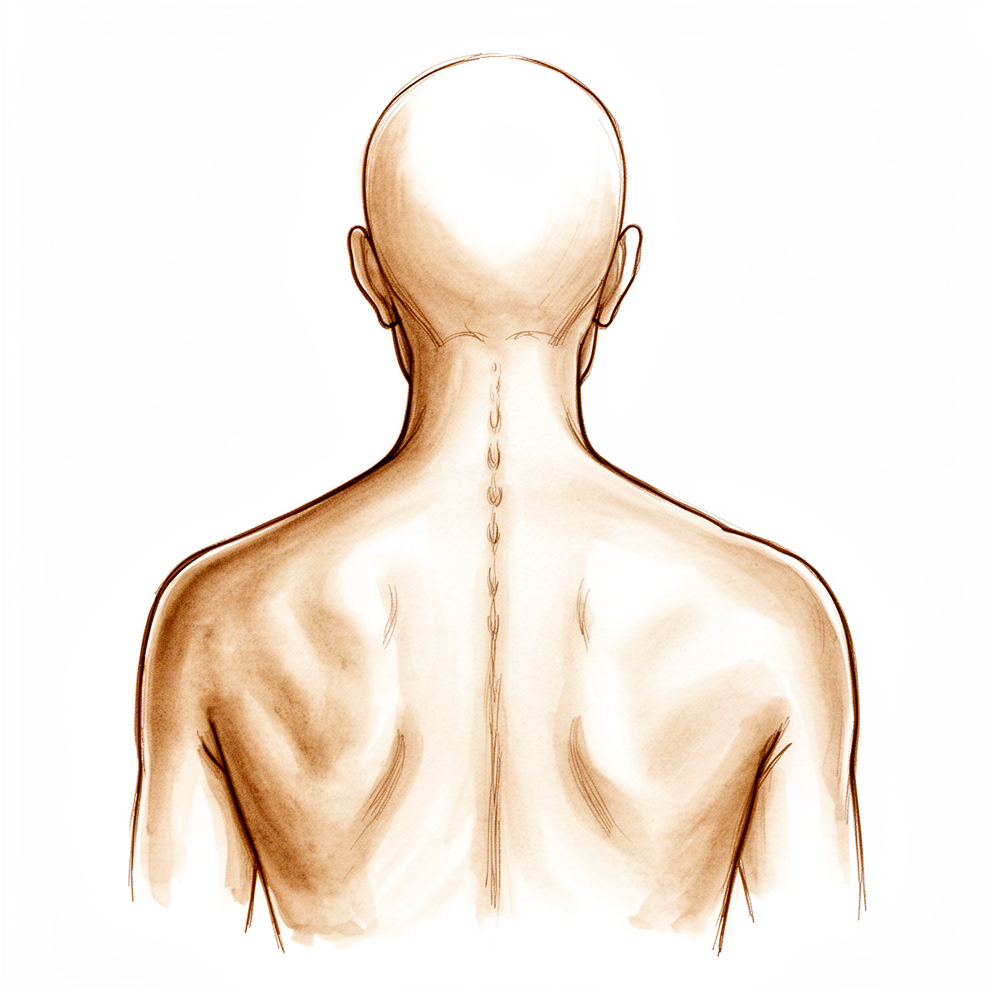
Overview
The spine integrates unique bony, ligamentous, neural, and vascular anatomy to provide axial support, flexibility, and neural protection [1]. It comprises 7 cervical, 12 thoracic, 5 lumbar, 5 fused sacral, and 4 or 5 fused coccygeal vertebrae [20]. Each vertebral body is a cylindrical mass connected via pedicles to the posterior arch, which includes the lamina and spinous process [20]. The spinal canal is bounded anteriorly by the vertebral body, posteriorly by the lamina, and laterally by the pedicles [20]. Vertebral bodies primarily bear weight and transfer forces to the pelvis and hips, while posterior elements protect neural structures and act as a tension band [20]. The functional spinal unit consists of two vertebrae, the intervening disk, and facet joints with their capsules, limiting motion to protect contained neural structures [5].
Sagittal alignment features approximately 15° cervical lordosis, 20° to 40° thoracic kyphosis, and 40° to 50° lumbar lordosis [5]. Thoracic and sacral kyphosis are primary curvatures present at birth, whereas cervical and lumbar lordosis develop secondarily to facilitate upright posture [5]. The center of gravity runs from the odontoid process to the sacral promontory; shifts too far ventrally cause significant pain and disability [5]. Vertebral bodies bear 70% to 90% of static axial load, while facet joints support 10% to 20% in neutral standing, up to 30% in extension, and up to 50% of anterior shear load in flexion [5]. Intervertebral disk compression deforms the nucleus pulposus, redistributing forces radially against the tensile resistance of the anulus fibrosus [5]. Spinous and transverse processes serve as lever arms for muscle insertion [5].
The thoracic spine represents a transitional zone characterized by rigidity, forming a stable bony "cube" with the ribs and sternum to protect the heart and lungs [6]. Thoracic vertebral bodies are larger than cervical but smaller than lumbar vertebrae [6]. Pedicles arise superiorly and project obliquely from superodorsal to inferoventral, with T1 and T2 exhibiting a more medial trajectory similar to cervical vertebrae [6]. The spinal canal is narrowest in this region [6]. Spinous processes project horizontally in the upper four thoracic levels, sharply obliquely in the midthoracic spine, and horizontally again from T10 to T12 [6]. Superior articular facets project cranially and are oriented coronally, while inferior facets are contiguous with the ventral lamina, permitting only a small arc of motion [6]. Rib heads articulate with vertebral bodies via demifacets at disk levels, except at T1, T11, and T12 which have single articulations [6]. Transverse processes project obliquely superolaterally, hosting costotransverse joints for rib articulation, absent at T11 and T12 where processes are shorter and more lateral [6].
The anterior longitudinal ligament (ALL) is strong, thickest at the vertebral body center, and resists hyperextension [21]. The posterior longitudinal ligament (PLL) is weaker, hourglass-shaped, and separated from the vertebral body center by a space for dorsal branches of the spinal artery and veins [21]. Ruptured discs tend to be lateral to PLL expansions, and PLL ossification increases dural tear risk [21]. The ligamentum flavum is a strong elastic ligament connecting laminae, constantly in tension, with hypertrophy potentially contributing to nerve root compression [21]. Supraspinous, interspinous, and intertransverse ligaments form capsules over zygapophyseal joints, with the supraspinous ligament continuous with the ligamentum nuchae from C7 to the occiput [21].
The spinal cord consists of white matter covered by pia mater, with myelin sheathing axons [9]. The lateral spinothalamic tract transmits pain and temperature sensation, somatotopically arranged with cephalad levels anteromedially and caudal levels posterolaterally; injury causes contralateral deficits [9]. Lateral and ventral corticospinal tracts transmit efferent motor fibers, somatotopically arranged with cephalad levels interiorly; injury causes ipsilateral deficits due to decussation above the foramen magnum [9]. Dorsal columns comprise the fasciculus gracilis and cuneatus, transmitting proprioception, vibration, pressure, and tactile discrimination; injury causes ipsilateral deficits [9]. Gray matter has an H-shaped cross-section with dorsal sensory and anterior motor horns, topographically arranged such that cephalad innervations are central, explaining upper extremity prominence in central cord syndrome [9].
Arterial supply depends on the anterior median longitudinal trunk and a pair of posterolateral trunks [4]. These trunks are largest in cervical and lumbar regions and smaller in the thoracic region [4]. Gray matter has greater metabolic demands than white matter [4]. Medullary feeder arteries reinforce longitudinal channels, with 2 to 17 anteriorly and 6 to 25 posteriorly [4]. Vertebral arteries supply 80% of cervical radicular arteries, while thoracic and lumbar arteries arise from the aorta [4]. The vertebral and posterior inferior cerebellar arteries are important sources of spinal cord supply [4]. Sacral medullary feeders arise from lateral sacral arteries [4]. Segmental arteries supply extraspinal and intraspinal structures at every vertebral level [4].
Osseous Anatomy
General Structure
The vertebral body is a fairly cylindrical mass of bone connected by pedicles to the posterior arch, which consists of the lamina and spinous process [20]. Regional anatomic differences in the vertebrae reflect the motion and biomechanical forces within a particular portion of the spine [20]. The unique bony, ligamentous, neural, and vascular anatomy of the spine facilitates its biologic and biomechanical functions, providing axial support while allowing flexibility and protecting neural structures [1].
Cervical Vertebrae
The unique microarchitecture of cervical vertebrae causes fractures to occur much later in this region than in the thoracic or lumbar spine [2]. The supraspinous ligament lies dorsal to the spinous processes, and the interspinous ligament lies between the spinous processes [21]. The apical ligament runs from the tip of the dens to the basion [83]. The alar ligaments attach on the lateral side of the tip of the dens and run horizontally to the anteromedial aspect of the occipital condyles [83]. The transverse ligament spans from the lateral masses of C1, running just dorsal to the dens [83]. The craniocaudal component of the cruciate ligament runs in the midline from the transverse ligament cranially to the basion and caudally to the C2 vertebral body [83]. The posterior occipito-atlantal membrane runs from the posterior arch of C1 to the posterior aspect of the foramen magnum (opisthion), with a lateral gap for the vertebral arteries [83].
Thoracic Vertebrae
The upper thoracic vertebrae share features with cervical vertebrae, and the lower thoracic levels share features with lumbar vertebrae [6]. The thoracic spine forms a bony "cube" with the ribs and sternum, providing protection to the heart and lungs [6]. Thoracic vertebral bodies are larger than cervical vertebral bodies but smaller than lumbar vertebral bodies [6]. Thoracic pedicles arise more superiorly from the posterior vertebral body than in the cervical or lumbar spine and project obliquely from superodorsal to inferoventral [6]. Thoracic pedicles narrow in diameter until the midthoracic spine and then increase again toward the most caudal levels [6]. The spinal canal is narrowest in the thoracic region of the spine [6].
The spinous processes of the upper four thoracic vertebrae project more horizontally with slight inferior angulation, similar to cervical levels [6]. In the midthoracic spine, spinous processes project sharply obliquely, overlapping the lamina and spinous processes inferiorly [6]. From T10 to T12, spinous processes transition to a more horizontal projection consistent with lumbar vertebrae [6]. The inferior articular facets of thoracic vertebrae are essentially contiguous with the ventral aspect of the lamina [6]. The orientation of thoracic facets permits only a small arc of motion [6].
Rib heads articulate with the lateral aspect of the vertebral bodies, sharing an articulation at the disk space level referred to as a demifacet [6]. Thoracic transverse processes project obliquely superolaterally [6]. The costotransverse joint is located along the ventral aspect of the transverse process where the rib articulates with the same-numbered transverse process [6]. The transverse processes of T11 and T12 are shorter and project more laterally than the levels above [6].
Lumbar Vertebrae
There is a relationship between the morphological characteristics of the human lumbar pedicle and geographical location [13]. Osteophytes and Schmorl's nodes are associated with significant morphometric deviations that may have implications for spinal instrumentation [27]. The major determinants of sacral dysmorphism are upper sacral segment coronal and axial angulation [28]. Measurements of the transverse angles of the pedicles and distances from the posterior laminar cortex to the anterior vertebral body cortex on radiographs and CT scans were greater than direct measurements [46]. Various measurements of the posterior structures of subaxial cervical vertebrae differed between the left and right sides, females and males, and different population groups [47]. Lumbar HR-MDCT is not valid for the in vivo evaluation of bone architecture in the lumbar spine as there was no significant correlation between HR-MDCT and micro-CT analysis of vertebral biopsies [48]. Asymmetric bony growth of the vertebral body occurred at both structural and non-structural curves in adolescent idiopathic scoliosis and was more apparent around the apical vertebrae [49].
Alignment and Biomechanics
Lordotic curvatures of the cervical and lumbar spine develop secondarily later in life to allow upright posture [5]. The functional spinal unit consists of two vertebrae, the disk between them, and the facet joints and their capsules [5]. Facet joints support 10% to 20% of axial load in a standing, neutral alignment [5]. The spinous processes and transverse processes act as lever arms, providing mechanical advantage for muscles that insert along their surfaces [5]. Despite significant changes during skeletal maturity, modifications in spinal curvatures are not large enough to impact surgical planning [44].
Development and Morphometry
The morphology of subaxial cervical spine endplates differs between Chinese and White men and women in most linear and area parameters [45]. The measurements of radiographic parameters of the cervical spine in children followed longitudinally from before age three through skeletal maturity document growth and development [51]. MR images can distinguish the histological structures of normal and malformed mouse spines, with malformed vertebrae accompanied by adjacent intervertebral structures corresponding to fully segmented structures observed in human congenital scoliosis [50].
Ligaments and Joint Capsule
General Ligamentous Anatomy
Spinal ligaments facilitate normal physiologic function while conferring stability and restricting pathological degrees of motion [35]. The primary ligaments of the spine include the anterior longitudinal ligament (ALL), posterior longitudinal ligament (PLL), ligamentum flavum, interspinous ligament, and supraspinous ligament [35]. Capsules around the facet joints confer added stability to the spine [35]. Localized specializations of spinal ligaments exist particularly at the upper cervical spine and craniocervical junction [35].
In the thoracolumbar spine, stability is organized into three columns. The anterior column consists of the anterior two-thirds of the vertebral body, the anterior part of the anulus fibrosus, and the anterior longitudinal ligament [35]. The middle column consists of the posterior third of the vertebral body, the posterior part of the anulus fibrosus, and the posterior longitudinal ligament [35]. The posterior column consists of facet joint capsules, ligamentum flavum, bony neural arch, supraspinous ligament, interspinous ligament, and articular processes [35]. During axial loading, posterior structures including the ligamentum flavum and interspinous ligament resist distraction [23]. The facet joints prevent the translation of vertebrae [23].
Anterior Longitudinal Ligament (ALL)
The anterior longitudinal ligament is strong, thickest at the center of the vertebral body, and thinnest at the periphery [21]. It is characterized by separate fibers extending from one to five levels [21]. The ALL resists hyperextension [21].
Posterior Longitudinal Ligament (PLL)
The posterior longitudinal ligament is weaker than the anterior longitudinal ligament [21]. It extends from the occiput (tectorial membrane) to the posterior sacrum [21]. The PLL is separated from the center of the vertebral body by a space that allows passage of the dorsal branches of the spinal artery and veins [21]. The ligament is hourglass-shaped, with wider yet thinner sections located over the discs [21]. Ruptured discs tend to be lateral to the expansions of the posterior longitudinal ligament [21]. Ossification of the posterior longitudinal ligament is associated with an increased risk of dural tears [21].
Ligamentum Flavum
The ligamentum flavum runs from the anterior surface of the superior lamina to the posterior surface of the inferior lamina [21]. It is constantly in tension [21]. Increased motion of the lumbar spine induces ligamentum flavum hypertrophy in a rat model [96].
Facet Joint Capsule
The facet joints are synovial joints with surfaces covered by articular cartilage, a synovial membrane bridging the margins of the articular cartilage, and a joint capsule enclosing them [79]. Excision of the capsule and cartilage of the facets results in a significant increase in sagittal and axial ranges of motion compared with the intact spine [74]. This excision also results in a significant increase in sagittal and axial ranges of motion compared with decompression alone [74]. The existence of A-δ and C-fiber receptors in the facet joint capsule indicates that the capsule has pain and proprioceptive sensory functions [103]. Degeneration of the facet joint alters the ranges of motion of the lumbar spine [95]. The multifidus muscles of some individuals are active early enough to potentially increase the collision-induced loading of the facet capsular ligaments [62].
Specialized Ligaments and Structures
The cruciate ligament stabilizes the atlantoaxial joint and prevents anterior translation of C1 on C2 [92]. Radiating ligaments in the cervical foramina transfer pulling forces on nerve roots to surrounding structures, playing a protective role [89]. The interlaminar ligament is a structure with significant structural differences from the ligamentum flavum [107]. It serves as an endpoint for soft tissue channel establishment in posterior endoscopic procedures [107]. Minor trauma can disrupt ligaments binding the short basal peg in os odontoideum, leading to anterior subluxation, spinal cord compression, and potentially fatal cardiorespiratory arrest [104]. The integrity of the posterior ligamentous complex has implications for operative versus non-operative treatment [21].
Muscles and Tendons
Spinal Nerve Anatomy and Innervation
A typical mixed spinal nerve comprises three distinct components: motor, sensory, and sympathetic [3]. Motor root fibers originate from anterior horn cells to innervate skeletal muscles [3], while cell bodies for sensory fibers reside within the dorsal root ganglia [3]. Sympathetic cells of origin are located in the intermediolateral cell column extending throughout the thoracic and upper lumbar cord segments [3]. These sympathetic fibers exit the cord with the 12 thoracic and first two lumbar motor roots to enter the respective mixed spinal nerve [3]. White rami pass anteriorly to the corresponding sympathetic ganglion, after which postganglionic fibers return to the mixed spinal nerve as a gray ramus [3].
The posterior primary rami supply the paraspinal musculature and the skin along the posterior aspect of the trunk, neck, and head [3]. The upper three cervical posterior rami are larger than their corresponding anterior rami, supplying relatively large areas of the scalp posteriorly and the musculature around the craniocervical junction [3]. Anterior primary rami of all cervical, the first thoracic, and all lumbosacral nerves join in the formation of plexuses [3]. Specifically, sacral anterior rami along with the fifth lumbar and a part of the fourth join to form the lumbosacral plexus [3]. Migration of limb buds accounts for the displacement of midcervical dermatomes along the lateral aspect of the arm and radial aspect of the forearm [3], as well as the displacement of lower cervical and upper thoracic dermatomes along the medial aspect of the arm and ulnar aspect of the forearm [3].
Spinal Accessory Nerve
The spinal accessory nerve (cranial nerve XI) innervates the sternocleidomastoid and trapezius muscles [10]. It originates in the posterior cranial fossa from spinal and cranial nerve roots and passes through the jugular foramen [10]. The internal branch contains fibers originating from the "cranial part" and joins the vagus nerve (cranial nerve X) [10]. The external branch consists of fibers from the "spinal part" and innervates the sternocleidomastoid and trapezius muscles [10]. After supplying the sternocleidomastoid muscle, the nerve descends obliquely in the posterior triangle of the neck between the superficial and deep layers of the deep cervical fascia [10]. Within this triangle, the nerve is embedded in loose connective tissue and is in contact with the cervical lymph node chain [10]. Consequently, the posterior triangle is the most common location for iatrogenic injuries to the spinal accessory nerve during lymph node biopsies [10].
The spinal accessory nerve provides two or three branches to the upper part of the trapezius muscle before passing under its anterior edge [10]. Intramuscularly, it follows an oblique caudal course toward the middle and lower parts of the trapezius, giving off branches to the muscle throughout its course [10]. There is great variability in connections between the spinal accessory nerve and the roots of the cervical plexus [10]. However, after leaving the posterior triangle, the nerve follows a constant course on the deep surface of the trapezius muscle [18]. The entry point of the branch from the cervical plexus serves as a useful surgical landmark for the spinal accessory nerve [18], although this branch can be absent [18].
Paraspinal and Psoas Muscles
The paravertebral extensor muscles are important in the context of cervical spinal cord injury [15]. In lumbar spine pathology, paraspinal muscle health is related to fibrogenic, adipogenic, and myogenic gene expression [32]. The psoas muscle serves as a surgical landmark for procedures requiring exposure of the lateral anterior of the lumbar spine [31]. Incision at the ventral 2/3 of the psoas muscle region can prevent lumbar plexus injuries for these procedures [31]. Regarding specific morphology, the semispinalis cervicis insertion shows considerable individual variations in morphologic features [120]. The insertion width of the semispinalis cervicis is often narrower than common spacers [120].
Neurovascular Anatomy
Spinal Cord Vascular Supply
The arterial supply to the spinal cord follows constant principles, though specific patterns vary by individual [4]. The cord depends on three vessels: the anterior median longitudinal arterial trunk and a pair of posterolateral trunks near the posterior nerve rootlets [4]. These longitudinal trunks are largest in the cervical and lumbar regions near the ganglionic enlargements and much smaller in the thoracic region, reflecting the greater metabolic demands of gray matter compared to white matter [4]. Medullary feeder (radicular) arteries reinforce these longitudinal channels, with 2 to 17 located anteriorly and 6 to 25 posteriorly [4]. The vertebral arteries supply 80% of the radicular arteries in the neck, while thoracic and lumbar radicular arteries arise from the aorta [4]. In the sacral region, the lateral sacral, fifth lumbar, iliolumbar, and middle sacral arteries are important sources of blood supply [4]. The vertebral and posterior inferior cerebellar arteries serve as supplementary sources of arterial supply to the spinal cord [4].
At every vertebral level, a pair of segmental arteries supplies extraspinal and intraspinal structures [4]. Thoracic and lumbar segmental arteries arise from the aorta, while cervical segmental arteries arise from the vertebrals and the costocervical and thyrocervical trunks [4]. In 60% of individuals, an additional source of cervical segmental supply arises from the ascending pharyngeal branch of the external carotid artery [4]. Segmental arteries divide into numerous branches at the intervertebral foramen, a site termed the "distribution point" [4]. A second anastomotic network lies within the spinal canal in the loose connective tissue of the extradural space, with the greatest concentration in the cervical and lumbar regions [4]. The vascular supply of the spinal cord is primarily from the medullary branches of the segmental spinal arteries, which merge to feed the anterior spinal artery [36]. The anterior spinal artery is responsible for supplying approximately 80% of the vascular supply to the spinal cord [36]. Typically, three anterior medullary arteries supply the cervical region, one or two supply the thoracic region, and one supplies the lumbosacral spinal cord [36].
The arteria medullaris magna (AMM), also known as the arteria radicularis magna or artery of Adamkiewicz, is the largest anterior segmental artery and typically arises on the left side between the T8 and L1 level [36]. Right-sided origins of the AMM are not uncommon [36]. The AMM is the largest feeder of the lumbar cord and is located on the left side, usually at the level of T9-11 in 80% of individuals [4]. The anterior longitudinal arterial channel of the spinal cord is crucial, and preservation of the artery of Adamkiewicz alone does not ensure continued satisfactory circulation for the spinal cord [4]. The blood supply to the spinal cord is poorest at T4-9, which is considered the critical vascular zone where interference with circulation is most likely to result in paraplegia [4]. The three longitudinal arterial channels of the spinal cord function with principles similar to the circle of Willis, permitting reversal of flow and alterations in blood volume in response to metabolic demands [4]. The internal arterial circle of the spinal cord is surrounded by at least two outer arterial circles, one in the extradural space and one in the extravertebral tissue planes [4].
The blood supply of the cervical spinal cord is dependent on an anterior spinal artery located in the midline and two posterior spinal arteries [9]. The most consistent segmental vessel supplying the cervical spinal cord is located at the level of C5–C6 [9]. The basilar artery anastomoses with the anterior spinal artery and can potentially supply collateral circulation to the level of C4 [9]. The anterior and posterior spinal arteries may be short longitudinal segments that are highly dependent on their segmental feeder vessels rather than contiguous structures running the entire length of the spinal cord [9].
Vertebral Artery Anatomy
The cervical spine derives its circulation primarily from the vertebral arteries [36]. The vertebral arteries arise from the subclavian arteries and typically enter the transverse foramen at the C6 level [36]. They run proximally through the transverse foramina to C1, course posteriorly over the superior aspect of the C1 ring, and enter the foramen magnum to merge and form the basilar artery [36]. Segmental branches to each cervical vertebra arise from the vertebral artery and the deep cervical branch of the costocervical trunk [36]. There is significant variability in vertebral artery anatomy, with one side typically being more dominant than the other [36]. The vertebral artery may enter through the transverse foramen of C7 rather than C6 [36]. Anomalous courses of the vertebral artery, such as looping through a cervical vertebral body before returning to the longitudinal course, are not uncommon [36]. The transverse foramen may be a key determinant of the distance from the pedicle border to the vertebral artery and pedicle outer width [111].
Bony Vascular Supply
The pedicles, transverse processes, articular facets, and laminae have a good arterial blood supply through anastomosing branches of the posterior rami [101]. The vertebral body is supplied by a prominent dorsal branch and two small anterolateral branches [101]. The arterial blood supply to the odontoid process forms a constant pattern of three groups of vessels from two sources: anterior and posterior vessels from the vertebral artery and cleft perforating vessels from the carotid artery [116].
Spinal Nerve Components
Motor rootlets leave the anterolateral sulcus of the spinal cord and unite to form each motor root, with fibers arising from anterior horn cells to innervate skeletal muscles [3]. Sensory fibers arise from pain, thermal, tactile, and stretch receptors, with cell bodies located within the dorsal root ganglia [3]. Sensory axons enter the posterolateral sulcus of the cord via several rootlets [3]. Sympathetic fibers exit the cord with the 12 thoracic and first two lumbar motor roots, enter the respective mixed spinal nerve, and emerge as white rami [3]. White rami pass anteriorly to the corresponding sympathetic ganglion, where synapse may occur or fibers may pass variable distances up or down the paravertebral chain [3]. Postganglionic fibers pass along gray rami to cervical, lower lumbar, or sacrococcygeal mixed spinal nerves that have no white rami [3]. Mixed spinal nerves receive their sympathetic component after leaving the intervertebral foramina and branch into anterior and posterior primary rami [3]. The upper three cervical posterior rami are larger than their corresponding anterior rami, supplying large areas of the scalp posteriorly and musculature around the craniocervical junction [3]. The upper four cervical anterior rami form the cervical plexus, and the lower four cervical and first thoracic anterior rami form the brachial plexus [3]. Segmental dermatomal patterns are well preserved in the thoracic region but not in the limbs due to migration of limb buds [3].
Spinal Cord Tract Anatomy
The lateral spinothalamic tract is an afferent tract located within the anterolateral aspect of the cord that transmits pain and temperature sensation [9]. The lateral and ventral corticospinal tracts transmit efferent motor fibers and are somatotopically arranged, with more cephalad levels located in the interior, anteromedial substance of the cord [9]. Motor nerve fibers decussate above the level of the foramen magnum, so injuries to these tracts within the cord result in ipsilateral loss of function [9]. The dorsal columns comprise the fasciculus gracilis and fasciculus cuneatus, which transmit proprioception, vibratory sense, pressure, and tactile discrimination to the brain [9]. Spinal cord gray matter maintains an H-shaped appearance in cross section, divided into dorsal and anterior horns [9].
Surgical and Clinical Vascular Considerations
The presence of rich anastomotic channels offers alternative pathways for arterial flow, preserving spinal cord circulation after the ligation of segmental arteries [4]. The dominance of the anterior spinal artery system has been challenged by the fact that many anterior spinal surgeries have been performed with no increase in the incidence of paralysis, suggesting a rich anastomotic supply protects the spinal cord [4]. Evidence suggests that the posterior spinal arteries may be as important as the anterior system [4]. Care must be taken when planning cervical procedures such as corpectomy or instrumentation to evaluate the course of the vertebral artery due to anatomical inconsistencies [36]. Careful evaluation of the AMM is necessary for any planned anterior procedures at the thoracolumbar junction, as ligation or injury to this artery could have disastrous consequences [36]. Elucidation of the exact mechanisms for compensation after radiculomedullary vessel sacrifice requires further study and will be aided by preoperative, intraoperative, and postoperative comparative angiography [117]. Protocols in place at centers minimize the risk of spinal cord ischemia during planned sacrifice of radiculomedullary vessels [117]. Neurogenic claudication appears to begin with venous congestion of the nerve root [106]. Cortical evoked potentials revealed neurological abnormalities before the appearance of clinical signs in experimental lumbar spinal stenosis [106].
Biomechanics and Function
Alignment and Sagittal Balance
The spinal curvatures function to keep the head balanced over the pelvis and transmit axial forces through the spine to the pelvis [5]. Kyphotic segments, specifically the thoracic and sacral regions, are considered “primary” curvatures because they are already present in utero and at birth [5]. Sagittal plane deformity is a prime driver of disability, with loss of lumbar lordosis correlating directly with pain and functional disability [71]. Pelvic incidence is a constant, anatomic parameter independent of pelvic positioning that is intimately related to lumbar lordosis; the surgical goal is to achieve lumbar lordosis within 10° of pelvic incidence [71]. Increasing pelvic tilt serves as a compensatory mechanism for sagittal plane malalignment [71]. Furthermore, lumbosacral and hip motions are the major contributors to global alignment postural change [85].
Functional Spinal Unit and Load Bearing
The basic motion segment of the spine is the “functional spinal unit,” comprised of two vertebrae, the intervertebral disk between them, and the facet joints with their capsules [5]. This unit limits spinal motion within the confines of protecting the contained neural structures [5]. Vertebral bodies are loaded in series, meaning more caudal levels must support more weight than cranial segments [5]. The vertebral bodies bear 70% to 90% of the static axial load of the spine and function primarily to bear weight and transfer forces to the pelvis and hips [5, 20]. The posterior elements provide protection to neural structures and function as a tension band [20]. During axial loading, anterior structures including the intervertebral disks and vertebral bodies resist compression, while posterior structures including the ligamentum flavum, interspinous ligament, and paraspinal muscles resist distraction [23]. As compressive forces are applied to the disk, the nucleus pulposus deforms, redistributing axial forces radially [5]. The nucleus pulposus is hydrophilic, composed of type II collagen, and functions to maintain disk space height and resist compressive loads [67]. The anulus fibrosus is composed of lamina of obliquely oriented type I collagen fibrils and functions to resist tensile loads [67].
Regional Biomechanics and Kinematics
The thoracic spine represents two transitional zones: from the highly mobile cervical spine into the more rigid thoracic region, then back to the more mobile lumbar spine [6]. In conjunction with the ribs and sternum, the thoracic region forms a bony “cube,” an inherently stable structure [6]. The high incidence of fractures at the thoracolumbar junction is due to its location at the biomechanical transition zone between the rigid thoracic rib cage and the more flexible lumbar spine [24]. The spinal canal in the thoracic region is relatively narrow, increasing the risk of injury-associated compression or neurologic deficits [24]. In the cervical spine, space for the spinal cord is narrowest at the C4–7 levels [23]. Mean sagittal canal diameters decrease proximally to distally within the cervical spine, with a nadir at C6, averaging 23.9 mm at C1 to 17.9 mm at C7 [23]. A large spinal canal is a protective factor for spinal cord injury [23]. The cervical spine, when flexed to 30°, is most susceptible to injury from axial loading [23].
Regional differences exist within the lumbar spine during common postures and movements [33]. Increasing load has a significant impact on the coupled translational movement of lumbar facet joints [53]. The position of the lumbar spine center of rotation changes with variations in load and differs between movement types [54]. Load-displacement curves for the lumbar spine are non-linear, and motions are coupled [61]. Loading in the anterior-oblique direction required lower external force or moment to keep the lumbar spine in the neutral position compared to vertical or posterior-oblique directions [70]. Higher values of ligament stiffness over all lumbar levels could lead to a shift of loading and motion between segments to the lower lumbar levels [77]. Critical spinal lytic defects result in kinematic abnormalities and lower the compressive strength of the spine [72]. Increased load evoked augmented flexion relaxation phenomenon onset and cessation angles as well as heightened muscle activation, likely reflecting a need to enhance spinal stability [88]. Changes in lumbar-stabilizing mechanisms in the presence of muscle fatigue seem to be caused by modulation of lumbopelvic kinematics [90].
Injury Mechanisms and Stability
Spinal stability refers to the ability of the spine to maintain its alignment and protect neural structures during normal physiologic loading [26]. Unstable spine injuries are at risk for progressive deformity and neurologic compromise and may require early stabilization and decompression of the spinal cord [26]. A flexion posture with compressive load shortens the anterior column of the spine while distracting the posterior column, leading to overall instability [23]. Flexion of the neck during sports activity moves the cervical spine into straight alignment and removes the paraspinal musculature as a supportive shock absorber [23]. Initially, the energy of the axial load is absorbed by the intervertebral disks, but with continued application of force, compressive failure of the disks and/or surrounding ligamentous and osseous structures eventually occurs [23]. A pure axial load on the anterior and posterior columns leads to a burst fracture, with spinal cord injury resulting from the retropulsion of bony fragments from the vertebral body into the spinal canal [23]. Bilateral facet joint dislocations are associated with spinal cord injury [23].
The biomechanics of spinal canal injury involve multidirectional force vector analyses [40]. Both gray and white matter in the spinal cord possess different mechanical properties and require separate modeling to obtain the truest biomechanical model [40]. Radiologic images show a static representation of the vertebral column, which underestimates the degree of deformation and displacement at the time of injury [40]. Mechanical deformation of axons alters membrane permeability and increases cytosolic calcium concentration [23]. Mechanical deformation of axons also triggers local vasospasm, reducing incoming blood flow [23]. In a transient neurapraxia of the spinal cord, an elastic deformation of axons occurs, leading to a change in membrane permeability that causes a minimal increase in intracellular calcium and only a temporary alteration in function [23]. Cervical spine injuries resulting in instability may lead to spinal cord deformation, causing maximal elastic or plastic deformation of axons and longer periods of anoxia and cytosolic calcium buildup [23]. Understanding the biomechanical principles of spinal instrumentation and motion coupling is essential for optimizing three-dimensional correction of thoracolumbar spinal deformities [84]. The link between biomechanical data and complications after cervical kyphosis correction supported the existence of an appropriate correction range [99].
Common Sites of Injury
The thoracolumbar junction represents a biomechanical transition zone between the rigid thoracic rib cage and the more flexible lumbar spine, resulting in a high incidence of fractures [24]. Approximately 50% of thoracolumbar fractures occur between T11 and L1 [24], while approximately 30% of thoracolumbar injuries occur between L2 and L5 [24]. The spinal canal in the thoracic spine is relatively narrow, increasing the risk of injury-associated compression and neurologic deficits [24].
In the cervical spine, the space for the spinal cord is narrowest at the C4–C7 levels [23]. Mean sagittal cervical spine canal diameters decrease from proximal to distal, with a nadir at C6 [23]. The average sagittal cervical spine canal diameter is 23.9 mm at C1 and 17.9 mm at C7 [23]. Patients with complete spinal cord injury have substantially smaller sagittal cervical spine canal diameters than those with no neurologic deficits or incomplete deficits [23]. The intrinsic dimensions of the cervical spinal canal, specifically the ratio of sagittal to transverse diameter, may constitute a predisposition to spinal cord injury in the cervical segments [29]. Due to the unique microarchitecture of cervical vertebrae, fractures occur much later in this region than in the thoracic or lumbar spine [2]. The cervical spine is most susceptible to injury from axial loading when flexed to 30° [23]. Patients with neurologic deficit after a cervical spine fracture or dislocation are more likely to have sustained an injury to the lower cervical spine [23].
Regarding penetrating trauma, approximately half of all gunshot injuries to the spine involve the thoracic spine [78], and approximately one-third involve the lumbar spine [78]. In the United States, civilian gunshot injuries are the third most common cause of spinal cord injury, accounting for approximately one in every five cases [78].
Surgical Anatomy
General Spinal Anatomy
The spine’s unique bony, ligamentous, neural, and vascular anatomy facilitates multiple biologic and biomechanical functions, providing axial support while allowing significant flexibility and protecting neural structures [1]. The thoracic spine is characterized by rigidity and, in conjunction with the ribs and sternum, forms a bony "cube" that provides protection to the heart and lungs [6]. In the cervical region, the intrinsic dimensions of the spinal canal, specifically the shape defined by the ratio of sagittal to transverse diameter, may constitute a predisposition to spinal cord injury in the cervical segments [29].
Osseous Anatomy
Thoracic vertebral bodies are larger than cervical vertebral bodies but smaller than lumbar vertebrae [6]. Thoracic pedicles narrow in diameter from the upper levels until the midthoracic spine and then increase again toward the most caudal levels [6]. The spinous processes of the upper four thoracic vertebrae project more horizontally with only slight inferior angulation, similar to cervical levels [6]. The orientation of thoracic articular facets permits only a small arc of motion [6]. Rib heads articulate with the lateral aspect of the vertebral bodies, with a shared articulation at the disk space referred to as a demifacet [6]. The transverse processes at T11 and T12 are shorter and project more laterally than the levels above, representing a transitional zone to the lumbar spine [6]. Due to the unique microarchitecture of the cervical vertebrae, fractures occur much later in this region than they do in the thoracic or lumbar spine [2].
Vascular Anatomy
The longitudinal arterial trunks are largest in the cervical and lumbar regions near the ganglionic enlargements and much smaller in the thoracic region due to greater metabolic demands of gray matter [4]. The vertebral and posterior inferior cerebellar arteries are important supplementary sources of arterial supply to the spinal cord [4]. Cervical segmental arteries arise from the vertebrals and the costocervical and thyrocervical trunks [4]. Segmental arteries divide into numerous branches at the intervertebral foramen, termed the "distribution point" [4]. The blood supply to the thoracic cord from approximately T4 to T9 is much poorer than other regions [4]. The T4-9 region is considered the critical vascular zone of the spinal cord, where interference with circulation is most likely to result in paraplegia [4]. The "outlet points" for spinal cord blood flow are limited to the perforating sulcal arteries and the pial arteries of the cord [4].
Neural Anatomy
The spinal accessory nerve originates in the posterior cranial fossa from spinal and cranial nerve roots and passes through the jugular foramen [10]. It divides into an internal branch that joins the vagus nerve and an external branch that innervates the sternocleidomastoid and trapezius muscles [10]. Intramuscularly, the spinal accessory nerve follows an oblique caudal course toward the middle and lower parts of the trapezius and gives off branches throughout its course [10]. The entry point of the branch from the cervical plexus serves as a useful surgical landmark for the spinal accessory nerve, although this branch can be absent [18]. The psoas muscle can be considered a surgical landmark, as incision at the ventral 2/3 of the region can prevent lumbar plexus injuries for procedures requiring exposure of the lateral anterior of the lumbar spine [31].
Surgical Considerations
The general surgical principle for oblique lumbar interbody fusion (OLIF) is that instrumentation should never extend beyond the contralateral intervertebral disc border, regardless of presumed vascular anatomy [17]. The regional anatomy of each level related to OLIF has its own peculiarities, and not all levels are suitable for OLIF [19]. From the anatomical perspective of the prevertebral great vessels, bicortical pedicle screws were not suitable for insertion into every lumbar vertebra [68]. When planning a cement-augmented pedicle screw fixation (CAPSF) procedure, it is important to consider the anatomical distribution of the basivertebral foramen (BVF) to mitigate the risk of extensive epidural cement leakage [63]. The paravertebral extensor muscles are important in the context of cervical spinal cord injury and may guide future therapeutic strategies [15].
Key Evidence
- [L5] Due to the unique microarchitecture of the cervical vertebrae, fractures occur much later in this region than they do in the thoracic or lumbar spine. [2] (10.1186/s13018-022-03105-5)
- [L2] There is a relationship between the morphological characteristics of the human lumbar pedicle and geographical location. [13] (10.1186/s13018-023-03499-w)
- [L4] This finding underscores the importance of the paravertebral extensor muscles in the context of cervical SCI and may guide future therapeutic strategies. [15] (10.1186/s12891-024-07808-0)
- [L5] Nevertheless, the general surgical principle remains paramount: instrumentation should never extend beyond the contralateral intervertebral disc border, regardless of presumed vascular anatomy. [17] (10.1186/s13018-025-06066-7)
- [L5] The spinal accessory nerve follows a constant course on the deep surface of the trapezius muscle after leaving the posterior triangle, with the entry point of the branch from the cervical plexus serving as a useful surgical landmark, although this branch can be absent. [18] (10.1054/jhsb.1999.0158)
- [L4] The regional anatomy of each level related to OLIF has its own peculiarities, and not all levels are suitable for OLIF. [19] (10.1371/journal.pone.0163452)
- [L4] Osteophytes and Schmorl's nodes are associated with significant morphometric deviations that may have implications for multiple aspects of spinal instrumentation. [27] (10.1186/s12891-026-09547-w)
- [L4] The major determinants of sacral dysmorphism are upper sacral segment coronal and axial angulation. [28] (10.2106/jbjs.m.00895)
- [L3] The intrinsic dimensions of the cervical spinal canal, specifically the shape defined by the ratio of sagittal to transverse diameter, may constitute a predisposition to spinal cord injury in the cervical segments. [29] (10.2106/00004623-198971020-00003)
- [L5] The psoas muscle can be considered as a surgical landmark since incision at the ventral 2/3 of the region can prevent lumbar plexus injuries for procedures requiring exposure of the lateral anterior of the lumbar. [31] (10.1186/1471-2474-12-76)
- [L4] These findings provide insight into molecular pathways associated with muscle health in the presence of lumbar spine pathology. [32] (10.1186/s12891-022-05572-7)
- [L3] This study supports the concept of regional differences within the lumbar spine during common postures and movements. [33] (10.1186/1471-2474-9-152)
- [L4] Despite significant changes during skeletal maturity, the modifications in spinal curvatures are not large enough to be considered in clinical practice and to impact surgical planning. [44] (10.2106/jbjs.22.00977)
- [L4] The morphology of subaxial cervical spine endplates between Chinese and White men and women is different in most of the linear and area parameters. [45] (10.1155/2018/2854175)
- [L4] Various measurements of the posterior structures of subaxial cervical vertebrae differed between the left and right sides, females and males, and the DCS and NDCS groups. [47] (10.1186/s13018-015-0194-8)
- [L4] Lumbar HR-MDCT is not valid for the in vivo evaluation of bone architecture in the lumbar spine as there was no significant correlation between HR-MDCT and micro-CT analysis of vertebral biopsies. [48] (10.1186/s13018-020-01895-0)
- [L4] Asymmetric bony growth of the vertebral body occurred at both structural and non-structural curves and was more apparent around the apical vertebrae. [49] (10.1302/0301-620x.98b5.37133)
- [L5] MR images could be used to distinguish the histological structures of normal and malformed mouse spines, and malformed vertebrae were accompanied by adjacent intervertebral structures that corresponded to the fully segmented structures observed in human congenital scoliosis, but the intervertebral conditions varied. [50] (10.1186/s12891-024-07460-8)
- [L3] The measurements presented in the current study are important because they are the first, as far as we know, to document the radiographic parameters of the cervical spine in children who were followed longitudinally from before the age of three years through the course of growth and development until skeletal maturity. [51] (10.2106/00004623-200108000-00011)
- [L5] Increasing the load has a significant impact on the coupled translational movement of lumbar facet joints. [53] (10.1186/s13018-022-03016-5)
- [L4] The position of the lumbar spine center of rotation changes with variations in load and differs between movement types, suggesting distinct motion patterns in the lower lumbar spine. [54] (10.1186/s12891-025-08410-8)
- [L5] The study documented the complete three-dimensional elastic physical properties of each lumbar intervertebral level, finding that load-displacement curves are non-linear and motions are coupled, with ranges of motion comparing favorably with reported in vivo values. [61] (10.2106/00004623-199403000-00012)
- [L5] These data indicate that the multifidus muscles of some individuals are active early enough to potentially increase the collision-induced loading of the facet capsular ligaments. [62] (10.1186/1471-2474-9-80)
- [L3] When planning a CAPSF procedure, it is important to consider the anatomical distribution of the basivertebral foramen (BVF) and improve screw implantation methods to mitigate the risk of extensive epidural cement leakage. [63] (10.1186/s13018-023-04456-3)
- [L4] From the anatomical perspective of the prevertebral great vessels, bicortical pedicle screws were not suitable for insertion into every lumbar vertebra. [68] (10.1186/s12891-019-2756-0)
- [L5] Loading in the anterior-oblique direction required lower external force or moment to keep the lumbar spine in the neutral position compared to vertical or posterior-oblique directions. [70] (10.1155/2018/4517471)
- [L5] Critical spinal lytic defects result in kinematic abnormalities and lower the compressive strength of the spine. [72] (10.2106/jbjs.19.00419)
- [L5] Excision of the capsule and cartilage of the facets results in a significant increase in sagittal and axial ranges of motion compared with the intact spine and after decompression alone. [74] (10.2106/00004623-199412000-00012)
- [L5] Higher values of ligament stiffness over all lumbar levels could lead to a shift of the loading and the motion between segments to the lower lumbar levels. [77] (10.1186/s12891-016-0942-x)
- [L5] Understanding the biomechanical principles of spinal instrumentation and motion coupling is essential for optimizing three-dimensional correction of thoracolumbar spinal deformities and achieving favorable mechanical environments for fusion. [84] (10.5435/jaaos-d-24-01156)
- [L3] The lumbosacral and hip motions were the major contributors to global alignment postural change. [85] (10.1186/s12891-021-04865-7)
- [L4] Increased load evoked augmented flexion relaxation phenomenon onset and cessation angles as well as heightened muscle activation, likely reflecting a need to enhance spinal stability. [88] (10.1186/1471-2474-11-46)
- [L5] Radiating ligaments in the cervical foramina transfer pulling forces on nerve roots to surrounding structures, playing a protective role. [89] (10.1186/s13018-020-02006-9)
- [L3] Changes in lumbar-stabilizing mechanisms in the presence of muscle fatigue seem to be caused by modulation of lumbopelvic kinematics. [90] (10.1186/1471-2474-11-112)
- [L3] Degeneration of the facet joint alters the ROMs of the lumbar spine. [95] (10.1186/s13018-020-01826-z)
- [L5] A relatively safe, simple, and rapid rat model of ligamentum flavum hypertrophy using increased motion of lumbar was established. [96] (10.1186/s12891-021-04203-x)
- [L5] The link between biomechanical data and complications after cervical kyphosis correction supported the existence of an appropriate correction range. [99] (10.1186/s13018-025-06368-w)
- [L5] The pedicles, transverse processes, articular facets, and laminae have a good arterial blood supply through anastomosing branches of the posterior rami, while the vertebral body is supplied by a prominent dorsal branch and two small anterolateral branches. [101] (10.2106/00004623-195032030-00018)
- [L5] The existence of receptors in the facet joint capsule indicates that the capsule has pain and proprioceptive sensory functions. [103] (10.2106/jbjs.e.00880)
- [Case_report] Minor trauma can disrupt ligaments binding the short basal peg, leading to anterior subluxation, spinal cord compression, and potentially fatal cardiorespiratory arrest. [104] (10.2106/00004623-196951050-00013)
- [L5] Cortical evoked potentials revealed neurological abnormalities before the appearance of clinical signs, and neurogenic claudication appeared to begin with venous congestion of the nerve root. [106] (10.2106/00004623-199072010-00018)
- [L4] The interlaminar ligament is a structure with significant structural differences from the ligamentum flavum, serving as an endpoint for soft tissue channel establishment in posterior endoscopic procedures. [107] (10.1186/s13018-024-05047-6)
- [L4] The transverse foramen may be a key determinant of the distance from the pedicle border to the vertebral artery and pedicle outer width. [111] (10.1186/s12891-022-05264-2)
- [L5] The arterial blood supply to the odontoid process forms a constant pattern of three groups of vessels from two sources: anterior and posterior vessels from the vertebral artery and cleft perforating vessels from the carotid artery. [116] (10.2106/00004623-197355070-00012)
- [L5] Elucidation of the exact mechanisms for compensation after radiculomedullary vessel sacrifice requires further study but will be aided by preoperative, intraoperative, and postoperative comparative angiography; protocols in place at centers minimize the risk of spinal cord ischemia during planned sacrifice. [117] (10.5435/jaaos-d-14-00219)
- [L5] The morphologic features of the C2 spinous process and the semispinalis cervicis insertion show considerable individual variations, with insertion width often narrower than common spacers. [120] (10.1097/01.blo.0000160710.11991.33)
See Also
References
[1] Chapter 46 Spinal Anatomy. 2020.
[2] Breaking strength and bone microarchitecture in osteoporosis: a biomechanical approximation based on load tests in 104 human vertebrae from the cervical, thoracic, and lumbar spines of 13 body donors. Journal of Orthopaedic Surgery and Research. 2022. DOI: 10.1186/s13018-022-03105-5
[3] Campbell S Operative Orthopaedics 4 Volume Set. PERIPHERAL NERVE INJURIES OF THE UPPER AND LOWER EXTREMITIES > ANATOMY OF THE SPINAL NERVES > COMPONENTS OF MIXED SPINAL NERVES.
[4] Campbell S Operative Orthopaedics 4 Volume Set. RECONSTRUCTION OF THE PATELLOFEMORAL AND PATELLOTIBIAL LIGAMENTS WITH A SEMITENDINOSUS TENDON GRAFT > CIRCULATION OF SPINAL CORD.
[5] Orthopaedic Knowledge Update 13 Ebook Without Multimedia. Spinal Anatomy > Biomechanics.
[6] Orthopaedic Knowledge Update 13 Ebook Without Multimedia. Spinal Anatomy > Osseous Anatomy > Thoracic Vertebrae.
[9] Rockwood And Green S Fractures In Adults. Imaging of Cervical Spine Fractures and Dislocations > Cervical Spinal Cord Anatomy.
[10] Green S Operative Hand Surgery. Spinal Accessory Nerve Transfer > SURGICAL ANATOMY.
[13] Morphometric measurement of lumbar pedicle in different regions: a systematic review. Journal of Orthopaedic Surgery and Research. 2023. DOI: 10.1186/s13018-023-03499-w
[15] MRI-based assessment paraspinal extensor muscle fatty infiltration in acute cervical spinal cord injury patients - a retrospective study. BMC Musculoskeletal Disorders. 2024. DOI: 10.1186/s12891-024-07808-0
[17] The relationship between the anatomical location of the left lumbar segmental artery and the course of the contralateral (right) segmental artery in oblique lumbar interbody fusion (OLIF): a cadaveric analysis. Journal of Orthopaedic Surgery and Research. 2025. DOI: 10.1186/s13018-025-06066-7
[18] The Spinal Accessory Nerve Distal to the Posterior Triangle. Journal of Hand Surgery. 1999. DOI: 10.1054/jhsb.1999.0158
[19] Imaging Anatomical Research on the Operative Windows of Oblique Lumbar Interbody Fusion. PLOS ONE. 2016. DOI: 10.1371/journal.pone.0163452
[20] Orthopaedic Knowledge Update 13 Ebook Without Multimedia. Spinal Anatomy > Osseous Anatomy.
[21] Miller S Review Of Orthopaedics. Genetics of musculoskeletal conditions and abnormalities are summarized in Table 1.27 > ARTHROLOGY > 1. Spinal ligaments (Fig. 2.105).
[23] Orthopaedic Knowledge Update Sports Medicine 6. Traumatic Spine Injuries in the Athlete > Pathophysiology > Spinal Cord Injuries.
[24] Aaos Comprehensive Orthopaedic Review 3. Spinal Trauma > IV. Thoracolumbar Fractures.
[25] Orthopaedic Knowledge Update 13 Ebook Without Multimedia. Spinal Anatomy > Spinal Cord.
[26] Orthopaedic Knowledge Update Trauma. Treatment of Patients With Polytrauma and Indications for Damage Control Orthopaedic Care > Treatment of Patients With Polytrauma > Spinal Injuries.
[27] Structural remodeling impact of osteophytes and Schmorl’s nodes on lumbar vertebral morphometry: anatomical basis for spinal instrumentation. BMC Musculoskeletal Disorders. 2026. DOI: 10.1186/s12891-026-09547-w
[28] Anatomic Determinants of Sacral Dysmorphism and Implications for Safe Iliosacral Screw Placement. Journal of Bone and Joint Surgery. 2014. DOI: 10.2106/jbjs.m.00895
[29] Comparison of computerized tomography parameters of the cervical spine in normal control subjects and spinal cord-injured patients.. The Journal of Bone & Joint Surgery. 1989. DOI: 10.2106/00004623-198971020-00003
[31] Clinical anatomy and 3D virtual reconstruction of the lumbar plexus with respect to lumbar surgery. BMC Musculoskeletal Disorders. 2011. DOI: 10.1186/1471-2474-12-76
[32] Paraspinal Muscle Health is Related to Fibrogenic, Adipogenic, and Myogenic Gene Expression in Patients with Lumbar Spine Pathology. BMC Musculoskeletal Disorders. 2022. DOI: 10.1186/s12891-022-05572-7
[33] Regional differences in lumbar spinal posture and the influence of low back pain. BMC Musculoskeletal Disorders. 2008. DOI: 10.1186/1471-2474-9-152
[35] Orthopaedic Knowledge Update 13 Ebook Without Multimedia. Spinal Anatomy > Ligamentous Anatomy.
[36] Orthopaedic Knowledge Update 13 Ebook Without Multimedia. Spinal Anatomy > Vascular Anatomy.
[40] Rockwood And Green S Fractures In Adults. Imaging of Cervical Spine Fractures and Dislocations > Mechanics of Spinal Cord Injury.
[44] Spinal Sagittal Alignment Changes During Childhood. Journal of Bone and Joint Surgery. 2023. DOI: 10.2106/jbjs.22.00977
[45] Differences of the Morphology of Subaxial Cervical Spine Endplates between Chinese and White Men and Women. BioMed Research International. 2018. DOI: 10.1155/2018/2854175
[46] Morphometry of the lumbar spine: anatomical perspectives related to transpedicular fixation.. The Journal of Bone and Joint Surgery. American Volume. 1990.
[47] Morphological study of the posterior osseous structures of subaxial cervical spine in a population from northeastern China. Journal of Orthopaedic Surgery and Research. 2015. DOI: 10.1186/s13018-015-0194-8
[48] Bone structure determined by HR-MDCT does not correlate with micro-CT of lumbar vertebral biopsies: a prospective cross-sectional human in vivo study. Journal of Orthopaedic Surgery and Research. 2020. DOI: 10.1186/s13018-020-01895-0
[49] Asymmetrical ossification in the epiphyseal ring of patients with adolescent idiopathic scoliosis. The Bone & Joint Journal. 2016. DOI: 10.1302/0301-620x.98b5.37133
[50] Histology and chronological magnetic resonance images of congenital spinal deformity: An experimental study in mice model. BMC Musculoskeletal Disorders. 2024. DOI: 10.1186/s12891-024-07460-8
[51] Growth and Development of the Pediatric Cervical Spine Documented Radiographically. The Journal of Bone and Joint Surgery-American Volume. 2001. DOI: 10.2106/00004623-200108000-00011
[53] The effect of various weight-bearing activities on the motion of lumbar facet joints in vivo. Journal of Orthopaedic Surgery and Research. 2022. DOI: 10.1186/s13018-022-03016-5
[54] In vivo kinematic study of lumbar center of rotation under different loads. BMC Musculoskeletal Disorders. 2025. DOI: 10.1186/s12891-025-08410-8
[61] Mechanical behavior of the human lumbar and lumbosacral spine as shown by three-dimensional load-displacement curves.. The Journal of Bone & Joint Surgery. 1994. DOI: 10.2106/00004623-199403000-00012
[62] Are cervical multifidus muscles active during whiplash and startle? An initial experimental study. BMC Musculoskeletal Disorders. 2008. DOI: 10.1186/1471-2474-9-80
[63] Anatomic distribution of basivertebral foramen with a magistral form in vertebral bodies of T10~L5 and its clinical significance for extensive epidural cement leakage in cement-augmented pedicle screw fixation: a multicenter case–control study. Journal of Orthopaedic Surgery and Research. 2024. DOI: 10.1186/s13018-023-04456-3
[67] Orthopaedic Knowledge Update 13 Ebook Without Multimedia. Spinal Anatomy > Summary.
[68] The methods for inserting lumbar bicortical pedicle screws from the anatomical perspective of the prevertebral great vessels. BMC Musculoskeletal Disorders. 2019. DOI: 10.1186/s12891-019-2756-0
[70] The Effect of Muscle Direction on the Predictions of Finite Element Model of Human Lumbar Spine. BioMed Research International. 2018. DOI: 10.1155/2018/4517471
[71] Aaos Comprehensive Orthopaedic Review 3. Adult Spinal Deformity* > III Patient Evaluation.
[72] Large Lytic Defects Produce Kinematic Instability and Loss of Compressive Strength in Human Spines. Journal of Bone and Joint Surgery. 2021. DOI: 10.2106/jbjs.19.00419
[74] Increase of motion between lumbar vertebrae after excision of the capsule and cartilage of the facets. A cadaver study.. The Journal of Bone & Joint Surgery. 1994. DOI: 10.2106/00004623-199412000-00012
[77] A numerical study to determine the effect of ligament stiffness on kinematics of the lumbar spine during flexion. BMC Musculoskeletal Disorders. 2016. DOI: 10.1186/s12891-016-0942-x
[78] Rockwood And Green S Fractures In Adults. Imaging of Cervical Spine Fractures and Dislocations > Penetrating Spinal Injuries.
[79] Campbell S Operative Orthopaedics 4 Volume Set. RECONSTRUCTION OF THE PATELLOFEMORAL AND PATELLOTIBIAL LIGAMENTS WITH A SEMITENDINOSUS TENDON GRAFT > ANATOMY OF SPINAL JOINTS.
[83] Orthopaedic Knowledge Update 13 Ebook Without Multimedia. Spinal Anatomy > Ligamentous Anatomy > Craniocervical Junction.
[84] Biomechanical Principles of Spinal Deformity Correction in the Thoracolumbar Spine. Journal of the American Academy of Orthopaedic Surgeons. 2025. DOI: 10.5435/jaaos-d-24-01156
[85] Paradoxical spinopelvic motion: does global balance influence spinopelvic motion in total hip arthroplasty?. BMC Musculoskeletal Disorders. 2021. DOI: 10.1186/s12891-021-04865-7
[88] Load and speed effects on the cervical flexion relaxation phenomenon. BMC Musculoskeletal Disorders. 2010. DOI: 10.1186/1471-2474-11-46
[89] Biomechanical study of the C5–C8 cervical extraforaminal ligaments. Journal of Orthopaedic Surgery and Research. 2020. DOI: 10.1186/s13018-020-02006-9
[90] Changes in the flexion-relaxation response induced by hip extensor and erector spinae muscle fatigue. BMC Musculoskeletal Disorders. 2010. DOI: 10.1186/1471-2474-11-112
[92] Orthopaedic Knowledge Update 13 Ebook Without Multimedia. Spinal Anatomy > Osseous Anatomy > Craniocervical Junction and Upper Cervical Spine.
[95] Effect of facet-joint degeneration on the in vivo motion of the lower lumbar spine. Journal of Orthopaedic Surgery and Research. 2020. DOI: 10.1186/s13018-020-01826-z
[96] The increased motion of lumbar induces ligamentum flavum hypertrophy in a rat model. BMC Musculoskeletal Disorders. 2021. DOI: 10.1186/s12891-021-04203-x
[99] Biomechanical analysis of the patient-specific appropriate correction angle for cervical kyphosis in multilevel anterior cervical discectomy and fusion: a finite element analysis. Journal of Orthopaedic Surgery and Research. 2025. DOI: 10.1186/s13018-025-06368-w
[101] SOME OBSERVATIONS ON THE CIRCULATION IN FOETAL AND INFANT SPINES. The Journal of Bone & Joint Surgery. 1950. DOI: 10.2106/00004623-195032030-00018
[103] Distribution of A-δ and C-Fiber Receptors in the Cervical Facet Joint Capsule and Their Response to Stretch. The Journal of Bone & Joint Surgery. 2006. DOI: 10.2106/jbjs.e.00880
[104] Pathological Changes in a Case of Os Odontoideum (Separate Odontoid Process). The Journal of Bone & Joint Surgery. 1969. DOI: 10.2106/00004623-196951050-00013
[106] Experimental lumbar spinal stenosis. Analysis of the cortical evoked potentials, microvasculature, and histopathology.. The Journal of Bone & Joint Surgery. 1990. DOI: 10.2106/00004623-199072010-00018
[107] Analyses of imaging presentations, full endoscopic and pathological features of a novel interlaminar ligament. Journal of Orthopaedic Surgery and Research. 2024. DOI: 10.1186/s13018-024-05047-6
[111] Morphological characteristics of subaxial cervical pedicles and surrounding critical structures in patients with vertebral artery dominance - an anatomical study based on computed tomographic imaging. BMC Musculoskeletal Disorders. 2022. DOI: 10.1186/s12891-022-05264-2
[116] The Arterial Supply of the Odontoid Process. The Journal of Bone & Joint Surgery. 1973. DOI: 10.2106/00004623-197355070-00012
[117] Spinal Cord Blood Supply and Its Surgical Implications. Journal of the American Academy of Orthopaedic Surgeons. 2015. DOI: 10.5435/jaaos-d-14-00219
[120] Anatomic Study of the Semispinalis Cervicis for Reattachment during Laminoplasty. Clinical Orthopaedics and Related Research. 2005. DOI: 10.1097/01.blo.0000160710.11991.33