Clinicians › Spine
Adolescent idiopathic scoliosis
For patients: a plain-language version of this topic is available. See the patient guide.
Overview¶
Adolescent idiopathic scoliosis is a three-dimensional spinal deformity affecting approximately 2% to 3% of children [2]. Successful management requires a comprehensive understanding of the condition’s etiology, natural history, evaluation, and the spectrum of available nonsurgical and surgical options [1]. The primary treatment goals are to minimize deformity and maximize functional outcomes [2]. It is critical to distinguish adolescent idiopathic scoliosis from juvenile idiopathic scoliosis, which is considered a separate and distinct entity due to rapid progression during the adolescent growth spurt and a high need for early operative management [4].
Clinical decision-making is influenced by patient and family priorities, with appearance and preservation of spinal motion valued most highly, followed by reoperation rates when considering fusion versus non-fusion surgery [76]. While no definite guideline for fusion level selection has been established for corrective surgery in this population [10], preoperative assessment must account for significant comorbidities. Specifically, obstructive lung disease is present in 21% to 39% of patients scheduled for surgical correction of thoracic adolescent idiopathic scoliosis [42].
Regarding functional assessment, no indication of deficient balance was found in patients with idiopathic scoliosis [81]. Consequently, balance tests could not predict curve progression [81]. These findings suggest that standard balance evaluations do not serve as reliable prognostic indicators for disease trajectory in this cohort.
Anatomy & Pathophysiology¶
Definition and Epidemiology¶
Adolescent idiopathic scoliosis (AIS) is defined by an age at presentation of 11 to 18 years [20]. It accounts for approximately 90% of all cases of idiopathic scoliosis [20, 21], with a prevalence of 0.47% [20]. AIS affects approximately 2% to 3% of patients between the ages of 10 and 14 years [43]. The population incidence of serious curves (over 30 degrees) is 3 per 1000 [21]. AIS is a three-dimensional spinal deformity producing deviations in the coronal, sagittal, and axial planes [43]. The female-to-male ratio is 1:1 for small curves but increases to 10:1 for curves exceeding 30° [53]. Primary thoracic curves in AIS are usually convex to the right, while lumbar curves are usually convex to the left [21].
Etiology and Pathogenesis¶
The exact aetiology of AIS remains unknown despite decades of research [20]. AIS is the result of a complex interplay of genetic, internal, and environmental factors [20]. Genetic variants are hypothesized to act as the initial trigger that allow epigenetic factors to propagate AIS [20]. The deformity in AIS may be secondary to an extraosseous cause, with observed changes in bone and cartilage representing secondary adaptations [91]. Histological and ultrastructural analyses of the vertebral end plates and vertebral bodies in patients with scoliosis have been shown to be normal [91]. Scoliosis has four fundamental characteristic features: penetration or transverse shift of the spine, contracture of the spine, rotation of the vertebrae, and compression of the vertebrae on the concave side [145]. The separation of the vertebral cortex from the intravertebral system, notably the separation of the epiphyseal ring and its partial displacement, represents the basic pathological process of idiopathic scoliosis in the thoracic spine [145]. The universal mechanical factor of all forms of acquired scoliosis is human gait, which brings about the deformity in the presence of a definite pathological process [145].
Finite element models suggest that AIS progression is associated with abnormal growth profiles of the anterior column of the spine and a significant reduction of kyphosis [172]. Asymmetric growth of the spine and vertebral growth modulation due to altered spinal load distribution are involved in the later progression of idiopathic scoliosis [172]. Disordered leptin and ghrelin bioactivity is associated with adolescent idiopathic scoliosis [192]. Inflammation and gut microbiota provide a framework linking immune dysregulation, musculoskeletal remodeling, and curve progression in AIS [167]. Asymmetry in the onset of paraspinal muscles activity differs in adolescents with idiopathic scoliosis compared with those with a symmetrical spine [193]. Changes in paraspinal muscle activation are observed even in very small curves, suggesting a potential relationship to the etiology of adolescent scoliosis [193].
Structural Anatomy and Deformity Mechanics¶
In structural scoliosis, there is a non-correctable deformity of the affected spinal segment with vertebral rotation as an essential component [27]. In structural scoliosis, spinous processes swing round towards the concavity of the curve and transverse processes on the convexity rotate posteriorly [27]. In thoracic structural scoliosis, ribs on the convex side stand out prominently, producing a classical rib hump [27]. Secondary compensatory curves nearly always develop to counterbalance the primary deformity in structural scoliosis and may become fixed [27]. Cervical kyphosis is among the most prevalent morphological alterations in patients with AIS and is closely associated with curve severity [136]. The biomechanical parameters of the lower limbs are affected in cases of scoliosis with altered coronal balance, with the lower limb on the side of decompensation becoming shorter, having a lower collodiaphyseal angle, and increased varus at the knee joint [151]. The pathology of wedging of vertebral bodies in idiopathic scoliosis could not be a result only of asymmetric loading to the vertebral bodies [150]. Mechanical measures to correct spinal deformity should apply different rotations to the apex from those applied to the curve as a whole and in opposite senses in curves in kyphotic regions [115].
Natural History and Progression¶
Most curves of less than 20 degrees in AIS either resolve spontaneously or remain unchanged [21]. If an AIS curve starts to progress, it usually continues to do so until skeletal maturity and, to a lesser degree, beyond that [21]. Reliable predictors of AIS progression include very young age at onset, marked curvature, and incomplete Risser sign [21]. In prepubertal children, rapid progression of scoliosis is liable to occur during the growth spurt [21]. After skeletal maturity, the natural history of scoliosis is dependent on deformity magnitude [22]. In a long-term study, the average progression of thoracic curves over 40 years was 2.6° for curves less than 30° at skeletal maturity, 10.2° for curves 30° to 50°, and 29.4° for curves 50° to 75° [22]. In the same long-term study, the average progression of lumbar curves was 0°, 15.4°, and 18.5° for the respective magnitude groups [22]. Thoracic curves exceeding 50° and lumbar curves exceeding 40° have been shown to progress at a rate of up to a mean of 1° per year after skeletal maturity [53].
Curves exceeding 60° can adversely affect pulmonary function tests, but symptomatic cardiopulmonary changes are traditionally seen with curves exceeding 90° [53]. Up to 19% of patients with AIS have moderately impaired pulmonary function (<65% predicted forced expiratory volume in 1 second) preoperatively, with a mean thoracic curve magnitude of 70° [22]. Higher rates of shortness of breath compared with control subjects were noted in patients with thoracic curves greater than 80° [22]. A 50-year long-term data comparison found no significant difference in reported shortness of breath with activity between untreated patients with scoliosis and control subjects [22]. With untreated scoliosis, an increase in the incidence of back pain is likely in adulthood, as well as lower self-reported physical function [53].
At the onset of the pubertal growth spurt, curves greater than 30 degrees have a 100% risk of progressing over 45 degrees [95]. Peak height velocity in adolescence is approximately 10 cm per year and occurs just before the onset of menses in girls [53]. A scoliotic curve that exceeds 30° at peak height velocity is likely to require surgery [53]. Variations of spinal growth velocity exerted more direct influence over changes in angle velocity as compared with height velocity [142]. Cobb angle, curve type, flexibility, and correction rate are predictors of curve progression in patients with adolescent idiopathic scoliosis undergoing conservative treatment [133].
Classification¶
Moe and King: Developed in 1983, this system classifies adolescent idiopathic scoliosis (AIS) into five curve types using PA radiographs [190]. It guides surgical decision-making regarding whether to fuse the thoracic curve alone or include an associated lumbar curve [190]. However, the current method of classification does not appear to have sufficient intraobserver or interobserver reliability among scoliosis surgeons to portray curve types accurately [29].
Lenke: Designed to improve upon the King classification by addressing limitations such as the lack of sagittal plane assessment and poor reliability [178]. Updated in 2001, the system includes both sagittal and coronal plane assessments [190]. It identifies six curve types (1 to 6), including primary lumbar, thoracolumbar, and triple curves [190]. Modifiers for lumbar curve apical vertebral translation are designated A, B, and C [190]. Additional modifiers classify kyphosis as hyperthoracic, normal, or hypothoracic (1, N, 2) [190]. The system relies on bending radiographs to determine curve flexibility; curves that do not bend to less than 25° are considered “structural” and should be considered for inclusion within the fusion construct [190]. It includes additional sagittal plane structural criteria to address potential proximal and distal junctional kyphosis [190]. Rotational, or axial plane deformity, was not considered in the published criteria because considerable observer variability occurred in the assessment of this 3D phenomenon with 2D radiographs [190]. The Lenke classification achieved good-to-excellent intraobserver and interobserver reliability in multiple studies [178].
Other Considerations: A new two-dimensional classification of AIS, tested by two groups of surgeons, was shown to be much more reliable than the King system [96]. Scoliometer measurement and radiographic rib index measurements provide a crude measurement of vertebral rotation [190]. The method developed by Nash and Moe using pedicula is perhaps the most widely adopted surrogate measure of vertebral rotation before the advent of 3D imaging [190]. A new 3D classification has the potential to identify the subtypes of the Lenke 1 AIS without a need for quantitative 3D image post-processing [143]. The prognosis in idiopathic scoliosis varies considerably by curve pattern and age at onset, with main thoracic curves increasing to greater deformities than other patterns [30]. Juvenile idiopathic scoliosis warrants consideration as a separate and distinct entity from AIS due to its rapid progression during the adolescent growth spurt and the high need for early operative management [4]. The ScolioScore, also known as the adolescent idiopathic scoliosis prognostic test (AIS-PT), provides a continuous variable to estimate risk for patients with any score [65]. It can be interpreted as low risk (1 to 50 points), intermediate risk (51 to 179 points), or high risk (180 to 200 points) [65]. A predictive model using LASSO regression and logistic regression was constructed to differentiate sciatic scoliosis from Lenke 5/6 type idiopathic scoliosis in young patients [94]. A preliminary molecular classification of patients with AIS is proposed based on cellular response to melatonin and distinct protein-protein interactions involving PKC delta and melatonin receptors [140].
Clinical Presentation¶
Definition and Epidemiology¶
Adolescent idiopathic scoliosis (AIS) is a three-dimensional spinal deformity characterized by a lateral curvature of 10 degrees or greater accompanied by vertebral rotation [40]. This condition affects approximately 2% to 3% of children [2], with late-onset adolescent idiopathic scoliosis constituting about 80% of all scoliosis cases and representing the commonest type, accounting for 90% of cases, predominantly in girls [21]. In the United States, more than 620,000 adolescents have AIS [40]. While 2% to 3% of children younger than sixteen years exhibit a curvature of 10 degrees or greater [40], only 0.3% to 0.5% present with a curvature of 20 degrees, the threshold at which treatment is generally recommended [40]. Cross-sectional data from children aged six to fourteen years indicate that a lateral spinal curve with a Cobb angle exceeding 5 degrees is present in 2.7% of this population, whereas only 0.5% meet the strict definition of idiopathic scoliosis (more than 10 degrees with concordant apical rotation) [28]. The point-prevalence rate of idiopathic scoliosis is higher in girls and increases with age, rising from 0.1% in the six-to-eight-year age group to 0.3% in the nine-to-eleven-year group and 1.2% in the twelve-to-fourteen-year group [28].
Clinical Features and Physical Examination¶
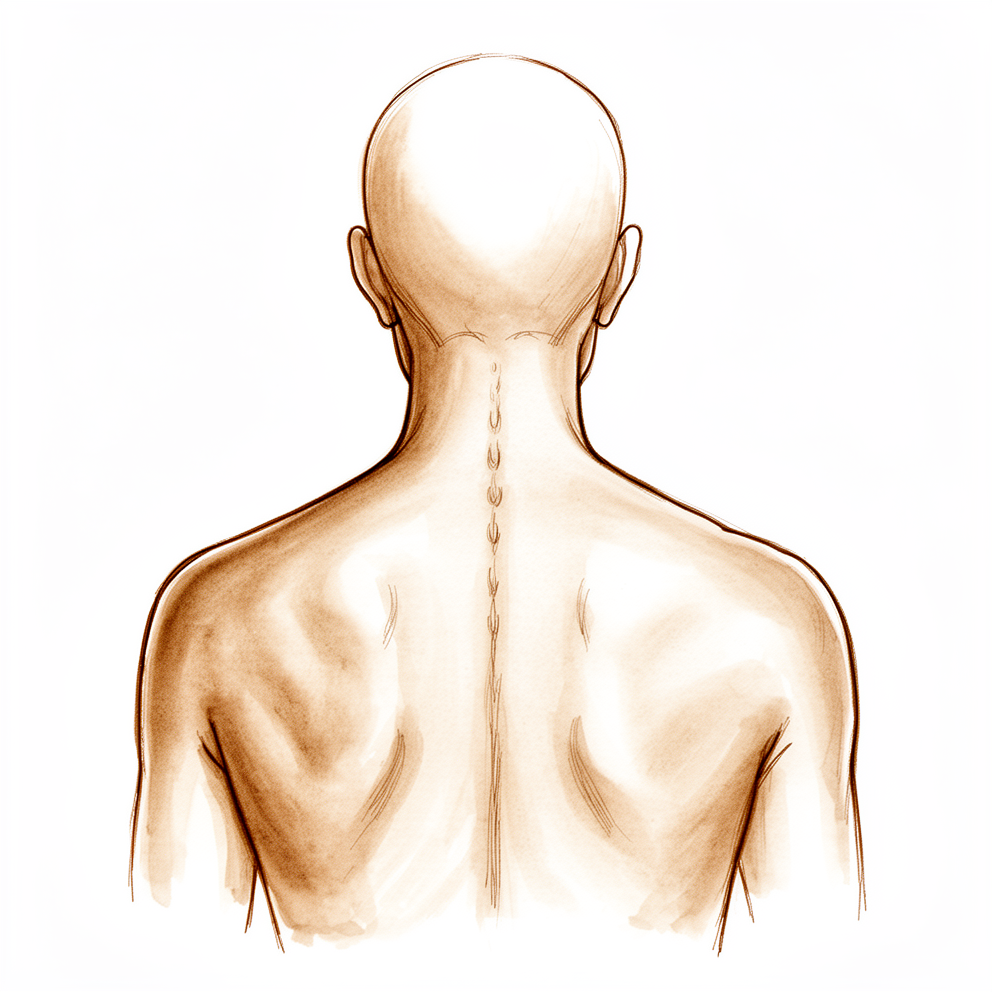
Scoliosis is a complex rotational deformity that may manifest with thoracic or lumbar prominence, shoulder imbalance, coronal shift, and infrequently pain [27]. Deformity is usually the presenting symptom of structural scoliosis [27]. The diagnostic feature of fixed scoliosis, as distinct from postural or mobile scoliosis, is that forward bending makes the curve more obvious [27]. In structural scoliosis, spinous processes swing toward the concavity of the curve, while transverse processes on the convexity rotate posteriorly [27]. In the thoracic region, ribs on the convex side stand out prominently, producing the classical rib hump [27]. Secondary compensatory curves nearly always develop to counterbalance the primary deformity [27]. In balanced deformities, the occiput is over the midline; in unbalanced or decompensated curves, it is not [27]. The hip juts out on the concave side and the scapula on the convex side [27]. An obvious skew back or rib hump is a clinical feature of thoracic curves, while asymmetrical prominence of one hip is characteristic of thoracolumbar curves [27].
During examination, the level and direction of the major curve convexity should be noted [27]. Spinal mobility must be assessed, including the effect of lateral bending on the curve [27]. Neurological examination is essential in the evaluation of scoliosis [27]. Any abnormality suggesting a spinal cord lesion calls for CT and/or MRI [27]. General examination includes a search for possible causes and an assessment of cardiopulmonary function, which is reduced in severe curves [27]. Skin pigmentation and congenital anomalies such as sacral dimples or hair tufts are sought during this general examination [27]. A family history of scoliosis is not uncommon [27]. Pain is a rare complaint in structural scoliosis and should alert the clinician to the possibility of a neural tumour, necessitating MRI [27]. Conversely, back pain is common in patients with adolescent idiopathic scoliosis, though chronic back pain is seen in fewer than 10% of these patients [111]. When a patient with scoliosis has back pain, a careful history, thorough physical examination, and good-quality plain radiographs should be performed [14]. If initial evaluation reveals normal findings, a diagnosis of idiopathic scoliosis can be made and non-operative treatment initiated [14]. There was a high level of agreement between telehealth and in-person spine measurements, suggesting that telehealth visits may be reliably used to evaluate adolescent idiopathic scoliosis [130].
Curve Patterns and Progression¶
Primary thoracic curves are usually convex to the right, and lumbar curves are convex to the left [21]. Most curves of less than 20 degrees either resolve spontaneously or remain unchanged [21]. If a curve starts to progress, it usually continues to do so until skeletal maturity and, to a much lesser degree, beyond that [21]. Reliable predictors of progression include very young age at onset, marked curvature, and an incomplete Risser sign [21]. In prepubertal children, rapid progression is liable to occur during the growth spurt [21]. Curve magnitude, Risser sign, and chronological age are the strongest predictors of progression in untreated idiopathic scoliosis [13]. Vertebral wedging is present in mild scoliosis and increases as the scoliosis progresses [63]. Lumbar and thoracolumbar scoliosis may be strongly progressive after skeletal maturity, arguing for more aggressive management during adolescence [16].
After an adolescent reaches skeletal maturity, the natural history of scoliosis appears to be dependent on the deformity magnitude [22]. A long-term study at the University of Iowa reported little deformity progression over time if the curvature was less than 30° at skeletal maturity [22]. The maximal risk of progression of deformity occurs with curvatures greater than 50° at the time of skeletal maturity [22]. In 102 patients with an average follow-up of 40 years, the average progression of deformity over the follow-up period was 2.6° for thoracic curves of less than 30° at skeletal maturity [22]. In the same cohort, the average progression was 10.2° for thoracic curves of 30° to 50° at skeletal maturity [22]. For thoracic curves of 50° to 75° at skeletal maturity, the average progression was 29.4° [22]. In lumbar curves, the average progression was 0° for curves less than 30°, 15.4° for curves 30° to 50°, and 18.5° for curves greater than 50° [22]. Radiographic outcomes for patients with curves between 30° and 50° at skeletal maturity are dependent on the location of the deformity, with lumbar curves being at increased risk for progression compared with thoracic curves [22]. The clinical effect of slowly progressing thoracic scoliosis continuing into adulthood may not be as important as originally suspected [22]. Even moderate progression of smaller magnitude lumbar scoliosis into adulthood may be associated with more negative functional outcomes, such as increasing back pain, than previously thought [22]. Scoliosis is a life-long condition with potentially significant poor health-related quality of life scores many years after diagnosis [9]. Patients with scoliosis may need to be followed up in a timely and appropriate manner for decades rather than for just a few years [9].
Associated Conditions and Comorbidities¶
An abnormality of the central nervous system is present in approximately 10% of patients with presumed adolescent idiopathic scoliosis, where only subtle abnormalities are identified based on clinical history, physical examination, or radiographic examination [17]. Children with adolescent idiopathic scoliosis have a higher prevalence of psychiatric disorders compared to children without AIS [118]. Surgeons should provide early referral to pediatric psychiatrists for children with adolescent idiopathic scoliosis [118]. Spondylolysis is a clinically impactful comorbidity in adolescent idiopathic scoliosis, associated with increased postoperative pain, dysfunction, and distal junctional complications [33]. All patients with 'idiopathic' scoliosis deserve a careful neurological evaluation, even if they have minimal muscle symptoms in the extremities [35]. Clinically actionable pathogenic mutations in genes associated with adolescent idiopathic scoliosis and aortic aneurysm are rare in patients with adolescent idiopathic scoliosis who are not suspected of having these disorders [122]. Variants of unknown significance are relatively common in patients with adolescent idiopathic scoliosis regarding genes associated with aortic aneurysm [122].
Pulmonary Function¶
Higher rates of shortness of breath compared with control subjects was noted in patients with thoracic curves greater than 80° [22]. There appears to be a type of patient with idiopathic scoliosis in whom there is an excessive loss of pulmonary function relative to the amount of scoliosis [73]. Early onset scoliosis would have a severe impact on pulmonary function if not treated properly [109].
Investigations¶
Physical Examination and Screening¶
Scoliosis presents as a complex rotational deformity manifesting with thoracic or lumbar prominence, shoulder imbalance, coronal shift, and infrequently pain [27]. In structural scoliosis, spinous processes swing toward the concavity while transverse processes on the convexity rotate posteriorly [27]. This rotation causes rib angles to protrude in thoracic curves, producing a rib hump on the convex side [27]. The diagnostic feature of fixed scoliosis is that forward bending makes the curve more obvious [27]. Pain is a rare complaint; its presence should alert the clinician to the possibility of a neural tumour and the need for MRI [27]. A detailed neurologic examination of the lower extremities, including sensory, motor, and reflex assessments, is essential [53]. Skin evaluation must include inspection for café-au-lait spots and hairy patches [53]. Hairy patches, dimples, nevi, or masses overlying the spine may indicate spinal dysraphism [53]. Evaluation of the lower extremities should rule out cavovarus foot, particularly unilaterally, which is associated with neural axis abnormalities [53]. Asymmetric abdominal reflexes are associated with a syrinx and are an indication for MRI of the entire spine [53]. General examination includes an assessment of cardiopulmonary function, which is reduced in severe curves [27]. If initial evaluation reveals normal findings in a patient with scoliosis and back pain, a diagnosis of idiopathic scoliosis can be made and non-operative treatment initiated [14].
Screening protocols utilize specific thresholds for early detection. Adoption of a trunk inclination angle (ATI) threshold of 5° in screening tests for children aged 6–12 years may be more effective in the early detection of scoliosis [41]. A scoliometer measurement of more than 7° has a false-negative rate for a curvature of more than 20° ranging from 2% to 5% [53]. The false-positive rate for a scoliometer measurement for a curvature of less than 20° is 50% [53].
Radiographic Evaluation¶
Plain radiography: Radiographic assessment of patients with suspected spinal deformity should start with PA and lateral radiographs performed on a full-length (36 × 14 inch) cassette in the weight-bearing position [126]. PA and lateral upright views should be obtained using a 36-inch cassette or biplanar radiography [53]. Appropriate breast and gonadal shielding should be used to limit radiation exposure to radiosensitive areas [126]. Digital radiography is the current standard in radiographic imaging because it leads to a substantial decrease in radiation exposure [126]. A novel imaging system using biplanar digital slot scanning substantially further decreases radiation exposure compared with traditional digital radiography, with no difference in image quality [126]. Bending or traction films are useful for surgical planning but are not necessary for evaluation [53]. Findings suggested that scoliotic curvatures in preoperative AIS patients can be largely represented by both biplanar low-dose stereoradiography and computed tomography despite the difference in body positioning [82]. The proximal femoral epiphysis is visible in routine spine radiographs, allowing skeletal maturity assessment through convenient viewing and thus avoiding additional radiation exposure [206].
For congenital scoliosis, imaging begins with standard PA and lateral radiographs [106]. In a nonambulatory patient with congenital scoliosis, supine or sitting radiographs can be used [106]. When a patient with congenital scoliosis transitions to ambulatory status, any change in the deformity noted on radiographs must be interpreted in the context of the change in radiographic position [106]. Comparing radiographs over time and to the earliest radiographs is useful in determining change over time in congenital scoliosis [106]. Measuring a Cobb angle may be more difficult in nonambulatory patients with congenital scoliosis [106]. Similar landmarks should be used when comparing sequential radiographs in congenital scoliosis [106].
CT: CT should be used preoperatively for congenital scoliosis to define the anatomy because posterior abnormalities may not correlate with findings on plain radiographs and there is frequent discordance of anterior and posterior anomalies [106].
Other Considerations: Objective criteria using spinopelvic parameters and preoperative three-dimensional planning can guide sagittal plane correction during posterior spinal fusion for adolescent idiopathic scoliosis [26]. There is clinically important asymmetry in the morphologic features of pedicles in individuals with adolescent idiopathic scoliosis, with the concave side being smaller in height and width periapically and having a more acute trajectory compared to the convex side [207]. Coronal curve severity is associated with reduced axial and coronal range of motion in adolescent idiopathic scoliosis patients [79].
Magnetic Resonance Imaging (MRI)¶
MRI: MRI is used to rule out intraspinal anomalies, including tethered cord, syringomyelia, Chiari 1 malformation, dysraphism, and spinal cord tumor [53]. MRI of the spine should include the entire spine from the skull base to the sacrum [53]. Indications for MRI of the spine include atypical curve patterns, such as left thoracic curve, short angular curves, absence of apical thoracic lordosis, absence of rotation, congenital scoliosis, and hyperkyphosis [53]. MRI is indicated for patients younger than 10 years with a scoliotic curve exceeding 20° [53]. MRI is indicated for patients with abnormal neurologic findings on examination, abnormal pain, rapid progression of scoliotic curve (more than 1° per month), and asymmetric umbilicus reflex [53]. A syrinx is commonly associated with scoliosis without rotation and an asymmetric umbilicus reflex [53]. If surgery is planned, MRI evaluation of the spinal axis can identify dural ectasia in patients with neurofibromatosis, Ehlers-Danlos syndrome, and Marfan syndrome [53].
Routine evaluation of the spinal cord using MRI before surgical intervention in patients with normal physical examination or radiographic findings is a debated issue [126]. Proponents of routine MRI point to the fact that the incidence of intraspinal abnormality in patients with suspected AIS can be up to 10% [126]. Other physicians argue that very few cases of intraspinal abnormality require neurosurgical intervention before spinal deformity correction, demonstrating the limited clinical effect of routine MRI evaluation [126]. Findings including limited axial plane rotation, abnormal reflexes on examination, lack of thoracic hypokyphosis, atypical curve direction (left thoracic or right thoracolumbar/lumbar), rapid deformity progression, and substantial back or radicular pain warrant further investigation of the spine with MRI to assess for associated causative intraspinal abnormalities [126]. Magnetic resonance is an excellent modality for imaging pathologic processes in the pediatric spine, allowing high-resolution views of osseous and soft-tissue structures [160].
Of patients with scoliotic curves of 20° or more, 22% have a neural axis abnormality; approximately 80% of these patients will require neurosurgical care [53]. The incidence of abnormalities of the neural axis in juvenile IS is 20% to 25%; hence, MRI is indicated for curves of 20° or greater [53]. This study reports the lowest rates to date of intraspinal anomalies in patients with early onset idiopathic scoliosis, suggesting geographical variation [23]. Even in the absence of neurologic abnormalities on examination, a screening MRI is generally recommended to rule out associated neural axial abnormalities, which are found in up to 35% of patients with congenital scoliosis [106]. Anesthetic risks, including the unclear effects on the developing brain, associated with the patient’s age should be weighed when determining the timing of radiologic studies in congenital scoliosis [106]. Spine ultrasonography can identify certain conditions and avoids the use of anesthesia in very young patients with congenital scoliosis [106]. Immediate MRI is indicated depending on the presence of certain symptoms and/or the severity of the spinal anomaly in congenital scoliosis [106]. Substantial progression of curvature in a normally segmented spine requires MRI [106]. For patients with significant or progressive congenital scoliosis, an MRI is recommended due to the high rate of associated intraspinal anomalies, which have a prevalence of up to 37% in some series [128]. Intraspinal abnormalities are found in 20% to 40% of patients with congenital scoliosis, for whom MRI should be obtained [60]. Cord compression caused by an intraspinal lesion must be distinguished from kyphotic angular cord compression by MRI [59]. Patients with severe scoliosis without significant kyphosis and with evidence of paraplegia should be assumed to have an intraspinal lesion until proved otherwise [59]. Routine preoperative MRI to assess for disk herniation and intrathecal abnormalities should be considered for Scheuermann kyphosis [57].
Skeletal Maturity and Progression Prediction¶
The risk of progression in adolescent IS is related to curve size and remaining skeletal growth, which is assessed using Tanner stage, Risser grade, age of menarche, and presence of open triradiate cartilages [53]. Bone age and simplified skeletal maturity scoring (Sanders grade) can also be useful for assessing remaining skeletal growth [53]. Sanders grade can be used to predict risk of progression for a given curve magnitude [53]. Girls at greatest risk for progression are premenarchal, have a Risser grade of 0, have a Tanner stage of less than 3, and have open triradiate cartilage (skeletally immature) [53]. Peak height velocity generally occurs before Risser grade 1 [53]. Scoliotic curves with an apical rib-vertebral angle difference (RVAD) that exceeds 20°, and those with a phase 2 apical rib-vertebra relationship, are at greatest risk of progression [53]. Curves with an RVAD that exceeds 20° and those with a phase 2 rib-vertebra relationship are at increased risk of progression in juvenile IS [53]. Ninety-five percent of scoliotic curves in juvenile IS progress [53]. The overall risk of progression in infantile IS is 10% [53]. The study provides no evidence that untreated mild idiopathic scoliosis occurs or progresses in girls of ages 10 to 16 because of increased joint flexibilities [24]. Because there was no significant difference between readings from the concave and convex sides, it is unlikely that a lesion of the posterior column is responsible for idiopathic scoliosis [199].
Associated Systemic Evaluations¶
Scoliosis is a life-long condition with potentially significant poor health-related quality of life scores many years after diagnosis, indicating that patients may need to be followed up in a timely and appropriate manner for decades rather than for just a few years [9]. Children with early-onset scoliosis are at risk for impaired pulmonary function from their spinal deformity due to constraints on the thorax during a critical time of lung development [34]. The natural history of untreated early-onset scoliosis is associated with significant morbidity and potential for cardiopulmonary compromise, including respiratory failure and cor pulmonale [34]. Infantile IS can dramatically impair alveolar growth and thoracic cage development, causing substantial cardiopulmonary impairment, with restrictive lung disease and possibly cor pulmonale [53]. Growth velocity of the T1-L5 segment is fastest in the first 5 years of life, with the height of the thoracic spine more than doubling between birth and skeletal maturity [53]. For patients with idiopathic scoliosis, early fusion did not deteriorate pulmonary function or thoracic development in patients with closed triangular cartilage whose Risser sign was ≤2 compared with those with a Risser sign >2 [69]. In the present study, idiopathic scoliosis patients seemed to have lower BMD at central skeletal sites and less evident differences at peripheral skeletal sites when compared with controls [200].
An additional consideration in evaluating children with congenital scoliosis is the evaluation of the genitourinary system, as anomalies will be found in approximately 20% of children [128]. While many MRI protocols will also image the genitourinary system, this is traditionally evaluated with a renal ultrasonography [128]. Patients with congenital scoliosis have around a 25% incidence of cardiac anomalies, so if the child has not had a formal cardiac evaluation an echocardiogram is warranted [128]. Cardiac abnormalities are found in 12% to 26% of patients with congenital scoliosis [60]. Genitourinary abnormalities are found in 20% of patients with congenital scoliosis [60]. Since the deformities in Noonan syndrome tend to develop early and are relatively severe, a clinical and, if necessary, radiographic assessment of the spine with careful follow-up should be performed for early detection and treatment of spinal deformity [45].
Treatment¶
General Principles and Goals¶
The primary goals of adolescent idiopathic scoliosis (AIS) treatment are the prevention of spinal deformity progression and the avoidance of physical impairment, pain, and disfigurement [47]. Management strategies are determined by the magnitude of the deformity and the patient’s skeletal maturity [43]. In patients with substantial remaining growth, observation is indicated for curves less than 20° [43], brace treatment is indicated for curves between 20° and 45° [43], and spinal fusion is indicated for curves greater than 50° [43]. Patients with little growth remaining or those who have reached skeletal maturity are typically not candidates for brace treatment [47]. For these skeletally mature patients, observation and reassurance are indicated unless the deformity exceeds 50°, at which point surgical intervention should be considered [47].
The primary goal of surgery for AIS is to prevent further progression by obtaining fusion while maintaining spinal balance in the coronal and sagittal planes [54]. Secondary goals include decreasing the size of the curve and reducing associated deformities such as trunk shift, waist asymmetry, shoulder height differences, and rotational prominences [54]. As few motion segments as necessary should be fused to achieve these surgical goals [54]. Curves greater than 50° or curves progressing past 45° in immature patients are traditionally treated with posterior spinal fusion [54]. Curves of magnitude greater than 50° tend to progress 1° per year even after skeletal maturity [54]. The decision for surgical intervention should include discussion of the spinal deformity and long-term functional goals, with the final decision shared between patient and provider [54].
Non-Operative¶
Observation of the spinal deformity is indicated when the deformity is less than 20° in patients with substantial remaining growth [47]. A spinal orthotic is used to decrease the risk of progression when the deformity is between 20° and 45° in patients with substantial remaining growth [47]. There is little evidence to support alternative nonsurgical treatment modalities such as physical therapy methods and protocols for preventing or reversing spinal deformity compared with natural history [47]. A meta-analysis of Schroth exercises shows limited statistical improvements in both Cobb angle and self-reported quality of life, with questionable clinical significance [49]. A literature review found no evidence to suggest physiotherapy scoliosis-specific exercises are more effective at reducing Cobb angle compared with observation [49]. A randomized controlled trial of Schroth physical therapy showed a number needed to treat of 3.1 to decrease the risk of scoliosis progressing beyond 5° [49]. Active self-correction demonstrated superior short-term benefits compared to other exercise interventions in ameliorating spinal deformity and improving quality of life for adolescents with idiopathic scoliosis [44]. There is no evidence to support the efficacy of chiropractic manipulation, electrical stimulation, and traction for the management of spinal deformity [47].
Nonoperative management of moderate idiopathic curves remains a realistic option in early onset scoliosis and can be proposed as a 'delaying tactic' for surgery until adolescent years [3]. Conservative treatment should be the first-line treatment for most cases of early-onset scoliosis because it has fewer complications associated with it than surgery [117]. In skeletally immature patients with idiopathic scoliosis, braces designed by an automated generative algorithm were noninferior to those designed by expert orthotists for immediate in-brace correction [93].
Operative¶
Indications: Surgical intervention is indicated for skeletally mature patients or those with little growth remaining if the deformity is greater than 50° [47]. Curves greater than 50° or curves progressing past 45° in immature patients are traditionally treated with posterior spinal fusion [54]. Back pain alone is not a surgical indication for adolescent idiopathic scoliosis [170].
Surgical Approach / Technique: Most spinal fusions for AIS are now performed using a posterior approach [54]. The use of pedicle screws that provide three-column fixation combined with wide posterior releases allows the posterior approach to provide similar radiographic outcomes as achieved with the anterior approach [54]. Anterior spinal fusion produces good long-term functional outcomes in adolescent idiopathic scoliosis with satisfactory and sustained correction [6]. Circumferential minimally invasive surgery (cMIS) provides for good clinical and radiographic outcomes for moderate (30°–75°) adult idiopathic scoliosis [11]. A thoracoscopic approach for anterior vertebral tethering is a reproducible and effective treatment that takes advantage of continued spinal growth in pediatric patients with adolescent idiopathic scoliosis [77]. Anterior vertebral body tethering (AVBT) is associated with satisfactory correction of deformity and an acceptable complication rate when used in skeletally immature patients with idiopathic scoliosis [83].
Implant Selection: All-pedicle-screw constructs are safe and biomechanically advantageous in the management of adolescent idiopathic scoliosis, offering superior deformity correction and shorter fusions compared with hook instrumentation [52]. There is no clear advantage in using a high number of implants per operated vertebra in the surgical treatment of patients with idiopathic scoliosis [87].
Alignment / Balancing Strategy: The Lenke classification provides guidance on the selection of fusion levels in the surgical management of AIS [54]. The Lenke classification includes six curve types, three lumbar modifiers, and three sagittal modifiers, resulting in 42 different possible patterns [54]. Supine bending radiographs are required to use the Lenke classification to distinguish structural curves (that do not bend out to <25°) from nonstructural curves (that bend out to <25°) [54]. For Lenke types 1A and 1B, the upper instrumented vertebra is typically the proximal end vertebra, often T4 [54]. If the proximal thoracic curve is structural (Lenke type 2), the left shoulder is elevated, or there is kyphosis greater than 20° from T2 through T5, then T2 or T3 should be considered for the upper instrumented vertebra [54]. Thoracolumbar and lumbar curves (Lenke type 5) are typically fused from the proximal end vertebra to the distal end vertebra [54]. Commonly used criteria for selective thoracic fusion include a thoracic-to-lumbar curve magnitude ratio greater than 1.2, an apical vertebral translation ratio greater than 1.2, and a preoperative lumbar curve less than 45° [54]. In a 20-year follow-up study of Lenke type 1B, 1C, and 3C curves treated with selective thoracic fusion, lumbar curve correction and overall balance were maintained over time [54]. Patients treated with selective thoracic fusion had lower scores in self-image on the SRS-24 questionnaire compared with patients treated with fusions that included the lumbar spine [54]. For Lenke type 3C patterns, patients with long fusions tend to have better balance and radiographic parameters than patients treated with selective fusions at 2-year follow-ups [54].
Adjuncts: Leaving out the subfascial drain after correction of adolescent idiopathic scoliosis is non-inferior to using a drain regarding blood loss, haemoglobin drop, and opioid consumption [159]. High-dose tranexamic acid appears to be effective and safe for adolescent idiopathic scoliosis surgery [31].
Other Considerations: Patients who have surgery for idiopathic scoliosis are likely to have better long-term outcomes than are patients who have surgery for spondylolisthesis [25]. Surgical correction of adolescent idiopathic scoliosis does not have a clear association with improvement or worsening of pain [170].
Early-Onset and Juvenile Scoliosis Management¶
The literature does not support routine definitive fusion of thoracic spinal deformity at an early age in children with scoliosis [37]. A realistic long-term goal for the management of early-onset scoliosis is spine elongation and maintenance of pulmonary function at a level that is no less than the percentage of normal at initial presentation [12]. Therapeutic strategies for early-onset scoliosis must preserve the growing spine and thorax while correcting deformity [8]. Fusion of the very young child with a spinal deformity has fallen out of favor as this approach resulted in small lung volumes and subsequent restrictive lung disease [168].
In a study with minimum 5-year follow-up, 49% of children treated with Mehta Casting had improved scoliosis to less than 15° and 73% improved by at least 20° [22]. The initial Cobb angle, first-cast Cobb angle, rib-vertebral angle difference, and traction Cobb angle were predictive of sustained scoliosis of ≤15° in children treated with Mehta Casting [22]. Relapse of scoliosis was seen in three patients with continued growth after Mehta Casting [22]. In patients with early-onset scoliosis undergoing serial casting, body mass index and age younger than 1.8 years at the initiation of casting were important predictors of success [23].
Distraction-based strategies are the most commonly used "growth-friendly" implants for early-onset scoliosis, including traditional growing rods, vertical expandable prosthetic titanium rib (VEPTR) device, and magnetically lengthening growing rods [168]. Traditional growing rods are surgically lengthened at approximately 6-month intervals [168]. Patients lengthened at ≤6-month intervals had significantly higher annual T1-S1 growth rate of 1.8 cm/yr compared with 1.0 cm/yr in patients lengthened less frequently [168]. Magnetically lengthening growing rods (MCGR) allow implants to be lengthened in an office setting [168]. A case-control study comparing 12 matched MCGR and traditional growing rod patients demonstrated no significant difference in spine length gains, though 57 fewer surgical procedures were performed in the MCGR group [168]. Guided growth techniques, such as the Shilla technique, aim to straighten the spine with instrumentation that allows the vertebrae to continue to grow along the path of the implants [168]. The major theoretical advantage of growth guidance techniques over growing rods is that children avoid multiple surgical lengthenings [168]. Use of modern "growth-friendly" implants should be delayed for as long as possible as early instrumentation is fraught with a high complication rate and a decrease in the amount of growth or expansion over time [168].
VEPTR implantation after age 3 is associated with similar radiographic outcomes with fewer complications compared to implantation before age 3 [5]. VEPTR treatment resulted in similar deformity control and thoracic growth in patients younger than 3 years and in those 3 to 6 years of age [5]. Lower complication rates were reported for VEPTR implantation in the older age group (3 to 6 years) compared to the younger group [5]. As the child approaches 8 to 10 years of age, a definitive surgical procedure should be considered for juvenile idiopathic scoliosis [38]. Patients with juvenile idiopathic scoliosis have an 80% chance of requiring spinal arthrodesis by 15 years of age if the curve apex is at T8, T9, or T10 [38]. If the rib-vertebral angle difference (RVAD) does not improve following bracing of a progressive juvenile curve, spinal fusion will probably be required as definitive treatment [38]. The incidence of neural axis abnormalities in patients with juvenile idiopathic scoliosis is 18% to 26% [38]. Preoperative MRI evaluation is imperative if scoliosis surgery is planned for patients with juvenile idiopathic scoliosis [38].
Outcomes and Complications¶
Surgical treatment for adult lumbar and thoracolumbar scoliosis in patients over 50 is associated with a high rate of complications (44%) and a significant risk of requiring a second operation (50% at 6 years) [18]. Junctional kyphosis, surgical site infection, and implant failure are common complications in early-onset scoliosis treatment [85]. Traditionally reported radiographic outcomes may not be good surrogates for actual patient outcomes or improvement in pulmonary function in early-onset scoliosis [85].
Complications¶
Surgical Complications¶
Implant and Infection: Junctional kyphosis, surgical site infection, and implant failure are common complications in early-onset scoliosis management [85]. VEPTR implantation after age 3 is associated with fewer complications compared to implantation in patients younger than 3 years [5]. Anterior vertebral body tethering is associated with an acceptable complication rate when used in skeletally immature patients with idiopathic scoliosis [83].
Neurologic and Vascular: Ponte osteotomies increase the risk of neuromonitoring alerts in adolescent idiopathic scoliosis correction surgery [46]. Superior mesenteric artery syndrome is a reported complication following surgery for adolescent idiopathic scoliosis [46]. Neurologic deficits have been reported following spinal surgery in patients with unrecognized preoperative neural axis abnormalities [38].
Respiratory and Pulmonary Complications¶
Thoracic Insufficiency: Thoracic insufficiency syndrome is defined as an inability of the thorax to support normal respiration and lung growth, a high-risk condition for patients with early-onset scoliosis presenting under age 6 [19]. Therapeutic strategies for early-onset scoliosis must preserve the growing spine and thorax while correcting deformity to address respiratory pathology [8]. A realistic long-term goal for the management of early-onset scoliosis is spine elongation and maintenance of pulmonary function at a level no less than the percentage of normal at initial presentation [12].
Pulmonary Function: Up to 19% of patients with adolescent idiopathic scoliosis have moderately impaired pulmonary function (<65% predicted forced expiratory volume in 1 second) preoperatively, with a mean thoracic curve magnitude of 70° [22]. Patients with thoracic curves greater than 80° have higher rates of shortness of breath compared with control subjects [22].
Long-Term Health and Functional Outcomes¶
Quality of Life: Patients with idiopathic scoliosis have significantly decreased health-related quality of life and capacity to work 40 years after diagnosis [56].
Deformity Progression and Relapse¶
Progression Risk: Curvatures greater than 50° at the time of skeletal maturity carry a maximal risk of progression of deformity [22]. In a long-term study, the average progression of deformity over a 40-year follow-up period was 29.4° for thoracic curves of 50° to 75° at skeletal maturity [22]. Juvenile idiopathic scoliosis is more likely to progress, less likely to respond to bracing, and more likely to require surgical treatment than adolescent idiopathic scoliosis [38]. Patients with juvenile idiopathic scoliosis with a curve apex at T8, T9, or T10 have an 80% chance of requiring spinal arthrodesis by 15 years of age [38].
Relapse: Relapse of scoliosis was seen in three patients with early-onset scoliosis treated with Mehta casting despite initial improvement [92].
Diagnostic and Preoperative Considerations¶
Neural Axis Screening: An abnormality of the central nervous system is present in approximately 10% of patients with presumed adolescent idiopathic scoliosis who have only subtle abnormalities identified on clinical history, physical examination, or radiographic examination [17].
Recovery¶
Light activity (weeks): The provided evidence does not specify a typical week range for the resumption of desk work, driving, or light activities of daily living.
Full activity (months): The provided evidence does not specify a month range for the return to manual work, sport, or full range of motion and strength.
Complete recovery / outcome plateau (months): The provided evidence does not specify a month range for the stabilization of pain, strength, or final functional outcomes.
Rehabilitation protocol: The evidence does not detail specific physical therapy phasing, immobilisation duration, weight-bearing progression, or sling/brace removal timing. Regarding bracing, full-time and part-time bracing were equally effective in preventing progression of curves of 40 degrees or less in skeletally immature patients with adolescent idiopathic scoliosis [201]. However, it is currently impossible to state that bracing effectively alters the natural history of scoliosis in immature patients who are at high risk for progression [66].
Functional milestones: The evidence does not provide validated patient-reported outcome measure trajectories or specific outcome-measure benchmarks for recovery.
Other Considerations: Patients with idiopathic scoliosis may need to be followed up in a timely and appropriate manner for decades rather than for just a few years [9]. In a long-term follow-up study, patients with idiopathic scoliosis had significantly decreased health-related quality of life and capacity to work 40 years after diagnosis [56]. The stability of the scoliosis was not related to the age of the patient in the context of pregnancy [70].
In a long-term study with an average follow-up of 40 years, the average progression of thoracic curves less than 30° at skeletal maturity was 2.6° [22]. The average progression of thoracic curves between 30° and 50° at skeletal maturity was 10.2° [22], and for thoracic curves between 50° and 75° at skeletal maturity, it was 29.4° [22]. For lumbar curves, the average progression of those less than 30° at skeletal maturity was 0° [22], while lumbar curves between 30° and 50° progressed by an average of 15.4° [22], and lumbar curves between 50° and 75° progressed by an average of 18.5° [22]. A general indication for surgery has evolved based on the risk of progressive deformity into adulthood for deformities greater than 50° [22].
Scoliotic deformity increases as long as vertebral growth continues, with the average age of growth cessation being fourteen and a half years in girls and sixteen and a third years in boys [202]. Completion of vertebral growth, indicated by the completion of iliac epiphyseal ossification, results in the arrest of the curvature [202]. If a curve starts to progress, it usually continues to do so until skeletal maturity and, to a much lesser degree, beyond that [21]. Reliable predictors of progression in untreated idiopathic scoliosis include very young age at onset, marked curvature, and an incomplete Risser sign [21]. Curve magnitude, Risser sign, and chronological age are the strongest predictors of progression in untreated idiopathic scoliosis [13].
Patients who have surgery for idiopathic scoliosis are likely to have better long-term outcomes than patients who have surgery for spondylolisthesis [25]. Cotrel-Dubousset instrumentation yielded better long-term functional and radiographic outcomes in patients with adolescent idiopathic scoliosis than did Harrington instrumentation [182]. Scoliosis correction after anterior spinal growth tethering was associated with overall height changes and occurred primarily within 2 to 3 years after surgery in a cohort of largely Risser stage-0 patients [51]. At a mean follow-up of 2.2 years, 76% of thoracic idiopathic scoliosis patients who underwent anterior vertebral body tethering had a residual curve of <35 degrees compared with 97.4% of patients who underwent posterior spinal fusion [86].
In a study of 54 children with early-onset scoliosis treated with Mehta Casting, 49% had improved scoliosis to less than 15° and 73% improved by at least 20° at minimum 5-year follow-up [22]. With continued growth, relapse of scoliosis was seen in three patients treated with Mehta Casting [92]. The initial Cobb angle, first-cast Cobb angle, rib-vertebral angle difference, and traction Cobb angle were predictive of sustained scoliosis of ≤15° in patients treated with Mehta Casting [22]. In a study of 21 patients with an average age of 2.1 years who underwent serial casting for early-onset scoliosis, the patient’s body mass index and age younger than 1.8 years at the initiation of casting were important predictors of success [23].
Early-onset scoliosis is defined as a spinal curvature in the coronal plane of greater than 10° with onset under 10 years of age [34]. A Swedish study demonstrated more than double the mortality rate by the age of 40 years in patients with early-onset scoliosis compared with that of the general population [34]. Patients presenting under age 6 comprise the high-risk group for developing thoracic insufficiency syndrome [19]. Thoracic insufficiency syndrome is defined as an inability of the thorax to support normal respiration and lung growth [19]. Correcting the spinal deformity permitted longer-term improvement in pulmonary function in patients with severe early-onset scoliosis [176]. Children with skeletal dysplasia gained significantly less spinal growth during growth-friendly management of their early-onset scoliosis than children with idiopathic early-onset scoliosis [71]. Children with skeletal dysplasia had significantly lower health-related quality of life both preoperatively and at final follow-up than children with idiopathic early-onset scoliosis [71]. Long-term follow-up after final fusion is necessary to determine true final results in patients treated with growing rods for early-onset scoliosis [173]. Approximately 18% of early-onset scoliosis patients experienced proximal junctional kyphosis after traditional growing rods treatment [189]. Lower complication rates were reported for VEPTR treatment in the older age group (3 to 6 years) compared to the younger age group [14]. The population incidence of serious curves (over 30 degrees) in adolescent idiopathic scoliosis is 3 per 1000 [21].
Key Evidence¶
- [L5] Successful management of idiopathic scoliosis requires understanding the etiology, natural history, evaluation, and available nonsurgical and surgical management options for these patients. [1] (10.5435/00124635-200602000-00005)
- [L4] Nonoperative management of moderate idiopathic curves remains a realistic option in early onset scoliosis, and can be proposed as a 'delaying tactic' for surgery until adolescent years. [3] (10.1016/j.otsr.2014.05.024)
- [L4] Juvenile idiopathic scoliosis warrants consideration as a separate and distinct entity from adolescent idiopathic scoliosis due to its rapid progression during the adolescent growth spurt and the high need for early operative management. [4] (10.2106/00004623-199608000-00003)
- [L4] Anterior spinal fusion produces good long-term functional outcomes in adolescent idiopathic scoliosis with satisfactory and sustained correction. [6] (10.1016/j.otsr.2015.12.011)
- [L4] This review elucidates early-onset scoliosis in terms of its aetiology, pathogenesis, pathology and treatment, highlighting that therapeutic strategies must preserve the growing spine and thorax while correcting deformity. [8] (10.1186/s13018-023-03665-0)
- [L5] Scoliosis is a life-long condition with potentially significant poor health-related quality of life scores many years after diagnosis, indicating that patients may need to be followed up in a timely and appropriate manner for decades rather than for just a few years. [9] (10.1302/0301-620x.105b2.bjj-2022-1298)
- [L5] Although several difficult problems in the diagnosis and treatment of adolescent idiopathic scoliosis have been resolved by understanding its mechanism and via technical advancement, no definite guideline for fusion level selection has been established. [10] (10.1016/j.spinee.2017.03.020)
- [L4] cMIS provides for good clinical and radiographic outcomes for moderate (30°–75°) adult idiopathic scoliosis. [11] (10.1007/s11999-014-3565-2)
- [L4] A realistic long-term goal for the management of early-onset scoliosis appears to be spine elongation and maintenance of pulmonary function at a level that is no less than the percentage of normal at initial presentation. [12] (10.2106/jbjs.16.00796)
- [L3] The study identified curve magnitude, Risser sign, and chronological age as the strongest predictors of progression in untreated idiopathic scoliosis. [13] (10.2106/00004623-198466070-00013)
- [L3] When a patient with scoliosis has back pain, a careful history, thorough physical examination, and good-quality plain radiographs should be performed; if initial evaluation reveals normal findings, a diagnosis of idiopathic scoliosis can be made and non-operative treatment initiated. [14] (10.2106/00004623-199703000-00007)
- [L4] Lumbar and thoracolumbar scoliosis may be strongly progressive after skeletal maturity, arguing for more aggressive management during adolescence. [16] (10.1016/j.otsr.2015.05.004)
- [L3] An abnormality of the central nervous system is present in approximately 10% of patients with presumed adolescent idiopathic scoliosis in whom only subtle abnormalities are identified on the basis of the clinical history, physical examination, or radiographic examination. [17] (10.2106/00004623-200410000-00009)
- [L4] Surgical treatment for adult lumbar and thoracolumbar scoliosis in patients over 50 is associated with a high rate of complications (44%) and a significant risk of requiring a second operation (50% at 6 years). [18] (10.1016/j.otsr.2012.04.014)
- [L5] [20] (10.1302/0301-620x.104b8.bjj-2021-1638.r1)
- [L4] This study reports the lowest rates to date of intraspinal anomalies in patients with early onset idiopathic scoliosis, suggesting geographical variation. [23] (10.1302/0301-620x.99b6.bjj-2016-1159.r1)
- [L3] The study provides no evidence that untreated mild idiopathic scoliosis occurs or progresses in girls of ages 10 to 16 because of increased joint flexibilities. [24] (10.1002/jor.1100010108)
- [L3] Patients who have surgery for idiopathic scoliosis are likely to have better long-term outcomes than are patients who have surgery for spondylolisthesis. [25] (10.2106/jbjs.g.00114)
- [L5] Objective criteria using spinopelvic parameters and preoperative three-dimensional planning can guide sagittal plane correction during posterior spinal fusion for adolescent idiopathic scoliosis. [26] (10.5435/jaaos-d-21-01060)
- [L4] [28] (10.2106/00004623-199609000-00006)
- [L4] The current method of classification of adolescent idiopathic scoliosis does not appear to have sufficient intraobserver or interobserver reliability among scoliosis surgeons to portray curve types accurately. [29] (10.2106/00004623-199808000-00002)
- [L3] The prognosis in idiopathic scoliosis varies considerably by curve pattern and age at onset, with main thoracic curves increasing to greater deformities than other patterns. [30] (10.2106/00004623-195032020-00017)
- [L1] Therefore, a high dose appears to be effective and safe for adolescent idiopathic scoliosis surgery. [31] (10.1186/s13018-020-02158-8)
- [L3] This study establishes spondylolysis as a clinically impactful comorbidity in adolescent idiopathic scoliosis, associated with increased postoperative pain, dysfunction, and distal junctional complications. [33] (10.1186/s13018-025-06356-0)
- [L4] All patients with 'idiopathic' scoliosis deserve a careful neurological evaluation, even if they have minimal muscle symptoms in the extremities. [35] (10.1186/s12891-015-0629-8)
- [L4] The literature does not support routine definitive fusion of thoracic spinal deformity at an early age in children with scoliosis. [37] (10.1007/s11999-010-1622-z)
- [L1] [40] (10.2106/jbjs.o.00330)
- [L3] Adoption of the threshold of ATI 5° in screening tests for children aged 6–12 years, as well as for lower locations of scoliosis, may be more effective in the early detection of scoliosis. [41] (10.1186/s12891-021-04965-4)
- [L3] Obstructive lung disease is present in 21% to 39% of patients scheduled for surgical correction of thoracic adolescent idiopathic scoliosis. [42] (10.2106/jbjs.20.01714)
- [L1] Active self-correction demonstrated superior short-term benefits compared to other exercise interventions in ameliorating spinal deformity and improving quality of life for adolescents with idiopathic scoliosis. [44] (10.1186/s12891-024-08223-1)
- [L4] Since the deformities tend to develop early and are relatively severe, a clinical and, if necessary, radiographic assessment of the spine with careful follow-up should be performed for early detection and treatment of spinal deformity. [45] (10.2106/00004623-200110000-00006)
- [L3] Scoliosis correction was associated with overall height changes and occurred primarily within 2 to 3 years after surgery in this cohort of largely Risser stage-0 patients. [51] (10.2106/jbjs.20.02071)
- [L5] All-pedicle-screw constructs are safe and biomechanically advantageous in the management of adolescent idiopathic scoliosis, offering superior deformity correction and shorter fusions compared with hook instrumentation. [52] (10.5435/00124635-200909000-00002)
- [L3] In this long-term follow-up study, we found a significantly decreased HRQoL and capacity to work in patients with an idiopathic scoliosis 40 years after diagnosis. [56] (10.1302/0301-620x.105b2.bjj-2022-0897.r1)
- [L4] Vertebral wedging was present in mild scoliosis and increased as the scoliosis progressed. [63] (10.1371/journal.pone.0071504)
- [L3] [65] (10.2106/jbjs.o.00217)
- [L4] It is currently impossible to state that bracing effectively alters the natural history of scoliosis in immature patients who are at high risk for progression. [66] (10.2106/00004623-199604000-00009)
- [L3] For patients with idiopathic scoliosis, early fusion did not deteriorate pulmonary function or thoracic development in patients with closed triangular cartilage whose Risser sign was ≤2 compared with those with a Risser sign >2. [69] (10.1186/s13018-021-02607-y)
- [L4] The stability of the scoliosis was not related to the age of the patient. [70] (10.2106/00004623-198062070-00005)
- [L3] Children with skeletal dysplasia gained significantly less spinal growth during growth-friendly management of their early-onset scoliosis and their health-related quality of life was significantly lower both preoperatively and at final follow-up than in children with idiopathic early-onset scoliosis. [71] (10.1302/0301-620x.101b12.bjj-2019-0735.r1)
- [L4] There appears to be a type of patient with idiopathic scoliosis in whom there is an excessive loss of pulmonary function relative to the amount of scoliosis. [73] (10.2106/00004623-197557070-00016)
- [L4] Patients and families seeking treatment for idiopathic scoliosis value appearance and preservation of spinal motion and, to a lesser extent, reoperation rates when considering fusion versus non-fusion surgery. [76] (10.2106/jbjs.23.00503)
- [Paper] This thoracoscopic approach is a reproducible and effective treatment that takes advantage of continued spinal growth in pediatric patients with adolescent idiopathic scoliosis, who would otherwise require spinal ardesis. [77] (10.1016/j.eats.2020.11.003)
- [L4] Coronal curve severity is associated with reduced axial and coronal range of motion in adolescent idiopathic scoliosis patients. [79] (10.1186/s12891-017-1423-6)
- [L3] We found no indication of deficient balance in idiopathic scoliosis, and the tests could not predict curve progression. [81] (10.1002/jor.1100040113)
- [L3] Findings suggested that scoliotic curvatures in preoperative AIS patients can be largely represented by both imaging modalities despite the difference in body positioning. [82] (10.1186/s12891-020-03561-2)
- [L3] AVBT is associated with satisfactory correction of deformity and an acceptable complication rate when used in skeletally immature patients with idiopathic scoliosis. [83] (10.1302/0301-620x.102b12.bjj-2020-0426.r1)
- [L3] At a mean follow-up of 2.2 years, 76% of thoracic idiopathic scoliosis patients who underwent AVBT had a residual curve of <35 degrees compared with 97.4% of patients who underwent PSF. [86] (10.2106/jbjs.22.00127)
- [L3] These findings suggest that there is no clear advantage in using a high number of implants per operated vertebra in the surgical treatment of patients with idiopathic scoliosis. [87] (10.1302/0301-620x.100b8.bjj-2017-1114.r1)
- [L4] [91] (10.2106/00004623-199408000-00010)
- [L4] However, with continued growth, relapse of scoliosis was seen in 3 patients. [92] (10.2106/jbjs.18.01268)
- [L1] In skeletally immature patients with idiopathic scoliosis, braces designed by an automated generative algorithm were noninferior to those designed by expert orthotists for immediate in-brace correction. [93] (10.2106/jbjs.25.00926)
- [L3] A predictive model using LASSO regression and logistic regression was constructed to differentiate the two types of scoliosis. [94] (10.1186/s13018-026-06893-2)
- [L4] This new two-dimensional classification of adolescent idiopathic scoliosis, as tested by two groups of surgeons, was shown to be much more reliable than the King system. [96] (10.2106/00004623-200108000-00006)
- [L3] Early onset scoliosis would have a severe impact on pulmonary function if not treated properly. [109] (10.1186/s13018-025-05630-5)
- [L3] Back pain is common in patients with adolescent idiopathic scoliosis (AIS), but chronic back pain is seen in fewer than 10% of patients. [111] (10.1097/corr.0000000000000689)
- [L4] Mechanical measures to correct this spinal deformity should apply different rotations to the apex from those applied to the curve as a whole and, in opposite senses, in curves in kyphotic regions. [115] (10.1002/jor.1100050113)
- [L4] Conservative treatment should be the first-line treatment for most cases of early-onset scoliosis because it has fewer complications associated with it than surgery. [117] (10.1016/j.otsr.2014.06.032)
- [L3] Children with adolescent idiopathic scoliosis have a higher prevalence of psychiatric disorders compared to children without AIS, and surgeons should provide early referral to pediatric psychiatrists. [118] (10.1097/corr.0000000000001716)
- [L4] Clinically actionable pathogenic mutations in genes associated with adolescent idiopathic scoliosis and aortic aneurysm are rare in patients with adolescent idiopathic scoliosis who are not suspected of having these disorders, although variants of unknown significance are relatively common. [122] (10.2106/jbjs.o.00290)
- [L2] There was a high level of agreement between telehealth and in-person spine measurements, suggesting that telehealth visits may be reliably used to evaluate adolescent idiopathic scoliosis, thus improving access to specialized care. [130] (10.2106/jbjs.23.01146)
- [L2] Strong and consistent evidence supports Cobb angle, curve type, flexibility, and correction rate as predictors of curve progression. [133] (10.1302/0301-620x.104b4.bjj-2021-1677.r1)
- [L4] Cervical kyphosis is among the most prevalent morphological alterations in patients with AIS and is closely associated with curve severity. [136] (10.1186/s12891-026-10014-9)
- [L4] The study proposes a preliminary molecular classification of patients with adolescent idiopathic scoliosis based on cellular response to melatonin and distinct protein-protein interactions involving PKC delta and melatonin receptors, which could aid future molecular classification. [140] (10.1097/blo.0b013e31811f39fa)
- [L3] Variations of spinal growth velocity exerted more direct influence over changes in angle velocity as compared with height velocity. [142] (10.1186/s12891-016-1221-6)
- [L4] The new 3D classification has the potential to identify the subtypes of the Lenke 1 AIS without a need for quantitative 3D image post-processing. [143] (10.1186/s12891-020-03798-x)
- [L5] [145] (10.2106/00004623-195436030-00017)
- [L3] Morphometric characteristics of vertebral bodies differed according to the pathogenesis of scoliosis, and the pathology of the wedging of vertebral bodies in idiopathic scoliosis could not be a result only of asymmetric loading to the vertebral bodies. [150] (10.1186/s12891-017-1801-0)
- [L3] The biomechanical parameters of the lower limbs are affected in cases of scoliosis with an altered coronal balance, with the lower limb on the side of decompensation becoming shorter, having a lower collodiaphyseal angle, and increased varus at the knee joint. [151] (10.1016/j.otsr.2018.06.002)
- [L1] Leaving out the subfascial drain after correction of adolescent idiopathic scoliosis is non-inferior to using a drain regarding blood loss, haemoglobin drop, and opioid consumption. [159] (10.1302/0301-620x.104b9.bjj-2022-0391.r1)
- [L5] Magnetic resonance is an excellent modality for imaging pathologic processes in the pediatric spine, allowing high-resolution views of osseous and soft-tissue structures. [160] (10.5435/00124635-200307000-00004)
- [L4] Although causal relationships remain to be fully established, these interconnected mechanisms provide a coherent framework linking immune dysregulation, musculoskeletal remodeling, and curve progression in AIS. [167] (10.1186/s13018-026-06837-w)
- [L5] [170] (10.5435/jaaos-d-24-00297)
- [L5] [172] (10.2106/jbjs.18.00846)
- [L4] Long-term follow-up after final fusion is necessary to determine true final results. [173] (10.2106/jbjs.15.01334)
- [L4] Correcting the spinal deformity permitted longer-term improvement in pulmonary function in patients with sEOS. [176] (10.2106/jbjs.22.01088)
- [L4] The Lenke classification system was designed to improve upon the King classification by addressing limitations such as the lack of sagittal plane assessment and poor reliability, achieving good-to-excellent intraobserver and interobserver reliability in multiple studies. [178] (10.1097/corr.0000000000000405)
- [L5] Cotrel-Dubousset instrumentation yielded better long-term functional and radiographic outcomes in patients with adolescent idiopathic scoliosis than did Harrington instrumentation, even if patients with lumbar curves were excluded. [182] (10.2106/00004623-200408000-00038)
- [L3] Approximately 18% of early-onset scoliosis patients experienced proximal junctional kyphosis after traditional growing rods treatment. [189] (10.1186/s12891-022-05564-7)
- [L5] [190] (10.5435/jaaos-d-21-01175)
- [L1] [192] (10.1186/s13018-020-01988-w)
- [Paper] [193] (10.1097/corr.0000000000003387)
- [L3] Because there was no significant difference between readings from the concave and convex sides, it is unlikely that a lesion of the posterior column is responsible for idiopathic scoliosis. [199] (10.2106/00004623-199173080-00010)
- [L3] In the present study, idiopathic scoliosis patients seemed to have lower BMD at central skeletal sites and less evident differences at peripheral skeletal sites when compared with controls. [200] (10.1302/0301-620x.102b2.bjj-2019-1016.r1)
- [L4] The proximal femoral epiphysis is visible in routine spine radiographs, allowing skeletal maturity assessment through convenient viewing and thus avoiding additional radiation exposure. [206] (10.2106/jbjs.21.00747)
- [L4] There is clinically important asymmetry in the morphologic features of pedicles in individuals with adolescent idiopathic scoliosis, with the concave side being smaller in height and width periapically and having a more acute trajectory compared to the convex side. [207] (10.1007/s11999-016-5188-2)
References¶
[1] Early Onset Idiopathic Scoliosis. Journal of the American Academy of Orthopaedic Surgeons. 2006. DOI: 10.5435/00124635-200602000-00005
[2] Chapter 32 Adolescent Idiopathic Scoliosis. 2020.
[3] Detorsion night-time bracing for the treatment of early onset idiopathic scoliosis. Orthopaedics & Traumatology: Surgery & Research. 2014. DOI: 10.1016/j.otsr.2014.05.024
[4] Juvenile Idiopathic Scoliosis. Curve Patterns and Prognosis in One Hundred and Nine Patients. The Journal of Bone & Joint Surgery*. 1996. DOI: 10.2106/00004623-199608000-00003
[5] Orthopaedic Knowledge Update. Early-Onset Scoliosis and Congenital Spine Disorders > Annotated References.
[6] Anterior screw-plate fixation in adolescent idiopathic scoliosis: 15-year outcomes. Orthopaedics & Traumatology: Surgery & Research. 2016. DOI: 10.1016/j.otsr.2015.12.011
[8] Effects of spinal deformities on lung development in children: a review. Journal of Orthopaedic Surgery and Research. 2023. DOI: 10.1186/s13018-023-03665-0
[9] Long-term follow-up of patients with idiopathic scoliosis. The Bone & Joint Journal. 2023. DOI: 10.1302/0301-620x.105b2.bjj-2022-1298
[10] Five major controversial issues about fusion level selection in corrective surgery for adolescent idiopathic scoliosis: a narrative review. The Spine Journal. 2017. DOI: 10.1016/j.spinee.2017.03.020
[11] Is Circumferential Minimally Invasive Surgery Effective in the Treatment of Moderate Adult Idiopathic Scoliosis?. Clinical Orthopaedics & Related Research. 2014. DOI: 10.1007/s11999-014-3565-2
[12] Functional and Radiographic Outcomes Following Growth-Sparing Management of Early-Onset Scoliosis. Journal of Bone and Joint Surgery. 2017. DOI: 10.2106/jbjs.16.00796
[13] The prediction of curve progression in untreated idiopathic scoliosis during growth.. The Journal of Bone & Joint Surgery. 1984. DOI: 10.2106/00004623-198466070-00013
[14] The Prevalence of Back Pain in Children Who Have Idiopathic Scoliosis. The Journal of Bone & Joint Surgery*. 1997. DOI: 10.2106/00004623-199703000-00007
[16] Evolution of adolescent idiopathic scoliosis: Results of a multicenter study at 20 years’ follow-up. Orthopaedics & Traumatology: Surgery & Research. 2015. DOI: 10.1016/j.otsr.2015.05.004
[17] Indications for Magnetic Resonance Imaging in Presumed Adolescent Idiopathic Scoliosis. The Journal of Bone & Joint Surgery. 2004. DOI: 10.2106/00004623-200410000-00009
[18] Surgery of lumbar and thoracolumbar scolioses in adults over 50. Morbidity and survival in a multicenter retrospective cohort of 180 patients with a mean follow-up of 4.5 years. Orthopaedics & Traumatology: Surgery & Research. 2012. DOI: 10.1016/j.otsr.2012.04.014
[19] Tachdjian S Pediatric Orthopaedics From The Texas Scottish Rite Hospital For Children E Book. Lumbar spine modifier A, B, C rules > Early-Onset Scoliosis.
[20] Adolescent idiopathic scoliosis. The Bone & Joint Journal. 2022. DOI: 10.1302/0301-620x.104b8.bjj-2021-1638.r1
[21] Apley And Solomon S Concise System Of Orthopaedics And Trauma. IDIOPATHIC SCOLIOSIS.
[22] Orthopaedic Knowledge Update. Adolescent Idiopathic Scoliosis > Natural History.
[23] Intraspinal anomalies in early-onset idiopathic scoliosis. The Bone & Joint Journal. 2017. DOI: 10.1302/0301-620x.99b6.bjj-2016-1159.r1
[24] Joint flexibilities in structurally normal girls and girls with idiopathic scoliosis. Journal of Orthopaedic Research. 1983. DOI: 10.1002/jor.1100010108
[25] Long-Term Health-Related Quality of Life After Surgery for Adolescent Idiopathic Scoliosis and Spondylolisthesis. The Journal of Bone & Joint Surgery. 2008. DOI: 10.2106/jbjs.g.00114
[26] The Sagittal Plane in Spinal Fusion for Adolescent Idiopathic Scoliosis. Journal of the American Academy of Orthopaedic Surgeons. 2022. DOI: 10.5435/jaaos-d-21-01060
[27] Apley And Solomon S Concise System Of Orthopaedics And Trauma. SCOLIOSIS.
[28] Late-Onset Idiopathic Scoliosis in Children Six to Fourteen Years Old. A Cross-Sectional Prevalence Study. The Journal of Bone & Joint Surgery*. 1996. DOI: 10.2106/00004623-199609000-00006
[29] Intraobserver and Interobserver Reliability of the Classification of Thoracic Adolescent Idiopathic Scoliosis†. The Journal of Bone & Joint Surgery*. 1998. DOI: 10.2106/00004623-199808000-00002
[30] PROGNOSIS IN IDIOPATHIC SCOLIOSIS. The Journal of Bone & Joint Surgery. 1950. DOI: 10.2106/00004623-195032020-00017
[31] The efficacy and safety of high-dose tranexamic acid in adolescent idiopathic scoliosis: a meta-analysis. Journal of Orthopaedic Surgery and Research. 2021. DOI: 10.1186/s13018-020-02158-8
[33] The silent segment speaks: functional and clinical impact of concomitant spondylolysis in adolescent idiopathic scoliosis. Retrospective cohort study. Journal of Orthopaedic Surgery and Research. 2025. DOI: 10.1186/s13018-025-06356-0
[34] Orthopaedic Knowledge Update 13 Ebook Without Multimedia. Pediatric Spine Disorders and Trauma > Early-Onset Scoliosis.
[35] Adolescent idiopathic scoliosis without limb weakness: a differential diagnosis of core myopathy?. BMC Musculoskeletal Disorders. 2015. DOI: 10.1186/s12891-015-0629-8
[37] Early Definitive Spinal Fusion in Young Children: What We Have Learned. Clinical Orthopaedics & Related Research. 2011. DOI: 10.1007/s11999-010-1622-z
[38] Tachdjian S Pediatric Orthopaedics From The Texas Scottish Rite Hospital For Children E Book. Lumbar spine modifier A, B, C rules > Juvenile Idiopathic Scoliosis.
[40] The Evidence Base for the Prognosis and Treatment of Adolescent Idiopathic Scoliosis. Journal of Bone and Joint Surgery. 2015. DOI: 10.2106/jbjs.o.00330
[41] The importance of the size of the trunk inclination angle in the early detection of scoliosis in children. BMC Musculoskeletal Disorders. 2022. DOI: 10.1186/s12891-021-04965-4
[42] Thoracic Morphology and Bronchial Narrowing Are Related to Pulmonary Function in Adolescent Idiopathic Scoliosis. Journal of Bone and Joint Surgery. 2021. DOI: 10.2106/jbjs.20.01714
[43] Orthopaedic Knowledge Update. Adolescent Idiopathic Scoliosis > Summary.
[44] Comparative efficacy of six types of scoliosis-specific exercises on adolescent idiopathic scoliosis: a systematic review and network meta-analysis. BMC Musculoskeletal Disorders. 2024. DOI: 10.1186/s12891-024-08223-1
[45] Spinal Deformities in Noonan Syndrome. The Journal of Bone and Joint Surgery-American Volume. 2001. DOI: 10.2106/00004623-200110000-00006
[46] Campbell S Operative Orthopaedics 4 Volume Set. OPERATIVE TREATMENT OF IDIOPATHIC SCOLIOSIS.
[47] Orthopaedic Knowledge Update. Adolescent Idiopathic Scoliosis > Treatment Concepts.
[49] Orthopaedic Knowledge Update. Adolescent Idiopathic Scoliosis > Annotated References.
[51] Rate of Scoliosis Correction After Anterior Spinal Growth Tethering for Idiopathic Scoliosis. Journal of Bone and Joint Surgery. 2021. DOI: 10.2106/jbjs.20.02071
[52] Use of All-pedicle-screw Constructs in the Treatment of Adolescent Idiopathic Scoliosis. Journal of the American Academy of Orthopaedic Surgeons. 2009. DOI: 10.5435/00124635-200909000-00002
[53] Aaos Comprehensive Orthopaedic Review 3. Pediatric Spine > I. Idiopathic Scoliosis (Infantile/Juvenile/Adolescent).
[54] Orthopaedic Knowledge Update. Adolescent Idiopathic Scoliosis > Treatment > Surgery.
[56] Health-related quality of life in patients 40 years after diagnosis of an idiopathic scoliosis. The Bone & Joint Journal. 2023. DOI: 10.1302/0301-620x.105b2.bjj-2022-0897.r1
[57] Orthopaedic Knowledge Update 13 Ebook Without Multimedia. Pediatric Spine Disorders and Trauma > Adolescent Idiopathic Scoliosis > Kyphosis.
[59] Campbell S Operative Orthopaedics 4 Volume Set. KYPHOSCOLIOSIS WITH SPINAL CORD COMPRESSION.
[60] Miller S Review Of Orthopaedics. CONGENITAL SPINAL DEFORMITIES > 1. Congenital scoliosis.
[63] Three-Dimensional Vertebral Wedging in Mild and Moderate Adolescent Idiopathic Scoliosis. PLoS ONE. 2013. DOI: 10.1371/journal.pone.0071504
[65] An Independent Evaluation of the Validity of a DNA-Based Prognostic Test for Adolescent Idiopathic Scoliosis. The Journal of Bone and Joint Surgery-American Volume. 2015. DOI: 10.2106/jbjs.o.00217
[66] Use of the Milwaukee Brace for Progressive Idiopathic Scoliosis. The Journal of Bone & Joint Surgery*. 1996. DOI: 10.2106/00004623-199604000-00009
[69] The influence of early thoracic fusion on the pulmonary function of patients with idiopathic scoliosis in the early period of the second growth peak with different Risser signs. Journal of Orthopaedic Surgery and Research. 2021. DOI: 10.1186/s13018-021-02607-y
[70] The effect of pregnancy on idiopathic scoliosis.. The Journal of Bone & Joint Surgery. 1980. DOI: 10.2106/00004623-198062070-00005
[71] Results of growth-friendly management of early-onset scoliosis in children with and without skeletal dysplasias. The Bone & Joint Journal. 2019. DOI: 10.1302/0301-620x.101b12.bjj-2019-0735.r1
[73] Excessive thoracic lordosis and loss of pulmonary function in patients with idiopathic scoliosis. The Journal of Bone & Joint Surgery. 1975. DOI: 10.2106/00004623-197557070-00016
[76] Non-Fusion Versus Fusion Surgery in Pediatric Idiopathic Scoliosis. Journal of Bone and Joint Surgery. 2023. DOI: 10.2106/jbjs.23.00503
[77] A Thoracoscopic Technique Used in Anterior Vertebral Tethering for Adolescent Idiopathic Scoliosis. Arthroscopy Techniques. 2021. DOI: 10.1016/j.eats.2020.11.003
[79] The association of lumbar curve magnitude and spinal range of motion in adolescent idiopathic scoliosis: a cross-sectional study. BMC Musculoskeletal Disorders. 2017. DOI: 10.1186/s12891-017-1423-6
[81] Balance reactions and eye–hand coordination in idiopathic scoliosis. Journal of Orthopaedic Research. 1986. DOI: 10.1002/jor.1100040113
[82] Accuracy on the preoperative assessment of patients with adolescent idiopathic scoliosis using biplanar low-dose stereoradiography: a comparison with computed tomography. BMC Musculoskeletal Disorders. 2020. DOI: 10.1186/s12891-020-03561-2
[83] Safety and efficacy of anterior vertebral body tethering in the treatment of idiopathic scoliosis. The Bone & Joint Journal. 2020. DOI: 10.1302/0301-620x.102b12.bjj-2020-0426.r1
[85] Orthopaedic Knowledge Update. Early-Onset Scoliosis and Congenital Spine Disorders > Summary.
[86] Anterior Vertebral Body Tethering Compared with Posterior Spinal Fusion for Major Thoracic Curves. Journal of Bone and Joint Surgery. 2022. DOI: 10.2106/jbjs.22.00127
[87] Implant density is not related to patient-reported outcome in the surgical treatment of patients with idiopathic scoliosis. The Bone & Joint Journal. 2018. DOI: 10.1302/0301-620x.100b8.bjj-2017-1114.r1
[91] The potential role of the elastic fiber system in adolescent idiopathic scoliosis.. The Journal of Bone & Joint Surgery. 1994. DOI: 10.2106/00004623-199408000-00010
[92] Minimum 5-Year Follow-up of Mehta Casting to Treat Idiopathic Early-Onset Scoliosis. Journal of Bone and Joint Surgery. 2019. DOI: 10.2106/jbjs.18.01268
[93] In Skeletally Immature Patients with Idiopathic Scoliosis, Braces Designed by an Automated Generative Algorithm Were Noninferior to Those Designed by Expert Orthotists for Immediate In-Brace Correction. Journal of Bone and Joint Surgery. 2025. DOI: 10.2106/jbjs.25.00926
[94] Comparison of radiographic parameters between sciatic scoliosis and Lenke 5/6 type idiopathic scoliosis in young patients: a LASSO and nomogram analysis. Journal of Orthopaedic Surgery and Research. 2026. DOI: 10.1186/s13018-026-06893-2
[95] Tachdjian S Pediatric Orthopaedics From The Texas Scottish Rite Hospital For Children E Book. Remaining Growth > Box 9.1 Types of Scoliosis and Scoliotic Curves.
[96] Adolescent Idiopathic Scoliosis. The Journal of Bone and Joint Surgery-American Volume. 2001. DOI: 10.2106/00004623-200108000-00006
[106] Orthopaedic Knowledge Update. Early-Onset Scoliosis and Congenital Spine Disorders > Congenital Scoliosis > Imaging.
[109] The risk factors for type ii respiratory failure in patients with severe scoliosis (less than 40-year old). Journal of Orthopaedic Surgery and Research. 2025. DOI: 10.1186/s13018-025-05630-5
[111] Editor’s Spotlight/Take 5: How Common Is Back Pain and What Biopsychosocial Factors Are Associated With Back Pain in Patients With Adolescent Idiopathic Scoliosis?. Clinical Orthopaedics & Related Research. 2019. DOI: 10.1097/corr.0000000000000689
[115] Three‐dimensional spinal curvature in idiopathic scoliosis. Journal of Orthopaedic Research. 1987. DOI: 10.1002/jor.1100050113
[117] Early-onset scoliosis – Current treatment. Orthopaedics & Traumatology: Surgery & Research. 2015. DOI: 10.1016/j.otsr.2014.06.032
[118] Is There an Association Between Psychiatric Disorders and Adolescent Idiopathic Scoliosis? A Large-database Study. Clinical Orthopaedics & Related Research. 2021. DOI: 10.1097/corr.0000000000001716
[122] Genetic Risk for Aortic Aneurysm in Adolescent Idiopathic Scoliosis. The Journal of Bone and Joint Surgery-American Volume. 2015. DOI: 10.2106/jbjs.o.00290
[126] Orthopaedic Knowledge Update. Adolescent Idiopathic Scoliosis > Imaging.
[128] Orthopaedic Knowledge Update 13 Ebook Without Multimedia. Pediatric Spine Disorders and Trauma > Congenital Scoliosis.
[130] Validation of Examination Maneuvers for Adolescent Idiopathic Scoliosis in the Telehealth Setting. Journal of Bone and Joint Surgery. 2024. DOI: 10.2106/jbjs.23.01146
[133] Curve type, flexibility, correction, and rotation are predictors of curve progression in patients with adolescent idiopathic scoliosis undergoing conservative treatment. The Bone & Joint Journal. 2022. DOI: 10.1302/0301-620x.104b4.bjj-2021-1677.r1
[136] Morphological changes of the cervical spine in adolescent idiopathic scoliosis and correlation analysis. BMC Musculoskeletal Disorders. 2026. DOI: 10.1186/s12891-026-10014-9
[140] Molecular Determinants of Melatonin Signaling Dysfunction in Adolescent Idiopathic Scoliosis. Clinical Orthopaedics & Related Research. 2007. DOI: 10.1097/blo.0b013e31811f39fa
[142] Spinal growth velocity versus height velocity in predicting curve progression in peri-pubertal girls with idiopathic scoliosis. BMC Musculoskeletal Disorders. 2016. DOI: 10.1186/s12891-016-1221-6
[143] Three-dimensional classification of the Lenke 1 adolescent idiopathic scoliosis using coronal and lateral spinal radiographs. BMC Musculoskeletal Disorders. 2020. DOI: 10.1186/s12891-020-03798-x
[145] THE PATHOGENESIS OF IDIOPATHIC SCOLIOSIS. The Journal of Bone & Joint Surgery. 1954. DOI: 10.2106/00004623-195436030-00017
[150] Differences in vertebral morphology around the apical vertebrae between neuromuscular scoliosis and idiopathic scoliosis in skeletally immature patients: a three-dimensional morphometric analysis. BMC Musculoskeletal Disorders. 2017. DOI: 10.1186/s12891-017-1801-0
[151] The effect of coronal decompensation on the biomechanical parameters in lower limbs in adolescent idiopathic scoliosis. Orthopaedics & Traumatology: Surgery & Research. 2018. DOI: 10.1016/j.otsr.2018.06.002
[159] Postoperative outcomes of pedicle screw instrumentation for adolescent idiopathic scoliosis with and without a subfascial wound drain: a multicentre randomized controlled trial. The Bone & Joint Journal. 2022. DOI: 10.1302/0301-620x.104b9.bjj-2022-0391.r1
[160] Magnetic Resonance Imaging of the Pediatric Spine. Journal of the American Academy of Orthopaedic Surgeons. 2003. DOI: 10.5435/00124635-200307000-00004
[167] Emerging pathogenetic mechanisms in adolescent idiopathic scoliosis: the role of inflammation and gut microbiota. Journal of Orthopaedic Surgery and Research. 2026. DOI: 10.1186/s13018-026-06837-w
[168] Orthopaedic Knowledge Update 13 Ebook Without Multimedia. Pediatric Spine Disorders and Trauma > Neuromuscular/Syndromic Scoliosis > Growing Spine Instrumentation.
[170] Artificial Intelligence Promotes the Dunning Kruger Effect: Evaluating ChatGPT Answers to Frequently Asked Questions About Adolescent Idiopathic Scoliosis. Journal of the American Academy of Orthopaedic Surgeons. 2024. DOI: 10.5435/jaaos-d-24-00297
[172] The Biomechanics of Induction in Adolescent Idiopathic Scoliosis: Theoretical Factors. Journal of Bone and Joint Surgery. 2019. DOI: 10.2106/jbjs.18.00846
[173] Final Fusion After Growing-Rod Treatment for Early Onset Scoliosis. Journal of Bone and Joint Surgery. 2016. DOI: 10.2106/jbjs.15.01334
[176] Long-Term Radiographic and Pulmonary Function Outcomes After Dual Growing-Rod Treatment for Severe Early-Onset Scoliosis. Journal of Bone and Joint Surgery. 2023. DOI: 10.2106/jbjs.22.01088
[178] Classifications in Brief: The Lenke Classification for Adolescent Idiopathic Scoliosis. Clinical Orthopaedics & Related Research. 2018. DOI: 10.1097/corr.0000000000000405
[182] Harrington and Cotrel-Dubousset Instrumentation in Adolescent Idiopathic Scoliosis. The Journal of Bone and Joint Surgery-American Volume. 2004. DOI: 10.2106/00004623-200408000-00038
[189] Unmatched rod contouring at the proximal end predisposes to occurrence of junctional kyphosis in early-onset scoliosis patients undergoing traditional growing rods treatment. BMC Musculoskeletal Disorders. 2022. DOI: 10.1186/s12891-022-05564-7
[190] Updated Criteria for Fusion Level Selection in Adolescent Idiopathic Scoliosis Including Use of Three-Dimensional Analysis. Journal of the American Academy of Orthopaedic Surgeons. 2023. DOI: 10.5435/jaaos-d-21-01175
[192] Disordered leptin and ghrelin bioactivity in adolescent idiopathic scoliosis (AIS): a systematic review and meta-analysis. Journal of Orthopaedic Surgery and Research. 2020. DOI: 10.1186/s13018-020-01988-w
[193] CORR Insights®: Asymmetry in the Onset of Paraspinal Muscles Activity Differs in Adolescents With Idiopathic Scoliosis Compared With Those With a Symmetrical Spine. Clinical Orthopaedics & Related Research. 2025. DOI: 10.1097/corr.0000000000003387
[199] Vibratory response in adolescents who have idiopathic scoliosis.. The Journal of Bone & Joint Surgery. 1991. DOI: 10.2106/00004623-199173080-00010
[200] Bone health in adolescents with idiopathic scoliosis. The Bone & Joint Journal. 2020. DOI: 10.1302/0301-620x.102b2.bjj-2019-1016.r1
[201] Adolescent Idiopathic Scoliosis: Treatment with the Wilmington Brace. A Comparison of Full-Time and Part-Time Use.. The Journal of Bone and Joint Surgery. American Volume*. 1996.
[202] Scoliosis: Past and Present.. The Journal of Bone and Joint Surgery. American Volume. 1964.
[206] The Utility of a Novel Proximal Femur Maturity Index for Staging Skeletal Growth in Patients with Idiopathic Scoliosis. Journal of Bone and Joint Surgery. 2022. DOI: 10.2106/jbjs.21.00747
[207] Is There Asymmetry Between the Concave and Convex Pedicles in Adolescent Idiopathic Scoliosis? A CT Investigation. Clinical Orthopaedics & Related Research. 2017. DOI: 10.1007/s11999-016-5188-2