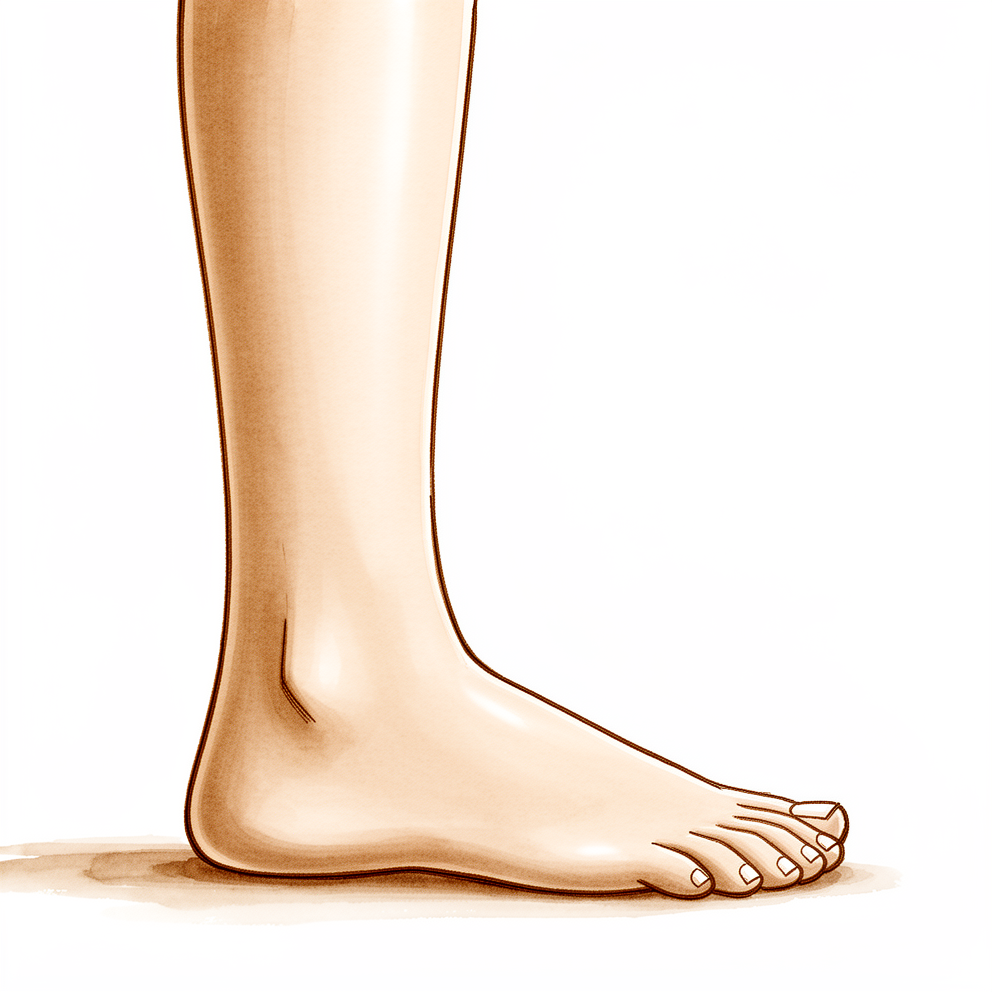
Soft Tissue Injuries
Ankle/lower extremity soft tissue injuries: strains, sprains, compartment syndrome, and Achilles tendon rupture diagnosis & management.
Overview
Lower extremity soft tissue injuries encompass a spectrum of pathologies ranging from specific muscle tears to complex defects associated with fractures or systemic disease. Diagnoses such as anorexia and bulimia nervosa are linked to an increased risk of these injuries and subsequent surgical requirements [1]. While syndesmosis injuries in professional rugby players often prove unstable and unpredictable regarding return to play [8], pediatric flexor tendon injuries remain rare with generally favorable subjective and objective outcomes [11]. Evaluation of specific clinical and imaging findings is essential to grade lumbrical muscle tears and guide therapy [3].
Management strategies must account for the paucity of evidence supporting specific protocols for extravasation injuries, which are largely documented in case reports [21]. Cell-based therapies offer a safe, potentially efficacious option for sports-related injuries, though indications require further definition [14]. For soft tissue defects from chemotherapy extravasation, Integra provides functional and aesthetic coverage [15]. Reconstruction of soft-tissue injury associated with lower extremity fractures is best performed as soon as practicable [22], with the choice of coverage method dictated by its ability to foster fracture healing while avoiding undertreatment or overtreatment [22].
Definitive closure and reconstruction depend on the specific anatomical context and available resources. There is no consensus on the optimal fasciotomy wound closure method, with approaches often dictated by surgeon experience, anatomic structures, and tissue condition [17]. The latissimus dorsi muscle flap should be considered for all difficult wounds involving the clavicle and surrounding soft tissues [57]. In pediatric open tibial fractures, a specific technique is preferred over external fixation to avoid associated complications [61]. Injury definitions vary based on surveillance goals, necessitating careful consideration to reach consensus [7].
Anatomy & Pathophysiology
Kinematics and Biomechanics
Mediolateral force distribution at the knee joint shifts across activities and is driven by tibiofemoral alignment [41], where the medial force ratio depends on both alignment and activity nature, precluding generalization to a single value [41]. Common running injuries are associated with greater peak contralateral pelvic drop, trunk forward lean, extended knee, and dorsiflexed ankle at initial contact [43]. There may be an association between the biomechanics of bend sprinting and plantaris injury [45]. Natural variation in Achilles tendon mechanics between individuals without tendon pathology accounts for most of the shear wave speed variability [54]. Tear progression in the supraspinatus tendon can be defined based on biomechanical changes [65].
Ligamentous and Ankle Pathophysiology
Anatomical features of the ankle act like domino pieces where a lateral ankle sprain can initiate a cascade of damage to intra-articular ligaments and cartilage, leading to chronic instability and joint degeneration [49]. Four typical types of mechanoreceptors were identified in the collateral ligaments of the human ankle [53], with Pacinian corpuscles predominant in all complexes [53]. The main function of ankle collateral ligaments is to sense joint speeds in motions [53]. Age and asymmetries in ankle laxity are potential factors for noncontact ankle sprains in soccer [66], with younger players at higher risk [66] and players with ankle instability at higher risk for ankle injury [66]. Ankle injuries are common in pediatric athletes and often result from underlying abnormalities [80].
Post-Traumatic and Surgical Sequelae
Increased Achilles tendon length is associated with smaller calf muscle volumes after surgical repair of Achilles tendon rupture [79] and with persistent plantar flexion strength deficits after surgical repair of Achilles tendon rupture [79]. The greatest motion loss from extensor tendon adhesions occurred at the joint immediately distal to the simulated adhesion [73].
Classification
Sagittal Band Injuries: Acute closed injuries of the metacarpophalangeal joint are frequently managed nonsurgically with extension splints [4], whereas optimal management for subacute or chronic closed injuries remains undefined [4]. A modification to the most prevalent classification system has been described to guide treatment and allow standardization in documenting and describing these injuries [37].
Extensor Tendon Injuries: A simpler classification system resembling that for flexor tendons is recommended for acute extensor tendon injuries to facilitate surgical decision-making and rehabilitation [39]. Specific treatment approaches for acute extensor tendon injuries are outlined for each zone within this recommended classification system [39].
Lumbrical Muscle Tears: Specific clinical and imaging findings must be evaluated to grade lumbrical muscle tears and determine suitable therapy [3].
Proximal Hamstring Strains: Proximal hamstring strains of the stretching type generally imply a prolonged rehabilitation period before returning to sport despite relatively mild initial symptoms [5].
Quadriceps Injuries: Optimal diagnostic strategies and classification of quadriceps injuries are reviewed, highlighting unique anatomy on MRI and outcomes of nonoperative and operative treatment [12].
Distal Biceps Tendon Tears: Classification of partial distal biceps tendon tears may have implications for operative and non-operative management [23].
Deltoid Ligament Injuries: There is an absence of a uniform standard for diagnosing deltoid ligament injuries, with current diagnostic approaches varying significantly across studies [9].
Fasciotomy Wound Closure: There is currently no consensus on the best method of closure for fasciotomy wounds after compartment syndrome release [17]. The approach to fasciotomy wound closure is often dictated by the surgeon's experience, anatomic structures involved, and the condition of the skin and soft tissues [17].
Traumatic Rhabdomyolysis: Traumatic rhabdomyolysis is defined and classified into types including crush syndrome, compartment syndrome, and the 'found down' patient [19].
Elbow Instability: Vast soft tissue injuries including both collateral ligaments and muscle origins should be expected in the event of early severe instability of a redislocated elbow joint after simple dislocation [28].
Other Considerations: Anorexia nervosa and bulimia nervosa diagnoses are associated with an increased risk of lower extremity soft tissue injury and orthopaedic surgery requirements [1]. Tendinopathy and acute muscle injuries are common yet difficult-to-treat conditions with large gaps in knowledge regarding etiology and management [2]. Injury definitions must be considered based on the goal of injury surveillance and practical implications to reach a consensus [7]. James Cyriax's work systematically presents means for exact localization of involved structures in soft tissue injuries and is highly approved for its handling of diagnosis [56]. The reviewer of James Cyriax's work disagrees with the author's classification of rheumatoid arthritis as an infective arthritide [56].
Clinical Presentation
The clinical evaluation of soft tissue injuries begins with a comprehensive history, noting that diagnoses such as anorexia and bulimia nervosa are associated with an increased risk of lower extremity soft tissue injury and orthopaedic surgery requirements [1]. In pediatric populations, flexor tendon injuries are rare yet generally yield good subjective and objective outcomes [11]. Surgeons must maintain a heightened awareness of traumatic flexor digitorum superficialis and A2-A3 pulley ruptures to facilitate rapid diagnosis [18], while also considering myositis ossificans in any child presenting with tender soft-tissue swelling in the hand [35]. For heel pain, diagnosis relies strictly on history and physical examination [20].
Inspection and palpation reveal that edema is a normal response to injury but becomes concerning when it persists beyond the inflammatory phase, as persistent edema delays healing and contributes to complications such as pain and stiffness [13]. Chronic expanding hematoma should be included in the differential diagnosis of a slow-growing soft tissue mass of the hand, particularly in individuals with a subacute history of trauma or surgery [10]. Syndesmosis injuries in professional rugby players are often unstable, requiring surgical intervention, and present with an unpredictable recovery period [8]. Associated injuries and complications in these syndesmosis cases can further lead to an unpredictable time to return to play [8].
Range-of-motion and stability testing require specific attention to anatomical nuances. Evaluation of specific clinical and imaging findings is recommended to grade lumbrical muscle tears and determine suitable therapy [3]. Optimal diagnostic strategies and classification of quadriceps injuries highlight the unique anatomy of each injury on MRI [12]. There is an absence of a uniform standard for diagnosing deltoid ligament injuries, with current diagnostic approaches varying significantly across studies [9]. Injury definitions vary significantly, and reaching a consensus requires considering different definitions depending on the goal of injury surveillance and practical implications [7].
Red-flag patterns and critical management decisions define the urgency of presentation. Acute compartment syndrome is a high-morbidity condition often associated with trauma and fractures that requires a high index of suspicion and emergent fasciotomy to prevent irreversible damage [36]. Deltoid compartment syndrome is a surgical emergency requiring rapid diagnosis and emergent surgical management [33]. Invasive Group A Streptococcus hand infections are often limb- and life-threatening, where prompt diagnosis and early debridement are of the utmost importance to improve outcomes [34]. Traumatic rhabdomyolysis encompasses crush syndrome, compartment syndrome, and the 'found down' patient [19].
Management pathways diverge based on injury chronicity and location. Many acute closed sagittal band injuries of the metacarpophalangeal joint can be managed nonsurgically with extension splints [4], whereas optimal management of subacute or chronic closed sagittal band injuries remains undefined [4]. Proximal hamstring strains of the stretching type, despite relatively mild initial symptoms, generally imply a prolonged rehabilitation period before returning to sport [5]. Associated injuries may delay return to sport following acute lateral ligament repair of the ankle in professional athletes, and symptoms may continue despite return to the same level of competition [6]. Outcomes of both nonoperative and operative treatment for quadriceps injuries provide an evidence-based management framework for athletes [12]. Treatment for heel pain ranges from nonsurgical measures like stretching and orthotics to surgical release for recalcitrant cases [20]. Tendinopathy and acute muscle injuries remain common yet difficult-to-treat conditions with large gaps in knowledge regarding etiology and management [2].
Investigations
Plain radiography: The presence of a second small bone fragment ('two fleck sign') on X-ray may indicate a Stener lesion requiring surgical repair, which may otherwise be missed on initial evaluation [71]. In the context of elbow fracture fixation, the absence of heterotopic ossification on 2-week radiographs may predict a decreased likelihood of its ultimate development [72]. Acute ischaemia of the scaphoid is rare in the absence of fracture but may be more frequently detected by wrist MRI in children with significant wrist trauma and normal radiographs [55].
MRI: Magnetic resonance imaging is a reliable tool in determining radiological severity of chronic lateral epicondylitis [59], though variation exists in its use which is associated with downstream effects [64]. The routine use of MRI for the diagnosis of lateral epicondylitis remains low [64], and the clinical use of MRI in the management of patients with enthesopathy of the extensor carpi radialis longus origin merits further study [68]. Qualitative and quantitative MRI is useful for evaluating the progress of tendon healing after arthroscopic debridement for refractory lateral epicondylitis [78]. Optimal diagnostic strategies and classification for quadriceps injuries are reviewed, highlighting unique anatomy on MRI and outcomes of nonoperative and operative treatment [12]. Evaluation of specific clinical and imaging findings is recommended to grade lumbrical muscle tears and determine suitable therapy [3]. MRI findings of varying injury grades did not significantly correlate with final functional outcomes in patients with calf muscle strain injuries [24]. Players with grade 1 MRI strains returned to play in 4 to 5 weeks, whereas players with grade 2 MRI strains required almost 10 weeks before returning to play [63].
Ultrasound: Ultrasound is likely to establish itself as a key investigation in the management of flexor tendon injuries [74]. It is superior to MRI for dynamic evaluation of stenosing synovitis of the extensor pollicis longus tendon [81].
Other Considerations: Orthopaedic surgeons should be aware of the effects of Anorexia Nervosa and Bulimia Nervosa diagnoses on soft tissue injury and surgery rates [1]. Tendinopathy and acute muscle injuries are common yet difficult-to-treat conditions with large gaps in knowledge regarding etiology and management [2]. Associated injuries may delay return to sport following acute lateral ligament repair of the ankle in professional athletes, and symptoms may continue despite return to the same level of competition [6]. There is an absence of a uniform standard for diagnosing deltoid ligament injuries, with current diagnostic approaches varying significantly across studies [9]. Heightened awareness of traumatic flexor digitorum superficialis and A2-A3 pulley rupture may aid in rapid diagnosis and early management [18]. Soft-tissue injuries about the knee include menisci, cruciates, collateral ligaments, and tendons [26]. Management of gunshot wounds near the elbow involves challenges including associated neurovascular injury and bone loss [27].
Treatment
Non-Operative
Evaluation of specific clinical and imaging findings is recommended to grade lumbrical muscle tears and determine suitable therapy [3]. Many acute closed sagittal band injuries of the metacarpophalangeal joint can be managed nonsurgically with extension splints [4]. Diagnosis of heel pain relies on history and physical examination, with treatment ranging from nonsurgical measures like stretching and orthotics to surgical release for recalcitrant cases [20]. Operative release is appropriate for flexor carpi radialis tendinitis only when symptoms are refractory to non-operative treatment [40]. If conservative treatment is not effective for snapping triceps syndrome, surgery is the most appropriate option with good to excellent results in well-selected patients [51]. Combination treatment for lateral epicondylitis has no additional advantage compared to physical therapy but is superior to brace only for the short term [52]. Evidence on the efficacy of exercise therapy in patients with hand and wrist tendinopathies is limited [44].
Operative
Indications: Surgical intervention is indicated for persistent complaints following rupture of the plantaris longus muscle fascia after failed nonsurgical therapy [16]. Reconstruction of soft-tissue injury associated with lower extremity fracture is best performed as soon as is practicable [22]. Augmenting rotator cuff repairs with a dermal allograft may be a suitable option in active patients with a diminished chance of postoperative healing given favorable healing rates, functional outcomes, and low complication rates [25]. Classification of partial distal biceps tendon tears may have implications for operative and non-operative management [23].
Surgical Approach / Technique: Surgical treatment for osteomyelitis requires radical débridement, management of dead space, soft-tissue coverage, and bone reconstruction [48]. The approach to fasciotomy wound closure is often dictated by the surgeon's experience, anatomic structures involved, and the condition of the skin and soft tissues [17]. There is currently no consensus on the best method of closure for fasciotomy wounds after compartment syndrome release [17]. Surgical treatment with a simple technique can successfully treat persistent complaints following rupture of the plantaris longus muscle fascia after failed nonsurgical therapy [16]. Management of gunshot wounds near the elbow involves associated neurovascular injury, bone loss, and other challenges [27].
Adjuncts: Local administration of tranexamic acid reduces early tendon adhesions after rotator cuff repair and promotes faster recovery of range of motion in the early postoperative period [47]. Local administration of tranexamic acid has no detrimental or beneficial effect on late tendon-bone healing after rotator cuff repair [47]. Cell-based therapies and regenerative medicine offer safe and potentially efficacious treatment for sports-related musculoskeletal injuries, but more clinical evidence is necessary to define indications and parameters for their use [14].
Other Considerations: Orthopaedic surgeons should be aware of the effects of Anorexia Nervosa and Bulimia Nervosa on soft tissue injury and surgery rates [1]. Tendinopathy and acute muscle injuries are common yet difficult-to-treat conditions with large gaps in knowledge regarding etiology and management [2]. Optimal management of subacute or chronic closed sagittal band injuries of the metacarpophalangeal joint remains undefined [4]. Injury definitions must be considered based on the goal of injury surveillance and practical implications to reach a consensus [7]. The use of Integra in managing soft tissue defects from chemotherapy extravasation injuries can provide coverage resulting in functional and aesthetically pleasing outcomes [15]. There is a marked paucity of evidence to support specific management of extravasation injuries, with the overwhelming majority of publications comprising case reports/series and non-evidence-based protocols [21]. Antibiotic suppressive therapy or amputation are alternatives for severe comorbidities in the surgical treatment of osteomyelitis [48]. The choice of soft-tissue coverage method for lower extremity fracture-associated soft-tissue injury should be based on its ability to provide an environment conducive to fracture healing while considering the merits and disadvantages of each option [22]. Prospective randomized studies comparing nonoperative versus operative treatment, debridement versus repair, and open versus arthroscopic repair are needed for peripheral triangular fibrocartilage complex tears [50].
Complications
Other Considerations: Systemic conditions such as anorexia nervosa and bulimia nervosa are associated with an increased risk of lower extremity soft tissue injury and subsequent orthopaedic surgery requirements [1]. Tendinopathy and acute muscle injuries remain common yet difficult-to-treat conditions with significant knowledge gaps regarding etiology and management [2]. Optimal management of subacute or chronic closed sagittal band injuries of the metacarpophalangeal joint remains undefined [4]. Proximal hamstring strains of the stretching type generally imply a prolonged rehabilitation period before returning to sport despite relatively mild initial symptoms [5]. Associated injuries may delay return to sport following acute lateral ligament repair of the ankle in professional athletes, and symptoms may continue despite return to the same level of competition [6]. Syndesmosis injuries in professional rugby players are often unstable, requiring surgical intervention, with an unpredictable recovery period and time to return to play [8]. Chronic expanding hematoma should be included in the differential diagnosis of a slow-growing soft tissue mass of the hand, particularly in individuals with a subacute history of trauma or surgery [10]. Edema becomes a concern when it persists beyond the inflammatory phase, delaying healing and contributing to complications such as pain and stiffness [13]. Cell-based therapies and regenerative medicine offer safe and potentially efficacious treatment for sports-related musculoskeletal injuries, but more clinical evidence is necessary to define the indications and parameters for their use [14]. Long-term complications such as arthritis and AVN are still commonly seen following surgical management of Hawkins type III talar neck fractures [69].
Recovery
Light activity (weeks): Return to desk work and light activities of daily living is often delayed in patients with anorexia or bulimia nervosa due to increased risks of lower extremity soft tissue injury and surgical requirements [1]. For acute closed sagittal band injuries, extension splints allow for nonsurgical management, while syndesmosis injuries in professional rugby players often require surgical intervention due to instability [4, 8]. Seemingly innocuous radial head or neck fractures in children necessitate close observation for compartment syndrome signs during the first 24 to 48 hours post-injury [30].
Full activity (months): Proximal hamstring strains of the stretching type generally imply a prolonged rehabilitation period before returning to sport despite mild initial symptoms [5]. Associated injuries and complications in syndesmosis injuries can lead to an unpredictable time to return to play [8]. In professional athletes, associated injuries may delay return to sport following acute lateral ligament repair of the ankle, and symptoms may persist even after returning to the same level of competition [6]. For chronic resistant lateral epicondylitis, autologous tenocyte injection provides evidence for midterm durability, while radial extracorporeal shock wave therapy yields better effects in patients with symptom duration longer than 6 months and short follow-up duration less than 24 weeks [31, 32].
Complete recovery / outcome plateau (months): MRI findings of varying injury grades did not significantly correlate with final functional outcomes in patients with calf muscle strain injuries in a non-athletic population [24]. Complete regression of ectopic bone and return of elbow motion occurred within the first year after the causative event in spontaneous regression of postoperative ossification about the elbow [82]. Short-term follow-up clinical results for the combination of microfracture and periostal-flap for focal full thickness articular cartilage lesions of the shoulder were satisfactory with significantly improved Constant scores and reduced pain [62]. Further studies with long-term follow-up are needed to determine whether the grafted area in autologous matrix-induced chondrogenesis for focal cartilage defects in the knee will maintain structural and functional integrity over time [77].
Rehabilitation protocol: Optimal management of subacute or chronic closed sagittal band injuries of the metacarpophalangeal joint remains undefined [4]. The modified Mantero technique for flexor digitorum profundus tendon injuries in Zone 2 suggests tendon healing and strength of repair are adequate for immediate postoperative motion with an absence of ruptures [76]. Surgical treatment with a simple technique can be successful for persistent complaints following rupture of the fascia of the plantaris longus muscle after a long history with failed nonsurgical therapy [16]. Seventeen years of experience with a nonoperative treatment protocol for acute rupture of the Achilles tendon confirmed good functional outcome and patient satisfaction [85].
Functional milestones: Growth factors exhibit unique temporal profiles that correlate with specific stages in the injury and repair process of the supraspinatus tendon, showing an initial increase followed by a return to control or undetectable levels by 16 weeks [83].
Other Considerations: Chronic expanding hematoma should be included in the differential diagnosis of a slow-growing soft tissue mass of the hand, particularly in individuals with a subacute history of trauma or surgery [10]. Edema is a normal response to injury that becomes a concern when it persists beyond the inflammatory phase, delaying healing and contributing to complications such as pain and stiffness [13]. The decision between resection versus reattachment for closed proximal muscle rupture of the biceps brachii depends on the length of time since the trauma, the presence or absence of neurovascular injuries, the overall condition of the muscle, and the age and activity of the individual prior to the injury [29]. When signs of rapidly progressive soft-tissue infection develop, Aeromonas hydrophila should be considered as a causative pathogen [84].
Key Evidence
- [L3] Orthopaedic surgeons should be aware of the effects these disorders have on soft tissue injury and surgery rates. (10.1177/2325967123s00323)
- [L4] The authors recommend evaluation of specific clinical and imaging findings to grade the injuries and determine suitable therapy. (10.1177/1753193418765716)
- [L5] Many acute injuries can be managed nonsurgically with extension splints, while optimal management of subacute or chronic injuries remains undefined. (10.5435/jaaos-d-13-00203)
- [L4] It is important to inform the subject that this type of injury, despite its relatively mild initial symptoms, generally implies a prolonged rehabilitation period before returning to sport. (10.1177/0363546508315892)
- [L3] Associated injuries may delay return and symptoms may continue despite return to the same level of competition. (10.1007/s00167-015-3815-1)
- [L2] To reach a consensus, it is therefore important to consider the different injury definitions depending on the goal of the injury surveillance and the practical implications. (10.1186/s12891-020-03490-0)
- [L4] These injuries are often unstable, requiring surgical intervention, with an unpredictable recovery period. (10.1016/j.jisako.2022.03.001)
- [L1] The review highlights the absence of a uniform standard for diagnosing deltoid ligament injuries, suggesting that current diagnostic approaches vary significantly across studies. (10.1186/s12891-024-07869-1)
- [Case_report] Chronic expanding hematoma should be included in the differential diagnosis of a slow-growing soft tissue mass of the hand, particularly in individuals with a subacute history of trauma or surgery. (10.1016/j.jhsa.2011.05.033)
- [L4] Flexor tendon injuries in children are rare, and both subjective and objective outcomes are generally good. (10.1016/j.jhsa.2007.08.006)
- [L5] This article reviews the optimal diagnostic strategies and classification of quadriceps injuries, highlighting the unique anatomy of each injury on MRI and the outcomes of both nonoperative and operative treatment to provide an evidence-based management framework for athletes. (10.1302/0301-620x.105b12.bjj-2023-0399.r1)
- [L5] Edema is a normal response to injury that becomes a concern when it persists beyond the inflammatory phase, delaying healing and contributing to complications such as pain and stiffness. (10.1016/j.jht.2011.09.008)
- [L4] Cell-based therapies and regenerative medicine offer safe and potentially efficacious treatment for sports-related musculoskeletal injuries, but more clinical evidence is necessary to define the indications and parameters for their use. (10.1177/2325967113519935)
- [L4] The use of Integra in managing soft tissue defects in patients with chemotherapy extravasation injuries can provide coverage that results in both a functional and aesthetically pleasing outcome. (10.1016/j.jhsa.2012.05.041)
- [Case_report] This case demonstrates a rare injury and the simple surgical technique for successful treatment after a long history with failed nonsurgical therapy in a top-level soccer player. (10.1007/s00167-004-0532-6)
- [L5] There is currently no consensus on the best method of closure for fasciotomy wounds, and the approach is often dictated by the surgeon's experience, anatomic structures involved, and the condition of the skin and soft tissues. (10.5435/jaaos-d-21-01046)
- [Case_report] A heightened awareness of the injury may aid in rapid diagnosis and early management. (10.1016/j.jhsa.2013.12.020)
- [L5] This review defines and classifies the types of traumatic rhabdomyolysis and summarizes the outcomes to facilitate timely diagnosis and appropriate management for this population to reduce morbidity associated with these conditions. (10.5435/jaaos-d-23-00734)
- [L4] There is a marked paucity of evidence to support specific management of extravasation injuries, with the overwhelming majority of publications comprising case reports/series and non-evidence-based protocols. (10.1177/1753193413511921)
- [L5] Reconstruction is best performed as soon as is practicable, and the choice of soft-tissue coverage method should be based on its ability to provide an environment conducive to fracture healing while considering the merits and disadvantages of each option to avoid undertreatment or overtreatment. (10.5435/00124635-201102000-00003)
- [L3] Classification of tears may have implications for operative and non-operative management. (10.5397/cise.2023.00458)
- [L3] MRI findings of varying injury grades did not significantly correlate with the final functional outcomes in this non-athletic population. (10.1186/s12891-024-08119-0)
- [L5] Given favorable healing rates, functional outcomes, and low complication rates, augmenting rotator cuff repairs with a dermal allograft may be a suitable option in active patients with a diminished chance of postoperative healing. (10.1016/j.arthro.2022.08.004)
- [L4] The report highlights associated neurovascular injury, bone loss, and other challenges in this patient population. (10.5397/cise.2023.00801)
- [L4] Vast soft tissue injuries including both collateral ligaments and muscle origins should be expected in the event of early severe instability of a dislocated elbow joint. (10.1016/j.jse.2017.02.019)
- [L4] Resection versus reattachment of the muscle depends on the length of time since the trauma, the presence or absence of neurovascular injuries, the overall condition of the muscle, and the age and activity of the individual prior to the injury. (10.1007/s00167-011-1654-2)
- [L4] These seemingly innocuous fractures necessitate close observation for the signs and symptoms of a compartment syndrome during the first twenty-four to forty-eight hours after the injury. (10.2106/00004623-199507000-00014)
- [L4] This study provides evidence for the midterm durability of ATI for treatment of LE tendinopathy. (10.1177/0363546515579185)
- [L1] Radial ESWT, symptom duration of longer than 6 months, and short follow-up duration (less than 24 weeks) were related to better effects. (10.1097/corr.0000000000001246)
- [L5] This report emphasizes the importance of rapid diagnosis and emergent surgical management of deltoid compartment syndrome. (10.1016/j.jse.2010.05.019)
- [L4] Prompt diagnosis and early debridement are of the utmost importance to improve outcomes for these often limb- and life-threatening infections. (10.1177/17531934241268983)
- [L4] Surgeons should have myositis ossificans on their list of potential diagnoses any time a child presents with tender soft-tissue swelling in the hand. (10.1177/1753193418788770)
- [L4] This review provides a contemporary perspective on sagittal band injuries and describes a modification to the most prevalent classification system to guide treatment and allow standardization in documenting and describing injuries. (10.1016/j.jhsa.2021.09.011)
- [L5] The panel recommends adapting a simpler classification system resembling that for flexor tendons and outlines specific treatment approaches for acute extensor tendon injuries in each zone to facilitate surgical decision-making and rehabilitation. (10.1177/17531934251363138)
- [L4] Operative release is appropriate when symptoms are refractory to non-operative treatment. (10.2106/00004623-199407000-00009)
- [L4] The medial force ratio depends on both the tibiofemoral alignment and the nature of the activity involved and cannot be generalised to a single value. (10.1302/0301-620x.99b6.bjj-2016-0713.r1)
- [L3] This study identified a number of global kinematic contributors to common running injuries, specifically greater peak contralateral pelvic drop, trunk forward lean, extended knee, and dorsiflexed ankle at initial contact. (10.1177/0363546518793657)
- [L1] Evidence on the efficacy of exercise therapy in patients with hand and wrist tendinopathies is limited. (10.1016/j.jht.2023.08.016)
- [L4] There may be an association between the biomechanics of bend sprinting and plantaris injury. (10.1007/s00167-014-3409-3)
- [L5] Local administration of tranexamic acid reduces early tendon adhesions and promotes faster recovery of range of motion in the early postoperative period, but has no detrimental or beneficial effect on late tendon-bone healing. (10.1016/j.arthro.2024.01.027)
- [L5] The authors hypothesize that anatomical features of the ankle act like domino pieces, where a lateral ankle sprain can initiate a cascade of damage to intra-articular ligaments and cartilage, leading to chronic instability and joint degeneration. (10.1002/ksa.12538)
- [L5] Prospective randomized studies comparing nonoperative versus operative treatment, debridement versus repair, and open versus arthroscopic repair are needed. (10.1016/j.jhsa.2011.05.007)
- [L4] If conservative treatment is not effective, surgery is the most appropriate option, with good to excellent results in well-selected patients. (10.1111/j.1758-5740.2009.00033.x)
- [L1] Combination treatment has no additional advantage compared to physical therapy but is superior to brace only for the short term. (10.1177/0095399703258714)
- [L5] The four typical types of mechanoreceptors were all identified in the collateral ligaments of the human ankle, with Pacinian corpuscles being predominant in all complexes, indicating that the main function of ankle collateral ligaments is to sense joint speeds in motions. (10.1186/s13018-015-0215-7)
- [L3] Natural variation in Achilles tendon mechanics between individuals without tendon pathology accounts for most of the shear wave speed variability. (10.1002/ksa.12325)
- [L4] Acute ischaemia of the scaphoid is rare in the absence of fracture but may be more frequently detected by wrist MRI in children, especially in those presenting with significant wrist trauma and normal radiographs. (10.1054/jhsb.2000.0543)
- [L5] This document is a book review of 'Rheumatism and Soft Tissue Injuries' by James Cyriax, noting that the book systematically presents means for exact localization of involved structures and is highly approved for its handling of diagnosis, though the reviewer disagrees with the author's classification of rheumatoid arthritis as an infective arthritide. (10.2106/00004623-194830040-00041)
- [L4] The latissimus dorsi muscle flap should be considered for all difficult wounds involving the clavicle and surrounding soft tissues. (10.1016/j.jse.2008.04.011)
- [L2] Magnetic resonance imaging is a reliable tool in determining radiological severity of lateral epicondylitis. (10.1016/j.jhsa.2010.11.040)
- [L4] The authors prefer this technique to external fixation due to potential complications associated with the latter. (10.2106/00004623-199607000-00008)
- [L4] Short-term follow-up clinical results were satisfactory with significantly improved Constant scores and reduced pain. (10.1007/s00167-003-0363-x)
- [L4] Players with grade 1 MRI strains returned to play in 4 to 5 weeks, whereas those with grade 2 strains required almost 10 weeks before returning to play. (10.1177/2325967120956569)
- [L3] Although there is variation in the use of MRI for lateral epicondylitis and its use is associated with downstream effects, the routine use of MRI for the diagnosis of lateral epicondylitis is low. (10.1016/j.jhsa.2023.03.025)
- [L5] These insights provide a potentially clinically relevant definition of tear progression based on biomechanical changes to the supraspinatus tendon. (10.1016/j.jseint.2025.02.007)
- [L2] Age and asymmetries in ankle laxity are potential factors worth revisiting, as there was an indication for younger players and players with ankle instability to be at higher risk for ankle injury. (10.1177/0363546512449602)
- [L3] The clinical use of MRI in the management of patients with enthesopathy of the ECRB origin merits further study. (10.1016/j.jhsa.2009.02.023)
- [L4] However, long-term complications such as arthritis and AVN are still commonly seen. (10.1186/s13018-017-0610-3)
- [L5] The presence of a second small bone fragment ('two fleck sign') on X-ray may indicate a Stener lesion requiring surgical repair, which can be missed on initial evaluation. (10.1177/1753193408087106)
- [L3] The absence of heterotopic ossification on 2-week radiographs may predict a decreased likelihood of its ultimate development. (10.1016/j.jse.2013.07.023)
- [L5] The greatest motion loss occurred at the joint immediately distal to the simulated adhesion. (10.1016/j.jhsa.2018.12.011)
- [L4] The authors believe it is likely to establish itself as a key investigation in the management of these injuries. (10.1177/1753193408090097)
- [L4] The good results and absence of ruptures suggest that the tendon healing and strength of repair are adequate for immediate postoperative motion. (10.1177/17531934221076270)
- [L4] However, further studies with long-term follow-up are needed to determine whether the grafted area will maintain structural and functional integrity over time. (10.1007/s00167-010-1042-3)
- [L4] Qualitative and quantitative MRI is useful for evaluating the progress of tendon healing after arthroscopic debridement. (10.1016/j.arthro.2022.07.019)
- [L2] Increased Achilles tendon length is associated with smaller calf muscle volumes and persistent plantar flexion strength deficits after surgical repair of Achilles tendon rupture. (10.2106/jbjs.16.01491)
- [L4] They emphasize that ultrasound is superior to MRI for dynamic evaluation and that surgical release is a viable treatment to prevent tendon rupture. (10.1016/j.jhsa.2011.02.004)
- [Case_report] Complete regression of ectopic bone and return of elbow motion occurred within the first year after the causative event. (10.1016/j.jse.2006.10.005)
- [L5] Growth factors exhibit unique temporal profiles that correlate with specific stages in the injury and repair process of the supraspinatus tendon, with an initial increase in expression followed by a return to control or undetectable levels by 16 weeks. (10.1016/j.jse.2007.04.003)
- [L5] When signs of rapidly progressive soft-tissue infection develop in such a patient, Aeromonas hydrophila should be considered as a causative pathogen. (10.2106/jbjs.c.00923)
- [L4] Seventeen years of experience with a nonoperative treatment protocol for acute rupture of the Achilles tendon confirmed good functional outcome and patient satisfaction. (10.1177/0363546515623501)
See Also
References
[1] Poster 359: Anorexia Nervosa and Bulimia Nervosa Diagnoses Are Associated with Increased Risk of Lower Extremity Soft Tissue Injury and Orthopaedic Surgery Requirements. Orthopaedic Journal of Sports Medicine. 2023. DOI: 10.1177/2325967123s00323
[2] Chapter 38 Current Concepts in Tendinopathy and Acute Muscle Injury. 2019.
[3] Lumbrical muscle tear: clinical presentation, imaging findings and outcome. Journal of Hand Surgery (European Volume). 2018. DOI: 10.1177/1753193418765716
[4] Closed Sagittal Band Injury of the Metacarpophalangeal Joint. Journal of the American Academy of Orthopaedic Surgeons. 2015. DOI: 10.5435/jaaos-d-13-00203
[5] Proximal Hamstring Strains of Stretching Type in Different Sports. The American Journal of Sports Medicine. 2008. DOI: 10.1177/0363546508315892
[6] Return to sport following acute lateral ligament repair of the ankle in professional athletes. Knee Surgery, Sports Traumatology, Arthroscopy. 2015. DOI: 10.1007/s00167-015-3815-1
[7] The impact of injury definitions on measures of injury occurrence in classical music students: a prospective cohort study. BMC Musculoskeletal Disorders. 2020. DOI: 10.1186/s12891-020-03490-0
[8] Syndesmosis injuries in professional rugby players: associated injuries and complications can lead to an unpredictable time to return to play. Journal of ISAKOS. 2022. DOI: 10.1016/j.jisako.2022.03.001
[9] A systematic review on how to diagnose deltoid ligament injuries—are we missing a uniform standard?. BMC Musculoskeletal Disorders. 2024. DOI: 10.1186/s12891-024-07869-1
[10] Imaging Features of Chronic Expanding Hematoma in the Soft Tissues of the Hand Simulating an Aggressive Lesion: Case Report. The Journal of Hand Surgery. 2011. DOI: 10.1016/j.jhsa.2011.05.033
[11] Flexor Tendon Injuries in Pediatric Patients. The Journal of Hand Surgery. 2007. DOI: 10.1016/j.jhsa.2007.08.006
[12] Quadriceps injuries. The Bone & Joint Journal. 2023. DOI: 10.1302/0301-620x.105b12.bjj-2023-0399.r1
[13] Edema: A Silent but Important Factor. Journal of Hand Therapy. 2012. DOI: 10.1016/j.jht.2011.09.008
[14] Emerging Applications of Stem Cell and Regenerative Medicine to Sports Injuries. Orthopaedic Journal of Sports Medicine. 2014. DOI: 10.1177/2325967113519935
[15] Extravasation of Chemotherapy: An Alternative Clinical Application of Integra in Hand and Upper Extremity Surgery. The Journal of Hand Surgery. 2012. DOI: 10.1016/j.jhsa.2012.05.041
[16] Surgical treatment for persistent complaints following rupture of the fascia of the plantaris longus muscle: a case report. Knee Surgery, Sports Traumatology, Arthroscopy. 2004. DOI: 10.1007/s00167-004-0532-6
[17] Principles of Fasciotomy Closure After Compartment Syndrome Release. Journal of the American Academy of Orthopaedic Surgeons. 2022. DOI: 10.5435/jaaos-d-21-01046
[18] Traumatic Flexor Digitorum Superficialis and A2-A3 Pulley Rupture: Case Report. The Journal of Hand Surgery. 2014. DOI: 10.1016/j.jhsa.2013.12.020
[19] Traumatic Rhabdomyolysis: Crush Syndrome, Compartment Syndrome, and the ‘Found Down’ Patient. Journal of the American Academy of Orthopaedic Surgeons. 2023. DOI: 10.5435/jaaos-d-23-00734
[20] Chapter 116 Heel Pain. 2019.
[21] Extravasation injuries: a review. Journal of Hand Surgery (European Volume). 2014. DOI: 10.1177/1753193413511921
[22] Reconstruction of Soft-tissue Injury Associated With Lower Extremity Fracture. American Academy of Orthopaedic Surgeon. 2011. DOI: 10.5435/00124635-201102000-00003
[23] Classification system for partial distal biceps tendon tears: a descriptive 3-Tesla magnetic resonance imaging study of tear morphology. Clinics in Shoulder and Elbow. 2023. DOI: 10.5397/cise.2023.00458
[24] Correlation between MRI findings and functional outcomes in patients with calf muscle strain injuries: a retrospective study on 78 patients. BMC Musculoskeletal Disorders. 2024. DOI: 10.1186/s12891-024-08119-0
[25] Dermal Allograft Augmentation for Rotator Cuff Tears. Arthroscopy. 2022. DOI: 10.1016/j.arthro.2022.08.004
[26] Chapter 40 Soft-Tissue Injuries About the Knee. 2020.
[27] Management of gunshot wounds near the elbow: experiences at a high-volume level I trauma center. Clinics in Shoulder and Elbow. 2024. DOI: 10.5397/cise.2023.00801
[28] Extensive soft tissue lesions in redislocated after simple elbow dislocations. Journal of Shoulder and Elbow Surgery. 2017. DOI: 10.1016/j.jse.2017.02.019
[29] Closed proximal muscle rupture of the biceps brachii in wakeboarders. Knee Surgery, Sports Traumatology, Arthroscopy. 2011. DOI: 10.1007/s00167-011-1654-2
[30] Compartment syndrome in the forearm following fractures of the radial head or neck in children.. The Journal of Bone & Joint Surgery. 1995. DOI: 10.2106/00004623-199507000-00014
[31] Evidence for the Durability of Autologous Tenocyte Injection for Treatment of Chronic Resistant Lateral Epicondylitis. The American Journal of Sports Medicine. 2015. DOI: 10.1177/0363546515579185
[32] Does the Type of Extracorporeal Shock Therapy Influence Treatment Effectiveness in Lateral Epicondylitis? A Systematic Review and Meta-analysis. Clinical Orthopaedics & Related Research. 2020. DOI: 10.1097/corr.0000000000001246
[33] Deltoid compartment syndrome is a surgical emergency. Journal of Shoulder and Elbow Surgery. 2010. DOI: 10.1016/j.jse.2010.05.019
[34] A surge in the incidence of invasive Group A Streptococcus hand infections: a single Hand Unit experience. Journal of Hand Surgery (European Volume). 2024. DOI: 10.1177/17531934241268983
[35] Myositis ossificans of a lumbrical muscle in a child’s hand. Journal of Hand Surgery (European Volume). 2018. DOI: 10.1177/1753193418788770
[36] Chapter 106 Acute Compartment Syndrome. 2019.
[37] Sagittal Band Injuries: A Review and Modification of the Classification System. The Journal of Hand Surgery. 2022. DOI: 10.1016/j.jhsa.2021.09.011
[39] Extensor tendon repairs: consensus, current guidelines and recommendations. Journal of Hand Surgery (European Volume). 2025. DOI: 10.1177/17531934251363138
[40] Flexor carpi radialis tendinitis. Part II. The Journal of Bone & Joint Surgery. 1994. DOI: 10.2106/00004623-199407000-00009
[41] Mediolateral force distribution at the knee joint shifts across activities and is driven by tibiofemoral alignment. The Bone & Joint Journal. 2017. DOI: 10.1302/0301-620x.99b6.bjj-2016-0713.r1
[43] Is There a Pathological Gait Associated With Common Soft Tissue Running Injuries?. The American Journal of Sports Medicine. 2018. DOI: 10.1177/0363546518793657
[44] Evidence for exercise therapy in patients with hand and wrist tendinopathy is limited: A systematic review. Journal of Hand Therapy. 2023. DOI: 10.1016/j.jht.2023.08.016
[45] Plantaris injuries in elite UK track and field athletes over a 4‐year period: a retrospective cohort study. Knee Surgery, Sports Traumatology, Arthroscopy. 2014. DOI: 10.1007/s00167-014-3409-3
[47] Tranexamic Acid Can Reduce Early Tendon Adhesions After Rotator Cuff Repair and Is Not Detrimental to Tendon‐Bone Healing: A Comparative Animal Model Study. Arthroscopy. 2024. DOI: 10.1016/j.arthro.2024.01.027
[48] Chapter 13 Management of Acute and Chronic Osteomyelitis. 2021.
[49] The ankle sprain and the domino effect. Knee Surgery, Sports Traumatology, Arthroscopy. 2024. DOI: 10.1002/ksa.12538
[50] Peripheral Triangular Fibrocartilage Complex Tears. The Journal of Hand Surgery. 2011. DOI: 10.1016/j.jhsa.2011.05.007
[51] Snapping Triceps Syndrome: A Review of the Literature. Shoulder & Elbow. 2010. DOI: 10.1111/j.1758-5740.2009.00033.x
[52] Conservative Treatment of Lateral Epicondylitis. The American Journal of Sports Medicine. 2004. DOI: 10.1177/0095399703258714
[53] Morphological study of mechanoreceptors in collateral ligaments of the ankle joint. Journal of Orthopaedic Surgery and Research. 2015. DOI: 10.1186/s13018-015-0215-7
[54] Minimal effect of scanning parameters on ultrasound shear wave elastography variability in tendons. Knee Surgery, Sports Traumatology, Arthroscopy. 2024. DOI: 10.1002/ksa.12325
[55] Temporary Ischaemia of the Scaphoid in a Child. Journal of Hand Surgery. 2001. DOI: 10.1054/jhsb.2000.0543
[56] Rheumatism and Soft Tissue Injuries. James Cyriax, M.D., B.Ch. (Cantab.). London, Hamish Hamilton. Ltd. 42 shillings. The Journal of Bone & Joint Surgery. 1948. DOI: 10.2106/00004623-194830040-00041
[57] Latissimus dorsi flap closure of the irradiated clavicular wound. Journal of Shoulder and Elbow Surgery. 2008. DOI: 10.1016/j.jse.2008.04.011
[59] The Reliability and Validity of Magnetic Resonance Imaging in the Assessment of Chronic Lateral Epicondylitis. The Journal of Hand Surgery. 2011. DOI: 10.1016/j.jhsa.2010.11.040
[61] Open Fracture of the Tibia in Children. The Journal of Bone & Joint Surgery*. 1996. DOI: 10.2106/00004623-199607000-00008
[62] Combination of microfracture and periostal‐flap for the treatment of focal full thickness articular cartilage lesions of the shoulder: a prospective study. Knee Surgery, Sports Traumatology, Arthroscopy. 2003. DOI: 10.1007/s00167-003-0363-x
[63] Muscle Strains in the Lower Extremity of Japanese Professional Baseball Players. Orthopaedic Journal of Sports Medicine. 2020. DOI: 10.1177/2325967120956569
[64] The Use and Downstream Associations of Magnetic Resonance Imaging for Lateral Epicondylitis. The Journal of Hand Surgery. 2024. DOI: 10.1016/j.jhsa.2023.03.025
[65] Initiation and progression of rotator cuff tears due to fatigue loading: a cadaveric study. JSES International. 2025. DOI: 10.1016/j.jseint.2025.02.007
[66] Intrinsic Risk Factors of Noncontact Ankle Sprains in Soccer. The American Journal of Sports Medicine. 2012. DOI: 10.1177/0363546512449602
[68] Magnetic Resonance Imaging Signal Abnormalities in Enthesopathy of the Extensor Carpi Radialis Longus Origin. The Journal of Hand Surgery. 2009. DOI: 10.1016/j.jhsa.2009.02.023
[69] Surgical management of Hawkins type III talar neck fracture through the approach of medial malleolar osteotomy and mini-plate for fixation. Journal of Orthopaedic Surgery and Research. 2017. DOI: 10.1186/s13018-017-0610-3
[71] The ‘‘Two Fleck Sign’’ for an Occult Stener Lesion. Journal of Hand Surgery (European Volume). 2008. DOI: 10.1177/1753193408087106
[72] Risk Factors for Development of Heterotopic Ossification of the Elbow after Fracture Fixation. Journal of Shoulder and Elbow Surgery. 2013. DOI: 10.1016/j.jse.2013.07.023
[73] The Effect of Extensor Tendon Adhesions on Finger Motion. The Journal of Hand Surgery. 2019. DOI: 10.1016/j.jhsa.2018.12.011
[74] The Role of Ultrasound in the Management of Flexor Tendon Injuries. Journal of Hand Surgery (European Volume). 2008. DOI: 10.1177/1753193408090097
[76] Flexor digitorum profundus tendon injuries in Zone 2 repaired with a modified Mantero technique. Journal of Hand Surgery (European Volume). 2022. DOI: 10.1177/17531934221076270
[77] Mid‐term results of Autologous Matrix‐Induced Chondrogenesis for treatment of focal cartilage defects in the knee. Knee Surgery, Sports Traumatology, Arthroscopy. 2010. DOI: 10.1007/s00167-010-1042-3
[78] Arthroscopic Debridement for Refractory Lateral Epicondylitis Results for Substantial Improvement in Tendinosis Scores and Good Clinical Outcomes: Qualitative and Quantitative Magnetic Resonance Imaging Analysis. Arthroscopy. 2022. DOI: 10.1016/j.arthro.2022.07.019
[79] Tendon Length, Calf Muscle Atrophy, and Strength Deficit After Acute Achilles Tendon Rupture. Journal of Bone and Joint Surgery. 2017. DOI: 10.2106/jbjs.16.01491
[80] Chapter 53 Ankle Injuries. 2020.
[81] Stenosing Synovitis of the Extensor Pollicis Longus Tendon. The Journal of Hand Surgery. 2011. DOI: 10.1016/j.jhsa.2011.02.004
[82] Spontaneous regression of postoperative ossification about the elbow: A case report. Journal of Shoulder and Elbow Surgery. 2007. DOI: 10.1016/j.jse.2006.10.005
[83] Temporal expression of 8 growth factors in tendon-to-bone healing in a rat supraspinatus model. Journal of Shoulder and Elbow Surgery. 2007. DOI: 10.1016/j.jse.2007.04.003
[84] Aeromonas Hydrophila Necrotizing Fasciitis. The Journal of Bone & Joint Surgery. 2006. DOI: 10.2106/jbjs.c.00923
[85] Prospective Use of a Standardized Nonoperative Early Weightbearing Protocol for Achilles Tendon Rupture. The American Journal of Sports Medicine. 2016. DOI: 10.1177/0363546515623501