Skip to content

Demographics

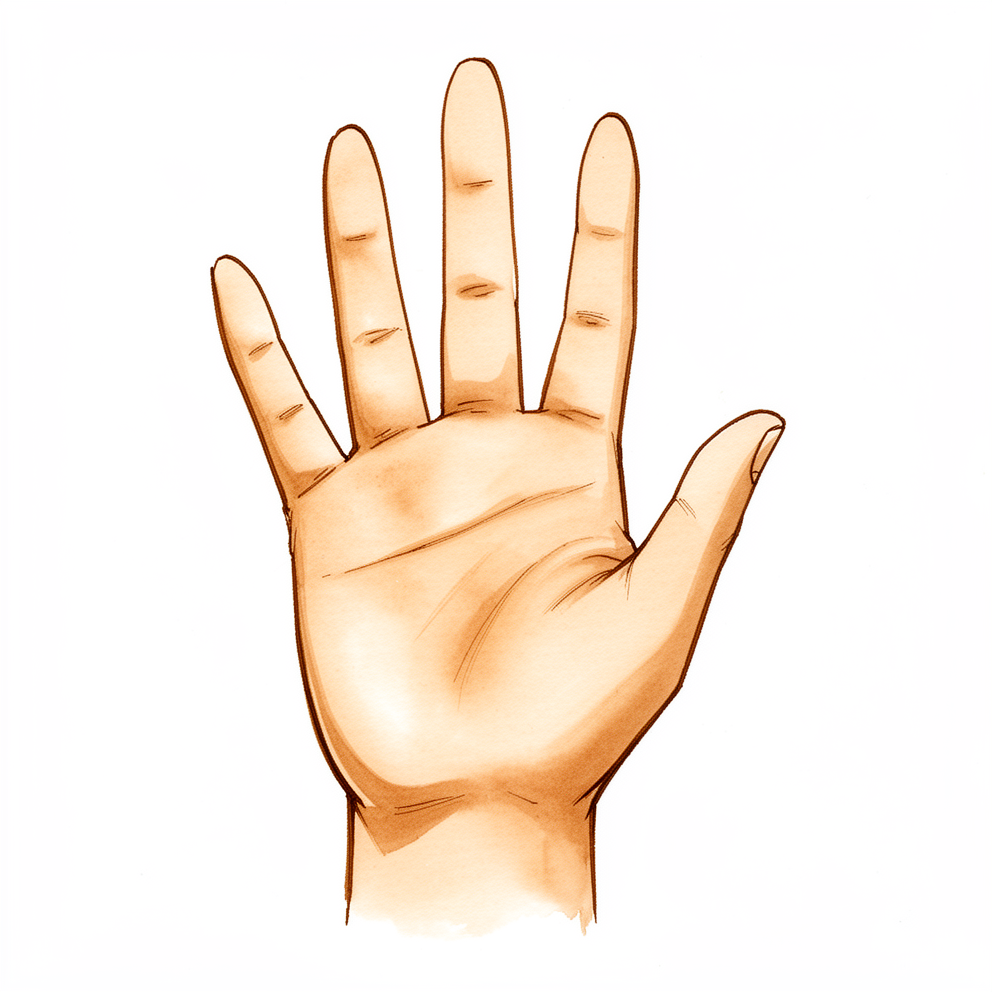
Hand surgery demographics: age, sex, race, and socioeconomic factors impacting disease prevalence & treatment disparities.

Overview

Orthopaedic practice relies on robust data to guide patient selection and procedural outcomes. The Hand Injury Severity Scoring System facilitates outcome comparisons between groups but lacks predictive utility for individual patients [1]. In elective total joint replacements for elderly populations, frailty screening identifies 5% to 10% of patients at risk for adverse outcomes [2]. Conversely, underweight body mass index correlates with increased in-hospital complications and length of stay after revision total joint arthroplasty, necessitating standardized preoperative protocols to improve results [9]. For nonagenarians with soft-tissue sarcoma, early and aggressive oncological surgery yields the lowest local recurrence rates and a survival advantage compared to conservative management [5].

Demographic factors significantly influence surgical indications and patient-reported outcomes. Patients older than 45 years perform worse following hip arthroscopy, with female patients in this age group demonstrating the lowest outcome scores, although all patients experience significant improvements across all metrics [10]. In clavicle fracture management, surgical reoperation rates exceed 20%, with the vast majority of these procedures performed for device removal [18]. Understanding the appropriate indications for emerging technologies in orthopaedic trauma is critical for their effective utilization [7].

The delivery of care is increasingly shaped by provider dynamics and infrastructure. Many US regions are underserved by hand surgeons, who may select practice locations based on factors beyond population need [8]. Patients consider the training background of midlevel providers when choosing a surgeon and hold distinct preferences regarding which services should be physician- versus midlevel-provided, though they lack consensus on reimbursement equity [22]. To address these disparities and standardize care, building a national registry for hand surgery could define quality metrics, track outcomes, and integrate patient preferences [48]. Similarly, four multicentre registries for congenital upper limb differences enable effective data comparison and an international perspective on these conditions [6]. Finally, clinical reports should explicitly include the surgeon’s level of expertise to validate results in complex procedures and allow for standardized comparisons [16].

Anatomy & Pathophysiology

Demographics and Aging

Pediatric hand fracture frequency, pattern, and treatment vary among different age groups [4]. In contrast, the incidence of hand injuries among the elderly is lower than among a younger population [66]. Hand strength declines after 30 to 44 years of age in line with the normal process of aging, which entails muscle fiber reduction and decreased daily activities in older adults [29]. Gender affects hand grip strength, musculoskeletal discomfort, and gait in a rural-dwelling multi-ethnic cohort [60].

Dominant hand grip strength is positively associated with height and body mass index, and negatively associated with age for both sexes [59]. Gender, age, and hand preference impact handgrip strength development in 6 to 18-year-olds [47]. Age and grip strength significantly predict different types of hand dexterity, with age explaining more variance in steadiness and line tracking, while strength explains more variance in aiming and tapping [49].

Normative Data and Measurement

Hand strength values differ significantly between populations, making the international application of normative data questionable [52]. Gender- and age-adjusted reference values for grip strength are recommended for intraindividual comparison, with side adjustment of measured values; hand dominance can be neglected [53]. This is the first study to provide normative data for grip strength across the life course [28].

The MyoGrip device is a reliable tool for measuring isometric grip strength in healthy subjects from 5 to 80 years [61]. Measurements taken at a single standard handle position are sufficiently accurate to assess grip strengths for all subjects in epidemiological studies [40]. Reference data with percentiles for hand grip and lower limb strength can be reported using the Nintendo Wii balance board [58].

Osteoarthritis and Ergonomics

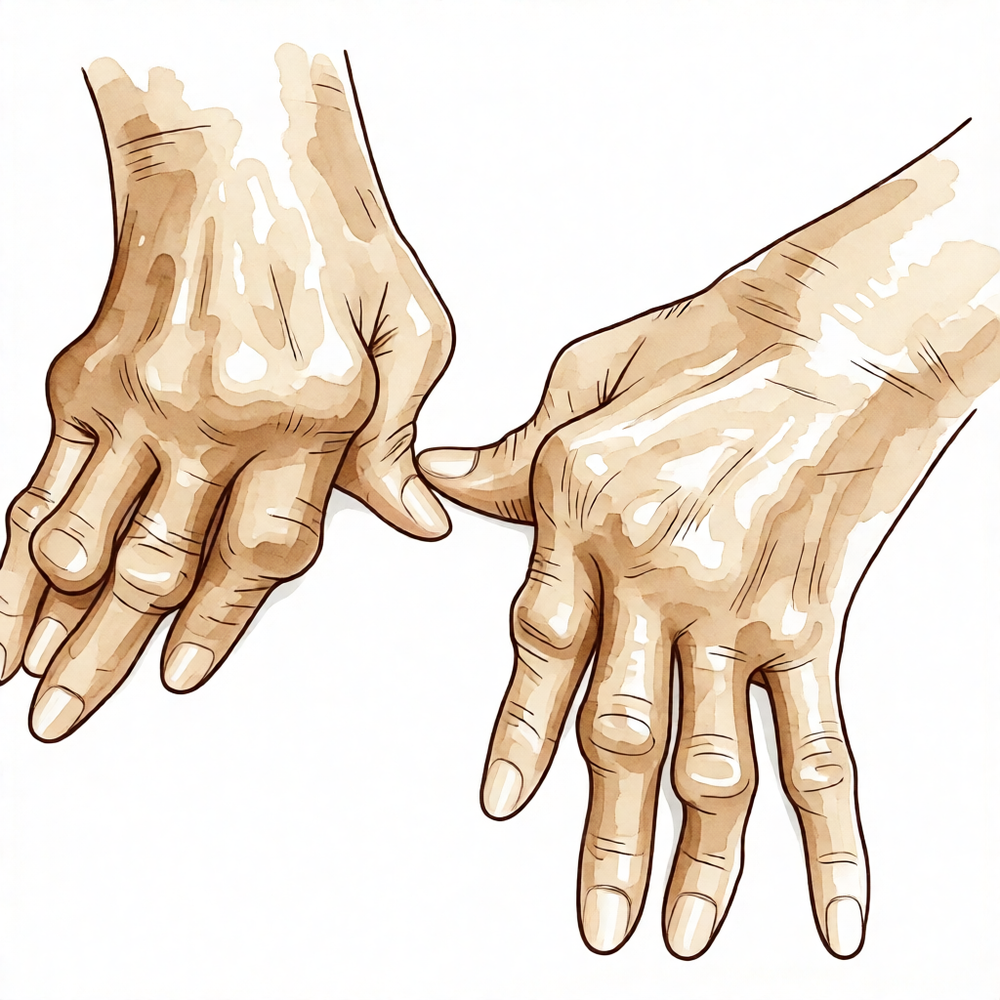
Photographic scoring of hand osteoarthritis (HOASCORE) is a useful, cheaper, and easier method for assessing the burden of hand OA when exact anatomic imaging is not a primary objective [30]. Ergonomic solutions are necessary to decrease thumb motions or strenuous effort at work, especially for women, to reduce the risk of osteoarthritis of the thumb carpometacarpal joint [45].

Clinical Overview

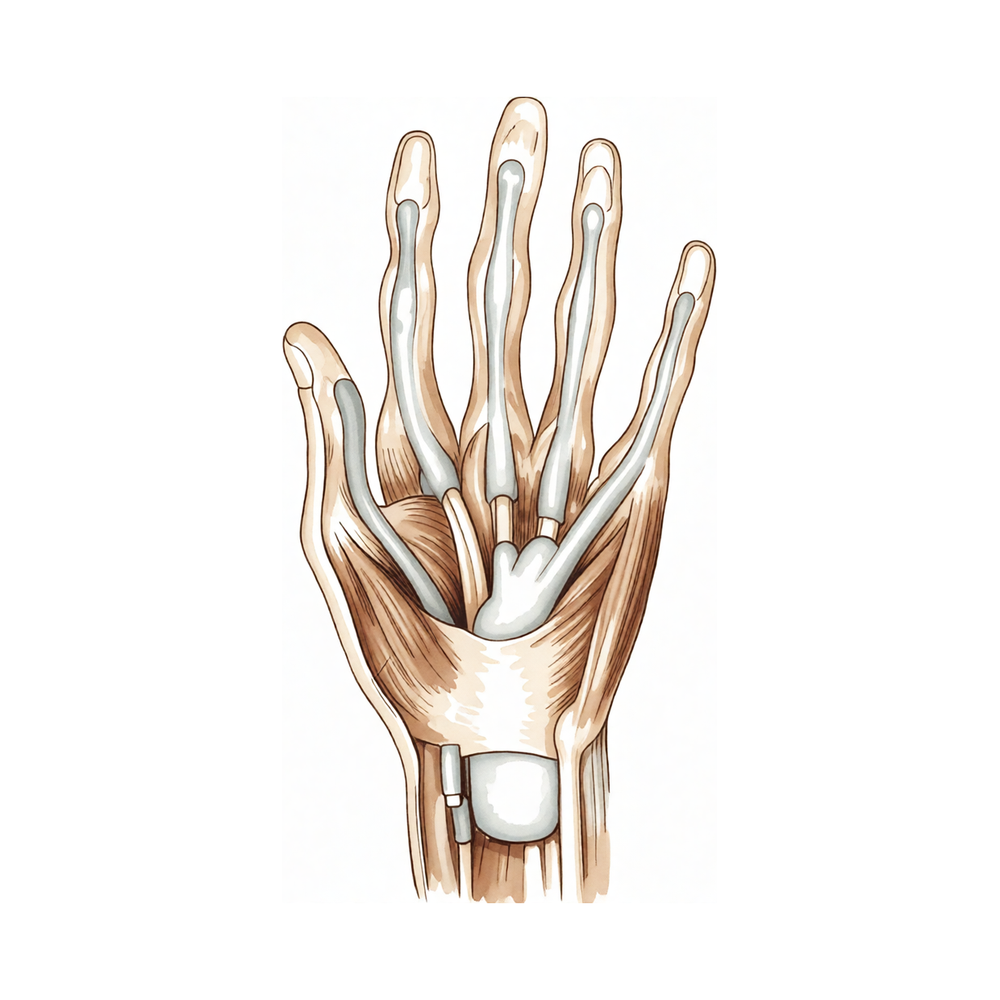
Hand surgery chapters provide a comprehensive overview of hand anatomy, diagnosis, and treatment principles, emphasizing the balance between restoring function and maintaining aesthetic appearance [51].

Classification

Hand Injury Severity Scoring System: This system is useful for comparing outcomes between groups but is not for predicting individual patient outcomes [1]. It requires further development to include vascular injuries and other factors [1].

Wassel-Flatt Classification: Wassel type IV is the most common type of thumb polydactyly in almost all races, whereas Wassel type I is the least common type in almost all races [37]. Adding a hypoplastic subtype to the Wassel-Flatt classification would maintain the highest reliability and classify over 90% of thumbs deemed unclassifiable in the original Wassel-Flatt system [50].

Other Considerations: The frequency, pattern, and treatment of pediatric hand fractures vary among different age groups [4]. Four multicentre congenital upper limb difference registries share enough features to allow effective comparison of data and provide an international perspective on the impact of congenital upper limb differences [6]. Cam morphology existed in historical populations at rates comparable with a contemporary population [64]. Clinical reports should include a surgeon's level of expertise to improve the interpretation of outcomes, allow for standardized comparisons, and validate results in complex procedures [16].

Clinical Presentation

Demographics and Epidemiology: Hand-related conditions significantly contribute to emergency department volume and consume growing healthcare resources in the United States [46]. Open wounds are the most common cause of these presentations, predominantly affecting young adults [46]. In elective settings, screening for frailty identifies 5% to 10% of elderly patients at risk of adverse outcomes after total joint replacements [2]. Sarcopenia is highly prevalent among hospitalized elderly patients, particularly those with specific clinical admission profiles and advanced age [39].

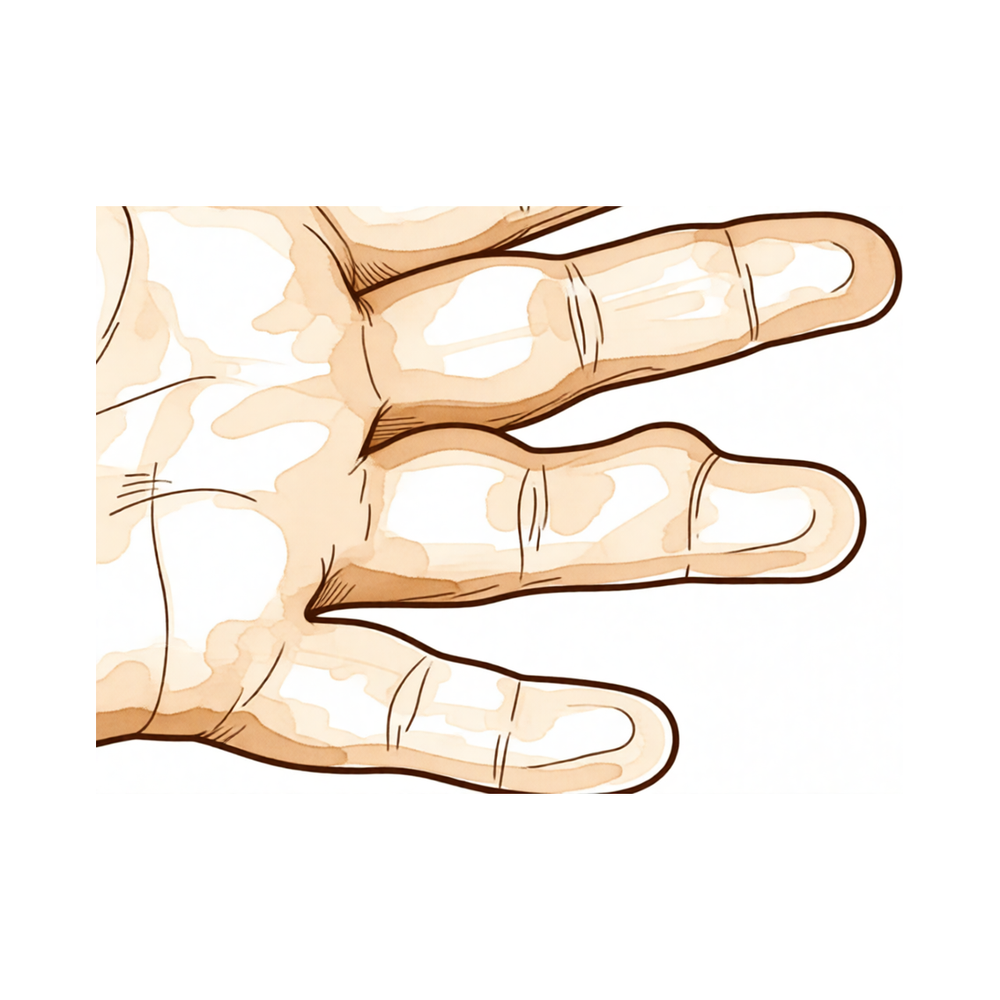
Condition-Specific Patterns: The male-to-female ratio for Dupuytren's Disease in Boston is 1.7:1 clinically and 3.0:1 surgically, which is lower than previously reported Northern European ratios, especially in patients younger than 54 years [3]. Pediatric hand fracture frequency, pattern, and treatment vary by age group [4]. Typical Barsky cleft hands are more commonly associated with a family history of cleft hands and other concomitant clinical manifestations [14]. The Saudi clinical presentation of ulnar polydactyly is epidemiologically distinct, lying between African and Caucasian forms [41]. Early Legg-Calvé-Perthes Disease causes substantial morbidity and social burden due to pain and missed school [15].

Assessment and Reporting Metrics: The Hand Injury Severity Scoring System compares group outcomes but does not predict individual patient outcomes [1]. Patient-Reported Outcome Measure (PROM) compliance is poor in young, old, and Non-White patients, though reminders and interventions significantly improve response rates [24]. Sex, age, and geographical location affect PROM shoulder scores in pathology-free individuals and must be considered when comparing outcomes [43]. Some women report diagnosed arthritis without recent musculoskeletal signs, while others have signs without reported diagnosis [13]. In hallux valgus, pain and disability levels are similar regardless of deformity severity [25].

Risk Factors and Predictors: Increasing age is the only significant characteristic associated with longer hospital stays after primary total hip arthroplasty in fast-track settings [20]. For rotator cuff repair in patients over 70, gender and age are important management factors [38]. Knowledge of Hajdu-Cheney Syndrome aids hand surgeons in appropriate diagnosis and referral [21]. Hand grip strength, vitamin D status, and diet are non-invasive predictors of bone health in 6–12 year old children [23]. Financial distress delays clinic visits for nontraumatic hand conditions [44]. Multicentre registries for congenital upper limb differences allow effective international data comparison [6].

Investigations

Plain radiography: Standing X-rays are utilized to monitor the evolution of degenerative lesions following double semitendinosus anterior cruciate ligament reconstruction, demonstrating that the procedure stabilizes these changes [82]. Photographic scoring of hand osteoarthritis using HOASCORE serves as a useful, cheaper, and easier method for assessing the burden of hand OA in settings where more exact anatomic imaging is not a primary objective [30].

MRI: Magnetic resonance imaging indicates that the donor site after autologous osteochondral mosaicplasty for cartilaginous lesions of the elbow joint is resurfaced with fibrous tissue [78].

CT: Computed tomography scans performed 6 weeks postoperatively demonstrate osseous bridging that correlates with final union, supporting their use for early detection of healing in scaphoid fracture nonunions [77].

Other Considerations: Expert consensus can be reached to identify putative risk factors for finger interphalangeal joint osteoarthritis, though the number identified was low and often required multiple Delphi rounds [80]. Close attention to subtle or frank instability presenting as pain in younger patients with axial loading injury mechanisms may allow early diagnosis and appropriate treatment of radial collateral ligament injuries of the thumb metacarpophalangeal joint [81]. Hand grip strength, vitamin D status, and diets are predictors of bone health in 6–12 years old school children and might be considered diagnostic non-invasive predictors of bone health for clinical use in epidemiological contexts [23]. A brief knowledge of Hajdu-Cheney syndrome may help the hand surgeon to appropriately diagnose, assess, and refer these patients to rheumatologists or bone metabolism specialists [21]. Understanding the current evidence and appropriate indications of emerging technologies in orthopaedic trauma is of critical importance for their utilization [7]

Treatment

Non-Operative

Most pediatric closed hand fractures are managed nonoperatively with few complications [69]. Treatment options for hallux rigidus and osteoarthrosis of the first metatarsophalangeal joint range from non-operative measures to surgical procedures, with selection depending on disease stage and patient factors [54].

Operative

Indications: Surgical management of coxa vara in childhood is indicated for progressive, painful, unilateral deformity or leg-length discrepancy, whereas moderate nonprogressive coxa vara often does not require surgery [62]. Age alone should not be an absolute contraindication to finger replantation in the elderly [36]. Underweight body mass index is associated with increased in-hospital complications and length of stay after revision total joint arthroplasty [9]. Patients older than 45 years of age perform worse than younger patients following hip arthroscopy, with female patients older than 45 years demonstrating the lowest outcome scores [10].

Surgical Approach / Technique: Early and aggressive treatment with appropriate oncological surgery confers the lowest local recurrence rate and a survival advantage versus conservative treatment for soft-tissue sarcoma in nonagenarians [5]. The frequency, pattern, and treatment of pediatric hand fractures vary among different age groups [4]. Referral patterns for pediatric closed hand fractures are inefficient, with roughly half of cases initially presenting to outside providers and many evaluated by multiple providers before seeing a hand surgeon [69].

Other Considerations: Screening for frailty identifies between 5% and 10% of elderly patients undergoing elective total joint replacements at risk of adverse outcomes [2]. In a nonagenarian cohort undergoing hip fracture surgery, 30-day mortality was 7.4%, while 30-month mortality rates approached one in five patients [12]. Patients with adverse social determinants of health (SDOH) experienced decreased odds of receiving treatment for Dupuytren’s contracture across all timepoints and intervention types [11]. Minority demographics undergo surgical management for hand conditions at considerably lower rates [26]. Increased age (≥46.5 years), non-English speaking status, smoking, lack of a history of surgery requiring anesthesia, and Medicaid or Medicare insurance contribute to an increased risk of elective orthopaedic sports medicine surgical cancellations [79].

Setting of Care: Many areas of the United States are not optimally served by hand surgeons, who may choose practice locations based on factors beyond population need [8]. National guidelines for the clinical commissioning of surgery for three common hand conditions in England are not fully implemented across all localities [17]. Patients consider the training background of midlevel providers when choosing a surgeon and have distinct preferences for which services should be physician-provided versus midlevel-provided [22].

Revision: Standardized preoperative protocols should be developed and instituted to improve outcomes in underweight patients undergoing revision total joint arthroplasty [9].

Other Considerations: The Hand Injury Severity Scoring System is useful for comparing outcomes between groups but not for predicting individual patient outcomes [1]. Statistics is a useful adjunct to clinical practice for hand surgeons, who should prioritize non-clinical skills such as statistics, health economics, and biomechanics [19]. Understanding the current evidence and appropriate indications of emerging technologies in orthopaedic trauma is critical for their utilization [7]. Young or old age and non-White race are associated with poor patient-reported outcome measure (PROM) response compliance after orthopaedic surgery [24]. Reminders and interventions significantly improve PROM response rates [24]. PROM scores vary between patients with different insurance types in an orthopaedic foot and ankle cohort [27]. The outcomes of a randomized controlled trial comparing surgical and nonsurgical treatment for cervical radiculopathy will contribute to better decision making in treatment [31].

Complications

Infection (PJI): Screening for frailty identifies between 5% and 10% of elderly patients undergoing elective total joint replacements at risk of adverse outcomes [2]. Underweight body mass index is associated with increased in-hospital complications and length of stay after revision total joint arthroplasty [9].

Reoperation: Reoperation rates for clavicle fracture surgical treatment exceed 20%, with the vast majority of reoperations performed for device removal [18]. Bipolar radial head arthroplasty is associated with major primary complications and a high incidence of radiographic signs of degenerative changes after 8.8 years [32].

Nerve palsy: Most patients with neonatal radial nerve palsy have a history of difficult delivery, supporting prolonged labour as a suspected risk factor [33].

Wound complications: The opioid epidemic has led to a rise in 'found down' compartment syndrome, evolving the demographics of acute hand compartment syndrome [70].

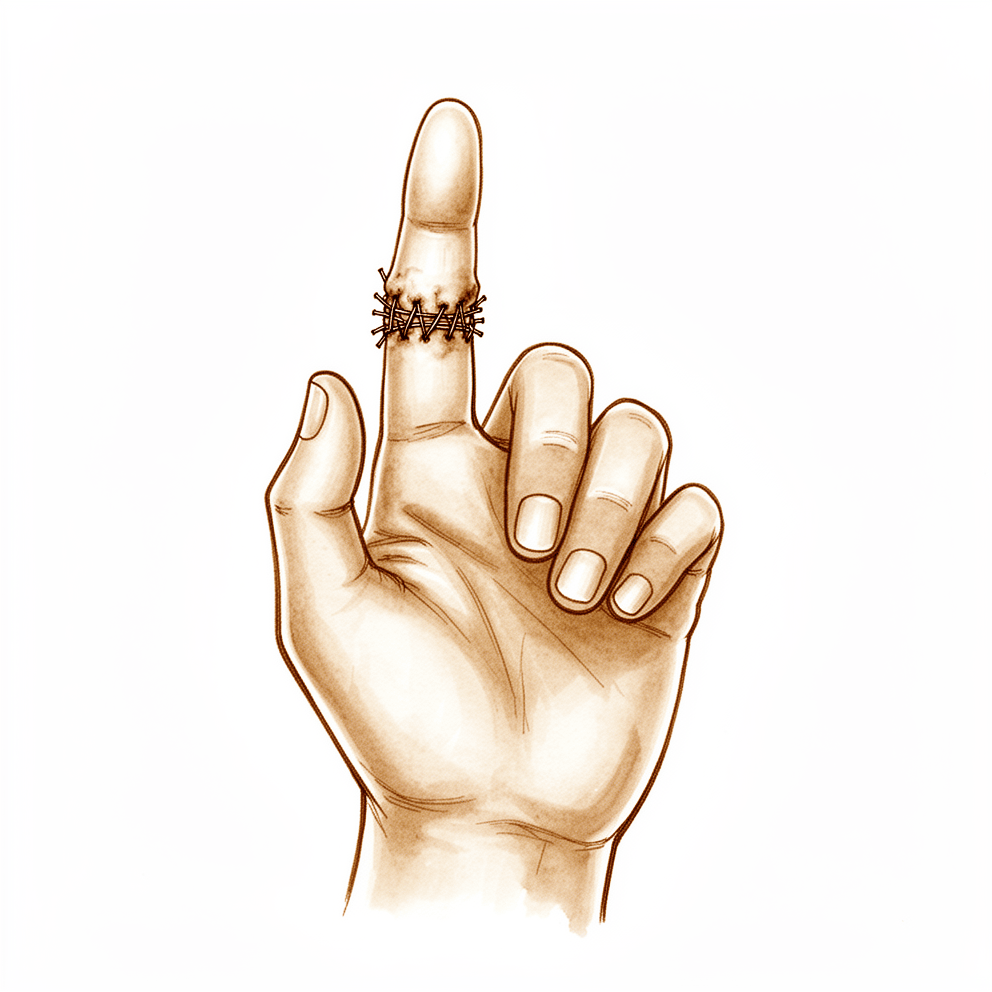
Other Considerations: Osteophytes are a frequent accompaniment of the aging process, with incidence reaching 100 percent in all groups by the early forties and highly developed forms appearing after the eightieth year [71]. Traumatic finger amputations have a bimodal incidence with changing epidemiology and mechanism of injury with age [75]. Surgeons remain concerned about the adverse effects of immunosuppression and the risks of acute and chronic rejection associated with hand transplantation [57].

Recovery

Rehabilitation protocol: Normative data for grip strength across the life course has been established [28]. Hand strength declines after 30 to 44 years in line with the normal process of aging, which also entails muscle fibers and the reduction of daily activities in older adults [29].

Functional milestones: The Hand Injury Severity Scoring System is useful for comparing outcomes between groups but not for predicting individual patient outcomes [1].

Other Considerations: Screening for frailty identified between 5% and 10% of patients at risk of adverse outcomes after elective total joint replacements in elderly patients [2]. In a nonagenarian cohort undergoing hip fracture surgery, 30-day mortality was 7.4% [12]. In a nonagenarian cohort undergoing hip fracture surgery, 30-month mortality rates approached one in five patients [12]. Increasing age is the only significant patient characteristic associated with an increased length of hospital stay after primary total hip arthroplasty in a 'fast-track' setting [20]. Early and aggressive treatment with appropriate oncological surgery confers the lowest local recurrence rate and a survival advantage versus conservative treatment in nonagenarians with soft-tissue sarcoma [5]. Most patients with neonatal radial nerve palsy had a history of difficult delivery, supporting prolonged labour as a suspected risk factor [33]. Long-term results of prosthetic treatment for child amputees followed into adult life are excellent, with most making normal social adjustments and more than half having families [63]. The association between greater pain interference and worse patient-reported upper extremity function was significantly stronger for pediatric hand surgery patients older than 11 years than those 11 years old or younger [76]. Early age at first operation for Dupuytren’s contracture was associated with recurrent disease [86]. Dupuytren’s disease appears less aggressive in women than in men, as evidenced by a lower frequency of repeated operations in women [86]. Early LCPD is associated with substantial morbidity and potential social cost and burden for children and families due to the frequency of pain and missed school [15]. Mean recovery time for concussion across all groups was 29.4 days, which is considerably longer than the most commonly cited concussion recovery time window of 7-10 days for collegiate athletes [87].

Key Evidence

  • [L3] The authors suggest the system is useful for comparing outcomes between groups but not for predicting individual patient outcomes, and recommend further development to include vascular injuries and other factors. (10.1054/jhsb.1998.0179)
  • [L3] Screening for frailty identified between 5% and 10% of patients at risk of adverse outcomes. (10.1186/s12891-018-1935-8)
  • [L3] The observed male-to-female ratio in the Boston, MA population (1.7:1 clinically, 3.0:1 surgically) is lower than previously reported ratios in Northern Europe, particularly for patients younger than 54 years of age. (10.1007/s11552-007-9076-9)
  • [L4] The frequency, pattern, and treatment of pediatric hand fractures vary among different age groups. (10.1177/1558944719900565)
  • [L4] Early and aggressive treatment with appropriate oncological surgery confers the lowest local recurrence rate and a survival advantage versus conservative treatment in this cohort of patients. (10.1302/0301-620x.104b1.bjj-2021-0761.r1)
  • [L4] The four multicentre registries share enough features to allow effective comparison of data and provide an international perspective of the impact of congenital upper limb differences. (10.1177/17531934251348360)
  • [L4] Many areas of the United States are not optimally served, and surgeons may be choosing where to practice based on a combination of factors beyond population need. (10.1016/j.jhsa.2018.03.011)
  • [L3] Standardized preoperative protocols should be developed and instituted to improve outcomes in this patient cohort. (10.5435/jaaos-d-22-00214)
  • [L2] Although all patients had significant improvements in all outcomes following hip arthroscopy, patients older than 45 years of age performed worse than younger patients, with female patients older than 45 years of age demonstrating the lowest outcome scores. (10.2106/jbjs.15.00445)
  • [L3] Patients with adverse SDOH experienced decreased odds of receiving treatment across all timepoints and intervention types. (10.1177/17531934241266449)
  • [L3] In a nonagenarian cohort of patients undergoing hip fracture surgery, 30-day mortality was 7.4%, but 30-month mortality rates approached one in five patients. (10.1186/s13018-021-02807-6)
  • [L4] While some women who reported diagnosed arthritis did not have recent musculoskeletal signs or symptoms, others with the signs and symptoms did not report diagnosed arthritis. (10.1186/s12891-016-1349-4)
  • [L4] Typical Barsky cleft hands were more commonly associated with family history of cleft hands as was the presence of other concomitant clinical manifestations. (10.1177/1558944718778399)
  • [L2] This prospective study provides a new international multicenter representation of early LCPD, highlighting the substantial morbidity and potential social cost and burden for children and families due to the frequency of pain and missed school. (10.5435/jaaos-d-19-00379)
  • [L5] The authors urge the inclusion of a surgeon's level of expertise in clinical reports to improve the interpretation of outcomes, allow for standardized comparisons, and validate results in complex procedures. (10.1016/j.jhsa.2014.10.036)
  • [L4] Despite the existence of national guidelines, they are not fully implemented across all localities. (10.1177/1753193420974244)
  • [L3] However, reoperation rates exceed 20%, the vast majority of reoperations being performed for device removal. (10.1186/s12891-022-05075-5)
  • [L5] Statistics is not essential to clinical practice as a hand surgeon but is a useful adjunct; surgeons should prioritize non-clinical skills such as statistics, health economics, and biomechanics, and seek colleagues with expertise in these areas. (10.1177/1753193415609508)
  • [L3] Increasing age is the only significant patient characteristic associated with an increased length of hospital stay after primary total hip arthroplasty in a 'fast-track' setting. (10.1302/0301-620x.97b1.33886)
  • [L4] A brief knowledge of the syndrome may help the hand surgeon to appropriately diagnose, assess, and refer these patients to rheumatologists or bone metabolism specialists. (10.1016/j.jhsa.2020.02.012)
  • [L4] Patients consider the training background of midlevel providers when choosing a surgeon and have distinct preferences for which services should be physician-provided versus midlevel-provided, though they lack consensus on reimbursement equity. (10.1016/j.jhsa.2018.06.041)
  • [L4] These parameters might be considered diagnostic non-invasive predictors of bone health for clinical use in epidemiological contexts. (10.1186/s12891-023-06960-3)
  • [L2] Patient-specific factors, such as age (young or old) and race (non-White), may contribute to poor PROM response rate, while reminders and interventions significantly improve PROM response rates. (10.1016/j.asmr.2023.100817)
  • [L4] Regardless of the severity of the deformity, all patients had a similar degree of pain and disability. (10.2106/jbjs.b.00288)
  • [L3] Similarly, these groups undergo surgical management at considerably lower rates. (10.1016/j.jhsg.2025.100837)
  • [L3] PROMs scores vary between patients with different insurance types in an orthopaedic foot and ankle cohort. (10.5435/jaaos-d-19-00487)
  • [L3] This is the first study to provide normative data for grip strength across the life course. (10.1371/journal.pone.0113637)
  • [L4] After 30 to 44 years, hand strength declines in line with the normal process of aging that also entails muscle fibers and the reduction of daily activities in older adults. (10.1016/j.jht.2021.05.004)
  • [L4] Photographic scoring of hand OA appears to be a useful, cheaper, and easier method for assessing the burden of hand OA in settings where more exact anatomic imaging is not a primary objective. (10.1186/s12891-017-1870-0)
  • [L1] The outcomes of this study will contribute to better decision making in the treatment of cervical radiculopathy. (10.1186/s12891-020-3188-6)
  • [L4] Despite major primary complications and high incidence of radiographic signs of degenerative changes after 8.8 years, mainly good clinical results were achieved with Judet's bipolar prosthesis. (10.1016/j.jse.2010.05.022)
  • [L4] Most patients had a history of difficult delivery, supporting prolonged labour as a suspected risk factor. (10.1177/17531934231208587)
  • [L3] Age alone should not be an absolute contraindication to finger replantation. (10.1016/j.jhsa.2011.01.031)
  • [L4] Wassel types IV and I remain the most and least common types respectively in almost all races. (10.1177/1753193409352417)
  • [L3] The gender and age of the patient are important factors to consider when planning management. (10.1302/0301-620x.95b2.30246)
  • [L4] Sarcopenia is highly prevalent among hospitalized elderly patients, particularly those with a clinical admission profile and older age. (10.1186/s12891-015-0570-x)
  • [L4] Our results show that measurements taken at a single standard handle position are sufficiently accurate to assess grip strengths for all subjects. (10.1016/j.jhsa.2012.08.014)
  • [L4] The Saudi clinical presentation of ulnar polydactyly is somewhat different epidemiologically and lies between the African and Caucasian forms. (10.1177/1753193407087888)
  • [L4] Differences in sex, age, and geographical location will affect PROM shoulder scores in pathology-free individuals and should be taken into consideration when PROMs are being used to compare patient outcomes. (10.1016/j.jse.2017.08.016)
  • [L3] Patients with nontraumatic hand conditions who experience higher financial distress are more likely to delay their visit to the hand clinic. (10.1177/1558944719866889)
  • [L3] Ergonomic solutions are necessary to decrease thumb motions or strenuous effort encountered at work, especially for women. (10.1016/j.jhsa.2007.01.014)
  • [L3] Hand-related conditions contribute significantly to ED volume and consume a growing quantity of health care resources in the United States, with open wounds being the most common cause of presentation mostly occurring in young adults. (10.1177/1558944717695749)
  • [L4] The outcomes of this study also demonstrated that gender, age, and hand preference can all have an impact on how strong a handgrip develops. (10.1186/s12891-023-06197-0)
  • [L5] Building a national registry for hand surgery could be the solution to identify and define quality care, track process and outcome measures, and integrate patient preferences into clinical practice to deliver consistent desired outcomes across the nation. (10.1016/j.jhsa.2019.09.006)
  • [L4] Age and grip strength both significantly predict different types of hand dexterity, with age explaining more variance in steadiness and line tracking, while strength explains more variance in aiming and tapping. (10.1371/journal.pone.0117598)
  • [L4] Addition of a hypoplastic subtype to the Wassel-Flatt classification would maintain the highest reliability and classify over 90% of thumbs deemed unclassifiable in the Wassel-Flatt system. (10.1016/j.jhsa.2020.06.009)
  • [L4] Hand strength values differed significantly from those of other populations, confirming the thesis that applying normative data internationally is questionable. (10.1177/1753193408096763)
  • [L4] We recommend side adjustment of measured values for intraindividual comparison and inclusion of information regarding anthropometric characteristics, as well as using gender- and age-adjusted reference values, whereas hand dominance can be neglected. (10.1016/j.jhsa.2008.01.008)
  • [L5] Treatment options range from non-operative measures to various surgical procedures including cheilectomy, arthroplasty, and arthrodesis, with selection depending on disease stage and patient factors. (10.2106/00004623-199806000-00015)
  • [L4] However, surgeons continue to be concerned about the adverse effects of immunosuppression and the risks of acute and chronic rejection, and many want to wait for the development of better immunologic treatment options. (10.1016/j.jhsa.2009.01.021)
  • [L4] This study reported reference data with percentiles for a novel method for assessing hand grip and lower limb strength. (10.1186/s12891-019-2405-7)
  • [L3] Dominant hand grip strength was positively associated with height and body mass index, and negatively associated with age for both sexes. (10.1177/1753193411414639)
  • [L4] This cross-sectional study demonstrates how gender affects hand grip strength, musculoskeletal discomfort, and gait in a rural-dwelling multi-ethnic cohort. (10.1186/s12891-016-1042-7)
  • [L4] The MyoGrip device is a reliable tool for measuring isometric grip strength. (10.1186/s12891-015-0612-4)
  • [L5] Surgical management is indicated for progressive, painful, unilateral deformity or leg-length discrepancy, while moderate nonprogressive deformity often does not require surgery. (10.5435/00124635-199803000-00003)
  • [L4] This study found that cam morphology existed in historical populations at rates comparable with a contemporary population. (10.1097/corr.0000000000001771)
  • [L4] Wage differences do not explain differences in state pricing. (10.1016/j.jhsa.2025.04.013)
  • [L4] The incidence of hand injuries among the elderly is lower than among a younger population. (10.1186/s12891-019-2617-x)
  • [L4] These findings demonstrate a wide variation in Medicaid payments between states. (10.1177/1558944720964966)
  • [L3] Most pediatric closed hand fractures are treated nonoperatively with few complications, but referral patterns are inefficient, with roughly half of cases initially presenting to outside providers and many evaluated by multiple providers before seeing a hand surgeon. (10.1177/15589447211008590)
  • [L4] The demographics of acute hand compartment syndrome have evolved in the last 25 years compared with the prior literature, partly as a result of the opioid epidemic leading to a rise in 'found down' compartment syndrome. (10.1177/15589447221084012)
  • [L4] Traumatic finger amputations have a bimodal incidence with changing epidemiology and mechanism of injury with age. (10.1177/15589447221122826)
  • [L3] The association between greater pain interference and worse patient-reported upper extremity function was significantly stronger for patients older than 11 years than those 11 years old or younger. (10.1016/j.jhsa.2020.05.011)
  • [L4] Computed tomography scans performed 6 weeks postoperatively demonstrate osseous bridging that correlates with final union, supporting their use for early detection of healing in scaphoid fracture nonunions. (10.1016/j.jhsa.2016.07.048)
  • [L4] However, magnetic resonance imaging indicates that the donor site is resurfaced with fibrous tissue. (10.1177/0363546507306465)
  • [L3] Increased age (≥46.5 years), non-English speaking, smoking, lack of a history of surgery requiring anesthesia, and Medicaid or Medicare insurance were found to contribute to an increased risk of elective orthopaedic surgery cancellation. (10.1016/j.asmr.2019.11.004)
  • [L4] Expert consensus can be reached to identify putative risk factors for IP joint OA, though the number identified was low and often required multiple Delphi rounds. (10.1177/1753193419865872)
  • [L3] Close attention to subtle or frank instability presenting as pain in younger patients with axial loading injury mechanisms may allow early diagnosis and appropriate treatment of this injury. (10.1016/j.jhsa.2012.12.003)
  • [L4] The study shows that the procedure is efficient in restoring a satisfactory stability for most patients and stabilises the evolution of the degenerative lesions as shown by standing X-ray. (10.1007/s001670050076)
  • [L3] Neck pain and cervical radiculopathy/myelopathy are common among orthopaedic surgeons, with associated factors including older age, higher stress levels, and performing arthroscopy. (10.5435/jaaos-d-19-00834)
  • [L2] Patients are expected to present similar performance at 1 year postoperatively. (10.1007/s00167-020-06029-x)
  • [L4] Early age at first operation was associated with recurrent disease, and the disease appears less aggressive in women than in men, as evidenced by a lower frequency of repeated operations in women. (10.1054/jhsb.1999.0154)
  • [L3] Mean recovery time across all groups (29.4 days) showed considerably longer return to play than the most commonly cited concussion recovery time window (7-10 days) for collegiate athletes. (10.1177/2325967118760854)

See Also

References

[1] The Hand Injury Severity Scoring System and Workers’ Compensation Cases in Wisconsin, USA. Journal of Hand Surgery. 1999. DOI: 10.1054/jhsb.1998.0179

[2] Frailty as a predictor of hospital length of stay after elective total joint replacements in elderly patients. BMC Musculoskeletal Disorders. 2018. DOI: 10.1186/s12891-018-1935-8

[3] Gender Ratio of Dupuytren's Disease in the Modern U.S. Population. HAND. 2007. DOI: 10.1007/s11552-007-9076-9

[4] Frequency, Pattern, and Treatment of Hand Fractures in Children and Adolescents: A 27-Year Review of 4356 Pediatric Hand Fractures. HAND. 2020. DOI: 10.1177/1558944719900565

[5] Outcomes of soft-tissue sarcoma in nonagenarians. The Bone & Joint Journal. 2022. DOI: 10.1302/0301-620x.104b1.bjj-2021-0761.r1

[6] Congenital upper limb difference patient registries: characteristics, comparisons and recommendations. Journal of Hand Surgery (European Volume). 2025. DOI: 10.1177/17531934251348360

[7] Chapter 3 Emerging Technologies in Orthopaedic Trauma. 2021.

[8] Geographic Distribution of Hand Surgeons Throughout the United States. The Journal of Hand Surgery. 2018. DOI: 10.1016/j.jhsa.2018.03.011

[9] Underweight Body Mass Index Is Associated With Increased In-Hospital Complications and Length of Stay After Revision Total Joint Arthroplasty. Journal of the American Academy of Orthopaedic Surgeons. 2022. DOI: 10.5435/jaaos-d-22-00214

[10] Outcomes for Hip Arthroscopy According to Sex and Age. Journal of Bone and Joint Surgery. 2016. DOI: 10.2106/jbjs.15.00445

[11] Treatment utilization for Dupuytren’s contracture in the United States is influenced by socioeconomic factors. Journal of Hand Surgery (European Volume). 2024. DOI: 10.1177/17531934241266449

[12] Factors influencing early and long-term survival following hip fracture among nonagenarians. Journal of Orthopaedic Surgery and Research. 2021. DOI: 10.1186/s13018-021-02807-6

[13] Discordance between self-reported arthritis and musculoskeletal signs and symptoms in older women. BMC Musculoskeletal Disorders. 2016. DOI: 10.1186/s12891-016-1349-4

[14] Epidemiological and Clinical Aspects of Cleft Hand: Case Series From a Tertiary Public Hospital in São Paulo, Brazil. HAND. 2018. DOI: 10.1177/1558944718778399

[15] Demographics and Clinical Presentation of Early-Stage Legg-Calvé-Perthes Disease: A Prospective, Multicenter, International Study. Journal of the American Academy of Orthopaedic Surgeons. 2021. DOI: 10.5435/jaaos-d-19-00379

[16] Clinical Reports: The Importance of Reporting a Surgeon’s Level of Expertise. The Journal of Hand Surgery. 2015. DOI: 10.1016/j.jhsa.2014.10.036

[17] Variation in the clinical commissioning of surgery for three common hand conditions in England. Journal of Hand Surgery (European Volume). 2020. DOI: 10.1177/1753193420974244

[18] Surgical treatment, complications, reoperations, and healthcare costs among patients with clavicle fracture in England. BMC Musculoskeletal Disorders. 2022. DOI: 10.1186/s12891-022-05075-5

[19] Specialist support for hand surgery research. Journal of Hand Surgery (European Volume). 2015. DOI: 10.1177/1753193415609508

[20] Which patient characteristics influence length of hospital stay after primary total hip arthroplasty in a ‘fast-track’ setting?. The Bone & Joint Journal. 2015. DOI: 10.1302/0301-620x.97b1.33886

[21] Hand Deformities in Hajdu-Cheney Syndrome: A Case Series of 3 Patients Across 3 Consecutive Generations. The Journal of Hand Surgery. 2021. DOI: 10.1016/j.jhsa.2020.02.012

[22] Midlevel Providers in Hand Surgery: The Patient’s Perspective. The Journal of Hand Surgery. 2018. DOI: 10.1016/j.jhsa.2018.06.041

[23] Hand grip strength, vitamin D status, and diets as predictors of bone health in 6–12 years old school children. BMC Musculoskeletal Disorders. 2023. DOI: 10.1186/s12891-023-06960-3

[24] Young or Old Age and Non‐White Race Are Associated With Poor Patient‐Reported Outcome Measure Response Compliance After Orthopaedic Surgery. Arthroscopy, Sports Medicine, and Rehabilitation. 2023. DOI: 10.1016/j.asmr.2023.100817

[25] Age-Adjusted Baseline Data for Women with Hallux Valgus Undergoing Corrective Surgery. The Journal of Bone & Joint Surgery. 2005. DOI: 10.2106/jbjs.b.00288

[26] Underutilization of Hand Corticosteroid Injections and Arthroplasty for Minority Demographics. Journal of Hand Surgery Global Online. 2025. DOI: 10.1016/j.jhsg.2025.100837

[27] The Effect of Health Insurance Coverage on Orthopaedic Patient-reported Outcome Measures. Journal of the American Academy of Orthopaedic Surgeons. 2020. DOI: 10.5435/jaaos-d-19-00487

[28] Grip Strength across the Life Course: Normative Data from Twelve British Studies. PLoS ONE. 2014. DOI: 10.1371/journal.pone.0113637

[29] Flexion-extension strength of the index-thumb system in Italian population. A cross-sectional study to gather normative data. Journal of Hand Therapy. 2023. DOI: 10.1016/j.jht.2021.05.004

[30] Age related prevalence of hand osteoarthritis diagnosed by photography (HOASCORE). BMC Musculoskeletal Disorders. 2017. DOI: 10.1186/s12891-017-1870-0

[31] A randomised controlled trial comparing the effectiveness of surgical and nonsurgical treatment for cervical radiculopathy. BMC Musculoskeletal Disorders. 2020. DOI: 10.1186/s12891-020-3188-6

[32] Mid- to long-term results after bipolar radial head arthroplasty. Journal of Shoulder and Elbow Surgery. 2010. DOI: 10.1016/j.jse.2010.05.022

[33] Natural history of neonatal radial nerve palsy. Journal of Hand Surgery (European Volume). 2023. DOI: 10.1177/17531934231208587

[36] Adverse Events Following Digital Replantation in the Elderly. The Journal of Hand Surgery. 2011. DOI: 10.1016/j.jhsa.2011.01.031

[37] The distribution of the types of thumb polydactyly in a middle eastern population: a study of 228 hands. Journal of Hand Surgery (European Volume). 2009. DOI: 10.1177/1753193409352417

[38] Rotator cuff repair in patients over 70 years of age. The Bone & Joint Journal. 2013. DOI: 10.1302/0301-620x.95b2.30246

[39] Frequency of sarcopenia and associated factors among hospitalized elderly patients. BMC Musculoskeletal Disorders. 2015. DOI: 10.1186/s12891-015-0570-x

[40] Optimal Jamar Dynamometer Handle Position to Assess Maximal Isometric Hand Grip Strength in Epidemiological Studies. The Journal of Hand Surgery. 2012. DOI: 10.1016/j.jhsa.2012.08.014

[41] THE CLINICAL FEATURES OF ULNAR POLYDACTYLY IN A MIDDLE EASTERN POPULATION. Journal of Hand Surgery (European Volume). 2008. DOI: 10.1177/1753193407087888

[43] An international, multicenter cohort study comparing 6 shoulder clinical scores in an asymptomatic population. Journal of Shoulder and Elbow Surgery. 2018. DOI: 10.1016/j.jse.2017.08.016

[44] Financial Distress Is Associated With Delay in Seeking Care for Hand Conditions. HAND. 2019. DOI: 10.1177/1558944719866889

[45] Osteoarthritis of the Thumb Carpometacarpal Joint in Women and Occupational Risk Factors: A Case–Control Study. The Journal of Hand Surgery. 2007. DOI: 10.1016/j.jhsa.2007.01.014

[46] Burden of Hand Maladies in US Emergency Departments. HAND. 2017. DOI: 10.1177/1558944717695749

[47] Normative values for hand grip and pinch strength for 6 to 18 year-olds in Saudi Arabia. BMC Musculoskeletal Disorders. 2023. DOI: 10.1186/s12891-023-06197-0

[48] Establishing a National Registry for Hand Surgery. The Journal of Hand Surgery. 2020. DOI: 10.1016/j.jhsa.2019.09.006

[49] Age and Grip Strength Predict Hand Dexterity in Adults. PLOS ONE. 2015. DOI: 10.1371/journal.pone.0117598

[50] A Comparative Analysis of 150 Thumb Polydactyly Cases from the CoULD Registry Using the Wassel-Flatt, Rotterdam, and Chung Classifications. The Journal of Hand Surgery. 2021. DOI: 10.1016/j.jhsa.2020.06.009

[51] 9. Hand Surgery. 2013.

[52] Age- and Gender-Specific Normative Data of Grip and Pinch Strength in a Healthy Adult Swiss Population. Journal of Hand Surgery (European Volume). 2009. DOI: 10.1177/1753193408096763

[53] Grip Strength in Healthy Caucasian Adults: Reference Values. The Journal of Hand Surgery. 2008. DOI: 10.1016/j.jhsa.2008.01.008

[54] Current Concepts Review - Hallux Rigidus and Osteoarthrosis of the First Metatarsophalangeal Joint. The Journal of Bone & Joint Surgery*. 1998. DOI: 10.2106/00004623-199806000-00015

[57] A Survey of North American Hand Surgeons on Their Current Attitudes Toward Hand Transplantation. The Journal of Hand Surgery. 2009. DOI: 10.1016/j.jhsa.2009.01.021

[58] Reference data on hand grip and lower limb strength using the Nintendo Wii balance board: a cross-sectional study of 354 subjects from 20 to 99 years of age. BMC Musculoskeletal Disorders. 2019. DOI: 10.1186/s12891-019-2405-7

[59] Multiple regression analysis of factors influencing dominant hand grip strength in an adult Malaysian population. Journal of Hand Surgery (European Volume). 2011. DOI: 10.1177/1753193411414639

[60] Differences in musculoskeletal health due to gender in a rural multiethnic cohort: a Project FRONTIER study. BMC Musculoskeletal Disorders. 2016. DOI: 10.1186/s12891-016-1042-7

[61] Grip strength measured by high precision dynamometry in healthy subjects from 5 to 80 years. BMC Musculoskeletal Disorders. 2015. DOI: 10.1186/s12891-015-0612-4

[62] Coxa Vara in Childhood: Evaluation and Management. Journal of the American Academy of Orthopaedic Surgeons. 1998. DOI: 10.5435/00124635-199803000-00003

[63] The Juvenile Amputee Program: Its Social and Economic Value: A FOLLOW-UP STUDY AFTER THE AGE OF TWENTY-ONE.. The Journal of Bone and Joint Surgery. American Volume. 1969.

[64] Is Cam Morphology Found in Ancient and Medieval Populations in Addition to Modern Populations?. Clinical Orthopaedics & Related Research. 2021. DOI: 10.1097/corr.0000000000001771

[65] State Disparities in Medicaid Versus Medicare Reimbursement for Hand Surgery. The Journal of Hand Surgery. 2026. DOI: 10.1016/j.jhsa.2025.04.013

[66] Hand injuries in an older population - a retrospective cohort study from a single hand surgery centre. BMC Musculoskeletal Disorders. 2019. DOI: 10.1186/s12891-019-2617-x

[68] Variability in Medicaid Reimbursement in Hand Surgery May Lead to Inequality in Access to Patient Care. HAND. 2020. DOI: 10.1177/1558944720964966

[69] Presentation and Referral Patterns in Pediatric Closed Hand Fractures. HAND. 2021. DOI: 10.1177/15589447211008590

[70] Surgical Demographics of Acute Hand Compartment Syndrome. HAND. 2022. DOI: 10.1177/15589447221084012

[71] Osteophytes of the Vertebral Column: An Anatomical Study of Their Development According to Age, Race, and Sex with Considerations as to Their Etiology and Significance.. The Journal of Bone and Joint Surgery. American Volume. 1962.

[75] Traumatic Finger Amputations: Epidemiology and Mechanism of Injury, 2010-2019. HAND. 2022. DOI: 10.1177/15589447221122826

[76] Upper Extremity Function, Peer Relationships, and Pain Interference: Evaluating the Biopsychosocial Model in a Pediatric Hand Surgery Population Using PROMIS. The Journal of Hand Surgery. 2020. DOI: 10.1016/j.jhsa.2020.05.011

[77] Regional Variation of Medicare Payments for Hand Surgery Procedures in the United States. The Journal of Hand Surgery. 2016. DOI: 10.1016/j.jhsa.2016.07.048

[78] Donor Site Evaluation after Autologous Osteochondral Mosaicplasty for Cartilaginous Lesions of the Elbow Joint. The American Journal of Sports Medicine. 2007. DOI: 10.1177/0363546507306465

[79] Predicting Elective Orthopaedic Sports Medicine Surgical Cancellations Based on Patient Demographics. Arthroscopy, Sports Medicine, and Rehabilitation. 2020. DOI: 10.1016/j.asmr.2019.11.004

[80] Delphi consensus of risk factors for development and progression of finger interphalangeal joint osteoarthritis. Journal of Hand Surgery (European Volume). 2019. DOI: 10.1177/1753193419865872

[81] Radial Collateral Ligament Injuries of the Thumb Metacarpophalangeal Joint: Epidemiology in a Military Population. The Journal of Hand Surgery. 2013. DOI: 10.1016/j.jhsa.2012.12.003

[82] Double semitendinosus anterior cruciate ligament reconstruction: 10‐year results. Knee Surgery, Sports Traumatology, Arthroscopy. 1998. DOI: 10.1007/s001670050076

[83] Occupation-related Cervical Spine Disease in Orthopaedic Surgeons. Journal of the American Academy of Orthopaedic Surgeons. 2020. DOI: 10.5435/jaaos-d-19-00834

[84] A randomized controlled trial assessing the effects of preoperative strengthening plus balance training on balance and functional outcome up to 1 year following total knee replacement. Knee Surgery, Sports Traumatology, Arthroscopy. 2020. DOI: 10.1007/s00167-020-06029-x

[86] The Sex Ratio and Rate of Reoperation for Dupuytren’s Contracture in Men and Women. Journal of Hand Surgery. 1999. DOI: 10.1054/jhsb.1999.0154

[87] Reconsidering Return-to-Play Times: A Broader Perspective on Concussion Recovery. Orthopaedic Journal of Sports Medicine. 2018. DOI: 10.1177/2325967118760854

Creative Commons BY-NC 4.0

CC Creative Commons licence
BY Attribution — you must credit the source
NC NonCommercial — not for commercial use

Attribution-NonCommercial 4.0 International


Creative Commons Corporation ("Creative Commons") is not a law firm and does not provide legal services or legal advice. Distribution of Creative Commons public licenses does not create a lawyer-client or other relationship. Creative Commons makes its licenses and related information available on an "as-is" basis. Creative Commons gives no warranties regarding its licenses, any material licensed under their terms and conditions, or any related information. Creative Commons disclaims all liability for damages resulting from their use to the fullest extent possible.

Using Creative Commons Public Licenses

Creative Commons public licenses provide a standard set of terms and conditions that creators and other rights holders may use to share original works of authorship and other material subject to copyright and certain other rights specified in the public license below. The following considerations are for informational purposes only, are not exhaustive, and do not form part of our licenses.

Considerations for licensors: Our public licenses are intended for use by those authorized to give the public permission to use material in ways otherwise restricted by copyright and certain other rights. Our licenses are irrevocable. Licensors should read and understand the terms and conditions of the license they choose before applying it. Licensors should also secure all rights necessary before applying our licenses so that the public can reuse the material as expected. Licensors should clearly mark any material not subject to the license. This includes other CC- licensed material, or material used under an exception or limitation to copyright. More considerations for licensors: wiki.creativecommons.org/Considerations_for_licensors

Considerations for the public: By using one of our public licenses, a licensor grants the public permission to use the licensed material under specified terms and conditions. If the licensor's permission is not necessary for any reason--for example, because of any applicable exception or limitation to copyright--then that use is not regulated by the license. Our licenses grant only permissions under copyright and certain other rights that a licensor has authority to grant. Use of the licensed material may still be restricted for other reasons, including because others have copyright or other rights in the material. A licensor may make special requests, such as asking that all changes be marked or described. Although not required by our licenses, you are encouraged to respect those requests where reasonable. More considerations for the public: wiki.creativecommons.org/Considerations_for_licensees


Creative Commons Attribution-NonCommercial 4.0 International Public License

By exercising the Licensed Rights (defined below), You accept and agree to be bound by the terms and conditions of this Creative Commons Attribution-NonCommercial 4.0 International Public License ("Public License"). To the extent this Public License may be interpreted as a contract, You are granted the Licensed Rights in consideration of Your acceptance of these terms and conditions, and the Licensor grants You such rights in consideration of benefits the Licensor receives from making the Licensed Material available under these terms and conditions.

Section 1 -- Definitions.

a. Adapted Material means material subject to Copyright and Similar Rights that is derived from or based upon the Licensed Material and in which the Licensed Material is translated, altered, arranged, transformed, or otherwise modified in a manner requiring permission under the Copyright and Similar Rights held by the Licensor. For purposes of this Public License, where the Licensed Material is a musical work, performance, or sound recording, Adapted Material is always produced where the Licensed Material is synched in timed relation with a moving image.

b. Adapter's License means the license You apply to Your Copyright and Similar Rights in Your contributions to Adapted Material in accordance with the terms and conditions of this Public License.

c. Copyright and Similar Rights means copyright and/or similar rights closely related to copyright including, without limitation, performance, broadcast, sound recording, and Sui Generis Database Rights, without regard to how the rights are labeled or categorized. For purposes of this Public License, the rights specified in Section 2(b)(1)-(2) are not Copyright and Similar Rights.

d. Effective Technological Measures means those measures that, in the absence of proper authority, may not be circumvented under laws fulfilling obligations under Article 11 of the WIPO Copyright Treaty adopted on December 20, 1996, and/or similar international agreements.

e. Exceptions and Limitations means fair use, fair dealing, and/or any other exception or limitation to Copyright and Similar Rights that applies to Your use of the Licensed Material.

f. Licensed Material means the artistic or literary work, database, or other material to which the Licensor applied this Public License.

g. Licensed Rights means the rights granted to You subject to the terms and conditions of this Public License, which are limited to all Copyright and Similar Rights that apply to Your use of the Licensed Material and that the Licensor has authority to license.

h. Licensor means the individual(s) or entity(ies) granting rights under this Public License.

i. NonCommercial means not primarily intended for or directed towards commercial advantage or monetary compensation. For purposes of this Public License, the exchange of the Licensed Material for other material subject to Copyright and Similar Rights by digital file-sharing or similar means is NonCommercial provided there is no payment of monetary compensation in connection with the exchange.

j. Share means to provide material to the public by any means or process that requires permission under the Licensed Rights, such as reproduction, public display, public performance, distribution, dissemination, communication, or importation, and to make material available to the public including in ways that members of the public may access the material from a place and at a time individually chosen by them.

k. Sui Generis Database Rights means rights other than copyright resulting from Directive 96/9/EC of the European Parliament and of the Council of 11 March 1996 on the legal protection of databases, as amended and/or succeeded, as well as other essentially equivalent rights anywhere in the world.

l. You means the individual or entity exercising the Licensed Rights under this Public License. Your has a corresponding meaning.

Section 2 -- Scope.

a. License grant.

1. Subject to the terms and conditions of this Public License, the Licensor hereby grants You a worldwide, royalty-free, non-sublicensable, non-exclusive, irrevocable license to exercise the Licensed Rights in the Licensed Material to:

a. reproduce and Share the Licensed Material, in whole or in part, for NonCommercial purposes only; and

b. produce, reproduce, and Share Adapted Material for NonCommercial purposes only.

2. Exceptions and Limitations. For the avoidance of doubt, where Exceptions and Limitations apply to Your use, this Public License does not apply, and You do not need to comply with its terms and conditions.

3. Term. The term of this Public License is specified in Section 6(a).

4. Media and formats; technical modifications allowed. The Licensor authorizes You to exercise the Licensed Rights in all media and formats whether now known or hereafter created, and to make technical modifications necessary to do so. The Licensor waives and/or agrees not to assert any right or authority to forbid You from making technical modifications necessary to exercise the Licensed Rights, including technical modifications necessary to circumvent Effective Technological Measures. For purposes of this Public License, simply making modifications authorized by this Section 2(a) (4) never produces Adapted Material.

5. Downstream recipients.

a. Offer from the Licensor -- Licensed Material. Every recipient of the Licensed Material automatically receives an offer from the Licensor to exercise the Licensed Rights under the terms and conditions of this Public License.

b. No downstream restrictions. You may not offer or impose any additional or different terms or conditions on, or apply any Effective Technological Measures to, the Licensed Material if doing so restricts exercise of the Licensed Rights by any recipient of the Licensed Material.

6. No endorsement. Nothing in this Public License constitutes or may be construed as permission to assert or imply that You are, or that Your use of the Licensed Material is, connected with, or sponsored, endorsed, or granted official status by, the Licensor or others designated to receive attribution as provided in Section 3(a)(1)(A)(i).

b. Other rights.

1. Moral rights, such as the right of integrity, are not licensed under this Public License, nor are publicity, privacy, and/or other similar personality rights; however, to the extent possible, the Licensor waives and/or agrees not to assert any such rights held by the Licensor to the limited extent necessary to allow You to exercise the Licensed Rights, but not otherwise.

2. Patent and trademark rights are not licensed under this Public License.

3. To the extent possible, the Licensor waives any right to collect royalties from You for the exercise of the Licensed Rights, whether directly or through a collecting society under any voluntary or waivable statutory or compulsory licensing scheme. In all other cases the Licensor expressly reserves any right to collect such royalties, including when the Licensed Material is used other than for NonCommercial purposes.

Section 3 -- License Conditions.

Your exercise of the Licensed Rights is expressly made subject to the following conditions.

a. Attribution.

1. If You Share the Licensed Material (including in modified form), You must:

a. retain the following if it is supplied by the Licensor with the Licensed Material:

i. identification of the creator(s) of the Licensed Material and any others designated to receive attribution, in any reasonable manner requested by the Licensor (including by pseudonym if designated);

ii. a copyright notice;

iii. a notice that refers to this Public License;

iv. a notice that refers to the disclaimer of warranties;

v. a URI or hyperlink to the Licensed Material to the extent reasonably practicable;

b. indicate if You modified the Licensed Material and retain an indication of any previous modifications; and

c. indicate the Licensed Material is licensed under this Public License, and include the text of, or the URI or hyperlink to, this Public License.

2. You may satisfy the conditions in Section 3(a)(1) in any reasonable manner based on the medium, means, and context in which You Share the Licensed Material. For example, it may be reasonable to satisfy the conditions by providing a URI or hyperlink to a resource that includes the required information.

3. If requested by the Licensor, You must remove any of the information required by Section 3(a)(1)(A) to the extent reasonably practicable.

4. If You Share Adapted Material You produce, the Adapter's License You apply must not prevent recipients of the Adapted Material from complying with this Public License.

Section 4 -- Sui Generis Database Rights.

Where the Licensed Rights include Sui Generis Database Rights that apply to Your use of the Licensed Material:

a. for the avoidance of doubt, Section 2(a)(1) grants You the right to extract, reuse, reproduce, and Share all or a substantial portion of the contents of the database for NonCommercial purposes only;

b. if You include all or a substantial portion of the database contents in a database in which You have Sui Generis Database Rights, then the database in which You have Sui Generis Database Rights (but not its individual contents) is Adapted Material; and

c. You must comply with the conditions in Section 3(a) if You Share all or a substantial portion of the contents of the database.

For the avoidance of doubt, this Section 4 supplements and does not replace Your obligations under this Public License where the Licensed Rights include other Copyright and Similar Rights.

Section 5 -- Disclaimer of Warranties and Limitation of Liability.

a. UNLESS OTHERWISE SEPARATELY UNDERTAKEN BY THE LICENSOR, TO THE EXTENT POSSIBLE, THE LICENSOR OFFERS THE LICENSED MATERIAL AS-IS AND AS-AVAILABLE, AND MAKES NO REPRESENTATIONS OR WARRANTIES OF ANY KIND CONCERNING THE LICENSED MATERIAL, WHETHER EXPRESS, IMPLIED, STATUTORY, OR OTHER. THIS INCLUDES, WITHOUT LIMITATION, WARRANTIES OF TITLE, MERCHANTABILITY, FITNESS FOR A PARTICULAR PURPOSE, NON-INFRINGEMENT, ABSENCE OF LATENT OR OTHER DEFECTS, ACCURACY, OR THE PRESENCE OR ABSENCE OF ERRORS, WHETHER OR NOT KNOWN OR DISCOVERABLE. WHERE DISCLAIMERS OF WARRANTIES ARE NOT ALLOWED IN FULL OR IN PART, THIS DISCLAIMER MAY NOT APPLY TO YOU.

b. TO THE EXTENT POSSIBLE, IN NO EVENT WILL THE LICENSOR BE LIABLE TO YOU ON ANY LEGAL THEORY (INCLUDING, WITHOUT LIMITATION, NEGLIGENCE) OR OTHERWISE FOR ANY DIRECT, SPECIAL, INDIRECT, INCIDENTAL, CONSEQUENTIAL, PUNITIVE, EXEMPLARY, OR OTHER LOSSES, COSTS, EXPENSES, OR DAMAGES ARISING OUT OF THIS PUBLIC LICENSE OR USE OF THE LICENSED MATERIAL, EVEN IF THE LICENSOR HAS BEEN ADVISED OF THE POSSIBILITY OF SUCH LOSSES, COSTS, EXPENSES, OR DAMAGES. WHERE A LIMITATION OF LIABILITY IS NOT ALLOWED IN FULL OR IN PART, THIS LIMITATION MAY NOT APPLY TO YOU.

c. The disclaimer of warranties and limitation of liability provided above shall be interpreted in a manner that, to the extent possible, most closely approximates an absolute disclaimer and waiver of all liability.

Section 6 -- Term and Termination.

a. This Public License applies for the term of the Copyright and Similar Rights licensed here. However, if You fail to comply with this Public License, then Your rights under this Public License terminate automatically.

b. Where Your right to use the Licensed Material has terminated under Section 6(a), it reinstates:

1. automatically as of the date the violation is cured, provided it is cured within 30 days of Your discovery of the violation; or

2. upon express reinstatement by the Licensor.

For the avoidance of doubt, this Section 6(b) does not affect any right the Licensor may have to seek remedies for Your violations of this Public License.

c. For the avoidance of doubt, the Licensor may also offer the Licensed Material under separate terms or conditions or stop distributing the Licensed Material at any time; however, doing so will not terminate this Public License.

d. Sections 1, 5, 6, 7, and 8 survive termination of this Public License.

Section 7 -- Other Terms and Conditions.

a. The Licensor shall not be bound by any additional or different terms or conditions communicated by You unless expressly agreed.

b. Any arrangements, understandings, or agreements regarding the Licensed Material not stated herein are separate from and independent of the terms and conditions of this Public License.

Section 8 -- Interpretation.

a. For the avoidance of doubt, this Public License does not, and shall not be interpreted to, reduce, limit, restrict, or impose conditions on any use of the Licensed Material that could lawfully be made without permission under this Public License.

b. To the extent possible, if any provision of this Public License is deemed unenforceable, it shall be automatically reformed to the minimum extent necessary to make it enforceable. If the provision cannot be reformed, it shall be severed from this Public License without affecting the enforceability of the remaining terms and conditions.

c. No term or condition of this Public License will be waived and no failure to comply consented to unless expressly agreed to by the Licensor.

d. Nothing in this Public License constitutes or may be interpreted as a limitation upon, or waiver of, any privileges and immunities that apply to the Licensor or You, including from the legal processes of any jurisdiction or authority.


Creative Commons is not a party to its public licenses. Notwithstanding, Creative Commons may elect to apply one of its public licenses to material it publishes and in those instances will be considered the “Licensor.” The text of the Creative Commons public licenses is dedicated to the public domain under the CC0 Public Domain Dedication. Except for the limited purpose of indicating that material is shared under a Creative Commons public license or as otherwise permitted by the Creative Commons policies published at creativecommons.org/policies, Creative Commons does not authorize the use of the trademark "Creative Commons" or any other trademark or logo of Creative Commons without its prior written consent including, without limitation, in connection with any unauthorized modifications to any of its public licenses or any other arrangements, understandings, or agreements concerning use of licensed material. For the avoidance of doubt, this paragraph does not form part of the public licenses.

Creative Commons may be contacted at creativecommons.org.