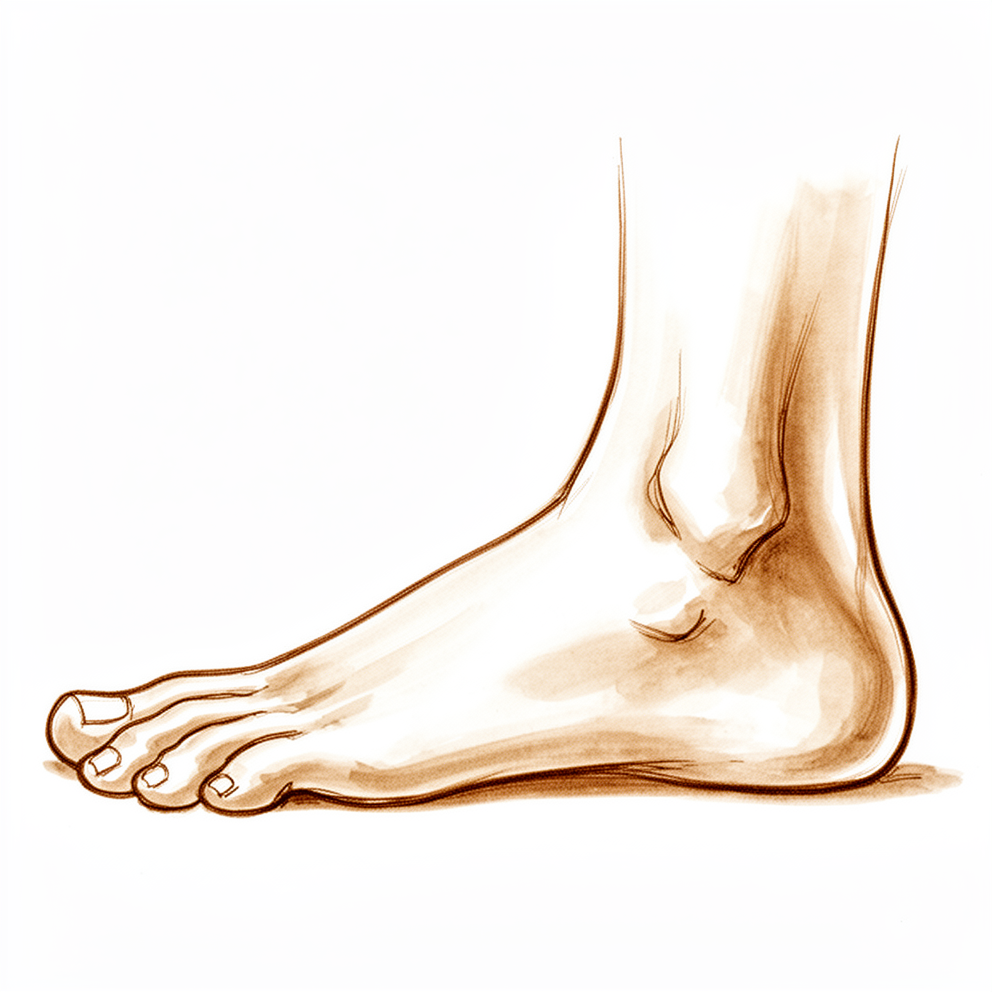
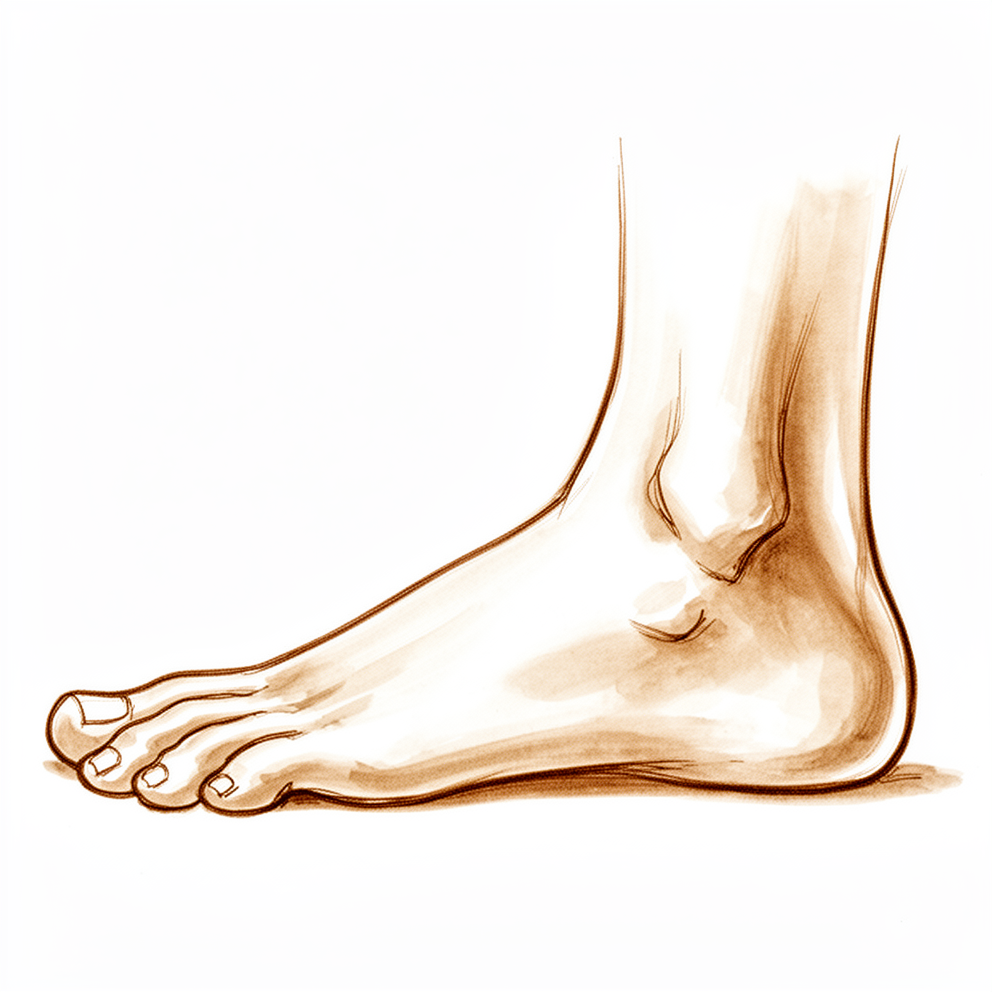
Biomechanics & Gait
Foot & ankle biomechanics: gait determinants, impact of deformity/instability, and relationship to overuse injury & arthritis.
Overview
Clinical gait evaluation, when combined with history and physical examination, serves as a powerful tool for identifying dysfunction [1]. Gait analysis provides objective data ranging from simple observation to three-dimensional motion analysis, enabling the design of procedures tailored to individual patient needs [7]. This analysis changes surgical recommendations and contributes to the development of orthotics and new surgical techniques [7]. Furthermore, gait analysis provides a basis for designing therapeutic interventions for osteoarthritis (OA) and offers critical information to understand the role of ambulatory biomechanics in OA development [6]. The kinetics of human gait has evolved into a definite clinical practice and an effective adviser in difficult and controversial situations [11]. Without the ancillary science of gait kinetics, no orthopaedic training can be considered adequate [11].
Most biomechanical parameters depend on gait speed [3]. A standard walking speed of 2.00 km/h is identified for patients with severe osteoarthritis [3]. Gait and lower extremity kinematics can be used as an outcome measure after femoroacetabular impingement (FAI) surgery, although lack of uniformity in methodology and underpowered case series limit the ability to identify clear and predictable differences in gait outcomes after such procedures [4]. At one-year postoperatively, both anterior and posterior approaches for hip resurfacing arthroplasty restored gait patterns comparable to healthy controls, with no significant differences in kinematics, kinetics, or spatiotemporal parameters between the two approaches [5]. Despite some significant differences between surgical approaches, determining whether reported differences in postoperative gait values are clinically meaningful remains a substantial challenge [17].
Gait analysis reviews basic principles and methods, benchmark measurement tools versus emerging technologies, and high-value lessons from gait analysis in orthopaedic surgery [21]. Comprehension of normal gait cadence, gait patterns, types of assistive devices, their modifications, associated gait patterns, physiologic demand, proper fitting, and indications for use is essential in prescribing the proper device [10]. Improper assistive device prescription can result in detrimental consequences such as poor gait patterns, increased energy expenditure, and risk of falls [10]. A paradigm for orthopaedic clinical decision-making exists to optimize the walking ability of children with cerebral palsy based on the biomechanics of normal and pathologic gait, with current indications for common orthopaedic operations presented for this purpose [16].
Anatomy & Pathophysiology
Kinematics and Gait Mechanics
Gait adaptations following multiple-ligament knee reconstruction involve altered knee kinematics during level walking [2]. These kinematic abnormalities are individual-specific and may not correlate with differences in spatiotemporal gait characteristics [2]. In the context of femoroacetabular impingement (FAI) surgery, gait and lower extremity kinematics serve as outcome measures, although methodological non-uniformity and underpowered case series limit the identification of clear differences [4]. Gait analysis provides critical information for understanding the role of ambulatory biomechanics in osteoarthritis (OA) development and for designing therapeutic interventions [6].
Dynamic fluoroscopic assessment is a valuable tool for characterizing the kinematics of the medial foot column joints during gait [12]. Foot bone motion can be described using a biomechanically near-physiological gait simulator with 6 degrees of freedom of the tibia [26]. Dynamic forces required to propel the body during normal walking are of equal or greater importance than static forces [27]. High-heeled footwear significantly increases forces on the forefoot and alters force distribution among metatarsal heads [27]. Walking in minimalistic footwear without sufficient accommodation affects kinetic and kinematic parameters and could increase the risk of early development of knee osteoarthritis [31]. Increased knee moments in all planes reflect the effect of an acute change to particular footwear [36].
Joint-Specific Biomechanics and Compensation
Hip offset differences greater or less than 5 mm do not significantly change gait patterns following total hip arthroplasty [19]. Surgical approach plays a greater role than hip offset reconstruction in producing more normal gait biomechanics after total hip arthroplasty [19]. Pelvis rotation at foot contact is associated with several kinematic parameters and may influence mechanics further along the kinetic chain in high school and professional pitchers [24]. The anatomy of the lower extremity relates to the ability to run, including the running gait cycle and abnormal anatomy/biomechanics related to running injuries [35].
The effect of talus osteochondral defect area size on ankle biomechanics is evident in the midstance and push-off phases [37]. Both brace conditions produce immediate changes in sagittal and transverse plane kinematics at the ankle in patients with predominant lateral knee osteoarthritis and valgus malalignment after anterior cruciate ligament reconstruction [33]. Assessing multi-joint interactions in progressive collapsing foot deformity aids in understanding pathophysiology and assisting in surgical treatment planning [32].
Foot Biomechanics and Adaptation
The term 'adaptation of running biomechanics' reflects the outcome of an intervention rather than a final adaptation to barefoot running [29]. Pushing down the distal metatarsal segment is a compensatory procedure to maintain normal plantar force distributions when higher levels of first metatarsal shortening are necessary [30].
Classification
Clinical Evaluation: Clinical gait evaluation combined with history and physical examination is a powerful tool for identifying dysfunction [1]. Gait analysis ranges from simple observation to three-dimensional motion analysis [7]. It provides objective data to design procedures tailored to individual patient needs [7], changes surgical recommendations [7], and contributes to the development of orthotics and new surgical techniques [7].
Biomechanical Principles: Most biomechanical parameters depend on gait speed [3]. A standard walking speed of 2.00 km/h is identified for patients with severe osteoarthritis [3]. Gait analysis provides critical information to understand the role of ambulatory biomechanics in osteoarthritis development [6] and provides a basis for designing therapeutic interventions for osteoarthritis [6]. The kinetics of human gait has developed into a definite clinical practice and an effective adviser in difficult and controversial situations [11]. Without the ancillary science of gait kinetics, no orthopaedic training can be called adequate [11].
Pathologic Patterns: Gait adaptations following multiple-ligament knee reconstruction involve altered knee kinematics during level walking [2]. The pattern of kinematic abnormalities after multiple-ligament knee reconstruction is individual specific and may not be related to differences in spatiotemporal gait characteristics [2]. Patients with different spinal-hip types exhibited distinct gait adaptations to compensate for sagittal deformities [28]. Severe sagittal imbalance shows compensatory increased pelvic swing and diminished functional scores in patients with end-stage hip disease [28]. Three-dimensional gait analysis demonstrated distinctive but slight deviations in children with clubfoot treated with the Ponseti method [15].
Surgical Approach Outcomes: At one-year postoperatively, both anterior and posterior approaches for hip resurfacing arthroplasty restored gait patterns comparable to healthy controls [5]. There are no significant differences in kinematics, kinetics, or spatiotemporal parameters between anterior and posterior approaches for hip resurfacing arthroplasty at one-year postoperatively [5]. There are significant kinematic and kinetic differences between medial pivot (MP) and posterior stabilized (PS) total knee arthroplasty at all gait analysis phases [34].
Assistive Devices: Comprehension of normal gait cadence, gait patterns, types of assistive devices, their modifications, associated gait patterns, physiologic demand, proper fitting, and indications for use is essential in prescribing the proper device [10]. Improper assistive device prescription can lead to detrimental consequences such as poor gait patterns, increased energy expenditure, and risk of falls [10].
Other Considerations: Normal and pathologic gait chapters provide comprehensive overviews of biomechanics, phases, muscle activity, and compensatory mechanisms associated with various gait abnormalities [9]. Chapters on foot and ankle anatomy and biomechanics provide comprehensive overviews of ligamentous structures, muscle compartments, joint kinematics, and gait mechanics to inform surgical approaches and understanding of injury mechanisms [20]. Dynamic fluoroscopic assessment is a valuable tool for characterisation of the kinematics of the joints of the medial foot column during gait [12]. Gait analysis reviews cover basic principles and methods, benchmark measurement tools versus emerging technologies, and high-value lessons from gait analysis in orthopaedic surgery [21].
Clinical Presentation
A clinical gait evaluation combined with history and physical examination is a powerful tool for identifying dysfunction [1]. Gait analysis, ranging from simple observation to three-dimensional motion analysis, provides objective data to design procedures tailored to individual patient needs [7]. This analysis changes surgical recommendations and contributes to the development of orthotics and new surgical techniques [7]. Furthermore, gait analysis provides critical information to understand the role of ambulatory biomechanics in osteoarthritis (OA) development and provides a basis for designing therapeutic interventions for OA [6].
Gait Speed and Parameters: Most biomechanical parameters depend on gait speed [3]. A standard walking speed of 2.00 km/h is identified for patients with severe osteoarthritis [3]. Gait adaptations following multiple-ligament knee reconstruction occur with altered knee kinematics during level walking [2]. The pattern of kinematic abnormalities after multiple-ligament knee reconstruction appears individual specific and may not be related to differences in spatiotemporal gait characteristics [2]. Gait analysis data suggests that patients after multiple ligament knee reconstruction may be experiencing higher magnitude changes in sagittal plane kinematics and kinetics during demanding functional tasks such as stair decent [14].
Joint-Specific Kinematics: Gait and lower extremity kinematics can be used as an outcome measure after femoroacetabular impingement (FAI) surgery [4]. However, lack of uniformity in methodology and underpowered case series limit the ability to identify clear and predictable differences in gait outcomes after FAI surgery [4]. At one-year postoperatively, both anterior and posterior approaches for hip resurfacing arthroplasty restored gait patterns comparable to healthy controls [5]. There are no significant differences in kinematics, kinetics, or spatiotemporal parameters between anterior and posterior approaches for hip resurfacing arthroplasty at one-year postoperatively [5]. Despite a few significant differences between direct anterior and anterolateral approaches for total hip arthroplasty, determining whether the reported differences in postoperative gait values are clinically meaningful remains a substantial challenge [17].
Post-Arthroplasty and Deficiency Patterns: Even asymptomatic patients with excellent clinical results after total knee replacement exhibit abnormal gait patterns [8]. Abnormal gait patterns after total knee replacement include shorter stride length and reduced mid-stance knee flexion [8]. Even in patients with asymptomatic anterior-cruciate deficiency, the mechanics of the knee joint are greatly altered by adaptive changes in patterns of gait [18]. Adaptive changes in gait patterns in patients with asymptomatic anterior-cruciate deficiency may influence long-term changes found in these knees [18].
Pediatric and Neurologic Gait: Three-dimensional gait analysis demonstrated distinctive but slight deviations in children with clubfoot treated with the Ponseti method [15]. Dynamic fluoroscopic assessment is a valuable tool for characterisation of the kinematics of the joints of the medial foot column during gait [12]. Clinical gait analysis (CGA) is needed to identify, understand and support the management of gait deviations in cerebral palsy [25]. CGA provides objective identification of deviations and links them to clinical impairments in cerebral palsy [25]. A new paradigm for orthopaedic clinical decision-making optimizes the walking ability of children with cerebral palsy based on the biomechanics of normal and pathologic gait [16]. Current indications for common orthopaedic operations in children with cerebral palsy are presented based on this biomechanical paradigm [16].
Normal Biomechanics and Assistive Devices: Normal and pathologic gait involve specific biomechanics, phases, muscle activity, and compensatory mechanisms associated with various gait abnormalities [9]. Comprehension of normal gait cadence, gait patterns, types of assistive devices, their modifications, associated gait patterns, physiologic demand, proper fitting, and indications for use is essential in prescribing the proper device [10]. Improper use of ambulatory assistive devices can result in detrimental consequences such as poor gait patterns, increased energy expenditure, and risk of falls [10].
Clinical Utility of Kinetics: The kinetics of human gait has developed into a definite clinical practice and an effective adviser in difficult and controversial situations [11]. Without the ancillary science of gait kinetics, no orthopaedic training can be called adequate [11].
Investigations
Clinical Gait Evaluation: Clinical gait evaluation combined with history and physical examination is a powerful tool for identifying dysfunction [1]. Gait analysis, ranging from simple observation to three-dimensional motion analysis, provides objective data to design procedures tailored to individual patient needs [7]. This analysis changes surgical recommendations and contributes to the development of orthotics and new surgical techniques [7]. It provides critical information to understand the role of ambulatory biomechanics in osteoarthritis (OA) development and to design therapeutic interventions [6]. Gait and lower extremity kinematics can be used as an outcome measure after femoroacetabular impingement (FAI) surgery [4].
Kinematic Findings by Pathology: Gait adaptations following multiple-ligament knee reconstruction occur with altered knee kinematics during level walking [2]. The pattern of kinematic abnormalities after multiple-ligament knee reconstruction appears individual specific and may not be related to differences in spatiotemporal gait characteristics [2]. Gait analysis data suggests that patients after multiple ligament knee reconstruction may experience higher magnitude changes in sagittal plane kinematics and kinetics during demanding functional tasks such as stair decent [14]. Hip osteoarthritis patients reveal altered gait kinematics, specifically reduced hip and knee excursion, compared to healthy controls [40]. Patients with more severe radiographic osteoarthritis reveal larger deviations in gait kinematics than those with less severe radiographic osteoarthritis [40]. Patients with femoroacetabular impingement exhibited altered hip and ankle joint loading patterns during walking [46]. Three-dimensional gait analysis demonstrated distinctive but slight deviations in children with clubfoot treated with the Ponseti method [15]. Dynamic fluoroscopic assessment is a valuable tool for characterisation of the kinematics of the joints of the medial foot column during gait [12].
Methodological Considerations: Most biomechanical parameters depend on gait speed [3]. A standard walking speed of 2.00 km/h is identified for patients with severe osteoarthritis [3]. Lack of uniformity in methodology and underpowered case series limit the ability to identify clear and predictable differences in gait outcomes after FAI surgery [4].
Arthroplasty Outcomes: Asymptomatic patients with excellent clinical results after total knee replacement exhibit abnormal gait patterns, including shorter stride length and reduced mid-stance knee flexion [8]. Determining whether reported differences in postoperative gait values between direct anterior and anterolateral approaches for total hip arthroplasty are clinically meaningful remains a substantial challenge [17]. Hip offset differences greater or less than 5 mm do not significantly change gait patterns following total hip arthroplasty [19]. Surgical approach plays a greater role than hip offset reconstruction in producing more normal gait biomechanics following total hip arthroplasty [19]. Gait analysis fails to demonstrate any significant advantage of the 2-incision approach over the posterior approach in gait parameters and early functional recovery after total hip arthroplasty [22].
Other Considerations: Alignment measured in static radiographs has only limited predictive power for dynamic kinematics and loading [45]. The dynamic orientation of the joint line is not an important factor for mediolateral knee load distribution [45].
Treatment
Non-Operative
Clinical gait evaluation, combined with history and physical examination, serves as a powerful tool for identifying dysfunction [1]. Gait analysis provides critical information to understand the role of ambulatory biomechanics in osteoarthritis development and to design therapeutic interventions [6]. More personalized gait rehabilitation targeting elevated components of the knee adduction moment can be considered for better clinical decision-making [41]. Both gait retraining programs were more effective than no intervention in improving running pain six months after the protocol in runners with patellofemoral pain [42]. Comprehension of normal gait cadence, gait patterns, types of assistive devices, their modifications, associated gait patterns, physiologic demand, proper fitting, and indications for use is essential in prescribing the proper device to avoid detrimental consequences such as poor gait patterns, increased energy expenditure, and risk of falls [10]. All forms of assisted ambulation tested required more energy than normal walking, with swing-through and three-point non-weight-bearing gaits requiring about 78 per cent more energy [49].
Operative
Indications: Surgical management of coxa vara in childhood is indicated for progressive, painful, unilateral deformity or leg-length discrepancy, while moderate nonprogressive deformity often does not require surgery [50]. A new paradigm for orthopaedic clinical decision-making optimizes the walking ability of children with cerebral palsy based on the biomechanics of normal and pathologic gait, presenting current indications for common orthopaedic operations [16].
Surgical Approach / Technique: At one-year postoperatively, both anterior and posterior approaches for hip resurfacing arthroplasty restored gait patterns comparable to healthy controls, with no significant differences in kinematics, kinetics, or spatiotemporal parameters [5]. Gait analysis fails to demonstrate any significant advantage of the 2-incision approach over the posterior approach in total hip arthroplasty regarding gait parameters and early functional recovery [22]. There were minimal differences between anterior and posterior approaches in total hip arthroplasty in the recovery of gait mechanics, with some gait parameters particularly gait speed and step length recovery favoring the direct anterior approach at 1 month postsurgery in a nonrandomized study [23].
Implant Selection: Medial bicompartmental arthroplasty results in nearer-normal gait and improved patient-reported outcomes compared to total knee arthroplasty in the treatment of medial tibiofemoral osteoarthritis with severe patellofemoral arthritis [38]. Patients who underwent Scarf osteotomy for hallux valgus had a gait pattern similar to that of their non-operated foot, whereas those who underwent arthrodesis of the first metatarsophalangeal joint did not totally recover the propulsive forces of the forefoot [47].
Alignment / Balancing Strategy: In patients with knee osteoarthritis combined with a valgus leg alignment, varus-producing osteotomy is a successful treatment that results in gait kinetics and kinematics similar to a healthy control group [39].
Other Considerations: The kinetics of human gait serves as an effective adviser in difficult and controversial situations, and orthopaedic training is considered inadequate without this ancillary science [11]. Gait analysis provides objective data to design procedures tailored to individual patient needs, changes surgical recommendations, and contributes to the development of orthotics and new surgical techniques [7]. Gait and lower extremity kinematics can be used as an outcome measure after femoroacetabular impingement surgery, although lack of uniformity in methodology and underpowered case series limit the ability to identify clear and predictable differences [4]. Even asymptomatic patients with excellent clinical results after total knee replacement exhibit abnormal gait patterns, including shorter stride length and reduced mid-stance knee flexion [8]. The pattern of kinematic abnormalities following multiple-ligament knee reconstruction appears individual specific and may not be related to differences in spatiotemporal gait characteristics [2]. Preoperatively and postoperatively, patients with medial meniscus injury and meniscectomy used the non-affected limb and pelvis obliquity for compensation to help stabilize their gait [43]. Most biomechanical parameters depend on gait speed, with a standard walking speed of 2.00 km/h identified for patients with severe osteoarthritis [3].
Complications
Gait Dysfunction: Clinical gait evaluation, combined with history and physical examination, is a powerful tool for identifying dysfunction [1]. Gait adaptations following multiple-ligament knee reconstruction occur with altered knee kinematics during level walking [2]. The pattern of kinematic abnormalities after multiple-ligament knee reconstruction appears individual specific and may not be related to differences in spatiotemporal gait characteristics [2]. Most biomechanical parameters depend on gait speed [3]. A standard walking speed of 2.00 km/h is identified for patients with severe osteoarthritis [3]. Gait and lower extremity kinematics can be used as an outcome measure after femoroacetabular impingement (FAI) surgery [4]. However, lack of uniformity in methodology and underpowered case series limit the ability to identify clear and predictable differences in gait outcomes after FAI surgery [4]. At one-year postoperatively, both anterior and posterior approaches for hip resurfacing arthroplasty restored gait patterns comparable to healthy controls [5]. There are no significant differences in kinematics, kinetics, or spatiotemporal parameters between anterior and posterior approaches for hip resurfacing arthroplasty at one-year postoperatively [5]. Asymptomatic patients with excellent clinical results after total knee replacement exhibit abnormal gait patterns [8]. Abnormal gait patterns in asymptomatic patients after total knee replacement include shorter stride length and reduced mid-stance knee flexion [8]. Even in patients with asymptomatic anterior-cruciate deficiency, the mechanics of the knee joint are greatly altered by adaptive changes in patterns of gait [18]. Adaptive changes in gait patterns in patients with asymptomatic anterior-cruciate deficiency may influence long-term changes found in these knees [18].
Assistive Device Complications: Comprehension of normal gait cadence, gait patterns, types of assistive devices, their modifications, associated gait patterns, physiologic demand, proper fitting, and indications for use is essential in prescribing the proper device [10]. Improper prescription or use of ambulatory assistive devices can result in detrimental consequences such as poor gait patterns [10]. Improper prescription or use of ambulatory assistive devices can result in increased energy expenditure [10]. Improper prescription or use of ambulatory assistive devices can result in risk of falls [10].
Other Considerations: Gait analysis provides objective data to design procedures tailored to individual patient needs [7]. Gait analysis changes surgical recommendations [7]. Gait analysis contributes to the development of orthotics and new surgical techniques [7].
Recovery
Clinical gait evaluation, combined with history and physical examination, serves as a powerful tool for identifying dysfunction [1]. The kinetics of human gait has developed into a definite clinical practice and an effective adviser in difficult and controversial situations [11]. Without the ancillary science of gait kinetics, no orthopaedic training can be called adequate [11].
Light activity (weeks): Specific time ranges for light activity are not defined in the available evidence. However, gait and lower extremity kinematics can be used as an outcome measure after femoroacetabular impingement (FAI) surgery [4]. Lack of uniformity in methodology and underpowered case series limit the ability to identify clear and predictable differences in gait outcomes after FAI surgery [4].
Full activity (months): Specific time ranges for full activity are not defined in the available evidence. Gait adaptations following multiple-ligament knee reconstruction occur with altered knee kinematics during level walking [2]. The pattern of kinematic abnormalities after multiple-ligament knee reconstruction appears individual specific and may not be related to differences in spatiotemporal gait characteristics [2]. Gait analysis data suggests that patients after multiple ligament knee reconstruction may be experiencing higher magnitude changes in sagittal plane kinematics and kinetics during demanding functional tasks such as stair decent [14].
Complete recovery / outcome plateau (months): Specific time ranges for complete recovery are not defined in the available evidence. At one-year postoperatively, both anterior and posterior approaches for hip resurfacing arthroplasty restored gait patterns comparable to healthy controls [5]. There are no significant differences in kinematics, kinetics, or spatiotemporal parameters between anterior and posterior approaches for hip resurfacing arthroplasty at one-year postoperatively [5]. Asymptomatic patients with excellent clinical results after total knee replacement exhibit abnormal gait patterns, including shorter stride length and reduced mid-stance knee flexion [8].
Rehabilitation protocol: Specific rehabilitation protocols are not defined in the available evidence. There were minimal differences between anterior and posterior approaches in the recovery of gait mechanics after total hip arthroplasty [23]. Some gait parameters, particularly gait speed and step length recovery, favored the direct anterior approach (DAA) at 1 month postsurgery in a nonrandomized study comparing early gait recovery after anterior versus posterior approach total hip arthroplasty [23].
Functional milestones: Specific functional milestones are not defined in the available evidence. Most biomechanical parameters depend on gait speed [3]. A standard walking speed of 2.00 km/h is identified for patients with severe osteoarthritis [3]. Even in patients with asymptomatic anterior-cruciate deficiency, the mechanics of the knee joint are greatly altered by adaptive changes in patterns of gait [18]. These adaptive changes in gait mechanics in patients with asymptomatic anterior-cruciate deficiency may influence long-term changes found in these knees [18].
Other Considerations: No other recovery-relevant content is present in the evidence base.
Key Evidence
- [Paper] This article reviews the components of gait to help clinicians apply biomechanical concepts to clinical analysis, emphasizing that a clinical gait evaluation combined with history and physical examination is a powerful tool for identifying dysfunction. (10.1016/j.csm.2010.03.013)
- [L3] The pattern of kinematic abnormalities appears individual specific and may not be related to differences in spatiotemporal gait characteristics. (10.1007/s00167-016-4104-3)
- [L3] Most biomechanical parameters depend on gait speed, with a standard walking speed of 2.00 km/h identified for patients with severe osteoarthritis. (10.1007/s00167-005-0005-6)
- [L1] Gait and lower extremity kinematics can be used as an outcome measure after FAI surgery, but lack of uniformity in methodology and underpowered case series limit the ability to identify clear and predictable differences. (10.1016/j.arthro.2014.06.016)
- [L3] At one-year postoperatively, both approaches restored gait patterns comparable to healthy controls, with no significant differences in kinematics, kinetics, or spatiotemporal parameters. (10.1186/s13018-025-06457-w)
- [L2] Gait analysis provides the critical information needed to understand the role of ambulatory biomechanics in OA development, and to design therapeutic interventions. (10.1302/2058-5241.1.000051)
- [L5] Gait analysis, ranging from simple observation to three-dimensional motion analysis, provides objective data to design procedures tailored to individual patient needs, changes surgical recommendations, and contributes to the development of orthotics and new surgical techniques. (10.5435/00124635-200205000-00009)
- [L4] Even asymptomatic patients with excellent clinical results exhibit abnormal gait patterns, including shorter stride length and reduced mid-stance knee flexion. (10.2106/00004623-198264090-00008)
- [L5] Comprehension of normal gait cadence, gait patterns, types of assistive devices, their modifications, associated gait patterns, physiologic demand, proper fitting, and indications for use is essential in prescribing the proper device to avoid detrimental consequences such as poor gait patterns, increased energy expenditure, and risk of falls. (10.5435/00124635-201006000-00001)
- [L5] The kinetics of human gait has developed into a definite clinical practice and an effective adviser in difficult and controversial situations, and without this ancillary science no orthopaedic training can be called adequate. (10.2106/00004623-195335030-00002)
- [L4] Dynamic fluoroscopic assessment has been shown to be a valuable tool for characterisation of the kinematics of the joints of the medial foot column during gait. (10.1186/1471-2474-13-14)
- [L3] Gait analysis data suggests that patients may be experiencing higher magnitude changes in sagittal plane kinematics and kinetics during demanding functional tasks (stair decent). (10.1007/s00167-008-0681-0)
- [L2] Three-dimensional gait analysis demonstrated distinctive but slight deviations. (10.2106/jbjs.m.01603)
- [L5] This article describes a new paradigm for orthopaedic clinical decision-making to optimize the walking ability of children with cerebral palsy based on the biomechanics of normal and pathologic gait, and presents current indications for common orthopaedic operations. (10.2106/00004623-200311000-00028)
- [L1] Despite a few significant differences between two approaches, determining whether the reported differences in terms of postoperative gait values are clinically meaningful remains a substantial challenge. (10.1186/s12891-019-2450-2)
- [L3] Even in patients with asymptomatic anterior-cruciate deficiency, the mechanics of the knee joint are greatly altered by adaptive changes in patterns of gait, which may influence long-term changes found in these knees. (10.2106/00004623-199072060-00012)
- [L3] Hip offset differences greater or less than 5 mm do not significantly change gait patterns, and surgical approach plays a greater role than hip offset reconstruction in producing more normal gait biomechanics following total hip arthroplasty. (10.1016/j.arth.2023.08.040)
- [L5] This article reviews the basic principles and methods of gait analysis, benchmark measurement tools versus emerging technologies, and several high-value lessons from gait analysis in orthopaedic surgery. (10.5435/jaaos-d-21-00785)
- [L1] The results of this gait analysis fail to demonstrate any significant advantage of the 2-incision approach over the posterior approach in gait parameters and early functional recovery. (10.1016/j.arth.2008.01.250)
- [L3] There were minimal differences between the two approaches in the recovery of gait mechanics with some gait parameters particularly gait speed and step length recovery favoring the DAA at 1 month postsurgery in this nonrandomized study. (10.1016/j.arth.2019.09.030)
- [L4] Pelvis rotation at foot contact was associated with several kinematic parameters in both groups and may influence mechanics further along the kinetic chain. (10.1177/03635465221094323)
- [L5] Clinical gait analysis (CGA) is needed to identify, understand and support the management of gait deviations in cerebral palsy by providing objective identification of deviations and linking them to clinical impairments. (10.1302/2058-5241.1.000052)
- [L5] This study described foot bone motion using a biomechanically near-physiological gait simulator with 6 DOF of the tibia. (10.1186/s13018-020-01830-3)
- [L4] The study establishes that dynamic forces required to propel the body during normal walking are of equal or greater importance than static forces, and that high-heeled footwear significantly increases forces on the forefoot while altering force distribution among metatarsal heads. (10.2106/00004623-196446020-00008)
- [L3] Patients with different spinal-hip types exhibited distinct gait adaptations to compensate for sagittal deformities, with severe sagittal imbalance showing compensatory increased pelvic swing and diminished functional scores. (10.1186/s13018-025-05789-x)
- [L5] The authors conclude that the terminology used in their study does not interfere with the interpretation of their results, as the term 'adaptation of running biomechanics' reflects the outcome of their intervention rather than a final adaptation to barefoot running. (10.1177/0363546519878154)
- [L5] Whenever a higher level of shortening is necessary, pushing down the distal metatarsal segment could be a compensatory procedure to maintain normal plantar force distributions. (10.1186/s12891-019-2973-6)
- [L4] Walking in minimalistic footwear without sufficient accommodation affected kinetic and kinematic parameters and could increase the risk of early development of knee osteoarthritis. (10.1177/23259671231183416)
- [L4] Assessing multi-joint interactions in progressive collapsing foot deformity will lead to a better understanding of the pathophysiology and assist in surgical treatment planning. (10.1186/s13018-026-06670-1)
- [L3] Both brace conditions produced immediate changes in sagittal and transverse plane kinematics at the ankle. (10.1177/0363546515624677)
- [L2] This systematic review revealed significant kinematic and kinetic differences between MP and PS TKA at all gait analysis phases. (10.1186/s42836-023-00165-8)
- [Paper] This article discusses the anatomy of the lower extremity as it relates to the ability to run, the running gait cycle, and abnormal anatomy and biomechanics related to running injuries. (10.1016/j.csm.2011.10.001)
- [L4] Increased knee moments in all planes reflect the effect of an acute change to particular footwear. (10.1177/23259671251346985)
- [L5] The effect of the defect area of the ankle talus cartilage on the ankle biomechanics is evident in the midstance and push-off phases. (10.1186/s12891-022-05450-2)
- [L3] This study finds that, in the treatment of medial tibiofemoral osteoarthritis with severe patellofemoral arthritis, medial bicompartmental arthroplasty results in nearer-normal gait and improved patient-reported outcomes compared to total knee arthroplasty. (10.1007/s00167-021-06773-8)
- [L3] In patients with knee OA combined with a valgus leg alignment, the varus-producing osteotomy is a successful treatment that results in gait kinetics and kinematics similar to a healthy control group. (10.1007/s00167-016-4045-x)
- [L4] The overall findings remain that hip OA patients reveal altered gait kinematics (reduced hip and knee excursion) compared to controls, and that those with more severe radiographic OA reveal larger deviations than those with less severe radiographic OA. (10.1186/s12891-015-0483-8)
- [L4] More personalized gait rehabilitation targeting elevated components can be considered. (10.3389/fbioe.2022.1017711)
- [L1] Compared to no intervention, both gait retraining programs were more effective in improving running pain six months after the protocol. (10.1371/journal.pone.0295645)
- [L2] Preoperatively and postoperatively, patients used the non-affected limb and pelvis obliquity for compensation to help stabilize their gait. (10.1007/s00167-011-1612-z)
- [L4] Alignment measured in static radiographs has only limited predictive power for dynamic kinematics and loading, and even the dynamic orientation of the joint line is not an important factor for the mediolateral knee load distribution. (10.3389/fbioe.2021.754715)
- [L3] Patients with FAI exhibited altered hip and ankle joint loading patterns during walking. (10.1177/0363546516677727)
- [L3] Patients who underwent Scarf osteotomy had a gait pattern similar to that of their non-operated foot, whereas those who underwent arthrodesis of the first metatarsophalangeal joint did not totally recover the propulsive forces of the forefoot. (10.1302/0301-620x.98b5.36406)
- [L4] All forms of assisted ambulation tested required more energy than normal walking, with swing-through and three-point non-weight-bearing gaits requiring about 78 per cent more energy. (10.2106/00004623-197456050-00011)
- [L5] Surgical management is indicated for progressive, painful, unilateral deformity or leg-length discrepancy, while moderate nonprogressive deformity often does not require surgery. (10.5435/00124635-199803000-00003)
See Also
References
[1] Kinematics and Kinetics of Gait: From Lab to Clinic. Clinics in Sports Medicine. 2010. DOI: 10.1016/j.csm.2010.03.013
[2] Gait adaptations following multiple-ligament knee reconstruction occur with altered knee kinematics during level walking. Knee Surgery, Sports Traumatology, Arthroscopy. 2016. DOI: 10.1007/s00167-016-4104-3
[3] The influence of walking speed on gait parameters in healthy people and in patients with osteoarthritis. Knee Surgery, Sports Traumatology, Arthroscopy. 2005. DOI: 10.1007/s00167-005-0005-6
[4] Gait and Lower Extremity Kinematic Analysis as an Outcome Measure After Femoroacetabular Impingement Surgery. Arthroscopy. 2014. DOI: 10.1016/j.arthro.2014.06.016
[5] Comparison of anterior and posterior approaches for hip resurfacing arthroplasty: a gait analysis study. Journal of Orthopaedic Surgery and Research. 2025. DOI: 10.1186/s13018-025-06457-w
[6] Gait analysis of patients with knee osteoarthritis highlights a pathological mechanical pathway and provides a basis for therapeutic interventions. EFORT Open Reviews. 2016. DOI: 10.1302/2058-5241.1.000051
[7] A Practical Guide to Gait Analysis. Journal of the American Academy of Orthopaedic Surgeons. 2002. DOI: 10.5435/00124635-200205000-00009
[8] The influence of total knee-replacement design on walking and stair-climbing.. The Journal of Bone & Joint Surgery. 1982. DOI: 10.2106/00004623-198264090-00008
[9] Chapter 3 Normal and Pathologic Gait. 2019.
[10] Ambulatory Assistive Devices in Orthopaedics: Uses and Modifications. Journal of the American Academy of Orthopaedic Surgeons. 2010. DOI: 10.5435/00124635-201006000-00001
[11] A HISTORICAL REVIEW OF THE STUDIES AND INVESTIGATIONS MADE IN RELATION TO HUMAN GAIT. The Journal of Bone & Joint Surgery. 1953. DOI: 10.2106/00004623-195335030-00002
[12] Investigation of first ray mobility during gait by kinematic fluoroscopic imaging-a novel method. BMC Musculoskeletal Disorders. 2012. DOI: 10.1186/1471-2474-13-14
[14] Multiple ligament knee reconstruction clinical follow‐up and gait analysis. Knee Surgery, Sports Traumatology, Arthroscopy. 2008. DOI: 10.1007/s00167-008-0681-0
[15] Results of Gait Analysis Including the Oxford Foot Model in Children with Clubfoot Treated with the Ponseti Method. Journal of Bone and Joint Surgery. 2014. DOI: 10.2106/jbjs.m.01603
[16] OPTIMIZATION OF WALKING ABILITY OF CHILDREN WITH CEREBRAL PALSY. The Journal of Bone and Joint Surgery-American Volume. 2003. DOI: 10.2106/00004623-200311000-00028
[17] Gait analysis after total hip arthroplasty using direct anterior approach versus anterolateral approach: a systematic review and meta-analysis. BMC Musculoskeletal Disorders. 2019. DOI: 10.1186/s12891-019-2450-2
[18] Gait adaptations by patients who have a deficient anterior cruciate ligament.. The Journal of Bone & Joint Surgery. 1990. DOI: 10.2106/00004623-199072060-00012
[19] The Effect of Surgical Approach and Hip Offset Reconstruction on Gait Biomechanics Following Total Hip Arthroplasty. The Journal of Arthroplasty. 2024. DOI: 10.1016/j.arth.2023.08.040
[20] Chapter 108 Anatomy and Biomechanics of the Foot and Ankle. 2019.
[21] Gait Analysis in Orthopaedic Surgery: History, Limitations, and Future Directions. Journal of the American Academy of Orthopaedic Surgeons. 2022. DOI: 10.5435/jaaos-d-21-00785
[22] A Randomized, Prospective Study of Three MIS Surgical Approaches in THA: Comprehensive Gait Analysis. The Journal of Arthroplasty. 2008. DOI: 10.1016/j.arth.2008.01.250
[23] Assessment of Early Gait Recovery After Anterior Approach Compared to Posterior Approach Total Hip Arthroplasty: A Smartphone Accelerometer–Based Study. The Journal of Arthroplasty. 2020. DOI: 10.1016/j.arth.2019.09.030
[24] Evaluating Pelvis Rotation Style at Foot Contact: A Propensity Scored Biomechanical Analysis in High School and Professional Pitchers. The American Journal of Sports Medicine. 2022. DOI: 10.1177/03635465221094323
[25] Gait analysis in children with cerebral palsy. EFORT Open Reviews. 2016. DOI: 10.1302/2058-5241.1.000052
[26] In vitro study of foot bone kinematics via a custom-made cadaveric gait simulator. Journal of Orthopaedic Surgery and Research. 2020. DOI: 10.1186/s13018-020-01830-3
[27] A Quantitative Analysis of Recorded Variables in the Walking Pattern of 'Normal' Adults. The Journal of Bone & Joint Surgery. 1964. DOI: 10.2106/00004623-196446020-00008
[28] Impact of spinal-hip types on gait patterns in patients with end-stage hip disease. Journal of Orthopaedic Surgery and Research. 2025. DOI: 10.1186/s13018-025-05789-x
[29] Adaptation of Running Biomechanics to Repeated Barefoot Running: Response. The American Journal of Sports Medicine. 2019. DOI: 10.1177/0363546519878154
[30] Impact of first metatarsal shortening on forefoot loading pattern: a finite element model study. BMC Musculoskeletal Disorders. 2019. DOI: 10.1186/s12891-019-2973-6
[31] Effect of Footwear Type on Biomechanical Risk Factors for Knee Osteoarthritis. Orthopaedic Journal of Sports Medicine. 2023. DOI: 10.1177/23259671231183416
[32] A multiple joint morphometric analysis of female patients with progressive collapsing foot deformity: a cross-sectional study. Journal of Orthopaedic Surgery and Research. 2026. DOI: 10.1186/s13018-026-06670-1
[33] Immediate Effects of a Brace on Gait Biomechanics for Predominant Lateral Knee Osteoarthritis and Valgus Malalignment After Anterior Cruciate Ligament Reconstruction. The American Journal of Sports Medicine. 2016. DOI: 10.1177/0363546515624677
[34] Comparison between gaits after a medial pivot and posterior stabilized primary total knee arthroplasty: a systematic review of the literature. Arthroplasty. 2023. DOI: 10.1186/s42836-023-00165-8
[35] The Anatomy and Biomechanics of Running. Clinics in Sports Medicine. 2012. DOI: 10.1016/j.csm.2011.10.001
[36] Effect of Different Footwear on the Knee Joint: Biomechanical Analysis and Acute T2 Relaxation Time Changes After Walking in Minimalistic and Neutral Footwear. Orthopaedic Journal of Sports Medicine. 2025. DOI: 10.1177/23259671251346985
[37] The effect of talus osteochondral defects of different area size on ankle joint stability: a finite element analysis. BMC Musculoskeletal Disorders. 2022. DOI: 10.1186/s12891-022-05450-2
[38] Medial bicompartmental arthroplasty patients display more normal gait and improved satisfaction, compared to matched total knee arthroplasty patients. Knee Surgery, Sports Traumatology, Arthroscopy. 2021. DOI: 10.1007/s00167-021-06773-8
[39] Gait analysis before and after corrective osteotomy in patients with knee osteoarthritis and a valgus deformity. Knee Surgery, Sports Traumatology, Arthroscopy. 2016. DOI: 10.1007/s00167-016-4045-x
[40] Erratum: Sagittal plane gait characteristics in hip osteoarthritis patients with mild to moderate symptoms compared to healthy controls: a cross-sectional study. BMC Musculoskeletal Disorders. 2015. DOI: 10.1186/s12891-015-0483-8
[41] Knee adduction moment decomposition: Toward better clinical decision-making. Frontiers in Bioengineering and Biotechnology. 2022. DOI: 10.3389/fbioe.2022.1017711
[42] Effects of two gait retraining programs on pain, function, and lower limb kinematics in runners with patellofemoral pain: A randomized controlled trial. PLOS ONE. 2024. DOI: 10.1371/journal.pone.0295645
[43] The influence of medial meniscus injury and meniscectomy on the variability of gait parameters. Knee Surgery, Sports Traumatology, Arthroscopy. 2011. DOI: 10.1007/s00167-011-1612-z
[45] Dynamic Knee Joint Line Orientation Is Not Predictive of Tibio-Femoral Load Distribution During Walking. Frontiers in Bioengineering and Biotechnology. 2021. DOI: 10.3389/fbioe.2021.754715
[46] Joint Loading in the Sagittal Plane During Gait Is Associated With Hip Joint Abnormalities in Patients With Femoroacetabular Impingement. The American Journal of Sports Medicine. 2016. DOI: 10.1177/0363546516677727
[47] Ground-reactive forces after hallux valgus surgery. The Bone & Joint Journal. 2016. DOI: 10.1302/0301-620x.98b5.36406
[49] Efficiency of Assisted Ambulation Determined by Oxygen Consumption Measurement. The Journal of Bone & Joint Surgery. 1974. DOI: 10.2106/00004623-197456050-00011
[50] Coxa Vara in Childhood: Evaluation and Management. Journal of the American Academy of Orthopaedic Surgeons. 1998. DOI: 10.5435/00124635-199803000-00003